Eco-fiction is a burgeoning genre that is finally being recognized and appreciated by readers and literary organizations. As someone who has been writing it and reading it most of her life, I say: it’s about time!
These written works—novels, novelettes and short story collections and anthologies—are bringing our environment and our sense of holistic being closer to us in narrative form. Through intimate dramas, these stories relate how important our environment is, how it is changing—often at our hands—and how that is affecting each of us. As an ecologist and environmental activist, this pleases me greatly.
What I find surprising—but shouldn’t—is that a good number of notable eco-fiction authors are Canadian and live in Canada. Canada is, after all, a country in the north, where environment and land play a significant part of life.
Thomas Wharton, Canadian eco-fiction author of The Book of Rain, expressed in a recent CBC interview the reason why he came to write eco-fiction. It resonated with my own experience:
“I had this feeling that there was something missing [in literature]. I realized that it was everything else … In nature. [Nature] is usually just a backdrop in most fiction or it’s not there at all; fiction is mostly concerned with human society and issues. It became important for me to make [the environment] part of what I write. All the things we do to nature we do to ourselves, because they come right back to us. Everything is so connected, often in ways we don’t even realize. I wanted to acknowledge that and have a place for nonhuman creatures [in story].”—Thomas Wharton, CBC interview
The authors and works listed below feature eco-fiction written about Canada, by Canadians and/or published by Canadian publishers. These books span from the first peoples and settlers to the future in a post-capitalist, even post-Canada, environment: environments that encompass the mega cities of Canada’s south to its rugged coasts, vast prairies and northern boreal forests, muskegs and Arctic permafrost tundra. Important books that define Canadians through our environment, where we live and work.
I collated this list based on my own experience as an eco-fiction author (so, of course, I’ve included my own) and as a passionate eco-fiction reader. Each work has touched me, moved me and made me think more deeply about our current environmental situation, our part in it as Canadians, and what the future might bring to Canada.
*****
.
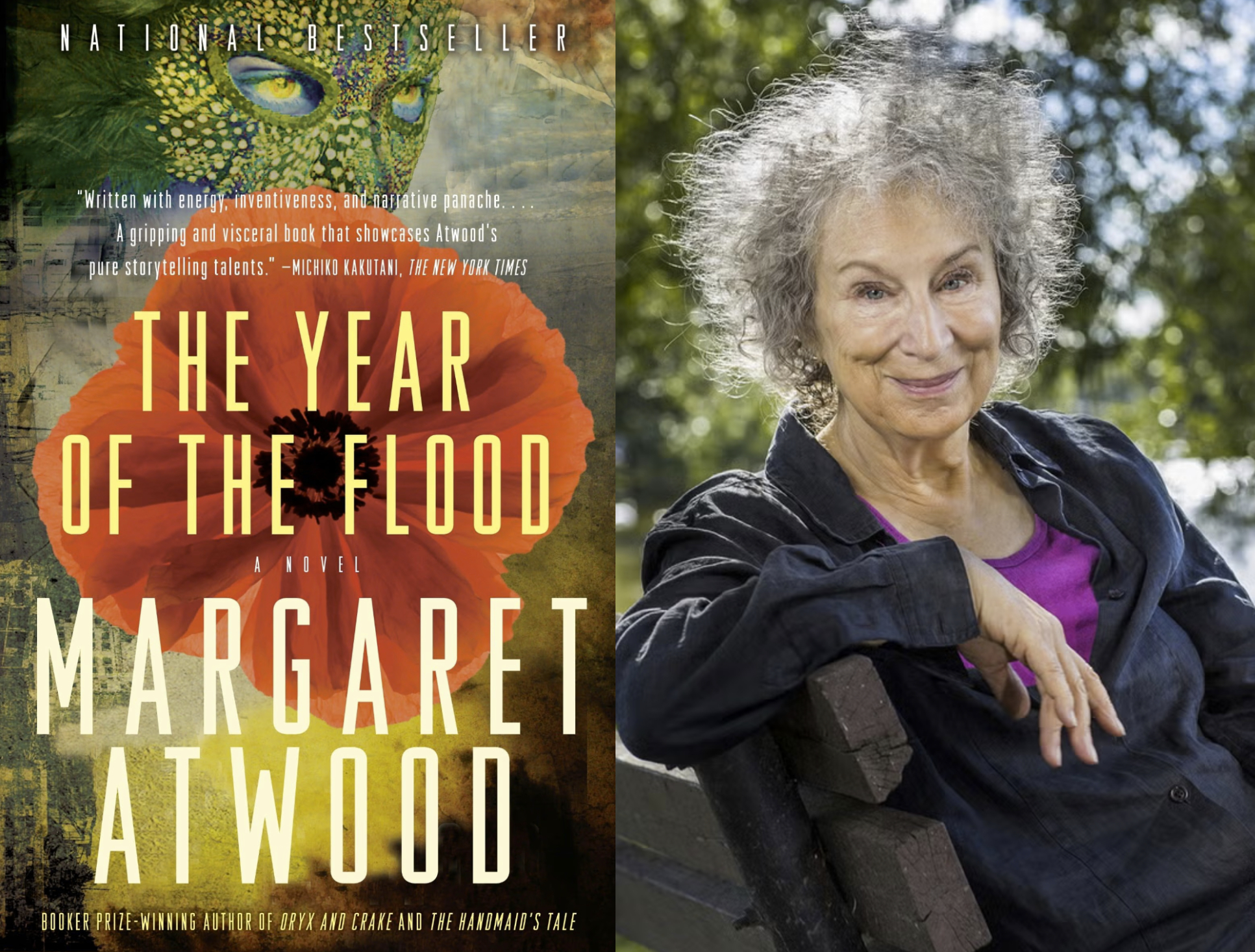
Margaret Atwood is a world-renowned Canadian author, poet, and environmental activist, best known for her dystopian novel The Handmaid’s Tale. Her Maddaddam Trilogy (McClelland & Stewart, 2003-2013) explores the premise of genetic experimentation and pharmaceutical engineering gone awry. On a larger scale the cautionary trilogy examines where the addiction to vanity, greed, and power may lead. Often sordid and disturbing, the trilogy explores a world where everything from sex to learning translates to power and ownership. Atwood begins the trilogy with Oryx and Crake in which Jimmy, aka Snowman (as in Abominable) lives a somnolent, disconsolate life in a post-apocalyptic world created by a viral pandemic that destroys human civilization. The two remaining books continue the saga with other survivors such as the religious sect God’s Gardeners in The Year of the Flood and the Crakers of Maddaddam.
.
*****
.
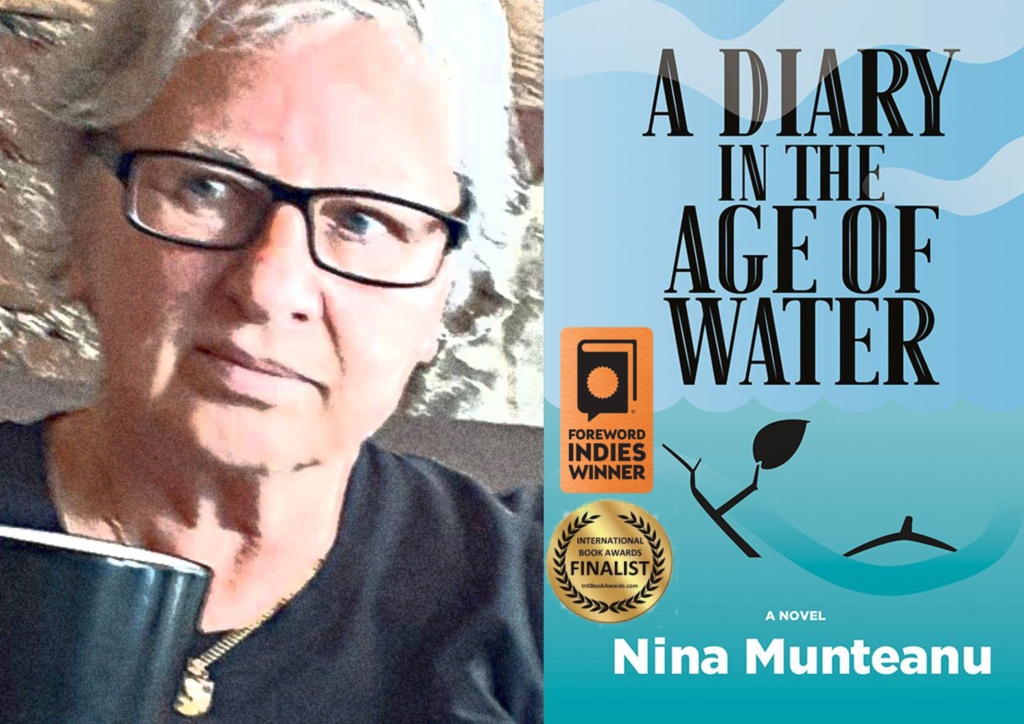
Nina Munteanu is a Canadian ecologist/limnologist who writes hard science fiction and eco-fiction, often exploring water scarcity and systematic environmental collapse. A Diary in the Age of Water (Inanna Publications, 2020) and its companion novel Thalweg (Inanna Publications, upcoming Spring 2027) explore the socio-political consequences of corruption in Canada, now owned by China and America as an indentured resource ‘reservoir’, when humanity is plagued by environmental diseases, rising infertility, and increased plasticity in the human genome.
A Diary in the Age of Water (Inanna Publications, 2020) chronicles the lives of four generations of women and their relationship to water in a rapidly changing world of climate change and water scarcity and manipulation. In her work for a global giant that controls Earth’s water, the diarist witnesses and records alarming climate events, water scarcity, and the draconian grip of the national water utility, CanadaCorp in Toronto, Canada. The diarist hears rumours of virgin births and terrible experimentation. Her fear keeps her immobilized; but even that ‘inaction’ causes injury and death.
In Thalweg (Inanna Publications, upcoming 2027), under the veil of a deadly climate disease, four drifters—each gifted with an arcane power associated with water—converge at the largest reservoir in North America, where they plot to free water and evolved ‘water children’ from the shackles of corporate greed and experimentation. The story features Gwich’in scientist Bobby-Jo and her journey of redemptive self-discovery back to her homeland in the Northwest Territories and beyond.
.
.
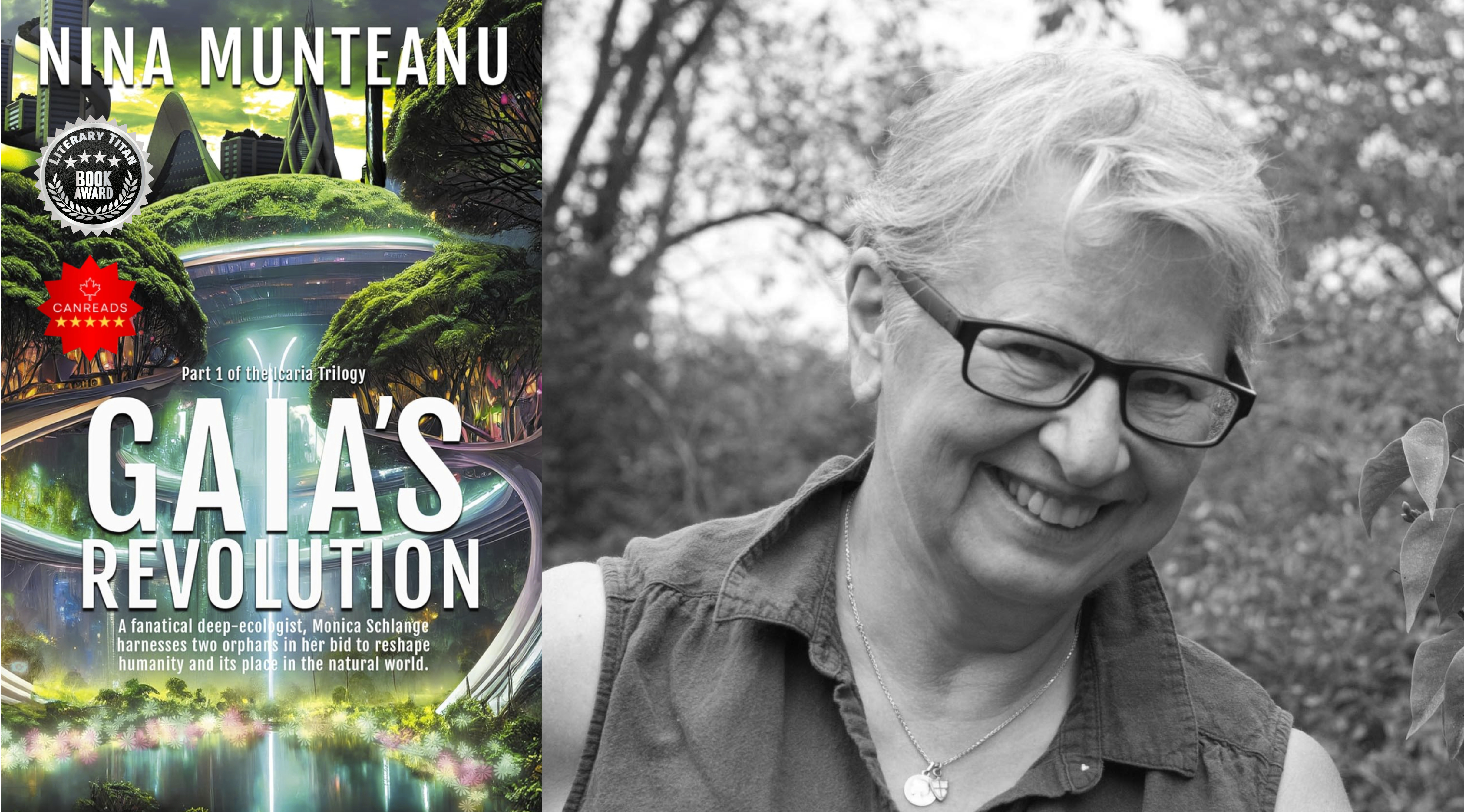
Gaia’s Revolution (Dragon Moon Press, 2026) is a biopunk, techno-thriller about family, power, and the terrible choices that decide who lives. The climate thriller weaves political intrigue as two warring brothers make divergent choices to save the planet: one unleashes a DNA-targeted plague; the other a sentient virus that fractures reality. It is Book 1 of a trilogy that explores humanity’s evolution with technology and a rapidly changing environment.
.
*****
.
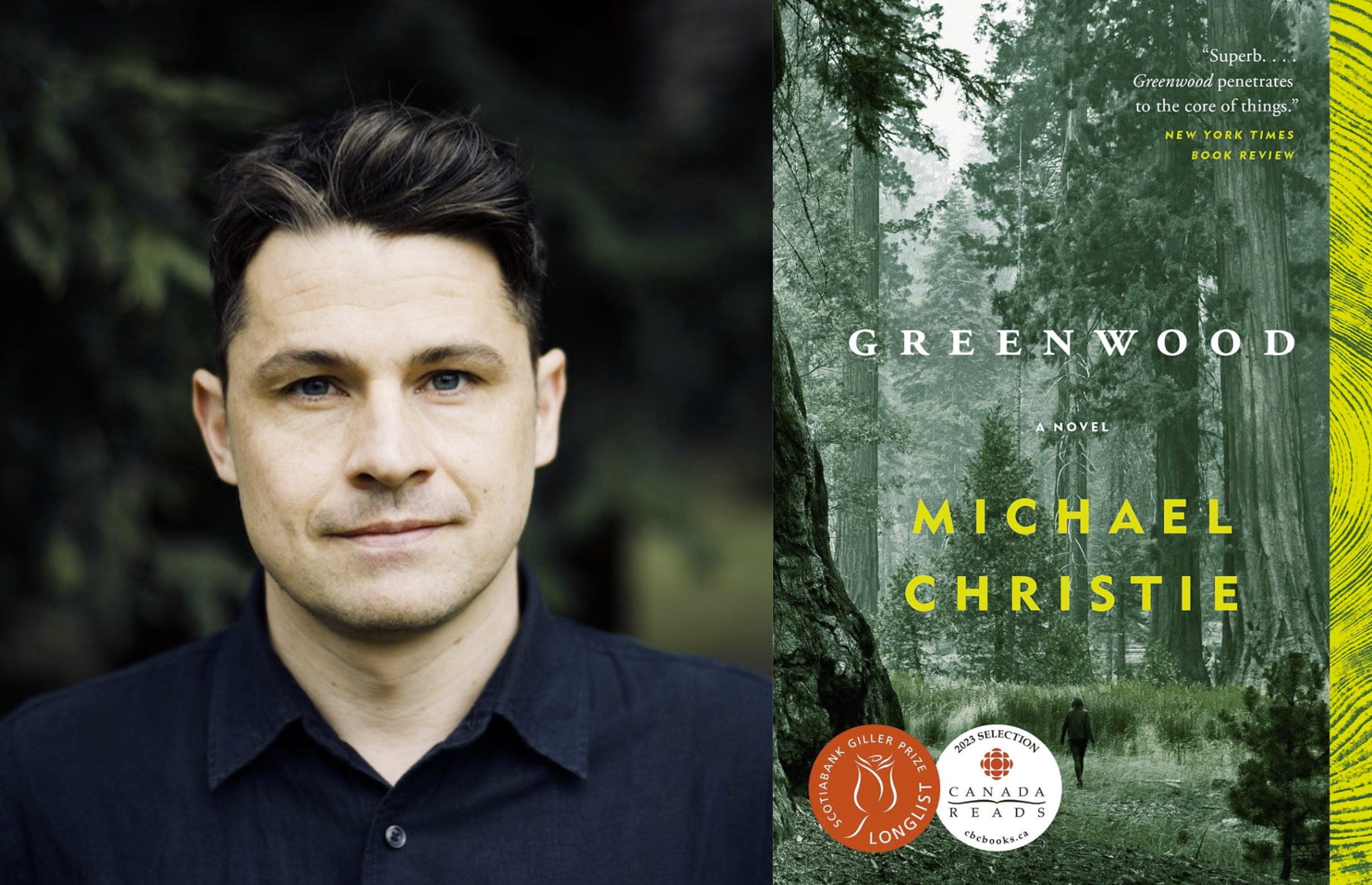
Michael Christie is a Canadian author living in British Columbia. His novel Greenwood (McClelland & Stewart, 2019) is a multigenerational eco-apocalypse story structured like tree growth rings. Set in 2038, when most of the world has suffered from an environmental collapse, the story follows the life of Jake Greenwood who works as a tour guide on a remote island with 1,000 year-old trees. The book traces her history back four generations—unravelling deep family deceptions and inherited trauma passed down through acts of treachery and sacrifice.
.
*****
.
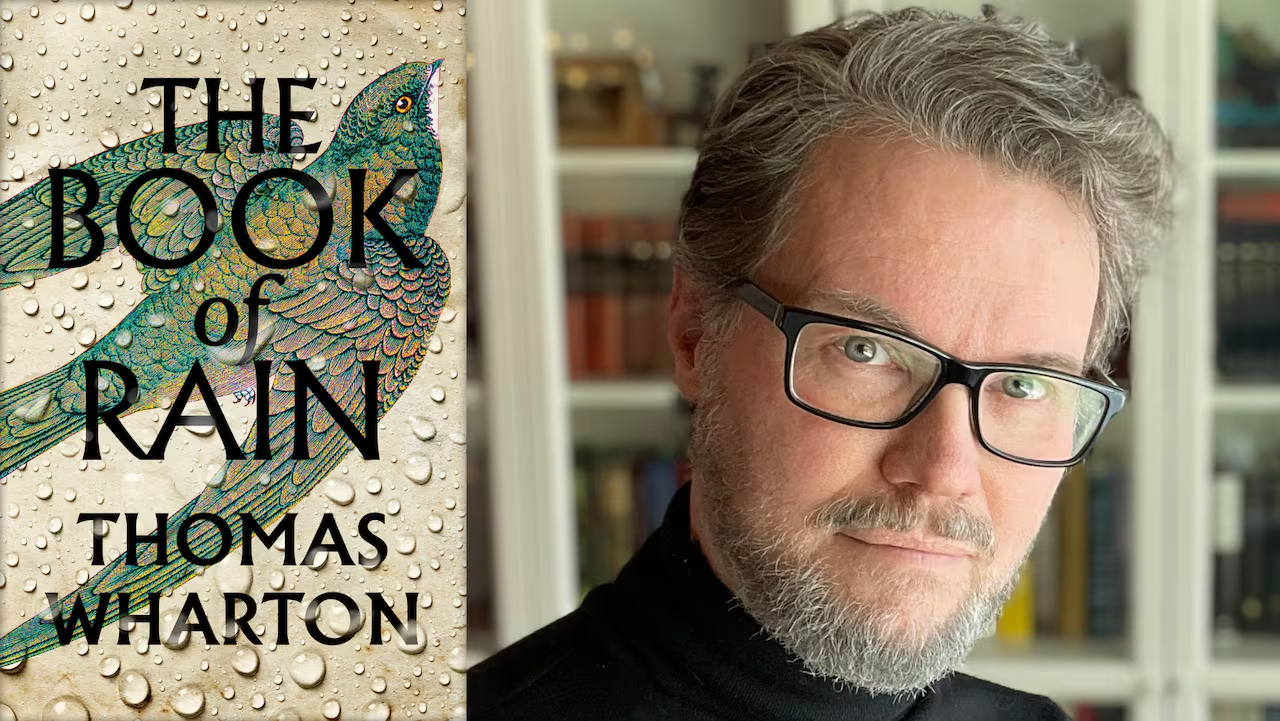
Thomas Wharton is a Canadian author from Edmonton, Alberta. He is best known for speculative and literary works dealing with environmental changes. The Book of Rain (Vinage Canada, 2024) is a science fiction novel set in the mining town of River Meadows in northern Alberta, where ghost ore, a new minable energy source much more lucrative than gold can disrupt time and space and slowly make an environment inhospitable. The novel unravels three intertwined stories that flow from the disaster of River Meadows and ultimately gives voice to nonhuman narrators in an “Epic of Gilgamesh” for our times. A profound novel of epic reach, woven through stunning multi-layers that haunt.
.
*****
.
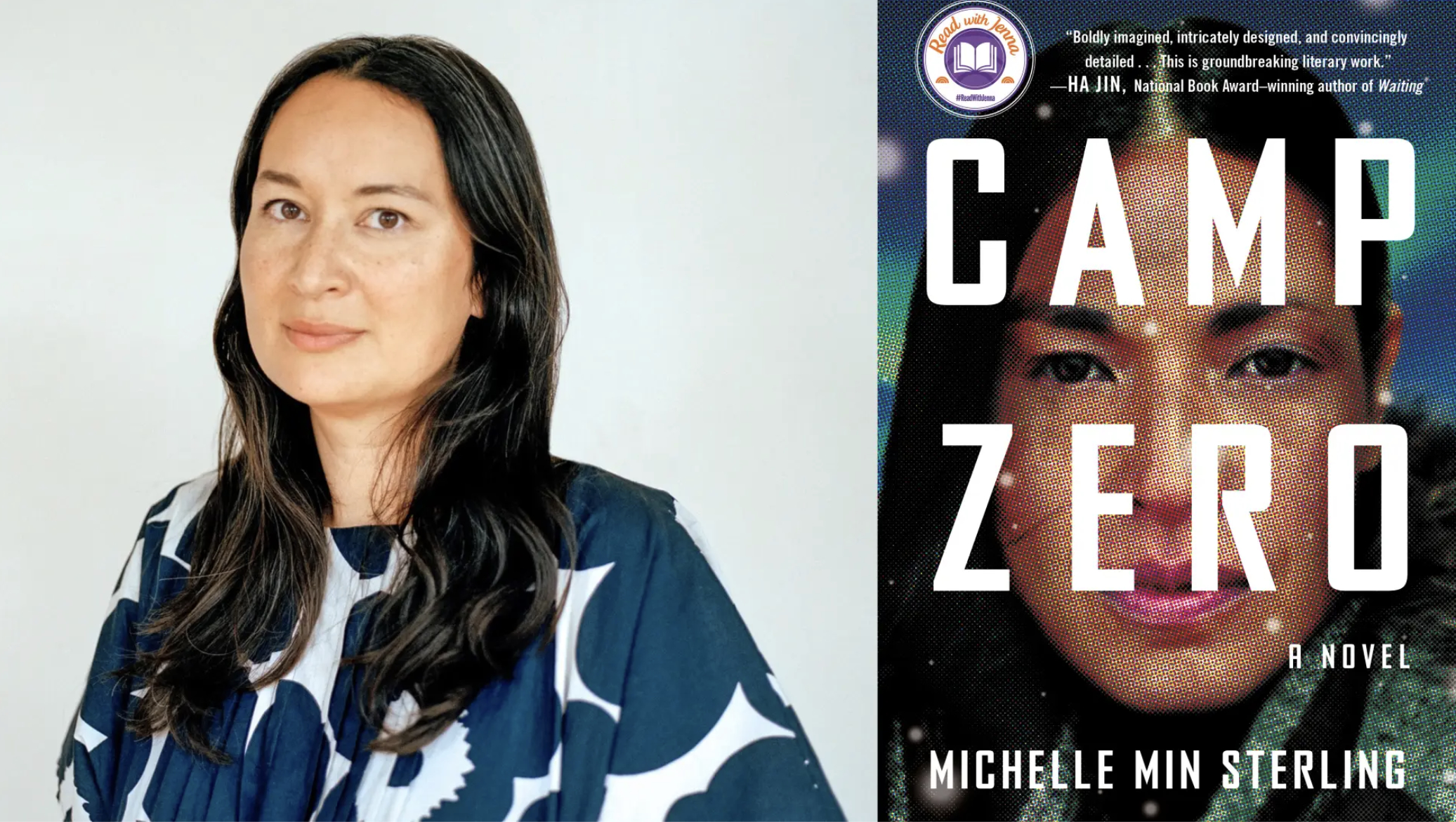
Michelle Min Sterling is the British Columbia author of climate thriller Camp Zero (Atria Books, 2024). Set in the remote Canadian north, this feminist climate fiction explores a warming climate through the perilous journeys of several female characters, each relating to her environment in different ways. Each woman exerts agency in surprising ways that include love, bravery and shared community. The strength of female power carries through the pages like a braided river heading to a singular ocean. These very different women journey through the dark ruins of violent capitalism, colonialism and patriarchy—flowing past and through hubristic men pushing north with agendas and jingoistic visions—to triumph in an ocean of solidarity. Each woman finds her strength and learns to wield true heroism—one based on collaboration and humble honesty.
.
*****
.
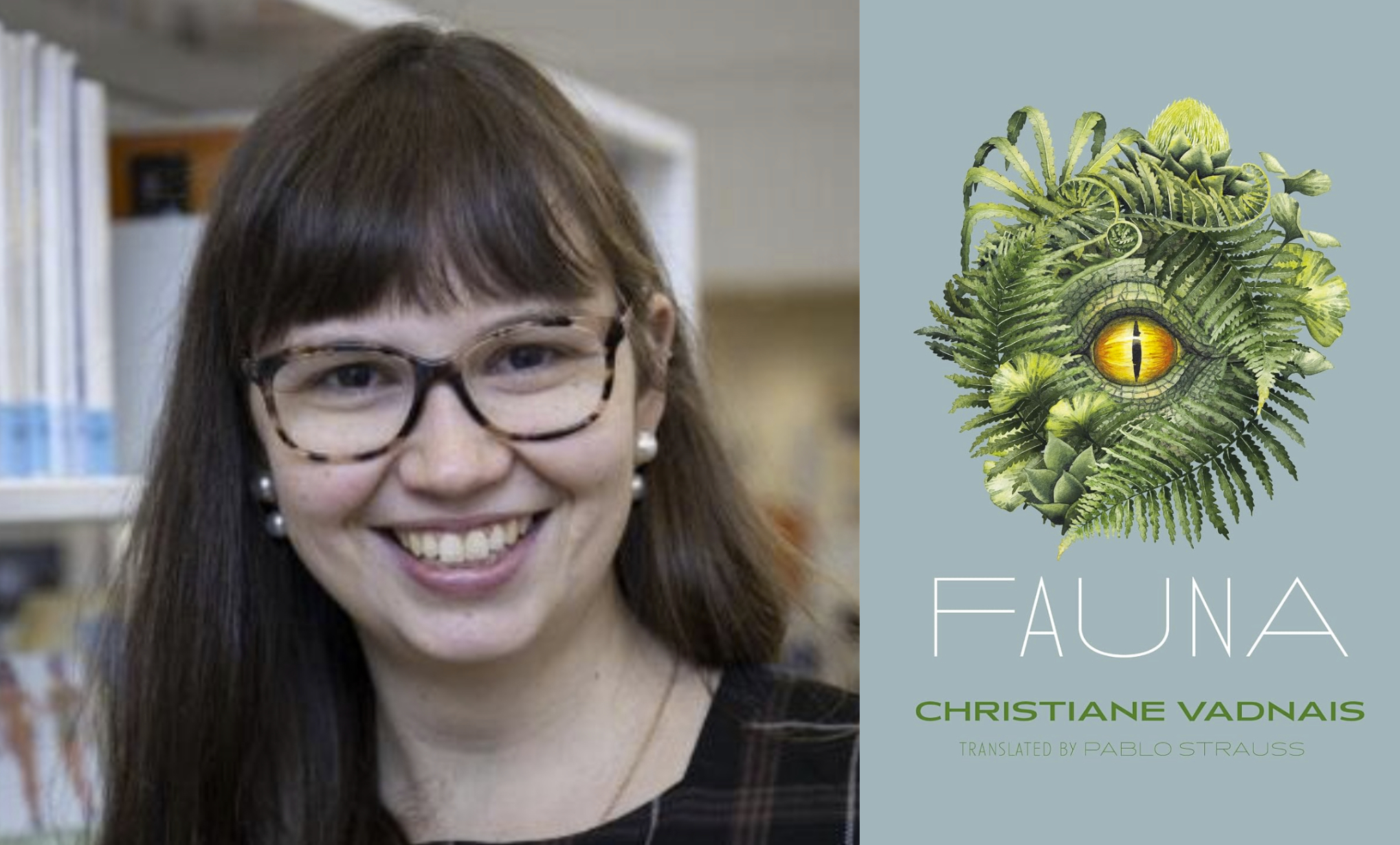
Christiane Vadnais is a Quebec-based author of speculative fiction. Her eco-horror novel Fauna (Coach House Books, 2018) examines ecological fragmentation and a world ravaged by climate change. Fauna is at once beautiful and terrifying. Vadnais’s liquid prose immerses in a flowing story about change in this Darwinian eco-horror ode to climate change. Biologist Laura navigates through a torrent of rising mists and coiling snakes and her own transforming body with the changing world around her.
.
*****
.
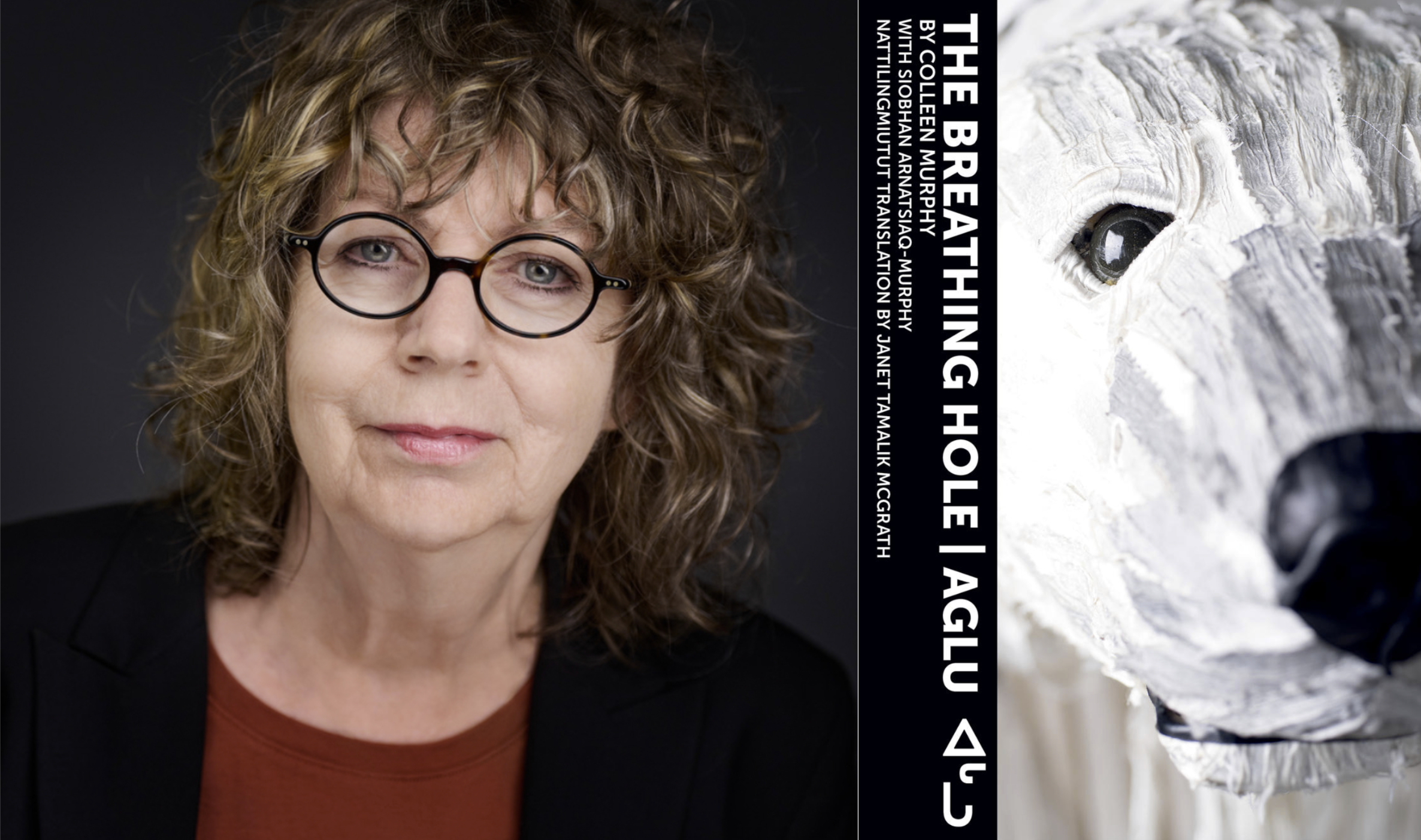
Colleen Murphy is a Canadian playwright and filmmaker and two-time recipient of the Governor General’s Literary Award for Drama. The Breathing Hole (Playwright Canada Press, 2020) begins in 1535, when the Inuk widow Hummiktuq risks her life to save a lost one-eared polar bear cub on an ice floe and adopts him. She names him Angu’ruaq. We soon learn that Angu’ruaq is timeless when we encounter him in scenes over the centuries from the Franklin Expedition in 1845 (who he helps by bringing them food) to 2031 when Angu’ruaq—old, hungry, his fur yellowing—returns to the breathing hole where long-dead Hummiktuq rescued him. By then the glaciers have receded and the ground is slush. Murphy’s spare and focused narrative achieves a timeless, dreamlike quality that plays strongly on the emotional connections of the reader; it elicits immense empathy for the Other in a deeply moving saga on the tragic dance of colonialism and climate change.
.
*****
.
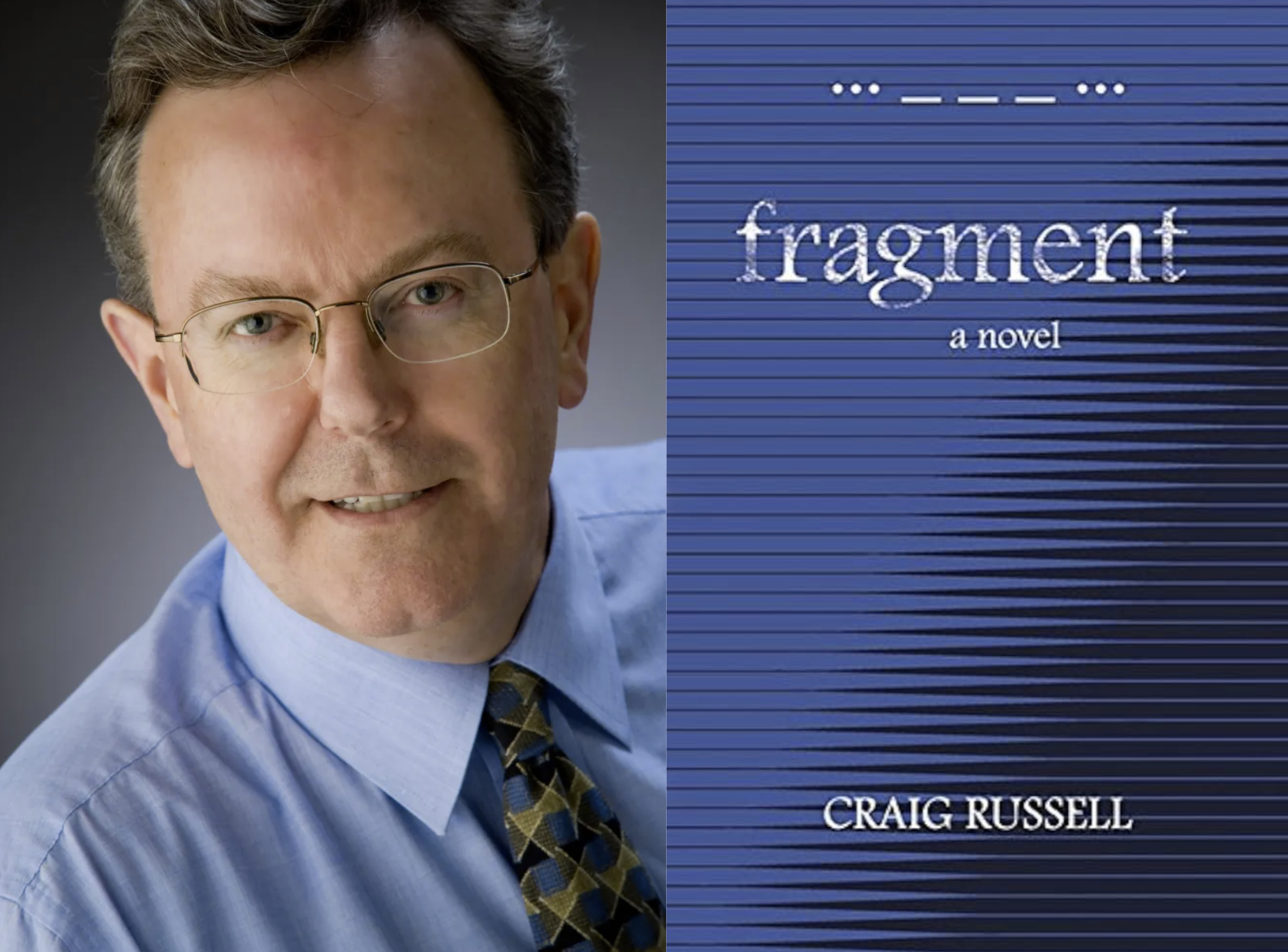
Craig Russell is a Canadian author and playwright. His 2016 climate crisis novel Fragment (Thistledown Press, year) begins with a TV interview of glaciologist Kate Sexsmith in Scott Base Antarctica. The interview is interrupted by what turns out to be four runaway glaciers that have avalanched into the back of the Ross Ice Shelf and a fragment the size of Switzerland surges out into the open sea. The novel explores humanity’s behaviour: from scientists who understand the global significance of this rogue fragment to those who minimize its effect such as the media and tourist industry who wish to exploit this anomaly and self-centred politicians obsessed with protecting their status. Russell’s chapters devoted to the POV of character Ring, a young blue whale also fragmented from his pod, are particularly touching and powerful.
.
*****
.
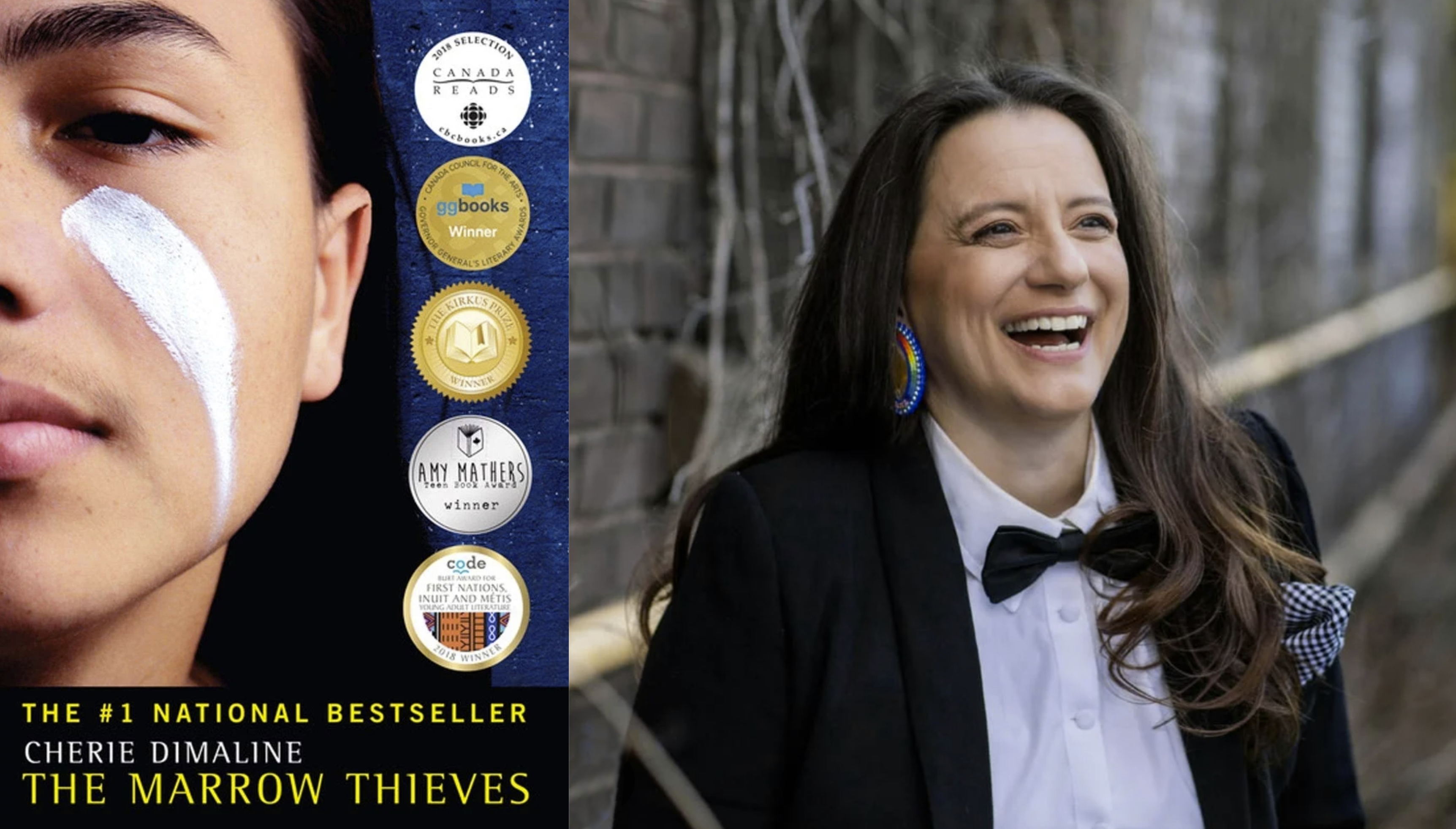
Cherie Dimaline is a Metis author and storyteller from the Georgian Bay Metis Community in Ontario. The Marrow Thieves (Cormorant Books, 2017) depicts a futuristic world ravaged by global warming; people have lost the ability to dream, and the dreamlessness has led to widespread madness. The only people still able to dream are North America’s Indigenous people, and it is their marrow that holds the cure for the rest of the world. But getting the marrow, and dreams, means death for the unwilling donors. Driven to flight, a fifteen-year-old and his companions struggle for survival, attempt to reunite with loved ones and take refuge from the “recruiters” who seek them out to bring them to the marrow-stealing “factories.”
.
*****
.
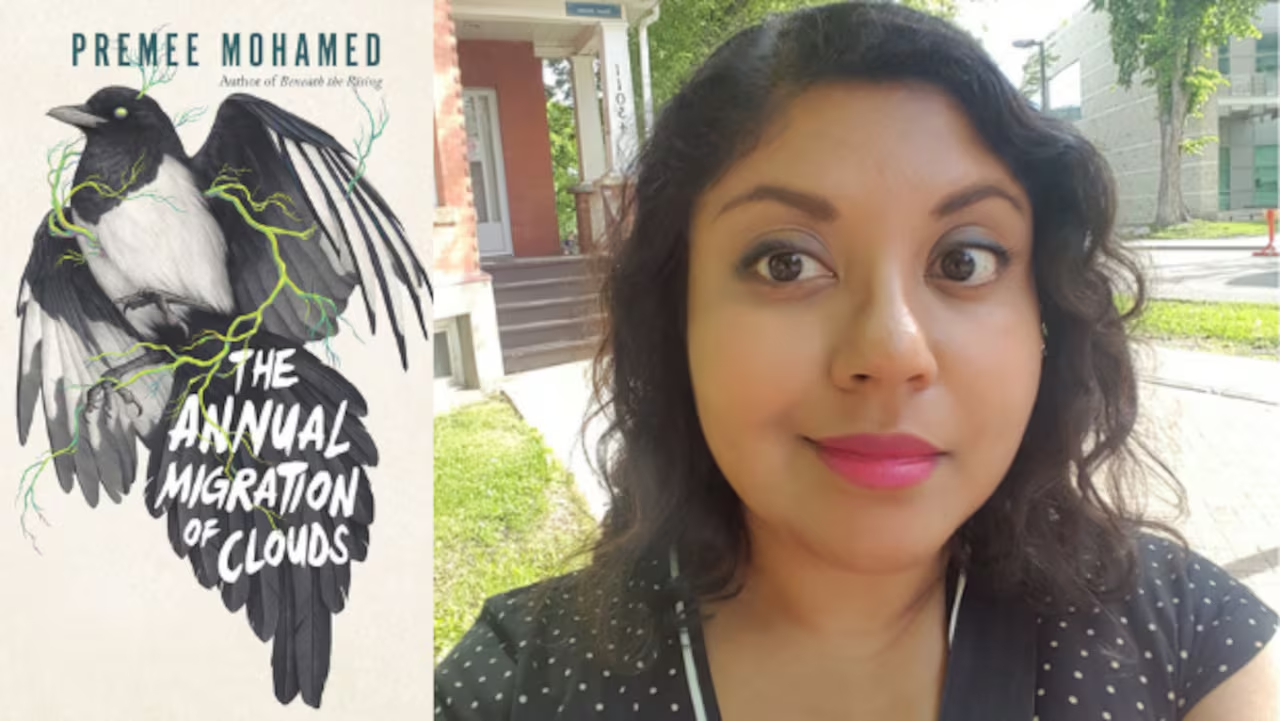
Premee Mohamed is an Indo-Caribbean scientist and author of speculative fiction who lives in Edmonton. The Annual Migration of Clouds (ECW, 2021) is set in post-climate disaster Alberta, where a woman infected with a mysterious parasite, a mind-altering fungus, must choose whether to pursue a rare opportunity far from home or stay and help rebuild her community.
.
*****
.
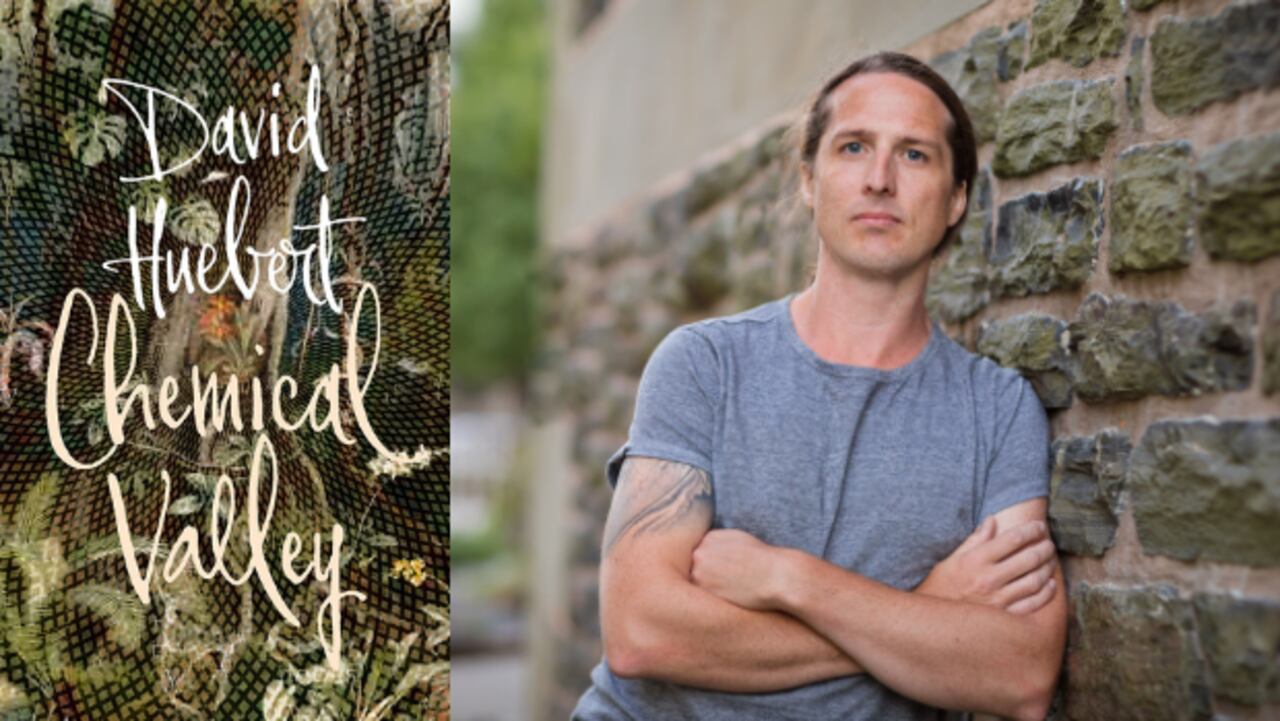
David Huebert is a Halifax author who named his short story collection Chemical Valley (Biblioasis, 2017) after a region in Sarnia, Ont., of plants and refineries. A review reads: “Oil-soaked and swamp-born, the bruised optimism of Huebert’s stories offer sincere appreciation of the beauty of our wilted, wheezing world.” Many of Huebert’s characters make their living from the petrochemical industry, but also see the impacts of climate change. The short stories explore environmental racism, and toxic behaviours through personal dramas.
.
*****
.
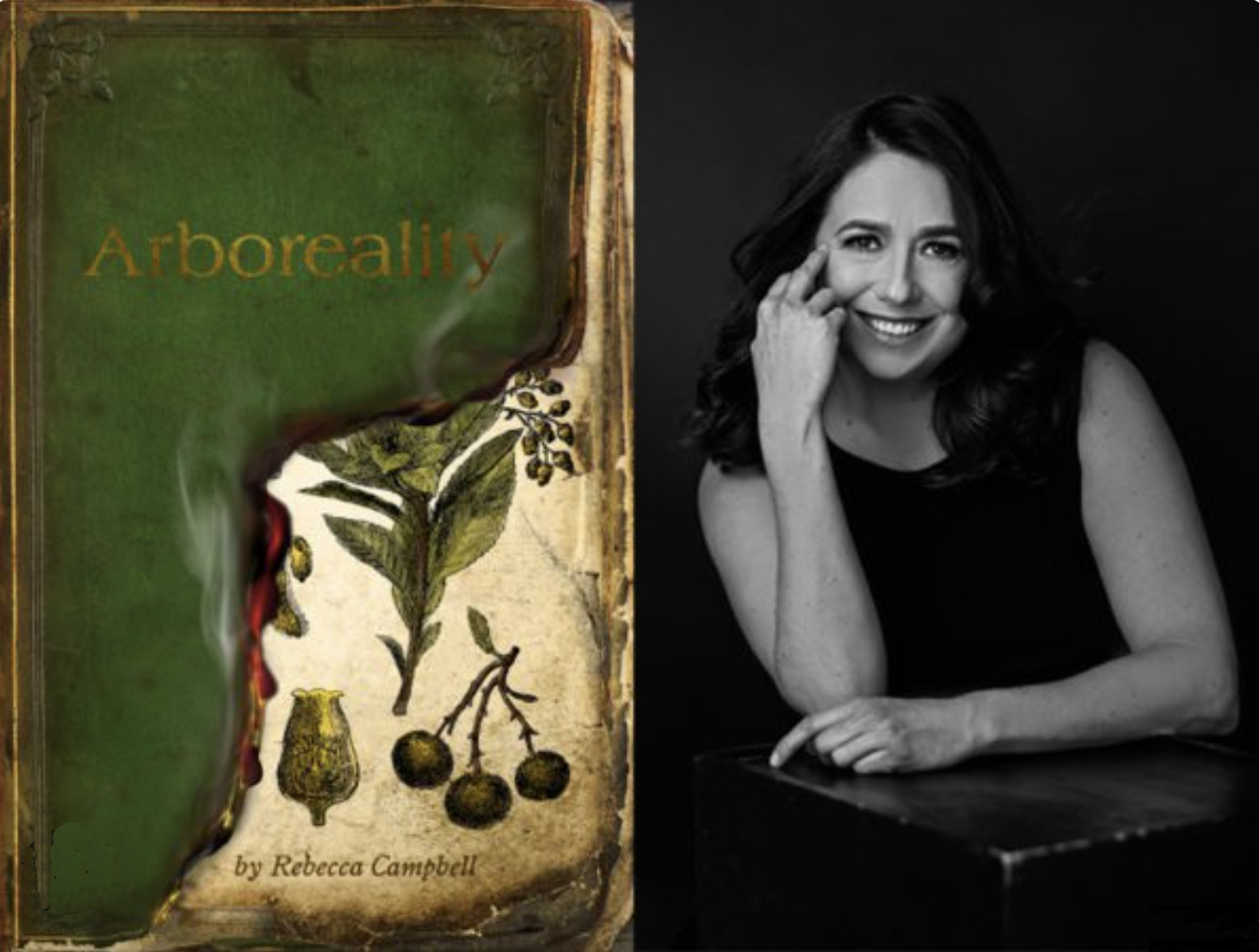
Rebecca Campbell is a Canadian author of speculative, weird, and climate-fiction. Arboreality (Stelliform Press, 2022) is a climate change novella of interconnected short stories set on Vancouver Island that describe a community’s survival through a climate apocalypse, over several decades from 2050 to 2100. Various trees and their unique relationship with climate and change are featured.
.
*****
.
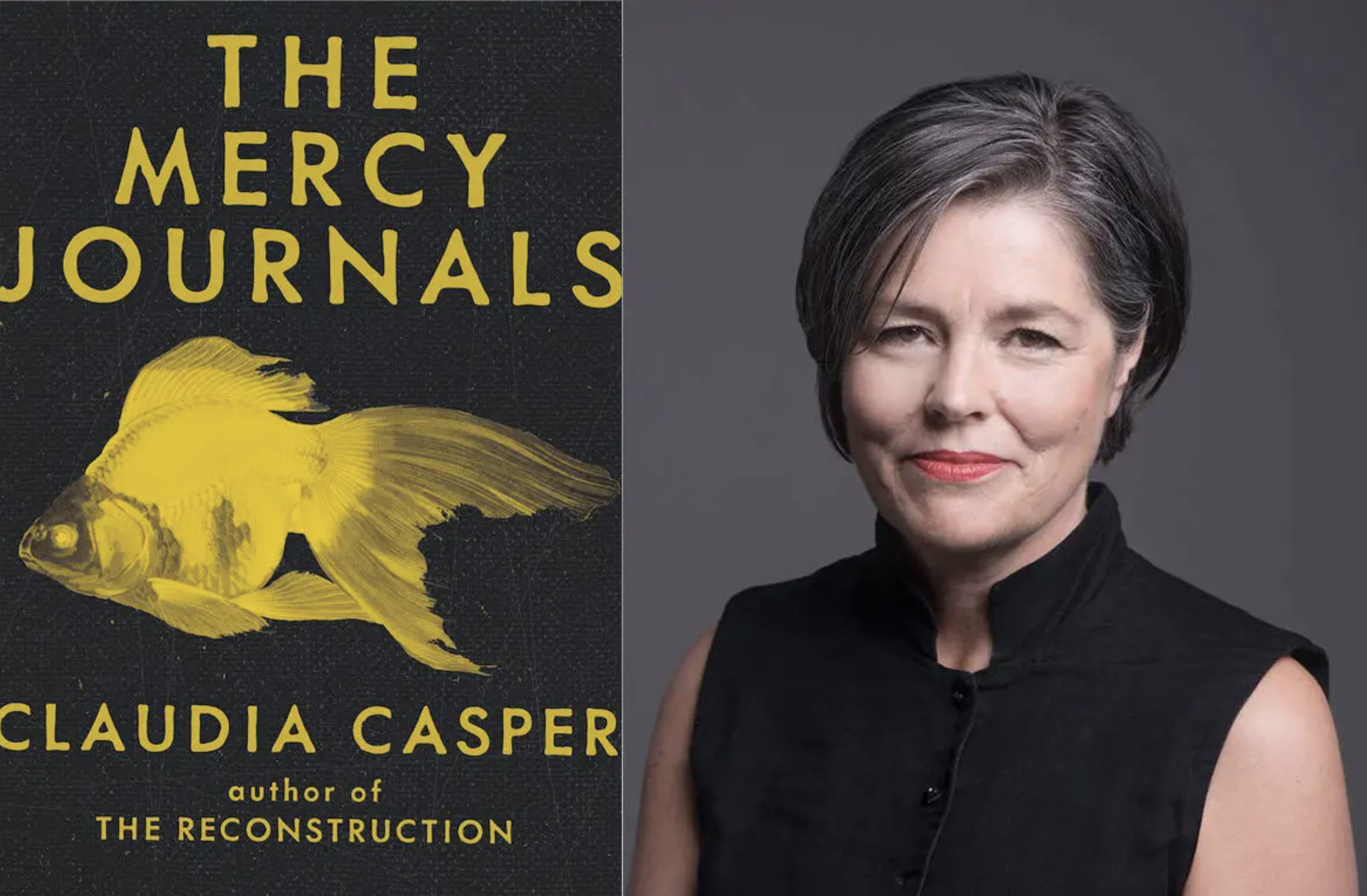
Claudia Casper is a Vancouver-based Canadian author. The Mercy Journals (Arsenal Pulp Press, 2016) is an unsettling near-future novel set in the wake of a third world war. Runaway effects of climate change have triggered the collapse of nation/states and wiped out over a third of the global population. Mercy, a former soldier, suffers from PTSD and is haunted by guilt and lingering memories of his family. He meets a dancer named Ruby, who breathes new life into his carefully constructed existence. But when his long-lost brother Leo arrives with news that Mercy’s children have been spotted, the two brothers travel into the wilderness to look for them, challenging Mercy’s own moral code about the things that matter amid the wreckage of war and tragedy.
.
*****
.
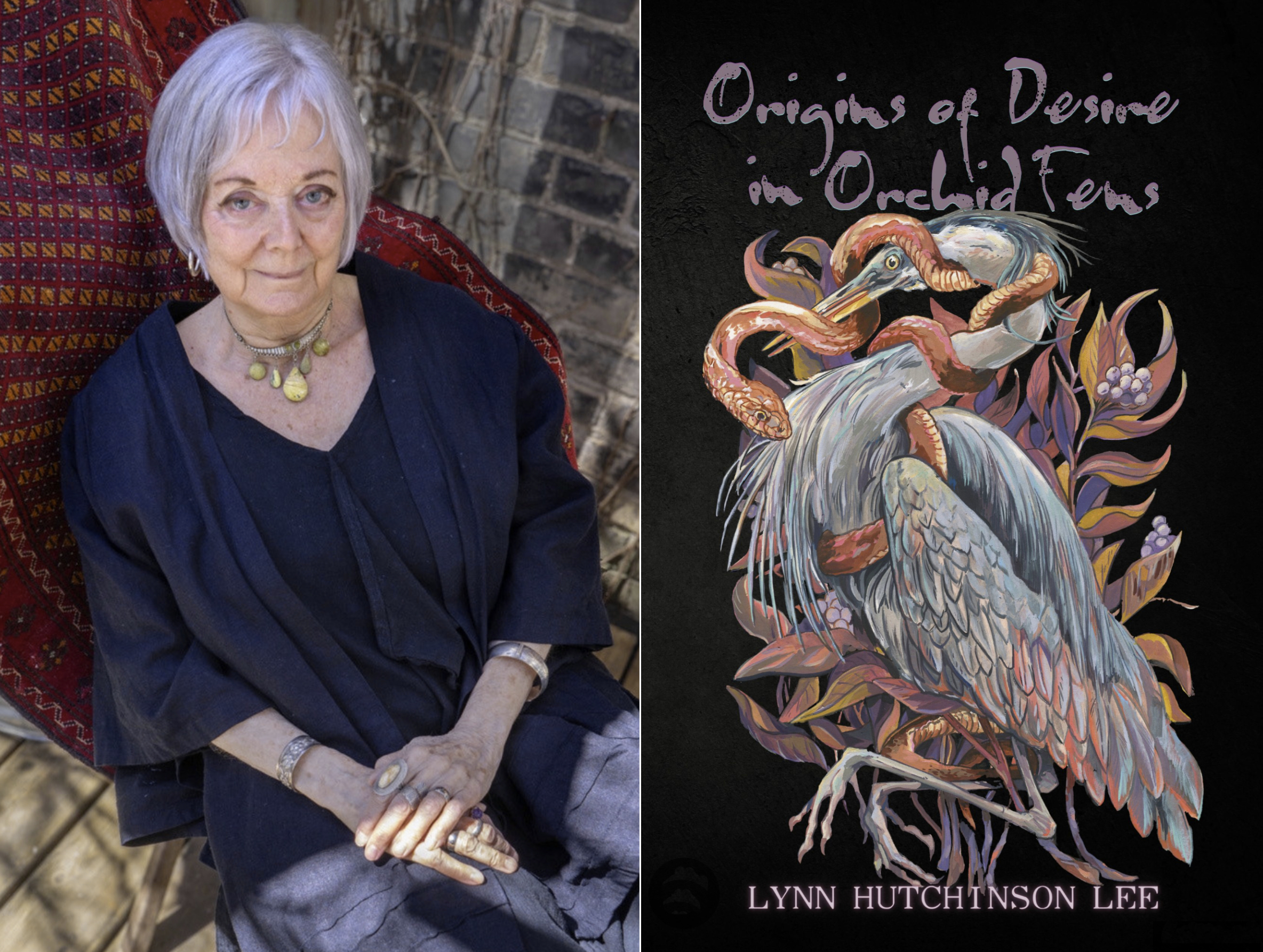
Lynn Hutchinson Lee is a Toronto artist / writer. Her novella Origins of Desire in Orchid Fens (Stelliform Press, 2025) explores the tenuous reality of the Romany diaspora living in troubled times on troubled lands. Orchid Lovell is a young Romany woman who settles in a seemingly idyllic northern mining town that she soon understands as rife with unseen cruelty. In the nearby creek, dead girls take revenge on the men who murdered them, luring them into murky waters. After a devastating attack linked to the expansion of the mine, Orchid’s fate is entwined with the panni raklies’ ruthless justice.
.
*****
.
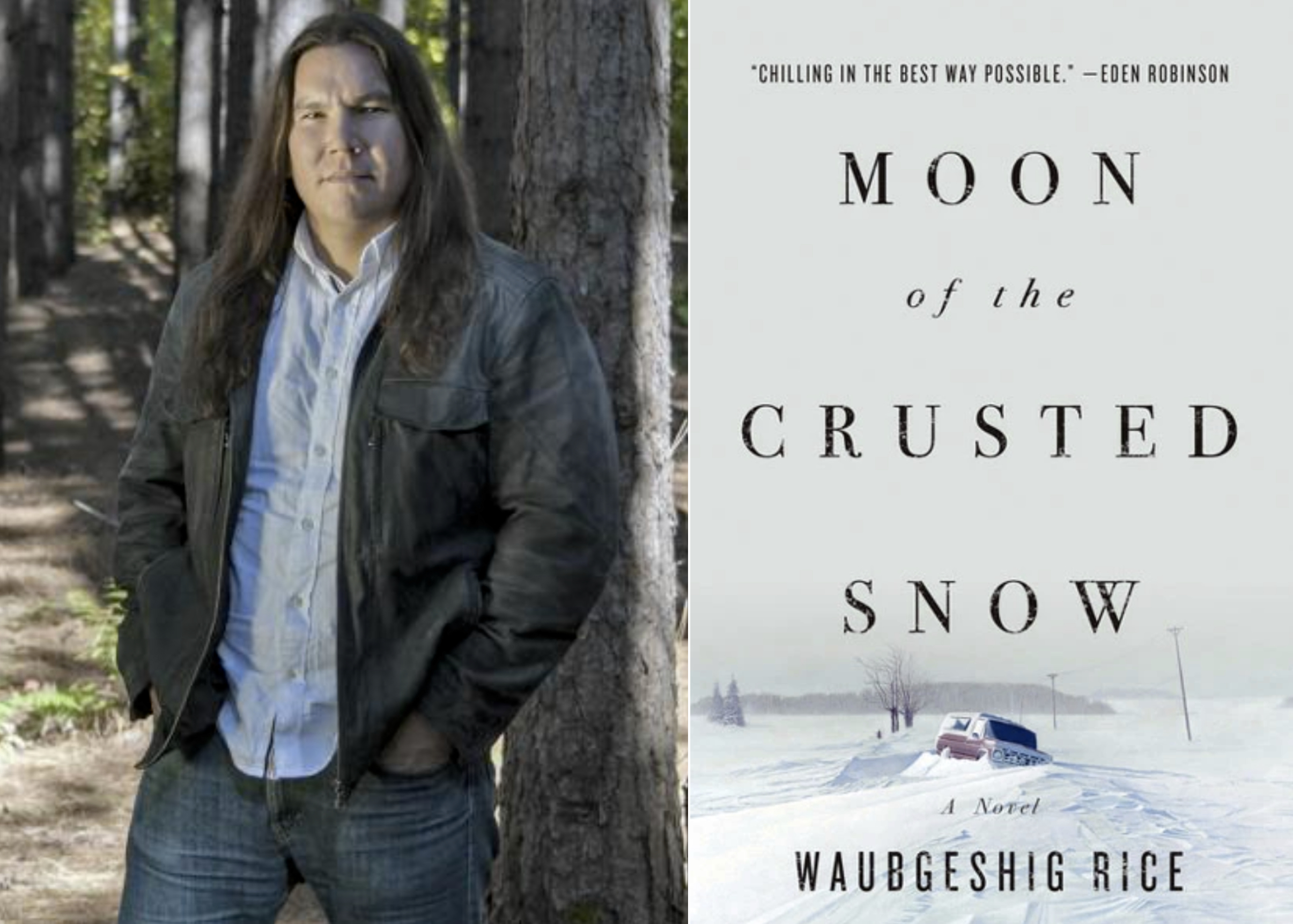
Waubgeshig Rice is an Anishinaabe author and journalist from the Wasauksing First Nation in Ontario. His apocalyptic thriller Moon of the Crusted Snow (ECW, 2018) and its sequel Moon of the Turning Leaves (ECW, 2023) explore environmental and seasonal collapse themes. Set in a rural Anishinaabe community in northern Canada, both books follow a group after they are cut off from the rest of the world amidst a societal collapse following climate collapse.
.
*****
.
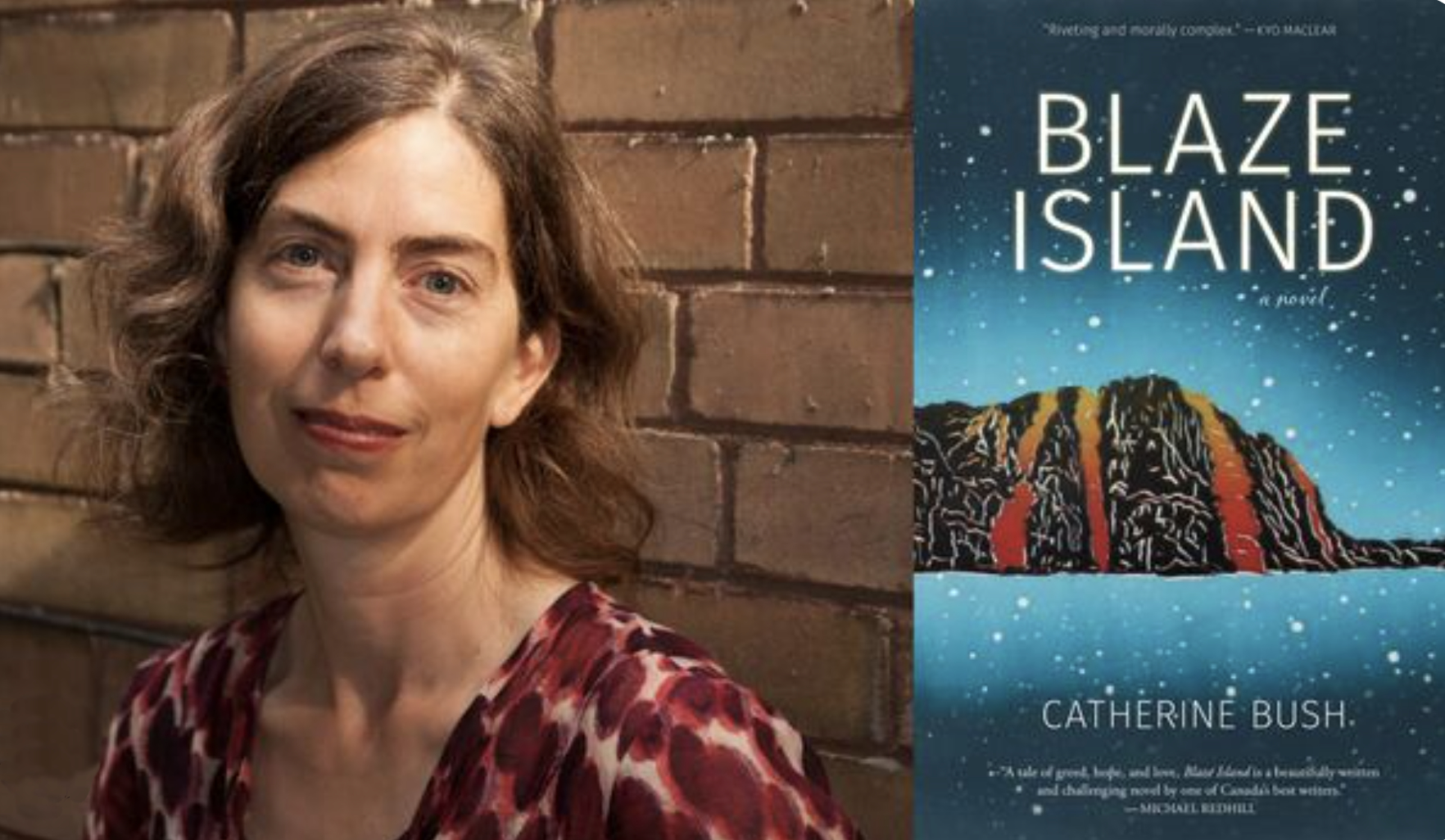
Catherine Bush is a Toronto-based author and University of Guelph professor whose work explores contemporary climate anxiety and ecological disruption. Her novel Blaze Island (Goose Lane Editions, 2020) is a climate-themed story inspired by Shakespeare’s The Tempest; the story takes place as a Category Five hurricane sweeps up the eastern seaboard of North America. brushing over remote Blaze Island, occupied by a renegade scientist and his daughter Miranda; the storm stirs up secrets and anxieties of the past to reveal a “Brave New World.”
.
*****
.
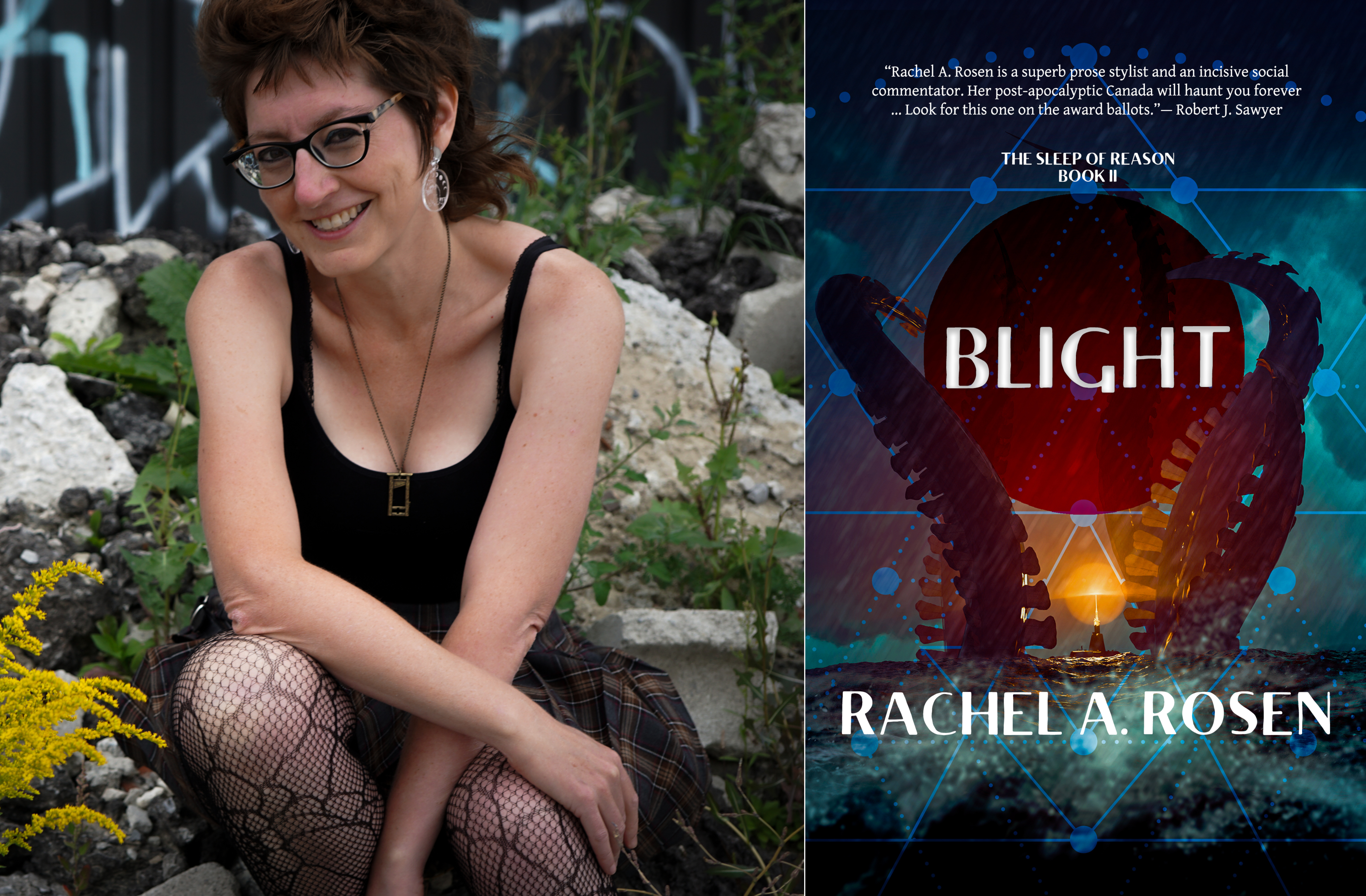
Rachel Rosen is a Canadian speculative fiction author and activist. Her novels Cascade and Blight, the first and second books in The Sleep of Reason Trilogy, are eco-fantasy works of climate fiction that take place in a post-apocalyptic Canada.
.
*****
.
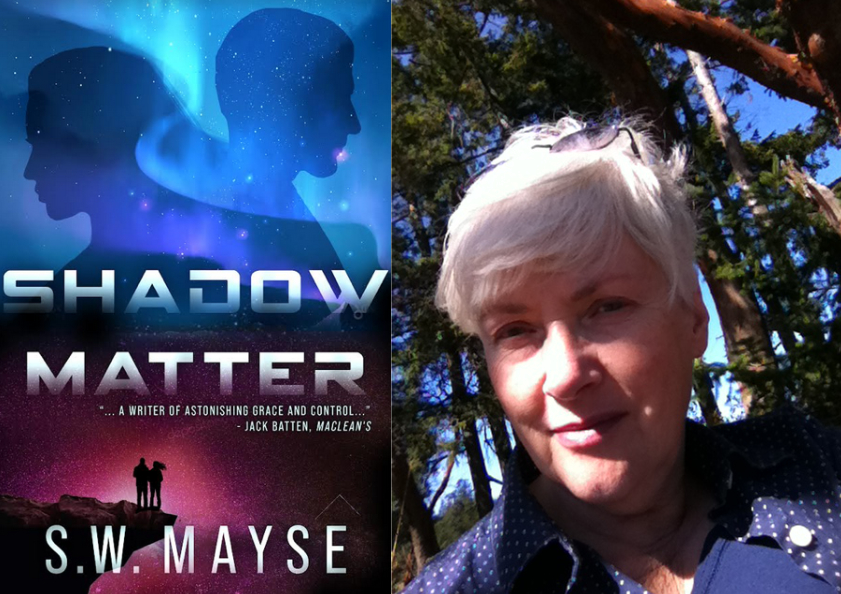
Susan Mayse is a Canadian author of fiction and nonfiction. Her 2023 science fiction novel Shadow Matter is a future recasting of the Orpheus and Eurydike myth that weaves together love, loyalty, and the restorative power of art.
.
*****
.
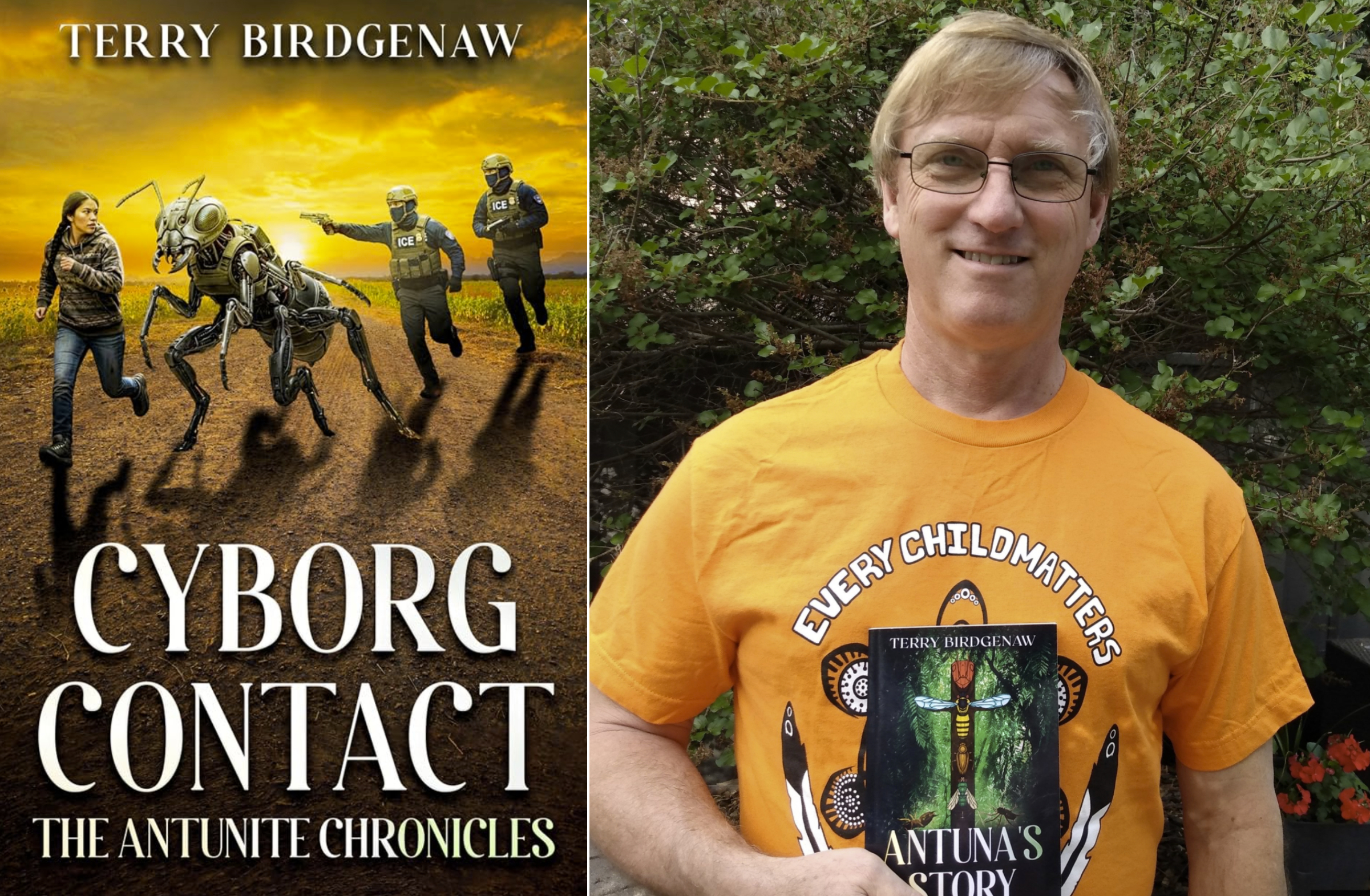
Terry Birdgenaw is a Canadian neuroscientist turned fiction author whose Metis heritage and ancestral history serve as the heartbeat of his writing. Cyborg Contact (Cyborg Insect Books, 2026) is a humorous first-contact cli-fi adventure and political satire that touches on issues of climate change and environmental collapse. The series Antunite Chronicles explores human destructiveness and climate issues through the perspectives of non-humans.
.
*****
.
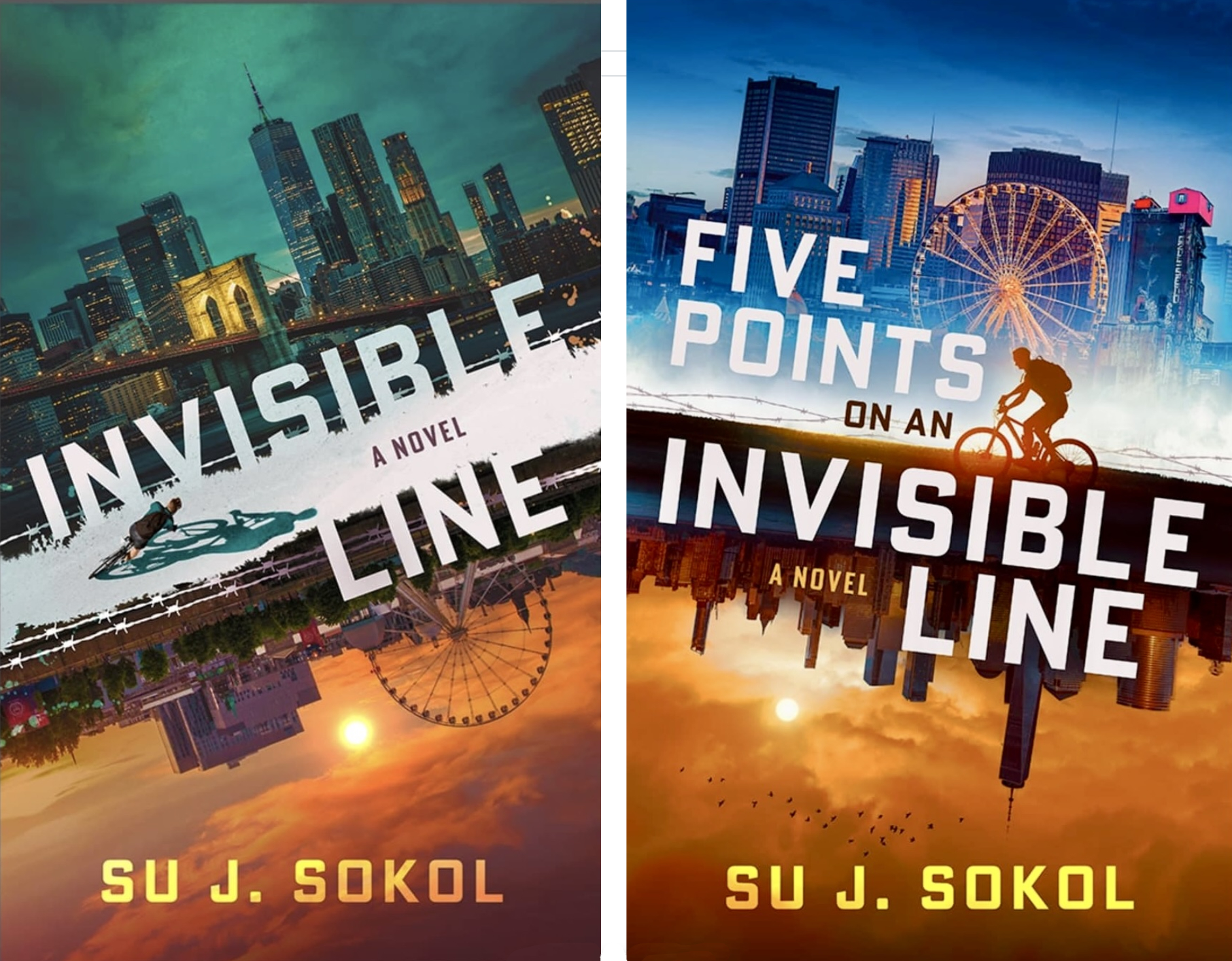
Su J. Sokul’s novels, Invisible Line and its sequel,Five Points on an Invisible Line are hopepunk speculative stories set in future New York City about political refugees, authoritarianism and survival.
.
*****
.
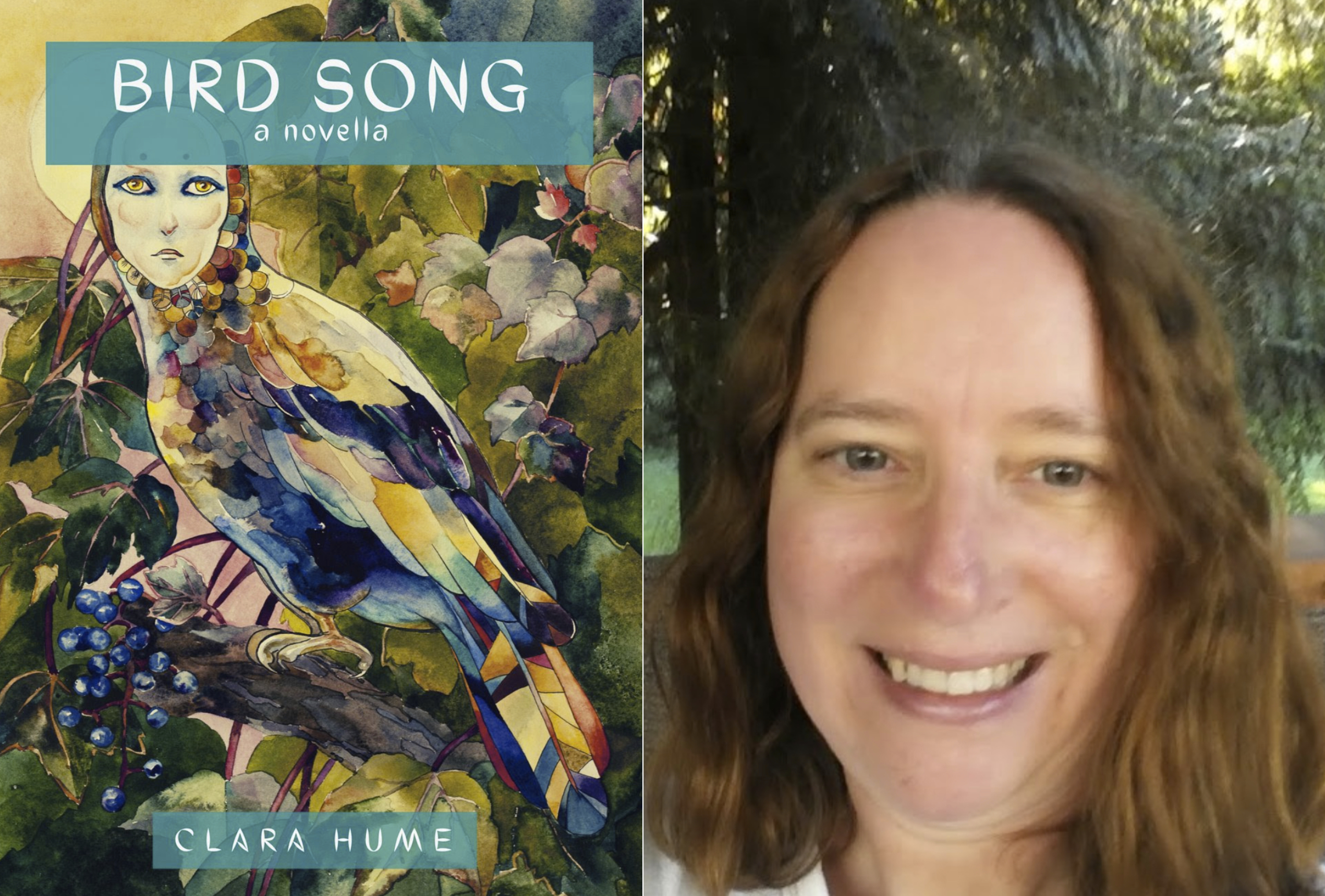
Clara Hume is a writer and artist who resides in Nova Scotia.
Clara Hume’s novella Bird Song draws you into a dream-world whose chorus lures you—like the sirens themselves—into a seductive dance of paradox and choice. Taking its cue from Homer’s Odyssey, this contemporary allegorical tale follows the journey of young Thelsie—a schoolgirl in the rough poor district of east Chicago struggling with life-choices. One morning she wakes on a beach of a paradise-like magical island. Feeling safe for the first time, she meets two siren sisters who lure and crash sailing ships to save their world from corruption and despoilment by settlers wishing only to conquer Nature. When the island’s paradoxes force her to make difficult and risky choices, Thelsie finds her voice and her path in life. Bird Song teases apart the extreme voices of mono-cultural colonialism and uncompromising protectionism to find the connective tissue of compassion in the voice of mediation. A beautiful and seductive coming-of-age fairy tale of self-discovery.
.
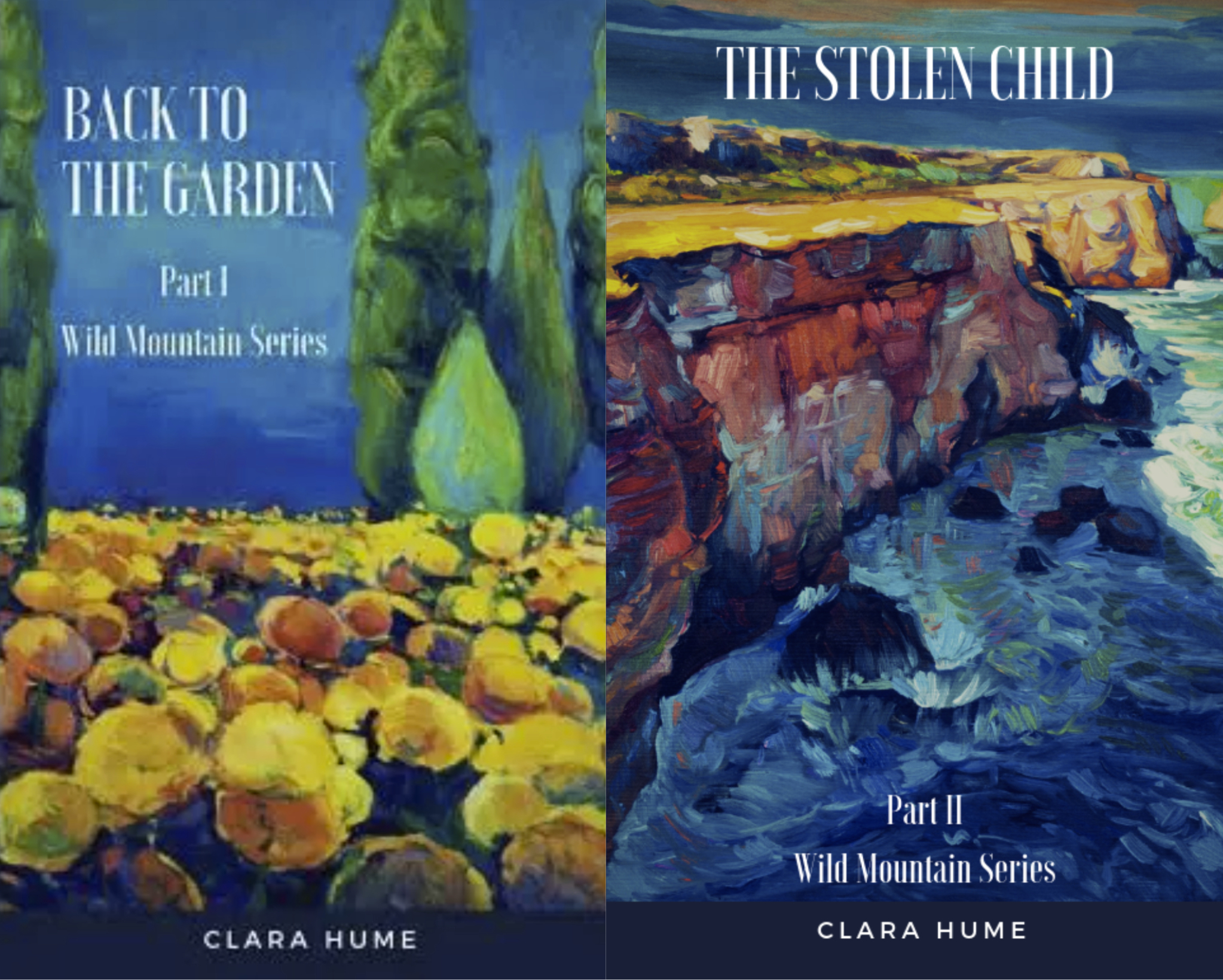
Her Wild Mountain Duology, consisting of Back to the Garden (Moon Willow Press, 2012) and The Stolen Child (Moon Willow Press, 2022) explore communities that must deal with global warming in the future. The series focuses on the journeys of several of “tipping point” survivors—a generation of mountain folk who have experienced the collapse of late-stage capitalism, along with widespread ecosystem degradation from climate change.
.
*****
I was also involved in (as writer) and curated (as editor) several important anthologies of excellent eco-fiction short stories by mostly Canadian authors. The three below are worth mentioning. I also include my own collection of eco-fiction short stories:
.
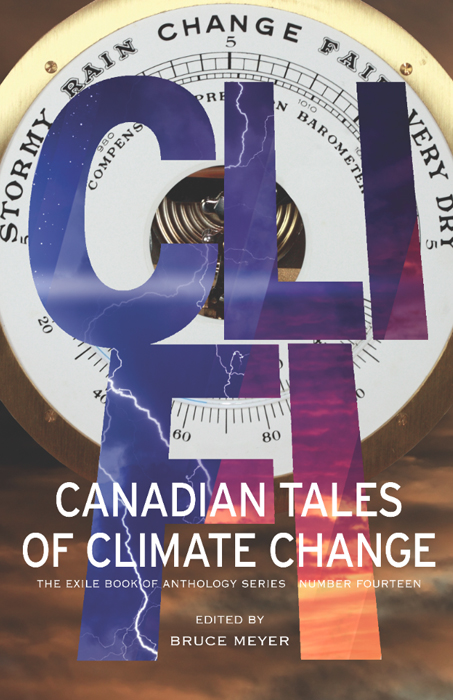
Canadian Tales of Climate Change (Exile Editions, 2017; edited by Bruce Meier): an anthology of seventeen culturally diverse Canadian writers who explore various environmental themes of climate change and the impact of a planet in crisis, from rising sea levels to mass migrations and water scarcity. Stories move past simple doomsday warnings to examine human indifference, adaptation, and responsibility.
.
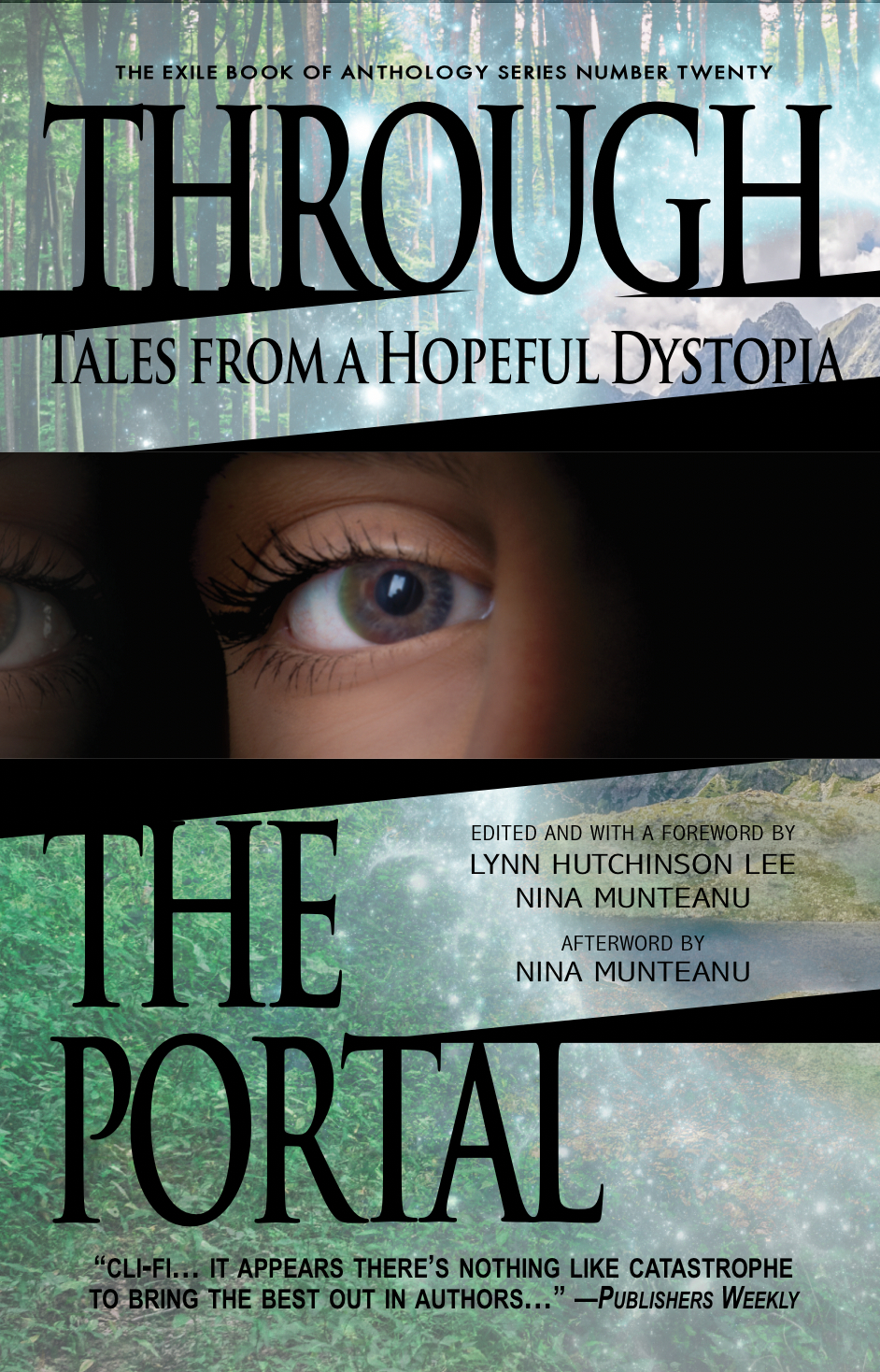
Through the Portal: Tales from a Hopeful Dystopia (Exile Editions, 2024; edited by Lynn Hutchinson Lee and Nina Munteanu): This collection is an inspired and fascinating range of speculative storytelling that explores strange new terrains and startling social constructs, quiet morphing landscapes, dark and terrifying warnings, and lush newly-told folk and fairy tales. Each of the over thirty stories uniquely studies our relationship with our environment and climate change and threads a fine strand of optimism through every dark tapestry.
.
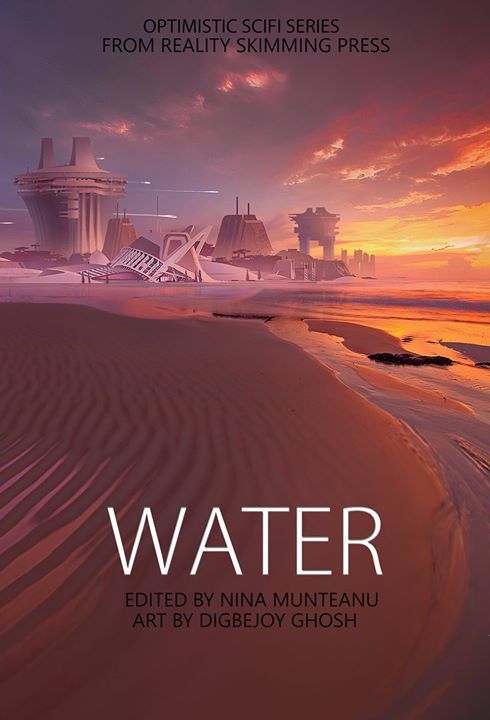
Water (Reality Skimming Press, 2017; edited by Nina Munteanu): an optimistic speculative fiction anthology of exotic landscapes, at once eerie and beautiful. Each story uniquely explores water and our relationship with its profound and magical properties: melting glaciers in Canada’s north; water’s computing properties and weather control; water as fury and the metaphoric deluge of flood; mining space ice from a nearby comet; water as shapeshifter and echoes of “polywater”. From climate fiction to literary speculative fiction; from the fantastic to the purest of science fiction and a hint of horror—these stories explore individual choices and the triumph of human imagination in the presence of adversity.
.
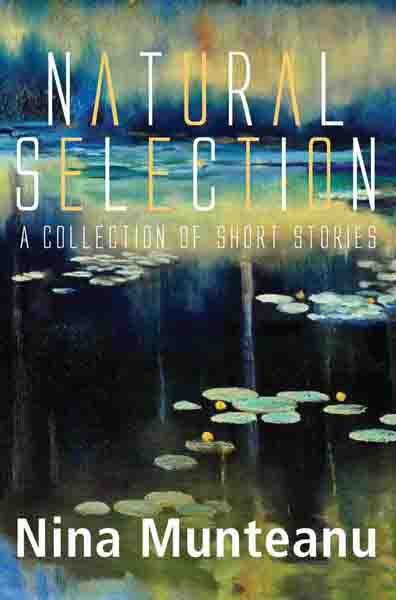
Natural Selection (Pixl Press, 2013). This short story collection by SF author and ecologist Nina Munteanu explores humanity’s co-evolution with our environment and technology. A man uses cyber-eavesdropping to make love. A technocratic government uses gifted people as tools to recast humanity. The ruins of a city serve as battleground between pro-technologists and pro-naturalists. From time-space guardians to cybersex, GMO, and biotech implants, this short story collection is a journey of great scope, imagination and vision. “…a stunning example of good storytelling with an excellent setting and cast of characters.”—Tangent Online
.
.
.
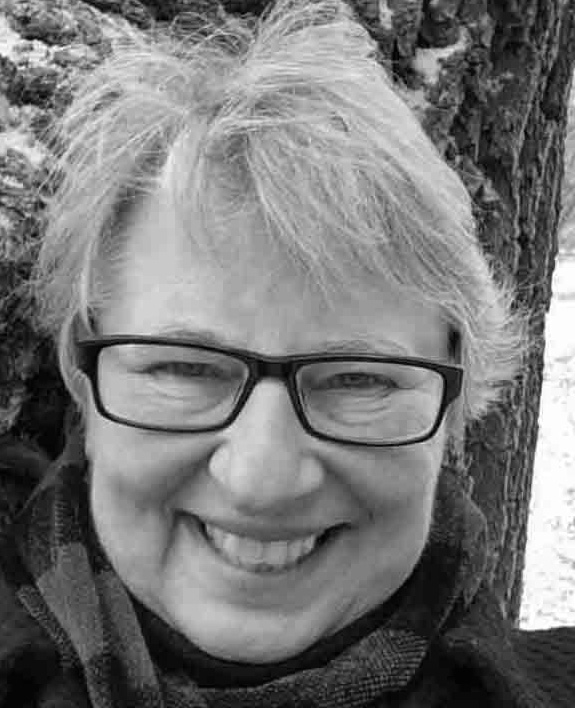
Nina Munteanu is a Canadian ecologist / limnologist and novelist. She is co-editor of Europa SF and currently teaches writing courses at George Brown College and the University of Toronto. For the latest on her books, visit www.ninamunteanu.ca. Nina’s bilingual “La natura dell’acqua / The Way of Water” was published by Mincione Edizioni in Rome. Her non-fiction book “Water Is…” by Pixl Press (Vancouver) was selected by Margaret Atwood in the New York Times ‘Year in Reading’ and was chosen as the 2017 Summer Read by Water Canada. Her novel “A Diary in the Age of Water” was released by Inanna Publications (Toronto) in June 2020. You can read her just released eco-fiction thriller Gaia’s Revolution by Dragon Moon Press.
.

