
On my third day in Paris, I got lost. I didn’t mean to; it just happened.
I’d started early and joined the morning crowd at the Musée d’Orsay. After a breathtaking journey through the visions of French Impressionists, I ventured by bus to the Champ du Mars and climbed the Eiffel Tower to see Paris from the perspective of the Gods: a wheeled mosaic of art, magic and scene. Then I decided to walk home from there. I thought my adventure was over; in truth, it had just begun…

As I wound my way down a tree-lined street, the flower blossoms rained down with the fragrant breeze, painting the cobblestones in pale shades of diaphanous pink. A young couple sat wrapped around each other on a bench, kissing.
It suddenly struck me that I was in Paris in the springtime; and I was alone. It was just an observation. It didn’t make me sad or uncomfortable; I’ve traveled a great deal on my own and have enjoyed the edgy play on my mind and soul that solitude in a strange place brings.

Philosopher Mark Kingwell wrote, “travel is a drug, and not just because it can be addictive. More because it alters consciousness, dilates the mind and maybe even rewires the cerebral cortex…going somewhere different from home [is] the best way to challenge your habitual ways of thinking.”
I’d come to Paris to research the book I was writing—about a young girl (a medieval time-traveller) who can alter history (The Last Summoner). Paris, with its Neo-Classical architecture, quaint cobble streets, and stylish Parisians, lends itself to a wandering eye and finally to introspection. For Kingwell, “somewhere beyond the contrived, comfortable cityscapes, we’ll encounter a potentially more profound version of ourselves.”
Paris, like the Parisians, is a seductive dance. It is so attractive to view. But ultimately one must participate in it to fully experience it.
I don’t know when I finally noticed that I had no idea where I was. It just happened. Along one of Paris’s charming narrow cobble streets as the Hausmann-style buildings blushed in the sunset, I found myself utterly lost.

The sky’s light shades of peach gave way to a deeper shade of ochre as I walked on, feeling more and more a stranger and more and more self-conscious that I was. I wasn’t dressed fashionably. Oh, I had the obligatory scarf and stylish leather jacket; but I lacked the finesse of these Parisians who glided confidently along the darkening streets that were familiar to them. The sounds, sights and smells of this foreign city heightened in a frisson of increasing tension. But I refused to let the darkness take me and let my feet lead me on, confident that I would find something. This was Paris, after all…
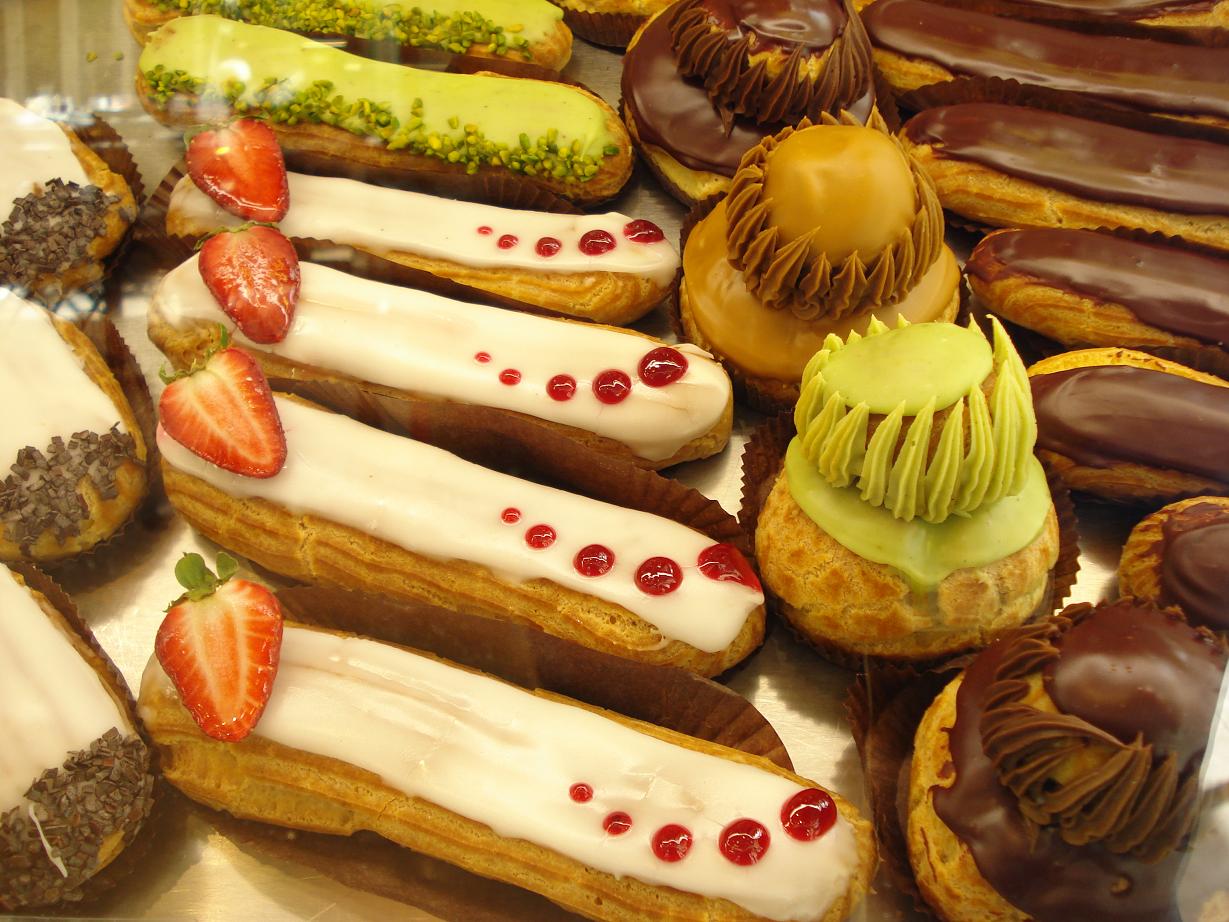
“Not to find one’s way in a city may well be uninteresting and banal,” wrote Walter Benjamin. “It requires ignorance—nothing more. But to lose oneself in a city—as one loses oneself in a forest—that calls for quite a different schooling.” A school for questions, not answers, says Kingwell.
I’d come to Paris with questions, many questions; some of which I would not answer. Perhaps the most important ones. I’d come with the hubristic ambition of defining Paris. But I discovered that to define Paris is to define life…and oneself.
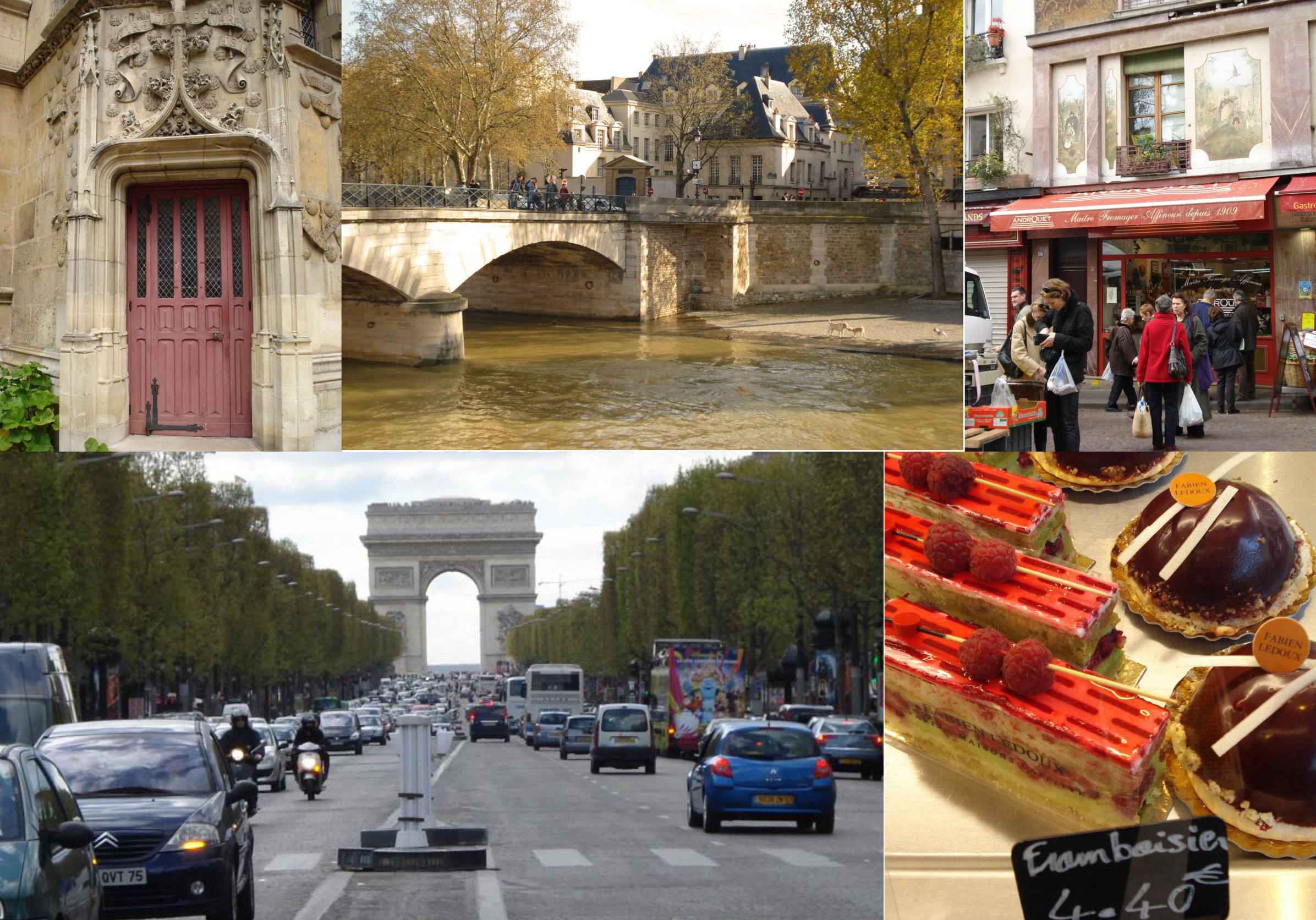
Paris unfolds like an impressionist canvas, to be interpreted through experience. It is an aria, both exquisite and haunting. Like the lingering aftertaste in the back of my throat of a complex bitter-sweet Bordeaux. I lost myself willingly to its mystery. “Real travel,” says Kingwell, “means we must surrender expectations and submit to chance, to challenge our desires, not merely satisfy existing ones…Leaving home ought to be, above all…that plunge into otherness. Becoming strange to ourselves is the gateway to seeing how dependent on strangers we are for our identities…Getting lost to yourself might be the best way to find out who you are.”
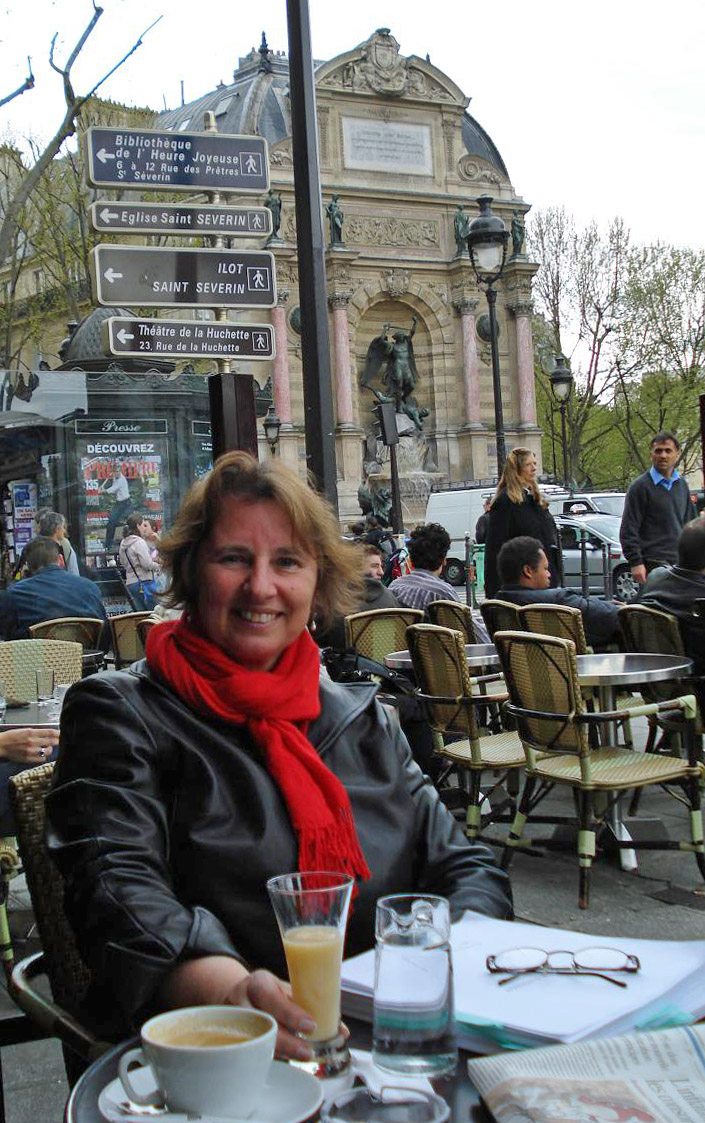

Nina Munteanu is a Canadian ecologist / limnologist and novelist. She is co-editor of Europa SF and currently teaches writing courses at George Brown College and the University of Toronto. Visit www.ninamunteanu.ca for the latest on her books. Nina’s bilingual “La natura dell’acqua / The Way of Water” was published by Mincione Edizioni in Rome. Her non-fiction book “Water Is…” by Pixl Press (Vancouver) was selected by Margaret Atwood in the New York Times ‘Year in Reading’ and was chosen as the 2017 Summer Read by Water Canada. Her novel “A Diary in the Age of Water” was released by Inanna Publications (Toronto) in June 2020.
 Nina Munteanu Writing Coach