“We are water, what we do to water, we do to ourselves”—Nina Munteanu
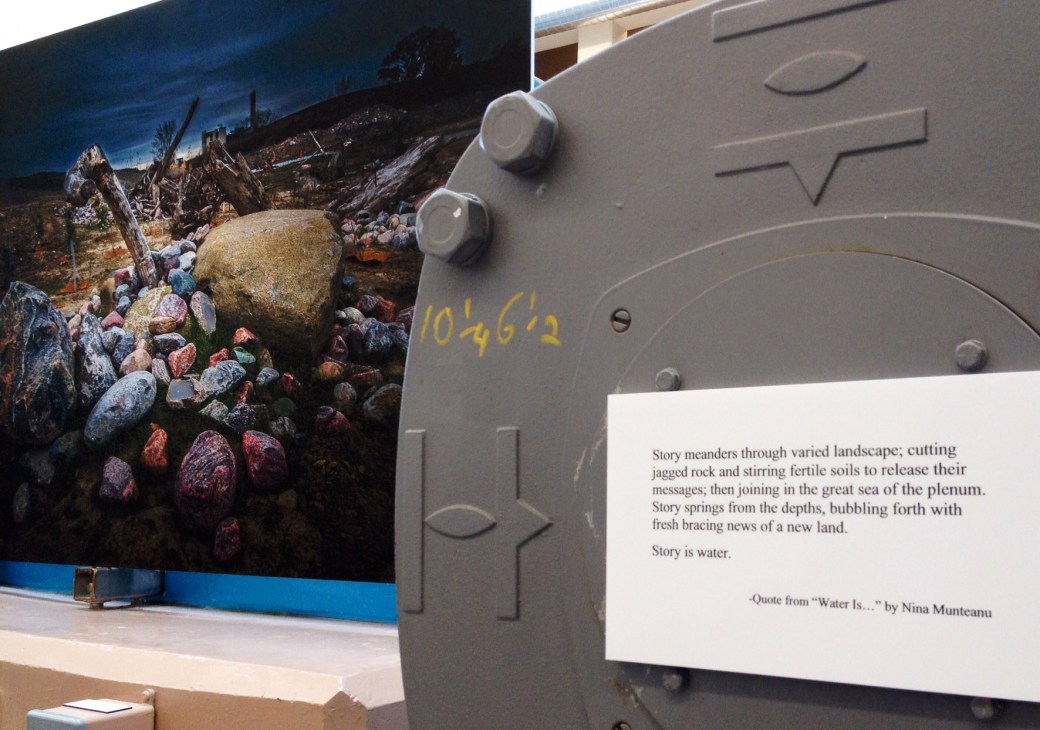
“Story” quote by Nina Munteanu from “Water Is…”
On Sunday January 14, “Morphology”, an art/writing exhibit and gala located in the world-class Lakeview Water Treatment Plant celebrated the new Waterfront Connection through the eyes of eleven photographers and writer/limnologist Nina Munteanu.
The show documented the initial stages of the newly created wetlands in Lakeview, Mississauga, on the shores of Lake Ontario. This revitalization project was the realized dream of visionary Ward 1 Councillor Jim Tovey, and was spearheaded by various organizations, including Credit Valley Conservation Foundation, The Region of Peel and the TRCA.

Photo Art by Julie Knox, “Beauty” quote by Nina Munteanu from “Water Is…”
The Lakeview Waterfront Connection reclamation project will extend from the old Lakeview generating station to Marie Curtis Park in Toronto When completed, the 64-acre site will provide 1.5 km of beach, meadow, forest, wetland and islands—providing excellent habitat for migratory birds, fish and other aquatic life. Clean rubble from demolition projects are being used to build new land.
“It is the first ecosystem that’s ever been built in Lake Ontario in the GTA—ever,” said Councillor Tovey.
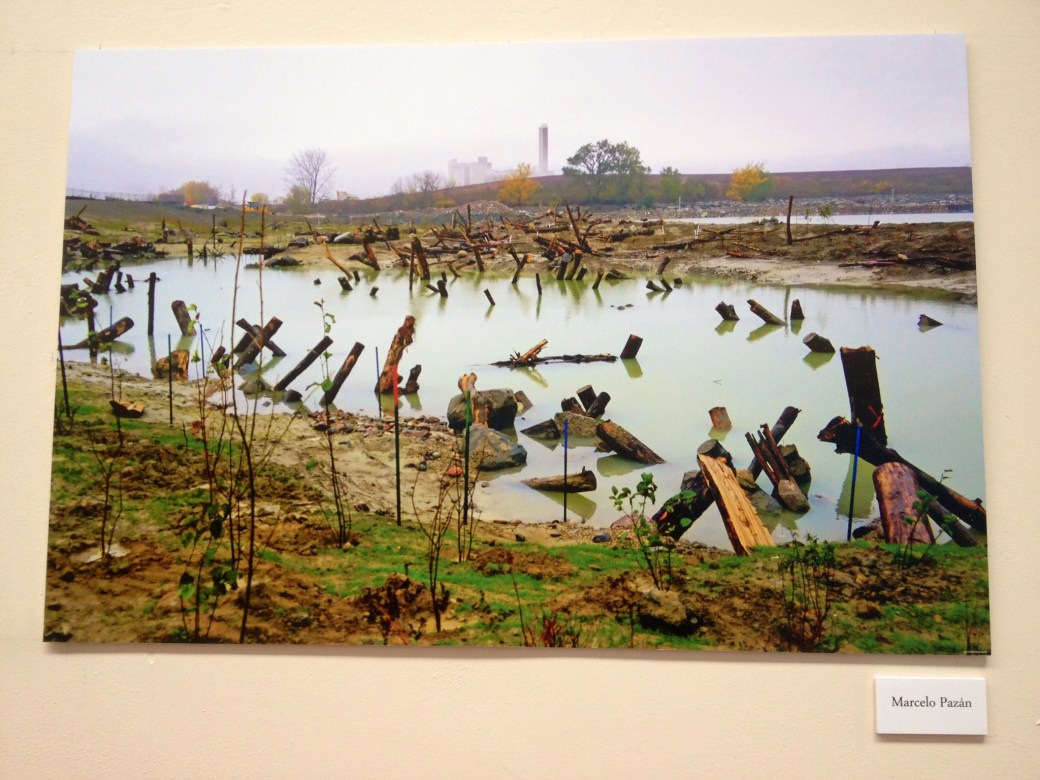
Photo Art by Marcelo Pazan
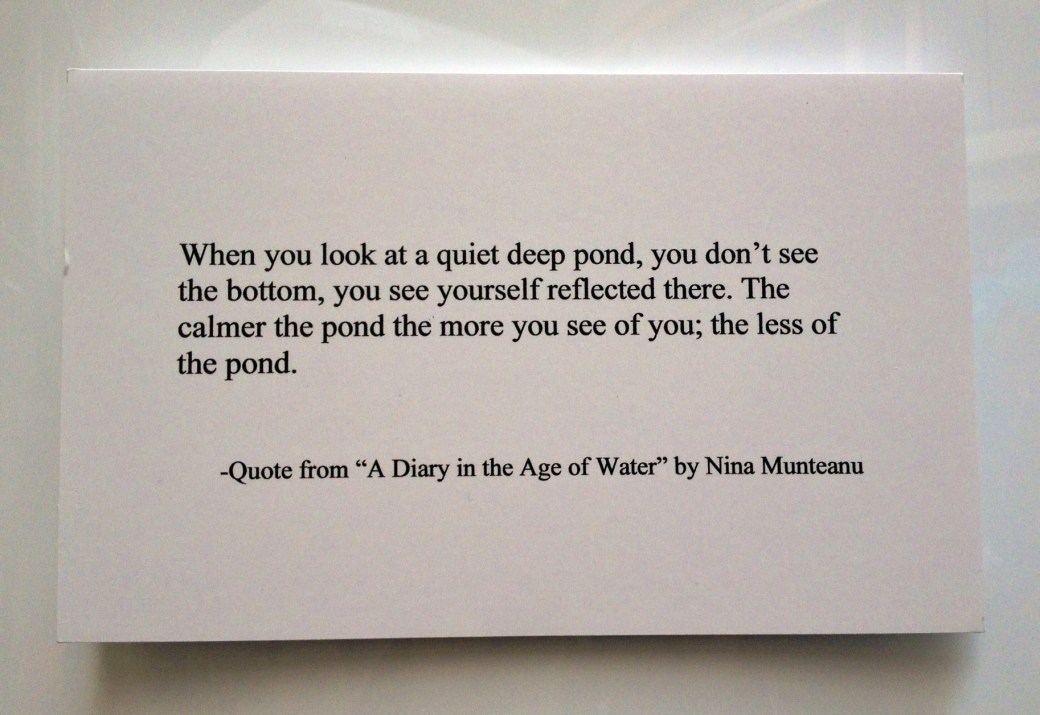
The art of eleven photographers documented the early stages of the wetland construction. “It sort of looks like a Salvador Dali surrealistic sculpture garden…and what an interesting way to really celebrate all of this,” said Councillor Tovey to the Mississauga News. Nina Munteanu was invited to provide water-related literature to augment the photography; quotes from Munteanu’s “Water Is…” and her upcoming novel “A Diary in the Age of Water” appeared in key locations with the photo art.
 Reiterating Jim Tovey’s earlier comment on the water treatment plant as its own sculpture-art, Munteanu celebrated the location and the nature of the exhibit: “When technology, art and ecology are celebrated together, you get magic.”

Councillor Jim Tovey and The Honourable Elisabeth Dowdeswell tour the exhibit
The Honourable Elisabeth Dowdeswell (Lieutenant Governor of Ontario) was present for the exhibit: “The Great Lakes … face certain challenges,” said The Honourable Dowdeswell. “Threats such as increased pollution, habitat destruction and climate change are all having negative effects on much of our natural world.” We need strong stewardship, she added.
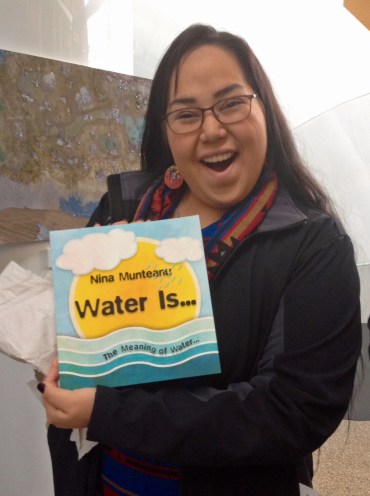
Councillor Cathie Jamieson with her copy of “Water Is…”
Cathie Jamieson, Councillor of the New Credit First Nation gave a stirring speech. “We are the water carriers and it’s in our best interest to respect and take care of our natural surroundings for the next seven generations,” she said.
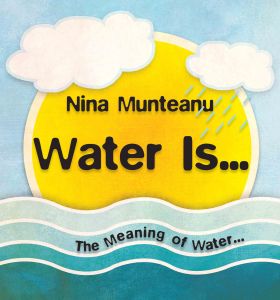
Councillor Jamieson was presented with a copy of “Water Is…” during the exhibit.
The exhibit will be moved and on public display at Mississauga’s Great Hall in March 2018. It is a must see!
Featured this year is the photo art by: Gabriella Bank, Sandor Bank, PJ Bell, Darren Clarke, Julie Knox, Lachlan McVie, Marcelo Leonardo Pazán, Martin Pinker, Annette Seip, Stephen Uhraney and Bob Warren; and written quotes by Nina Munteanu from “Water Is…” and upcoming “A Diary in the Age of Water”.

Lakeview Water Treatment Plant
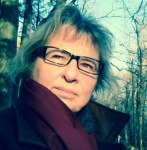 Nina Munteanu is an ecologist, limnologist and internationally published author of award-nominated speculative novels, short stories and non-fiction. She is co-editor of Europa SF and currently teaches writing courses at George Brown College and the University of Toronto. Visit www.ninamunteanu.ca for the latest on her books.

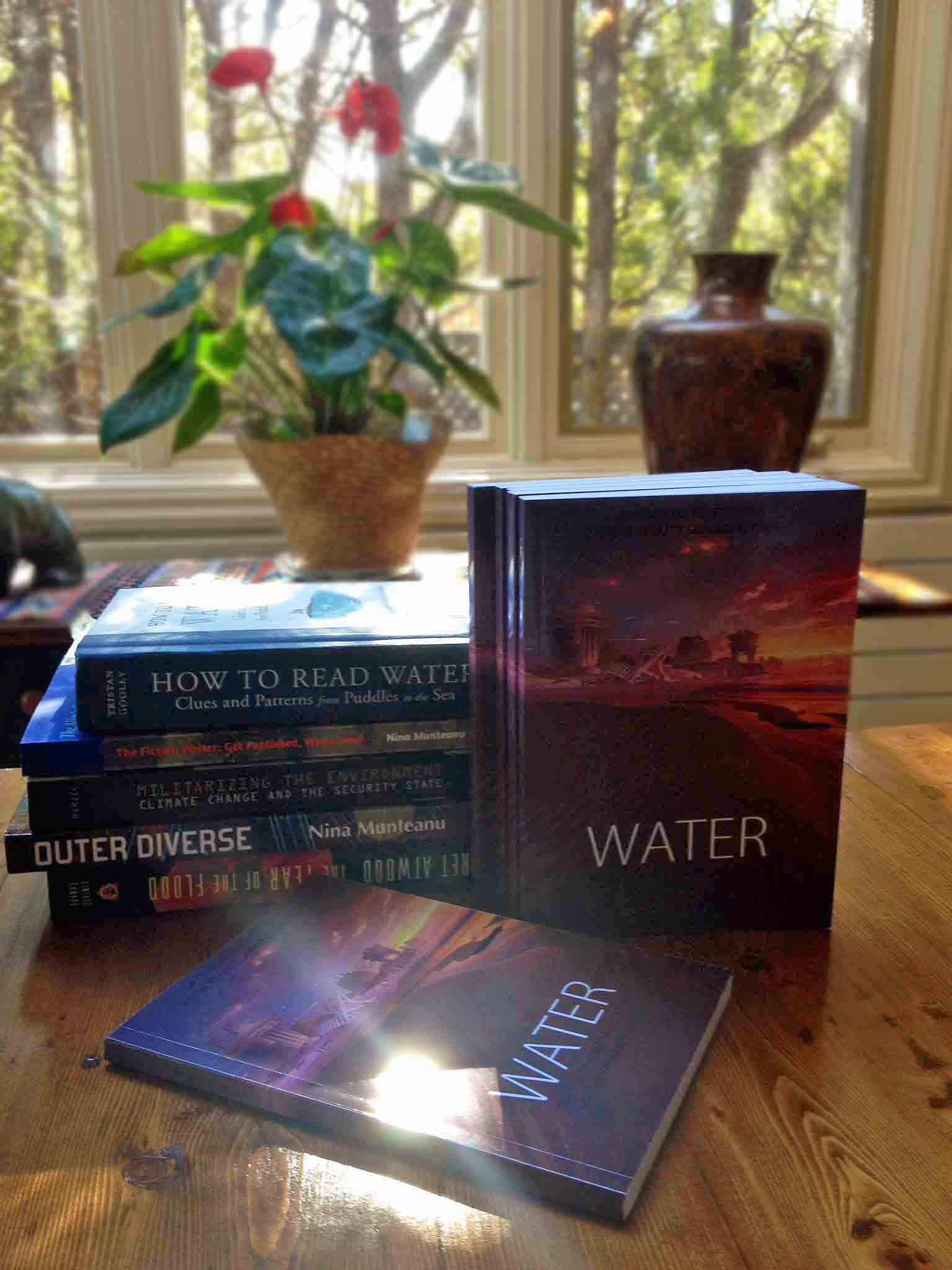
 In December 2017, “Water”, the first of Reality Skimming Press’s Optimistic Sci-Fi Series was released in Vancouver, BC. I was invited to be one of the editors for the anthology, given my passion for and experience with water.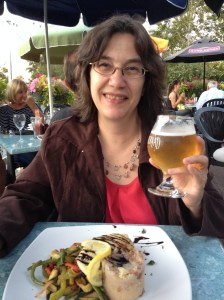

 In the years that followed, Reality Skimming Press published several works, including the “Megan Survival” Anthology for which I wrote a short story, “
 Arizona State University’s Imagination and Climate Futures Initiative is again hosting a Climate Fiction Short Story Contest. In years past they invited writers from around the world to submit speculative fiction stories that explore climate change to narrate a world in flux. Previous contests received submissions from 67 different countries and 12 finalists were published in a digital anthology “Everything Change”.
 Hi-Sci-Fi Radio (a podcast radio show out of CJSF 90.1FM in Burnaby, British Columbia) interviewed Nina Munteanu about the paradoxes of her eco-thriller
  Some years ago, I was interviewed by Michael Stackpole (New York Times bestselling author of over 40 novels, including “I, Jedi” and “Rogue Squadron”) and Michael Mennenga (CEO of “Slice of Sci-Fi”) on
  We talked about my book “
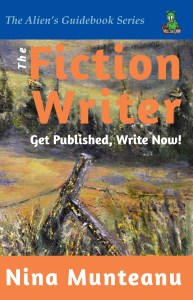 Here is an excerpt from
  Nina Munteanu is an ecologist and internationally published author of award-nominated speculative novels, short stories and non-fiction. She is co-editor of Europa SF and currently teaches writing courses at George Brown College and the University of Toronto. Visit
  “In his introduction to this all-original set of (at times barely) futuristic tales, Meyer warns readers, “[The] imaginings of today could well become the cold, hard facts of tomorrow.” Meyer (Testing the Elements) has gathered an eclectic variety of eco-fictions from some of Canada’s top genre writers, each of which, he writes, reminds readers that “the world is speaking to us and that it is our duty, if not a covenant, to listen to what it has to say.” In these pages, scientists work desperately against human ignorance, pockets of civilization fight to balance morality and survival, and corporations cruelly control access to basic needs such as water. The most affecting tale, Wendy Bone’s “Abdul,” is also the least futuristic, an emotional story that touchingly contrasts Western guilt against the life of a captive orangutan. The anthology may be inescapably dark, but it is a necessary read, a clarion call to take action rather than, as a character in Seán Virgo’s “My Atlantis” describes it, “waiting unknowingly for the plague, the hive collapse, the entropic thunderbolt.” Luckily, it’s also vastly entertaining. It appears there’s nothing like catastrophe to bring the best out in authors in describing the worst of humankind.”
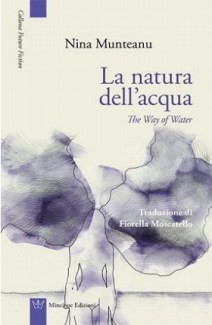 She imagines its coolness gliding down her throat. Wet with a lingering aftertaste of fish and mud. She imagines its deep voice resonating through her in primal notes; echoes from when the dinosaurs quenched their throats in the Triassic swamps.
 A limnologist (lake ecosystem biologist) by trade, Munteanu recognizes the incredible way that water shapes life and brings attention to the fact that water connects us to each other just as water connects with other water, forming bonds. She evokes in the reader a sense of reverence for water and an awareness that the same water that flows through our bodies have flowed through the bodies of our ancestors, cycling through life since the first life forms coalesced.
 “Water covers every aspect of this science fiction story that pits the vulnerable citizen against the evil multinational corporation in a dystopian Canada sometime in our future. Water is presented in its multiplicity of facets: in the science behind its composition, in its history, in it’s symbolic nature and different physical states; water is a giver and taker of life, and is the form in which the friendship of protagonists Hilda and Hanna functions. Water is also magic and the ultimate righter of wrongs committed to it and to a humanity it gives life to. Within this framework, Munteanu spins a thought-provoking tale that projects where our headlong pursuit of profit may one day lead us to, and how nature will ultimately, with a little human coaxing, be the only one to correct the balance.”—Shane Joseph, Canadian author of Fringe Dwellers
 love; a story to read, not only to deal with the possible but, above all, to understand that the time still available for “love” might be less than what you believe.”—Simone Casavecchia,
  Nina Munteanu is an ecologist and internationally published author of award-nominated speculative novels, short stories and non-fiction. She is co-editor of Europa SF and currently teaches writing courses at George Brown College and the University of Toronto. Visit

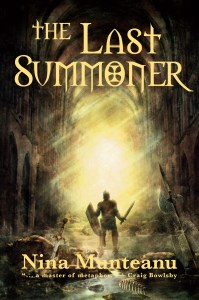 I brought up the notion of history’s quantum properties, a braided flow of multi-dimensional and entangled realities. This served as premise for my alternative historical time-travel fantasy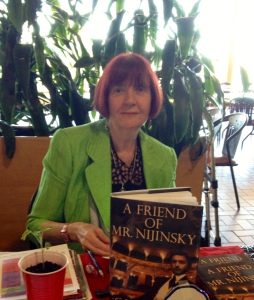

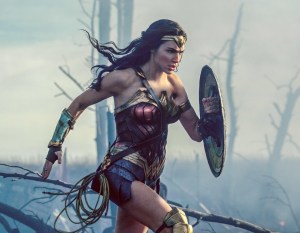

 Wonder Woman uses a unique weapon, the Golden Lasso, known as the Lasso of Truth—because it compels anyone wrapped by it to reveal the truth.

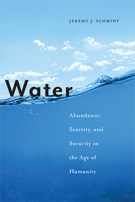 “Water, Abundance, Scarcity, and Security in the Age of Humanity” (NYU Press) by Jeremy Schmidt is an intellectual history of America’s water management philosophy. Debates over how human impacts on the planet, writes
 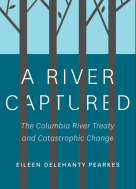 “A River Captured: The Columbia River Treaty and Catastrophic Change” (RMB Books) By Eileen Delehanty Pearkes reviews key historical events that preceded the Treaty, including the Depression-era construction of Grand Coulee Dam in central Washington, a project that resulted in the extirpation of prolific runs of chinook, coho and sockeye into B.C. Prompted by concerns over the 1948 flood, American and Canadian political leaders began to focus their policy energy on governing the flow of the snow-charged Columbia to suit agricultural and industrial interests.
 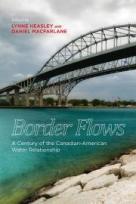 “Border Flows: A Century of the Canadian-American Water Relationship” (University of Calgary Press), Lynne Heasley and Daniel Macfarlane, editors, explore and discuss Canada-U.S. governance.
  “New York 2140” (Orbit) by Kim Stanley Robinson is a novel set in New York City following major sea level rises due to climate change.
  “The Death and Life of the Great Lakes” (WW Norton & Company Inc. Press) by Dan Egan is a frank discussion of the threat under which the five Great Lakes currently suffer. This book, writes
 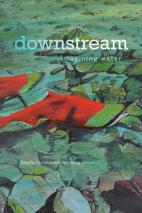 “Downstream: reimagining water” (Wilfred Laurier University Press) by Dorothy Christian & Rita Wong “brings together artists, writers, scientists, scholars, environmentalists, and activists who understand that our shared human need for clean water is crucial to building peace and good relationships with one another and the planet. This book explores the key roles that culture, arts, and the humanities play in supporting healthy water-based ecology and provides local, global, and Indigenous perspectives on water that help to guide our societies in a time of global warming. The contributions range from practical to visionary, and each of the four sections closes with a poem to encourage personal freedom along with collective care,” writes
  “
“
 Water Canada

