March 22 was World Water Day. As with last year at this same time and place, a brisk wind followed me into the industrial brick building that used to be the Small Arms Inspection Building—now converted into a community arts and culture centre.
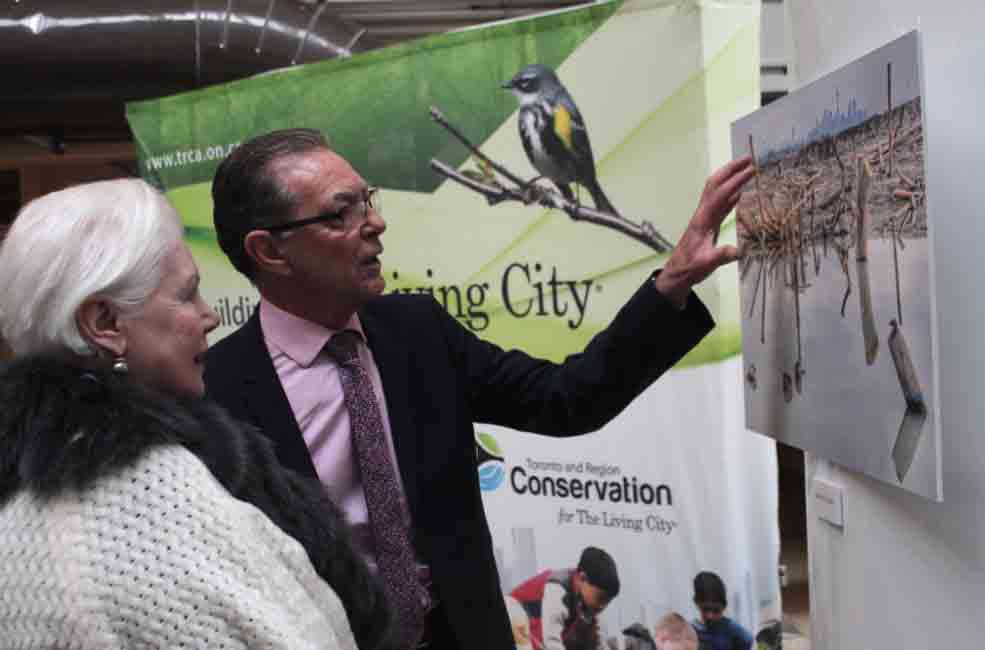
Councillor Jim Tovey and Lieutenant Governor Elizabeth Dowdeswell (photo by John Stewart)

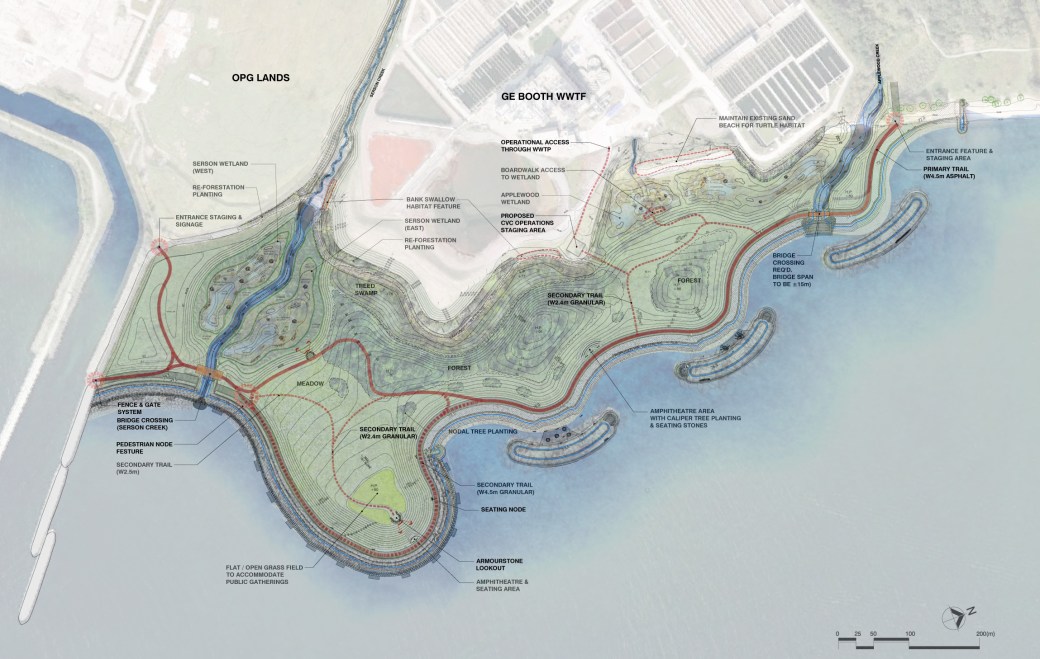
Plan of the conservation site
I was here to celebrate the late Jim Tovey’s dream of creating a 26-hectare park and marsh on Mississauga’s Lake Ontario shore that will connect the Waterfront Trail with Lake Ontario’s shorefront for the public.
Several dozen photographs that documented the annual and seasonal changes of the developing marsh occupied the spacious hall. The glow of evening sunlight streamed through, touching large photographs that hung from the high ceilings or were mounted on walls. Some photographs spanned over 2 by 3 metres.
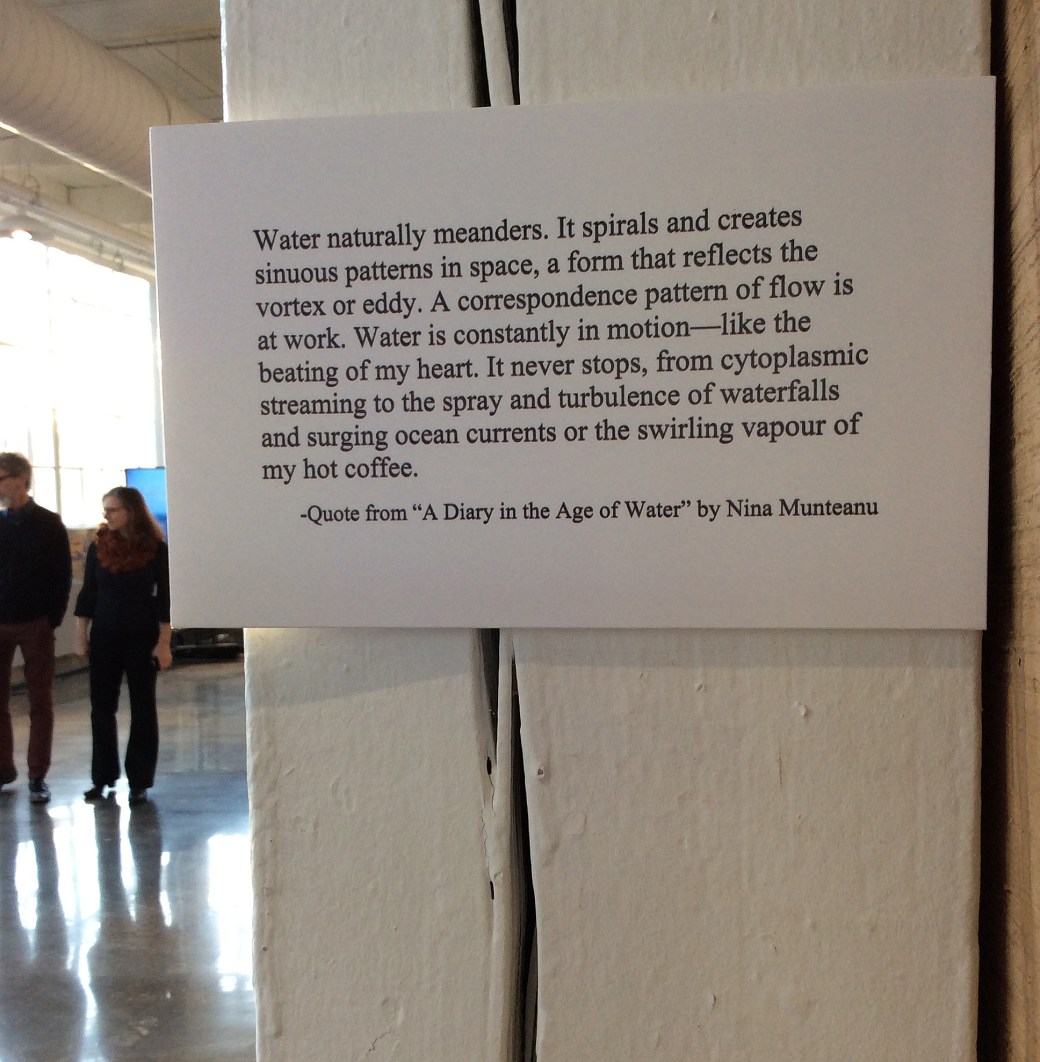
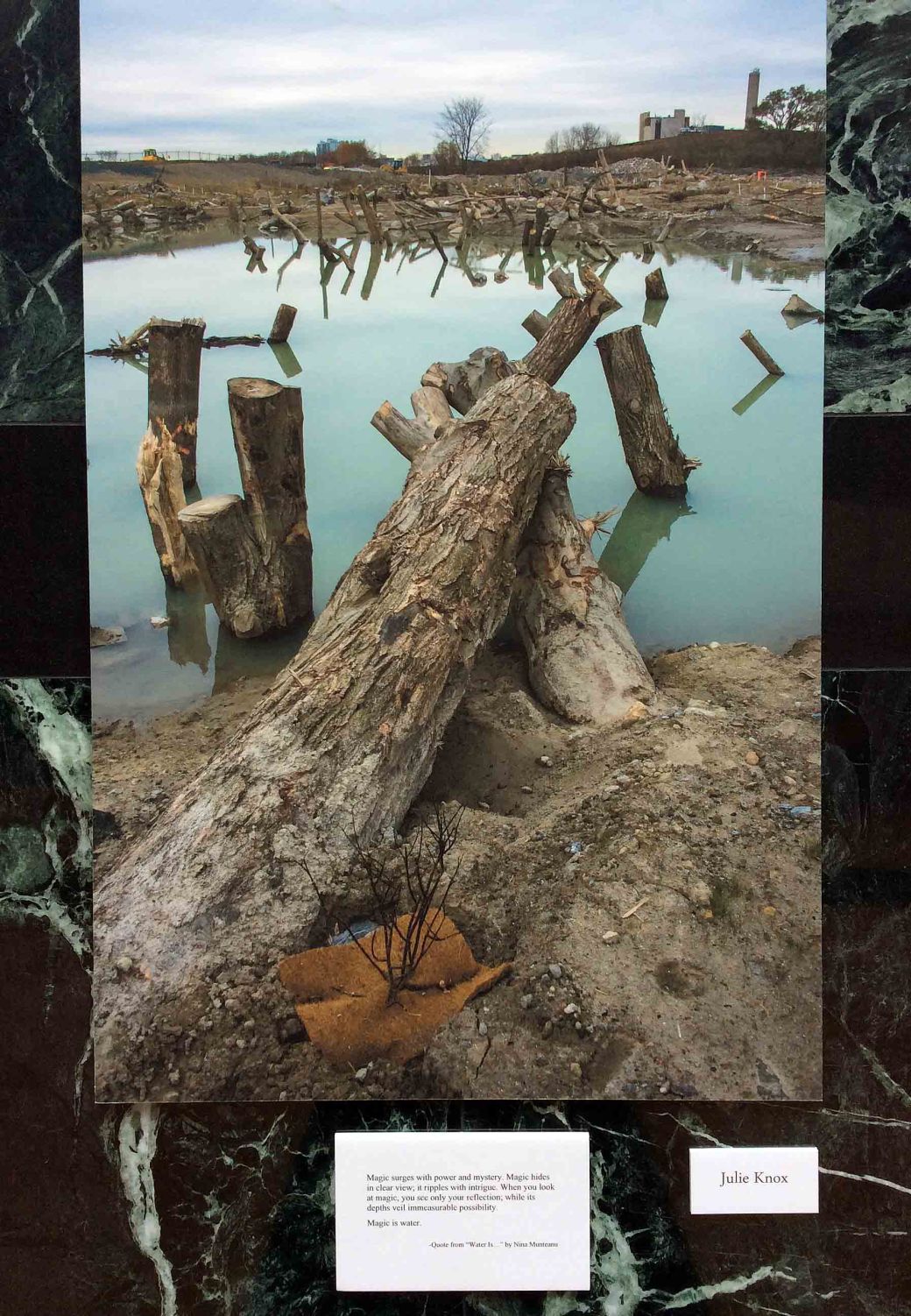
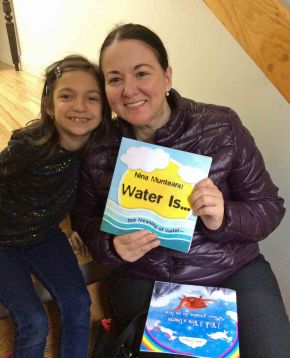
Quotes from my books “Water Is…” (Pixl Press, 2016) and upcoming “A Diary in the Age of Water” (Inanna Publications, 2020) were displayed among the photographs.
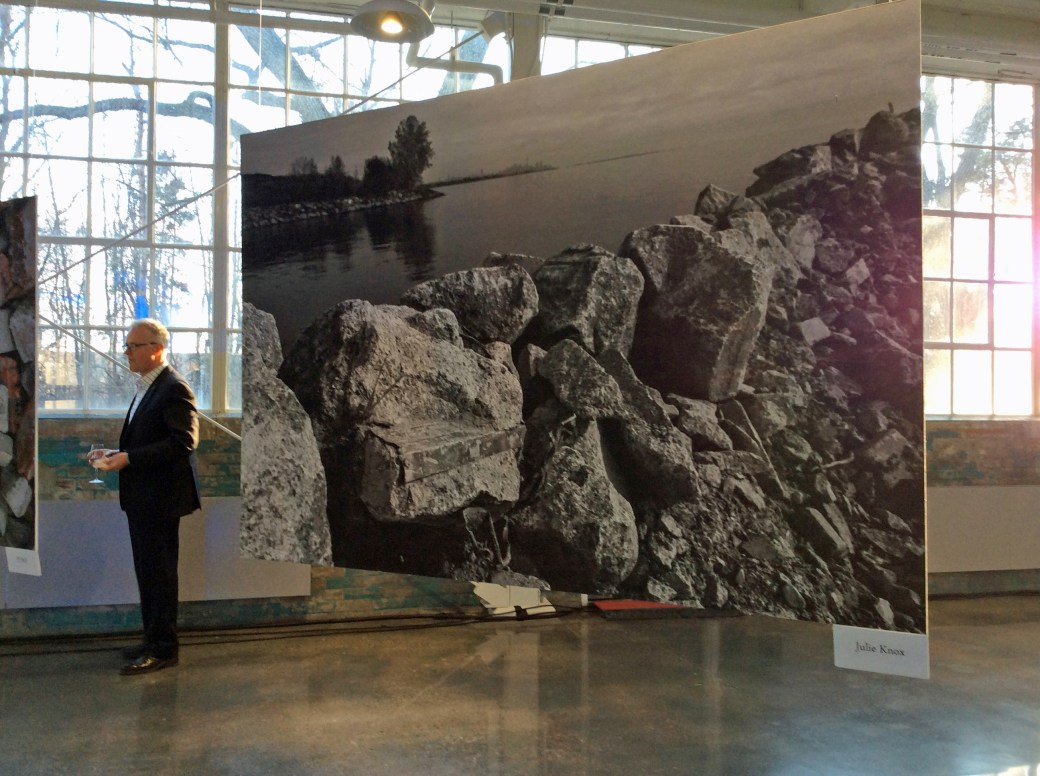
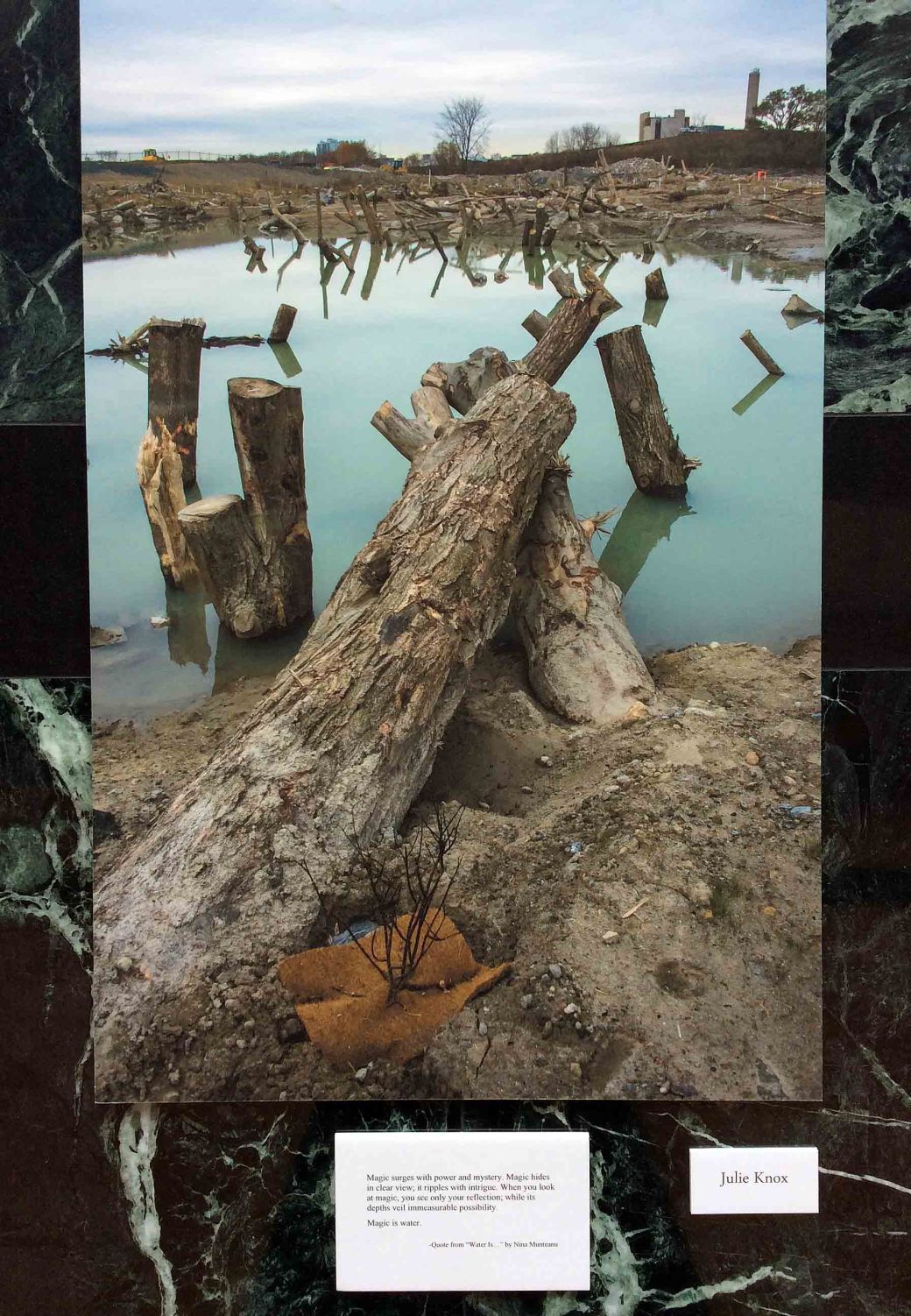
Photograph by Julie Knox
I was mesmerized by the spectacular photographic display.
Larger than life photographs caught my attention through light, form and unique perspective. Once caught, I was drawn into their complex narrative. A narrative of morphing shapeshifters, flowing humours and tricksters in the night. Panoramas that stretched over giant muddy holes depicting an evolution of landscape from wet
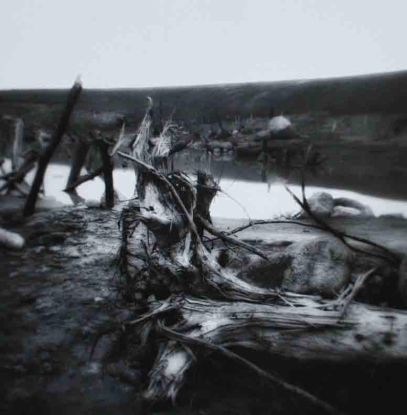
Photo by Gabriella Bank
to dry to wet again.
Tree bole, rock and rebar formed bizarre companions in murky pools that harbour life finding itself. Piles of giant boulders shouted their presence to a stormy lake. A frontend loader sat peacefully beneath a glowing sunset. Slopes of wild herbs reached into ponds as if looking for hidden treasure. Mangled rebar contorted in a frozen ice-dance. A man’s boot tracks cut recursive patterns in the silky mud.

The photographs provided a range of perspectives over the seasons on the early phase of the marsh construction that featured aquatic habitat structures built four metres below the level of Lake Ontario. Councillor Tovey had earlier said of the construction project: “It sort of looks like a Salvador Dali surrealistic sculpture garden…and what an interesting way to really celebrate all of this.”
The Morphology 2019 Photography Exhibit marks the third year of celebrating this morphing natural landscape through the photography of eleven creative photo artists. The opening day of Morphology 2019 was celebrated with a blessing by Cathie Jamieson, Councillor Mississaugas of the Credit First Nation. Lee Tovey spoke as did members of the contributing partners and Mayor Bonnie Crombie of the City of Mississauga.

Construction of the site and marsh began in November 2016 and is ongoing and expected to continue until 2024-2026, when the site will be opened to the public. Starting in 2017, the eleven photographers toured the site to capture the seasonal and annual changes of the developing wetland. I was also invited to tour the site to glimpse a moonscape of dirt and clean rubble as dozers pushed material out to form cells and reclaim marsh habitat from open lake.
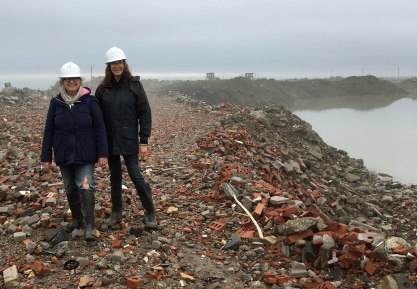
the author and Lee Tovey overlooking one of the marsh cells
In November of 2017, I walked the undulating “moonscape” with Lee Tovey and Zoe Danahy. Rolling berms snaked around pooled and dry depressions that disappeared in the fog. The smell of rain and mud pervaded as we set out in ankle-deep mud toward the snaking berms. I scrambled over rip rap chunks larger than me to glimpse Lake Ontario—its new shoreline re-imagined. Beyond, the lake vanished in a veil of fog. I was told that on a clear day you could see the Toronto Waterfront and the CN Tower. All I could make out was a few ghost trees that marked the nearby eastern shoreline.
Lee took me along a dyke embankment of clean fill made of red brick and cement riprap from various construction sites. “Clean fill” refers to anything like brick, top soil, gravel, and cement that has been tested for possible contaminants, as opposed to plastic, glass, or metals.
The author with Lee Tovey on riprap berm
Lee pointed left and right of us to depressions (containment cells) where Lake Ontario was being reclaimed for marsh-building. The depression on my left was still full of water; but the one on my right was fairly dry and already populated with anchored logs and shrub plantings to consolidate the wetland and provide refuge for marsh life. I could hear the large pump actively removing lake water at the south end of the evolving wetland. Beyond the high berm of human-sized riprap was the lake, its shoreline now redefined.
As I gazed over the brown monochromatic landscape, I imagined a tapestry of greens in Councillor Jim Tovey’s vision: 26 hectares of future wetlands, forest and meadow and beach spanning the Lake Ontario shoreline from the old Lakeview generating station to the Toronto line at Marie Curtis Park. Part of the Inspiration Lakeview development, the marsh and wetland park have now been named The Jim Tovey Lakeview Conservation Area.


Morphology
Morphology was conceived by the late visionary councillor Jim Tovey who envisioned an evolving photography and writing exhibit to follow the progress of the marsh creation project of what is now The Jim Tovey Lakeview Conservation Area. Spearheaded and nurtured by Councillor Tovey, the marsh construction was part of 26 hectares of future wetlands, forest, meadow and beach. The Lakeview Waterfront Connection will span the Lake Ontario shoreline from the old Lakeview generating station to the Toronto line at Marie Curtis Park. Part of the Inspiration Lakeview development, it will restore pedestrian and cyclist access to a previously forbidden section of the waterfront to “connect 9.5 kilometers of shoreline for water’s edge experience for the public,” said Councillor Tovey.
To celebrate the residential / park development, eleven professional photographers were invited to photograph the marsh construction during its early phases. These images, along with water-inspired narrative provided by limnologist-author Nina Munteanu, were first displayed in an exhibit during a gala event January 14 2018, hosted at the Lakeview water treatment plant. Following Councillor Tovey’s untimely passing, his wife Lee Tovey and others (e.g., TRCA, CVC, Region of Peel) are continuing the project. Morphology was displayed for the public on World Water Day, March of 2018, at the Great Hall in the Mississauga Civic Centre. Its third appearance was at the In Situ Multi Arts Festival in November 2018.

Morphology Exhibit at the Great Hall, Mississauga Civic Centre
The artist showcase is expected to become an annual event, highlighting the progress of constructed ecosystem. Morphology features works from: Gabriella Bank, Sandor Bank, PJ Bell, Darren Clarke, Julie Knox, Nina Munteanu, Lachlan McVie, Marcelo Leonardo Pazán, Martin Pinker, Annette Seip, Stephen Uhraney and Bob Warren.
https://www.dropbox.com/s/orsich16lbqgamf/MORPHOLOGY_2019.mp4?dl=0
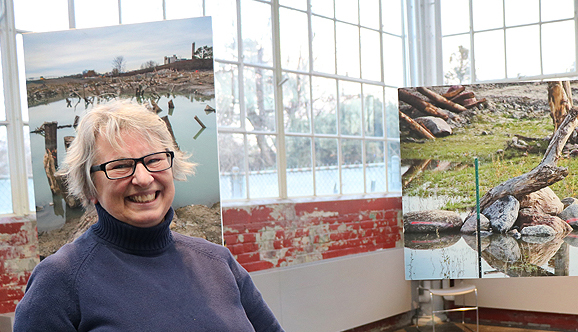
Nina joyfully standing in front of a Sandor Bank photo of the marsh (photo by Gabriella Bank)
 Nina Munteanu is an ecologist and internationally published author of award-nominated speculative novels, short stories and non-fiction. She is co-editor of Europa SF and currently teaches writing courses at George Brown College and the University of Toronto. Visit www.ninamunteanu.ca for the latest on her books. Nina’s recent book is the bilingual “La natura dell’acqua / The Way of Water” (Mincione Edizioni, Rome). Her latest “Water Is…” is currently an Amazon Bestseller and NY Times ‘year in reading’ choice of Margaret Atwood.

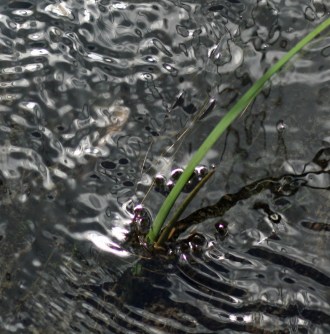


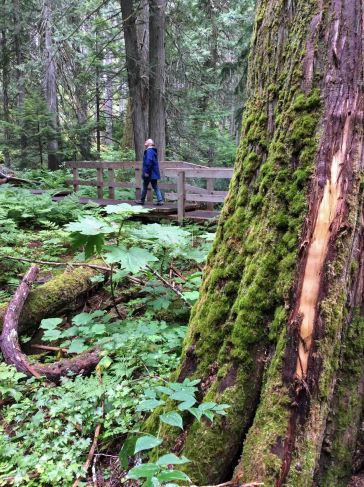
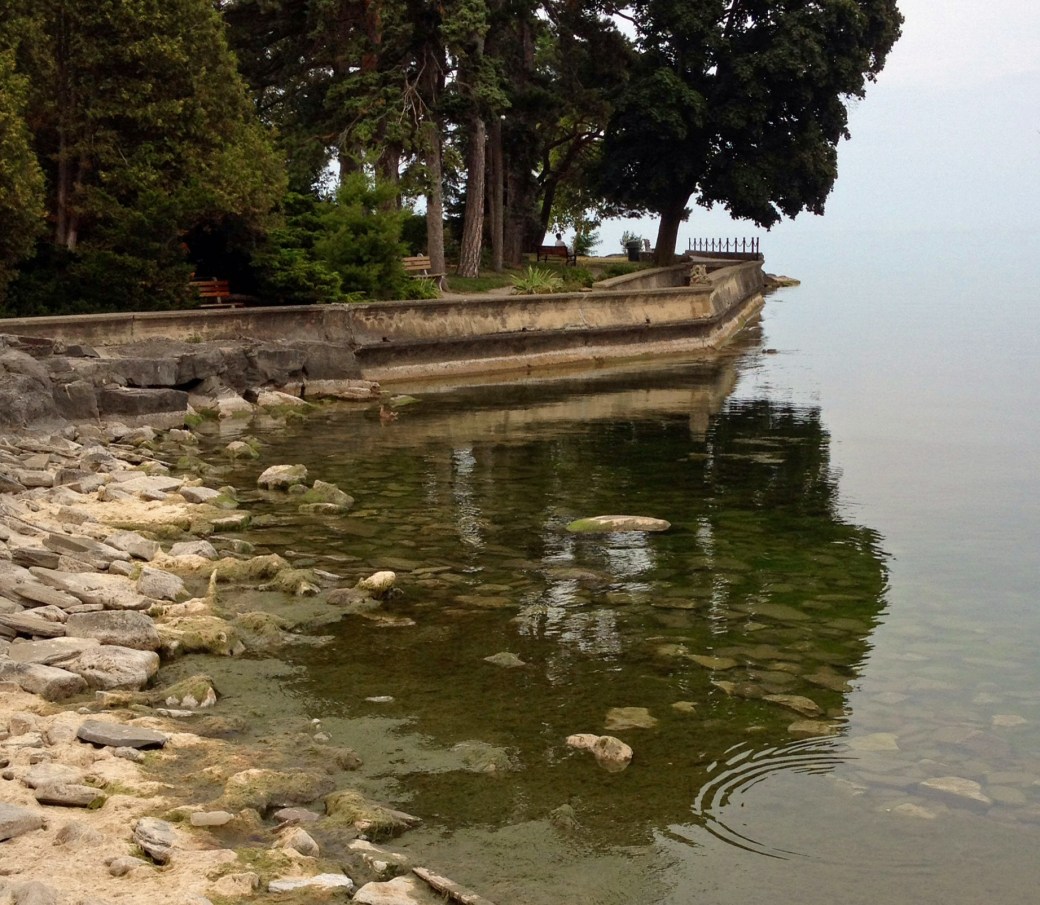
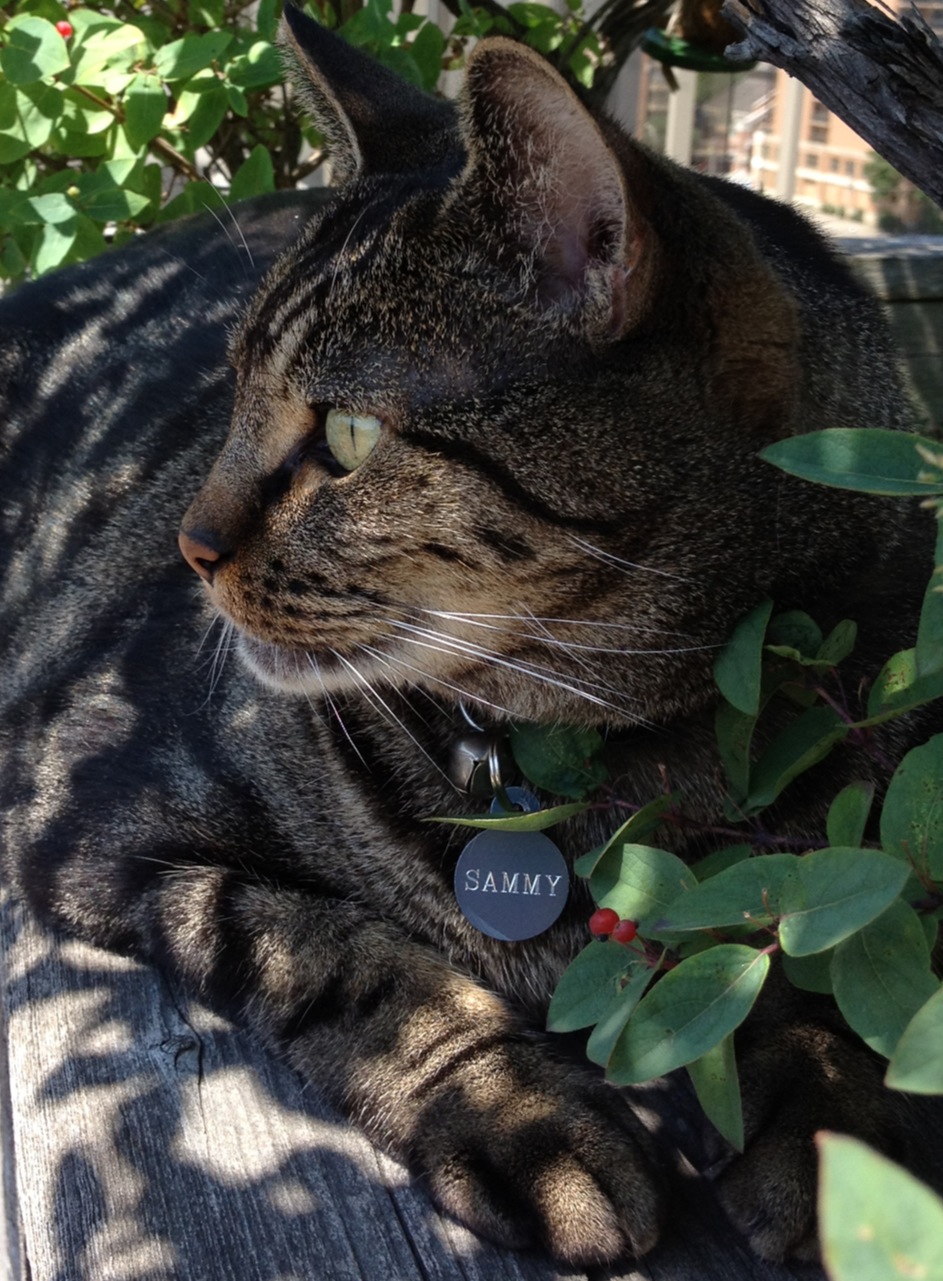
 Pinned in the moment, my mind first struggles with the need to pound out the next line. My mind then rephrases and teases out nuances of that line. Finally, it wanders out with my gaze and I find myself daydreaming in a kind of trance. Giving in to the cat-purr-meditation.

 This was Morphology—created by the late Jim Tovey and continued by his wife Lee Tovey—a photo and writing exhibit celebrating the 26-hectare park and marsh creation on Mississauga’s Lake Ontario shore.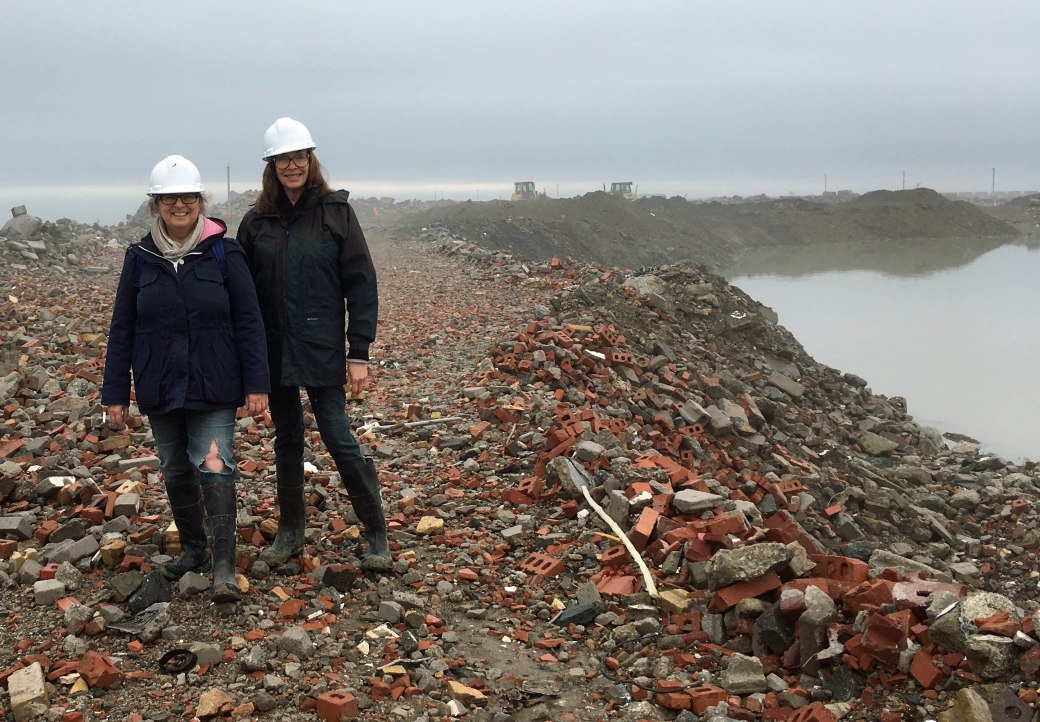
 Lee pointed left and right of us to depressions (containment cells) where Lake Ontario was being reclaimed for marsh-building. The depression on my left was still full of water; but the one on my right was fairly dry and already populated with anchored logs and shrub plantings to consolidate the wetland and provide refuge for marsh life. I could hear the large pump actively removing lake water at the south end of the evolving wetland. Beyond the high berm of human-sized riprap was the lake, its shoreline now redefined.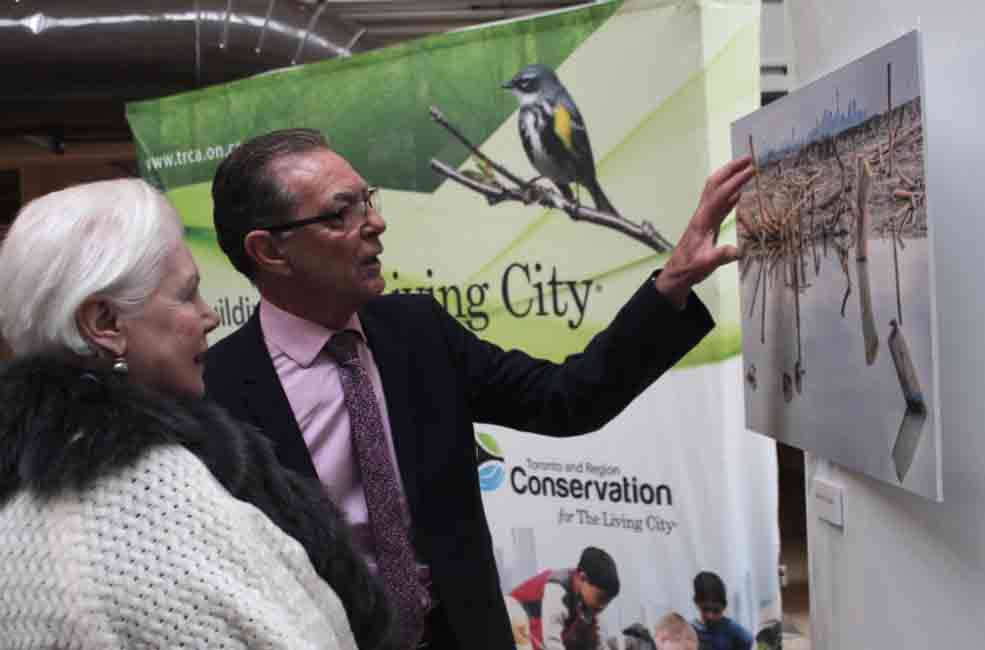
 Morphology was conceived by the late visionary councillor Jim Tovey who envisioned an evolving photography and writing exhibit to follow the progress of the marsh creation project of what is now the Jim Tovey Lakeview Conservation Area. Spearheaded and nurtured by Councillor Tovey, the marsh construction was part of 26 hectares of future wetlands, forest and meadow and beach. The Lakeview Waterfront Connection will span the Lake Ontario shoreline from the old Lakeview generating station to the Toronto line at Marie Curtis Park. Part of the Inspiration Lakeview development, it will restore pedestrian and cyclist access to a previously forbidden section of the waterfront to “connect 9.5 kilometers of shoreline for water’s edge experience for the public,” said Councillor Tovey.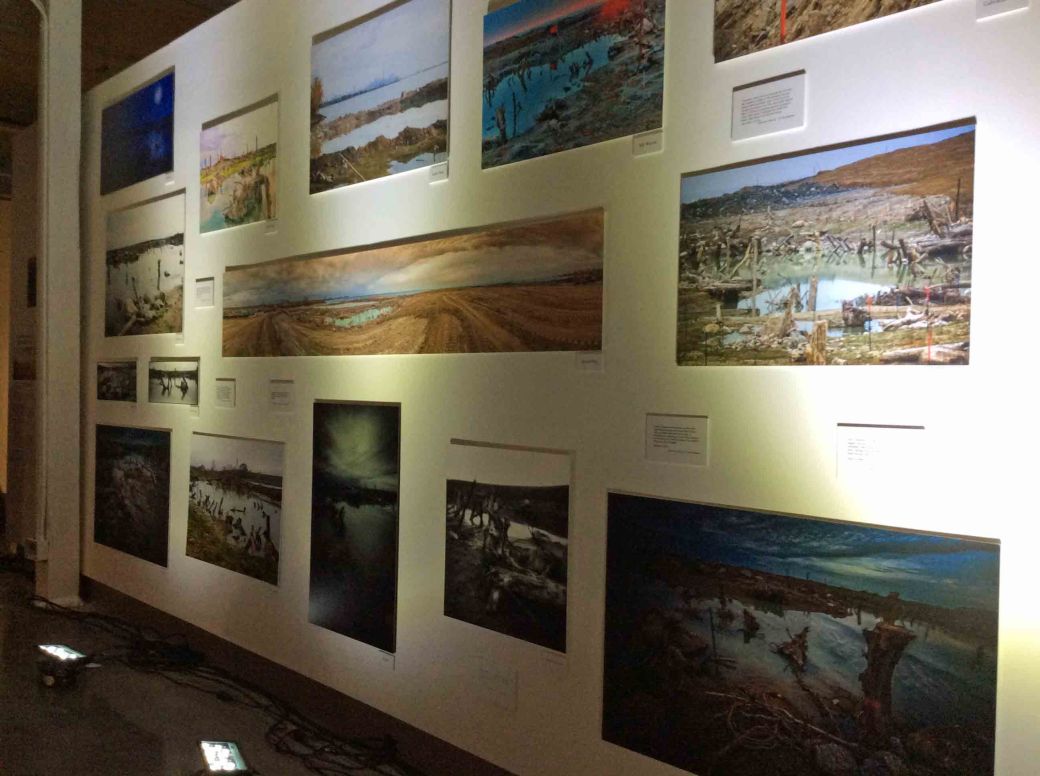




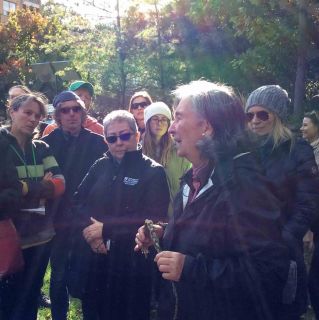

 Nina Munteanu is an ecologist, limnologist and internationally published author of award-nominated speculative novels, short stories and non-fiction. She is co-editor of Europa SF and currently teaches writing courses at George Brown College and the University of Toronto. Visit



 On October 5, 6 2018, I participated in the second ToRo Fest International Salon of Literature, Visual Arts & Music, put on by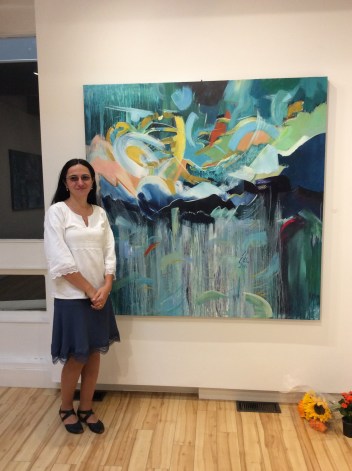


 Creative destruction … sounds like a paradox, doesn’t it? Nature—and God— is full of contradiction and paradox. There is so much that we do not understand (at least on the surface)… and apparent contradiction proves that to me. In
  In my speculative fiction novel,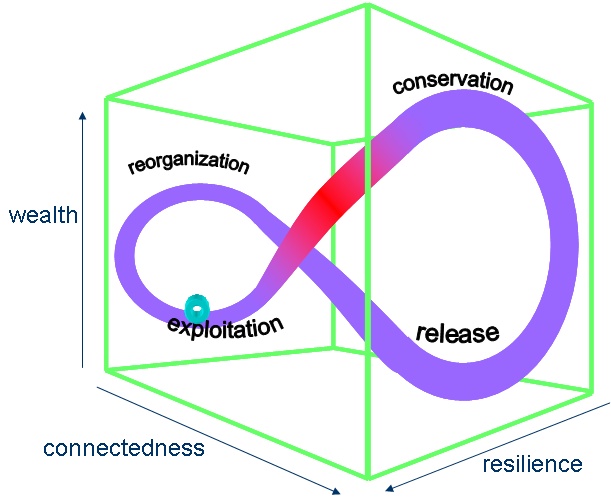
 Suppression of spruce budworm populations in eastern Canada using insecticides partially protected the forest but left it vulnerable to an outbreak covering an area and of an intensity never experienced before;
 In my book