 This week is a wonderful time to reflect on the past year, 2019. It’s also a good time to be thankful for the things we have: loving family, meaningful friendships, pursuits that fulfill us and a place that nurtures our soul.
It’s been a very good year for my writing…and my soul…
Last year I received a writer’s dream Christmas gift: a signed contract with Inanna Publications to publish my ninth novel: “A Diary in the Age of Water” about four generations of women and their relationship with water during a time of extreme climate change. The book will be released by Inanna in May 2020 with a launch in Toronto on May 26th at Queen Books as part of the Toronto International Festival of Authors. The book is now available on Amazon.ca for pre-order!
Publications
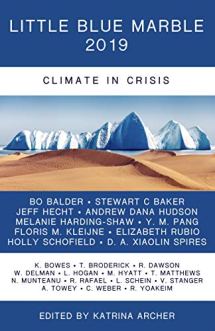 2019 saw several of my publications come out. In January 2019 the reprint of my story “The Way of Water” was published by Little Blue Marble Magazine. It will reappear in a print and web anthology devoted to climate fiction called “Little Blue Marble 2019: Climate in Crisis” on December 27, 2019. That will be the sixth time “The Way of Water” has been published!
 Impakter Magazine also published my article “How Trees Can Save Us,” an essay on five writers’ perspectives on trees and humanity’s relationship with them.
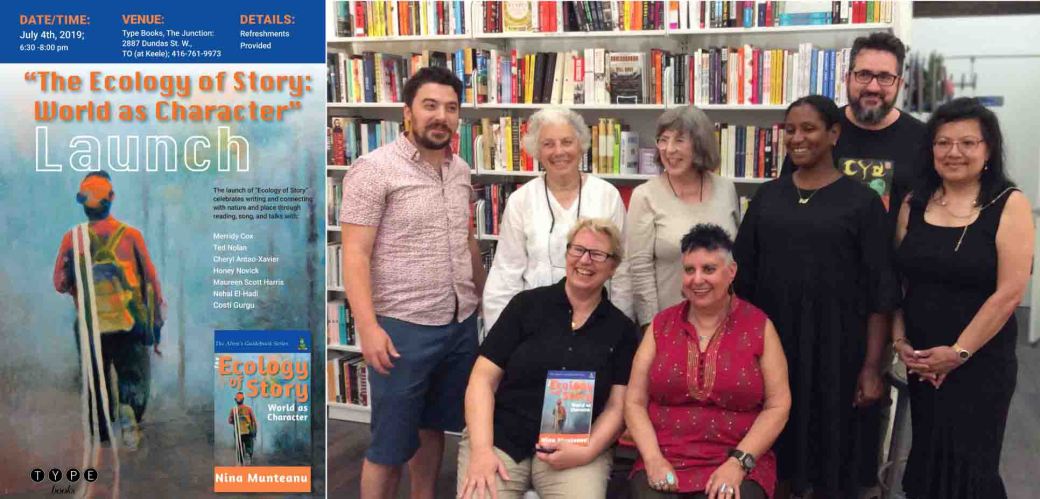
In June, I published the 3rd guidebook in my Alien Writing Guidebook series—called “The Ecology of Story: Worlds as Character” with Pixl Press in Vancouver. The launch on July 4th at Type Books was well attended with presentations by several local writers and artists.
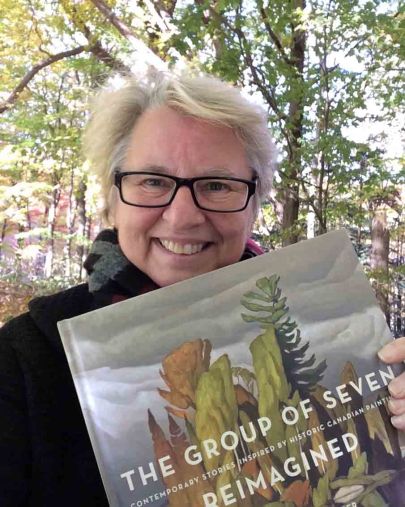
Nina Munteanu with The Group of Seven Reimagined
I was commissioned along with twenty other writers to write a piece of flash fiction for a commemorative anthology to the Group of Seven, entitled “The Group of Seven Reimagined,” with Heritage House in Vancouver.
I’d never written flash fiction before and it was both exciting and challenging to write. I was asked to pick an artist’s piece as inspiration for a flash fiction story. The beautiful hardcover book was released October 2019.
October also saw another of my pieces published. I was asked to contribute something to the Immigrant Writer’s Association’s first anthology, entitled “Building Bridges,” about the immigrant’s experience in Canada. While I’m not an immigrant, I did share my parents’ experience who had immigrated to Canada from France. I wrote a piece on the hero’s journey.
Age of Water Podcast

On November 22, 2019, co-host Claudiu Murgan and I launched the Age of Water podcast. The podcast covers anything of interest from breaking environmental news to evergreen material on water and the environment. We interview scientists, journalists, writers, academia and innovators who share their knowledge and opinions about the real state of the environment and what committed individuals and groups are doing to make a difference. We talk about the problems and we talk about the solutions.
Appearances & Media / News
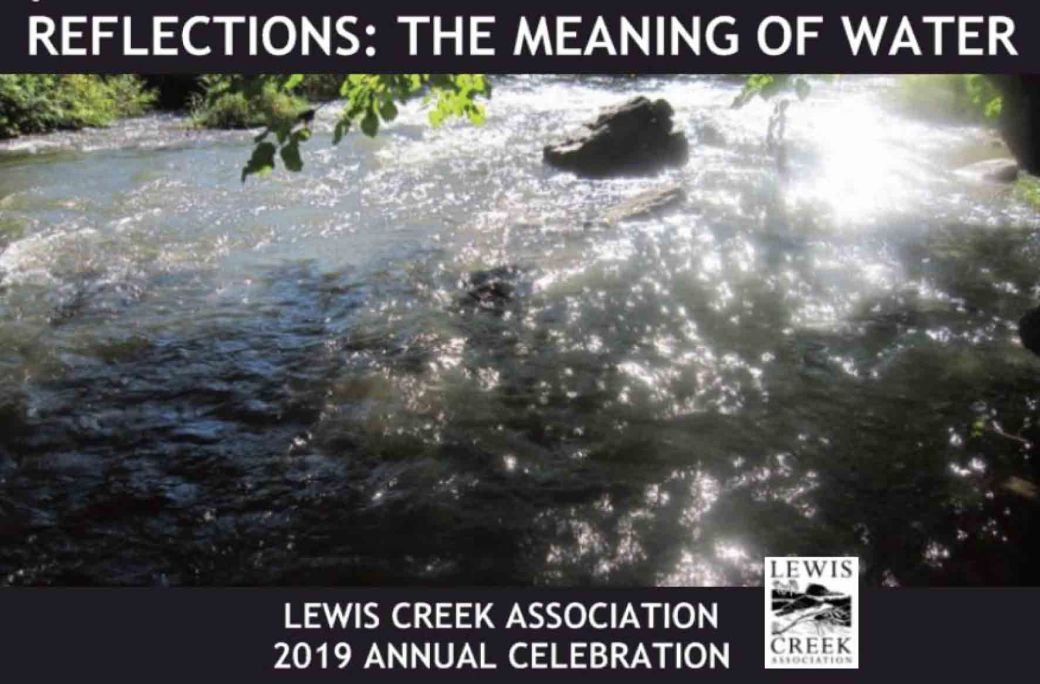
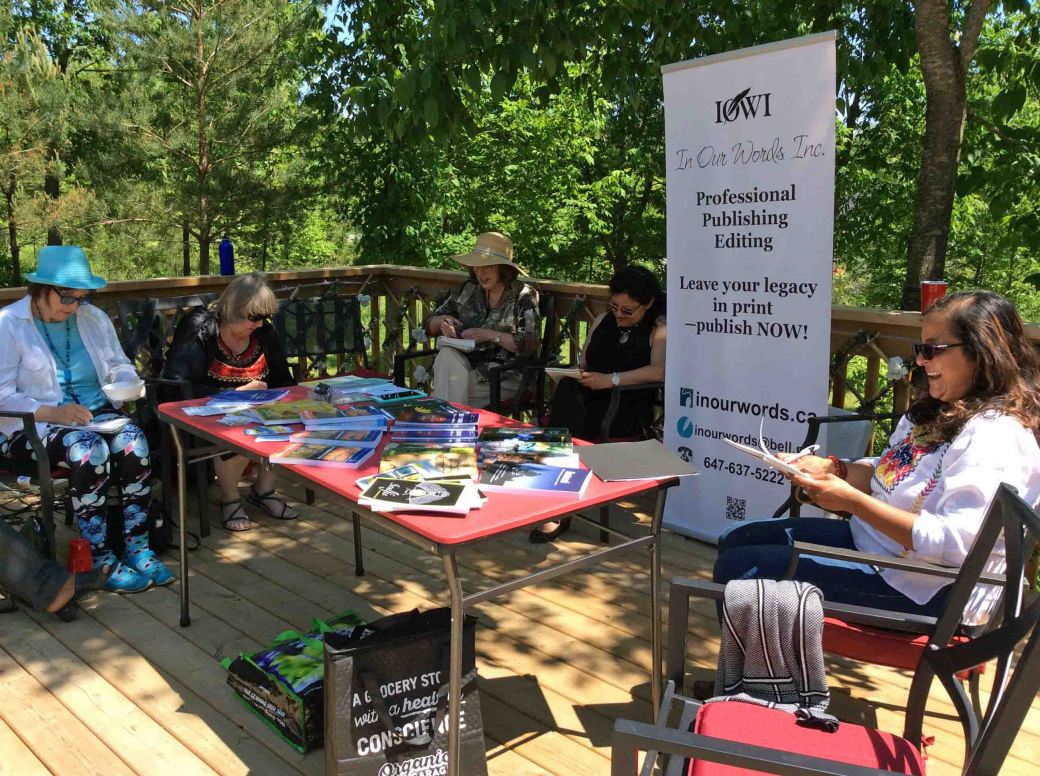
On June 22, I traveled to Port McNicoll at Georgian Bay to help give a writing intensive, hosted by publisher Cheryl Antao-Xavier at IOWI. I was also invited to speak at The Word is Wild Literary Festival in October. The event took place in Cardiff, in the Highlands of Ontario. In late October, I traveled with friend and editor Merridy Cox to Vermont to give a presentation on water to the Lewis Creek Association. Entitled “Reflections: The Meaning of Water”, the talk focused on our individual connection with water. I will be reprising this talk at several venues this year.

Nina Munteanu with a metasequoia in the Beaches (photo by Richard Lautens)
I was also featured in the news a few times. The Toronto Star asked me to answer two questions about climate change and the Vancouver Sun published an Oped of mine entitled “Why Women Will Save the Planet.”
Research & Adventure

Giant red cedars in Lighthouse Park (photo by Nina Munteanu)
In Summer 2019 I travelled to British Columbia to visit friends and family in Vancouver and elsewhere. Following a dream of mine, I travelled with good friend Anne to Port Renfrew on Vancouver Island to see the ancient forests and the west coast. I had wanted to see these old-growth forests for some time since I’d been to Carmanah many years ago. The ancient forests were magnificent and breathtaking and so nourishing for the soul. Recognizing these forests as living cathedrals, I felt a deep reverence. The silent giants rose from wide buttressed bases into the mist like sentinels, piercing the heavens. A complex tangle of beauty instinct whispered in the breeze with the pungent freshness of pine, cedar and fir. Anne and I even had a chance to hug Big Lonely Doug, the second tallest Douglas fir tree in Canada.

Nina Munteanu stands, dwarfed, by a Douglas fir tree in Lighthouse Park (photo by Margaret Ross)
While in British Columbia, I also visited a small enclave of old-growth forest in the heart of Vancouver at Lighthouse Park (West Vancouver). I went with son Kevin and then again with good friend Margaret. This majestic forest of redcedar, Douglas fir, spruce and hemlock is deeply awesome and humbling. And a real gem for the city.

Nina Munteanu in Ladner, BC (photo by Anne Voute)
Then, with just a few days before my flight back to Toronto, I slipped and fell and broke my ankle. I got a “boot” and a cane then hobbled on the plane and went back to work at UofT.
It has been a wonderfully inspirational year for me in writing and teaching. I still actively teach at The University of Toronto in several writing centres and classes throughout the downtown campus. The students are bright and challenging. I also still coach writers to publication and have helped several finish their works in 2019.
I hope the beauty of the season has filled your heart with joy. Wishing you a wonderful 2020, filled with grace, good health, and sweet adventure!

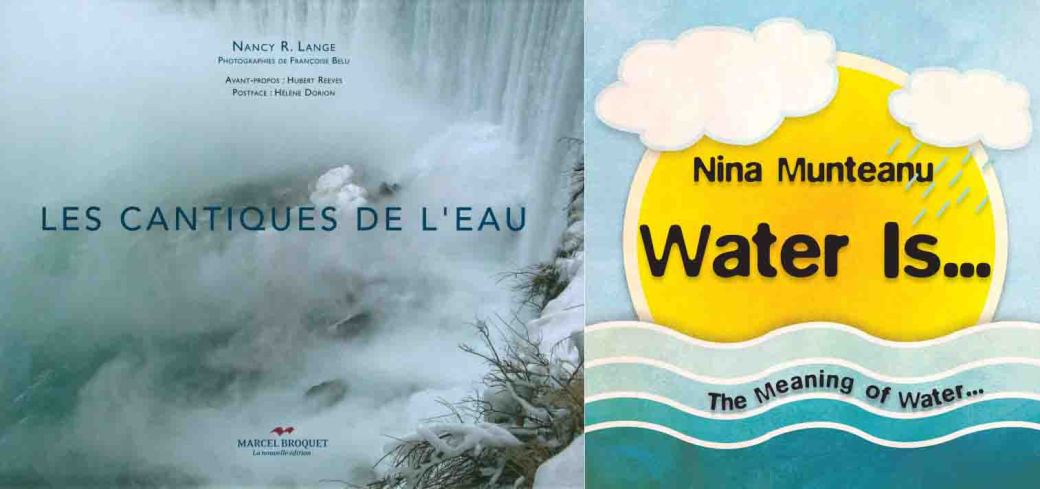
Nina Munteanu is a Canadian ecologist / limnologist and novelist. She is co-editor of Europa SF and currently teaches writing courses at George Brown College and the University of Toronto. Visit www.ninamunteanu.ca for the latest on her books. Nina’s bilingual “La natura dell’acqua / The Way of Water” was published by Mincione Edizioni in Rome. Her non-fiction book “Water Is…” by Pixl Press (Vancouver) was selected by Margaret Atwood in the New York Times ‘Year in Reading’ and was chosen as the 2017 Summer Read by Water Canada. Her novel “A Diary in the Age of Water” will be released by Inanna Publications (Toronto) in June 2020.



 *A version of this talk is available in an article I wrote called “Coming Home to Water,” which first appeared in the 2016 anthology In the Moment (A Hopeful Sign) edited by Gary Doi. It was reprinted in 2018 The Earth We Love (Mississauga Writers) edited by Elizabeth Banfalvi; and again in 2019 in The Literary Connection IV: Then and Now (IOWI) edited by Cheryl Antao Xavier.

 I was recently invited by organizer and poet Kathy Figueroa to participate in The Word Is Wild Literary Festival III in Cardiff in Ontario’s northern community. I joined poet and author Sharon Berg from Sarnia, poet and vocalist Honey Novick and poet naturalist Merridy Cox from Toronto, singer / songwriter Albert Saxby from Essenville and other locals for a day of readings, musings, and singing.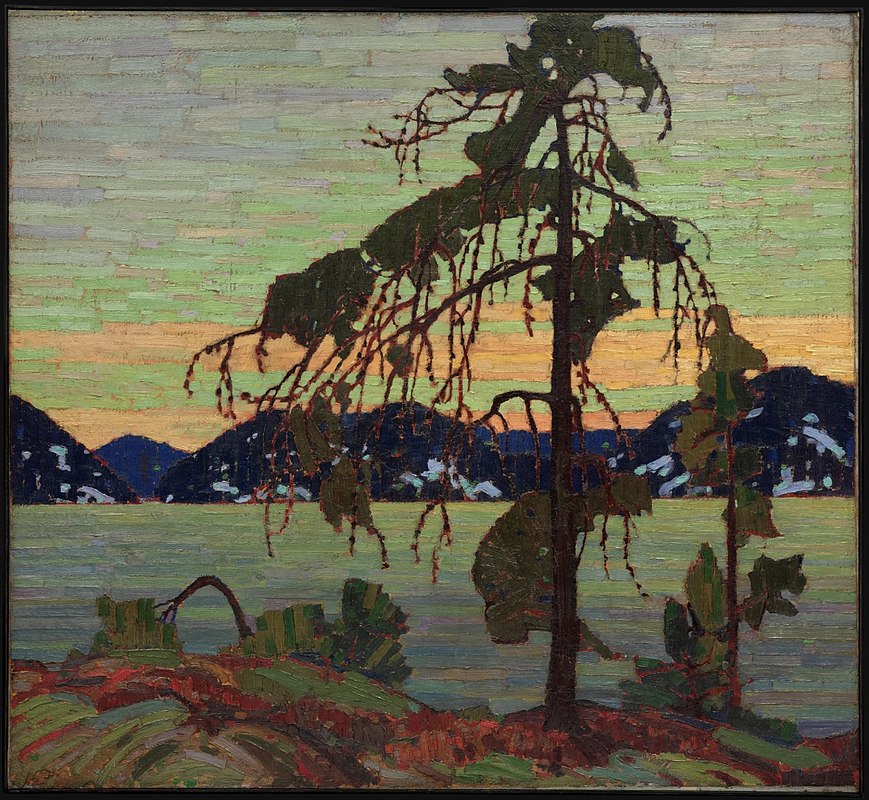


 Jeremiah Wall, Nina Munteanu, Nancy R. Lange, Nicole Davidson, Carmen Doreal, MarieAnnie Soleil, Luis Raúl Calvo, Louis-Philippe Hébert, Melania Rusu Caragioiu, Anna-Louise Fontaine.

 I recently gave a 2-hour workshop on “ecology of story” at Calgary’s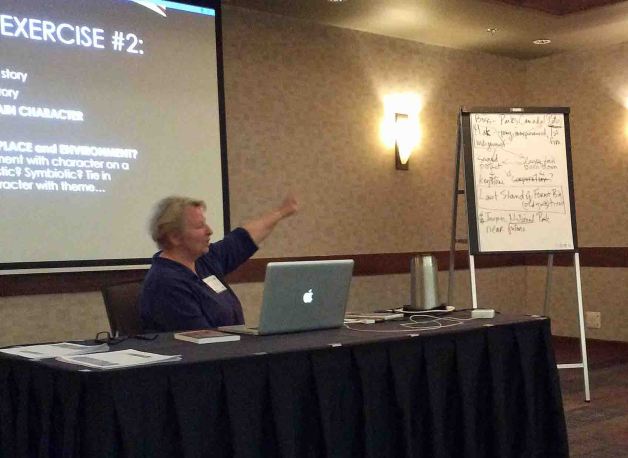



 Nina is a Canadian scientist and novelist. She worked for 25 years as an environmental consultant in the field of aquatic ecology and limnology, publishing papers and technical reports on water quality and impacts to aquatic systems. Nina has written over a dozen eco-fiction, science fiction and fantasy novels. An award-winning short story writer, and essayist, Nina currently lives in Toronto where she teaches writing at the University of Toronto and George Brown College. Her non-fiction book “Water Is…”—a scientific study and personal journey as limnologist, mother, teacher and environmentalist—was picked by Margaret Atwood in the New York Times as 2016 ‘The Year in Reading’. Nina’s most recent novel “A Diary in the Age of Water”— about four generations of women and their relationship to water in a rapidly changing world—will be released in 2020 by Inanna Publications.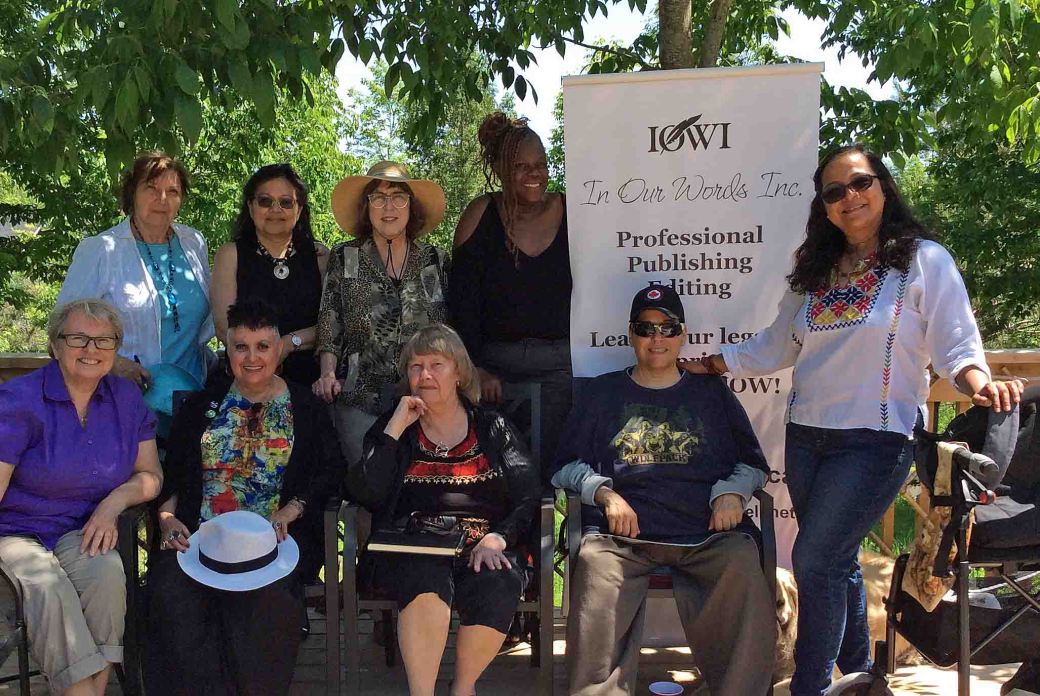
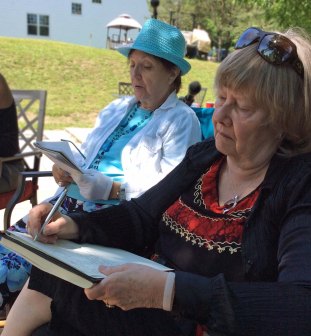 I talked about the importance of theme to help determine a story’s beginning and ending. We also discussed the use of theme in memoir to help focus the memoir into a meaningful story with a directed narrative. I discussed the use of the hero’s journey plot approach and its associated archetypes to help determine relevance of events, characters and place: all topics explored in my
  While everyone left at six, I stayed on with a friend. I’d booked the night and looked forward to a restful evening among deer, rustling trees and a chorus of birdsong. The owner had left us some leftovers for supper, and, as we dined on a smorgasbord of gourmet food and wine, I reveled in Nature’s meditative sounds. The night sky opened deep and clear with a million stars.


 UofT instructor and writer Nina Munteanu launched the third book in her acclaimed “how to write” series at Type Books, Toronto, on July 4th, 2019. The launch of

 Honey Novick is a poet, voice teacher, singer and songwriter. Honey is the winner of the Empowered Poet Award, CAPAC, Yamaha Classical Music Competition in Japan, among others. Honey wrote music for CBC’s Morningside and sang for Prime Minister Pierre Elliot Trudeau.
 Ted Nolan—E. Martin Nolan—is a poet, essayist, editor and voice of the trees. He teaches in the Engineering Communication Program at the University of Toronto and is a PhD Candidate in Applied Linguistics at York University. His latest work is a chapbook written in collaboration with some trees entitled: “Trees Hate Us.”
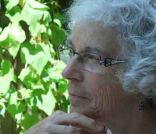 Maureen Scott Harris is a poet, essayist, and rare books cataloguer. A UofT grad in Library Science, she received the Trillium Book Award for poetry for Drowning Lessons and was the first non-Australian to be awarded the 2009 WildCare Tasmania Nature Writing Prize for her essay, “Broken Mouth: Offerings for the Don River, Toronto.”
 Nehal El-Hadi is a writer, researcher, editor and journalist, who explores the intersections of body, technology, and space. Her writing has appeared in academic journals, literary magazines, and forthcoming in anthologies and edited collections. She is currently a visiting scholar at York University and sessional faculty at the University of Toronto.
 Merridy Cox is a naturalist, photographer, editor, indexer and poet. She is also managing editor of Lyrical Leaf Publishing. Merridy has a degree in biology and museum studies; her poetry focuses mostly on the natural world around her; her poems and photographs are published in several literary anthologies. She has edited several books, including this one!
 Costi Gurgu is a graphic designer and illustrator as well as an award-winning science fiction and fantasy novelist and short story writer who is published in anthologies and magazines throughout the world. He is a former lawyer and was art director for lifestyle and fashion magazines in Europe before moving to Canada. His latest novel—RecipeArium—was called the new new weird by Robert J. Sawyer and was nominated for an Aurora Award.
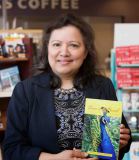 Cheryl Antao-Xavier is an editor, interior book designer and publisher with IOWI. She has been publishing emergent writers since 2008 and continues to offer self-publishing solutions to writers and companies and organizations. She recently released her book: “Self-Publishing the Professional Way: 5 Steps from Raw Manuscript to Publishing.”
 “By failing to engage with climate change, artists and writers are contributing to an impoverished sense of the world, right at the moment when art and literature are most needed to galvanize a grassroots movement in favor of climate justice and carbon mitigation.”—Amitav Ghosh, 2017
 What these novels have in common is that they are all
  According to Ghosh, plots and characters of contemporary literature tend to reflect the regularity of middle-class life and the worldview of the Victorian natural sciences, one that depends on a principle of uniformity. Change in Nature has been perceived as gradual (or static by some) and never catastrophic. Extraordinary or bizarre happenings were left to marginal genres like the Gothic tale and—of course—science fiction. The strange and unlikely have been externalized: hence the failure of modern novels and art to recognize anthropogenic climate change.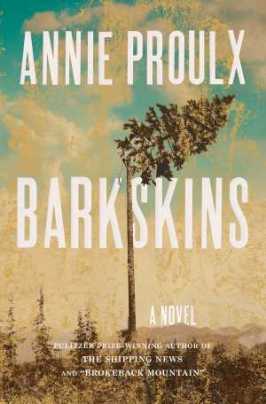
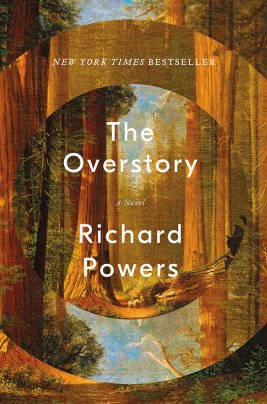 “To counteract this epidemic of short-term thinking,” says Fabiani, “it might be a good idea for more of us to read science fiction, specifically the post-apocalyptic sub-genre: that is, fiction dealing with the aftermath of major societal collapse, whether due to a pandemic, nuclear fallout, or climate change.”
 I recently shared a panel discussion with writer
 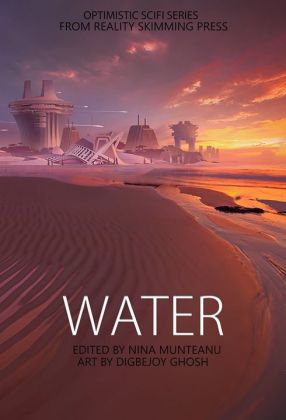 In 2015, I joined Lynda Williams of Reality Skimming Press in creating an optimistic science fiction anthology with the theme of water. My foreword to

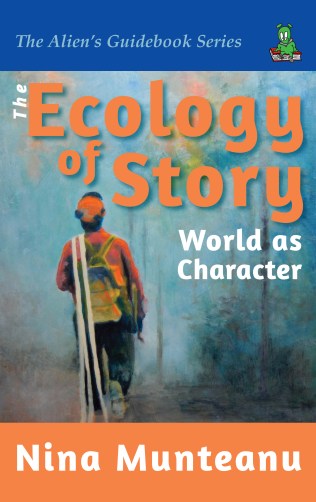 In my new writing guidebook






 Nina Munteanu Writing Coach