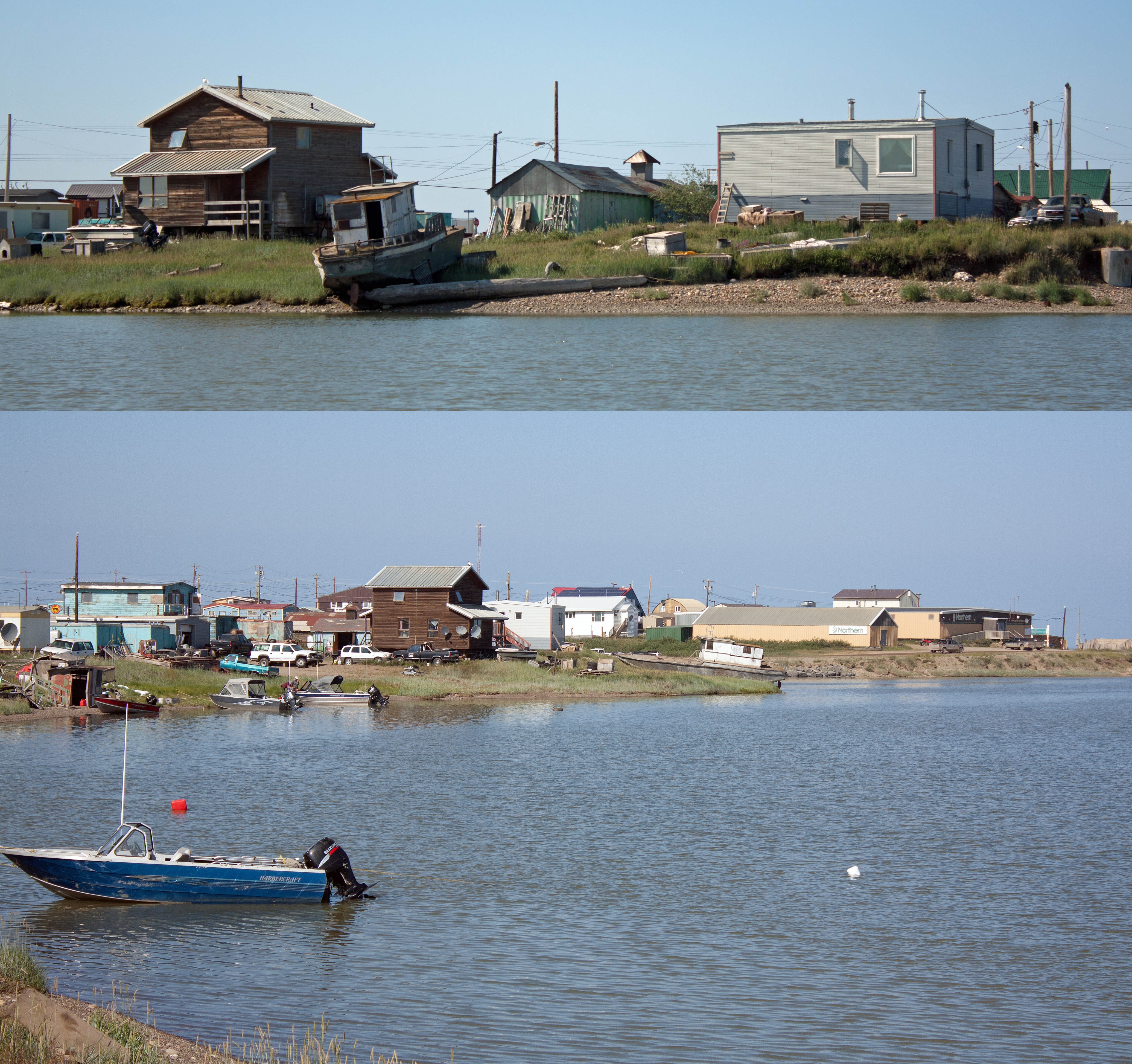
The sleepy village of Tuktoyaktuk on the Arctic Ocean, NWT (photos by Nina Munteanu)
.
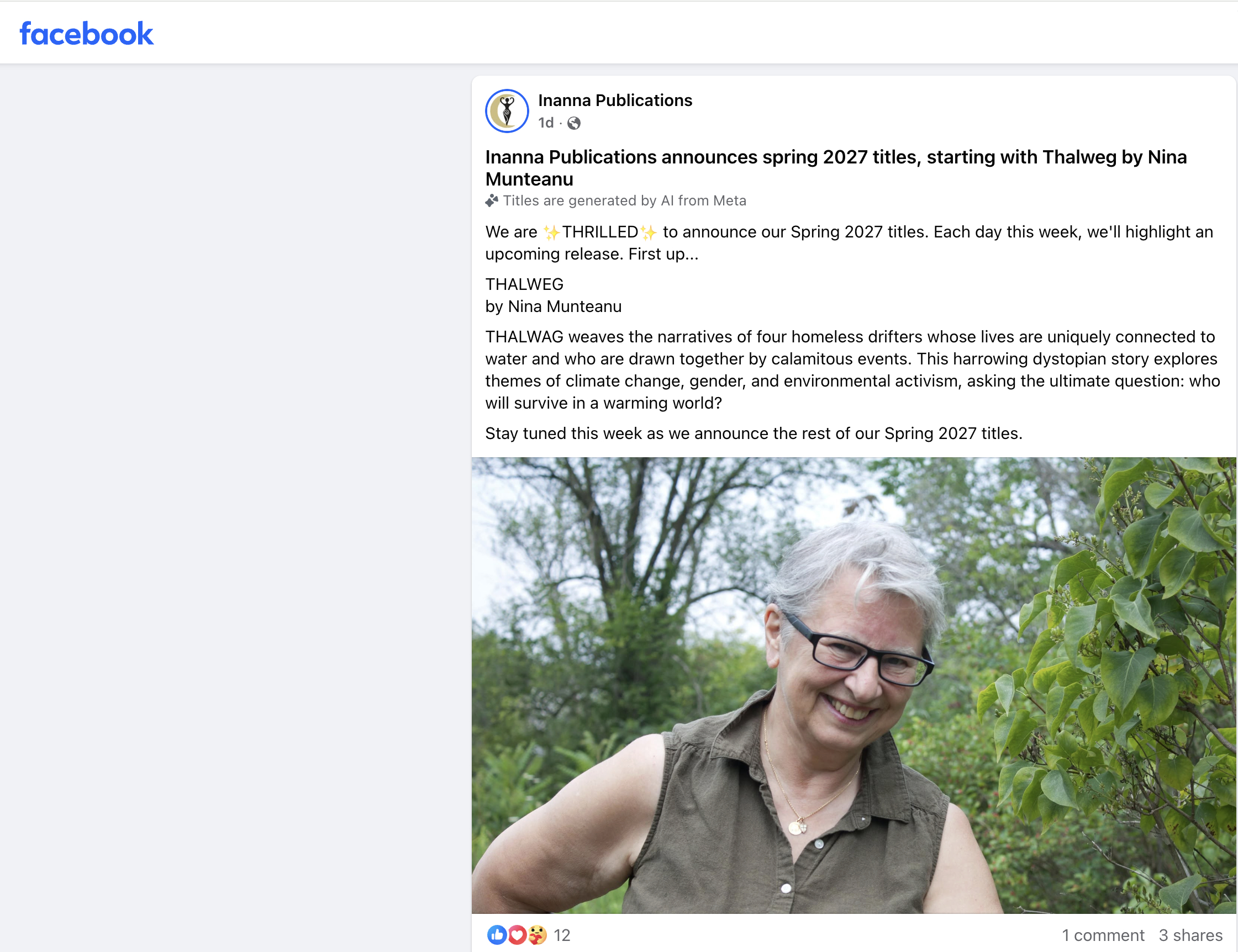
A few years ago, I travelled to the village Tuktoyaktuk in the Northwest Territories on the Arctic Ocean. I was researching my upcoming eco-fiction book Thalweg with Inanna Publications (scheduled for release in early 2027). I drove with my friend Anne Voute; we rented a Dodge Dakota truck and drove the Dempster Highway north from Inuvik and the recently completed NWT Highway 10 (completed in 2017), which provides the remaining 140 km stretch to the Arctic Ocean.
.
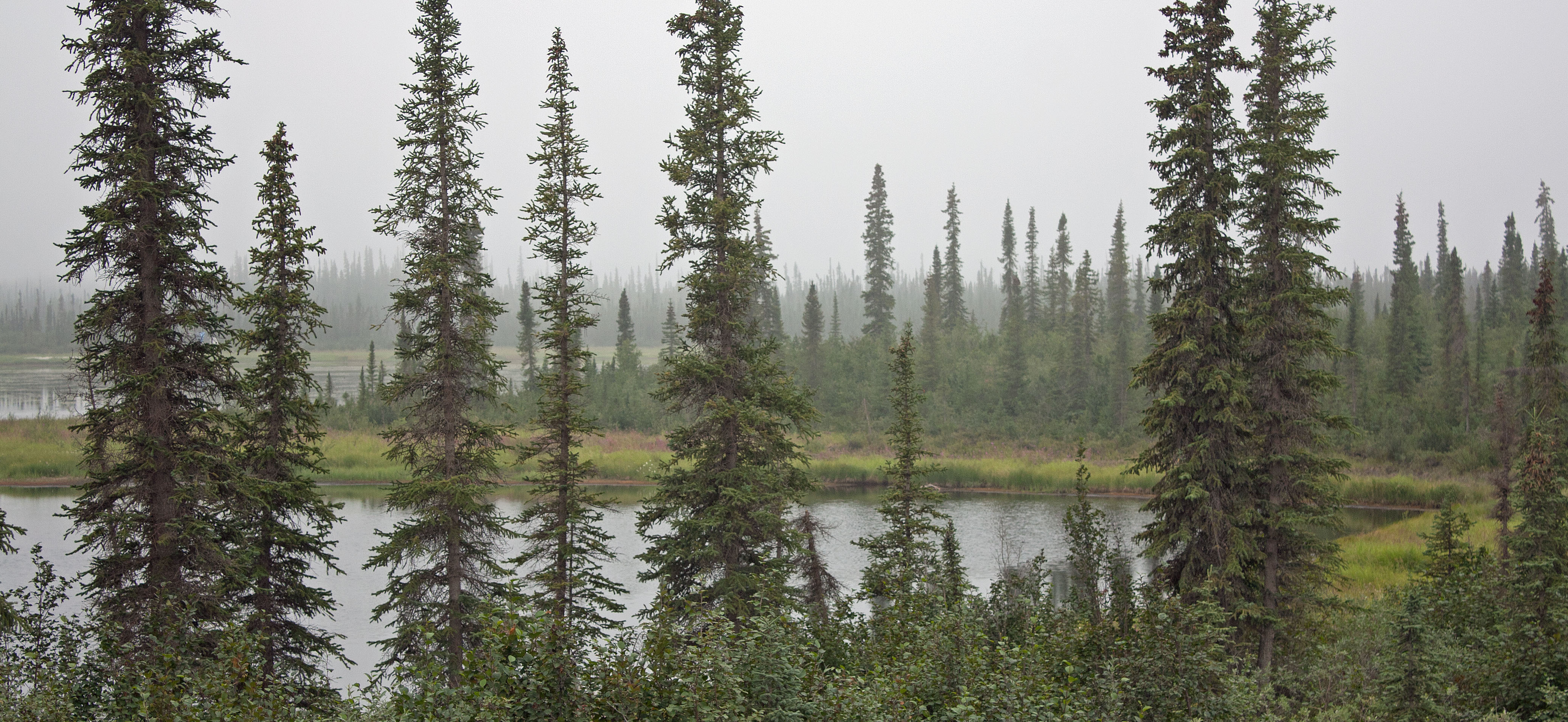
Black spruce forest along the Dempster Highway north of Fort McPherson, NWT (photo by Nina Munteanu)
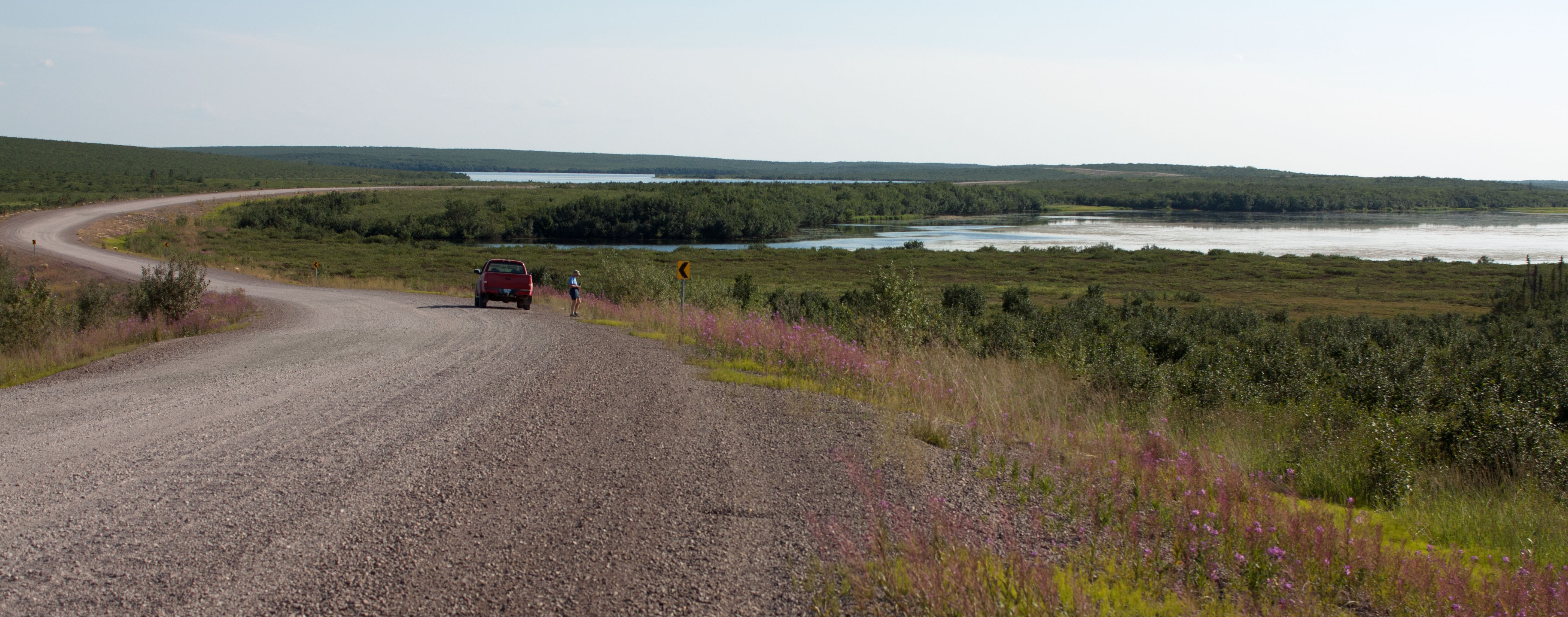
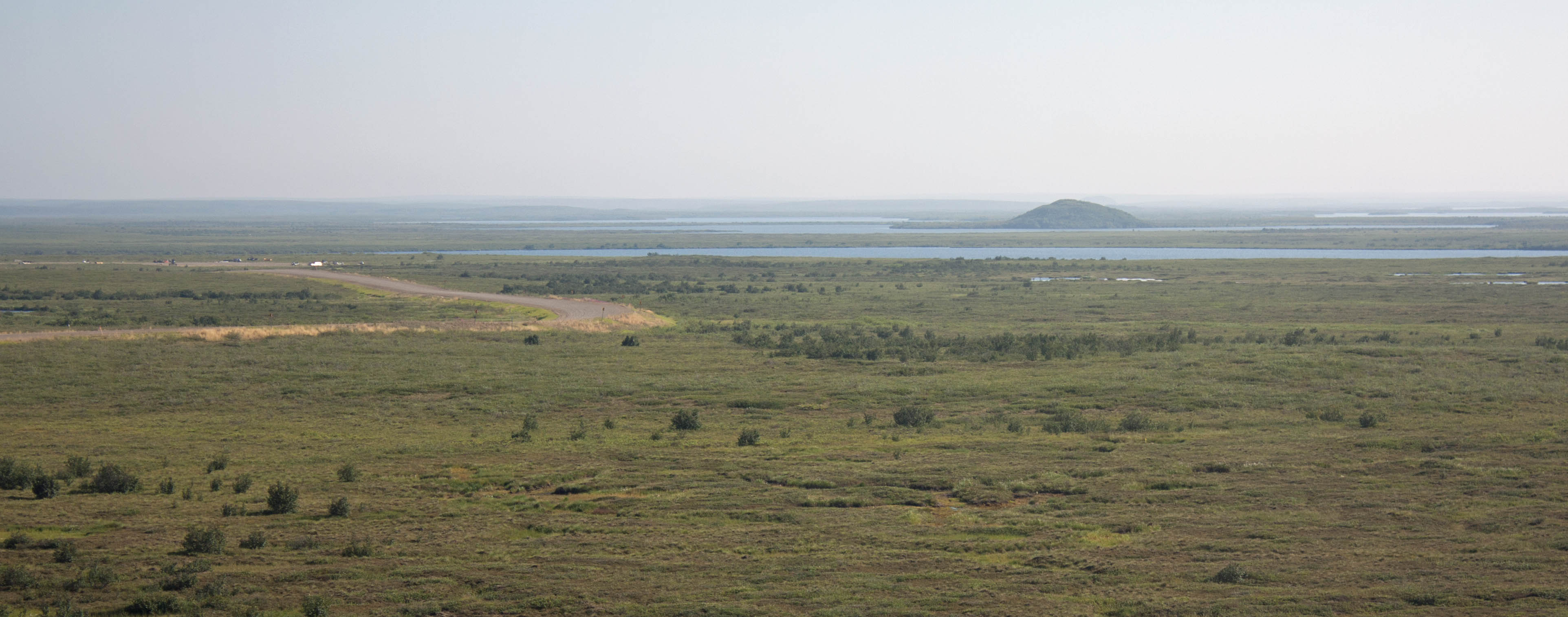
Highway 10 to Tuk winds through the tundra and Husky Lakes, NWT (photo by Nina Munteanu)
.
In Thalweg, main character Bobby-Jo is a Gwich’in limnologist who grew up in Fort McPherson in the Arctic Circle, land of permafrost.
.
Poster Child of Permafrost
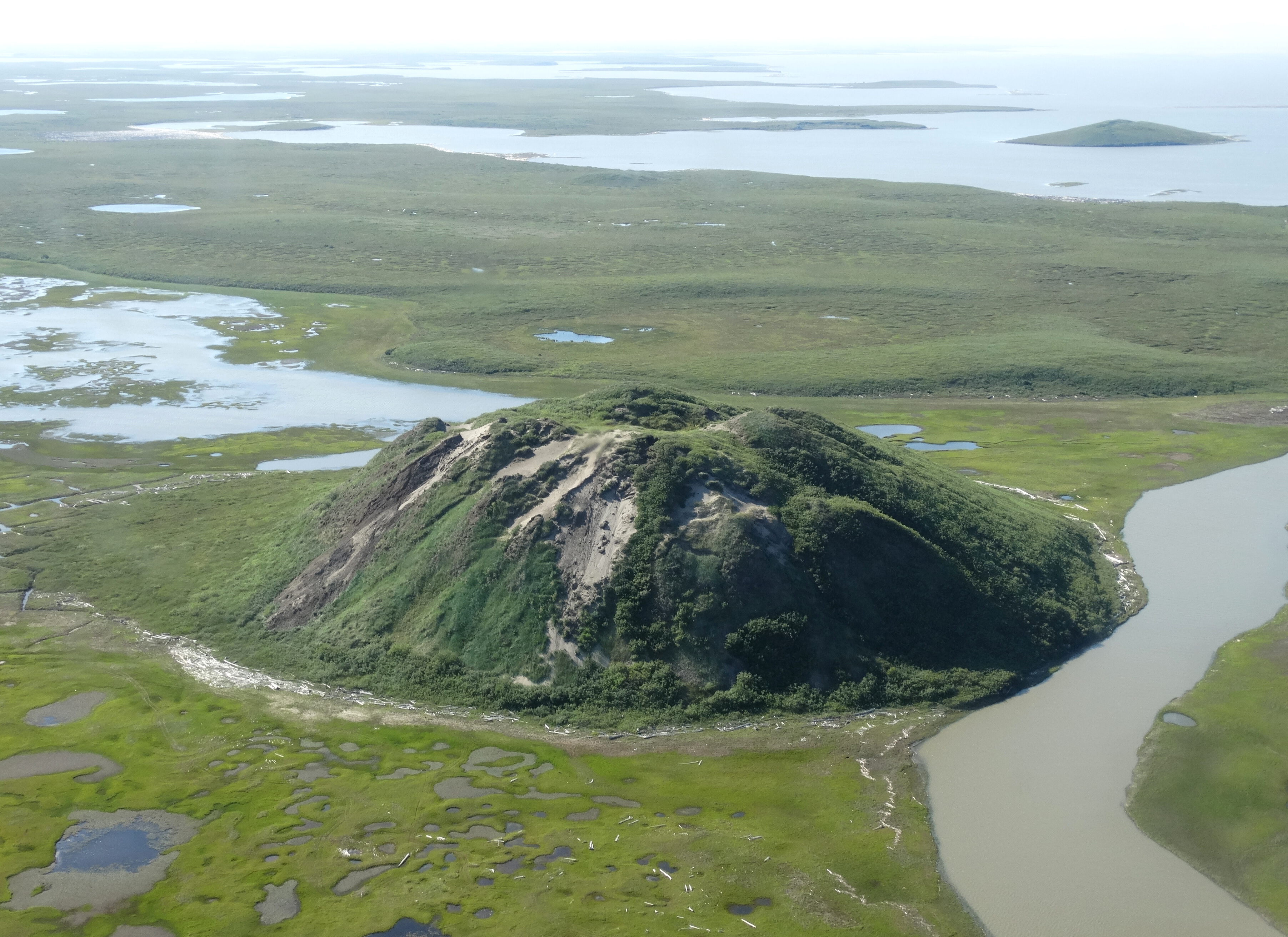
Ibyuk Pingo, near Tuk, NWT (photo shot from Cessna 172 by Adam Jones, 2013; Wikipedia Commons)
.
The poster child of permafrost is the conical ice-cored pingo, common in the Pleistocene Coastal Plain. Pingo is an Inuit word that means conical hill.
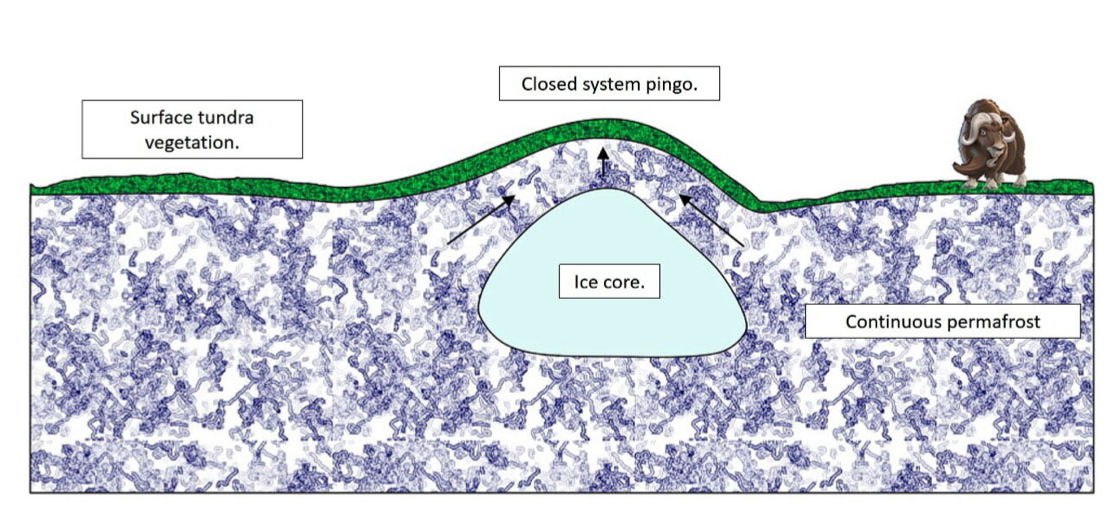
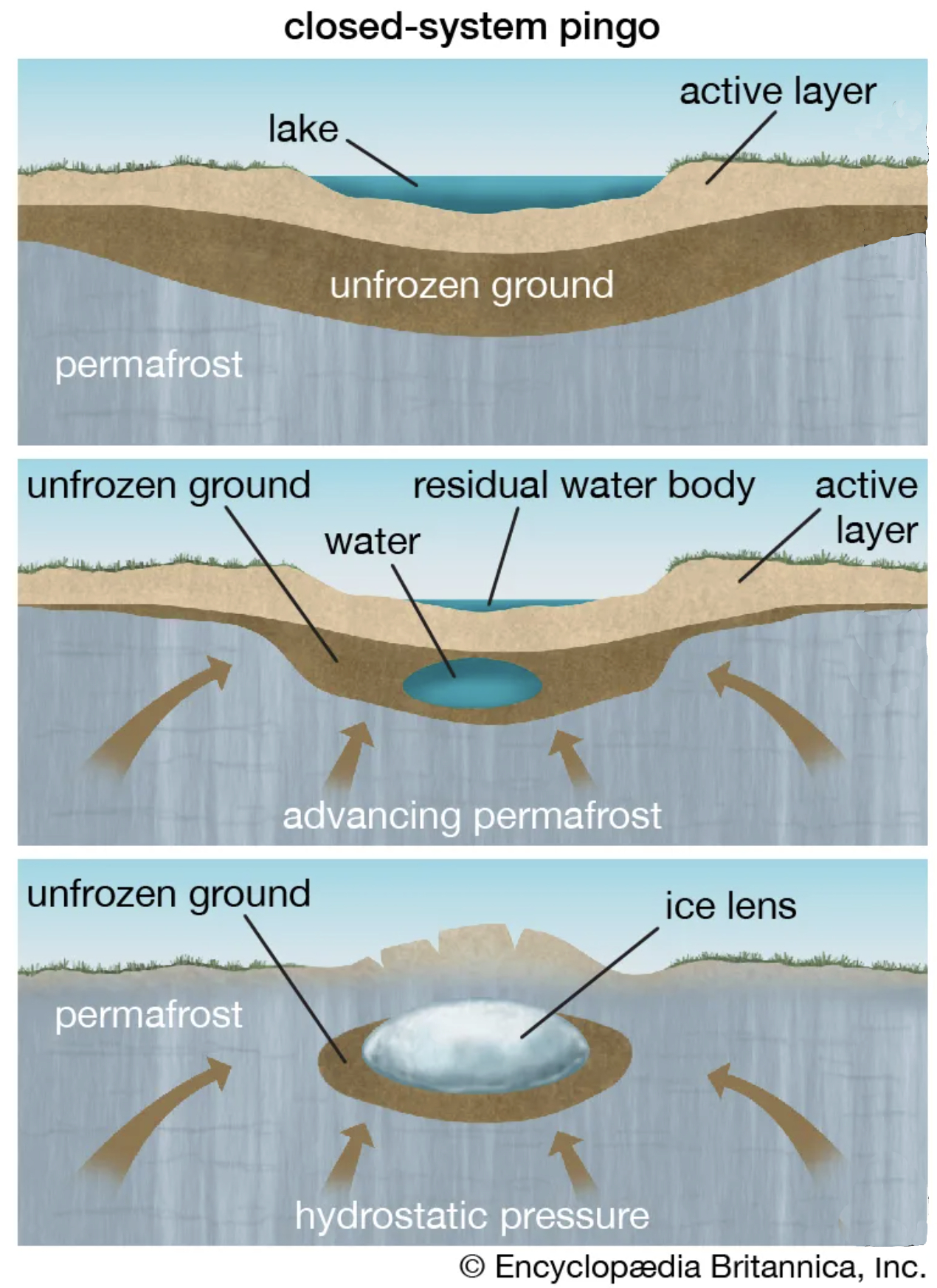
Pingos form when a mass of water is trapped beneath permafrost under pressure. Also called hydrolaccoliths, these huge mounds of earth with ice cores can reach up to 70 meters in height and 600 meters in diameter. Pingos usually grow a few centimeters a year, with the largest having taken decades or even centuries to form. Pingos eventually break down and collapse. They collapse when the ice core melts. This may happen when cracks form on the sides of the pingo that may reach down as far as the ice core, exposing the ice to warm air and sunlight. Once the core completely thaws, what remains is a doughnut-shaped ring of raised tundra enclosing a small round lake. Evidence of collapsed pingos in an area suggests that there was once permafrost there.
Hydrostatic (closed-system) Pingo (illustration by E. Ginn, 2021)
Development of closed-system pingo (illustration by Encyclopedia Brittanica)
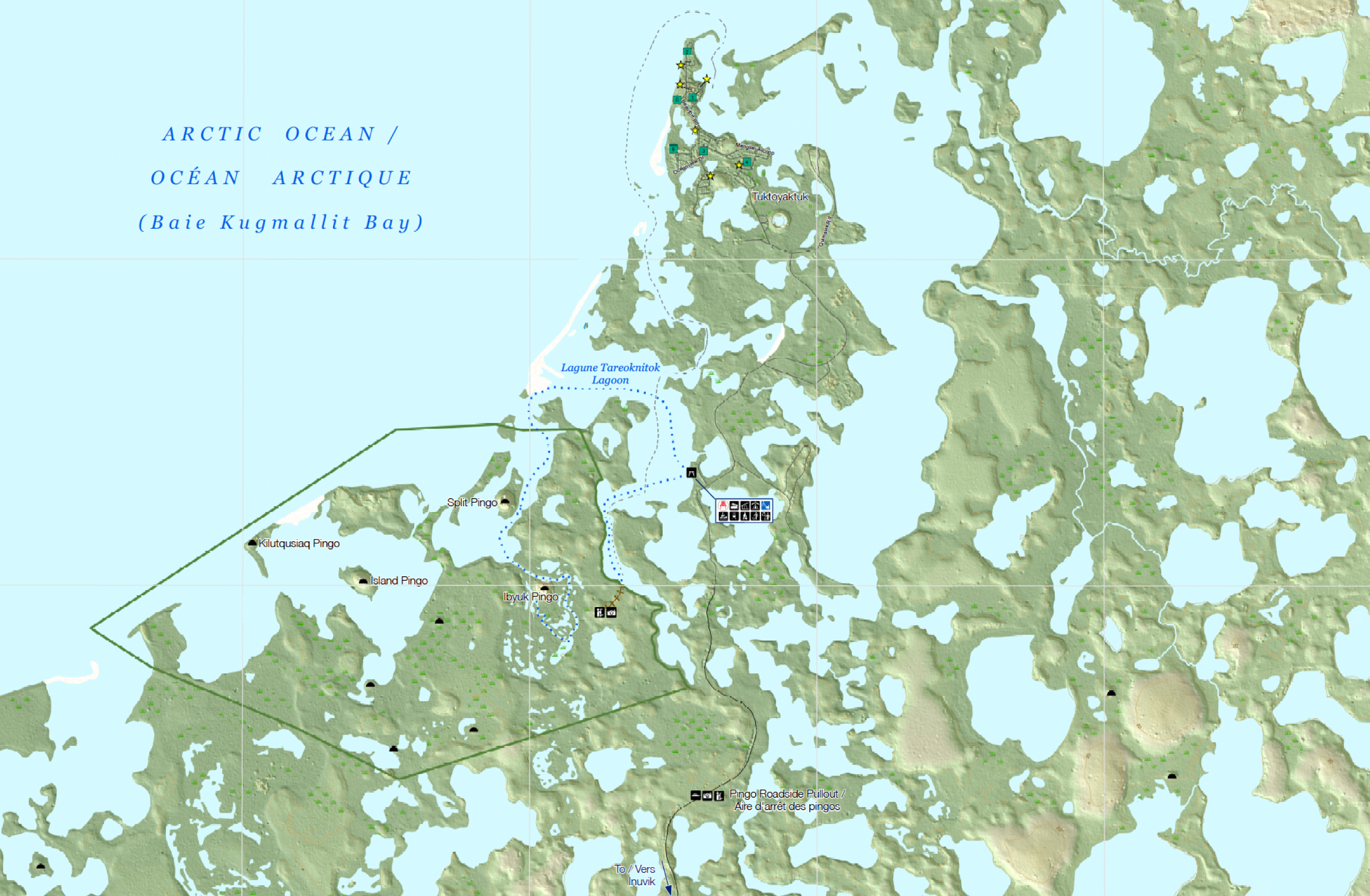
Map of major pingos in the Tuk area, NWT (pingos marked with black semi-circle)
.
One quarter of the world’s pingos, more than fourteen hundred of them, are in the Tuktoyaktuk Peninsula, part of the Mackenzie Delta of the Northwest Territories of Canada. The Inuvialuit and their Thule ancestors used these cone-like hills as navigational landmarks or lookouts when looking for caribou or whales. Hunters also used hollow pingos to freeze meat.
.
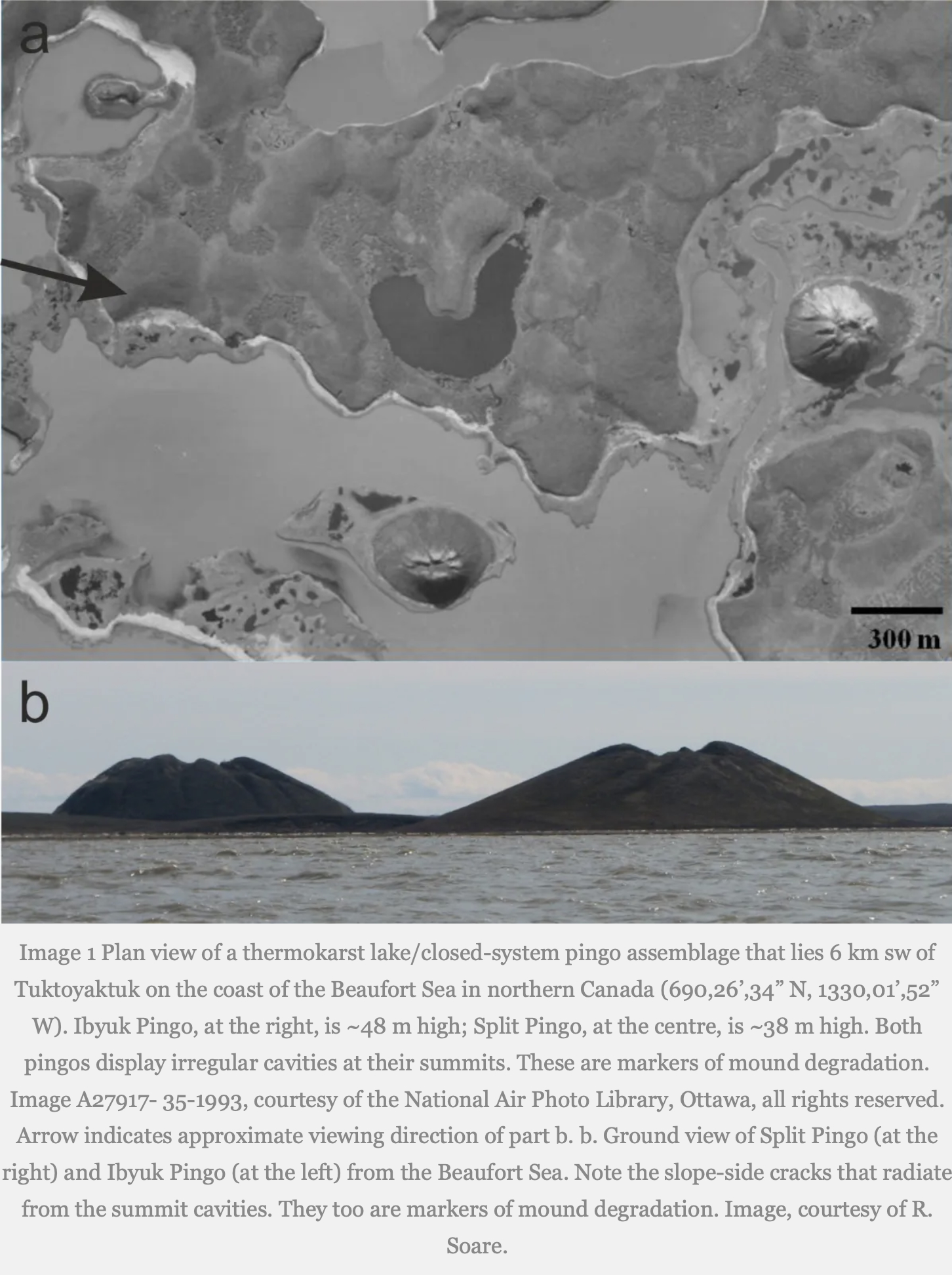
Ibyuk and Split Pingos (photos by National Air Photo Library, Ottawa)
.
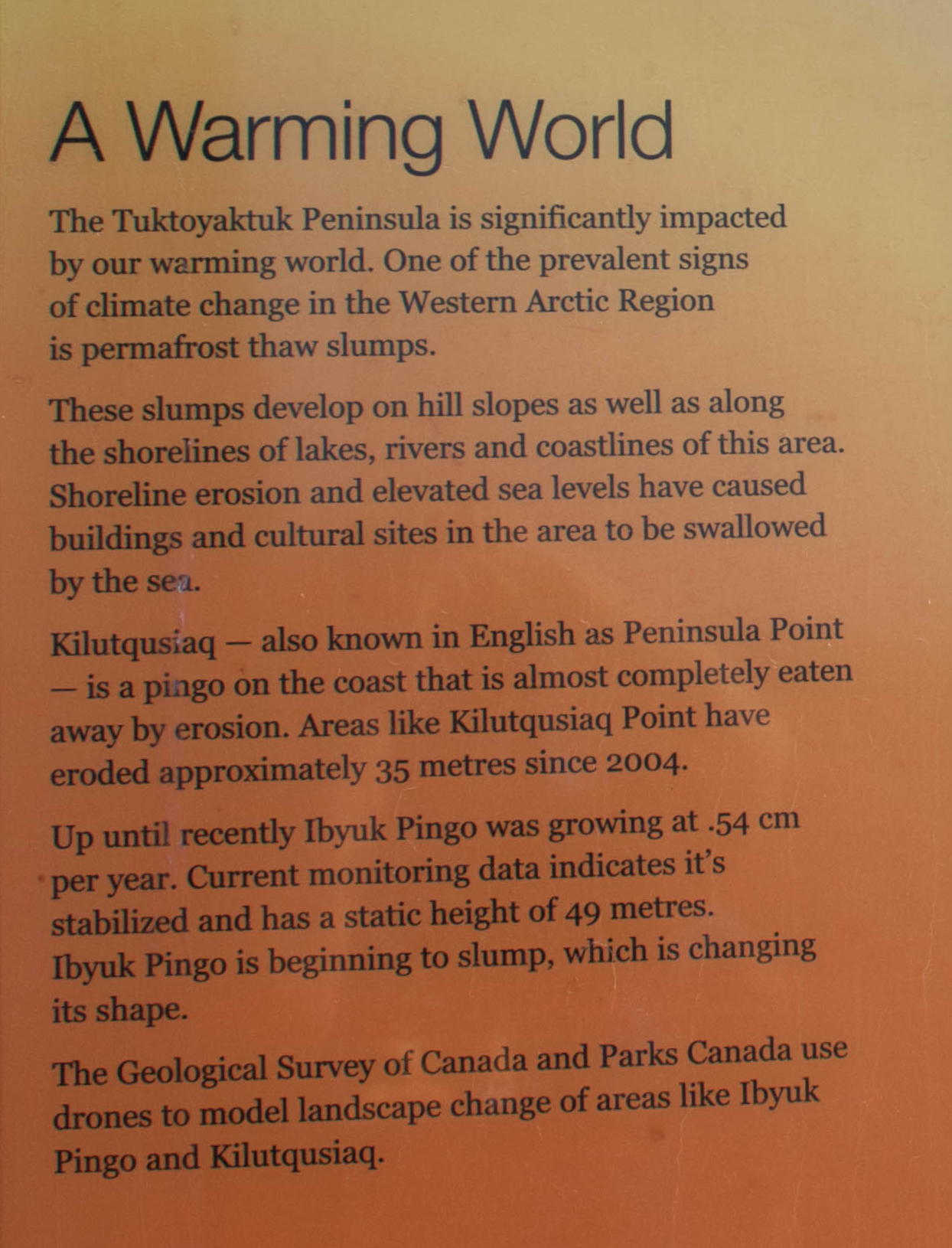
Pingo National Landmark protects eight pingos with the most famous being Ibyuk and Split. Ibyuk is about 50 meters high; it is the tallest pingo in Canada and the second tallest in the world and estimated to be more than 1,000 years old. It is also the world’s largest growing pingo, up to recently growing at a rate of about half a centimeter per year. With ongoing climate change, this is also changing. A local information sign in Tuk mentioned that Ibyuk Pingo has stopped growing and is beginning to slump, which is changing its shape. Kilutqusiaq—Peninsula Point—is a pingo on the coast that is almost completely eaten away by erosion: having eroded about 35 metres since 2004.
.
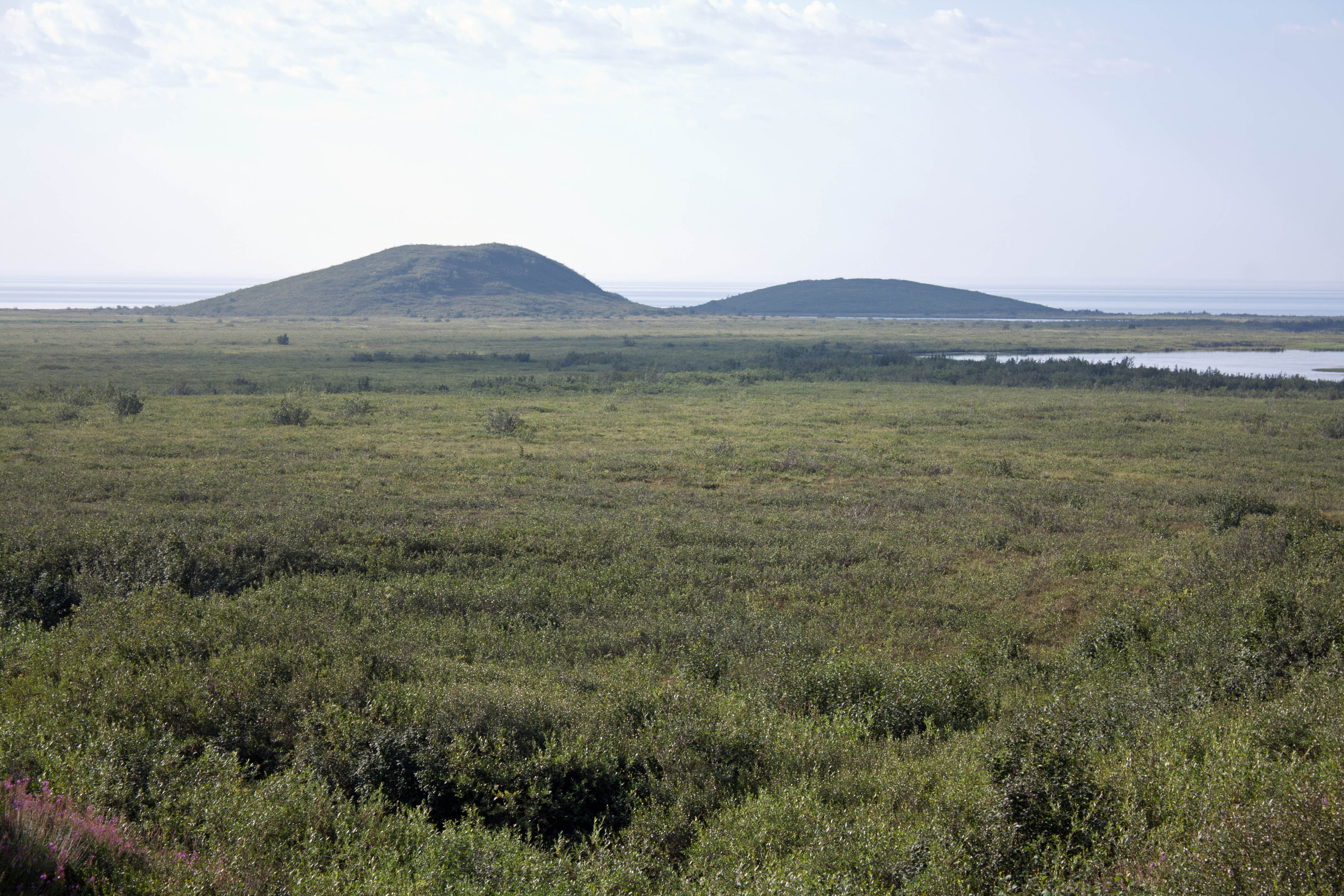
Pingos viewed across tundra near Tuk, NWT (photo by Nina Munteanu)
.
Climate change in the Arctic has caused some permafrost thaw slumps on lake shores, rivers and coastlines; shoreline erosion and sea level rise has swallowed buildings and cultural sites in the Tuk area. Kilutqusiaq—Peninsula Point—is a pingo on the coast that is almost completely eaten away by erosion: having eroded about 35 metres since 2004.
.
Tuk sign on warming climate impact on pingos
.
In the time of my novel Thalweg—2050s—hundreds of pingos near Tuktoyaktuk are caving in and forming circular ponds due to climate change. Giant ice-pimples are exploding as methane-rich gas hydrates decompose and form pressure bombs of combustible methane. The subsidence creates huge sink holes as wide as a house and deeper than hell.
.
Thalweg
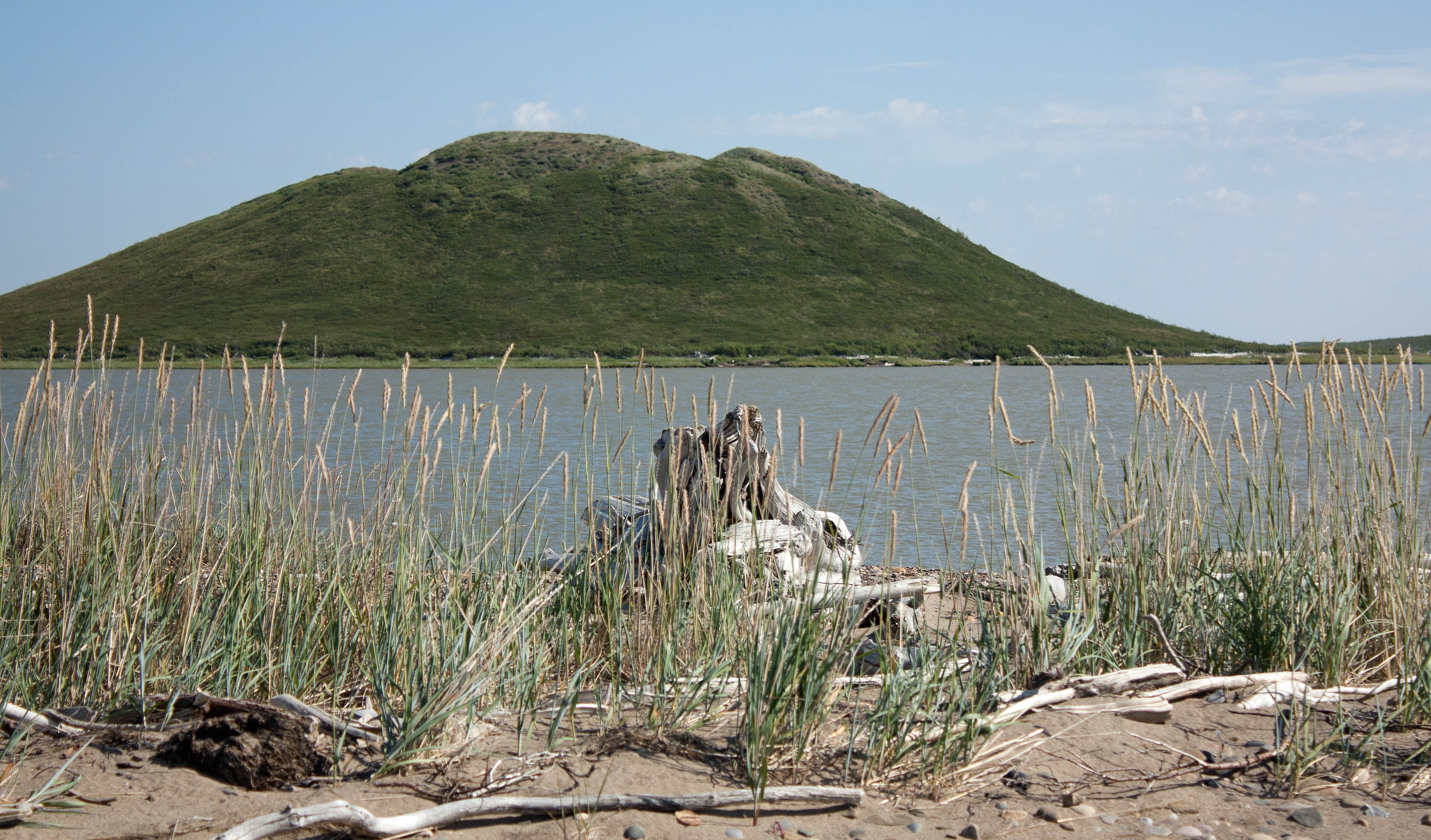
Ibyuk Pingo seen from nearby sandspit, NWT (photo by Nina Munteanu)
.
During her travels, Bobby-Jo thinks of her Inuvialuit friend Mary Steen in Tuk where giant pingos are thawing and exploding—thanks to climate change and permafrost thaw.
When we were kids, Mary took me up the Ibyuk Pingo, the giant cone mountain over a thousand years old. It’s the second highest in the world at forty-nine metres high and three hundred metres across and was still growing a few centimeters a year at its centre—despite the warming climate. Ibyuk is a hydrostatic pingo, which means it formed in an area of continuous permafrost and grew up from a large thermokarst lake. Expelled pore water from permafrost aggradation pushed up the old lake silts and sands from below, and the ice-mountain rose up like a giant frozen pimple above the ancient drained lake flats.
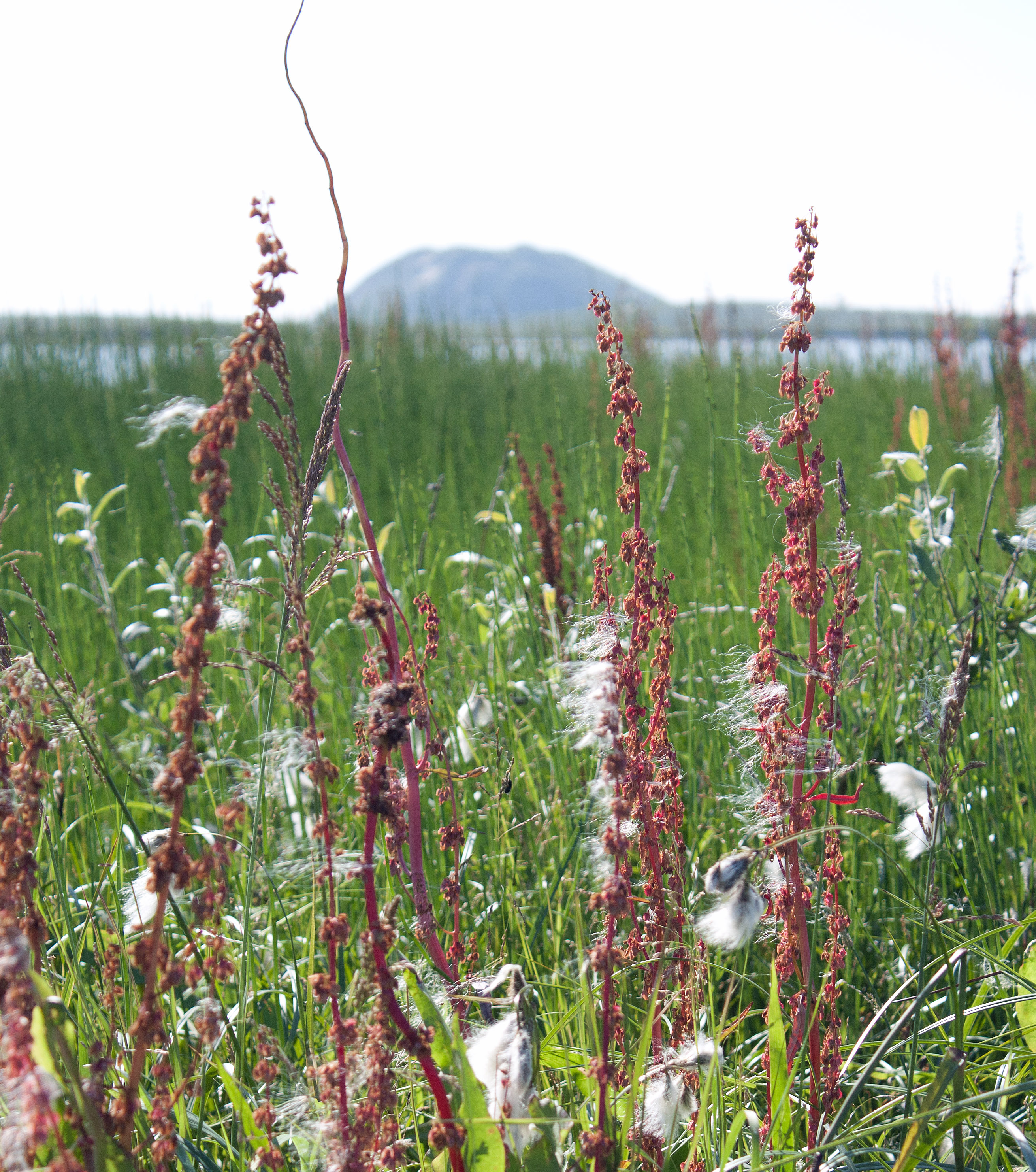
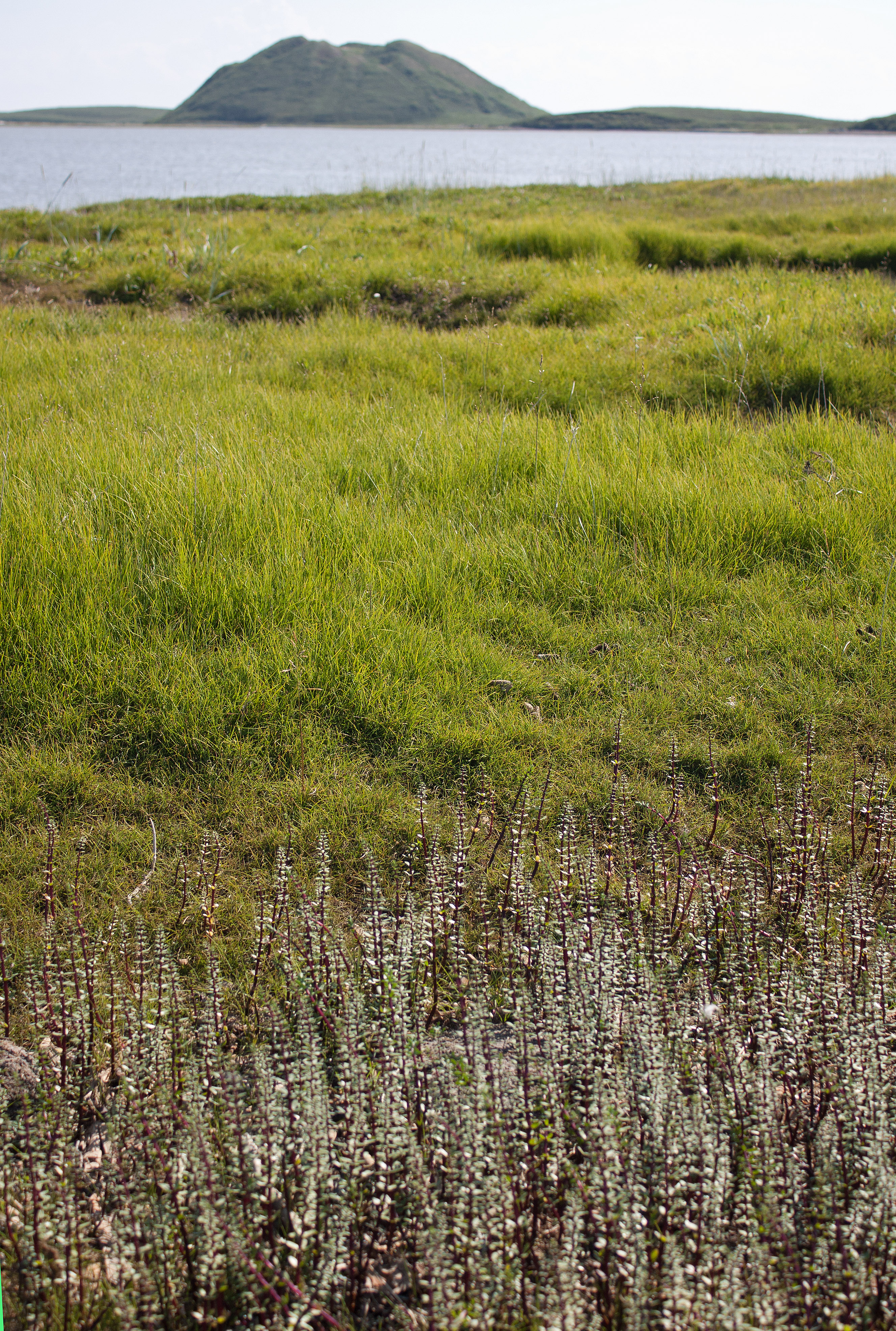
Ibyuk Pingo from a nearby spit of cottongrass and marsh grass, NWT (photo by Nina Munteanu)
.
We shouldn’t have been there; regrowth from trampling is extremely slow, often taking over half a century. The tundra moss, lichen, shrubs and krummholtz help insulate the pingo against ice core melting. When the ice core of the ice-cone is exposed, particularly if the vegetation blanket has broken open by dilation cracks or through erosion, the ice thaws and the mountain eventually collapses. During our climb, Mary and I noticed deep furrows in the vegetated soil layer. They cut down the slope as if a giant bear had clawed it and revealed the pingo’s icy sores.
When Mary and I returned to Tuk from our adventure, she got into trouble with her parents; someone had spotted us climbing the ice mountain and told them. I got a lecture and Mary was grounded for a week.
Because I was visiting, I was grounded alongside her. Pingos are living things, her parents told us sternly. They breathe, they grow, they shrink, they ebb and flow like water; they pulsate vertically. And we’d been in great danger. The Ibyuk Pingo was unstable—not just from a warming climate but from yahoos sliding down its steep sandy slopes and kids climbing where they shouldn’t. Did we know that the depth to its ice crust under the crater pond was shallow and fragile? When we were at the summit, the crater could have collapsed with sudden drainage of the pond and we would have disappeared in a roiling black sink hole!
When I last spoke with Mary five months ago, she told me that the area was starting to look like a moonscape, with craters everywhere. I thought of our little adventure on Ibyuk and decided that my analogy of a pimple or boil was appropriate given that pingos ruptured and flung their icy guts outward with explosive force. Mary admitted in a voice trembling with emotion that Ibyuk, the giant pingo we’d hiked up, had finally collapsed from massive coastal erosion and sea level rise. But not before it exploded.
.
.
Thalweg releases with Inanna Publications in Spring 2027.
.
Road through tundra to Tuk with pingo in background, NWT (photo by Nina Munteanu)
.
Glossary:
Pingo: A dome-shaped mound consisting of a layer of soil over a large core of ice in a permafrost area. Pingos form when a mass of water is trapped beneath permafrost (ground that is frozen for at least two years) under cryostatic or hydraulic pressure. One quarter of the world’s pingos are in the Tuktoyaktuk peninsula, more than fourteen hundred. Most are closed-system hydrostatic pingos, pingos formed in an area of continuous permafrost from pore water expulsion caused by permafrost aggradation at the bottom of a drained lake.
Permafrost Degradation: A naturally or artificially caused decrease in the thickness and areal extent of permafrost (Jorgenson, 2013). Widespread degradation of near-surface permafrost (40-80%) is projected by 2100 (Abbott & Jones, 2015). Release of greenhouse gases from thawing permafrost is likely the largest terrestrial feedback to climate change and one of the most likely to occur (Abbott & Jones, 2015). Degradation of permafrost soils can lead to the collapse, drainage and disappearance of water bodies (Vincent et. al., 2011). Jorgenson categorized twenty-three types of permafrost degradation based on dominant ice type, hydrologic regime, heat source and mass transfer.
.
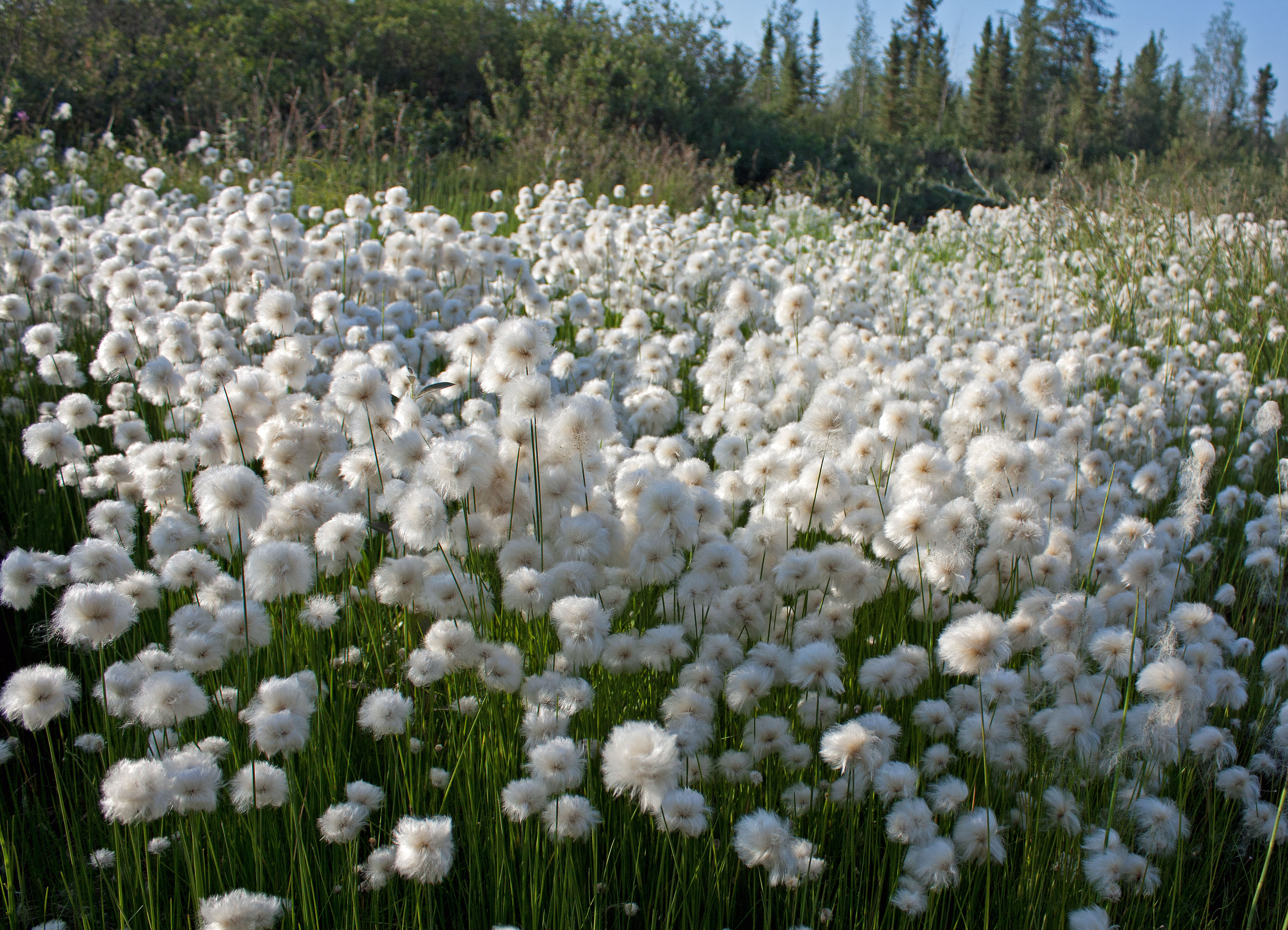
Cottongrass field with black spruce behind, off the Tuk highway, NWT (photo by Nina Munteanu)
.
References:
Abbot, Benjamin W. and Jeremy B. Jones. 2015. “Permafrost collapse alters soil carbon stocks, respiration, CH4, and N2O in upland tundra.” Global Change Biology 21: 4570-4587.
Jorgenson, M.T. and T.F. Osterkamp. 2005. “Response of boreal ecosystems to varying modes of permafrost degradation.” Can. J. For. Res. 35: 2100-2111.
Jorgenson, M.T. 2013. “Thermokarst Terrains.” In: John F. Shroder (Editor-in-chief), Giardino, R., and Harbor, J. (Volume Editors). Treatise on Geomorphology, Vol 8, Glacial and Periglacial Geomorphology, San Diego. Academic Press. pp. 313-324.
Harris, S.A.., French, H.M., Heginbottom, J.A.., Johnston, G.H., Ladanyi, B., Sego, D.C., van Everdingen, R.O., (eds.). 1988. “Glossary of permafrost and related ground-ice terms.” Technical Memorandum 142, Permafrost Subcommittee, National Research Council of Canada.
Mackay, J.R. 1998. “Pingo growth and collapse, Tuktoyaktuk peninsula area, western Arctic coast, Canada: a long-term field study.” Geographie Physique Quaternaire 52(3): 1-53.
Munteanu, Nina. 2027 (upcoming release; in press). “Thalweg.” Inanna Publications, Toronto, ON.
Vincent, Warwick F., et.al. 2011. “Ecological Implications of Changes in the Arctic Cryosphere.” Ambio 30: 87-99.
Ibyuk Pingo seen from nearby grass-covered sandspit, NWT (photo by Nina Munteanu
.
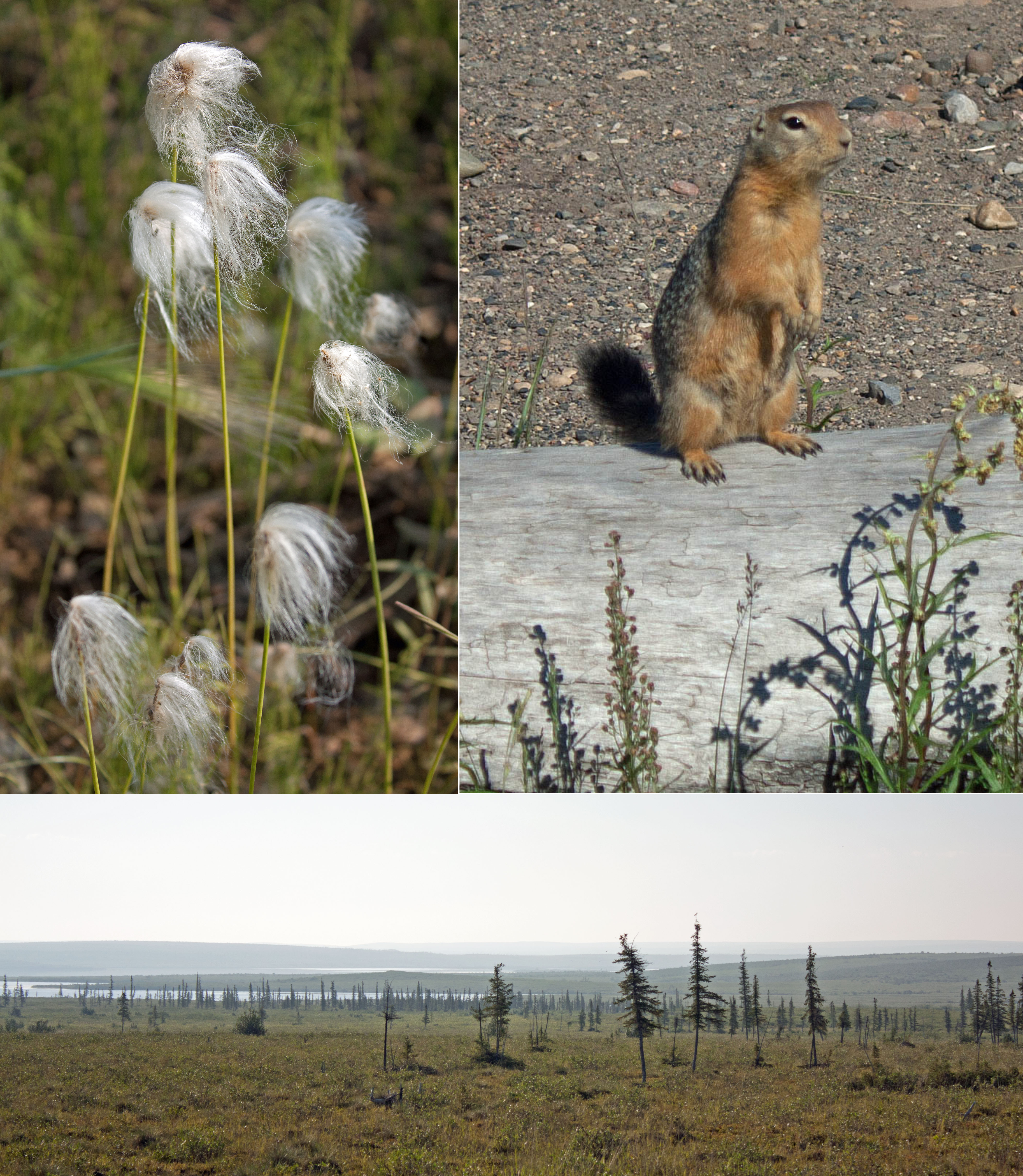
Scenes from in and near Tuk: top left, cottongrass; top right, ground squirrel; bottom, tundra scattered with spruce trees along Highway 10, NWT (photos by Nina Munteanu)
.
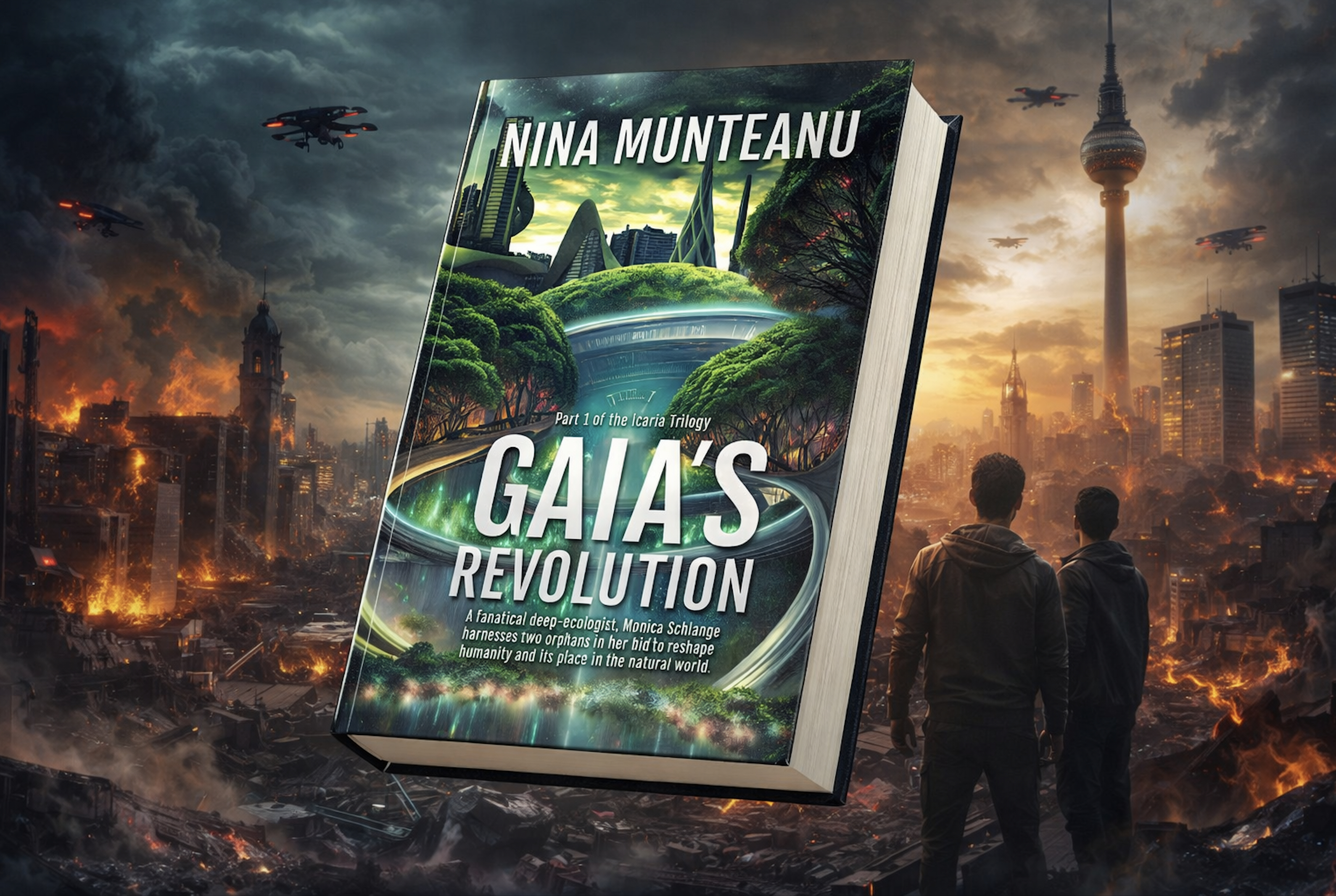
Nina Munteanu is a Canadian ecologist / limnologist and novelist. She is co-editor of Europa SF and currently teaches writing courses at George Brown College and the University of Toronto. For the lates on her books, visit www.ninamunteanu.ca. Nina’s bilingual “La natura dell’acqua / The Way of Water” was published by Mincione Edizioni in Rome. Her non-fiction book “Water Is…” by Pixl Press (Vancouver) was selected by Margaret Atwood in the New York Times ‘Year in Reading’ and was chosen as the 2017 Summer Read by Water Canada. Her novel “A Diary in the Age of Water” was released by Inanna Publications (Toronto) in June 2020.You can read her just released eco-fiction thriller Gaia’s Revolution by Dragon Moon Press.
Henry of Maple News Wire recently gave me a wonderful welcome back to British Columbia with the following news release and book review:
.
Local Author Returns with a Bang
“Nina Munteanu is back in Ladner, and she’s bringing a story that’s impossible to ignore. Her latest novel, Gaia’s Revolution, officially launched on March 10, 2026, is already making waves as an Amazon bestseller. Fans and friends in Delta and Vancouver are celebrating her triumphant return.”
Gaia’s Revolution, says Henry, is a “fast-paced Canadian dystopian thriller tackling climate change, tech chaos, and society on the brink.”
.
.
A Canadian Eco-Dystopia Like No Other
“Gaia’s Revolution plunges readers into a near-future Canada teetering on the edge of collapse. With climate change, societal missteps, and failing technology wreaking havoc, Munteanu paints a vivid picture of what might come.
“The story begins in Berlin in 2022 before moving to Canada, where ambitious twin brothers, Eric and Damien, spark a revolution that could either save the planet or end humanity.
“Monica Schlange, a fanatical deep ecologist, manipulates the twins like chess pieces in her bid to ‘rule the world.’ She ensnares three orphans in a web of intrigue, challenging the very rules of human existence. Yet, it’s the orphans who ultimately shape the fate of humanity.”
.
Fast-Paced Thriller With Real-World Relevance
Munteanu doesn’t hold back. Her novel tackles issues Canadians are already facing—or may soon confront…With every twist, the book explores the delicate balance between humanity and the natural world.”
.
From Classroom to Canadian Landscapes
“Before devoting herself to writing, Munteanu taught limnology at the University of Victoria. Her travels across Canada, including stops in Lunenburg, small-town Ontario, Vancouver, and Fort McPherson, have deeply influenced her storytelling. Each setting in her novels carries the richness of real Canadian locales.
“Now settled in a quiet Ladner neighbourhood, Munteanu is already hard at work on her next project, promising more stories that combine thrilling plots with urgent environmental themes.”
.
This is true. My climate eco-novel Thalweg will release in 2027 with Inanna Publications. I am still working with the editor of the publishing house and anticipate with growing excitement seeing the cover design soon.
.
.
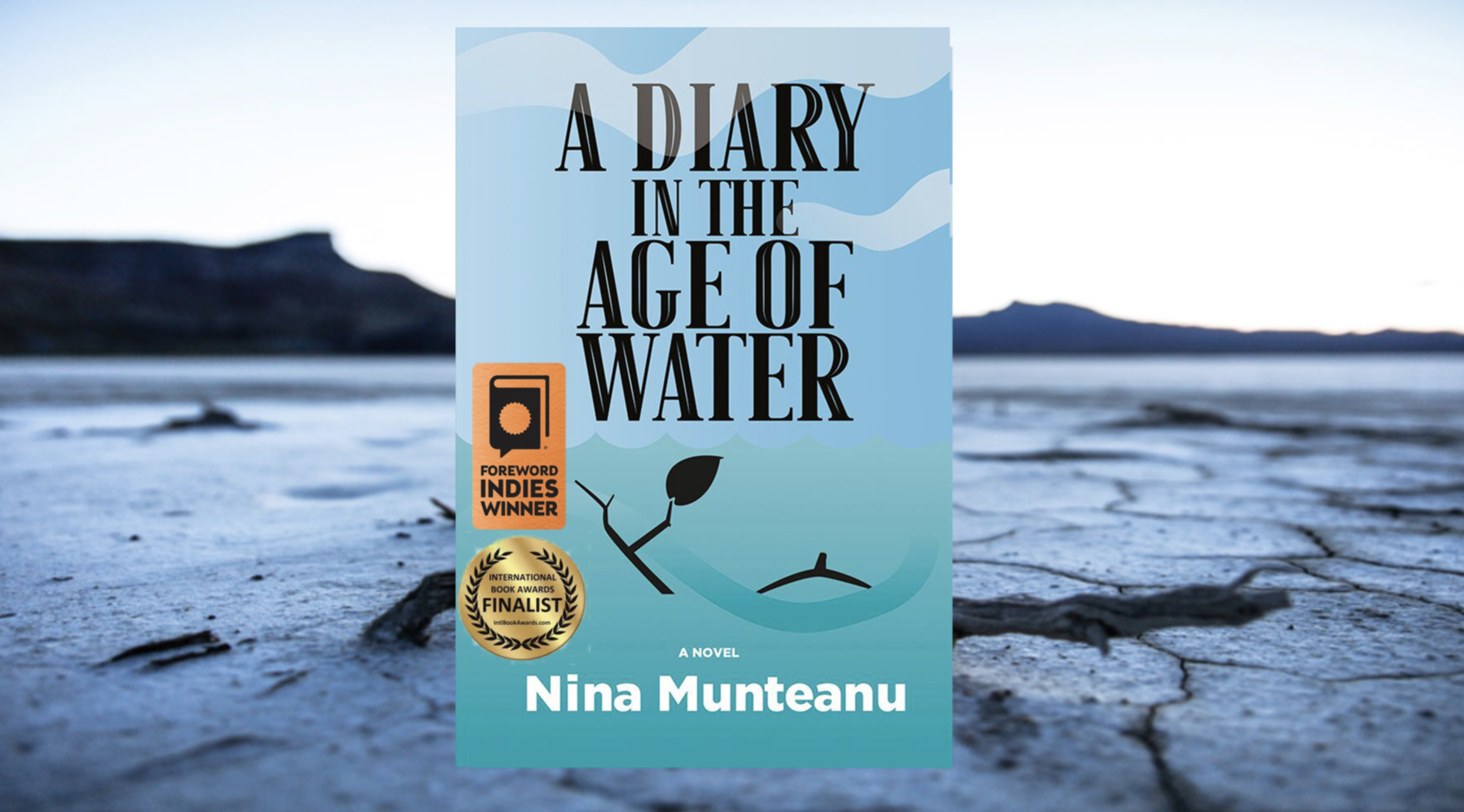
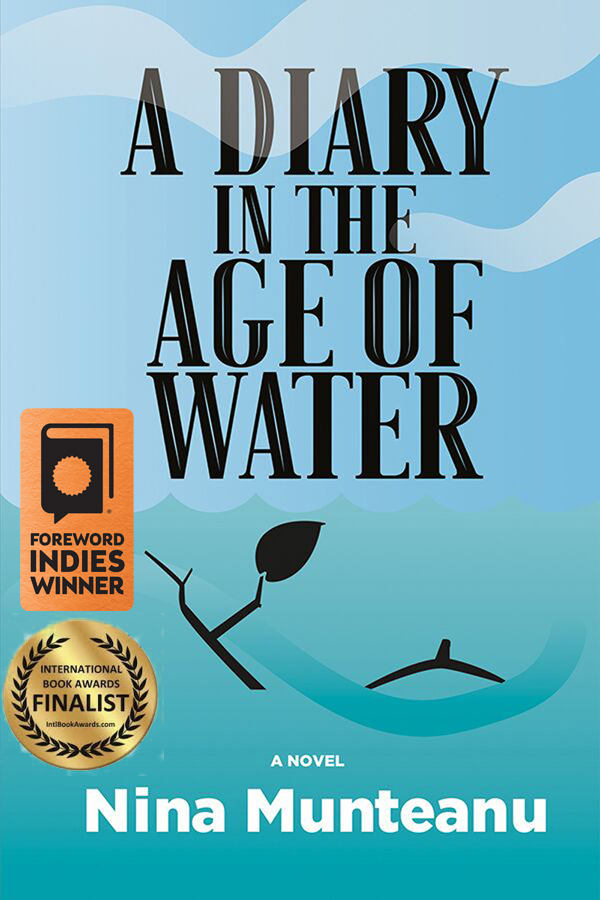
Thalweg is a companion novel to A Diary in the Age of Water (my award-winning story based on the diary of a limnologist during Canada’s growing climate crisis that explores four generations of women, each with a unique relationship with water). Thalweg follows the braided paths of four homeless strangers—each uniquely connected to water—and each destined to play a significant role in water’s future in Canada. I look forward to seeing it soon on bookstore shelves next to Diary.
.
Nina Munteanu is a Canadian ecologist / limnologist and novelist. She is co-editor of Europa SF and currently teaches writing courses at George Brown College and the University of Toronto. For the latest on her books, visit www.ninamunteanu.ca. Nina’s bilingual “La natura dell’acqua / The Way of Water” was published by Mincione Edizioni in Rome. Her non-fiction book “Water Is…” by Pixl Press (Vancouver) was selected by Margaret Atwood in the New York Times ‘Year in Reading’ and was chosen as the 2017 Summer Read by Water Canada. Her novel “A Diary in the Age of Water” was released by Inanna Publications (Toronto) in June 2020.You can read her just released eco-fiction thriller Gaia’s Revolution by Dragon Moon Press.
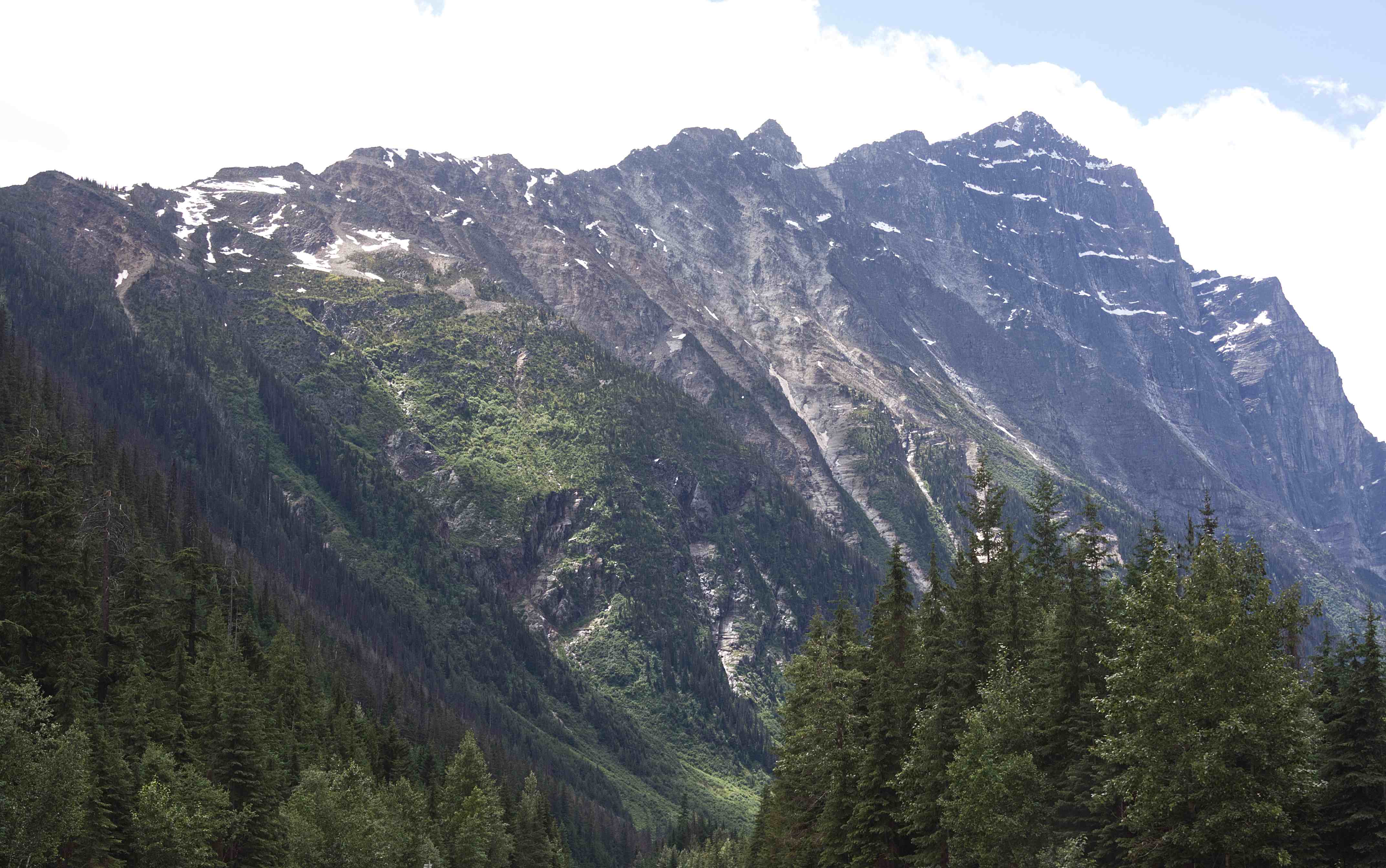
From the rolling Prairies I ascended up the foothills of the Rocky Mountains in Alberta. As I neared the mountains, they seemed to cut the sky with jagged peaks of steely grey. Rugged and unabashedly wild, they teased my spirits into flight.
Rocky Mountains, Alberta (photo by Nina Munteanu)
Canadian Rockies, AB (photo by Nina Munteanu)
.
The Rockies are such a wonder! I found myself thinking—well, wishing—that I had a geologist sitting in the passenger seat (instead of my companions Toulouse, Mouse and a car full of plants), telling me all about these stately mountains and their formations. All that folding, thrusting, scraping and eroding! So fascinating!
.
Rockies west of Banff, AB (photo by Nina Munteanu)
.
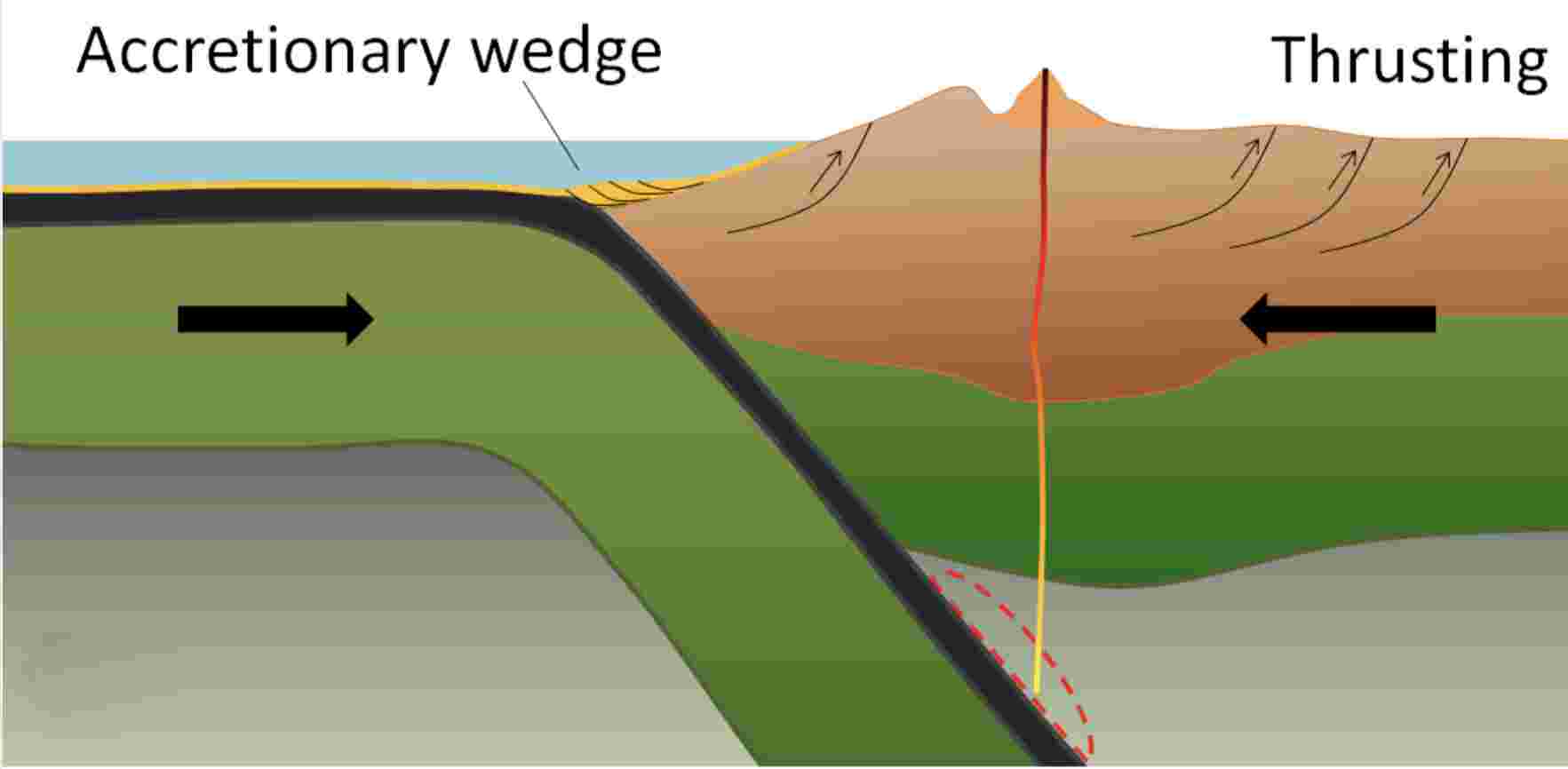
I did some research into The Canadian Rocky Mountains and discovered that they were formed through a combination of subduction and thrust faulting with an oceanic plate subducting beneath the North American plate.
.
Sketch showing subduction of ocean plate beneath the North American plate with accompanying accretionary wedge and thrusting action (image by Earle and Panchuk)
.
The Canadian Rocky Mountains were originally part of an ancient shallow sea half a billion years ago and formed from pieces of continental crust over a billion years old during an intense period of plate tectonic activity. Their jagged peaks of mostly sedimentary limestone (originally part of the continental shelf) and shale (originally part of the deeper ocean waters) belonged to an ancient sea floor; during the Paleozoic Era (~5-2 hundred million years ago), western North America lay beneath a shallow sea, depositing kilometers of limestone and dolomite.
.
Rocky Mountains near Canmore, AB (photo by Nina Munteanu)
.
The current Canadian Rocky Mountains were raised by the Cordilleran Orogeny, a process of mountain-building when tectonic plates started colliding ~ 200 million years ago during much of the Mesozoic Era, which extends over 187 million years from the beginning of the Triassic (252 Ma) to the end of the Cretaceous (65 Ma). This era, I’m told, was a particularly important period for the geology of western Canada. During the plate and land mass collisions, ancient seabed layers were scraped, folded and thrust upwards (through a process called thrust faulting). As plates converged, entire sheets of sedimentary rock were slowly pushed on top of other sheets, creating a situation where older rocks lie on top of younger ones.
.
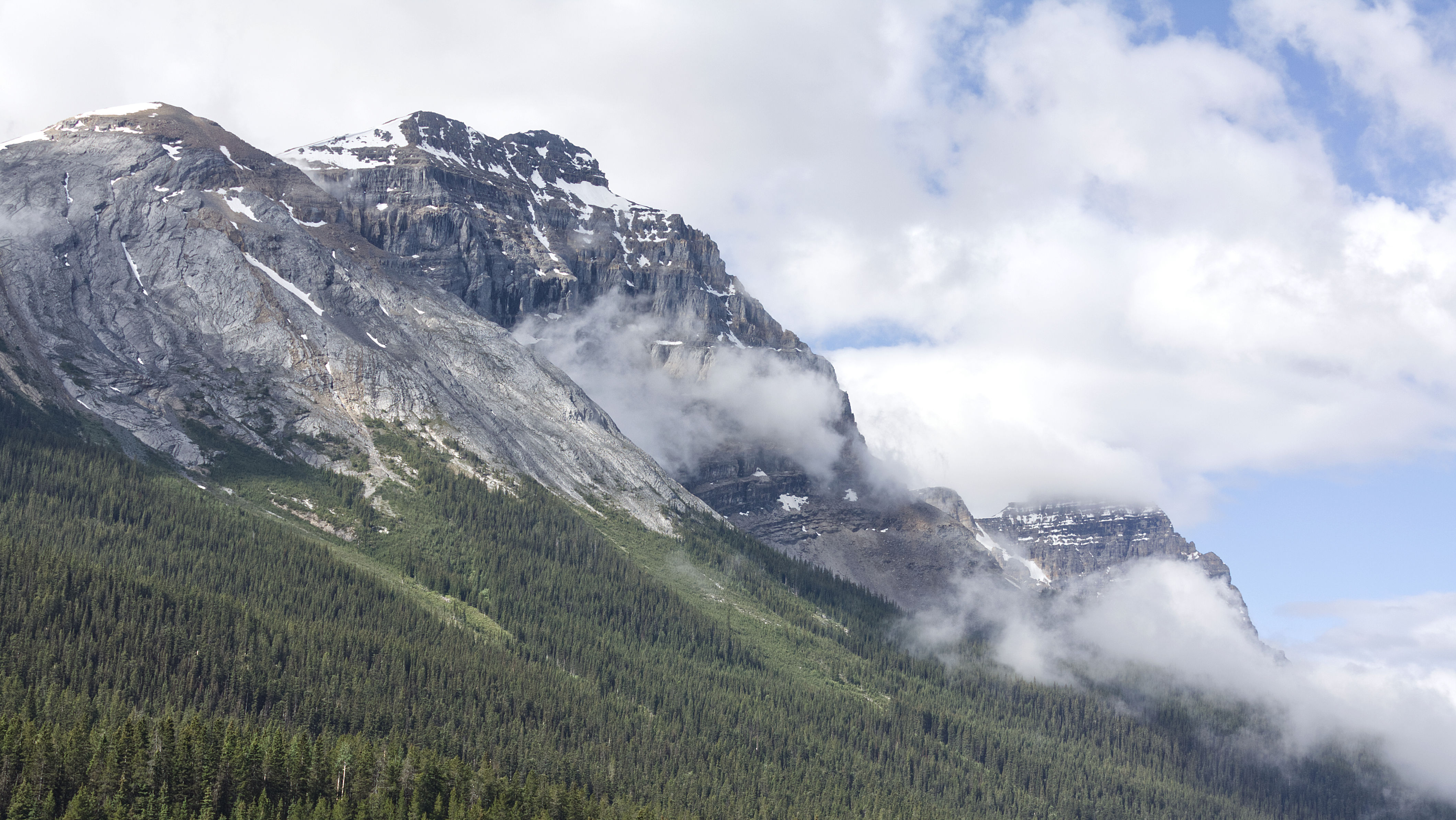
Castle Mountain overlooks the Bow River, Canadian Rockies, AB (photo by Nina Munteanu)
.
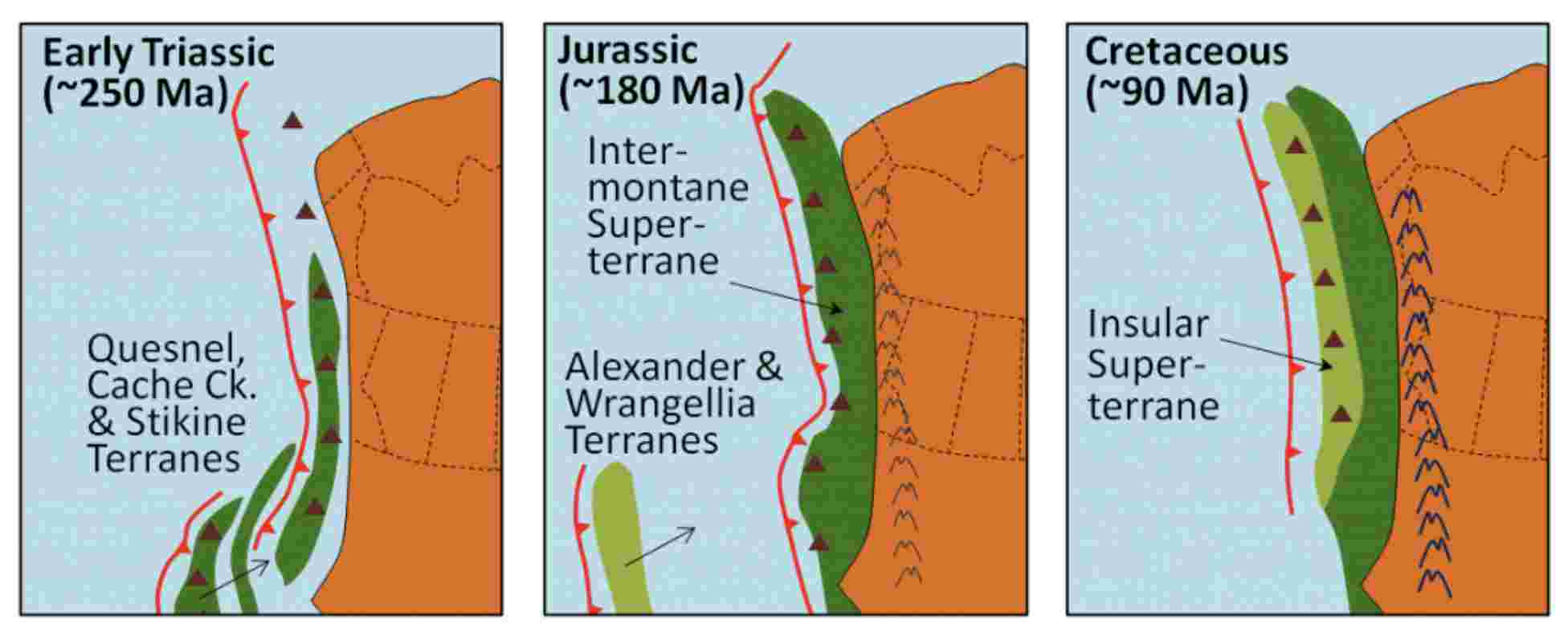
According to Earle and Panchuk, several continental collisions occurred along the west coast over the Mesozoic, resulting in the formation of the Rocky Mountains and the accretion (addition) of much of British Columbia’s land mass. Starting in the early Triassic (~250 Ma) through to the Cretaceous Period (~90 Ma), continued subduction sent several continental terranes (land masses) colliding into and accreting to the western edge of North America. The Quesnel, Cache Creek, and Stikine Terranes formed the Intermontane Superterrane, which now forms BC’s interior plateau between the Rockies and the Coast Range. A hundred million years later, during the Jurassic Period, a pair of terranes—Alexander and Wrangellia—collided with the west coast to form most of Vancouver Island and Haida Gwaii as well as part of Alaska. During the Cenozoic Era, more terranes accreted with the western edge of North America.
.
Model of the accretion of the Superterranes to the west coast of North America during the Mesozoic Era; red toothed lines=subduction zones; dark red triangles=volcanoes (images by Earle and Panchuk, 2019)
.
In the Jurassic Period, the Intermontane Superterrane acted like a giant bulldozer, pushing, folding, and thrusting the existing Proterozoic and Paleozoic west coast sediments eastward and upward to form the Rocky Mountains. The same process continued into the Cretaceous as the Insular Superterrane collided with North America and pushed the Intermontane Superterrane farther east.
.
Cross-section of the accretion of the Intermontane Superterrane to the west coast of North America in Jurassic and early Cretaceous, with resulting compression folding and thrusting of sedimentary rocks. Late Cretaceous Insular Superterrane further pushed against the Intermontane Superterrane to create massive folding and thrusting (image from Earle and Panchuk, 2019)
.
Canadian geologist/author Ben Gadd explains the Canadian Rocky Mountain building through the metaphor of a rug being pushed on a hardwood floor: the rug bunches up and forms wrinkles (mountains). In Canada, the subduction (downward movement) of an oceanic tectonic plate and the terranes (slabs of land) smashing into the continent are the feet pushing the rug, the ancestral rocks are the rug, and the Canadian Shield in the middle of the continent is the hardwood floor. The Rockies, writes Gadd, were like Tibet: a high plateau, 6,000 metres above sea level. Then, in the last 60 million years, glaciers—creeping forward at 50 feet per year—stripped away the high rocks, revealing the ancestral rocks beneath and carving out steep U-shaped valleys to form the current landscape of the Rockies: jagged peaks of soft sedimentary limestone and shale overlooking steep gorges and valleys. You can watch an excellent video of the 200-million-year formation of the Rocky Mountains by Spark.
.
Castle Mountain, Canadian Rockies, AB (photo by Nina Munteanu)
Rockies west of Lake Louise, Alberta (photo by Nina Munteanu)
.
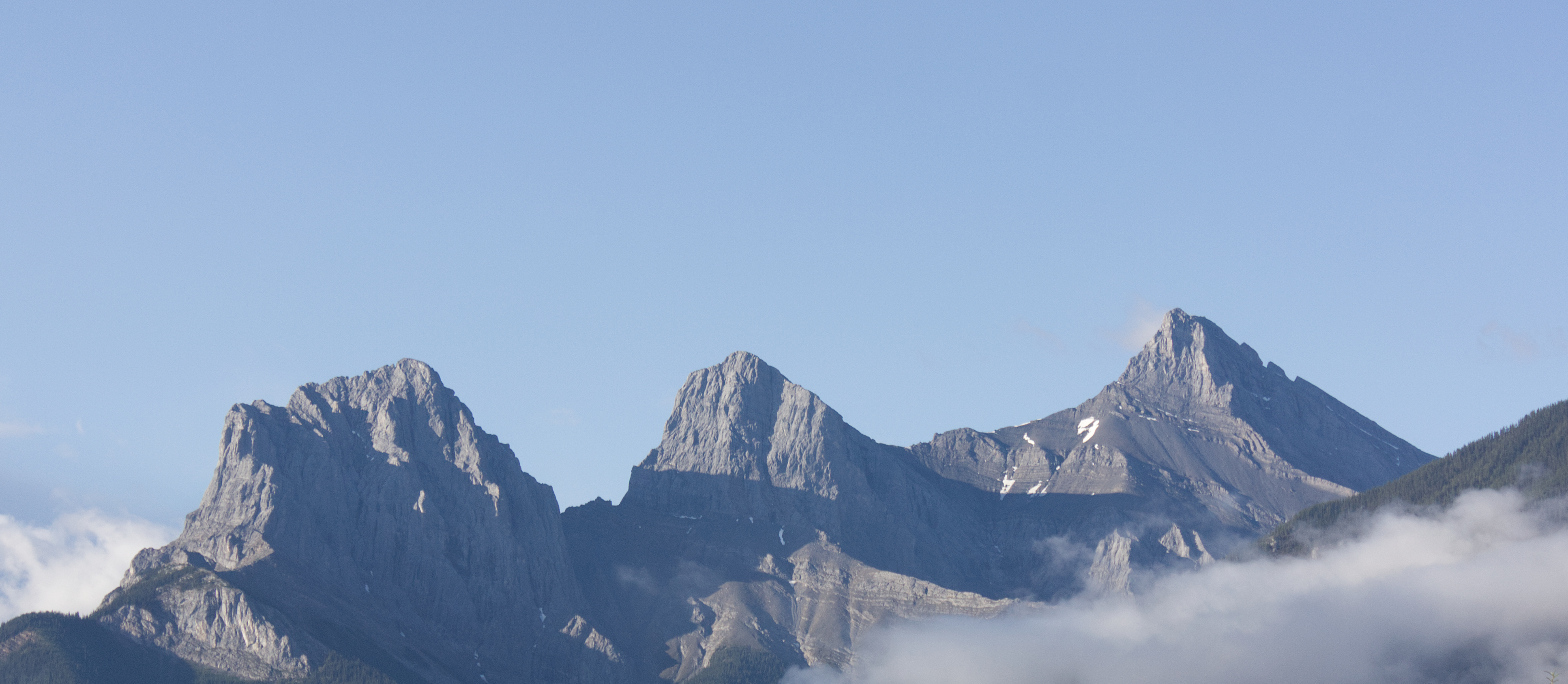
When I stopped in Canmore, Alberta, for the night, I found all the hotels solidly booked, except for a few very expensive rooms in high end hotels. It was the weekend of the Calgary Stampede and the crowds had spilled out this far, I was told. I also acknowledged that I was plum in the middle of tourist season too. But I was dead tired and it would be dark soon; so, I bit the bullet and booked an expensive room in an expensive hotel. I recalled that I was repeating my mother’s trip across Canada to settle in Victoria many years ago; she’d also driven through here in her old Datsun, brim with plants, like my Benny, and stopped in Canmore for the night. Only, she found very reasonable accommodations when she came through over four decades ago. Canmore is located in the front ranges of the Rockies, with a wonderful view of the Three Sisters and Ha Ling Peak from my hotel room.
.
The Three Sisters, Canmore, AB (photo by Nina Munteanu)
.
Temple Mountain, west of Lake Louise, Alberta (photo by NIna Munteanu)
.
I gave Banff and Lake Louise a miss and opted for a breakfast at some remote viewpoint after crossing the border into British Columbia. As I ate my cereal from the tailgate of my car, I felt a strange but lovely warm joy spread through me like a deep soothing balm.
I was home…
.
Faeder Lake, Yoho National Park, BC (photo by Nina Munteanu)
.
I stopped at Faeder Lake, on the western side of Yoho National Park, with a view of the Ottertail Range and Mount Vaux. Faeder Lake’s clear tourquise water—a result of fine particles of rock dust called glacial flour—enticed me for a swim.
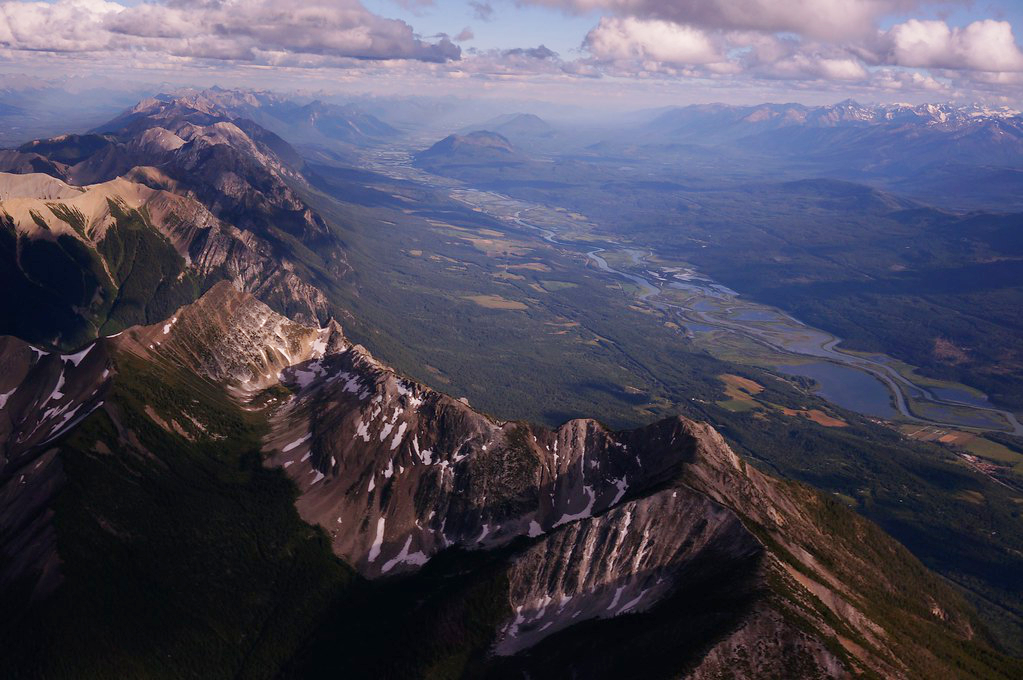
I stopped briefly for lunch in Golden in the Rocky Mountain Trench. The Rocky Mountain Trench is a long and deep valley walled by sedimentary, volcanic and igneous rock that extends some 1,500 km north south, spanning from Montana through British Columbia. The Trench is sometimes referred to as the “Valley of a Thousand Peaks” because of the towering mountain ranges on either side: the Rocky Mountains to the east and the Columbia, Omineca and Cassiar mountains to the west.
.
Rocky Mountain Trench near Golden, BC
.
The Trench is a large fault—a crack in the Earth’s crust—and bordered along much of its length by smaller faults. Major structural features resulted from the shifting and thrusting of tectonic plates of the crust during the early Cenozoic Era (65 million years ago) during mountain formation discussed above. The ridges of fractured crust pulled apart and the land in between dropped, creating the floor of the Trench. Major rivers that flow through the trench include the Fraser, Liard, Peace and Columbia rivers.
.
The Rocky Mountain Trench features in two of my books: A Diary in the Age of Water (Inanna Publications) and upcoming novel Thalweg. In both novels, which take place in the near future, the trench has been flooded to create a giant inland sea to serve as water reservoir and hydropower to the USA. You can read an excerpt in my article “A Diary in the Age of Water: The Rocky Mountain Trench Inland Sea.” The article also talks about the original 1960s NAWAPA plan by Parsons Engineering to flood the trench to service dry sections of the US by diverting and storing massive amounts of Canadian water. Proponents are still talking about it!
.
Mount Macdonald, Rogers Pass, BC (photo by Nina Munteanu)
.
I entered Glacier National Park, driving through several snow & avalanche sheds at Rogers Pass, in the heart of the Selkirk Range of the Columbia Mountains. This part of the drive was spectacular as mountains towered close and steep above me like sky scrapers, fanning out as the bright green vegetation crept resolutely up their scree slopes.
.
Selkirk Mountains and Mount Macdonald in Roger’s Pass; Google location (image by Google Maps)
.
Selkirk Range at Rogers Pass, BC (photos by Nina Munteanu)
The highway followed the Illecillewaet River as it wound southwest to Arrow Lake from it’s the glaciers east. I soon reached Revelstoke National Park and stopped at the Giant Cedars Boardwalk Trail, located about 30 km east of Revelstoke, between the Monashee Mountains, west, and the Selkirk Range, east.
.
Boardwalk through ferns, devils club and giant cedars, Giant Cedar Boardwalk, Revelstoke National Park, BC (photo by Nina Munteanu)
.
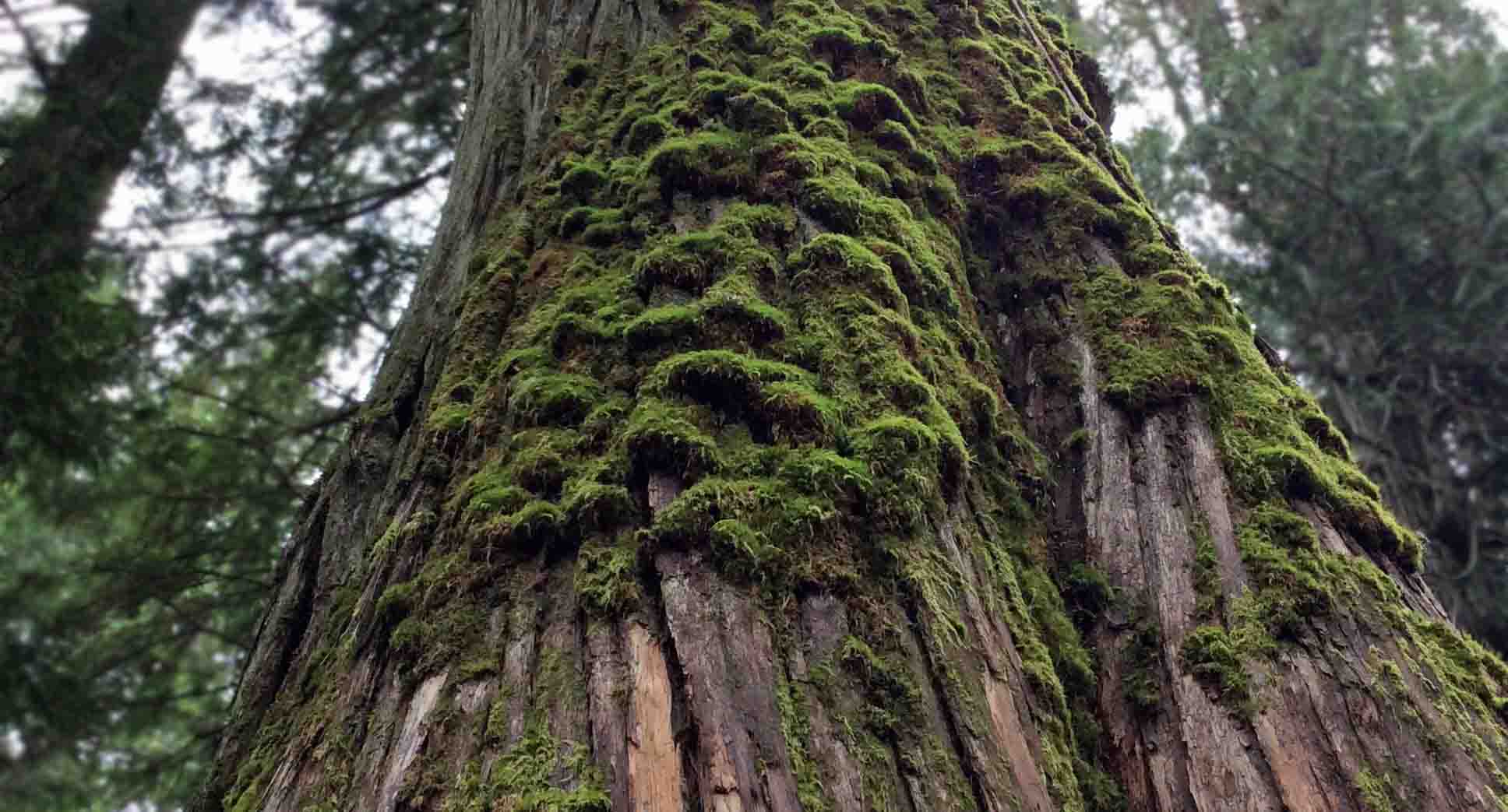
The Giant Cedars Boardwalk Park is a rare inland temperate rainforest ecosystem, receiving significant precipitation from Pacific weather systems that rise over the Columbia Mountains and dump here. It is a lush and humid old-growth forest with rich diversity of plant and animal life that resembles a coastal rainforest. Dominated by Western Red Cedars and Western Hemlocks—with some Douglas fir, paper birch and Bigleaf maple—the forest floor is a rich understory of salal, devil’s club, several berry shrubs and a diversity of ferns—oak fern, sword fern, and licorice fern. All was covered with a dense carpet of mosses, lichens, liverworts and fungi.
.
Above: moss-covered Red Cedar; Below: Devil’s club; Giant Cedar Boardwalk Trail, Revelstoke National Park, BC (photos by Nina Munteanu)
.
I followed the boardwalk through a cathedral of towering trees, among ancient cedars, whose fibrous, thick trunks loomed high to pierce the sky. Some are over 500 years old. I found that one large cedar trunk beside the boardwalk was ‘smooth from loving’ as I leaned against it and stroked its bark, no longer fibrous but burnished smooth and shiny.
.
Nina leans against a giant red cedar, fibrous bark smoothed from copious stroking of hands, Giant Cedar Boardwalk Park, BC (photo by Anne Voute)
.
I reached Revelstoke just after 6 pm and, to celebrate, I booked a room at the Regent Hotel. After a walk through the ski resort town, alive with young tourists, I returned to the hotel restaurant, I treated myself to a celebratory salmon dinner with garlic mashed potatoes and mixed veggies. I even I had a dessert—Tiramisu with a cup of tea—and went to bed sated, happy and tired. As soon as my head hit the pillow, I was in dreamland.
.
Revelstoke and the Regent Hotel; my celebratory meal there (photos by Nina Munteanu)
.
Chaparral near Merritt, BC (photo by Nina Munteanu)
Two types of sage brush near Merritt, BC (photo by Nina Munteanu)
.
The next day, I descended southwest from the Selkirk Range, passing through Kamloops and then arriving at Merritt, in the heart of the Nicola Valley, an area of dry forests, grasslands, sagebrush, alpine meadows, and wetlands. This was range country, dry, golden and rolling with the peppery scent of sage. The most visible and dominant vegetation included big sage (Artemisia tridentata) and bluebunch wheatgrass (Pseudoroegneria spicata) with the odd Ponderosa Pine (Pinus ponderosa) dotting the dry landscape.
.
Sagebrush country at Merritt, BC (photo by NIna Munteanu)
Sagebrush country near Merritt, BC (photo by Nina Munteanu)
.
From there, I drove south along the Coquihalla Highway in the Cascades Range to Hope, where I treated myself to an ice cream cone and ate it overlooking the mighty Fraser River. I followed the Fraser west to Vancouver, where it empties into the Pacific Ocean.
My last stop before reaching my good friend’s place in Ladner (where I would stay until I found my own place) was the Four Winds Brewery on Tilbury Road, where I bought a case of beer for the pizza we would share once I got there.
Earle, Steven and Karla Panchuk. 2019. “Physical Geology”, 2nd edition: Chapter 21: Geological History of Western Canada, 21.4, Western Canada during the Mesozoic.” BCcampus. OpenTextBC/Physical Geology
Munteanu, Nina. 2020. “A Diary in the Age of Water.” Inanna Publications, Toronto. 328 pp.
.
Nina Munteanu is a Canadian ecologist / limnologist and novelist. She is co-editor of Europa SF and currently teaches writing courses at George Brown College and the University of Toronto. Visit www.ninamunteanu.ca for the latest on her books. Nina’s bilingual “La natura dell’acqua / The Way of Water” was published by Mincione Edizioni in Rome. Her non-fiction book “Water Is…” by Pixl Press (Vancouver) was selected by Margaret Atwood in the New York Times ‘Year in Reading’ and was chosen as the 2017 Summer Read by Water Canada. Her novel “A Diary in the Age of Water” was released by Inanna Publications (Toronto) in June 2020.
No writer works alone. Sure, we may work alone when writing, but all other aspects of getting our writing out to you, the reader, involves a team of other people. Like all good things, writing is a collaborative affair. All professional writers enter a contract with their publisher to work with editors, marketers, and also with cover artists, designers and interior artists. All together create the final artistic expression shared with the reading audience.
I want to focus on the latter here and celebrate how art and design help create more than what the writer alone produces. When my writing career started in earnest in 1995 with my first publication in a professional magazine, I was involved in collaborations with artists, who all improved my work.
.
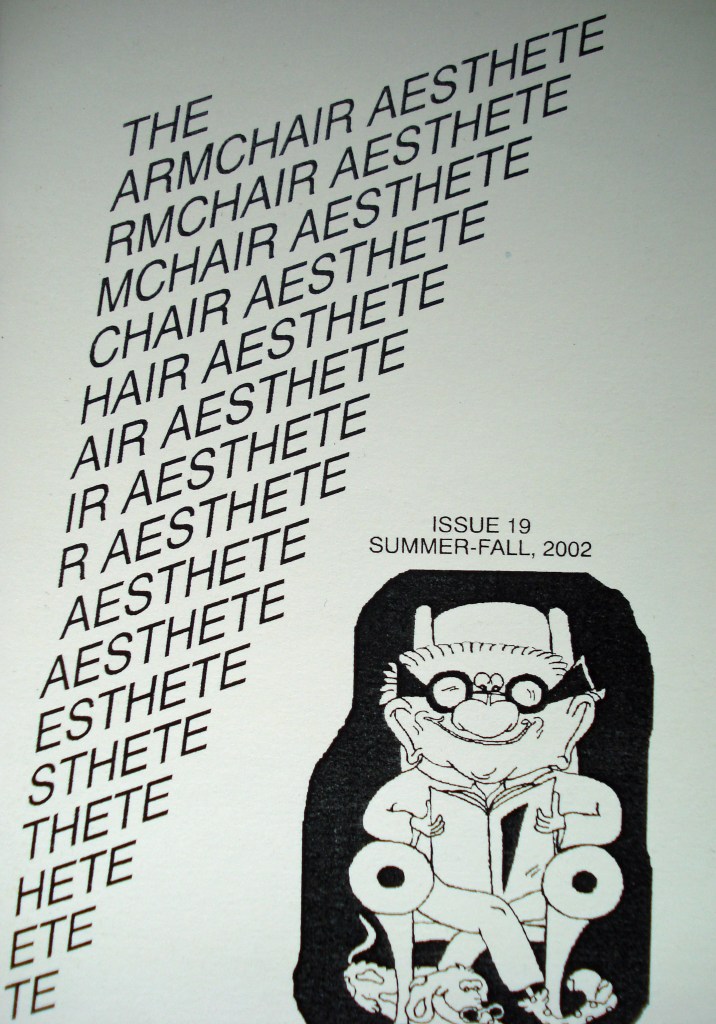
Arc of Time was my first short story publication, appearing in Armchair Aesthete in the Summer/Fall issue of 2002. Armchair Aesthete is a small literary magazine in the United States and features funky cover art.
.
Magazine cover for Ultra! and interior design for “Arc of Time”
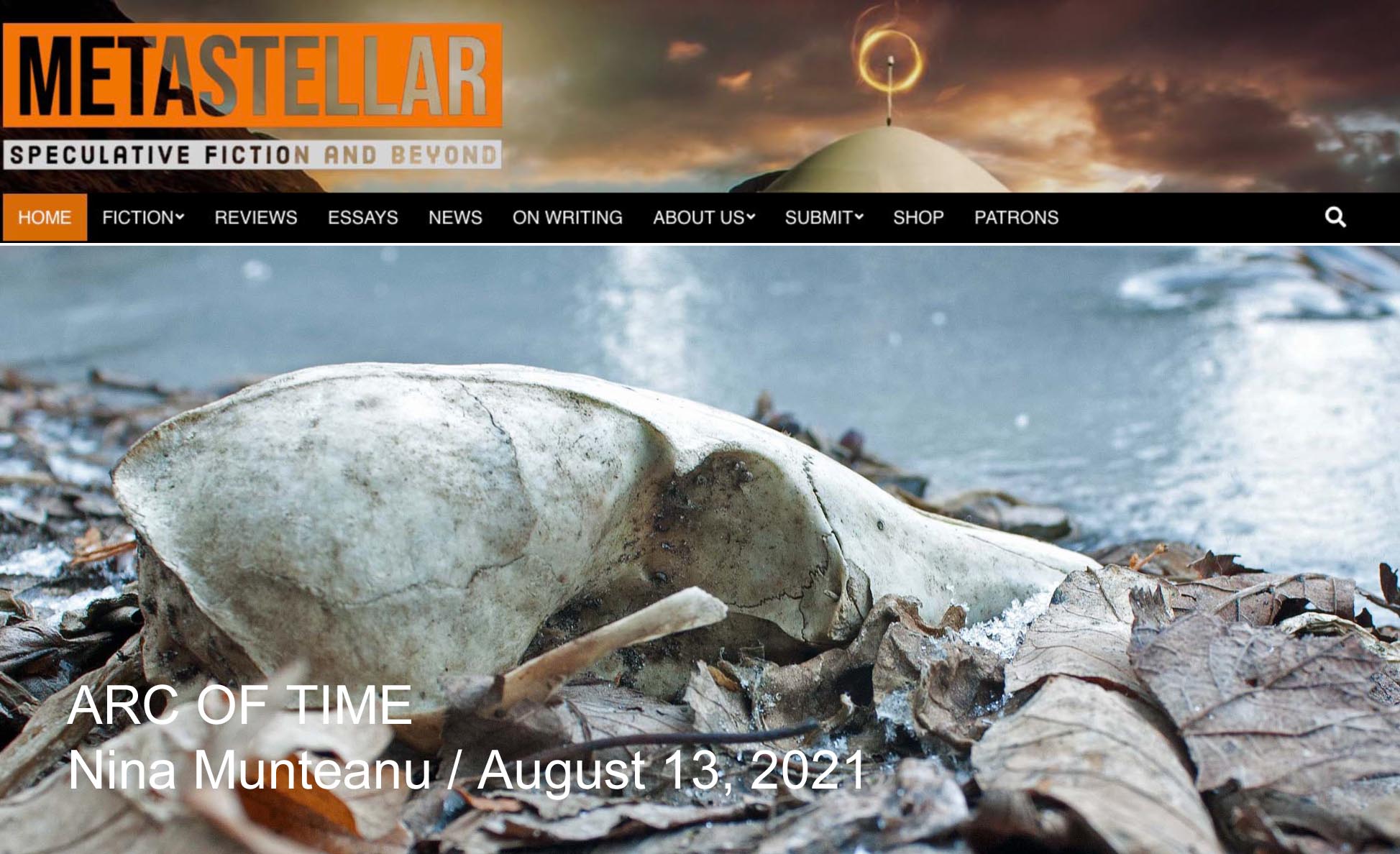
Arc of Time was then accepted in the premiere issue of Ultra! (Aardwolf Publications) in 2004. That issue contained a fully illustrated and designed interior, which really set off the story—an epistemological exchange of emails linked with narrative. In 2013, MetaStellar Speculative Fiction and Beyond, which provides illustrations for each story it carries, used one of my own photographs to illustrate Arc of Time.
Feature cover illustration for “Arc of Time” on MetaStellar site
.
Virtually Yours first appeared in Hadrosaur Tales in Issue #15 in December 2002. Hadrosaur Tales is a small but vibrant literary magazine out of Las Cruces, New Mexico and featured interesting covers.
.
Cover and story illustrations in Nowa Fantastyka for “Virtually Yours”
Virtually Yours was republished all over the world and is up to its tenth publication this year. Several publications included artwork specifically for the story. Nowa Fantastyka, out of Poland, is a slick magazine that boasts a lot of images, colour interiors and illustrations. My story was introduced with illustrations that enhanced its impact.
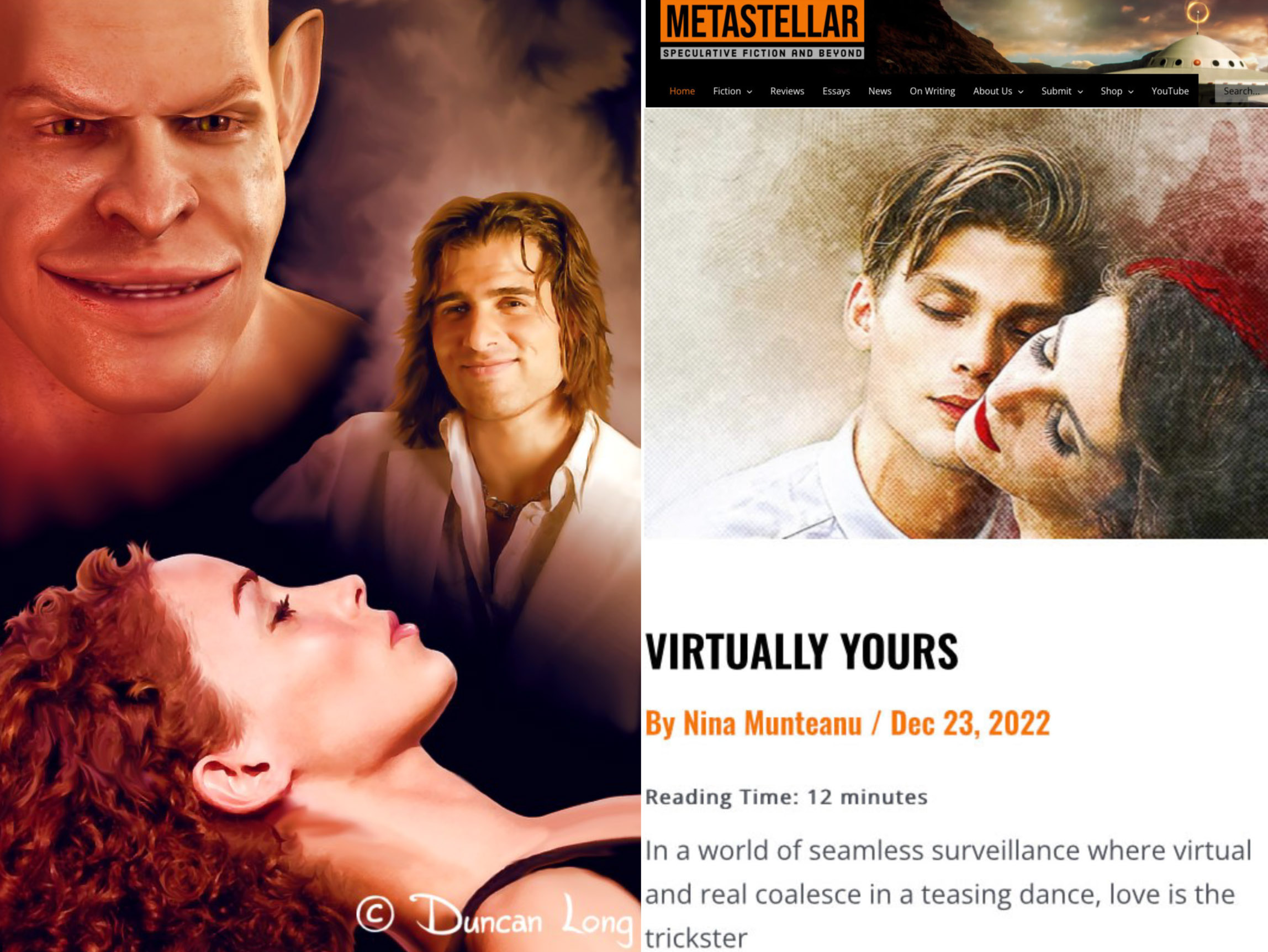
Interior illustrations for “Virtually Yours” in Amazing Stories and MetaStellar, respectively
Its reprint in Amazing Stories was illustrated evocatively by Duncan Long. In the story’s later reprint in MetaStellarSpeculative Fiction and Beyond, Brigitte Werner created a beautiful illustration for the story.
Nowa Fantastyka cover art and story artfor “A Butterfly in Peking”
A Butterfly in Peking first appeared in Issue #17 of Chiaroscuro in 2003. Its reprint in the Polish magazine Nowa Fantastyka in 2005 included interior art that introduced the tone and feel of the story.
Megan Survival Anthology cover art and story artfor “Fingal’s Cave”
Fingal’s Cave was first published in The Megan Survival Anthology (Reality Skimming Press) in December 2016. The publication included art by Jeff Doten specific to each story in the anthology and I found his artwork for Fingal’s Cave wonderfully intriguing.
Artwork for “The Way of Water” in various publications
The Way of Water was first published in Future Fiction then in a smart print publication by Mincione Edizioni in Rome, Italy in May 2016. The story was reprinted several times and artwork associated with it included in some of the publications. One is Little Blue Marble, an online magazine that features artwork for each story it runs.
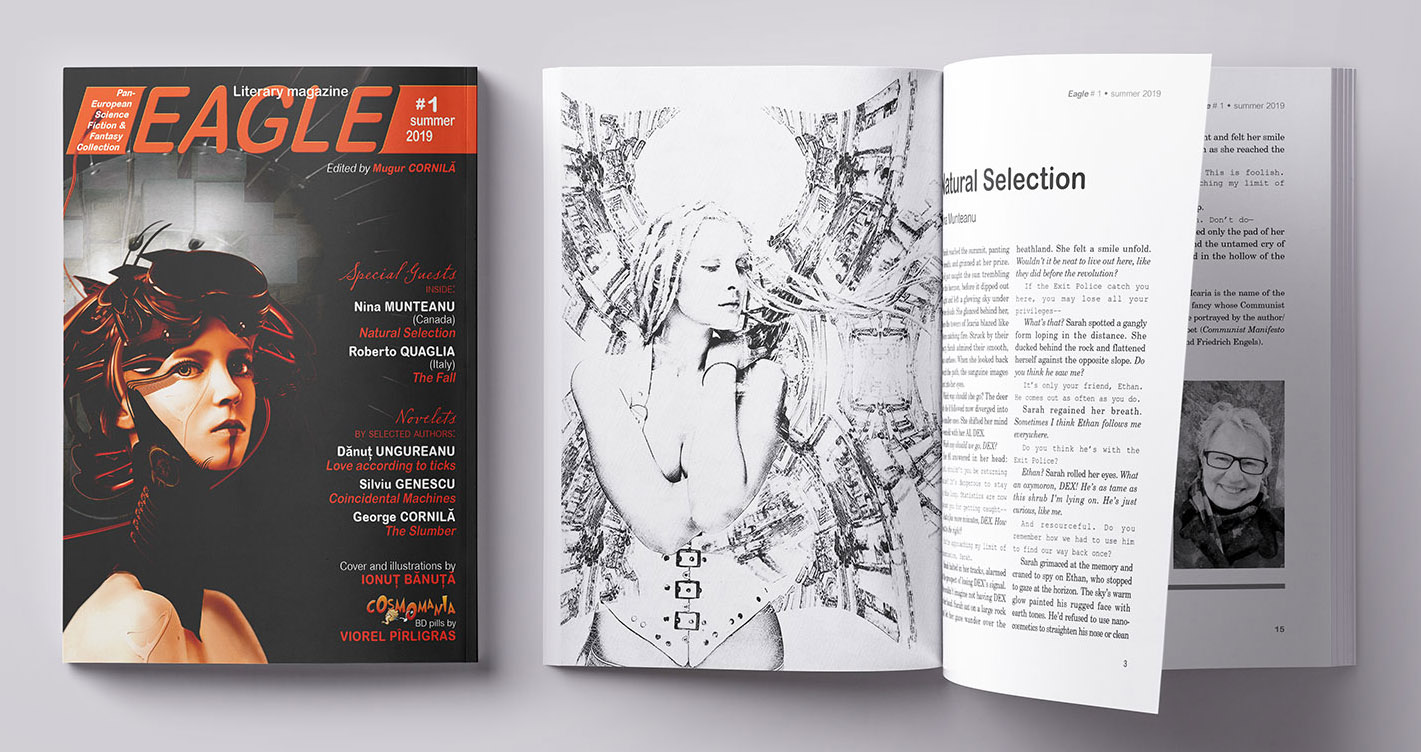
Cover art of Eagle Magazine and story art for “Natural Selection”
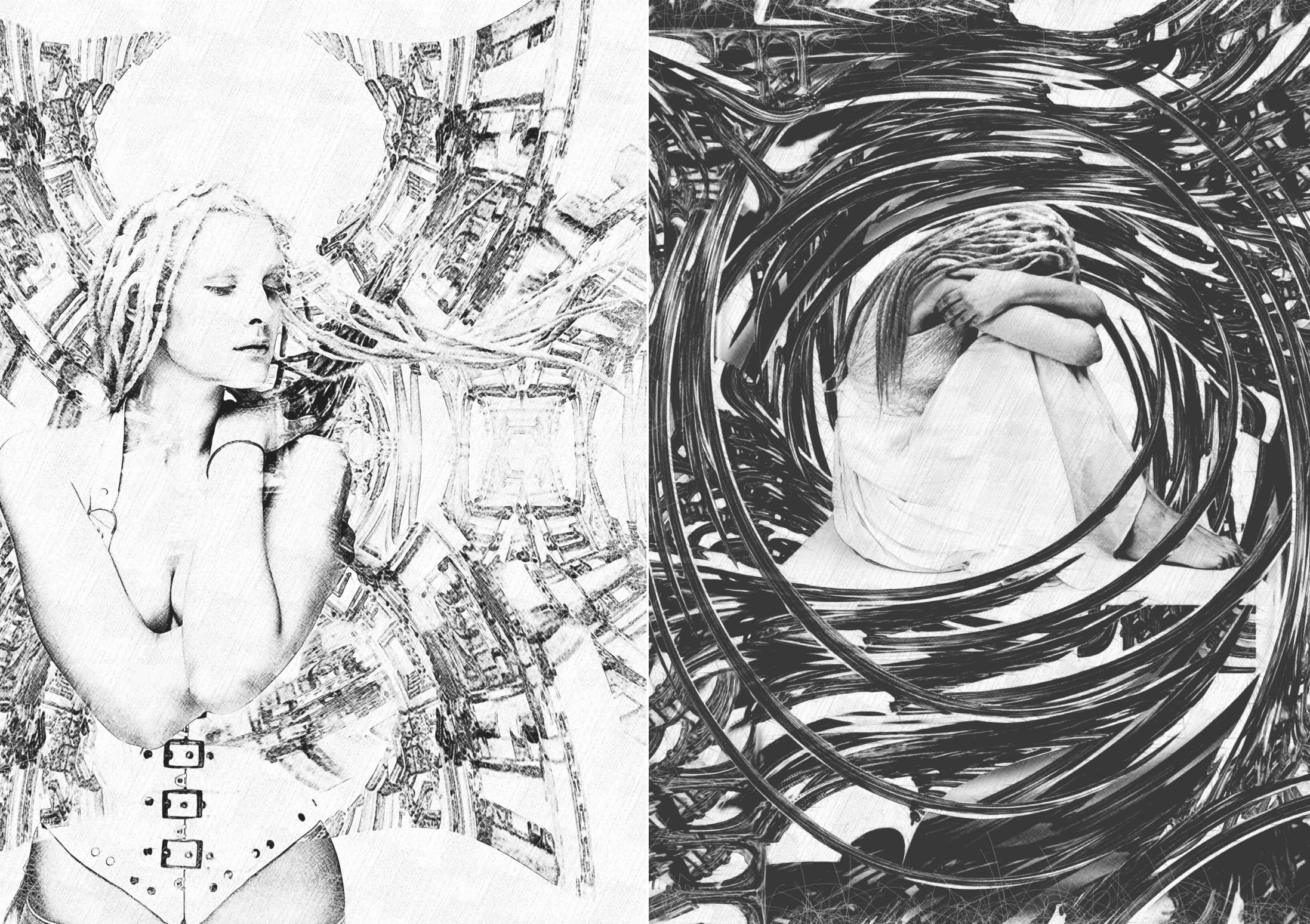
Natural Selection first came out in my short story collection of the same name in 2013. It was then reprinted in the premiere issue of Eagle Magazine and featured stellar and evocative interior illustrations by Ionuț Bănuță.
Interior story art for “Natural Selection”
Out of the Silence first appeared in Issue #85 of subTerrain Magazine in May 2020 and featured diverse and rich interior art and design (not pictured here). Its reprint in A House of Dawn in 2021 received its own artwork, which enhanced the tone and subject of the story.
Cover art for subTerrain Magazine and story art for “Out of the Silence” in A House of Dawn
I’d be remiss if I didn’t add the important artwork of artists on the covers of several of my novels and collections. As a reader, I can attest that cover art plays an important role in introducing a book to a potential reader. Whether we pick up a new author’s book to peruse depends upon the image, title and design of the cover. I have been very fortunate with my publishers and their artists.
Book covers for “Collision with Paradise” (Liquid Silver Books) and “The Cypol” (eXtasy Books)
My first published novel (Collision with Paradise) and novella (The Cypol)—both SF erotica—were designed to intrigue and titillate.
Costi Gurgu illustrated and designed the covers of my space detective thriller The Splintered Universe Trilogy for Starfire. The three books and their covers, formed a tryptic that reflected the journey of the lead character—a badass galactic detective—and her evolution.
Cover art for books of “The Splintered Universe” Trilogy
.
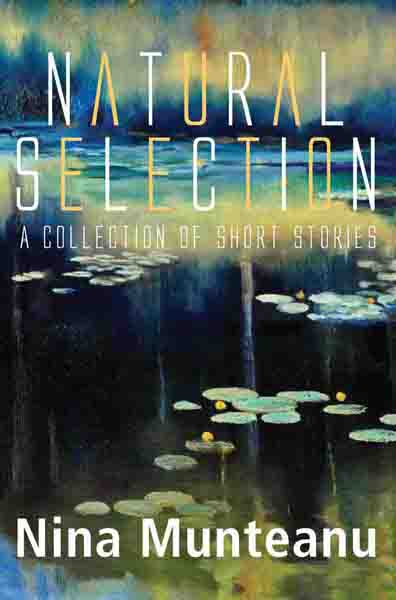
Costi Gurgu also designed the cover of my short story collection Natural Selection for Pixl Press in 2013 using an illustration by West Coast artist Anne Moody that showed the fluidity of nature.
.
Tikulin-illustrated covers for “Darwin’s Paradox” and “The Last Summoner”
Tomislav Tikulin illustrated the cover of my novel Darwin’s Paradox for Dragon Moon Press in 2007. The cover image ostensibly represented a work of hard science fiction and attracted much attention from SF fans. Tikulin’s evocative illustration of a knight in a drowning cathedral was then used for the cover of The LastSummoner for Starfire, with attractive typology design by Costi Gurgu. As with all of Tikulin’s work, this mysterious cover attracted the attention of many readers with many questions.
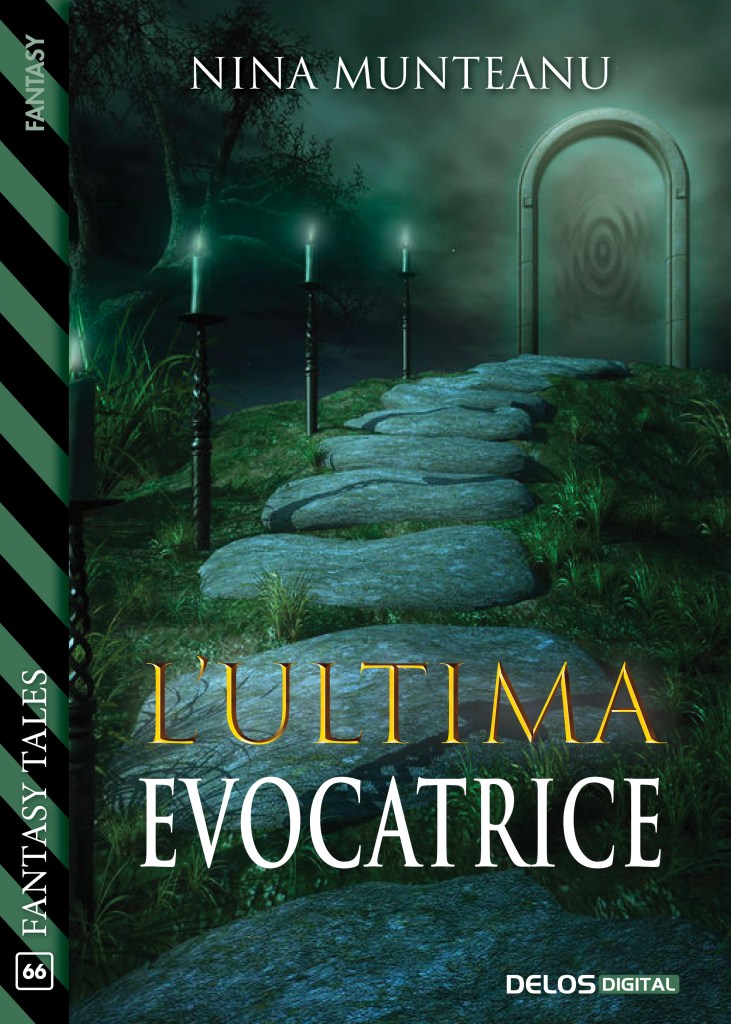
L’Ultima Evocatrice, a novella version of The Last Summoner in Italian was illustrated and designed for Delos Digital Publications in 2021 and draws the reader into the intrigue of the story.
.
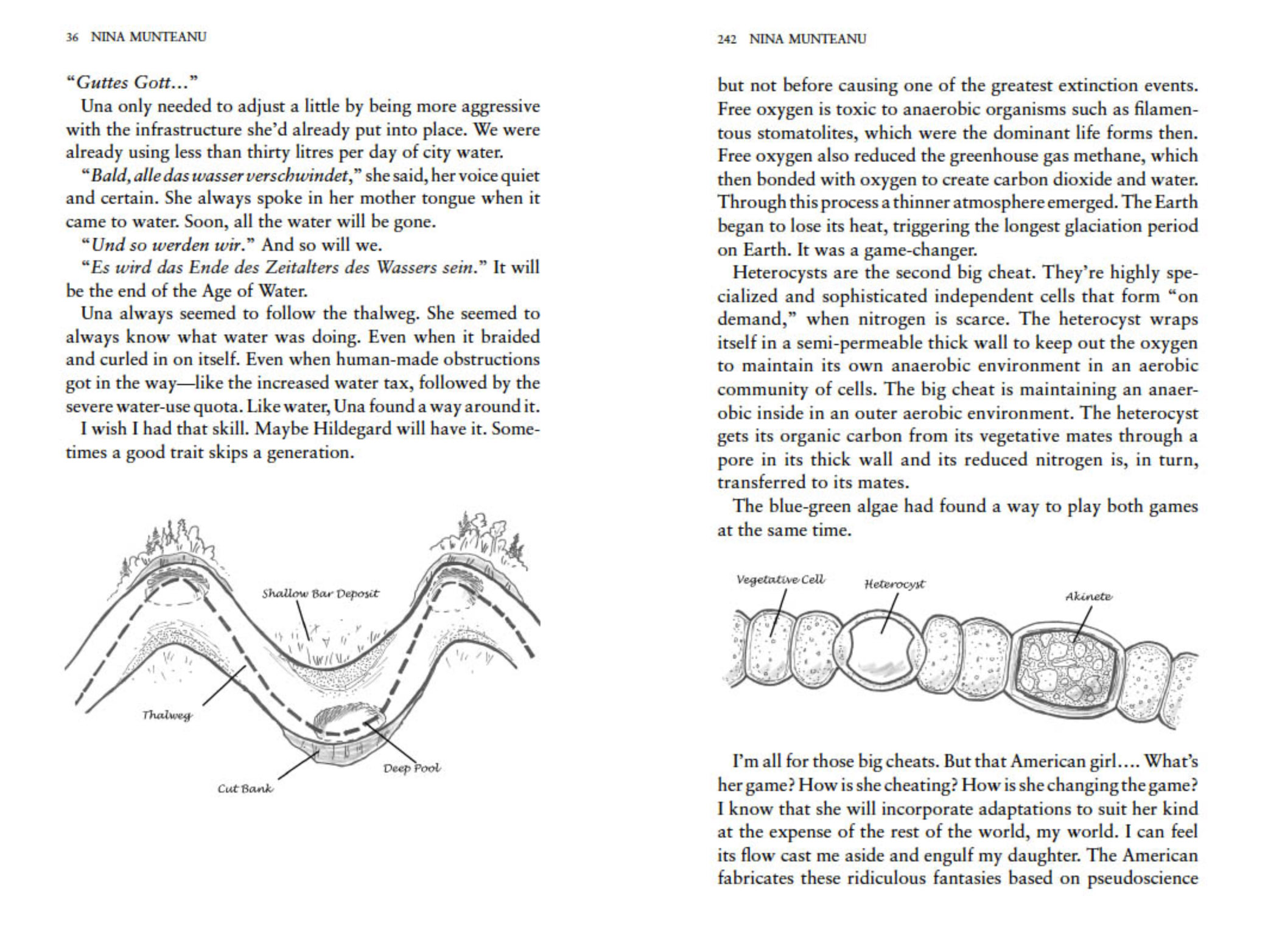
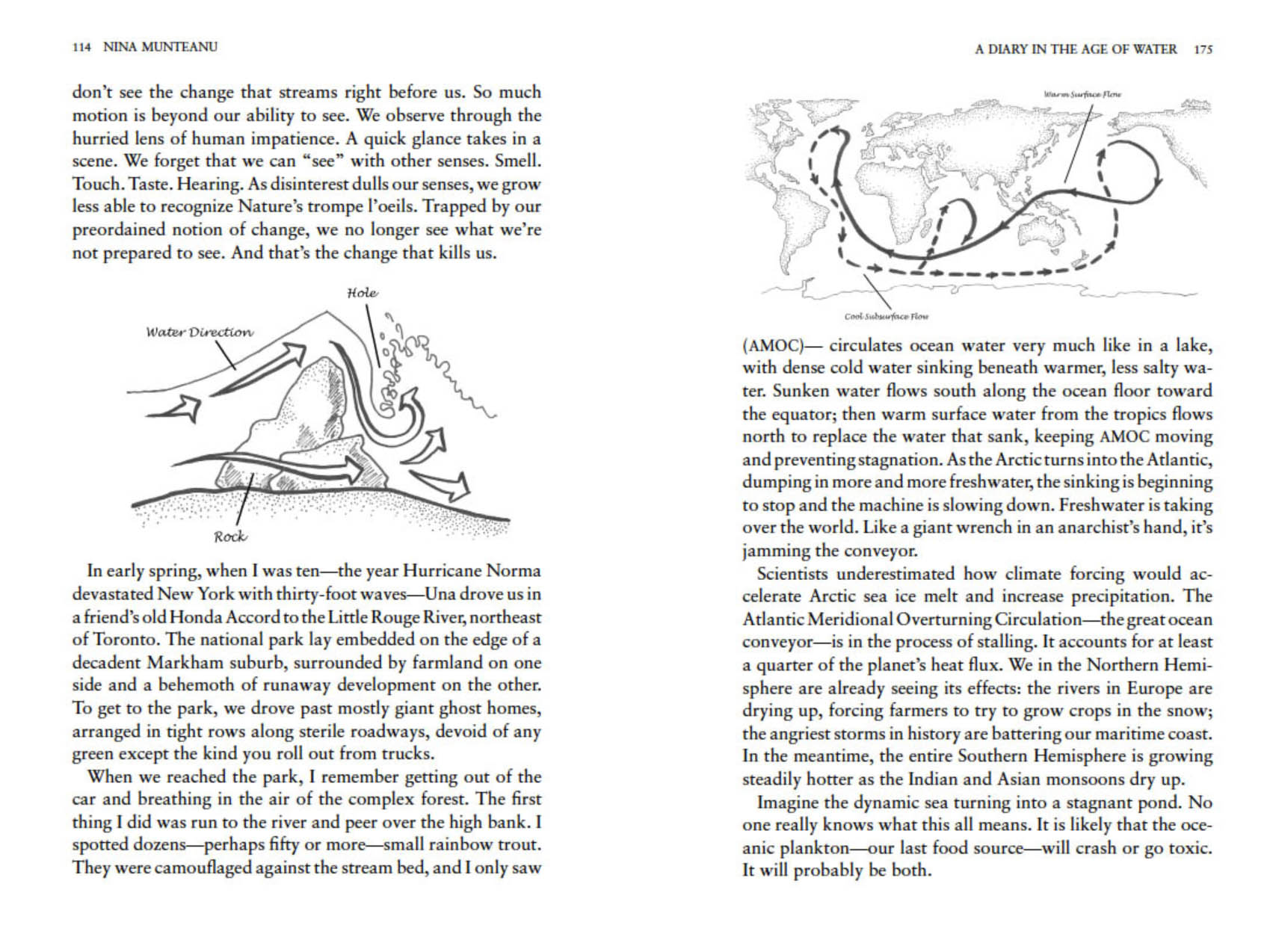
My most recent novel, A Diary in the Age of Water, published by Inanna Publications in 2020, features elegant cover art by Val Fullard and over thirty pieces of interior art work by my own hand.
.
Interior art representing the diarist’s sketches in “A Diary in the Age of Water
I wasn’t sure if the publisher would agree to use my sketches, but she did, to my surprised delight. She agreed with me that the interior illustrations, which represent sketches by the scientist diarist, lend a tangible reality to the story and a further focus of interest.
Interior art representing the diarist’s sketches in “A Diary in the Age of Water
.
Interior art representing the diarist’s sketches in “A Diary in the Age of Water”
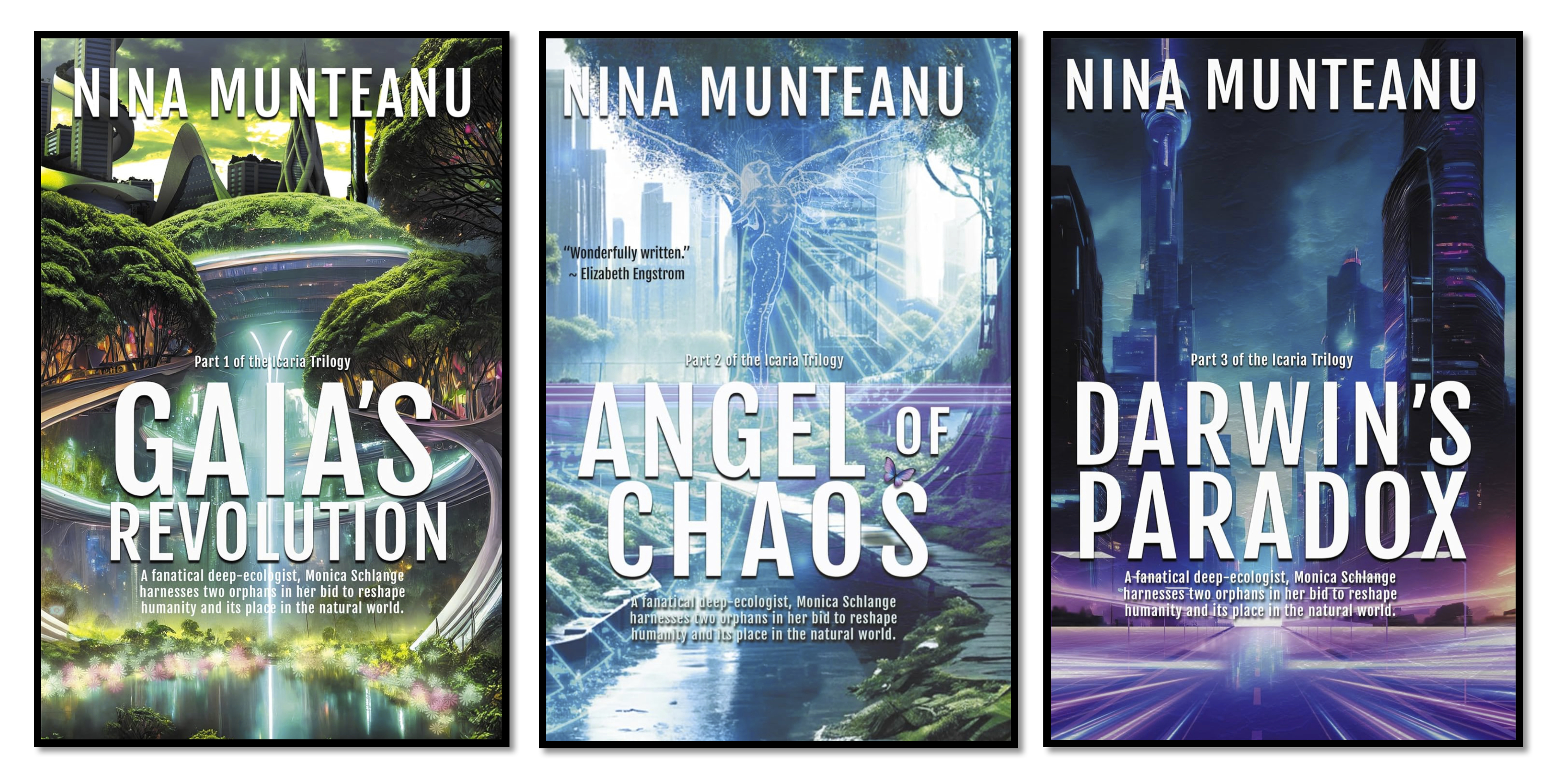
The excitement never ends for me as a writer … With the newest installation to The Icaria Trilogy imminent, Dragon Moon Press will be re-issuing Darwin’s Paradox and Angel of Chaos, along with the newest addition Gaia’s Revolution together with new covers and interiors. Below is what Dragon Moon Press came up with! …
.
The Icaria Trilogy by Dragon Moon Press (updated covers, 2026)
Post Script, 2026: Here are Dragon Moon’s newly issued covers for The Icaria Trilogy. They look fantastic and well-reflect the trilogy’s narrative progression. And, as I write this, I anticipate my newest book with Inanna Publications Thalweg, which continues in the same world as A Diary in the Age of Water. Thalweg will release early in 2027.
.
Cover art of print publications my work has appeared in up to 2021-end
.
Nina Munteanu is a Canadian ecologist / limnologist and novelist. She is co-editor of Europa SF and currently teaches writing courses at George Brown College and the University of Toronto. Visit www.ninamunteanu.ca for the latest on her books. Nina’s bilingual “La natura dell’acqua / The Way of Water” was published by Mincione Edizioni in Rome. Her non-fiction book “Water Is…” by Pixl Press (Vancouver) was selected by Margaret Atwood in the New York Times ‘Year in Reading’ and was chosen as the 2017 Summer Read by Water Canada. Her novel “A Diary in the Age of Water” was released by Inanna Publications (Toronto) in June 2020.
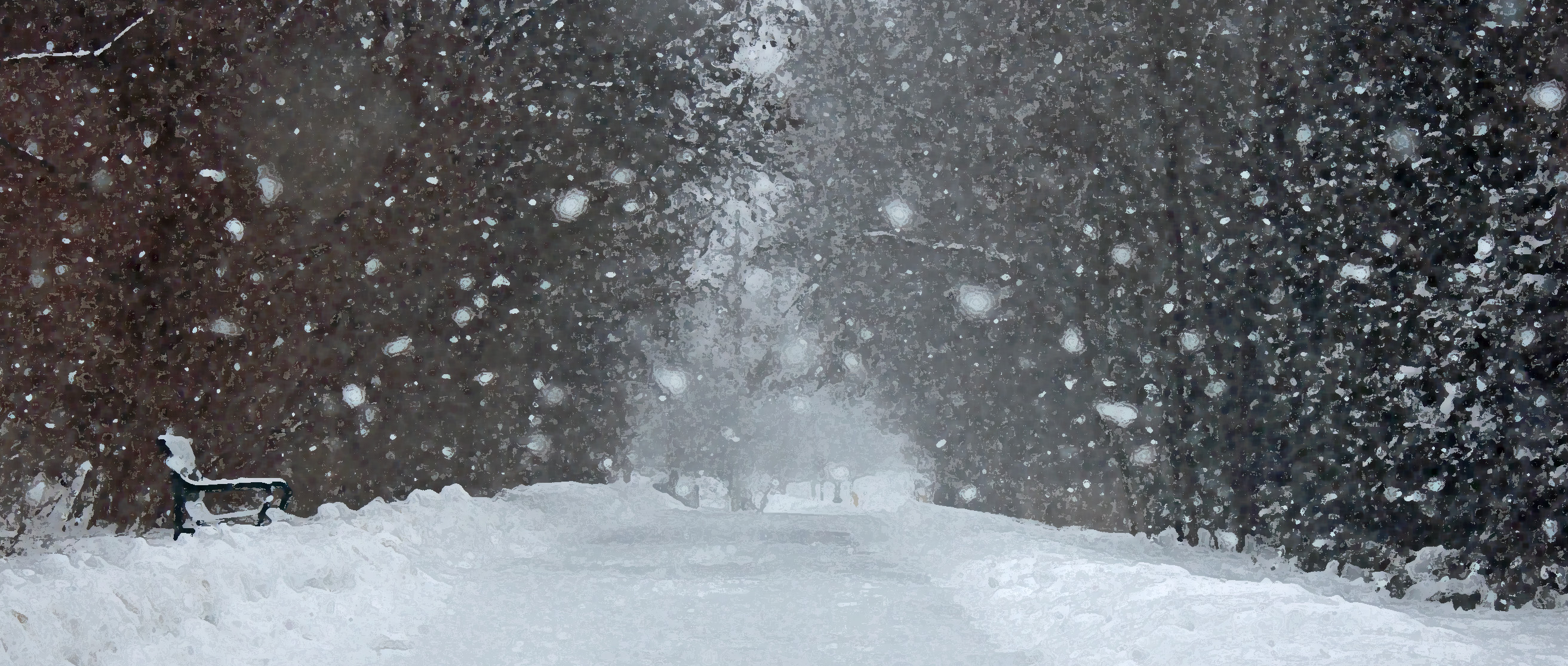
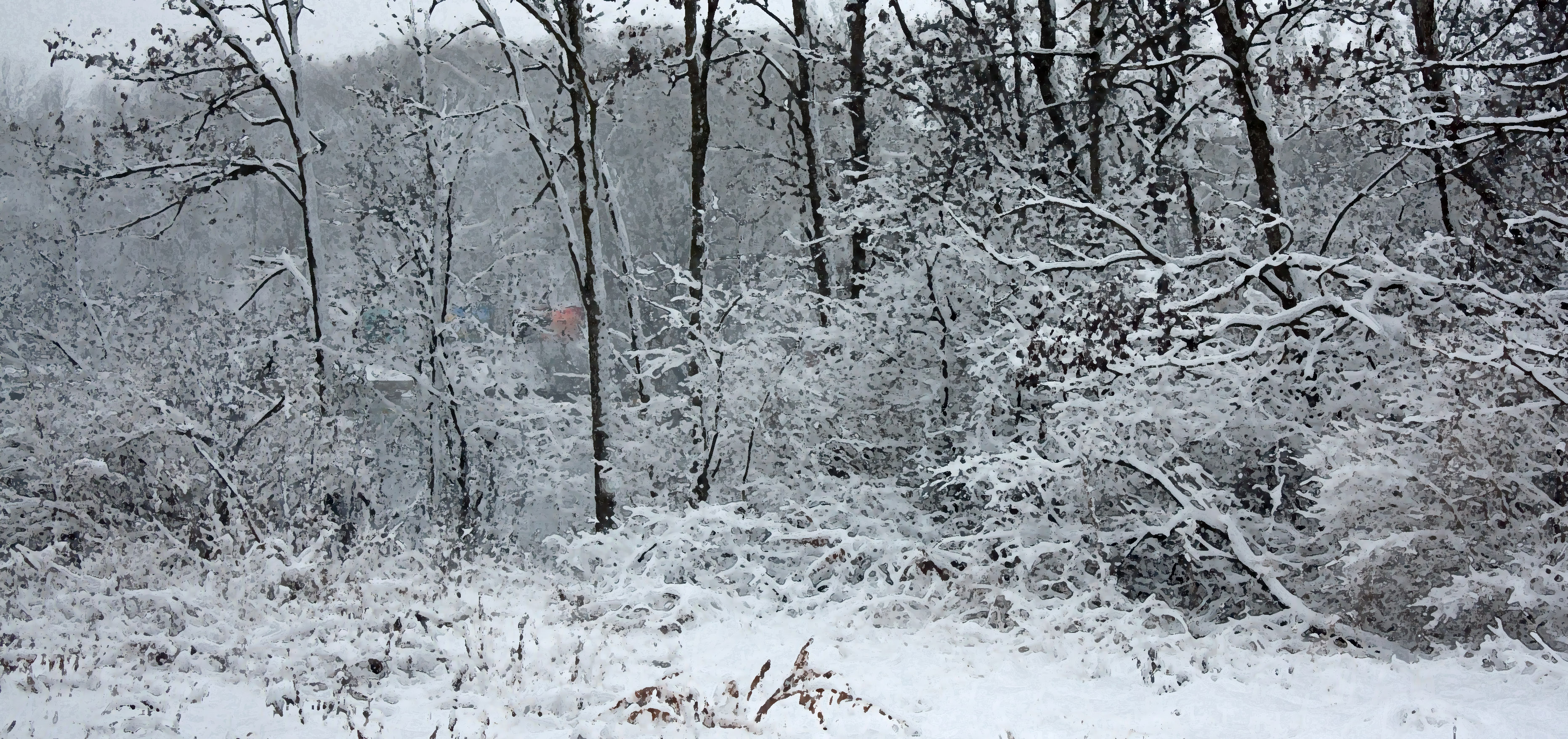
Heavy snowfall where I live in Ontario (photo by Nina Munteanu)
I currently live in Ontario, Canada, where the four seasons are still distinct and winter comes with signature cold temperature well below zero degrees Centigrade along with lots and lots of snow. I grew up in Quebec, where the snow often piled up higher than I stood tall. Temperatures often went into the minus zero teens and twenties with wind chills reaching minus thirty degrees. This called for the right equipment. Insulated coat or jacket, snow pants, wool toque and mittens and/or gloves that are also well insulated. And, of course, warm snow boots.
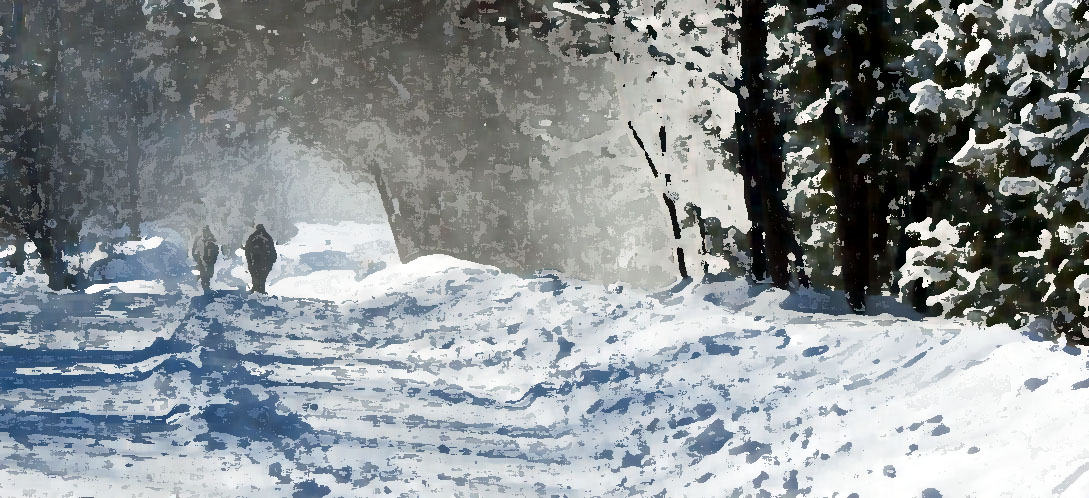
Nina on a walk during a snowstorm, ON (photo by Merridy Cox)
Country road in the Kawarthas, ON (photo and rendition by Nina Munteanu)
Nina’s car on ‘walkabout’ through Kawartha country after a fresh snowfall, ON (photo and rendition by Nina Munteanu)
Farm in the Kawarthas, ON (photo and rendition by Nina Munteanu)
Cows on a farm in the Kawarthas, ON (photo and rendition by Nina Munteanu)
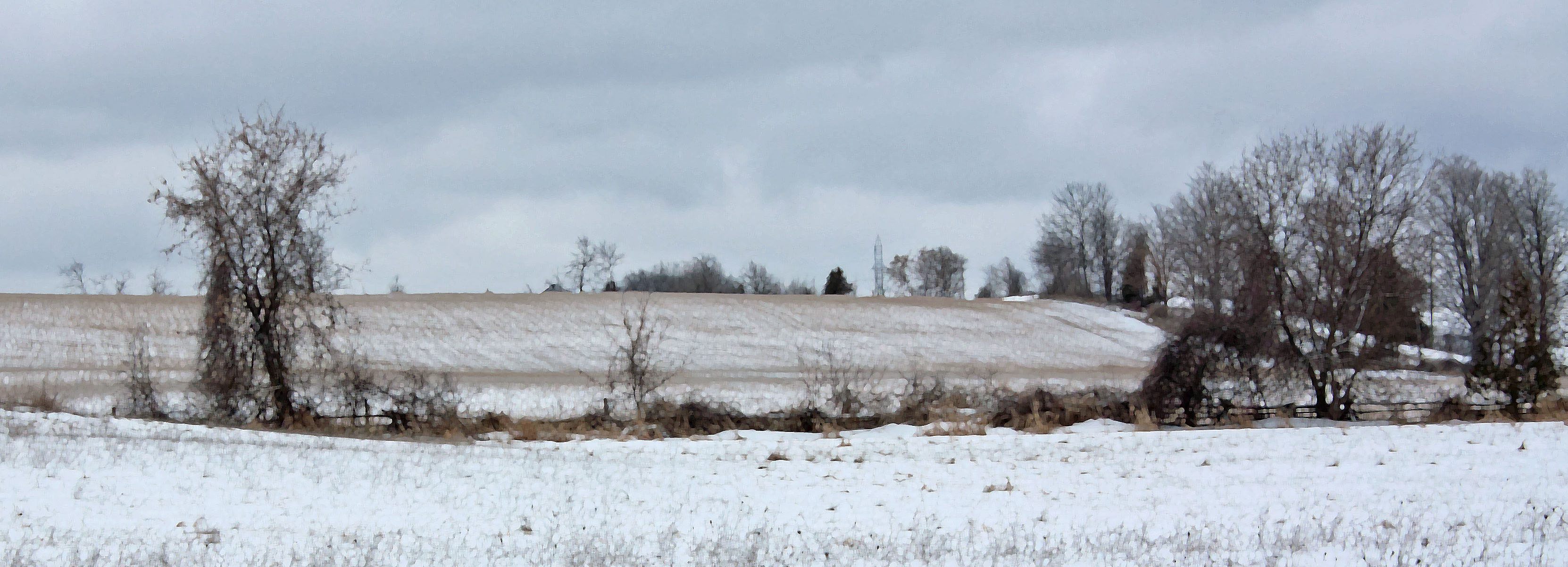
Country field in Kawarthas, ON (photo and rendition by Nina Munteanu)
School kids heading to class after a fresh snow, ON (photo by Nina Munteanu)
The Rotary Trail after a fresh snowfall, ON (photo and rendition by Nina Munteanu)
Heavy snow falls on a trail in the Kawarthas, ON (photo and rendition by Nina Munteanu)
Since moving to the West Coast then back east to Ontario, I’ve come to realize that I love winters. I love how snow covers everything, how it quiets the landscape and changes it in subtle ways. I love the frigid wind, how it bites the face with invigorating energy, reminding me that I am so alive. I love the sounds of winter, of walking on snow, crunching and squeaking, of the howl of the wind and the creaking and groaning of the trees, or the cracking and booming of the ice forming and reforming on the river.
Bridge over creek in Trent Nature Sanctuary during heavy snowfall, ON (photo and rendition by Nina Munteanu)
Jackson Creek after a fresh snowfall, ON (photo and rendition by Nina Munteanu)
Woman and her dog walk through cedar swamp forest after a fresh snowfall, ON (photo and rendition by Nina Munteanu)
Riparian forest clothed in fresh snow, ON (photo and rendition by Nina Munteanu)
Riparian forest after a fresh snowfall, ON (photo and rendition by Nina Munteanu)
I am currently finishing my fiction book Thalweg, which takes place throughout Canada, but predominantly in northern British Columbia and the arctic of the Northwest Territories. My main character, a Gwich’in scientist, explores the land during a time of climate change, and much of it involves the expansive vast snowfields of northern Canada in which she describes the look, smell, feel, and sounds of snow. She thinks with great fondness of home in the Arctic where snow prominently features and, bringing in all her senses, of course, includes sound:
There are many different kinds of snow, and any native of the north can recognize them. We can not only tell something of the quality of weather from it, but also its history. Without having experienced the day or history of the place, we will know simply from walking through it. For instance, on a minus twenty-degree Centigrade day, when the cold bites your face and your breath coils out of your mouth like steam, old snow shines under a raking sun like an ice sheet. As though clear plastic was stretched over it. Sometimes, a hoar frost will form on the glassy thin layer, adding more glitter. Walking through it creates a symphony of crunch, pop and skittle sounds as each step breaks through the thin brittle layer into soft snow underneath. The scattering flat shards tingle like glass across the glistening ice-snow sheet.
Fresh snow that has fallen on a frigid night of minus fifteen degrees in a drier climate is fluffy, individual snowflakes glinting like jewels in the sun, and emits a high-pitched squeak and crunch as your boots press down on it. The colder the temperature, the higher the squeak. I just made that up. I’m not sure if it’s true. But considering the relationship of harmonics with temperature, it’s plausible.
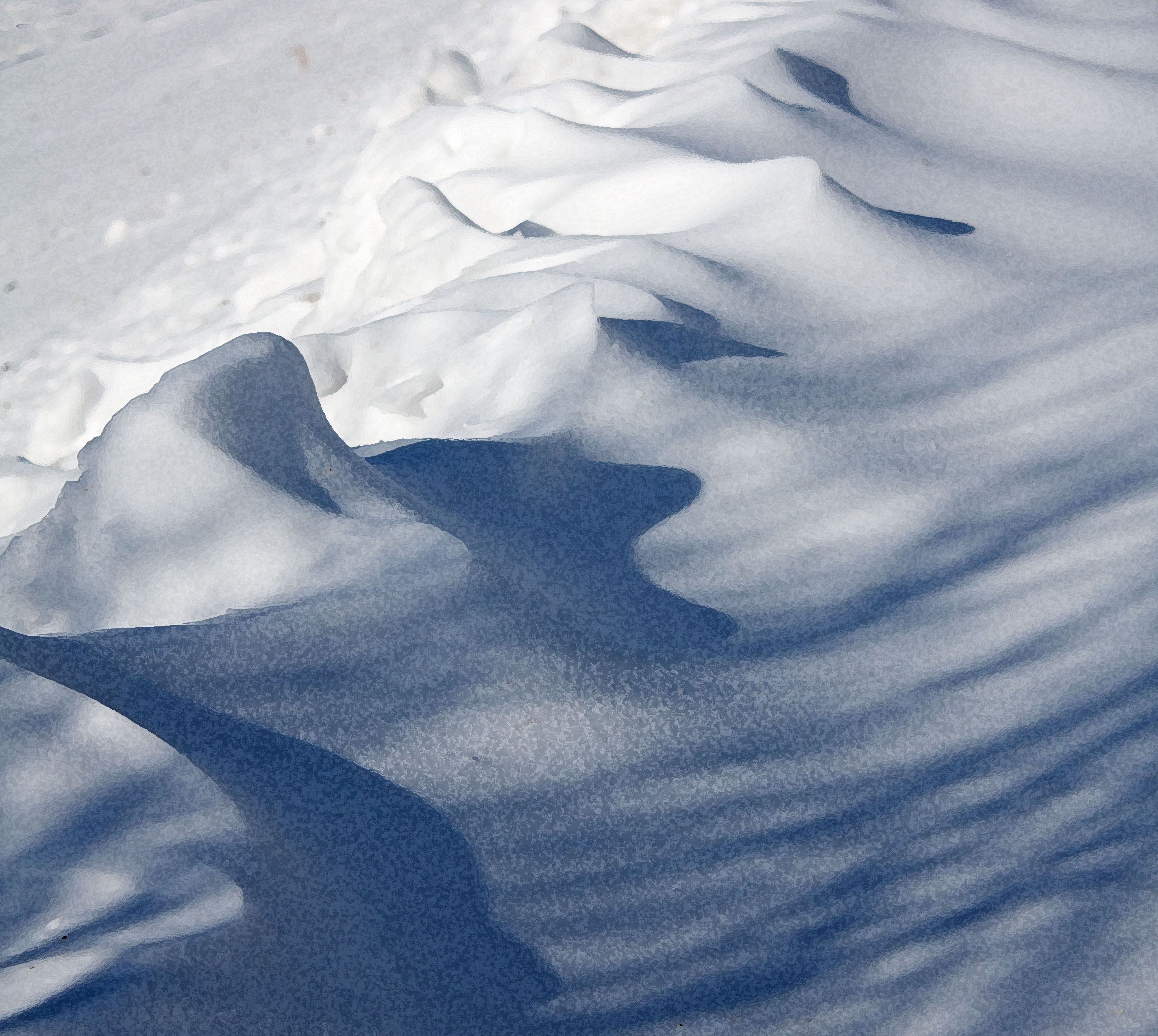
Squeaky snow is the snow of my home up north, where it arrives in a thick passion in October with the winter darkness, and where a constant minus 16°C to minus 30°C pervades until spring, six months later. The snow resembles powdered sugar, glittering like millions of tiny mica flakes under the moonlight of an arctic winter night. It covers everything, the ground, the trees and tiniest vegetation with a white blanket of snow. And when the wind teases the trees, they rain glitter-dust. In places where the north wind freely drifts across open landscape, sastrugi form; frozen wavelets, mini-barchans and dune chains that resemble the wave ripples of a sandy white beach. In some vast open areas, the wind will sculpt a frozen sea of irregular ridges and grooves up to a metre high. Mary’s friend Jem from Igloolik calls these snowdrifts qimugruk, whose distinctive shapes become permanent features of the snowscape, with tips always pointing west-northwest. Igloolik hunters use these uqalurait to set their bearings when travelling across the expansive tundra, particularly during poor visibility from storms or darkness.
Tracks through a small path by the river, ON (photo and rendition by Nina Munteanu)
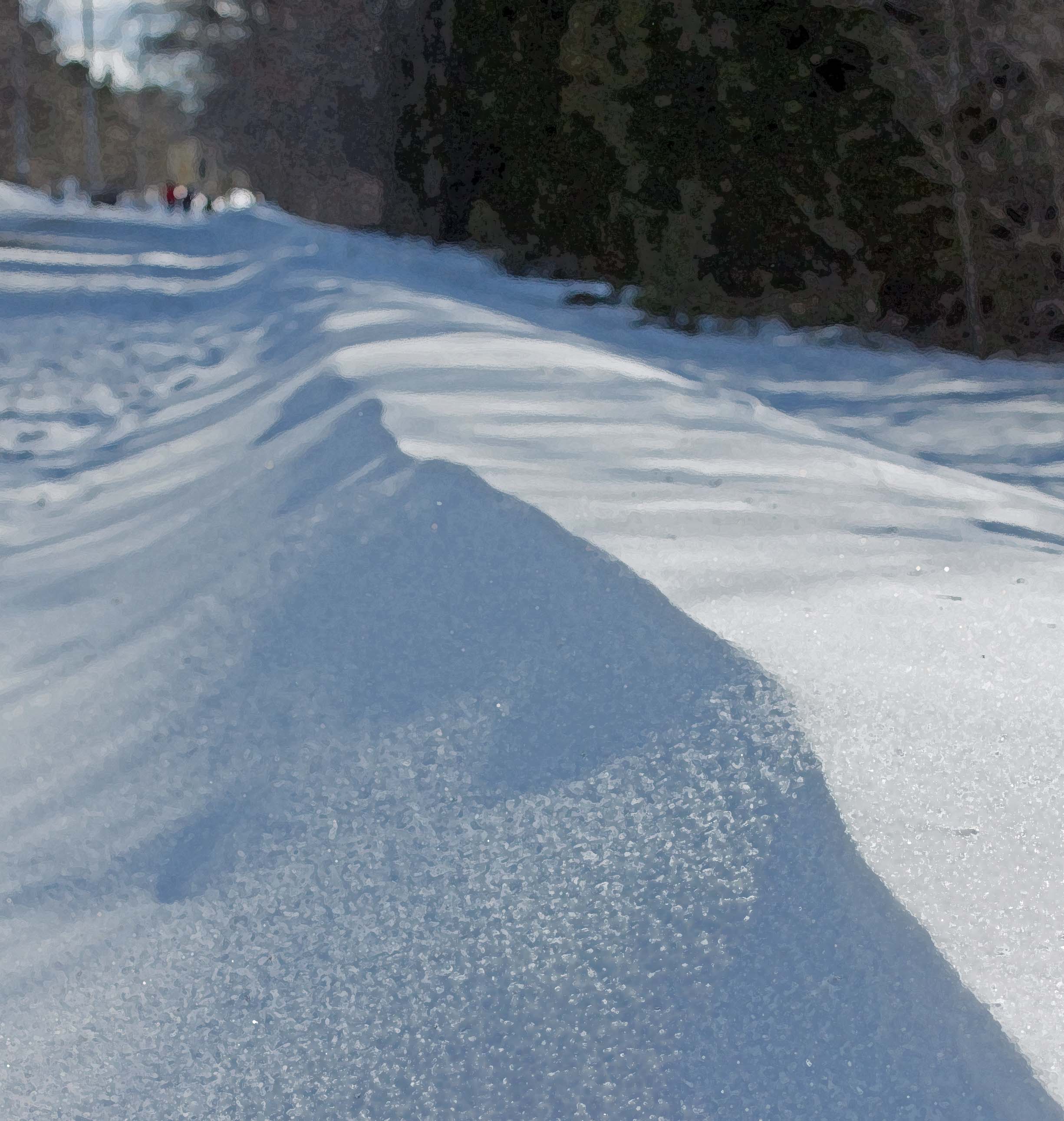
Snow drift on a trail by the river, ON (photo and rendition by Nina Munteanu)
One of the sensitivity readers for Thalweg, anthropologist and Gwich’in scholar Ingrid Kritsch, related to me an interesting account during attempts to open up to oil and gas development the Arctic National Wildlife Refuge–a critical area where the Porcupine Caribou herd calve. “To many Americans, it was just a big, white, barren expanse of unused lands,” said Ingrid. She recalled a Senator speaking for development on these lands. The Senator held up a blank sheet of white paper and claimed “this is what the area looks like!”
The vast snowfields look nothing like that…
Snow drifts in Ontario (photo and rendition by Nina Munteanu)
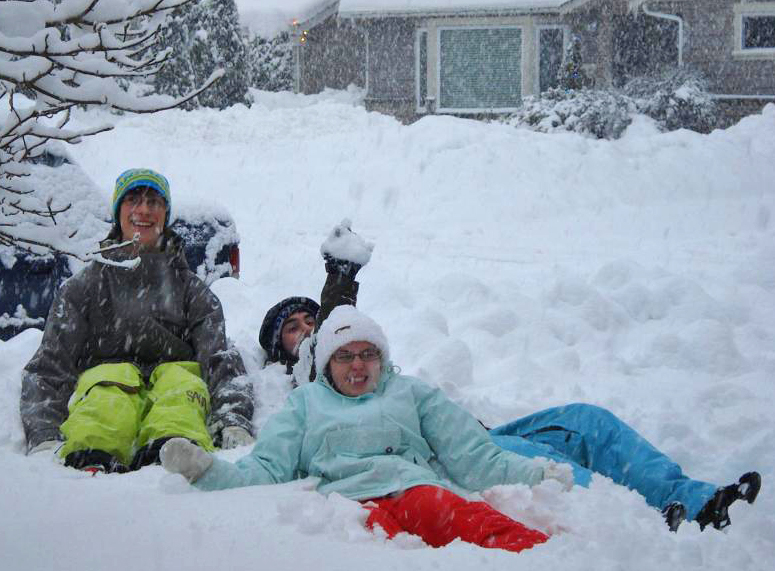
…Now, don’t forget to play in the snow…
Author’s son and friends play in fresh snow on Christmas in BC (photo by Nina Munteanu)
Nina Munteanu reads a book with her cup of tea in +8 degree C, ON (photo by Merridy Cox)
Nina Munteanu is a Canadian ecologist / limnologist and novelist. She is co-editor of Europa SF and currently teaches writing courses at George Brown College and the University of Toronto. Visit www.ninamunteanu.ca for the latest on her books. Nina’s bilingual “La natura dell’acqua / The Way of Water” was published by Mincione Edizioni in Rome. Her non-fiction book “Water Is…” by Pixl Press(Vancouver) was selected by Margaret Atwood in the New York Times‘Year in Reading’ and was chosen as the 2017 Summer Read by Water Canada. Her novel “A Diary in the Age of Water” was released by Inanna Publications (Toronto) in June 2020.
In Costi Gurgu’s near-future political thriller Servitude (Kult Books, 2022), what is real and what is fiction blurs with terrible prescience and possibility. Gurgu has created a scenario based on a premise that stirs dangerously in the reality of today’s capitalist western world: what if corporations were allowed to take back with impunity what their debtors owed them—in whatever way they pleased?
In Gurgu’s near-future America, the fourth Republican president in a row will be elected with virtually 100% Republican representation in Congress and the Senate—ensuring a monopoly government and creating a potential dictatorship (something a certain Republican president was trying to achieve not too long ago—and came dangerously close).
The story begins in the UK, which has recently made corporate slavery law. Under the Freedom Act, corporations under the British Servitude Exchange (BSX) can lawfully capture and detain persons with significant debt to sell them and their services in exchange for what is owed.
Wishing to do the same, the American corpocracy pushes the Freedom Act bill through Congress, potentially making corporate slavery a lawful pursuit using the concept of servitude. The concept of unconditional restitution in a country of people living largely on credit becomes popular among wealthy corporations; (consider that over two thirds of Americans are currently in debt with an average of $96,000 owed by each American, which includes mortgage, student loans, auto and credit card, personal loans and home equity1).
Neoliberal idealogues and proponents of the Freedom Act suggest that citizens should learn to be responsible for their lifestyles and should not expect the government to bail them out of bankruptcy every time they overspend (ignoring the fact that the U.S. government’s current national debt is some 30 trillion dollars—to corporate investors, China, Japan, and intra-government agencies.2 However, given that corporate investors currently hold over a third of the national debt2, dominant corporate influence on government to create a slavery act as demonstrated in Servitude is not outlandish).
A fifth of the way into the book, a Texas governor proclaims: “Servitude is merely a form of adult education. If you have graduated from the American education system and proceeded to live your life as though there is no tomorrow and spent more money than you have earned, well beyond your fair share, then you must be re-educated with America’s modernized value system. Servitude is an educational tool for the people.”
Gurgu hints at key events that brought us to this point: from the shenanigans of Donald Trump to starving children in New York City and Chinese troops taking down the American flag at the Hawaii State Legislature. The European Union has been dismantled and the Eastern Block reborn. Climate change related resource wars were waged by the Second Ottoman Empire and others, leading to the collapse of the global market. All have led to the reintroduction of slavery and homo sacer, the disposable human. Foucault would attest that the biopolitical hegemony of Capitalism already enslaves human beings as disposable ‘human capital.’
In my upcoming eco-thriller Thalweg, character Daniel considers his 2050s world in which humanity is largely commodified, a world similar to Gurgu’s Servitude world:
It’s the end of the world…The beginning of the end of the world really came with the steam engine back in 1784 and the enslavement of water, when James Watt’s ‘universal machine’ coerced water to help usher in the industrial age of carbon extraction and the disposable human, homo sacer. By 1920, 97% of electricity in Canada came from hydropower. We were sure eager beavers. Enslaved water germinated a culture obsessed with defining itself through a ‘precession of simulacra’—the truth which conceals that there is none. Social media. Facebook. Twitter. Echo-chambers of denatured reality, signs reflecting other signs, saturated with ‘likes’ and emojis, where meaning becomes infinitely mutable to the point of being meaningless.
What’s left is a ‘desert of the real,’ a Kafkaesque menagerie of interminable, unresponsive fragments of experience in a fiction that no longer knows it’s fiction. One in which Huxley’s Soma rules in a kind of warped Foucauldian governmentality, where corporations like CanadaCorp use facial recognition and Pegasis spyware to manage plebian behaviour through quiet authoritarianism. Like bioelectricity subverting the neural pathway, it infects our fragile brains with subliminal notions of freedom when we’ve already surrendered our sovereignty to the omnioptic gaze of capitalism …
Why is it easier to imagine the end of the world than the end of capitalism? Half a century ago, Mark Fisher took up that concept first introduced by Fredric Jameson and Slavoj Žižek in his book Capitalist Realism3… Several things Fisher pointed out resonate, such as, “Capitalism is what is left when beliefs have collapsed at the level of ritual or symbolic elaboration, and all that is left is the consumer-spectator, trudging through the ruins and the relics.”3 This sad construct leaves us with a kind of ‘post-literate’ world in which the ruling ideology is cynicism or what Fisher calls ‘reflexive impotence.’4
Daniel Schindler in “Thalweg” by Nina Munteanu
.
.
How realizable is Gurgu’s Servitude?…
Since 1989, neoliberal ideologues have fed us the narrative that capitalism is the only realistic political-economic system. We cheerfully engage in this confabulation to feed our rapacious desires; and like an insatiable amoeba, capitalist realism consumes and digests our dreams and desires then feeds it back to us at a price. At what cost? Fisher astutely tells us that in our current world, “ultra-authoritarianism and Capital are by no means incompatible: internment camps and franchise coffee bars co-exist.”3 Gilles Deleuze tells us that “Control societies are based on debt rather than enclosure.”5
In Gurgu’s story, Detective Blake Frye—himself burdened with heavy debt—becomes ensnared in an inter-agency investigation into the for-now-still illegal slave trade in America that has already created secret slave camps and is actively kidnapping ‘nobodies’ off the streets. Connected somehow to UK’s BSX and several billionaire tycoons, the slave trade has become highly lucrative. Earlier, Frye’s wife, Isa—who is an investigative journalist and TV producer—embarks on an exposé of the illegal slave trade. Just before her show “Debt Hunters” is about to air, the material is confiscated by the NSA who consider it a breach of national security; her entire crew is detained and the NSA investigate her on suspicion of treason. Later, when slavers kidnap Isa and put her on the market, Frye must navigate through corrupt government officials and rogue agency operatives to find her before she’s sold and disappears forever.
Near the end of the book, Gurgu’s not-so-hidden message resonates loudly through Detective Frye’s lamentations:
“Hard-hitting investigative journalism appealed to an increasingly smaller pool of customers. People were always working, always checking their phones and other electronic devices, and they wanted their news to be just as easy to digest. Well documented and researched reportages took too many minutes to watch, and didn’t often line up with their social or political viewpoints. Truth had become debatable. Everyone had their own, personalized version of the facts, easy to access on targeted media outlets. They no longer questioned the facts they consumed. Doubt took too much effort. Everyone was entitled to their own opinions, and considered them the definition of a political truth. That philosophy had been in effect since 2017, the year that practically everything that mattered in the world deteriorated.”
Detective Frye’s analysis is relevant to today’s sybaritic North American society. Gurgu’s fiction is not about the future; it is about today. And his message is clear: we have become lazy and apathetic, seduced by a craving for comfort and pleasure at the expense of integrity and freedom. Freedom is not given; it is earned. Only through active responsible vigilance will we keep it.
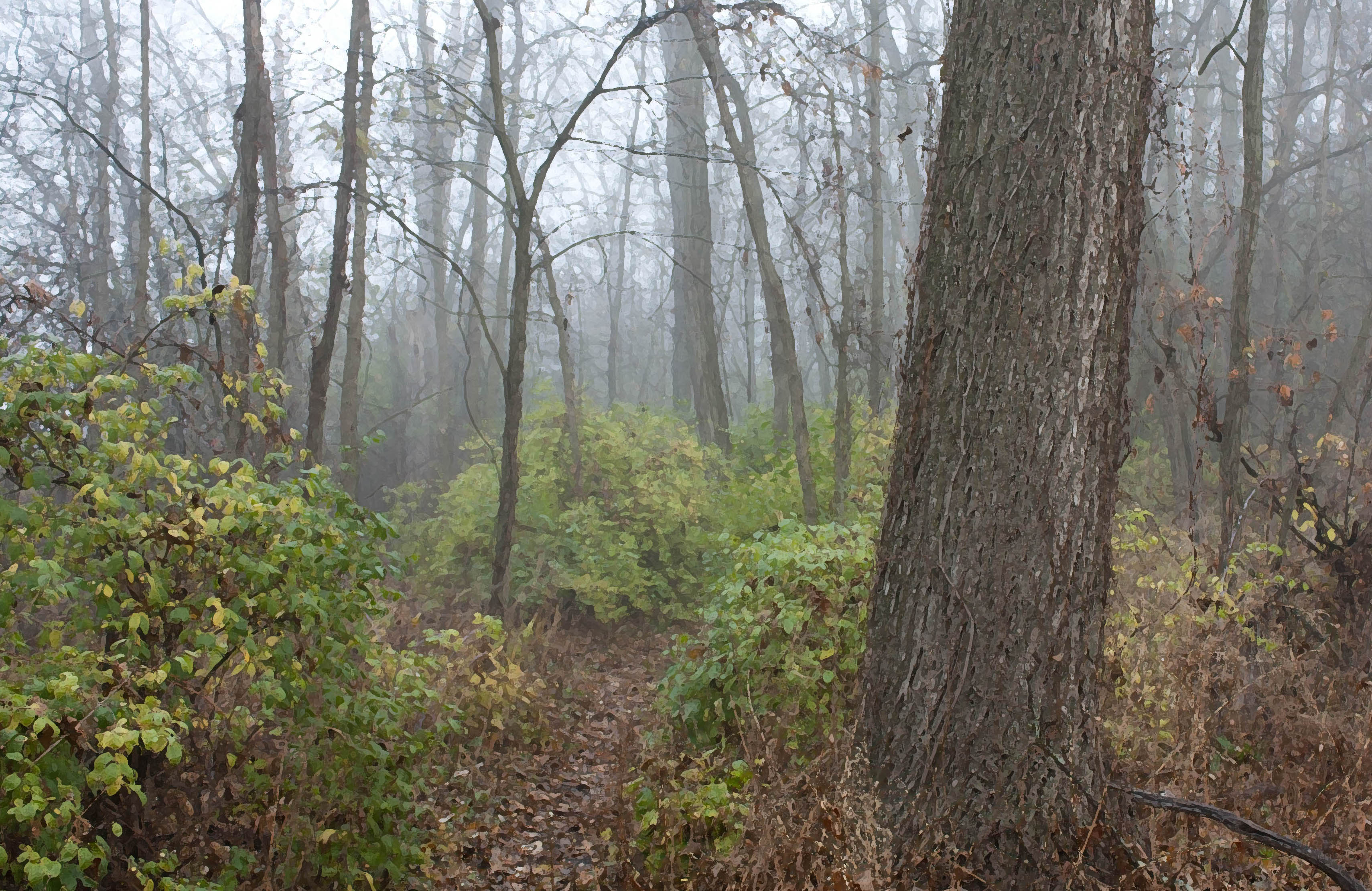
Path meanders through a black walnut forest in an early winter fog, ON (photo and rendition by Nina Munteanu)
References:
First Republic. 2022 “Average American Dept.” September 13, 2022. FirstRepublic.com
Porter, TJ. 2022. “Who Owns the US National Debt?” September 3, 2022. Finmasters
Fisher, Mark. 2009. “Capitalist Realism: Is There No Alternative?” Zero Books. 92pp.
Rod and Kim, owners of The Paper Hound Bookshop, Vancouver
It was a warmish sunny Friday in the deep of summer and I was in Vancouver for the first time in three years since COVID-19 stopped me from travelling. I found myself wandering Gastown, retracing the steps of the indomitable character in my upcoming thriller Thalweg by Inanna Publications. My wanderings took me along Water Street, past the Steam Clock, south on Cambie, then east on Blood Alley where my character has a sketchy scene with two enforcers involving Gaoler’s Mews, a solid red brick wall, a scurrying rat, and a 9 mm Glock…
Gastown steam clock about to steam out 6 pm, Vancouver, BC (photo by Nina Munteanu)
.
But I was in the general area for another reason: to meet my son and his lady for a wonderful meal in the exquisite Italian restaurant Autostrada Osteria; a Christmas present he’d owed me since COVID hit. Located on the corner of Homer and Pender streets, Autostrada Osteria nestles comfortably in an eclectic mix of old and slightly dilapidated next to trendy and posh chic. Something Vancouver seems to do well.
.
The Paper Hound Bookshop on Pender Street, Vancouver
.
I was a little early for our reservation at 7:15 pm, so I wandered down the street. Immediately east of the restaurant was a character bookstore selling new and used books, The Paper Hound Bookshop. It’s located in the Victoria Block, a 1908 addition to the old boutique Victorian Hotel.
Always curious about books and wishing to kill some time, I wandered in, blissfully unaware that I was entering another dimension…
I nodded to the young woman at the front desk who exuded friendly intelligence through kind but impish eyes. I ventured deeper, perusing the shelves, high and low. I noted that the books were arranged with lots of front covers on display in tiny category-labeled alcoves that literally covered the walls from floor to ceiling. Several sliding ladders were judiciously placed to provide reach. The categories were odd, bizarre, somewhat arcane, and peculiarly amusing. There was one that proclaimed “Rodent as Hero.” Another read “Indomitable Orphans,” (populated with several Harry Potter books, of course, as well as other lesser known orphans).
Whoever had created these categories—was it the woman at the front?—was either strange or had purposefully flouted the norm to draw attention to a more whimsical, curious way of seeing the world and the books that described it. No mundane alphabetizing within broad normative categories for these people!
.
Inside the Paper Hound Bookshop, Vancouver (image by On the Grid)
.
As I wandered the labyrinthine rows of books, the place felt like a roadmap to another world. The narratives from the categories alone were worth studying from “Hot Adventure”, “Cold Adventure,” and “Wet Adventure” to “Books with Bears,” “Detection / Deduction,” and “Wanderlust.” Each category was a ‘book’ and each book ‘a chapter’ of a larger funky narrative that depicted one person’s intriguing interpretation of the world.
Keagan Perlette of Sad Mag describes the store this way: “The Paper Hound stocks both used and new books and features an impressive collection of poetry and philosophy. Space is limited, so there is an evident focus on literature, but there are surprises hidden in the shelves: an excellent selection of beautiful children’s books, art books, drawers full of zines and chapbooks, and even a section for unique vintage cookbooks. The store is full of little wonders.”
There is even a funky machine that dispenses poetry like cigarettes for two quarters at the front of the store. Even on its surface books were stacked. The owners had stacked books literally everywhere. On chairs, on tables, on each other. Little books on larger books, balanced wonderfully in a kind of fanciful ordered chaos.
.
Poetry dispenser at The Paper Hound (image by Keagan Perlette)
.
The Paper Hound website accurately describes the bookstore as “a new, used and rare book store” that doesn’t specialize “in one particular kind of book, but we favour the classic, curious, odd, beautiful, visually arresting, scholarly, bizarre, and whimsical.” In addition to their collection of used books, the Paper Hound carries titles from local small publishers Anvil Press, Arsenal Pulp Press, Talon Books and New Star Books.
Owners Kim Koch and Rod Clarke are veterans of the bookstore world in Vancouver, having worked at several before opening Paper Hound. They set up The Paper Hound in the old boutique hotel in 2013 on what my book collector friend calls ‘book row.’ Located on Pender Street, between Richards and Hamilton, ‘book row’ is apparently expanding according to On the Grid. According to the Vancouver Sun: “in this digital age many people think bookstores are on the verge of extinction. People are buying fewer paper books, and websites like Amazon offer almost anything ever printed, often for cheap.” While the Internet and digital devices appear to be ravaging large chain bookstores (some like Borders closed and others like Indigo have added household goods to bring people into the store), small niche independent bookstores are flourishing.
“Setting up a bookstore in the post-online and big book retailer age is sort of liberating,” says Kim. “We know we can’t carry everything or nearly as many titles as they do, so that liberates us to instead focus on creating the experience we want the customer to have.” Kim describes the perfect bookstore as: “a place that offers people a space where they can explore, get guidance from the proprietors and, when they want to, be left alone amongst the shelves to daydream.”
That’s exactly what I did.
When I left the store at shortly after 7pm, Kim pulled in the book trolley from outside in preparation to close and I apologized if I’d held her up a few minutes. She then informed me that they usually close at six but she had kept the store open for goodness knows why. I smiled and said rather cheekily with sudden inspiration, “I know; because I needed to experience it.” She laughed and those impish eyes twinkled.
And before you ask, yes, I did walk away with something: “Water Babies” by Charles Kingsley, a moral fable that explores the closed-minded approaches of many scientists of the day in their response to Charles Darwin’s ideas on evolution.
.
1935 edition of Ward, Lock & Co. publication of “Water Babies” by Charles Kingsley (originally published in 1863 by London Macmillan and Company) with illustrations by Harry G. Theaker
.
After he is chased from the home of an upper-class young girl, chimney-sweep Tom falls asleep and tumbles into a river. There he is transformed into a ‘water-baby’ and his adventures truly begin. Beneath the surface, he enters a magical world full of strange and wonderful creatures, where he must prove his moral worth in order to earn what he truly desires.
Macmillan describes The Water Babies this way:
“One of the most unusual children’s books ever written, The Water-Babies, subtitled ‘A Fairy Tale for a Land-Baby’, was originally intended as a satire in support of Charles Darwin’s On the Origin of Species, and explores the issues at the forefront of biologists’ minds at the time. First published as a complete novel in 1863 [originally illustrated by Linley Sambourne], Charles Kingsley’s classic tale also explores ideas about religion, the Victorian education system and the working conditions of children and the poor.”
The vintage version I picked up at The Paper Hound was illustrated by Harry G. Theaker and published in 1935 by Ward, Lock & Co. Ltd. with 24 colour plates.
For a great taste of Kim and Rod’s unique vision of the world of literature and their pithy humour and wit, go to their blog The Paper Hound. Here’s a taste:
.
Vancouver street lined with plane trees (photo by Nina Munteanu)
.
NINA MUNTEANU is a Canadian ecologist / limnologist and novelist. She is co-editor of Europa SF and currently teaches writing courses at George Brown College and the University of Toronto. Visit www.ninamunteanu.ca for the latest on her books. Nina’s bilingual “La natura dell’acqua / The Way of Water” was published by Mincione Edizioni in Rome. Her non-fiction book “Water Is…” by Pixl Press(Vancouver) was selected by Margaret Atwood in the New York Times ‘Year in Reading’ and was chosen as the 2017 Summer Read by Water Canada. Her novel “A Diary in the Age of Water” was released by Inanna Publications (Toronto) in June 2020.
In the following scene of my upcoming speculative novel “Thalweg” (set in 2053 Toronto) one of my characters, Daniel–who is a bit of a conspiracy theorist–is trapped in an old abandoned garage, about to fight off a pack of stray dogs. His feverish mind thinks back to the COVID-19 pandemic:
“The official story was that SARS-CoV-2, which caused the COVID-19 pandemic of the early ‘20s resulted from the recombination of two previous viruses in some host—supposedly a bat or pangolin—which then ended up in a Wuhun wet market; there, the recombined virus gleefully jumped species to humans, who, in turn, gleefully spread it worldwide. But, according to the study at the Wuhun hospital, patient zero hadn’t been anywhere near the wet market. So, where did the virus really come from?…”
Daniel then recalls a conversation he had–when he still had a job–with colleague Lynna in which he suggested that the chimera virus–and the others that followed–were developed as a bioweapon through Gain-of-Function research and they somehow leaked into the public. To her scoff, he reminded her that the aim of GOF research is to induce an increase in the transmissibility and/or virulence of pathogens. He then provided numerous examples involving Influenza, SARS, and MERS.
Influenza virus
Did she know, for instance, that in 2014 Obama put a funding moratorium on all GOFR experiments that might enhance virus pathogenicity or transmissibility in mammals via the respiratory route. Then in 2017, under the Trump administration, the NIH turned it all back on.
Squirrel monkey
Lynna responded calmly with a convincing argument, based on science and ecology. “Sure, they could be that,” she acknowledged thoughtfully. “Or they could simply be more cases of co-evolution and aggressive symbiosis…” Then she informed Daniel that viruses commonly form aggressive relationships with their hosts. Every monkey, baboon, chimpanzee and gorilla is carrying at least ten different species of symbiotic viruses, she said. The herpes-B virus that chums with the squirrel monkey is one example. The virus and an immunity to it passes harmlessly from mother to baby monkey. If a rival species like the marmoset monkey invades their territory, the virus jumps species and wipes out the challenger by inducing cancer in the competing marmoset monkey. Ebola and hantavirus outbreaks follow a similar pattern of “aggressive symbiosis.”
This community-symbiosis functions like an ecosystem’s “immune system” that protects its own from the encroachment of invading species—even when that invading species is us.
—excerpt from Nina Munteanu’s “Thalweg” (upcoming)
Aggressive Symbiosis & Virus X
In his book Virus X, Dr. Frank Ryan coined the term aggressive symbiosis to explain a common form of symbiosis where one or both symbiotic partners demonstrates an aggressive and potentially harmful effect on the other’s competitor or potential predator. Examples abound, but a few are worth mentioning. In South American forests, a species of acacia tree produces a waxy berry of protein at the ends of its leaves that provides nourishment for the growing infants of the ant colony residing in the tree. The ants, in turn, not only keep the foliage clear of herbivores and preying insects through a stinging assault, but they make hunting forays into the wilderness of the tree, destroying the growing shoots of potential rivals to the acacia.
Bamboo forest near Kyoto, Japan (photo by Nina Munteanu)
In Borneo, a species of rattan cane has developed a symbiotic relationship with a species of ants. The ants make a nest around the cane and drink its sweet sap. The ants, in turn, protect the cane. When a herbivore approaches to feed on the leaves, the ants attack.
Ryan draws an analogy between this aggressive symbiotic partnership and that of new zoonotic agents of disease. He argues that when it comes to emerging viruses, animals are the cane and ants are the virus.
Viruses & Zoonotic Agents of Disease
Ryan suggests that Ebola and hantavirus outbreaks follow a pattern of aggressive symbiosis. This may explain why Ebola is so virulent. The Ebola virus is so fierce that victims don’t make it very far to infect others, suggesting that the virus is an evolutionary failure. However, if the virus is acting as an aggressive symbiont, it may be fulfilling its evolutionary purpose by protecting a host species we haven’t yet identified.
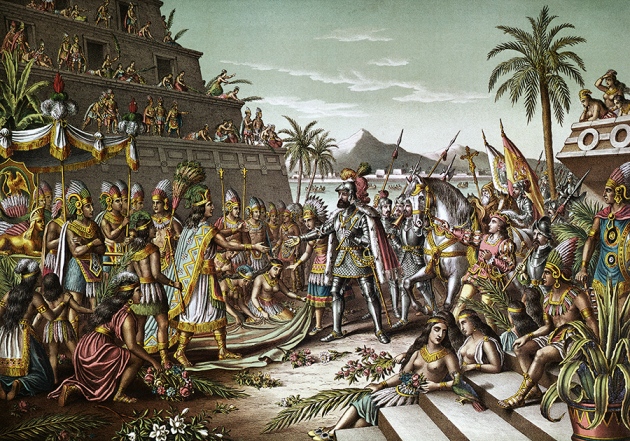
Azteks meet Spaniards who bring smallpox
Historian William H. McNeill suggested that a form of aggressive symbiosis played a key role in the history of human civilization. “At every level of organization—molecular, cellular, organismic, and social—one confronts equilibrium [symbiotic] patterns. Within such equilibria, any alteration from ‘outside’ tends to provoke compensatory changes [aggressive symbiosis] throughout the system to minimize overall upheaval.”
One of a legacy of examples of aggressive symbiosis in history includes smallpox: the Europeans introduced smallpox (symbiotically co-evolved with them) to the Aztecs with devastating results. Other examples of aggressive symbiosis include measles, malaria, and yellow fever.
Inhumane and unsafe treatment of animals in wet market in China
The National Observer gives a vivid description of the potential for zoonotic viral spread in the world’s wet markets, particularly in Wuhun:
“Dozens of species that rarely, if ever, come in contact with one another in the wild ― fish, turtles, snakes, bamboo rats, bats, even foxes and wolf cubs ― are confined in close quarters, waiting to be butchered and sold. The animals are often stressed, dehydrated and shedding live viruses; the floors, stalls and tables are covered in blood, feces and other bodily fluids.
This is the scene at many of China’s so-called “wet markets,” where a poorly regulated wildlife trade thrives and creates conditions that experts say are ideal for spawning new diseases.
“You could not design a better way of creating pandemics,” said Joe Walston, head of global conservation at the nonprofit Wildlife Conservation Society. “It’s really the perfect mechanism, not just for the Wuhan coronavirus but for the next ones that will undoubtedly emerge sooner rather than later.”
Zoonotic diseases, or diseases that can leap from animals to humans, are not uncommon and they don’t always come from exotic animals, writes Ari Solomon of Veganista. “Many come from the animals we regularly farm and eat. The 1918 influenza pandemic, or the Spanish flu, infected more than 500 million people and killed between 40-50 million worldwide. It is now commonly believed that the disease originated in birds. When the H1N1 virus, the same strain that caused the Spanish flu, showed up again in 2009, it first emerged in pigs. Tuberculosis, mad cow disease, and pig MRSA also came from animals exploited for food.”
Happy cows in Seelisberg, Switzerland (photo by Nina Munteanu)
In 2004, Linda Saif, with the Department of Food Animal Health Research Program at the Ohio Agricultural Research and Development Center summarizes a number of farm and domestic animal reservoirs of zoonotic corona viruses that have caused human diseases historically and many that may still do so through recombinations. Animals have included cows (BCoV), pigs (PEDV and PRCV), chickens (IBV, turkeys, cats (FCoV and FIPV), ferrets and macaques. Saif cautions that, given an estimated 75% of newly emerging human diseases arise as zoonoses (from wild or farm animals), interspecies transmission poses a continued threat to human health.
Wet markets aren’t the only places where animals are kept under and treated with cruelty and lack of any compassion or kindness:
“Thanks to the advent of factory farming, billions of animals are routinely kept in crammed, filthy conditions that cause them extreme stress. This abhorrent practice creates the perfect breeding ground for new diseases to thrive. Add to that the fact that we regularly feed factory farmed animals low-doses of antibiotics and we really have a recipe for disaster.”—Ari Solomon, Veganista
It comes down to balance. Something about which the human species has much to learn.
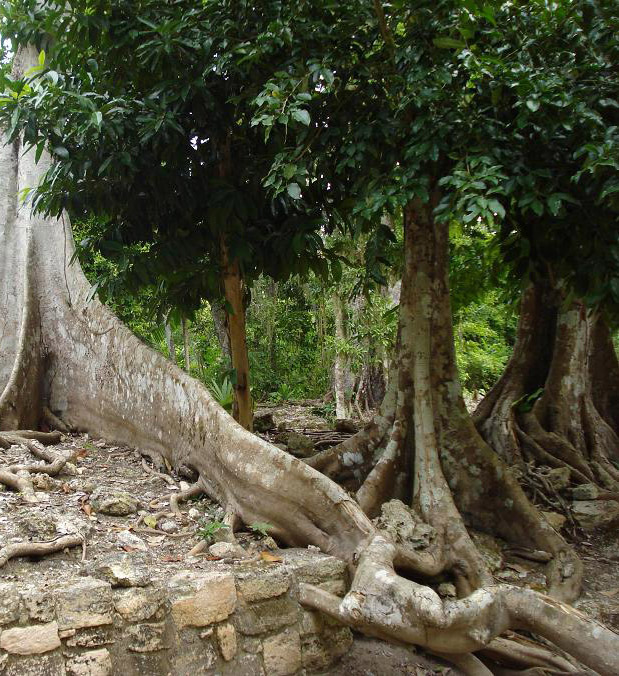
Buttressed fig tree in Costa Maya (photo by Nina Munteanu)
It is clear to me that these pandemics are exacerbated—if not outright caused by—our dense over-population and an exploitation mentality: our encroachment and defilement of natural habitats and the life that inhabits them. Gaia is suggesting that we live more lightly on this planet. Her ecosystems are responding to our aggression with equal aggression. And, make no mistake, we won’t win that battle. Just as we won’t win the battle with changing climate. It’s time to learn humility as a species in a diverse world. Time to cultivate respect for our life-giving environment. Time to learn the power of kindness.
The National Observer recently ran an article stating that: “COVID-19 and other health endemics are directly connected to climate change and deforestation, according to Indigenous leaders from around the world who gathered on March 13, in New York City, for a panel on Indigenous rights, deforestation and related health endemics.” The virus is telling the world what Indigenous Peoples have been saying for thousands of years: that “if we do not help protect biodiversity and nature, we will face this and even worse threats,” said Levi Sucre Romero, a BriBri Indigenous person from Costa Rica and co-ordinator of the Mesoamerican Alliance of Peoples and Forests (AMPB).
Many environmental experts agree that the novel coronavirus will only be the first in waves of pandemics we can expect if we ignore links between infectious diseases and the destruction of the natural world.
Bamboo, Japan (photo by Nina Munteanu)
“I’m absolutely sure that there are going to be more diseases like this in future if we continue with our practices of destroying the natural world,” said marine ecologist Dr Enric Sala to the Independent.
Reiterating the work of Dr. Frank Ryan, David Quammen, author of 2012 Spillover: Animal Infections and the Next Human Pandemic told the Independent: “Our highly diverse ecosystems are filled with many species of wild animals, plants, fungi and bacteria. All of that biological diversity contains unique viruses.” This unique community has developed over many many years into a functional community symbiosis in which viruses play an important part.
“There’s misapprehension among scientists and the public that natural ecosystems are the source of threats to ourselves. It’s a mistake. Nature poses threats, it is true, but it’s human activities that do the real damage. The health risks in a natural environment can be made much worse when we interfere with it,” says Richard Ostfeld, senior scientist at the Cary Institute of Ecosystem Studies in Millbrook, New York.
He and others are developing the emerging discipline of planetary health, which looks at the links between human and ecosystem health.
The disruption of pristine forests driven by logging, mining, road building through remote places, rapid urbanisation and population growth is bringing people into closer contact with animal species they may never have been near before, said Kate Jones, chair of ecology and biodiversity at UCL to The Guardian.
“We are researching how species in degraded habitats are likely to carry more viruses which can infect humans,” says Jones. “Simpler systems get an amplification effect. Destroy landscapes, and the species you are left with are the ones humans get the diseases from…We are going into largely undisturbed places and being exposed more and more. We are creating habitats where viruses are transmitted more easily, and then we are surprised that we have new ones.”
“It’s like if you demolish an old barn then dust flies. When you demolish a tropical forest, viruses fly. Those moments of destruction represent opportunity for unfamiliar viruses to get into humans and take hold.”–David Quammen
It’s aggression meeting aggression.
“Community-symbiosis functions like an ecosystem’s ‘immune system’ that protects its own from the encroachment of invading species—even when that invading species is us.”–Lynna Dresden, in Nina Munteanu’s Thalweg
For more on “ecology” and a good summary and description of environmental factors like aggressive symbiosis and other ecological relationships, read my book “The Ecology of Story: World as Character” (Pixl Press, 2019).
Glossary of Terms:
Aggressive Symbiosis: a common form of symbiosis where one or both symbiotic partners demonstrates an aggressive and potentially harmful effect on the other’s competitor or potential predator (Ryan, 1997).
Co-evolution: when two or more species reciprocally affect each other’s evolution through the process of natural selection and other processes.
Gain-of-Function Research (GOFR): involves experimentation that aims or is expected to (and/or, perhaps, actually does) increase the transmissibility and/or virulence of pathogens (Selgelid, 2016).
Patient Zero: the person identified as the first carrier of a communicable disease in an outbreak of related cases.
Recombination:the process by which pieces of DNA are broken and recombined to produce new combinations of alleles. This recombination process creates genetic diversity at the level of genes that reflects differences in the DNA sequences of different organisms.
Symbiosis: Greek for “companionship” describes a close and long term interaction between two organisms that may be beneficial (mutualism), beneficial to one with no effect on the other (commensalism), or beneficial to one at the expense of the other (parasitism). (Munteanu, 2019).
Zoonosis: a zoonotic disease, or zoonosis, is one that can be transmitted from animals, either wild or domesticated, to humans (Haenan et al., 2013).
Virus: a sub-microscopic infectious agent that replicates only inside the living cells of an organism. The virus directs the cell machinery to produce more viruses. Most have either RNA or DNA as their genetic material.
References:
Frazer, Jennifer. 2015. “Root Fungi Can Turn Pine Trees Into Carnivores—or at Least Accomplices.” Scientific American, May 12, 2015. Online: https://blogs. scientificamerican.com/artful-amoeba/root-fungi-can-turn-pine-trees-into- carnivores-8212-or-at-least-accomplices/
Saif, Linda J. 2004. “Animal Coronaviruses: lessons for SARS.” In: “Learning from SARS: Preparing for the Next Disease Outbreak: Workshop Summary.” National Academies Press (US), Kobler S., Mahmoud A., Lemon S., et. al. editors. Washington (DC).
Selgelid, Michael J. 2016. “Gain-of-Function Research: Ethical Analysis.” Sci Eng Ethics 22(4): 923-964.
VanLoon, J. 2000. “Parasite politics: on the significance of symbiosis and assemblage in theorizing community formations.” In: Pierson C and Tormey S (eds.), Politics at the Edge (London, UK: Political Studies Association)
Villarreal LP, Defilippis VR, and Gottlieb KA. 2000. “Acute and persistent viral life strategies and their relationship to emerging diseases.” Virology 272:1-6. Online: http://bird uexposed.com/resources/Villarreal1.pdf
Wohlleben, Peter. 2015. “The Hidden Life of Trees.” Greystone Books, Vancouver, BC. 272pp.
Nina Munteanu is a Canadian ecologist / limnologist and novelist. She is co-editor of Europa SF and currently teaches writing courses at George Brown College and the University of Toronto. Visit www.ninamunteanu.ca for the latest on her books. Nina’s bilingual “La natura dell’acqua / The Way of Water” was published by Mincione Edizioni in Rome. Her non-fiction book “Water Is…” by Pixl Press (Vancouver) was selected by Margaret Atwood in the New York Times ‘Year in Reading’ and was chosen as the 2017 Summer Read by Water Canada. Her novel “A Diary in the Age of Water” will be released by Inanna Publications (Toronto) in June 2020.







































 In his book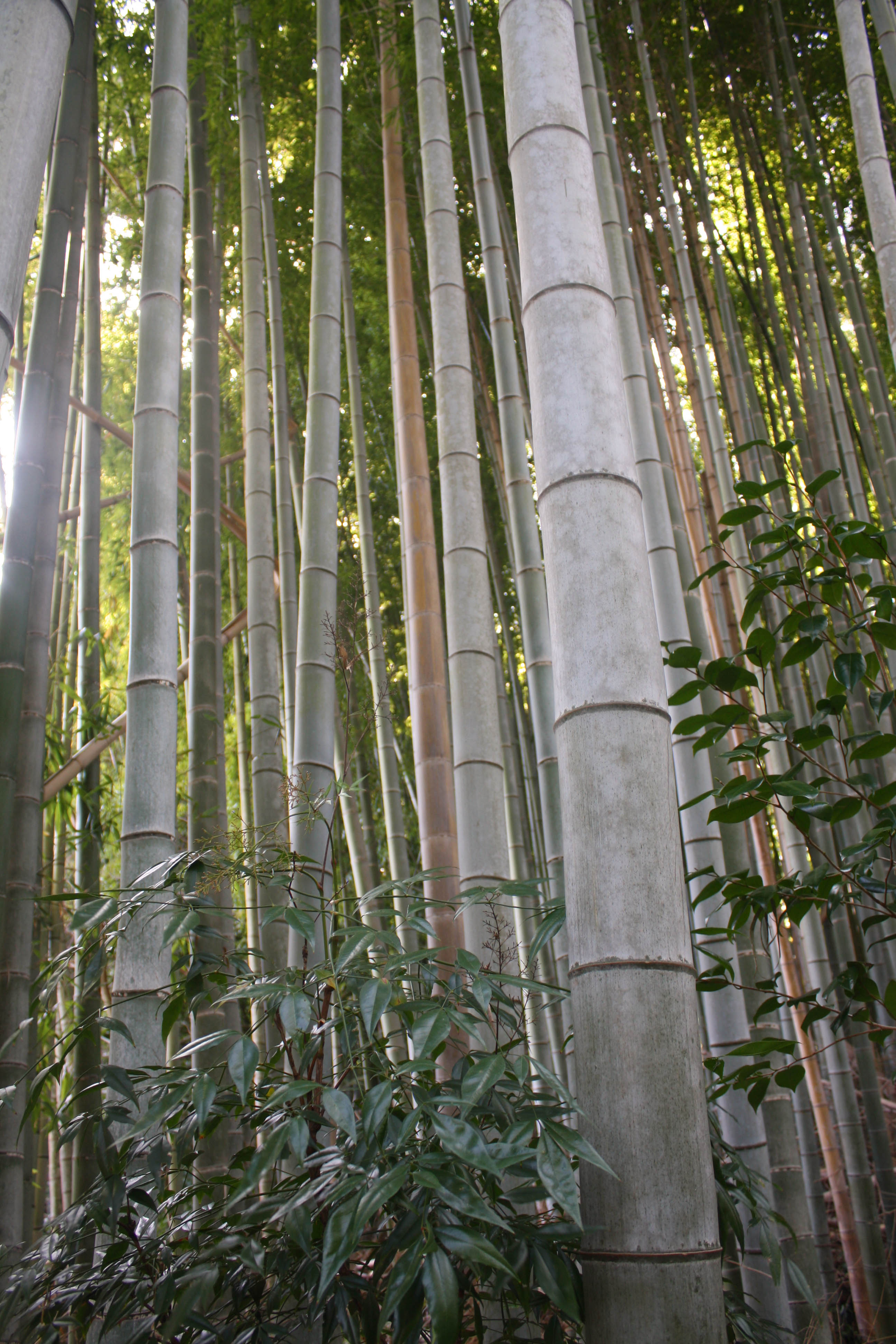



 For more on “ecology” and a good summary and description of environmental factors like aggressive symbiosis and other ecological relationships, read my book

