Write and Publish, Part 1: Nina’s 5-Ps to Success

Author and university instructor Nina Munteanu gives her “formula” for publishing success that she calls ‘the 5-Ps.’
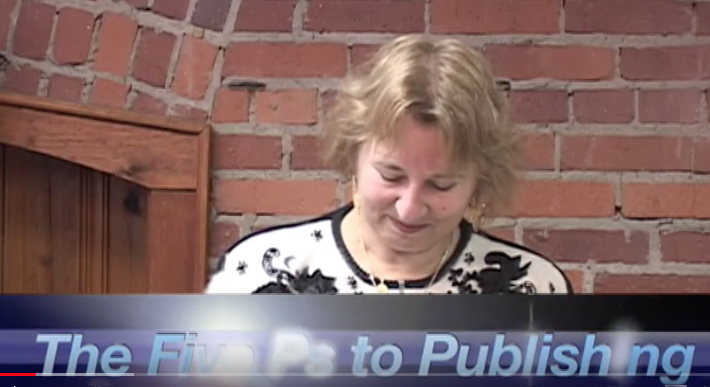
 

Nina-5Ps of Publishing


The Write and Publish Series

You want to write but don’t know how to get started? The Write and Publish Series focus on:

  • How to find time to write around your busy schedule
  • How to make the most of your present resources
  • How to get inspired and motivate yourself to write
  • How to write, finish and submit your work

This 7-part series of lectures consists of: 1) Nina’s 5-Ps to Success; 2) Redefine Yourself as an Author; 3) Time and Space to Write; 4) Adopt a Winning Attitude; 5) Write What Excites You; 6) How to Beat Writer’s Block; and 7) How to Keep Motivated.

The Writer’s Toolkit

This series of lectures and workshops is part of Nina Munteanu’s “The Writer’s Toolkit”, available as three workshops and DVDs for writers wishing to get published. This 6-hour set of three discs contains lectures, examples and exercises on how to get started and finish, writing craft, marketing and promotion. Available through the author (nina.sfgirl@gmail.com).

the writers toolkit-front-WEBI was fascinated by Nina’s clear and extremely interesting lecture on the hero’s journey.  Maybe all writer’s have a novel in their heads they want to write one day, and the techniques Nina  shared with us will help me when I get to that point.  In fact, because of her, I may get there a lot sooner than I had planned.”— Zoe M. Hicks, Saint Simon’s Island, GA

Nina Munteanu’s command of the subject matter and her ability to explain in a way that the audience understood was excellent. As a hopeful author, I found her words inspiring.”—Amanda Lott, Scribblers Writers’ Retreat, GA

Rarely have I encountered someone of Nina’s considerable talent and intellect tied to such an extraordinary work ethic…A gifted and inventive writer, Nina is also an excellent speaker who is able to communicate complicated ideas in simple terms and generate creative thought in others. Her accessible, positive approach and delightful sense of humor set people at ease almost immediately.”–Heather Dugan, Ohio writer and voice artist

What you’ve done for me, Nina, is you’ve just opened up a whole new world. You’ve shown me how to put soul into my books.”–Hectorine Roy, Nova Scotia writer

FictionWriter-front cover-2nd ed-webThe Writer’s Toolkit workshops were based on my award-nominated fiction writing guide: The Fiction Writer: Get Published, Write Now!

“…Like the good Doctor’s Tardis, The Fiction Writer is larger than it appears… Get Get Published, Write Now! right now.”—David Merchant, Creative Writing Instructor

The Fiction Writer: Get Published, Write Now! (Starfire World Syndicate) is a digest of how-to’s in writing fiction and creative non-fiction by masters of the craft from over the last century. Packaged into 26 chapters of well-researched and easy to read instruction, novelist and teacher Nina Munteanu brings in entertaining real-life examples and practical exercises. The Fiction Writer will help you learn the basic, tried and true lessons of a professional writer: 1) how to craft a compelling story; 2) how to give editors and agents what they want’ and 3) how to maintain a winning attitude.

The Fiction Writer is at the top of the required reading list for my Writer’s Workshop students. With its engagingly direct, conversational style and easily accessible format, it is a veritable cornucopia of hands-on help for aspiring writers of any age…the quintessential guidebook for the soon-to-be-published.”—Susan McLemore, Writing Instructor

As important a tool as your laptop or your pen.”—Cathi Urbonas, Halifax writer

Has become my writing bible.”—Carina Burns, author of The Syrian Jewelry Box

I highly recommend this book for any writer wishing to get published.”—Marie Bilodeau, acclaimed author of Destiny’s Blood

I’m thoroughly enjoying the book and even learning a thing or two!”—Robert J. Sawyer, Hugo and Nebula Award-winning author of Wake
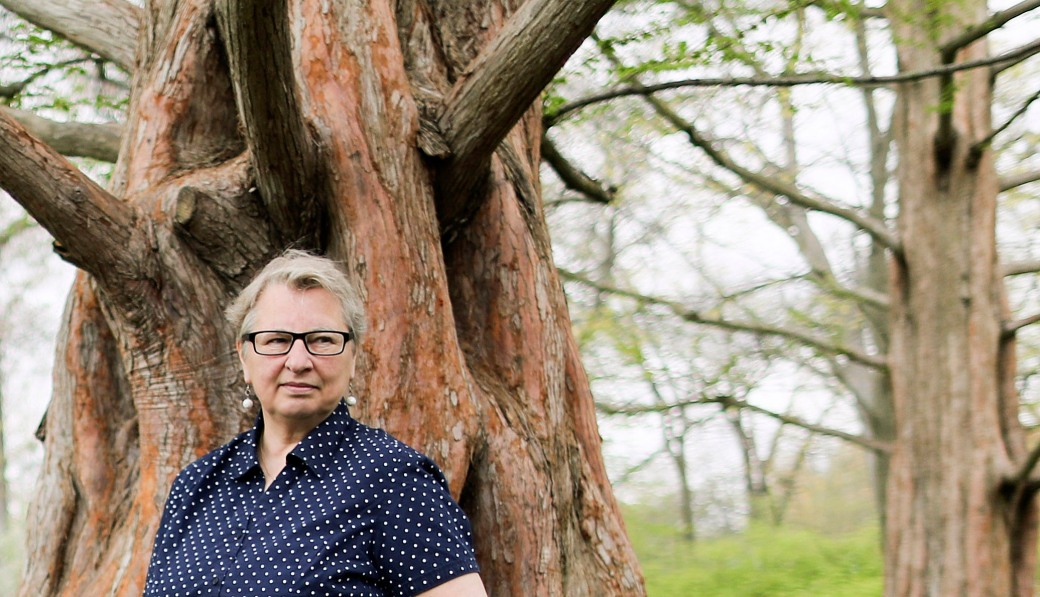
Nina Munteanu

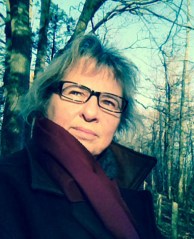
Nina next to a metasequoia tree in The Beach, ON (photo by Richard Lautens)


The Fiction Writer is the first of a series of writing guides, which consist so far of: The Journal Writer: Finding Your Voice; and The Ecology of Story: World as Character.


Microsoft Word - Three Writing Guides.docx

nina-2014aaaNina Munteanu is an ecologist and internationally published author of award-nominated speculative novels, short stories and non-fiction. She is co-editor of Europa SF and currently teaches writing courses at George Brown College and the University of Toronto. Visit www.ninamunteanu.ca for the latest on her books. Nina’s recent book is the bilingual “La natura dell’acqua / The Way of Water” (Mincione Edizioni, Rome). Her latest “Water Is…” is currently an Amazon Bestseller and NY Times ‘year in reading’ choice of Margaret Atwood.

Stoking the Scintillation of Inspiration

Forest conifers Metchosin

Forest in Metchosin, BC (photo by Nina Munteanu)

“Many of us wish we were more creative,” Julia Cameron, author of The Artist’s Way, shares. “Many of us sense we are more creative, but unable to effectively tap that creativity. Our dreams elude us. Our lives feel somehow flat. Often, we have great ideas, wonderful dreams, but are unable to actualize them for ourselves. Sometimes we have specific creative longings we would love to be able to fulfill … we hunger for what might be called creative living.”

Many of us are, in fact, creatively blocked. How would you know if you were? Jealousy is an excellent clue. Are there creative people you resent? Do you tell yourself, ‘I could do that, if only…’ An old friend of mine used to constantly share that he would “start living and settle down” once he had enough money. It never happened; and he never did—twenty years later. That was sad; because he was waiting for life to begin, when it was already happening—and he was missing it.

YellowCreek-3

Stairway to Yellow River, Ontario (photo by Nina Munteanu)

Creative recovery (or discovery) is something you can learn. It is something you can enhance and direct. “As you learn to recognize, nurture, and protect your inner artist,” says Cameron, “you will be able to move beyond pain and creative constriction. You will learn ways to recognize and resolve fear, remove emotional scar tissue, and strengthen your confidence.”

Stoking the creative artist inside you may be as simple as giving your mind the chance to wander—and taking the time to pay attention. Rhythm and regular, repetitive actions play a role in priming the artistic well. Cameron lightheartedly describes how the “s” activities work so well for this: showering, swimming, scrubbing, shaving, steering a car. I can testify to the latter—how many great plot ideas have I cooked up while driving to work! Filmmaker Steven Spielberg claimed that his best ideas came to him while he was driving the freeway. Negotiating through the flow of traffic triggered the artist-brain with images that translated into ideas. “Why do I get my best ideas in the shower?” Einstein was known to have remarked. Scientists tell us that this is because showering is an artist-brain activity.

Anne-walking-Cedars

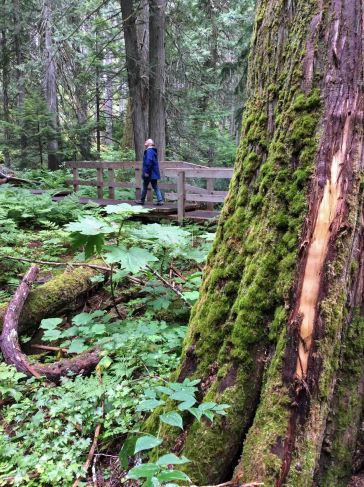
Giant Cedar forest, Revelstoke Park, BC (photo by Nina Munteanu)

The magical part in this is to pay attention. Pay attention to your life experiences; don’t ignore them. Sit up in the bus and watch people, play with the images, sounds and smells. Get sensual and let your eyes, ears, nose and limbs delight in the world. It’s amazing how interesting the world becomes once you start paying attention.

Henry Miller tells us to develop interest in your daily life; in people, things, literature, and music: “the world is … simply throbbing with rich treasures, beautiful souls and interesting people. Forget yourself,” he says.

Looking outward as well as inward allows us to explore different angles and facets of the same thing. When we see the same thing through different perspectives we rediscover something new in ourselves. We create interest and connect the world to ourselves.

GairlochGardens-LakeOntario

Lake Ontario at Gairloch Gardens, Ontario (photo by Nina Munteanu)

Julia Cameron shares that “art may seem to spring from pain, but perhaps that is because pain serves to focus our attention onto details (for instance, the excruciatingly beautiful curve of a lost lover’s neck). Art may seem to involve broad strokes, grand schemes, great plans. But it is the attention to detail that stays with us; the singular image is what haunts us and becomes art. Even in the midst of pain, this singular image brings delight. The artist who tells you different is lying.”


Brenda Ueland tells us why we should all use our creative power: “Because there is nothing that makes people so generous, joyful, lively, bold and compassionate, so indifferent to fighting and the accumulation of objects and money.”

References:

Julia Cameron. 2002. “The Artist’s Way”. Tarcher. 272pp.
Nina Munteanu. In Press. “The Journal Writer:  Finding Your Voice”. Pixl Press. 132pp.


nina-2014aaaNina Munteanu is an ecologist and internationally published author of award-nominated speculative novels, short stories and non-fiction. She is co-editor of Europa SF and currently teaches writing courses at George Brown College and the University of Toronto. Visit www.ninamunteanu.ca for the latest on her books. Nina’s recent book is the bilingual “La natura dell’acqua / The Way of Water” (Mincione Edizioni, Rome). Her latest “Water Is…” is currently an Amazon Bestseller and NY Times ‘year in reading’ choice of Margaret Atwood.
What’s Your Voice and Is it the Right One?

tree water deer lake

Deer Lake, BC (photo by Nina Munteanu)

The term “Voice” describes various aspects of a writer’s expression in story; it includes your unique writing style and the style you’ve chosen to adopt for the particular story you’re telling. The voice of your story is influenced by your audience—youth, adults, crazy people, etc.—as well as the subject matter and general overall theme of the story.

Voice is the feel and tone that applies to: 1) the story or book (narrative voice); 2) to each character in that story; and 3) the author’s own voice (authorial voice; in business it’s called the brand), which you carry with you in every work. It is the combination of all these “voices” that make each of your works unique. Think of a fine artist, a painter like Vincent Van Gogh, whose unique painter’s “voice” was apparent in all his Impressionistic works. The wild swirls of light and texture characterized all his paintings; yet, each individual work expressed its own unique message in Van Gogh’s artistic journey.

Authorial Voice

You express your authorial voice and the voice of your story through tone, perspective, style, language and pace. All of these reflect your intent and are ultimately expressed in the story’s overarching theme. The overarching theme is ultimately the author’s theme, the “world view” — the “so what part” — of the story. The principal character and minor characters will carry variations of the main theme, each with his or her unique voice. Invariably, the voice of the story reflects the author’s philosophy, biases and message.

Writers generally struggle in the beginning to obtain their unique “voice”, often adopting the voice of a writer they admire. Although this can help a writer define their own voice (by illuminating what they like and strive for), it can also retard an author’s unique self-expression. It is so much easier to use another’s proven formula; the danger is that you may never escape from beneath the shadow of your hero. In the area of science fiction, which I write, the internet is rich with “fan fic” (an endearing term for works based on already established stories, worlds, characters, and styles.) Many fan fic writers will not emerge from the shadow of unoriginality to find their own voice.  So, take heed and be mindful of your own voice. Determine what is important to you and you will find your voice.

Narrative Voice

Narrative voice belongs to the persona telling the story. Which persona you adopt in narration depends on what kind of story you are telling, and the kind of emotional atmosphere you wish to achieve, says Crawford Kilian, Canadian author of over a dozen novels. The persona develops from the personality and attitude of the narrator, expressed through the narrator’s choice of words and depictions. Depending on your choice of POV (see my previous article on Viewpoint), the narrator of your story can be one or several main characters or you, the writer. More on this below.

Character Voice

It’s important to give each character a distinctive “voice” (including use of distinct vernacular, use of specific expressions or phrases, etc.). This is one way a reader can identify a character and find them likeable—or not.

In a manuscript I recently reviewed, I noticed that the characters spoke in a chaotic mixture of formal and casual speech. This confuses the reader and bumps them out of the story. Each person’s speech is typically consistent, reflecting their ethnic and regional background, who they hang around with, their education, history and biases. Consistency is critical; it helps readers identify with a character. They will abandon a story whose writing—and voice—is not consistent. So, my advice to this beginning writer was to pick one style for each character and stick to it.

Voice incorporates language (both speech and body movements), philosophy, and humor. How a character looks, walks, talks, laughs, is all part of this. Let’s take laughter for instance: does your character tend to giggle, titter, chortle, guffaw, belly-laugh? Does she usually put her hand over her mouth when she does? Does she do or say certain things when she’s nervous?  See my upcoming article on body language for more detail.

Who Should Tell the Story?

When telling a story through the eyes of a single viewpoint character, it makes most sense to tell it through the main character, the protagonist, around whom the story usually revolves. She is the one who’s going to be chiefly affected by the events of the story. Ansen Dibell, author of The Elements of Fiction: Plot, asks the question: “Who is really at the story’s heart?” If you’re having trouble with the story of Sally and Norman from Sally’s point of view, perhaps you should try telling it through Norman’s point of view. Or perhaps your main POV character is a third person, looking on and, in turn, changed.

Narrating a story from an outsider’s viewpoint (the hidden protagonist as observer-narrator) —sometimes called displaced narrative — can also add an element of complexity and depth to a story. The Illusionist is a good example of this. This story, about Eisenheim (the Illusionist) and his beloved, is told through the cynical eyes of the city’s chief inspector, who learns to believe again through his “experience” of their story. Other examples include J.P. Hartley’s The Go-Between, Scott Fitzgerald’s The Great Gatsby, Saving Private Ryan, My Beloved, Charlotte Bronte’s Wuthering Heights, and Joanne Harris’s Chocolat.

Using a displaced viewpoint character to narrate a story works particularly well if you want to keep your main character strange and mysterious. Having an “outside” character tell the story of one or two other characters, also gives the writer a chance to add another thematic element to a story (the one belonging to the narrator). A story told through the eyes of a dreamer will be very different than one told by a ponderous thinker.

Other kinds of narration include:

  • detached autobiography (narrator looks back on long-past events; e.g., To Kill a Mockingbird by Harper Lee)
  • letters or diary (narrative told through letters, also known as the epistolary novel; e.g. my short story, Arc of Time)
  • interior monologue (narrator recounts the story as a memory; stream of consciousness is an extreme form of this narrative, e.g., Ulysses by James Joyce)

How Many Should Tell the Story?

The use of multiple viewpoints is common among writers and adds an element of richness and breadth to a story. With each added character’s POV, readers are more enlightened to the thoughts and motivations of characters in a story. When you have several characters telling the story, this is called a rotating viewpoint. A few points to follow include:

  • Alternate or rotate your differing viewpoints clearly (scene by scene, chapter by chapter, or part by part)
  • Don’t change viewpoints within a scene
  • Separate different POV scenes within chapters with extra white space or some kind of graphic (e.g., ****)

References

Dibell, Ansen. 1999. Elements of Fiction Writing: Plot. Writer’s Digest Books. Cincinnati, Ohio. 170pp.
Killian, Crawford. 2003. “Narrative Voice”. In: Writing Fiction: http://crofsblogs.typepad.com/fiction/2003/07/narrative_ voice.html
Morrell, David. 2000. “First Blood, Third Person”. In: Fiction Writer. April, 2000.
Munteanu, Nina. 2009. The Fiction Writer: Get Published, Write Now! Starfire World Syndicate. Louisville, KY. 266pp.


nina-2014aaaNina Munteanu is an ecologist and internationally published author of award-nominated speculative novels, short stories and non-fiction. She is co-editor of Europa SF and currently teaches writing courses at George Brown College and the University of Toronto. Visit www.ninamunteanu.ca for the latest on her books. Nina’s recent book is the bilingual “La natura dell’acqua / The Way of Water” (Mincione Edizioni, Rome). Her latest “Water Is…” is currently an Amazon Bestseller and NY Times ‘year in reading’ choice of Margaret Atwood.

What POV are You Using and Why?

oldcedar-holes-LR

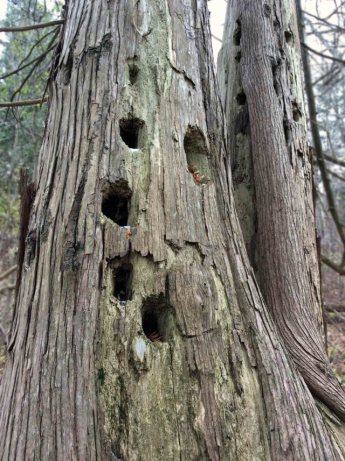
Cedars with woodpecker holes, Ontario (photo by Nina Munteanu)

The story’s viewpoint can be told from several perspectives and which one you choose can be critical to how your story comes across.

Different stories lend themselves to different narrative styles and point of views (POVs). In his April 2000 article in Fiction Writer entitled “First Blood, Third Person” David Morrell warns that some writers may “select a viewpoint merely because it feels natural, but if you…don’t consider the implications of your choice…your story might fight you until you abandon it, blaming the plot when actually the problem is how you’re telling it.”

The viewpoint choices include:

  • Omniscient
  • Third person limited
  • Second person
  • First person

Omniscient View

The omniscient view is the broadest view. Through this viewpoint the narrator describes everything and everyone and may drop into any character at any time, and — in the case of a beginning writer — all too confusingly in the same paragraph.

While this POV is the easiest one to use it is really the hardest to master. In the wrong hands, this viewpoint can be as intrusive as it is distancing. And it is prone to polemic. In the hands of a masterful writer, this viewpoint can make for the most powerful and rich storytelling. Epics of any kind, especially epic fantasies or historical epics, lend themselves to this style. The omniscient viewpoint is particularly suited to a story that is “large”, where ultimately the main character is not any particular protagonist but “the story” itself, or a society or world or time period. The writer must still somehow achieve connection and intimacy with the reader to succeed with this viewpoint. You can do this through lyrical and compelling narrative, poetic language and powerful imagery.

Limited Third Person Viewpoint

A story told through limited third person POV is narrated from one or a few key characters (though not at the same time) by revealing not only their movements but their thoughts and feelings (e.g., he struggled up to his feet, giddy with pain). When starting out, it is often best to adopt this style, which is generally more personal, appealing and least confusing. So long as you respect the readers’ need for clarity by keeping to one POV per scene, you can choose to enter into the heads of as many characters as you wish. It is the norm to use chapter, section or scene breaks when changing from one POV to another.

This style of narrative is the most common one used in contemporary books, particularly genre books, thrillers and action/adventure books. Through conflicting perspectives of your characters, you can swiftly paint a rich tapestry of tension for both characters and reader.

Second Person Viewpoint

This second person viewpoint (“you”) is not often used, mostly because it is both distancing and less easy to read. Although it is a narrative often used in conversation (e.g., “you never know what you’re gonna get with a box of chocolates, do you?”) this style of narrative is harder for readers to embrace and get close to the story’s characters. This viewpoint works effectively in certain artistic situations when you wish to purposefully impart a distance to the narrator, due to their own limitations, infirmity or situation.

First Person Viewpoint

The first person point of view is both the most limiting perspective (told only through one viewpoint) and most personal and revealing (of that viewpoint character). This viewpoint works well in literary fiction where the main character’s thoughts and issues are the key focus in the story. When the character who changes the most is the one telling the story, this makes for very compelling reading.

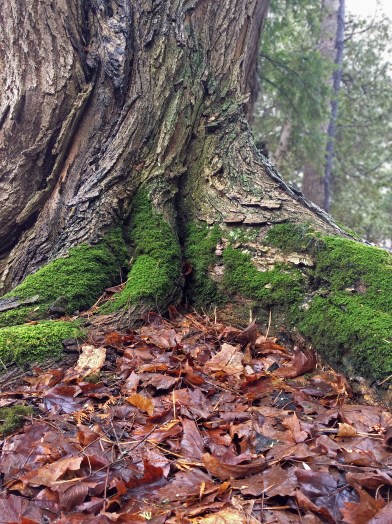
Cedar trunk base-LR

Base of cedar tree, Little Rouge woodland, Ontario (photo by Nina Munteanu)

Many detective stories are told in first person to great effect. The reader is right there with the detective, solving the mystery. The first person viewpoint is also the preferred POV for memoirs, for obvious reasons.

One thing to keep in mind, particularly when narrating through the first person POV, is the reliability of your character. You need to decide how reliable your first person POV character is in telling the story and how you will impart this to the reader.  Writing through a character’s faulty perception of the world (and of themselves) provides a writer with an incredible opportunity but also an incredible challenge. You can only go so far with an unreliable character before losing your own credibility as a writer — and losing the reader in the long run. Obviously, you need a balance.

If you are struggling with your story and can’t quite pinpoint what is bogging it down, try changing how you are telling it. Change the viewpoint and see what happens.

References

Munteanu, Nina. 2009. The Fiction Writer: Get Published, Write Now! Starfire World Syndicate. Louisville, KY. 266pp.

FictionWriter-front cover-2nd ed-webThe Fiction Writer “is the most practical book on publishing that I’ve ever read, and I’ve read them all! Not only is each chapter packed with advice for writers at every level of the publishing process, but the text is highly readable and even entertaining. The clear format, the direct style and the playful layout keep the large volume of information from ever becoming dry or boring.

This book is aimed at anyone interested in gaining entrance to the world of publishing, whether you want to write sci-fi novels, poetry, children’s books, how-to books, or magazine articles. If you want to publish with the big-name pros or even self-publish, this book will help you decide what would suit you best and how to achieve it.”

Lucia Gorea, English professor at the University of British Columbia, Vancouver

nina-2014aaaNina Munteanu is an ecologist and internationally published author of award-nominated speculative novels, short stories and non-fiction. She is co-editor of Europa SF and currently teaches writing courses at George Brown College and the University of Toronto. Visit www.ninamunteanu.ca for the latest on her books. Nina’s recent book is the bilingual “La natura dell’acqua / The Way of Water” (Mincione Edizioni, Rome). Her latest “Water Is…” is currently an Amazon Bestseller and NY Times ‘year in reading’ choice of Margaret Atwood.

Hybrid Publishing: Understanding the Writing and Publishing Landscape

Cafe on Baldwin-TorontoOn Friday evening of October 26th Nina will be giving the first in a series of 10 writing workshops through the Immigrant Writers Association Writing and Publishing workshop series for members and non-members. Workshops are free for Class A members, $10 for Class B members, and $15 for non-members.

WORKSHOP: Hybrid Publishing: Understanding the Landscape 

DESCRIPTION: The workshop is structured as an hour-long lecture followed by discussions pertinent to the topic, such as various publishing models, self-publishing, indie publishing, the traditional and the hybrid model with the pros and cons of each model.

The workshop will cover:

  • An overview of the publishing industry, spanning from traditional to indie and self-publishing and everything in-between.
  • Advantages and disadvantages of each option discussed based on needs and perspectives. These include marketing, distribution, creative control, revenue, timing, branding, and reputation.
  • An exploration of emerging directions, models, collaborations and structures in the publishing industry and what this means for the writer.

TIME: 7pm to 9pm

PLACE: Toronto City Hall, Committee Room #2
100 Queen Street West
Toronto, ON

COST: Free for IWA Member type A; $10 for IWA Member type B; $15 for non-members

REGISTER/PAY HERE

Learn with IWA is an initiative of the Immigrant Writers Association, which helps its members enhance their writing skills, gain knowledge about the Canadian publishing landscape, and advance their careers. IWA also encourages its members and other immigrants to share the expertise they brought along, their culture, and thoughts to enrich the society they live in.

Nina’s IWA Writing and Publishing workshops series include:
(C: on craft; P: on publishing, promotion, marketing)

1 (P): Hybrid Publishing: Understanding the Landscape (Oct 26, 2018)
2 (C): World as Character (Nov 30, 2018)
3 (P): How to Promote Your Book and Increase Your Visibility (Jan, 2019)
4 (C): Storyboarding: creating “story” from scenes to worlds
5 (P): Getting Started and Finishing
6 (C): Things to Consider in Fiction Writing
7 (C): Genre-Specific Writing
8 (P): Cover Design / Interior Layout
9 (C): Self-Editing: Ways to Improve Your Language in Writing
10 (P): Getting Feedback: what to do with it

NinaOct26

_________________________

To find out more about IWA’s membership type A and B, please visit immigrantwriters.com/join-us


nina-2014aaaNina Munteanu is an ecologist and internationally published author of award-nominated speculative novels, short stories and non-fiction. She is co-editor of Europa SF and currently teaches writing courses at George Brown College and the University of Toronto. Visit www.ninamunteanu.ca for the latest on her books. Nina’s recent book is the bilingual “La natura dell’acqua / The Way of Water” (Mincione Edizioni, Rome). Her latest “Water Is…” is currently an Amazon Bestseller and NY Times ‘year in reading’ choice of Margaret Atwood.


Nina Munteanu Talks Writing and Water on “Liquid Lunch” on That Channel

Nina Munteanu discusses her eco-fiction and water’s strange properties with Hildegard Gmeiner and Hugh Reilly on Liquid Lunch.

Nina Munteanu

Nina Munteanu is an ecologist, limnologist and internationally published author of award-nominated speculative novels, short stories and non-fiction. She is co-editor of Europa SF and currently teaches writing courses at George Brown College and the University of Toronto. Visit www.ninamunteanu.ca for the latest on her books.

Limestone Genre Expo—May 2018

2018 was the fourth year for Limestone Genre Expo, Kingston’s only genre writing festival. I’ve been to the expo each year from its inaugural festival in 2015. The festival gets its name from the city’s moniker, based on the many heritage buildings constructed there using the local limestone.

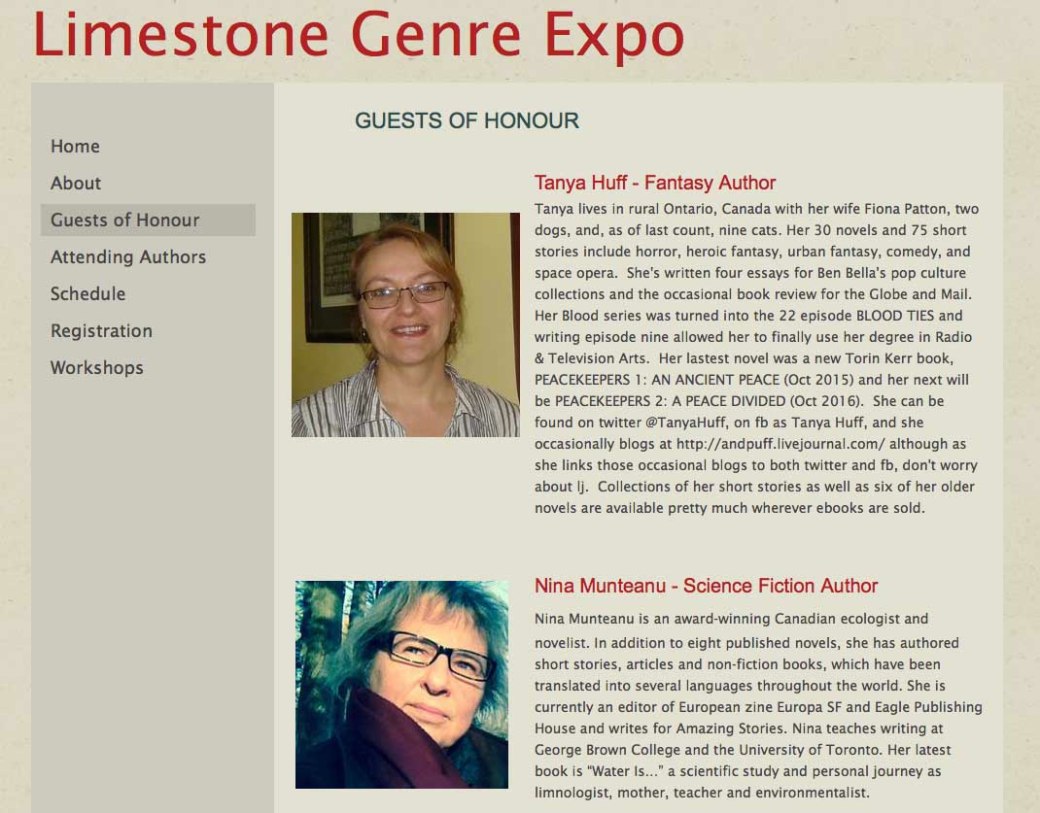
In 2016 I was delighted to be the science fiction guest of honour. In 2017, the expo was held at the Saint Lawrence College campus.


Nina-SF GOH-Limestone Genre Expo 2016

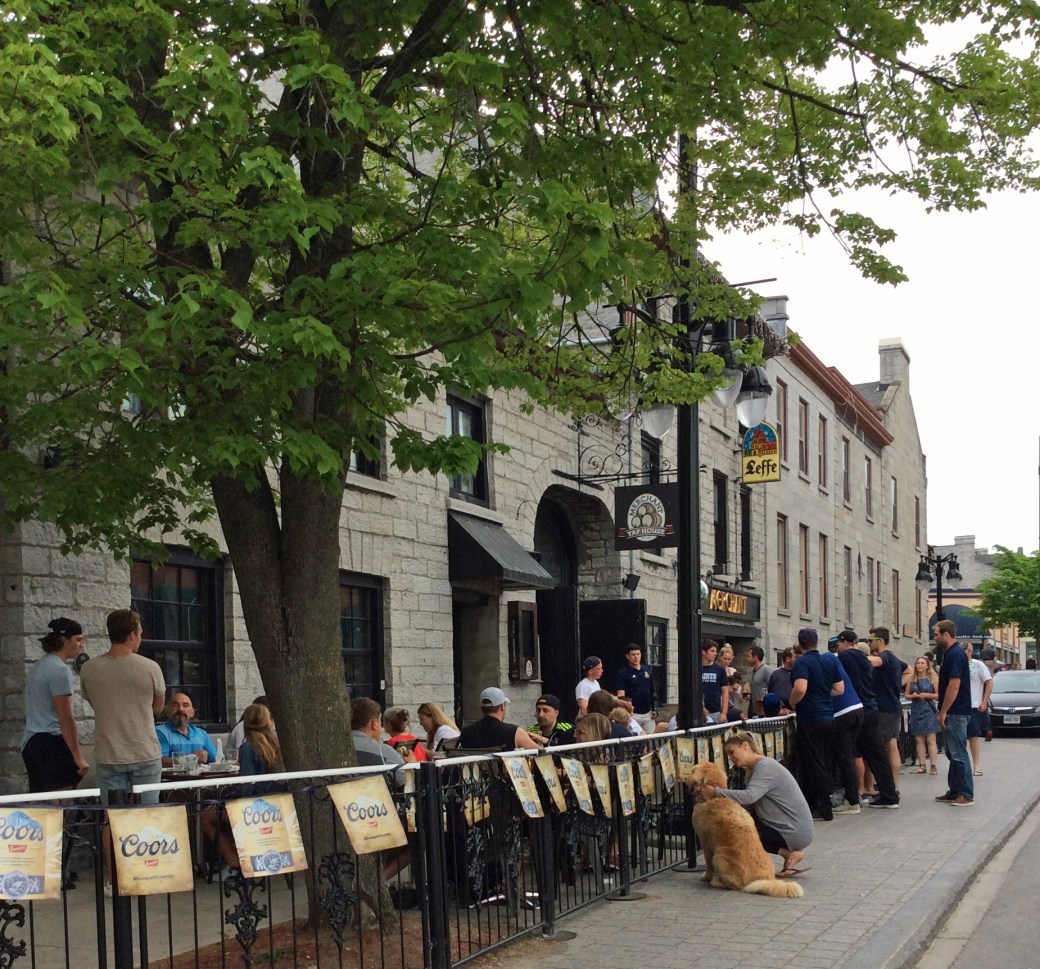
This year, the expo was held at the Holiday Inn, right on the waterfront and literally a staggering distance from the Merchant Tap House, one of the greatest pubs and eateries of the town.

MerchantTapHouse-Limestone2018

Merchant Tap House, Kingston (photo by Nina Munteanu)

As before, the festival covered several of the major genres such as fantasy, science fiction, horror, romance and mystery, with representation by well-known authors in each. Organizers offered a triple track program from 10 am to 5 pm that included panels, informative workshops, readings, book launches, and novel pitch sessions with Bundoran Press.

Liz Strange and programming organizers had me in several panels throughout the two-day expo.

Panels I participated in and in some cases moderated included:

“Mental Health Representation in Fiction: More than Villains” with Michael Slade, Therese Greenwood, Ada Hoffmann, Matt Moore and Madona Skaff. I really enjoyed this panel discussion that explored our evolving perception and representation of mental health in story and in our real lives.

Nina-MentalHealthPanel

Matt Moore, Nina Munteanu, Madona Skaff, Michael Slade, Theresa Greenwood (photo by Marlene Smith)

“Why Do We Love a Good Whodunit?” with Michael Slade, M. H. Callway, Katherine Prairie, Jim Napier, Melissa Yi, and Rosemary McCracken.  The panel and I had fun with this discussion as bizarre real-life stories were thrown into this mix.

Nina-Whodunit Panel

Katherine Prairie, Michael Slade, Melissa Yi, M.H. Callway, Rosemary McCracken, Nina Munteanu

“What Makes a Great Hero?” with Kate Heartfield, Tobin Elliott, Theresa Greenwood, Kris Jacen, Donna Warner, and Douglas Smith. The panel debated what makes a hero, then anti-hero, then sad and terrible hero, then non-hero…and ultimately to the journey of our at times miserable but great hero.

Nina-HeroPanel-LIMESTONE 2018

Douglas Smith, Theresa Greenwood, Nina Munteanu, Donna Warner, Tobin Elliott, Kate Heartfield

“Dystopian Fiction: How to write when the world is falling apart” with Una Verdandi, Robin Timmerman, Brad Baker, Tapanga Koe, Hayden Trenholm and Ursula Pflug. In this rather passionate discussion, we debated the state and shape of dystopia in both the real world and the fiction world and how they inevitably bleed together for the writer.

Nina-signingLastSummoner

Nina signs “The Last Summoner” for colleague and reader Agnes

“Women of Science Fiction” with Hayden Trenholm, Laura Baumbach, Ada Hoffmann, Tanya Huff, Tapanaga Koe, and Nancy Baker.  Hayden emerged amid his female colleagues to astutely discuss the reason we are still discussing this topic.

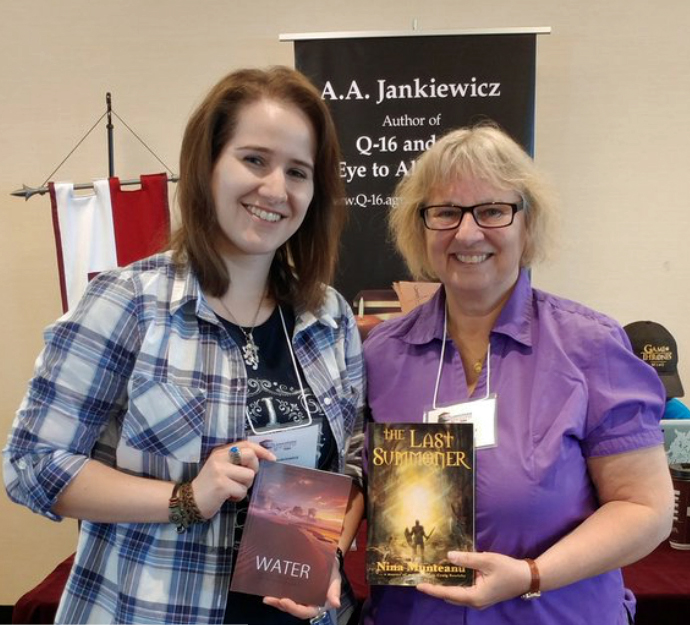
I also sold a number of books, including Water Is… (a Margaret Atwood favourite), my journal and fiction writing guidebooks (The Journal Writer and The Fiction Writer), Reality Skimming’s Water Anthology, for which I was editor, and The Last Summoner.

Nina-Agnes-LIMESTONE

authors Agnes Jankiewicz and Nina Munteanu

One of the key charms of this small venue is that it still provides an intimate setting for great networking. I had a chance to meet many of my old friends and to make new ones. Thanks to Liz, Marlene and wonderful volunteers for another great writing festival!


Nina Munteanu

Nina Munteanu is an ecologist, limnologist and internationally published author of award-nominated speculative novels, short stories and non-fiction. She is co-editor of Europa SF and currently teaches writing courses at George Brown College and the University of Toronto. Visit www.ninamunteanu.ca for the latest on her books.


Sensual Writing and Why I Love the Smell of Smoke

Prospect Point-fog

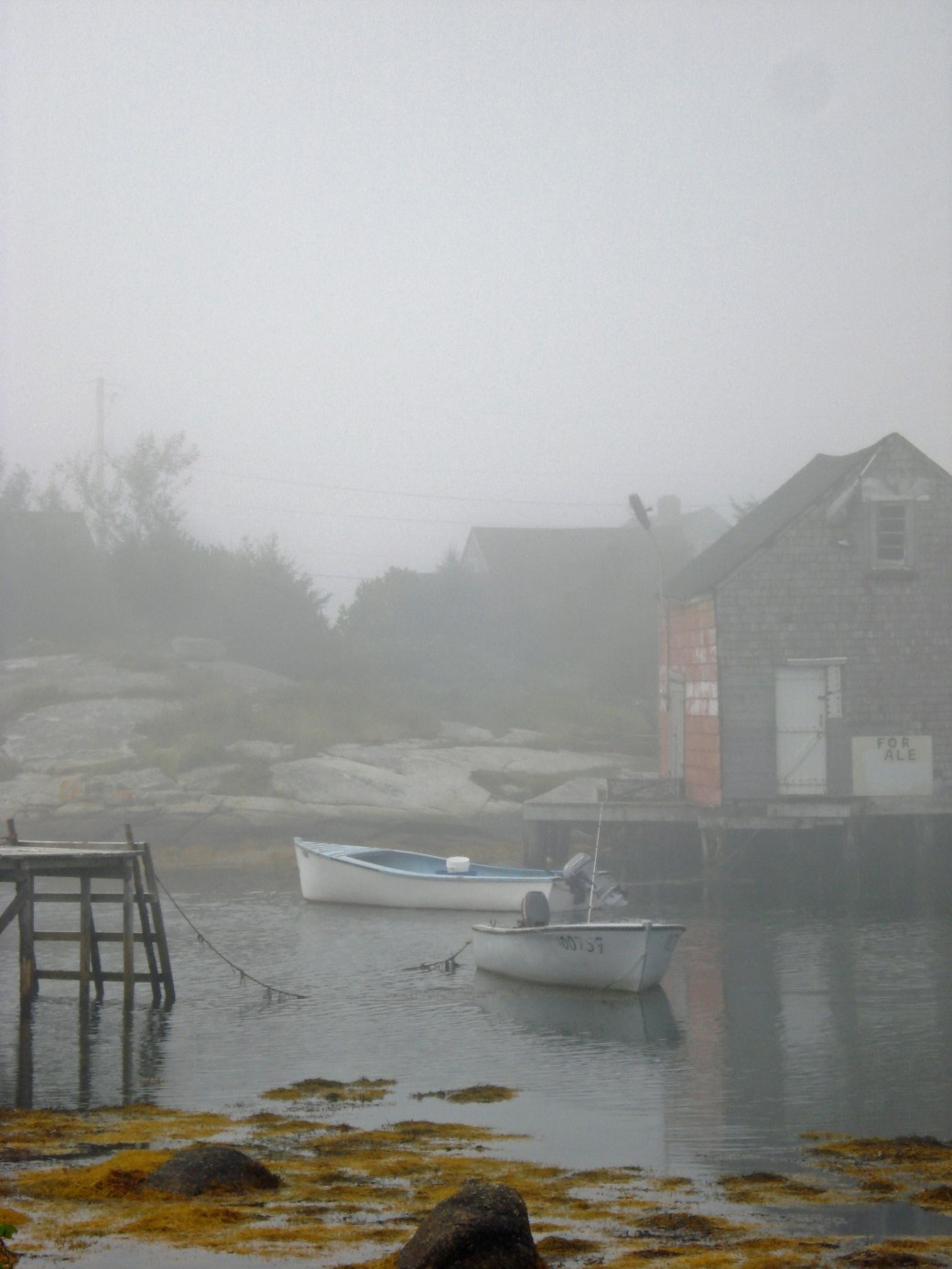
Prospect Point, NS (photo by Nina Munteanu)

Last week, as I was driving along a winding country road on my way to Bridgewater from Lunenburg, I ran across the smoke of a small fire. They were obviously doing some roadside spring clearing.

Without thinking, I slid the window open and inhaled deeply. I was preparing to experience the exquisite “taste of home”. As I breathed in the aroma of burning vegetation, memories of outdoor campfires and old wood-burning stoves flooded in from my childhood. A goofy smile slid across my face as I bathed in the joyful innocence of adventure, wonder and the comfort of the hearth. I’d had a wonderful childhood and the smell of smoke brought it back to me in its full glory.

What does this have to do with sensual writing? Everything. Storytelling shares universal truth through metaphor, delivered from the heart. Sensual writing doesn’t just involve making sure to include at least a few senses like sight, sound, smell, taste and touch in your narrative. To write sensually involves much more than the simple description of a sense, though this is certainly the first step (and something all too often neglected by novice writers). To not connect a described sense to a memory or emotion is to miss a very important opportunity as a storyteller: that of enlightening the reader on some aspect of the point of view (POV) character experiencing the sense (things like their history, the quality and nature of their relationships, their viewpoints, education, prejudices, how and what they’ve experienced in their life).

Here’s what I mean:

EXAMPLE 1: Ben walked into the Grand Banker Pub and immediately caught the tantalizing aroma of garlic and pears amid the din of jubilant laughter, cackles and desultory conversation. The amber light enhanced the rich tones of nautical oak. Ben saw some friends drinking in the corner and sauntered toward them, smiling.

farm in fog-Liverpool NS

Farm near Liverpool, NS (photo by Nina Munteanu)

EXAMPLE 2: Ben stopped at the door of the Grand Banker Pub, inhaling the exquisite aroma of garlic and pears amid the din of jubilant laughter, cackles and desultory conversation. For a moment he was back on the boat, reliving the party that changed his life. He’d stopped eating pears after that. Ben caught sight of his friends drinking in the corner, beneath the amber light. Like a sailor seizing a rope, he sauntered toward them, a huge smile pasted on his face.

The first example describes; the second example emotes. The first example nicely describes the place but it doesn’t provide us with any information about Ben, except that he likes the aroma of garlic and pears. We don’t know why. In the second example, his senses are used to hint at intrigue linked to memories that, in turn, are linked to the associated sense—in this case the smell of garlic and pears. This is the power of sensual writing. Bringing it back home.

Nina MunteanuNina Munteanu is an ecologist, limnologist and internationally published author of award-nominated speculative novels, short stories and non-fiction. She is co-editor of Europa SF and currently teaches writing courses at George Brown College and the University of Toronto. Visit www.ninamunteanu.ca for the latest on her books.

The Gestalt Nature of Passion & Success

What is to give light must endure burning —Victor Frankl


Tree Deer Lake

Deer Lake Park, BC (photo by Nina Munteanu)

“Any writing lays the writer open to judgment about the quality of his work and thought,” writes Ralph Keyes, author of The Courage to Write. “The closer [the writer] gets to painful personal truths, the more fear mounts—not just about what he might reveal, but about what he might discover should he venture too deeply inside. But to write well, that’s exactly where we must venture.”

So, why do it, then? Why bother? Is it worth it to make yourself totally vulnerable to the possible censure and ridicule of your peers, friends, and relatives? To serve up your heart on a platter to just have them drag it around as Stevie Nicks would say?…

Welcome to the threshold of your career as a writer. This is where many aspiring writers stop: in abject fear, not just of failure but of success. The only difference between those that don’t and those that do, is that the former come to terms with their fears, in fact learn to use them as a barometer to what is important.

“Everyone is afraid to write,” says Keyes. “They should be. Writing is dangerous…To love writing, fear writing and pray for the courage to write is no contradiction. It’s the essence of what we do.”

Unravelling the Secret…

How do you get past the fear of being exposed, past the anticipated disappointment of peers, past the terror of success?

The answer is passion. If you are writing about something you are passionate about, you will find the courage to see it through. “The more I read, and write,” says Keyes:

The more convinced I am that the best writing flows less from acquired skill than conviction expressed with courage. By this I don’t mean moral convictions, but the sense that what one has to say is something others need to know.—Ralph Keyes

This is ultimately what drives a writer to not just write but to publish: the need to share one’s story, over and over again. To prevail, persist, and ultimately succeed, a writer must have conviction and believe in his or her writing. You must believe that you have something to say that others want to read. Ask yourself why you are a writer. Your answer might surprise you.

Every writer is an artist. And every artist is a cultural reporter. One who sometimes holds the world accountable. “Real art,” says Susan Sontag, “makes us nervous.”

The first step, then, is to acknowledge your passion and own it. Flaunt it, even. Find your conviction, define what matters and explore it to the fullest. You will find that such an acknowledgement will give you the strength and fortitude to persist and persevere, particularly in the face of those fears. Use the fears to guide you into that journey of personal truths. Frederick Busch described it this way: “You go to dark places so that you can get there, steal the trophy and get out.”

John Steinbeck, author of Grapes of Wrath, said:

If there is a magic in story writing, and I am convinced that there is, no one has ever been able to reduce it to a recipe that can be passed from one person to another. The formula seems to lie solely in the aching urge of the writer to convey something he feels important to the reader.—John Steinbeck

Finding Success Through Meaning

Victor Frankl survived Auschwitz to become an important neurologist and psychiatrist of our time and to write Man’s Search for Meaning.

Blogger Gavin Ortlund wrote: “What gripped me most about [Frankl’s] book, and has stayed with me to this day, is not the horror and barbarity of his experiences in concentration camps—when you pick up a book about the holocaust, you expect that. What really struck me was Frankl’s repeated insistence that even there, in the most inhumane and horrific conditions imaginable, the greatest struggle is not mere survival. The greatest struggle is finding meaning. As I was reading, I was struck with this thought: going to a concentration camp is not the worst thing that can happen to a person. The worst that can happen to a person is not having a transcendent reason to live. Life is about more than finding comfort and avoiding suffering: it’s about finding what is ultimate, whatever the cost.”

Victor Frankl wisely said:

The more you aim at success and make it a target, the more you are going to miss it. Success, like happiness, cannot be pursued; it must ensue, and it only does so as the unintended side effect of one’s personal dedication to a cause greater than oneself or as the by-product of one’s surrender to a person other than oneself. Happiness must happen, and the same holds for success: you have to let it happen by not caring about it. I want you to listen to what your conscience commands you to do and go on to carry it out to the best of your knowledge. Then you will live to see that in the long-run—in the long-run, I say!—success will follow you precisely because you had forgotten to think about it.—Victor Frankl

Frankl is talking about passion. “If you long to excel as a writer,” says Margot Finke, author of How to Keep Your Passion and Survive as a Writer, “treasure the passion that is unique within yourself. Take the irreplaceable elements of your life and craft them into your own personal contribution to the world.” It’s what has you up to 2 am, pounding the keys. It follows you down the street and to work with thoughts of another world. It puts a notebook and pen in your hand as you drive to the store, ready to record thoughts about a character, scene or place. “For the passionate, writing is not a choice; it’s a force that cannot be denied.”

tree water deer lake

Deer Lake, BC (photo by Nina Munteanu)

Finke says it astutely: You need to be passionate about everything to do with your book—the writing and rewriting, your critique group, your research, your search for the best agent/editor, plus your query letter. Not to mention the passion that goes into promoting your book. Nothing less will assure your survival—and success—as a writer.

Follow your inner moonlight, don’t hide the madness—Allen Ginsberg, American poet

This article is an excerpt from The Fiction Writer: Get Published, Write Now! by Nina Munteanu

References:

Finke, Margot. 2008. “How to Keep Your Passion and Survive as a Writer.” In: The Purple Crayonhttp://www.underdown.org/mf_ writing_passion

Frankl, Victor. (1946) 1997. Man’s Search for Meaning. Pocket Books. 224 pp.

Keyes, Ralph. 1999. The Writer’s Guide to Creativity. Writer’s Digest, 1999.

Munteanu, Nina. 2009. The Fiction Writer: Get Published, Write Now. Starfire World Syndicate. 294pp

Ortlund, Gavin. 2008. “Frankl, the holocaust and meaning.” In: Let Us Hold Fast. http://gro1983.blogspot.com/2008/02/frankl-holocaust-and-meaning.html

Slonim Aronie, Nancy. 1998. Writing from the Heart: Tapping the Power of Your Inner Voice. Hyperion. 256pp.


nina-2014aaaNina Munteanu is an ecologist, limnologist and internationally published author of award-nominated speculative novels, short stories and non-fiction. She is co-editor of Europa SF and currently teaches writing courses at George Brown College and the University of Toronto. Visit www.ninamunteanu.ca for the latest on her books.


Write About What You Know

Cedar trunk base-LR

Base of cedar tree, Little Rouge woodland (photo by Nina Munteanu)

How many times have you been told to write about what you know? And how many times have you trusted that advice? Well, how interesting is that?!? We think our lives are dull, boring, and mundane. We write – and read – to get away from it, don’t we?

Well, yes…and no…

In the final analysis, even good “escapist” writing, like some science fiction, despite its alien settings and creatures of imagination, is grounded in the realities of our every-day lives, which form the basis of human nature. Love, ambition, trust, hate, envy, honor, courage. All these are universal human traits which the writer taps into and ultimately writes about.

“In the 19th century, John Keats wrote to a nightingale, an urn, a season. Simple, everyday things that he knew,” say Kim Addonizio and Dorianne Laux in The Writer’s Guide to Creativity. “Walt Whitman described the stars, a live oak, a field. They began with what they knew, what was at hand, what shimmered around them in the ordinary world.”

The advice, “write what you know” isn’t about literal truths; it’s about what you know inside. As SF author Marg Gilks says, “You know more than you think.”

Twisted Truths & Inner Knowledge

In an article in Writing World, Gilks discusses how a writer can use her own knowledge and experiences in everyday life and translate them into something far from ordinary. You start with universal experiences.

Get Emotional

What excites you; what frightens you; what angers you, makes you sad, happy. These are emotions we all feel. When we give our characters experiences similar to our own, we breathe life into both character and experience and provide the reader an anchor for her heart.

Get Sensational

You know how it feels when the sun shines on your face or the rain drenches you. You know how it feels to have your knees shake with fatigue after a long climb on a hot day or the invigorating freshness of a cool lake in summer.

Get People Around You

My neighbor has a funny way of focusing his gaze slightly off me when he talks, like he can’t look me directly in the eyes. When he approaches my house to deliver the paper, Dennis strides with a lilting gait as he listens to hip-hop on his ipod.

Drawing from what you observe and know of the people around you is one of a writer’s most treasured resources for character description. I always carry a notebook with me no matter where I go, even if it’s only to the grocery store.

The Magic of Storytelling

A writer is like a magician. You play upon what readers all “know” then surprise them with the unexpected.

Unleashing your imagination and letting it soar while grounding yourself in the realities of universal truths is the stuff of which stories are made. This is what most of us mean when we say “write what you know.”

“Unless you are writing about a personal tragedy,” says Tina Morgan of Fiction Factor, “you will have to use your imagination. Use the creativity that drives you to write in the first place. Take those feelings you have every day and amplify them. Make them more intense, more vivid. Before you know it, you will be ‘writing what you know’.”

“Next time you hear ‘write what you know,’ ” says Gilks, “you’ll realize that you know an awful lot about what matters most in a story’s success. It’s waiting only to be shaped by your imagination.”

Write Real

Literary Agent, Rachelle Gardner, provided a great definition of “write what you know” on her blog. Here’s an excerpt:

Most people think “write what you know” means you have to put characters in situations you’re personally familiar with. If you’re a mom with five kids, you should write a mom story. If you’ve fought cancer and won, you should write about that. But in my opinion, that’s not what it means.

Write what you know means write with authenticity about thoughts, feelings, experiences of life. Be honest. Write from a deep place. Don’t write from the surface. Whether you’re writing about parenthood or cancer or anything else… be real.

Don’t reflect what you know from other people or the media… write what you know from your own inner life.

Nina MunteanuNina Munteanu is an ecologist, limnologist and internationally published author of award-nominated speculative novels, short stories and non-fiction. She is co-editor of Europa SF and currently teaches writing courses at George Brown College and the University of Toronto. Visit www.ninamunteanu.ca for the latest on her books.