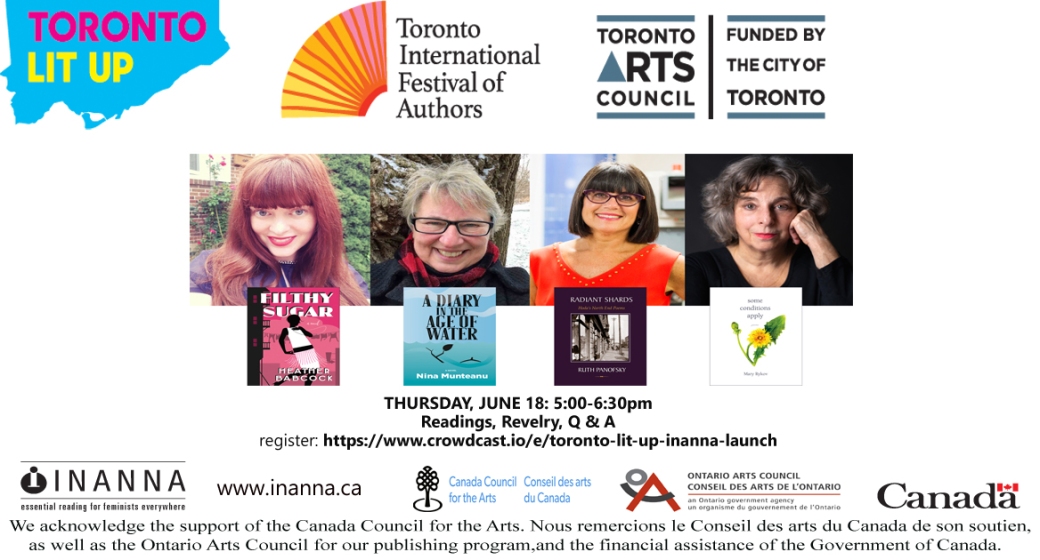
 On June 18th, Toronto book publishing house Inanna Publications launched its second spring series and A Diary in the Age of Water, my near-future/far-future speculative fiction book was among them.
A Diary in the Age of Water follows the climate-induced journey of Earth and humanity through four generations of women, each with a unique relationship to water.
Evoking Ursula LeGuin’s unflinching humane and moral authority, Nina Munteanu takes us into the lives of four generations of women and their battles against a global giant that controls and manipulates Earth’s water. In a diary that entwines acute scientific observation with poignant personal reflection, Lynna’s story unfolds incrementally, like climate change itself. Particularly harrowing are the neighbourhood water betrayals, along with Lynna’s deliberately dehydrated appearance meant to deflect attention from her own clandestine water collection. Her estrangement from her beloved daughter, her “dark cascade” who embarks upon a deadly path of her own, is heartwrenching. Munteanu elegantly transports us between Lynna’s exuberant youth and her tormented present, between microcosm and macrocosm, linking her story and struggles – and those of her mother, daughter and granddaughter – to the life force manifest in water itself. In language both gritty and hauntingly poetic, Munteanu delivers an uncompromising warning of our future.
—Lynn Hutchinson Lee

Renee Knapp and Nina Munteanu toast Inanna and all participants at the launch
A Diary in the Age of Water starts with young Kyo in the dying boreal forest of what used to be northern Canada. Kyo yearns inordinately for the Age of Water, a turbulent time of great change, before the “Water Twins” destroyed humanity. Looking for answers and plagued by vivid dreams of this holocaust, Kyo discovers the diary of Lynna, a limnologist from a time just prior to the destruction.
At the book launch, I read from Lynna’s first diary entry—in 2045. I then answered questions from audience members who came from Canada’s coast to coast:
What inspired you to write this book?
 Who really… My publisher in Rome (Mincione Edizioni) had asked me for a short story on water and politics. I wanted to write about Canada and I wanted something ironic… so I chose water scarcity in Canada, a nation rich in water. “The Way of Water” (“La natura dell’acqua”) resulted, which has been reprinted in several magazines and anthologies, including Cli-Fi: Canadian Tales of Climate Change (Exile Editions), Future Fiction: New Dimensions in International Science Fiction (Future Fiction/Rosarium Publishing), Little Blue Marble Magazine, and Climate Crisis Anthology (Little Blue Marble). The story was about young Hilde—the daughter of the diarist—dying of thirst in Toronto… It begged for more … so the novel came from it…
Why did you choose to write your novel as a diary?
I was writing about both the far and the near future and much of it was based—like Margaret Atwood and her books—on real events and even real people. I wanted personal relevance to what’s going on, particularly with climate change. I also wanted to achieve a gritty realism of the mundane and a diary felt right. The diarist—Lynna—is also a reclusive inexpressive character, so I thought a personal diary would help bring out her thoughts and feelings. There’s nothing like eves-dropping to make the mundane exciting.
If the oceans are rising because the ice caps are melting, is the ocean actually getting less salty?
The short answer is “yes.” As glaciers melt and introduce fresh water to the ocean—contributing to the rise in sea level—salinity is reduced in the surrounding sea. This has far-reaching consequences that lie beyond just rising sea levels and promise to affect all ocean life. Because freshwater is less dense than seawater—hence the saltwater wedge we experience on the lower Fraser River in Vancouver—freshwater increase in seawater will interfere with the pattern, mixing, and movement of ocean currents; this could be devastating to ocean life. The overall movement of ocean currents throughout the planet is called the Great Ocean Conveyor—or Atlantic Meridional Overturning Circulation (AMOC)—which circulates ocean water very much like in a lake, with dense water sinking beneath warmer, less salty water. As my diarist in the book writes, dumping in more and more freshwater into the ocean has slowed the sinking (and mixing) and the whole machine is slowing down. Freshwater is jamming the conveyor. If it stalls, this would unbalance the heat flux of the planet with more climate devastation.

Sketch of Atlantic Meridional Overturning Circulation (AMOC) from “A Diary in the Age of Water” Inanna Publications (sketch by Nina Munteanu)
The main protagonist is a limnologist; so are you; is there any resemblance?
Oh yes! Well, apart from the obvious—we both chose the same scientific discipline, we have similar views on the environment and humanity’s place in it. I might even have some of her foibles…hopefully not ALL of them… But, I’d say that all good characters have a piece of ourselves in them. Some dark and some light. The resemblance is heightened because she is depicted through her diary, which adds a gritty realism and a highly personal aspect to the fiction. In truth there’s a piece of me in each of the four women depicted in the story.
What is happening to the water in Ontario?
Water quality in Ontario waterways has not improved in the last decade and this can be placed squarely on the shoulders of local, regional and provincial governments and their failure to legislate and act. Inaction varies from lack of regulations and policing of industry to lack of city infrastructure and lack of ecological foresight.

Cladophora alga in Lake Ontario
Lake Ontario itself receives pollution from Chicago, Sarnia, Detroit, Cleveland, Buffalo, Hamilton and Toronto. Pollution includes agricultural runoff (such as excess nutrients and cancer-causing pesticides and herbicides), disease-carrying sewage, and hormone-disrupting storm water runoff. Nine million people rely on the lake for drinking water. Greatest threats to the lake’s health come from urban development, electricity generation, sewage, and storm water contamination. In cities with large amounts of impervious surfaces, storm water runs over pavement and parking lots, picking up oil and other pollutants before flowing into a nearby river or stream. Flash floods are often accompanied by sewage overflow, which carries numerous pathogens. In addition, storm water picks up toxic heavy metals, endocrine disrupting chemicals and pharmaceuticals. All with devastating consequences to humans, never mind aquatic life and other wildlife.
Every five years the Conservation Authority Watershed Report Cards provide an assessment of ground and surface water quality in various watersheds of Ontario. The latest one by the TRCA (Toronto and Region Conservation Authority) in 2018 gave an overall grade of “D” (unchanged from 2013). They cited storm water runoff and lack of its management improvement as the chief reason for the poor grade. Increasing chloride concentrations in the Toronto region (mostly from liberal use of road salt) poses a real problem to aquatic life.

Forest swamp in Deas Park, BC (photo by Nina Munteanu)
You mentioned that each of the four generations of women have a singular relationship with water. What role does water play in the book?
Well, in some important way, water is the fifth character. You could say even the main character. Water is the theme that carries each woman on her personal journey with climate change and the devastation that occurs—through water, I might add. Climate change is a water phenomenon, after all… So, water—like place and setting—plays a subtle yet powerful role in the story, influencing each character in her own way and bringing them together in the overall journey of humanity during a time of great and catastrophic change.
Are there other ages/epochs?
Yes. The story begins in the far future with young Kyo during the Age of Trees, after the end of the Age of Water. It is, in fact, the end of that age as well and that is why she prepares for the Exodus to “humanity’s” new home.
All Inanna titles are 30% off with coupon code: summer20. Please also consider purchasing “A Diary in the Age of Water” from an independent bookstore this summer. Find your local bookstore: http://open-book.ca/News/Your-Community-Your-Bookstore. And here is the current map of independent bookstores that are doing curbside pick up and delivery across Canada.
Surf on Hirtle Beach, NS (photo and illustration by Nina Munteanu)

Nina Munteanu is a Canadian ecologist / limnologist and novelist. She is co-editor of Europa SF and currently teaches writing courses at George Brown College and the University of Toronto. Visit www.ninamunteanu.ca for the latest on her books. Nina’s bilingual “La natura dell’acqua / The Way of Water” was published by Mincione Edizioni in Rome. Her non-fiction book “Water Is…” by Pixl Press(Vancouver) was selected by Margaret Atwood in the New York Times‘Year in Reading’ and was chosen as the 2017 Summer Read by Water Canada. Her novel “A Diary in the Age of Water” was released by Inanna Publications (Toronto) in June 2020.
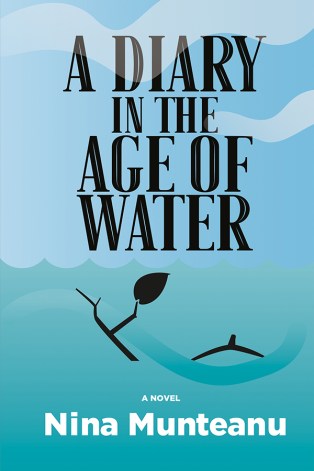 In my recent novel
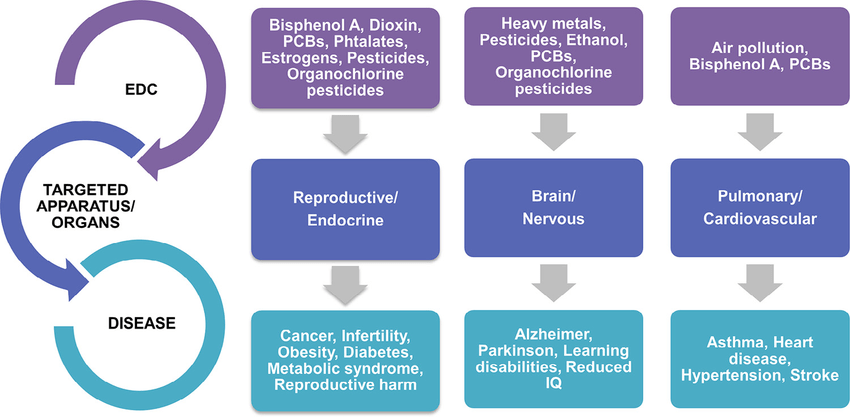
  The endocrine system is a set of glands and the hormones they produce that help guide and regulate the development, growth, reproduction and behavior of most living things (yes plants too!). Some hormones are also released from parts of the body that aren’t glands, like the stomach, intestines or nerve cells. These usually act closer to where they are released. The endocrine system is made up of glands, which secrete hormones, and receptor cells which detect and react to the hormones. Hormones travel throughout the body, acting as chemical messengers, and interact with cells that contain matching receptors. The hormone binds with the receptor, like a key into a lock. Some chemicals, both natural and human-made, may interfere with the hormonal system. They’re called endocrine disruptors.



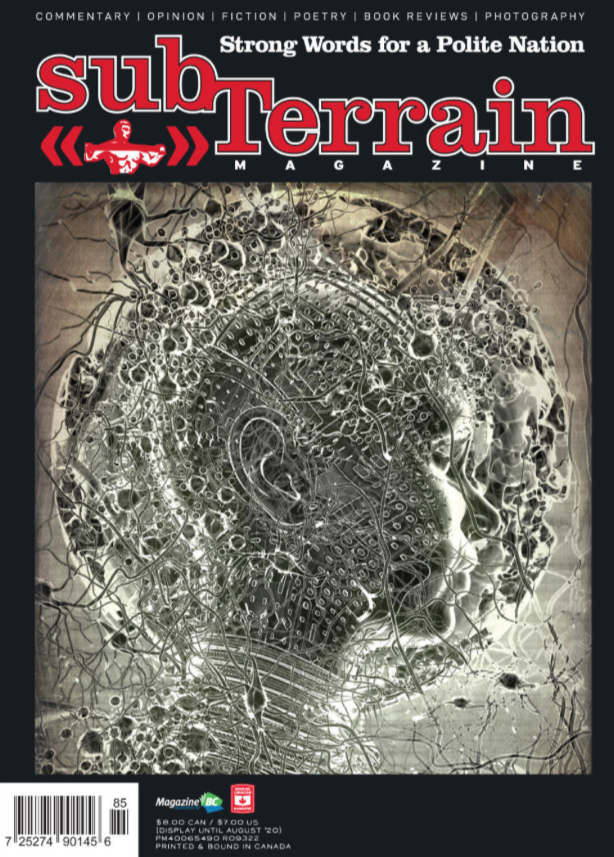 My short story “Out of the Silence,” which appeared in the Spring 2020 issue of
 In her 1997 biography Rachel Carson: Witness for Nature, historian and science biographer Linda Lear wrote:
 “Miss Rachel Carson’s reference to the selfishness of insecticide manufacturers probably reflects her Communist sympathies, like a lot of our writers these days. We can live without birds and animals, but, as the current market slump shows, we cannot live without business. As for insects, isn’t it just like a woman to be scared to death of a few little bugs! As long as we have the H-bomb everything will be O.K.”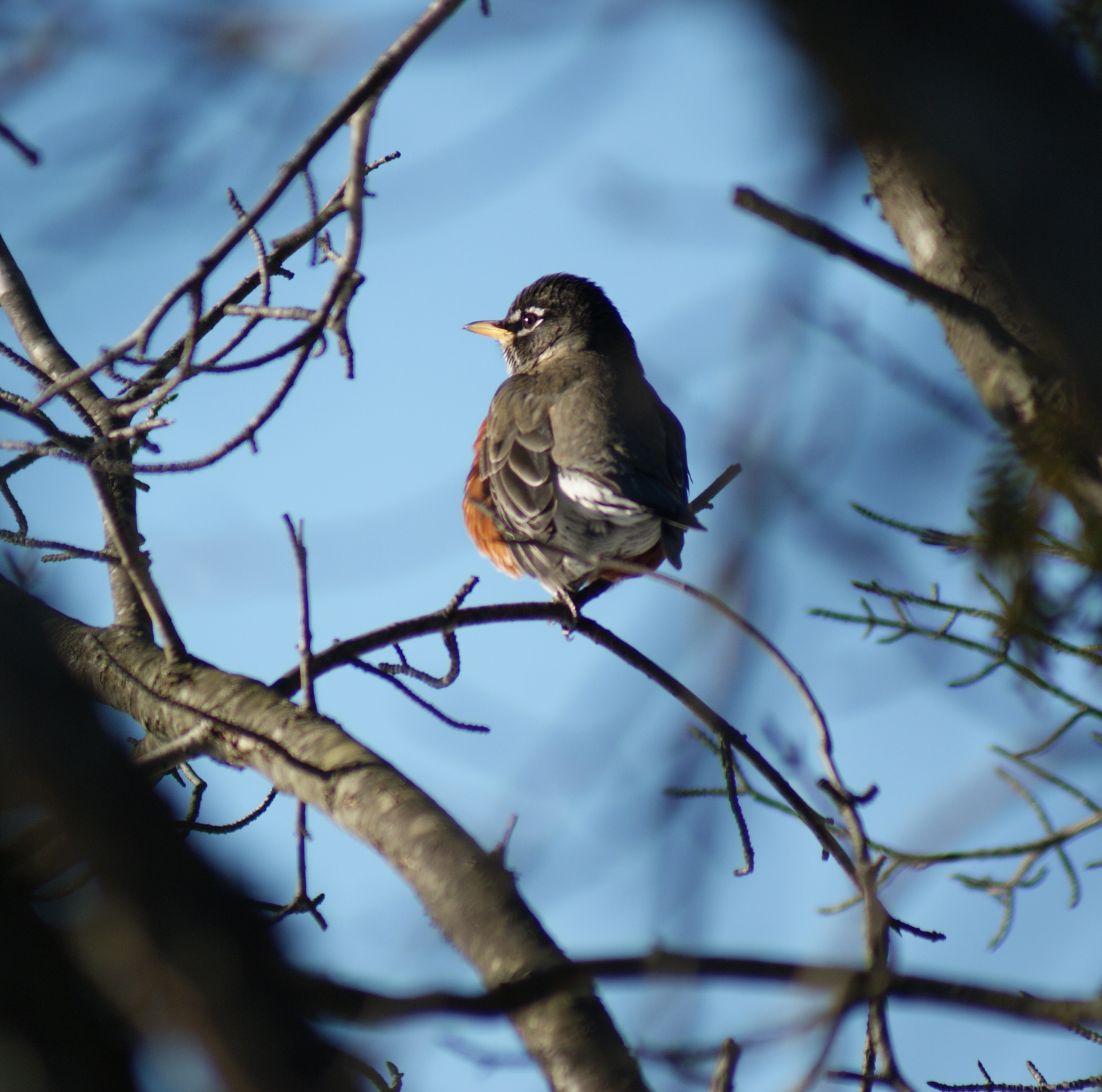



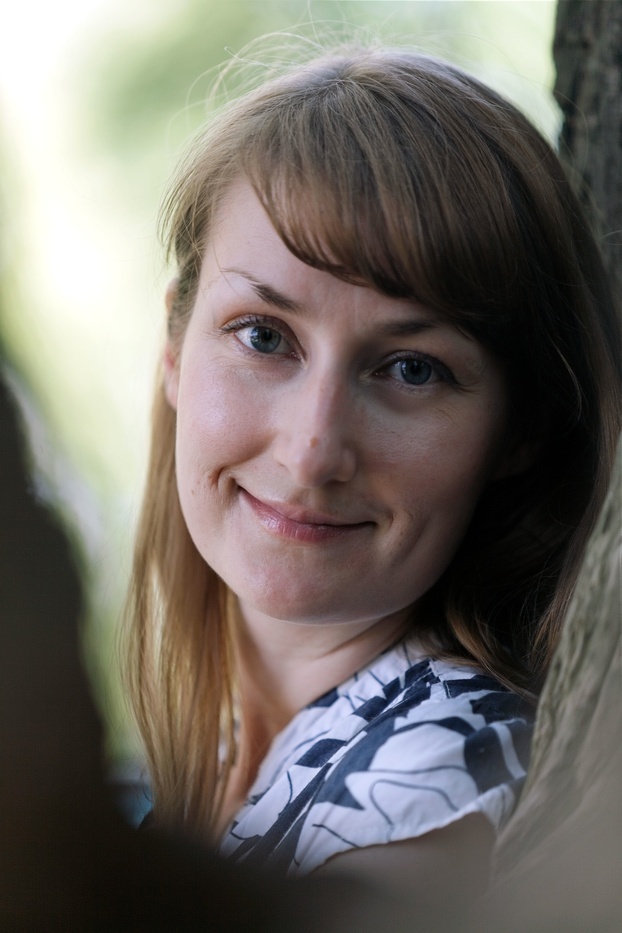
 Emmi Itäranta is an award-winning Finnish author. She holds a MA in Drama from the University of Tampere and worked as a columnist, theatre critic, script writer and press officer. She wrote her debut novel
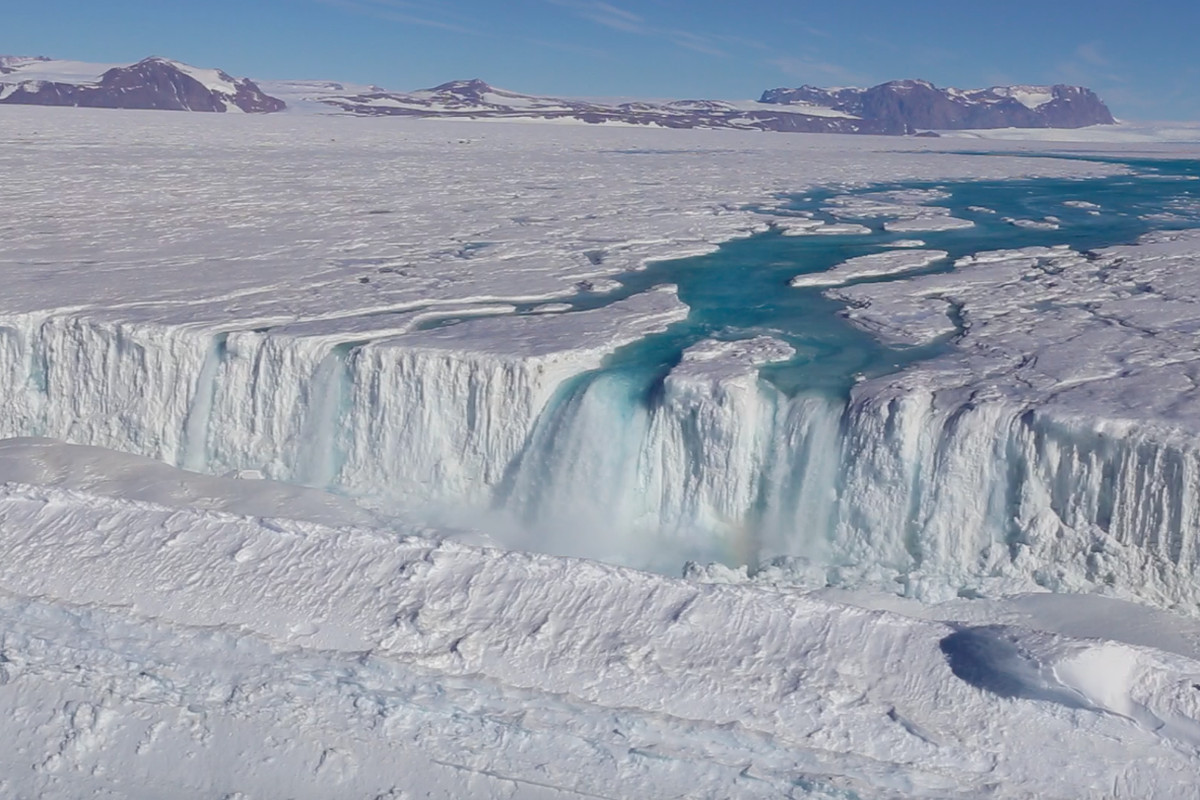
  Craig Russell begins his eco-thriller Fragment with a TV interview of glaciologist Kate Sexsmith in Scott Base Antarctica. The interview is interrupted by what turns out to be four runaway glaciers that have avalanched into the back of the Ross Ice Shelf and a fragment the size of Switzerland surges out into the open sea. Hence the title: Fragment.


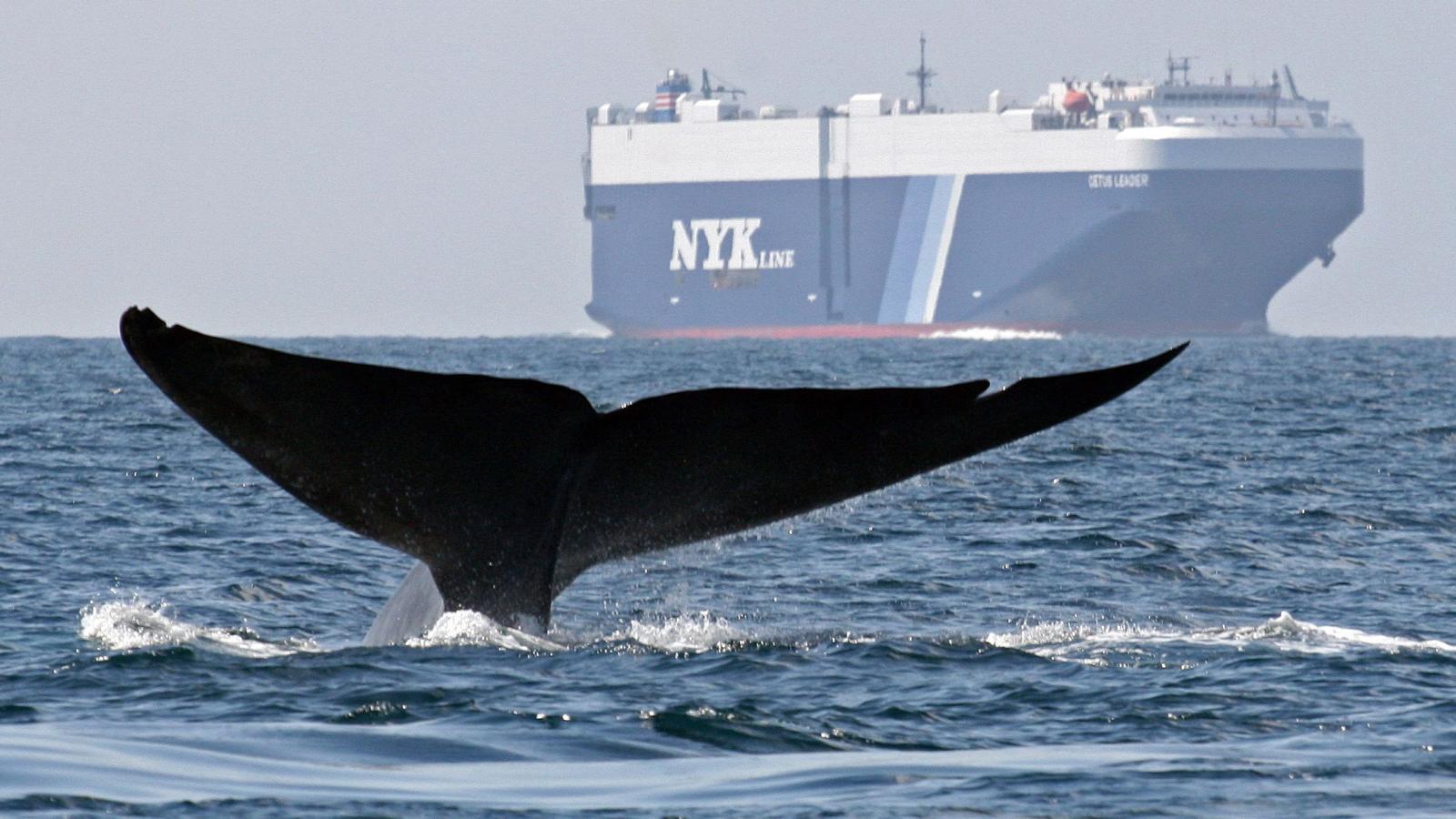
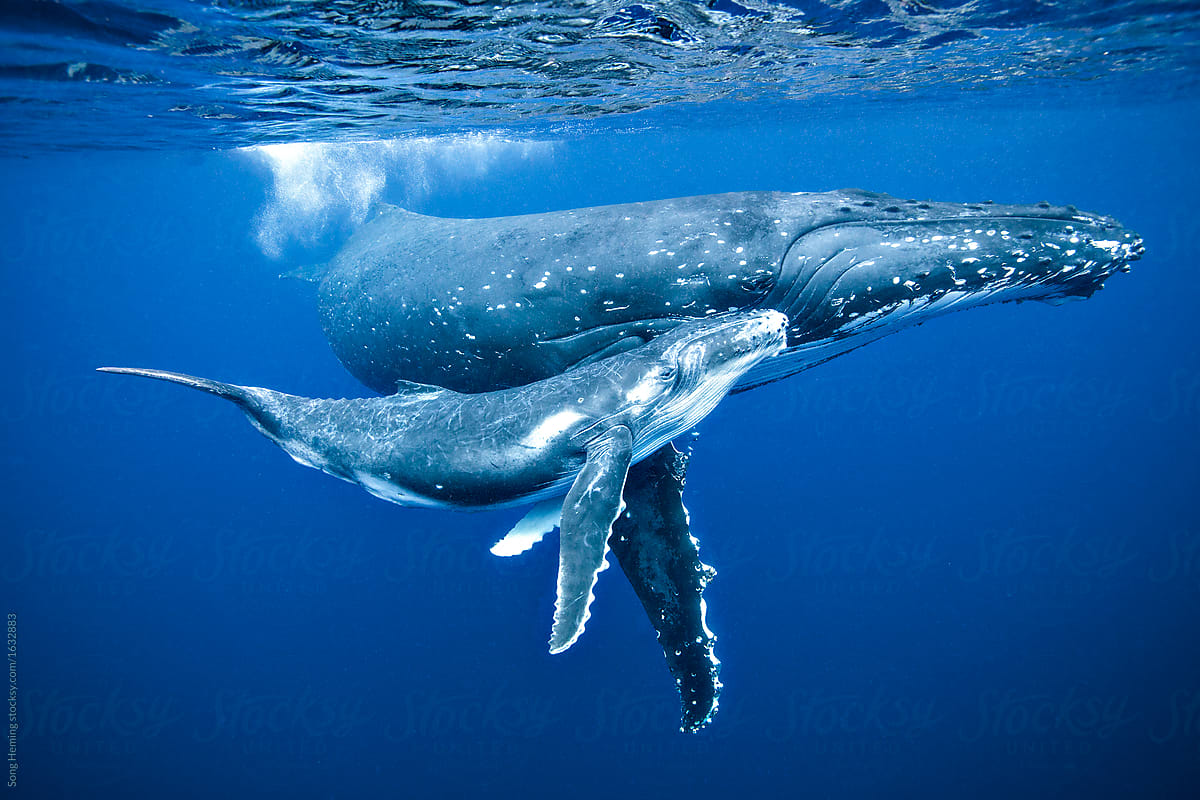



 In his book



 For more on “ecology” and a good summary and description of environmental factors like aggressive symbiosis and other ecological relationships, read my book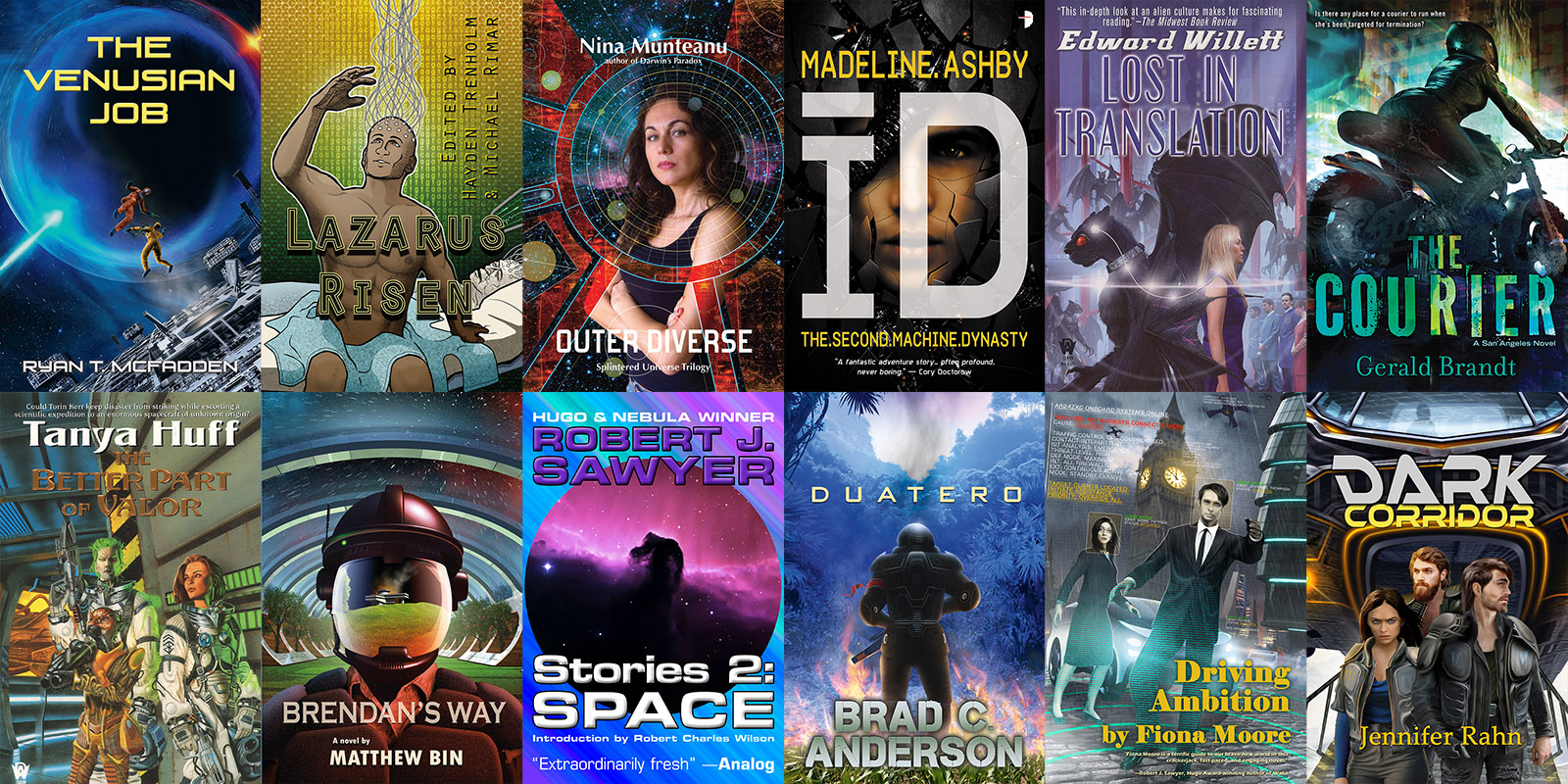
 Science fiction is our conversation with the future. That’s the philosophy of Bundoran Press Publishing House. But how can you have a conversation without friends? Even though in the days of COVID-19, most of those conversations take place on-line or by phone, there’s never been a better time to think and talk about the future.
 Last but certainly not least,



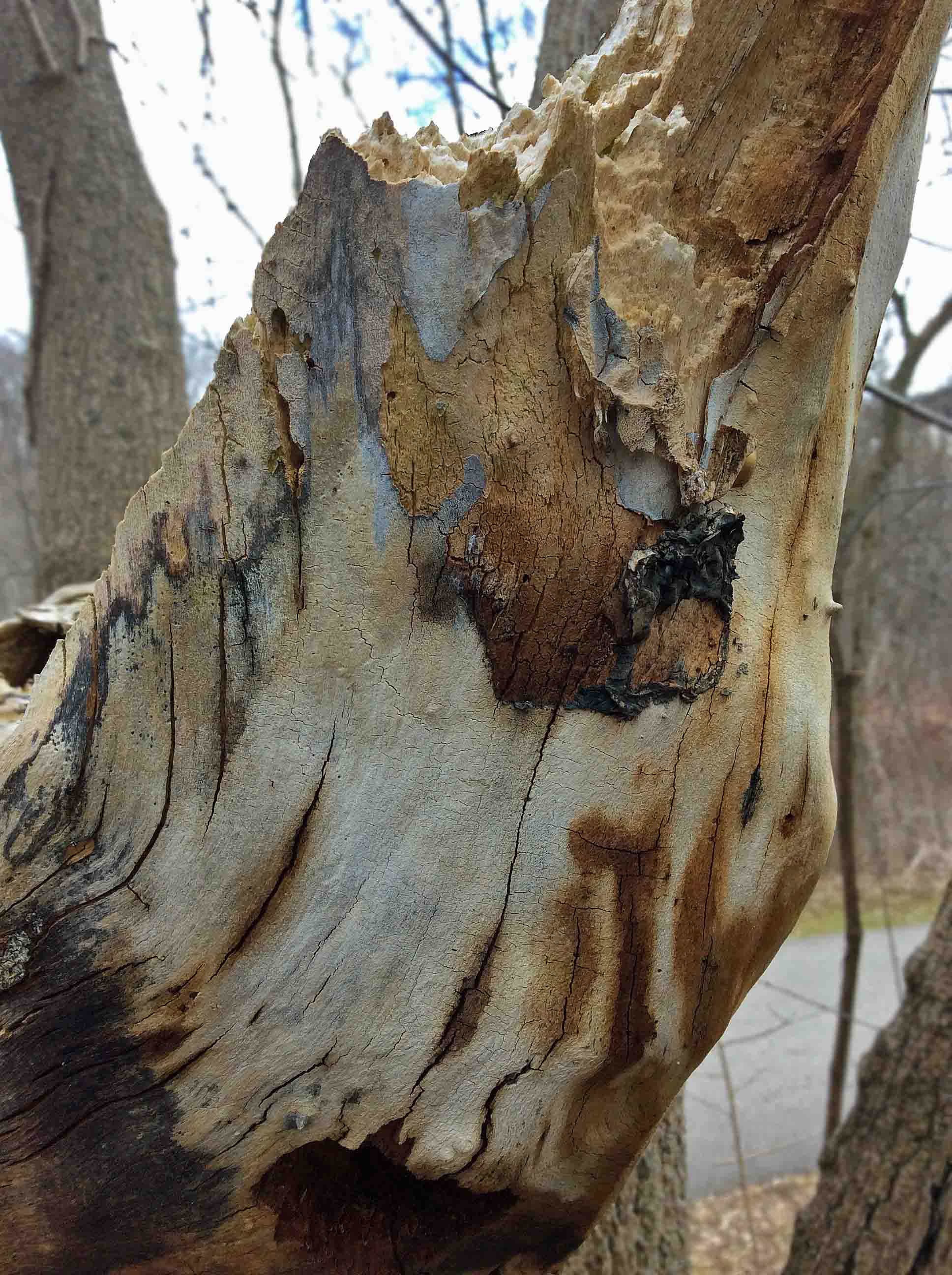
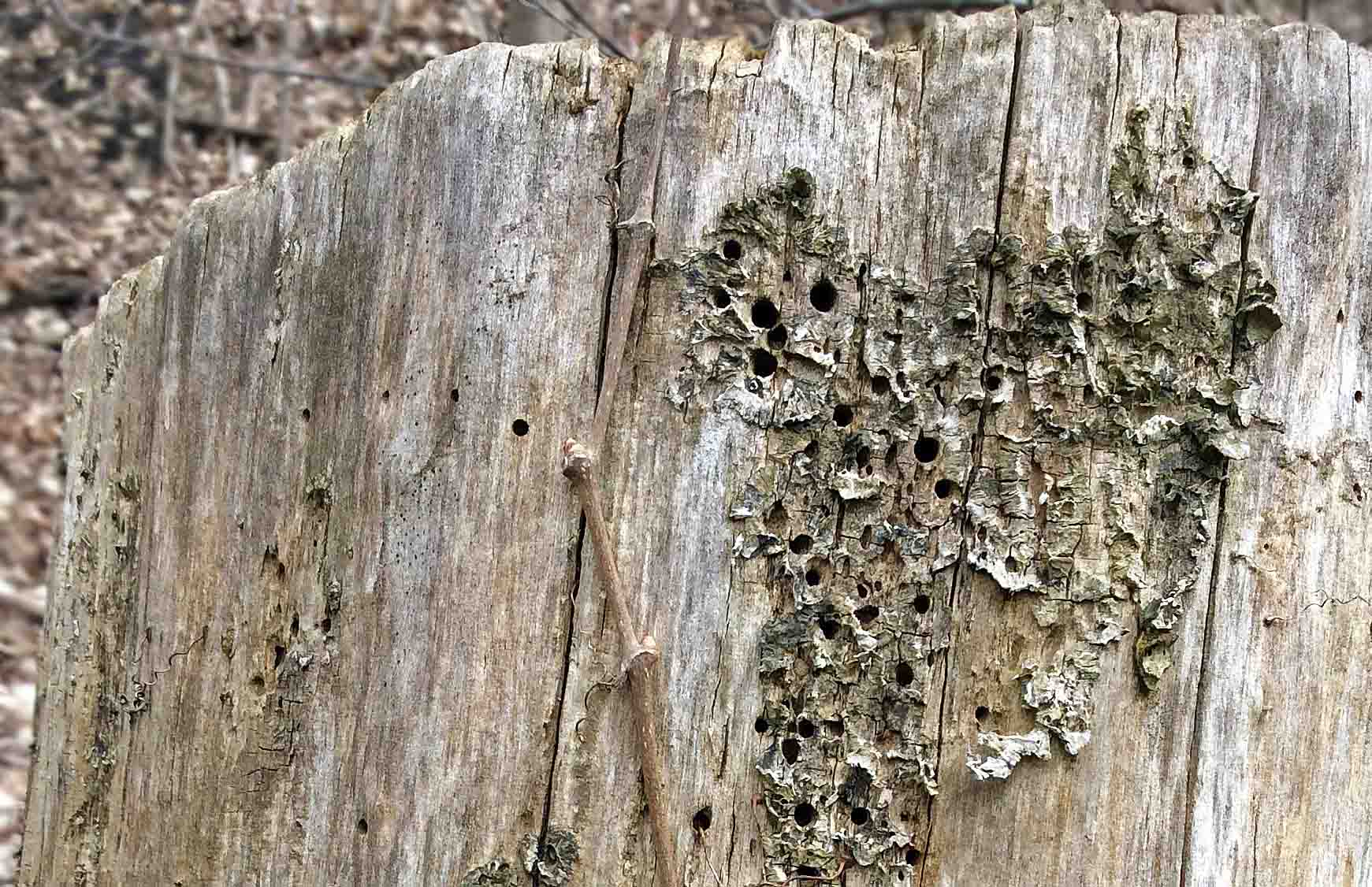
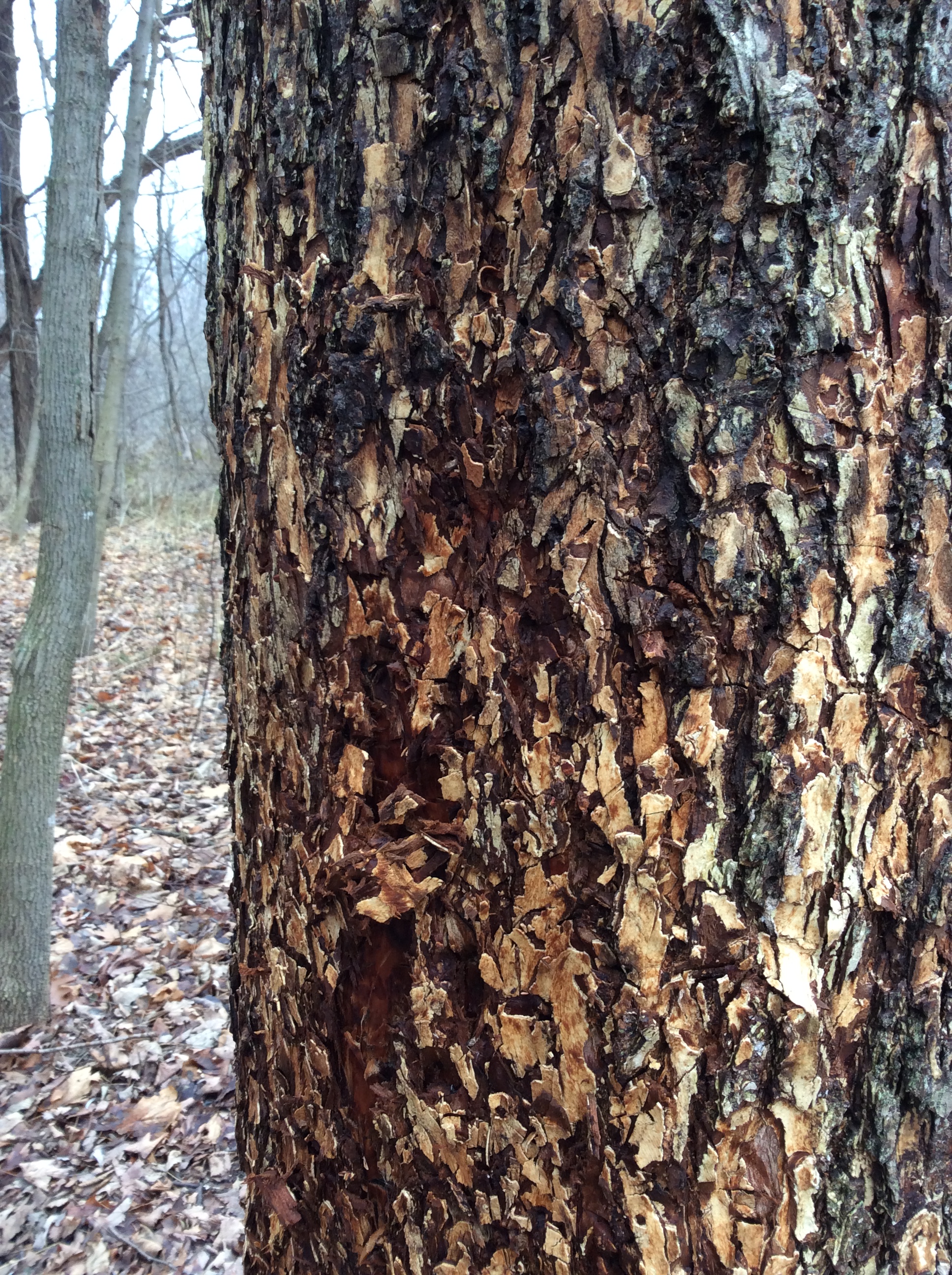
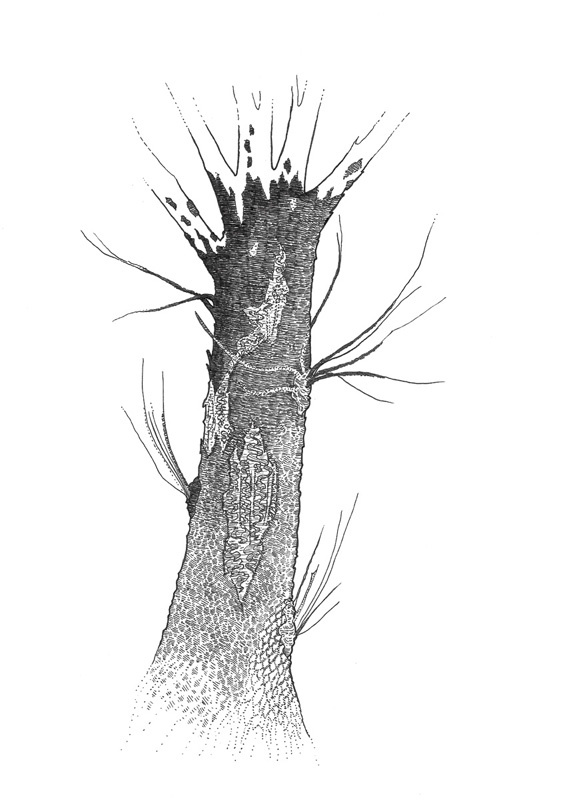 The Emerald Ash Borer hasn’t a real predator here. Don’t blame it for doing what it does, for being in the crates humans ship across oceans. Killed 30 million in Michigan, where it was first found. It’ll kill clear to the ocean.
 E Martin Nolan
 We are now living in the Age of Water. Water is the new “gold”, with individuals, corporations and countries positioning themselves around this precious resource. Water is changing everything. The Age of Water Podcast covers anything of interest from breaking environmental news to evergreen material. This also includes human interest stories, readings of eco-literature, discussion of film and other media productions of interest.
 Nina Munteanu’s
 Nina Munteanu Writing Coach