A Diary in the Age of Water: The Rocky Mountain Trench Inland Sea

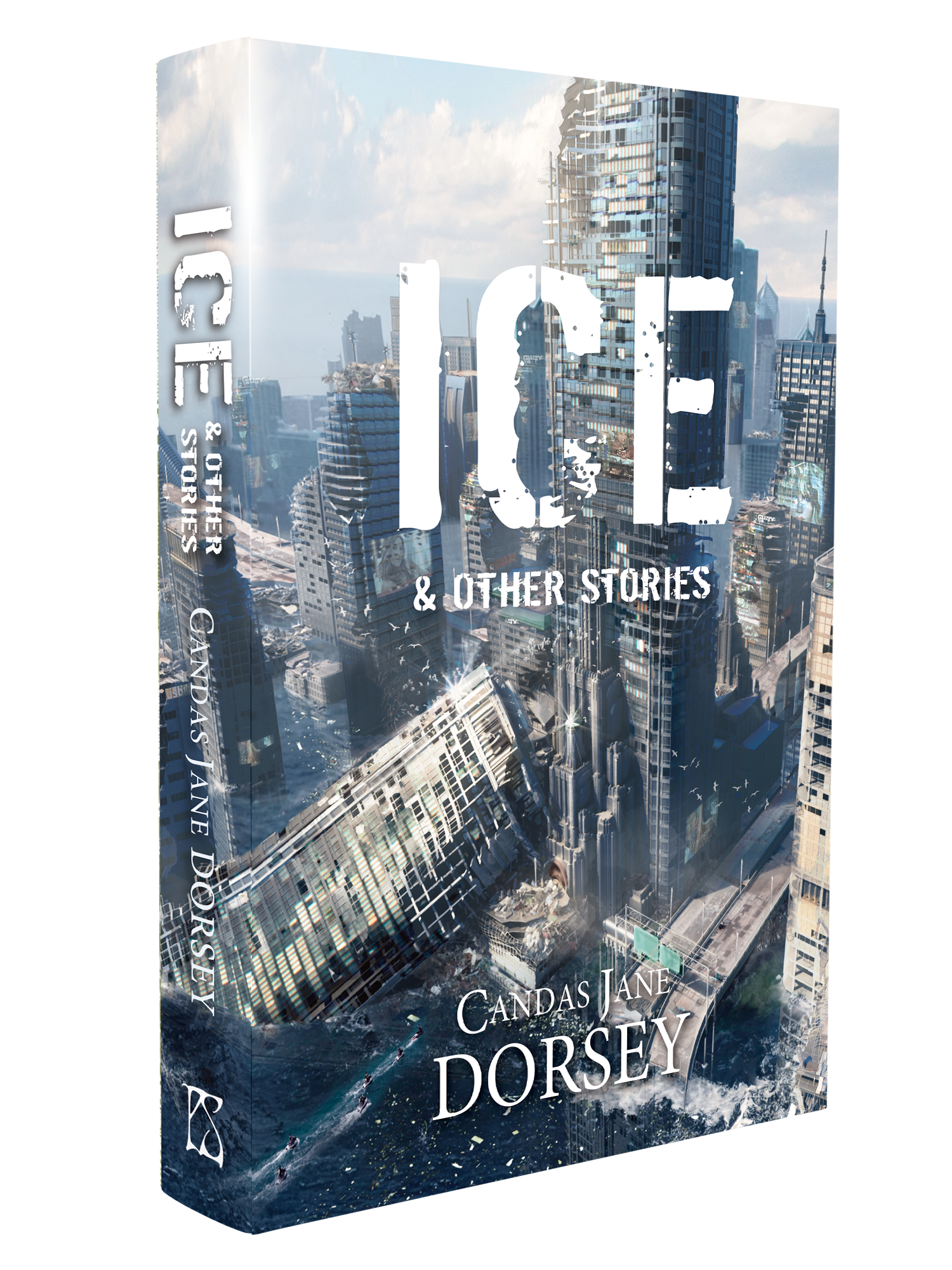
Diary Water cover finalIn my novel A Diary in the Age of Water (Inanna Publications) the diarist writes about the huge 800-km reservoir complex built in the late 2020s in the Rocky Mountain Trench to rehydrate the United States. Of course, it’s science fiction, but it was based on real plans that went all the way to Congress in the 1960s.

Snaking along the length of the Rocky Mountain Trench, the reservoir promised to submerge numerous British Columbia towns such as Dunster, McBride and Valemount and pose an existential threat to northern communities of BC and Alaska.

The Trench

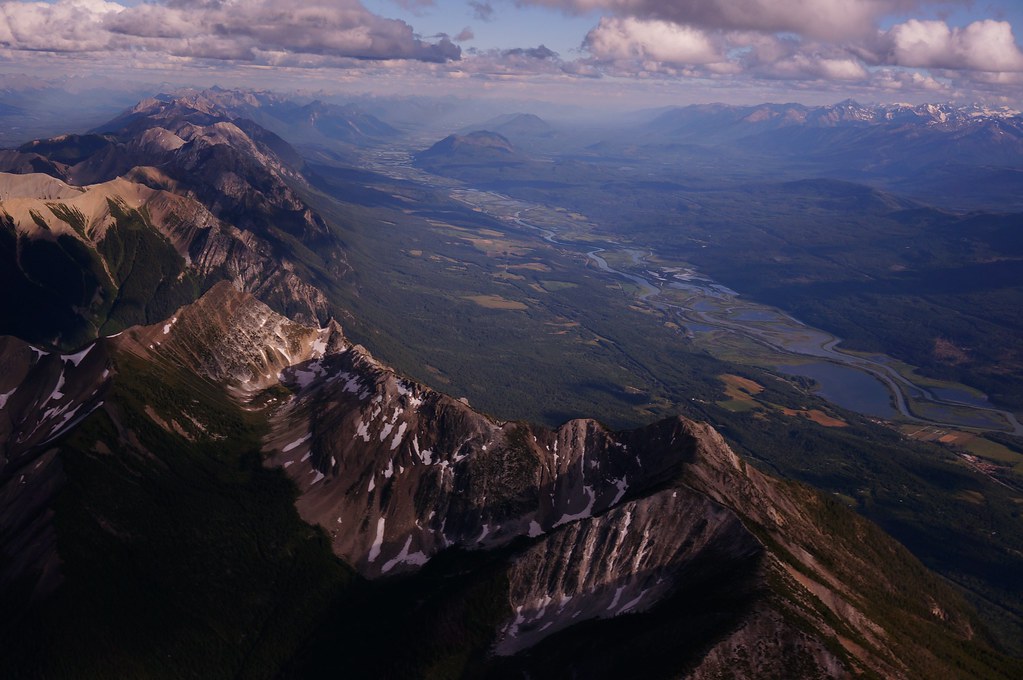
The Rocky Mountain Trench is a long and deep valley walled by sedimentary, volcanic and igneous rock that extends about 1,500 km from Flathead Lake and the ‘banana but’ of the Bitterroot Valley of western Montana through British Columbia to the Liard Plain just south of the Yukon Territory. Blanketed mostly by white and black spruce, subalpine fir and lodgepole pine, the northern trench stretches 3–20 km wide to accommodate the major river systems that snake along its mostly flat floor. This rich ecosystem is home to bears, caribou, moose and wolves. To the south, where the valley meanders more at lower elevation, the forest opens up and gives way to grasslands, marsh and farmland. The Trench is sometimes referred to as the “Valley of a Thousand Peaks” because of the towering mountain ranges on either side: the Rocky Mountains to the east and the Columbia, Omineca and Cassiar mountains to the west.

The Trench is a large fault—a crack in the Earth’s crust—and bordered along much of its length by smaller faults. Major structural features resulted from the shifting and thrusting of tectonic plates of the crust during the early Cenozoic Era, some 65 million years ago to form mountains. The ridges of fractured crust then pulled apart and the land in between dropped, creating the floor of the Trench.

RMT near Golden-south of Kinbasket

Rocky Mountain Trench, near Golden, B.C.

Among the major rivers that flow through the trench are the Fraser, Liard, Peace and Columbia rivers. Construction of hydroelectric projects—particularly those at Peace Canyon and Mica Dam—have disrupted the seven major rivers that once flowed through the Trench. All but the Fraser and Kechika rivers now empty into reservoirs on the valley floor; these include several reservoirs along the Columbia River in the southern trench such as the Kinbasket reservoir (created by the Mica Dam in 1973 to form Canoe Reach), and Revelstoke Lake (created by the Revelstoke Dam in 1984). Williston Lake was formed by the A.C. Bennet Dam on the Peace River in 1968. I had studied the effects of pulp mill activities for the federal government’s Environmental Effects Monitoring (EEM) Program.

Mackenzie-RMT

The Rocky Mountain Trench is topographically visible as it follows the BC-Alberta border south from Williston Lake

The Inland Sea

Like pseudopods of a hunting amoeba, the Rocky Mountain Trench reservoir system would have sent tendrils of water up river arms, and drowned swaths of ancient oroboreal rainforest. The rainforest corridor of Robson Valley—a conservation area that continues to experience existential risk due to development, resource harvest, and other disturbance—would have been one of the many casualties.

Cedar base-old growth copy 2

Ancient Redcedars in old-growth rainforest (photo by Nina Munteanu)

Una stopped the car and we stared out across the longest reservoir in North America. What had once been a breathtaking view of the valley floor of the Rocky Mountain Trench was now a spectacular inland sea. It ran north-south over eight hundred kilometres and stretched several kilometres across to the foothills of the Cariboo Mountain Range. Una pointed to Mount Mica, Mount Pierre Elliot Trudeau and several other snow-covered peaks. They stood above the inland sea like sentinels of another time. Una then pointed down to what used to be Jackman Flats—mostly inundated along with McLellan River and the town of Valemont to the south. Hugging the shore of what was left of Jackman Flats was a tiny village. “That’s the new Tête Jaune Cache,” my mother told me.

If villages had karma this one was fated to drown over and over until it got it right.  Once a bustling trading town on the Grand Trunk Pacific railway, Tête Jaune Cache drowned in the early 1900s when the Fraser naturally flooded. The village relocated to the junction of the original Yellowhead 16 and 5 Highways. Villagers settled close to where the Fraser, Tête Creek, and the McLellan River joined, all fed by the meltwater from the glaciers and icefields of the Premiere Range of the Cariboo Mountains. The village drowned again in 2025. I imagined the pool halls, restaurants, saloons and trading posts crushed by the flood.

“This area used to be a prime Chinook spawning ground,” Una said. “They swam over 1,200 km from the Pacific Ocean to lay their eggs right there.” She pointed to the cobalt blue water below us.

Kinbasket Lake-RMT

Kinbasket Reservoir

The reservoir sparkled in the sun like an ocean. Steep shores rose into majestic snow-capped mountains. The village lay in a kind of cruel paradise, I thought. It was surrounded by a multi-hued forest of Lodgepole pine, Western red cedar, Douglas fir, paper birch and trembling Aspen. Directly behind the village was Mount Terry Fox and across the Robson valley mouth, to the northeast, rose Mount Goslin. Behind it, Mount Robson cut a jagged pyramid against a stunning blue sky. Wispy clouds veiled its crown. I couldn’t help thinking it was the most beautiful place I’d seen. And yet, for all its beauty, the villagers had lost their principle livelihood and food. The reservoir had destroyed the wildlife habitats and the fishery. And its people with it.

Una pointed to where the giant reservoir snaked northwest and where towns like Croydon, Dunster, and McBride lay submerged beneath a silent wall of water. Her eyes suddenly misted as she told me about Slim Creek Provincial Park, between what used to be Slim and Driscoll Creeks just northwest of what used to be the community of Urling. She told me about the Oroboreal rainforest, called an “Antique Rainforest”—ancient cedar-hemlock stands over a 1000-years old. She described how massive trunks the width of a small house once rose straight up toward a kinder sun. The Primordial Grove was once home to bears, the gray wolf, cougar, lynx, wolverine and ungulates. It was the last valley in North America where the grizzly bear once fished ocean-going salmon. Now even the salmon were no longer there, she said. Then she bent low beside me and pulled me close to her in a hug. She quietly said to me, “This is what killed Trudeau.”

I stared at her and firmly corrected, “but that was an accident.”

“Yes,” she agreed. Then added, “a planned one.”

A Diary in the Age of Water

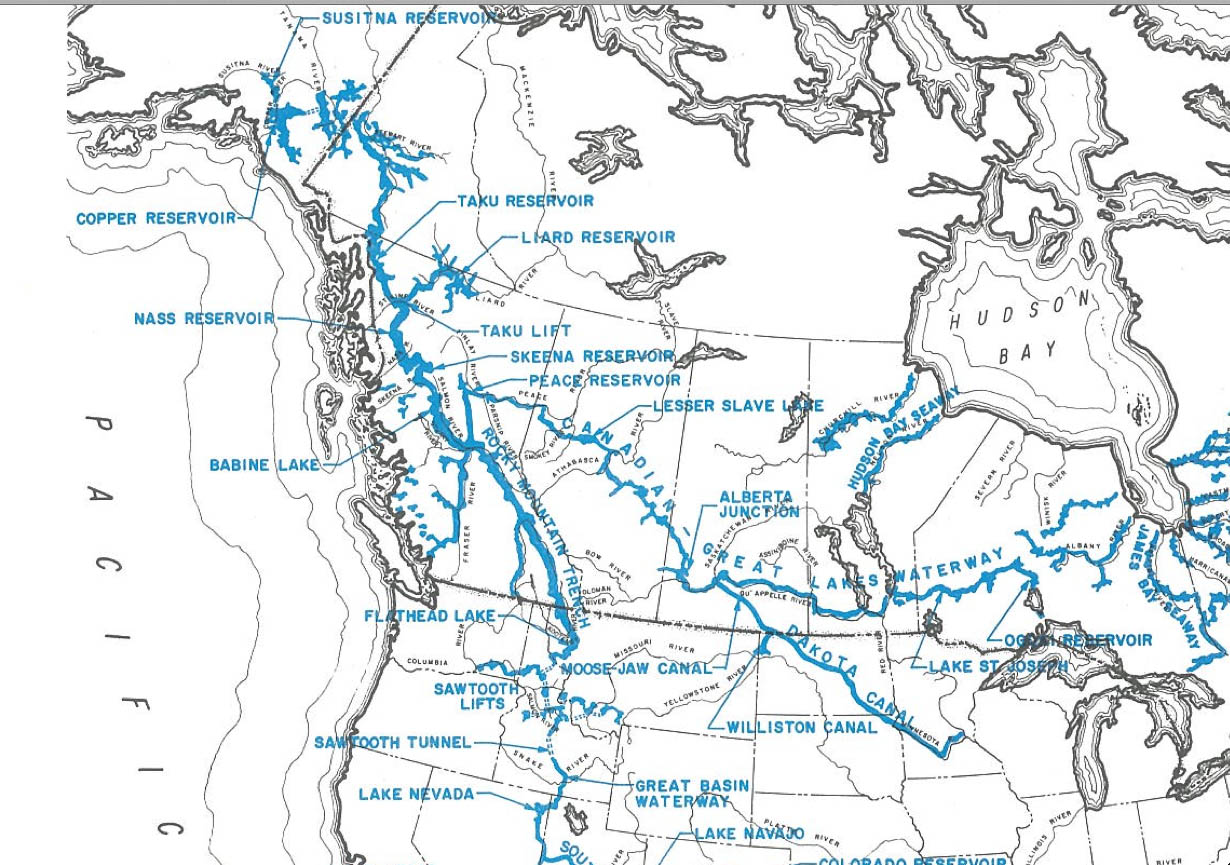
NAWAPA (North America Water Power Alliance)

The original NAWAPA Plan was drawn up by the Pasadena-based firm of Ralph M. Parsons Co. in 1964, and had a favorable review by Congress for completion in the 1990s. The plan—thankfully never completed—was drafted by the US Army Corps of Engineers and entailed the southward diversion of a portion (if not all) of the Mackenzie and Yukon rivers in northern Canada and Alaska, now flowing into the Arctic Ocean as well as the Peace, Liard and other rivers flowing into the Pacific by creating massive dams in the north. This would cause the rivers to flow backwards into the mountains to form vast reservoirs that would flood one-tenth of British Columbia. The water would be channeled south through the 800-km Rocky Mountain Trench Reservoir into the Northern USA, and from there along various routes into the dry regions of the South, to California and reaching as far as Mexico.

NAWAPA proposal Ralph M. ParsonsCo-1960s copy

NAWAPA was envisioned as the largest construction effort of all times, comprising some 369 separate projects of dams, canals, and tunnels, for water diversion. The water diversion would be accomplished through a series of connecting tunnels, canals, lakes, dams, and pump-lifts, as the trench itself is located at an elevation of 914 m (3,000 feet). To the east, a 9 m (thirty-foot) deep canal would be cut from the Peace River to Lake Superior. NAWAPA’s largest proposed dam would be 518 m (1,700 feet) tall, more than twice the height of Hoover Dam (at 221 m) and taller than any dam in the world today, including the Jinping-I Dam in China (at 305 m).

Conspiracy theorist and convicted fraudster Lyndon LaRouche was a principle proponent of the environmentally destructive NAWAPA plan. Although the plan was scrapped in the 1970s due to environmental concerns, it resurfaced in 1982 particularly by Parsons engineer Roland Kelley, who wrote a report called NAWAPA Plan Can Work. LaRouche and his movement revived interest more recently. In 2012 the LaRouche Political Action Committee released their NAWAPA XXI special report, which contained a detailed plan for the revival of an updated and expanded version of NAWAPA. The LaRouche movement continues to promote this outlandish plan today with support from various American politicians and industrialists.

In his book Cadillac Desert, environmental writer Marc Reisner described the plan as one of “brutal magnificence” and “unprecedented destructiveness.” Historian Ted Steinberg suggested that NAWAPA summed up “the sheer arrogance and imperial ambitions of the modern hydraulic West.”

NAWAPA copy 2

Expanded NAWAPA XXI plan

Rocky Mountain Trench near Radium Hot Springs, BC

Rocky Mountain Trench near Radium Hot Springs

nina-2014aaa

Nina Munteanu is a Canadian ecologist / limnologist and novelist. She is co-editor of Europa SF and currently teaches writing courses at George Brown College and the University of Toronto. Visit www.ninamunteanu.ca for the latest on her books. Nina’s bilingual “La natura dell’acqua / The Way of Water” was published by Mincione Edizioni in Rome. Her non-fiction book “Water Is…” by Pixl Press (Vancouver) was selected by Margaret Atwood in the New York Times ‘Year in Reading’ and was chosen as the 2017 Summer Read by Water Canada. Her novel “A Diary in the Age of Waterwill be released by Inanna Publications (Toronto) in June 2020.

Boredom in the Time of COVID-19: The Art and Satisfaction of Writing Letters

There are no boring moments; only bored people who lack the wherewithal to explore and discover—Nina Munteanu

Cedars and roots in moss JC

Cedar trees on shore of Jackson Creek, ON (photo by Nina Munteanu)

So many of us have responded intelligently to the pandemic by respecting “lock down” measures to self-isolate and socially distance. From simply staying at home to going out less often and avoiding crowds (well, there shouldn’t be any of them right now; but there will always be an irresponsible sector who must reflex their sense of entitlement and lack of compassion).

What the pandemic and our necessary reaction to it has done more than anything is to slow us down. Many people are slowly going crazy with it: we are, after all, a gregarious species. And not all of us feel comfortable with virtual meetings. Our senses are deprived; you can’t touch and smell and feel.

But, there are wonderful ways to feed the muse and get sensual…

Cedar over water-JC

Cedar tree on Jackson Creek, ON (photo by Nina Munteanu)

My good friend and poet Merridy Cox recently told me about a Facebook friend who was feeling so bored: “GETTING SO BORED BEING AT HOME” amid the social distancing and self-isolation during the ongoing COVID-19 pandemic.

Merridy counselled her friend to go outside and watch spring unfold then find a nice place to sit and write about it. A poem, she suggested: “Little white clouds are scudding across a blue sky. Trees are budding. Birds are migrating. Don’t be bored! Get outside, find a tree and see if there is a bird in it—now, you have enough to write a poem.”

What Merridy was essentially suggesting to her friend was to look outside herself. Reach out in curiosity and discover something. Boredom will fly away with curiosity and can lead to expression through poetry (or photography, sketching, journaling, memoir, or letter writing). When you open your soul to the spirit of exploration, you will find much to discover. When you share with others, you close the gap of isolation from gregariousness and find connection through meaning. The key is in sharing.

In Gifts from the Trail, Stella Body writes that, “Being Creative is a form of self-care and caring for others. The Gift by Lewis Hyde has been cited by Margaret Atwood and many others as what inspired them to share their creative work.  Sharing is part of many religions, as part of becoming ‘holy, from the word ‘whole’.   When what you share comes from your inner creative impulse, you develop a sense of your own value as an individual.  In addition, you transcend your separateness by touching the spirit of another.  In this way, all forms of art are therapeutic.”

The key to success in this is to start with 1) motivation, move through to 2) curiosity and discovery, then on to 3) creativity and expression. Sending an old-fashioned letter and handwriting provides a rich opportunity to create and express fully. And it gives us reasons to pursue. Following these three pursuits will enrich your life and provide enrichment to others through sharing.

Pine white woodpecker hole5

Woodpecker hole in white pine tree, ON (photo by Nina Munteanu)

Step 1, MOTIVATION: Find several people you wish to communicate with on a deeper level and wish to entertain and inform. Think beyond your Facebook or Twitter audience (though, I do draw inspiration from wishing to share my photography with them). They could even be your next door neighbour! Of course, you need something to share; that’s where Step 2 comes in.

Step 2, CURIOSITY and DISCOVERY: Find a place that you can observe; the natural world is incredibly suited to discovery. Look high and low, slow your pace and use all your senses. Listen. Smell. Feel. Remember to look up. And look down on the ground. Nature hides some of her most precious gems there. Find something familiar and find something new. Invest in a guidebook.

JournalWritert FrontCover copy 2Research what you’ve found on the Internet; find out more about something you’ve observed. For instance, why does the willow have such a shaggy bark? Why do alders grow so well near the edges of streams? What role do sowbugs play in the ecosystem? What do squirrels eat? What is that bird doing on my lawn? Start a phenology study (how something changes over the seasons). Keep tabs on the birds you see and what they’re doing. You can find several examples of mine in the links below.

Step 3, CREATIVITY and EXPRESSION: Depending on your relationship with people you are writing to and their own interests, you may tailor your letters with printed pictures, sketches and drawings, maps, quotes, and news clippings. This part can be really fun and can draw on all your creative talents. Let what you see and discover inspire you. Find a “story” in it and share it with someone. You can find more examples on ways to express yourself in my guidebook on writing journals: The Journal Writer.


Cedar bench river-JC

Bench next to cedar trees on Jackson Creek, ON (photo by Nina Munteanu)

Exploring and creativity don’t just cure boredom; they are good for your health:

EcologyOfStoryExpressive writing — whether in the form of journaling, blogging, writing letters, memoir or fiction — improves health. Over the past twenty years, a growing body of literature has shown beneficial effects of writing about traumatic, emotional and stressful events on physical and emotional health. In control experiments with college students, Pennebaker and Beall (1986) demonstrated that college students who wrote about their deepest thoughts and feelings for only 15 minutes over four consecutive days, experienced significant health benefits four months later. Long term benefits of expressive writing include improved lung and liver function, reduced blood pressure, reduced depression, improved functioning memory, sporting performance and greater psychological well-being. The kind of writing that heals, however, must link the trauma or deep event with the emotions and feelings they generated. Simply writing as catharsis won’t do.
In Gifts from the Trail, Stella Body writes: “Far more than a quick Selfie, a written response explores the range of the experience.  It both saves an instant from being lost in time, and holds on to the live matter of the writer’s feeling.  If shared, both writer and audience can return to that moment and draw healing from it.  What’s more, as many studies on volunteer work have shown, the process of sharing is a healing act.”

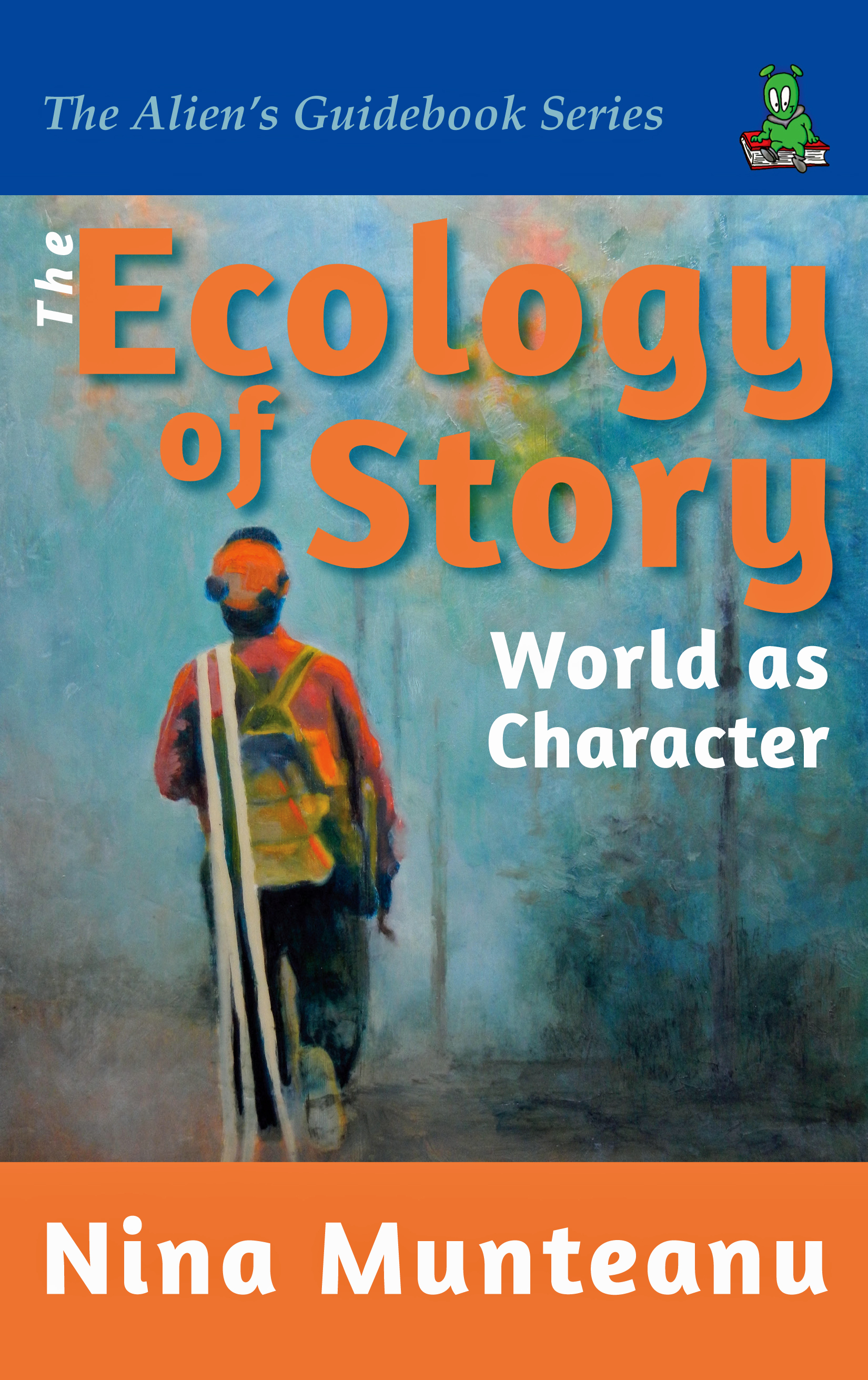
In Part 1 of my writing guidebook The Ecology of Story: World as Character, I talk about many of the interesting things in the natural world around us. In Part 2, I give many of these things meaning in story. The guidebook also has several writing exercises to capture the muse.

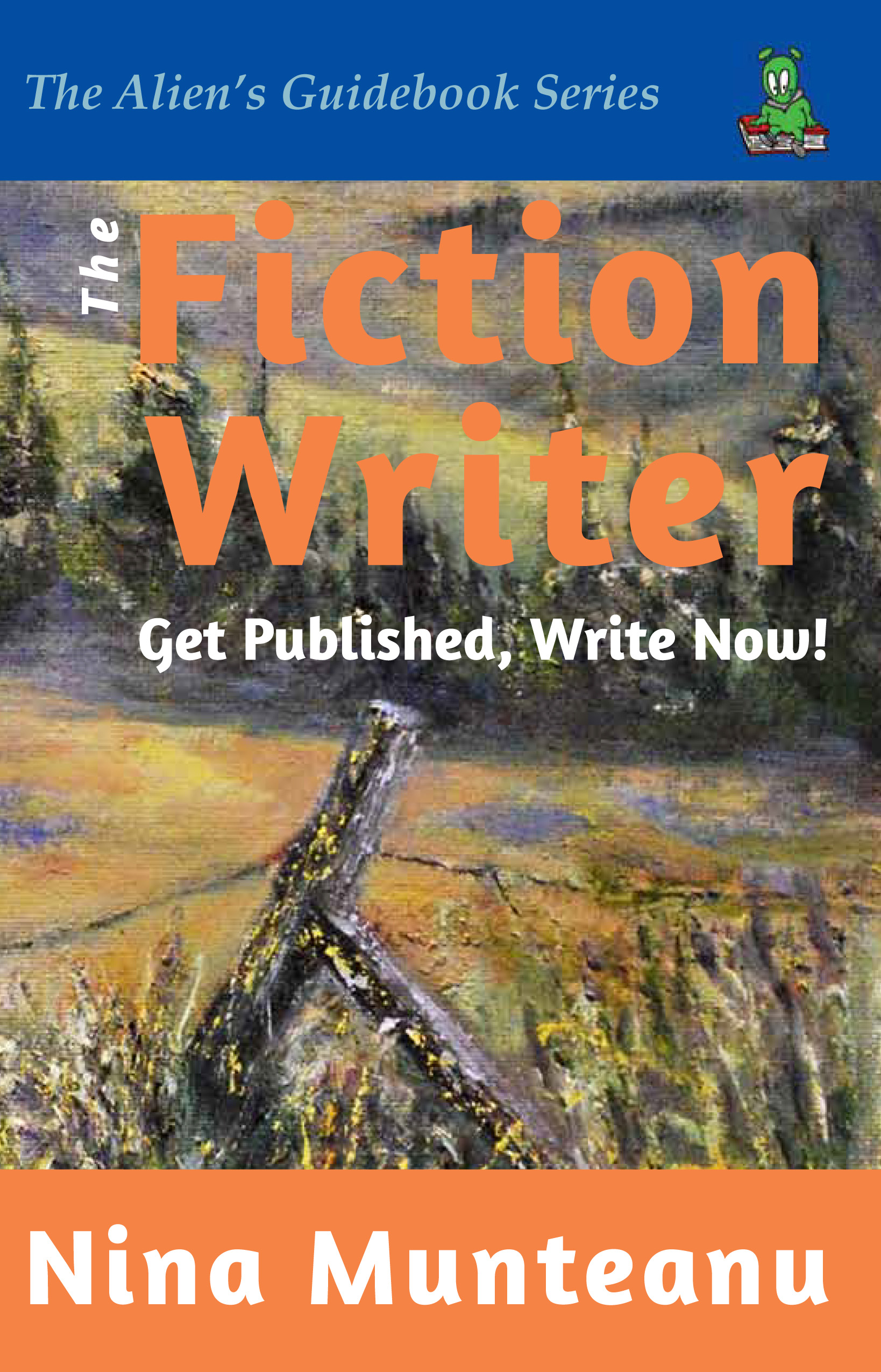
FictionWriter-front cover-2nd ed-webIn Chapter K of my writing guidebook The Fiction Writer: Get Published, Write Now!, I talk about writing what you know and what you discover. It’s more than you think. “In the 19th-century, John Keats wrote to a nightingale, an urn, a season. Simple, everyday things that he knew,” say Kim Addonizio and Dorianne Laux in The Writer’s Guide to Creativity. “Walt Whitman described the stars, a live oak, a field…They began with what they knew, what was at hand, what shimmered around them in the ordinary world.”

My journal writing guidebook The Journal Writer: Finding Your Voice provides advice and exercises on how to create a positive experience in observing, creating, journaling and letter or memoir writing.


Restoring the Lost Art of Handwriting

writing-notebook02

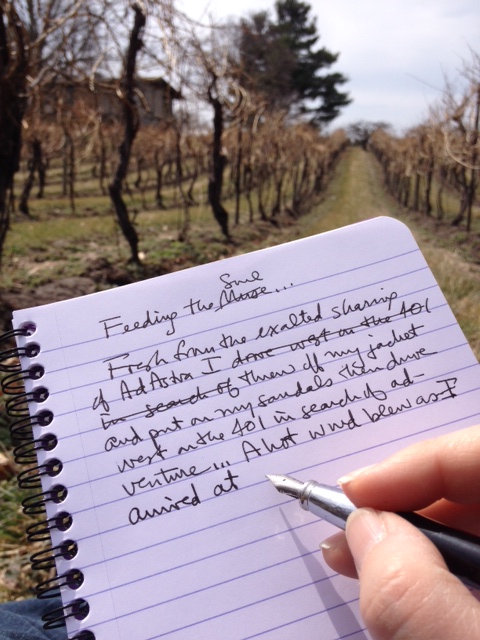
Nina writing in Niagara on the Lake (photo by Nina Munteanu)

Handwriting is a wonderful thing. It slows us down. It is a sensual and intimate way for us to express ourselves. I love my handwriting, especially when I am using my favorite pen (my handwriting changes depending on the pen), my Cross fountain pen — usually black. When you use a pen or pencil to express yourself you have more ways to express your creativity. Think of the subtleties of handwriting alone: changing the quality and intensity of strokes; designing your script, using colors, symbols, arrows or lines, using spaces creatively, combining with drawing and sketches. In combination with the paper (which could be lined, textured, colored graphed, etc.), your handwritten expression varies as your many thoughts and moods.

The very act of handwriting focuses you. Writing your words by hand connects you more tangibly to what you’re writing through the physical connection of pen to paper. Researchers have proven that just picking up a pencil and paper to write out your ideas improves your ability to think, process information and solve problems. The actual act of writing out the letters takes a little more work in your brain than just typing them on a keyboard, and that extra effort keeps your mind sharp. Researchers have also shown that writing something out by hand improves your ability to remember it. Handwriting improves memory, increases focus, and the ability to see relationships.

Handwriting fuses physical and intellectual processes. American novelist Nelson Algren wrote, “I always think of writing as a physical thing.” Hemmingway felt that his fingers did much of his thinking for him.

writing-notebook04According to Dr. Daniel Chandler, semiotician at Aberystwith University, when you write by hand you are more likely to discover what you want to say. When you write on a computer, you write “cleanly” by editing as you go along and deleting words (along with your first thoughts). In handwriting, everything remains, including the words you crossed out. “Handwriting, both product and process,” says Chandler, “is important … in relation to [your] sense of self.” He describes how the resistance of materials in handwriting increases the sense of self in the act of creating something. There is a stamp of ownership in the handwritten words that enhances a sense of “personal experience.”

Path-CreditRiver-oct2018

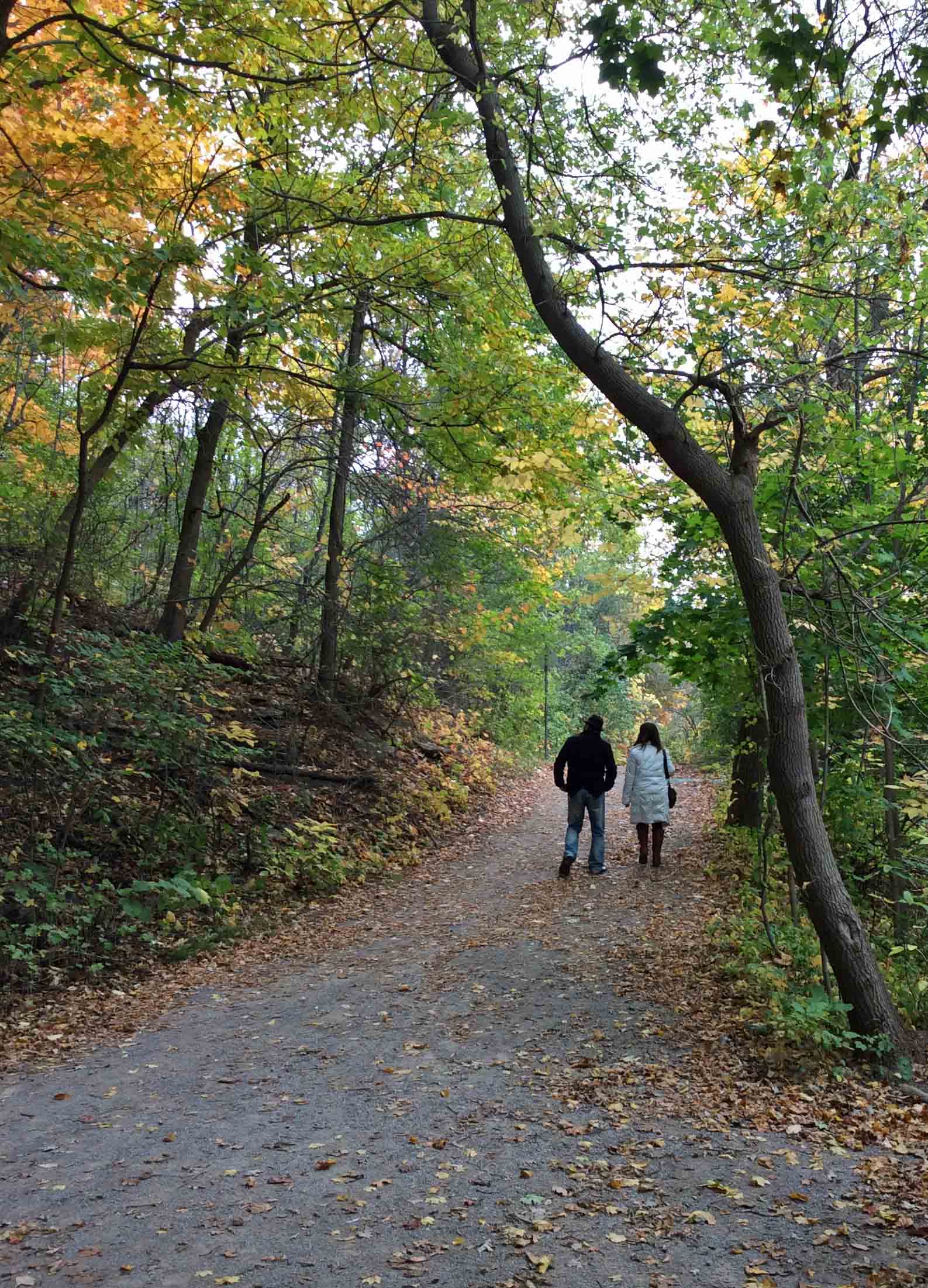
Path along Credit River, ON (photo by Nina Munteanu)

I know this is true in my own writing experience. This is why, although I do much of my drafting on the computer, I find that some of my greatest creative moments come to me through the notebook, which I always keep with me. Writing in my own hand is private and resonates with informality and spontaneity (in contrast to the fixed, formal look and public nature of print). Handwriting in a notebook is, therefore, a very supportive medium of discovery and the initial expression of ideas.

Develop interest in life as you see it; in people, things, literature, music—the world is so rich, simply throbbing with treasures, beautiful souls and interesting people. Forget yourself—Henry Miller


References:

Munteanu, Nina. 2009. The Fiction Writer: Get Published, Write Now. Starfire World Syndicate. 294pp

Munteanu, Nina. 2013. The Journal Writer: Finding Your Voice. Pixl Press. 172pp.

Munteanu, Nina. 2019. The Ecology of Story: World as Character. Pixl Press. 200pp.


Links:

The Ecology of Story: Revealing Hidden Characters of the Forest
Ecology, Story & Stranger Things
The Little Rouge in Winter: Up Close and Personal
The Phenology of the Little Rouge River and Woodland
White Willow–A Study
The Yellow Birch–A Study


nina-2014aaa

Nina Munteanu is a Canadian ecologist / limnologist and novelist. She is co-editor of Europa SF and currently teaches writing courses at George Brown College and the University of Toronto. Visit www.ninamunteanu.ca for the latest on her books. Nina’s bilingual “La natura dell’acqua / The Way of Water” was published by Mincione Edizioni in Rome. Her non-fiction book “Water Is…” by Pixl Press (Vancouver) was selected by Margaret Atwood in the New York Times ‘Year in Reading’ and was chosen as the 2017 Summer Read by Water Canada. Her novel “A Diary in the Age of Waterwill be released by Inanna Publications (Toronto) in June 2020.


The Ecology of Story: Revealing Hidden Characters of the Forest

 Story is place, and place is character—Nina Munteanu

EcologyOfStory coverI remember a wonderful conversation I had several years ago at a conference with another science fiction writer on weird and wonderful protagonists and antagonists. Derek knew me as an ecologist—in fact I’d been invited to do a lecture at that conference entitled “The Ecology of Story” (also the name of my writing guidebook on treating setting and place as a character). We discussed the role that ecology plays in creating setting that resonates with theme and how to provide characters enlivened with metaphor.

Derek was fascinated by saprotrophs and their qualities. Saprotrophs take their nutrition from dead and decaying matter such as decaying pieces of plants or animals by dissolving them and absorbing the energy through their body surface. They accomplish this by secreting digestive enzymes into the dead/decaying matter to absorb the soluble organic nutrients. The process—called lysotrophic nutrition—occurs through microscopic lysis of detritus. Examples of saprotrophs include mushrooms, slime mold, and bacteria.

Recipearium CostiGurguI recall Derek’s eagerness to create a story that involved characters who demonstrate saprotrophic traits or even were genuine saprotrophs (in science fiction you can do that—it’s not hard. Check out Costi Gurgu’s astonishing novel Recipearium for a thrilling example). I wonder if Derek fulfilled his imagination.

I think of what Derek said, as I walk in my favourite woodland. It is early spring and the river that had swollen with snow melt just a week before, now flows with more restraint. I can see the cobbles and clay of scoured banks under the water. Further on, part of the path along the river has collapsed from a major bank scour the previous week. The little river is rather big and capricious, I ponder; then I consider that the entire forest sways to similar vagaries of wind, season, precipitation and unforeseen events. Despite its steadfast appearance the forest flows—like the river—in a constant state of flux and change, cycling irrevocably through life and death.

Cedar trunk base

Cedar tree (photo by Nina Munteanu)

As I’m writing this, the entire world struggles with life and death in the deep throws of a viral pandemic. COVID-19 has sent many cities into severe lock down to prevent viral spread in a life and death conflict. I’ve left the city and I’m walking in a quiet forest in southern Ontario in early spring. The forest is also experiencing life and death. But here, this intricate dance has seamlessly partnered death and decay with the living being of the forest. Without the firm embrace of death and decay, life cannot dance. In fact, life would be impossible. What strikes me here in the forest is how the two dance so well.

cedar log patterns2 copy

Cedar log, patterns in sapwood (photo by Nina Munteanu)

I walk slowly, eyes cast to the forest floor to the thick layer of dead leaves, and discover seeds and nuts—the promise of new life. I aim my gaze past trees and shrubs to the nearby snags and fallen logs. I’m looking for hidden gifts. One fallen cedar log reveals swirling impressionistic patterns of wood grain, dusted with moss and lichen. Nature’s death clothed in beauty.

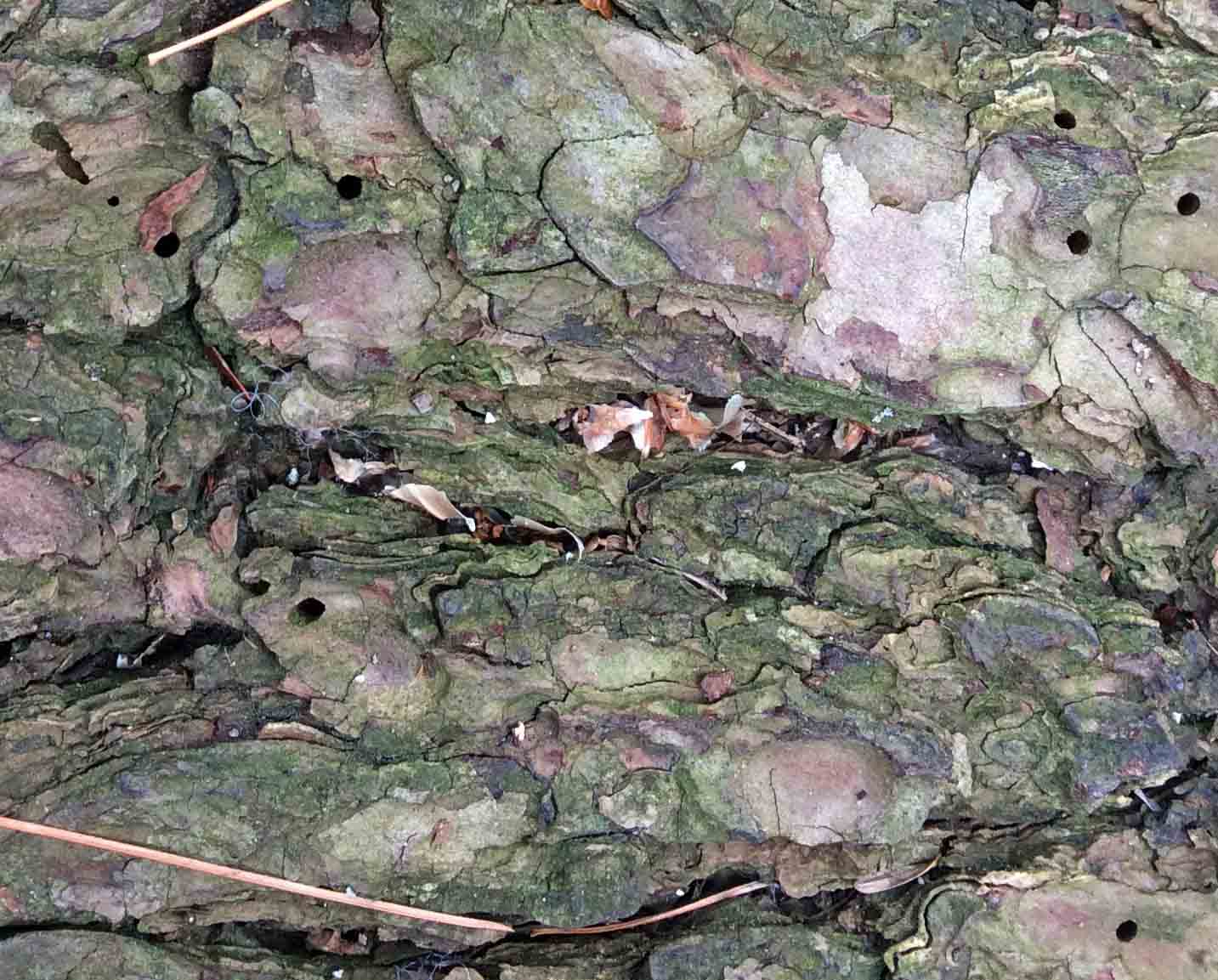
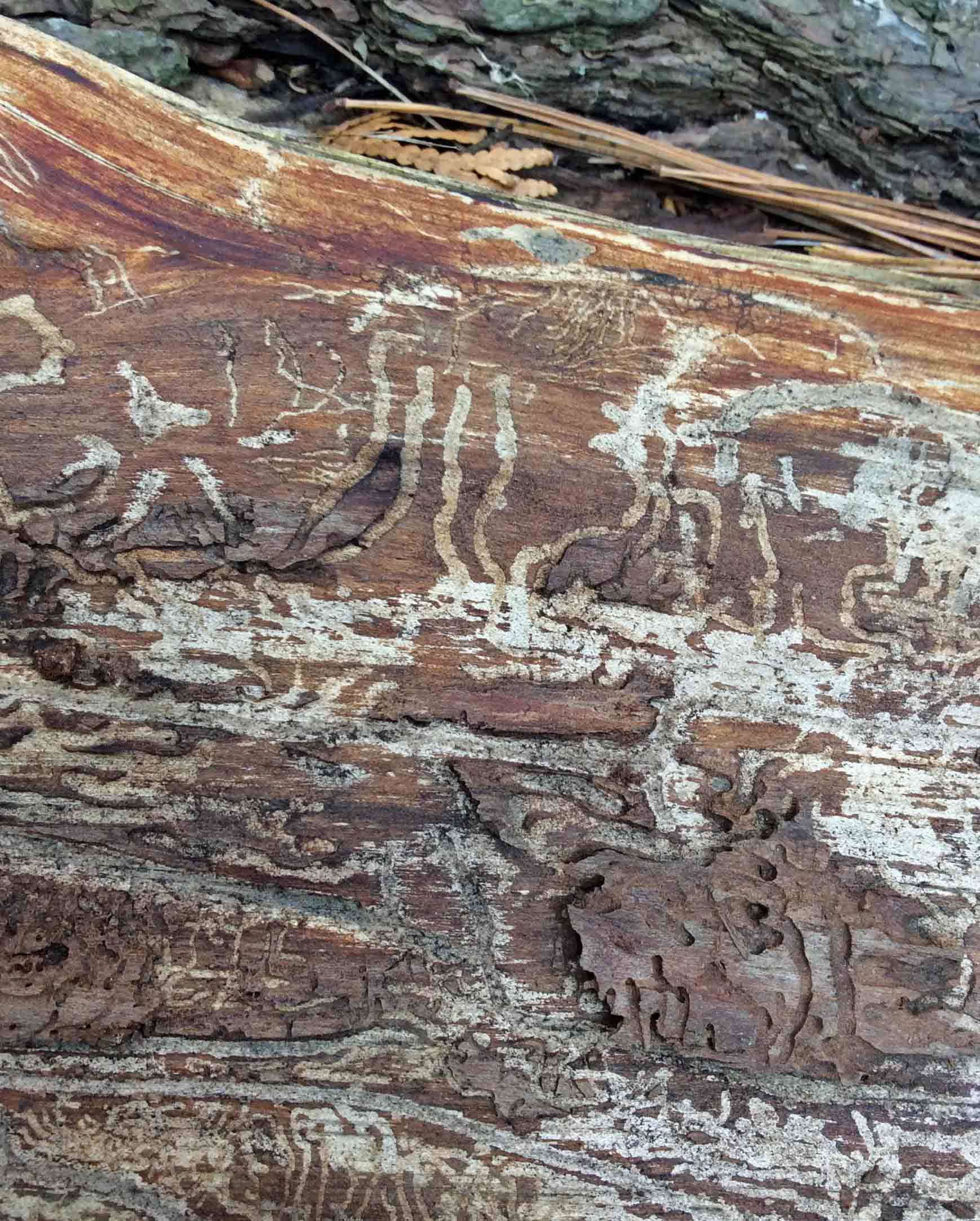
The bark of a large pine tree that has fallen is riddled with tiny beetle holes drilled into its bark. Where the bark has sloughed off, a gallery of larval tracks in the sapwood create a map of meandering texture, form and colour.

Beetle bore holes pine log

White pine bark scales with tiny beetle bore holes, Little Rouge, ON (photo by Nina Munteanu)

larval tracks in pine wood

Beetle larval tracks in pine sapwood (photo by Nina Munteanu)

Nearby, another giant pine stands tall in the forest. Its roughly chiselled bark is dusted in lichens, moss and fungus. The broad thick ridges of the bark seem arranged like in a jigsaw puzzle with scales that resemble metal plates. They form a colourful layered mosaic of copper to gray and greenish-gray. At the base of the tree, I notice that some critter has burrowed a home in a notch between two of the pine’s feet. Then just around the corner, at the base of a cedar, I spot several half-eaten black walnuts strewn in a pile—no doubt brought and left there by some hungry and industrious squirrel who prefers to dine here.

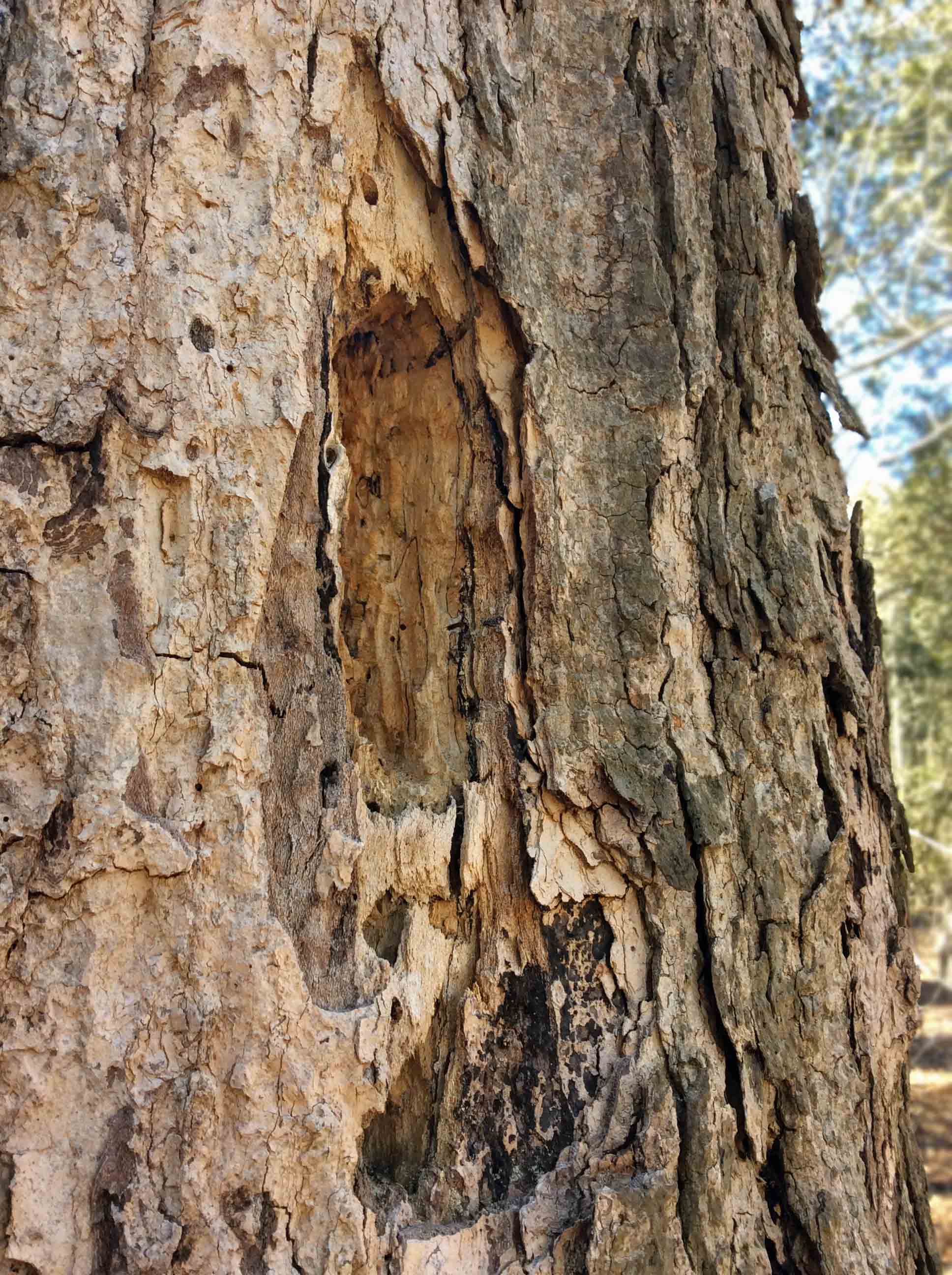
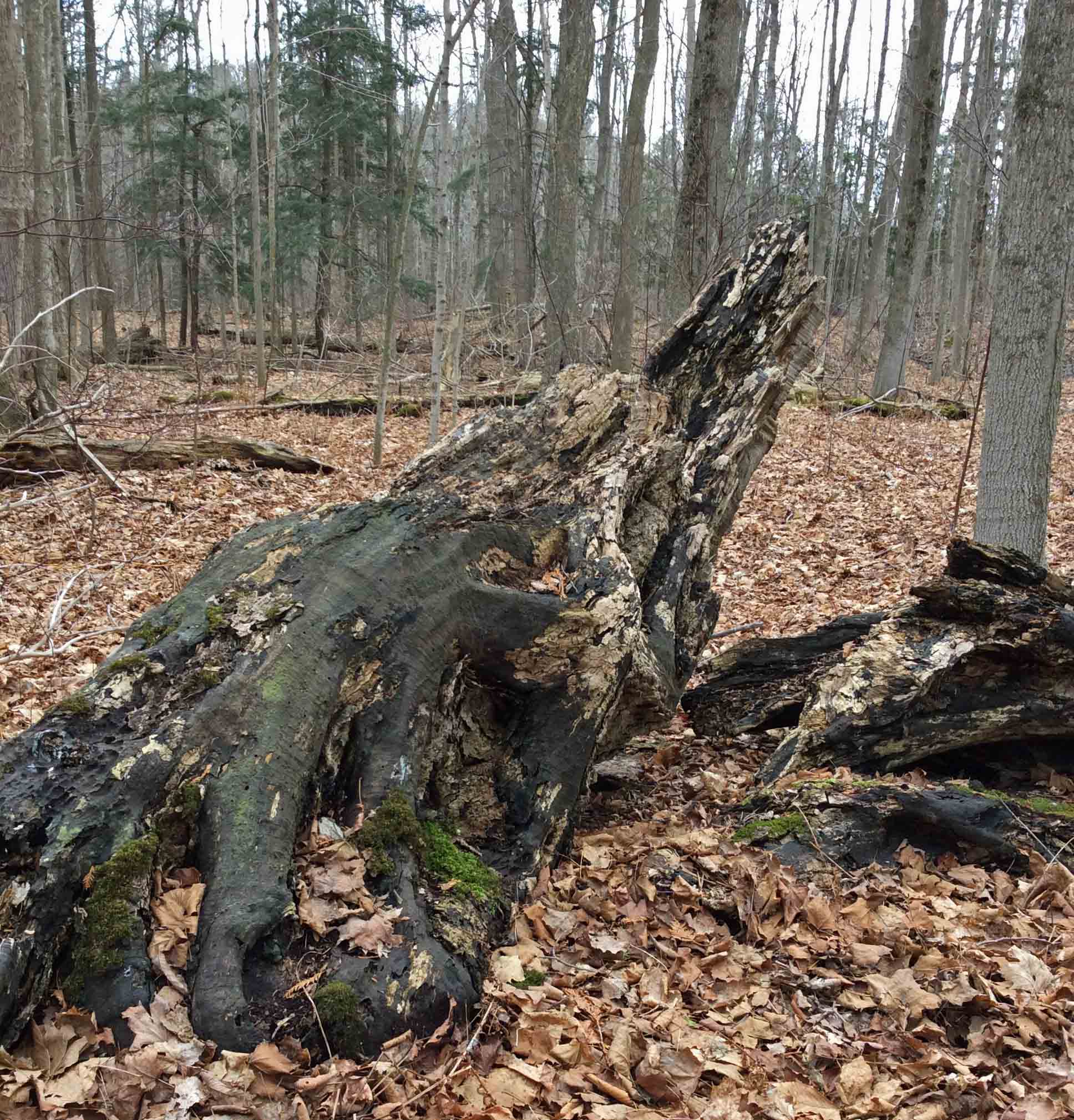
The forest is littered with snags and fallen trees in different stages of breakdown, decomposition and decay. I spot several large cedar, pine, oak and maple snags with woodpecker holes. The snags may remain for many decades before finally falling to the ground.

Fallen Heroes, Mother Archetypes & Saprophyte Characters

WoodpeckerHole on cedar

Woodpecker hole in a snag (photo by Nina Munteanu)

The forest ecosystem supports a diverse community of organisms in various stages of life and death and decay. Trees lie at the heart of this ecosystem, supporting a complex and dynamic cycle of evolving life. Even in death, the trees continue to support thriving detrivore and saprophytic communities that, in turn, provide nutrients and soil for the next generation of living trees. It’s a partnership.

Decomposition and decay are the yin to the yang of growth, writes Trees for Life; and together they form two halves of the whole that is the closed-loop cycle of natural ecosystems.

Snags and rotting logs on the forest floor provide damp shelter and food for many plants and animals. Most are decomposers, including earthworms, fungi, and bacteria. As the wood decays, nutrients in the log break down and recycle in the forest ecosystem. Insects, mosses, lichens, and ferns recycle the nutrients and put them back into the soil for other forest plants to use. Dead wood is an important reservoir of organic matter in forests and a source of soil formation. Decaying and dead wood host diverse communities of bacteria and fungi.

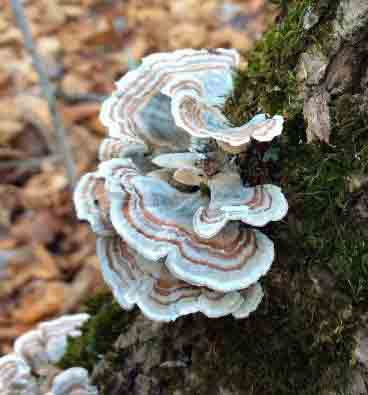
TurkeyTail fungus on tree-LR

Turkey tail fungus, Little Rouge woodland (photo by Nina Munteanu)

Mother Archetypes

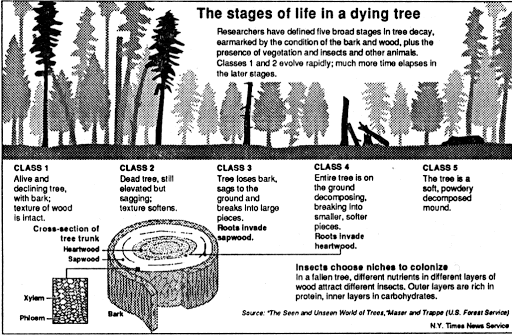
Wood tissues of tree stems include the outer bark, cork cambium, inner bark (phloem), vascular cambium, outer xylem (living sapwood), and the inner xylem (non-living heartwood). The outer bark provides a non-living barrier between the inner tree and harmful factors in the environment, such as fire, insects, and diseases. The cork cambium (phellogen) produces bark cells. The vascular cambium produces both the phloem cells (principal food-conducting tissue) and xylem cells of the sapwood (the main water storage and conducting tissue) and heartwood.

stages of tree life

Forest ecologists defined five broad stages in tree decay, shown by the condition of the bark and wood and presence of insects and other animals. The first two stages evolve rapidly; much more time elapses in the later stages, when the tree sags to the ground. These latter stages can take decades for the tree to break down completely and surrender all of itself back to the forest. A fallen tree nurtures, much like a “mother” archetype; it provides food, shelter, and protection to a vast community—from bears and small mammals to salamanders, invertebrates, fungus, moss and lichens. This is why fallen trees are called “nursing logs.”

uprooted stump carbon cushion fungus

Uprooted tree covered in fungi, lichen and moss, Little Rouge, ON (photo by Nina Munteanu)


Heralds, Tricksters and Enablers

rotting maple log2

Rotting maple log (photo by Nina Munteanu)

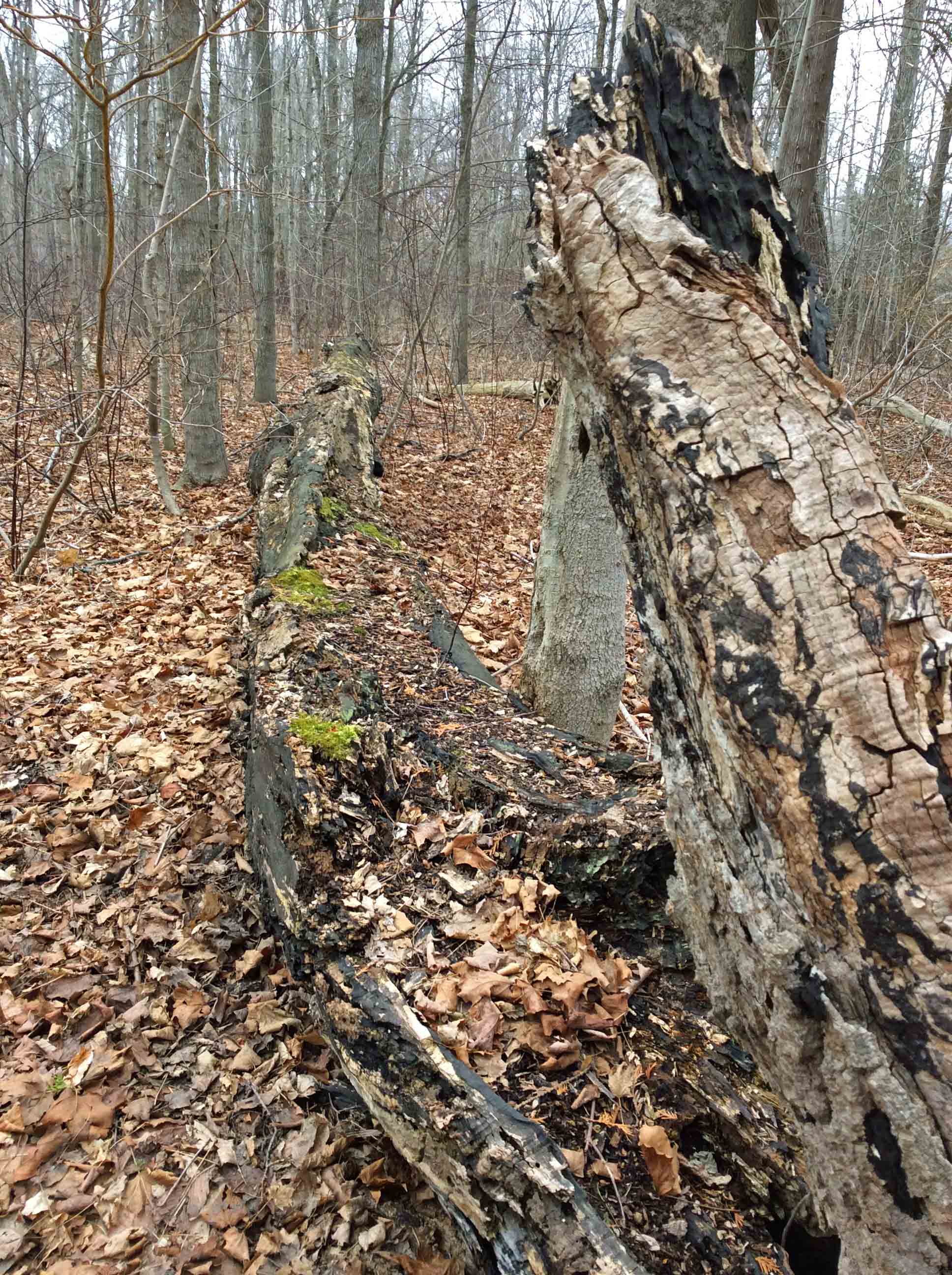
I stop to inspect another fallen tree lying on a bed of decaying maple, beech and oak leaves. When a fallen tree decomposes, unique new habitats are created within its body as the outer and inner bark, sapwood, and heartwood decompose at different rates, based in part on their characteristics for fine dining. For instance, the outer layers of the tree are rich in protein; inner layers are high in carbohydrates. This log—probably a sugar maple judging from what bark is left—has surrendered itself with the help of detrivores and saprophytes to decomposition and decay. The outer bark has mostly rotted and fallen away revealing an inner sapwood layer rich in varied colours, textures and incredible patterns—mostly from fungal infestations. In fact, this tree is a rich ecosystem for dozens of organisms. Wood-boring beetle larvae tunnel through the bark and wood, building their chambers and inoculating the tree with microbes. They open the tree to colonization by other microbes and small invertebrates. Slime molds, lichen, moss and fungi join in. The march of decay follows a succession of steps. Even fungi are followed by yet other fungi in the process as one form creates the right condition for another form.

rotting maple log

Rotting maple log, covered in carbon cushion fungus, Little Rouge, ON (photo by Nina Munteanu)

Most hardwoods take several decades to decompose and surrender all of themselves back to the forest. In western Canada in the westcoast old growth forest, trees like cedars can take over a hundred years to decay once they’re down. The maple log I’m studying in this Carolinian forest looks like it’s been lying on the ground for a while, certainly several years. The bark has fragmented and mostly fallen away, revealing layers of sapwood in differing stages of infestation and decay. Some sapwood is fragmented and cracked into blocks and in places looks like stacked bones.

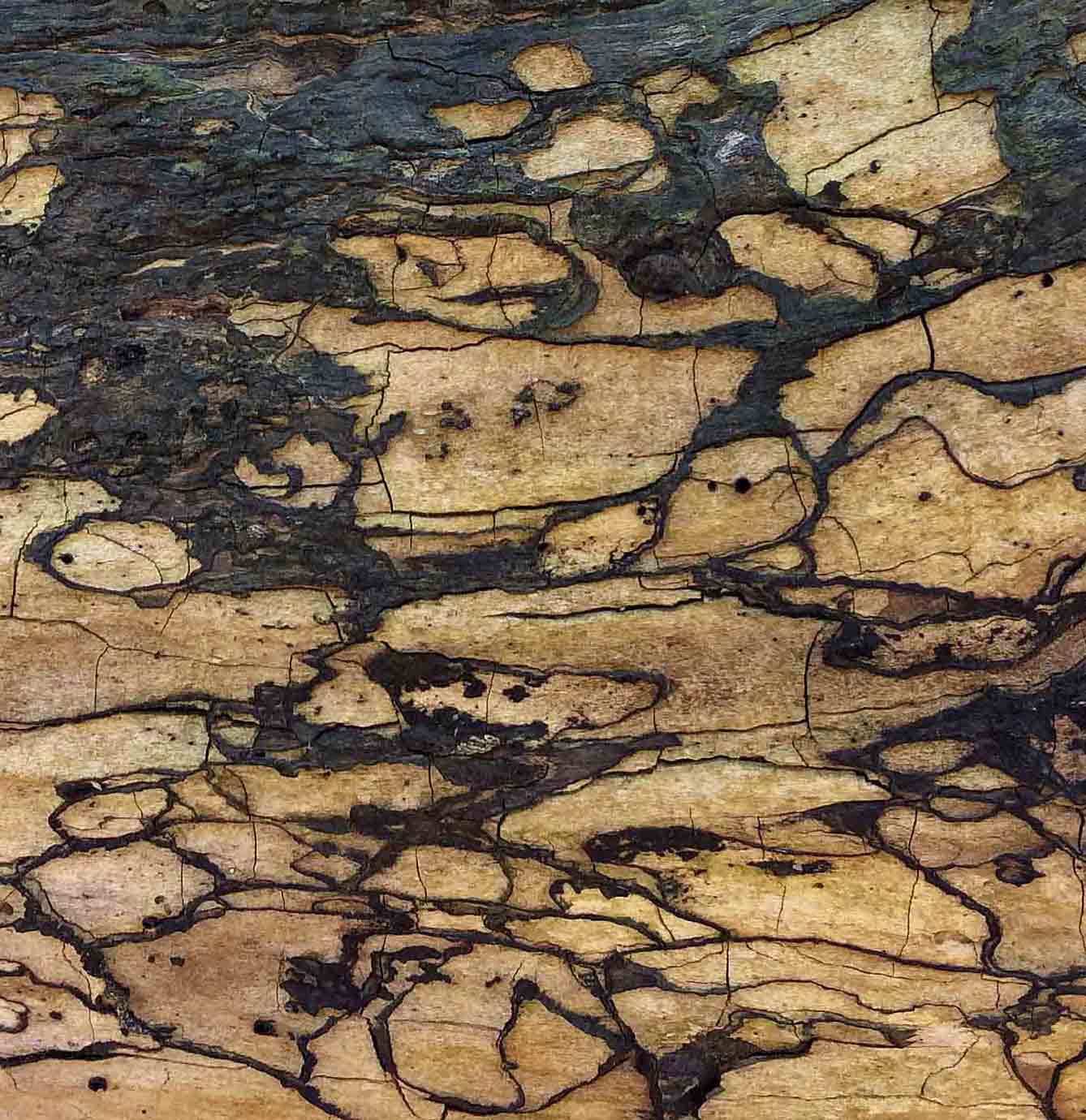
Black lines as though drawn by a child’s paintbrush flow through much of the sapwood; these winding thick streaks of black known as “zone lines” are in fact clumps of dark mycelia, which cause “spalting,” the colouration of wood by fungus. According to mycologist Jens Petersen, these zone lines prevent “a hostile takeover by mycelia” from any interloping fungi. Most common trees that experience spalting include birch, maple, and beech. Two common fungi that cause spalting have colonized my maple log. They’re both carbon cushion fungi.

Spalting

Spalting through zone lines by carbon cushion fungus, Little Rouge, ON (photo by Nina Munteanu)

hypoxylon-close

Hypoxylon fungus (photo N. Munteanu)

Brittle cinder (Kretzschmaria deusta) resembles burnt wood at maturity. Deusta means “burned up” referring to the charred appearance of the fungus. Hypoxylon forms a “velvety” grey-greenish cushion or mat (stroma). As the Hypoxylon ages, it blackens and hardens and tiny, embedded fruitbodies (perithecia) show up like pimples over the surface of the crust.

Blue-green fungus on log

Green and Blue Stain fungus (photo N. Munteanu)

Much of the exposed outer wood layer looks as though it has been spray painted with a green to blue-black layer. The “paint” is caused by the green-stain fungus (Chlorociboria) and blue-stain fungus (Ceratocystis). The blue-green stain is a metabolite called xylindein. Chlorociboria and Ceratocystis are also spalter fungi, producing a pigment that changes the color of the wood where they grow. While zone lines that create spalting don’t damage wood, the fungus responsible most likely does.

Spalting is common because of the way fungi colonize, in waves of primary and secondary colonizers. Primary colonizers initially capture and control the resource, change the pH and structure of the wood, then must defend against the secondary colonizers now able to colonize the changed wood.

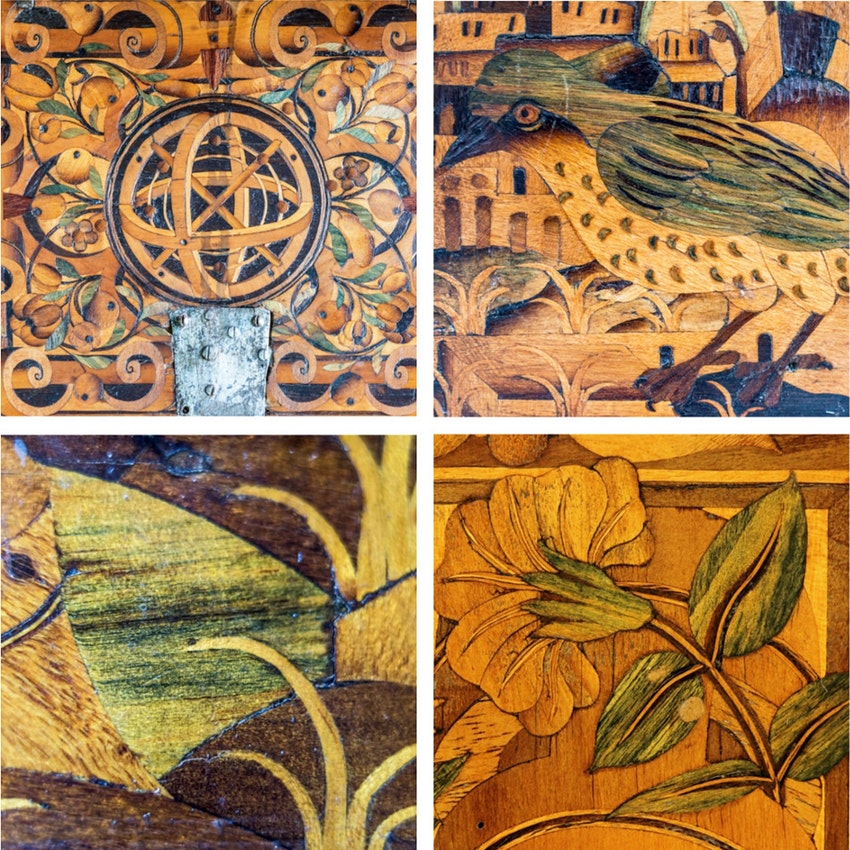
Intarsia using blue-green spalted wood

Details of 16th century German bureaus containing blue-green spalted wood by the elf-cup fungus Chlorociboria aeruginascens

Wood that is stained green, blue or blue-green by spalting fungi has been and continues to be valued for inlaid woodwork. In an article called “Exquisite Rot: Spalted Wood and the Lost Art of Intarsia” Daniel Elkind writes of how “the technique of intarsia–the fitting together of pieces of intricately cut wood to make often complex images–has produced some of the most awe-inspiring pieces of Renaissance craftsmanship.” The article explores “the history of this masterful art, and how an added dash of colour arose from the most unlikely source: lumber ridden with fungus.”

Shapeshifting Characters

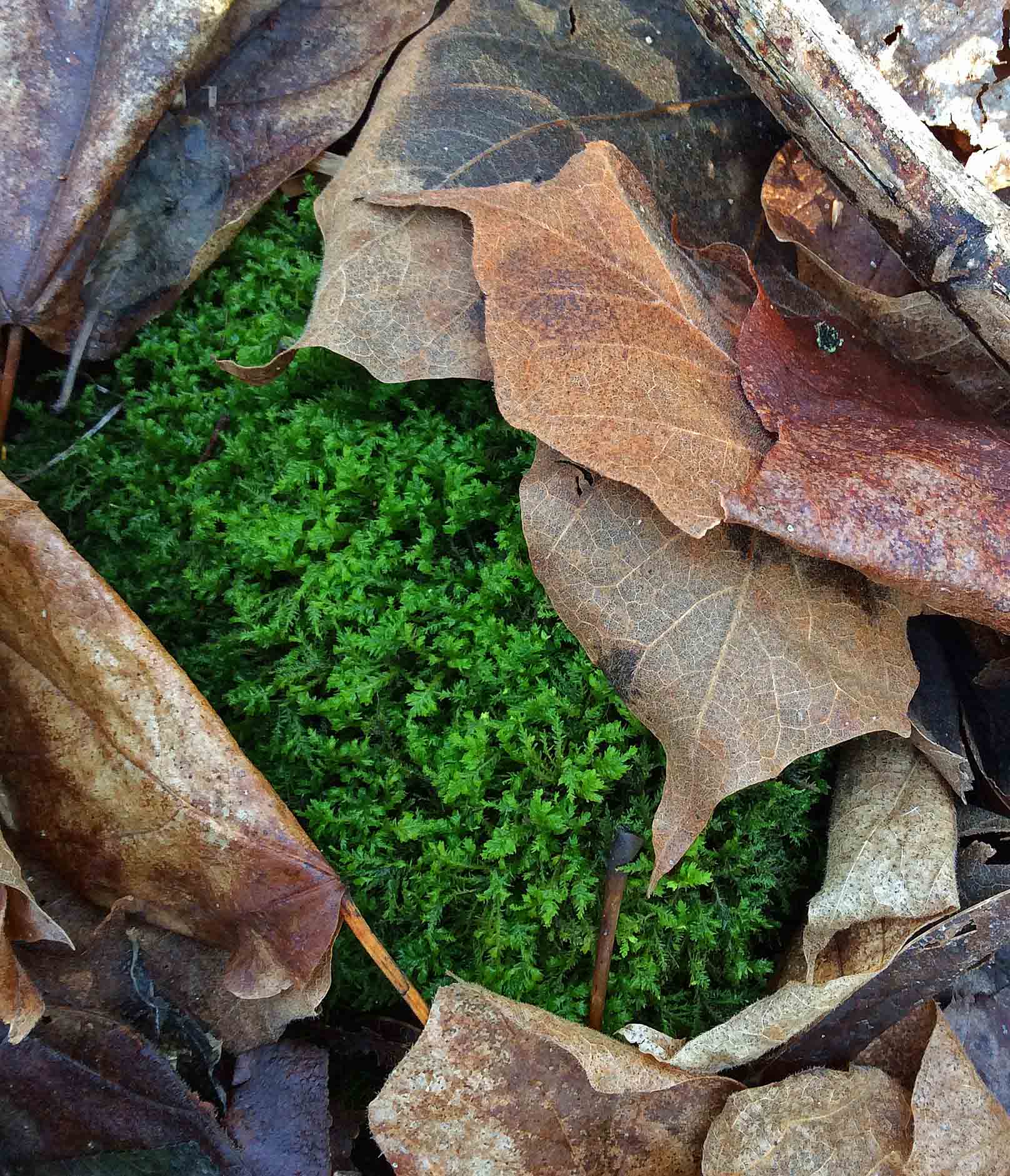
moss hiding under leaves

Moss in forest litter (photo by Nina Munteanu)

I find moss everywhere in the forest, including beneath the forest floor. Moss is a ubiquitous character, adapting itself to different situations and scenarios. Like a shapeshifter, moss is at once coy, hiding beneath rotting leaf litter, stealthy and curious as it creeps up the feet of huge cedars, and exuberant as it unabashedly drapes itself over every possible surface such as logs, twigs and rocks, and then proceeds to procreate for all to see.

Moss is a non-vascular plant that helps create soil; moss also filters and retains water, stabilizes the ground and removes CO2 from the atmosphere. Science tells us that mosses are important regulators of soil hydroclimate and nutrient cycling in forests, particularly in boreal ecosystems, bolstering their resilience. Mosses help with nutrient cycling because they can fix nitrogen from the air, making it available to other plants.

Moss with spores water drops2

Green moss gametophyte with sporophytes growing out of it (photo by Nina Munteanu)

Mosses thrive in the wet winter and spring, providing brilliant green to an otherwise brown-gray environment. Even when covered in snow (or a bed of leaves), moss continues its growth cycle, usually in the leafy gametophyte stage. When the winter is moderate, like it is near Toronto, sporophyte structures can already appear on stalks that hold a capsule full of spores.  In the spring the capsules release spores that can each create a new moss individual. Moss is quietly, gloriously profligate.

Symbiotic Characters

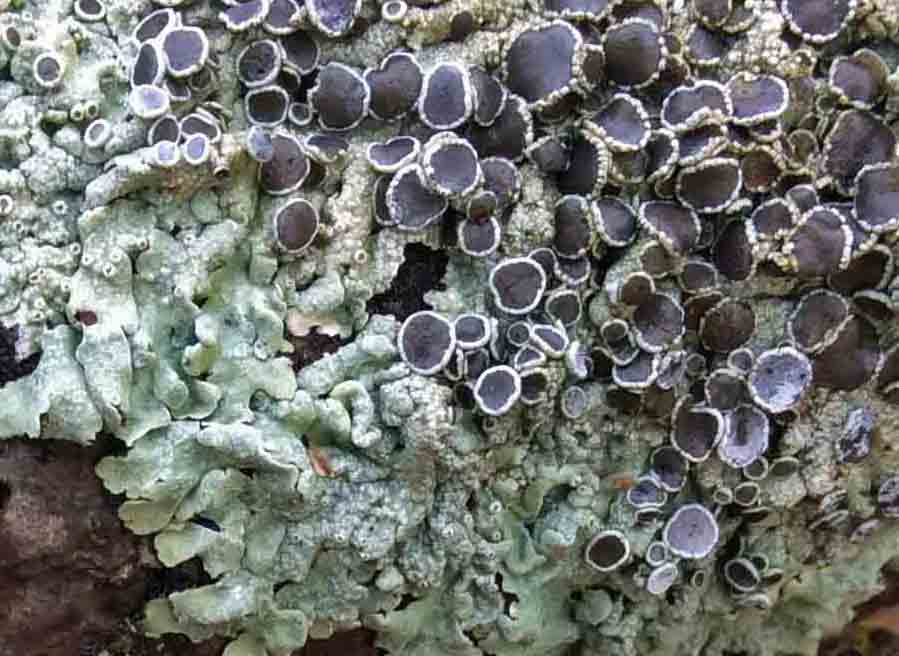
Many twigs strewn on the leaf-covered forest floor are covered in grey-green lichen with leaf-like, lobes. On close inspection, the lichen thallus contains abundant cup-shaped fruiting bodies. I identify the lichen as Physchia stellaris, common and widespread in Ontario and typically pioneering on the bark of twigs—especially of poplars, and alders.

Lichen fruiting-best-2 copy

Physchia stellaris lichen with fruiting bodies (apothecia), Little Rouge, ON (photo by Nina Munteanu)

Lichens are a cooperative character; two characters in one, really. Lichens are a complex symbiotic association of two or more fungi and algae (some also partner up with a yeast). The algae in lichens (called phycobiont or photobiont) photosynthesize and the fungus (mycobiont) provides protection for the photobiont. Both the algae and fungus absorb water, minerals, and pollutants from the air, through rain and dust. In sexual reproduction, the mycobiont produces fruiting bodies, often cup-shaped, called apothecia that release ascospores. The spores must find a compatible photobiont to create a lichen. They depend on each other for resources—from food to shelter and protection.

Forest as Character

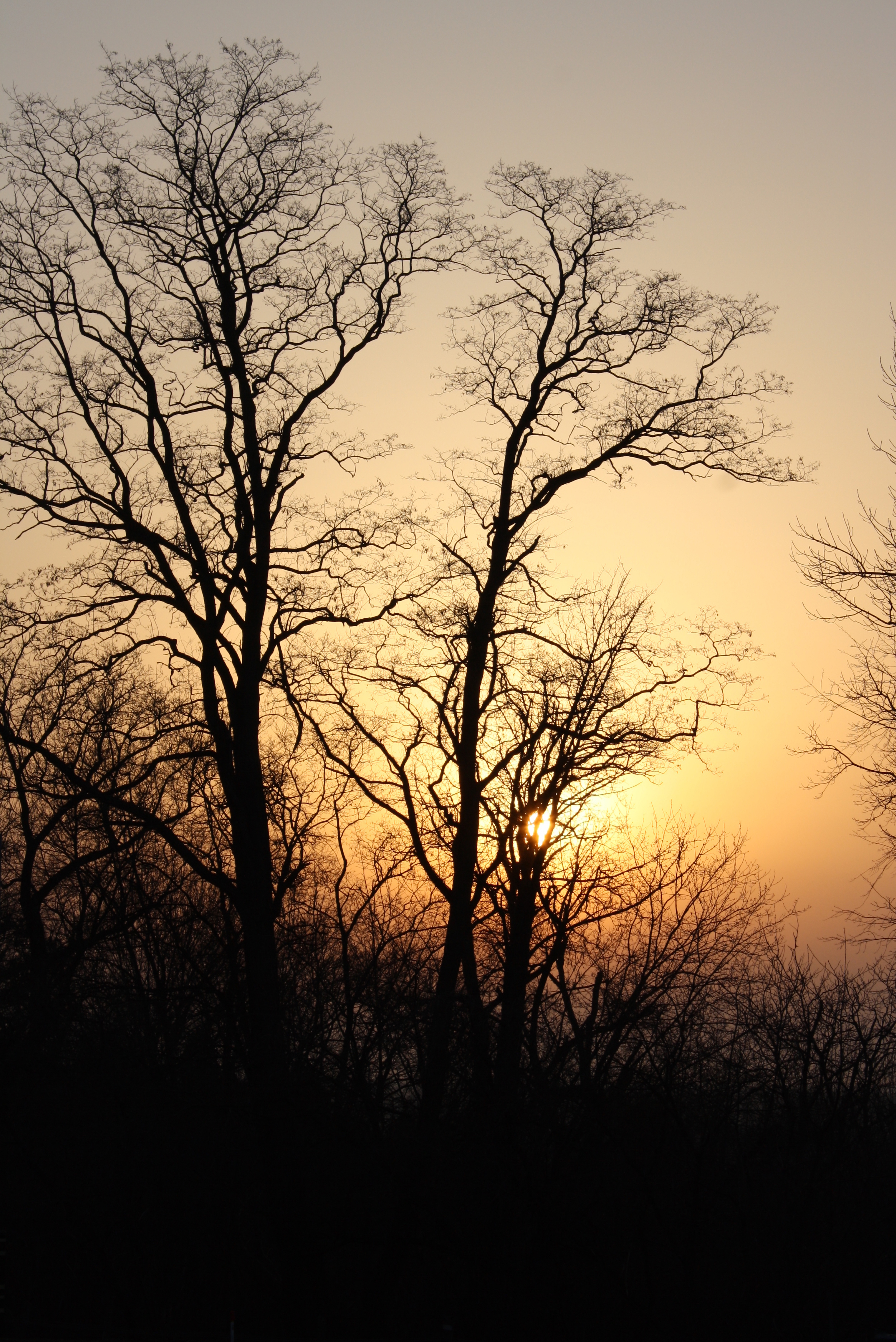
Sunset 1 Niagara

Sunset in Niagara on the Lake (photo by Nina Munteanu)

In Far from the Madding Crowd, Thomas Hardy personified trees as interpreters between Nature and humanity: from the “sobbing breaths” of a fir plantation to the stillness of trees in a quiet fog, standing “in an attitude of intentness, as if they waited longingly for a wind to come and rock them.” Trees, meadows, winding brooks and country roads were far more than back-drop for Hardy’s world and his stories. Elements of the natural world were characters in their own right that impacted the other characters in a world dominated by nature.

Place ultimately portrays what lies at the heart of the story. Place as character serves as an archetype that story characters connect with and navigate in ways that depend on the theme of the story, particularly in allegories that rely strongly on metaphor. A story’s theme is essentially the “so what part” of the story. What is at stake for the character on their journey. Theme is the backbone—the heart—of the story, driving characters to journey through time and place toward some kind of fulfillment. There is no story without theme. And there is no theme without place.
—excerpted from The Ecology of Story: World as Character


nina-2014aaa

Nina Munteanu is a Canadian ecologist / limnologist and novelist. She is co-editor of Europa SF and currently teaches writing courses at George Brown College and the University of Toronto. Visit www.ninamunteanu.ca for the latest on her books. Nina’s bilingual “La natura dell’acqua / The Way of Water” was published by Mincione Edizioni in Rome. Her non-fiction book “Water Is…” by Pixl Press (Vancouver) was selected by Margaret Atwood in the New York Times ‘Year in Reading’ and was chosen as the 2017 Summer Read by Water Canada. Her novel “A Diary in the Age of Waterwill be released by Inanna Publications (Toronto) in June 2020.


Infertility in the Age of Water

Diary Water cover finalIn a scene of my near-future eco-thriller A Diary in the Age of Water (Inanna Publications, 2020) the diarist’s young colleague Daniel rather too enthusiastically proclaims the impending extinction of males.

“Scientists all agree that environmental factors are the main triggers for male and female infertility through epigenetics…Epigenetics rules climate change-related adaptations. And everything appears stacked heavily for females and intersex humans. Males might go extinct with climate change!”

–A Diary in the Age of Water

Lynna Dresden, the diarist in A Diary in the Age of Water, thinks Daniel rather buffoonish and a traitor to his male kind. Then again, here is how another Daniel starts his article in a 2018 issue of GQ Magazine entitled “Sperm Count Zero“:

Men are doomed. Everybody knows this. We’re obviously all doomed, the women too, everybody in general, just a waiting game until one or another of the stupid things our stupid species is up to finally gets us. But as it turns out, no surprise: men first. Second instance of no surprise: We’re going to take the women down with us.

There has always been evidence that men, throughout life, are at higher risk of early death—from the beginning, a higher male incidence of Death by Mastodon Stomping, a higher incidence of Spiked Club to the Brainpan, a statistically significant disparity between how many men and how many women die of Accidentally Shooting Themselves in the Face or Getting Really Fat and Having a Heart Attack. The male of the species dies younger than the female—about five years on average. Divide a population into groups by birth year, and by the time each cohort reaches 85, there are two women left for every man alive. In fact, the male wins every age class: Baby boys die more often than baby girls; little boys die more often than little girls; teenage boys; young men; middle-aged men. Death champions across the board.

Now it seems that early death isn’t enough for us—we’re on track instead to void the species entirely.

–Daniel Noah Halpern, GQ Magazine

sperm_decline_chartBoth Daniels are talking about the alarming rate at which sperm counts worldwide are falling. They’ve dropped by half in the last fifty years in North America, Europe, Australia and New Zealand—according to a 2017 paper by researchers at Hebrew University and Mount Sinai medical school and more recent studies in 2018.

While an unhealthy lifestyle (being overweight or obese, smoking, stress and alcohol or recreational drug use) is most often implicated, more insidious causes exist.

PHTHALATESResearch shows that consumption and/or exposure to many common constituents of urban living can decrease fertility, increase miscarriage, spontaneous abortion, and lower auto-immune systems. Examples include car exhaust, pesticides, common detergents, hair dyes, cleaning solvents, oil based paints, adhesives, gasoline; and consumption of MSG, coffee, alcohol.

A 2019 study by scientists at Nottingham University identified two chemicals common in home environments that damage sperm in men and dogs. GQ Daniel goes on to explain: “Phthalates and BPA [used to make plastic soft and flexible or harder and stronger] for example, mimic estrogen in the bloodstream. If you’re a man with a lot of phthalates in his system, you’ll produce less testosterone and fewer sperm. If exposed to phthalates in utero, a male fetus’s reproductive system itself will be altered: He will develop to be less male.”

sperm count and platics

This leads Age of Water Daniel to bring up the rise in intersex mammals (individuals born with any of several variations in sex characteristics including chromosomes, gonads, sex hormones or genitals that do not fit the “strict definitions for ‘male’ or ‘female’ bodies”). A 2016 article in Environmental Health Insights by Rich et al. attribute an increasing number of human children born with intersex variation to an increase in hormone disrupting chemicals in our environment.

Phthalates bookLeaning on his microscope, Daniel went on, “Wherever there’s a sewage treatment plant, pulp and paper mill, or herbicides and pesticides in a stream, you get endocrine disruption, which causes more female or intersex fish populations…[Degradation products of surfactants used in commercial and household detergents] inhibit breeding in male fish. And herbicides like atrazine—”

“—Create feminized males with female eggs, along with reduced immunity to disease,” I finished for him.

I knew all this. Hormonal disruption is global. Environmental toxicologists have been finding it in many aquatic animals like fish, turtles, alligators and frogs. And some terrestrial animals…Even humans…Was it also causing the steep rise in ambiguous sex in humans? Is Daniel an intersex human? Apparently 1 in 30 now have bodies that differ notably from standard male or female. Klinefelter, androgen insensitivity syndrome, presence of ovotestes, mixed gonadal dysgenesis, and mosaic genetics are all on the rise. Which was he?

As if he knew what I was thinking, Daniel said dramatically, “The environment is changing us faster than most think and it’s doing it through epigenetics and HGT.”

–A Diary in the Age of Water

Phthalates and BPA can be found everywhere. GQ Daniel lists them: “BPA can be found in water bottles and food containers and sales receipts. Phthalates are even more common: They are in the coatings of pills and nutritional supplements; they’re used in gelling agents, lubricants, binders, emulsifying agents, and suspending agents. Not to mention medical devices, detergents and packaging, paint and modeling clay, pharmaceuticals and textiles and sex toys and nail polish and liquid soap and hair spray. They are used in tubing that processes food, so you’ll find them in milk, yogurt, sauces, soups, and even, in small amounts, in eggs, fruits, vegetables, pasta, noodles, rice, and water. The CDC determined that just about everyone in the United States has measurable levels of phthalates in his or her body—they’re unavoidable.”

These chemicals affect sperm’s ability to swim, navigate and fertilize an egg. DNA fragmentation in the sperm head also occurs, which is basically equivalent to a sperm having a brain hemorrhage. Recent studies suggest that 20-30% of young men today have sperm counts in a range that is associated with reduced fertility. Sarbjit Kaur at the Punjab Agricultural University found that men who live in industrial cities had six times more abnormal sperm than men living in a relatively clean rural town.

TheHandmaid'sTale-bookDr. Marilyn F. Vine at the University of North Carolina demonstrated that smoking men had lower sperm counts by 13-17%. Smokers also had more abnormal sperm. Likewise, women who smoked experienced more spontaneous abortions, early menopause and abnormal oocytes. Follicular fluid also contained high levels of cadmium, a heavy metal present in cigarettes, and cotininie, a metabolite of nicotine.


A growing concern for infertility has entered our general mindset, reflected in the theme of infertility in literature and motion pictures.

Notable examples include Margaret Atwood’s The Handmaid’s Tale (1985), Raising Arizona (1987), Aeon Flux (2005), The Children of Men (2006), Private Life (2018) and my own A Diary in the Age of Water (2020).

Although we are not close to experiencing the global infertility pandemic portrayed in the barren 2027 world of The Children of Men, this cautionary tale of a world gone mad with grief should linger like the whispered truth of a fairy tale.

children of men scene

scene from “Children of Men” motion picture


Suggested Reading:

Carr, Teresa. 2019. “Sperm counts are on the decline—could plastics be to blame?” The Guardian.

Belluz, Julia. 2019. “Sperm counts are falling. This isn’t the reproductive apocalypse—yet” Vox.

Halpern, Daniel Noah. 2018. “Sperm Count Zero.” GQ Magazine.

Fetters, Ashley. 2018. “Sperm Counts Continue to Fall.” The Atlantic.

Stein, Rob. 2017. “Sperm Counts Plummet in Western Men, Study Finds.” NPR.


nina-2014aaa

Nina Munteanu is a Canadian ecologist / limnologist and novelist. She is co-editor of Europa SF and currently teaches writing courses at George Brown College and the University of Toronto. Visit www.ninamunteanu.ca for the latest on her books. Nina’s bilingual “La natura dell’acqua / The Way of Water” was published by Mincione Edizioni in Rome. Her non-fiction book “Water Is…” by Pixl Press (Vancouver) was selected by Margaret Atwood in the New York Times ‘Year in Reading’ and was chosen as the 2017 Summer Read by Water Canada. Her novel “A Diary in the Age of Waterwill be released by Inanna Publications (Toronto) in June 2020.

The Aggressive Symbiosis of SARS-CoV-2: Seeking Balance in an Unbalanced World

SARS-CoV-2

SARS-CoV-2

In the following scene of my upcoming speculative novel “Thalweg” (set in 2053 Toronto) one of my characters, Daniel–who is a bit of a conspiracy theorist–is trapped in an old abandoned garage, about to fight off a pack of stray dogs. His feverish mind thinks back to the COVID-19 pandemic:

“The official story was that SARS-CoV-2, which caused the COVID-19 pandemic of the early ‘20s resulted from the recombination of two previous viruses in some host—supposedly a bat or pangolin—which then ended up in a Wuhun wet market; there, the recombined virus gleefully jumped species to humans, who, in turn, gleefully spread it worldwide. But, according to the study at the Wuhun hospital, patient zero hadn’t been anywhere near the wet market. So, where did the virus really come from?…”

Daniel then recalls a conversation he had–when he still had a job–with colleague Lynna in which he  suggested that the chimera virus–and the others that followed–were developed as a bioweapon through Gain-of-Function research and they somehow leaked into the public. To her scoff, he reminded her that the aim of GOF research is to induce an increase in the transmissibility and/or virulence of pathogens. He then provided numerous examples involving Influenza, SARS, and MERS.

Influenza virus

Influenza virus

Did she know, for instance, that in 2014 Obama put a funding moratorium on all GOFR experiments that might enhance virus pathogenicity or transmissibility in mammals via the respiratory route. Then in 2017, under the Trump administration, the NIH turned it all back on.

squirrel monkey

Squirrel monkey

Lynna responded calmly with a convincing argument, based on science and ecology. “Sure, they could be that,” she acknowledged thoughtfully. “Or they could simply be more cases of co-evolution and aggressive symbiosis…” Then she informed Daniel that viruses commonly form aggressive relationships with their hosts. Every monkey, baboon, chimpanzee and gorilla is carrying at least ten different species of symbiotic viruses, she said. The herpes-B virus that chums with the squirrel monkey is one example. The virus and an immunity to it passes harmlessly from mother to baby monkey. If a rival species like the marmoset monkey invades their territory, the virus jumps species and wipes out the challenger by inducing cancer in the competing marmoset monkey. Ebola and hantavirus outbreaks follow a similar pattern of “aggressive symbiosis.”

This community-symbiosis functions like an ecosystem’s “immune system” that protects its own from the encroachment of invading species—even when that invading species is us.

—excerpt from Nina Munteanu’s “Thalweg” (upcoming)


Aggressive Symbiosis & Virus X

Virus X FrankRyanIn his book Virus X, Dr. Frank Ryan coined the term aggressive symbiosis to explain a common form of symbiosis where one or both symbiotic partners demonstrates an aggressive and potentially harmful effect on the other’s competitor or potential predator. Examples abound, but a few are worth mentioning. In South American forests, a species of acacia tree produces a waxy berry of protein at the ends of its leaves that provides nourishment for the growing infants of the ant colony residing in the tree. The ants, in turn, not only keep the foliage clear of herbivores and preying insects through a stinging assault, but they make hunting forays into the wilderness of the tree, destroying the growing shoots of potential rivals to the acacia.

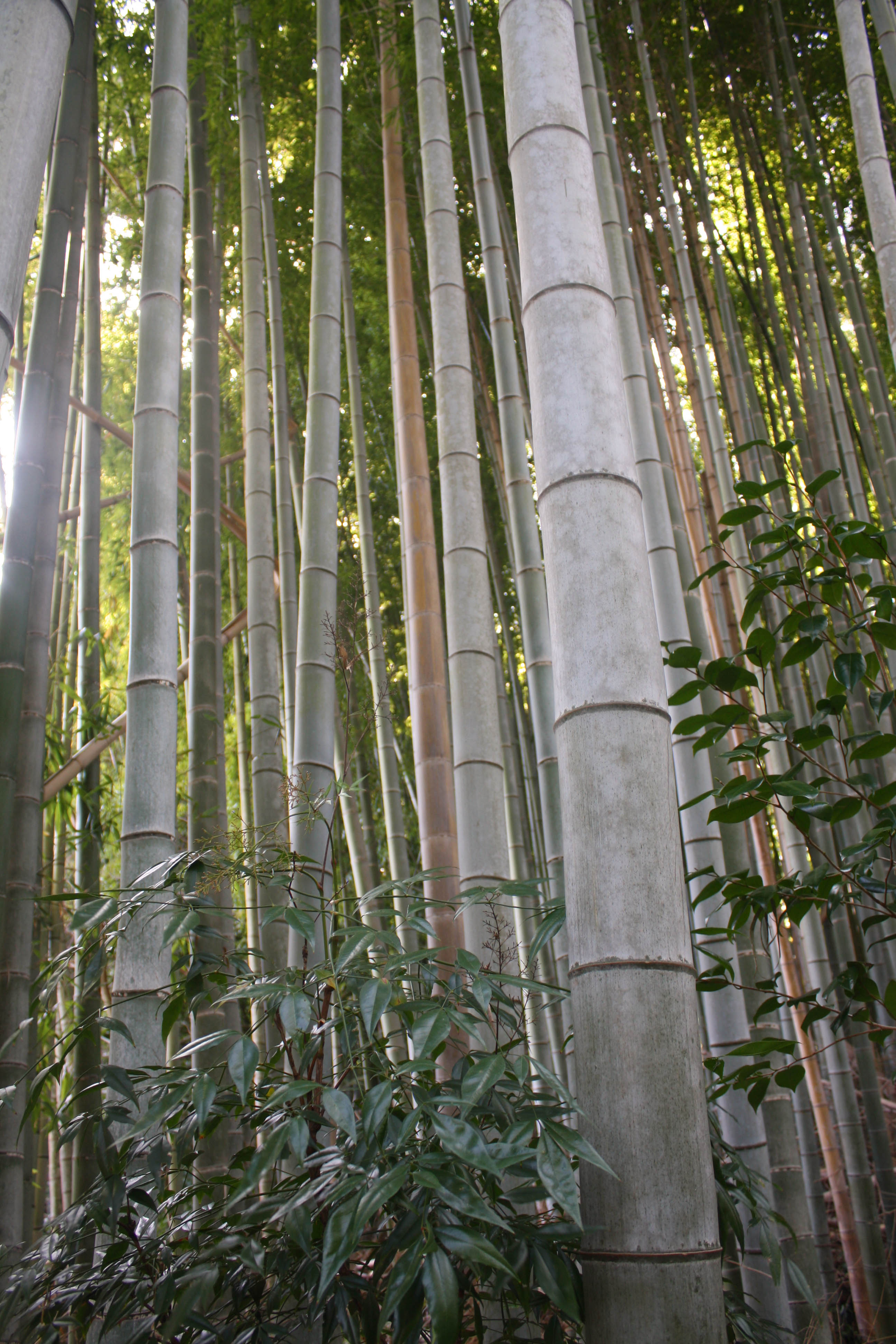
bamboo rising copy

Bamboo forest near Kyoto, Japan (photo by Nina Munteanu)

In Borneo, a species of rattan cane has developed a symbiotic relationship with a species of ants. The ants make a nest around the cane and drink its sweet sap. The ants, in turn, protect the cane. When a herbivore approaches to feed on the leaves, the ants attack.

Ryan draws an analogy between this aggressive symbiotic partnership and that of new zoonotic agents of disease. He argues that when it comes to emerging viruses, animals are the cane and ants are the virus.

Viruses & Zoonotic Agents of Disease

Ryan suggests that Ebola and hantavirus outbreaks follow a pattern of aggressive symbiosis. This may explain why Ebola is so virulent. The Ebola virus is so fierce that victims don’t make it very far to infect others, suggesting that the virus is an evolutionary failure. However, if the virus is acting as an aggressive symbiont, it may be fulfilling its evolutionary purpose by protecting a host species we haven’t yet identified.

Aztecs and Spaniards

Azteks meet Spaniards who bring smallpox

Historian William H. McNeill suggested that a form of aggressive symbiosis played a key role in the history of human civilization. “At every level of organization—molecular, cellular, organismic, and social—one confronts equilibrium [symbiotic] patterns. Within such equilibria, any alteration from ‘outside’ tends to provoke compensatory changes [aggressive symbiosis] throughout the system to minimize overall upheaval.”

One of a legacy of examples of aggressive symbiosis in history includes smallpox: the Europeans introduced smallpox (symbiotically co-evolved with them) to the Aztecs with devastating results. Other examples of aggressive symbiosis include measles, malaria, and yellow fever.


Wet Markets & Factory Farming

CHINESE MAN DOG RABBIT

Inhumane and unsafe treatment of animals in wet market in China

The National Observer gives a vivid description of the potential for zoonotic viral spread in the world’s wet markets, particularly in Wuhun:

“Dozens of species that rarely, if ever, come in contact with one another in the wild ― fish, turtles, snakes, bamboo rats, bats, even foxes and wolf cubs ― are confined in close quarters, waiting to be butchered and sold. The animals are often stressed, dehydrated and shedding live viruses; the floors, stalls and tables are covered in blood, feces and other bodily fluids.

This is the scene at many of China’s so-called “wet markets,” where a poorly regulated wildlife trade thrives and creates conditions that experts say are ideal for spawning new diseases.

“You could not design a better way of creating pandemics,” said Joe Walston, head of global conservation at the nonprofit Wildlife Conservation Society. “It’s really the perfect mechanism, not just for the Wuhan coronavirus but for the next ones that will undoubtedly emerge sooner rather than later.”

Zoonotic diseases, or diseases that can leap from animals to humans, are not uncommon and they don’t always come from exotic animals, writes Ari Solomon of Veganista. “Many come from the animals we regularly farm and eat. The 1918 influenza pandemic, or the Spanish flu, infected more than 500 million people and killed between 40-50 million worldwide. It is now commonly believed that the disease originated in birds. When the H1N1 virus, the same strain that caused the Spanish flu, showed up again in 2009, it first emerged in pigs. Tuberculosis, mad cow disease, and pig MRSA also came from animals exploited for food.”

cows-seelisberg02

Happy cows in Seelisberg, Switzerland (photo by Nina Munteanu)

In 2004, Linda Saif, with the Department of Food Animal Health Research Program at the Ohio Agricultural Research and Development Center summarizes a number of farm and domestic animal reservoirs of zoonotic corona viruses that have caused human diseases historically and many that may still do so through recombinations. Animals have included cows (BCoV), pigs (PEDV and PRCV), chickens (IBV, turkeys, cats (FCoV and FIPV), ferrets and macaques. Saif cautions that, given an estimated 75% of newly emerging human diseases arise as zoonoses (from wild or farm animals), interspecies transmission poses a continued threat to human health.

Wet markets aren’t the only places where animals are kept under and treated with cruelty and lack of any compassion or kindness:

“Thanks to the advent of factory farming, billions of animals are routinely kept in crammed, filthy conditions that cause them extreme stress. This abhorrent practice creates the perfect breeding ground for new diseases to thrive. Add to that the fact that we regularly feed factory farmed animals low-doses of antibiotics and we really have a recipe for disaster.”—Ari Solomon, Veganista

It comes down to balance. Something about which the human species has much to learn.

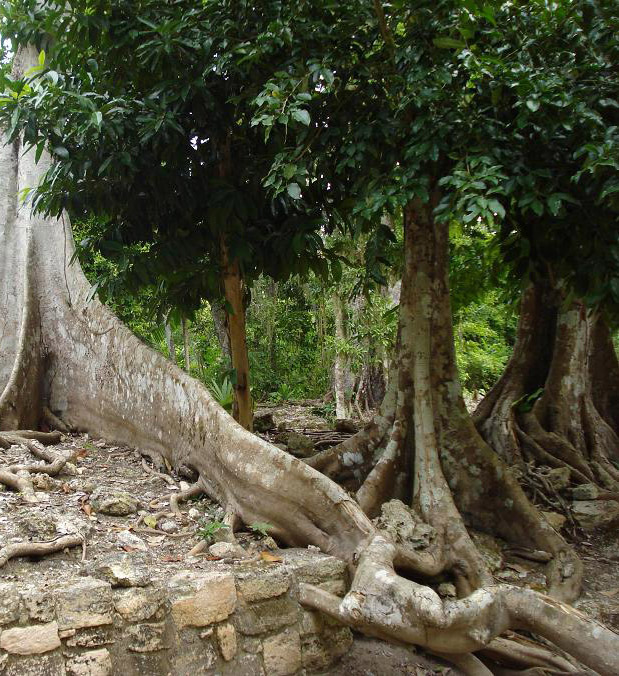
costa-maya-09-close

Buttressed fig tree in Costa Maya (photo by Nina Munteanu)

It is clear to me that these pandemics are exacerbated—if not outright caused by—our dense over-population and an exploitation mentality: our encroachment and defilement of natural habitats and the life that inhabits them. Gaia is suggesting that we live more lightly on this planet. Her ecosystems are responding to our aggression with equal aggression. And, make no mistake, we won’t win that battle. Just as we won’t win the battle with changing climate. It’s time to learn humility as a species in a diverse world. Time to cultivate respect for our life-giving environment. Time to learn the power of  kindness.

The National Observer recently ran an article stating that: “COVID-19 and other health endemics are directly connected to climate change and deforestation, according to Indigenous leaders from around the world who gathered on March 13, in New York City, for a panel on Indigenous rights, deforestation and related health endemics.” The virus is telling the world what Indigenous Peoples have been saying for thousands of years: that “if we do not help protect biodiversity and nature, we will face this and even worse threats,” said Levi Sucre Romero, a BriBri Indigenous person from Costa Rica and co-ordinator of the Mesoamerican Alliance of Peoples and Forests (AMPB).

Many environmental experts agree that the novel coronavirus will only be the first in waves of pandemics we can expect if we ignore links between infectious diseases and the destruction of the natural world.

bamboo-close01 copy

Bamboo, Japan (photo by Nina Munteanu)

“I’m absolutely sure that there are going to be more diseases like this in future if we continue with our practices of destroying the natural world,” said marine ecologist Dr Enric Sala to the Independent.


Reiterating the work of Dr. Frank Ryan, David Quammen, author of 2012 Spillover: Animal Infections and the Next Human Pandemic told the Independent: “Our highly diverse ecosystems are filled with many species of wild animals, plants, fungi and bacteria. All of that biological diversity contains unique viruses.” This unique community has developed over many many years into a functional community symbiosis in which viruses play an important part.

“There’s misapprehension among scientists and the public that natural ecosystems are the source of threats to ourselves. It’s a mistake. Nature poses threats, it is true, but it’s human activities that do the real damage. The health risks in a natural environment can be made much worse when we interfere with it,” says Richard Ostfeld, senior scientist at the Cary Institute of Ecosystem Studies in Millbrook, New York.

He and others are developing the emerging discipline of planetary health, which looks at the links between human and ecosystem health.

The disruption of pristine forests driven by logging, mining, road building through remote places, rapid urbanisation and population growth is bringing people into closer contact with animal species they may never have been near before, said Kate Jones, chair of ecology and biodiversity at UCL to The Guardian.

“We are researching how species in degraded habitats are likely to carry more viruses which can infect humans,” says Jones. “Simpler systems get an amplification effect. Destroy landscapes, and the species you are left with are the ones humans get the diseases from…We are going into largely undisturbed places and being exposed more and more. We are creating habitats where viruses are transmitted more easily, and then we are surprised that we have new ones.”

“It’s like if you demolish an old barn then dust flies. When you demolish a tropical forest, viruses fly. Those moments of destruction represent opportunity for unfamiliar viruses to get into humans and take hold.”–David Quammen

It’s aggression meeting aggression.

“Community-symbiosis functions like an ecosystem’s ‘immune system’ that protects its own from the encroachment of invading species—even when that invading species is us.”–Lynna Dresden, in Nina Munteanu’s Thalweg


EcologyOfStoryFor more on “ecology” and a good summary and description of environmental factors like aggressive symbiosis and other ecological relationships, read my book “The Ecology of Story: World as Character” (Pixl Press, 2019).

Glossary of Terms: 

Aggressive Symbiosis: a common form of symbiosis where one or both symbiotic partners demonstrates an aggressive and potentially harmful effect on the other’s competitor or potential predator (Ryan, 1997).

Co-evolution: when two or more species reciprocally affect each other’s evolution through the process of natural selection and other processes. 

Gain-of-Function Research (GOFR): involves experimentation that aims or is expected to (and/or, perhaps, actually does) increase the transmissibility and/or virulence of pathogens (Selgelid, 2016). 

Patient Zero: the person identified as the first carrier of a communicable disease in an outbreak of related cases. 

Recombination: the process by which pieces of DNA are broken and recombined to produce new combinations of alleles. This recombination process creates genetic diversity at the level of genes that reflects differences in the DNA sequences of different organisms.

Symbiosis: Greek for “companionship” describes a close and long term interaction between two organisms that may be beneficial (mutualism), beneficial to one with no effect on the other (commensalism), or beneficial to one at the expense of the other (parasitism). (Munteanu, 2019).

Zoonosis: a zoonotic disease, or zoonosis, is one that can be transmitted from animals, either wild or domesticated, to humans (Haenan et al., 2013).

Virus: a sub-microscopic infectious agent that replicates only inside the living cells of an organism. The virus directs the cell machinery to produce more viruses. Most have either RNA or DNA as their genetic material.


References:

Frazer, Jennifer. 2015. “Root Fungi Can Turn Pine Trees Into Carnivores—or at Least Accomplices.” Scientific American, May 12, 2015. Online: https://blogs. scientificamerican.com/artful-amoeba/root-fungi-can-turn-pine-trees-into- carnivores-8212-or-at-least-accomplices/

Munteanu, N. 2019. “The Ecology of Story: World as Character.” Pixl Press, Vancouver, BC. 198pp. (Section 2.7 Evolutionary Strategies)

Munteanu, N. 2020. “A Diary in the Age of Water.” Inanna Publications, Toronto.

Ryan, Frank, M.D. 1997. “Virus X: Tracking the New Killer Plagues.” Little, Brown and Company, New York, N.Y. 430pp.

Ryan, Frank, M.D. 2009. “Virolution.” Harper Collins, London, UK. 390pp.

Saif, Linda J. 2004. “Animal Coronaviruses: lessons for SARS.” In: “Learning from SARS: Preparing for the Next Disease Outbreak: Workshop Summary.” National Academies Press (US), Kobler S., Mahmoud A., Lemon S., et. al. editors. Washington (DC).

Selgelid, Michael J. 2016. “Gain-of-Function Research: Ethical Analysis.” Sci Eng Ethics 22(4): 923-964.

VanLoon, J. 2000. “Parasite politics: on the significance of symbiosis and assemblage in theorizing community formations.” In: Pierson C and Tormey S (eds.), Politics at the Edge (London, UK: Political Studies Association)

Villarreal LP, Defilippis VR, and Gottlieb KA. 2000. “Acute and persistent viral life strategies and their relationship to emerging diseases.” Virology 272:1-6. Online: http://bird uexposed.com/resources/Villarreal1.pdf

Wohlleben, Peter. 2015. “The Hidden Life of Trees.” Greystone Books, Vancouver, BC. 272pp.


nina-2014aaa

Nina Munteanu is a Canadian ecologist / limnologist and novelist. She is co-editor of Europa SF and currently teaches writing courses at George Brown College and the University of Toronto. Visit www.ninamunteanu.ca for the latest on her books. Nina’s bilingual “La natura dell’acqua / The Way of Water” was published by Mincione Edizioni in Rome. Her non-fiction book “Water Is…” by Pixl Press (Vancouver) was selected by Margaret Atwood in the New York Times ‘Year in Reading’ and was chosen as the 2017 Summer Read by Water Canada. Her novel “A Diary in the Age of Waterwill be released by Inanna Publications (Toronto) in June 2020.

Author’s Retreat: Changing the World with Your Mind and Faith

Snow hoar frost

Hoar frost-covered snow pillows, near Manning Park, B.C. (photo by Nina Munteanu)

Some time ago I went on an author’s retreat at my friend’s cabin near Manning Park in British Columbia. Some of them were going skiing at the nearby ski hill and Anne thought I’d appreciate the rustic setting as an ideal place to write. I leapt at the chance. I had lots of writing to do and had set myself up for quite a work schedule: I’d promised ten articles and some excerpts to my publisher, three articles to the online magazine I write for, a review of my manuscript contract with my other publisher, and to write as much as possible on my prequel.

zermatt-hut01

Zermatt in winter (photo by Nina Munteanu)

I’d set myself up for quite a work schedule…Hey, didn’t I say that already?…There was no internet access at the cabin. In fact, no cell phone coverage either. We were pretty isolated from the rest of the world—except for the bustling ski hill not far from us…

Then my computer refused to work…

The ski hill beckoned…

The snowshoes came out…

The sun blazed…

And the hoarfrost on the frozen lake sparkled like jewels in the snow…

…My promise to myself to write melted like giant snow crystals in the sun as I indulged in outdoor walks and diverting conversations with my friend, Anne.

Later in the evening, after the boys finally got the fire going, Anne and I got to talking about the book I’d leant her—Calculating God, by Robert J. Sawyer. We were soon discussing God and faith; what it meant to have faith in oneself and in others and ultimately what it meant to have someone show faith in you.

After returning from Manning, I ran across an article in Time that featured Dr. Andrew Newberg (professor of radiology, psychology and religious studies at the University of Pennsylvania) who’d recently authored the book, How God Changes Your Brain. What I found incredibly interesting was the connection made between faith and well-being.

manning-nina

Nina Munteanu explores with friend Kai near Manning Park

According to Newberg and other neuroscientists, when people engage in prayer or meditation they engage the frontal lobes of the brain, since they govern focus and concentration. In fact, if you pray or meditate long enough you may change your brain permanently; creating thicker frontal lobes. “People who describe themselves as highly spiritual tend to exhibit an asymmetry in the thalamus—a feature that other people can develop after just eight weeks of training in meditation skills,” says Newberg. Better functioning frontal lobes help boost memory, by the way.

manning-anne-angel

Angel-winged Anne fishes for a treat for her black lab

That faith can play a key role in how our mind and body regulate our general health and determine our own well-being is proven in experiments involving “placebos”. First described in the medical literature in the 1780s, the placebo effect has been documented in some amazing examples of mind-over-matter. Time writer Jeffrey Kluger in his February 23, 2009 article “The Biology of Belief” describes how Parkinson’s disease patients who underwent a sham surgery that they were told would boost the low dopamine levels responsible for their symptoms actually experienced a dopamine bump. Newberg described a cancer patient who regulated his tumors based on his belief of a drug’s efficacy (his tumor shrank).

manning-shrub

Hoar-frost covered shrub

In a post about Brain-Mind-Interfaces (BMI) on The Alien Next Door, I discussed the notion of using our minds to control computers and robots either inside us or close to us and the current technology that is making that possible. Then my good friend, Margaret, told me about this workshop on neurotherapy that she’d attended given by a Dr. Paul Swingle in Vancouver. “He uses biofeedback for the brain to treat attention deficit and hyperactivity

manning-hoer frost-close

Hoar frost covered buds

disorders, epilepsy, anxiety, migraine, trauma, and depression,” says Margaret. “It’s all based on the idea that we can control our brain activity and that through training, the brain can learn to modify its own electrical patterns for more efficient processing or to overcome various states of dysfunction.”


Neal Krause, a sociologist and public health expert at the University of Michigan, found that people who maintain a sense of gratitude for what’s going right in their lives have a reduced incidence of depression. In another study, he found that people who believe their lives have meaning live longer than people who don’t. Victor Frankl could have told him that!

p.s. speaking of belief, I got all my writing done in the end! My computer decided to behave itself and I got very productive…especially after the chocolate cake.

zermatt-alps03

Zermatt Alps (photo by Nina Munteanu)


nina-2014aaa

Nina Munteanu is a Canadian ecologist / limnologist and novelist. She is co-editor of Europa SF and currently teaches writing courses at George Brown College and the University of Toronto. Visit www.ninamunteanu.ca for the latest on her books. Nina’s bilingual “La natura dell’acqua / The Way of Water” was published by Mincione Edizioni in Rome. Her non-fiction book “Water Is…” by Pixl Press (Vancouver) was selected by Margaret Atwood in the New York Times ‘Year in Reading’ and was chosen as the 2017 Summer Read by Water Canada. Her novel “A Diary in the Age of Waterwill be released by Inanna Publications (Toronto) in June 2020.

The Subversive Side of Colonization & The Emerald Ash Tree Borer

Col-o-ni-zation: 1) the action by a plant or animal of establishing itself in a [new] area; 2) the action of appropriating a place or domain for one’s own use; 3) the action or process of settling among and establishing control over the indigenous people [or other native species] of an area.


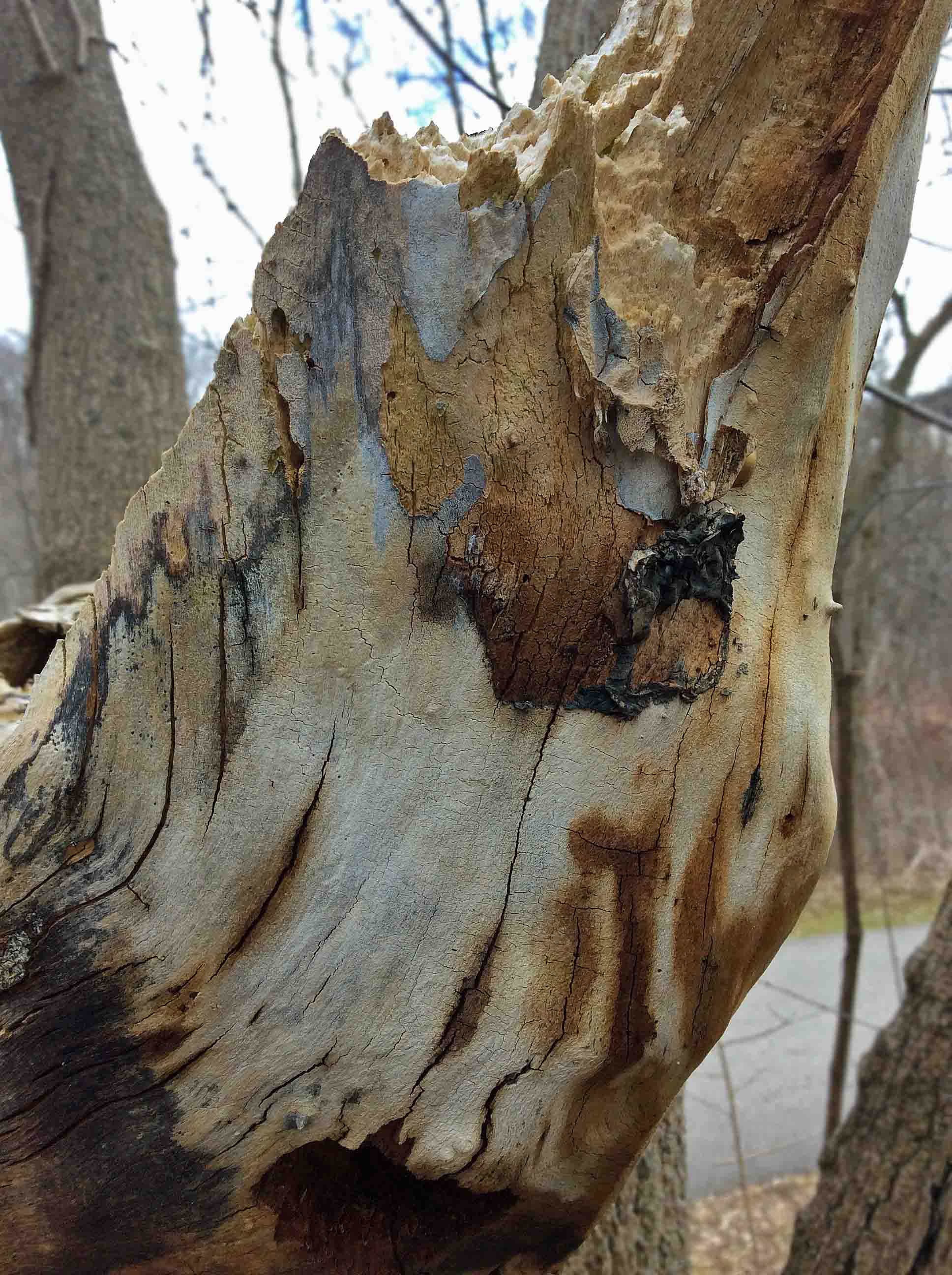
AshTree decaying-EastDonRiver

Ash tree decays with help from colonizing blue stain fungus (photo by Nina Munteanu)

In a previous article, I wrote about how escaped Atlantic salmon from farm pens in the Pacific posed a threat to the wild Pacific salmon. Some argue that these interlopers will outcompete their Pacific cousins for habitat and food like many exotics when they are first introduced (think of Purple loosestrife in Canada).

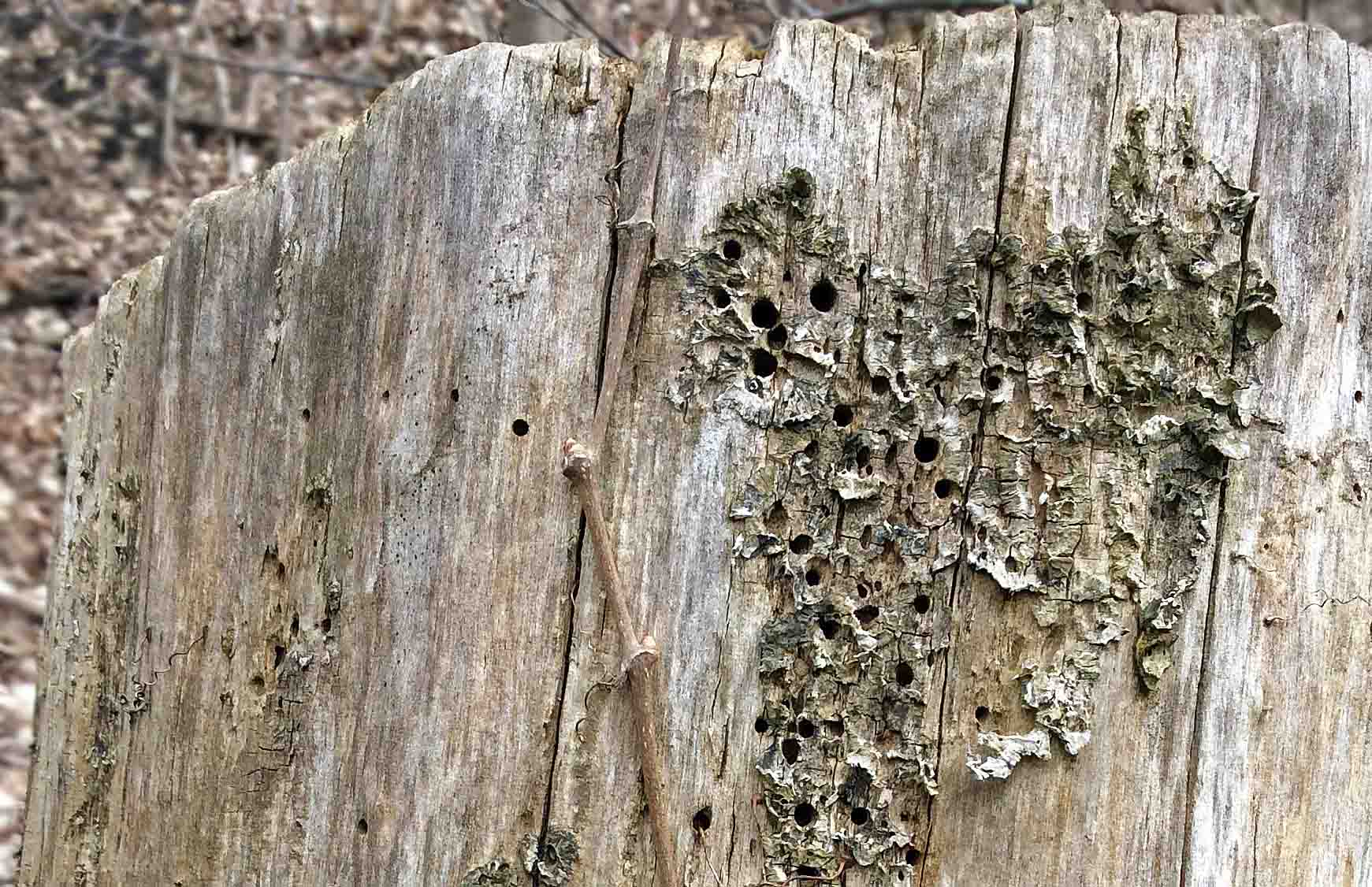
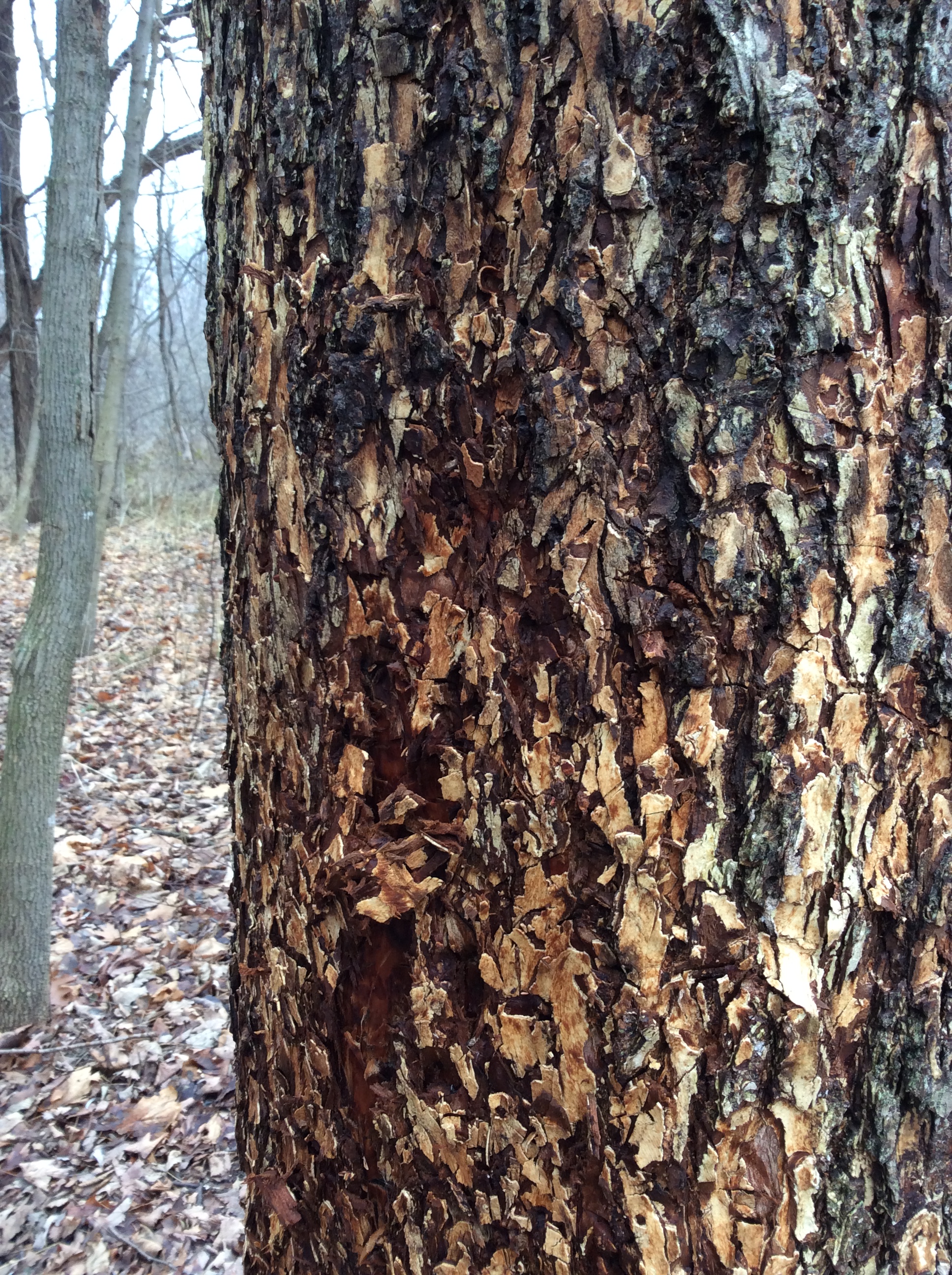
Tree-bore holes close-EDRpark

Insect bore holes in dead tree (photo by Nina Munteanu)

Purple loosestrife spread rapidly across North America’s wetlands, roadsides and disturbed areas after it was introduced in the 1800s when its seeds were included in soil used as ballast in European sailing ships and discarded here; Purple loosestrife is present in nearly every Canadian province and almost every U.S. state. This plant can produce as many as two million seeds in a growing season, causing dense stands of purple loosestrife and outcompeting native plants for habitat. This results in changes to ecosystem functions such as reductions in nesting sites, shelter and food for the native birds, as well as an overall decline in biodiversity (which causes ecosystem fragility).

What we often forget to consider is the indirect impact of the invasive: disease. What something considered innocuous brings with it. When the Atlantic salmon was brought from its native Atlantic habitat to be farmed in the Pacific (because it grew so fast), it brought its toolkit of adaptations—and what it carried—that was unfamiliar to a vulnerable Pacific wild population. The piscine orthoreovirus (PRV) that makes the Atlantic salmon sick, kills the Pacific native (think how the European settlers inadvertently brought in smallpox that killed thousands of indigenous people in Canada).

Ash-bored-RougeJPG

Ash tree succumbs to Agrilus in Rouge Park (photo by Nina Munteanu)

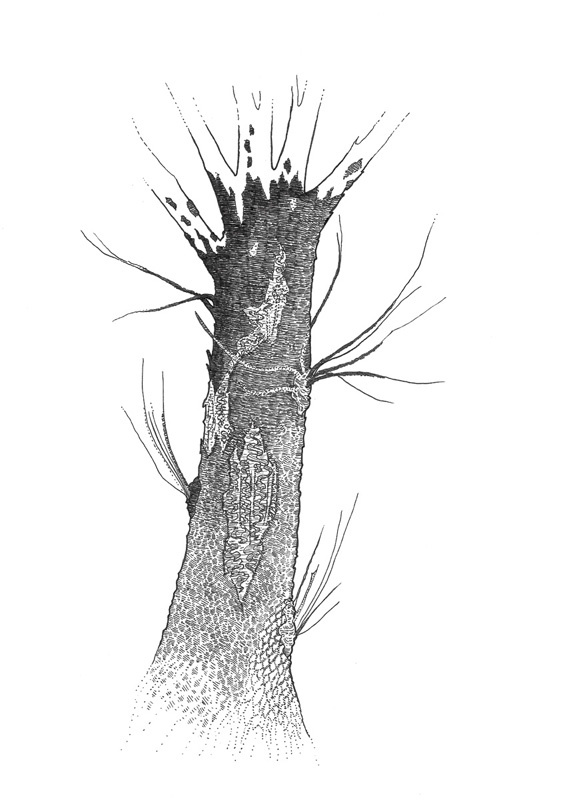
The emerald ash borer (Agrilus planipennis) is a “disease” inadvertently brought in by Chinese or Russian traders to North America that is destroying the native ash tree (e.g. green ash, Fraxinus pennsylvanica; American ash, Fraxinus Americana; Black ash, F.nigra; Blue ash, F. quadrangulata). A native to East Asia, including China and the Russian Far East, the ash borer has no natural predator here. It was likely brought to North America on wood packaging materials in the early 1990s. They were first detected in Detroit, Michigan and Windsor, Ontario in 2002; and have since spread to more than 30 states and 5 provinces since. Most species of North American ash trees are vulnerable to the beetle, which has already killed millions of trees in Canada in forested and urban areas. No North American natural predators (e.g., woodpeckers, other insects or parasites) have slowed the spread of the emerald ash borer. Up to 99% of all ash trees are killed within 8-10 years once the beetle arrives in the area.

In a note on the text of his small collection of stories entitled “Trees Hate Us” (Odourless Press, 2019) E. Martin Nolan writes on behalf of the Ash tree:

Dying Ash-Patrick ButlerThe Emerald Ash Borer hasn’t a real predator here. Don’t blame it for doing what it does, for being in the crates humans ship across oceans. Killed 30 million in Michigan, where it was first found. It’ll kill clear to the ocean.

I am a living ash. For my own safety, I cannot disclose my name or location. Call me Last Ash. The humans do not understand why I lived. I believe it to be a curse—one I’m prepared to live out. Perhaps I contain a deformity that kills the beetle. Maybe I don’t attract it. Call that evolution. Your words will always be your words.

I have watched all of my kind die around me. Dying gives them the art of poetry. Foreknowledge of death opens their language so a human can hear it. One human. Immune, I am left alone like a city tree, to converse in prose among strange maples, birches, pines and firs reluctant to share speech with a member of so plagued a species. As I live out my natural days, these poems—at least the middle bit—will bring me some small contentment. And we may yet return. The trees’ story is long and slow, despite this lightning-fast shrapnel from the human timeline.

E. Martin NolanE Martin Nolan is a poet, essayist and editor. He edits interviews at The Puritan, where he’s also published numerous essays, interviews and blog posts. He teaches in the Engineering Communication Program at The University of Toronto, and is a PhD Candidate in Applied Linguistics at York University. Born and raised in Detroit, he received his Bachelor’s Degree in English Writing at Loyola University New Orleans, and received his Master’s in the Field of Creative Writing from the University of Toronto.


nina-2014aaa

Nina Munteanu is a Canadian ecologist / limnologist and novelist. She is co-editor of Europa SF and currently teaches writing courses at George Brown College and the University of Toronto. Visit www.ninamunteanu.ca for the latest on her books. Nina’s bilingual “La natura dell’acqua / The Way of Water” was published by Mincione Edizioni in Rome. Her non-fiction book “Water Is…” by Pixl Press (Vancouver) was selected by Margaret Atwood in the New York Times ‘Year in Reading’ and was chosen as the 2017 Summer Read by Water Canada. Her novel “A Diary in the Age of Waterwill be released by Inanna Publications (Toronto) in June 2020.


Age of Water Podcast: Nina Reads from “Water Is…”

AoW Logo-smallWe are now living in the Age of Water. Water is the new “gold”, with individuals, corporations and countries positioning themselves around this precious resource. Water is changing everything. The Age of Water Podcast covers anything of interest from breaking environmental news to evergreen material. This also includes human interest stories, readings of eco-literature, discussion of film and other media productions of interest.

In this episode of Age of Water, Nina reads from her book “Water Is…The Meaning of Water”, a celebration of the varied faces of water and what they mean to us.


Water is emerging as one of the single most important resources of Planet Earth. Already scarce in some areas, it has become the new “gold” to be bought, traded, coveted, cherished, hoarded, and abused worldwide. It is currently traded on the Stock Exchange…

Water Is-COVER-webNina Munteanu’s Water Is…”represents the culmination of over twenty-five years of dedication as limnologist and aquatic ecologist in the study of water. As a research scientist and environmental consultant, Nina studied water’s role in energizing and maintaining the biomes, ecosystems, and communities of our precious planet.

During her consulting career for industry and government, Nina discovered a great disparity between humanity’s use, appreciation and understanding of water. This set in motion a quest to further explore our most incredible yet largely misunderstood and undervalued substance. Part history, part science and part philosophy and spirituality, Water Is…” combines personal journey with scientific discovery that explores water’s many “identities” and ultimately our own.


DS-2008-16 copy

Nina Munteanu kayaks in Desolation Sound off coast of British Columbia (photo by H. Klassen)

nina-2014aaa

Nina Munteanu is a Canadian ecologist / limnologist and novelist. She is co-editor of Europa SF and currently teaches writing courses at George Brown College and the University of Toronto. Visit www.ninamunteanu.ca for the latest on her books. Nina’s bilingual “La natura dell’acqua / The Way of Water” was published by Mincione Edizioni in Rome. Her non-fiction book “Water Is…” by Pixl Press (Vancouver) was selected by Margaret Atwood in the New York Times ‘Year in Reading’ and was chosen as the 2017 Summer Read by Water Canada. Her novel “A Diary in the Age of Waterwill be released by Inanna Publications (Toronto) in June 2020.

Age of Water Podcast: Interview with Candas Jane Dorsey

CandasJaneDorsey

Candas Jane Dorsey with a friend

AoW Logo-smallWe are now living in the Age of Water. Water is the new “gold”, with individuals, corporations and countries positioning themselves around this precious resource. Water is changing everything. The Age of Water Podcast covers anything of interest from breaking environmental news to evergreen material. This also includes human interest stories, readings of eco-literature, discussion of film and other media productions of interest.

Join the discussion!

In this episode of Age of Water, we join award-winning Canadian author Candas Jane Dorsey in Calgary, Alberta, where she talks about “Ice and other stories”, teaching at university, what eco-fiction means, and how writers can be “sneaky.”


CandasJaneDorsey2

Candas Jane Dorsey

CanCandas Jane Dorsey is an award-winning Canadian author of novels, short stories, and poetry. She also served as editor / publisher of several literary presses.

Ice by CandasJaneDorseyShe is best known for her science fiction writing including the novels Black Wine and A Paradigm of Earth, and has also published poetry and short stories, including her well-known short-story collection Machine Sex: And Other Stories. Her latest collection of short stories Ice and other Short Stories spans thirty years of writing. Candas teaches writing and communications at MacEwan University. She was founding president of SF Canada and was president of the Writers Guild of Alberta. Candas was awarded the Province of Alberta Centennial Gold Medal award for artistic achievement and community work and the WGA Golden Pen Award for Lifetime Achievement in the Literary Arts.


DS-2008-16 copy

Nina Munteanu kayaks in Desolation Sound, British Columbia (photo by H. Klassen)


nina-2014aaa

Nina Munteanu is a Canadian ecologist / limnologist and novelist. She is co-editor of Europa SF and currently teaches writing courses at George Brown College and the University of Toronto. Visit www.ninamunteanu.ca for the latest on her books. Nina’s bilingual “La natura dell’acqua / The Way of Water” was published by Mincione Edizioni in Rome. Her non-fiction book “Water Is…” by Pixl Press (Vancouver) was selected by Margaret Atwood in the New York Times ‘Year in Reading’ and was chosen as the 2017 Summer Read by Water Canada. Her novel “A Diary in the Age of Waterwill be released by Inanna Publications (Toronto) in June 2020.


Finding the Right Time and Place to Write

Look and you will find it—what is unsought will go undetected —Sophocles


Beaches-snow01

Snow in the Beaches, Ontario

During a time when I had a demanding job as an scientist with an environmental consulting job, was a devoted wife and mother and community volunteer, I wrote and successfully marketed five books, over a dozen short stories and many articles and reviews. Some people, including my publishers, thought I never slept (true) or had cloned myself (possibly). They couldn’t believe my productivity when I was so busy with life.

But I did what I did, because I’d worked out a system. One that I could live by. One that fit my lifestyle. One created out of respect for my art as part of my “busy” life of commitments.

The truth of it is that we all lead busy lives. If you are going to finish that novel you’ve been working on over the years or book of poems sitting in the bottom dresser drawer, you need to make a commitment. Aside from giving your art the respect it deserves, it comes down to creating a time and place to write.

It starts with being realistic about your daily schedules and routines and inclinations and picking a time and place accordingly. Try to be consistent. It’s actually best to create a routine related to both time and place; the key is to be realistic about it. Don’t fight your inclinations or habits; instead, build your writing into your lifestyle. This will ensure success.

nina-smiling-close

Nina Munteanu teaching in Mahone Bay, NS

Choose a Sacred Time

Finding the time to write is critical to succeeding. If you don’t dedicate time to write, you won’t write. Believe me, you won’t. Make it sacred.

Writer Louise DeSalvo shared a common story about her experience: “Many people I know who want to write but don’t (my husband, Ernie, for example) or who want to write more than they have but say they can’t find the time (my friend Marla) have told me that taking the time to write seems so, well, self-indulgent, self-involved, frivolous even. And that finding the time to write—even a diary, much less fiction or memoir or poetry—in their busy schedules is impossible. I’ll write when I have the time, they say.”

It doesn’t work that way. You don’t find time; you must create it. Writing of any kind is a commitment you make to yourself. So, choose a time that’s right for you. If you’re a morning person, don’t pick the end of the day when you don’t function as well. Instead, pick the early morning to write, a time before everyone else gets up and the day’s distractions pile up.

It’s actually best to create a routine related to time of the day (e.g., fixed time such as every morning or right after supper) or based on some other constant in your life, say the school calendar or your daily activities. The key is to be realistic about the time(s) you’ve chosen. In other words, your goals should be realistic and realizable.

The second part of the commitment is sharing it with your family and friends so that they will respect your sacred writing time. By sharing how important it is to you, you also give them the gift of sharing the experience with you and they are more likely to respect your time alone to write. This is also why choosing a routine makes more sense; it is something your family and friends will better remember and abide by. Making it easy for others is part of making it easy for you.

Find Your Own Rhythm

the beach-2013

The Beaches boardwalk (photo by Nina Munteanu)

There’s no rule for when and how often you write. Because frequency and schedule of writing depends on the kind of writing you do (e.g., novel, short stories, articles, research) and on your own rhythms, you must decide what works best.

Most writers recommend that you commit to a regular writing schedule that is realistic to your overall routine and biorhythms. Some recommend you write in the morning, after a refreshing sleep; others suggest you write at night, at the end of the day when your memories are more fresh with the day’s activities and stimulations. Yet others suggest you take time out during the day to jot down relevant experiences as close to the time as the muse hits you, then spend some time at the end of the day compiling it into your work.

In the end, it’s up to you to choose what works for you and your own rhythms. When is the best time for you to write? And for how long or how many pages? Once you decide, stick to that schedule.

Choose a Sacred Place

Writing is a reflective activity that requires the right environment. The best environment is a quiet one with no interruptions and where you are alone. A reflective environment will let you find a connection with your muse. You need a place where you can relax and not worry about someone barging in or other things distracting you from your reflections. You should also feel physically comfortable and the place should meet your time requirements.

Because the suitability of a place can change with the time of day, learn the rhythms that affect the place you wish to write in. For example, the kitchen may be the centre of activity during the day but an oasis of quietude during the evening. Similarly, learn what kind of environment stimulates and nurtures your writing. Does music help or do you need complete quiet? Do you respond to nature’s soft breezes and sounds or do you prefer to surround yourself with the anonymous murmur of a crowded café for company?

C'est La Vie Cafe

a coffee shop in Val David, Quebec (photo by Nina Munteanu)

Places that work for me include the local coffee shop, where its desultory conversations and laughter—and wonderful smells of fresh coffee—provide a pleasant living-landscape for my muse. I also enjoy my daily walk with a notebook or iPad in the park along the river near my house. I teach writing at the University of Toronto St George campus in downtown Toronto and just recently discovered an enclave that excited my muse. The outside breezeway at Knox College, with arched ceiling and columns, adorned with hanging plants, is pure magic. The breezeway cuts through an outside courtyard of gardens and yard, populated with songbirds and the gentle rustle of a refreshing breeze. Benches and small tables and chairs line the breezeway, ensuring a writer’s sanctuary.

Where you write may reflect what you’re writing and vice versa. To some extent, you are environment and environment is you. You might try a few places first and see what happens to your muse. What you write while sitting under an apple tree in the breeze hearing the birds singing may differ from what you write while sitting in your living room by the crackling fireplace with music playing or sitting at your desk in your bedroom in total silence or in a crowded café surrounded by cheerful bustle.

Again, as with your choice of time, tell your family and friends about your sacred place. Provide rules, if you have to. Let’s say it’s a desk in the study. You may, for instance, let others know that your “mess” is part of a work in progress, perhaps even explain a little about it so they understand the nature of what you’re doing and why it should not be touched or moved or used, even while you are away from it. This will ensure that they respect your things and what you’re doing.

In the end, it comes to finding the right integration and balance of time and place. Letting others know of your choices is equally important; this will ensure that they can help you, not hinder you in your writing. While writing is to a large extent an activity done in solitude, the journey is far from secluded. Ensure that you have a good support network.

This article is an excerpt from my fiction writing guidebook “The Fiction Writer: Get Published, Write Now!” (Starfire, 2009).

nina-2014aaa

Nina Munteanu is a Canadian ecologist / limnologist and novelist. She is co-editor of Europa SF and currently teaches writing courses at George Brown College and the University of Toronto. Visit www.ninamunteanu.ca for the latest on her books. Nina’s bilingual “La natura dell’acqua / The Way of Water” was published by Mincione Edizioni in Rome. Her non-fiction book “Water Is…” by Pixl Press (Vancouver) was selected by Margaret Atwood in the New York Times ‘Year in Reading’ and was chosen as the 2017 Summer Read by Water Canada. Her novel “A Diary in the Age of Waterwill be released by Inanna Publications (Toronto) in June 2020.