Ecology of Story: Place as Symbol

Birds deer lake

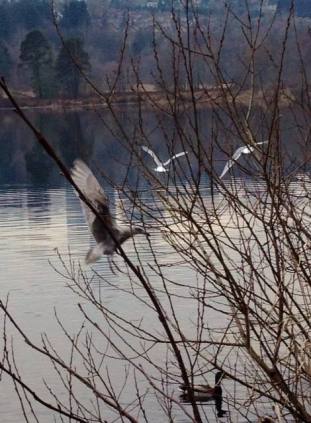
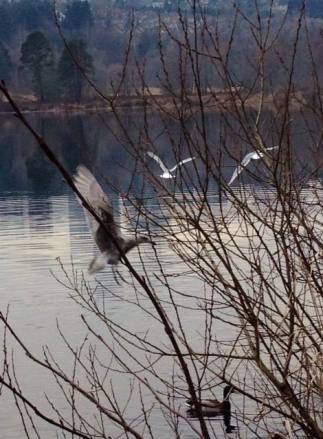
Birds over Deer Lake, BC (photo by Nina Munteanu)

“In their simplest form, symbols are anything outward that stands in for anything inward or abstract, such as a mood or an idea,” writes Donald Maass in Writing the Breakout Novel Workbook. As representations, symbols often serve as markers in a story. They may be a talisman, a totem that inspires a shift or awakening. In story, a symbol—particularly as talisman—may come as a gift to a character in need of inspiration. In the Hero’s Journey trope, this is often provided by a mentor archetype.

An example in story is the light saber that Obi Wan Kenobi presents to Luke Skywalker to aid him on his journey as a Jedi master. Symbols often reoccur as motif to incite an emotional trigger or turning point for a character.

Symbolism in literature provides richness, colour and depth of meaning. Use of symbols helps deepen theme beyond conscious appreciation and into emotional and subconscious levels. Symbolism can be portrayed through figure of speech in which an object or situation has another meaning than its literal meaning. It can also express through the actions and observations of a character, language or event that creates deeper meaning through context.

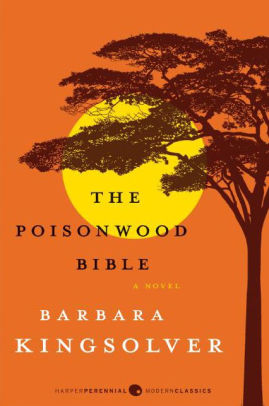
Maass provides the example of Barbara Kingsolver’s The Poisonwood Bible to depict superb use of symbol in storytelling:

Poisonwood Bible-KingsolverShe is inhumanly alone. And then, all at once, she isn’t. A beautiful animal stands on the other side of the water. They look up from their lives, woman and animal, amazed to find themselves in the same place. He freezes, inspecting her with his black-tipped ears. His back is purplish-brown in the dim light, sloping downward from the gentle hump of his shoulders. The forest’s shadows fall into lines across his white-striped flanks. His stiff forelegs play out to the sides like stilts, for he’s been caught in the act of reaching down for water. Without taking his eyes from her, he twitches a little at the knee, then the shoulder, where a fly devils him. Finally he surrenders his surprise, looks away, and drinks. She can feel the touch of his long, curled tongue on the water’s skin, as if he were lapping from her hand. His head bobs gently, nodding small, velvet horns lit white from behind like new leaves. 

It lasted just a moment, whatever that is. One held breath? An ant’s afternoon? It was brief, I can promise that much, for although it’s been many years now since my children ruled my life, a mother recalls the measure of the silences. I never had more than five minutes peace unbroken. I was that woman on the stream bank, of course. Orleanna  Price, Southern Baptist by marriage, mother of children living and dead. That one time and no other the okapi came to the stream, and I was the only one to see it.

In this opening to her novel, Kingsolver explores a multi-layered symbol for her main character’s bewilderment at the mystery and beauty of the environment around her, tied into her own essential helplessness, says Maass. “Part of what makes [Kingsolver’s] symbols poetic is that all of them emerge from the natural world around her characters,” he adds. Nature’s symbols are powerful archetypes that reveal compelling story. These symbols abound in Kingsolver’s novel that explores the relationships of five women with their environment and the rigid ignorance of their patriarch, Nathan Price. The garden, Maass tells us, provides many examples of this. Price has planted his seeds in a flat, not accounting for the torrential afternoon downpours, which wash away his garden in a flash. Later, the poisonwood tree in their yard gives Price a horrid rash, suggesting that he is messing with a place he does not understand or respect. How each of the women interacts with her environment over time provides a deeply felt and metaphoric revelation of how she relates to others and to herself—all reflecting her personal journey in the story. As the quote indicates, Orleanna Price experienced a turning point through discovery. In this example the discovery occurred through a sudden encounter with a natural element.

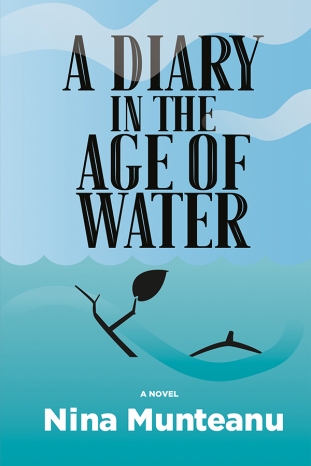
In my near-future speculative novel A Diary in the Age of Water, cynical limnologist Lynna sees everything in her life through limnological metaphors, ironically predicting her own future:

Diary Water cover finalAn oligotrophic lake is basically a young lake. Still immature and undeveloped, an oligotrophic lake often displays a rugged untamed beauty. An oligotrophic lakes hungers for the stuff of life. Sediments from incoming rivers slowly feed it with dissolved nutrients and particulate organic matter. Detritus and associated microbes slowly seed the lake. Phytoplankton eventually flourish, food for zooplankton and fish. The shores then gradually slide and fill, as does the very bottom. Deltas form and macrophytes colonize the shallows. Birds bring in more creatures. And so on. Succession is the engine of destiny and trophic status its shibboleth.

As Nature tames the unruly lake over time, one thing replaces another. As a lake undergoes its natural succession from oligotrophic to highly productive eutrophic lake, its beauty mellows and it surrenders to the complexities of destiny. Minimalism yields to a baroque richness that, in turn, heralds extinction. The lake shrinks to a swamp then buries itself under a meadow.

We hold ourselves apart from our profligate nature. But we aren’t unique. We are more part of Nature than we admit. Using the thread of epigenetics and horizontal gene transfer, Nature stitches in us a moving tapestry of terrible irony. The irony lies in our conviction that we were made in the inimitable divine image of God. That we are special. Yet over a third of the human population is secular—atheists and agnostics—who do not believe in God. Or anything, for that matter. 

Water flows endlessly through us, whether we’re devout Catholics or empty vessels with no purpose. Water makes no distinction. It flows through us even after we bury ourselves.

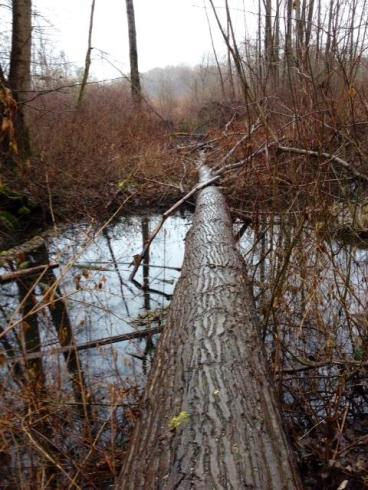
Log over water forest-DeasPark

Log in water, BC (photo by Nina Munteanu)

In the following excerpt from Brokeback Mountain, Annie Proulx uses a mix of senses—but mostly smell—in an evocative description of two shirts to symbolize a love loss:

The shirt seemed heavy until he saw there was another shirt inside it, the sleeves carefully worked down inside Jack’s sleeves. It was his own plaid shirt, lost, he’d thought, long ago in some damn laundry, his dirty shirt, the pocket ripped, buttons missing, stolen by Jack and hidden here inside Jack’s own shirt, the pair like two skins, one inside the other, two in one. He pressed his face into the fabric and breathed in slowly through his mouth and nose, hoping for the faintest smoke and mountain sage and salty sweet stink of Jack, but there was no real scent, only the memory of it, the imagined power of Brokeback Mountain of which nothing was left but what he held in his hands. 

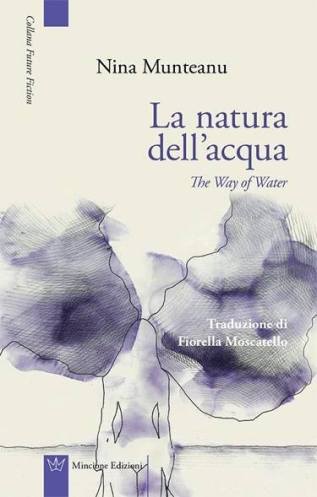
In my short story The Way of Water, water’s connection with love flows throughout the story:

The Way of Water-COVERThey met in the lobby of a shabby downtown Toronto hotel. Hilda barely knew what she looked like but when Hanna entered the lobby through the front doors, Hilda knew every bit of her. Hanna swept in like a stray summer rainstorm, beaming with the self- conscious optimism of someone who recognized a twin sister. She reminded Hilda of her first boyfriend, clutching flowers in one hand and chocolate in the other. When their eyes met, Hilda knew. For an instant, she knew all of Hanna. For an instant, she’d glimpsed eternity. What she didn’t know then was that it was love.

Love flowed like water, gliding into backwaters and lagoons with ease, filling every swale and mire. Connecting, looking for home. Easing from crystal to liquid to vapour then back, water recognized its hydrophilic likeness, and its complement. Before the inevitable decoherence, remnants of the entanglement lingered like a quantum vapour, infusing everything. Hilda always knew where and when to find Hanna on Oracle, as though water inhabited the machine and told her. Water even whispered to her when her wandering friend was about to return from the dark abyss and land unannounced on her doorstep.

In a world of severe water scarcity through climate catastrophe and geopolitical oppression, the bond of these two girls—to each other through water and with water—is like the shifting covalent bond of a complex molecule, a bond that fuses a relationship of paradox linked to the paradoxical properties of water. Just as two water drops join, the two women find each other in the wasteland of intrigue. Hilda’s relationship with Hanna—as with water—is both complex and shifting according to the bonds they make and break.


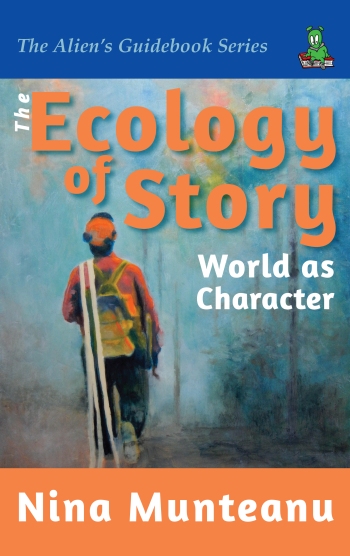
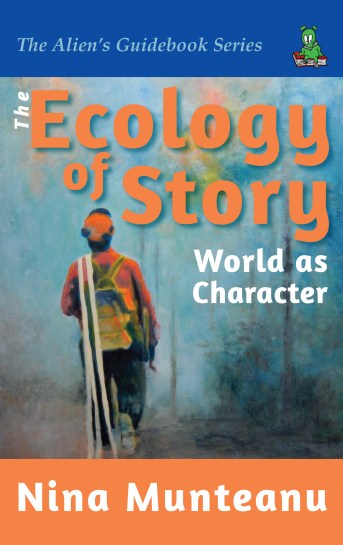
MockUpEcology copyThis article is an excerpt from “The Ecology of Story: World as Character” released in June 2019 by Pixl Press.

From Habitats and Trophic Levels to Metaphor and Archetype…

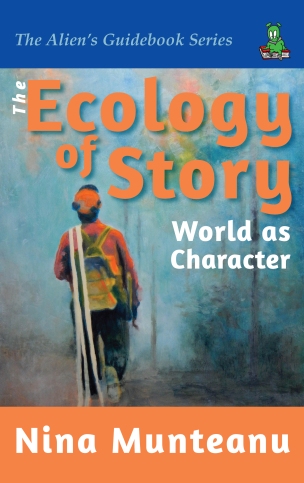
Learn the fundamentals of ecology, insights of world-building, and how to master layering-in of metaphoric connections between setting and character. Ecology of Story: World as Character is the 3rd guidebook in Nina Munteanu’s acclaimed “how to write” series for novice to professional writers.
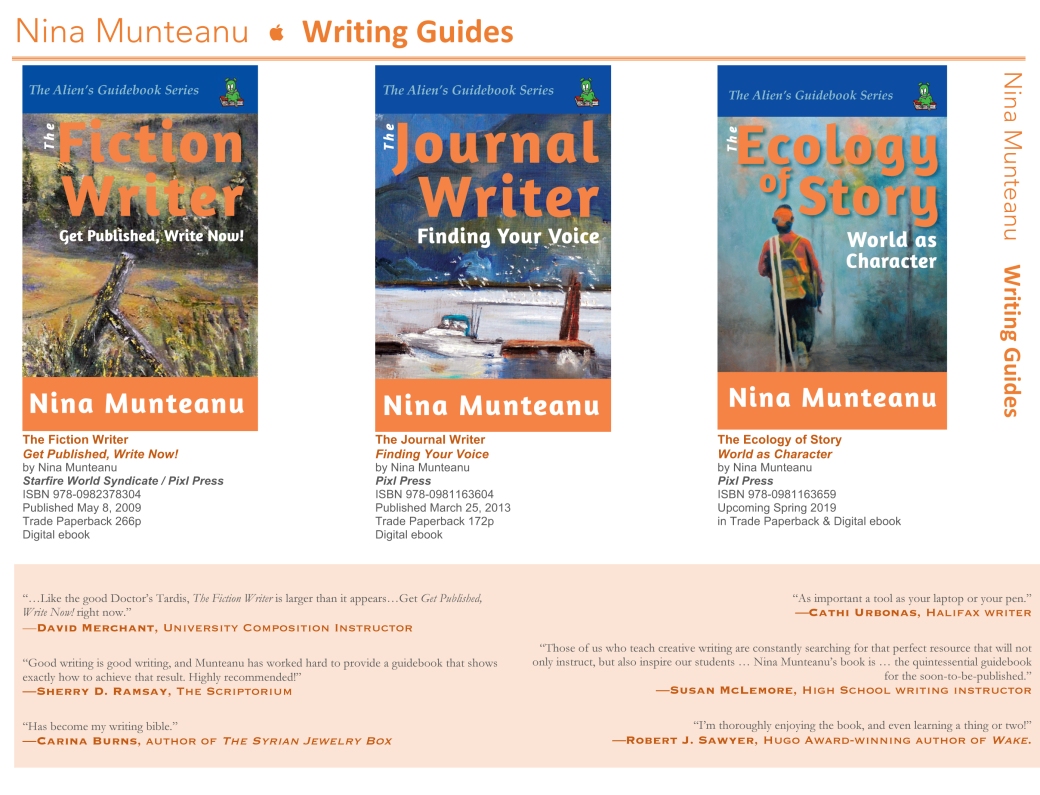


Microsoft Word - Three Writing Guides.docx


nina-2014aaa

Nina Munteanu is a Canadian ecologist / limnologist and novelist. She is co-editor of Europa SF and currently teaches writing courses at George Brown College and the University of Toronto. Visit www.ninamunteanu.ca for the latest on her books. Nina’s bilingual “La natura dell’acqua / The Way of Water” was published by Mincione Edizioni in Rome. Her non-fiction book “Water Is…” by Pixl Press (Vancouver) was selected by Margaret Atwood in the New York Times ‘Year in Reading’ and was chosen as the 2017 Summer Read by Water Canada. Her novel “A Diary in the Age of Water” will be released by Inanna Publications (Toronto) in 2020.

Write and Publish, Part 7: How to Keep Motivated

Author and university writing instructor Nina Munteanu shares how to stay motivated in your writing by participating—connecting—with your community

Nina-stay motivated

The Write and Publish Series

You want to write but don’t know how to get started? The Write and Publish Series focuses on:

  • How to find time to write around your busy schedule
  • How to make the most of your present resources
  • How to get inspired and motivate yourself to write
  • How to write, finish and submit your work

This 7-part series of lectures consists of: 1) Nina’s 5-Ps to Success; 2) Redefine Yourself as an Author; 3) Time and Space to Write; 4) Adopt a Winning Attitude; 5) Write What Excites You; 6) How to Beat Writer’s Block; and 7) How to Keep Motivated.

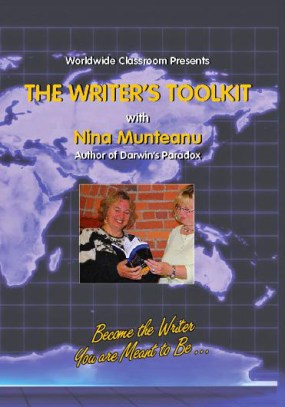
The Writer’s Toolkit

This series of lectures and workshops is part of Nina Munteanu’s “The Writer’s Toolkit”, available as three workshops and DVDs for writers wishing to get published. This 6-hour set of three discs contains lectures, examples and exercises on how to get started and finish, writing craft, marketing and promotion. Available through the author (nina.sfgirl@gmail.com).

the writers toolkit-front-WEBI was fascinated by Nina’s clear and extremely interesting lecture on the hero’s journey.  Maybe all writers have a novel in their heads they want to write one day, and the techniques Nina  shared with us will help me when I get to that point.  In fact, because of her, I may get there a lot sooner than I had planned.”— Zoe M. Hicks, Saint Simon’s Island, GA

Nina Munteanu’s command of the subject matter and her ability to explain in a way that the audience understood was excellent. As a hopeful author, I found her words inspiring.”—Amanda Lott, Scribblers Writers’ Retreat, GA

Rarely have I encountered someone of Nina’s considerable talent and intellect tied to such an extraordinary work ethic…A gifted and inventive writer, Nina is also an excellent speaker who is able to communicate complicated ideas in simple terms and generate creative thought in others. Her accessible, positive approach and delightful sense of humor set people at ease almost immediately.”–Heather Dugan, Ohio writer and voice artist

What you’ve done for me, Nina, is you’ve just opened up a whole new world. You’ve shown me how to put soul into my books.”–Hectorine Roy, Nova Scotia writer

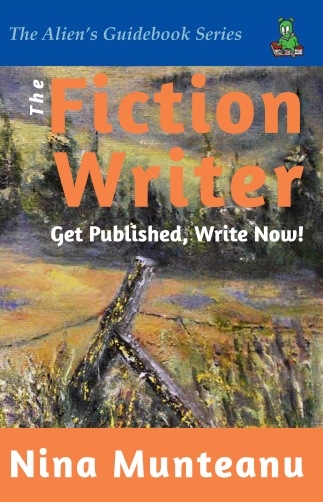
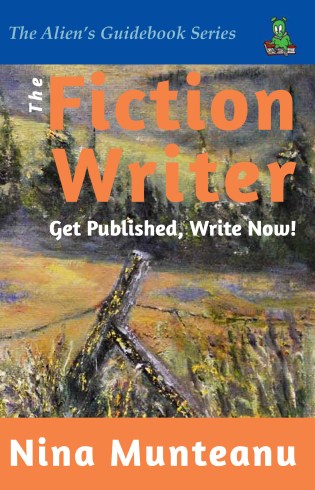
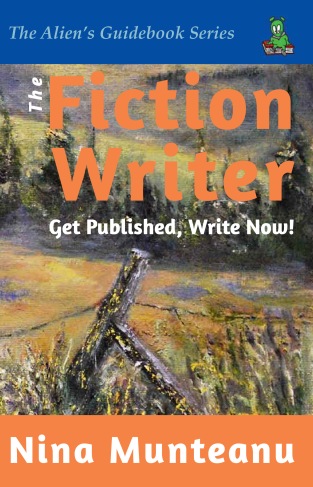
The Writer’s Toolkit workshops were based on my award-nominated fiction writing guide: The Fiction Writer: Get Published, Write Now!

“…Like the good Doctor’s Tardis, The Fiction Writer is larger than it appears… Get Get Published, Write Now! right now.”—David Merchant, Creative Writing Instructor

The Fiction Writer: Get Published, Write Now! (Starfire World Syndicate) is a digest of how-to’s in writing fiction and creative non-fiction by masters of the craft from over the last century. Packaged into 26 chapters of well-researched and easy to read instruction, novelist and teacher Nina Munteanu brings in entertaining real-life examples and practical exercises. The Fiction Writer will help you learn the basic, tried and true lessons of a professional writer: 1) how to craft a compelling story; 2) how to give editors and agents what they want and 3) how to maintain a winning attitude.

FictionWriter-front cover-2nd ed-webThe Fiction Writer is at the top of the required reading list for my Writer’s Workshop students. With its engagingly direct, conversational style and easily accessible format, it is a veritable cornucopia of hands-on help for aspiring writers of any age…the quintessential guidebook for the soon-to-be-published.”—Susan McLemore, Writing Instructor

As important a tool as your laptop or your pen.”—Cathi Urbonas, Halifax writer

Has become my writing bible.”—Carina Burns, author of The Syrian Jewelry Box

I highly recommend this book for any writer wishing to get published.”—Marie Bilodeau, acclaimed author of Destiny’s Blood

I’m thoroughly enjoying the book and even learning a thing or two!”—Robert J. Sawyer, Hugo and Nebula Award-winning author of Wake


Nina Munteanu

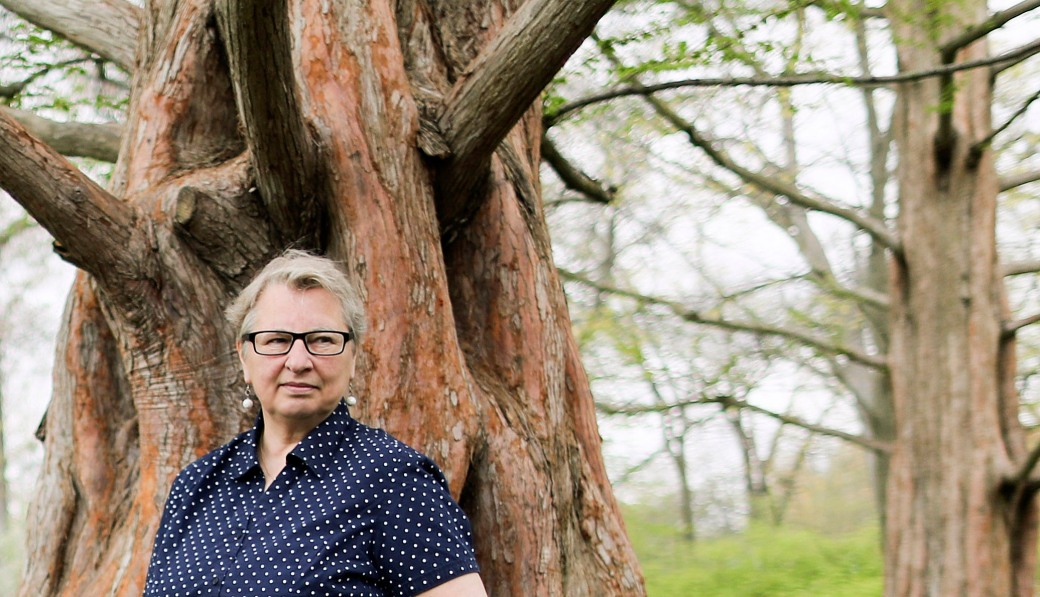
Nina Munteanu in front of metasequoia tree in The Beach, Ontario (photo by Richard Lautens)

The Fiction Writer is the first of a series of writing guides, which consist so far of: The Journal Writer: Finding Your Voice; and The Ecology of Story: World as Character.

Microsoft Word - Three Writing Guides.docx


nina-2014aaa

Nina Munteanu is a Canadian ecologist / limnologist and novelist. She is co-editor of Europa SF and currently teaches writing courses at George Brown College and the University of Toronto. Visit www.ninamunteanu.ca for the latest on her books. Nina’s bilingual “La natura dell’acqua / The Way of Water” was published by Mincione Edizioni in Rome. Her non-fiction book “Water Is…” by Pixl Press (Vancouver) was selected by Margaret Atwood in the New York Times ‘Year in Reading’ and was chosen as the 2017 Summer Read by Water Canada. Her novel “A Diary in the Age of Water” will be released by Inanna Publications (Toronto) in 2020.

Ecology of Story: Place as Metaphor

Birds deer lake

Birds flying over Deer Lake, BC (photo by Nina Munteanu)

Ray Bradbury once told me that everything in story is metaphor. That is no more apparent than in setting and place, in which a story is embedded and through which characters move and interact. Metaphor is the subtext that provides subtleties in story, subtleties that evoke mood, anticipation, and memorable scenes. Richard Russo says, “to know the rhythms, the textures, the feel of a place is to know more deeply and truly its people.” When you choose your setting, remember that its primary metaphoric role is to help depict theme. This is because place is destiny.

Metaphor provides similarity to two dissimilar things through meaning. In the metaphor “Love danced in her heart” or the simile “his love was like a slow dance”, love is equated with the joy of dance. By providing figurative rather than literal description to something, metaphor invites participation through interpretation.

When I write “John’s office was a prison,” I am efficiently and sparingly suggesting in five words—in what would normally take a paragraph—how John felt about his workplace. The reader would conjure imagery suggested by their knowledge of a prison cell: that John felt trapped, cramped, solitary, stifled, oppressed—even frightened and threatened. Metaphor relies on sub-text knowledge.

This is why metaphor is so powerful and universally relevant: the reader fully participates—the reader brings in relevance through their personal knowledge and experience and this creates the memorable aspect to the scene.

Russo tells us that place is crucial to human destiny and the formation of human personality. “The more specific and individual things become, the more universal they feel,” says Russo. This is not an oxymoron, but an example of the principle of a truism that primarily comes to us in the form of paradox (like all good truisms). Detail provides the color and texture of your story and helps it resonate with a sense of place. This does not necessarily translate into a lot of exposition; but it does require creative choice of words. So, instead of “He took a drag from his cigarette as he drove his sports car along a winding road in the country”; (twenty words) try something like “Vinnie sucked on a Camel as his red Corvette careered the hair-pinned curves of Hell’s Gate.” (seventeen words).

Place Personified

Tree-YellowBirch winter-LR

Old yellow birch tree in Little Rouge woodland (photo by Nina Munteanu)

Personification is powerful metaphor that gives nonhuman things human qualities. It personalizes, energizes and emotionalizes. Place described through personification can illuminate both characters and their environment in compelling ways. By giving an object, place, or animal the qualities of a person, personification provides subtle aspects of mood and links the reader to a cocktail subtext of human feelings and struggles. Personification can connect the reader to “lifeless” objects such as water, soil, rock, the sun, moon, planet, concrete, paper, etc., to map the larger meaning of the story. Putting a character’s feelings into the objects around her—as POV character—creates a subtle but deep connection with the reader: “The darkness embraced her”; “The open-throated roar of the river pulled her near.”

D.H. Lawrence’s creates strong personification of Thomas Hardy’s Egdon Heath in Return of the Native:

…Egdon, whose dark soil was strong and crude and organic as the body of a beast.

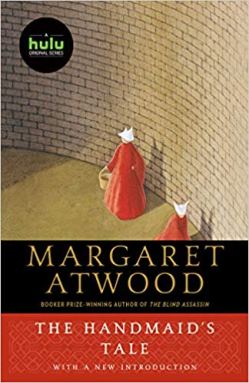
In The Handmaid’s Tale—a dystopian tale of oppression and intrigue—Margaret Atwood writes:

There is something subversive about this garden of Serena’s, a sense of buried things bursting upwards, wordlessly, into the light, as if to point, to say: Whatever is silenced will clamour to be heard, though silently … Light pours down upon it from the sun, true, but also heat rises, from the flowers themselves, you can feel it: like holding your hand an inch above an arm, a shoulder. It breathes, in the warmth, breathing itself in.

Martin Nolan’s Still Point creates powerful imagery of a storm aftermath through an abandoned old shed and contrasts its loneliness to the half-wild woods nearby:

A deserted shed by the road, buckling under its roof, kneels into the tall grass. The woods beyond it hide the river … I turn back to the half-wild woods. These trees speak to each other, are wild enough for that. They live together, holding the riverbanks in place.

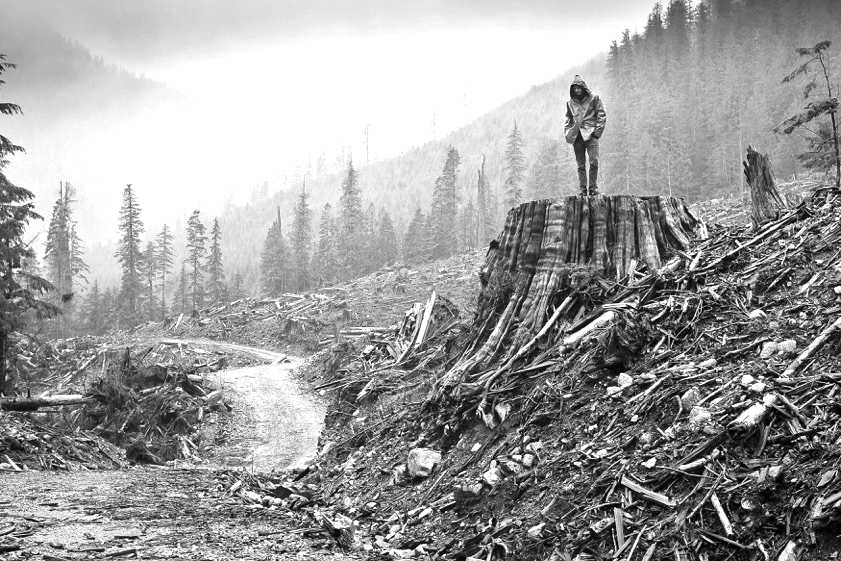
Cixin Liu’s The Three Body Problem—set against the backdrop of China’s Cultural Revolution—follows Wenji Ye, disillusioned by the massive environmental deforestation in the labour camps she is sent to work:

Her company wielded hundreds of chain saws like a swarm of steel locusts, and after they passed, only stumps were left. The fallen Dahurian larch, now bereft of branches, was ready to be taken away by tractor. Ye gently caressed the freshly exposed cross section of the felled trunk. She did this often, as though such surfaces were giant wounds, as though she could feel the tree’s pain …

Clearcut gordon valley-BW

Clearcut in Gordon Valley, British Columbia (photo by T.J. Watts)

In Memory of Water, Emmi Itäranta personifies this life-giving substance whose very nature is tightly interwoven with her main character. As companion and harbinger, water is portrayed simultaneously as friend and enemy. As giver and taker of life.

Water is the most versatile of all elements … Water walks with the moon and embraces the earth, and it isn’t afraid to die in fire or live in air. When you step into it, it will be as close as your own skin, but if you hit it too hard, it will shatter you … Death is water’s close companion. The two cannot be separated, and neither can be separated from us, for they are what we are ultimately made of: the versatility of water, and the closeness of death. Water has no beginning and no end, but death has both. Death is both. Sometimes death travels hidden in water, and sometimes water will chase death away, but they go together always, in the world and in us.

Personification of natural things provides the reader with an image they can clearly and emotionally relate to and care about. When a point-of-view character does the describing, we get a powerful and intimate indication of their thoughts and feelings—mainly in how they connect to place (often as symbol). When this happens, place and perception entwine in powerful force.


MockUpEcology copyThis article is an excerpt from “The Ecology of Story: World as Character” due in June 2019 by Pixl Press.


From Habitats and Trophic Levels to Metaphor and Archetype…

Learn the fundamentals of ecology, insights of world-building, and how to master layering-in of metaphoric connections between setting and character. Ecology of Story: World as Character is the 3rd guidebook in Nina Munteanu’s acclaimed “how to write” series for novice to professional writers.


Microsoft Word - Three Writing Guides.docx

nina-2014aaa

Nina Munteanu is a Canadian ecologist / limnologist and novelist. She is co-editor of Europa SF and currently teaches writing courses at George Brown College and the University of Toronto. Visit www.ninamunteanu.ca for the latest on her books. Nina’s bilingual “La natura dell’acqua / The Way of Water” was published by Mincione Edizioni in Rome. Her non-fiction book “Water Is…” by Pixl Press (Vancouver) was selected by Margaret Atwood in the New York Times ‘Year in Reading’ and was chosen as the 2017 Summer Read by Water Canada. Her novel “A Diary in the Age of Water” will be released by Inanna Publications (Toronto) in 2020.
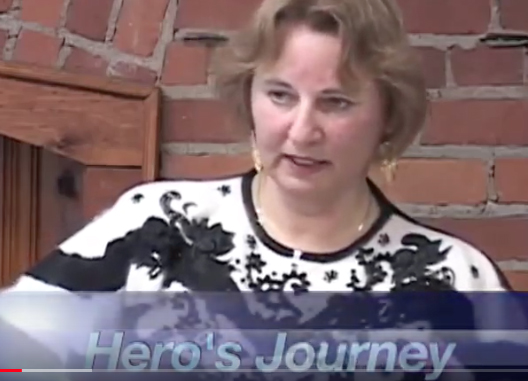


Write and Publish, Part 6: How to Beat Writer’s Block

Author and university writing instructor NIna Munteanu gives some cool tips on how to beat the block.

Nina-Avoid the Block

The Write and Publish Series

You want to write but don’t know how to get started? The Write and Publish Series focuses on:

  • How to find time to write around your busy schedule
  • How to make the most of your present resources
  • How to get inspired and motivate yourself to write
  • How to write, finish and submit your work

This 7-part series of lectures consists of: 1) Nina’s 5-Ps to Success; 2) Redefine Yourself as an Author; 3) Time and Space to Write; 4) Adopt a Winning Attitude; 5) Write What Excites You; 6) How to Beat Writer’s Block; and 7) How to Keep Motivated.

The Writer’s Toolkit

This series of lectures and workshops is part of Nina Munteanu’s “The Writer’s Toolkit”, available as three workshops and DVDs for writers wishing to get published. This 6-hour set of three discs contains lectures, examples and exercises on how to get started and finish, writing craft, marketing and promotion. Available through the author (nina.sfgirl@gmail.com).

the writers toolkit-front-WEBI was fascinated by Nina’s clear and extremely interesting lecture on the hero’s journey.  Maybe all writers have a novel in their heads they want to write one day, and the techniques Nina shared with us will help me when I get to that point.  In fact, because of her, I may get there a lot sooner than I had planned.”— Zoe M. Hicks, Saint Simon’s Island, GA

Nina Munteanu’s command of the subject matter and her ability to explain in a way that the audience understood was excellent. As a hopeful author, I found her words inspiring.”—Amanda Lott, Scribblers Writers’ Retreat, GA

Rarely have I encountered someone of Nina’s considerable talent and intellect tied to such an extraordinary work ethic…A gifted and inventive writer, Nina is also an excellent speaker who is able to communicate complicated ideas in simple terms and generate creative thought in others. Her accessible, positive approach and delightful sense of humor set people at ease almost immediately.”–Heather Dugan, Ohio writer and voice artist

What you’ve done for me, Nina, is you’ve just opened up a whole new world. You’ve shown me how to put soul into my books.”–Hectorine Roy, Nova Scotia writer

The Writer’s Toolkit workshops were based on my award-nominated fiction writing guide: The Fiction Writer: Get Published, Write Now!

FictionWriter-front cover-2nd ed-web“…Like the good Doctor’s Tardis, The Fiction Writer is larger than it appears… Get Get Published, Write Now! right now.”—David Merchant, Creative Writing Instructor

The Fiction Writer: Get Published, Write Now! (Starfire World Syndicate) is a digest of how-to’s in writing fiction and creative non-fiction by masters of the craft from over the last century. Packaged into 26 chapters of well-researched and easy to read instruction, novelist and teacher Nina Munteanu brings in entertaining real-life examples and practical exercises. The Fiction Writer will help you learn the basic, tried and true lessons of a professional writer: 1) how to craft a compelling story; 2) how to give editors and agents what they want and 3) how to maintain a winning attitude.

The Fiction Writer is at the top of the required reading list for my Writer’s Workshop students. With its engagingly direct, conversational style and easily accessible format, it is a veritable cornucopia of hands-on help for aspiring writers of any age…the quintessential guidebook for the soon-to-be-published.”—Susan McLemore, Writing Instructor

As important a tool as your laptop or your pen.”—Cathi Urbonas, Halifax writer

Has become my writing bible.”—Carina Burns, author of The Syrian Jewelry Box

I highly recommend this book for any writer wishing to get published.”—Marie Bilodeau, acclaimed author of Destiny’s Blood

I’m thoroughly enjoying the book and even learning a thing or two!”—Robert J. Sawyer, Hugo and Nebula Award-winning author of Wake


Nina Munteanu

Nina Munteanu stands next to metasequoia tree in The Beach, Ontario (photo by Richard Lautens)


The Fiction Writer is the first of a series of writing guides, which consist so far of: The Journal Writer: Finding Your Voice; and The Ecology of Story: World as Character.

Microsoft Word - Three Writing Guides.docx


nina-2014aaa

Nina Munteanu is a Canadian ecologist / limnologist and novelist. She is co-editor of Europa SF and currently teaches writing courses at George Brown College and the University of Toronto. Visit www.ninamunteanu.ca for the latest on her books. Nina’s bilingual “La natura dell’acqua / The Way of Water” was published by Mincione Edizioni in Rome. Her non-fiction book “Water Is…” by Pixl Press (Vancouver) was selected by Margaret Atwood in the New York Times ‘Year in Reading’ and was chosen as the 2017 Summer Read by Water Canada. Her novel “A Diary in the Age of Water” will be released by Inanna Publications (Toronto) in 2020.
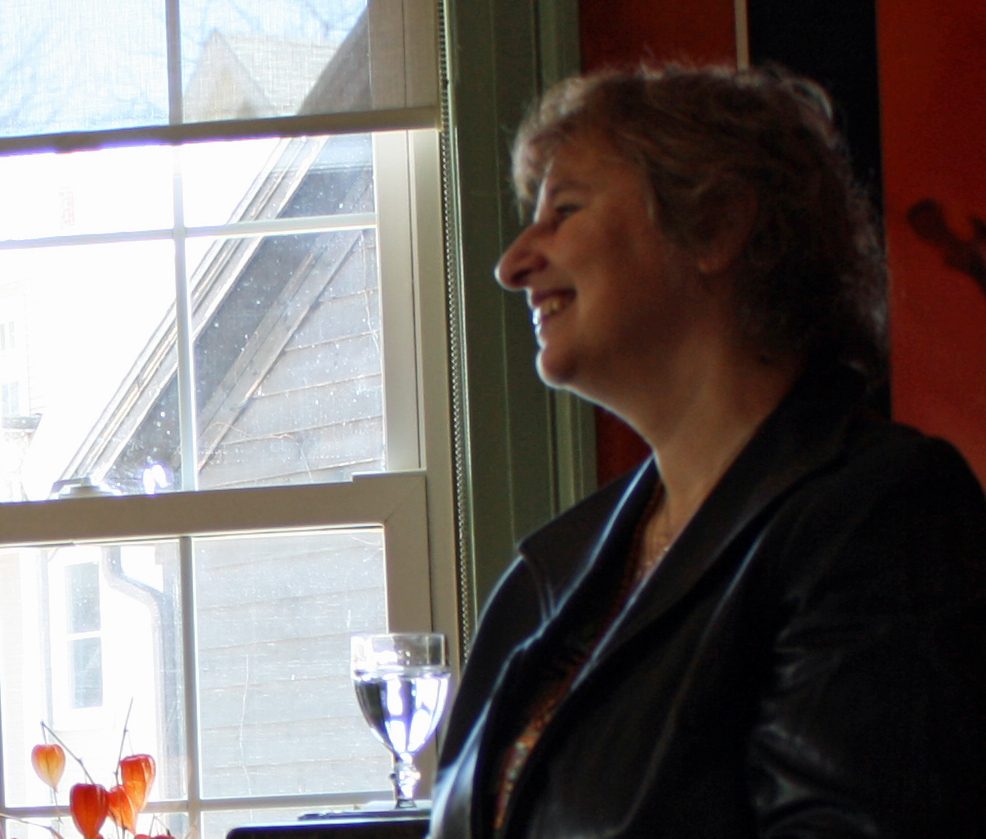
Write and Publish, Part 5: Write What Excites You

Author and university writing instructor Nina Munteanu shares the importance of tapping into what excites you to succeed, where ideas come from, and what to do with them.

Nina-WhatExitesYou

The Write and Publish Series

You want to write but don’t know how to get started? The Write and Publish Series focuses on:

  • How to find time to write around your busy schedule
  • How to make the most of your present resources
  • How to get inspired and motivate yourself to write
  • How to write, finish and submit your work

This 7-part series of lectures consists of: 1) Nina’s 5-Ps to Success; 2) Redefine Yourself as an Author; 3) Time and Space to Write; 4) Adopt a Winning Attitude; 5) Write What Excites You; 6) How to Beat Writer’s Block; and 7) How to Keep Motivated.

The Writer’s Toolkit

This series of lectures and workshops is part of Nina Munteanu’s “The Writer’s Toolkit”, available as three workshops and DVDs for writers wishing to get published. This 6-hour set of three discs contains lectures, examples and exercises on how to get started and finish, writing craft, marketing and promotion. Available through the author (nina.sfgirl@gmail.com).

the writers toolkit-front-WEBI was fascinated by Nina’s clear and extremely interesting lecture on the hero’s journey.  Maybe all writers have a novel in their heads they want to write one day, and the techniques Nina  shared with us will help me when I get to that point.  In fact, because of her, I may get there a lot sooner than I had planned.”— Zoe M. Hicks, Saint Simon’s Island, GA

Nina Munteanu’s command of the subject matter and her ability to explain in a way that the audience understood was excellent. As a hopeful author, I found her words inspiring.”—Amanda Lott, Scribblers Writers’ Retreat, GA

Rarely have I encountered someone of Nina’s considerable talent and intellect tied to such an extraordinary work ethic…A gifted and inventive writer, Nina is also an excellent speaker who is able to communicate complicated ideas in simple terms and generate creative thought in others. Her accessible, positive approach and delightful sense of humor set people at ease almost immediately.”–Heather Dugan, Ohio writer and voice artist

What you’ve done for me, Nina, is you’ve just opened up a whole new world. You’ve shown me how to put soul into my books.”–Hectorine Roy, Nova Scotia writer

The Writer’s Toolkit workshops were based on my award-nominated fiction writing guide: The Fiction Writer: Get Published, Write Now!

“…Like the good Doctor’s Tardis, The Fiction Writer is larger than it appears… Get Get Published, Write Now! right now.”—David Merchant, Creative Writing Instructor

The Fiction Writer: Get Published, Write Now! (Starfire World Syndicate) is a digest of how-to’s in writing fiction and creative non-fiction by masters of the craft from over the last century. Packaged into 26 chapters of well-researched and easy to read instruction, novelist and teacher Nina Munteanu brings in entertaining real-life examples and practical exercises. The Fiction Writer will help you learn the basic, tried and true lessons of a professional writer: 1) how to craft a compelling story; 2) how to give editors and agents what they want and 3) how to maintain a winning attitude.

FictionWriter-front cover-2nd ed-webThe Fiction Writer is at the top of the required reading list for my Writer’s Workshop students. With its engagingly direct, conversational style and easily accessible format, it is a veritable cornucopia of hands-on help for aspiring writers of any age…the quintessential guidebook for the soon-to-be-published.”—Susan McLemore, Writing Instructor

As important a tool as your laptop or your pen.”—Cathi Urbonas, Halifax writer

Has become my writing bible.”—Carina Burns, author of The Syrian Jewelry Box

I highly recommend this book for any writer wishing to get published.”—Marie Bilodeau, acclaimed author of Destiny’s Blood

I’m thoroughly enjoying the book and even learning a thing or two!”—Robert J. Sawyer, Hugo and Nebula Award-winning author of Wake


Nina Munteanu

Nina Munteanu stands with metasequoia tree in The Beach (photo by Richard Lautens)


The Fiction Writer is the first of a series of writing guides, which consist so far of: The Journal Writer: Finding Your Voice; and The Ecology of Story: World as Character.

Microsoft Word - Three Writing Guides.docx


nina-2014aaa

Nina Munteanu is a Canadian ecologist / limnologist and novelist. She is co-editor of Europa SF and currently teaches writing courses at George Brown College and the University of Toronto. Visit www.ninamunteanu.ca for the latest on her books. Nina’s bilingual “La natura dell’acqua / The Way of Water” was published by Mincione Edizioni in Rome. Her non-fiction book “Water Is…” by Pixl Press (Vancouver) was selected by Margaret Atwood in the New York Times ‘Year in Reading’ and was chosen as the 2017 Summer Read by Water Canada. Her novel “A Diary in the Age of Water” will be released by Inanna Publications (Toronto) in 2020.
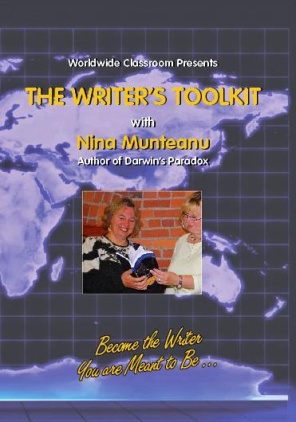
 

Write and Publish, Part 3: Time and Space to Write

Author and university instructor Nina Munteanu talks about the importance of defining and respecting your time and space for a successful writing career.

Nina-SacredSpace

The Write and Publish Series

You want to write but don’t know how to get started? The Write and Publish Series focuses on:

  • How to find time to write around your busy schedule
  • How to make the most of your present resources
  • How to get inspired and motivate yourself to write
  • How to write, finish and submit your work

The 7-part series of lectures consists of: 1) Nina’s 5-Ps to Success; 2) Redefine Yourself as an Author; 3) Time and Space to Write; 4) Adopt a Winning Attitude; 5) Write What Excites You; 6) How to Beat Writer’s Block; and 7) How to Keep Motivated.

The Writer’s Toolkit

This series of lectures and workshops is part of Nina Munteanu’s “The Writer’s Toolkit”, available as three workshops and DVDs for writers wishing to get published. This 6-hour set of three discs contains lectures, examples and exercises on how to get started and finish, writing craft, marketing and promotion. Available through the author (nina.sfgirl@gmail.com).

the writers toolkit-front-WEBI was fascinated by Nina’s clear and extremely interesting lecture on the hero’s journey.  Maybe all writer’s have a novel in their heads they want to write one day, and the techniques Nina shared with us will help me when I get to that point.  In fact, because of her, I may get there a lot sooner than I had planned.”— Zoe M. Hicks, Saint Simon’s Island, GA
Nina Munteanu’s command of the subject matter and her ability to explain in a way that the audience understood was excellent. As a hopeful author, I found her words inspiring.”—Amanda Lott, Scribblers Writers’ Retreat, GA

Rarely have I encountered someone of Nina’s considerable talent and intellect tied to such an extraordinary work ethic…A gifted and inventive writer, Nina is also an excellent speaker who is able to communicate complicated ideas in simple terms and generate creative thought in others. Her accessible, positive approach and delightful sense of humor set people at ease almost immediately.”–Heather Dugan, Ohio writer and voice artist

What you’ve done for me, Nina, is you’ve just opened up a whole new world. You’ve shown me how to put soul into my books.”–Hectorine Roy, Nova Scotia writer

The Writer’s Toolkit workshops were based on my award-nominated fiction writing guide: The Fiction Writer: Get Published, Write Now!

“…Like the good Doctor’s Tardis, The Fiction Writer is larger than it appears… Get Get Published, Write Now! right now.”—David Merchant, Creative Writing Instructor
The Fiction Writer: Get Published, Write Now! (Starfire World Syndicate) is a digest of how-to’s in writing fiction and creative non-fiction by masters of the craft from over the last century. Packaged into 26 chapters of well-researched and easy to read instruction, novelist and teacher Nina Munteanu brings in entertaining real-life examples and practical exercises. The Fiction Writer will help you learn the basic, tried and true lessons of a professional writer: 1) how to craft a compelling story; 2) how to give editors and agents what they want’ and 3) how to maintain a winning attitude.

FictionWriter-front cover-2nd ed-webThe Fiction Writer is at the top of the required reading list for my Writer’s Workshop students. With its engagingly direct, conversational style and easily accessible format, it is a veritable cornucopia of hands-on help for aspiring writers of any age…the quintessential guidebook for the soon-to-be-published.”—Susan McLemore, Writing Instructor

As important a tool as your laptop or your pen.”—Cathi Urbonas, Halifax writer

Has become my writing bible.”—Carina Burns, author of The Syrian Jewelry Box

I highly recommend this book for any writer wishing to get published.”—Marie Bilodeau, acclaimed author of Destiny’s Blood

I’m thoroughly enjoying the book and even learning a thing or two!”—Robert J. Sawyer, Hugo and Nebula Award-winning author of Wake


Nina Munteanu

Nina Munteanu next to metasequoia tree in The Beach, ON (photo by Richard Lautens)


The Fiction Writer is the first of a series of writing guides, which consist so far of: The Journal Writer: Finding Your Voice; and The Ecology of Story: World as Character.

Microsoft Word - Three Writing Guides.docx


nina-2014aaaNina Munteanu is an ecologist and internationally published author of award-nominated speculative novels, short stories and non-fiction. She is co-editor of Europa SF and currently teaches writing courses at George Brown College and the University of Toronto. Visit www.ninamunteanu.ca for the latest on her books. Nina’s recent book is the bilingual “La natura dell’acqua / The Way of Water” (Mincione Edizioni, Rome). Her latest “Water Is…” is currently an Amazon Bestseller and NY Times ‘year in reading’ choice of Margaret Atwood.

Write and Publish, Part 2: Redefining Yourself

Author and university writing instructor Nina Munteanu shares how you can become successful as a writer: one of them is to redefine yourself as an author–to be successful you need to play the part.


Nina-RedefineYourself

The Write and Publish Series

You want to write but don’t know how to get started? The Write and Publish Series focuses on:

  • How to find time to write around your busy schedule
  • How to make the most of your present resources
  • How to get inspired and motivate yourself to write
  • How to write, finish and submit your work

The 7-part series of lectures consists of: 1) Nina’s 5-Ps to Success; 2) Redefine Yourself as an Author; 3) Time and Space to Write; 4) Adopt a Winning Attitude; 5) Write What Excites You; 6) How to Beat Writer’s Block; and 7) How to Keep Motivated.

The Writer’s Toolkit

This series of lectures and workshops is part of Nina Munteanu’s “The Writer’s Toolkit”, available as three workshops and DVDs for writers wishing to get published. This 6-hour set of three discs contains lectures, examples and exercises on how to get started and finish, writing craft, marketing and promotion. Available through the author (nina.sfgirl@gmail.com).

the writers toolkit-front-WEBI was fascinated by Nina’s clear and extremely interesting lecture on the hero’s journey.  Maybe all writer’s have a novel in their heads they want to write one day, and the techniques Nina  shared with us will help me when I get to that point.  In fact, because of her, I may get there a lot sooner than I had planned.”— Zoe M. Hicks, Saint Simon’s Island, GA

Nina Munteanu’s command of the subject matter and her ability to explain in a way that the audience understood was excellent. As a hopeful author, I found her words inspiring.”—Amanda Lott, Scribblers Writers’ Retreat, GA

Rarely have I encountered someone of Nina’s considerable talent and intellect tied to such an extraordinary work ethic…A gifted and inventive writer, Nina is also an excellent speaker who is able to communicate complicated ideas in simple terms and generate creative thought in others. Her accessible, positive approach and delightful sense of humor set people at ease almost immediately.”–Heather Dugan, Ohio writer and voice artist

What you’ve done for me, Nina, is you’ve just opened up a whole new world. You’ve shown me how to put soul into my books.”–Hectorine Roy, Nova Scotia writer

The Writer’s Toolkit workshops were based on my award-nominated fiction writing guide: The Fiction Writer: Get Published, Write Now!

“…Like the good Doctor’s Tardis, The Fiction Writer is larger than it appears… Get Get Published, Write Now! right now.”—David Merchant, Creative Writing Instructor
The Fiction Writer: Get Published, Write Now! (Starfire World Syndicate) is a digest of how-to’s in writing fiction and creative non-fiction by masters of the craft from over the last century. Packaged into 26 chapters of well-researched and easy to read instruction, novelist and teacher Nina Munteanu brings in entertaining real-life examples and practical exercises. The Fiction Writer will help you learn the basic, tried and true lessons of a professional writer: 1) how to craft a compelling story; 2) how to give editors and agents what they want’ and 3) how to maintain a winning attitude.

FictionWriter-front cover-2nd ed-webThe Fiction Writer is at the top of the required reading list for my Writer’s Workshop students. With its engagingly direct, conversational style and easily accessible format, it is a veritable cornucopia of hands-on help for aspiring writers of any age…the quintessential guidebook for the soon-to-be-published.”—Susan McLemore, Writing Instructor

As important a tool as your laptop or your pen.”—Cathi Urbonas, Halifax writer

Has become my writing bible.”—Carina Burns, author of The Syrian Jewelry Box

I highly recommend this book for any writer wishing to get published.”—Marie Bilodeau, acclaimed author of Destiny’s Blood

I’m thoroughly enjoying the book and even learning a thing or two!”—Robert J. Sawyer, Hugo and Nebula Award-winning author of Wake


Nina Munteanu

Nina Munteanu next to a metasequoia tree in The Beach, ON (photo by Richard Lautens)


The Fiction Writer is the first of a series of writing guides, which consist so far of: The Journal Writer: Finding Your Voice; and The Ecology of Story: World as Character.


Microsoft Word - Three Writing Guides.docx


nina-2014aaaNina Munteanu is an ecologist and internationally published author of award-nominated speculative novels, short stories and non-fiction. She is co-editor of Europa SF and currently teaches writing courses at George Brown College and the University of Toronto. Visit www.ninamunteanu.ca for the latest on her books. Nina’s recent book is the bilingual “La natura dell’acqua / The Way of Water” (Mincione Edizioni, Rome). Her latest “Water Is…” is currently an Amazon Bestseller and NY Times ‘year in reading’ choice of Margaret Atwood.

Write and Publish, Part 1: Nina’s 5-Ps to Success

Author and university instructor Nina Munteanu gives her “formula” for publishing success that she calls ‘the 5-Ps.’


Nina-5Ps of Publishing


The Write and Publish Series

You want to write but don’t know how to get started? The Write and Publish Series focus on:

  • How to find time to write around your busy schedule
  • How to make the most of your present resources
  • How to get inspired and motivate yourself to write
  • How to write, finish and submit your work

This 7-part series of lectures consists of: 1) Nina’s 5-Ps to Success; 2) Redefine Yourself as an Author; 3) Time and Space to Write; 4) Adopt a Winning Attitude; 5) Write What Excites You; 6) How to Beat Writer’s Block; and 7) How to Keep Motivated.

The Writer’s Toolkit

This series of lectures and workshops is part of Nina Munteanu’s “The Writer’s Toolkit”, available as three workshops and DVDs for writers wishing to get published. This 6-hour set of three discs contains lectures, examples and exercises on how to get started and finish, writing craft, marketing and promotion. Available through the author (nina.sfgirl@gmail.com).

the writers toolkit-front-WEBI was fascinated by Nina’s clear and extremely interesting lecture on the hero’s journey.  Maybe all writer’s have a novel in their heads they want to write one day, and the techniques Nina  shared with us will help me when I get to that point.  In fact, because of her, I may get there a lot sooner than I had planned.”— Zoe M. Hicks, Saint Simon’s Island, GA

Nina Munteanu’s command of the subject matter and her ability to explain in a way that the audience understood was excellent. As a hopeful author, I found her words inspiring.”—Amanda Lott, Scribblers Writers’ Retreat, GA

Rarely have I encountered someone of Nina’s considerable talent and intellect tied to such an extraordinary work ethic…A gifted and inventive writer, Nina is also an excellent speaker who is able to communicate complicated ideas in simple terms and generate creative thought in others. Her accessible, positive approach and delightful sense of humor set people at ease almost immediately.”–Heather Dugan, Ohio writer and voice artist

What you’ve done for me, Nina, is you’ve just opened up a whole new world. You’ve shown me how to put soul into my books.”–Hectorine Roy, Nova Scotia writer

FictionWriter-front cover-2nd ed-webThe Writer’s Toolkit workshops were based on my award-nominated fiction writing guide: The Fiction Writer: Get Published, Write Now!

“…Like the good Doctor’s Tardis, The Fiction Writer is larger than it appears… Get Get Published, Write Now! right now.”—David Merchant, Creative Writing Instructor
The Fiction Writer: Get Published, Write Now! (Starfire World Syndicate) is a digest of how-to’s in writing fiction and creative non-fiction by masters of the craft from over the last century. Packaged into 26 chapters of well-researched and easy to read instruction, novelist and teacher Nina Munteanu brings in entertaining real-life examples and practical exercises. The Fiction Writer will help you learn the basic, tried and true lessons of a professional writer: 1) how to craft a compelling story; 2) how to give editors and agents what they want’ and 3) how to maintain a winning attitude.

The Fiction Writer is at the top of the required reading list for my Writer’s Workshop students. With its engagingly direct, conversational style and easily accessible format, it is a veritable cornucopia of hands-on help for aspiring writers of any age…the quintessential guidebook for the soon-to-be-published.”—Susan McLemore, Writing Instructor

As important a tool as your laptop or your pen.”—Cathi Urbonas, Halifax writer

Has become my writing bible.”—Carina Burns, author of The Syrian Jewelry Box

I highly recommend this book for any writer wishing to get published.”—Marie Bilodeau, acclaimed author of Destiny’s Blood

I’m thoroughly enjoying the book and even learning a thing or two!”—Robert J. Sawyer, Hugo and Nebula Award-winning author of Wake

Nina Munteanu

Nina next to a metasequoia tree in The Beach, ON (photo by Richard Lautens)


The Fiction Writer is the first of a series of writing guides, which consist so far of: The Journal Writer: Finding Your Voice; and The Ecology of Story: World as Character.


Microsoft Word - Three Writing Guides.docx

nina-2014aaaNina Munteanu is an ecologist and internationally published author of award-nominated speculative novels, short stories and non-fiction. She is co-editor of Europa SF and currently teaches writing courses at George Brown College and the University of Toronto. Visit www.ninamunteanu.ca for the latest on her books. Nina’s recent book is the bilingual “La natura dell’acqua / The Way of Water” (Mincione Edizioni, Rome). Her latest “Water Is…” is currently an Amazon Bestseller and NY Times ‘year in reading’ choice of Margaret Atwood.

Hybrid Publishing: Understanding the Writing and Publishing Landscape

Cafe on Baldwin-TorontoOn Friday evening of October 26th Nina will be giving the first in a series of 10 writing workshops through the Immigrant Writers Association Writing and Publishing workshop series for members and non-members. Workshops are free for Class A members, $10 for Class B members, and $15 for non-members.

WORKSHOP: Hybrid Publishing: Understanding the Landscape 

DESCRIPTION: The workshop is structured as an hour-long lecture followed by discussions pertinent to the topic, such as various publishing models, self-publishing, indie publishing, the traditional and the hybrid model with the pros and cons of each model.

The workshop will cover:

  • An overview of the publishing industry, spanning from traditional to indie and self-publishing and everything in-between.
  • Advantages and disadvantages of each option discussed based on needs and perspectives. These include marketing, distribution, creative control, revenue, timing, branding, and reputation.
  • An exploration of emerging directions, models, collaborations and structures in the publishing industry and what this means for the writer.

TIME: 7pm to 9pm

PLACE: Toronto City Hall, Committee Room #2
100 Queen Street West
Toronto, ON

COST: Free for IWA Member type A; $10 for IWA Member type B; $15 for non-members

REGISTER/PAY HERE

Learn with IWA is an initiative of the Immigrant Writers Association, which helps its members enhance their writing skills, gain knowledge about the Canadian publishing landscape, and advance their careers. IWA also encourages its members and other immigrants to share the expertise they brought along, their culture, and thoughts to enrich the society they live in.

Nina’s IWA Writing and Publishing workshops series include:
(C: on craft; P: on publishing, promotion, marketing)

1 (P): Hybrid Publishing: Understanding the Landscape (Oct 26, 2018)
2 (C): World as Character (Nov 30, 2018)
3 (P): How to Promote Your Book and Increase Your Visibility (Jan, 2019)
4 (C): Storyboarding: creating “story” from scenes to worlds
5 (P): Getting Started and Finishing
6 (C): Things to Consider in Fiction Writing
7 (C): Genre-Specific Writing
8 (P): Cover Design / Interior Layout
9 (C): Self-Editing: Ways to Improve Your Language in Writing
10 (P): Getting Feedback: what to do with it

NinaOct26

_________________________

To find out more about IWA’s membership type A and B, please visit immigrantwriters.com/join-us


nina-2014aaaNina Munteanu is an ecologist and internationally published author of award-nominated speculative novels, short stories and non-fiction. She is co-editor of Europa SF and currently teaches writing courses at George Brown College and the University of Toronto. Visit www.ninamunteanu.ca for the latest on her books. Nina’s recent book is the bilingual “La natura dell’acqua / The Way of Water” (Mincione Edizioni, Rome). Her latest “Water Is…” is currently an Amazon Bestseller and NY Times ‘year in reading’ choice of Margaret Atwood.


Revisiting the Short Story and Heinlein’s Five Rules of Writing

george brown college

The seventh class of my 12-week Creating Science Fiction course at George Brown College is all about short story writing. I’m by nature a progressive—and an itinerant explorer; so, I am updating materials for my students and sharing them with you.

PlayingTheShortGame-DougSmithOne resource I’m eager to introduce to my students is Canadian SF short story writer Douglas Smith’s recent guidebook, Playing the Short Game: How to Market & Sell Short Fiction. Smith’s guidebook is a Tardis-style smallish yet comprehensive guide on what it takes to be a successful short story writer from starting & finishing to marketing & publishing to leveraging & promotion.

Smith is an accomplished short story writer and marketer, who has always openly shared his treasures of acquired wisdom with others.  His stories have appeared in thirty countries and 25 languages. He’s won three awards and has three acclaimed collections—so far. For years, his Foreign Market List has helped writers—including me—sell their work all over the world. To date, I have sold short stories (mostly translated reprints) to markets in Greece, Poland, Romania, Israel, and Italy—thanks to his list.

Why Write Short?

coffee-doubleespressoI’m a petite five foot-three height and purposely wear flat shoes. I love short. I prefer my espresso pulled in short shots—or  ristretto—in my flat white. Described as bolder, fuller, with more body and less bitterness, the ristretto is like a burst of intense flavor with a lingering finish. Short is pretty cool.

Douglas Smith gives seven excellent reasons for writing short fiction, even if you are ultimately a novel writer, like me. Writing short stories:


  1. Helps you learn your craft in easy, short-term, bite-sized amounts and over a reasonable time for you to learn, apply, and relearn
  2. Helps you test the waters of literature, to discover what excites you, provokes you and what ultimately you NEED to express
  3. Builds your resume, again more easily and quickly than a novel, toward that ultimate novel; publishers of magazines and publishing houses are more likely to take your work seriously if you have a publishing history
  4. Helps you explore ideas for your novel, by “pinging” certain premises you may wish to explore in further detail or take elsewhere in a novel
  5. Helps you build a backlist of published stories, which you own, once rights have reverted back to you
  6. Helps you build a network in your writing community of publishing houses, editors, other writers and so forth as you submit and exchange through your works and letters (including all those rejections!). Eventually, a pleased editor/publisher may invite you to submit to a “Best of” anthology or provide a collection. This has happened to me several times.
  7. Helps you learn the publishing business (well, sort of, says Smith…). Through exposure to the business side of publishing, you will gain an appreciation of how the publishing world works.

Know What You’re Writing

Nina-computer-KraveA short story only has 7,000 or less words to get your tale across while a novel has over ten times that many words to do the same. It follows then that the short story format is a simpler one. This does not necessarily mean easier.

Novels provide a sense of change, growth and solutions to problems and conflicts. “The short story doesn’t have the luxury of depicting change; the closest it can come is awareness,” writes Shelley Lowenkopf in her 2007 article “Telling Tales” in The Portable Writer’s Conference: Your Guide to Getting Published by Quill Driver Books.

She goes on to describe the short story as a close-up to a novel’s landscape. The short story is, therefore, often more intense and powerful. A short story, more than a novel, has the power to transport, disturb and enlighten.

ElementsOfFiction-SceneStructure-BickhamRenowned short story authors like Edgar Allen Poe, Nathanial Hawthorne, and Somerset Maugham, emphasize the importance of striving for one effect when writing a short story: the single effect you wish to leave with the reader at the end. This is accomplished by selecting events or situations that build quickly into a combustible response. Even Alice Munro, who is known for cramming long timeframes into her short stories, frames time through a single event: a meal, family gathering, wedding or funeral, for instance.

Jack Bickham, in his book, Elements of Fiction Writing: Scene and Structure by Writer’s Digest Books (1993) writes that, “story length, author intention, traditional expectations of the audience, and all sorts of things may affect the form a story may take.” Choosing the appropriate length to tell your story relies on the complexity of your premise and theme.

Understanding the Short Story Format

Here are seven tips toward writing a compelling and memorable short story:

  1. Open in the middle of something happening (e.g., action/in a “scene”)
  2. Make your opening provocative (raise the stakes as high as you can)
  3. Write scenes and write sparingly (avoid describing the obvious—use description to show something odd, memorable, exotic)
  4. Have characters define themselves and their goals through what they do and observe (e.g., show more than tell)
  5. Define characters with dialogue (a great way to reveal while keeping a high pace)
  6. Withhold vital information for as long as possible
  7. Don’t explain the ending (cut down on the denouement; let the reader make those conclusions—a key in the short story format)

Selling Your Short Story

Smith’s guidebook provides several chapters of excellent advice in logical steps toward a successful career.

Here are just a few gems that I will be sharing with my students.

First of all, remember that you are not selling your story; you’re licensing a particular set of rights for someone to do something with that story. Before you do anything else, do your homework: know the rights you’re selling; and which ones to keep. Smith describes five major types of rights: media; language; geography (less and less relevant); occurrence; and time.

Eramosa River 3

Eramosa River, Ontario (photo by Nina Munteanu)

Media rights include print rights, electronic rights and audio rights. Markets include magazines, anthologies and collections for short stories. Language and geography rights are pretty self-explanatory. Occurrence rights relate to whether the publisher is buying first or second and onward rights (otherwise known as reprints). Most publishers prefer to pay for the right to publish your work for the first time in that particular format (e.g., in print and in English, for instance). Having said that, I’ve had a lucrative history of selling reprints to some of my more popular short stories. I’ve furthered gone on to selling other rights, such as foreign language rights and audiobook and e-book rights. I’ve also sold two short story collections, one to an Italian publisher (coming out this year) and shorts in several anthologies. No movies yet… But I did have a serious discussion with a writer/producer on one of my shorts. Recall how many Philip K. Dick short stories have been adapted to movies (e.g., Total Recall, The Adjustment Bureau, Paycheck, Minority Report, and Blade Runner).

Heinlein’s Five Rules of Writing

Smith evokes SF writer Robert J Heinlein’s 5 rules of writing to succeed as a short story writer (as any kind of writer, actually). These are:

  1. You must write
  2. You must finish what you write
  3. You must refrain from rewriting, except to editorial order
  4. You must put the work on the market
  5. You must keep the work on the market until sold

I know… Number 3 sounds pretty suspicious, or arrogant at the very least. As Robert J. Sawyer concludes on his site in reference to the five rules, number 3 is open to reasonable interpretation. Of course, it must mean AFTER you’ve finished and edited the story with some level of confidence that you’re happy with it—never mind what other people think of it.

FictionWriter-front cover-2nd ed-webNina’s Bus-Terminal Model

In my writing guide The Fiction Writer, Chapter L (for “Long or Short?”), I talk about how I launched my own successful short story writing career. I’d been writing short stories for a few years without much success (I was getting interesting rejection letters, so I knew I was getting close); then I settled into a kind of model/routine. I call it The Bus Terminal Approach. As Smith attests—several times—it’s a numbers game. That’s how I played it. It starts with one story and relies on you not waiting until you write the next, and the next and the next. Here’s how it works:

  1. You list at least 3 markets that you’ve researched for Story A and send it to the first of the three
  2. You start right away writing Story B, send it to the first of 3 markets you’ve researched and listed for it
  3. When Story A rejection arrives, you do not revise but send it right away to the second market
  4. Same thing for Story B
  5. Write Story C and treat similarly

NaturalSelection-front-webRemember to keep track of what you send where and when and what happens to it. It can become a very confusing bus terminal otherwise, with someone ending up in Seattle when they are headed to Toronto! What happens with this approach is several things: you begin to treat the whole marketing/publishing process as a business (which it is) and because you have so many “buses” out there coming and going, the rejections don’t hurt quite as much and instead become part of the learning process, which they should be. You adopt a more business-like approach, which translates into your relationship with editors and publishers. A win-win situation results. Believe me; this works. Once I fell into this method, my sales increased by over 70%.


Several of my stories are currently available in a collection entitled Natural Selection by Pixl Press. You can read one of my short stories right on Amazing Stories: “Virtually Yours”.

My guidebook, The Fiction Writer, can be purchased in various online and onsite bookstores, including Amazon, Kobo, Chapters Online, Barnes & Noble, and several others even I don’t know about.

nina-2014aaaNina Munteanu is an ecologist and internationally published author of award-nominated speculative novels, short stories and non-fiction. She is co-editor of Europa SF and currently teaches writing courses at George Brown College and the University of Toronto. Visit www.ninamunteanu.ca for the latest on her books. Nina’s recent short story is the bilingual “La natura dell’acqua / The Way of Water” (Mincione Edizioni, Rome). Her latest “Water Is…” is currently an Amazon Bestseller and NY Times ‘year in reading’ choice of Margaret Atwood.