When Art Tangos with Science Through Synchronicity

Imagination is more important than knowledge—Albert Einstein


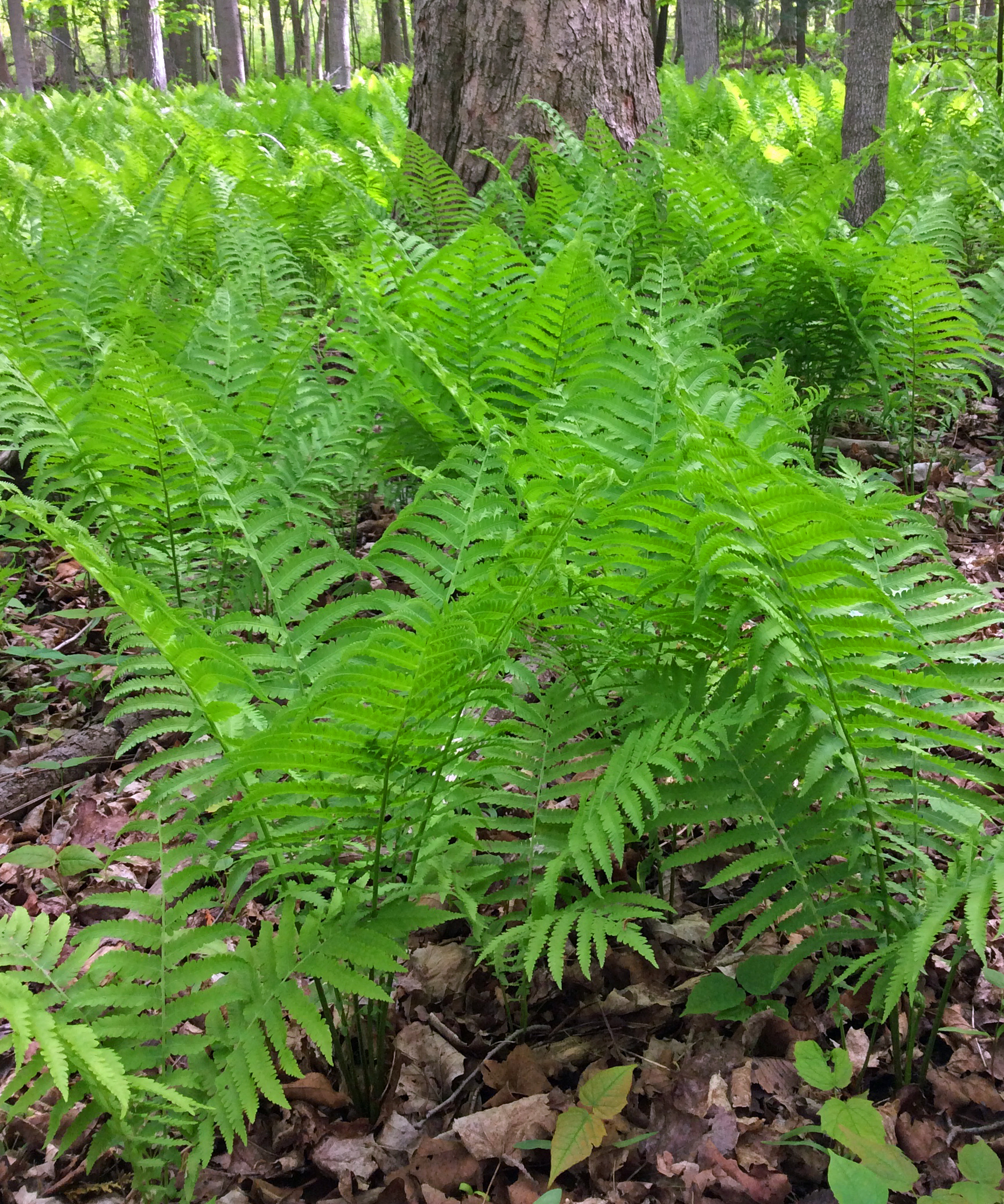
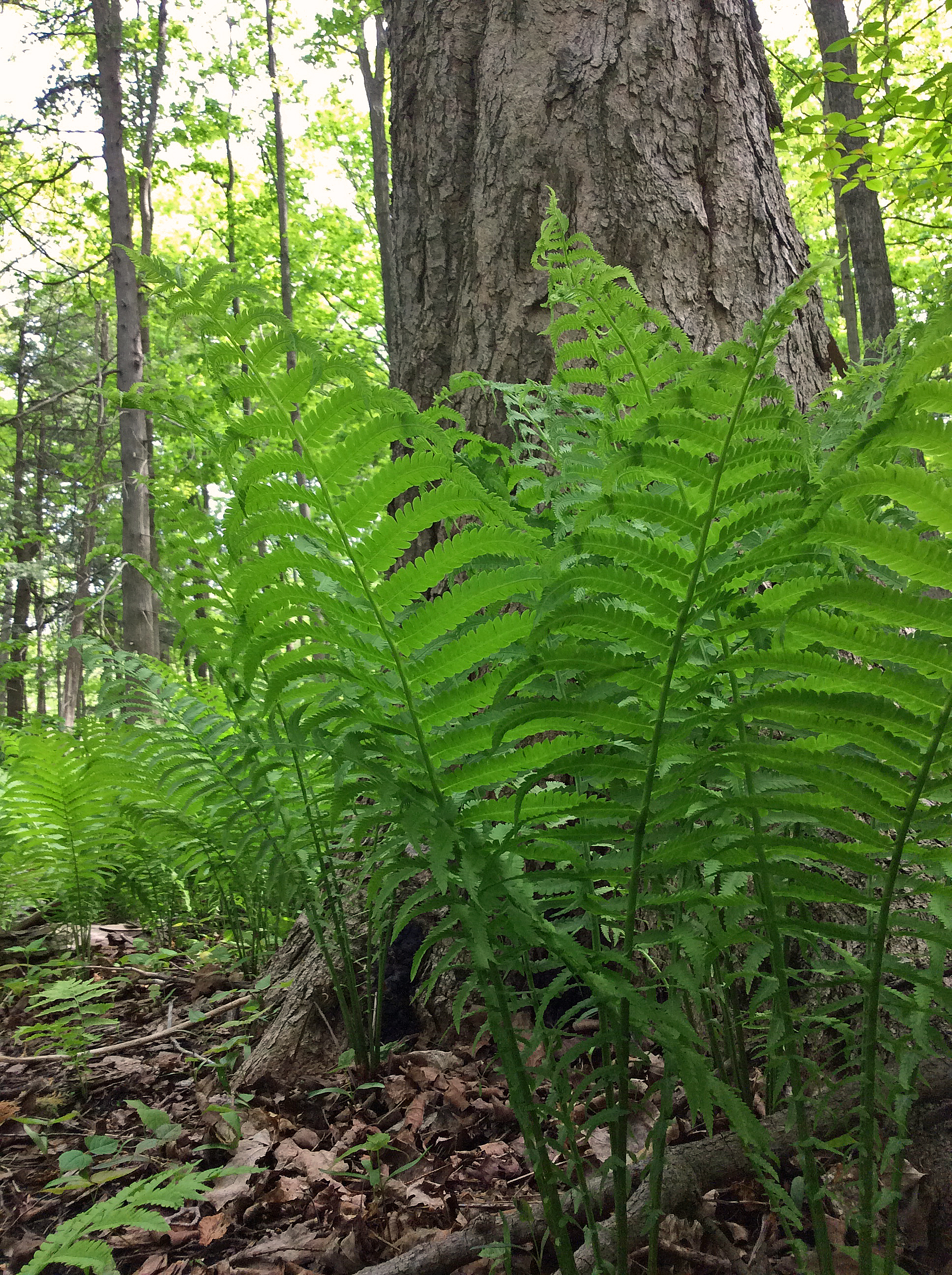
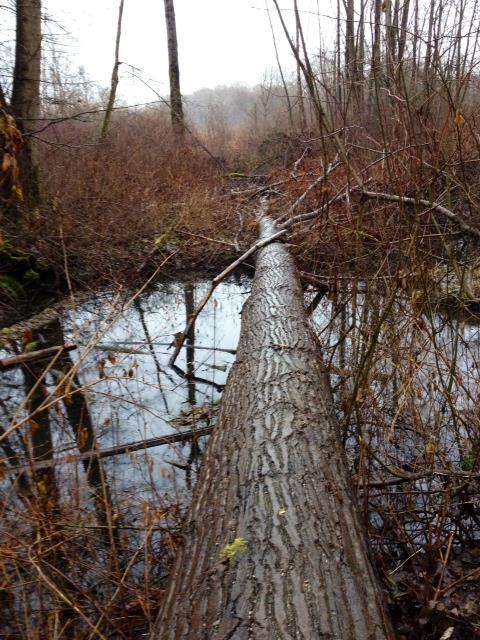
Fern woodfern Cedar JC

Eastern cedar and wood fern in Jackson Creek Park, ON (photo by Nina Munteanu)

I tell stories. I’m also a scientist. I use the scientific method in my research to seek truth; I also find truth presented to me through the symbols of intuition.

Several years ago, I was introduced to Krista Fogel, a University of British Columbia masters student at the time, who was investigating the use of creative art in high-ability scientists. She named her thesis: “The Self-Perceived Experience of Investigating Science with an Artistic Spirit: A Hermeneutic Phenomenological Study of High Ability Scientists Who Also Engage in the Arts”. Hermeneutic, by the way, is the development and study of theories of the interpretation and understanding of texts (I had to look it up) and phenomenology is an approach to philosophy through the study of phenomena.

Krista wanted to interview me as part of her project. I was flattered, of course. Me, a High Ability Scientist? Who’d told her that? Once I got past my own humble angst, I found Krista’s questions bracing; they reopened a world of compelling ideas I had carried with me for some time. The concept of using art to do good science has dwelled inside me since registration day at Concordia University when I quit my fine arts program to pursue a science degree only to come full circle and write fiction.
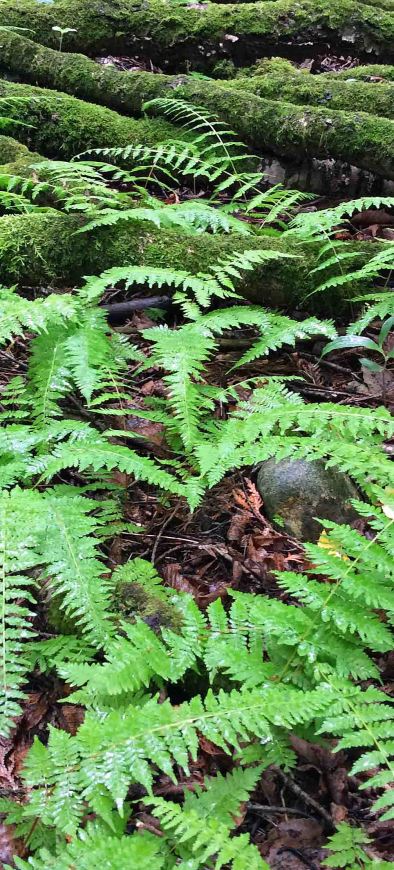
Fern woodfern moss logs JC

Wood fern and moss, Jackson Creek, ON (photo by Nina Munteanu)

I’d received my Masters Degree in Ecology and Limnology and was then working as a scientist for an environmental consulting firm (I now write and teach writing full time). I conducted research, drove boats, collected samples and analyzed data then wrote up my findings and made recommendations. I wrote science fiction novels on the side.

“History shows that eminent scientists, such as Leonardo da Vinci, also engaged in the arts,” said Fogel. She went on to cite 400 other famous scientists who also practiced art at a high level. “If not entirely engaged in the arts, scientists throughout history have at least engaged in science with an artistic spirit. Scientists and artists use common tools for thinking such as intuition and imaginative processes.”

Krista and I met several times at the local Starbucks, where I “toked” on coffee as she fumbled with her notes. A young gal with a direct but unassuming gaze and a gentle smile, Krista asked me to share my personal experience of mixing art with science. Every good scientist is an artist at heart, she told me: science is the tool and art is the process.

Fogel concluded that when conducting scientific investigations with an artistic spirit, the scientist holds her heart central, from which the artist springs. This “allows us to connect with serendipitous occurrences, which breed discovery,” Fogel added.

You can train your mind as both artist and scientist to become more aware of serendipitous occurrences around you. I call it being in sync and wrote about it in a previous article here. Often, when I’m researching a novel, I pick up things serendipitously. Something will come up that just fits with what I was searching for. An article pops up in the news. Or I’m talking to someone and they bring up just the topic I am researching. These things always happen to me. This occurs not only in my fiction writing but in my scientific pursuits. Some years ago, I was doing a pollution study using glass slides for colonizing algae to compare communities of an urban stream to those of an agricultural stream. I was really looking to see the difference between communities of these different stream environments when I discovered that the algae were colonizing the glass surfaces according to the current. Compelled with more questions of why, how and what if, I pursued this new line of research (which turned out to be far more interesting than my original research premise) and wrote several ground-breaking papers on it.

Indeed, questions like “why” and “what if” are germane to both art and science; the ‘what if’ question is the science fiction writer’s mantra and the premise, which comes from the artist part of you: imagination and an inquisitive and open mind. The idea of seemingly unrelated events intersecting to produce meaningful patterns has spawned new notions of thought from the scientific study of spontaneous order in the universe  (synchrony), to Synchromysticism — the discovery of convergent archetypal symbols in pop culture (e.g., books, music and film).

Fern woodfern SolomonSeal JC

Wood fern and Solomon seal, ON (photo by Nina Munteanu)

Writer and philosopher Jake Kotze suggests that, “Synchronicity happens when we notice the bleed-through from one seemingly separate thing into another — or when we for a brief moment move beyond the mind’s divisions of the world.” Synchronicity and serendipitous discovery, like metaphor, appears when we change the way we look at things.

Serendipitous discovery comes to us through peripheral vision. Like our muse, it doesn’t happen by chasing after it; it sneaks up on us when we’re not looking. It comes to us when we focus outward and embrace our wonder for this world. When we quiet our minds and nurture our souls with beauty. It is then that what we had been seeking naturally comes to us. Like a gift.

Author Sibyl Hunter tells us that “Sync operates as an undercurrent of divine awareness personified through the myriad processes and symbols that make up the building blocks of our reality. Within that current, we spin our modern-day myths into books, fairy tales and movies, subconsciously retelling ourselves the same story over and over.” This also holds true in the models and metaphors of scientific genius, which often spring from the creativity of an intuitive heart and imaginative mind.

According to Mark A. Runco (California State University) “creativity depends on originality, while accomplishment and achievement reflect other problem-solving skills. Creative thinking involves at least three things: 1) the cognitive capacity to transform experience into original interpretations, 2) an interest in producing original interpretations, and 3) discretion.” The title of Piaget’s monograph, To Understand Is to Invent, reflects the fact that we do not have an authentic understanding of our experience until we construct that understanding for ourselves. In other words, “it is one thing to memorize some datum; it is quite another to discover it for one’s self; only then do we understand,” says Runco. Fogel concurs: “what Piaget called inventionis a kind of creation, a creation of personal meaning. Piaget tied assimilation to imaginative play into creative interpretation.”

According to Dean Keith Simonton (University of California), even the most illustrious creative geniuses of history have careers riddled by both hits and misses, both successes and failures. He uses Albert Einstein as an example. A man who has achieved almost mythical status as a genius, Einstein’s career “was plagued by terrible ideas, false starts and surprising disasters.” Simonton tells the story of Einstein’s debate with Niels Bohr over the implications of quantum theory, in which Einstein offered a series of arguments that Bohr countered. Bohr once even pointed out that Einstein failed to take into consideration the theory of relativity! According to some, Einstein wasted the final years of his career working on a unified field theory that was almost universally rejected by his colleagues. Einstein defended his missteps by noting that errors can advance science so long as they are not trivial; the greater the error, the greater the opportunity for new perspective and discovery.

It is left for us to simply recognize the dance.
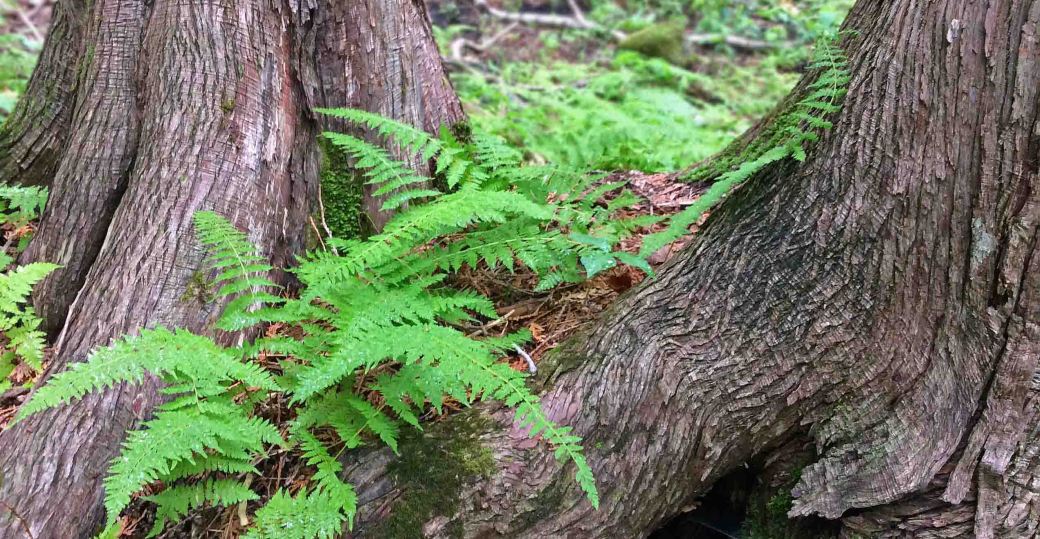
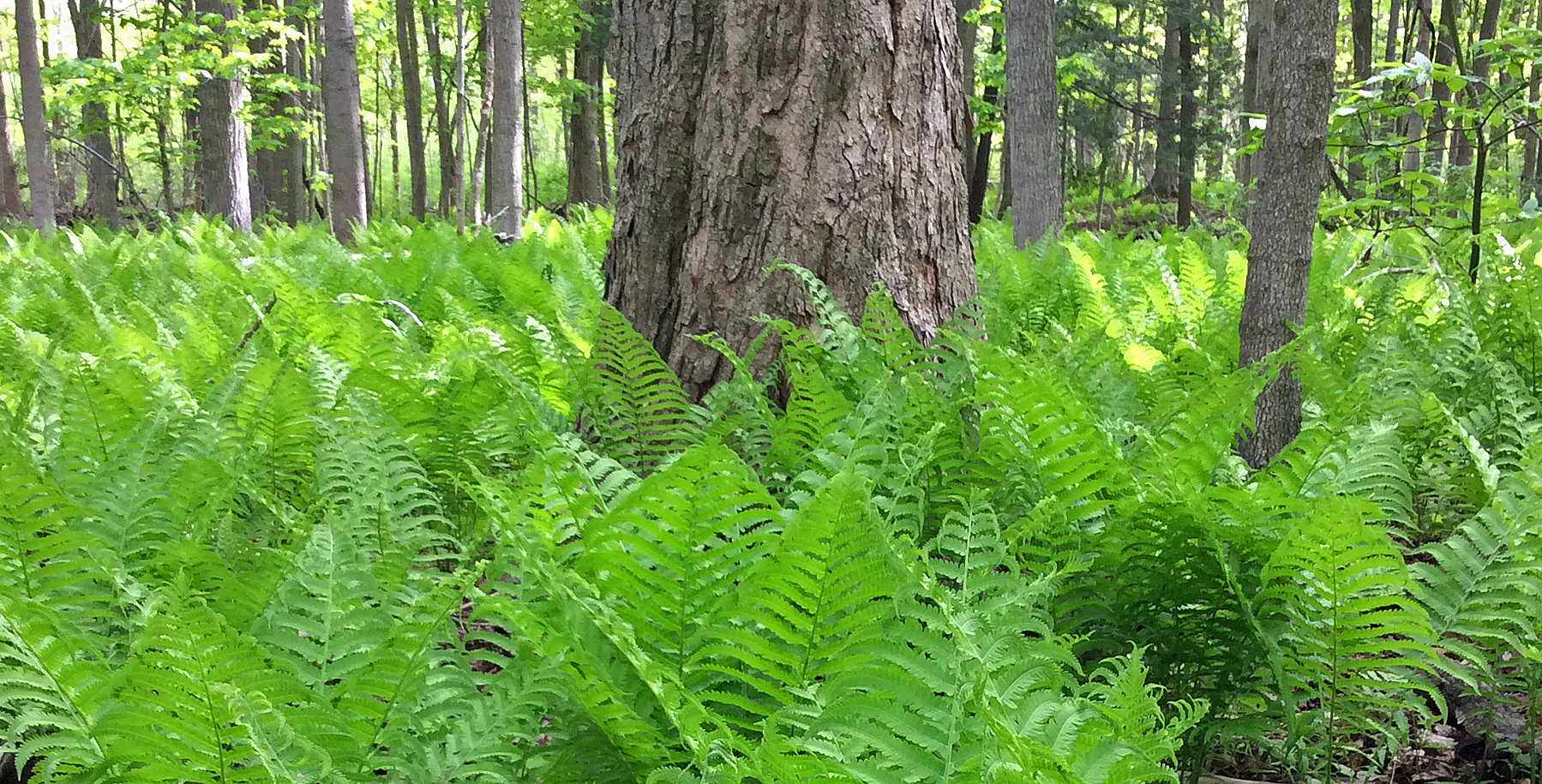
Fern woodfern two Cedars wide JC

Wood fern and two Eastern cedars, ON (photo by Nina Munteanu)


nina-2014aaa

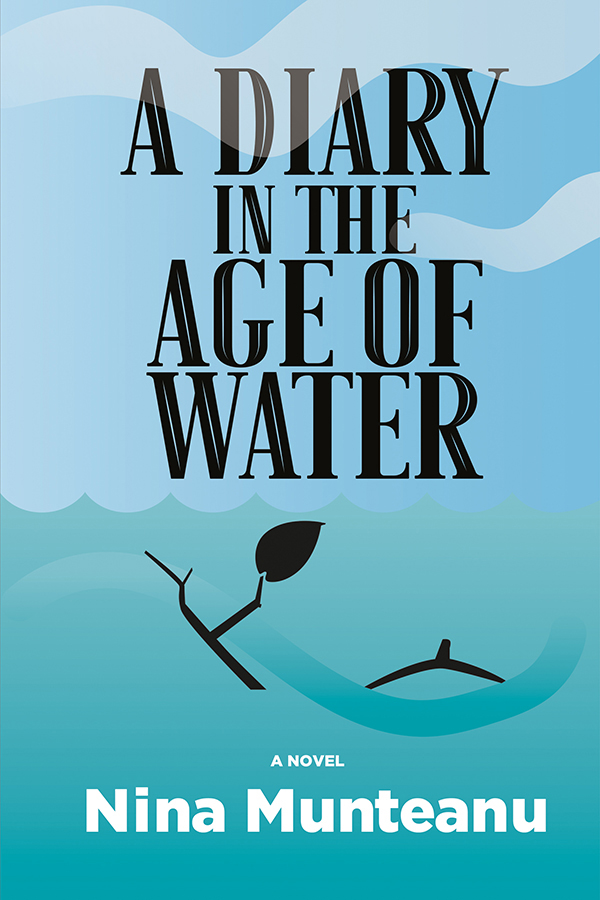
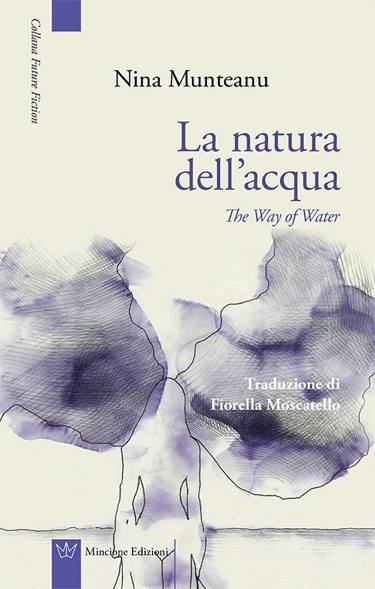
Nina Munteanu is a Canadian ecologist / limnologist and novelist. She is co-editor of Europa SF and currently teaches writing courses at George Brown College and the University of Toronto. Visit www.ninamunteanu.ca for the latest on her books. Nina’s bilingual “La natura dell’acqua / The Way of Water” was published by Mincione Edizioni in Rome. Her non-fiction book “Water Is…” by Pixl Press (Vancouver) was selected by Margaret Atwood in the New York Times ‘Year in Reading’ and was chosen as the 2017 Summer Read by Water Canada. Her novel “A Diary in the Age of Waterwas released by Inanna Publications (Toronto) in June 2020.

“Adapt” by Susan Ksiezopolski

Crawford Lake Conservation Area (photo by Susan Ksiezopolski)
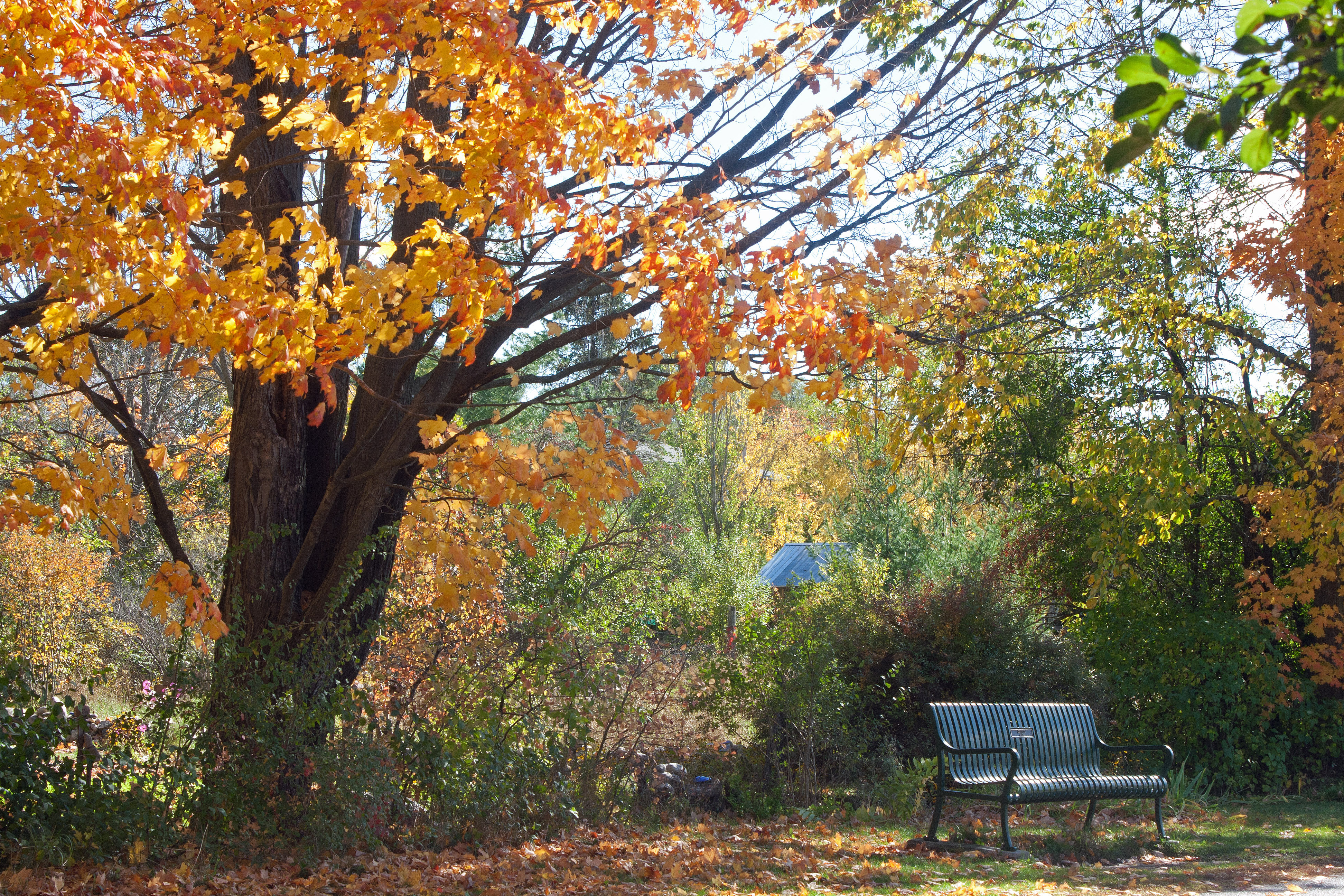
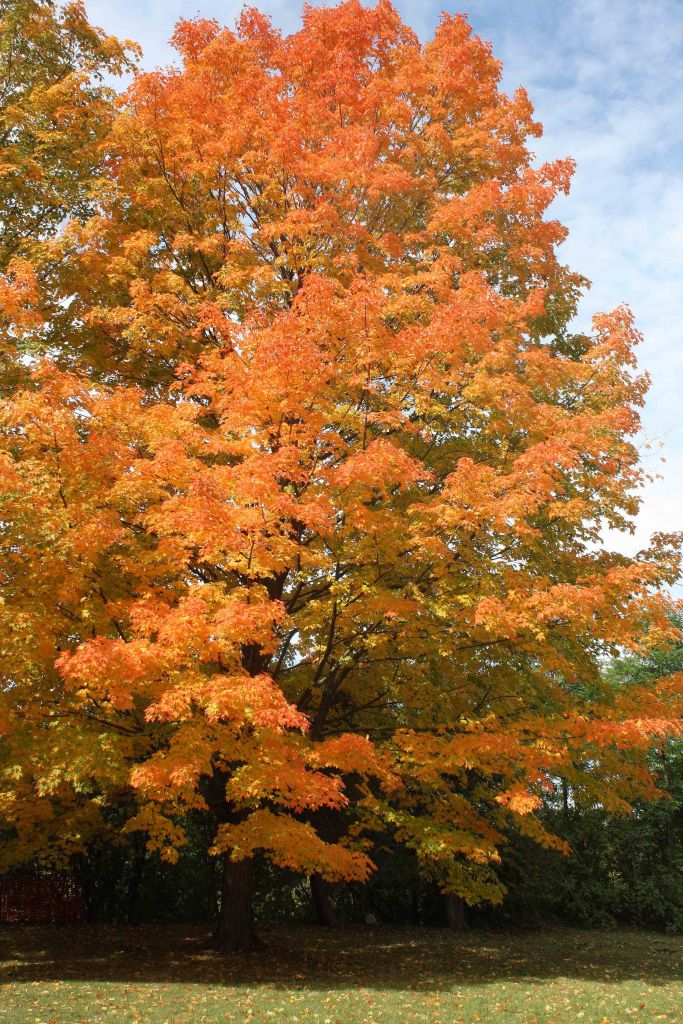
Sugar maple tree on Rotary Trail, Peterborough, ON (photo by Nina Munteanu)

Nina Munteanu is a Canadian ecologist / limnologist and novelist. She is co-editor of Europa SF and currently teaches writing courses at George Brown College and the University of Toronto. Visit www.ninamunteanu.ca for the latest on her books. Nina’s bilingual “La natura dell’acqua / The Way of Water” was published by Mincione Edizioni in Rome. Her non-fiction book “Water Is…” by Pixl Press(Vancouver) was selected by Margaret Atwood in the New York Times ‘Year in Reading’ and was chosen as the 2017 Summer Read by Water Canada. Her novel “A Diary in the Age of Water” was released by Inanna Publications (Toronto) in June 2020.

The Autumn Winds Dance by Bev Gorbet–an Ekphrastic Poem

Sugar Maple in Peterborough, ON (photo by Nina Munteanu)

The autumn winds dance
Their spell over earth and sky…
They call out a mad freedom:
Wild nature’s sanctuary
For a troubled humankind…

Awe filled majesty, the winds’ wild call
and cry…
Rhythm the planets’ eternal flight…
Haunting songs of remembrance,
The great mysteries…

Our loves slow unwinding:
Tapestries, the leaves tender falling away
Bough and branch in twisting descent…

Path along sugar maples, ON (photo by Nina Munteanu)

The many rapturous songs
Wild nature echo and sigh
Across wilderness lands
Meditative worlds: water and sky

Fall days’ soft unwinding
Our lives brief unfolding
Windspell majesty, call and transfiguration
Songs of the glorious forest heights…
A sacred magic
Sweeping winds, mists and cry

Fall days’ soft unwinding
Our lives brief unfolding
Windspell majesty, call and transfiguration
Songs of the glorious forest heights…
A sacred magic
Sweeping winds, mists and cry

Sugar maple leaves on the ground, ON (photo by Nina Munteanu)

Whirlpools of light on an autumn day
Lives fully centred,
Mystic flames to lead
All the beauty, all the glory
This holy season…

BEV GORBET    October 2020.

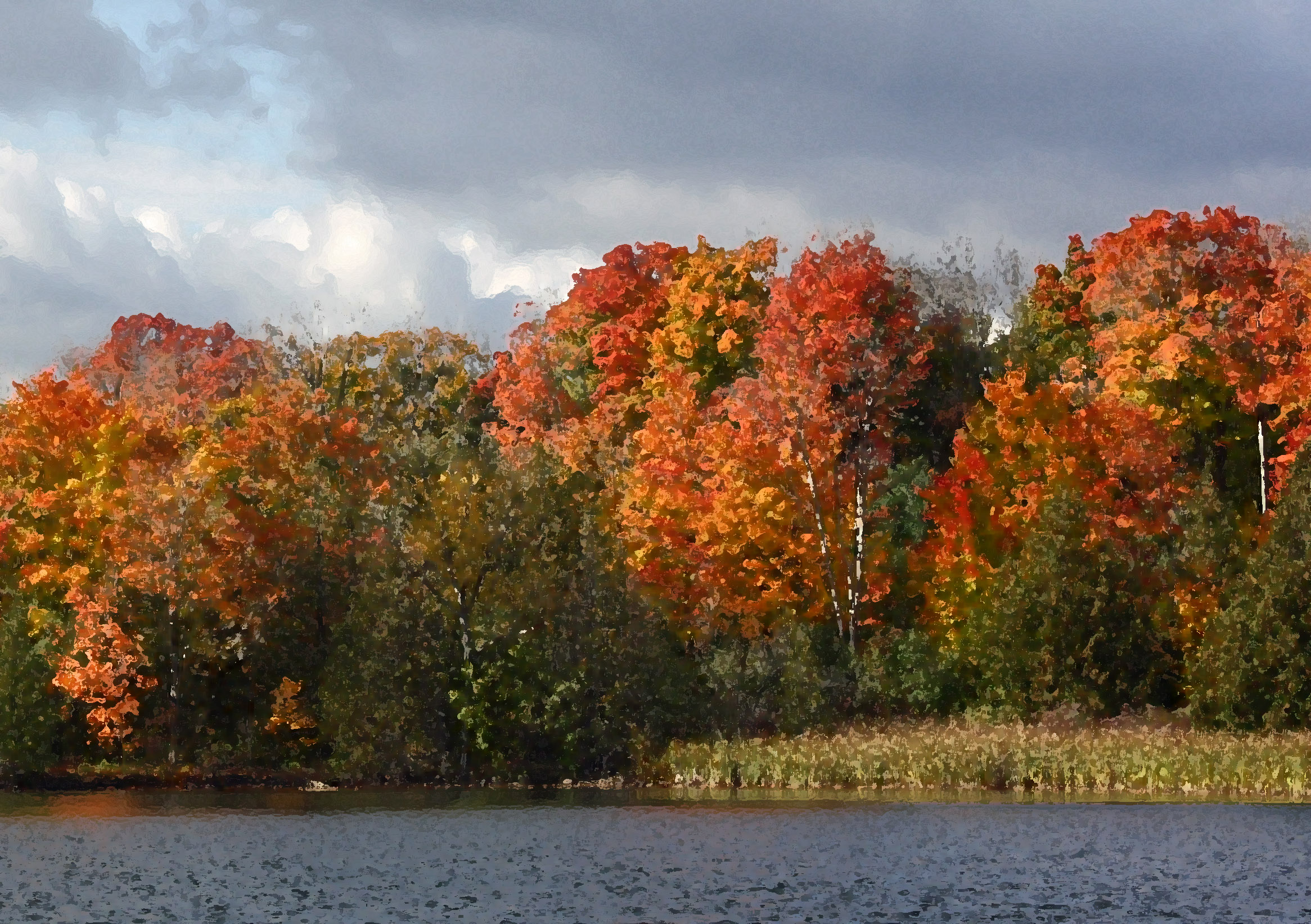
Sugar maple stand by Trent Canal, ON (photo and dry brush rendering by Nina Munteanu)

Bev Gorbet is a Toronto poet and retired school teacher. She has published several poems with the Retired Teachers Organization and most recently in “Literary Connection IV: Then and Now” (In Our Words Inc., 2019), edited by Cheryl Antao Xavier.

Nina Munteanu is a Canadian ecologist / limnologist and novelist. She is co-editor of Europa SF and currently teaches writing courses at George Brown College and the University of Toronto. Visit www.ninamunteanu.ca for the latest on her books. Nina’s bilingual “La natura dell’acqua / The Way of Water” was published by Mincione Edizioni in Rome. Her non-fiction book “Water Is…” by Pixl Press (Vancouver) was selected by Margaret Atwood in the New York Times ‘Year in Reading’ and was chosen as the 2017 Summer Read by Water Canada. Her novel “A Diary in the Age of Water” was released by Inanna Publications (Toronto) in June 2020.
Atlantykron Summer Academy—2020

Because of the COVID19 pandemic, The 31st annual summer academy for learning was held virtually this year by New Horizons (of the World Genesis Foundation and United Nations Educational, Scientific and Cultural Organization).

Because of this, I was finally able to participate. Virtually and all the way from Canada.

Atlantykron island

Atlantykron on the Danube

The international event is normally held on an island on the Danube River near the village and ancient Roman ruins of Capidava, Romania. First held in the summer of 1989, the event has attracted hundreds of youth and teachers from around the world to learn with scientists, artists, writers and other professionals in a wilderness setting.

Coordinated by Sorin Repanovici of the World Genesis Foundation and run by Dr. Florin Munteanu, Heather Caton-Anderson and Constantin D. Pavel, Atlantykron promotes UNESCO core goals of promoting sustainable development and creating dialogue and collaboration among nations in the areas of education, science, culture and communications.

Key presentations in the 2020 Atlantykron included:

  • “New Horizons of Animal-Human Relationships” by Chan Chow Wah in China
  • “Mars 2020 Mission Perseverance” by Ravi Prakash and Erisa K. Stilley in USA
  • “Planning and Scripting a Time-Lapse Movie” by Stan Jiman in USA
  • “Generating & Solving Crisis to Avoid Imbalance and Catastrophe” by Dr. Florin Colceag in Romania
  • “The Science and Meaning of Water” by Nina Munteanu in Canada
  • “Who’s Afraid of Autonomous Cars” by Pompilian Tofilescu in USA

Atlantykron pg2 copy

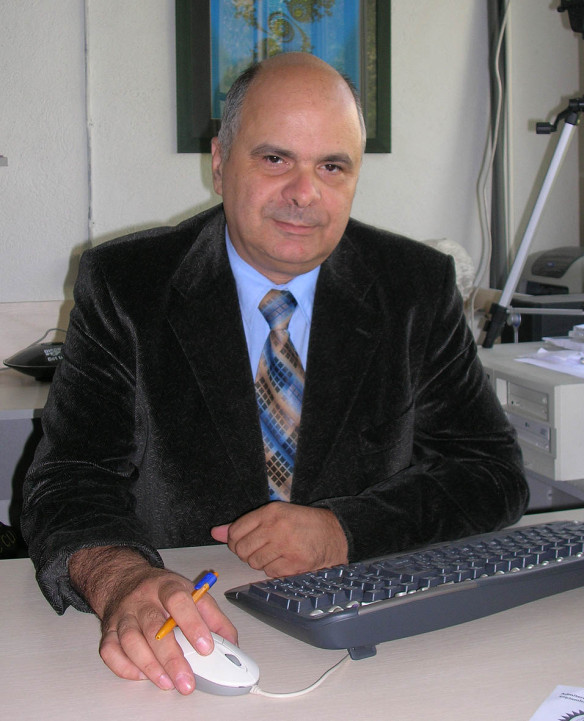
Florin Munteanu

Dr. Florin Munteanu

I’d met Florin Munteanu in 2012, when I went to Bucharest, Romania to participate in the launch of the Romanian translation of my book The Fiction Writer (Manual de Scriere Creativa: scriitorul de fictiune) with Editura Paralela 45 at the Gaudeamus Book Fair. Florin met me at the airport and took me to the Phoenicia Grand Hotel where I was staying. We had some coffee and pastries over a wonderful chat and he then coordinated a tour of the city for me with one of his students at the Centre of Complexity Studies where he taught.

When Florin invited me to speak at Atlantykron 2020, I was more than pleased.

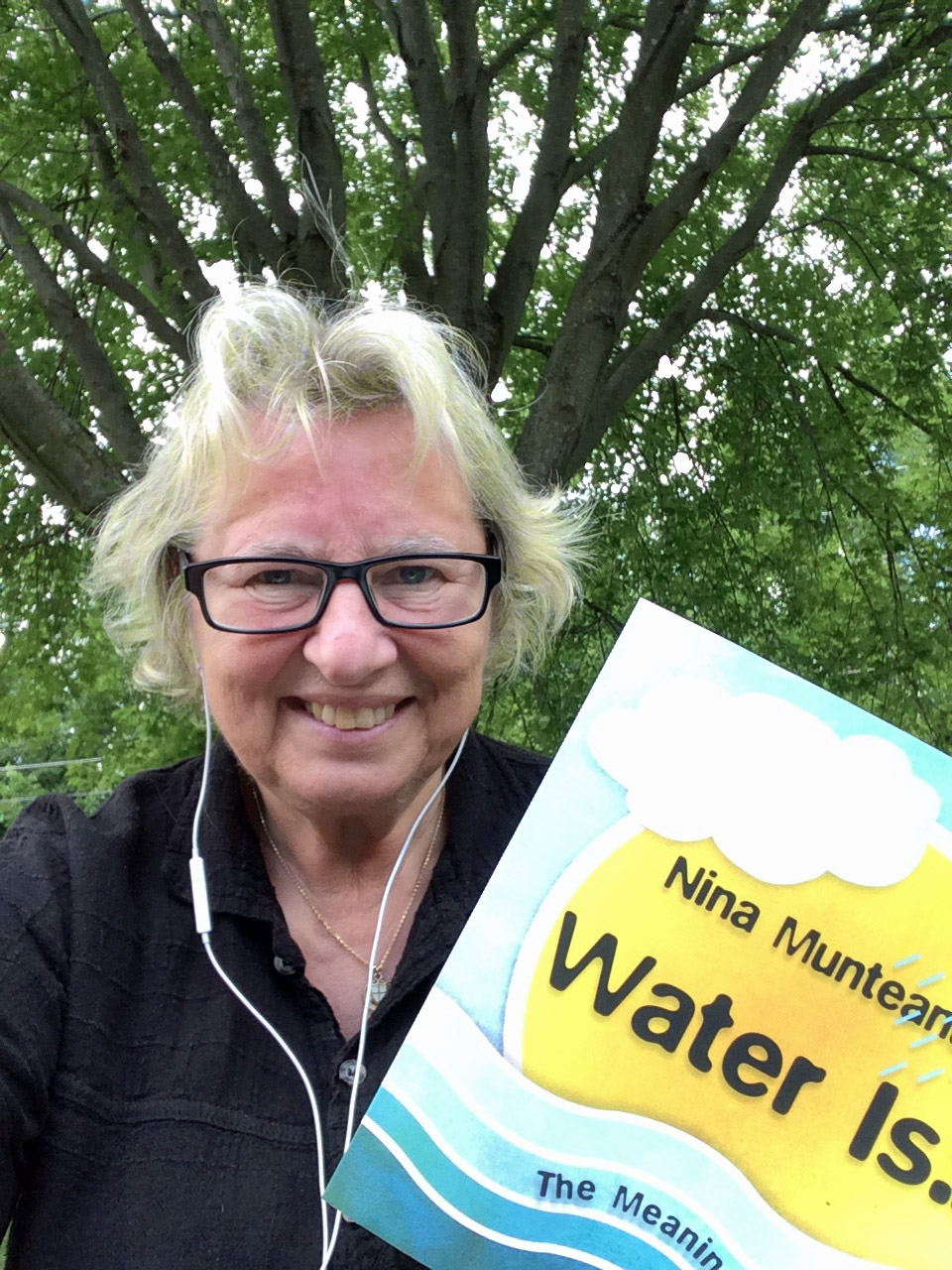
Nina WaterIs book

Nina with “Water Is…”

As a limnologist and with two major books on water published, I gave a talk on the science and meaning of water. Much of what I shared is in my book Water Is… The Meaning of Water, which provides 12 different angles on what water means—to different people from scientists and technologists to politicians, spiritualists and lay folk.

Water is so much more than the sum of its parts…

“Ultimately, water and our relationship with it is a curious gestalt of magic and paradox. Like the Suntelia Aion described by the Greeks, water cuts recursive patterns of creative destruction through the landscape, an ouroborous remembering. It changes, yet stays the same, shifting its face with the climate. It wanders the earth like a gypsy, stealing from where it is needed and giving whimsically where it isn’t wanted; aggressive yet yielding. Life-giving yet dangerous. Water is the well-spring of life. Yet it is the River Styx that leads the dead to Hades… Water is a shape shifter.”—Water Is…The Meaning of Water

Nina A Diary book

Nina with “A Diary in the Age of Water”

I overviewed some of water’s many anomalous qualities such as its unique density, cohesive, and adhesive properties—all life-giving. I discussed the water bridge, demonstrated by Dr. Elmar C. Fuchs and Professor Jakob Woisetchlager in 2007. I explored why water—particularly moving water—makes us feel so good (all those negative ions!). I went over the water cycle, water’s role in most natural cycles, and how it contributes to climate.

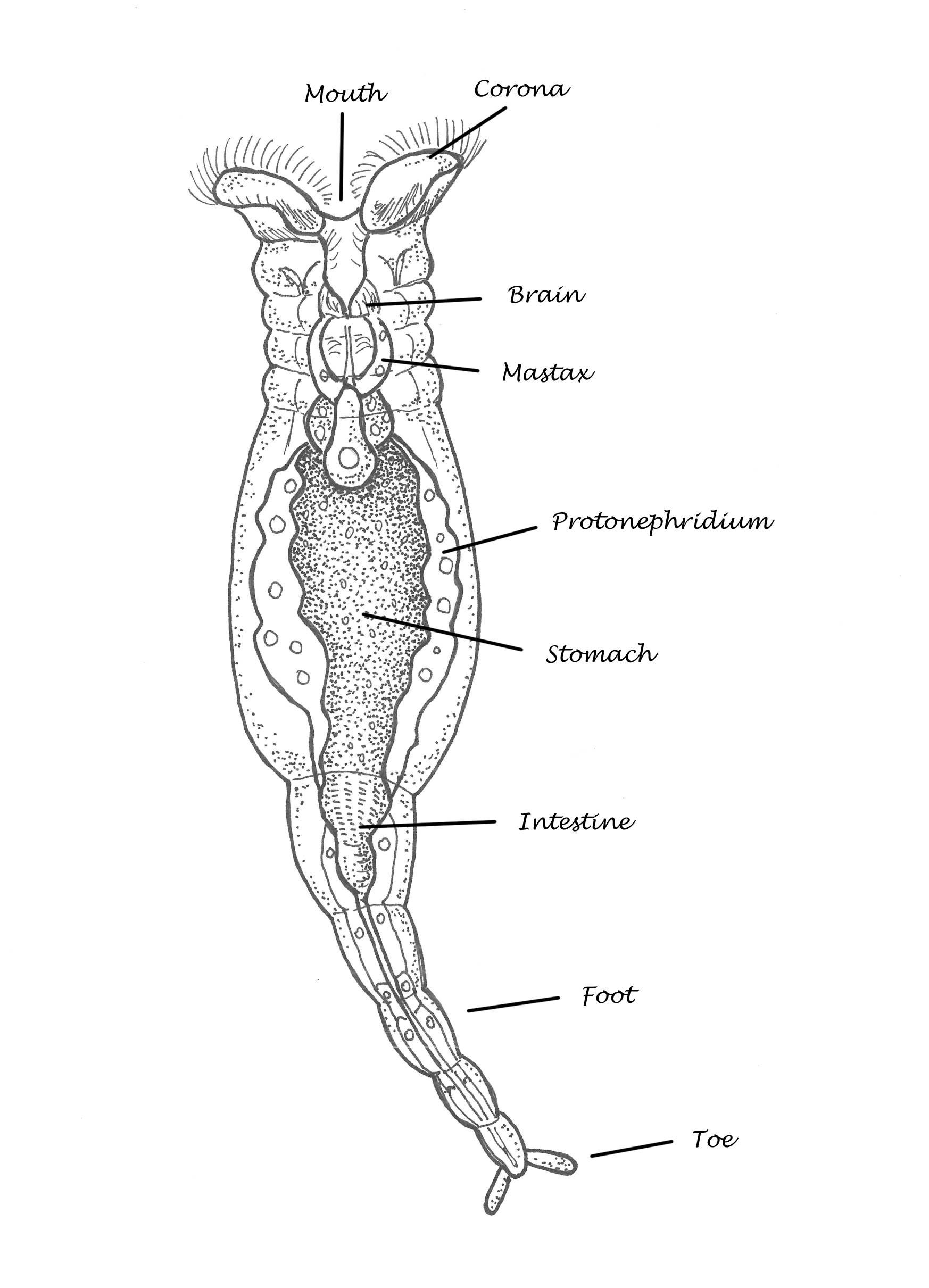
I then explored some of the oddest but most common tiny water residents. One example is the bdelloid rotifer—featured in my latest novel A Diary in the Age of Water—which is smaller than a millimeter, ubiquitous, lives wherever there is some water and can withstand desiccation, drying up into a dormant stage called a tun. Bdelloids create protective proteins, such as LEA, which act as a molecular shield.

Illustration 11 Rotifer copy 2

Sketch of a bdelloid rotifer (illustration by Nina Munteanu)

The bdelloid rotifer has existed for over forty million years. It reproduces through obligate parthenogenesis to produce all females, called thelytoky. Their long-term survival and evolutionary success in the absence of sex is largely a function of ecological adaptation that involves horizontal gene transfer through DNA repair. While they are patching up their broken genes from desiccation, they stitch in foreign DNA from the environment through horizontal gene transfer.

I ended the talk with some notes about conservation and stewardship of water. Using twelve-year old Rachel Parent and Greta Thunberg as examples, I stressed that no one is too young or too alone to make a difference; we then explored several activities that anyone could do.

Microsoft Word - What You Can Do.docx

Did you know slide

nina-2014aaa

Nina Munteanu is a Canadian ecologist / limnologist and novelist. She is co-editor of Europa SF and currently teaches writing courses at George Brown College and the University of Toronto. Visit www.ninamunteanu.ca for the latest on her books. Nina’s bilingual “La natura dell’acqua / The Way of Water” was published by Mincione Edizioni in Rome. Her non-fiction book “Water Is…” by Pixl Press(Vancouver) was selected by Margaret Atwood in the New York Times ‘Year in Reading’ and was chosen as the 2017 Summer Read by Water Canada. Her novel “A Diary in the Age of Waterwas released by Inanna Publications (Toronto) in June 2020.

Writing in Sync

Ferns ostrich forest LR

Ostrich ferns, Little Rouge forest, ON (photo by Nina Munteanu)

“At the heart of the universe is a steady, insistent beat: the sound of cycles in sync,” says Steven Strogatz in the opening to his compelling book, Sync: the emerging science of spontaneous order. He then describes how every night along the tidal rivers of Malaysia, thousands of fireflies congregate in the mangroves and flash in unison, without any leader or cue from the environment. “Even our bodies are symphonies of rhythm, kept alive by the relentless, coordinated firing of thousands of pacemaker cells in our hearts…almost as if nature has an eerie yearning for order,” adds Strogatz. The tendency to synchronize pervades the universe, from atoms to animals, and people to planets.

To be in sync is to intuitively connect (which is what spontaneous order is) and “know”… Each of you has felt that “knowing” that otherworldly, euphoric wave of resonating with something that is more than the visible world: when the hairs on the back of your neck tingle as you write that significant scene or trembling with giddy energy as you create that perfect line on a painting … or glowing with a deep abiding warmth when you defend a principle … or the surging frisson you share with fellow musicians on that exquisite set piece.

These are all what I call “God moments”. And they don’t happen by chasing after them; they sneak up on us when we’re not looking. They come to us when we focus outward and embrace our wonder for this world. When we quiet our minds and nurture our souls with beauty. It is then that what we had been seeking naturally comes to us. Like a gift.

It’s the blue pill to a new world of synchrony.

This teaches us above all else that we are all journeying together and part of something greater.

Fern wood fern fallen log w JC

Wood ferns in Jackson Creek park, ON (photo by Nina Munteanu)

I want to share with you my own experience of synchronicity in art. When I’m working on a story, I find that events, opportunities, actions and resources directly germane to my project present themselves: watching an applicable movie that a friend chose for us to see; picking up a newspaper (which I seldom do) and reading a relevant article; looking for something on the internet and finding something totally different (ok; that happens to me all the time); a friend out of the blue introduces a pertinent topic, or someone you haven’t seen in a long time bumps into you with significant news. As though the universe was providing me with what I needed. Of course, my mind was focused on anything to do with my current piece. It was as though I had donned a concentrating filter, one that would amplify relevant details. I’ll go further: I was unconsciously acting in a way that was bringing me more information relevant to my project. Ask and you shall receive.

Fern ostrich close oak LR

Ostrich fern, Little Rouge River woodland, ON (photo by Nina Munteanu)

Jake Kotze says it this way: “Synchronicity happens when we notice the bleed-through from one seemingly separate thing into another—or when we for a brief moment move beyond the mind’s divisions of the world.” Swiss psychologist Carl Jung introduced synchrony in the 1920s as “temporally coincident occurrences of acausal events.” The idea of seemingly unrelated events intersecting to produce meaningful patterns has spawned new notions of thought from the scientific study of spontaneous order in the universe (synchrony), to Synchromysticism — the discovery of convergent archetypal symbols in pop culture (e.g., books, music and film). Author Sibyl Hunter tells us that “Sync operates as an undercurrent of divine awareness personified through the myriad processes and symbols that make up the building blocks of our reality. Within that current, we spin our modern-day myths into books, fairy tales and movies, subconsciously retelling ourselves the same story over and over.”

As the myth builders of today, authors tap in to the synchronicity of ancient story, of resonating archetypes and metaphor and the “mythic journey”. To write in sync.

Joseph Campbell reminds us that, “Anyone writing a creative work knows that you yield yourself, and the book talks to you and builds itself … you become the carrier of something that is given to you from the Muses or God. What the shaman or seer [or artist] brings forth is something that is waiting to be brought forth in everyone.” It’s sync in action.

Ferns ostrich forest oak LR

Oak tree amid Ostrich fern, Little Rouge River woodland, ON (photo by Nina Munteanu)

Forest path blackwalnut virginia creeper warm Pb

Path through profusion of Black walnut and locust forest, ON (photo by Nina Munteanu)


nina-2014aaa

Nina Munteanu is a Canadian ecologist / limnologist and novelist. She is co-editor of Europa SF and currently teaches writing courses at George Brown College and the University of Toronto. Visit www.ninamunteanu.ca for the latest on her books. Nina’s bilingual “La natura dell’acqua / The Way of Water” was published by Mincione Edizioni in Rome. Her non-fiction book “Water Is…” by Pixl Press (Vancouver) was selected by Margaret Atwood in the New York Times ‘Year in Reading’ and was chosen as the 2017 Summer Read by Water Canada. Her novel “A Diary in the Age of Waterwas released by Inanna Publications (Toronto) in June 2020.

The Mozart Effect & the Power of Music

Joe PieWeed 2 JC

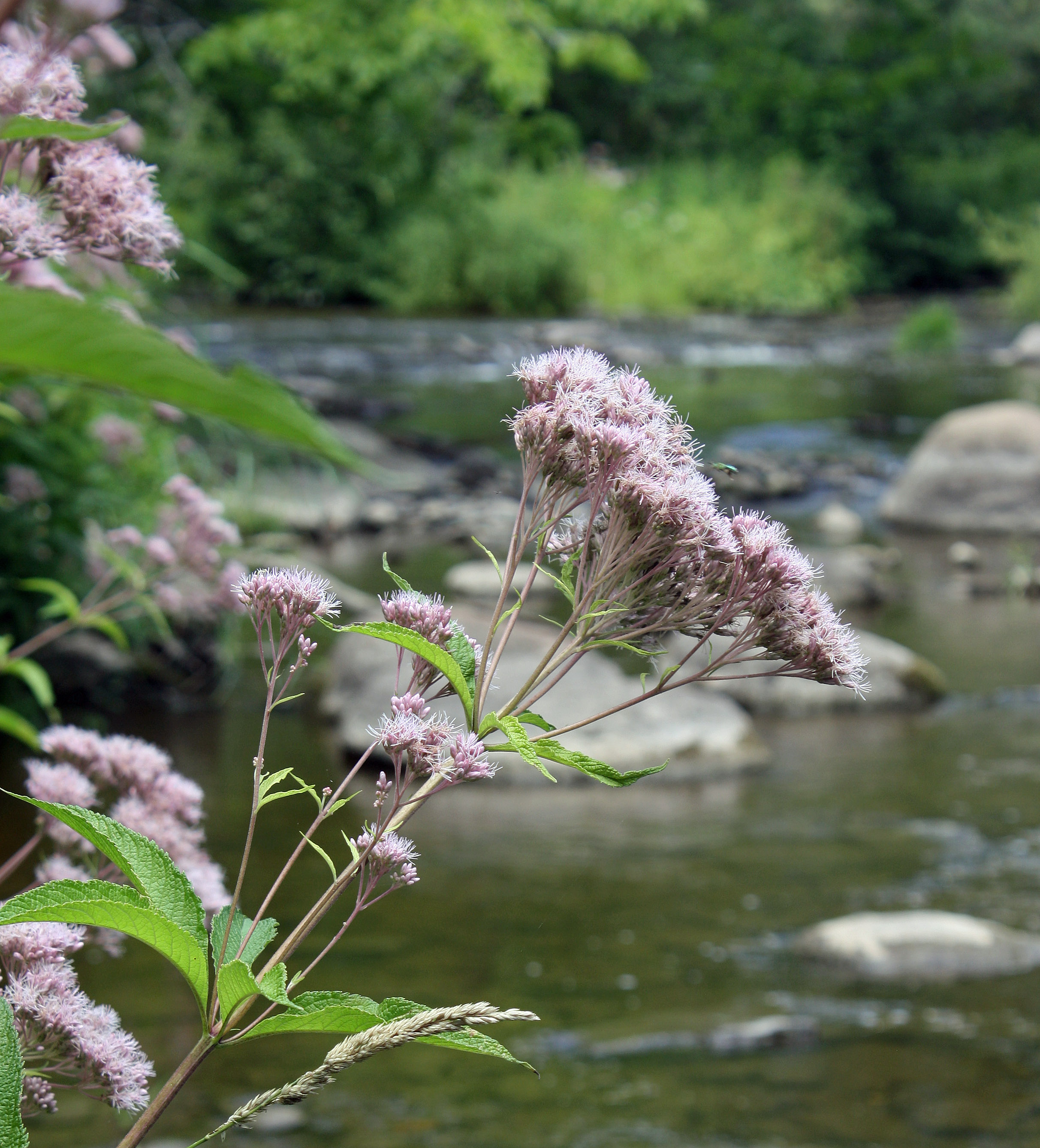
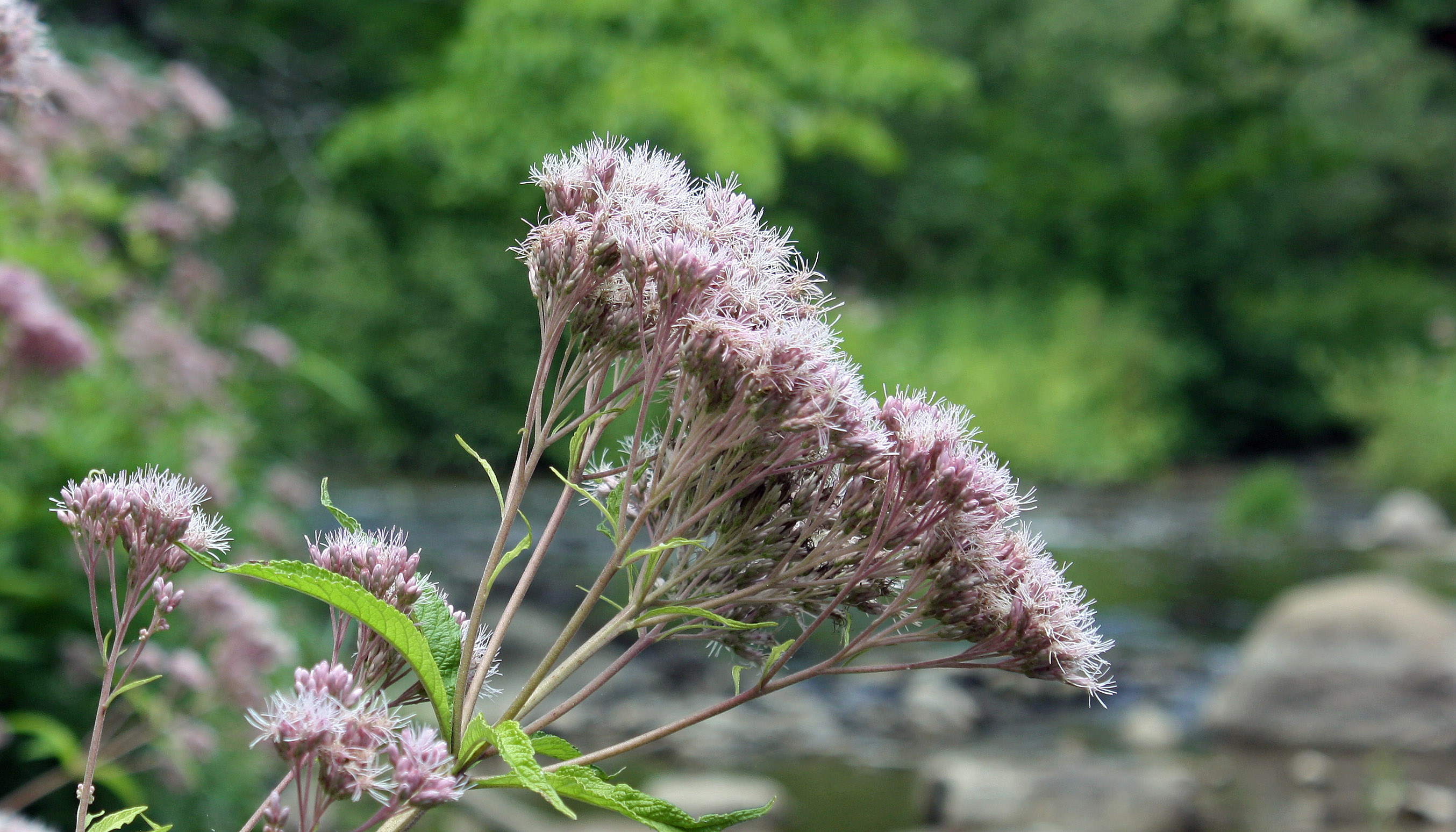
Joe-Pye weed, Jackson Creek, ON (photo by Nina Munteanu)

Music is a holy place, a cathedral so majestic that we can sense the magnificence of the universe, and also a hovel so simple and private that none of us can plumb its deepest secrets—Don Campbell


Don Campbell calls it the “Mozart Effect” in his book of the same name: the ability of music to heal the body, strengthen the mind and unlock the creative spirit.

You’ve all felt it—its rhythm resonating with your throbbing heart, soothing your mind, calming your breath. Or you’ve felt the reverse— depending on the music. Whatever your response, says Campbell, music produces mental and physical effects in you; and—I would venture to add—in all things animate and inanimate (see my next post on Cymatics). Therapeutic uses of music are many:

  • Music can slow down and equalize brain waves: music with a pulse of about sixty beats per minute can shift consciousness from the beta wave (ordinary consciousness at 14-20 Hz) toward the alpha range (heightened awareness at 8-13 Hz), enhancing alertness and general well-being
  • Music affects the heartbeat, pulse rate and blood pressure: a study of expectant mothers at the College of Nursing at Haohsiung Medical University (Taiwan) demonstrated significant reductions in stress, anxiety and depression after two weeks of listening to Brahms lullaby, Beethoven and Debussy and traditional Chinese children’s songs
  • Music can regulate stress-related hormones: Anesthesiologists reported that levels of stress hormones like ACTH, prolactic and HGH all declined in those listening to relaxing music
  • Music and sound can boost the immune function: A Michigan State University study demonstrated that listening to music for fifteen minutes increased levels of interlukin-1 in the blood from 12.5 to 14 percent (interlukin is involved in the immune system, protecting against AIDS, cancer and other diseases)
  • Music improves productivity: a University of Wisconsin study of ninety people copyediting a manuscript found that accuracy in those listening to light classical music improved 21.3% compared with those listening to a popular commercial radio format at 2.4%
  • Music can strengthen memory and learning: studies have shown that music increases stamina during exercise in addition to the ability to concentrate.

JoePieWeed river close JC

Joe-Pye Weed, Jackson Creek, ON (photo by Nina Munteanu)

When I was pregnant with my son, I felt an overwhelming urge to listen to classical music (mostly Beethoven, Debussy, Ravel and Mozart) and soft “new age” Celtic music (mostly Enya). What I’d intuitively felt is now known: music calms or stimulates the movement and heart rate of a baby in the womb. It has also been shown that children who receive regular music training demonstrate better motor skills, math ability, and reading performance than those who don’t. High school students who sing or play an instrument score up to fifty points higher on SAT scores than those who don’t.

These observations are borne out by another observation: that adult musician’s brains generally exhibit more EEG (brainwave) coherence than those of non-musicians.

Music is a language understood instinctively by all peoples because it communicates directly to the soul. Darwin suggested that music may have played a role in the evolution of language, comparing the sounds of speech to the way birdsong is used in courtship, reports Caroline Green in the Jan/Feb 2010 Issue of BBC Knowledge. “Some have referred to this as a ‘musical proto-language’.”

In an article in the Fall 2009 Issue of Super Consciousness Campbell eloquently described music as, “the sounds of earth and sky, of tides and storms. It is the echo of a train in the distance, the pounding reverberations of a carpenter at work. From the first cry of life to the last sigh of death, from the beating of our hearts to the soaring of our imaginations, we are enveloped by sound and vibration every moment of our lives. It is the primal breath of creation itself, the speech of angels and atoms, the stuff of which life and dreams, souls and stars, are ultimately fashioned.”

A man should hear a little music, read a little poetry, and see a fine picture every day of his life, in order that worldly cares may not obliterate the sense of the beautiful which God has implanted in the human soul—Johann Wolfgang von Goethe

JoePieWeed bunch JC

Joe-Pye Weed, Jackson Creek, ON (photo by Nina Munteanu)


nina-2014aaa

Nina Munteanu is a Canadian ecologist / limnologist and novelist. She is co-editor of Europa SF and currently teaches writing courses at George Brown College and the University of Toronto. Visit www.ninamunteanu.ca for the latest on her books. Nina’s bilingual “La natura dell’acqua / The Way of Water” was published by Mincione Edizioni in Rome. Her non-fiction book “Water Is…” by Pixl Press(Vancouver) was selected by Margaret Atwood in the New York Times ‘Year in Reading’ and was chosen as the 2017 Summer Read by Water Canada. Her novel “A Diary in the Age of Waterwas released by Inanna Publications (Toronto) in June 2020.
Age of Water Podcast: Interview with The Water Brothers

WaterBrothers-banner

AoW Logo-smallWe are now living in the Age of Water. Water is the new “gold”, with individuals, corporations and countries positioning themselves around this precious resource. Water is changing everything. The Age of Water Podcast covers anything of interest from breaking environmental news to evergreen material. This also includes human interest stories, readings of eco-literature, discussion of film and other media productions of interest.

Join the discussion!

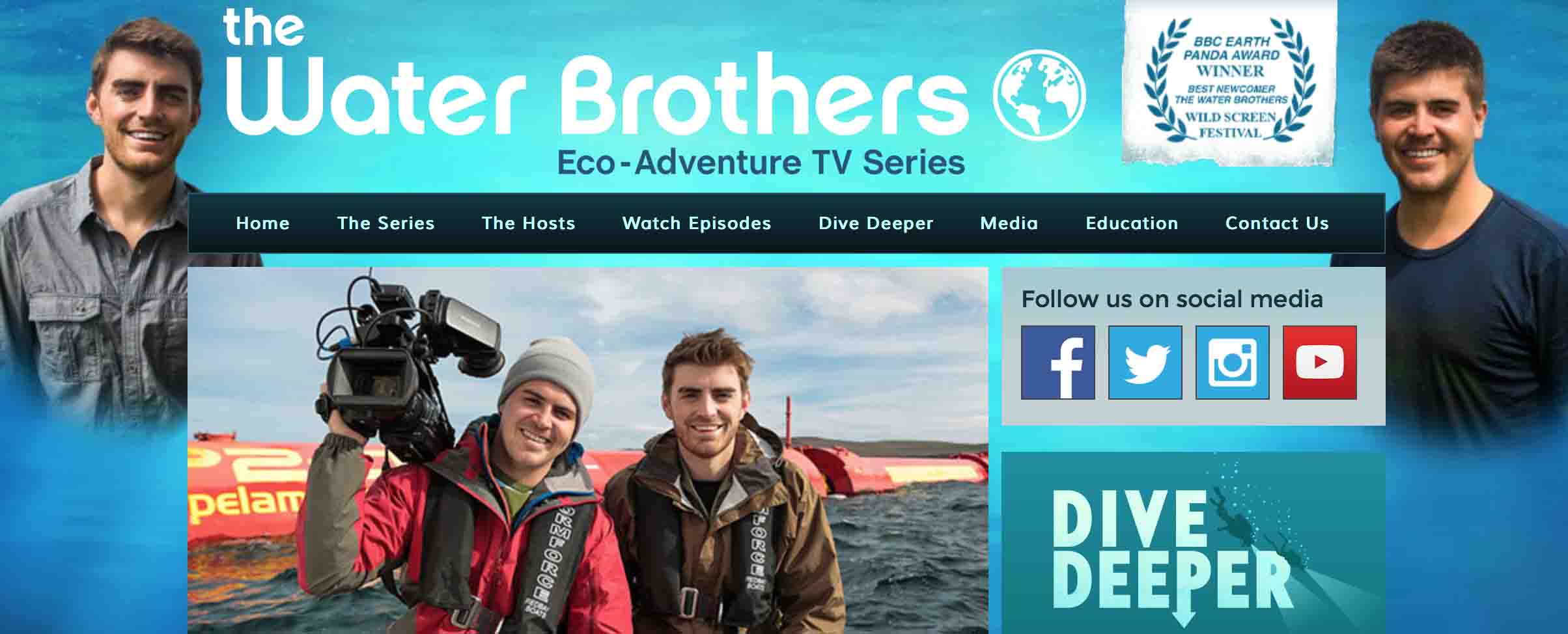
In Episode six of Age of Water, we join Canadian film educators The Water Brothers—Alex and Tyler Mifflin—in Toronto, Ontario, where they discuss their eco-adventure TV series and other documentary initiatives to educate, entertain and connect people with water and environmental issues. Alex and Tyler are two young eco-adventurer brothers who travel the world to explore our relationship with water. What are the problems and where will the solutions come from? The next generation takes us on the search.


WaterBrothers-camera

The Water Brothers

The Water Brothers is an eco-adventure documentary series that follows brothers, Alex and Tyler Mifflin, as they explore the world, uncover the planet’s most important and leading-edge water stories and interview top scientists and experts on solutions to help overcome the many and diverse environmental challenges we all face. There is nowhere they won’t go from high mountain peaks to the bottom of the ocean.


Alex and Tyler are passionate about the subject of water conservation and use their respective educations in film and environmental studies to create this award-winning series. Alex is the lead researcher, co-writer and co-host and Tyler is the co-host, director, videographer and co-producer. They share a love of travel and adventure, a passion for the subject and a powerful desire to communicate their passion to audiences, especially their own generation.

WaterBrothers diving

WaterBrothers-ice

Water Brothers

Age of Water talked to the Water Brothers about their adventures from the Kumbh Mela on the Ganges River—largest gathering of humans on earth—to diving into dead zones to sailing into the middle of the Great Pacific Garbage Patch or climbing Mount Kilimanjaro. The Water Brothers circle the globe to bring back stories that affect, inspire and educate viewers.

The Water Brothers airs in Canada on TVO, Knowledge Network, and Radio – Canada in Quebec, as well as in over 50 countries worldwide.


nina-2014aaa

Nina Munteanu is a Canadian ecologist / limnologist and novelist. She is co-editor of Europa SF and currently teaches writing courses at George Brown College and the University of Toronto. Visit www.ninamunteanu.ca for the latest on her books. Nina’s bilingual “La natura dell’acqua / The Way of Water” was published by Mincione Edizioni in Rome. Her non-fiction book “Water Is…” by Pixl Press (Vancouver) was selected by Margaret Atwood in the New York Times ‘Year in Reading’ and was chosen as the 2017 Summer Read by Water Canada. Her novel “A Diary in the Age of Waterwas released by Inanna Publications (Toronto) in May 2020.


To the Mystic Forest by Bev Gorbet–an Ekphrastic Poem

Path birch PPP

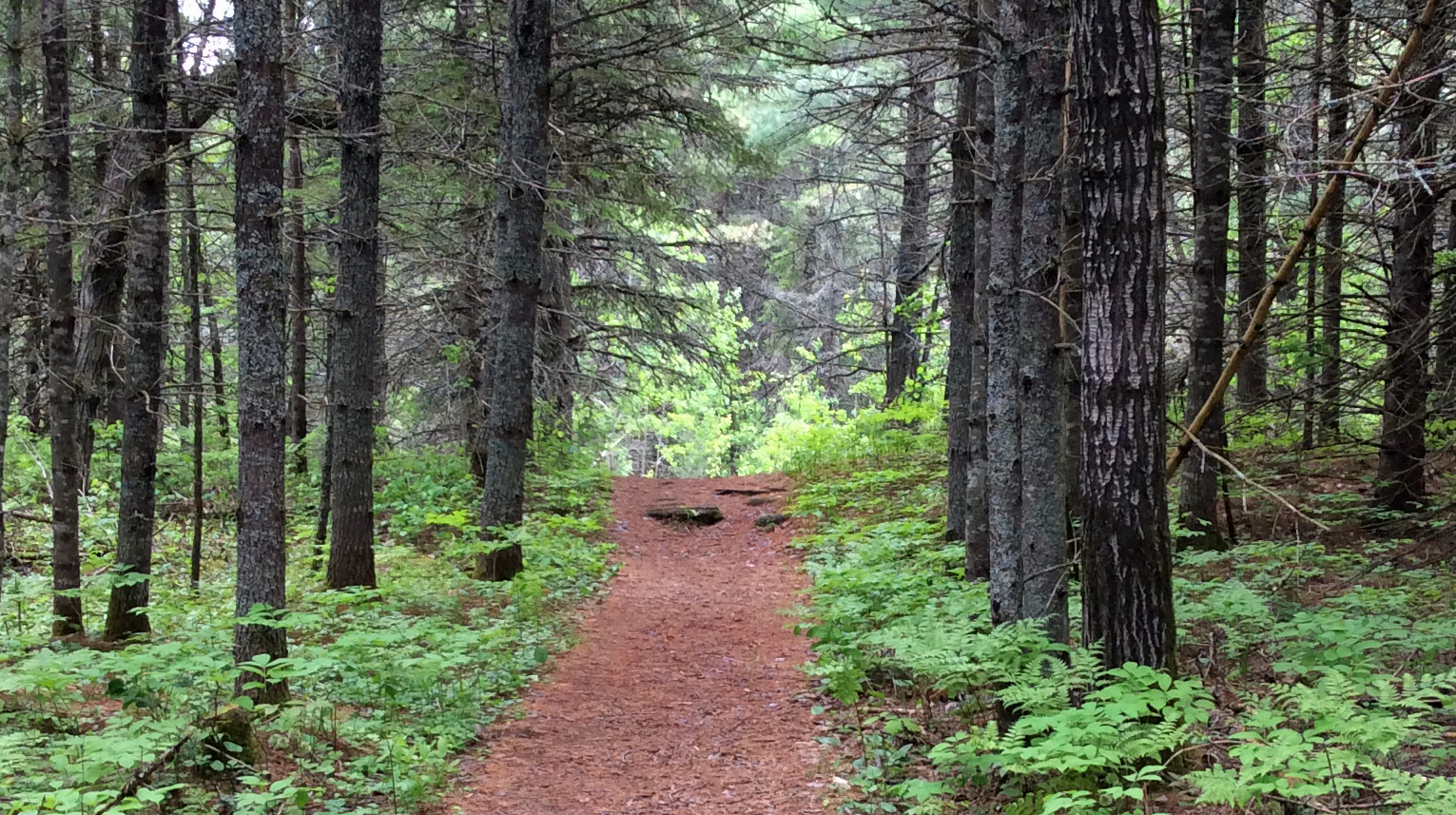
Trail through mixed birch-pine forest at Petroglyph Park, ON (photo by Nina Munteanu)

Since moving temporarily to Peterborough during COVID-19, I have been on an adventure with Nature in the Kawartha region, north of Toronto. The region contains a chain of lakes that form the upper watershed of the Trent River; the lakes are situated on the boundary between the Paleozoic limestone region of the Golden Horseshoe and the Precambrian granite Canadian Shield of northern and central Ontario.

I’ve explored several local parks and lakes with wonderful swamp cedar on the Otonabee River and Jackson Creek and uphill beech-maple forest in the Trent Nature Sanctuary.

Farther afield, I wandered through the pine forests of Petroglyph Park, north of Peterborough, with its intriguing meromictic McGinnis Lake.

When I shared some of my Petroglyph Park photos with Toronto poet and friend Bev Gorbet, she was inspired to write this poem. I am overjoyed to share her ekphrastic poem with you here:


Path pine forest wide PPP

Trail through pine forest, Petroglyph Park, ON (photo by Nina Munteanu)

To the Mystic Forest: Reflections on Natural Beauty

Forests of the mind, wild forests of the heart…
The ethereal sounds: windstorm and echo
On a spring day…
The wind’s fierce flight through bended bough,
Through swaying treetop

High high above, the windswept call, the cry,
All the beauty in a wilderness forest…
The whispering grasses, below,
Song all bend, all flow in a cathedral clearing…

Trillium aging white

Aging white trillium, Petroglyph Park, ON (photo by Nina Munteanu)

Radiant beams, sunlight and shadow peppering
The moving boughs overhead…
Azure and lavender, sky-swept cloud
And mystic glow…

Oh! great forests of the mind,
Great forest of the heart…
A deepest beauty along an existential meridian:
The heart passionately centred, deeply into reflection:
Haunted days and alone

Wind call and cry, whisper and sigh
Great wilderness lands, wide forested plains
All the wondrous beauty, all the holy mystery:
Windswept, wind-tossed skies, the great forests
Mystery glorious, mystic days beyond time.

Bev Gorbet, June 2020


BevGorbetBev Gorbet is a Toronto poet and retired school teacher. She has published several poems with the Retired Teachers Organization and most recently in “Literary Connection IV: Then and Now” (In Our Words Inc., 2019), edited by Cheryl Antao Xavier.


Path Pine forest drybrush PPP

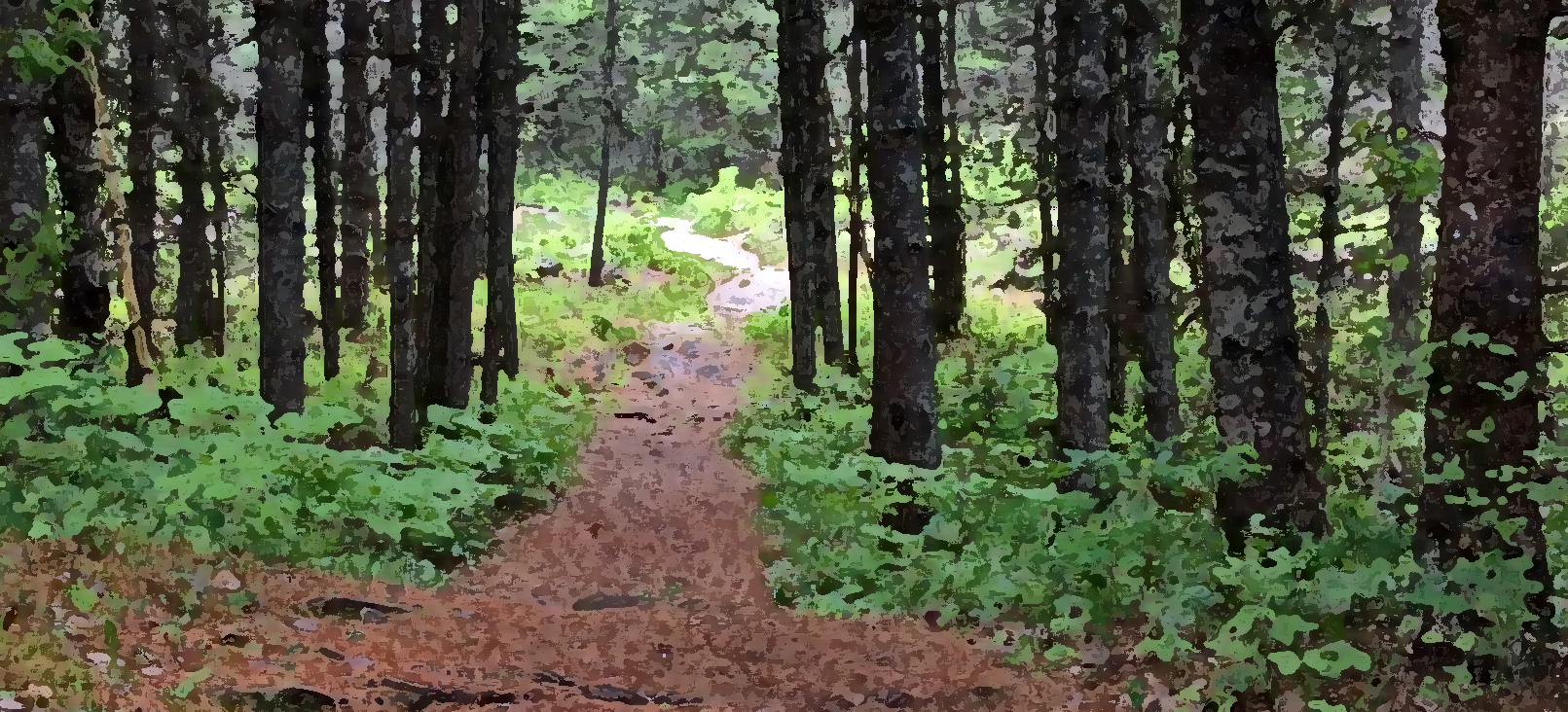
Petroglyph Park pine forest trail (artwork by Nina Munteanu)


nina-2014aaa

Nina Munteanu is a Canadian ecologist / limnologist and novelist. She is co-editor of Europa SF and currently teaches writing courses at George Brown College and the University of Toronto. Visit www.ninamunteanu.ca for the latest on her books. Nina’s bilingual “La natura dell’acqua / The Way of Water” was published by Mincione Edizioni in Rome. Her non-fiction book “Water Is…” by Pixl Press (Vancouver) was selected by Margaret Atwood in the New York Times ‘Year in Reading’ and was chosen as the 2017 Summer Read by Water Canada. Her novel “A Diary in the Age of Waterwas released by Inanna Publications (Toronto) in June 2020.

The Legacy of Trees: Purposefully Wandering Vancouver’s Stanley Park

Winter on Sea Wall StanleyPark

Winter on the sea wall (Heritage House)

“In the gorgeously colourful fall of 2017, I had a sudden thought: “I live next to Stanley Park, one of the world’s most beloved and best parks. How have I not noticed? Of course I had noticed, but I hadn’t taken that awareness inside. I barely knew the park. I have lived beside this park for twenty-five years. I first saw the crescent beach of English Bay and the storytelling totems in the park in 1961, fifty-nine years ago. Have I been asleep? Can I wake up? Is it time?

If I am going to get to know this park—this Stanley Park—and call it “my park,” I will have to wander it purposefully, path by path, plaque by plaque, monument by monument, rock by rock, tree by tree, blossom by flowering blossom, through every season, and allow its layers of history to seep into me as though it were a living, breathing being.

Actually, it is.

Legacy of Trees Nina Shoroplova

This is how Nina Shoroplova begins her book “The Legacy of Trees” by Heritage House, 2020, a book all about “Purposeful Wandering in Vancouver’s Stanley Park.”

The beautifully laid out 288-page book with colour photos is a feast for the mind and the heart. Although the book provides an excellent human and natural history of the park—from its pre-colonial existence, and logging history, to its creation and uses and description—at its root is an expression of wonder for this natural gem in the middle of a bustling city and a true love of trees.

Shoroplova approaches the forest with the heart of a poet. Her passion for nature—and trees, particularly—lights each page with joyful discovery. Shoroplova brings this passion to Stanley Park, one of Canada’s iconic parks, and one worth both visiting and knowing through many aspects from history to ecology and from forest ecosystem to legacy tree.

Each year, Stanley Park welcomes more than eight million visitors from around the world. In the summer of 2013, Travel & Leisure magazine ranked Stanley Park second among the world’s twenty-eight most beautiful city parks in the world. In 2014, TripAdvisor named Stanley Park the best park in the world. The park features 400-hectares of natural coastal temperate rainforest with 27 km of trails and scenic views of water, mountains, and truly majestic trees. The rainforest holds an old-growth forest of +400-year old Douglas-firs and some of the largest grand firs in the world. The park also features an 8.8 km seawall, totem poles and six beautiful gardens.

Map of Stanley Park

Map of Stanley Park, Vancouver

Early in the book, Shoroplova describes a particular experience with a weeping beech in Shakespeare Garden with something close to reverence:

“When I first walked under its canopy of falling dark green drapery, tears came to my eyes. Somehow, the generosity of that tree, offering its shade and comfort to all who stand, walk, and drive underneath its south-facing leaves, opened my heart.” She then added, “As a friend says, ‘trees are divine beings.’”

Shoroplova shares why she feels calmed, centred, and connected in a forest, particularly in Stanley Park:

Hemlock on Cedar StanleyPark

Hemlock growing on cedar stump (Heritage House)

Maybe it’s because the change in a forest is constant yet unobservable, unobtrusive. Maybe it’s because I, as a human being, am so insignificant in size compared with the giants around me. Or because I, as a human being, have lived for such a short time compared with the ancient living beings around me. Or the green and the tree pheromones are so calming…

I used to feel this way when I skied downhill and when I breastfed my babies. I feel this way when I stand in the ocean and await the next wave and the next. I feel this way with my grandchildren. That’s what being in the forest does for us…It brings us to the present moment. That’s the gift.”

Victorian woman giant trees 1901

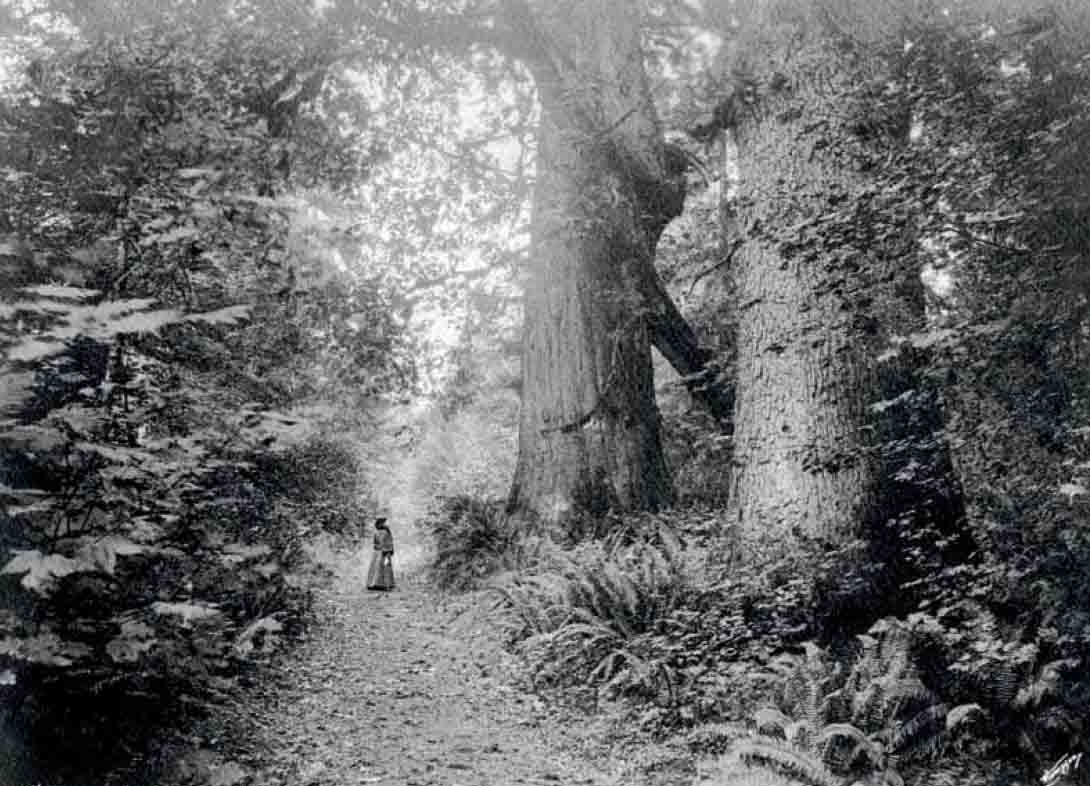
Woman wanders among the Seven Sisters giants, 1901 (Heritage House)

There is an abiding quality about trees and a living forest that is reassuring. “Trees are supportive, yet ambitious,” writes Shoropova. They are “quiet yet communicative, flexible yet strong, adaptive yet true to type.” They connect us to a larger world in a way that is both awe-inspiring and familiar.

“Learning the histories of the legacy trees in Stanley Park deepens our knowledge of the people of Vancouver—our history, our origins, our values,” Shoroplova explains in her opening chapter. These stories also show how Vancouver is maturing and evolving alongside its park forests and gardens. “We are shaking off the colonial identity that the park exhibited for so many decades and embracing the values of reconciliation with the first inhabitants of this land, the Squamish, Musqueam, and Tsleil-Waututh. We are also reclaiming what we can of the original nature of this land while honouring our communal history.”

Loggers springboard system Douglas-fir-1890s

Loggers using springboards to chop down a Douglas-fir giant, Stanley Park, 1890s (Heritage House)

Shoroplova arranged her tree stories into three parts: Part 1: The Trees Were Always There—trees that were already growing on the peninsula headland that became the federal reserve and then Stanley Park; Part 2: The First Trees Are Planted—those that were planted during the colonial and imperial years of the park (up to 1960); Part 3: The Park Grows Up—the years of growing independence.

Complete with old photos and original maps, Shoroplova offers several well-described and mapped routes to learn about and appreciate the beauty of the park. Her accurate science and historical accounts are dispensed in easily-digested and understood parcels through the language of conversation. The narrative is both charming and intriguing from the sad tale of the sentinel big Douglas-fir at the entrance to Stanley Park in 1894 to the princess-poet Pauline Johnson’s naming of Lost Lagoon and stories of historic events.

GeorgiaSt Entrance StanleyPark-bigfir-1894

Georgia Street entrance to Stanley Park in 1894 (Heritage House)

In a particularly engaging chapter of the book (Chapter 8), Shoroplova compares humans to trees and, through some interesting observations on tree physiology and behaviour, she draws some interesting conclusions. One example is her description of a tree’s heartbeat: how trunk and branches use a very slow pulse of contraction and expansion to send water up and out to every branchlet and leaf. Or how trees essentially breathe in more oxygen during the day (during active photosynthesis) and breathe out more carbon dioxide at night (during respiration without photosynthesis). Shoroplova likens it to “one slow breath for every twenty-four hours.” Shoroplova extends this fractal idea to the “suggestion that the northern hemisphere of Earth breathes in every summer and breathes out every winter. One slow planetary breath for every twelve months.”

Shoroplova also discusses two theories that explain the phenomenon of crown shyness, only seen in deciduous trees: “One is that trees of the same species avoid both being shaded by and shading each other. They take up space that is not already filled, allowing each other space to grow and breathe and capture the sun’s rays. The opposing theory is that stormy weather breaks off branches that are very close to each other. I suspect a mixture of both theories is at work.”

NurseryTree StanleyPark

Decaying log provides nutrients and substrate for other life (Heritage House)

Shoroplova continues her comparison in describing the life and death of a tree. “The death of a tree is a very drawn-out affair, taking years and even decades, as the tree changes from being healthy to having its health impinged on in some way, to losing more of its branches … to becoming a standing snag, and finally to falling to the forest floor. The decomposition—the composting—of one tree provides the soil for the birth and regeneration of many others. When a tree falls in the forest, its fallen form—minerals, fibre, and glucose—nourishes all the other life forms in its environment…Fallen trees become nurse logs for seedling trees, especially for western hemlocks.” In Chapter 9, Shoroplova shares how the forest—like the ocean—releases negative ions that help in general feelings of wellness as these ions “neutralize all the free radicals that result from our natural body processes or that exist as environmental toxins.”

RemainingSevenSister burl

Western red cedar with burl, remaining Seven Sister in Stanley Park (Heritage House)

In Chapter 12, Shoroplova describes the cathedral-like grandeur of the Seven Sisters grove of western redcedars and Douglas-firs as witnessed by Mohawk poet E. Pauline Johnson in 1911 and the sad narrative that followed. The fame of this stately grove of giants became their undoing—in the early 1950s the Park Board cut them down, citing safety reasons. The seven stately trees became seven sad stumps—with just one western redcedar with a large burl of the originals remaining. In 1988 the Park Board planted seven young Douglas-fir trees to replace the Seven Sisters. It will take time but eventually they may rival the Seven Sisters in majestic height. The single original sister still stands, prompting Shoroplova to “return to feel the history embedded in this single sibling.”

PaulineJohnson feather

E. Pauline Johnson

“But in all the world there is no cathedral whose marble or onyx columns can vie with those straight, clean, brown tree-boles that team with the sap and blood of life. There is no fresco that can rival the delicacy of lace-work they have festooned between you and the far skies. No tiles, no mosaic or inlaid marbles are as fascinating as the bare, russet, fragrant floor outspreading about their feet. They are the acme of Nature’s architecture, and in building them she has outrivalled all her erstwhile conceptions. She will never originate a more faultless design, never erect a more perfect edifice. But the divinely moulded trees and the man-made cathedral have one exquisite characteristic in common. It is the atmosphere of holiness.”—E. Pauline Johnson, Legends of Vancouver, 1911.

ProspectPoint 1891

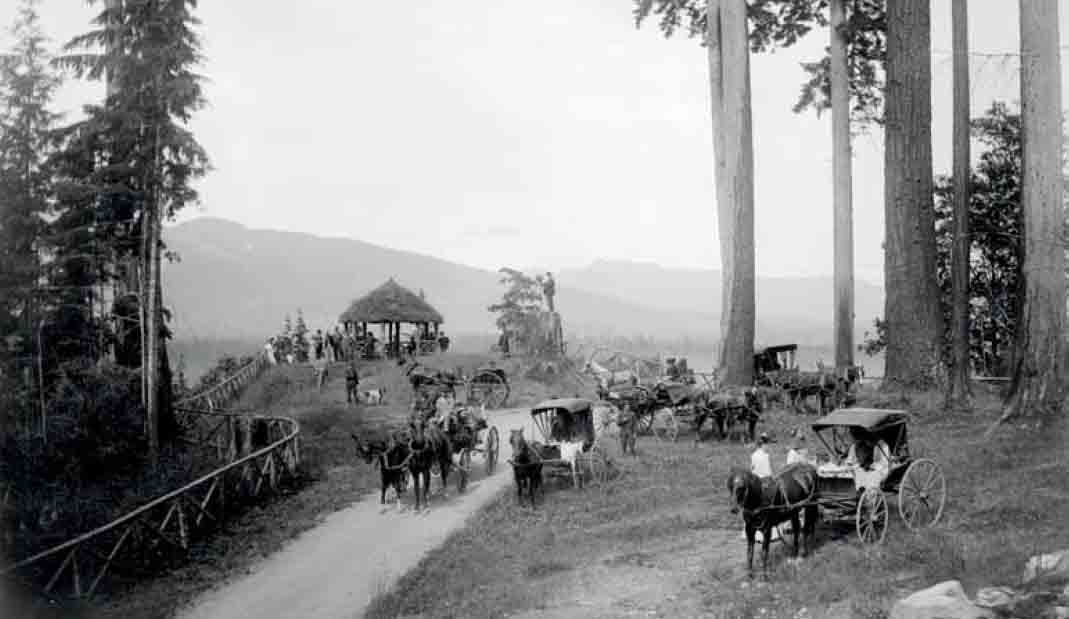
Prospect Point, Stanley Park, 1891 (Heritage House)

Subsequent chapters are devoted to singular trees and charming stories throughout the various gardens and paths of Stanley Park. Shoroplova brings them all to life with an animated history that weaves through the park to the present day.

Nina looking up dougfir-LHP

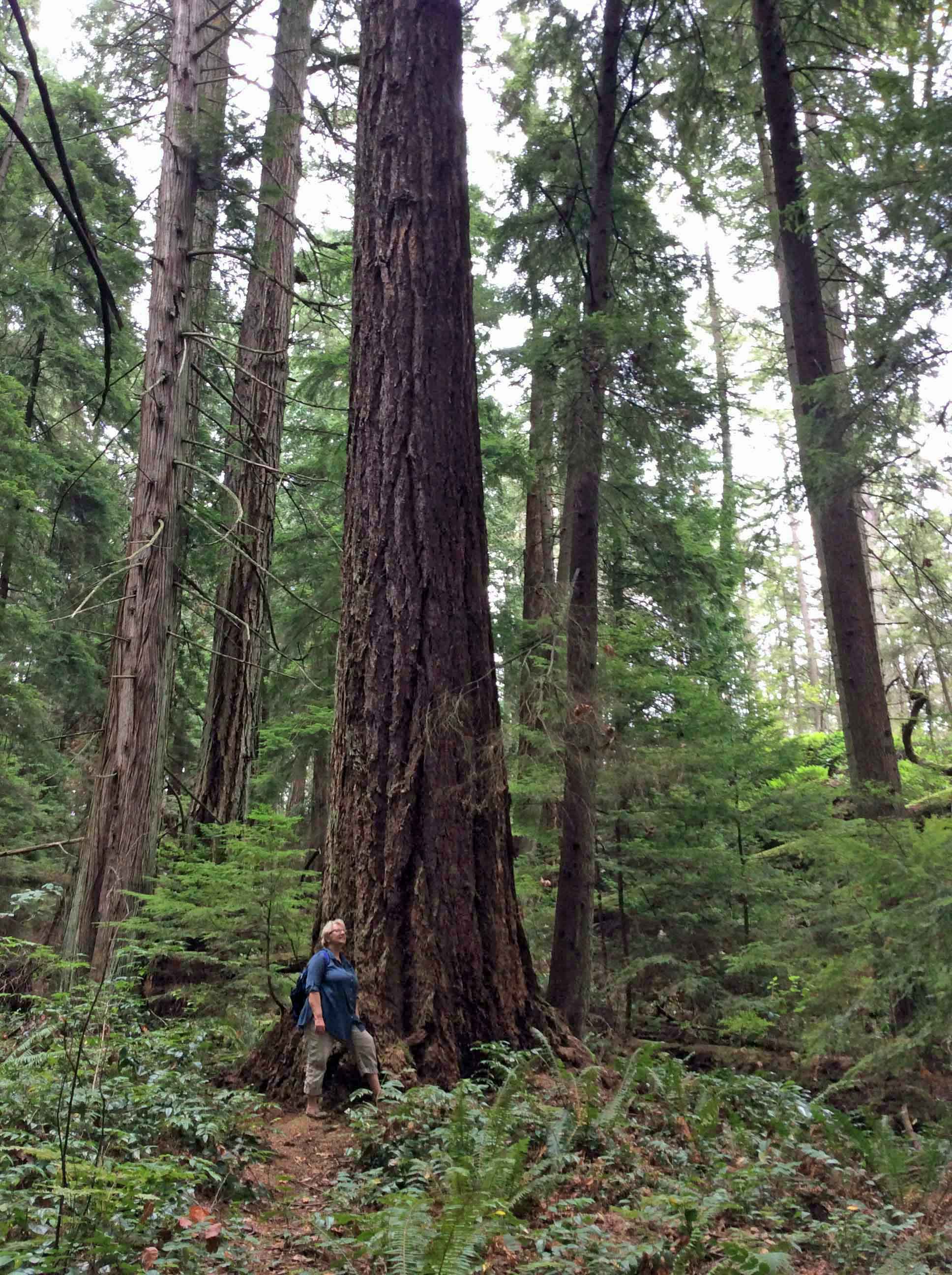
Nina Munteanu looks up at giant Douglas-fir in Lighthouse Park, BC (photo by M. Ross)

She ends on a high note for me by invoking the wisdom of UBC ecologist and forester Suzanne Simard, who parses out four simple solutions to forest managers. They include: 1) know the local region and ecology and act accordingly; 2) stop or at least curtail most logging of the old-growth forests; 3) save the legacies, the mother trees and networks so they can pass their wisdom onto the next generation of trees; 4) help regenerate the biodiversity of forest ecosystems by planting and allowing natural regeneration. “Forests aren’t just a bunch of trees competing with each other; they’re super-cooperators,” says Simard in a TED talk in June 2016. From Simard’s message I travelled to Ira Sutherland’s TEDx talk in October 2019, about the giant trees in Vancouver, which include Stanley Park; his message was also direct: 1) this is our story; and 2) Nature proves resilient.

I give Shoroplova a top score for ending her wonderful exposé on Stanley Park trees with action. Once we have connected with a forest and with a particular tree, we have walked through a door into awareness and ultimately responsibility. The wisdom and actionable message is clear. It isn’t enough to be a bystander. Just as E. Pauline Johnson raised the flag of awareness a hundred years ago for indigenous peoples and Nature by association, we must do the same. Or it will disappear. Sutherland points out that many of the sites where he has documented giant mother trees are not protected.

Bill Stephen, superintendent of urban forestry (retired), in his foreword to the book, wisely suggests how to use the book:

Read it first in a leisurely manner at home, and internalize the park’s history since its dedication in 1888. Then tuck it into your backpack and take it with you as a companion on your park wanderings. Take it on your smartphone or tablet as an ebook. Follow the maps, and use a maps app to enter the latitude/longitude coordinates of your place of interest for the day. Re-read its tales in the presence of the very trees about which it speaks, time travel with them, and return to the city with a richer sense of the connections between the trees of this great park and its human and animal actors. Then repeat…”

Vancouver StanleyPark bridge

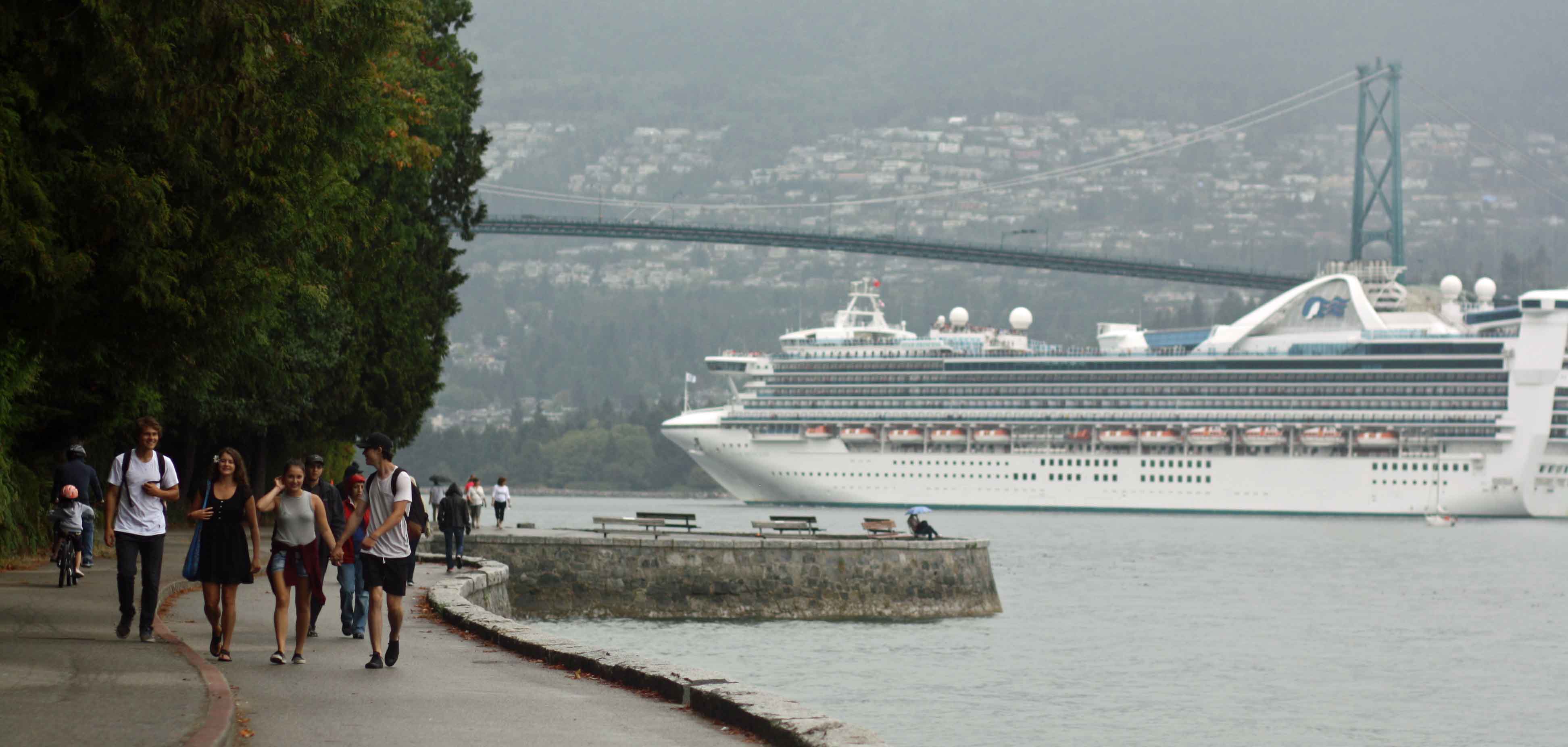
North side of Sea Wall with view of north shore and Lion’s Gate Bridge, Stanley Park, BC (photo by Nina Munteanu)

References:

Johnson, E. Pauline 1911. “Legends of Vancouver.” Library of Alexandria. 196pp. E. Pauline Johnson (Takehionwake) was a daughter of a Mohawk Chief and a white mother.  She was one of Canada’s most famous performers, poet, feminist and indigenous activist of the Victorian era. Pauline Johnson documented legends, told to her by her great friend, Squamish Chief Joe Capilano, in the Vancouver newspaper, The Daily Province, and then a book, ‘Legends of Vancouver’, in print now for over 100 years.

Nombre, Antonio Donato. 2010. “The Magic of the Amazon: A river that flows invisibly all around us.” TEDx Talk, 21:27 min. November, 2010. The Amazon River is like a heart, pumping water from the seas through it, and up into the atmosphere through 600 billion trees, which act like lungs. Clouds form, rain falls and the forest thrives. In a lyrical talk, Antonio Donato Nobre talks us through the interconnected systems of this region, and how they provide environmental services to the entire world. A parable for the extraordinary symphony that is nature.

Simard, Suzanne. 2016. “How Trees Talk to Each Other.” TED Talk, 18:20 min. June, 2016. “A forest is much more than what you see,” says ecologist Suzanne Simard. Her 30 years of research in Canadian forests have led to an astounding discovery — trees talk, often and over vast distances. Learn more about the harmonious yet complicated social lives of trees and prepare to see the natural world with new eyes.

Shoroplova, Nina. 2020. “Legacy of Trees: Purposeful Wandering in Vancouver’s Stanley Park.” Heritage House Publishing Co.Ltd., Vancouver. 288pp.

Sutherland, Ira. 2019. “The Great Vancouver Forest: A Story of Place.” TEDx Talk, 21:04 min. Oct. 2019. Growing up among the tall forests near UBC, Ira Sutherland developed an appreciation and curiosity for forests early on. This talk invites his audience to explore Vancouver’s extensive forests and to hopefully see trees in a new light (for more information, see http://www.vancouversbigtrees.com)


nina-2014aaa

Nina Munteanu is a Canadian ecologist / limnologist and novelist. She is co-editor of Europa SF and currently teaches writing courses at George Brown College and the University of Toronto. Visit www.ninamunteanu.ca for the latest on her books. Nina’s bilingual “La natura dell’acqua / The Way of Water” was published by Mincione Edizioni in Rome. Her non-fiction book “Water Is…” by Pixl Press(Vancouver) was selected by Margaret Atwood in the New York Times‘Year in Reading’ and was chosen as the 2017 Summer Read by Water Canada. Her novel “A Diary in the Age of Waterwas released by Inanna Publications (Toronto) in June 2020.

Launch of “A Diary in the Age of Water” by Nina Munteanu

june 18 launch evite1

Diary Water cover finalOn June 18th, Toronto book publishing house Inanna Publications launched its second spring series and A Diary in the Age of Water, my near-future/far-future speculative fiction book was among them.
A Diary in the Age of Water follows the climate-induced journey of Earth and humanity through four generations of women, each with a unique relationship to water.

Evoking Ursula LeGuin’s unflinching humane and moral authority, Nina Munteanu takes us into the lives of four generations of women and their battles against a global giant that controls and manipulates Earth’s water. In a diary that entwines acute scientific observation with poignant personal reflection, Lynna’s story unfolds incrementally, like climate change itself. Particularly harrowing are the neighbourhood water betrayals, along with Lynna’s deliberately dehydrated appearance meant to deflect attention from her own clandestine water collection. Her estrangement from her beloved daughter, her “dark cascade” who embarks upon a deadly path of her own, is heartwrenching. Munteanu elegantly transports us between Lynna’s exuberant youth and her tormented present, between microcosm and macrocosm, linking her story and struggles – and those of her mother, daughter and granddaughter – to the life force manifest in water itself. In language both gritty and hauntingly poetic, Munteanu delivers an uncompromising warning of our future.

—Lynn Hutchinson Lee


NINA-RENEE-TOAST2a

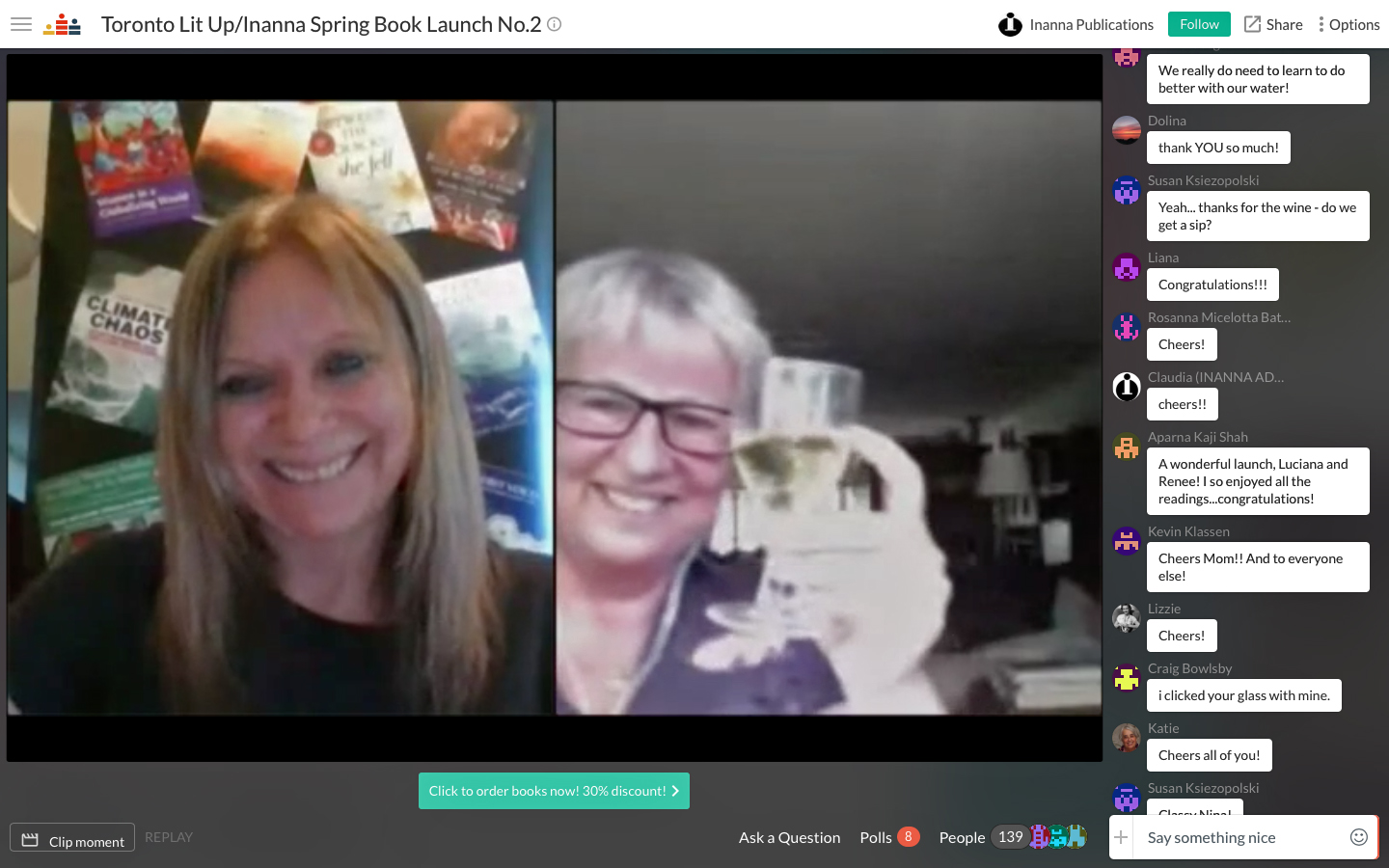
Renee Knapp and Nina Munteanu toast Inanna and all participants at the launch

A Diary in the Age of Water starts with young Kyo in the dying boreal forest of what used to be northern Canada. Kyo yearns inordinately for the Age of Water, a turbulent time of great change, before the “Water Twins” destroyed humanity. Looking for answers and plagued by vivid dreams of this holocaust, Kyo discovers the diary of Lynna, a limnologist from a time just prior to the destruction.

At the book launch, I read from Lynna’s first diary entry—in 2045. I then answered questions from audience members who came from Canada’s coast to coast:


What inspired you to write this book?

The Way of Water-COVERWho really… My publisher in Rome (Mincione Edizioni) had asked me for a short story on water and politics. I wanted to write about Canada and I wanted something ironic… so I chose water scarcity in Canada, a nation rich in water. “The Way of Water” (“La natura dell’acqua”) resulted, which has been reprinted in several magazines and anthologies, including Cli-Fi: Canadian Tales of Climate Change (Exile Editions), Future Fiction: New Dimensions in International Science Fiction (Future Fiction/Rosarium Publishing), Little Blue Marble Magazine, and Climate Crisis Anthology (Little Blue Marble). The story was about young Hilde—the daughter of the diarist—dying of thirst in Toronto… It begged for more … so the novel came from it…


Why did you choose to write your novel as a diary?

I was writing about both the far and the near future and much of it was based—like Margaret Atwood and her books—on real events and even real people. I wanted personal relevance to what’s going on, particularly with climate change.  I also wanted to achieve a gritty realism of the mundane and a diary felt right. The diarist—Lynna—is also a reclusive inexpressive character, so I thought a personal diary would help bring out her thoughts and feelings. There’s nothing like eves-dropping to make the mundane exciting.


If the oceans are rising because the ice caps are melting, is the ocean actually getting less salty?

The short answer is “yes.” As glaciers melt and introduce fresh water to the ocean—contributing to the rise in sea level—salinity is reduced in the surrounding sea. This has far-reaching consequences that lie beyond just rising sea levels and promise to affect all ocean life. Because freshwater is less dense than seawater—hence the saltwater wedge we experience on the lower Fraser River in Vancouver—freshwater increase in seawater will interfere with the pattern, mixing, and movement of ocean currents; this could be devastating to ocean life. The overall movement of ocean currents throughout the planet is called the Great Ocean Conveyor—or Atlantic Meridional Overturning Circulation (AMOC)—which circulates ocean water very much like in a lake, with dense water sinking beneath warmer, less salty water. As my diarist in the book writes, dumping in more and more freshwater into the ocean has slowed the sinking (and mixing) and the whole machine is slowing down. Freshwater is jamming the conveyor. If it stalls, this would unbalance the heat flux of the planet with more climate devastation.

Illustration 17 AMOC

Sketch of Atlantic Meridional Overturning Circulation (AMOC) from “A Diary in the Age of Water” Inanna Publications (sketch by Nina Munteanu)

The main protagonist is a limnologist; so are you; is there any resemblance?

Oh yes! Well, apart from the obvious—we both chose the same scientific discipline, we have similar views on the environment and humanity’s place in it. I might even have some of her foibles…hopefully not ALL of them… But, I’d say that all good characters have a piece of ourselves in them. Some dark and some light. The resemblance is heightened because she is depicted through her diary, which adds a gritty realism and a highly personal aspect to the fiction. In truth there’s a piece of me in each of the four women depicted in the story.


What is happening to the water in Ontario?

Water quality in Ontario waterways has not improved in the last decade and this can be placed squarely on the shoulders of local, regional and provincial governments and their failure to legislate and act. Inaction varies from lack of regulations and policing of industry to lack of city infrastructure and lack of ecological foresight.

SONY DSC

Cladophora alga in Lake Ontario

Lake Ontario itself receives pollution from Chicago, Sarnia, Detroit, Cleveland, Buffalo, Hamilton and Toronto. Pollution includes agricultural runoff (such as excess nutrients and cancer-causing pesticides and herbicides), disease-carrying sewage, and hormone-disrupting storm water runoff. Nine million people rely on the lake for drinking water. Greatest threats to the lake’s health come from urban development, electricity generation, sewage, and storm water contamination. In cities with large amounts of impervious surfaces, storm water runs over pavement and parking lots, picking up oil and other pollutants before flowing into a nearby river or stream. Flash floods are often accompanied by sewage overflow, which carries numerous pathogens. In addition, storm water picks up toxic heavy metals, endocrine disrupting chemicals and pharmaceuticals. All with devastating consequences to humans, never mind aquatic life and other wildlife.

Every five years the Conservation Authority Watershed Report Cards provide an assessment of ground and surface water quality in various watersheds of Ontario. The latest one by the TRCA (Toronto and Region Conservation Authority) in 2018 gave an overall grade of “D” (unchanged from 2013). They cited storm water runoff and lack of its management improvement as the chief reason for the poor grade. Increasing chloride concentrations in the Toronto region (mostly from liberal use of road salt) poses a real problem to aquatic life.


Log over water forest-DeasPark copy

Forest swamp in Deas Park, BC (photo by Nina Munteanu)

You mentioned that each of the four generations of women have a singular relationship with water. What role does water play in the book?

Well, in some important way, water is the fifth character. You could say even the main character. Water is the theme that carries each woman on her personal journey with climate change and the devastation that occurs—through water, I might add. Climate change is a water phenomenon, after all… So, water—like place and setting—plays a subtle yet powerful role in the story, influencing each character in her own way and bringing them together in the overall journey of humanity during a time of great and catastrophic change.


Are there other ages/epochs?

Yes. The story begins in the far future with young Kyo during the Age of Trees, after the end of the Age of Water. It is, in fact, the end of that age as well and that is why she prepares for the Exodus to “humanity’s” new home.

All Inanna titles are 30% off with coupon code: summer20. Please also consider purchasing “A Diary in the Age of Water” from an independent bookstore this summer. Find your local bookstore: http://open-book.ca/News/Your-Community-Your-Bookstore. And here is the current map of independent bookstores that are doing curbside pick up and delivery across Canada.


Beach stones foam HB-NS drybrush

Surf on Hirtle Beach, NS (photo and illustration by Nina Munteanu)

nina-2014aaa

Nina Munteanu is a Canadian ecologist / limnologist and novelist. She is co-editor of Europa SF and currently teaches writing courses at George Brown College and the University of Toronto. Visit www.ninamunteanu.ca for the latest on her books. Nina’s bilingual “La natura dell’acqua / The Way of Water” was published by Mincione Edizioni in Rome. Her non-fiction book “Water Is…” by Pixl Press(Vancouver) was selected by Margaret Atwood in the New York Times‘Year in Reading’ and was chosen as the 2017 Summer Read by Water Canada. Her novel “A Diary in the Age of Waterwas released by Inanna Publications (Toronto) in June 2020.