
Base of cedar tree, Little Rouge woodland (photo by Nina Munteanu)
How many times have you been told to write about what you know? And how many times have you trusted that advice? Well, how interesting is that?!? We think our lives are dull, boring, and mundane. We write – and read – to get away from it, don’t we?
Well, yes…and no…
In the final analysis, even good “escapist” writing, like some science fiction, despite its alien settings and creatures of imagination, is grounded in the realities of our every-day lives, which form the basis of human nature. Love, ambition, trust, hate, envy, honor, courage. All these are universal human traits which the writer taps into and ultimately writes about.
“In the 19th century, John Keats wrote to a nightingale, an urn, a season. Simple, everyday things that he knew,” say Kim Addonizio and Dorianne Laux in The Writer’s Guide to Creativity. “Walt Whitman described the stars, a live oak, a field. They began with what they knew, what was at hand, what shimmered around them in the ordinary world.”
The advice, “write what you know” isn’t about literal truths; it’s about what you know inside. As SF author Marg Gilks says, “You know more than you think.”
Twisted Truths & Inner Knowledge
In an article in Writing World, Gilks discusses how a writer can use her own knowledge and experiences in everyday life and translate them into something far from ordinary. You start with universal experiences.
Get Emotional
What excites you; what frightens you; what angers you, makes you sad, happy. These are emotions we all feel. When we give our characters experiences similar to our own, we breathe life into both character and experience and provide the reader an anchor for her heart.
Get Sensational
You know how it feels when the sun shines on your face or the rain drenches you. You know how it feels to have your knees shake with fatigue after a long climb on a hot day or the invigorating freshness of a cool lake in summer.
Get People Around You
My neighbor has a funny way of focusing his gaze slightly off me when he talks, like he can’t look me directly in the eyes. When he approaches my house to deliver the paper, Dennis strides with a lilting gait as he listens to hip-hop on his ipod.
Drawing from what you observe and know of the people around you is one of a writer’s most treasured resources for character description. I always carry a notebook with me no matter where I go, even if it’s only to the grocery store.
The Magic of Storytelling
A writer is like a magician. You play upon what readers all “know” then surprise them with the unexpected.
Unleashing your imagination and letting it soar while grounding yourself in the realities of universal truths is the stuff of which stories are made. This is what most of us mean when we say “write what you know.”
“Unless you are writing about a personal tragedy,” says Tina Morgan of Fiction Factor, “you will have to use your imagination. Use the creativity that drives you to write in the first place. Take those feelings you have every day and amplify them. Make them more intense, more vivid. Before you know it, you will be ‘writing what you know’.”
“Next time you hear ‘write what you know,’ ” says Gilks, “you’ll realize that you know an awful lot about what matters most in a story’s success. It’s waiting only to be shaped by your imagination.”
Write Real
Literary Agent, Rachelle Gardner, provided a great definition of “write what you know” on her blog. Here’s an excerpt:
Most people think “write what you know” means you have to put characters in situations you’re personally familiar with. If you’re a mom with five kids, you should write a mom story. If you’ve fought cancer and won, you should write about that. But in my opinion, that’s not what it means.
Write what you know means write with authenticity about thoughts, feelings, experiences of life. Be honest. Write from a deep place. Don’t write from the surface. Whether you’re writing about parenthood or cancer or anything else… be real.
Don’t reflect what you know from other people or the media… write what you know from your own inner life.
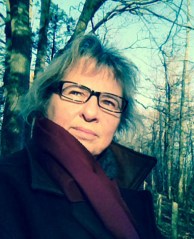 Nina Munteanu is an ecologist, limnologist and internationally published author of award-nominated speculative novels, short stories and non-fiction. She is co-editor of Europa SF and currently teaches writing courses at George Brown College and the University of Toronto. Visit www.ninamunteanu.ca for the latest on her books.


 After she and fellow colonists crash land on the hostile jungle planet of Mega, rebel-scientist Izumi, widower and hermit, boldly sets out against orders on a hunch that may ultimately save her fellow survivors—but may also risk all. As the other colonists take stock, Izumi—obsessed with discovery and the need to save lives—plunges into the dangerous forest, which harbors answers, not only to their freshwater problem, but ultimately to the nature of the universe itself. Mega was a goldilocks planet—it had saltwater and supported life—but the planet also possessed magnetic-electro-gravitational anomalies and a gravitational field that didn’t match its size and mass. The synchronous dance of its global electromagnetic field suggested self-organization to Izumi, who slowly pieced together Mega’s secrets: from its “honeycomb” pools to the six-legged uber-predators and jungle infrasounds—somehow all connected to the water. Still haunted by the meaningless death of her family back on Mars, Izumi’s intrepid search for life becomes a metaphoric and existential journey of the heart that explores how we connect and communicate—with one another and the universe—a journey intimately connected with water.
 Fingal’s Cave
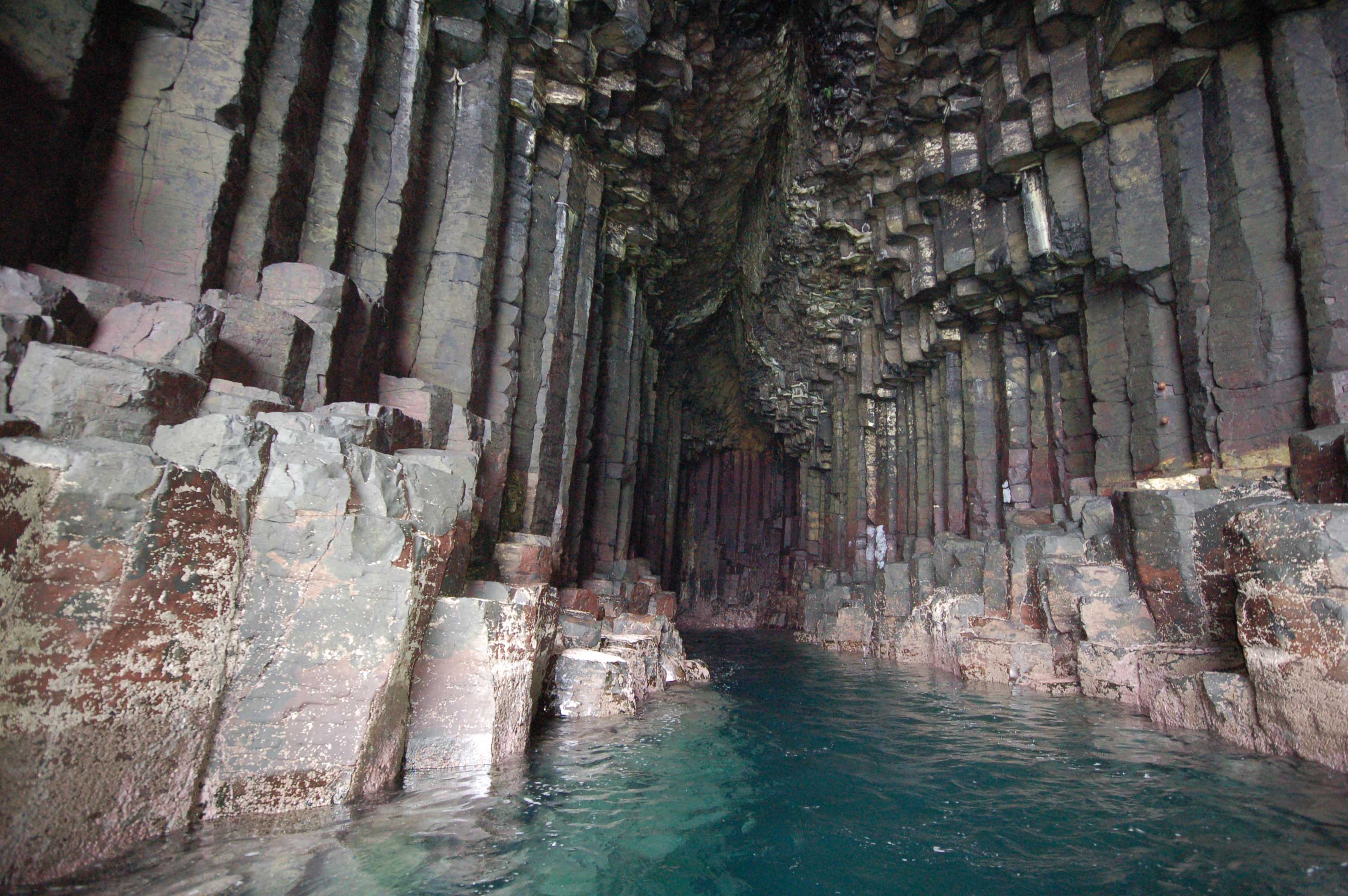 Fingal’s Cave is a sea cave on the uninhabited island of Staffa in the Inner Hebrides of Scotland. The cave is formed entirely from hexagonally jointed basalt columns in a Paleocene lava flow (similar to the Giant’s Causeway in Northern Ireland). Its entrance is a large archway filled by the sea. The eerie sounds made by the echoes of waves in the cave, give it the atmosphere of a natural cathedral. Known for its natural acoustics, the cave is named after the hero of an epic poem by 18th century Scots poet-historian James Macpherson. Fingal means “white stranger”.


 Nina Munteanu is an ecologist and internationally published author of novels, short stories and essays. She coaches writers and teaches writing at George Brown College and the University of Toronto. For more about Nina’s coaching & workshops visit

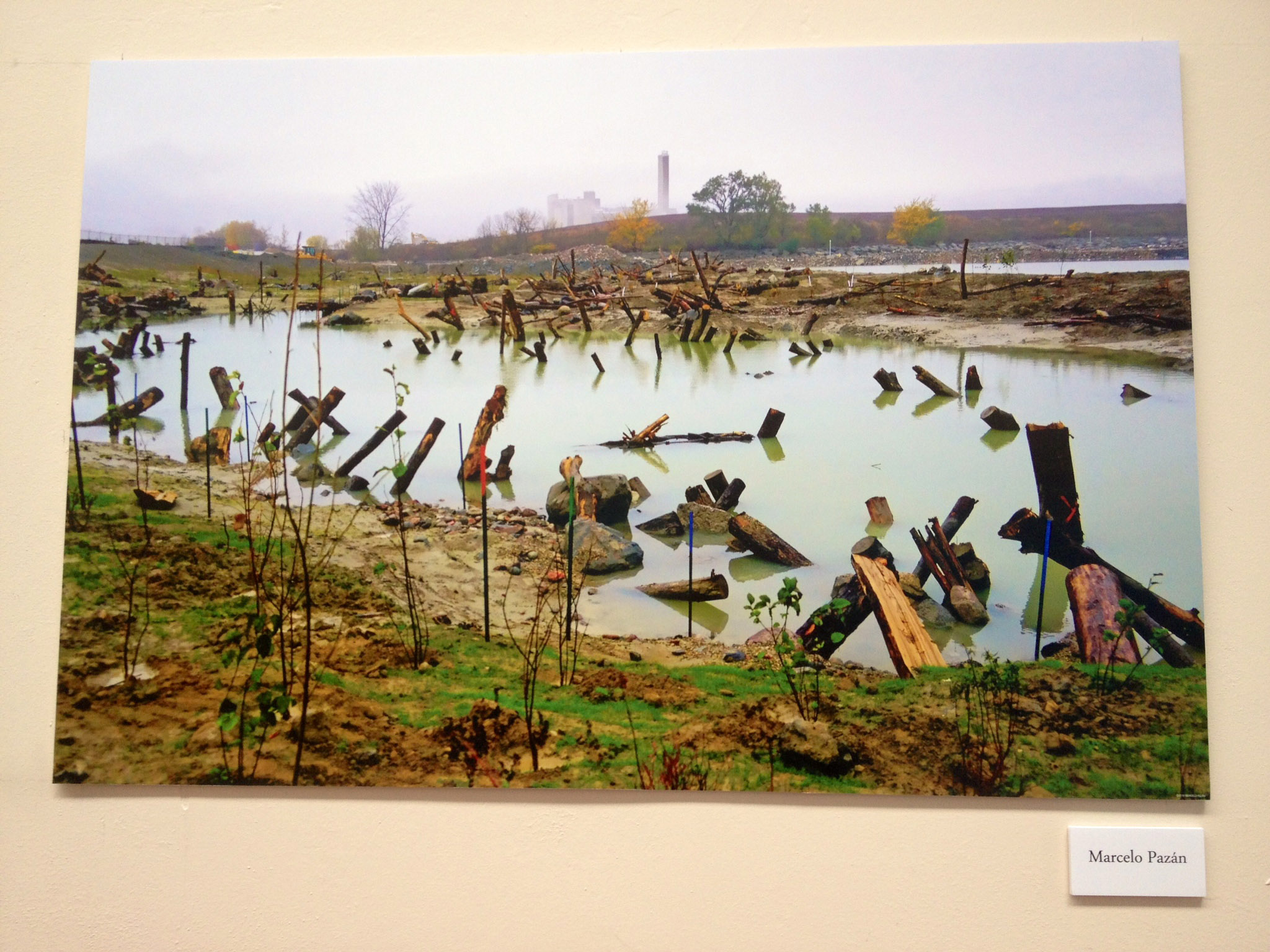
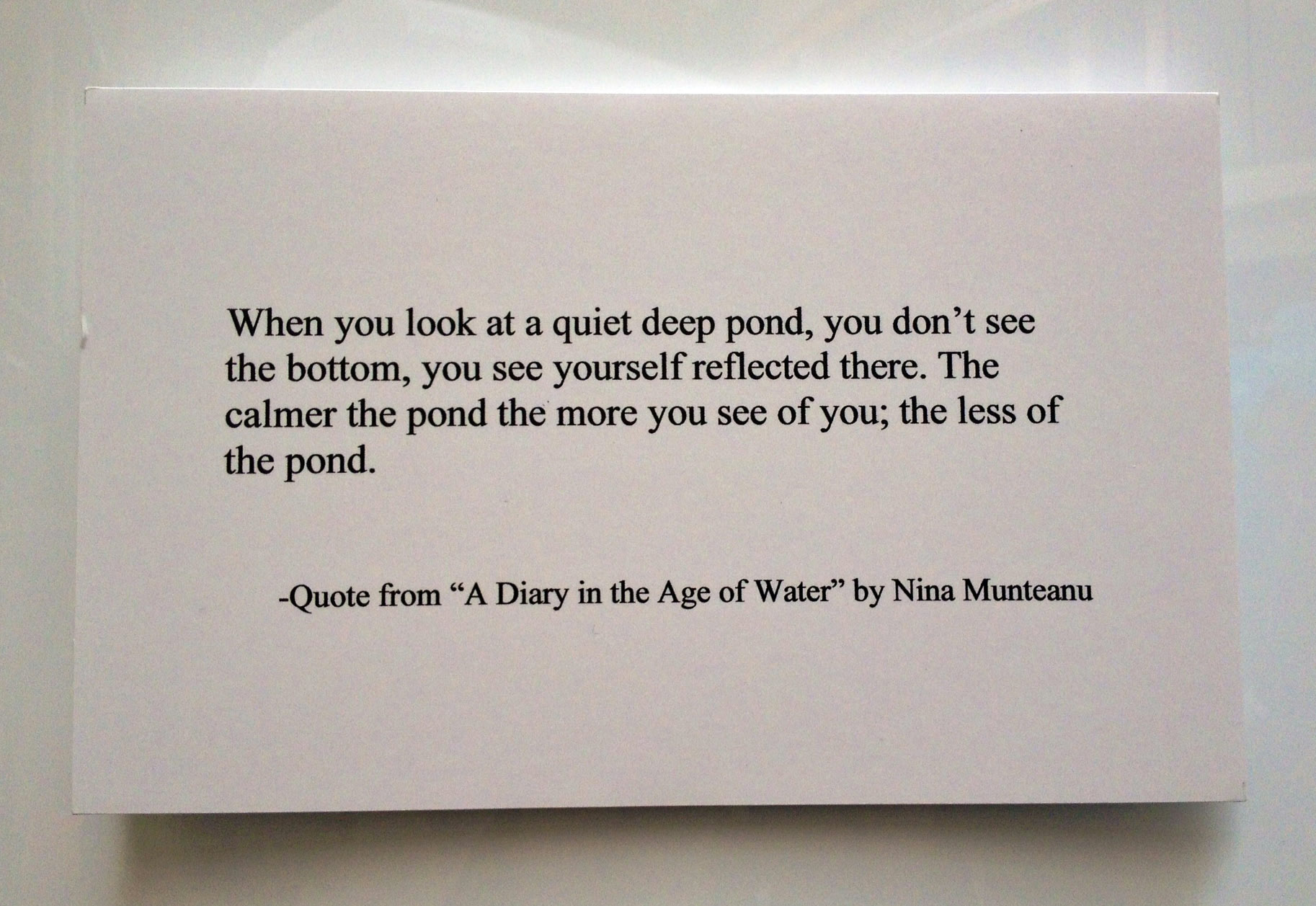 Reiterating Jim Tovey’s earlier comment on the water treatment plant as its own sculpture-art, Munteanu celebrated the location and the nature of the exhibit: “When technology, art and ecology are celebrated together, you get magic.”
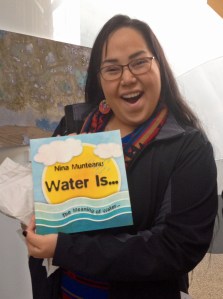

 Nina Munteanu is an ecologist, limnologist and internationally published author of award-nominated speculative novels, short stories and non-fiction. She is co-editor of Europa SF and currently teaches writing courses at George Brown College and the University of Toronto. Visit
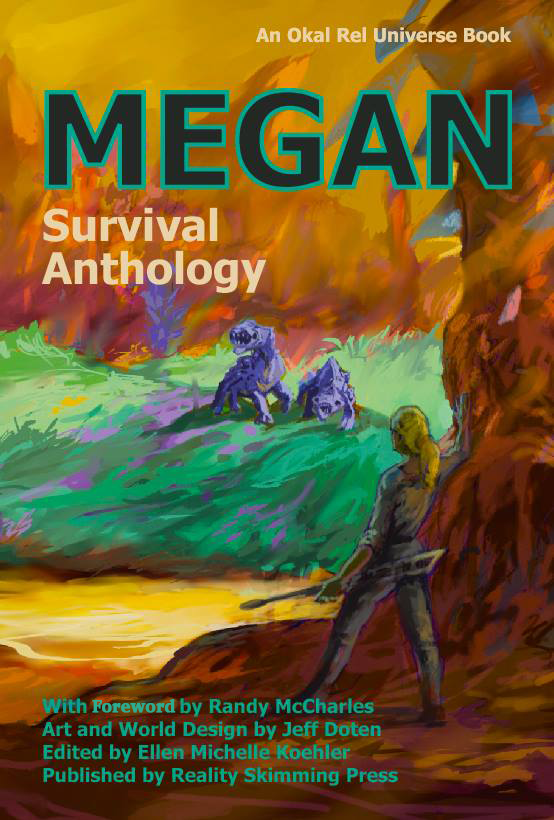
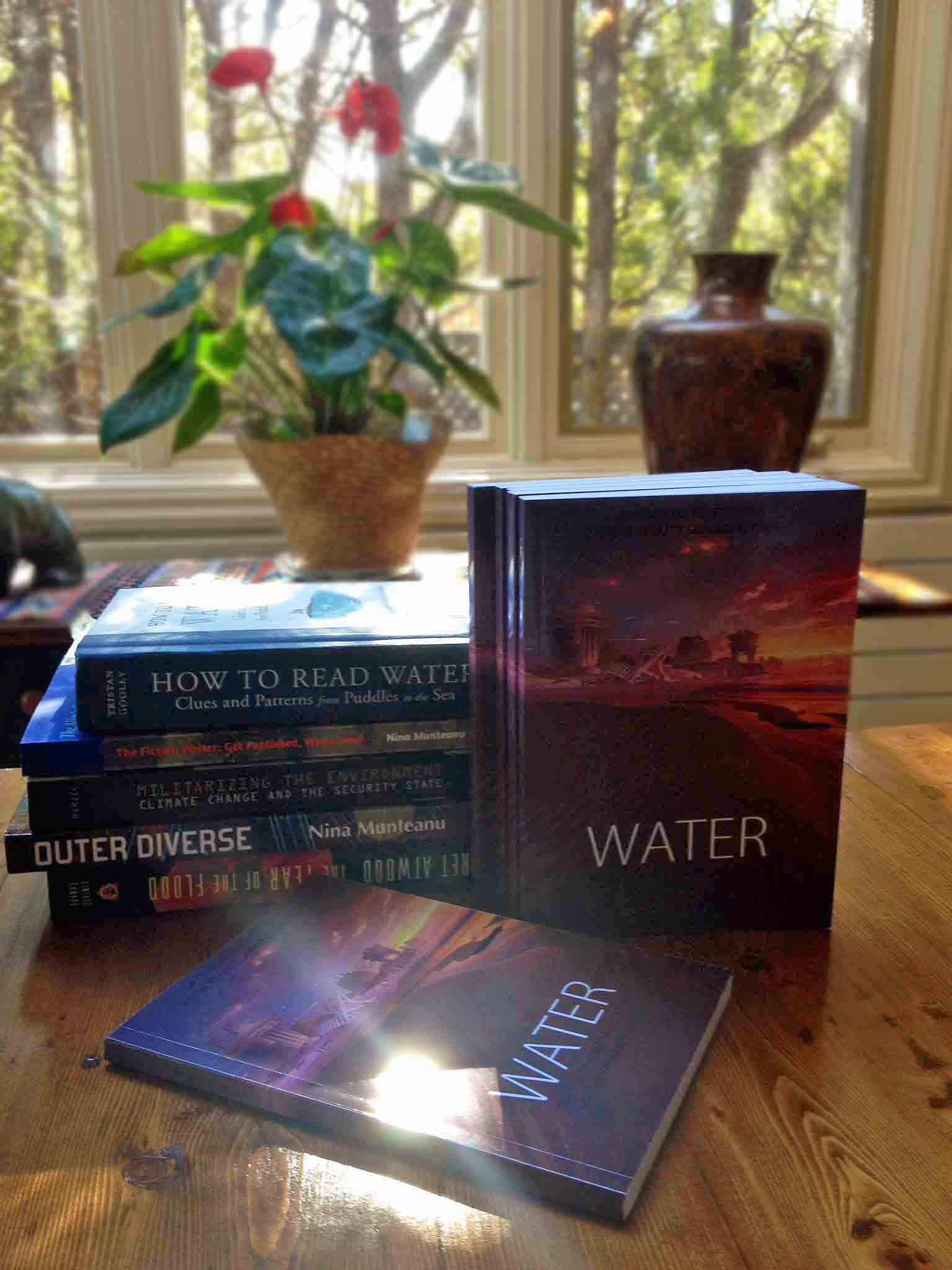
 In December 2017, “Water”, the first of Reality Skimming Press’s Optimistic Sci-Fi Series was released in Vancouver, BC. I was invited to be one of the editors for the anthology, given my passion for and experience with water.

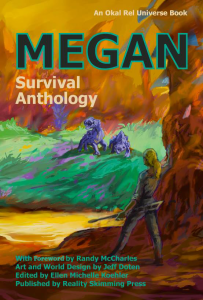 In the years that followed, Reality Skimming Press published several works, including the “Megan Survival” Anthology for which I wrote a short story, “


 Nina Munteanu is an ecologist and internationally published author of award-nominated speculative novels, short stories and non-fiction. She is co-editor of Europa SF and currently teaches writing courses at George Brown College and the University of Toronto. Visit

 I’m not a very patient person. I make no time for writer’s block or lingering in useless limbo over some plot issue or misbehaving minor character. I write pretty much to a tight schedule: this short story to that market by this date; edits to this book to the editor by that date; blog posts created by such and such a time; an article to another market by another date. It goes on and on. When I go to my computer to write, I write.
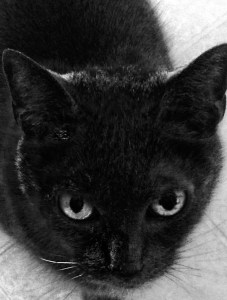
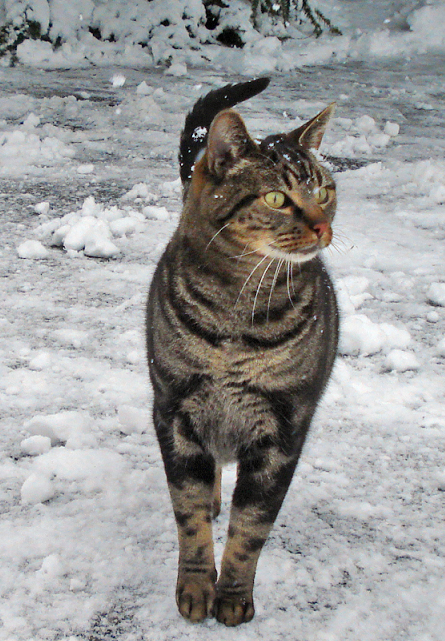
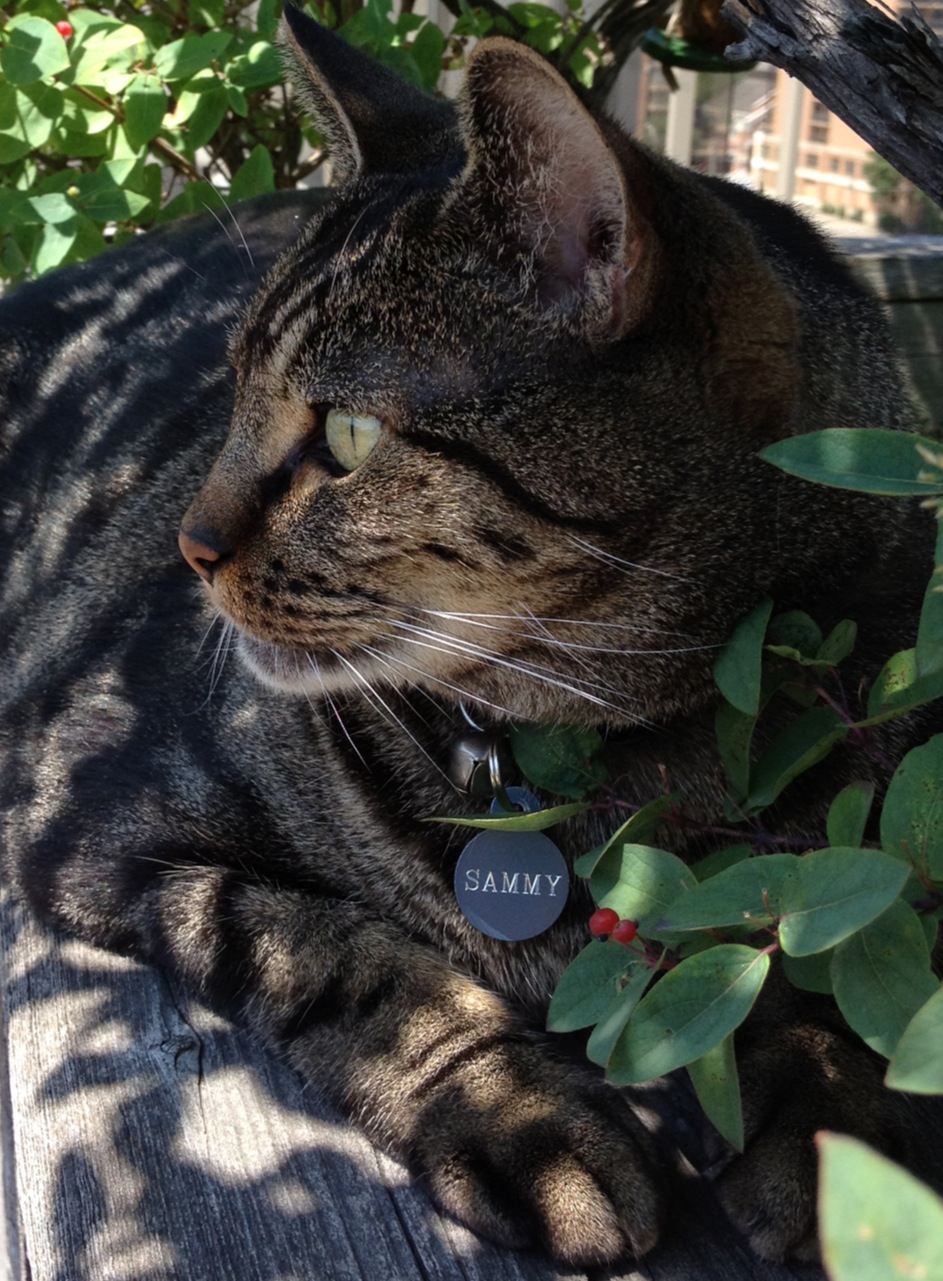
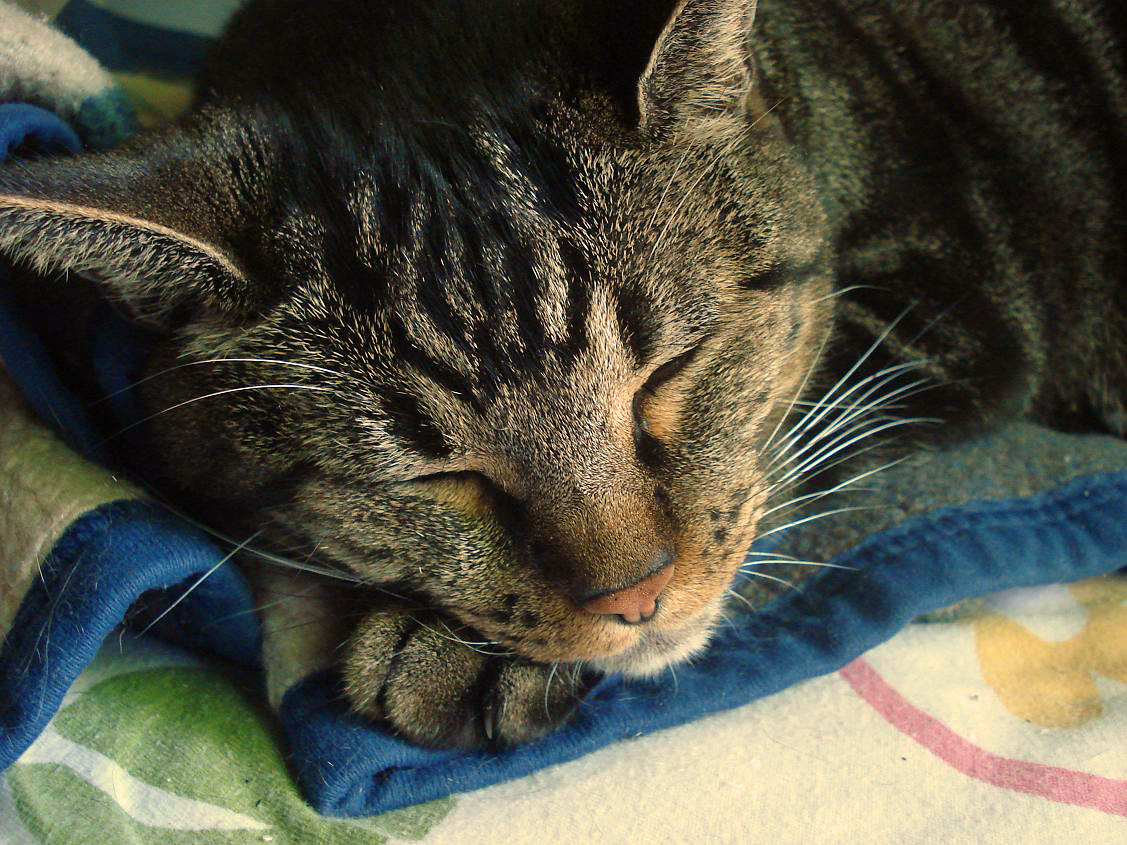 Pinned in the moment, my mind first struggles with the need to pound out the next line. My mind then rephrases and teases out nuances of that line. Finally, it wanders out with my gaze and I find myself daydreaming in a kind of trance. Giving in to the cat-purr-meditation.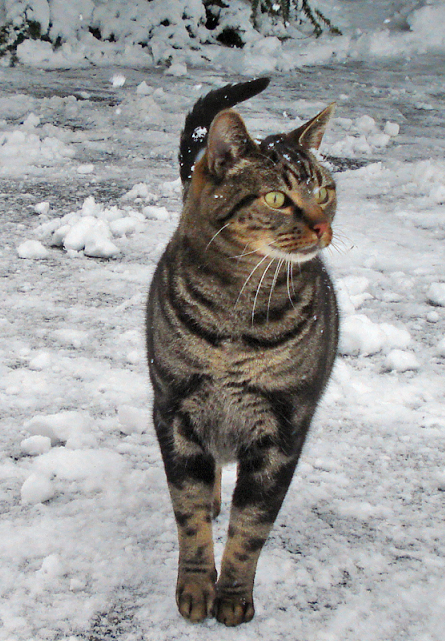
 Nina Munteanu Writing Coach