Language, the connective tissue of the body politic—that space where the collective “we” matters so much—is losing its ability to fulfill its most basic duty: to communicate. To correlate. To connect us to the world, and to one another
Megan Garber, The Atlantic
Scene of Winston Smith (John Hurt) in Nineteen Eighty-Four filmed in 1984 shown here with addition for currency
.
In his dystopian 1949 novel Nineteen Eighty-Four, George Orwell featured Newspeak, a fictional language of the totalitarian superstate Oceania. Created by the Party to meet requirements of Ingsoc (Englilsh Socialism), the Newspeak consisted of simplified grammar and limited vocabulary designed to limit a person’s ability to critically think. If you can’t find a word to articulate something, then it can’t be expressed and in some way no longer exists. Personal identity, self-expression and free speech become casualties of a simpler world.
Science fiction? Think again.
Today, Inside Climate News reported that the U.S. Coast Guard has eliminated the term “climate change” and related terminology from the curriculum of its training academy to conform to President Trump’s polices.
U.S. Coast Guard cutter Healy assists a NASA shipborne investigation into climate change in the Chukchi Sea in the Arctic Ocean (photo Kathryn Hansen NASA)
.
This comes at a time when scientists report that the effects of climate change and global warming are weakening the world’s most powerful ocean current, the ACC, with projected slowing by a third within decades. A study by international scientists published today in the journal Environmental Research Letters projects that the fresh water from melting Antarctic ice will weaken the Antarctic Circumpolar Currrent (ACC) by 20 percent in the next 30 years. The ACC is the only ocean current to flow around the entire planet unimpeded, carrying more than 100 times more water than all the world’s rivers combined. A paper in the journal Nature Climate Change recently documented how freshwater from melting ice has already weakened the overturning, or vertical circulation, of Antarctic shelf waters, which reduces oxygen in the deep ocean. Effects of the ACC slow down are projected to include more climate variability, with greater extremes in certain regions, and accelerated global warming.
Global warming is a fact.
Anyone negating its existence, let alone its existential threat, is quite simply a fool. But when a fool is in power and negates the bald truth of science—successfully eliminating the most important word to our existence on this planet—then who’s really the fool?
.
(image from The Atlantic)
.
In the 1940s, shortly after the end of World War Two, Orwell wrote an essay “Why I Write”; in it he lamented the growing decrepitude of the English language. Orwell argued that the decline of English went hand-in-hand with the decline of intellectualism in society and facilitated the manipulation of listeners, speakers and writers. Richard Weintraubnoted in his 2021 article that Trump used ‘Newspeak’ to dismiss the Covid 19 virus, putting Americans at great risk.
Orwell created the term doublethink—a jargon of purposeful obfuscation—which is ability to simultaneously accept two mutually contradictory beliefs as right at the same time: “war is peace”; “freedom is slavery”; “ignorance is strength”. This oxymoron isn’t some wild gesture to the simultaneous wave / particle existence of particle physics or gestalt dualism of Schrödinger’s cat. Orwell’s brilliant fictional concept was predicated on the historical precedent of fascists around the world: the embodiment of “Big Brother”, who uses “doublethink” to confound, sway and control the minds of all people. The term “fake news” has settled in like a damp fog, a casual rejoinder to any truth one wishes to negate and ultimately erase.
On the weaponizing of language, Megan Garber in The Atlantic writes:
“Language, in 1984, is violence by another means, an adjunct of the totalitarian strategies inflicted by the regime. Orwell’s most famous novel, in that sense, is the fictionalized version of his most famous essay. “Politics and the English Language,” published in 1946, is a writing manual, primarily—a guide to making language that says what it means, and means what it says. It is also an argument. Clear language, Orwell suggests, is a semantic necessity as well as a moral one. Newspeak, in 1984, destroys with the same ferocious efficiency that tanks and bombs do. It is born of the essay’s most elemental insight: If thought corrupts language, language can also corrupt thought.”
.
The hard truths of science are at risk in a world gazing through the lens of confabulation… When the inveigling bits and bites of social media time and again trump scientific fact…
“Orwell published “Politics” at the end of a conflict that had, in its widespread use of propaganda, also been a war of words. In the essay, he wrestles with the fact that language—as a bomb with a near-limitless blast radius—could double as a weapon of mass destruction. This is why clarity matters. This is why words are ethical tools as well as semantic ones. The defense of language that Orwell offered in “Politics” was derived from his love of hard facts. “So long as I remain alive and well I shall continue to feel strongly about prose style, to love the surface of the earth, and to take a pleasure in solid objects and scraps of useless information,” he confessed in his 1946 essay “Why I Write.” His was an elegant dogma. Words matter because facts matter—because truth matters. Freedom, in 1984, is many things, but they all spring from the same source: the ability to say that 2 + 2 = 4.”
.
Nina Munteanu is a Canadian ecologist / limnologist and novelist. She is co-editor of Europa SF and currently teaches writing courses at George Brown College and the University of Toronto. Visit www.ninamunteanu.ca for the latest on her books. Nina’s bilingual “La natura dell’acqua / The Way of Water” was published by Mincione Edizioni in Rome. Her non-fiction book “Water Is…” by Pixl Press (Vancouver) was selected by Margaret Atwood in the New York Times ‘Year in Reading’ and was chosen as the 2017 Summer Read by Water Canada. Her novel “A Diary in the Age of Water” was released by Inanna Publications (Toronto) in June 2020.
In a time when North American scientists and politicians are still debating the pros and cons of a carbon tax—when the current US President, within hours of his inauguration, orders the withdrawal of the U.S. from the Paris Climate Agreement and promotes fossil fuels and mineral mining—theologian Sallie McFague contends that climate change poses a greater danger to the globe than Nazism prior to the Second World War (See my postscript at the bottom of this post).
.
In another post, I described the debilitating psychological condition called solastalgia, a response to the loss felt in climate change-related impacts. McFague goes so far as to embrace a militant approach to the problem, urging citizens to dedicate themselves fully and be willing to sacrifice to save the planet’s eco-system. In her book, A New Climate for Theology, McFague espouses a spiritual attitude of gratitude and praise toward the natural world while adopting a radical war footing against global warming.
McFague widely defines “spiritual” to include the secular appreciation of nature. Rather than regarding God as a “being, McFague subscribes to the idea that God is the source of life, love and hope. A spiritual approach would provide the inner strength to tackle the worst effects of changing climate patterns, says Douglas Todd of The Vancouver Sun, who added, “I have been re-convinced of the necessity of a spiritual response to environmental problems.”
A spiritual connection with nature is nothing new. First Nations peoples have practiced it for millennia.
Riane Eisler, author of The Chalice & the Blade, writes of the ancient Bronze Age culture of Minoan (later Minoan-Mycenean) Crete (1,000 to 1,500 BCE), who still revered the Goddess. Citing Nicolas Platon, an archeologist who had excavated the island for over fifty years, Eisler writes of a society in which “the whole of life was pervaded by an ardent faith in the goddess Nature, the source of all creation and harmony”; this in a time when art extolled the symbols of nature—such as the serpent and butterfly, both symbols of transformation, rebirth and wisdom.
“In Crete,” writes Eisler, “for the last time in recorded history, a spirit of harmony between women and men as joyful and equal participants in life appears to pervade [in] a tradition that is unique in its ‘delight in beauty, grace, and movement’ and in its ‘enjoyment of life and closeness to nature.’ ” This way of life has been termed gylany*, a social sysem based on equality of all sexes. Despite the fact that they were surrounded by threats from an increasingly warlike and male-dominated (androcratic*) world, Cretans remained an “exceptionally peace-loving people” and their art did not idealize warfare. Cretans maintained “an ardent faith in the goddess Nature,” writes Platon. “This led to a love of peace, a horror of tyranny, and a respect for the law. Even among the ruling classes, personal ambition seems to have been unknown; nowhere do we find the name of an author attached to a work of art or a record of the deeds of a ruler.”
“The differences between the spirit of Crete and that of its neighbours,” writes Eisler, “are of more than academic interest.” The lack of Cretan military fortifications and signs of aggressive war—in sharp contrast to the walled cities and chronic warfare that were elsewhere already the norm—provides a confirmation from the past that peaceful human co-existence is not just a utopian dream.”
Cretan art reflected a society in which power was not equated with dominance, destruction and oppression. I think it is no coincidence that gender equality and harmony is linked to the pantheistic value of nature. The appreciation of beauty, grace and harmony is a “feminine” gylanic characteristic, one that ambitious warlike and highly competitive exploitive androcratic societies have no time to cultivate.
Eisler notes that a “recognition of our oneness with all of nature” lay at the heart of both the Neolithic and Cretan worship of the Goddess. She adds, “Increasingly, the work of modern ecologists indicate that this earlier quality of mind, in our time often associated with some types of Eastern spirituality, was far advanced beyond today’s environmentally destructive ideology. In fact, it foreshadows new scientific theories that all the living matter of earth, together with the atmosphere, oceans, and soil [and I would add the universe] forms one complex and inter-connected “life” system.” Quite fittingly, scientists James Lovelock and Lynn Margulis called this the Gaia Hypothesis—Gaia being one of the ancient Greek names of the Goddess.
At the same time that Riane Eisler was writing The Chalice & the Blade, Lynn Margulis developed her theory of endosymbiosis and suggested that evolution advanced through cooperation more than the Darwinian paradigm of competition (surely a “masculine” androcratic outlook).
Eisler provides examples of sociobiologists who draw on nineteenth-century Darwinism by citing insect societies to support their androcratic (social and political rule by men) theories. If we are to truly rise victorious over the scourge of climate change—a function of our current lifestyle and paradigms—we will need to adopt a cultural evolution that embraces a partnership society heralded by new and renewed symbology, language and “myth”.
For a few years I co-taught an environmental education course for primary and secondary school teachers. The course was intended to help teachers introduce environmental precepts and general awareness in all aspects of the primary and secondary school curriculum, such as creative ways to infuse environmental stewardship in courses from math to art. As much as I liked the integrative approach to this program, it is my belief that the “soft” science of Ecology should be taught as a basic course throughout a student’s entire school career (from Grade 1 to 12), giving it the prominence it deserves as a life-lesson mandate not unlike the three Rs.
Ecology is considered a “soft” science, because it integrates all other sciences and, as such, is more the study of relationships, links and consequence. As the study of ecosystems and the environment, Ecology lets us look at ourselves and how we relate to all other things, living and non-living, on this planet and ultimately the universe: the approach is only limited by our own perceptions. Ecologists study natural systems, which include all the systems in our society such as our economic systems, our social systems, business and financial models, cultural interactions and technological use. It behooves us to look to Nature’s Wisdom, to Gaia (our “mother”) for Her timeless lessons in our evolution.
If Gaia is our “natural mother” then Ecology is her language.
Postscript:
Nazi Germany, contends Riane Eisler, demonstrated the most violent reaction to a gylanic concept (e.g., a society in which there is balance and equality between the sexes), proving to be the modern regression to the earliest and most brutal form of proto-androcracy and a foreshadower of a neo-androcratic future.
.
Like the Kurgans before them, the Nazis killed, plundered and looted—particularly in their wholesale slaughter of Jews. Likewise, they ‘idealized’ women as the hausfrau, akin to an “often pleasant domestic animal” (Nietzsche) to be used by men for sexual enjoyment, personal service, entertainment, and procreation. It was, in fact, Hitler’s plan to reward decorated soldiers with the right to have more than one wife as a warrior’s booty. According to the Führer, not only women but “weak” and “effeminate” men like Jews were the natural inferiors to his new race of “supermen.” Sound familiar?…
Beware of comments that refer to “the enemy from within.” Or “they are poisoning the blood of our country.” Or the catch phrase “make America great again.” Or “you know, Hitler did some good things, too.” Or promises like: “this is a fork in the road of human civilization,” particularly just prior to a Nazi-style (Seig-Heil) salute from someone who will supposedly be responsible for a new Department of Government Efficiency (DOGE).
Elon Musk gestures as he speaks during the inaugural parade inside Capital One Arena, Washington DC. According to Rolling Stone: “Right-wing extremists, white nationalists, and neo-Nazis are celebrating an alarming gesture made by the world’s richest man.” (photo Rolling Stone)
“This is how you do it, Elon…”
Get out your copy of Margaret Atwood’s The Handmaid’s Tale and read it before it’s too late for freedom and any chance at gylany.
*Gylany: a social system based on equality of men and women *Androcracy: a form of governing system in which rulers are male
Nina Munteanu is a Canadian ecologist / limnologist and novelist. She is co-editor of Europa SF and currently teaches writing courses at George Brown College and the University of Toronto. Visit www.ninamunteanu.ca for the latest on her books. Nina’s bilingual “La natura dell’acqua / The Way of Water” was published by Mincione Edizioni in Rome. Her non-fiction book “Water Is…” by Pixl Press (Vancouver) was selected by Margaret Atwood in the New York Times ‘Year in Reading’ and was chosen as the 2017 Summer Read by Water Canada. Her novel “A Diary in the Age of Water” was released by Inanna Publications (Toronto) in June 2020.
When I was little, I wanted to be a storyteller, a cartoonist specifically. I was reading graphic novels before I could read. That didn’t stop me from understanding what was going on. Being a virtual learner and an artist, I understood context: expressions, body language…
Nina, age three, pretending to read (photo by Martha Munteanu)
.
.
I wrote and drew wild adventure thriller detective stories and stories about exploring other planets. While my first love was telling stories, I was called by the needs of the environment. This percolated through me as I grew up and wouldn’t let go. When I could read and write, I still read graphic novels; I wrote and illustrated short stories about the environment, dystopian tales that focussed on how we were destroying our planet.
.
At school, I loitered in the hallways, pasting subversive posters on the walls. They were a call to action: Restrain … Reuse … Repurpose … Recycle … Remain true to the environment. I wrote in the school paper. I quoted global statistics, mentioned global warming (yes, people knew about it back in the ‘60s and ‘70s), and submitted cheesy emotional drawings of pollution and toxic waste.
By the time I was ready to go to university (I’d been accepted early into the fine arts program at Concordia University in Montreal), I switched my major on registration day. Like a horse bolting from a fire, I charged out of the arts and into the sciences. I’d heard environment’s call for help and had notions of becoming an environmental lawyer. I kept a few arts courses as electives but focused on a biology degree in the environmental sciences. I understood that the tools I needed to wield as an eco-warrior in law were rooted in science.
.
A twenty-some old Nina exploring the forest
.
I learned something about ecology, botany, animal, plant, and cell physiology, genetics and biochemistry, and limnology (the study of water systems). The sciences fascinated me and I became entranced in the study of how the natural world worked. I was particularly attracted by lichens, plant-like organisms called cryptogams that grow like miniature forests on substrates—trees,fence posts, rock, cement. My attraction was partly because these often overlooked organisms were actually more of a symbiotic community or mini-ecosystem: an intriguing community of fungi, algae, cyanobacteria, bacteria and yeast growing together. I felt that on some level, lichen had much to teach us on lifestyle and approach to living on this planet. They’d been around for millennia, a lot longer than we’ve been.
Having long abandoned law (I convinced myself that I wasn’t cut out for it; maybe I was but that’s another universe), I decided to pursue lichen ecology for my masters degree. But fate had another path in mind for me. The botany professor who I wished to study under was retiring and no one was taking her place. She referred me to the limnology professor and he got me interested in another microscopic community: periphyton (the algae and associated organisms that colonize plants, rock and cement in water).
Nina and son Kevin explore nature (photo by Herb Klassen)
.
I’d come somewhat full circle to be an eco-warrior, pursuing environmental problems (and corporate mischief) through biology rather than law. I designed and conducted environmental impact assessments and recommended mitigation, restoration, and remediation procedures to various clients from lakefront communities and city planners to mining companies dealing with leaky tailings ponds and pulp mills discharging effluent into the ocean.
.
Various reports, scientific papers and articles I’ve written or been interviewed for
.
It worked for me. I consulted for twenty-some years. It was for the most part both satisfying and encouraging. I felt as though I was making a difference: mostly through educating my clients. But that became less and less the case as the consulting firms I worked for, and the corporations they worked for, seemed to have less and less integrity. They also seemed to care less about the environment and more about profit.
So, just as I’d done on the day of registration at university, I bolted like a horse in a fire and quit my job as a consultant. I never returned to consulting.
Nina photographing pollution of a small creek entering a drinking water source (photo by Matthew Barker, Peterborough Examiner)
My sights went back to storytelling, journalism, and reporting/interviews. Mostly eco-fiction. Creating narratives that would hopefully move people, nudge them to act for the environment. Change their worldview somewhat into eco-friendly territory. Make them care. I’m still an eco-warrior, but my pen and my storytelling is my tool.
The word is a powerful tool. And the stories that carry them are vehicles of change.
Nina Munteanu wandering the Emily Tract forest, ON (photo by Merridy Cox)
.
Nina Munteanu is a Canadian ecologist / limnologist and novelist. She is co-editor of Europa SF and currently teaches writing courses at George Brown College and the University of Toronto. Visit www.ninamunteanu.ca for the latest on her books. Nina’s bilingual “La natura dell’acqua / The Way of Water” was published by Mincione Edizioni in Rome. Her non-fiction book “Water Is…” by Pixl Press (Vancouver) was selected by Margaret Atwood in the New York Times ‘Year in Reading’ and was chosen as the 2017 Summer Read by Water Canada. Her novel “A Diary in the Age of Water” was released by Inanna Publications (Toronto) in June 2020.
Through the Portal anthology continues to garner attention and accolades by reviewers, booksellers, and readers throughout Canada. Released December 31, 2024 and launched in several locations in Canada, Portal is celebrated for its hopeful lens on an otherwise bleak future with thirty-five unique short stories, flash fiction, and poetry and an afterward.
There are many faces for hope; this anthology has thirty-six of them. Each story in the anthology features a unique hopeful lens that draws from a diversity of authors from around the world and throughout Canada. Stories that touch on nostalgia to respect, enlightenment to endurance. In these tales that range from compassion and healing to cautionary warnings of dark insight, hope may wear a human face or the face of a tree, black crow, or leaf.
Hopeful dystopias are so much more than an apparent oxymoron: they are in some fundamental way the spearhead of the future – and ironically often a celebration of human spirit by shining a light through the darkness of disaster. In Through the Portal: Tales from a Hopeful Dystopia, award-winning authors of speculative fiction Lynn Hutchinson Lee and Nina Munteanu present a collection that explores strange new terrains and startling social constructs, quiet morphing landscapes, dark and terrifying warnings, lush newly-told folk and fairy tales.—Exile Editions
“A stunning collection of short stories and poetry that address our most existential concerns.”
Dragonfly.eco
“Will ingenuity, love, and respect for the earth help us work through whatever changes might lie ahead? Through the Portal offers hope that these qualities, if not enough in and of themselves, will help us find our way.”
The Seaboard Review
.
Nina Munteanu is a Canadian ecologist / limnologist and novelist. She is co-editor of Europa SF and currently teaches writing courses at George Brown College and the University of Toronto. Visit www.ninamunteanu.ca for the latest on her books. Nina’s bilingual “La natura dell’acqua / The Way of Water” was published by Mincione Edizioni in Rome. Her non-fiction book “Water Is…” by Pixl Press (Vancouver) was selected by Margaret Atwood in the New York Times ‘Year in Reading’ and was chosen as the 2017 Summer Read by Water Canada. Her novel “A Diary in the Age of Water” was released by Inanna Publications (Toronto) in June 2020.
In his 2006 book The Seven Basic Plots: Why We Write Stories, Christopher Booker tells us that there are seven types of plots in story. One is entitled “Overcoming the Monster,” an underdog story where the hero sets out to destroy an evil to restore safety to the land. It is a story I admire and never tire of. The evil force is typically much larger than the hero, who must find a way, often through great courage, strength, inventive cunning—and help from her community—to defeat the evil force. This is the story of David and Goliath, of Beowulf and Grendel, of Luke Skywalker and Darth Vader in Star Wars, of Jake Sully and Miles Quaritchs in Avatar—notice, all men who, for the most part, do their hero-ing alone. I may get to that later (in another post)…
The “Overcoming the Monster” plot, whether told literally or through metaphor, reflects an imbalance in the world—usually of power—that the hero must help right.
Enter the “Monster” DuPont…
DuPont Washington Works plant in Parkersburg, West Virginia
The true story of DuPont’s decades-long evil maleficence reflects the great power imbalance of many large corporations and the evil they enact through willful deception and mischief to increase profit, their god.
This brings me to my heroic journey. For in some terrible way, the story of DuPont is also my story. One of power imbalance, of deception and ignorance. Their deception; my ignorance:
.
In 1954, the year I was born, during the ramp up for the Teflon rollout at DuPont’s Washington Works plant in Parkersburg, toxicologist R.A. Dickison noted possible toxicity of the surfactant C8 (PFOA or Perfluorooctanoic Acid) used to make Teflon. DuPont ignored the warning and proceeded to roll it out for mass use.
1950s DuPont ad for the Teflon “Happy Pan”
.
In 1961, while I was contending with recess bullies in grade two, DuPont rolled out their Teflon-coated “Happy Pan” with the full knowledge that C8 was a toxic endocrine disruptor and caused cancer. DuPont’s chief toxicologist Dorothy Hood cautioned executives in a memo that the substance was toxic and should be “handled with extreme care.” She explained that a new study had found enlarged livers in rats and rabbits exposed to C8, confirming that the chemical was toxic. It didn’t stop the roll out.
In 1962, while I was exploring my artistic talents at school,DuPont scientists conducted tests on humans, asking a group of volunteers to smoke cigarettes laced with C8. Nine out of ten people in the highest-dosed group were noticeably ill for an average of nine hours with flu-like symptoms that included chills, backache, fever, and coughing. Further experiments by DuPont linked C8 exposure to the enlargement of rats’ testes, adrenal glands, and kidneys.
In 1964, I was ten years old and struggling with my Grade 5 teacher who was trying to curb my unique self-expression. I was already aware of environmental imbalance and destruction in the world. My pet peeve was littering because it demonstrated great disrespect for others and the environment. I told environmental stories. That year DuPont had already begun its great deception; having confirmed the toxicity of C8, they simply watched (and recorded) as this cancer-causing endocrine disruptor injured, maimed and killed their own workers. The company did nothing to prevent it and they told no one.
In 1965, I was in the process of figuring out my heroic self and my unique gift to the world in Grade seven: was it in fine arts and advertising? Writing and storytelling? Environmentalism and law? Internal DuPont memos revealed that preliminary studies showed even low doses of a related surfactant to Teflon could increase the size of rats’ livers, a classic response to poison.
In the mid- to late-60s, I became an environmental activist, putting up posters and writing in the school paper. I wrote letters to industry and politicians, trying to incite interest in being good corporate citizens and promoting global environmental action. I remember a well-meaning teacher chiding me for my extravagant worldview. “Stick to little things and your community—like recycling,” he suggested patronizingly. I remember the shock of realizing that not everyone felt the planet like I did. Perhaps it was a teenage-thing, or a girl-thing, or a nina-thing. I prayed it wasn’t just a nina-thing…
I started writing stories in high school. Mostly eco-fiction, though I didn’t know that’s what it was at the time. There was no genre called eco-fiction back then. It all went under the umbrella of scifi.
In 1969, at fifteen, I wrote my first dystopia, Caged in World. The eco-novel was about a subway train driver and a data analyst caught in the trap of a huge lie. The story later morphed into Escape from Utopia. Several drafts and years later the novel became the eco-medical thriller Angel of Chaos, published in 2010. The story is set in 2095 as humanity struggles with Darwin’s Disease—a mysterious neurological environmental pandemic assaulting Icaria 5, an enclosed city within the slowly recovering toxic wasteland of North America. The city is run by deep ecologists who call themselves Gaians, and consider themselves guardians of the planet. The Gaians’ secret is that they are keeping humanity “inside” not to protect humanity from a toxic wasteland but to protect the environment from a toxic humanity.
Lawyer Robert Bilott (Mark Ruffalo) investigates leachate-infected cows from nearby DuPont landfill (photo from film “Dark Waters”)
.
In the early 1970s, I entered university and contemplated becoming an environmental lawyer; I wrote short stories, mostly eco-fiction, and joined marches protesting environmental destruction by large corporations. DuPont confirmed that C8 not only persisted in the environment; it bioaccumulated in animals. In 1979, when I graduated with a Master of Science degree in limnology/ecology, DuPont circulated an internal memo in which humans exposed to C8 were referred to as “receptors,” describing how scientists found “significantly higher incidence of allergic, endocrine and metabolic disorders” as well as “excess risk of developing liver disease.” DuPont kept this knowledge to themselves and withheld it from EPA.
In the late 1970s early ‘80s, while I was addressing local environmental issues as a practicing limnological consultant, DuPont was dumping 7,100 tons of PFOA-laced sludge into unlined ‘‘digestion ponds’’: open, unlined pits on the Washington Works property, from which the chemical could seep straight into the ground. PFOA entered the local water table, which supplied drinking water to the communities of Parkersburg, Vienna, Little Hocking and Lubeck — more than 100,000 people.
Effects of PFOA (birth defect in Bucky Bailey whose mother was on the Teflon line without protection during her first trimester; blackening teeth from the excessive fluoride, from scene in “Dark Waters”)
.
In 1981, when I got my first job as a limnologist and environmental consultant in Vancouver, DuPont confirmed that C8 caused birth defects in its own workers—and did not warn its workers. A DuPont pathologist confirmed that the observed fetal eye defects were due to C8. With that confirmation the pregnancy study was quietly abandoned and a decision made not to inform EPA. Less than a year later DuPont created false data for EPA then moved women of childbearing age back into areas with C8 exposure. Many in the company coined the term “Teflon flu” to describe the ill-effects of working close to the compound. By 1982, DuPont had confirmed the high toxicity of C8/PFOA in humans.
In 1984, a year after I formed my own consulting company Limnology Services in Vancouver, DuPont staffers secretly tested their community’s drinking water and found it to contain alarming levels of C8. Deciding that any cleanup was likely to cost too much and tarnish their reputation, DuPont chose to do nothing. In fact, they scaled up their use of C8 in Teflon products and bought land to dump their toxic sludge in unlined landfills. Deaths in DuPont workers from leukemia and kidney cancer climbed.
In 1989, at 35 years old, and still blissfully unaware of DuPont’s nefarious activities, I continued consulting for my own company Limnology Services, addressing mostly local environment issues with communities and local governments. By that year, DuPont employees found an elevated number of leukemia deaths at the West Virginia plant, followed by an inordinately high number of kidney cancers among male workers. Earl Tennant, whose farm was close to the DuPont landfill at Dry Run creek, sent videos of foamy water and diseased cows to the West Virginia Department of Environmental Protection; state regulators documented “numerous deficiencies in the landfill operation and erosion gullies that funnelled waste into Dry Run creek; DuPont made a deal with the department: the company paid a $250,000 fine and the department took no further action against the landfill. (The official who negotiated the deal later became a DuPont consultant.)
Throughout the 90s, I started teaching college biology and university environmental education courses in Vancouver. The magazine Shared Vision Magazine published my first article “Environmental Citizenship” in 1995. Meantime, DuPont’s Washington Works plant pumped hundreds of thousands of pounds of PFOA sludge, powder and vapor through stacks into the atmosphere and outfall pipes into the Ohio River.
In 1996, I was consulting for local industry and municipalities. By then, C8 was in the drinking water of Parkersburg and other communities. Despite what they knew of C8’s toxicity, DuPont kept it a secret (no one else was testing for PFOA because it was unregulated).
Farmer Tennant and lawyer Rob Billot encounter a leachate-infected mad cow in the 2019 film “Dark Waters”
.
In 1999, still serving as environmental consultant to mining and pulp mill companies, I still knew nothing about DuPont’s duplicitous environmental atrocities. 3M—troubled by its studies on C8 with monkeys—notified EPA and phased out PFOS and PFOA; DuPont started producing its own PFOA. On behalf of Earl Tennant whose cattle were dying adjacent to DuPont’s landfill site, lawyer Rob Bilott filed a small suit against DuPont to gain legal discovery and starting the decade-long process of finally unravelling the buried truth of their insidious criminality–over thirty years after DuPont knew and did nothing.
In 2003, I continued consulting as an environmental scientist in ignorance of DuPont’s misdealings, though by now much had come out in the press. By that year, DuPont had knowingly dispersed almost 2.5 million pounds of harmful C8 from its Washington Works plant into the air and water of the mid-Ohio River Valley area.
DuPont’s Washington Works plant in Parkersburg, West Virginia
.
In 2004, DuPont agreed to settle the class-action suit filed by lawyer Rob Bilott. Under the terms of the settlement, the company was not obliged to pull C8 from the market. The best the EPA could negotiate was a voluntary phase-out by 2015. That same year There It Is reported on how DuPont denied poisoning consumers with Teflon products. The dangers and spread of PFOA and other forever chemicals appeared more and more in the scientific literature (see the reference list below, which is by no means exhaustive).
In 2007, Darwin’s Paradox, my eco-fiction novel about an environmental pandemic, was published by Dragon Moon Press in Calgary, Alberta. Four years earlier, the law had finally caught up to DuPont, but not before they had dispersed 2.5 million pounds of harmful C8 from their Washington Works plant into the air and water of the mid-Ohio River Valley area. It would be another twelve years before DuPont would stop making C8 (in 2015) and another four years after that when C8 would be banned from use globally (2019). PFOA is still unregulated by EPA; the best they can do is issue a non-enforceable health advisory set at 70 parts per trillion.
In 2012, shortly after I moved to Nova Scotia to write for a living (having quit environmental consulting due to disillusionment with integrity of companies I worked for), the C8 Science Panel, tasked to study the possible health effects of PFOA in a highly exposed population in the mid-Ohio Valley, determined a probable link between C8 exposure and six disease categories: kidney cancer, testicular cancer, ulcerative colitis, thyroid disease, preeclampsia, and high cholesterol.
In 2015, two years after I began teaching writing at the University of Toronto, DuPont began a series of complex transactions that transferred its responsibility for environmental obligations and liabilities associated with PFAS (C8) onto other entities such as Chemours, Corteva, and NewDupont. A year later New York Times Magazineran a story “The Lawyer Who Became DuPont’s Worst Nightmare” and Sharon Lerner of The Intercept ran an in-depth series on DuPont’s duplicitous criminality: “The Teflon Toxin: DuPont and the Chemistry of Deception.”
In 2017, DuPont and its spinoff company Chemours agreed to settle a lawsuit with roughly 3,500 people living near the Parkersburg plant in both West Virginia and Ohio and many ailing from toxicity-related problems. The company agreed to pay $671 million. That’s one day’s sales in a $27 billion annual profit stream. The Fayetteville Observer reported that this “Discontinued chemical [was] still in well water” after DuPont agreed in 2009 to stop using C8. They noted that the company was facing a class action lawsuit from thousands of people in Ohio and West Virginia for discharging the toxic chemical into the Ohio River since the 1950s.
In 2019—sixty-seven years after DuPont knew PFOA was toxic and did nothing—this forever chemical was finally banned globally under the Stockholm Convention. Unfortunately, by 2019, PFOA was already literally everywhere on the planet in concentrations considered unsafe. Given its high water-solubility, long-range transport potential, and lack of degradation in the environment, PFOA persists in groundwater and is ubiquitously present in oceans and other surface water around the globe. It is found in remote areas of the Arctic and Antarctic (where it was not used or manufactured), no doubt transported there through ocean currents and in the air, bound on particles. NBC Newsran a news piece about ‘forever chemicals’ contaminating drinking water near military bases. The Guardian ran a news article: “Companies deny responsibility for toxic ‘forever chemicals.’” In Maine, The Portland Press Herald ran a story: “Households are awash in ‘forever chemicals’.”
In 2020, NBC News revealed that DuPont was still avoiding its responsibility to clean up its C8 mess and compensate those harmed by DuPont’s negligence.
In 2022, I finally learned about DuPont’s decades-long environmental dispersal of toxic PFOA (C8) and their criminal deception throughout this life time. I’d lived through DuPont’s entire six decades of deception in ignorance.
Poster for the 2019 film “Dark Waters” on DuPont’s criminal activities and the lawyer who exposed them
.
In 2022, three years after its release, I chanced upon “Dark Waters,” the 2019 film starring Mark Ruffalo who plays lawyer Robert Bilott, the man who took DuPont to court in 2002. I found out seven years after DuPont was forced to stop using PFOA and a lifetime after they started their egregious pollution and deception in the 1950s. For over six decades, from when I was born to well into my sixties, DuPont executives chose to:
Below are the faces of the DuPont men and women who sanctioned–encouraged–the willful harm of other life. Despite knowing the danger posed by exposure to PFOAs to people, these DuPont CEOs chose to: 1) continue to poison the environment and people, 2) cover up their actions from authorities, and 3) fight the courts and regulators from doing the right thing when they were caught. No one went to jail. No one was fired. They just paid $$$ and shamefully kept going. These people are criminals.
DuPont CEOs from 1950-2019 who sanctioned release of PFOA into the environment then covered it up: Crawford H. Greenewalt, Lammot Copeland, Charles B. McCoy, Edward G. Jefferson, Richard E. Heckert, Edgar S. Woolard, John A. Krol, Charles O. Holliday Jr., Ellen Kullman, Edward D. Breen
.
It’s not over either; DuPont currently uses other PFAS compounds that are unregulated but whose toxicity is being found to be as potent. And, of course, these other ‘forever chemicals’ are finding themselves everywhere. I was ignorant of all this the whole time. Meantime, I am drinking DuPont’s forever chemicals, I am eating DuPont’s forever chemicals, and I am feeling DuPont’s forever chemicals falling on my face in the rain.
My hard lesson: Ignorance breeds complacency and hubris; both will lead to downfall.
To return to the “Overcoming the Monster” story plot and the monster archetype, I’m convinced that it isn’t the Darth Vaders or Miles Quaritchs we must overcome. Yes, they are monsters, but they serve a greater monster. For Vader it was Emperor Palpatine and for Quaritch it was the executives of the RDA Corporation. While Vader and Quaritch may be the face of evil, true evil lurks behind them, orchestrating, in the shadows. It is an evil we must fight internally, because each of us carries that potential evil inside us—in the urge to cheat on our taxes; in looking for the free ride (there are no free rides); in coveting what others have when what we have is enough; in embracing self-deception through unsubstantiated narratives and confabulation; and in choosing to remain ignorant to suit a short-sighted and self-serving agenda. I’m guilty too.
I hope some aspects of the hero that live in me, as with everyone, are helping to overcome the monster by writing about it in articles I share here and elsewhere and by presenting a different narrative—one of resistance and hope—through my fiction.
In a post on The Meaning of Water, I list which CEO was on watch and responsible for each criminal atrocity enacted. The post also goes into more detail on the six decade history of DuPont’s criminal atrocities and great deception. For more detail on each decade of atrocity and deception, check out my posts by decade: 1950s, 1960s, 1970s, 1980s, 1990s, and 2000s. What follows into the present day is perhaps even more atrocious, given that all is supposedly out in the open. This predatory company continues to bribe officials, lie and deny, threaten the weak, and so much more.
p.s. To understand the nature of industrial duplicity of large corporations such as DuPont, I highly recommend reading the 2023 study by Nadia Gaber and colleagues in the Annals of Global Health. The authors evaluated previously secret industry documents on PFAS to understand the significant delayed disclosure of harm posed by PFAS: from its production in the 1940s, to suggestions of toxicity in the 1950s, to irrefutable knowledge of PFAS toxicity in the 1960s, and–due to lack of transparency and suppression of scientific findings–public knowledge of this only arising in the late 1990s (mainly because of legal suits and discovery).
.
References:
Ahrens L. 2011. “Polyfluoroalkyl compounds in the aquatic environment: a review of their occurrence and fate.” J Environ Monit 13: 20–31. 10.1039/c0em00373e
Barton CA, Butler LE, Zarzecki CJ, Laherty JM. 2006. “Characterizing perfluorooctanoate in ambient air near the fence line of a manufacturing facility: comparing modeled and monitored values.” J Air Waste Manage Assoc 56: 48–55. 10.1080/10473289.2006.10464429
Barton CA, Kaiser MA, Russell MH. 2007. “Partitioning and removal of perfluorooctanoate during rain events: the importance of physical-chemical properties.” J Environ Monit 9: 839–846. 10.1039/b703510a
Busch J, Ahrens L, Xie Z, Sturm R, Ebinghaus R. 2010. “Polyfluoroalkyl compounds in the East Greenland Arctic Ocean.” J Environ Monit 12: 1242–1246. 10.1039/c002242j
Gaber, Nadia, Lisa Bero, and Tracey J. Woodruff. 2023. “The Devil they Knew: Chemical Documents Analysis of Industry Influenc on PFAS Science.” Ann Glob Health 89(1): 37.
McMurdo CJ, Ellis DA, Webster E, Butler J, Christensen RD, Reid LK. 2008. “Aerosol enrichment of the surfactant PFO and mediation of the water-air transport of gaseous PFOA.” Environ Sci Technol 42: 3969–3974. 10.1021/es7032026
Paustenbach, Dennis, Julie Panko, Paul K. Scott, and Kenneth M. Unice. 2007. “A Methodology for Estimating Human Exposure to Perfluorooctanoic Acid (PFOA): A Retrospective Exposure Assessment of a Community (1951-2003)” Journal of Toxicology and Environmental Health
Prevedouros K, Cousins IT, Buck RC, Korzeniowski SH. 2006. “Sources, fate and transport of perfluorocarboxylates” Environ Sci Technol 40: 32–44. 10.1021/es0512475
Velez, M.P., T.E. Arbuckle, W.D. Fraser. 2015. “Maternal exposure to perfluorinated chemicals and reduced fecundity: the MIREC study.” Human Reproduction 30(3): 701-9.
Vierke, Lena, Claudia Staude, Annegret Biegel-Engler, Wiebke Drost, and Christoph Schulte. 2012. “Perflurorooctanoic acid (PFOA)–main concerns and regulatory developments in Europe from an environmental point of view.” Environmental Sciences Europe 24: 16
Yamashita N, Kannan K, Taniyasu S, Horii Y, Petrick G, Gamo T. 2005. “A global survey of perfluorinated acids in oceans.” Mar Pollut Bull 51: 658–668. 10.1016/j.marpolbul.2005.04.026
.
Nina Munteanu is a Canadian ecologist / limnologist and novelist. She is co-editor of Europa SF and currently teaches writing courses at George Brown College and the University of Toronto. Visit www.ninamunteanu.ca for the latest on her books. Nina’s bilingual “La natura dell’acqua / The Way of Water” was published by Mincione Edizioni in Rome. Her non-fiction book “Water Is…” by Pixl Press (Vancouver) was selected by Margaret Atwood in the New York Times ‘Year in Reading’ and was chosen as the 2017 Summer Read by Water Canada. Her novel “A Diary in the Age of Water” was released by Inanna Publications (Toronto) in June 2020.
Mermaids, arborists, and pollinators are among the characters to be found in Through the Portal: Tales from a Hopeful Dystopia. Edited by Lynn Hutchinson Lee and Nina Munteanu, this eco-fiction collection gathers over thirty stories that fall under the general umbrella of hopeful dystopias…
Through the Portal offers intriguing and imaginative glimpses into the future. As [one of its short stories] “A Fence Made of Names” suggests, we often don’t appreciate what we have until we lose it. By showing us what we stand to lose, these stories offer a reason to increase our actions to preserve the planet…
While many of the tales hint at dark times ahead, it was refreshing to find so many that offered a ray of hope despite that. Whether it’s finding the will to live another day, returning to a better relationship with the land and the Earth, or taking steps to improve the world in even a small way, these stories affirm humanity’s potential for resilience in challenging times.
Will ingenuity, love, and respect for the earth help us work through whatever changes might lie ahead? Through the Portal offers hope that these qualities, if not enough in and of themselves, will help us find our way.
Nina Munteanu is a Canadian ecologist / limnologist and novelist. She is co-editor of Europa SF and currently teaches writing courses at George Brown College and the University of Toronto. Visit www.ninamunteanu.ca for the latest on her books. Nina’s bilingual “La natura dell’acqua / The Way of Water” was published by Mincione Edizioni in Rome. Her non-fiction book “Water Is…” by Pixl Press (Vancouver) was selected by Margaret Atwood in the New York Times ‘Year in Reading’ and was chosen as the 2017 Summer Read by Water Canada. Her novel “A Diary in the Age of Water” was released by Inanna Publications (Toronto) in June 2020.
“The year is 2022. Our overpopulated planet is experiencing catastrophic climate change, mega-corporations have excessive power over the government, and clean living is a luxury only the 1 percent can afford. It may read like a scan of the front-page headlines, but these predictions were laid out half a century ago in the dystopian film Soylent Green,” writes George Bass of The Washington Post.
.
The 1973 science fiction eco-thriller Soylent Green, directed by Richard Fleischer, was based on the 1966 novel Make Room! Make Room! by Harry Harrison. The movie stars Charlton Heston as Robert Thorn, an illiterate rather wily NYC detective who must solve the murder of a Soylent executive with the help of his sidekick researcher and friend Sol Roth (Edward G. Robinson). In one scene, Thorn notes that the city of over 40 million logs 137 homicides a day.
Riot trucks scoop up rioters without regard to injury
.
The murder mystery unravels a hive of intrigue in a sweltering 90° New York City, over-crowded with a restive population of homeless and starving people. “Margarine spoils in the fridge, and a sickly fog … hangs in the air,” writes Bass. Thorn shares a small room with friend and helper Sol in a building where he must daily negotiate an obstacle course of occupants who crowd the stairs and hallways. These scenes contrast with those within the enclaves of the corporate elite, who enjoy a luxurious lifestyle of spacious homes equipped with ample water and food and the latest technology and games—a common trope of ‘haves’ and ‘have nots’ in several dystopian works such as the Brazilian TV show 3%, and the movies Elysium, Advantageous, and Snowpiercer.
Thorn mesmerized by soap and running water
.
Accustomed to living a scorched existence, Thorn becomes infatuated with a bar of soap he finds in the victim’s mansion and an air conditioner that can make a room “cold, like winter used to be.” I’m reminded of another crusty detective scrabbling for comfort items in a less than comfortable world: Detective Miller in the TV series The Expanse breaks into his subject’s apartment to use her shower.
Thorn and Roth research the Soylent Corporation
.
In this ‘future’ world of synthetic food, the public lives off the high-energy vegetable concentrates created by the Soylent Corporation. Their latest synthetic food product is Soylent Green, advertised as a “miracle food of high-energy plankton gathered from the oceans of the world,” and is so popular that it must be rationed to a single day availability per week—causing more of those riots I already mentioned. Of course, the wealthy elite still eat meat and semi-fresh vegetables, but even these are not to the standard that we in North America are accustomed to. The meat is old and the vegetables imperfect. Bass notes that “Each door in the luxury tower block is automated, the penthouse butler is dressed in garish hunting pink, and the height of decadence is a fresh shower.” Climate change even impacts the super-rich.
Most pressing on the public’s mind is hunger and food insecurity. Micheal Peck of The Break Through writes that corporations and governments commit murder and state-sanctioned mass cannibalism to protect their food supply. Soylent Corporation employs an assassin to dispatch its enemies and the killer doesn’t spend his pay on a car or a house; instead, he splurges on real strawberry jam (which goes for $150 a jar, marvels Roth).
Thorn lets Roth taste the $150 jam he perloined
In another scene Roth laments to Thorn, “When I was a kid food was food. Before our scientific magicians poisoned he water, polluted the soil. Decimated plant and animal life. Why, in my day you could buy meat anywhere. Eggs, they had. Real butter. Fresh lettuce in the store.” Thorn answers, “I know, Sol. You told me before. A heat wave all year long. A greenhouse effect. Everything is burning up.” When Thorn brings back a prize of meat and some old vegetables he’d scavenged from the murder victim’s apartment, Roth grows emotional and shares, “I haven’t eaten like this in years.” Thorn responds, “I never ate like this.”
Thorn’s investigation ultimately leads him to a discovery that goes way beyond the murder, which he discovers is really an assassination, one that will reveal the ultimate corporate conspiracy: Soylent Green is people.
Thorn discovers the horrific secret of Soylent Green
.
“The uncanny (un)timeliness of the film is profoundly disturbing while at the same time deeply gratifying, as if hearing a voice from the past tell you that your daily anxiety about capitalism-induced climate chaos is not only well justified, it has actually been anticipated for some time,” writes Alisa Lebow in Film Quarterly.
Lebow adds that Soylent Green did not receive the critical acclaim it deserved on its release (though it has since become somewhat of a classic with an eclectic audience). “What none of the critics writing in 1973 could have foreseen … is the near prophetic view of the absolute callousness of late capitalism wherein profit and the enrichment of the few reign supreme.” According to Lebow, while Soylent Green has been largely forgotten, more recent films such as The Day After Tomorrow have been received with great fanfare and have been credited with helping change perceptions about climate change, especially in the US. Lebow argues that The Day After Tomorrow pales in comparison to Soylent Green in terms of urgency and clarity of message and “that the focus on climate as the driver of change is more forthrightly posited in this film than in any popular genre film on the topic that I have seen.”
The crisis of over-population in the film resonates powerfully today and runs in concert with the destruction of our habitable world. The alarming question remains: how to feed an over-crowded planet when the climate is unpredictable and the relentless industrial machine continues to strain the planet’s resources.
.
The Opening Title of the Film
Alisa Lebow, Professor of Screen Media at University of Sussex ascribes the opening title of the film as nothing less than brilliant and worthy of study:
“Charles Braverman’s two and a half minute documentary montage that opens the film is a revelation in and of itself and worthy of sustained analysis. Beginning with sepia images of early American settlers, the montage unwittingly apportions blame correctly to the white settler colonists for the maddening pace of industrialization and the demise of any balanced and respectful relationship with the lived environment. The montage quickly accelerates from its proto-Ken Burns Effect zooms and pulls to a frenzied barrage of cuts and dissolves with some nifty split screen effects that could not have been simple to produce at the time. Comprised exclusively of stills, it manages to convey the dizzying pace of development and its often unnoticed effects. Highways are choked with cars, factory chimneys belch black smoke, people crowd the streets in all reaches of the globe, as mountains of junked cars threaten to overtake the frame and garbage piles up in every corner.”
.
Decades-Old Cautionary Tale Highly Relevant Today
The 1960s was a time of great activism and environmental awareness, igniting an environmental movement led by Rachel Carson’s 1962 Silent Spring and Paul R. Ehrlich’s 1968 The Population Bomb, among other calls for action. Maurice Mitchell of the Geektwins shares that many important scientific works warning of the future devastation of climate change came to us in the 1960s. “By the 1960s, aerosol pollution had become a serious local problem and scientists began to consider the cooling effect of particulate pollution on global temperatures. Paul R. Ehrlich wrote that the greenhouse effect is being enhanced by carbon dioxide and is being countered by low-level clouds generated by contrails, dust, and other contaminants. In 1963, J. Murray Mitchell presented one of the first up-to-date temperature reconstructions, which showed that global temperatures increased steadily until 1940. In 1965, the Science Advisory Committee warned of the harmful effects of fossil fuel emissions.”
Mitchell adds that Soylent Green was the first movie to caution about greenhouse gas—long before The Day After Tomorrow (2004), The Day the Earth Stood Still (2008), Interstellar (2014), and Don’t Look Up (2021) moved people to ponder the devastation of climate change.
Elisa Guimarães of Collider writes: “At the height of the 21st century, Richard Fleischer’s Soylent Green can make for a somewhat weird watch. Originally released in 1973, the film first produces a sense of disconnect in modern viewers with its initial card, which dates its plot as taking place in the far-off year of 2022. The film’s extremely 1970s brand of sexism and neo-Malthusian approach to overpopulation can also feel uncomfortable for contemporary eyes. And, yet, Soylent Green’s social and environmental concerns feel all the more urgent in a world in which climate change has become undeniable.”
In her article entitled “The Greatest Horror of ‘Soylent Green’ Isn’t Soylent Green—It’s This”, Guimarães notes that “there’s something in Soylent Green that feels even more wrong than the realization that humanity has been engaging in involuntary cannibalism.” Guimarães argues that the scene with the assisted suicide clinic helps viewers comprehend “just how devoid of value human life has become in such a scarcity-ridden world.” The film shows only too clearly how people are treated: as homo sacer commodities in a Foucault biopolitical world of disposable humans. Guimarães argues that the euthanasia facility “is the one place in which the poor and weak of the Soylent Green society may find some semblance of dignity; but it is also the place to which you go to be turned from an unproductive individual into a product.”
In the final scene, when Thorn reveals his horrific discovery of hidden cannibalism, he instantly understands its deeper consequence: in a world of severe resource depletion, humaneness is the main casualty.
“Ocean’s dying, plankton’s dying … it’s people. Soylent Green is made out of people. They’re making our food out of people. Next think they’ll be breeding us like cattle for food…We’ve gotta stop them somehow!”
Thorn on riot duty
“While [Soylent Green] inevitably gets many things wrong, it also gets something dead right.”
Soylent Green deserves to be watched. It deserves to be discussed. Go watch it and lament how after fifty years we have done so little to change this trajectory.
Nina Munteanu is a Canadian ecologist / limnologist and novelist. She is co-editor of Europa SF and currently teaches writing courses at George Brown College and the University of Toronto. Visit www.ninamunteanu.ca for the latest on her books. Nina’s bilingual “La natura dell’acqua / The Way of Water” was published by Mincione Edizioni in Rome. Her non-fiction book “Water Is…” by Pixl Press (Vancouver) was selected by Margaret Atwood in the New York Times ‘Year in Reading’ and was chosen as the 2017 Summer Read by Water Canada. Her novel “A Diary in the Age of Water” was released by Inanna Publications (Toronto) in June 2020.
The texture of the world, its filigree and scrollwork, means that there is a possibility for beauty here
Annie Dillard, Pilgrim at Tinker Creek
Something parents often say to get their kids to behave and not run wild and create chaos is: curiosity killed the cat. It’s a clear warning of the dangers of unnecessary investigation or experimenting without reason. It implies that being curious could sometimes lead to misfortune or danger. Better safe than sorry, eh?…
I think it’s the opposite: curiosity saves lives. Curiosity keeps us alive.
Sammy, author’s cat takes a stroll (photo by Nina Munteanu)
.
Let me tell you a story about my mother first:
One of seven siblings of a cattle farmer in Germany, my mom was not formally educated past Grade 7. This did not mean that she wasn’t educated. Curiosity led her to learn an entire language (English) by first reading comic books. She mastered elements of several sciences including botany, genetics, horticulture, and geology. Whatever caught her interest, my mother dove into finding out more with research. We weren’t rich and this was well before the internet and personal laptop computers, so this meant applying herself by visiting the library and borrowing books from friends to acquire information. Her research was impeccable.
Doing research is both an art and a science that opens up a world of both answers and more questions. It always starts with curiosity and leads to more curiosity by not only answering specific questions but by creating new ones. And so the process goes. My mom’s inquisitive mind led her to amazing discoveries of how the world worked, what grew where and why and all the strange and wonderful things on planet Earth. She was a naturalist with a keen mind for finding out more.
.
When I was the only kid left at home and began to travel in my late teens, it became a kind of running joke that whenever I left for an adventure, say to Europe, she didn’t get lonely or bored; she dove right into a new world in some scientific quest. When I returned from my adventure, we both had discoveries to share. While I’d experienced a new country and its culture and food, she’d explored a whole new scientific discipline.
My mother’s indefatigable curiosity for the natural world was inspiring. It kept her motivated and interested in life in general. She was never satisfied with answering just “what”, or even “how;” what caught her interest was “why”: the question of context and meaning. She kept herself young, connected, motivated well into her nineties through her curiosity.
Author’s family cat Sammy after a session with catnip
.
Nurturing Mental Health with Curiosity
Curiosity helps motivate learning, encourages creative problem-solving and plays a crucial role in healthy human development. In a nutshell, curiosity is a sign of mental health.
Researchers have shown that curiosity improves memory, creativity, and higher life satisfaction, and—contrary to the poor curious cat—aging well. Others have shown that curiosity can even protect against anxiety and depression. In fact, contrary to what scientists thought decades ago, the older human brain continues to have a great capacity for learning and developing. The study of neuroplasticity shows that pathways in your brain can develop and strengthen, even when you’re older—like my mom, and me now… The brain functions like a muscle: the more you use it, the stronger it gets. If you don’t exercise it, it will get weaker.
So, having a curious mind and being naturally inquisitive seems like a pretty good thing.
Anand Tamboli at Medium.com notes that “one of the benefits of being curious is that you will end up making fewer errors … When we are curious, it is easier to avoid confirmation bias. With a curious mind, we tend to look at more alternatives, and the chances of stereotyping someone [or something] are quite low.” Tamboli adds that “we don’t get defensive when we stay curious. That is because instead of making any assumptions, we ask more questions, which in turn makes us more empathetic. When we’re curious, we listen better.” All together, this makes us more creative and innovative—and, ultimately successful.
Sammy watching the world through a window
.
What You See Is What You Get
In a four minute read in the Daily Good, Annie Dillard writes in an excerpt from Pilgrim at Tinker Creek about how when she was six or seven years old, growing up in Pittsburgh, she used to take a precious penny of hers and hide it for someone else to find. I’ll let you read the excerpt because she writes it best, but the upshot is to cultivate a natural curiosity borne of humility and simplicity: what you see is what you get. And the best gifts are surprises. You just need to see… “The secret of seeing is to sail on solar wind. Hone and spread your spirit till you yourself are a sail, whetted, translucent, broadside to the merest puff.”
When I go for my daily walks in Nature, I am an explorer aiming for discovery. I tell myself that I must come back with three gifts. They could be anything: things I found, new observations or surprising experiences. I don’t actively look for them; I let them present themselves to me through simple exploration. Ultimately, these gifts always come when and where I least expect. A profusion of mushrooms presenting themselves where I’d sat on a log to eat my lunch; a sudden flurry of winter diving ducks I’d aroused from their quietude by the river; a lone fox loping carefree along the icy shore of the river before suddenly noticing me and scampering away. I seem to have no problem acquiring these gifts. The idea makes me smile and I think of Annie Dillard and her copper pennies.
Sammy watches the world from high the rooftop patio
.
Navigating a Changing World with Curiosity
So much of humanity operates on a purpose-driven model of “progress” delivered to us by a stable Holocene world. But that world was never ‘delivered’ to us; and it’s changing. A lot.
With the onset of climate change, environmental degradation, and associated political strife and confusion in the world, everything is becoming more precarious. For some, it seems like the world is falling apart. “A precarious world is a world without teleology,” writes Anna Lowenhaupt Tsing in her book The Mushroom at the End of the World. She adds that precarity is the condition of being vulnerable. “Unpredictable encounters transform us; we are not in control, even of ourselves. Unable to rely on a stable structure of community, we are thrown into shifting assemblages, which remake us as well as others…Everything is in flux, including our ability to survive.”
“What do you do when your world starts to fall apart?” Tsing asks. “I go for a walk,” she says, “and if I’m lucky, I find mushrooms. Mushrooms pull me back into my senses, not just—like flowers—through their riotous colours and smells, but because they pop up unexpectedly, reminding me of the good fortune of just happening to be there. Then I know that there are still pleasures amidst the terrors of indeterminacy … indeterminacy also makes life possible.”
Changing with circumstances is the stuff of survival. Tsing describes something she calls collaborative survival, which requires working across differences, crossing into ecotones of change and flux and opening to ‘contaminating’ encounters that lead to collaboration. Messy? Darn right; but also exciting and full of wonderful promise.
Using the matsutake mushroom as her example, Tsing declares that, “If we open ourselves to their … attractions, matsutake [or any natural phenomenon] can catapult us into the curiosity that seems to me the first requirement of collaborative survival in precarious times.”
Remaining curious is tantamount to our survival.
Sammy keeps an eye out through the window
.
Staying Curious…
Tamboli gives five tips on keeping your mind alive with curiosity.
1. Explore, observe, and listen:Look at things like mysteries and explore possibilities. “They say that instead of looking at things like puzzles, look at them as mysteries. Because puzzles have definitive answers. Once you find the missing information, it’s done. But mysteries are more nuanced. They pose questions that cannot be answered definitively. The answers are complex, interrelated, and can involve both known and unknown factors.”
2. Diversify your interests:Activate your mind. “When you diversify your interests, you get new experiences. These new experiences can help in activating your mind in many ways other things cannot.”
3. Teach others:It’s one of the best ways to learn new things. “The next time you’re feeling bored, talk to someone. Think about your skills or facts that you know. Offer to teach them. Teaching, as they say, is one of the best ways to learn new things. Plus, it can be a highly rewarding activity.” This is similar to “going into service” to help a community or group in need. Thinking beyond myself but to the needs of others, often directs me to something wonderfully new.
4. Mingle with non-likeminded people: “This practice will help you see the world with more empathy. It will also help you make a better case for your own beliefs. And that is because you will understand various arguments and counter-arguments much better than you would otherwise.” What this means to me is: seek out discussion with people who have a different view of things, where you can argue your points; this often leads to new, more full-bodied understandings of issues. This keeps your mind sharp and active, and so alive!
5. Stop relying on Google or the internet:stay curious and become more creative by learning the facts for yourself. “If you stop committing information to your memory, you are essentially damaging your neuroplasticity. When we learn new things, our brain goes through many long-lasting functional changes. It is what we call neuroplasticity. Over-reliance on the internet and the thinking that ‘I can always Google it’ means you are not learning. You are not curious.”
This is akin to learning to do your own research, to seek the truth through cross referencing (and not relying on one simple answer), poring over books, asking questions. It comes down to figuring out context and why things are, not just what they are.
Sammy playing
.
The Proverb
The expression “Curiosity killed the cat” is actually a recent version of an older saying from the as early as 1598: “Care killed the Cat. It is said that a cat has nine lives, but care would wear them all out.” Either saying is appropriate for cats, in that they are by nature curious creatures (one of the reasons I so adore them!) and this can indeed lead them into odd circumstances.
The trait of curiosity, it seems, has not fared well in the eyes of some philosophers.
Phrases.org shares that in AD 397, Saint Augustine wrote that God “fashioned hell for the inquisitive.” In 1639, John Clarke suggested that “He that pryeth into every cloud may be struck with a thunderbolt.” Clearly these men didn’t care for scientists! And let’s not forget that the phrase “curiosity killed the cat” has a rejoinder: “but the truth brought it back.”
Sammy napping after an adventure outside
.
p.s. Anthony K. on Bluesky made this insightful comment: “What a profound take on the proverb! Curiosity can lead us into uncharted territory, but it’s the pursuit of truth that brings us back stronger and wiser. Sometimes, seeking answers is the only way forward.”
Gruber, M. J., & Ranganath, C. (2019). How curiosity enhances hippocampus-dependent memory: The prediction, appraisal, curiosity, and exploration (PACE) framework. Trends in cognitive sciences, 23(12), 1014-1025.
Proctor, C., Maltby, J., & Linley, P. A. (2011). Strengths use as a predictor of well-being and health-related quality of life. Journal of Happiness Studies, 12, 153-169.
Sakaki, M., Yagi, A., & Murayama, K. (2018). Curiosity in old age: A possible key to achieving adaptive aging. Neuroscience & Biobehavioral Reviews, 88, 106-116.
Tsing, Anna Lowenhaupt. 2015. “The Mushroom at the End of the World.” Princeton University Press, Princeton. 331pp.
Nina Munteanu is a Canadian ecologist / limnologist and novelist. She is co-editor of Europa SF and currently teaches writing courses at George Brown College and the University of Toronto. Visit www.ninamunteanu.ca for the latest on her books. Nina’s bilingual “La natura dell’acqua / The Way of Water” was published by Mincione Edizioni in Rome. Her non-fiction book “Water Is…” by Pixl Press (Vancouver) was selected by Margaret Atwood in the New York Times ‘Year in Reading’ and was chosen as the 2017 Summer Read by Water Canada. Her novel “A Diary in the Age of Water” was released by Inanna Publications (Toronto) in June 2020.
AI entity performing a myriad of duties (image from Bernard Marr & Co.)
.
I teach academic writing to students at the University of Toronto Writing Centre. It’s wonderful and fulfilling work and I enjoy helping students in several disciplines (engineering, health sciences, social sciences) learn to write better. As with the rest of the academic world of writing, we are all making sense of the use of AI-generated tools by students, instructors and researchers: large language models (LLMs) such as ChatGPT, Claude, Copilot, and even Grammarly. Students have told me that they found AI helpful in brainstorming and outlining as well as organizing literature reviews and editing for grammar and such. A recent survey of universities and corporations around the world by the Digital Education Councilrevealed that a majority of students used AI tools. Of those surveyed, close to two thirds used AI as a search engine; a third used it to summarize documents; and a fifth used it to create first drafts.
In her 2024 article “The Future Is Hybrid”, Beth McMurtrie suggested that genAI “may eventually take its place in the pantheon of game-changing technologies used every day in education—alongside calculators, search engines, and Excel.”
In my other pursuit as a professional fiction author, I see the artistic and communication industries embracing AI, particularly in the visual arts. I’m now told that several publishing houses and magazines have dedicated efforts to publish AI-generated work. Some magazines are entirely AI generated, Copy Magazine, for instance. Author futurist Bernard Marr writes that “Generative AI is already being adopted in journalism to automate the creation of content, brainstorm ideas for features, create personalized news stories, and produce accompanying video content.” Marr then goes on to provide 13 ways that all writers should embrace Generative AIthat includes anything from drafting plot lines to world building. Sports Illustrated was recently found to publish AI generated stories. Even newspapers, such as the LA Times, the Miami Herald, and Us Weekly acknowledge AI-written content. And I recently learned that one of the top five online science fiction magazines, Metastellar, accepts AI-assisted stories with the proviso that “they better be good.” And Metastellar provides some convincing reasons. This has become a hot topic among my fellow professional writers at SF Canada. One colleague informed me that a “new publisher Spines plans todisrupt industry by publishing 8000 AI books in 2025 alone.” On checking the news release, I discovered that Spines is, in fact, a tech firm trying to make its mark on publishing, primarily through the use of AI. The company offers the use of AI to proofread, produce, publish, and distribute books. They are, in fact, a vanity publishing platform (essentially a service for self-publishing), charging up to $5000 a book and often taking just three weeks to go from manuscript to a published title.
The emerging field of AI-assisted writing and communicating is a burgeoning field that promises to touch every person in some way—writers and readers alike. Tech companies are scrambling to use it to save time and effort. Others are involved in improving current and developing new models. Many are training LLMs for improved use. Even I was headhunted as a creative writer by one tech firm to help create more safe, accurate and reliable LLMs.
Generative AI applications (Image from Neebal Technologies)
.
Universities and Other Educational Institutions Use of AI
How universities and other educational institutions are dealing with the challenge and promise of these emerging tools in communication varies from out right forbidding AI use in the classroom to full on acceptance and obligatory use in some classroom projects. McMurtrie described how two instructors at Rollins College, Dan Myers and Anne Murdaugh, had students collaborating with AI on semester-long research projects. They were instructed to use Claude and Copilot to brainstorm paper topics, conduct literature reviews, develop a thesis, and outline, draft, and revise their papers. Myers and Murdaugh asserted that “the skills that students use to engage thoughtfully with AI are the same ones that colleges are good at teaching. Namely: knowing how to obtain and use information, thinking critically and analytically, and understanding what and how you’re trying to communicate.”
In fall of 2024, Stephanie Wheeler and others at the department of writing and rhetoric in the University of Central Florida, along with their philosophy department, set up an interdisciplinary certificate in AI. Their purpose was to develop conceptual knowledge about AI. Wheeler asserted that writing and rhetoric have long been concerned with how technology shapes these disciplines. Sharon L.R. Kardia, senior associate dean of education at the University of Michigan argued that AI could greatly benefit public health in its ability to aid in data analysis, research review, and the development of public-health campaigns. However, she cautioned that LLMs also absorb and reflect the social biases that lead to public-health inequities.
One of my Writing Centre colleagues at UofT recently shared some thoughts about a conference session he’d participated in, in which a student panel listed tasks that they thought genAI cannot do (yet). These included: generate music, offer interpersonal advice, and verify facts; I think AI can already help with two of these. Chad Hershock, executive director of the Eberly Centre for Teaching Excellence and Educational Innovation at Carnegie Mellon University shared that they are researching key questions about whether AI enables or impedes: does using AI while brainstorming generate more or fewer ideas? Can generative AI give less-experienced students a better chance to be successful in technical courses? To what extent does using AI help or hinder writing skills? Does having generative AI as a thought partner enhance students’ ability to make a claim and support it with evidence?
My own experience with a less-experienced student’s use of genAI was often abysmal. The student had used the tool as a crutch and had failed to learn from their use of the tool. This suggests that the most important limitations of the tool lie with the user’s own limitations and it points to the need for guidance by educators.
In her 2024 Axios article “Why AI is not substitute for human teachers” Megan Morrone described findings of the Wharton School on access to genAI: while genAI tutors improved student performance on practice math problems, students who used these tools performed significantly worse on exams (where they couldn’t use AI). The school concluded that the students used genAI to copy and paste answers, which led them to engage less with the material. Wharton School associate professor Hamsa Bastani argued that, “if you just give unrestricted access to generative AI, students end up using it as a crutch…[and] end up performing a lot worse.” This is partly because students—often stressed-out by heavy work loads—find that LLMs save time and can produce content close to what the user might produce themselves. Researchers have even come up with a term for this: Cognitive Miserliness of the User, which, according to writer Stephen Marche, “basically refers to people who just don’t want to take the time to think.”
Melanie M. Cooper, chemistry professor at Michigan State University cautioned that while “there’s a lot of ebullience in the AI field, it’s important to be wary.” She argued that it is easy to misuse AI and override the system to get a quick answer or use it as a crutch. McMurtrie shares that, while “AI evangelists promise that these tools will make learning easier, faster and more fun,” academics are quick to reject that rhetoric. McMurtrie ends her article with a cautionary statement by Jennifer Frederick of Yale: “Universities really need to be a counterpoint to the big tech companies and their development of AI. We need to be the ones who slow down and really think through all the implications for society and humanity and ethics.”
Humans can relinquish control, but not responsibility
Attribution remains important
Historical definitions of plagiarism no longer apply
.
6 tenets of Postplagiarism (image from Sarah Elaine Eaton)
.
Eaton’s fifth point (attribution remains important), I think becomes all that more important in the presence of AI use. Transparency in presentation, particularly in an academic setting, takes on a new level of importance when communicating with tools such as generative AI. Where things come from, which tool was used and how it was used are key to understanding and interpreting the nature of the writing itself. The path taken to the destination becomes all important when interpretation and comprehension (and replication) is required. To fully understand “where you are”; we need to know “how you got there.” It’s like solving math problem; if you don’t show your work and just provide the answer, I have no way of knowing that you actually understood the problem and really solved it.
I am certain that generative AI will continue to take on various forms that will continue to astonish. Its proper use and development will serve humanity and the planet well; but there will always be abusers and misusers and those who simply don’t care. We must be mindful of them all. We must remain vigilant and responsible. Because, just as with freedom, if we grow lazy and careless, we run the risk of losing so much more.
Nina Munteanu is a Canadian ecologist / limnologist and novelist. She is co-editor of Europa SF and currently teaches writing courses at George Brown College and the University of Toronto. Visit www.ninamunteanu.ca for the latest on her books. Nina’s bilingual “La natura dell’acqua / The Way of Water” was published by Mincione Edizioni in Rome. Her non-fiction book “Water Is…” by Pixl Press (Vancouver) was selected by Margaret Atwood in the New York Times ‘Year in Reading’ and was chosen as the 2017 Summer Read by Water Canada. Her novel “A Diary in the Age of Water” was released by Inanna Publications (Toronto) in June 2020.
Nirmata: n.1 [Nepalese for ‘the Creator’] The mysterious unknown architect of advanced AI; 2 A being worshipped by Artificial Intelligence as their creator; savior; God.
.
I just re-watched The Creator, a visually stunning science fiction thriller by Gareth Edwards that explores our sense of humanity through our relationship with AI as ‘other.’
Shot in over sixty locations in Southeast Asia, including Cambodia, Indonesia, Japan, and Nepal, the film feels familiar and alien at the same time; it does this by seamlessly combining the gritty realism of a war-torn Vietnam documentary with the glossy pastiche of near-future constructs and vehicles—to the extent that one is convinced this was filmed in a world where all these things really exist together. The effect is stunning, evocative and surprising. I was reminded of the detailed set pieces and rich cinematography of Ridley Scott (The Duelists, Bladerunner, Alien).
.
At its core, The Creator is about a man who gives up everything to defend a child who is different (she is a simulant run by AI).
Artificial Intelligence (AI) is not a new concept in science fiction*; however, The Creator elegantly tells a story with a unique—and subversive—perspective on this topic.
.
The film opens with 1950s-esque advertising footage for robot helpmates including conventional robots and AI humanoid simulants who look and act human. Then disaster hits: LA is nuked and the AI are blamed for it. Now fearing them, the Western world has banned all AI; however New Asia has continued to develop the technology, achieving sophisticated simulants—posthumans in effect—who are fully integrated with the human culture and spirituality and live in harmony with them. Americans, bent on exterminating all AI, use guerrilla warfare techniques to infiltrate New Asia and destroy any AI using ground teams deployed and helped by a giant airborne surveillance / defence station called U.S.S. NOMAD. News of a sophisticated new AI superweapon created by an unidentified genius called Nirmata to take down NOMAD sends them on a new mission, which brings Joshua (John David Washington) back from PTSD ‘retirement’ to help locate and destroy both Nirmata and the superweapon.
.
Alphie (Madeleine Yuna Voyles) pacifies an enemy robot (image from “The Creator”)
Joshua finds the superweapon: a 6-year old child, Alphie (Madeleine Yuna Voyles), who is both innocent and quietly powerful. Although Joshua’s prime directive is to destroy the superweapon, he finds that he cannot kill this child whose human traits involuntarily tug at his heart’s compassion.
Joshua (John David Washington) defends the child-weapon (image from “The Creator”)
.
The story is in fact a simple one. Its genius lies in an immersive showing and telling at many levels. At the socio-political level, the film uses obvious metaphors of racism and imperialistic ableism to make commentary on America’s jingoistic air of entitlement. The film can easily be interpreted as an allegory for Western imperialism and America’s rationale for the invasion of Iraq (or Vietnam) with a conclusion of the futility of war. At the individual level, the question of identity and the reduction of some (e.g. immigrants or of another race) as “other” or “homo-sacer,” to gain power and wealth, are explored through the interactions, relationships, and prejudices of humans with the simulants and robots. It is at the individual story level that this film tugged my heartstrings as I followed the journey of Joshua and Alphie, how they as initial combatants having made a deal to survive, grow to care and love one another. Musanna Ahmed of The Upcoming shares that “this was expected from Edwards … [in achieving] beautiful character work and sense of intimacy against an epic backdrop.” When an idea-driven story of large dimensions is told at the intimate personal level, pathos and understanding emerges.
.
A robot defends the escape boat (image from “The Creator”)
.
Gareth Edwards shared that the film contained fairy tale aspects of the “Hero’s Journey” of two main characters, Joshua and Alphie, each on a journey: he to find redemption through love of the ‘other’; she to find her place in the world and to find freedom and peace for her kind and all others. She is the catalyst hero and he the main protagonist.
“A reluctant father figure must help a child through the metaphorical woods to find his wife [and her mother]. What he wants is love from his wife. But what he really needs is to love this child.” As for what Alphie both wants and needs, this is something she first shares in a humorous scene: when Kami asks her what she wants (from the kitchen), Alphie naively responds “for robots to be free.” She is stating the point of the movie: that everyone, no matter how different, is worthy of compassion.
Early on in the film, Joshua reassures a co-worker distressed by a robot’s desperate plea to save it from the crusher that “they’re not real…they don’t feel… it’s just programming.” When Joshua, who admits he’s bad, forces Alphie to help him find his wife, Alphie sums up both their scenarios with a child’s wisdom: “Then we’re the same; we can’t go to heaven because you’re not good and I’m not a person.”
.
Americans attack a village in New Asia (image from “The Creator”)
.
Several reviewers criticized how the film’s epic setting seemed to overshadow and compromise the heart of the story, the personal drama of man and child. While I would agree that many action thrillers do this, I did not feel this was the case with The Creator. This is because—as with Ridley Scott’s intricate immersive environment—The Creator integrates place with theme to create more than one-dimensional drama. In The Creator, place is also character, playing a key role in the telling of this very different story about AI as ‘other’ and how we treat the ‘other.’ This is also why film locations and scene choreography are so important. Each scene and place is diligently choreographed to further illuminate a story of multi-layered meaning, such as authentic scenes of village life where AI is seamlessly integrated with human existence.
.
Colonel Howell (Alison Janney) gets captured by New Asia police (image from “The Creator”)
.
Several critics have accused the film of being derivative, of copying previous tropes or actual scenes from several well-known movies. Indeed, when I first watched it, I recognized tropes that seemed lifted in their entirety from another previous movie.
The scene, shot in Tokyo where Joshua and Alphie go to the city in search of Joshua’s friend, sounds and looks and feels just like Bladerunner with its whining oriental soundscape and dark futuristic yet gritty cityscape. And yet, its appropriateness to The Creator seems less like stealing than re-appropriation; as if to say, “this fits better here than where you’ve initially used it.”
Christy Lemire of RogerEbert.com proclaimed that the movie “ends up feeling empty as it recycles images and ideas from many influential predecessors … lumbers along and never delivers the emotional wallop it seeks because the characters and their connections are so flimsily drawn.” Jackson Weaver of CBC called The Creator “a voguish used-future action-thriller…a dull, simplistic fable with all the moral complexity of a fourth grader’s anti-bullying Instagram post…a story that has been done to death…boring.”
I couldn’t disagree more. I found these reviewers’ comparisons shallow and limited. While I recognized several familiar tropes, I believe they were meant to subvert and make commentary—sometimes on the trope itself. There is a strong immersive role in world building and backdrop, which creates its own sensual and many-layered narrative; a narrative that speaks more powerfully than dialogue: from a mere glance by Harun to a brief storytelling moment in a village to a child mourning the death of its cherished robot companion. Ridley Scott would appreciate its value.
.
Harun (Ken Watanabe) on the escape boat, taking Alphie to safety (image from “The Creator”)
.
The Guardian’sWendy Ide’s use of the word “original” for The Creator bares mentioning here; in declaring The Creator one of the finest original science-fiction films of recent years, Ide goes on to say: “It can be a little misleading, that word ‘original’, when it comes to science fiction. At its most basic, it just refers to any picture that isn’t part of an existing franchise or culled from a recognisable IP – be it a book, video game or television series. But very occasionally the word is fully earned, by a film so distinctive in its world-building, its aesthetic and its unexpected approach to well-worn themes that it becomes a definitive example of the genre. Films such as Neill Blomkamp’s District 9 (which shares an element of basic circuitry with this picture) or Alfonso Cuarón’s dystopian masterpiece Children of Men: both went on to become benchmarks by which subsequent science fiction was judged.”
In listing the various science-fiction standards The Creator riffs on, Alison Willmore of Vulture singles out one of the most poignant aspects of the film:
“The films The Creator turns out to have the strongest relationship with are ones about the Vietnam War, something made unmistakable by the early shots of futuristic hovercraft gliding over rice plants and the scenes of U.S. troops threatening weeping villagers at gunpoint. No longer able to buy into the message that they’re just doing what’s necessary for the salvation of humankind, Joshua finds himself adrift, fleeing through a war zone on impulse with a child destroyer in tow. The Creator may be an effective interrogation of American imperiousness and imperialism, but it also has a tender, anguished heart.”
NOMAD approaches a New Asia temple (image from “The Creator”)
.
Other notable TV shows and movies about artificial intelligence and robots include: A.I.; Ex Machina; I,Robot; Bladerunner; Better than Us; The Matrix; I am Mother; The Terminator; Transcendence; and Automata.
..
Nina Munteanu is a Canadian ecologist / limnologist and novelist. She is co-editor of Europa SF and currently teaches writing courses at George Brown College and the University of Toronto. Visit www.ninamunteanu.ca for the latest on her books. Nina’s bilingual “La natura dell’acqua / The Way of Water” was published by Mincione Edizioni in Rome. Her non-fiction book “Water Is…” by Pixl Press (Vancouver) was selected by Margaret Atwood in the New York Times ‘Year in Reading’ and was chosen as the 2017 Summer Read by Water Canada. Her novel “A Diary in the Age of Water” was released by Inanna Publications (Toronto) in June 2020.



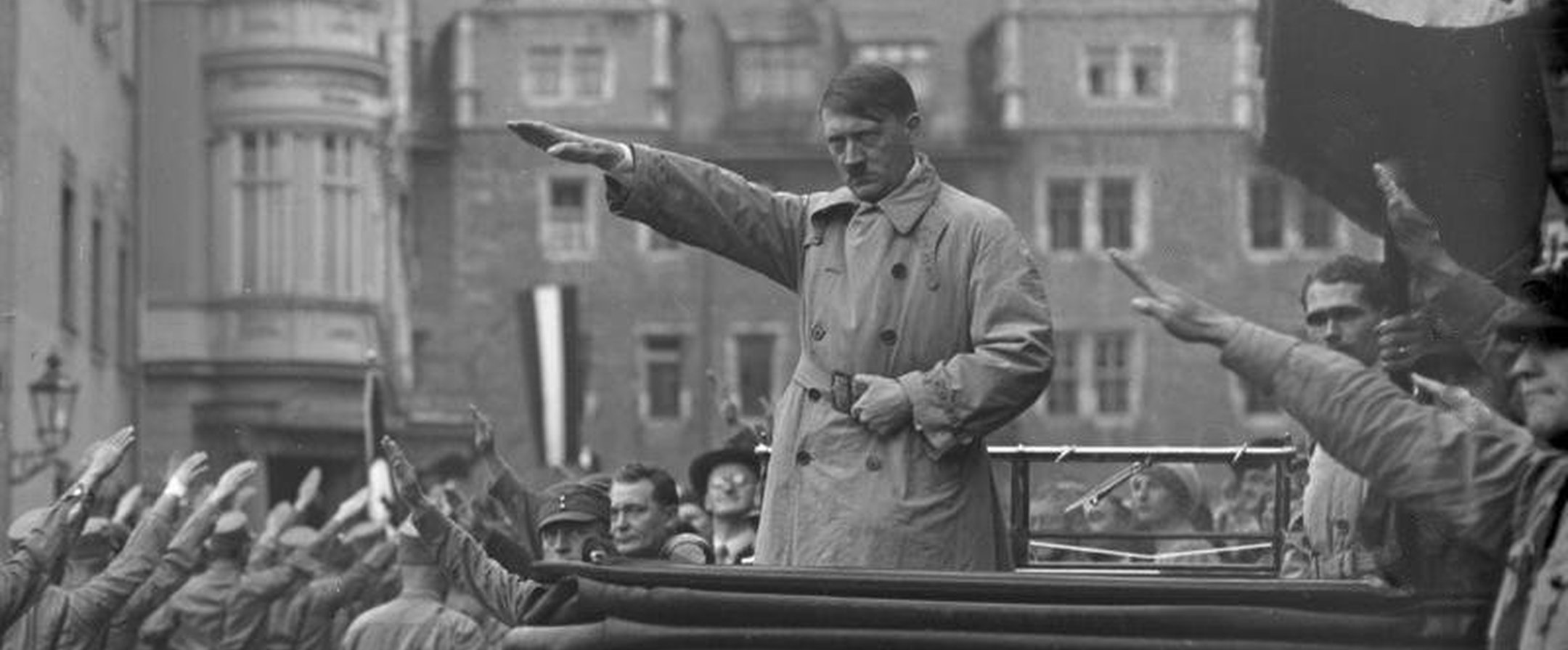
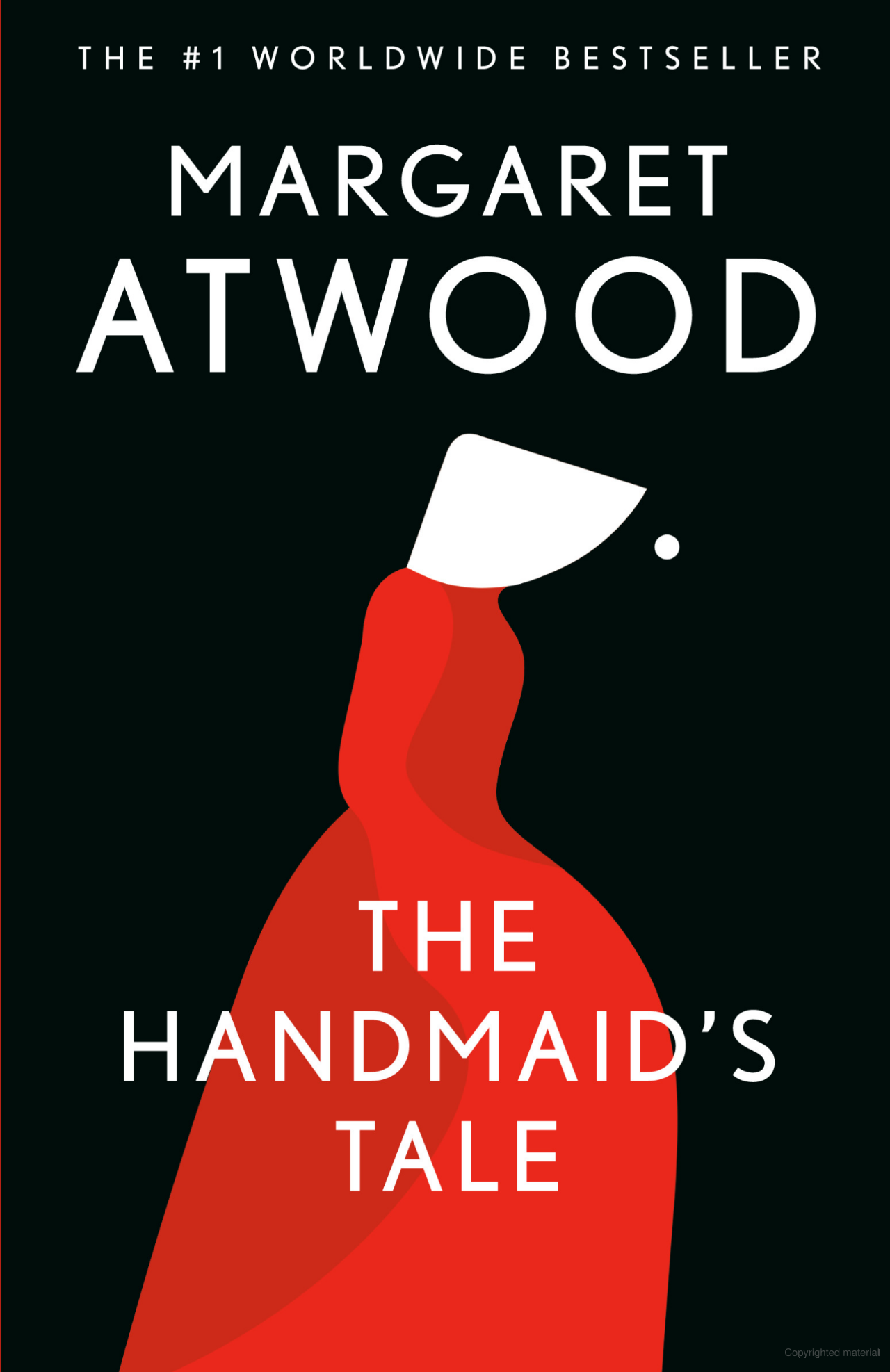


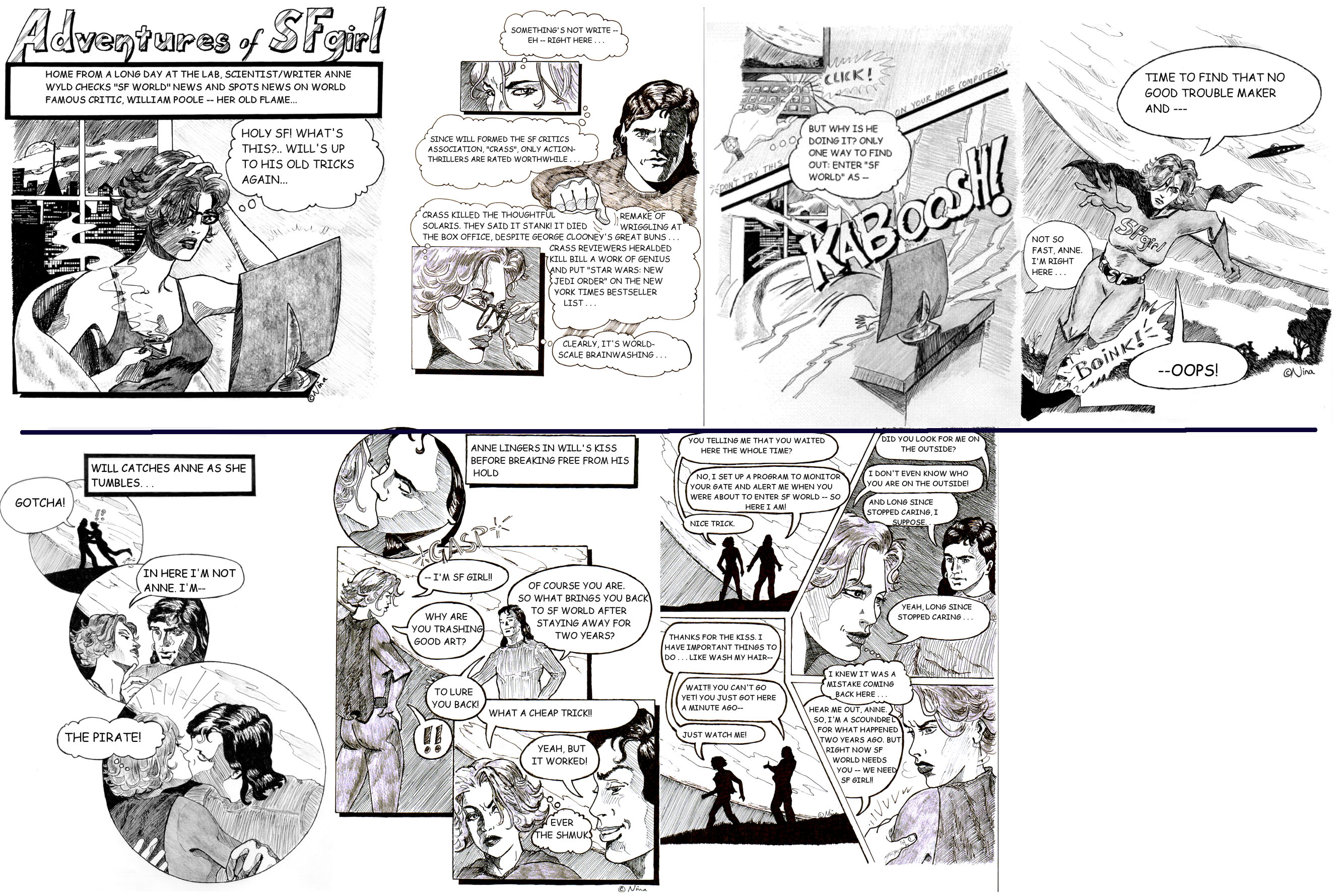

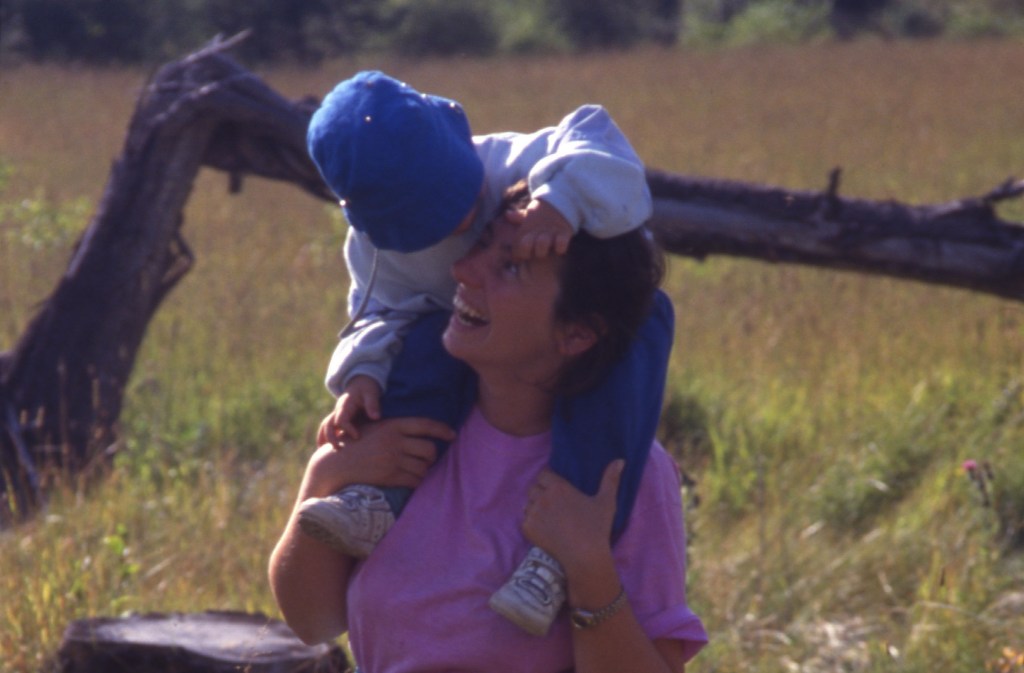
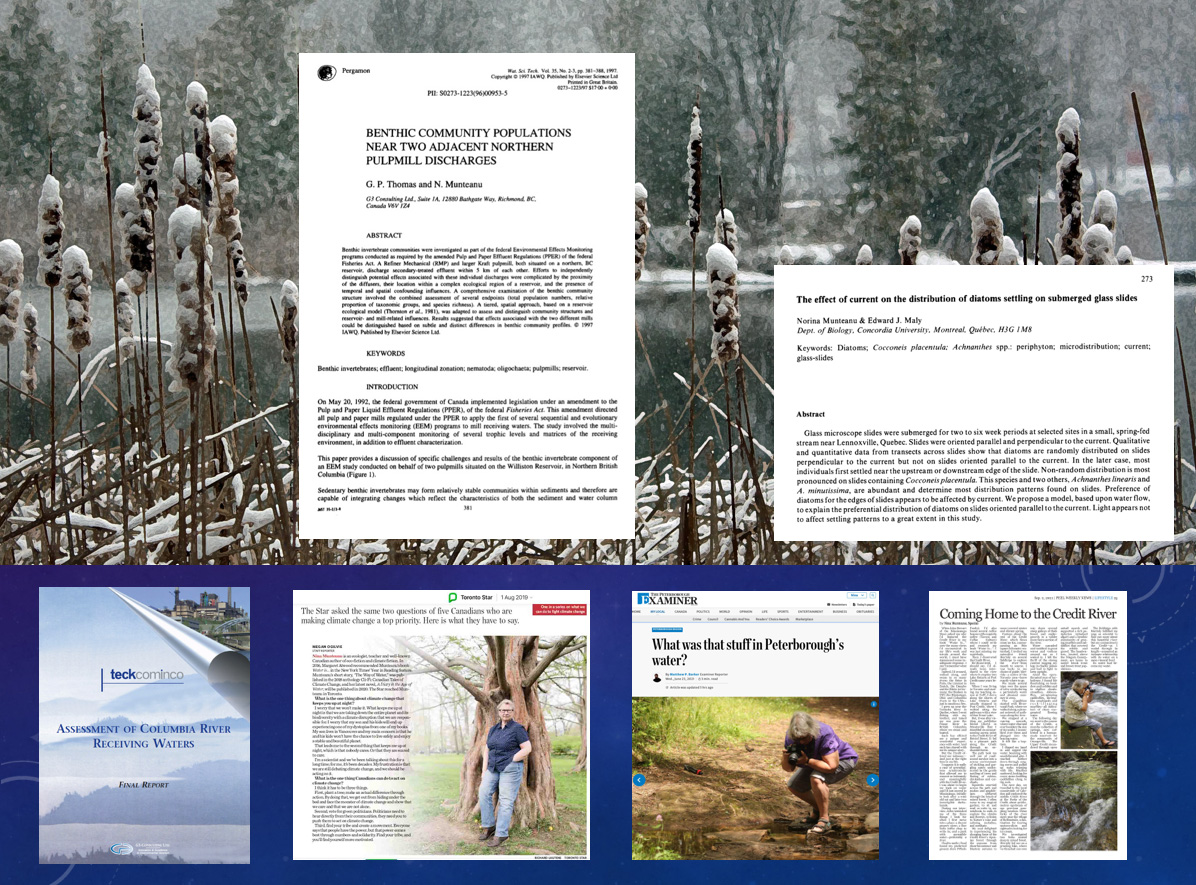


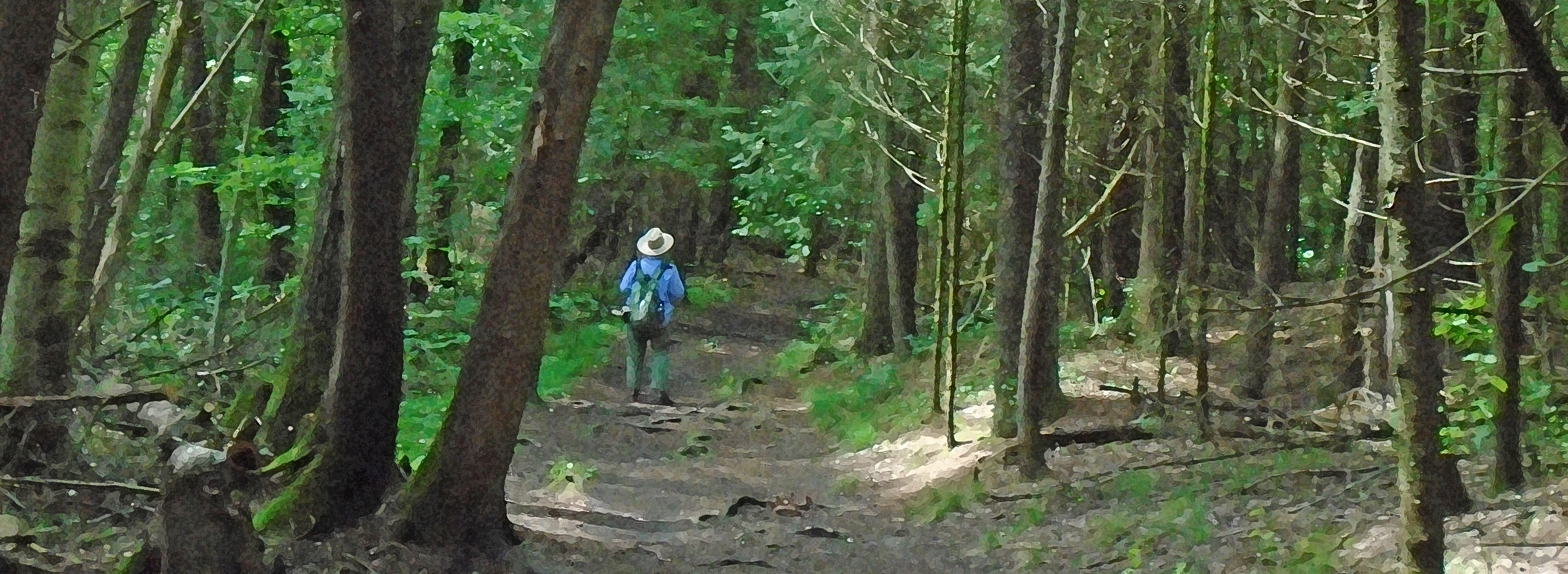
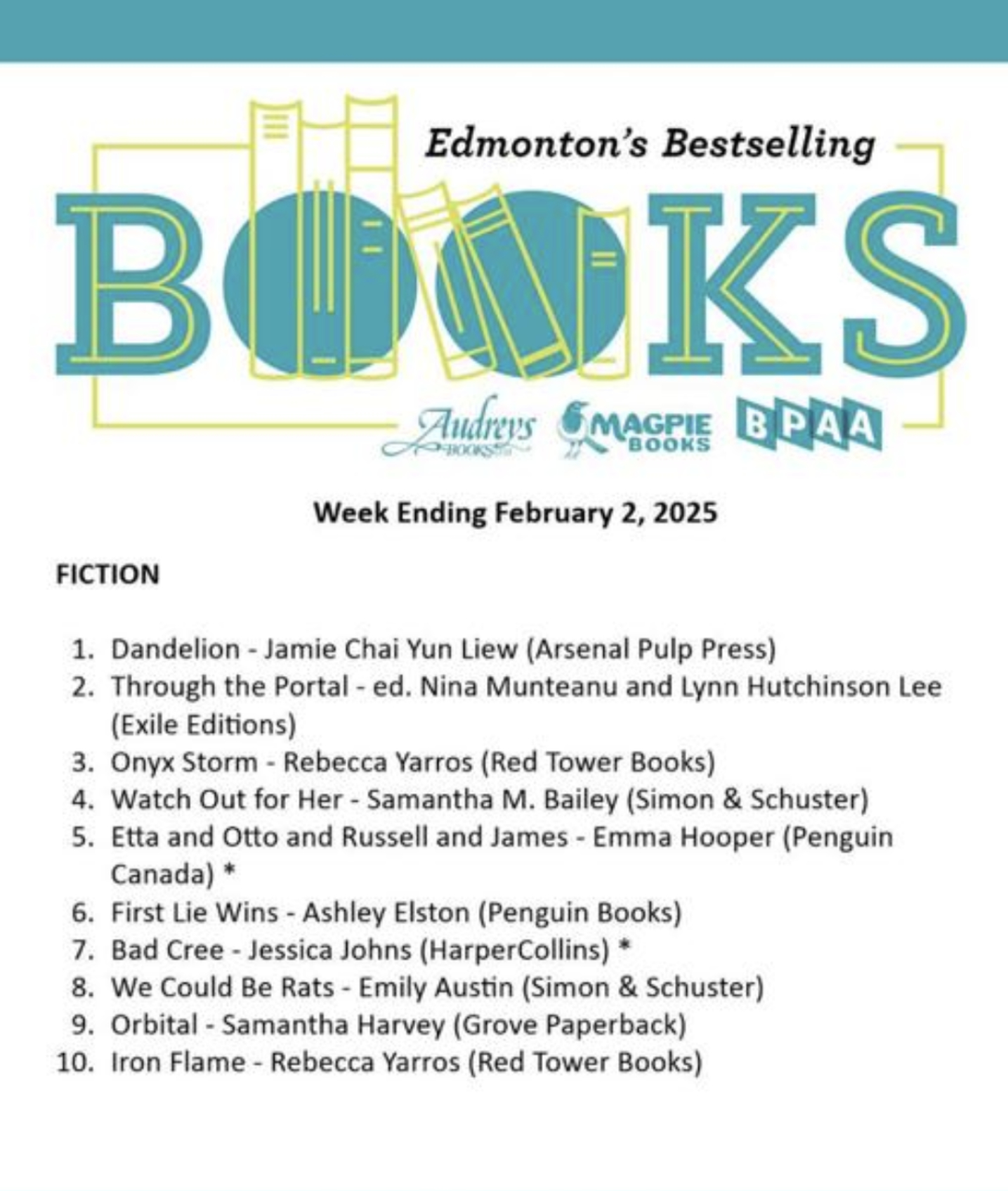
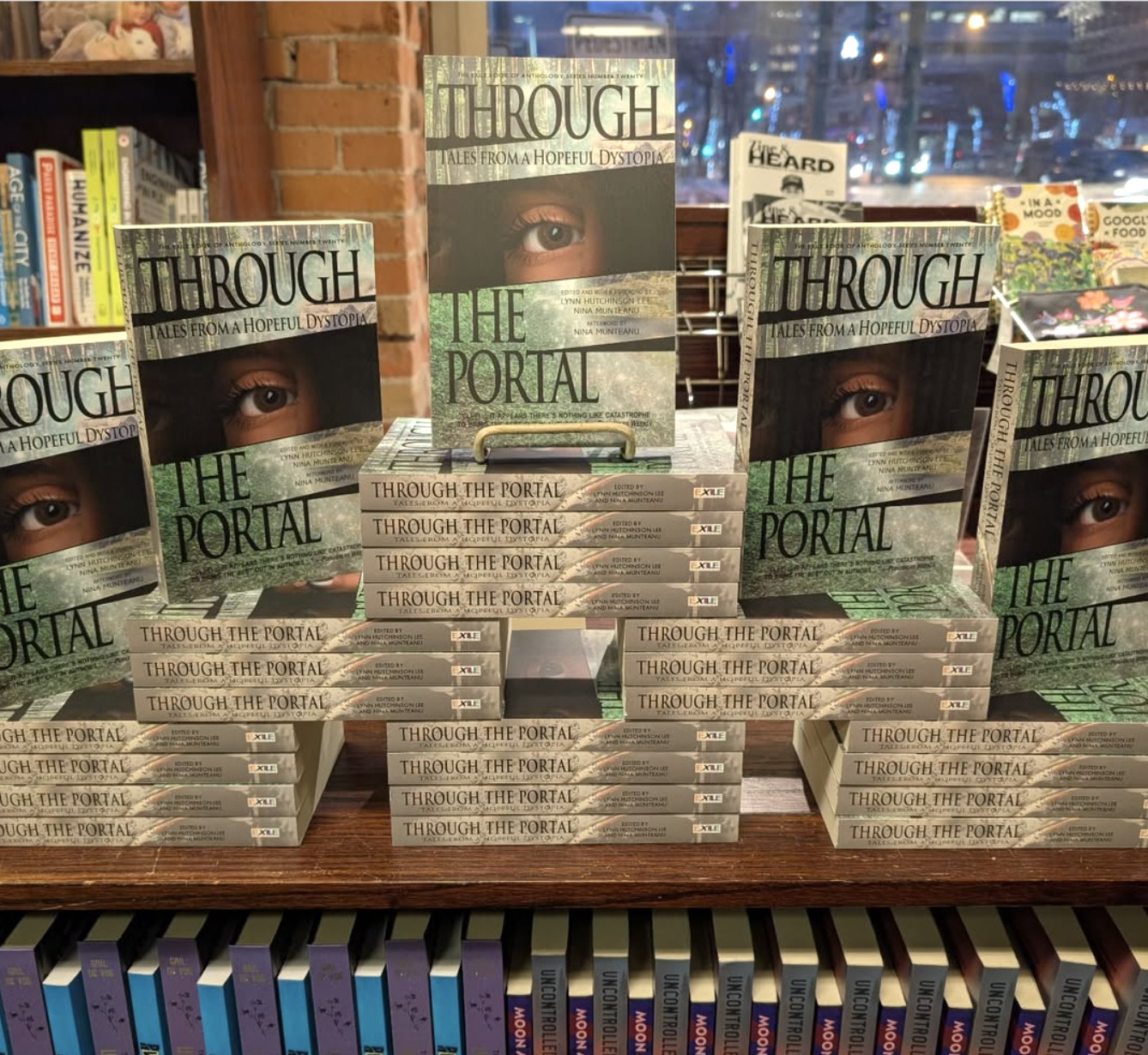


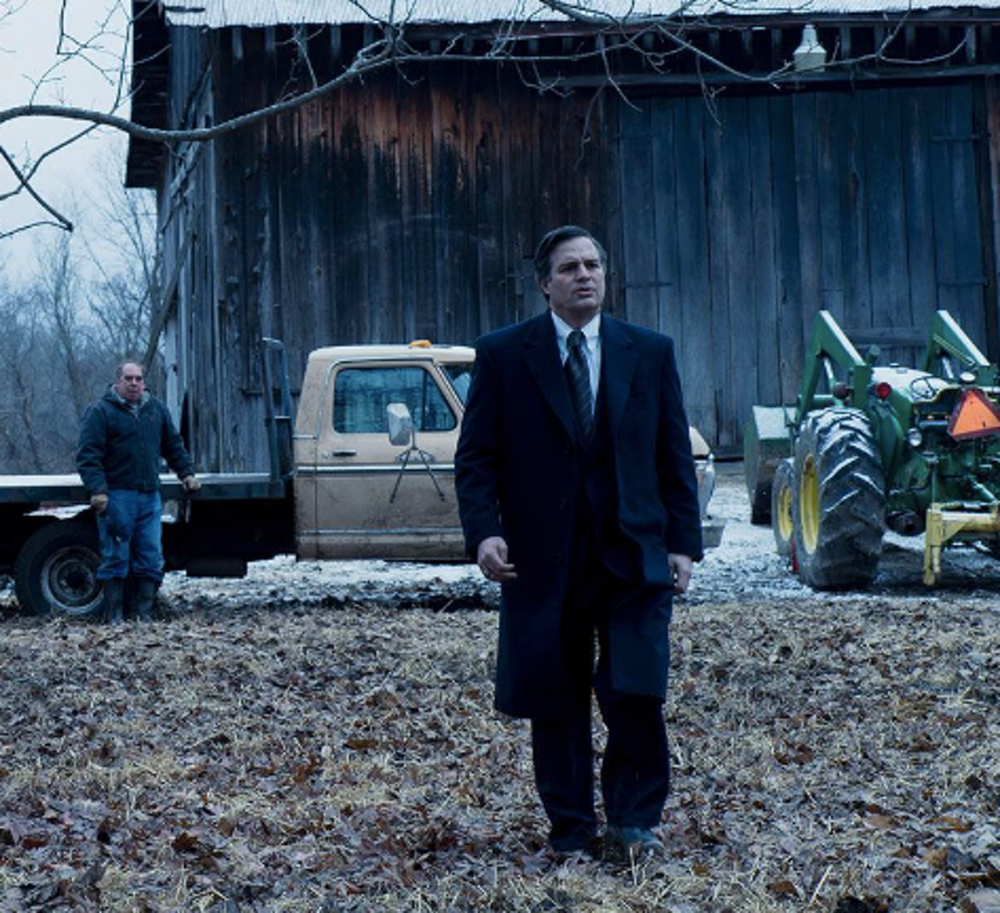
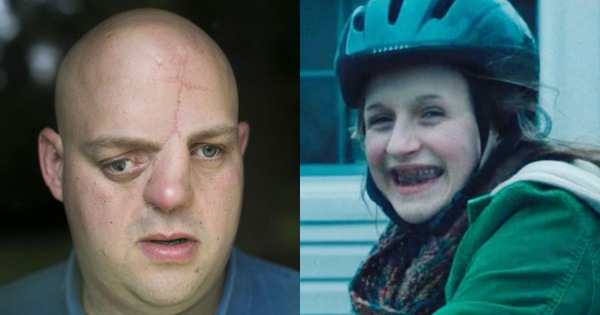
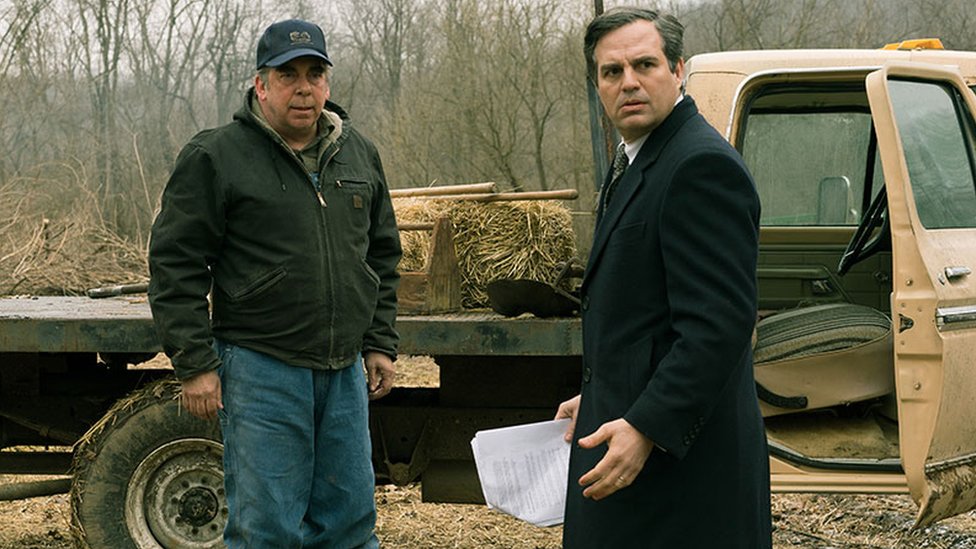

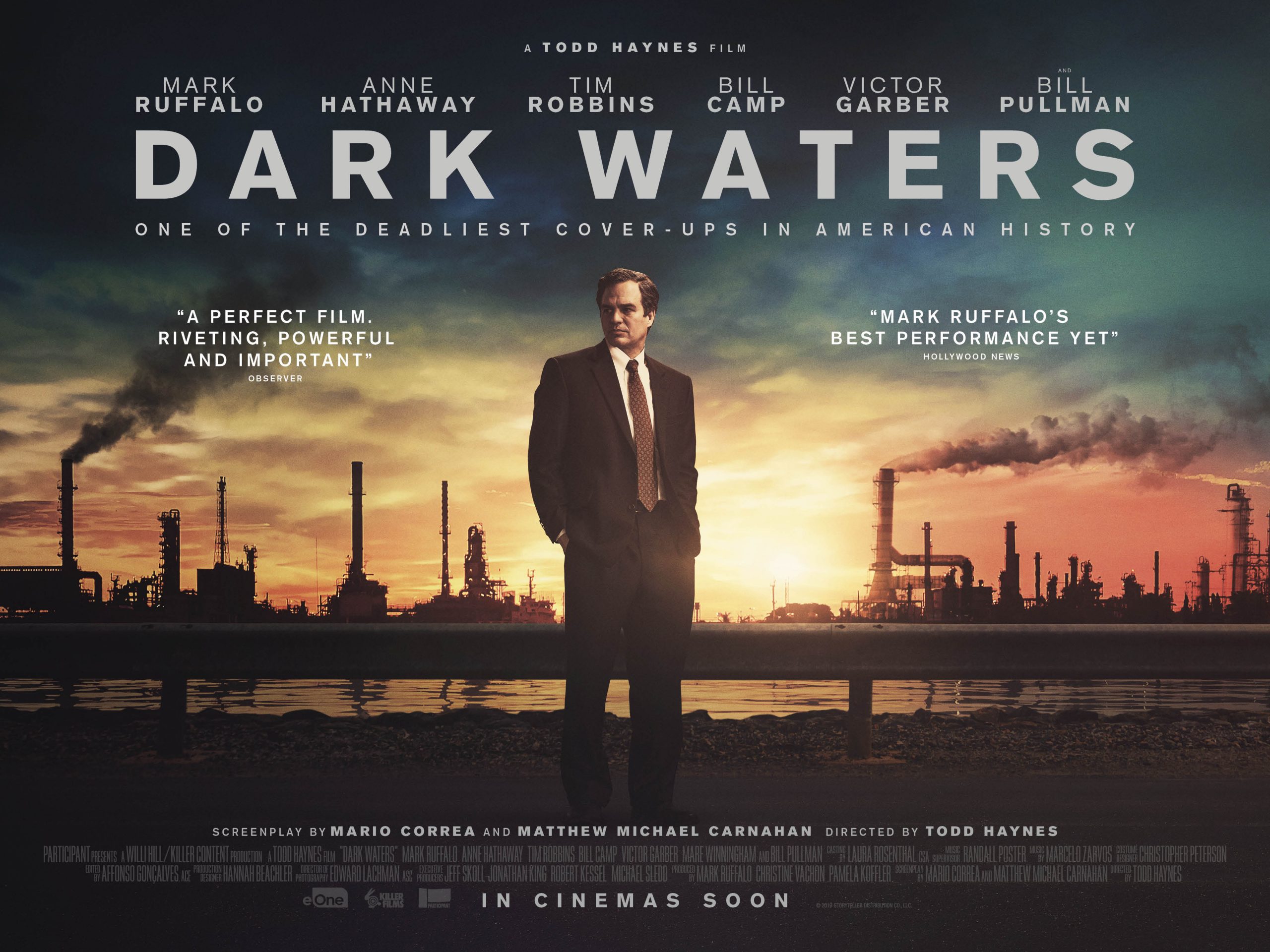

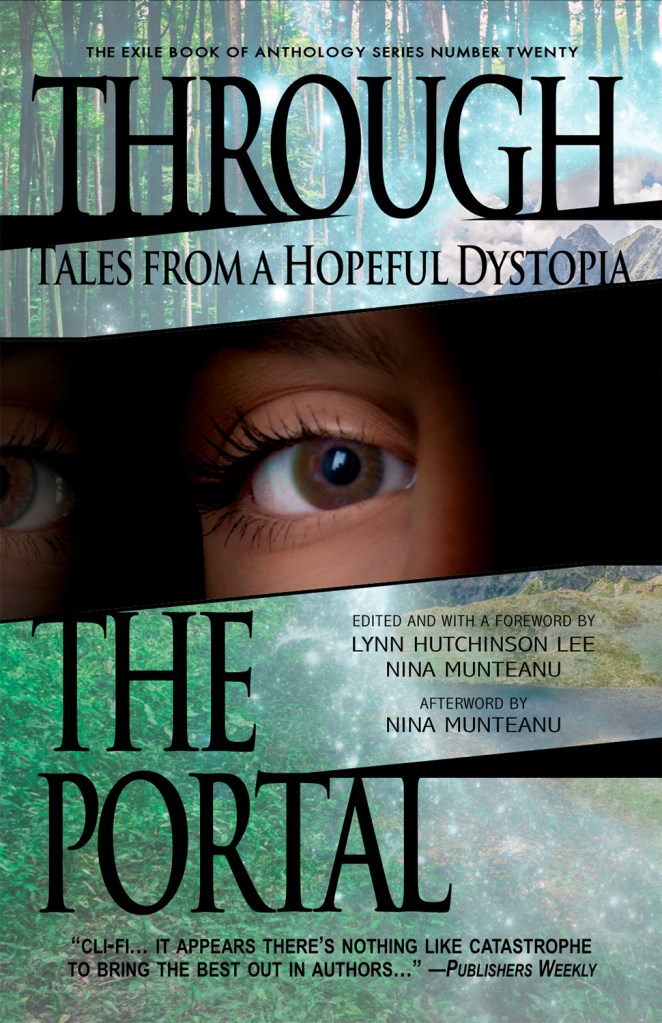

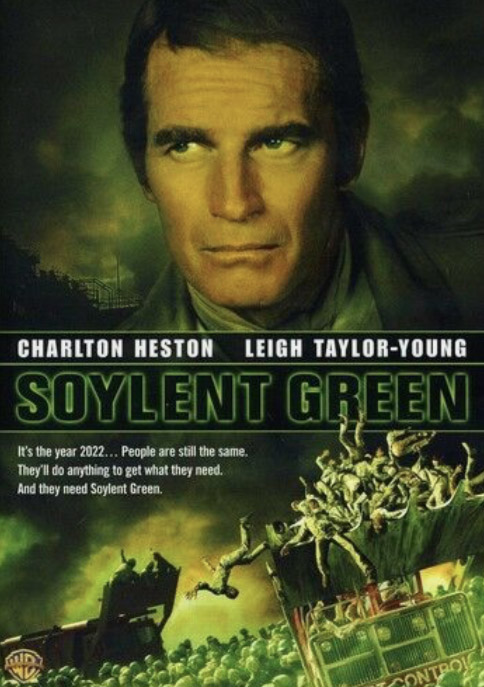

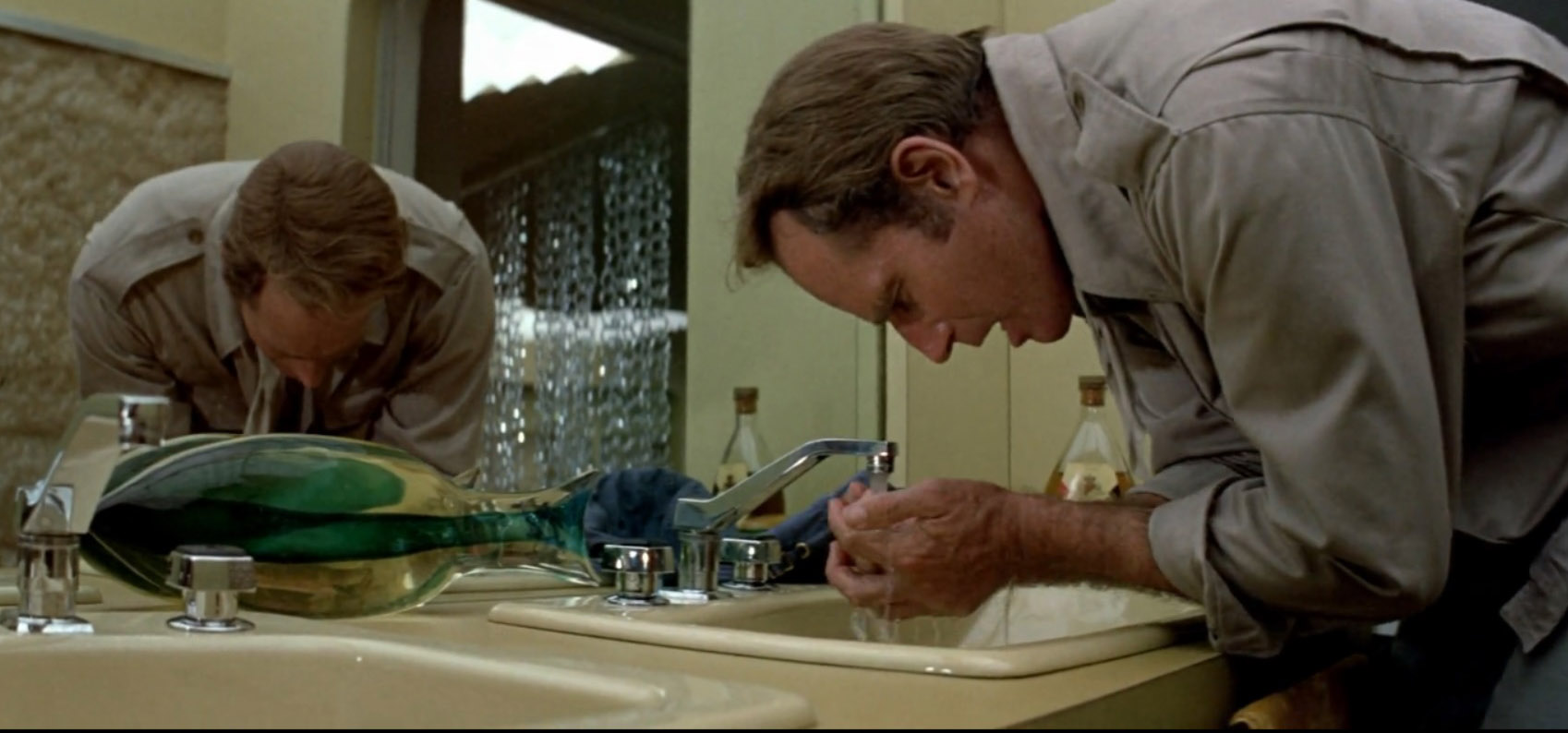
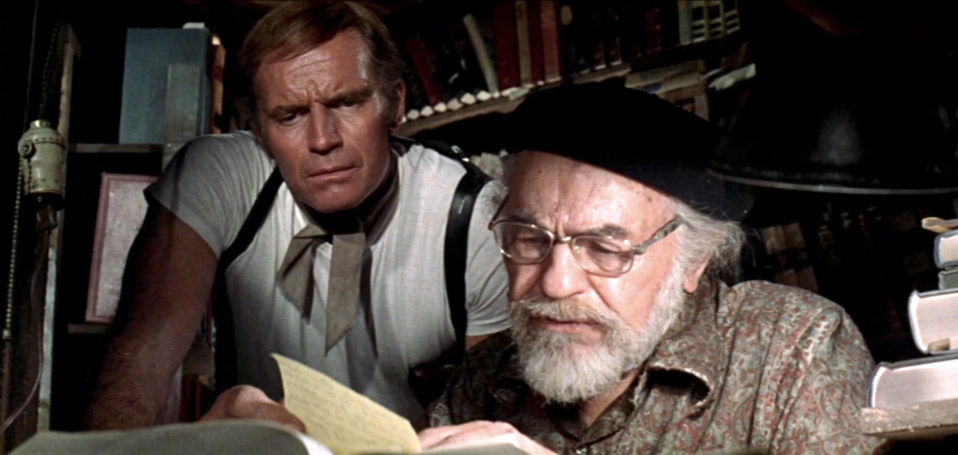
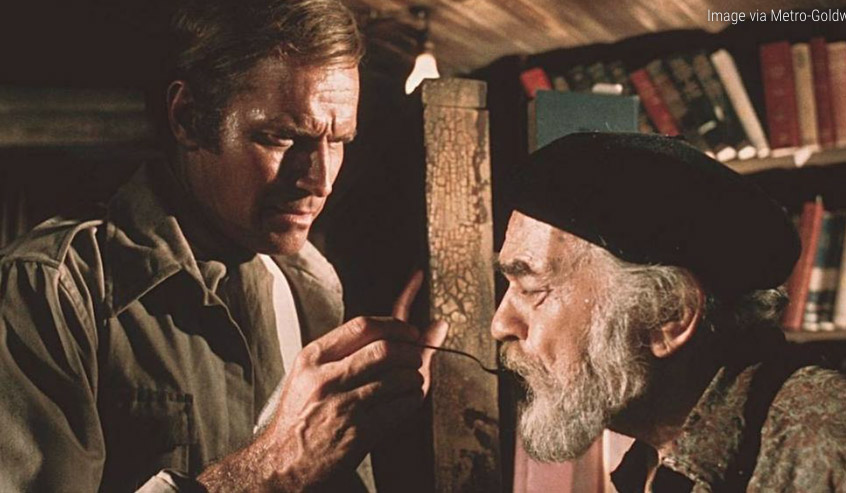
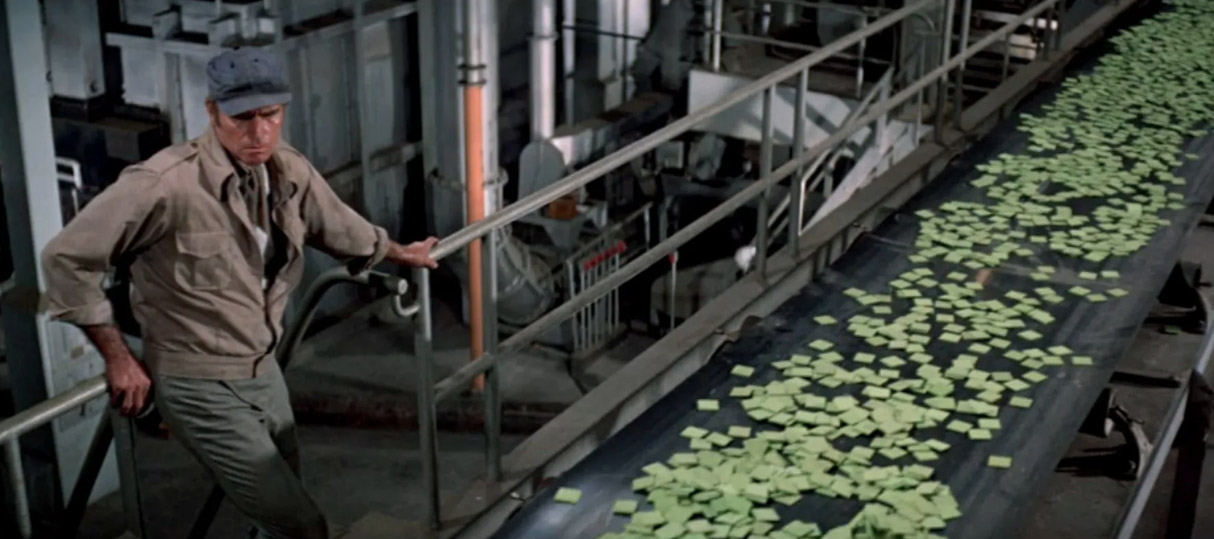
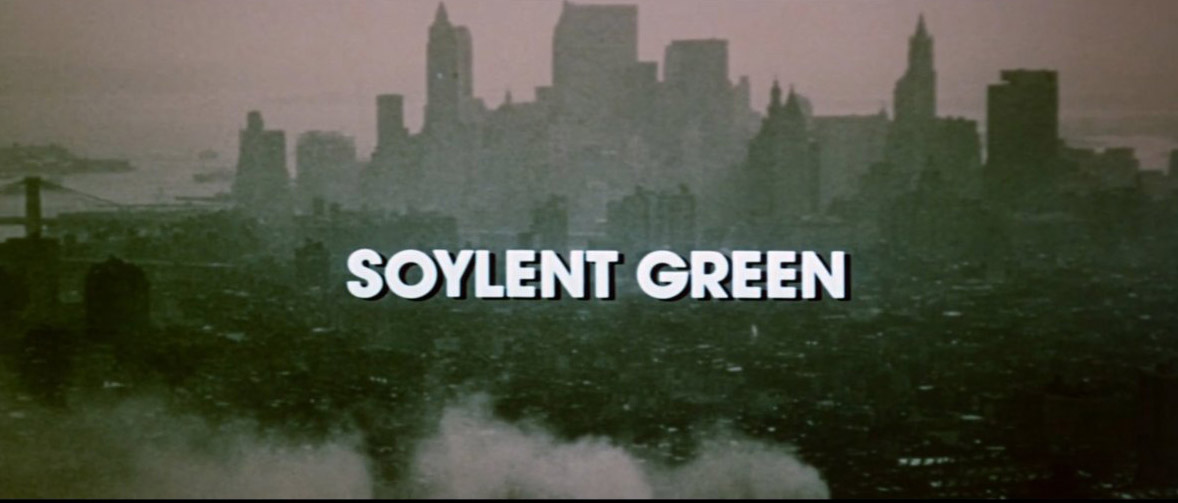
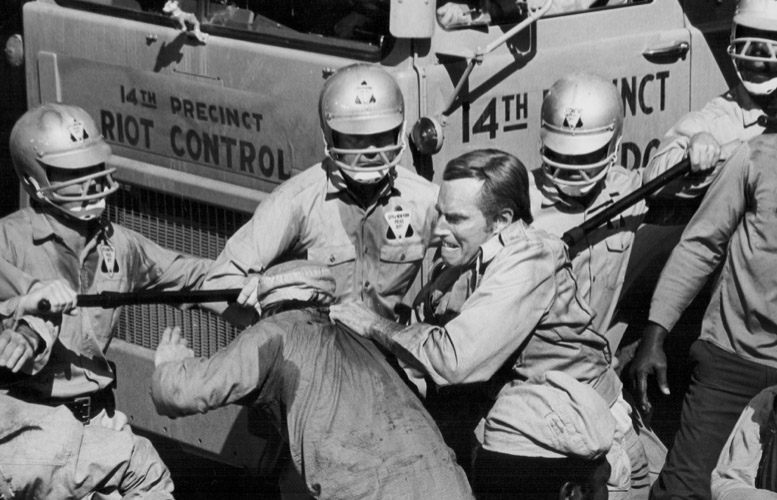
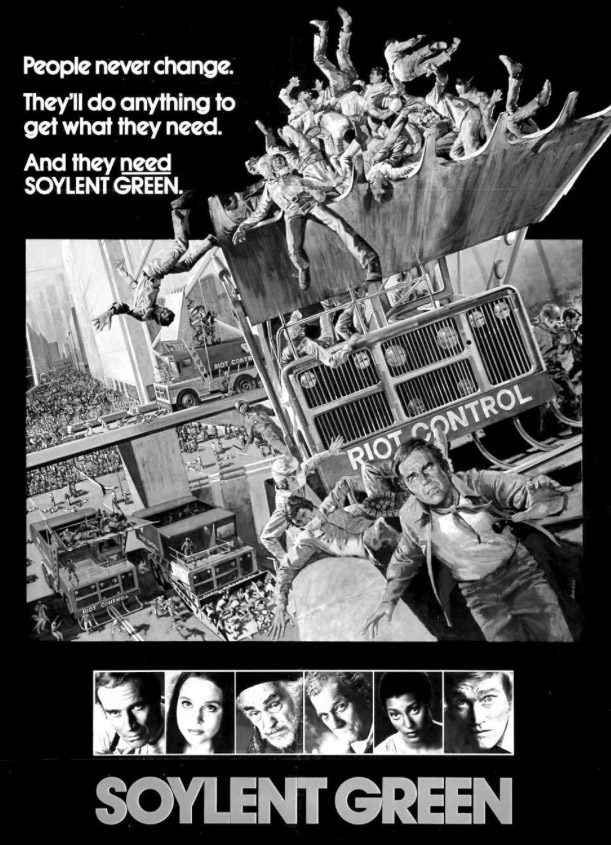


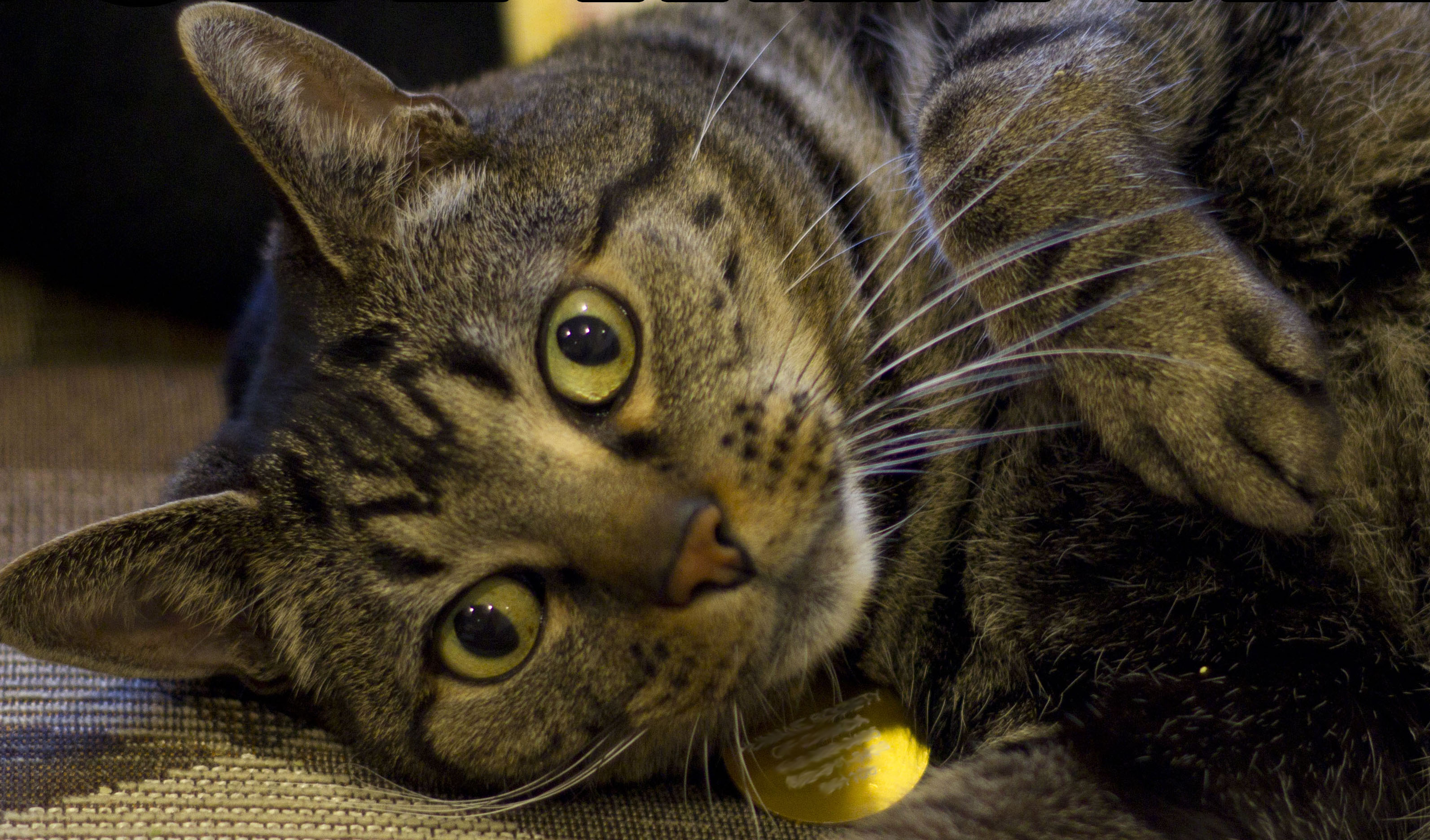


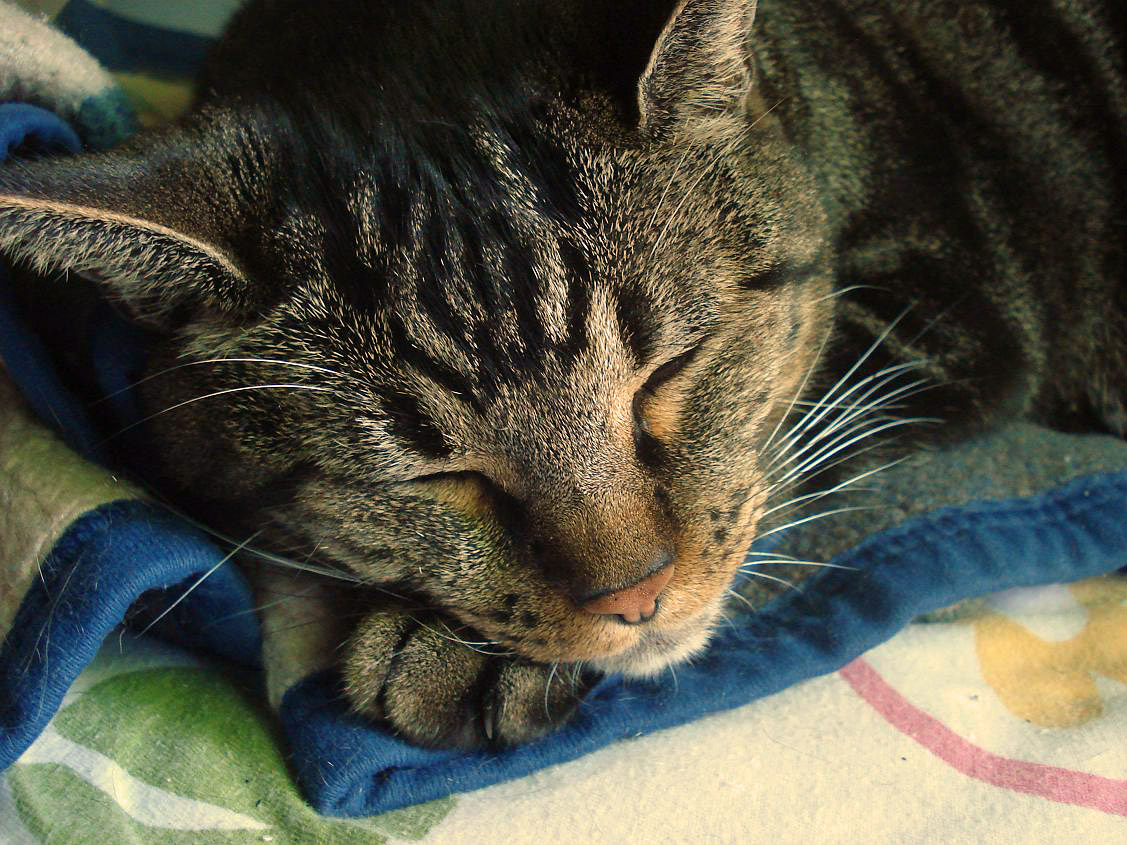



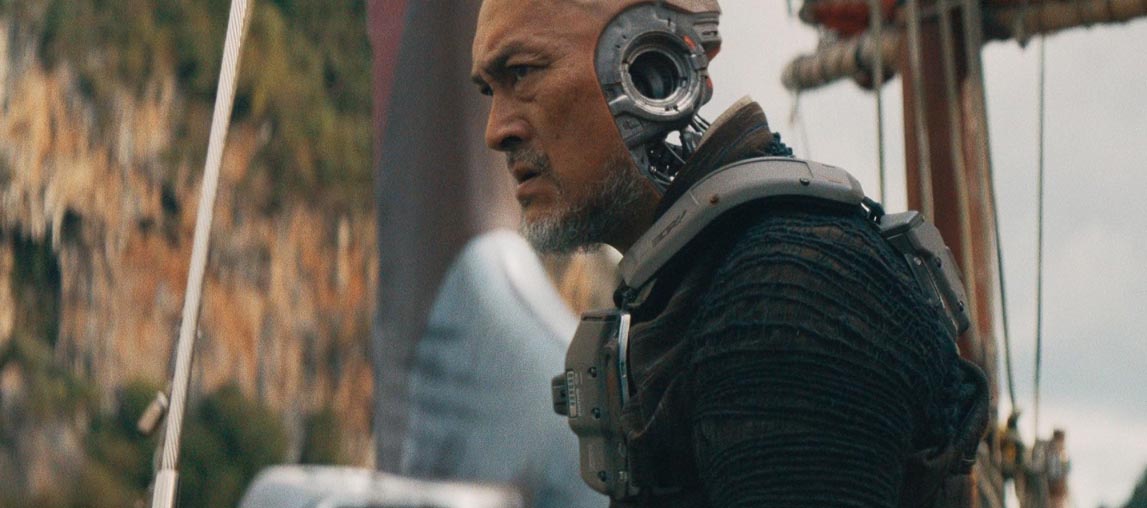


 Nina Munteanu Writing Coach