Snowing in the Kawarthas, ON (photo and rendition by Nina Munteanu)
In this series of articles, I draw from key excerpts of my textbook on how to write fiction The Fiction Writer: Get Published, Write Now! whose 26 chapters go from A to Z on the key aspects of writing good and meaningful fiction.
G is for Defining your Genre & Going Beyond It
Although genres are not precisely definable, genre considerations are one of the most important factors in determining what a person will see or read. Many genres have built-in audiences and corresponding publications that support them, such as magazines and websites.
For a long time people considered that books and movies that are difficult to categorize into a genre were likely to be less successful commercially. This is no longer the case, thanks to online bookstores like Amazon, that are able to ‘shelve’ books under multiple categories for people to find. In fact, having your book cross several genres (called “cross-genre” or slipstream) may even provide an advantage in that your book will occupy not just one but several niches—akin to placing your bets on several horses rather than just one.
So, if you haven’t figured out what genre your writing falls under, start figuring it out now; your future publisher and marketer will want to know because they, in turn, have to tell their distributor and bookseller where to shelve the book. This is why you need to do this, no matter what you think of categorizing your work; the alternative is leaving it to Jack in the marketing department who may not have even read your book, but used the cover picture to figure it out. Yikes!
The key to this exercise, whether your work falls under one or more categories, is to understand your work well enough to be able to categorize it. And, by all means, break the rules of categorizing—just know why you are.
H is for House or Home…Creating Memorable Settings
Setting fulfills most of the core aspects of a story. Without a place there is no story. Setting serves multipurpose roles from helping with plot, determining and describing character to providing metaphoric links to theme. Setting, like the force in Star Wars, provides a landscape that binds everything into context and meaning. Without setting, characters are simply there, in a vacuum, with no reason to act and most importantly, no reason to care.
Settings can not only have character; they can be a character in their own right. A novelist may often find herself, when portraying several characters, painting a portrait of place. This is setting being “character”. The setting functions as a catalyst, and molds the more traditional characters that animate a story. Think of any of your favourite books, particularly the epics: The Wizard of Oz, Tale of Two Cities, Doctor Zhivago, Lord of the Rings, The Odyssey, etc. In each of these books the central character is really the place, which is inexorably linked to its main character.
Settings depict the theme of your story through metaphor. The setting and all the objects in it are described to your reader through your POV character. This gives you an excellent opportunity to show the mood, temperament, judgment and bias of your character and their place in their world.
I is for Interviews and other Weird Experiences
As a writer of either fiction or non-fiction, you will at some time require information from a real person. Depending on the nature of your research and its intended destination and audience, you may wish to conduct anything from a casual phone or email enquiry to a full-blown formal face-to-face interview. This will also depend on who you are interviewing, from a neighbour to a government official. The pillars of good journalism include:
thoroughness
accuracy
fairness and
transparency.
Here are some tips on what to do:
Do your research ahead of time: read up on your subject and include both sides of an issue (if that’s relevant). This helps you to respond intelligently with better follow-up questions.
Ask open-ended questions: avoid yes and no questions and get them to elaborate. Asking “why” solicits explanation, which will give your article depth.
Ask for examples: this provides a personal aspect to the article that gives it warmth and makes it more interesting.
Ask personal questions: what’s the worst thing that can happen? They can simply say no; the up side is you may get a gem. The personal angle from the interviewee’s perspective gives your
article some potential emotional aspect that gives it human-interest.
Ask the interviewee for any further thoughts to share: it’s an innocuous question, but can offer-up more gems. What it provides you with is the possibility of getting something you might not have thought of, sparked by your conversation.
Here are some tips on what NOT to do:
“There’s no rush.” Never reveal your deadline. Think about it; what do you normally do when there’s a deadline? Right…say it’s sooner than it really is.
“I’ve never covered this topic before.” This kind of information is inappropriate and may make your interviewee uncomfortable (worrying about your unproven abilities to properly interview her instead of focusing on her). Besides, it’s not what you know but what you learn that counts.
“I’ll be using what you say extensively.” Don’t assume and make promises you may not be able to keep, until after the interview.
“I don’t get it.” If you don’t understand something, get clarification rather than make a negative remark that tends to stop them dead in their tracks.“You can review the piece before it’s published.” This is something that can be dealt with over the phone to confirm facts; the source doesn’t need to see the whole piece before it’s published.
“This is going to be a fantastic article!” Keep your tone professional; there’s nothing wrong with being positive, but you should maintain a professional attitude that inspires confidence in the interviewee.
The Fiction Writer is a digest of how-to’s in writing fiction and creative non-fiction by masters of the craft from over the last century. Packaged into 26 chapters of well-researched and easy to read instruction, novelist and teacher Nina Munteanu brings in entertaining real-life examples and practical exercises. The Fiction Writer will help you learn the basic, tried and true lessons of a professional writer: 1) how to craft a compelling story; 2) how to give editors and agents what they want; and 3) how to maintain a winning attitude.
“…Like the good Doctor’s Tardis, The Fiction Writer is larger than it appears… Get Get Published, Write Now! right now.”
David Merchant, Creative Writing Instructor
Snowing in cedar forest, ON (photo and rendition by Nina Munteanu)
Nina Munteanu is a Canadian ecologist / limnologist and novelist. She is co-editor of Europa SF and currently teaches writing courses at George Brown College and the University of Toronto. Visit www.ninamunteanu.ca for the latest on her books. Nina’s bilingual “La natura dell’acqua / The Way of Water” was published by Mincione Edizioni in Rome. Her non-fiction book “Water Is…” by Pixl Press (Vancouver) was selected by Margaret Atwood in the New York Times ‘Year in Reading’ and was chosen as the 2017 Summer Read by Water Canada. Her novel “A Diary in the Age of Water” was released by Inanna Publications (Toronto) in June 2020.
Country road in early spring, ON (photo and rendition by Nina Munteanu)
In this series of articles, I draw from key excerpts of my textbook on how to write fiction The Fiction Writer: Get Published, Write Now! whose 26 chapters go from A to Z on the key aspects of writing good and meaningful fiction.
D is for Get the Dope on Dialogue
One of the most important devices to spice up narrative and increase pace is the use of dialogue. There’s a reason for this: we read dialogue more quickly; it’s written in more fluid, conversational English; it tends to create more white space on a page with less dense text, more pleasing to the reader’s eye. Dialogue is action. It gets readers involved. Good dialogue neither mimics actual speech (i.e., it’s not usually mundane, repetitive or broken with words like “uh”) nor does it educate the reader through long discourse (unless the character is that kind of person). Good dialogue in a story should be somewhere in the middle.
While it should read as fluid conversation, dialogue remains a device to propel the plot or enlighten us to the character of the speaker. No conversation follows a perfect linear progression. People interrupt one another, talk over one another, often don’t answer questions posed to them or avoid them by not answering them directly. These can all be used by the writer to establish character, tension, and relationship.
E is for Exposition
In fiction, exposition breaks away from the ongoing action of a scene to give information. It can be one paragraph or go on for several pages. Exposition often provides contextual information critical for the reader to buy in to character-motivation or the ideas promoted in the story. It gives a story its perspective and larger meaning by linking the reader with the thematic elements. If scene is action and plot, exposition feeds reflection and theme. Exposition can appear in the form of background, setting, back story or overview. It is most often expressed through a POV character’s reflection and observation.
Exposition is something every writer grapples with in a story. Where to put it? When to add it? How much is too much? How little is too little? Working out when to explain the plot and when to leave the reader to draw their own conclusions can be tricky for even experienced writers, says author Elsa Neal. Ansen Dibell, author of Elements of Fiction Writing: Plot, describes exposition as “the author telling the reader something—telling, rather than showing.” Telling is much less effective and interesting than showing. It follows then that exposition is much less dramatic and less vivid than a scene. This is why you need to break exposition up into small bite-size pieces rather than a huge caloric meal of information. A good rule to follow is to minimize exposition as much as you can.
Okay, it’s good to add exposition. But there is a way and a time to do it. You need to balance the show-and-tell part of your narrative and to maintain a rhythm in your pace and tone. This means doing several things:
restrain yourself and keep your notes to yourself
arouse then explain
build exposition into the scene
put exposition in between scenes
let the character explain—but be careful!
Use interior monologue
F is for Finding Your Muse
In over twenty years of writing both fiction and non-fiction I really hadn’t given much thought to writer’s block until recently, when I was challenged on it. This is not to say that I never experienced it. I did; I just kept on writing. “What?” you say. “Then, you didn’t really have writer’s block.” Well, I did, but only for that particular project, and only for one aspect of that particular project. The key is to have multiple projects and recognize that each of these has multiple tasks aside from writing (e.g., editing, research, discussion, etc.) that you can work on.
For instance, besides Novel A, whose plot had me stumped, I was working on two short stories and a non-fiction article. I was also actively posting science articles, essays and opinion pieces on my blog. In addition, I was writing news articles for an online magazine and doing my regular stint at the environmental consulting firm, writing interpretive environmental reports. I kept on writing.
I let the plot of Novel A sit for a while as I continued to write. That didn’t mean I couldn’t work on Novel A in other capacities: copy editing or polishing language, for instance. The point I want to make is that it’s helpful to have other things on the go mainly because this will let you relax about the project that has you stumped. And you need to relax for it to resolve. It’s a little like looking for the watch you misplaced; it will find you once you stop looking for it.
The Fiction Writer is a digest of how-to’s in writing fiction and creative non-fiction by masters of the craft from over the last century. Packaged into 26 chapters of well-researched and easy to read instruction, novelist and teacher Nina Munteanu brings in entertaining real-life examples and practical exercises. The Fiction Writer will help you learn the basic, tried and true lessons of a professional writer: 1) how to craft a compelling story; 2) how to give editors and agents what they want’ and 3) how to maintain a winning attitude.
“…Like the good Doctor’s Tardis, The Fiction Writer is larger than it appears… Get Get Published, Write Now! right now.”
David Merchant, Creative Writing Instructor
Snowing in the Kawarthas, ON (photo and rendition by Nina Munteanu)
Nina Munteanu is a Canadian ecologist / limnologist and novelist. She is co-editor of Europa SF and currently teaches writing courses at George Brown College and the University of Toronto. Visit www.ninamunteanu.ca for the latest on her books. Nina’s bilingual “La natura dell’acqua / The Way of Water” was published by Mincione Edizioni in Rome. Her non-fiction book “Water Is…” by Pixl Press (Vancouver) was selected by Margaret Atwood in the New York Times ‘Year in Reading’ and was chosen as the 2017 Summer Read by Water Canada. Her novel “A Diary in the Age of Water” was released by Inanna Publications (Toronto) in June 2020.
Country road in early spring, ON (photo and rendition by Nina Munteanu)
In this series of articles, I draw from key excerpts of my textbook on how to write fiction The Fiction Writer: Get Published, Write Now! whose 26 chapters go from A to Z on the key aspects of writing good and meaningful fiction.
A is for Alien Architecture: Building from Scenes to Worlds
Most writers will tell you that the scene, not the sentence or word, is the smallest component—the building block—of a story. The scene forms an integral part of a larger plot structure that consists of a series of dual scenes and sequels. Dwight Swain, author of Techniques of TheSelling Writer, breaks these down further into:
Scene: goal, conflict, disaster
Sequel: reaction, dilemma, decision
What’s important to remember is that the world you build is part of the story. It isn’t just a lot of “interesting” detail. As I mention in Chapter H for “setting”, the world you build, like a character in your story, plays a role in defining and supporting its theme. The major qualities of your world are, therefore, best derived for plot and thematic reasons—which come from “story”. The rest—the details—are things you can find in books or websites, or get from experts in your local university, etc. Don’t let science intimidate you but ensure that you get it right by using your resources and verifying your information with an expert. Use your local libraries, universities, colleges, and online resources. Interview scientists, technical people and other writers. That’s part of being a writer too.
B is for Blazing Beginnings
In an April 2001 article of Writer’s Digest, JoeCardillo (director of Southern Vermont College’s creative writing program) suggested that the three elements of hooking a reader resemble the steps he uses to train his Samoyed puppy: 1) arouse interest; 2) delay, then 3) reward.
The writer arouses interest in the reader by providing enough detail to get the reader to ask questions. Now they want something. You tease them with the delay; that keeps them reading and turning the pages. It also gives them the chance to try to come up with the answers themselves. In some books it can be a game between reader and writer; can the reader come up with the answer before the writer provides it? The reward comes in stages. Don’t answer all the questions at once. Parcel them out slowly. That’s what the book—the story—is for.
There is no beginning without an end. In a workshop at the 1998 Surrey Writer’s Conference Elizabeth Lyon, author of The Sell Your Novel ToolKit (2002), suggested that the beginning of a novel should “reflect the entire book. There should be a tie-in [between] the beginning and the end.” This is sometimes called “framing” a story, where the principal thematic problem is given in the beginning and then resolved in the end.
Bill Johnson, author of A Story is a Promise, describesit as a promise tothe reader. The beginningof a book sets up acovenant between writerand reader, a covenantfor a journey they willtake together towardresolution. Johnson describesthe story promiseas doing three things,similar to Cardillo’s three steps (arouse, delay,reward). Johnson calls them setting out a story’score dramatic issue (the promise), movement,and fulfillment of the promise.
C is for Charismatic Characters
Your characters have a dramatic function, a role in advancing the plot and/or theme; they need a reason to be there. Your characters are the most important part of your book (more so than the plot or premise). Through them your book lives and breathes. Through them your premise, idea and your plot come alive. Through them you achieve empathy and commitment from the reader and a willingness to keep reading to find out what’s going to happen next: if the reader doesn’t invest in the characters, she won’t really care what happens next. Dramatic function aside, in order for your character to be memorable he needs to have a charismatic personality. He needs to show qualities that make him distinctive. All memorable characters show some character development (as story arc) from beginning to end of story. The more your character changes over a story, the more she will be noticed.
The Fiction Writer is a digest of how-to’s in writing fiction and creative non-fiction by masters of the craft from over the last century. Packaged into 26 chapters of well-researched and easy to read instruction, novelist and teacher Nina Munteanu brings in entertaining real-life examples and practical exercises. The Fiction Writer will help you learn the basic, tried and true lessons of a professional writer: 1) how to craft a compelling story; 2) how to give editors and agents what they want; and 3) how to maintain a winning attitude.
“…Like the good Doctor’s Tardis, The Fiction Writer is larger than it appears… Get Get Published, Write Now! right now.”
A snowy day in Ontario (photo and rendition by Nina Munteanu)
Nina Munteanu is a Canadian ecologist / limnologist and novelist. She is co-editor of Europa SF and currently teaches writing courses at George Brown College and the University of Toronto. Visit www.ninamunteanu.ca for the latest on her books. Nina’s bilingual “La natura dell’acqua / The Way of Water” was published by Mincione Edizioni in Rome. Her non-fiction book “Water Is…” by Pixl Press (Vancouver) was selected by Margaret Atwood in the New York Times ‘Year in Reading’ and was chosen as the 2017 Summer Read by Water Canada. Her novel “A Diary in the Age of Water” was released by Inanna Publications (Toronto) in June 2020.
Trickster wind kicks up clouds of snow, ghosting trees (photo and rendition by Nina Munteanu)
In Part 1, I introduced and described the concept of giving voice to the Other in eco-literature through the literary device of character-coupling. Character-couplings manifest in story through theme, plot approach, narrative form, and ultimately the writer’s own intentions. Particular techniques used by writers of eco-literature include the use of time, language, POV, narrative style, the senses, archetype, symbolism and metaphor, such as personification, synesthesia, and synecdoche.
In the seven examples provided below, nature’s avatars coupled to a protagonist represent the greater natural world; it is often the greater natural world that is ultimately Othered, and achieves a voice through its avatar (e.g. the quiet ‘voice’ of the polar bear in Colleen Murphy’s The Breathing Hole represents the quiet ‘voice’ of the Arctic, itself Othered by the loud voice of the greater human world).
1. Use of Language, Time and Displaced Narrative in Cli-Fi Allegory: Inuk Woman and Polar Bear
Coleen Murphy’s The Breathing Hole uses simple language, and displaced narrative linked to silent action to convey an immediacy of moment and character and to create empathy. Murphy’s spare and focused narrative achieves a timeless, dreamlike quality that plays strongly on the emotional connections of the reader; it elicits immense empathy for the Other in a deeply moving saga on the tragic dance of colonialism and climate change.
The story begins in 1535, when the Inuk widow Hummiktuq risks her life to save a lost one-eared polar bear cub on an ice floe and adopts him. She names him Angu’ruaq. We soon learn that Angu’ruaq is timeless when we encounter him in scenes over the centuries from the Franklin Expedition in 1845 (who he helps by bringing them food) to 2031 when Angu’ruaq—old, hungry, his fur yellowing—returns to the breathing hole where long-dead Hummiktuq rescued him. By then the glaciers have receded and the ground is slush. The constant thumping of the Circumpolar Oil platform can be heard in the distance. There is no mistaking Angu’ruaq’s archetype as Other. When someone says to wildlife biologist Qi’ingaqtuq (who is tracking Angu’ruaq), “I hope you find your bear,” she responds, “It’s not my bear—bears belong to everyone and to no one”; Angu’ruaq is the quintessential homo sacer. Under Agamben’s biopolitics he is both sacred and cursed, both beneath the law and outside the law, a meaningless bare life that may be killed by anyone but not sacrificed (Agamben, 1998).
Told sparingly, often through humorous dialogue, the tale of the young polar bear—and by extension the warming Arctic—plays out through the point of view of various characters. Murphy’s effective use of displaced narrative (e.g., protagonist’s ‘story’ told by other characters) provides varied perspectives of how others view the Other. Some are disparaging and all are akin to gossip. This ironically achieves incredible reader empathy. Throughout the play, the bear does not speak; yet it wields tremendous impact through its silent actions. The bear has no POV and no voice—except in the very last scene five hundred years later in the oily waters of the Northwest Passage. Angu’ruaq—skeletal, desperate with hunger and covered in oil—boards an eco-tourist cruise ship and is fatally injured by cruel actions of eco-tourists aboard. As he struggles from drowning, “gasping for breath, gasping as he tries to stay afloat in the black, oily water,” Angu’ruaq thinks he hears Hummiktuq and “cocks his one ear, hoping to hear Hummiktuq’s voice on the wind … then he raises his foreleg as if reaching for help…but there is no help”. No one sees him. No one on the cruise ship (except for one little girl) cares as he slips under the dark waters—possibly the last polar bear in the world; even as—in terrible irony—cruise ship patrons cheerfully watch a fake mother and her cubs on a fake ice floe, like some fake ‘reality’ show.
No one weeps for the bear. But the reader weeps. We weep for him and we weep for his world destroyed by apathy.
2. Use of POV, Senses and Symbolism in Cli-Fi Allegory / Fable: Girl and Bear
The Bear by Andrew Krivak is a fable of a post-anthropocene Earth told through the point of view of a young girl—possibly the only remaining human in the world—and the bear that guides her. Unlike the polar bear of The Breathing Hole, who remains silent and is clearly victimized by humanity’s actions, the black bear of The Bear lives with agency in a post-anthropocene world; he proselytizes and tells stories to instruct the girl on living harmoniously with Nature. His actions and elegant use of speech reflect his archetype as mentor in this story. This is foreshadowed in the fairytale the girl’s father recounts to her of a bear that saved a village from a cruel despot through cleverness and a sense of community.
This fable about humanity’s deliverance to nature’s dominion flows like a river under ice, revealing profound depth beneath spare yet sensual prose. Krivak does not name the girl, father or bear; allowing each to clearly symbolize ‘what we are, what we could be, and the natural world.’ Krivak gives the bear the power of direct voice through its ability to speak with the girl. Soon after the girl meets the bear she asks him how it is that he can speak. He tells her that long ago all animals could make the sounds she and her father made to communicate, but humans stopped listening and the skill was lost. He suggests the real question is how she can understand him. He then tells her that if she is patient enough, she too will hear the trees.
As the story progresses, the girl transcends from lonely last human in a post-human world to one of Nature’s beings, living as part of the natural world. In this way, the girl embraces the society of the Other and casts aside her previous identity with the Othering society.
The transition begins with her found ability to understand the bear. Near the end of the story, she is an old woman who communicates with all of Nature; “they came to her without fear of dominion and ate with her the plants and seeds and fruits she grew and picked.” The woman rejects her human trappings—the old house and its books, her parent’s grave, rising each morning with the sun and laying to sleep with the setting sun.
A descendant of the bear returns to bury her on the mountain, a place “where end and beginning were the same … the sky beginning to pale behind him like the world itself being born.” This fable celebrates humanity’s potential to participate humbly with the natural world and to embrace the Other by engaging with it and respecting it.
3.Use of Fractal Association & Archetype in Dystopian (mundane) Cautionary Tale: The Windup Girl and the Cheshires
Paolo Bacigalupi’s biopunk science fiction novel The Windup Girl makes effective use of trickster archetypes in character-couplings of Windup girl and Cheshire cats to illustrate Nature’s silent power to herald change. The fractal associations of gene-manipulated Windup girl with manufactured-come-wild cats illustrate how Nature—when pushed—navigates the predatory world of a 23rd century post-food crash Thailand. By then global warming has raised sea levels, depleted carbon fuel sources, and destroyed the wilderness through genetic manipulations. Thailand struggles under the tyrannical boot of ag-biotech multinational giants—predatory companies who have fomented corruption and political strife through their plague-inducing and sterilizing genetic manipulations.
Anderson Lake is a farang (of white race) who owns a factory trying to mass-produce kink-springs—successors to the internal combustion engine) to store energy. The factory covers for his real mission: to find and exploit the secret Thai seed bank with its wealth of genetic material. Emiko is an illegal Japanese “windup” (genetically modified human), owned by a Thai sex club owner, and treated as a sub-human slave; gene rippers built her sensual and obedient—even when abused.
When Emiko meets Lake, he cavalierly shares that a refuge in the remnant forests of northern Thailand exists for New People like her; Emiko embarks on a quest to escape her bonds and find her own people in the north. Like Bangkok itself, both protected and trapped by the wall against a sea poised to claim it—Emiko cannot escape who and what she is: a gifted modified human and herald of a sustainable future—vilified and feared by a humanity obsessed with the road set before it. Just as with the unintended consequence of cheshires (modified cats that wiped out regular cats), Emiko heralds in a post-modified world created through reckless greed and lax environmental protection. When she meets an old generipper after the floods have destroyed Bangkok, he admits, “Someday perhaps all people will be New People and you will look back on us as we now look at the poor Neanderthals.”
Bangkok’s cheshires are genetically created “cats” (made by an agri-giant as a fun “toy”) that wiped out the regular cat Felis domesicus. As with Alice in Wonderland’s Cheshire Cat, these crafty creatures have adapted to Bangkok’s unstable environment. The shapeshifting cheshires exemplify the subversion of good intentions gone wrong, when Nature plays the trickster.
Emiko and the cheshires serve both trickster and herald archetype; genetically created by the very people who despise them. Humanity understands that on some level those like Emiko and the cheshires are the future and they the past. As Bangkok drowns, Emiko meets an old generipper, dying from the gene-hacked casualties of cibiscosis and blister rust; he claims god-status to her and she responds, “If you were my God, you would have made New People first…We would have beaten you. Just like the cheshires.”
Toward the end, policewoman Kanya is instructed to take the greedy corporate farang to the vault and hand over Bangkok’s precious seedbank to them. In a sudden moment of clarity Kanya singlehandedly creates her own coup by executing the farang and instructing the monks to safely dispatch Thailand’s precious seedbank to the jungle wilderness. Husked of its precious treasure, the city implodes as pumps and locks fail. Then the monsoons arrive. The City of Angels gives in to the sea that chases refugees into the gene-hack-destroyed outer forests. While Kanya triumphs in her own personal battle, she remains less agent of change than feckless witness to Nature’s powerful force as it unfurls like a giant cheshire and claws back what humans have taken from it.
From the beginning, the cheshires embrace their difference and fate as Other; It is only near the end of the book, signaled by nature’s own rebellion, that Emiko breaks out of her oppression—including the one built into her—and embraces her survival in this changing world. Both she and the cheshires are the change. The epilogue to Bacigalupi’s cautionary tale belongs to the Other—Emiko and the cheshires—and an uncertain future with promise of change.
4.Use of Personification, Archetype & Symbol in Post-Apocalyptic Cautionary Tale: The Tea master and Water
In the post-climate change drought-affected world of Memory of Water, Emmi Itäranta personifies water and couples to main character Tea Master Noria, to explore consequences of commodification and exploitation. Symbols of water as shapeshifter archetype and its omnipotent life- and death-giving associations flow throughout the story, from the ‘fishfires’ in the northern skies to the painted blue circles on the doors of water criminals about to die.
The government considers water a resource to strictly control and water crimes are punishable by death. When her dying tea master father reveals that he used a secret spring in a cave by their house in his ceremonies, Noria is conflicted whether to continue guarding it as secret for use in her ceremonies or risk exposure by sharing it with those she loves in the village who struggle with poor water rations. “Secrets carve us like water carves stone.” Noria convinces herself to keep the hidden well a secret based on the Tea Master’s rhetoric of ceremony and notions of water’s sovereign nature: “Tea masters believe there are times when water doesn’t wish to be found because it knows it will be chained in ways that are against its nature.”
This works for a while until she discovers her friend trying to illegally tap a water main to draw off water for her sick baby sister. Fearing for her friend’s safety, Noria shares her secret well with her. Soon after, the town discovers its existence, and Noria quietly feeds the thirsty townsfolk, avoiding the realization that she too has now commodified water by serving as reluctant threshold guardian to water’s own journey.
Of course, she is eventually caught by police for her ‘water crime’ and sentenced to death. She may be a Tea Master but she is not a Water Master. “Water walks with the moon and embraces the earth, and it isn’t afraid to die in fire or live in air.”
In choosing to control water, the tea master becomes victim in a power play of ideology that fails to recognize the hidden power of this sovereign and arcane substance. As companion and harbinger, shape-shifting water is portrayed simultaneously as friend and enemy. As giver and taker of life. “When you step into it, it will be as close as your own skin, but if you hit it too hard, it will shatter you … Sometimes death travels hidden in water, and sometimes water will chase death away, but they go together always, in the world and in us.”
Ironically, the wisdom Noria quoted at the beginning of the story comes back to her too late. “The story tells that water has a consciousness, that it carries in its memory everything that’s ever happened in this world, from the time before humans until this moment, which draws itself in its memory even as it passes. Water understands the movements of the world; it knows when it is sought and where it is needed. Sometimes a spring or a well dries for no reason, without explanation. It’s as if the water escapes of its own will, withdrawing into the cover of the earth to look for another channel.”
5.Use of Symbolic World and Archetype: The Fremen and the Sand Worms
Frank Herbert’s Dune uses powerful world building and symbols of desert, water and spice coupled to the indigenous Fremen, to address exploitation and oppression by colonial greed.
The novel chronicles the journeys of new colonists and indigenous peoples of the desert planet Arrakis, enslaved by its previous colonists. The planet known as Dune lies at the heart of an epic story about taking, giving and sharing. The planet also serves as symbol to any new area colonized by settlers and already inhabited by Othered indigenous. It is the Mars of Martian Chronicles, the Bangkok of The Windup Girl, the North America of Barkskins.
The immense sandworms of Dune are strong archetypes of Nature—large and graceful creatures whose movements in the vast desert sands resemble the elegant whales of our oceans: “It came from their right with an uncaring majesty that could not be ignored. A twisting burrow-mound of sand cut through the dunes within their field of vision. The mound lifted in front, dusting away like a bow wave in water.”
Misunderstood, except by the indigenous Fremen, the giant sandworms are targeted as a dangerous nuisance by the colonists who are mining the desert for spice—when, in fact, the sandworms are closely tied to both spice and water through the ecological cycles of the desert planet.
In their oppression of the native Fremen, the colonists reflect an oppression of the desert and its very ecology—and a misunderstanding of Dune’s intricate connections to well-being and to spice. The main character quickly intuits the intimate connection of the native Fremen with the huge 400-metre long sandworms that roam the desert, attracted by vibration and sound and upon which the Fremen ride like dragons; he also makes the connection of the giant worms to the cinnamon-scented spice mélange, recognizing that the worms are “guarding” the spice deposits from interlopers as they look for prey. Mélange is, in fact, a byproduct of the life cycle of the giant sandworms, which created and maintain the desert and require the arid climate for their survival.
Fremen respect the giant worms that dominate the dunes. The Fremen embrace their environment. This is reflected in how they view themselves—as a single “organism” bound by water. Kynes, an ecologist and spokesman for the Fremen, argues that “a man’s water, ultimately, belongs to his people—to his tribe”. This proclamation represents a humble participation with the Other.
6.Use of Symbolism in a Historic or Contemporary World: the Mi’kmaq and the White Pine Forest
Annie Proulx’s Barkskins uses strong metaphor-based character-coupling of indigenous peoples with the native forests to illuminate their oppression and exploitation.
Barkskins chronicles two immigrants who arrive in Canada in 1693 (René Sel and Charles Duquet) and their descendants over 300 years of deforestation of North America; a saga that starts with the arrival of the Europeans in pristine forest and ends with a largely decimated forest under the veil of global warming. Barkskins (woodcutters) are indentured servants who were brought from the Paris slums to the wilds of New France to clear the land, build and settle. Sel is forced to marry a native Mi’kmaw woman and their descendants live trapped between two cultures.
Missionary Pere Crème is dumbfounded by how the Mi’kmaq treat aspects of nature as their equals. “To them Trees are Persons. In vain I tell them that Trees are for the uses of Men to build Houses and Ships.”
The fate of the magnificent pine forests is cast by the shadow of nature’s exploitation and mistreatment of the Mi’kmaq by settlers with a fierce hunger for more. The Mi’kmaq lose their culture and their links to the natural world—even as that natural world slowly erodes. In a pivotal scene, Noë, a Mi’kmaw descendent of René Sel and a métis, grows enraged when she sees a telltale change in her brothers. That morning, she heard the men leaving and knew what it meant: they were wearing boots, not moccasins: “The men should be setting out to hunt moose, but because of the boots she knew they were going to work for the French logger.”
Proulx’s bleak impressions of a harsh environment crawling with pests such as bébites and moustiques underlie the combative mindset of the settlers to conquer and seize what they can of a presumed infinite resource—and foreshadows the forest’s eventual destruction by settlers intent on conquering Nature. The natives are called sauvage just as Nature is considered an “evil wilderness.” Both are Othered, used by the white settlers as resource or tool, subdued and controlled.
The great pines of the Gatineau forest are raped and destroyed just as the Mi’kmaq. They cut indiscriminately, leaving what they don’t need to rot on the ground.
7.Use of Archetype & Identity in a Historic or Contemporary World: the Botanist and the Douglas Fir
The Overstory by Richard Powers explores powerful archetypes through the coupling of several characters to avatar trees to illuminate individual aspects of nature, the wonder of forest cycles, and of its destructive and reckless exploitation.
The novel follows the life-stories of nine characters and their journey with trees. At its heart is the pivotal life of botanist-ecologist Patricia Westerford, a hearing- and speech-impaired introvert who discovers that trees communicate. Patricia Westerford is the archetypal ‘mother tree,’ who ultimately brings the tangle of narratives together through meaning. Westerford writes in her book The Secret Forest: “There are no individuals in a forest, no separable events. The bird and the branch it sits on are a joint thing.” Hers is a journey of becoming.
When the scientific community destroys her career, she travels to the giant trees of the west coast, where she is overwhelmed by their massive size, dense biomass and profligate nature: “The air is so twilight-green she feels like she’s underwater … Death is everywhere, oppressive and beautiful.”
Patricia identifies with the Douglas-fir trees. Tall and straight, they tower a hundred feet before the first branch. Yet these independent behemoths tell a different story beneath, in their roots. Just as Patricia secretly yearns for humanity, these trees seek community. Before a five hundred year old Douglas-fir dies, it will send its storehouse of chemicals to its roots and out through its fungal partners, donating its wealth to the community: “We might well call these ancient benefactors giving trees.” Patricia remembers the Buddha’s words: “A tree is a wondrous thing that shelters, feeds, and protects all living things. It even offers shade to the axmen who destroy it.” And with those last words, she seals her fate of becoming.
“No one sees trees. We see fruit, we see nuts, we see wood, we see shade. We see ornaments or pretty fall foliage. Obstacles blocking the road or wrecking the ski slope. Dark, threatening places that must be cleared. We see branches about to crush our roof. We see a cash crop. But trees—trees are invisible.” Like she is.
In her final moments—as she stands at the podium in the Stanford auditorium to deliver her first and last keynote—Patricia opens with a sacrificial eulogy to trees that will strike at the very heart of who and what she has become. “When the world was ending the first time,” she begins, “Noah took all the animals, two by two, and loaded them aboard his escape craft for evacuation. But it’s a funny thing: he left the plants to die. He failed to take the one thing he needed to rebuild life on land, and concentrated on saving the freeloaders.” The crowd laughs, not fully understanding where she’s going with this. Then she gets to the point and mentions how, when asked by a reporter how much is enough, Rockefeller responded with ‘just a little bit more.’
The audience begins to stir restlessly, not clear on her progression. “Just a little more timber. A few more jobs.” Now the shifting in the seats, nervous coughs and whispers, as she nears her closing. “Link enough trees together and a forest grows aware,” she says. “The dying mother [tree] opens a hole in the canopy, and its rotting trunk enriches the soil for new seedlings.” At which point Patricia, too, ends her life to a startled audience.
It is the ultimate parental sacrifice. Through archetype and identity, we realize that Patricia has not only fully embraced the Other; she is the Giving Tree: the ancient tree that in its last act gives all its secondary metabolites—her wisdom—back to the community. Like her stunned audience, we are moved and our perspective changed.
Heavy snowfall on the Otonabee River, ON (photo and rendition by Nina Munteanu)
The Power of Changing Perspective Through Character-Coupling
A good story explores a character’s journey through their relationships—to their environment, to other characters, and ultimately to themselves—who they were, are, and will be. In story, characters are defined through their experience and their approach to the unfamiliar, the Other. By describing the Other, writers describe “us”, given that it is through our own eyes that the Other is viewed and described.
Scholars Ganz and Lin argue that convincing narrative can translate values into sources of motivation and build relationships committed to a common purpose. In her 2015 PhD Thesis, Shirley Roburn writes that, “Well chosen stories, which activate positive feelings such as hope, solidarity, and a sense of connection and purpose, can help listeners connect to their core values and approach challenges with a confident, action-oriented outlook.” Such reactions are elicited and heightened through effective use of character-coupling, particularly by giving voice to the Other.
Roburn shares a good example of character-coupling that gives voice to the Other through the re-branding of a mid-coast timber supply area into the compelling narrative of the Great Bear Rainforest, home of the rare Spirit Bear. The Gitga’at Nation tells the story that “the raven left one in ten bears white to remind them of the Ice Age when things were clean and pristine.” Following the revelation of this special bear’s existence and its compelling story, public pressure spawned the creation of a 21-million acre park to protect its home.
This example of character-coupling not only heightened engagement, increased empathy, and connected readers to their core values; it moved them to action.
Old shed on the Otonabee River during a snow and fog, ON (photo and rendition by Nina Munteanu)
References:
Agamben, Giorgo. Homo Sacer: Sovereign Power and Bare Life. Stanford University Press. 1998. 228pp.
Bacigalupi, Paolo. The Windup Girl. Night Shade Books, New York. 2015. 466pp.
de Beauvoir, Simone. “The Second Sex.” Modern Library, Random House, New York. 1968. p.144 In: King, Ynestra. “The Ecology of Feminism and the Feminism of Ecology.” Chapter 2. Healing the Wounds: The Promise of Ecofeminism, edited by Judith Plant. New Society Pub, 1989, pp. 18-28.
Dwyer, Jim. Where the Wild Books are: A Field Guide to Ecofiction. University of Nevada Press, Reno, Nevada. 2010. 264pp.
Ganz, Marshall and Emily S. Lin. “Learning to Lead: a Pedagogy of Practice.” The Handbook for Teaching Leadership: Knowing, Doing, and Being, edited byIn Scott A. Sook, Nitin Nohria, and Rakesh Khurana. Thousand Oaks: SAGE Publications, 2012. 354p.
Herbert, Frank. Dune. Ace, New York. 1965. 884pp.
Itäranta, Emmi. Memory of Water. Harper Voyager. New York. 2014. 266pp.
Kerslake, Patricia. “The Self and Representations of the Other in Science Fiction.” Chapter 1. Science Fiction and Empire, Liverpool University Press, 2007, pp. 8-24.
King, Ynestra. “The Ecology of Feminism and the Feminism of Ecology.” Chapter 2. Healing the Wounds: The Promise of Ecofeminism, edited by Judith Plant. New Society Pub, 1989, pp. 18-28.
Krivak, Andrew. The Bear. Bellevue Literary Press, New York, NY. 2020. 221pp.
Miles, Kathryn. “Ecofeminism: sociology and environmentalism.” Britannica, britannica.com/topic/ecofeminism.
Walking the Rotary Trail during aheavy snowfall, ON(photo and rendition by Nina Munteanu)
Nina Munteanu is a Canadian ecologist / limnologist and novelist. She is co-editor of Europa SF and currently teaches writing courses at George Brown College and the University of Toronto. Visit www.ninamunteanu.ca for the latest on her books. Nina’s bilingual “La natura dell’acqua / The Way of Water” was published by Mincione Edizioni in Rome. Her non-fiction book “Water Is…” by Pixl Press (Vancouver) was selected by Margaret Atwood in the New York Times ‘Year in Reading’ and was chosen as the 2017 Summer Read by Water Canada. Her novel “A Diary in the Age of Water” was released by Inanna Publications (Toronto) in June 2020.
A trickster wind stirs up clouds of drifting snow, ON (photo and rendition by Nina Munteanu)
Not long ago, I was driving through a short tunnel that I typically take to go to work and, glancing back through the rearview mirror, I didn’t see what I expected to see. For some reason—perhaps it was the light or my wandering mind—the familiar scene looked unfamiliar; it was as though I’d entered a new dimension.
It felt ‘Otherly’ and I briefly experienced a titillating excitement akin to a protagonist journeying into a new world in some novel.
Indeed, the rhetoric of ‘Otherness’ in most fiction is typically portrayed through the singular point of view (POV) and discourse of a protagonist on a journey. The very nature of the term ‘Other’ used in any narrative suggests exclusion. According to Patricia Kerslake of Central Queensland University, the postcolonial notion of the Other arises through a mutual process of exclusion that inspires the very idea of ‘alien’ by imposing expectation on perception. Kerslake argues that: “When one culture imposes its perceptions on another, in that it begins to see the Other not as they are but as, in [Edward W.] Said’s words, ‘they ought to be’, then the process of representation becomes inevitable: a choice is made to see a ‘preferred’ real”.
In most forms of literature The POV ‘voice’ represents the Self, the inclusive ‘us’ (worldview) in its encounter with the Other, which in turn is the ‘not us.’ In his book Orientalism: Western Conceptions of the Orient Edward W. Said contended that for there to even be an ‘us’, there has to be a ‘not-us’. The resulting power dynamic of “them and us,” of Other and Self, is created and controlled by perceptions of the singular POV voice that usually represents ‘us.
Tree branches overlook river during snowfall, ON(photo and rendition by Nina Munteanu)
‘The Other’ in Various Genres of Literature
In most genres of literature, the Other is often relegated to this dichotomous portrayal. In post-apocalyptic and metaphoric journey stories the Other may be the harsh environment or a calamity through which the protagonist must find their own strength to survive; in military stories it is clearly the enemy, seldom portrayed with compassion or understanding but there to test our hero; in coming-of-age stories it may be the oppressive rule or established world the hero must overcome; in science fiction it may be the hostile or unknowable aliens who must be defeated. According to Ursula K. Le Guin, science fiction displays a legacy of silencing the Other and rendering it impotent to establish and confirm humanity’s superior position in the world. Given that science fiction (SF) literature is rooted in culture, and often helps construct national identity, SF often confirms worldview, and in so doing creates internal Others (Brioni and Comberiati). According to Hermann, by failing to escape our boundary conflicts, SF simply constructs “new situations of restriction and otherness.” Kerslake argues that “silencing the Other provides SF with an indirect ability to define the potential of humankind”.1
Country road in the Kawarthas, ON (photo and rendition by Nina Munteanu)
‘The Other’ in Eco-Literature
While eco-literature overlaps with many genres, it appears to differ from SF and other genres portrayal of Other through its unique intention to give voice to otherwise voiceless characters, and it often does this through masterful use of character-coupling. Mary Woodbury defines eco-literature or eco-fiction as literature “made up of fictional tales that reflect important connections, dependencies, and interactions between people and their natural environments.” The environment—or an aspect of the environment—plays a major role in eco-literature, either as premise or as itself a character on a journey.
Eco-Literature is preeminently the literature of bringing awareness to the plight of the environment as both character and as Other and explores humanity’s role in that plight.
Eco-literature may go beyond raising awareness to link environmental abuse with concepts of jingoistic hubris; it may raise issues of human intersectionality, misogyny, marginalization, oppression of class, privilege, sexuality and race, and misuse of power. Violent acts perpetrated on environment—when environment is personified as ‘character’ and/or coupled directly to a character—elicit powerful emotion and clearly demonstrate how social/human injustice reflects environmental injustice.
At the heart of much eco-literature lie strong relationships forged between a major character (often main protagonist) and a minor character (as avatar for the environment such as place or ecosystem, a being, animal or plant) or an aspect of their environment—itself a character and archetype. The strong connection between protagonist and environment—whether antagonistic or sympathetic—fosters unique communication that provides ‘voice’ to the environment as Other and as Othered. The environment may serve as a symbolic connection to theme and can illuminate through the sub-text of metaphor a core aspect of a main or minor character and their journey: the over-exploited white pine forests for the lost Mi’kmaq in Annie Proulx’s Barkskins; the mystical life-giving sandworms for the beleaguered Fremen of Arrakis in Frank Herbert’s Dune.
Old shed overlooks the Otonabee river on a snowy-foggy day, ON (photo and rendition by Nina Munteanu)
Giving Voice to the Other Through Character-Coupling
The coupling of protagonist with avatar—character-coupling—creates powerful drama and visceral connection to environmental issues and needs. Character-coupling characterizes environment, the Other, and effectively provides it with a voice, often through relationship. It elicits reader engagement, sparking new understandings and motivations toward a better caring of this world. The Other’s voice may be understandable (e.g. in many fables such as The Bear), arcane, tumultuous or fearsome (Memory of Water), or enduring and silently profound (The Breathing Hole).
Eco-literature is particularly poised to make meaningful character-couplings between mostly human protagonist and environmental characters or representatives. This is because the protagonist provides relatable qualities for easy reader empathy, while the Othered character is often less relatable—often an arcane aspect of the environment, such as water (Memory of Water) or a forest (The Overstory). Character-couplings illuminate a core aspect of the main character’s journey and/or the reader’s journey. From direct and intimate (The Breathing Hole, The Bear) to associated and inferred (The Windup Girl, Barkskins), different forms of character couplings often provide a new understanding of the plight and viewpoint of the Other. The protagonist’s link to the Other provides a readable map for the reader to follow and make their own connection.2
Dogwood shrubs and trees line a marsh in Ontario (photo and rendition by Nina Munteanu)
Women Coupled with Nature as Other
Since before the industrial revolution, and very much to this day, the prevailing western worldview toward the wildness of nature has been to dominate it and constrain it. The conviction that humans are separate from and superior to nature was established by Judeo-Christian beliefs and the Cartesian hegemony that laid the foundations of modern anthropocentrism (White). Ecofeminist Ynestra King argues that “we live in a culture that is founded on the repudiation, [exploitation], and domination of nature … the Other that has no voice”. King further argues that, “Women, who are identified with nature, have been similarly objectified and subordinated in patriarchal society”.
The modern ecofeminist movement contends that a long historical precedent of associating women with nature has led to the oppression of both. Ecofeminists note that “women and nature were often depicted as chaotic, irrational, and in need of control, while men were frequently characterized as rational, ordered, and thus capable of directing the use and development of women and nature” (Miles).
French philosopher and writer Simone de Beauvoir elegantly explores this connection:
Man seeks in woman the Other as Nature and as his fellow being. But we know what ambivalent feelings Nature inspires in man. He exploits her, but she crushes him, he is born of her and dies in her; she is the source of his being and the realm that he subjugates to his will; Nature is a vein of gross material in which the soul is imprisoned, and she is the supreme reality…Woman sums up Nature as Mother. Wife, and Idea; these forms now mingle and now conflict, and each of them wears a double visage.
Simone de Beauvoir
Because of this association and history, some of the most powerful character-couplings in eco-literature are of women protagonists coupled with natural avatar: the Inuk widow with polar bear cub in the clifi allegory The Breathing Hole; the girl and bear in the allegory-fable The Bear; the windup girl Emiko and the Cheshire cats in the cautionary tale The Windup Girl; the tea master Noria and water in the post-ecosystem collapse novel Memory of Water; the ecologist, Patricia Westerford, with the giant trees in The Overstory.3
Heavy snow on the river, ON (photo and rendition by Nina Munteanu)
Footnotes:
The Other has often been metaphorically portrayed in SF by aliens that lack a distinct voice or viewpoint; some portrayal has reflected a fearful imperialistic colonialism by representing Other as adversary such as an invading monster with no regard for humans (e.g. Robert Heinlein’s The Number of the Beast; H.G. Wells’s War of the Worlds). Kerslake argues that the traits of the Other “fall characteristically—and conveniently—into those spaces we choose not to recognize in ourselves, the ‘half-imagined, half-known: monsters, devils, heroes, terrors, pleasures, desires’ of Said’s ‘Orient’”. The Martians of Ray Bradbury’s Martian Chronicles—who also have no voice—reflect our indigenous peoples under the yoke of settler colonialism and an exploitive resource-extraction mindset. The monster of Mary Shelley’s Frankenstein—also with no voice—exemplifies the disabled/deformed unsavory departure from our ‘perfect’ self-image; to be chased, destroyed and nullified.
In some stories the protagonist is Othered in some way, providing a more direct link to the experience of being the Other or being Othered. For instance, in Mishell Baker’s Borderline, disabled protagonist Millie provides the connection to the greater theme of Othering “lesser beings.” In Costi Gurgu’s Recipearium, the protagonists are not human; they are alien creatures that dwell inside the dead carcass of a monster, representing Other as main character.
Excellent examples that overtly deal with some of these injustices include The Fifth Season trilogy by N.K. Jemisin and The Marrow Thieves by Cherie Dimaline.
Snow-covered houses line the river during a snowstorm, ON (photos and rendition by Nina Munteanu)
.
In Part 2 of this series, I discuss seven examples of literature that use meaningful and impactful character coupling to achieve a voice for the marginalized, neglected and abused.
.
References:
Agamben, Giorgo. Homo Sacer: Sovereign Power and Bare Life. Stanford University Press. 1998. 228pp.
Bacigalupi, Paolo. The Windup Girl. Night Shade Books, New York. 2015. 466pp.
de Beauvoir, Simone. “The Second Sex.” Modern Library, Random House, New York. 1968. p.144 In:
Dwyer, Jim. Where the Wild Books are: A Field Guide to Ecofiction. University of Nevada Press, Reno, Nevada. 2010. 264pp.
Ganz, Marshall and Emily S. Lin. “Learning to Lead: a Pedagogy of Practice.” The Handbook for Teaching Leadership: Knowing, Doing, and Being, edited byIn Scott A. Sook, Nitin Nohria, and Rakesh Khurana. Thousand Oaks: SAGE Publications, 2012. 354p.
Herbert, Frank. Dune. Ace, New York. 1965. 884pp.
Itäranta, Emmi. Memory of Water. Harper Voyager. New York. 2014. 266pp.
Kerslake, Patricia. “The Self and Representations of the Other in Science Fiction.” Chapter 1. Science Fiction and Empire, Liverpool University Press, 2007, pp. 8-24.
King, Ynestra. “The Ecology of Feminism and the Feminism of Ecology.” Chapter 2. Healing the Wounds: The Promise of Ecofeminism, edited by Judith Plant. New Society Pub, 1989, pp. 18-28.
Krivak, Andrew. The Bear. Bellevue Literary Press, New York, NY. 2020. 221pp.
Miles, Kathryn. “Ecofeminism: sociology and environmentalism.” Britannica, britannica.com/topic/ecofeminism.
The rotary trail on a heavy-snow day, ON (photo and rendition by Nina Munteanu)
Nina Munteanu is a Canadian ecologist / limnologist and novelist. She is co-editor of Europa SF and currently teaches writing courses at George Brown College and the University of Toronto. Visit www.ninamunteanu.ca for the latest on her books. Nina’s bilingual “La natura dell’acqua / The Way of Water” was published by Mincione Edizioni in Rome. Her non-fiction book “Water Is…” by Pixl Press (Vancouver) was selected by Margaret Atwood in the New York Times ‘Year in Reading’ and was chosen as the 2017 Summer Read by Water Canada. Her novel “A Diary in the Age of Water” was released by Inanna Publications (Toronto) in June 2020.
Twelve years ago, my speculative short story Virtually Yours was originally published in issue #15 of Hadrosaur Tales, a small but vibrant literary magazine out of Las Cruces, New Mexico. The story explored concepts of cyber-spying, virtual workspace, anonymity, and identity. And like its own characters, who wandered through their impermanent virtual offices, the story has wandered far and wide since…
Some of the publications Virtually Yours appeared in: Hadrosaur Tales in 2002; Neo-opsis Science Fiction Magazine in 2004; Nowa Fantastyka in 2006; Amazing Stories 2014; and Speculative North in 2021
Nina in the North holding December 2021 issue of Speculative North
Shortly after Virtually Yours was published for the eighth time, in the December 2021 issue of Canadian magazine Speculative North, Issue #6, R. Graeme Cameron reviewed all the stories in that issue, including mine. His review appeared in Amazing Stories and here’s what he said about Virtually Yours:
Review of Virtually Yours by R. Graeme Cameron in Amazing Stories
Story Illustration by Duncan Long for Virtually Yours in Amazing Stories
Since its first publication in 2002 in Hadrosaur Tales, Virtually Yours has travelled well. In 2004, it went to British Columbia with Neo-opsis Science Fiction Magazine (Issue #3). In 2006, it moved to Poland and was translated into Polish in Nowa Fantastyka. It then returned to British Columbia in the Best of Neo-opsis Science Fiction Magazine: Anthologyin 2006 and was nominated for the Speculative Literature Foundation Fountain Award. It then moved to Israel and was translated into Hebrew in Bli-Panika in 2006. In 2014, it moved back to America for an appearance in Amazing Stories (Issue 88) then went to Italy in 2016 to appear in Future Fiction. Its eighth appearance saw its return in 2021 to Canada in Ontario’s Speculative North.
Virtually Yours continues to wander the literary landscape, most recently making its ninth appearance in the worldly MetaStellar Speculative Fiction and Beyond, December 2022 (where you can find several of my other short stories).
Virtually Yours story illustration in MetaStellar by Brigitte Werner
I just love it when a story shows ‘legs’ and wanders the world.
Cover art for 2006 “The Best of Neo-opsis Science Fiction Magazine Anthology” by Karl Johanson
p.s. I was just informed that “Virtually Yours” will make its tenth appearance in MetaStellar’s short fiction 3rd annual anthology, with expected release both in print and electronic versions in June 2024.
Nina Munteanu is a Canadian ecologist / limnologist and novelist. She is co-editor of Europa SF and currently teaches writing courses at George Brown College and the University of Toronto. Visit www.ninamunteanu.ca for the latest on her books. Nina’s bilingual “La natura dell’acqua / The Way of Water” was published by Mincione Edizioni in Rome. Her non-fiction book “Water Is…” by Pixl Press (Vancouver) was selected by Margaret Atwood in the New York Times ‘Year in Reading’ and was chosen as the 2017 Summer Read by Water Canada. Her novel “A Diary in the Age of Water” was released by Inanna Publications (Toronto) in June 2020.
I rock on the cedar swing on my veranda and hear the wind rustling through the gaunt forest. An abandoned nest, the forest sighs in low ponderous notes. It sighs of a gentler time. A time when birds filled it with song. A time when large and small creatures — unconcerned with the distant thrum and roar of diggers and logging trucks — roamed the thick second-growth forest. The discord was still too far away to bother the wildlife. But their killer lurked far closer in deadly silence. And it caught the birds in the bliss of ignorance. The human-made scourge came like a thief in the night and quietly strangled all the birds in the name of progress.
excerpt from “Robin’s Last Song” by Nina Munteanu
My short story Robin’s Last Song was republished recently in the superlative online magazine Metastellar. The story was first published in 2021 in Issue 128 of Apex Magazine and an earlier version of the story called Out of the Silence appeared in the literary magazine subTerrain Magazine Issue 85 in 2020.
Left, “subTerrain” Issue 85 carries “Out of the Silence”; right, “Apex Magazine” issue 128 carries “Robin’s Last Song”
I raced up the stairs to the auditorium then quieted my breath and listened at the door, heart thumping like a bird trying to escape. Professor Gopnik was ten minutes into his lecture; I could hear his commanding voice: “… estimates that the entire number of birds have been reduced by a third in five decades—I mean common birds like the robins, sparrows, warblers, and even starlings…”
He was talking about Rosenberg’s paper in Science. The study shocked the scientific community; but I had already observed the decline of the house sparrow around my aunt and uncle’s house near the Old Mill. And the robin—my namesake, whose song heralded spring for me—had grown quiet.
I imagined Gopnik waving the journal at the class in his typical showman style. He had a habit of wandering the stage like an evangelist, fixing each student with intense blue eyes as if challenging them to believe. I thought him an over-confident condescending prig. But for someone who looked as young as the students he was teaching, Gopnik was brilliant. And what he was doing was so important. I wanted so badly to work under him as a grad student. But he terrified me.
Excerpt from “Robin’s Last Song” by Nina Munteanu
The Story Behind the Story
It all began with my discovery of an emerging bioacoustic tool, soundscape ecology, that measures biodiversity and ecosystem functionality. I’d just read the disturbing 2019 Science article by Rosenberg and team who determined that our slow violence of habitat degradation and toxic pollution has reduced the world’s bird population by a third in just five decades. I was devastated; I could not imagine a world without the comforting sound of birds. What would it be like if all the birds disappeared?
Map and chart of bird decline since 1970
Already primed with research into genetic engineering for the sequel to my 2020 eco-novel,A Diary in the Age of Water, my muse (often delightfully unruly) played with notions of the potential implication of gene hacking in ecological calamity and how this might touch on our precious birds: when nature “is forced out of her natural state and squeezed and moulded;” her secrets “reveal themselves more readily under the vexations of art than when they go their own way.”
Robin’s Last Song is a realizable work of fiction in which science and technology are both instigators of disaster and purveyors of salvation. Today, gene-editing, proteomics, and DNA origami—to name just a few—promise many things from increased longevity in humans to giant disease-resistant crops. Will synthetic biology control and redesign Nature to suit hubris or serve evolution? What is our moral imperative and who are the casualties? As Francis Bacon expressed in Novum Organum, science does not make that decision. We do.
I also recently sat down with Rebecca E. Treasure of Apex Magazine for a conversation about story, ecology, and the future. Here’s how it begins:
Apex Magazine: The Way of Water in Little Blue Marble is such a powerful piece touching on water scarcity and friendship, a dry future and the potential for technology to overtake natural ecology. Robin’s Last Song explores extinction, human fallibility, friendship, and again, that conflict between technology and nature. Do you think we’re heading toward the kind of dystopia shown in these stories?…
“Over increasingly large areas of the United States, spring now comes unheralded by the return of the birds. The early mornings are strangely silent where once they were filled with the beauty of bird song”
Rachel Carson, Silent Spring
Discarded robin’s egg in the forest in spring, ON (photo by Nina Munteanu)
p.s. May9: I just learned that Robin’s Last Song was selected by the NYC Climate Writers Collective as part of an exhibition in the Climate Imaginarium on Governors island. The exhibition, starting May 18, will run throughout the summer of 2024.
Fledgling robin rests on a patio chair in spring, ON (photo by Merridy Cox)
Nina Munteanu is a Canadian ecologist / limnologist and novelist. She is co-editor of Europa SF and currently teaches writing courses at George Brown College and the University of Toronto. Visit www.ninamunteanu.ca for the latest on her books. Nina’s bilingual “La natura dell’acqua / The Way of Water” was published by Mincione Edizioni in Rome. Her non-fiction book “Water Is…” by Pixl Press (Vancouver) was selected by Margaret Atwood in the New York Times ‘Year in Reading’ and was chosen as the 2017 Summer Read by Water Canada. Her novel “A Diary in the Age of Water” was released by Inanna Publications (Toronto) in June 2020.
I started out by reviewing what I had read in 2023. It looked like I’d read about thirty odd books, almost half and half non-fiction to fiction. That’s not many, but I’m a slow reader. I pore through each book at a snail’s pace, spending time making notes with some, particularly the non-fiction books, which I use to research my writing. With fiction, I dive in deep and thoroughly savor each word and sentence like a mouthful of an excellent meal made with loving hands. Books varied from non-fiction scholarly works on forest ecosystems (The Treeline by Ben Rawlence) and post-capitalism (Four Futures by Peter Frase) to literary fiction, political thrillers, speculative fiction, clifi, and eco-fiction.
It was a tough choice, but I came up with three choices and a thematic rationale that resonated with me and made a deep kind of sense for that year: all three books were eco-fiction of sorts and featured hopeful stories of strong women, acting out of compassion and in solidarity with intelligence, kindness and courage. For me, 2023 was a year of strong feminine energy for the planet and my favourite books reflect that. Here they are (read the original article on Shepherd here):
The first of my favourite three books of 2023 is Michelle Min Sterling’s Camp Zero.
Set in the remote Canadian north—a place I love for its harsh beauty—this feminist climate fiction explores a warming climate through the perilous journeys of several female characters, each relating to her environment in different ways. Each woman exerts agency in surprising ways that include love, bravery and shared community. The strength of female power carried me through the pages like a braided river heading to a singular ocean. These very different women journey through the dark ruins of violent capitalism, colonialism and patriarchy—flowing past and through hubristic men pushing north with agendas and jingoistic visions—to triumph in an ocean of solidarity. I empathized with each woman as she found her strength and learned to wield true heroism—one based on collaboration and humble honesty.
My second favourite book of 2023 is Yevgeni Zamyatin’s We.
I enjoyed this 1920 hopeful dystopia for its courageous and unprecedented feminism. While the story centres on logical D-503, a man vacuously content as a number in the One State, it is I-330—Zamyatin’s unruly heroine—who stole my attention. Confident, powerful and heroic, the liberated I-330 embraces the Green Wind of change to influence D-503. A force of hope and resilience, she braves torture to successfully orchestrate a revolution that breaches the Green Wall—feats typically relegated to a male protagonist in novels of that era. When pregnant O-90 refuses to surrender her child to the State, I-330 helps her escape to the outside, where the Green Wind of freedom blows. I resonated with Zamyatin’s cautionary tale on the folly of logic without love and Nature.
My third favourite book of 2023 is Hugh Howie’s Wool (first of the SILO series).
Juliette—humble and gutsy, kind and relentlessly motivated in her journey for the truth—kept the pages turning for me. Juliette is a mechanic from the Down-Deep of the underground Silo, humanity’s last refuge to a toxic world. When Juliette inexplicably lands the job of sheriff, she treats her new position as a tool to seek the truth about her lover’s mysterious recent death. At her own peril, she pulls on threads that ultimately reveal a great conspiracy.
Juliette’s literal and metaphoric rise from the Down-Deep to the Up-Top is a feminist’s journey that transcends intersectional barriers as she battles small-minded men of power and maintains her integrity by refusing to abide by the inhumane Up-Top rules of order. By the end, I sensed a victory for humankind through womankind.
You might be interested in two of my own eco-fiction novels that feature several strong female protagonists:
Darwin’s Paradox follows the complex dynamic of a brave mother and her willful teenage daughter, both ‘gifted’ by a virus living inside them. Accused of murder and deliberately spreading the virus that killed many, Julie fled the enclosed city and settled in the climate wastelands with her husband and their child. Years later, when their harsh refuge is threatened by city forces seeking mother and daughter for experimentation, Julie leaves her family and gives herself up to the city, hoping they will abandon pursuing her daughter. Still psychically connected to the city’s AI community (now evolving into an autonomous entity with the intelligent virus), Julie entangles with political intrigue while her daughter, who followed her to the city, stumbles into her mother’s violent past.
A Diary in the Age of Waterfollows the climate-induced journey of Earth and humanity through four generations of women, each with a unique relationship to water. Centuries from now, in a dying boreal forest in what used to be northern Canada, Kyo, a young acolyte called to service in the Exodus, yearns for Earth’s past—the Age of Water—before the “Water Twins” destroyed humanity. Looking for answers and plagued by vivid dreams of this holocaust, Kyo discovers the diary of Lynna, a limnologist from that time of severe water scarcity just prior to the destruction. In her work for a global giant that controls Earth’s water, Lynna witnesses and records in her diary the disturbing events that will soon lead to humanity’s demise.
.
Path through a mixed forest in early winter, ON (photo and rendition by Nina Munteanu)
Nina Munteanu is a Canadian ecologist / limnologist and novelist. She is co-editor of Europa SF and currently teaches writing courses at George Brown College and the University of Toronto. Visit www.ninamunteanu.ca for the latest on her books. Nina’s bilingual “La natura dell’acqua / The Way of Water” was published by Mincione Edizioni in Rome. Her non-fiction book “Water Is…” by Pixl Press (Vancouver) was selected by Margaret Atwood in the New York Times ‘Year in Reading’ and was chosen as the 2017 Summer Read by Water Canada. Her novel “A Diary in the Age of Water” was released by Inanna Publications (Toronto) in June 2020.
On my third day in Paris, I got lost. I didn’t mean to; it just happened.
I’d started early and joined the morning crowd at the Musée d’Orsay. After a breathtaking journey through the visions of French Impressionists, I ventured by bus to the Champ du Mars and climbed the Eiffel Tower to see Paris from the perspective of the Gods: a wheeled mosaic of art, magic and scene. Then I decided to walk home from there. I thought my adventure was over; in truth, it had just begun…
One of my many stops for delightful sustenance in Paris (photo by Nina Munteanu)
As I wound my way down a tree-lined street, the flower blossoms rained down with the fragrant breeze, painting the cobblestones in pale shades of diaphanous pink. A young couple sat wrapped around each other on a bench, kissing. It suddenly struck me that I was in Paris in the springtime; and I was alone. It was just an observation. It didn’t make me sad or uncomfortable; I’ve traveled a great deal on my own and have enjoyed the edgy play on my mind and soul that solitude in a strange place brings.
Montage of Paris (photos by Nina Munteanu)
Philosopher Mark Kingwell wrote, “travel is a drug, and not just because it can be addictive. More because it alters consciousness, dilates the mind and maybe even rewires the cerebral cortex…going somewhere different from home [is] the best way to challenge your habitual ways of thinking.”
I’d come to Paris to research the book I was writing—about a young girl (a medieval time-traveller) who can alter history (The Last Summoner). Paris, with its Neo-Classical architecture, quaint cobble streets, and stylish Parisians, lends itself to a wandering eye and finally to introspection. For Kingwell, “somewhere beyond the contrived, comfortable cityscapes, we’ll encounter a potentially more profound version of ourselves.”
Paris, like the Parisians, is a seductive dance. It is so attractive to view. But ultimately one must participate in it to fully experience it.
I don’t know when I finally noticed that I had no idea where I was. It just happened. Along one of Paris’s charming narrow cobble streets as the Hausmann-style buildings blushed in the sunset, I found myself utterly lost.
Montage of Paris (photos by Nina Munteanu)
The sky’s light shades of peach gave way to a deeper shade of ochre as I walked on, feeling more and more a stranger and more and more self-conscious that I was. I wasn’t dressed fashionably. Oh, I had the obligatory scarf and stylish leather jacket; but I lacked the finesse of these Parisians who glided confidently along the darkening streets that were familiar to them. The sounds, sights and smells of this foreign city heightened in a frisson of increasing tension. But I refused to let the darkness take me and let my feet lead me on, confident that I would find something. This was Paris, after all…
Display of one of the many patisseries in Paris (photo by Nina Munteanu)
“Not to find one’s way in a city may well be uninteresting and banal,” wrote Walter Benjamin. “It requires ignorance—nothing more. But to lose oneself in a city—as one loses oneself in a forest—that calls for quite a different schooling.” A school for questions, not answers, says Kingwell.
I’d come to Paris with questions, many questions; some of which I would not answer. Perhaps the most important ones. I’d come with the hubristic ambition of defining Paris. But I discovered that to define Paris is to define life…and oneself.
Montage of Paris (photos by Nina Munteanu)
Paris unfolds like an impressionist canvas, to be interpreted through experience. It is an aria, both exquisite and haunting. Like the lingering aftertaste in the back of my throat of a complex bitter-sweet Bordeaux. I lost myself willingly to its mystery. “Real travel,” says Kingwell, “means we must surrender expectations and submit to chance, to challenge our desires, not merely satisfy existing ones…Leaving home ought to be, above all…that plunge into otherness. Becoming strange to ourselves is the gateway to seeing how dependent on strangers we are for our identities…Getting lost to yourself might be the best way to find out who you are.”
Author sits with her novel manuscript for “The Last Summoner”, a cafe creme and Pastis in Place Saint-Michel, Latin Quarter of Paris
Nina Munteanu is a Canadian ecologist / limnologist and novelist. She is co-editor of Europa SF and currently teaches writing courses at George Brown College and the University of Toronto. Visit www.ninamunteanu.ca for the latest on her books. Nina’s bilingual “La natura dell’acqua / The Way of Water” was published by Mincione Edizioni in Rome. Her non-fiction book “Water Is…” by Pixl Press (Vancouver) was selected by Margaret Atwood in the New York Times ‘Year in Reading’ and was chosen as the 2017 Summer Read by Water Canada. Her novel “A Diary in the Age of Water” was released by Inanna Publications (Toronto) in June 2020.



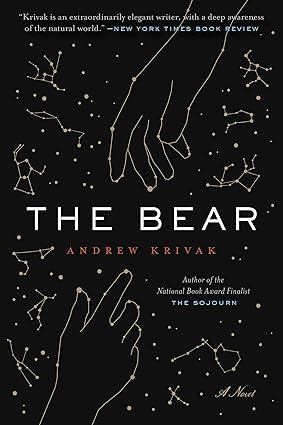
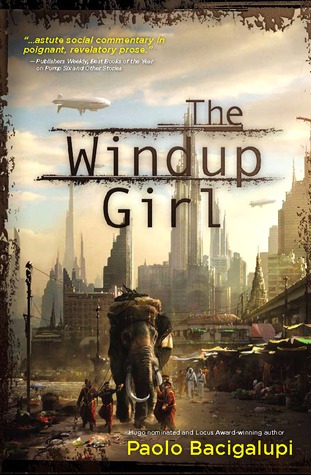
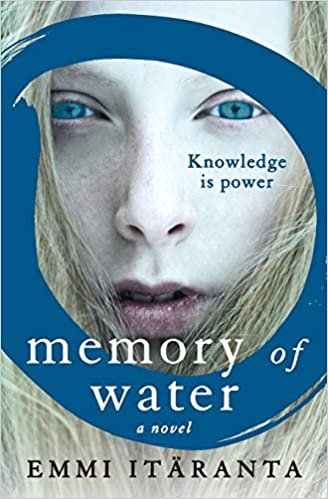


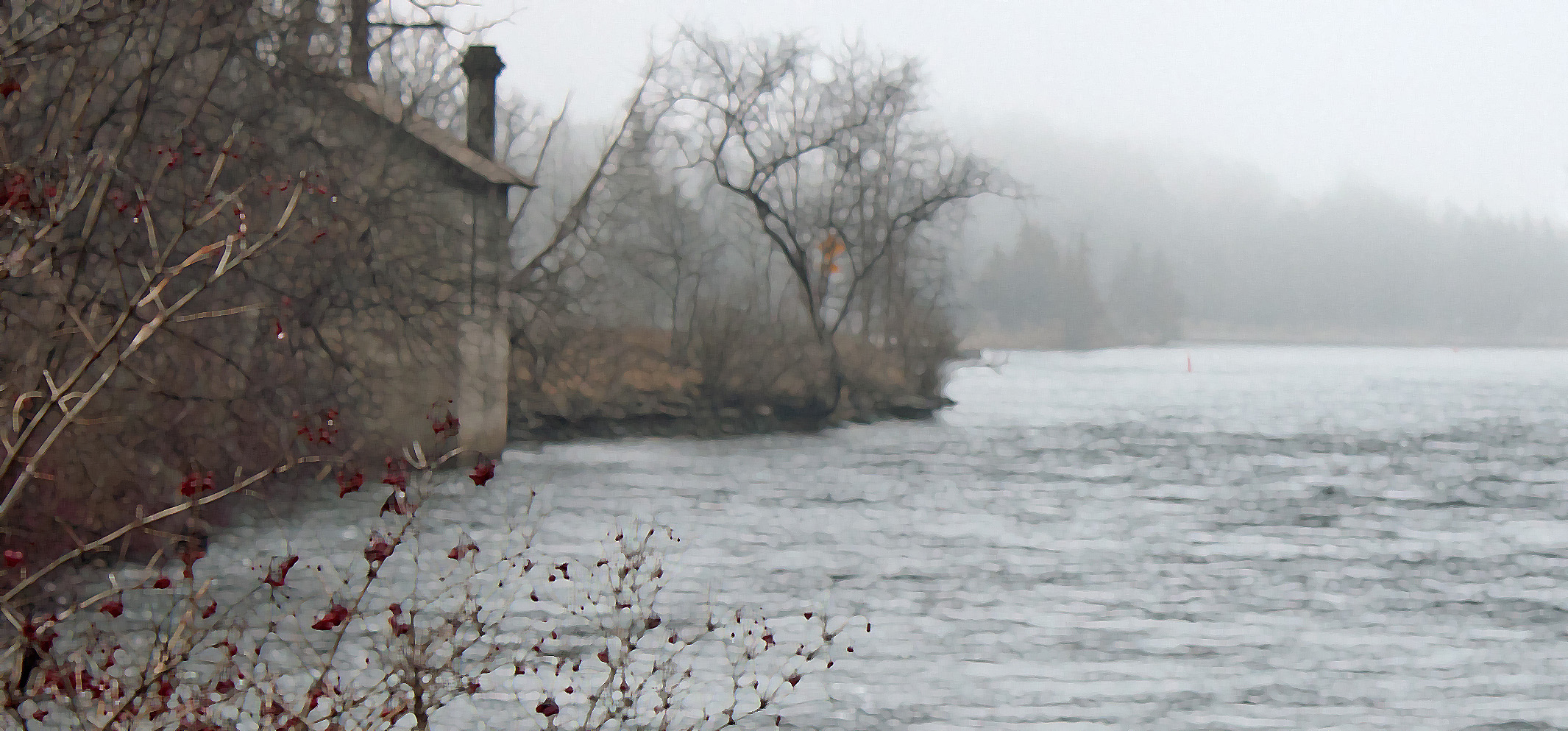

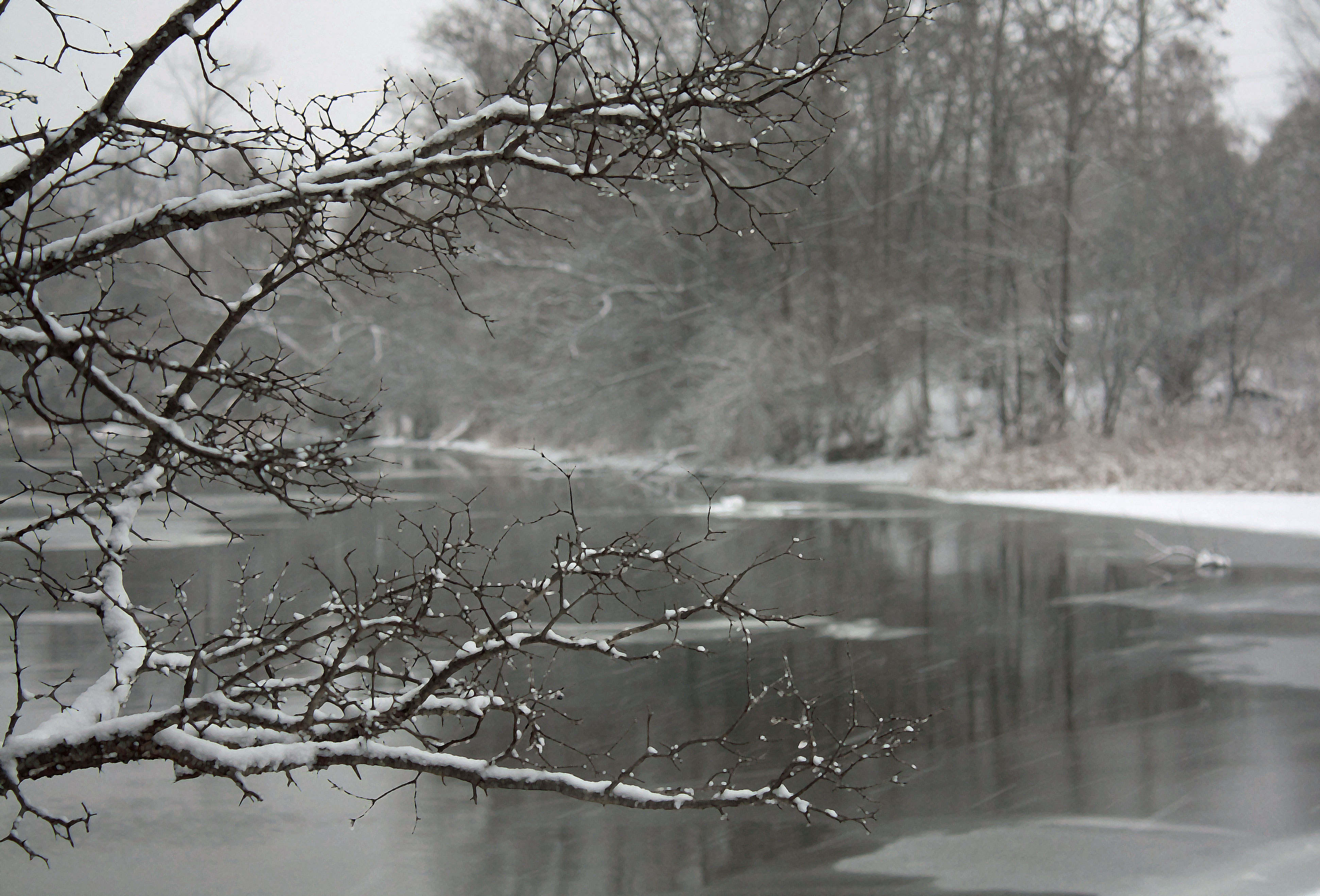
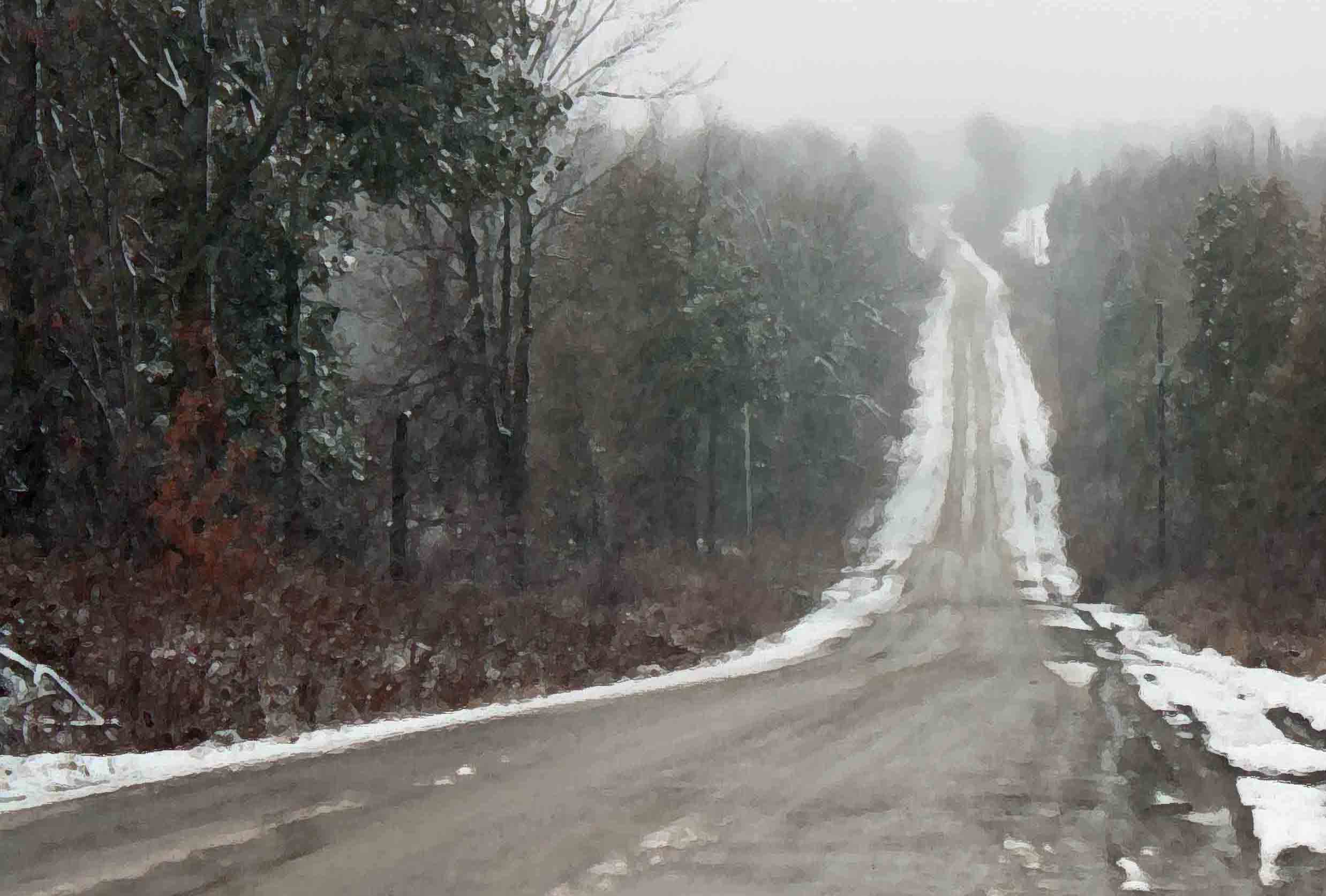

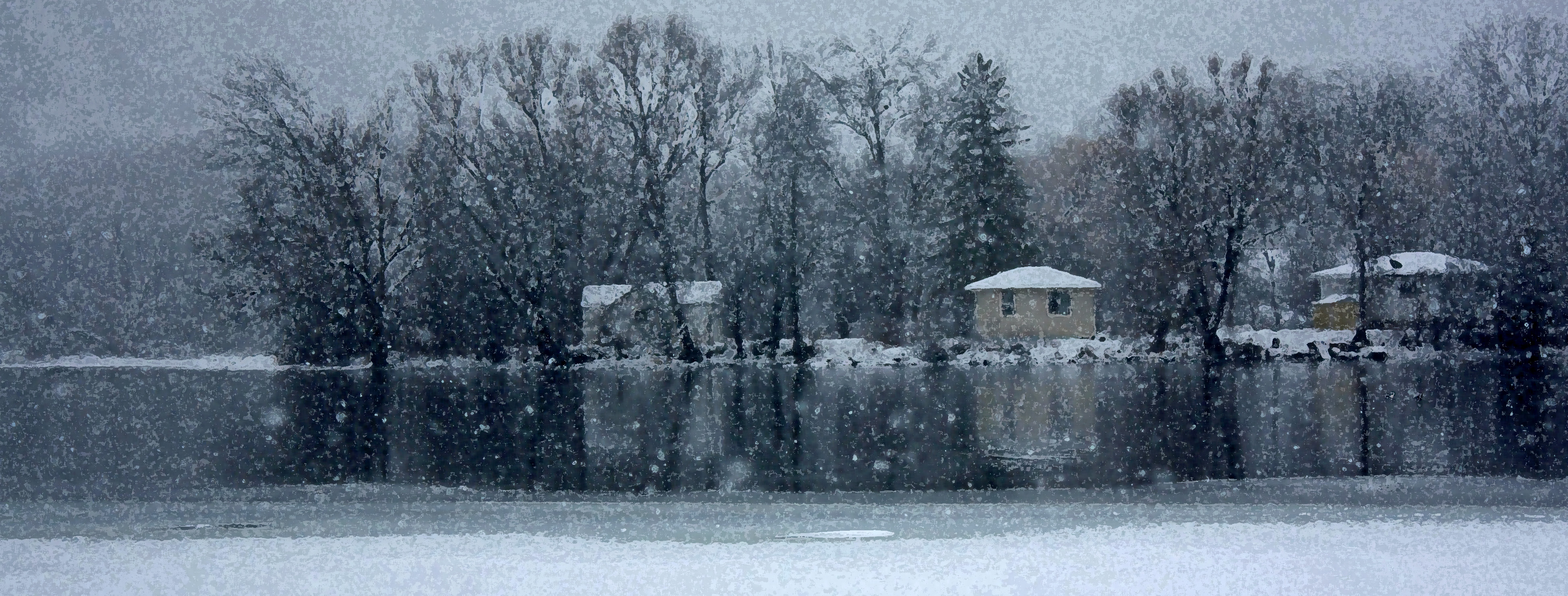


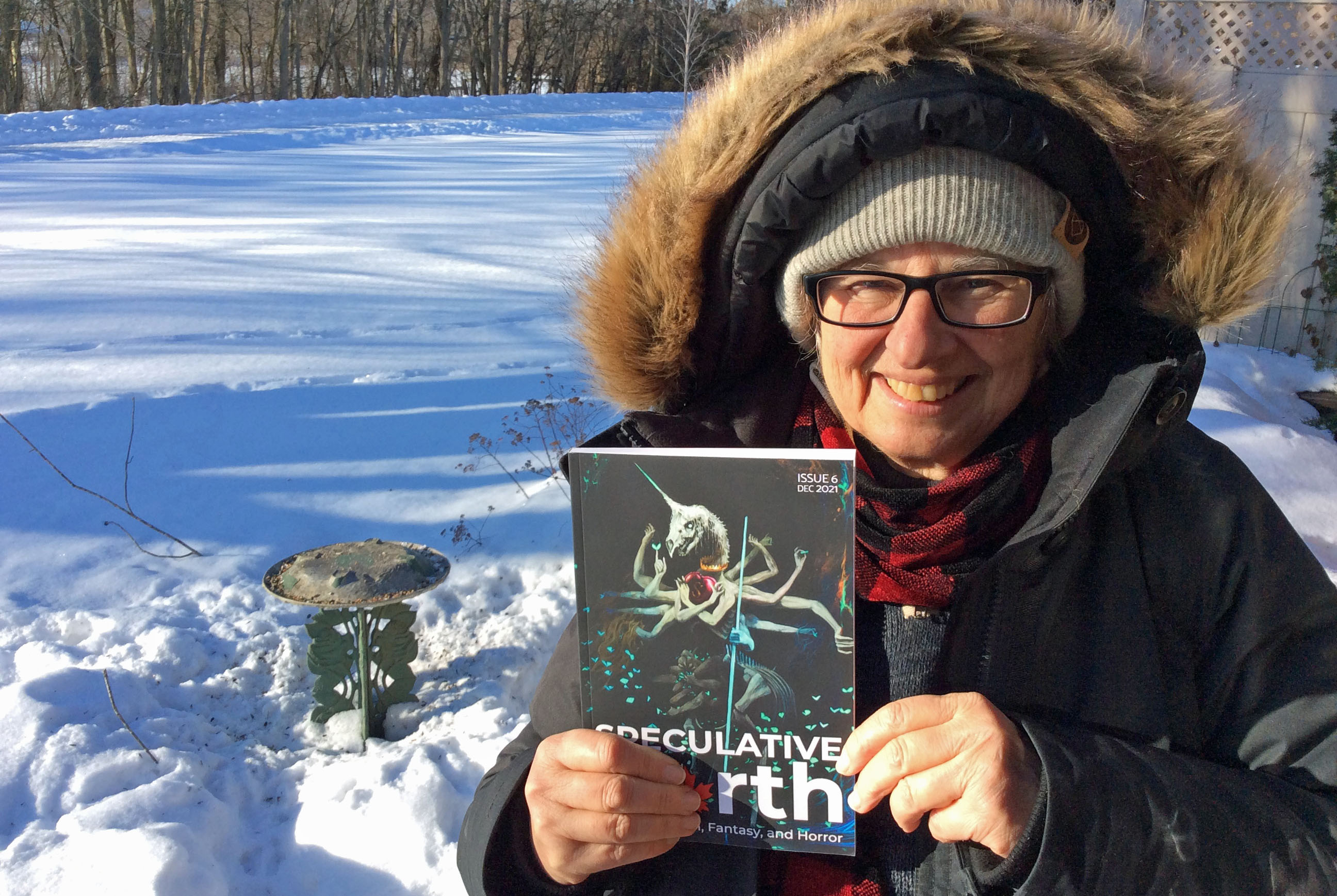


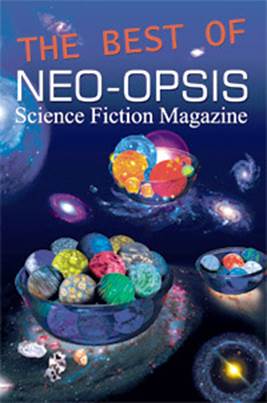
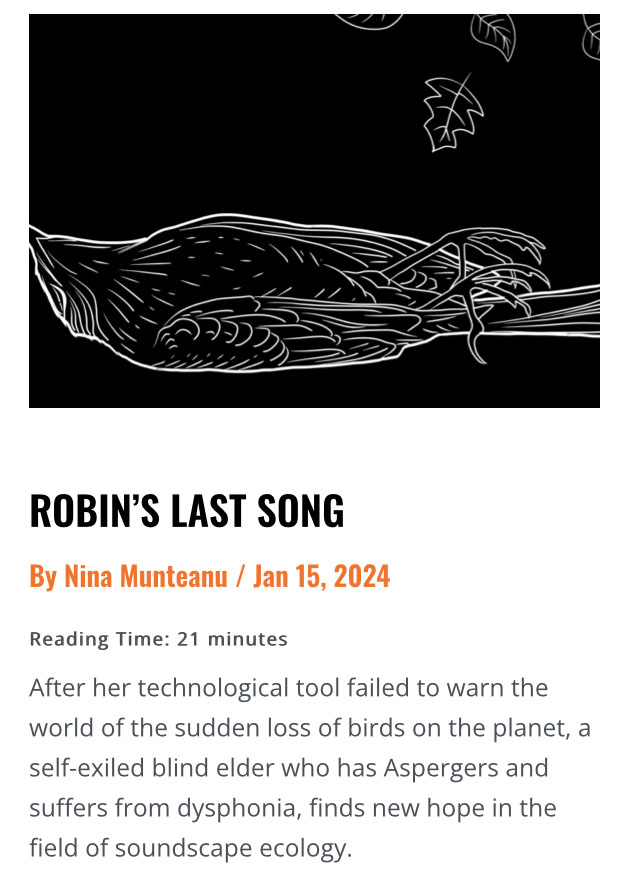

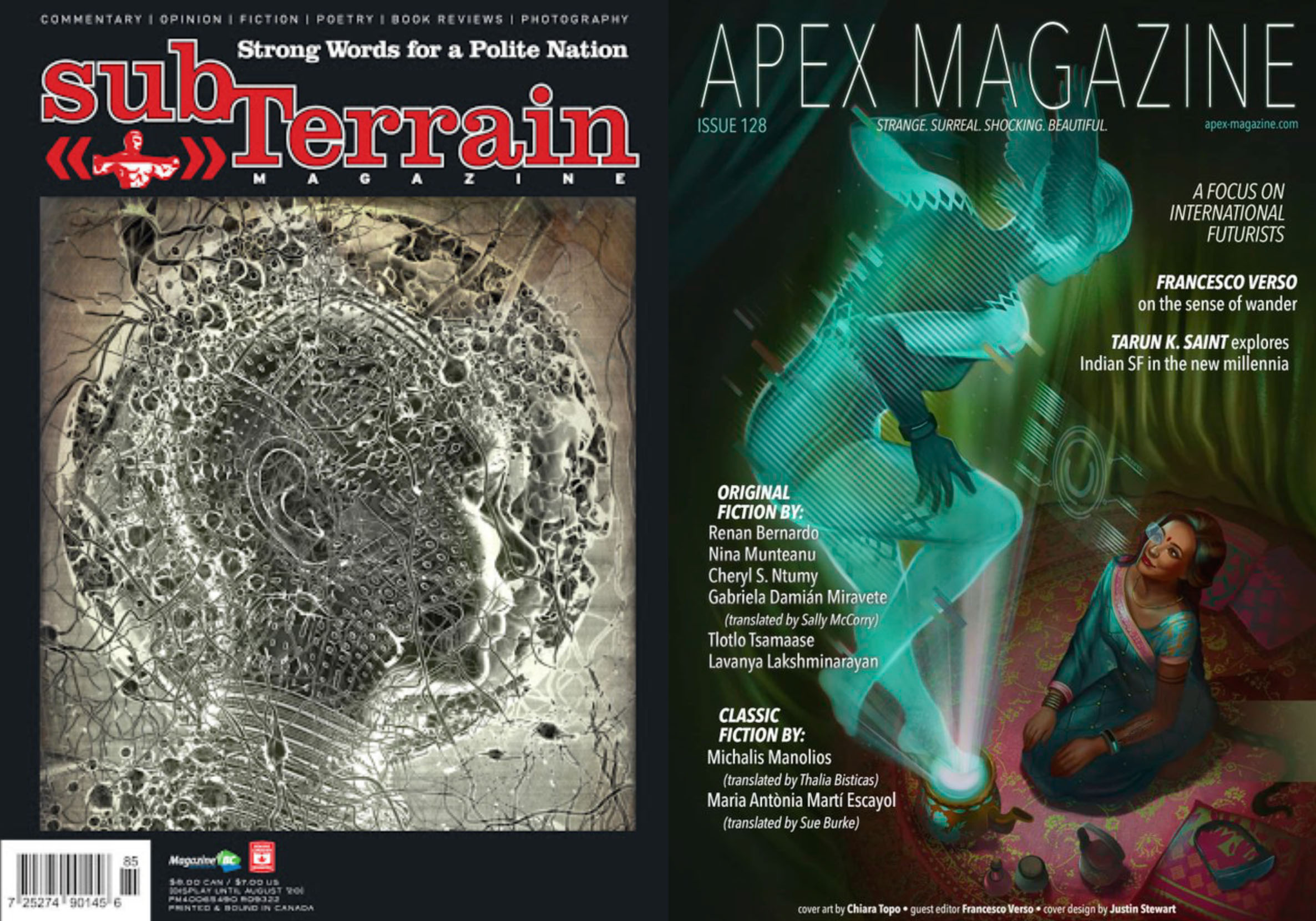


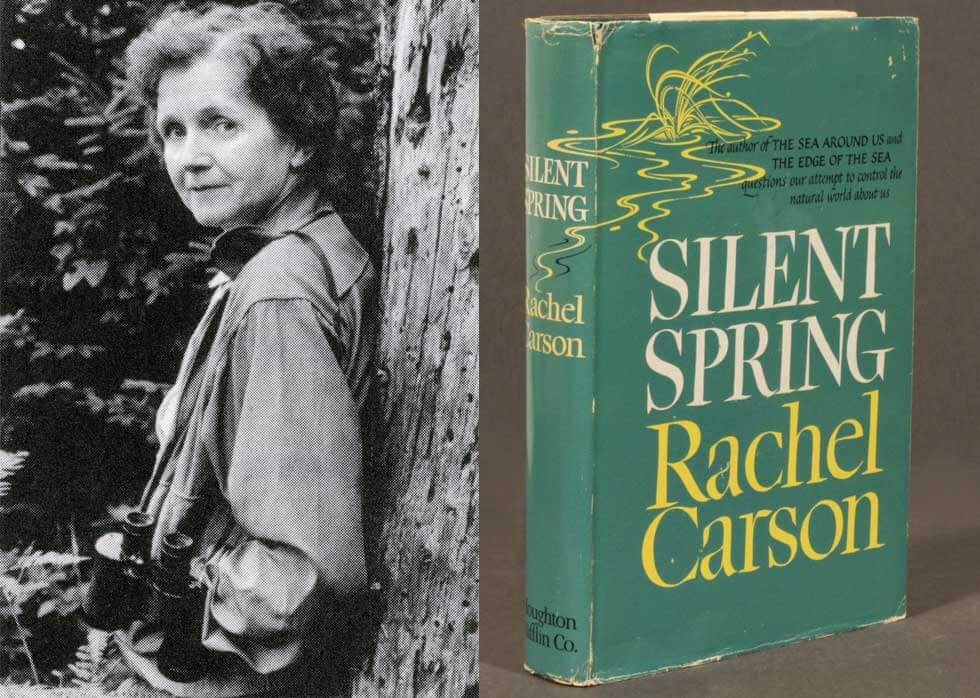


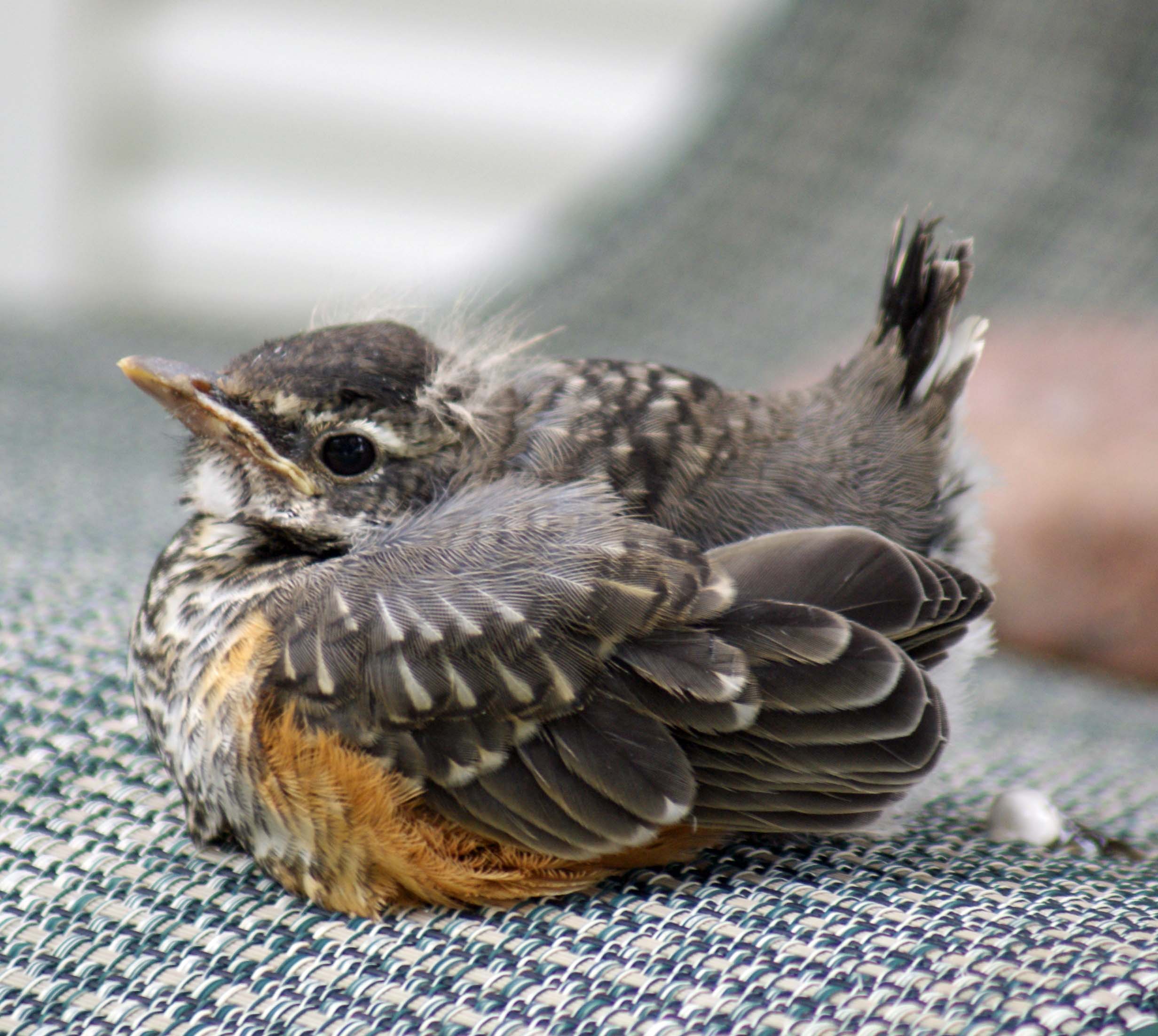
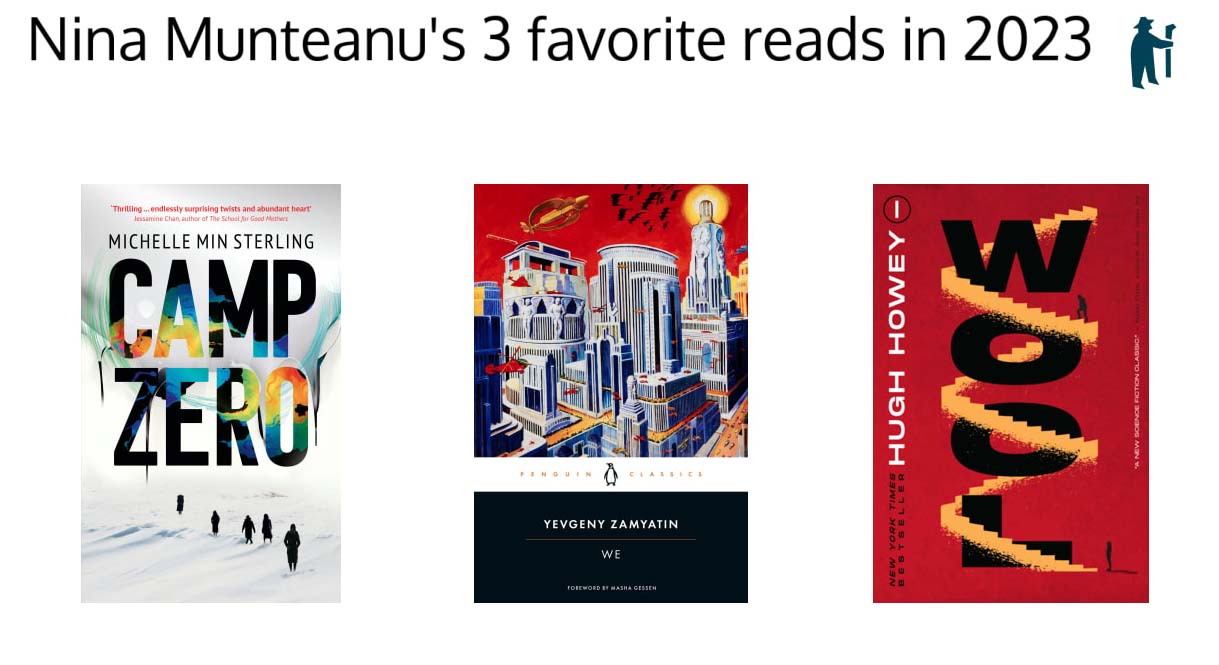


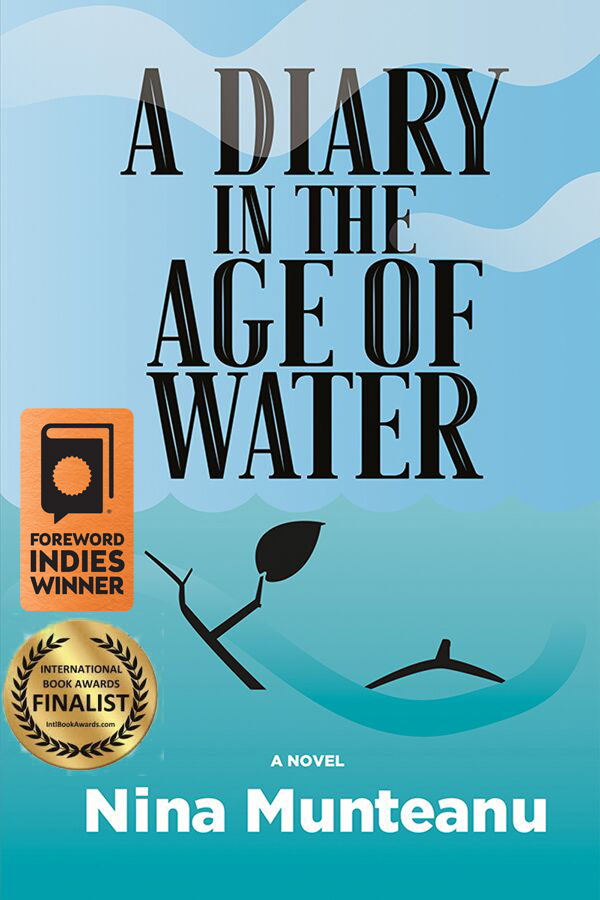
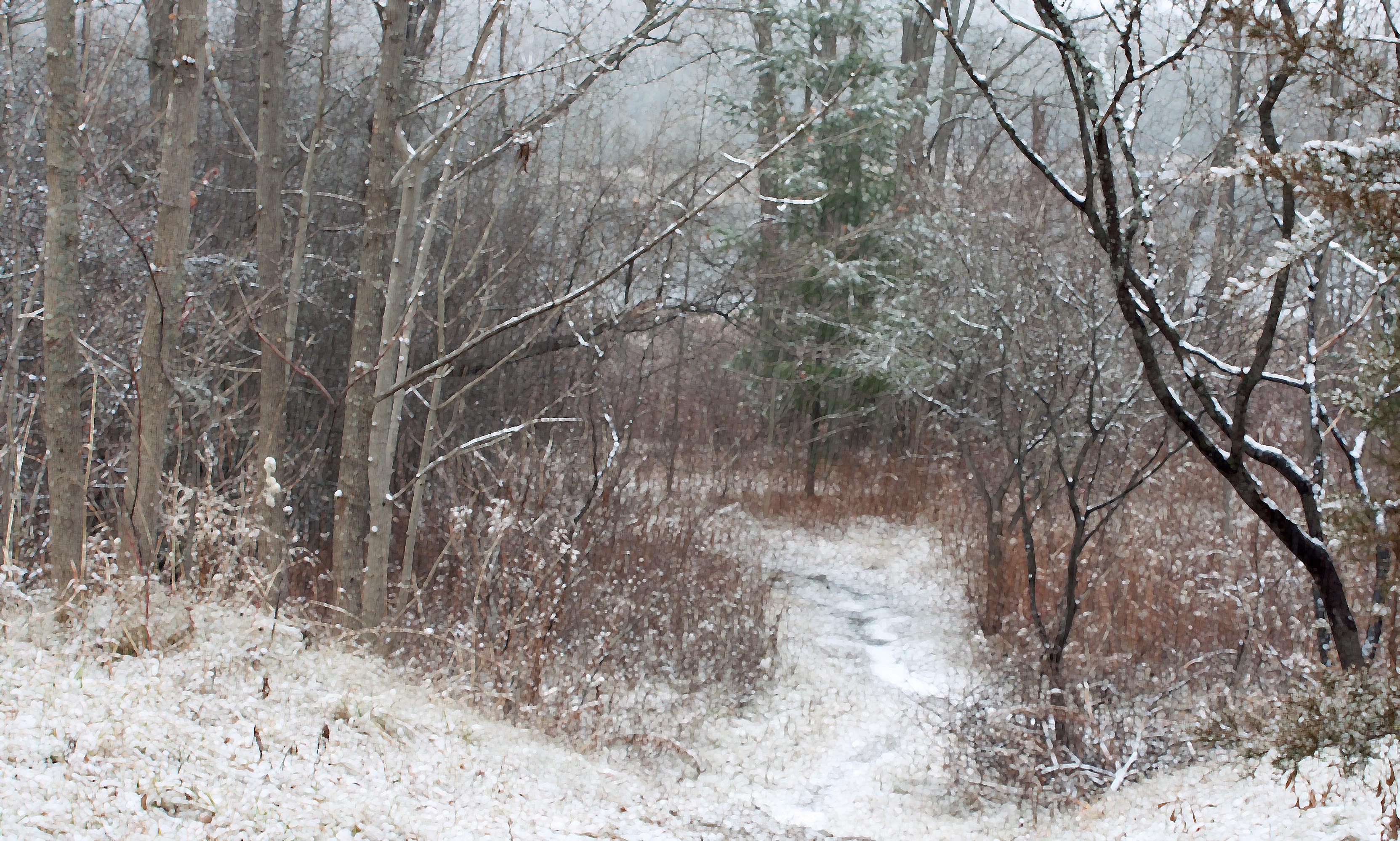




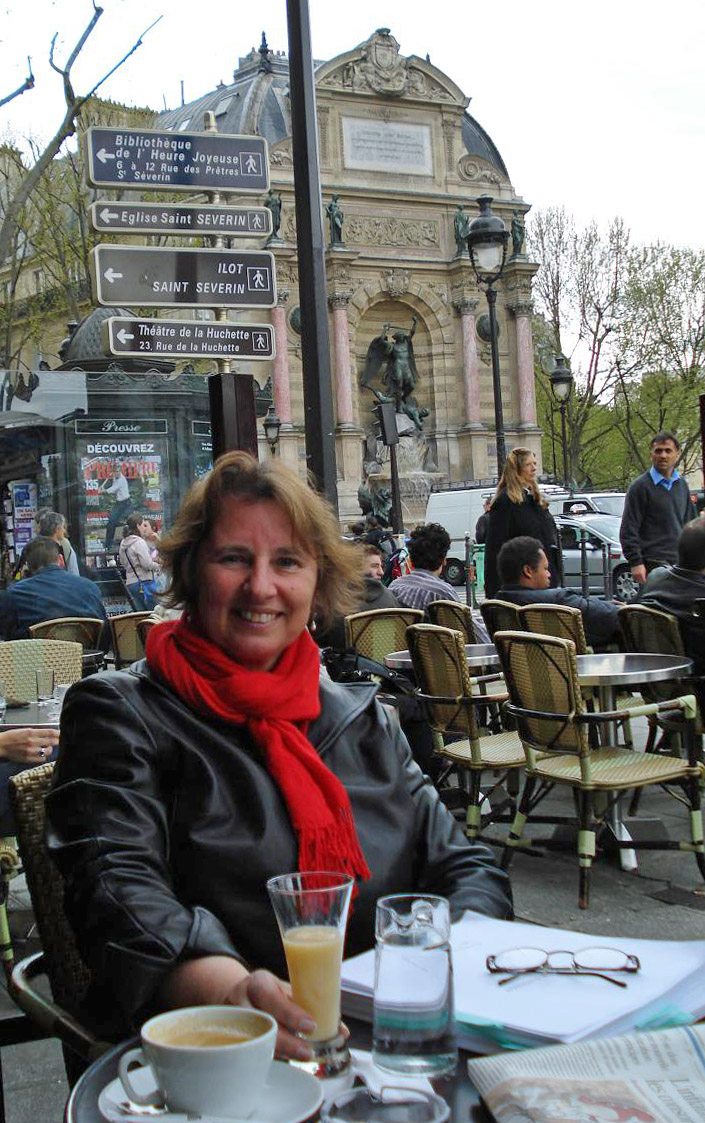


 Nina Munteanu Writing Coach