
I met my fellow Romanian author friend Lucia Monica Gorea several years ago at a writer’s function in Vancouver and our (Romanian) passion for writing and storytelling made us fast friends. At the time Lucia was teaching writing at UBC and was co-hosting a radio show on Vancouver Coop Radio. She interviewed me several times about my science fiction publications, about water, my limnology and my eco-fiction.

Co-host Lucia with Nina and Coop Radio team, Vancouver, BC

Nina Munteanu and Lucia Monica Gorea at Gaudeamus Book Fair, Bucharest, Romania
We also together attended the launch of our books with Romanian publisher Editura Paralela 45 in Bucharest Romania at the Gaudeamus Book Fair. I was launching my translated book on fiction writing, “Manual de Scriere Creativa” (The Fiction Writer: Get Published, Write Now!) and Lucia was launching her English / Romanian translation of Petre Ispirescu’s fairy tale “The Morning Star and the Evening Star.”
I’ve since moved to Ontario and teach writing at the University of Toronto and Lucia moved to Nanaimo, BC, where she teaches at Vancouver Island University.
I recently interviewed Lucia, who just reissued her most recent children’s book “Yukon,” a wonderfully illustrated story about a young polar bear who loses his mother and goes on a perilous adventure:
- You recently republished your children’s climate fiction book “Yukon” through Bestsellers Publishing Academy. Tell us about the book.
Yukon, the Polar Bear is a story that brings awareness about global warming and climate change and teaches children how important our planet is. The reader is not only drawn into the story, but he or she learns how climate change affects polar bear habitat, and how polar bears will eventually become extinct if we don’t take action now.

Yukon and his mom
Since younger children can’t easily grasp concepts such as, glaciers and sea ice melting, or ocean acidification, they can better understand the issues our planet faces at the moment, through stories that are age appropriate.
- What inspired you to write “Yukon”?
I have always been fascinated by polar bears. I believe that they are so cool.
Seeing that their habitat is in huge danger, I wanted to bring my small apport to educate children, by letting them know how important our planet is through this children’s book.

Yukon alone on a melting ice float after losing his mother
- Who do you hope will read “Yukon”?
“Yukon” is intended for grade school children, ages 7+, for parents, and teachers alike. The topic of climate change can initiate interesting discussions and debates at school or home, during circle time, book clubs, or science classes. Teachers can assign research topics and invite children to further explore polar bear habitat, and learn how the Arctic animals are being affected by global warming.
- What does the polar bear represent in our awareness and fight against climate change?
Polar bears represent a “healthy planet.” As climate change forces polar bears to spend longer time offshore, they come in contact with Arctic coastal communities. Unfortunately, these interactions sometimes end badly for both humans and bears. At the same time, the melting of the ice is resulting in more polar bears spending longer periods on land.
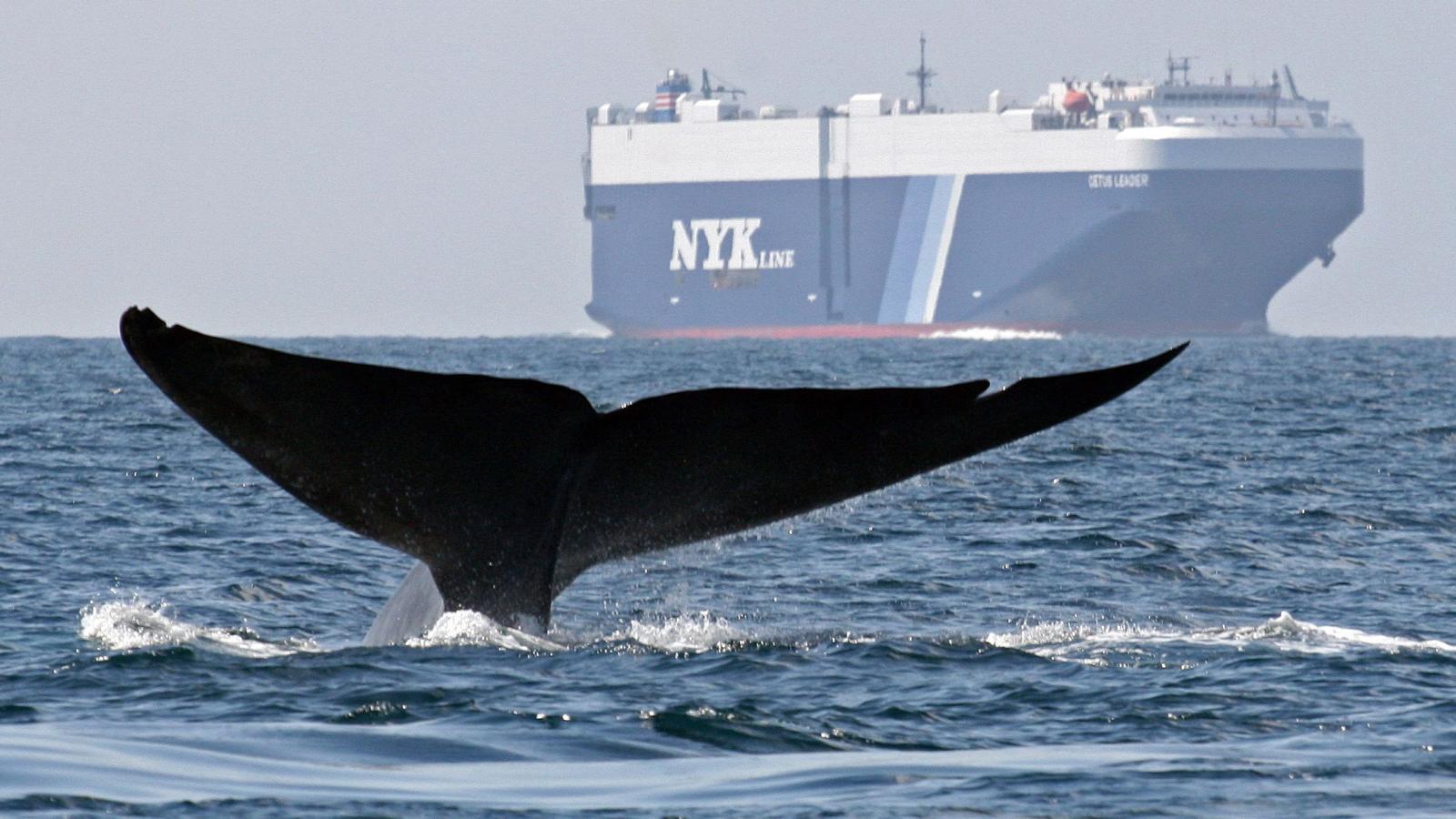
The expansion of offshore petroleum installations and operations in the Arctic are expected to increase in number. This expansion would affect polar bears and their habitat in many negative ways. As oil tankers and cargo ships in Arctic waters increase, so do the risks of polar bear disturbance. It is our responsibility to protect these iconic creatures. It is no wonder that the polar bear is of great cultural significance to the Canadian people. For the Inuit and many northern communities, polar bears are especially significant culturally, spiritually, and economically.

Jasper teaches Yukon how to survive on terra firma
- In your book, Yukon meets a brown bear named Jasper and Jasper’s family teaches Yukon how to feed and take care of himself in his new environment. How close do you think this matches what is already happening in our northern regions as melting sea ice is forcing polar bears onto dry land into northern communities and the Inuvialuit Game Council reports that more and more grizzly bears are moving into Canada’s High Arctic? Is this heralding a future written by climate change?
Experts say that interbreeding is happening more frequently now due to climate change.
With climate change, grizzly bears are moving further north, so there is more overlap between grizzly bears and polar bears in terms of their range. A hybrid bear is unofficially called a grolar bear if the sire is a grizzly bear, and a pizzly bear if the sire is a polar bear. A third potential name is nanurlak — a word combining the Inuit-language words for polar bear and grizzly, nanuk and aklak.

Grizzly bear + Polar bear = Pizzly or Grolar (depending on who the mother bear is)
Grizzly bears in Alaska and Canada are moving north as their environment warms, bringing them into contact with polar bears located on the coastline
“…predicting that far into the future is a challenge and it really depends on what we do about global warming as a whole,” says Andrew Derocher, bear biologist.
- Will you do an educational tour with the book?
 Absolutely! As soon as COVID- 19 will not pose a threat to BC schools, and to schools around the country, and when the students are safe to return to class, I plan a reading and educational tour on Vancouver Island, then I will visit various schools within the province.
- Where can individuals and schools purchase “Yukon”?
“Yukon” can be purchased in both paperback and electronic format on Amazon, Draft to Digital, Smashwords, Ingram, and Barnes and Noble.
- What projects are you working on next?
I have already started working on two projects. One is a How-to book titled, “Write! Publish! Sell!” – and the second book is a collection of supernatural short stories that take place in my native Transylvania, “The Hills of Magherani.”
On the podcast “Age of Water”, co-host Claudiu Murgan and I interviewed Lucia about her book, about young readers and climate change, and about writing in general. The podcast episode with Lucia will air in December, 2020.
More about Lucia Monica Gorea

Lucia Monica Gorea
Lucia Monica Gorea, is a Canadian poet and award-winning author of fifteen books spanning multiple genres including poetry, short stories, a historical novel, ESL texts, children’s books, fairy tales, and translations.
The Transylvanian province of Romania, which filled Lucia with literary passion inspired her to write at a young age. She graduated from the University of Bucharest with degrees in English, French and Linguistics then earned her PhD in English and Education in the USA.
Her interest in history inspired The Impaler, her debut novel, which tells the captivating and intriguing story of Vlad the Impaler. She has also written Journey Through My Soul—a collection of love and mystical poems, Welcome to America! ESL Games and Classroom Activities, and Speak English for Success. Lucia also wrote several children’s stories that were inspired by her son, Alex: How Alex Saved Christmas, The Crow That Swallowed a Pearl, Halloween in Transylvania, and Yukon, the Polar Bear.

Lucia with young girl, reading her translated book at Gaudeamus
Lucia translated several fairy tales and poetry books from Romanian into English: The Enchanted Turtle, Aleodor the Emperor, The Morning Star and the Evening Star, and The Enchanted Pig, fairy tales authored by Petre Ispirescu.
Lucia was the keynote speaker at the 8th International Symposium on Translation, Interpretation, and Terminology in Havana (2013). Lucia currently teaches English courses at Vancouver Island University in British Columbia, and graduate studies at Atlantic International University in the United States.
Lucia founded BestSellers Publishing Academy – Your Story Must Be Told in 2019. She also founded Poetry Around the World, Monica’s Writers’ Café and Poets and Writers’ Café, online groups. She hosted radio (World Poetry Café Radio Show) and television poetry shows (Poetry Around the World) in Portland, Oregon, Vancouver, and Nanaimo, BC.
More about the Polar Bear
Temperatures in the Arctic are rising at least twice as fast as the global average and sea ice cover is diminishing by nearly four per cent per decade.
The primary habitat of the polar bear is sea ice, which they use to hunt seals. Polar bears live in the Arctic regions of Canada, Greenland/Denmark, Norway, Russia and the United States. The primary habitat of the polar bear is sea ice, which they use to hunt seals. Polar bears feed on ringed seals that live at the ice edge; the bears get two thirds of the energy they need for the entire year in late spring and early summer. Sea ice loss due to climate change poses the single largest threat to polar bear numbers according to a recent comprehensive review. As the ice retreats earlier in spring and forms later in winter, the bears have less time to hunt prey. Consequences mean that the bears average weight declines and fewer cubs survive; the ones that do are smaller. Warming has also caused bear dens to collapse, trapping a female’s young.
Scientists’ best estimate is that there’s a 70% chance the global population of polar bears will fall by more than a third within the next three generations.

Polar bear cubs in their den

Nina Munteanu is a Canadian ecologist / limnologist and novelist. She is co-editor of Europa SF and currently teaches writing courses at George Brown College and the University of Toronto. Visit www.ninamunteanu.ca for the latest on her books. Nina’s bilingual “La natura dell’acqua / The Way of Water” was published by Mincione Edizioni in Rome. Her non-fiction book “Water Is…” by Pixl Press (Vancouver) was selected by Margaret Atwood in the New York Times ‘Year in Reading’ and was chosen as the 2017 Summer Read by Water Canada. Her novel “A Diary in the Age of Water” was released by Inanna Publications (Toronto) in June 2020.
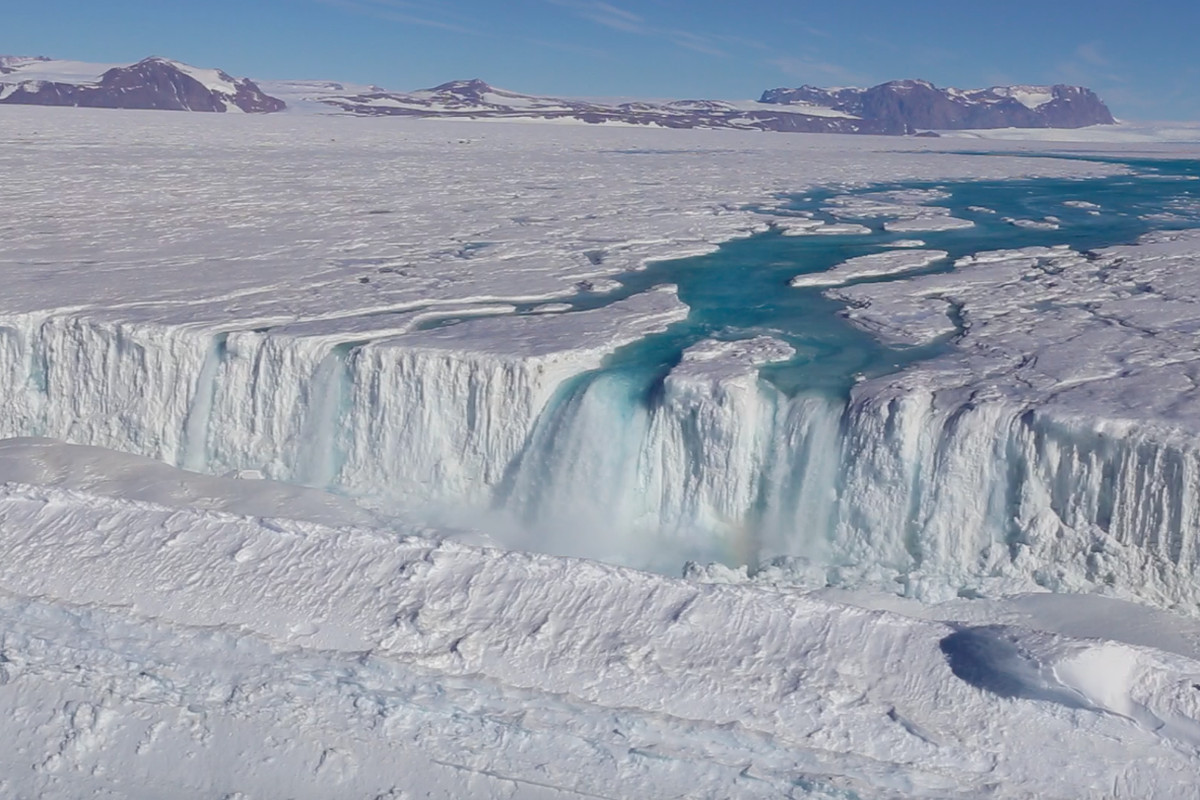
 Craig Russell begins his eco-thriller Fragment with a TV interview of glaciologist Kate Sexsmith in Scott Base Antarctica. The interview is interrupted by what turns out to be four runaway glaciers that have avalanched into the back of the Ross Ice Shelf and a fragment the size of Switzerland surges out into the open sea. Hence the title: Fragment.




 Written 45 years ago, Le Guin’s scathing article may have accurately represented the North American science fiction community of writers of that time. Today, despite the remnants of a strong old guard that still promotes a patriarchal colonialist hegemony, the science fiction genre has matured and grown beyond this self-limiting view. This is partly because current authors—many who are women and many who are representatives of minority or marginalized groups—have given SF a new face and voice that promises to include equality, inclusion, and a fresh look at exploration and ‘the other.’
 Science fiction that leans toward “mundane”(everyday life) and literary fiction include the works of Paulo Bacigalupi (Windup Girl), Margaret Atwood (Year of the Flood), and Kim Stanley Robinson (New York 2140). Literary fiction overlaps with science fiction through eco-fiction and climate fiction which address oppression, jingoism and neoliberalism often through dystopian themes—and often through the voice of women writers—such as Octavia Butler’s Parable of the Sower, N.K. Jemisin’s The Broken Earth series, Emmi Itäranta’s The Memory of Water, Nina Munteanu’s A Diary in the Age of Water, Barbara Kingsolver’s Flight Behavior, Annie Proulx’s Barkskins, and Richard Power’s Overstory.
 In 2017, several publications addressed different aspects of society through speculative fiction. Laksa Media published Strangers Among Us: Tales of the Underdogs and Outcasts, which explores issues of mental health. Exile Editions published Cli-Fi: Tales of Climate Change with stories on personal experience with climate change. Reality Skimming Press published Water, for which I was editor, which explored optimism in the face of climate change.
 Novels and anthologies of short stories that feature disabled characters are also growing. Examples include Borderline by Mishell Baker, We Who Are About To… by Joanna Russ, Murderbot series by Martha Wells, and Uncanny: Disabled People Destroy Science Fiction (edited by Elsa Sjunneson-Henry, Dominik Parisien et al.) among many others.
 In an introduction to seven Indigenous Futurism books, Barnes and Noble writes:
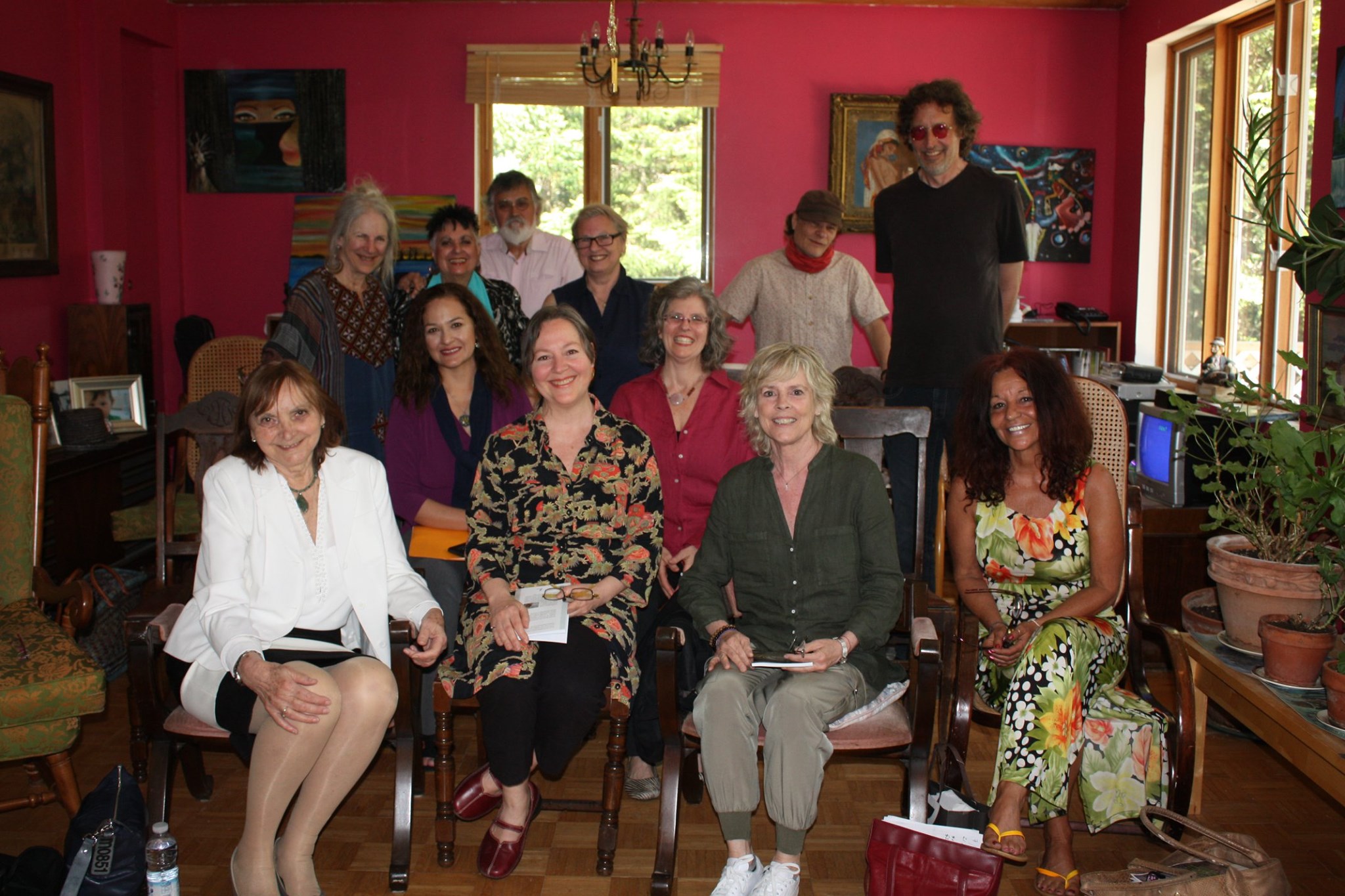
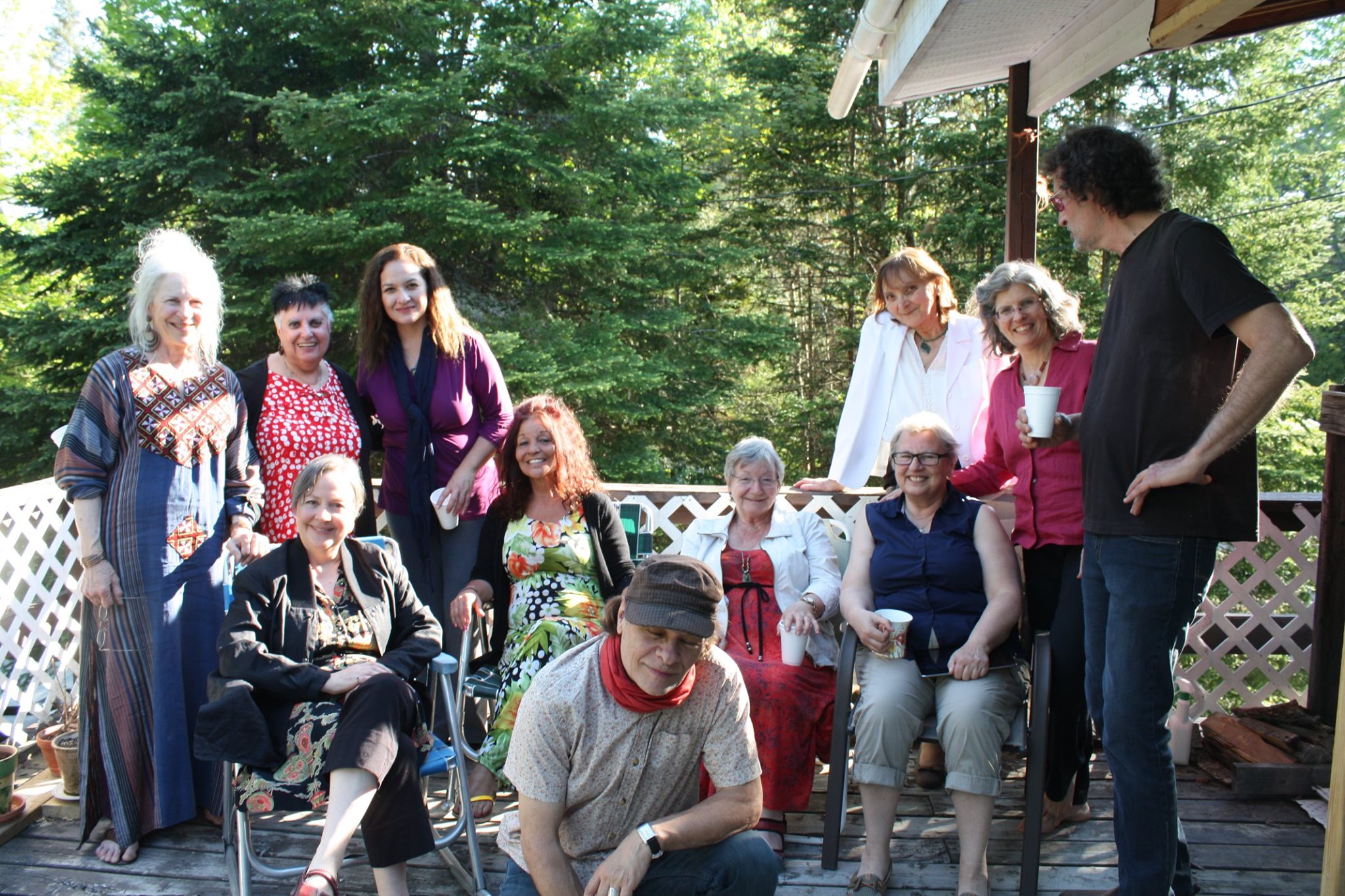
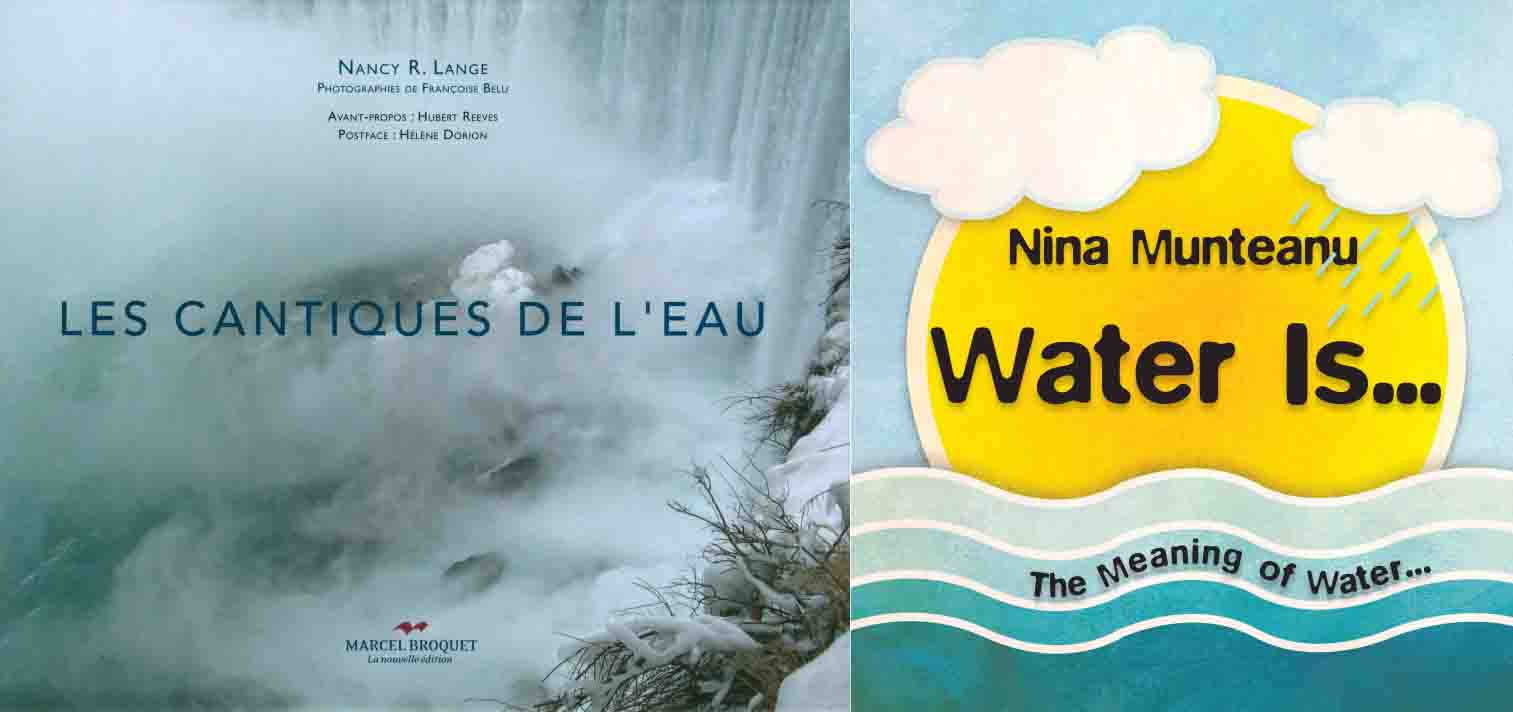
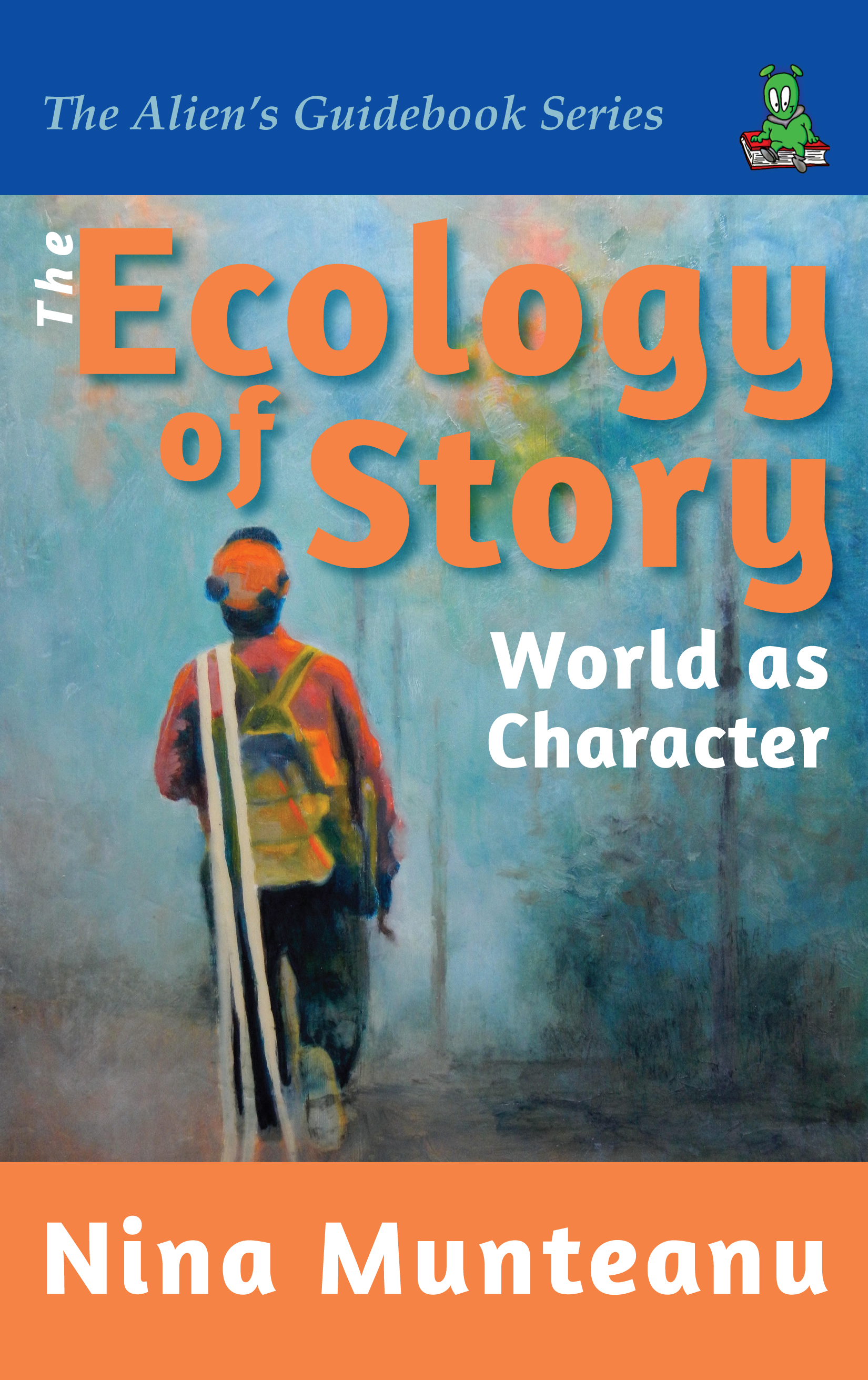 Jeremiah Wall, Nina Munteanu, Nancy R. Lange, Nicole Davidson, Carmen Doreal, MarieAnnie Soleil, Luis Raúl Calvo, Louis-Philippe Hébert, Melania Rusu Caragioiu, Anna-Louise Fontaine.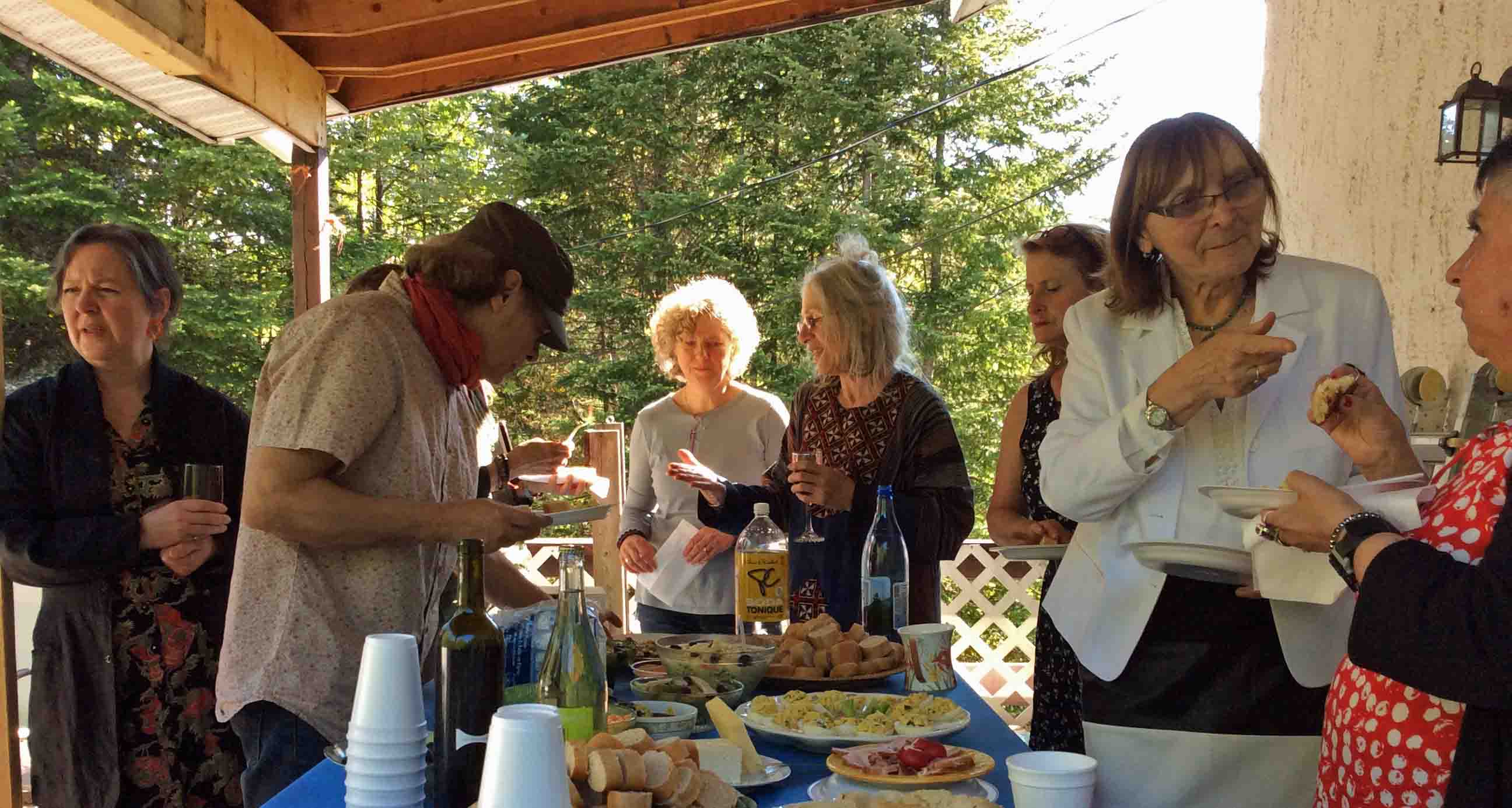
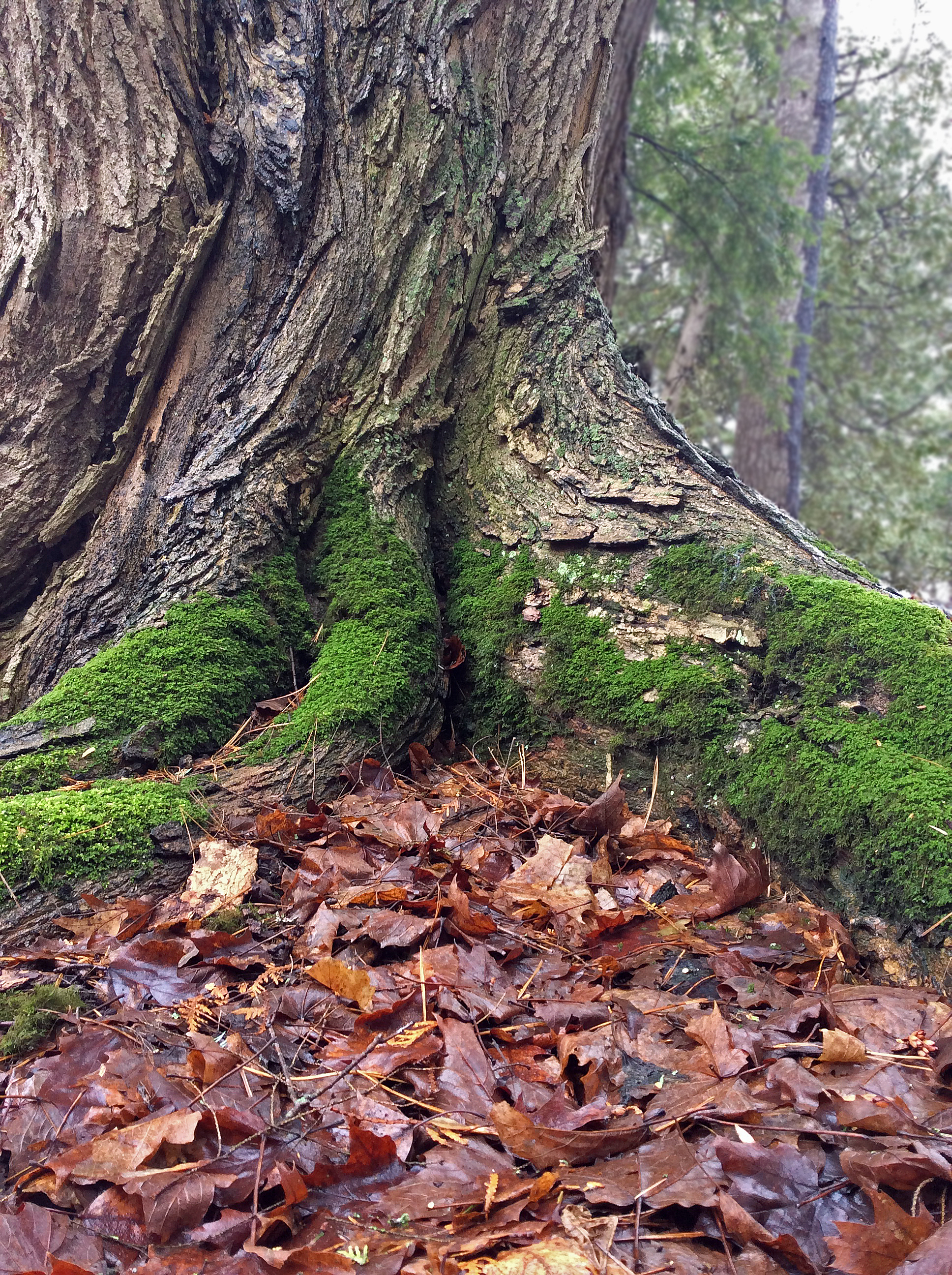

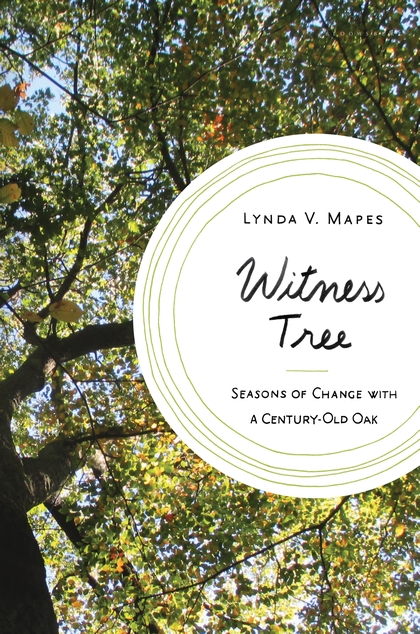 Mapes reveals that her witness tree overcame a 1 in 500 chance of taking root from tiny acorn to seedling to become a thirteen-storey tall giant. Mapes considered her oak a living timeline that revealed through its phenology how climate change is resetting the seasonal clock.
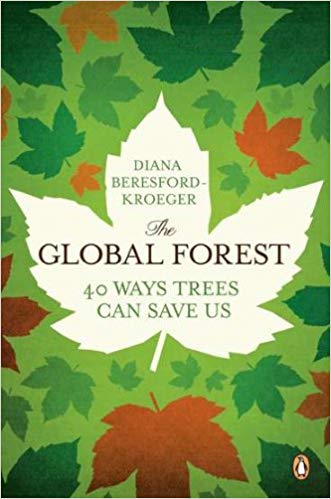 Written with passionate lyricism and a mother’s nurturing spirit, Irish storyteller Beresford-Kroeger weaves a compelling tapestry of ancient forest lore with modern science to promote the global forest. Tapping into aboriginal wisdom and ancient pagan legend, Beresford-Kroeger invites you into the forest to explore the many beneficial and pharmaceutical properties of trees—from leaves that filter the air of particulate pollution, the cardiotonic property of hawthorn, fatty acids in hickory nuts and walnuts that promote brain development, to the aerosols in pine trees that calm nerves.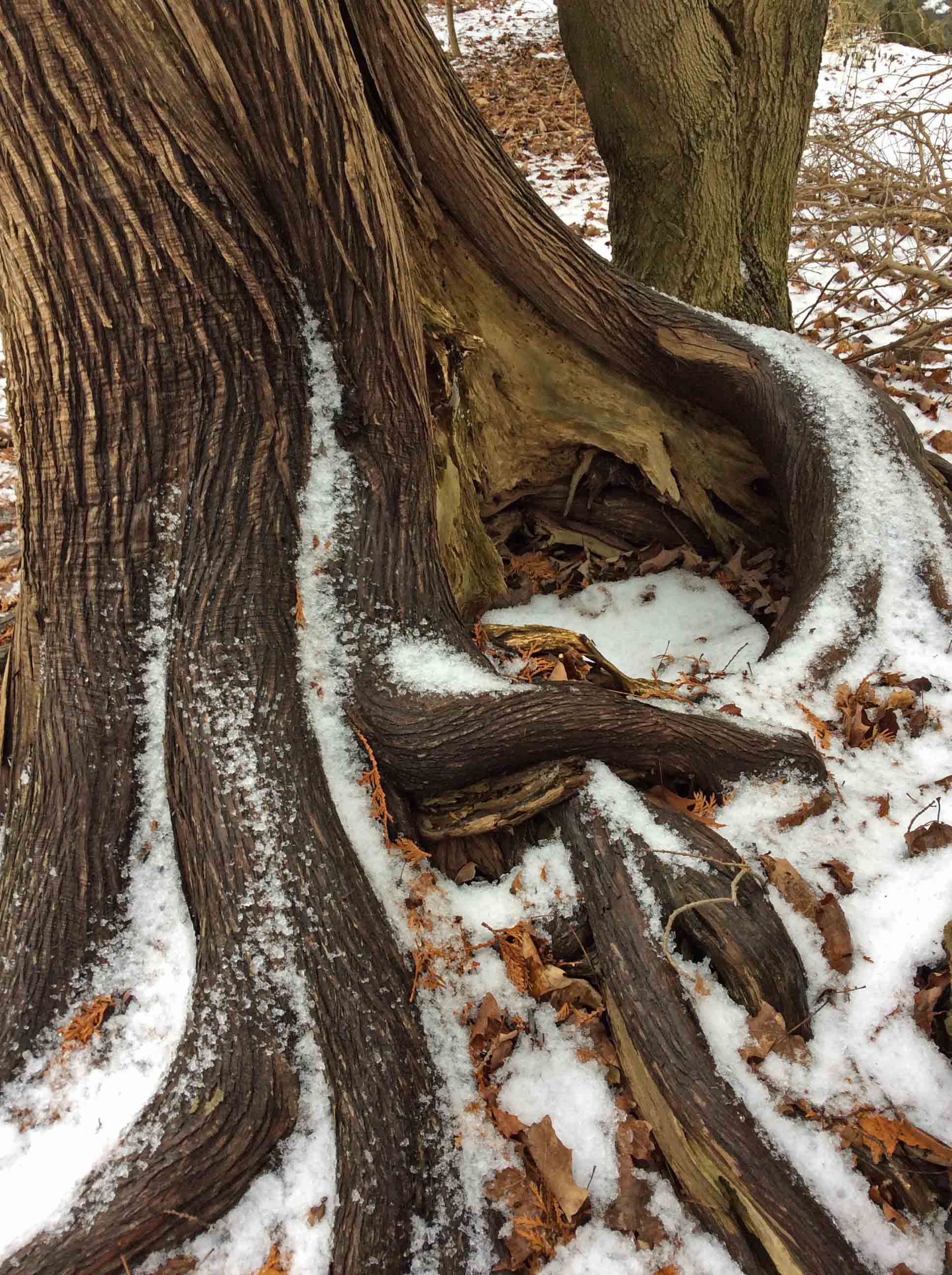

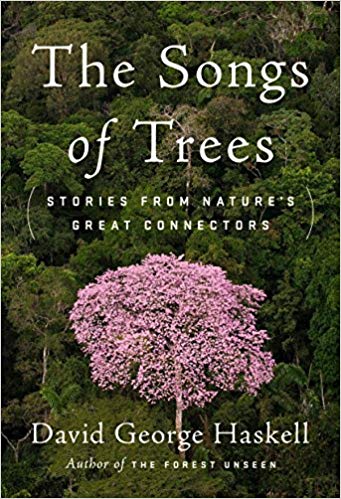 In his travels to visit iconic trees around the world, Haskell draws on the wisdom and moral ethics of “ecological aesthetics” to describe a natural beauty—not as individual property but as a world within a world of interactive life to which we belong and serve but do not own: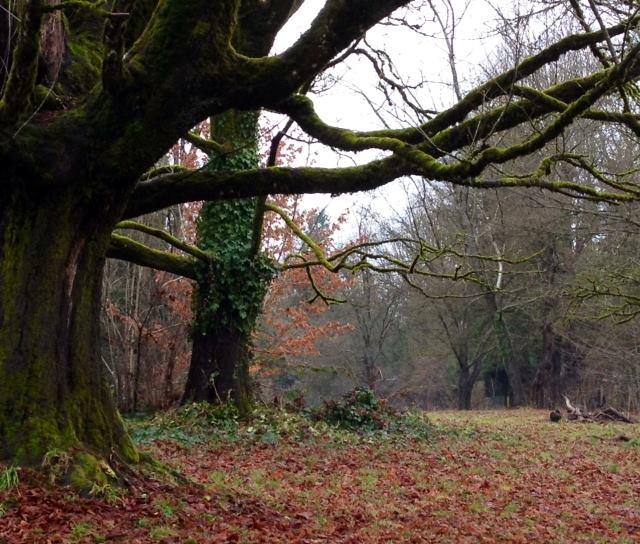

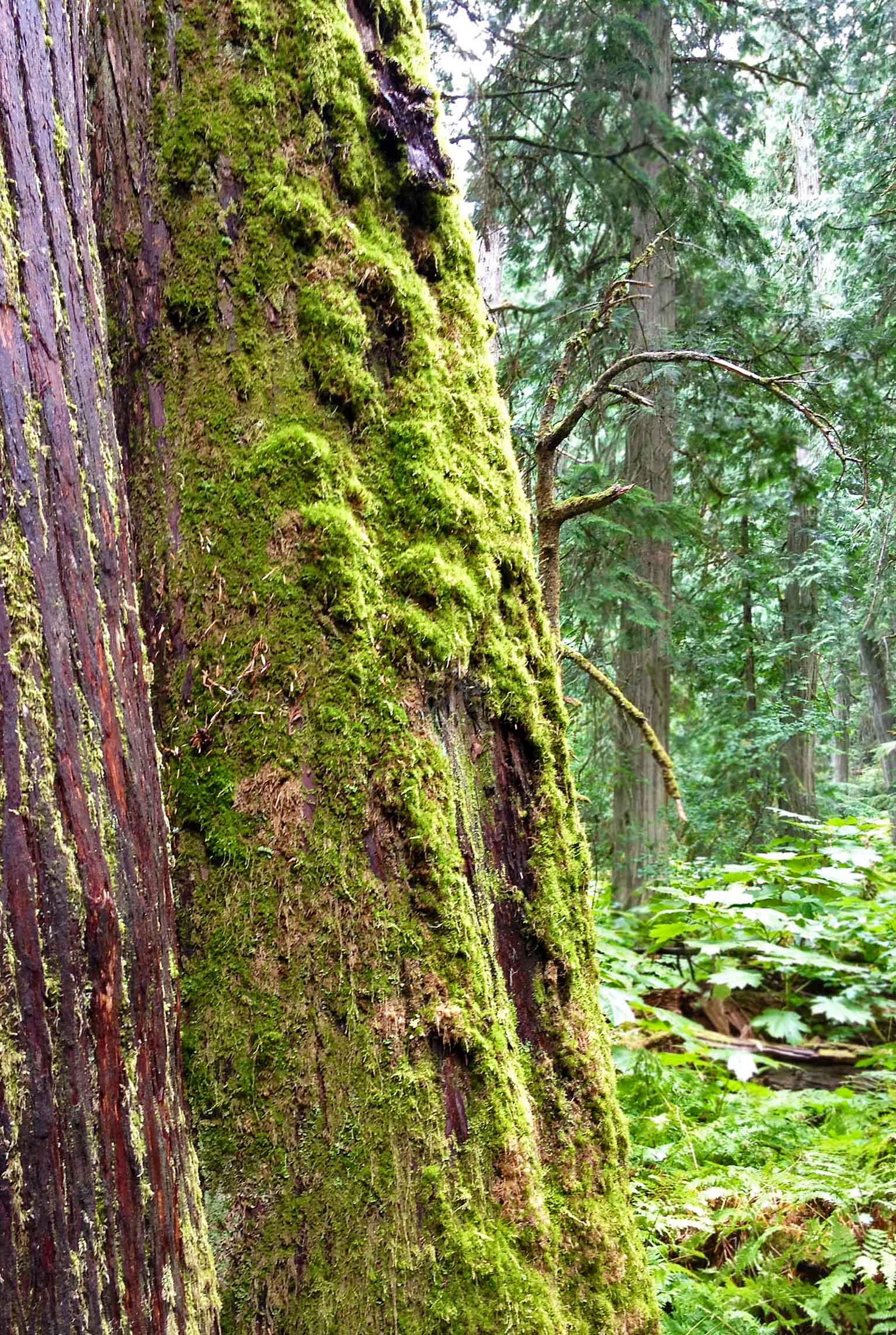
 Olivia Vandergriff miraculously survives an electrocution to become an ecowarrior after she begins to hear the voices of the trees. She rallies others to embrace the urgency of activism in fighting the destruction of California’s redwoods and even camps in the canopy of one of the trees to deter the logging. When the ancient tree she has unsuccessfully protected is felled, the sound is “like an artillery shell hitting a cathedral.” Vandergriff weeps for this magnificent thousand-year old tree. So do I. Perhaps the real heroes of this novel are the ancient trees.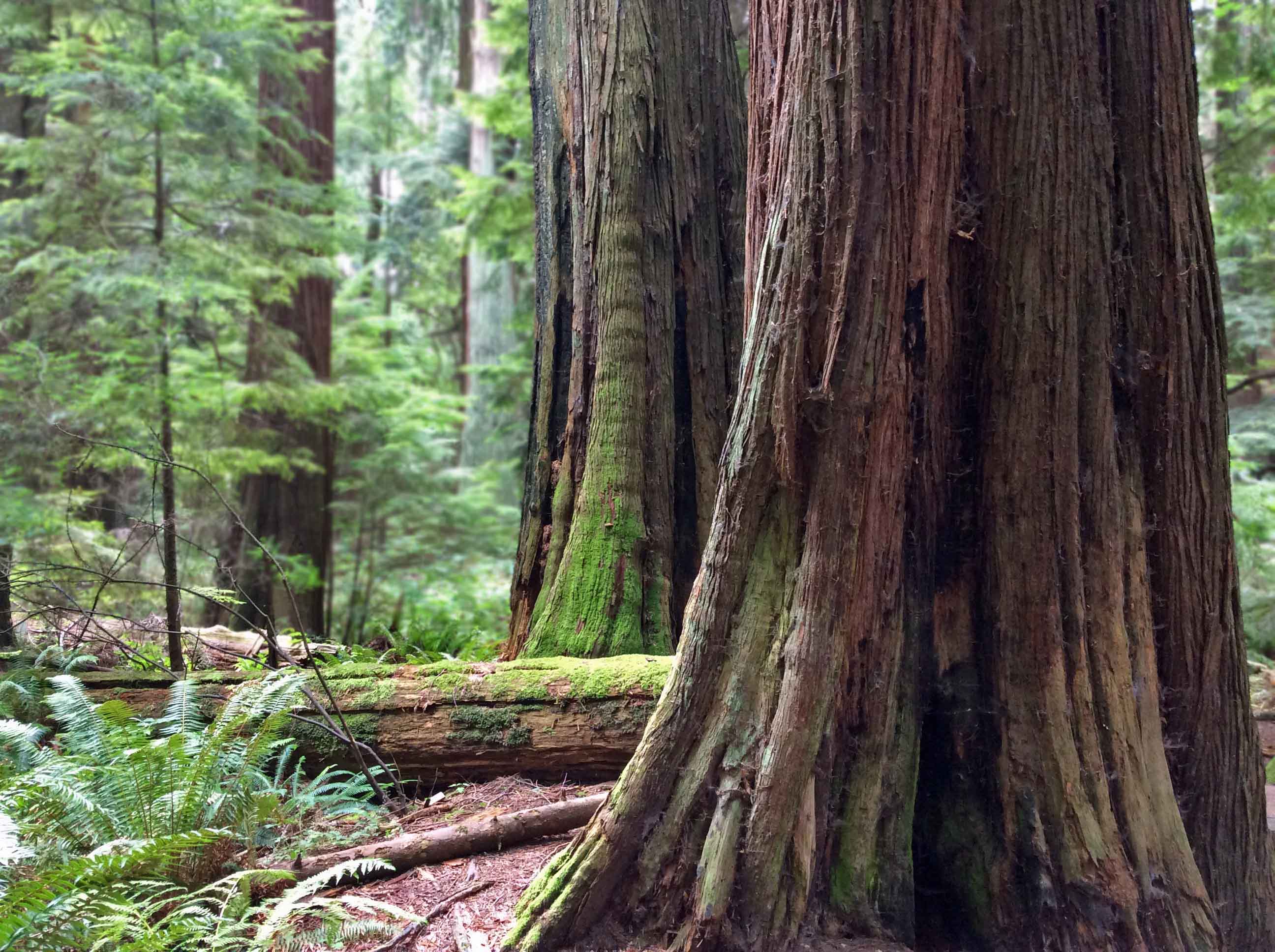
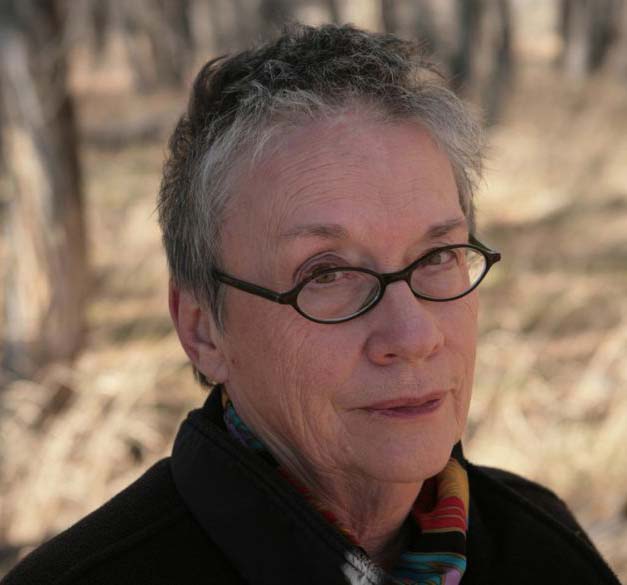
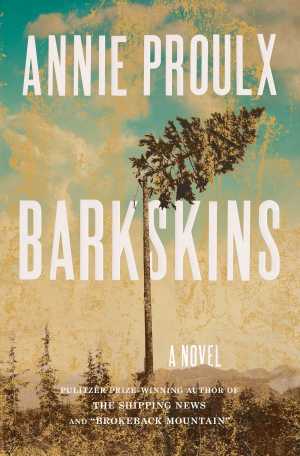 Proulx immerses the reader in rich sensory detail of a place and time, equally comfortable describing a white pine stand in Michigan and logging camp in Upper Gatineau to a Mi’kmaq village on the Nova Scotia coast or the stately Boston home of Charles Duquet. The foreshadowing of doom for the magnificent forests is cast by the shadow of how settlers treat the Mi’kmaq people. The fate of the forests and the Mi’kmaq are inextricably linked through settler disrespect and a fierce hunger for “more.”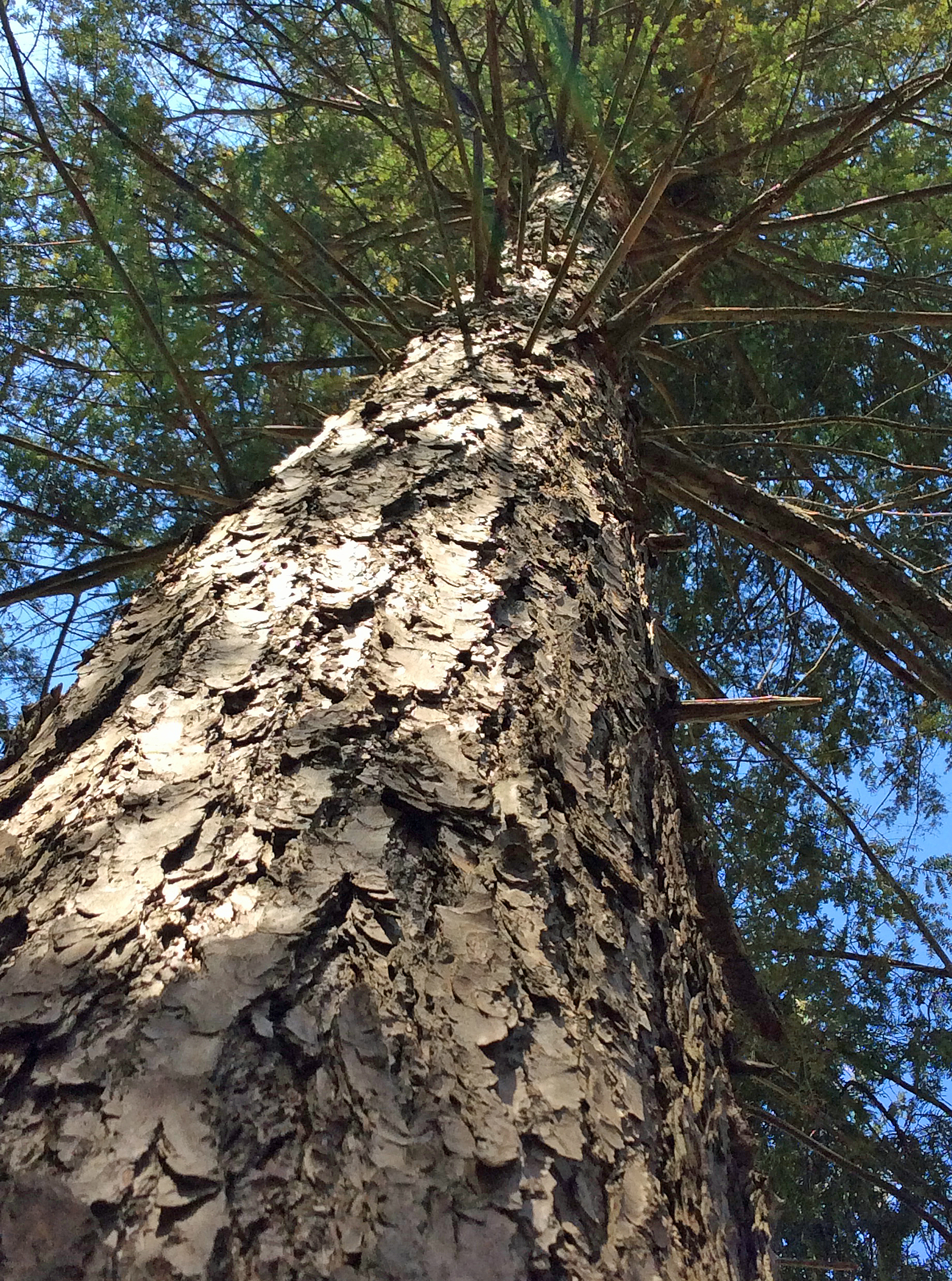


 Nina is a Canadian scientist and novelist. She worked for 25 years as an environmental consultant in the field of aquatic ecology and limnology, publishing papers and technical reports on water quality and impacts to aquatic systems. Nina has written over a dozen eco-fiction, science fiction and fantasy novels. An award-winning short story writer, and essayist, Nina currently lives in Toronto where she teaches writing at the University of Toronto and George Brown College. Her non-fiction book “Water Is…”—a scientific study and personal journey as limnologist, mother, teacher and environmentalist—was picked by Margaret Atwood in the New York Times as 2016 ‘The Year in Reading’. Nina’s most recent novel “A Diary in the Age of Water”— about four generations of women and their relationship to water in a rapidly changing world—will be released in 2020 by Inanna Publications.
 “Natural Selection”
 As for passing on one’s experience and acquisitions to others laterally, education in all its facets surely provides a mechanism. This may run the gamut from wise mentors, spiritual leaders, storytellers, courageous heroes to our kindergarten teacher. Who’s to say that these too are not irrevocable? This relies, after all, on how we learn, and how we “remember”.
 Each story in the
  “Natural Selection” also features the sprawling semi-underground AI-run city of Icaria (a post-industrial plague Toronto) that was first introduced in my novel
  Nina is a Canadian scientist and novelist. She worked for 25 years as an environmental consultant in the field of aquatic ecology and limnology, publishing papers and technical reports on water quality and impacts to aquatic systems. Nina has written over a dozen eco-fiction, science fiction and fantasy novels. An award-winning short story writer, and essayist, Nina currently lives in Toronto where she teaches writing at the University of Toronto and George Brown College. Her non-fiction book “Water Is…”—a scientific study and personal journey as limnologist, mother, teacher and environmentalist—was picked by Margaret Atwood in the New York Times as 2016 ‘The Year in Reading’. Nina’s most recent novel “A Diary in the Age of Water”— about four generations of women and their relationship to water in a rapidly changing world—will be released in 2020 by Inanna Publications.

 “I was fascinated by Nina’s clear and extremely interesting lecture on the hero’s journey. Maybe all writers have a novel in their heads they want to write one day, and the techniques Nina shared with us will help me when I get to that point. In fact, because of her, I may get there a lot sooner than I had planned.”— Zoe M. Hicks, Saint Simon’s Island, GA
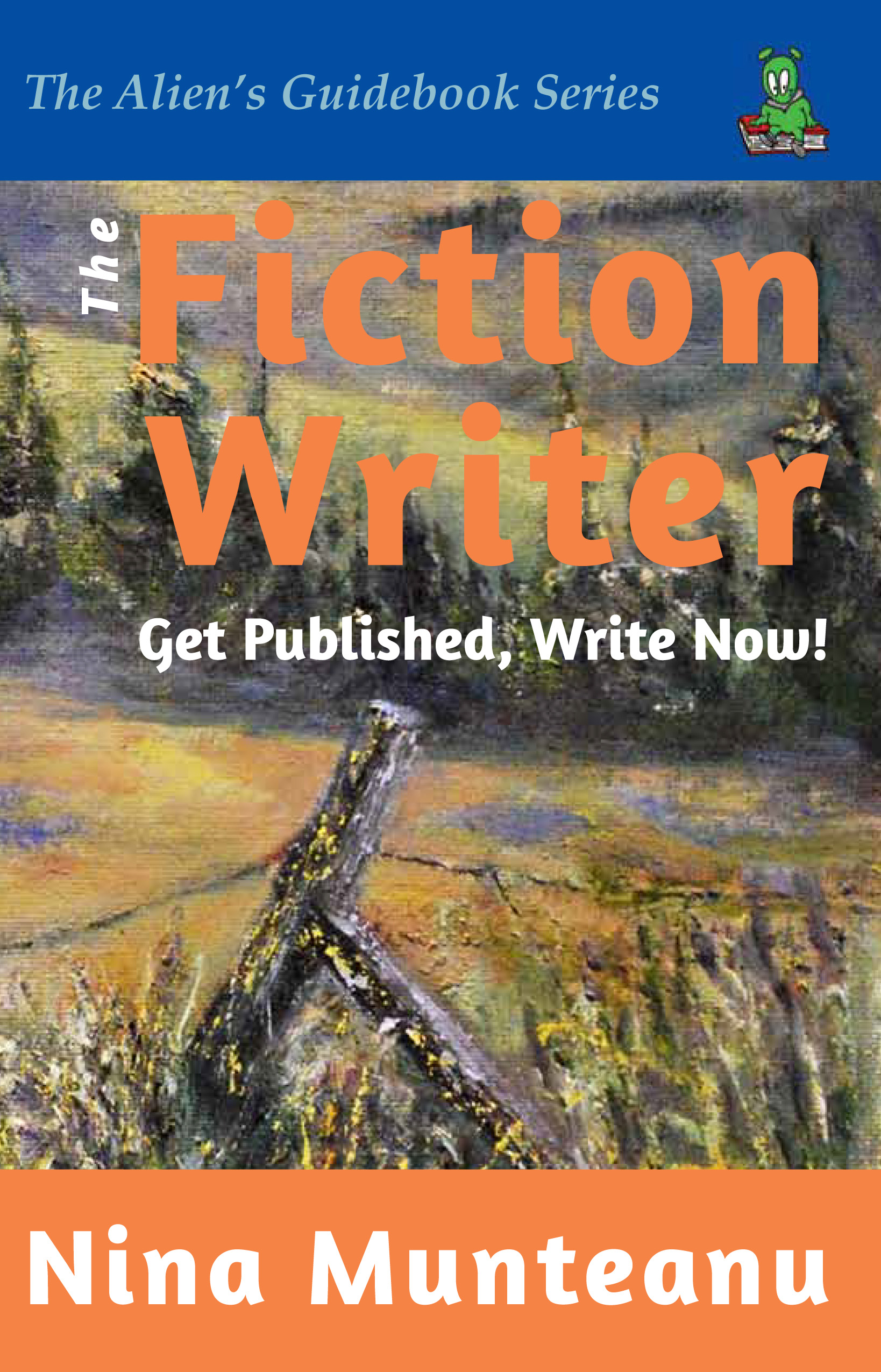 “…Like the good Doctor’s Tardis, The Fiction Writer is larger than it appears… Get Get Published, Write Now! right now.”—David Merchant, Creative Writing Instructor


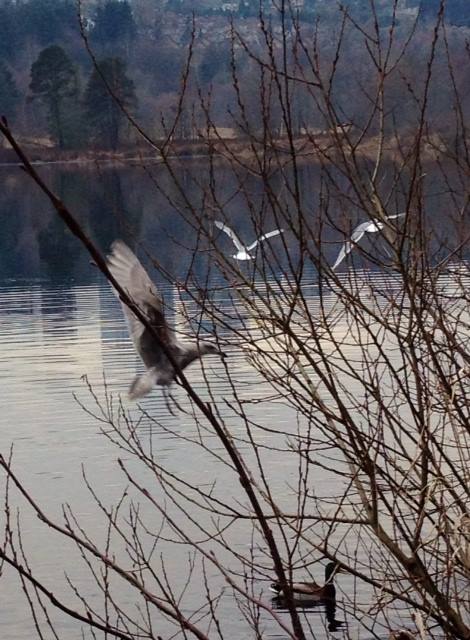
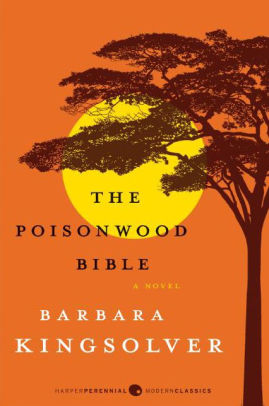 She is inhumanly alone. And then, all at once, she isn’t. A beautiful animal stands on the other side of the water. They look up from their lives, woman and animal, amazed to find themselves in the same place. He freezes, inspecting her with his black-tipped ears. His back is purplish-brown in the dim light, sloping downward from the gentle hump of his shoulders. The forest’s shadows fall into lines across his white-striped flanks. His stiff forelegs play out to the sides like stilts, for he’s been caught in the act of reaching down for water. Without taking his eyes from her, he twitches a little at the knee, then the shoulder, where a fly devils him. Finally he surrenders his surprise, looks away, and drinks. She can feel the touch of his long, curled tongue on the water’s skin, as if he were lapping from her hand. His head bobs gently, nodding small, velvet horns lit white from behind like new leaves.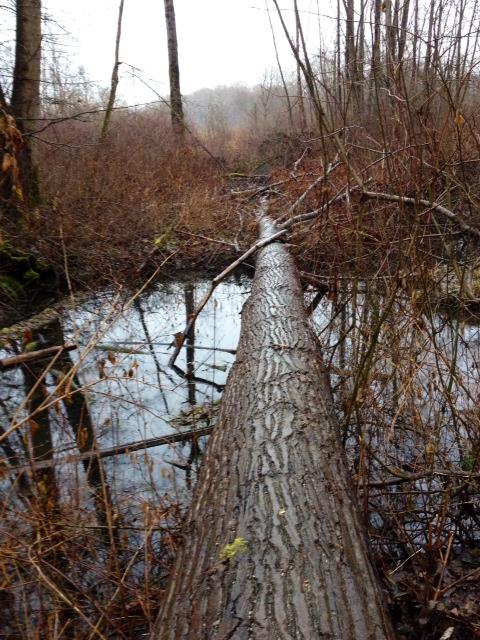
 They met in the lobby of a shabby downtown Toronto hotel. Hilda barely knew what she looked like but when Hanna entered the lobby through the front doors, Hilda knew every bit of her. Hanna swept in like a stray summer rainstorm, beaming with the self- conscious optimism of someone who recognized a twin sister. She reminded Hilda of her first boyfriend, clutching flowers in one hand and chocolate in the other. When their eyes met, Hilda knew. For an instant, she knew all of Hanna. For an instant, she’d glimpsed eternity. What she didn’t know then was that it was love.
  This article is an excerpt from

 Nina Munteanu Writing Coach