“Over increasingly large areas of the United States, spring now comes unheralded by the return of the birds. The early mornings are strangely silent where once they were filled with the beauty of bird song.”—Rachel Carson, Silent Spring

Sunset in Niagara on the Lake, Ontario (photo by Nina Munteanu)
I’m a science fiction writer. I’m thinking “what if” premises all the time. One that nags me is: What if the birds all die?
We might be closer to it than you think…

Chickadee in Ontario (photo by Merridy Cox)
The October 2019 issue of Science magazine reported a staggering decline in North American birds. Kenneth V. Rosenberg and his team of researchers estimated that three billion birds of various species have disappeared in Canada and the US since 1970.
That’s a third of the entire bird population lost in five decades.
The focus of the study wasn’t on extinction; these are still common species—just greatly diminished in numbers. This makes sense to me. My naturalist friend and I have both noticed how even the common house sparrow have declined in our neighbourhoods. My friend noticed fewer dashes of colour in the trees provided by yellow warblers in the past few years.

Northern Cardinal (photo by Merridy Cox)
The Guardian reported that two thirds of the house sparrow population have disappeared in Europe. That’s close to 150 million birds. The article blamed changes in land use (destruction of habitat), coastal management (destruction of wetlands) and weather (including climate change). In another study, car exhaust was implicated in a 60% loss of common sparrow numbers from the mid 1990s.
In North America, warbler populations dropped by 600 million. Blackbirds by 400 million. The common robins, cardinals, and blue jays had noticeably declined. Even starlings—once considered a kind of fast-breeding pest—have dwindled by 50%. The Intergovernmental Science-Policy Platform on Biodiversity and Ecosystem Services have determined that three-quarters of Earth’s terrestrial and two-thirds of the its marine environments have been severely altered by human actions.
Unchecked deforestation. Unchecked use of toxic pesticides. Turning wetlands into parking lots. Climate change. We are destroying the integrity of ecosystems throughout this planet on a massive scale. And the birds are telling us…

Baby Robin rests on a porch chair in Mississauga, ON (photo by Merridy Cox)
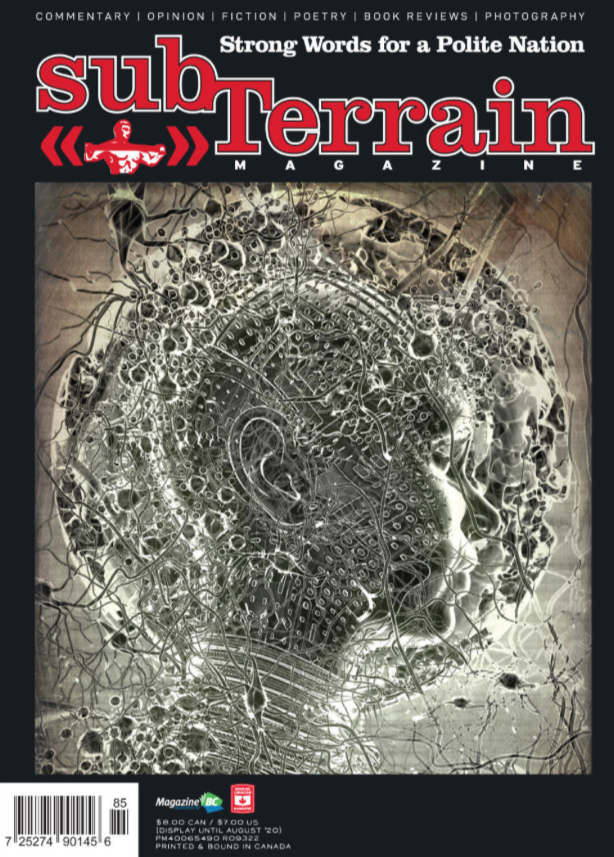 My short story “Out of the Silence,” which appeared in the Spring 2020 issue of subTerrain Literary Magazine (Issue 85), tells the story of Katherine, a blind elder whose digital app failed to warn the world of the sudden global loss of birds with disastrous ecological consequences. After years of living in self-exile and getting around poorly on sight-enhancing technology, a discovery gives her new hope in rekindling her talents in the field of soundscape ecology.
I rock on the cedar swing on my veranda and hear the wind rustling through the gaunt forest. An abandoned nest, the forest sighs in low ponderous notes. It sighs of a gentler time. A time when birds filled it with song. A time when large and small creatures—unconcerned with the distant thrum and roar of diggers and logging trucks—roamed the thick second-growth forest. The discord was still too far away to bother the wildlife. But their killer lurked far closer in deadly silence. And it caught the birds in the bliss of ignorance…

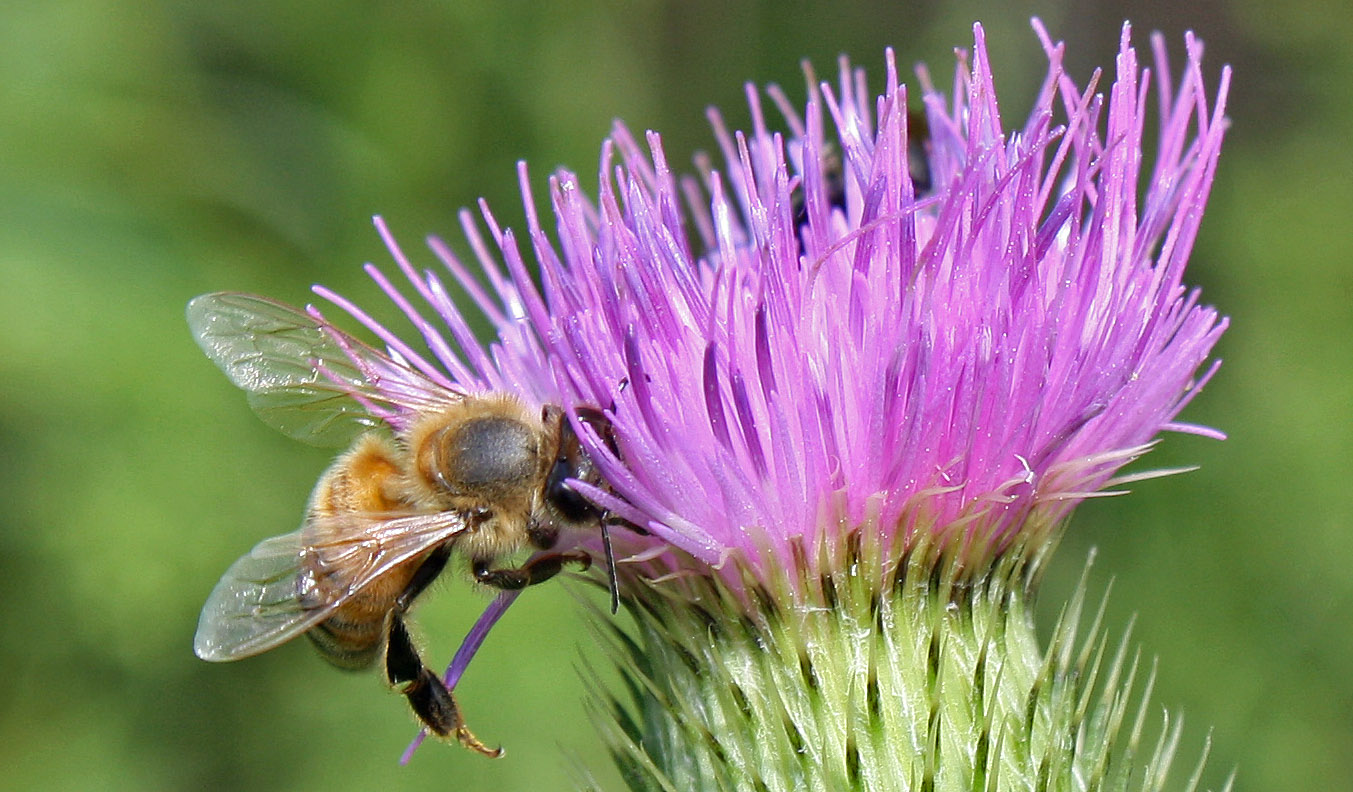
Rachel Carson was nothing short of prophetic when she published Silent Spring in 1962 (in reference to the dawn chorus most noticeable in spring during breeding). Silent Spring cautioned burgeoning ag-biotech companies (like Monsanto—now Bayer—Sygenta, Dow, and DuPont) who were carelessly and flagrantly spraying fields with pesticides and herbicides—at the time DDT was the main culprit. This would soon become a GMO world where gene-hacked plants of monocultures can withstand the onslaught of killer pesticides like neonicotinoids (currently killing bees everywhere) and Roundup. Roundup is a carcinogenic glyphosate-based weed killer that has recently been shown to kill beneficial insects like bees) and has been linked to Alzheimer’s disease, ADHD, birth defects, autism, and several kinds of cancer in humans.
 In her 1997 biography Rachel Carson: Witness for Nature, historian and science biographer Linda Lear wrote:
Silent Spring, the product of [Carson’s] unrest, deliberately challenged the wisdom of a government that allowed toxic chemicals to be put into the environment before knowing the long-term consequences of their use. Writing in language that everyone could understand and cleverly using the public’s knowledge of atomic fallout as a reference point, Carson described how chlorinated hydrocarbons and organic phosphorus insecticides altered the cellular processes of plants, animals, and, by implication, humans. Science and technology, she charged, had become the handmaidens of the chemical industry’s rush for profits and control of markets. Rather than protecting the public from potential harm, the government not only gave its approval to these new products but did so without establishing any mechanism of accountability. Carson questioned the moral right of government to leave its citizens unprotected from substances they could neither physically avoid nor publicly question. Such callous arrogance could end only in the destruction of the living world.
Despite Carson’s warnings in 1962 and despite some action eventually taken (e.g. the ban on use of DDT in 1972—the precursor to Roundup and other neonicotinoids currently in use), the use of chemicals in big ag-industry has increased over five-fold since the 1960s. And this is destroying our bee populations, other beneficial insects, beneficial weeds, small animal populations and—of course—our bird life. And it’s making us sick too.
In a 2012 article in the New York Times—exactly fifty years after Silent Spring was published on September 27, 1962—Nancy F. Koehn tells us that, “[Rachel Carson] was a slight, soft-spoken woman who preferred walking the Maine shoreline to stalking the corridors of power. And yet Rachel Carson, the author of Silent Spring, played a central role in starting the environmental movement, by forcing government and business to confront the dangers of pesticides.” Carson, writes Koehn, was an introverted scientist with a lyrical bent, who saw it as her mission to share her observations with a wider audience. Carson wrote Silent Spring while battling illness (including breast cancer) and caring for her young son. When the book was published, she faced an outburst of public reaction and strong backlash, primarily from chemical companies. Not unlike another female eco-hero (Greta Thunberg), Carson endured with dignity and deliberation the vulgar censure by opponents (virtually all men tied to corporate giants) who attacked her personally with vilifying stereotype. Men accused her of being disloyal and unscientific, and being a hysterical woman. One letter to the editor that the New Yorker saw fit to print read:
“Miss Rachel Carson’s reference to the selfishness of insecticide manufacturers probably reflects her Communist sympathies, like a lot of our writers these days. We can live without birds and animals, but, as the current market slump shows, we cannot live without business. As for insects, isn’t it just like a woman to be scared to death of a few little bugs! As long as we have the H-bomb everything will be O.K.”
Former Secretary of Agriculture Ezra Taft Benson wrote privately to former President Dwight Eisenhower that Carson was “probably a communist.”
Environment & Society Portal provides a revealing synopsis of the response by established patriarchy at the time:
Allegations that Carson was just a hysterical woman appeared both in the pages of chemical and agricultural trade journals as well as in the popular press. Women were imagined to be less rational, more emotional, and more sentimental than men, who could be relied upon to study the issues dispassionately and propose rational solutions. An agricultural expert told a reporter at the Ribicoff hearings, “You’re never going to satisfy organic farmers or emotional women in garden clubs” (Graham 1970, 88). In his letter to Eisenhower, Benson wondered why a “spinster was so worried about genetics” (Lear 1997, 429).
As Carson had no institutional affiliation, she was dismissed as an amateur who did not understand the subject like a professional scientist would, or who distorted or misread the science. To her critics, Carson’s frequent use of terms like “nature,” “natural,” and “balance of nature” identified her as a mere sentimental nature lover or a pantheist like Ralph Waldo Emerson or Henry David Thoreau. Reviews in Time, U.S. News and World Report, and even Sports Illustrated took her to task. The reviewer in Time, for example, criticized her “emotion-fanning words” and characterized her argument as “unfair, one-sided, and hysterically overemphatic.” He traced her “emotional and inaccurate outburst” to her “mystical attachment to the balance of nature” (Brooks 1989, 297).
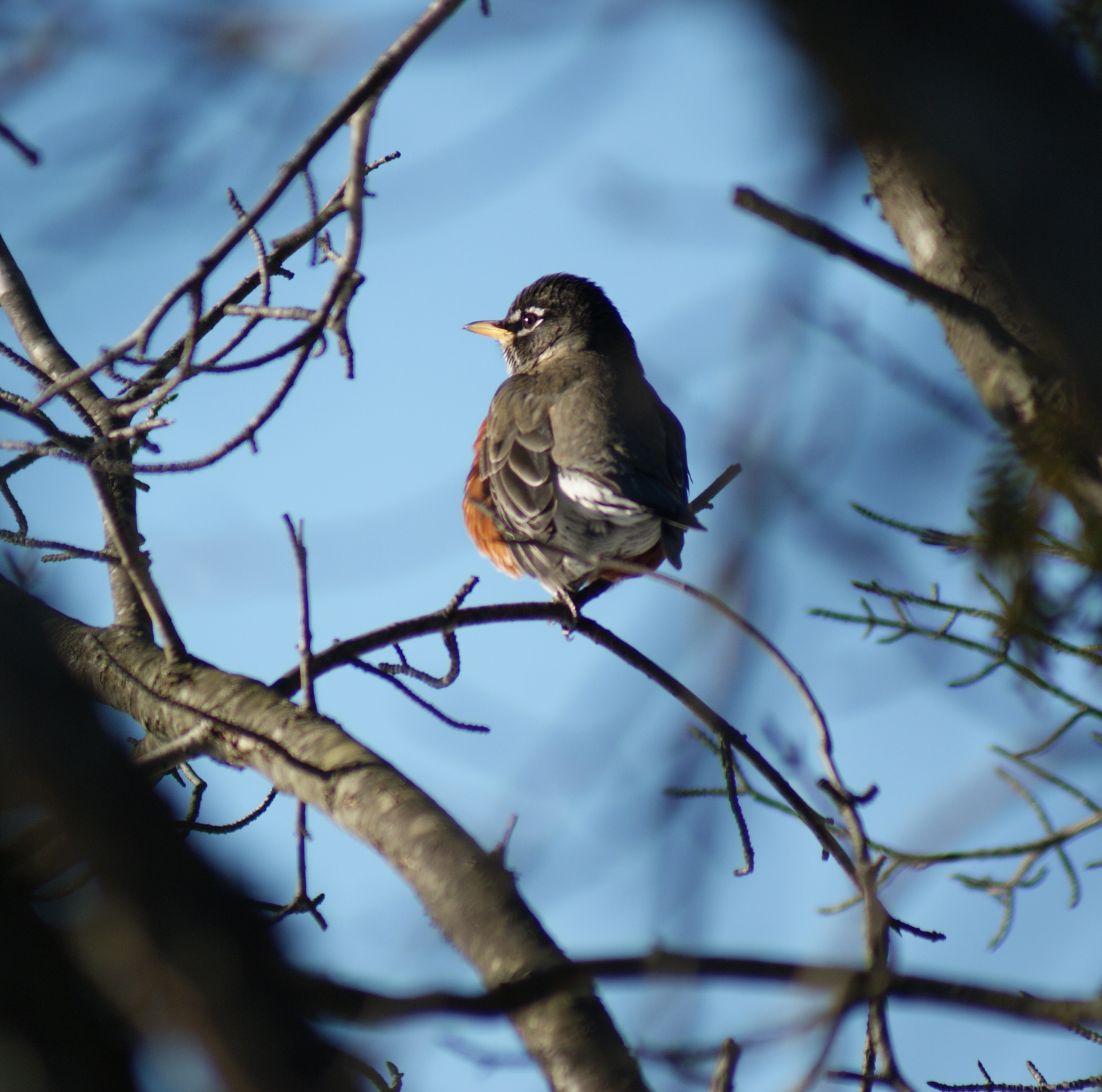
American Robin (photo by Merridy Cox)
Even inoffensive public portraits of Carson showed her in more domestic rather than scientific settings. Life magazine published a story about her accompanied by photos of her talking with children while on a nature walk or watching birds with a group of Audubon Society members. Dressed like a housewife and surrounded by children and “bird people,” Carson projected an image of a teacher or stay-at-home mother, although the picture on the first page of the article showed her at a microscope. Carson, said the story, “is unmarried but not a feminist (‘I’m not interested in things done by women or by men but in things done by people’)”
According to historian and biographer Linda Lear, “the industry spent a quarter of a million dollars to discredit her research and malign her character. In the end, the worst they could say was that she had told only one side of the story and had based her argument on unverifiable case studies.” According to Lear, “Carson was an outsider who had never been part of the scientific establishment, first because she was a woman but also because her chosen field, biology, was held in low esteem in the nuclear age. Her career path was nontraditional; she had no academic affiliation, no institutional voice. She deliberately wrote for the public rather than for a narrow scientific audience. For anyone else, such independence would have been an enormous detriment. But by the time Silent Spring was published, Carson’s outsider status had become a distinct advantage. As the science establishment would discover, it was impossible to dismiss her.”
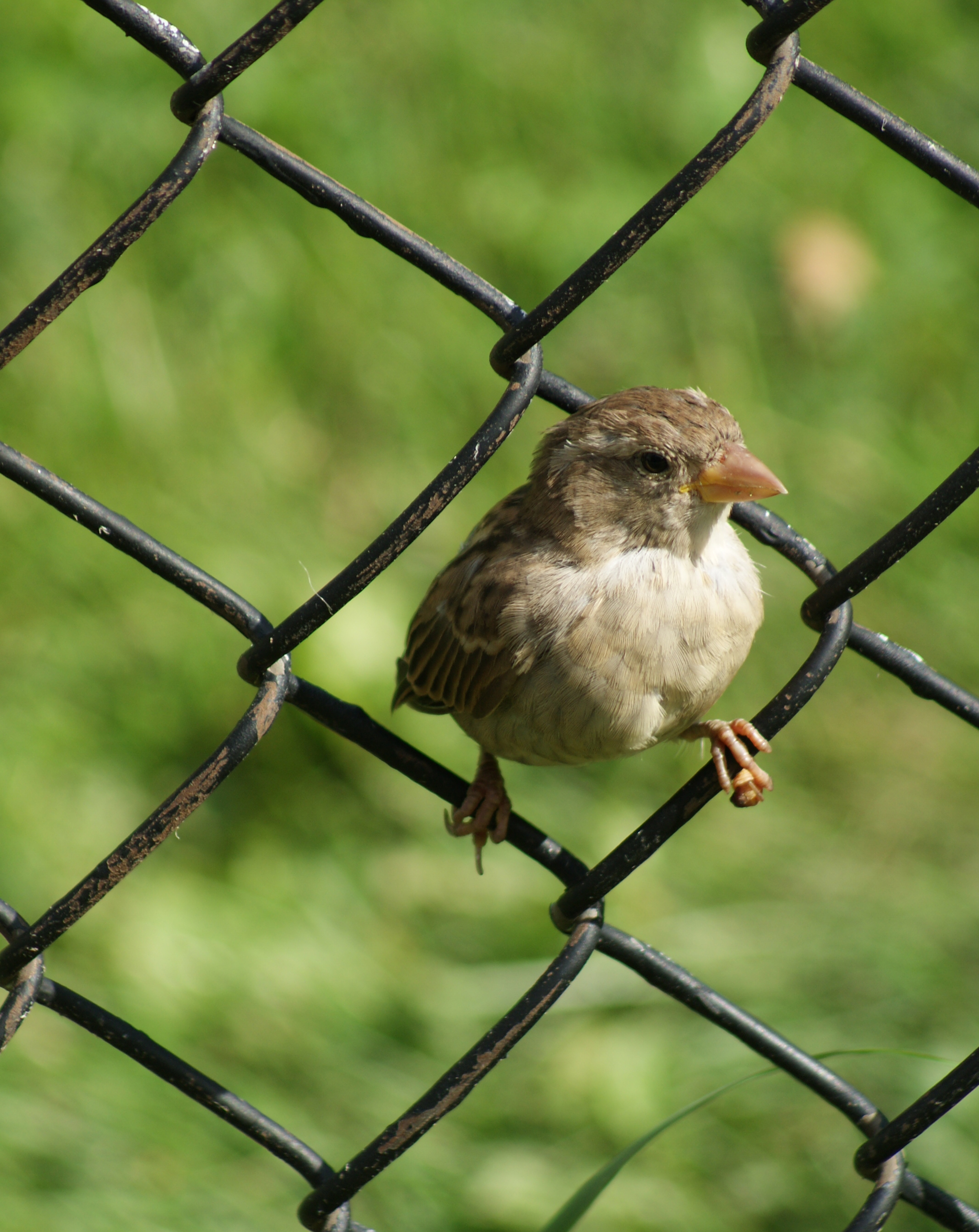
House Sparrow (photo by Merridy Cox)
Not unlike Greta, Rachel and the message in her book exerted a great impact on the environmental movement. Silent Spring became a rallying focus for a new social movement in the 1960s, which endures to the present day.
According to Lear:
“Carson’s concept of the ecology of the human body was a major departure in our thinking about the relationship between humans and the natural environment. It had enormous consequences for our understanding of human health as well as our attitudes toward environmental risk. Silent Spring proved that our bodies are not boundaries. Chemical corruption of the globe affects us from conception to death. Like the rest of nature, we are vulnerable to pesticides; we too are permeable. All forms of life are more alike than different.
“Carson believed that human health would ultimately reflect the environment’s ills. Inevitably this idea has changed our response to nature, to science, and to the technologies that devise and deliver contamination. Although the scientific community has been slow to acknowledge this aspect of Carson’s work, her concept of the ecology of the human body may well prove to be one of her most lasting contributions.”

Bernie Krause
In the meantime, alarming signals suggest that Rachel Carson’s 1962 warning is currently underway. The new science of soundscape ecology can analyze the health of an ecosystem. Bernie Krause, a soundscape ecologist who has been conducting long-term recordings recently noted that in Sugarloaf Ridge State Park, not far from his home in Northern California, “the effect of global warming and resulting drought has created the first completely silent spring I’ve ever experienced.” Stuart Winter at Express reports that “many of the iconic birds whose mating calls ring out across woodlands and open fields during early May are vanishing at an alarming rate.”
“Man’s war against nature is inevitably a war against himself.”—Rachel Carson

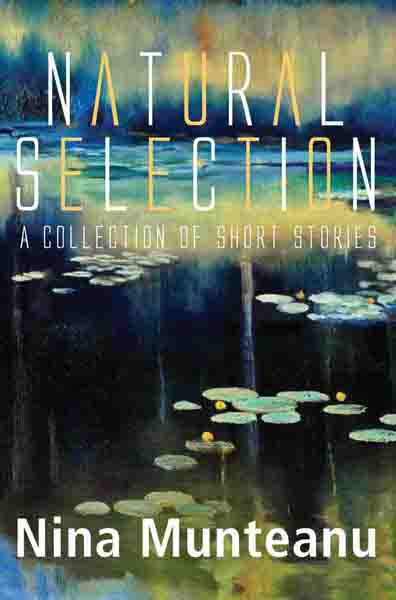
Nina Munteanu is a Canadian ecologist / limnologist and novelist. She is co-editor of Europa SF and currently teaches writing courses at George Brown College and the University of Toronto. Visit www.ninamunteanu.ca for the latest on her books. Nina’s bilingual “La natura dell’acqua / The Way of Water” was published by Mincione Edizioni in Rome. Her non-fiction book “Water Is…” by Pixl Press (Vancouver) was selected by Margaret Atwood in the New York Times ‘Year in Reading’ and was chosen as the 2017 Summer Read by Water Canada. Her novel “A Diary in the Age of Water” was released by Inanna Publications (Toronto) in May 2020.

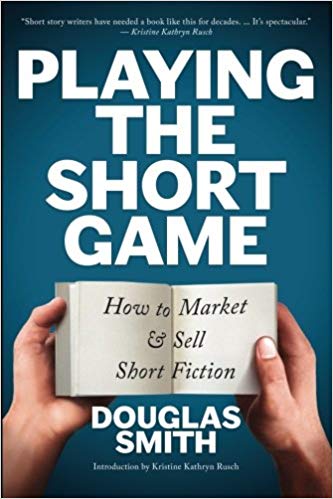 One resource I’m eager to introduce to my students is Canadian SF short story writer Douglas Smith’s recent guidebook, Playing the Short Game: How to Market & Sell Short Fiction. Smith’s guidebook is a Tardis-style smallish yet comprehensive guide on what it takes to be a successful short story writer from starting & finishing to marketing & publishing to leveraging & promotion.
 I’m a petite five foot-three height and purposely wear flat shoes. I love short. I prefer my espresso pulled in short shots—or ristretto—in my flat white. Described as bolder, fuller, with more body and less bitterness, the ristretto is like a burst of intense flavor with a lingering finish. Short is pretty cool.
 A short story only has 7,000 or less words to get your tale across while a novel has over ten times that many words to do the same. It follows then that the short story format is a simpler one. This does not necessarily mean easier.
 Renowned short story authors like Edgar Allen Poe, Nathanial Hawthorne, and Somerset Maugham, emphasize the importance of striving for one effect when writing a short story: the single effect you wish to leave with the reader at the end. This is accomplished by selecting events or situations that build quickly into a combustible response. Even Alice Munro, who is known for cramming long timeframes into her short stories, frames time through a single event: a meal, family gathering, wedding or funeral, for instance.
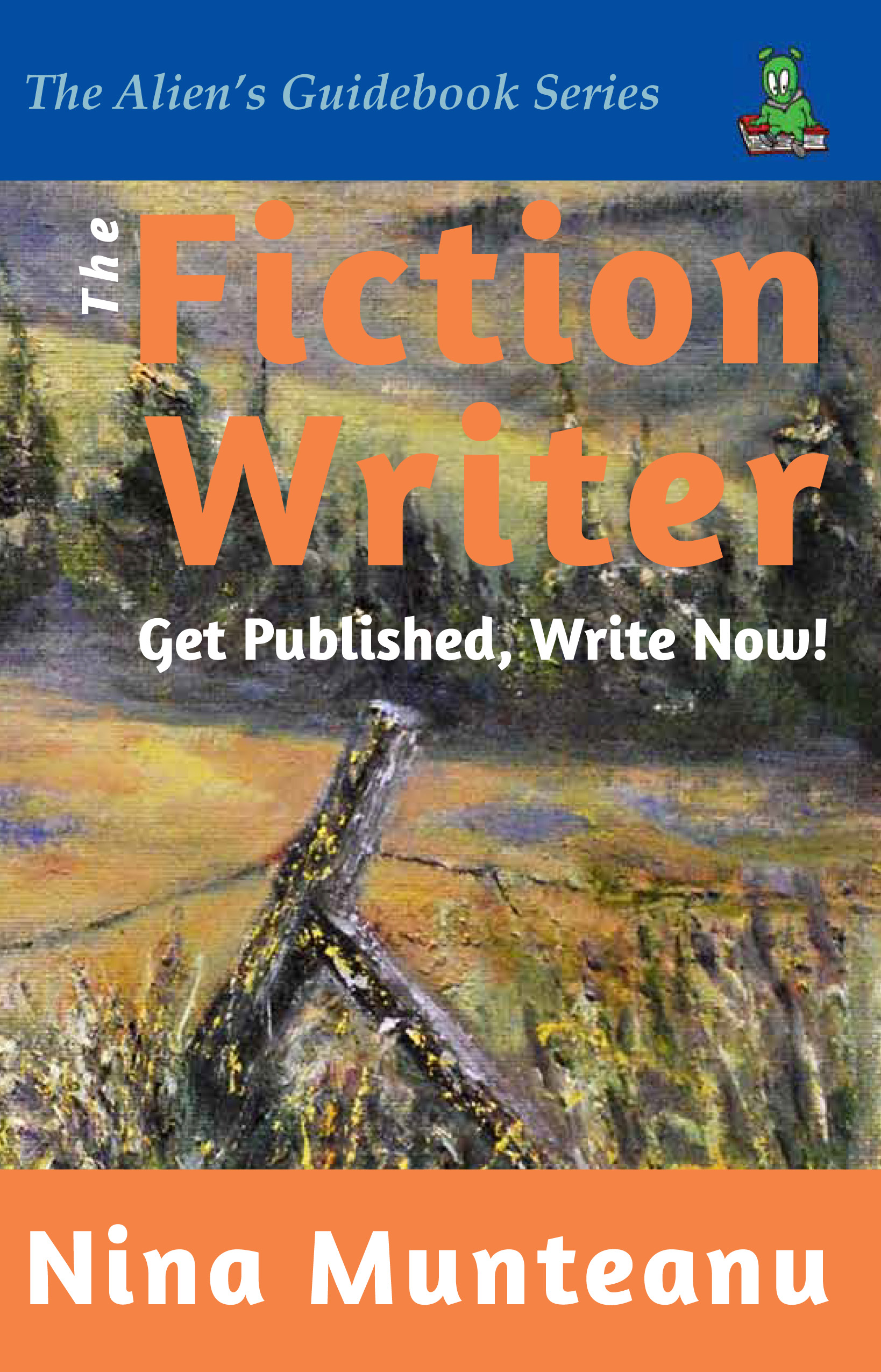 Nina’s Bus-Terminal Model
 Remember to keep track of what you send where and when and what happens to it. It can become a very confusing bus terminal otherwise, with someone ending up in Seattle when they are headed to Toronto! What happens with this approach is several things: you begin to treat the whole marketing/publishing process as a business (which it is) and because you have so many “buses” out there coming and going, the rejections don’t hurt quite as much and instead become part of the learning process, which they should be. You adopt a more business-like approach, which translates into your relationship with editors and publishers. A win-win situation results. Believe me; this works. Once I fell into this method, my sales increased by over 70%.
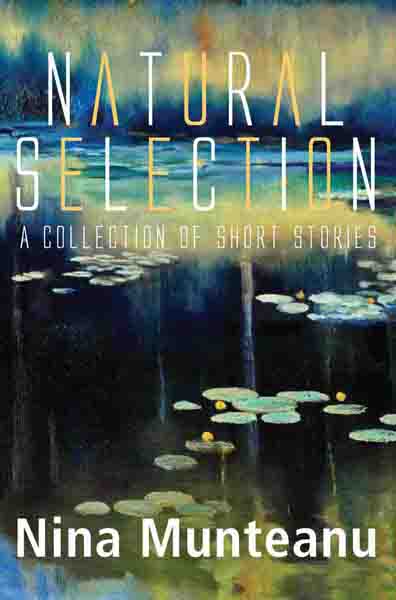 “I write SF about a near future ‘Gaian’ world too, and at times felt I was reading a prequel to my own novels, but that’s not why I rated this collection so highly. I did so for two reasons. First, because the science was so interesting, combining visionary metaphysical speculation with AI corporate tech in scenarios that often seemed chillingly possible. Second, because of the author’s focus on the effects of these developments on human beings with complex pasts and desires. Jealousy, lust, loneliness, grief and love are all drivers of these taut and fascinating narratives…”–Amazon Review
 Evolution is the language of destiny. What is destiny, after all, but self-actualization and synchronicity? If evolution is the language of destiny, then choice and selection are the words of evolution and “fractal ecology” is its plot.
 On the vertical argument, the French naturalist Jean-Baptiste Lamark developed a theory of biological evolution in the early 19th century considered so ridiculous that it spawned a name: Lamarkism. His notion—that acquired traits could be passed along to offspring—was ridiculed for over two hundred years. Until he was proven right. Evolutionary biologists at Tel Aviv University in Israel showed that all sorts of cellular machinery—an intelligence of sorts—played a vital role in how DNA sequences were inherited. When researchers inserted foreign genes into the DNA of lab animals and plants, something strange happened. The genes worked at first; then they were “silenced”. Generation after generation. The host cells had tagged the foreign genes with an “off switch” that made the gene inoperable. And although the new gene was passed onto offspring, so was the off switch. It was Larmarkism in action: the parent’s experience had influenced its offspring’s inheritance. Evolutionists gave it a new name. They called it soft inheritance.
 After she and fellow colonists crash land on the hostile jungle planet of Mega, rebel-scientist Izumi, widower and hermit, boldly sets out against orders on a hunch that may ultimately save her fellow survivors—but may also risk all. As the other colonists take stock, Izumi—obsessed with discovery and the need to save lives—plunges into the dangerous forest, which harbors answers, not only to their freshwater problem, but ultimately to the nature of the universe itself. Mega was a goldilocks planet—it had saltwater and supported life—but the planet also possessed magnetic-electro-gravitational anomalies and a gravitational field that didn’t match its size and mass. The synchronous dance of its global electromagnetic field suggested self-organization to Izumi, who slowly pieced together Mega’s secrets: from its “honeycomb” pools to the six-legged uber-predators and jungle infrasounds—somehow all connected to the water. Still haunted by the meaningless death of her family back on Mars, Izumi’s intrepid search for life becomes a metaphoric and existential journey of the heart that explores how we connect and communicate—with one another and the universe—a journey intimately connected with water.
 Fingal’s Cave
 Fingal’s Cave is a sea cave on the uninhabited island of Staffa in the Inner Hebrides of Scotland. The cave is formed entirely from hexagonally jointed basalt columns in a Paleocene lava flow (similar to the Giant’s Causeway in Northern Ireland). Its entrance is a large archway filled by the sea. The eerie sounds made by the echoes of waves in the cave, give it the atmosphere of a natural cathedral. Known for its natural acoustics, the cave is named after the hero of an epic poem by 18th century Scots poet-historian James Macpherson. Fingal means “white stranger”.


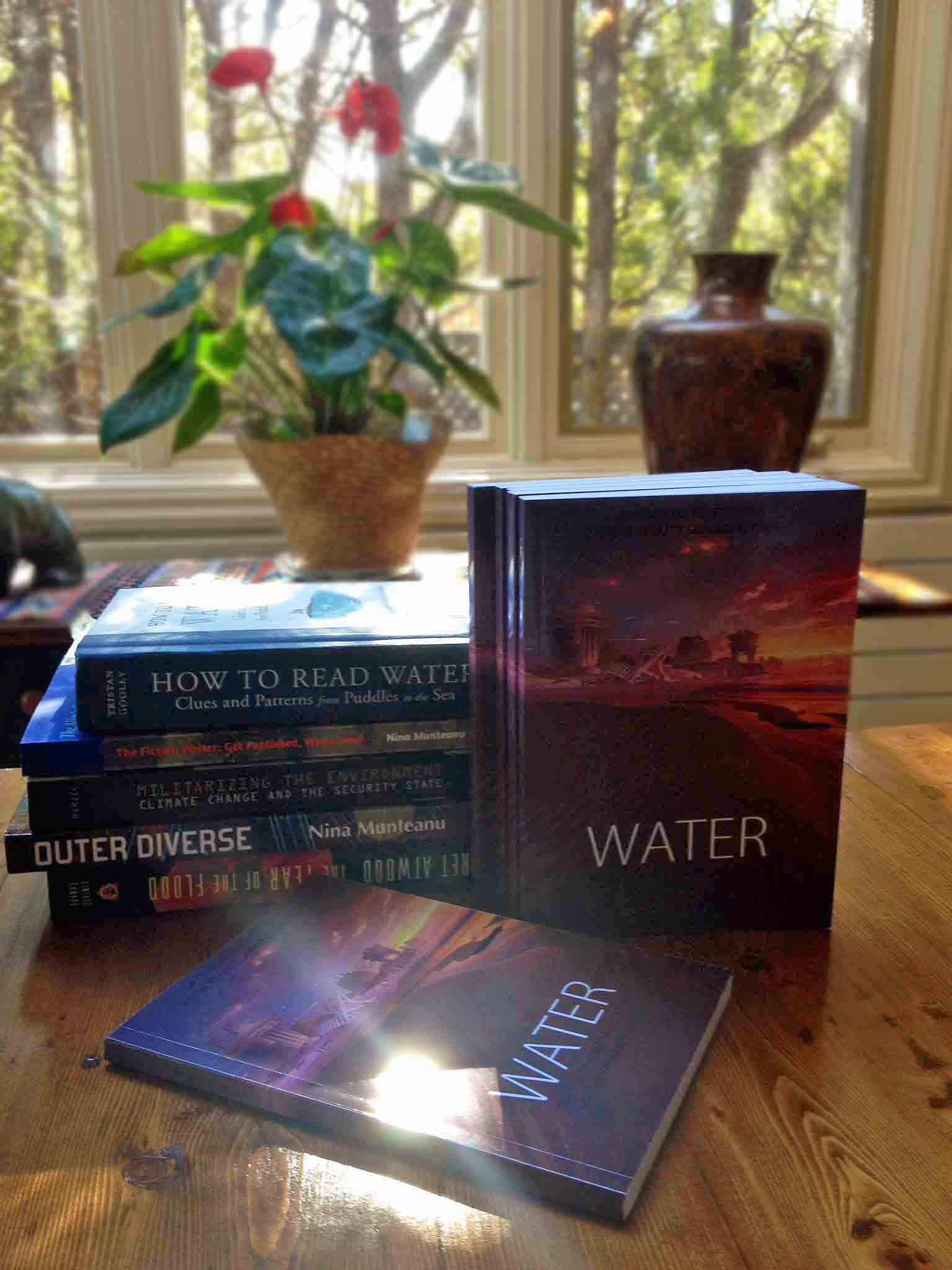
 In December 2017, “Water”, the first of Reality Skimming Press’s Optimistic Sci-Fi Series was released in Vancouver, BC. I was invited to be one of the editors for the anthology, given my passion for and experience with water.

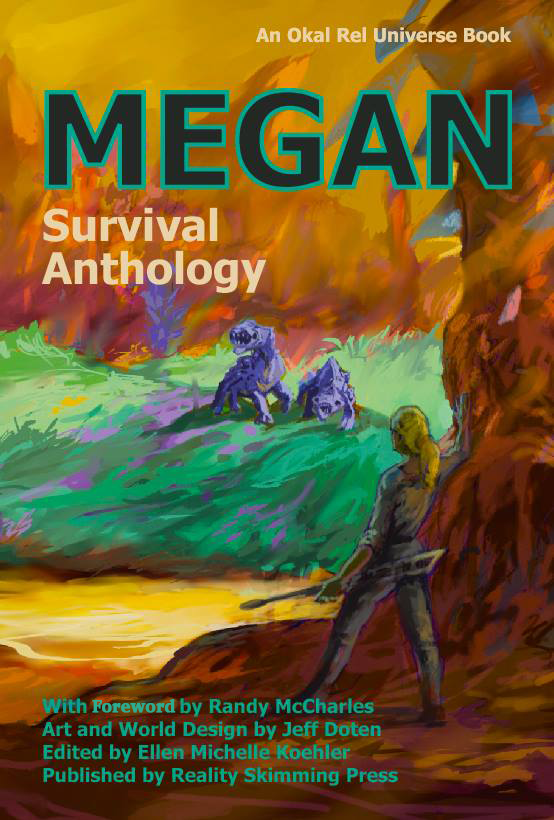
 In the years that followed, Reality Skimming Press published several works, including the “Megan Survival” Anthology for which I wrote a short story, “
 Nina Munteanu is an ecologist, limnologist and internationally published author of award-nominated speculative novels, short stories and non-fiction. She is co-editor of Europa SF and currently teaches writing courses at George Brown College and the University of Toronto. Visit
 She imagines its coolness gliding down her throat. Wet with a lingering aftertaste of fish and mud. She imagines its deep voice resonating through her in primal notes; echoes from when the dinosaurs quenched their throats in the Triassic swamps.
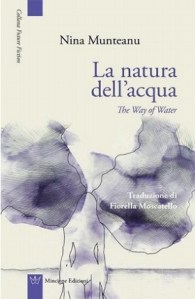
 After the release of the print book, Future Fiction released “The Way of Water” (“La natura dell’acqua”) in ebook format. The ebook contains the “Way of Water” story and another story, “Virtually Yours” (“Virtualmente tua”) alongside “The Story of Water” (non-fiction), which can be purchased in either Italian or Engish versions.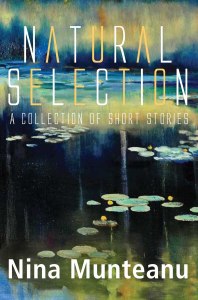
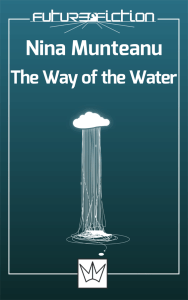 Ebook (Italian OR English) with additional short story “Virtually Yours” through Future Fiction (Mincione Edizioni) for €1,99 at:
 Some time ago, I was invited by writer and editor


 Nina Munteanu is an ecologist and internationally published author of award-nominated speculative novels, short stories and non-fiction. She is co-editor of Europa SF and currently teaches writing courses at George Brown College and the University of Toronto. Visit
 Remember to keep track of what you send where and when and what happens to it. It can become a very confusing bus terminal otherwise, with someone ending up in Seattle when they are headed to Toronto! What happens with this approach is several things: you begin to treat the whole marketing/publishing process as a business (which it is) and because you have so many “buses” out there coming and going, the rejections don’t hurt quite as much and instead become part of the learning process, which they should be. You adopt a more business-like approach, which translates into your relationship with editors and publishers. A win-win situation results. Believe me; this works. Once I fell into this method, my sales increased by over 70%.


