Ostrich ferns, Little Rouge forest, ON (photo by Nina Munteanu)
“At the heart of the universe is a steady, insistent beat: the sound of cycles in sync,” says Steven Strogatz in the opening to his compelling book, Sync: the emerging science of spontaneous order. He then describes how every night along the tidal rivers of Malaysia, thousands of fireflies congregate in the mangroves and flash in unison, without any leader or cue from the environment. “Even our bodies are symphonies of rhythm, kept alive by the relentless, coordinated firing of thousands of pacemaker cells in our hearts…almost as if nature has an eerie yearning for order,” adds Strogatz. The tendency to synchronize pervades the universe, from atoms to animals, and people to planets.

To be in sync is to intuitively connect (which is what spontaneous order is) and “know”… Each of you has felt that “knowing” that otherworldly, euphoric wave of resonating with something that is more than the visible world: when the hairs on the back of your neck tingle as you write that significant scene or trembling with giddy energy as you create that perfect line on a painting … or glowing with a deep abiding warmth when you defend a principle … or the surging frisson you share with fellow musicians on that exquisite set piece.
These are all what I call “God moments”. And they don’t happen by chasing after them; they sneak up on us when we’re not looking. They come to us when we focus outward and embrace our wonder for this world. When we quiet our minds and nurture our souls with beauty. It is then that what we had been seeking naturally comes to us. Like a gift.
It’s the blue pill to a new world of synchrony.
This teaches us above all else that we are all journeying together and part of something greater.

Wood ferns in Jackson Creek park, ON (photo by Nina Munteanu)
I want to share with you my own experience of synchronicity in art. When I’m working on a story, I find that events, opportunities, actions and resources directly germane to my project present themselves: watching an applicable movie that a friend chose for us to see; picking up a newspaper (which I seldom do) and reading a relevant article; looking for something on the internet and finding something totally different (ok; that happens to me all the time); a friend out of the blue introduces a pertinent topic, or someone you haven’t seen in a long time bumps into you with significant news. As though the universe was providing me with what I needed. Of course, my mind was focused on anything to do with my current piece. It was as though I had donned a concentrating filter, one that would amplify relevant details. I’ll go further: I was unconsciously acting in a way that was bringing me more information relevant to my project. Ask and you shall receive.

Ostrich fern, Little Rouge River woodland, ON (photo by Nina Munteanu)
Jake Kotze says it this way: “Synchronicity happens when we notice the bleed-through from one seemingly separate thing into another—or when we for a brief moment move beyond the mind’s divisions of the world.” Swiss psychologist Carl Jung introduced synchrony in the 1920s as “temporally coincident occurrences of acausal events.” The idea of seemingly unrelated events intersecting to produce meaningful patterns has spawned new notions of thought from the scientific study of spontaneous order in the universe (synchrony), to Synchromysticism — the discovery of convergent archetypal symbols in pop culture (e.g., books, music and film). Author Sibyl Hunter tells us that “Sync operates as an undercurrent of divine awareness personified through the myriad processes and symbols that make up the building blocks of our reality. Within that current, we spin our modern-day myths into books, fairy tales and movies, subconsciously retelling ourselves the same story over and over.”
As the myth builders of today, authors tap in to the synchronicity of ancient story, of resonating archetypes and metaphor and the “mythic journey”. To write in sync.
Joseph Campbell reminds us that, “Anyone writing a creative work knows that you yield yourself, and the book talks to you and builds itself … you become the carrier of something that is given to you from the Muses or God. What the shaman or seer [or artist] brings forth is something that is waiting to be brought forth in everyone.” It’s sync in action.

Oak tree amid Ostrich fern, Little Rouge River woodland, ON (photo by Nina Munteanu)
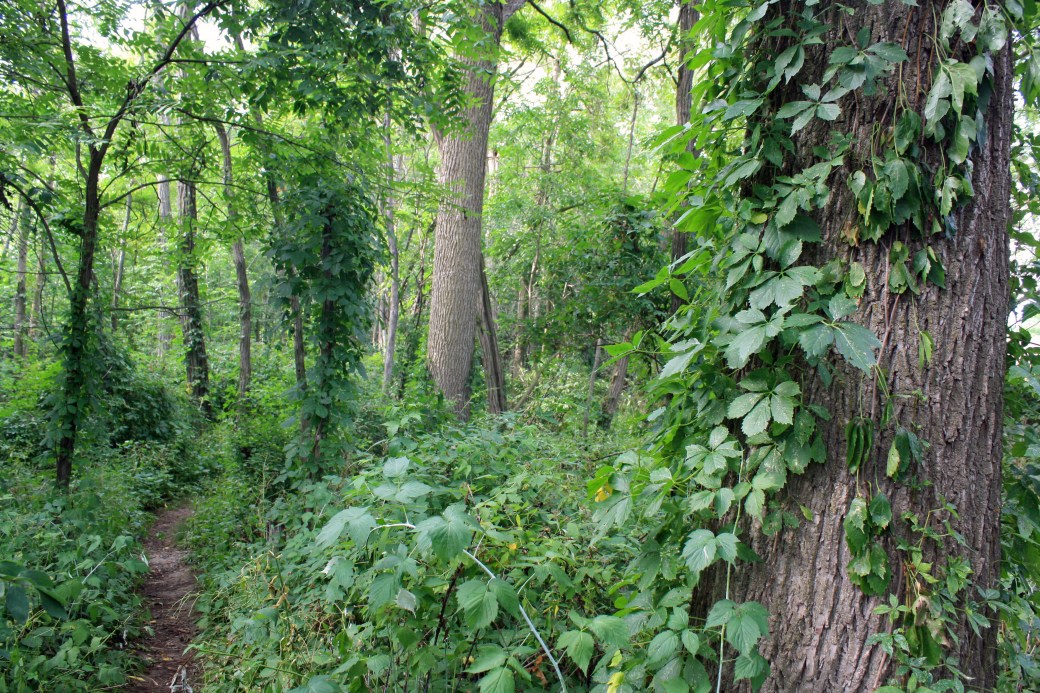
Path through profusion of Black walnut and locust forest, ON (photo by Nina Munteanu)

Nina Munteanu is a Canadian ecologist / limnologist and novelist. She is co-editor of Europa SF and currently teaches writing courses at George Brown College and the University of Toronto. Visit www.ninamunteanu.ca for the latest on her books. Nina’s bilingual “La natura dell’acqua / The Way of Water” was published by Mincione Edizioni in Rome. Her non-fiction book “Water Is…” by Pixl Press (Vancouver) was selected by Margaret Atwood in the New York Times ‘Year in Reading’ and was chosen as the 2017 Summer Read by Water Canada. Her novel “A Diary in the Age of Water” was released by Inanna Publications (Toronto) in June 2020.


 Absolutely! As soon as COVID- 19 will not pose a threat to BC schools, and to schools around the country, and when the students are safe to return to class, I plan a reading and educational tour on Vancouver Island, then I will visit various schools within the province.



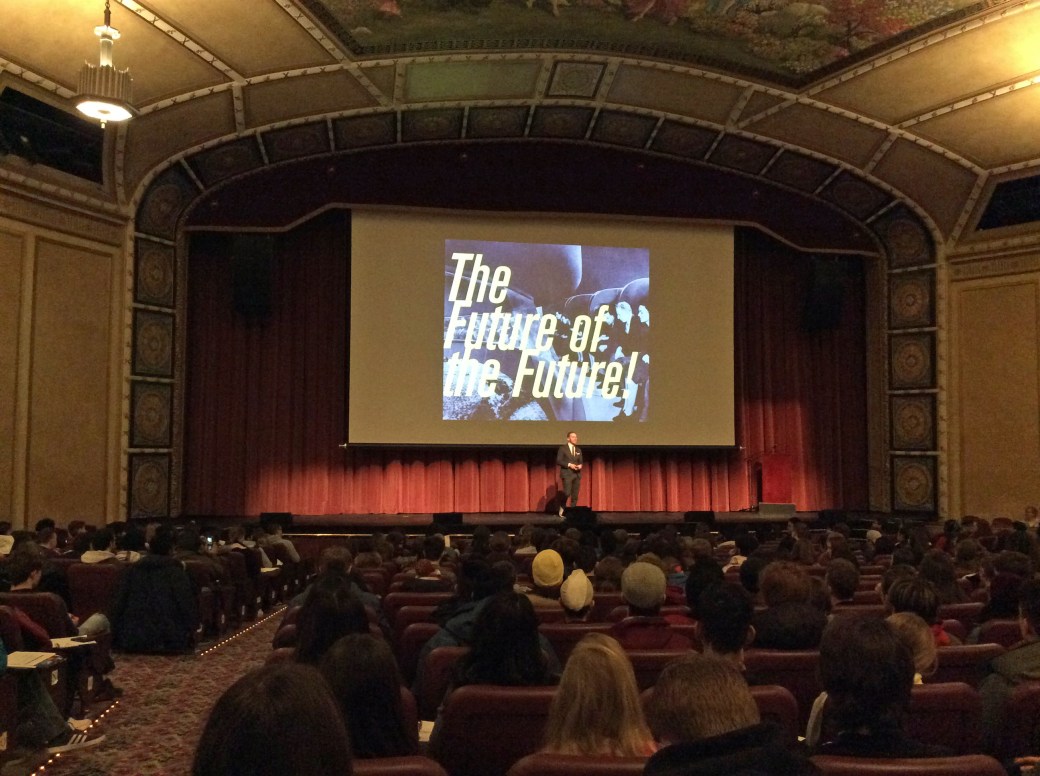
 Journalist, urbanist and futurist Greg Lindsay gave a rousing keynote speech to start the conference. Greg spoke about the future of cities, technology, and mobility. He is the director of applied research at NewCities and director of strategy at its mobility offshoot CoMotion. He also co-authored the international bestseller

 We then discussed future implications of water scarcity (and geopolitical conflict) and some of the things individuals and communities can do. Much of the talk drew from my recent book


 Research what you’ve found on the Internet; find out more about something you’ve observed. For instance, why does the willow have such a shaggy bark? Why do alders grow so well near the edges of streams? What role do sowbugs play in the ecosystem? What do squirrels eat? What is that bird doing on my lawn? Start a phenology study (how something changes over the seasons). Keep tabs on the birds you see and what they’re doing. You can find several examples of mine in the links below.
 Expressive writing — whether in the form of journaling, blogging, writing letters, memoir or fiction — improves health. Over the past twenty years, a growing body of literature has shown beneficial effects of writing about traumatic, emotional and stressful events on physical and emotional health. In control experiments with college students, Pennebaker and Beall (1986) demonstrated that college students who wrote about their deepest thoughts and feelings for only 15 minutes over four consecutive days, experienced significant health benefits four months later. Long term benefits of expressive writing include improved lung and liver function, reduced blood pressure, reduced depression, improved functioning memory, sporting performance and greater psychological well-being. The kind of writing that heals, however, must link the trauma or deep event with the emotions and feelings they generated. Simply writing as catharsis won’t do.
 In Chapter K of my writing guidebook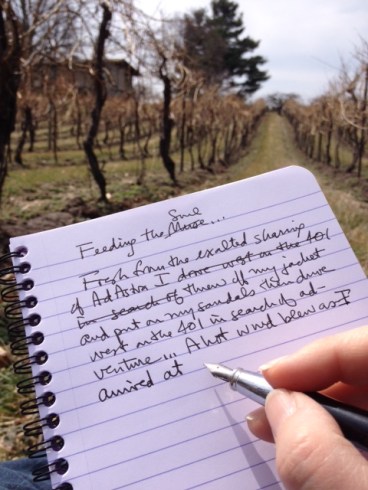
 According to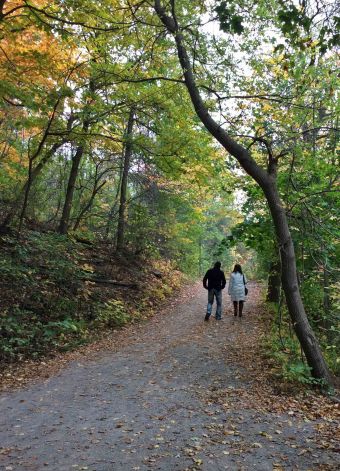




 We are now living in the Age of Water. Water is the new “gold”, with individuals, corporations and countries positioning themselves around this precious resource. Water is changing everything. The Age of Water Podcast covers anything of interest from breaking environmental news to evergreen material. This also includes human interest stories, readings of eco-literature, discussion of film and other media productions of interest.
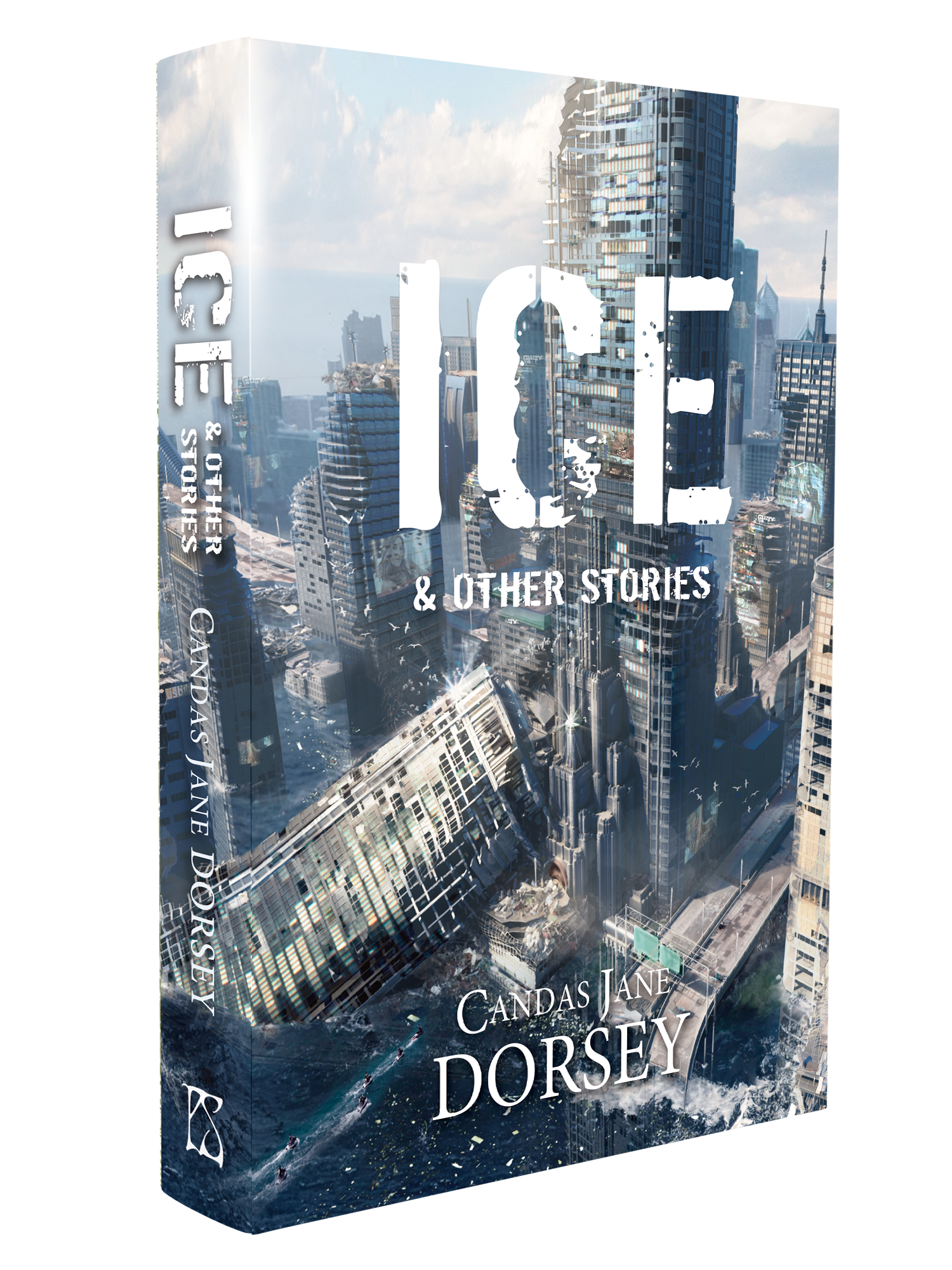 She is best known for her science fiction writing including the novels Black Wine and A Paradigm of Earth, and has also published poetry and short stories, including her well-known short-story collection Machine Sex: And Other Stories. Her latest collection of short stories Ice and other Short Stories spans thirty years of writing. Candas teaches writing and communications at MacEwan University. She was founding president of SF Canada and was president of the Writers Guild of Alberta. Candas was awarded the Province of Alberta Centennial Gold Medal award for artistic achievement and community work and the WGA Golden Pen Award for Lifetime Achievement in the Literary Arts.











 If I’m in a slump, it’s usually because I can’t figure something out—usually some plot point or character quirk or backstory. What helps me is to put the book I’m working on away and do something else. I know that what I need will come; I just have to let it come on its own terms. The break could even be writing something else, so long as it isn’t my book. Or I could do something else on the book such as edit a certain section or research some element. Other ways I coax my muse back are walks in Nature, reading a good book, visiting the library or a bookstore and cycling. These work really well to take me out of the book and into the muse. When I take my mind out of the direct involvement with the book, I’m letting things outside of me impact me with insight. Invariably that is what happens. I’ll see something or experience something that provides me with a clue or even an epiphany.