“Ecology of Story: World as Character” Workshop at When Words Collide, Calgary

EcologyOfStoryI recently gave a 2-hour workshop on “ecology of story” at Calgary’s When Words Collide writing festival in August, 2019.

The workshop—based on my third writing guidebook: “The Ecology of Story: World as Character”explored some of the major relationships in functional ecosystems and how to effectively incorporate them in story. We  briefly explored how ecosystems and ecological processes work and looked at several of the more bizarre examples of ecological adaptation.

I showed how treating world and place as character provides depth and meaning to story through its integration with plot, theme, and other characters. We looked at these story components as integral to help ground the reader in context and meaning of story. We explored place / setting as metaphor, symbol, archetype, and allegory.

Through literary examples of setting and place, we looked at how readers are drawn into story through metaphor, sensual description, and thematic integration through POV character.
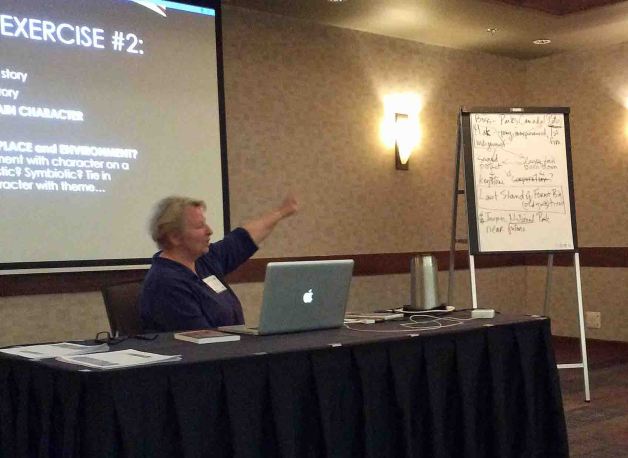
Nina and flipchart2

Reviewing the story we created through an exercise

Then came the story-building part of the workshop—a snappy, fast-paced dialogue among all workshop participants. Using the book’s cover image as story-prompt, we worked through the story components of premise, theme, character, plot and setting. Following a lively discussion, we succeeded in creating a stunning first crack at a story that was both original and intriguing. And at whose heart was a strong sense of place and identity.

creating a story

“The Ecology of Story” had only recently been launched at Type Books in Toronto and saw its first use at the Calgary When Words Collide conference. Books were sold out an hour after the workshop.
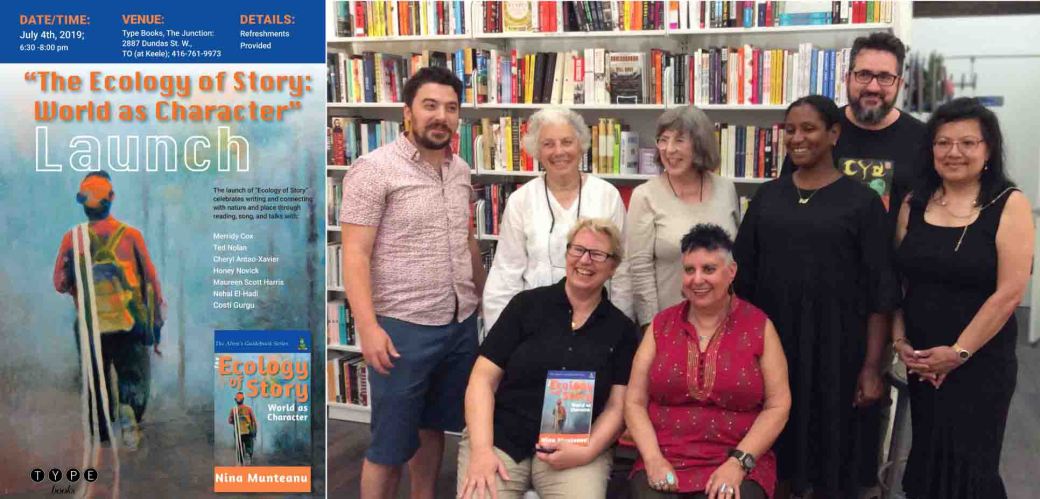
Microsoft Word - EcologyOfStory Launch.docx

“The Ecology of Story” recently achieved Amazon Bestseller status in the Ecology category.

EcologyOfStory-AmazonBestseller-Ecology


NinaEcologyWorkshop01

Nina starts her “The Ecology of Story” workshop with Part 1: ecology

Nina-slide-EcologyWorkshop

Nina talks about some interesting adaptations in reproduction


Rainforeset Stream-2012

Stream on Vancouver Island, BC (photo by Kevin Klassen)


nina-2014aaaNina is a Canadian scientist and novelist. She worked for 25 years as an environmental consultant in the field of aquatic ecology and limnology, publishing papers and technical reports on water quality and impacts to aquatic systems. Nina has written over a dozen eco-fiction, science fiction and fantasy novels. An award-winning short story writer, and essayist, Nina currently lives in Toronto where she teaches writing at the University of Toronto and George Brown College. Her non-fiction book “Water Is…”—a scientific study and personal journey as limnologist, mother, teacher and environmentalist—was picked by Margaret Atwood in the New York Times as 2016 ‘The Year in Reading’. Nina’s most recent novel “A Diary in the Age of Water”— about four generations of women and their relationship to water in a rapidly changing world—will be released in 2020 by Inanna Publications.
 

The Art & Science of World Building: The Tools You Need to Make a Believable World

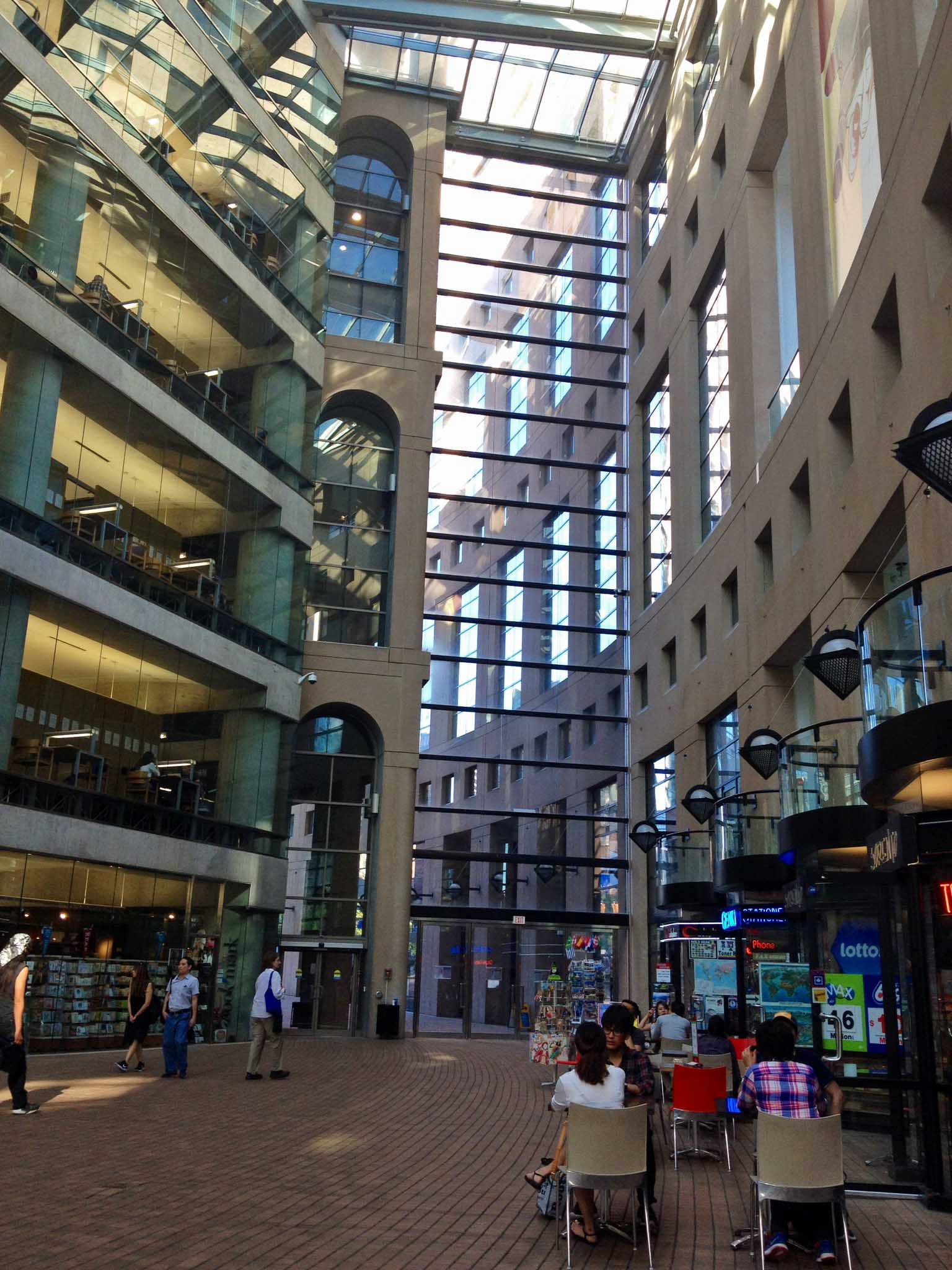
Vanc Library-Atrium2
Vancouver Central Library (photo by Nina Munteanu)

Most fantasy and science fiction novels require major world-building, which involves both real and imagined aspects.

World building spices real physical and social facts with the author’s imagination to create a civilization, a political structure, a culture and zeitgeist as backdrop and influence to story. Writers define world-building as the process of constructing an imaginary world, usually associated with a fictional universe.

Popularized at science fiction workshops during the 1970s, the term describes the development of an imaginary setting that is coherent and possesses a history, geography, and ecology that is rich, unique and resonates with the story’s premise.

The list below provides things to consider when first building your world:

  • The world (e.g., on Earth or not)
  • Physical and historical features (climate, geography, resources)
  • Magic and magicians (e.g., rules of magic, technology)
  • Peoples and customs (e.g., language, ethics and values, religion)
  • Social organization & structure (e.g., government, politics, conflicts, fashion, entertainment)
  • Commerce & trade (e.g., industry, transportation, communication)

Science vs. Art In World-Building

EcologyOfStory

If a novel is a historical fantasy set on Earth, science is not a critical part of world building; if a novel is set on some probable planet in the Andromeda Galaxy, then science becomes an integral part. But, in both cases the writer needs to do his or her research. In the case of the historical fantasy, world building will be based on accurate historical information, even if an alternate history is being written.

Part of the reason people read historical epics is to learn more about that particular civilization and time period. The reader trusts that the writer will give him or her the facts on the world, while taking liberties on the remaining story elements. Similarly, a science fiction reader opens the first book in Larry Niven’s Ringworld series with the expectation of learning about a made-up world based on accurate principals of science.

A lot of science fiction is written by nonscientists. That said, many science fiction readers— particularly those who enjoy hard science fiction—expect your science to be not only plausible but somewhat proven and your premise to be based upon sound scientific principle. They expect your research to be impeccable because they are expecting to learn something—in science.

World-Builder’s Disease? 

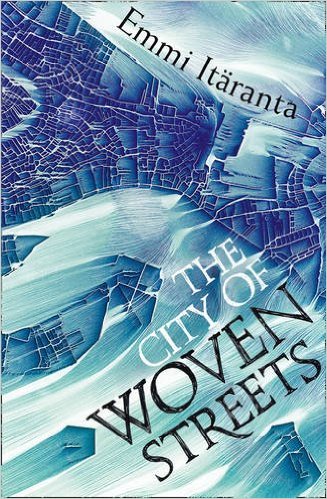
City of Woven Streets

“Fantasy writers have a penchant for working up histories of imaginary empires that can run for hundreds of pages, full of maps and chronologies and genealogical trees a yard long,” says Ansen Dibell, author of The Elements of Writing Fiction: Plot. “Similarly, science fiction writers can fall in love with their hardware and want to show it off,” he adds and describes this as a kind of narrative cancer, a “World-Builder’s disease.”

Most writers who world-build keep extensive files of background information on their worlds. In some cases, these can be published as companions to the main book series (e.g., J.K. Rowling’s books on Quiddich or magical creatures, which most certainly came from her extensive background notes). Dibell’s point is that this information doesn’t belong in the main book, where it can interfere with the process of storytelling. It becomes “info dump”, which is often very static, lacks drama, and proves ultimately boring.

Tying Your World to Theme and Plot

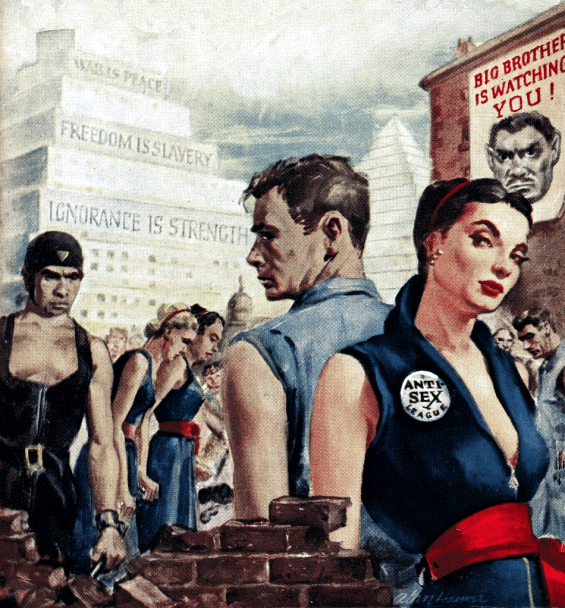
NineteenEightyFour
“Nineteen Eighty Four” by George Orwell

What’s important to remember is that the world you build is part of the story. It isn’t just a lot of “interesting” detail. The world you build, like a character in your story, plays a role in defining and supporting its theme. The major qualities of your world are, therefore, best derived for plot and thematic reasons—which come from “story”. The rest—the details—are things you can find in books, websites or get from experts in your local university, etc.  Don’t let science intimidate you; but ensure that you get it right by using your resources and verifying your information with an expert. Use your local libraries, universities, colleges, and online resources. Interview scientists, technical people and other writers. That’s part of being a writer too.

Nina Munteanu is an ecologist and internationally published author of award-nominated speculative novels, short stories and non-fiction. She is co-editor of Europa SF and currently teaches writing courses at George Brown College and the University of Toronto. Visit www.ninamunteanu.ca for the latest on her books.