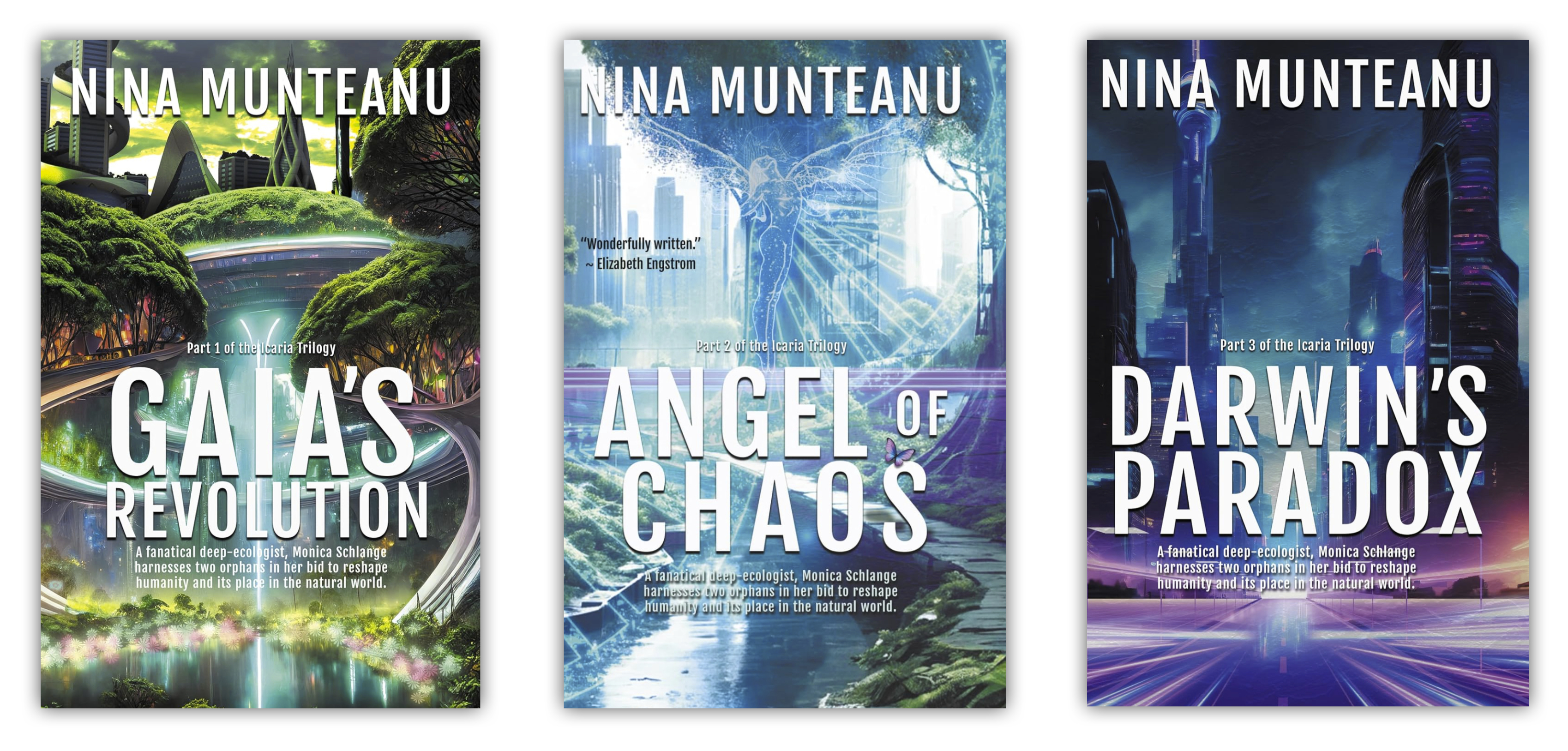
“Gaia’s Revolution”, Life after Capitalism: A Canadian Story…

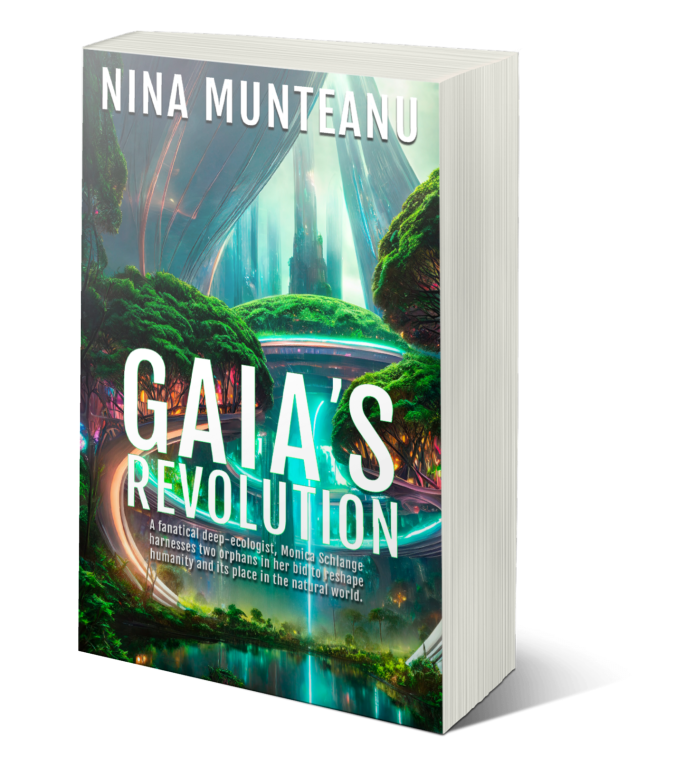
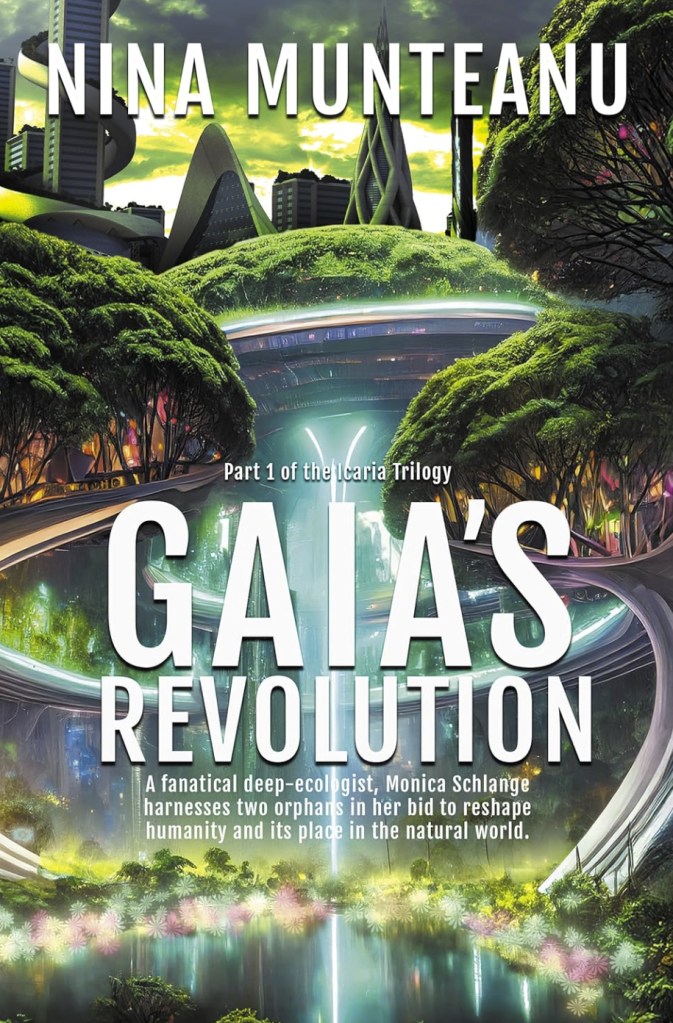
A fanatical deep-ecologist, Monica Schlange, harnesses two orphans in her bid to reshape humanity and its place in the natural world.

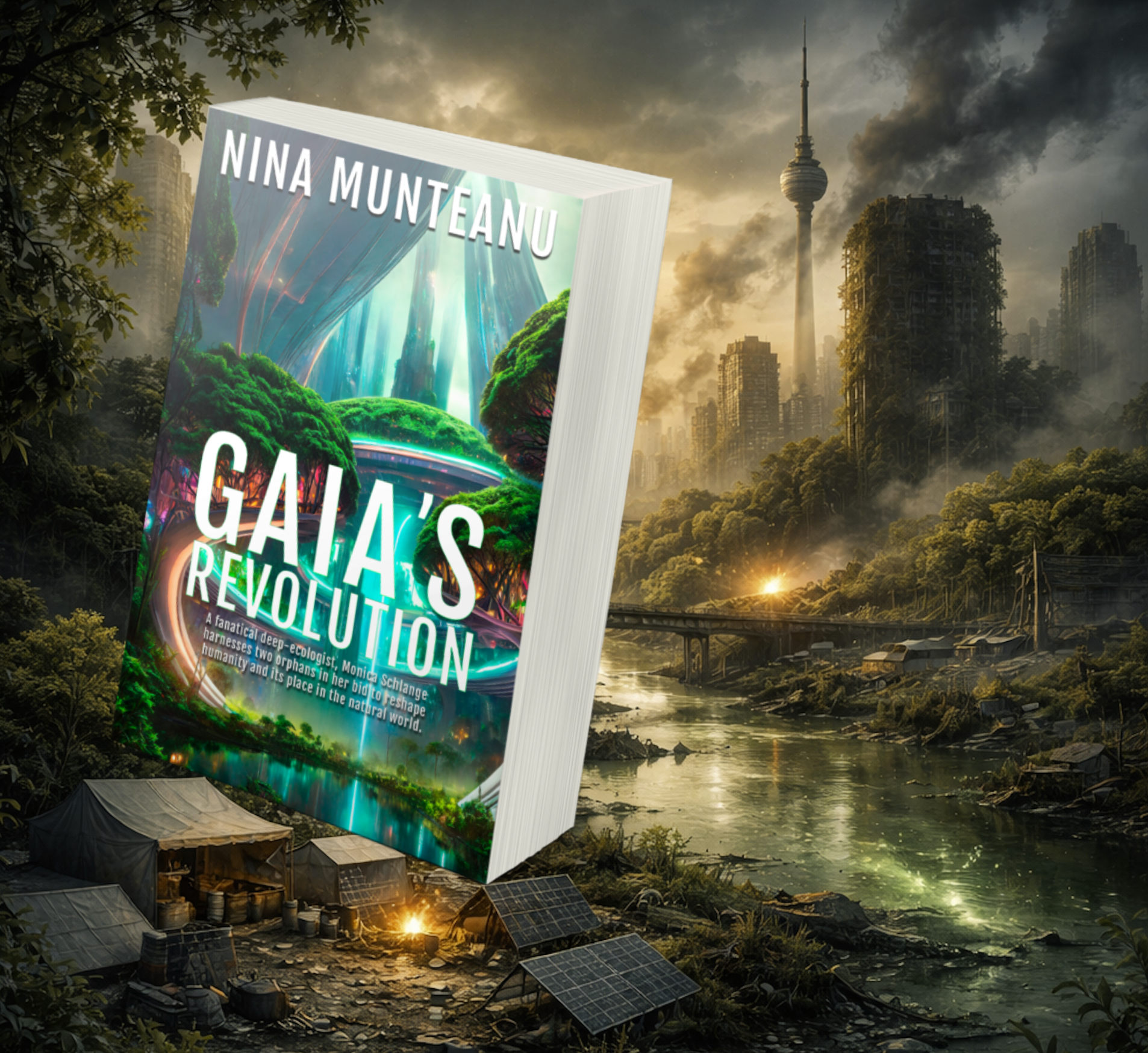
My upcoming book Gaia’s Revolution (Book 1 of The Icaria Trilogy by Dragon Moon Press) explores a collapsing capitalist society in Canada through ravages of climate change and a failing technology. The story is told through the lives of ambitious twin brothers Eric—a gifted engineer—and Damien Vogel—a brilliant scientist and deep ecologist*—and the woman who plays them like chess pieces in her gambit to ‘rule the world.’

The brothers meet at Treffpunkt, a café near Humboldt University in Berlin, nursing Kellerbiers over a late lunch of Einsbein mit Sauerkraut. They argue ideology and reform. Canada represents an ideal canvas for revolution, argues Eric. Damien is puzzled by this. To him Canada represents a quietly reposed nation of polite intellectuals who accept a healthy multicultural society and whose practical leaders are connected with their people. Not a restive rabble ripe for change.

As if reading his brother’s mind, Eric replies:

“Because it’s a huge nation with a lot of space and few people,” Eric argues. “Did you know that Canada holds on average only 4 people per square kilometer? Germany stuffs 240 people in the same area. And China, which is virtually the same size as Canada, holds 153 people per square kilometer.” He picks up Walden Two and waves it at Damien. “Canada is a perfect place to start these [Walden Two colonies called Icarias*]. And, with global warming, we could settle in the boreal.” He then slides the book back in his pocket and leans back, eyes sparkling with purpose. “But the real reason to start a revolution there is because, like you, Canadians are naïve. Even their leaders. And this is because, unlike the rest of the world, they are still asleep…

“Climate is not our enemy, Dame; it’s our friend. Climate is our fierce archangel of change. And let’s not forget that ‘crisis is opportunity…” … He grins, self-pleased, like a wolf in a hen house. Then he practically snarls out, “We must first destroy before we can create. We must be unruly like climate. We must be relentless like climate. We must ride that wave before we can become the wave, Bruder. And then by being that wave, we change the world.”  

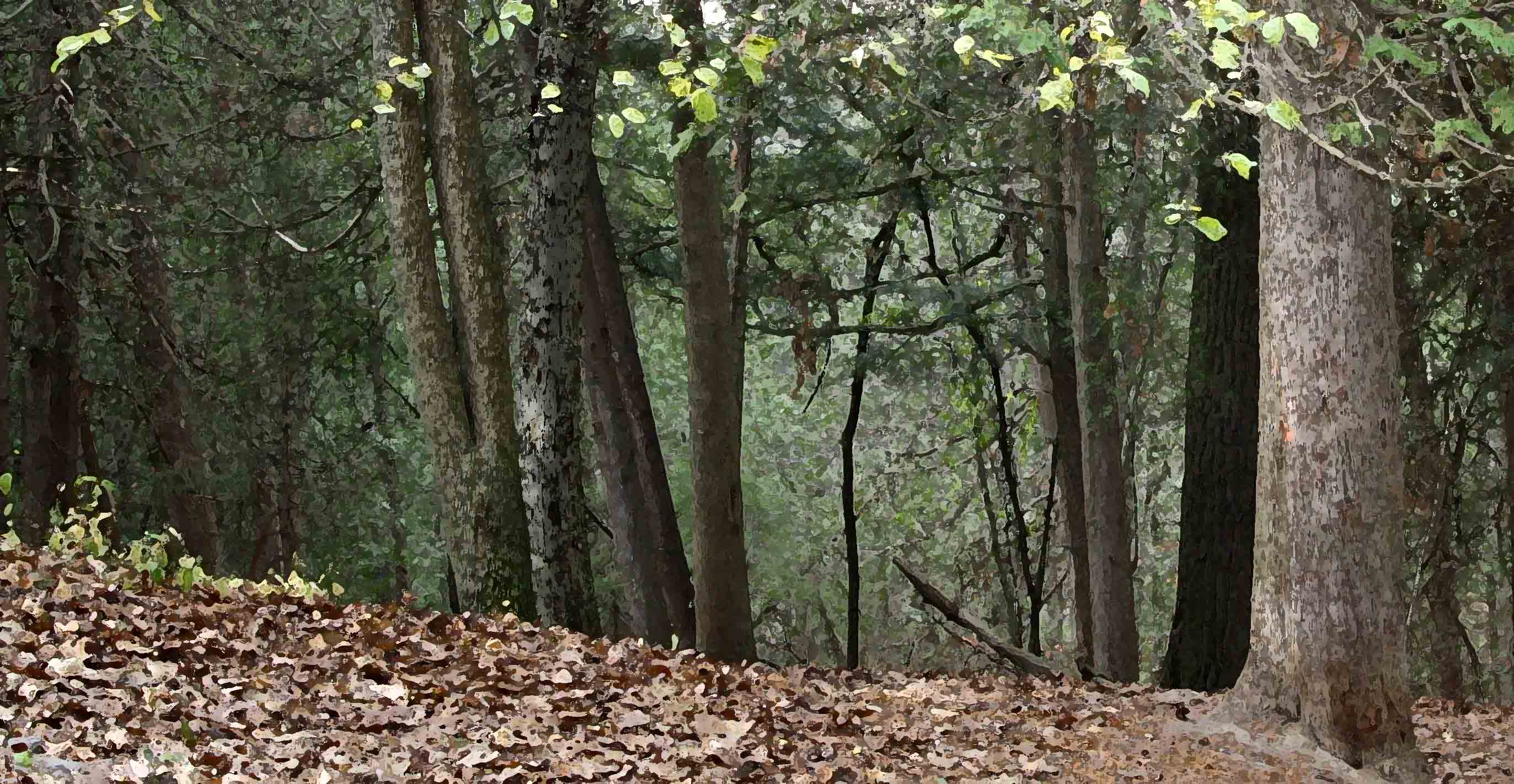
Pine cedar forest in Ontario (photo and rendition by Nina Munteanu)

The brothers escape the growing racial violence of Berlin, to ‘peaceful’ Canada in a rivalry to control the evolution of the human race. Years later, Eric Vogel, who has created a niche for himself in the technocratic government*, sits in the Canadian prime minister’s office and imagines what a post-capitalist world will look like and how his twin brother Damien—left behind in Germany—would disagree with his vision:

Damien too easily prescribes to the old leftist shibboleth of Nature being the answer to everything and Market being evil. His deep ecology utopia would spring from an atavistic rejection of modern life, a return to ‘the ancient farm.’ But how that fantasy could be achieved without a drastic population reduction is beyond his brother’s imagination. Damien fetishizes the natural world. Just like he does their mother. The naïve fool is a blind romantic, refusing to see reality right in front of him: that Nature is ultimately cruel, cold, and preoccupied with its own survival. Just like their mother.

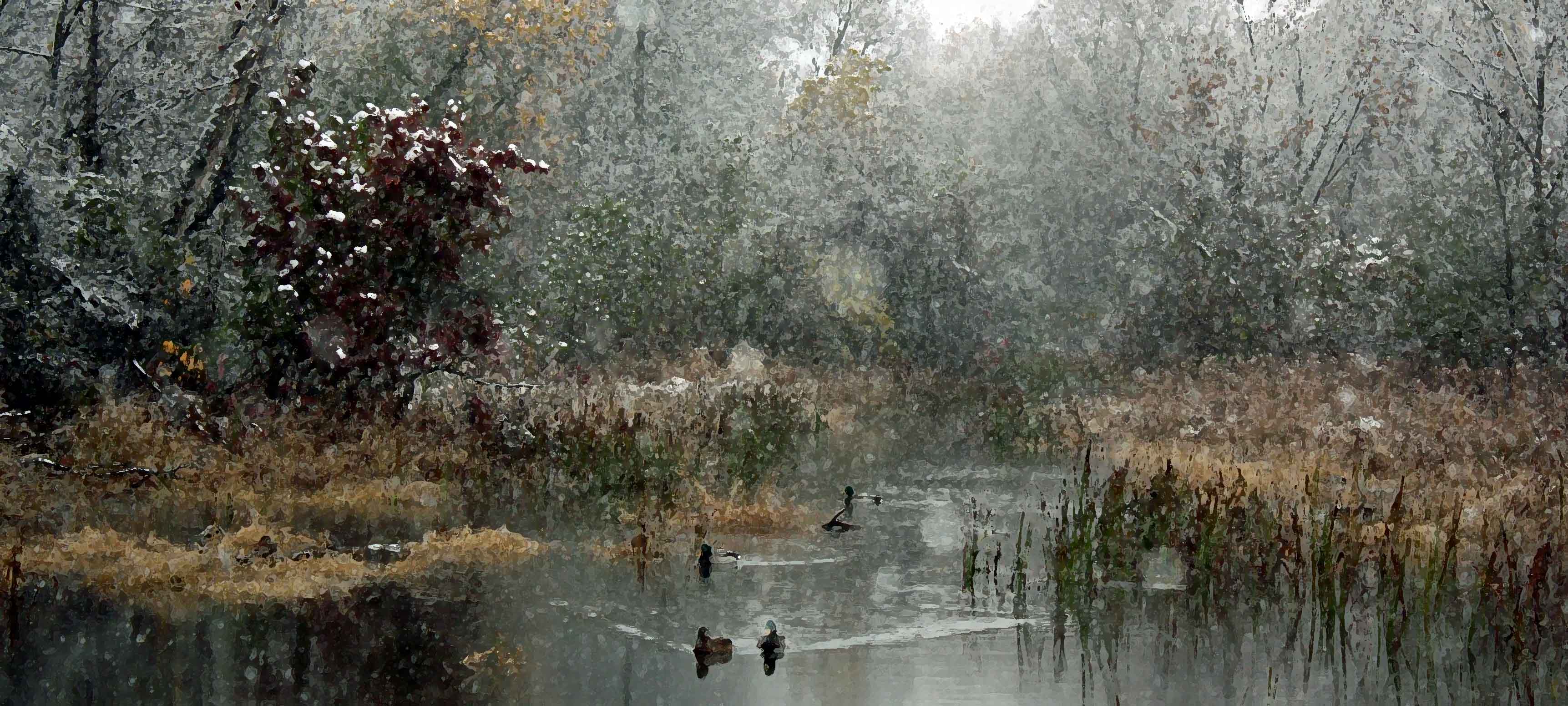
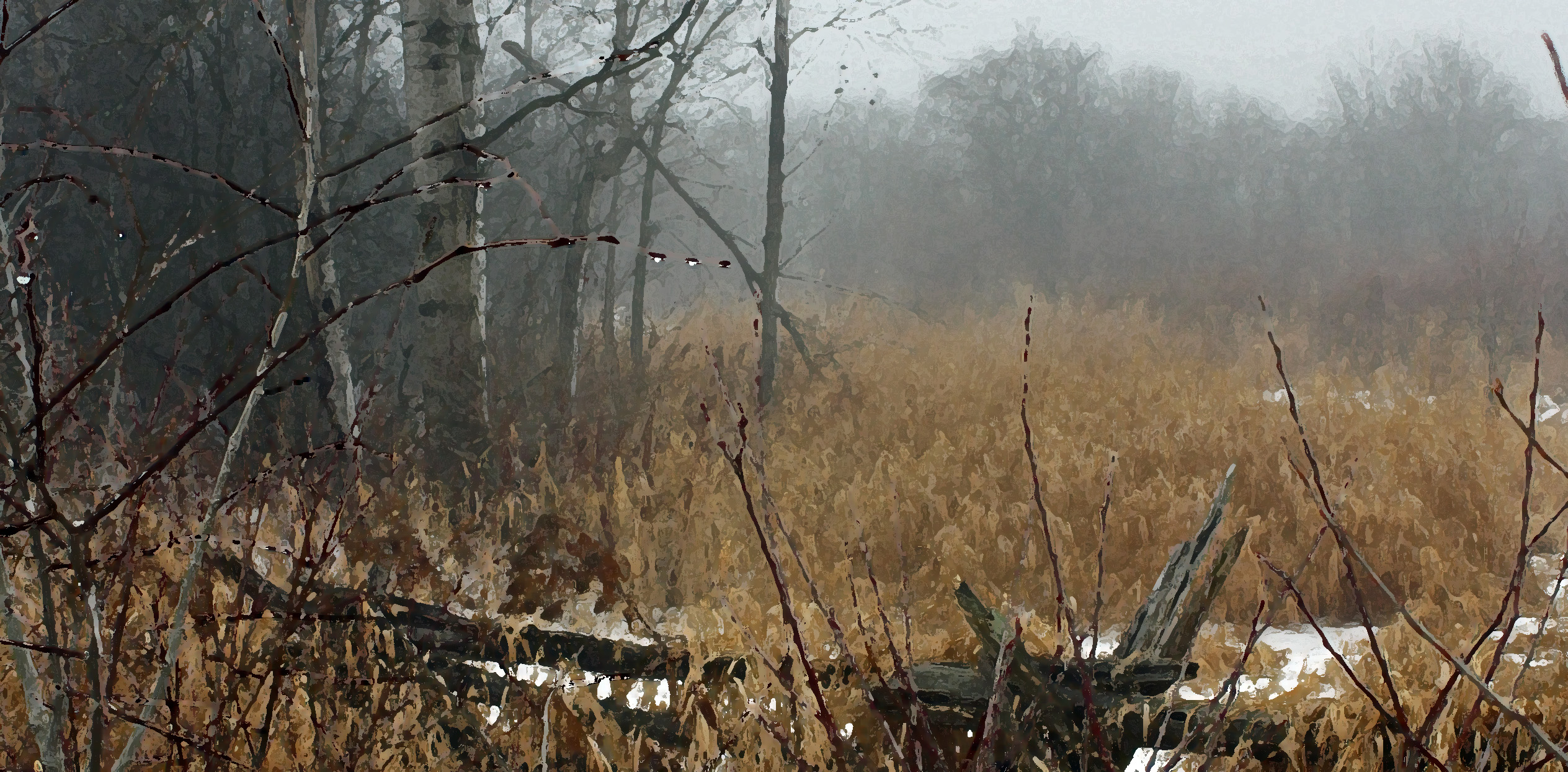
First snow in an Ontario marsh (photo and rendition by Nina Munteanu)

Each brother plans to create a new humanity: one to control through gene manipulation and behaviour engineering; the other to empower through biotechnology and transhumanist AI. The warring brothers end up in Canada and set off a violent revolution that destroys the Canadian technocratic government and whose weapons ultimately risk the survival of humanity. Deep ecologist Monica Schlange snares the brothers in her gambit to reshape humanity and its place in the natural world. Three orphaned children, caught in the web of intrigue and violence, will ultimately determine the direction of humanity by introducing the first veemelds (people who can communicate with machines), a new environmental disease (Darwin), and a new set of rules neither brother envisioned.

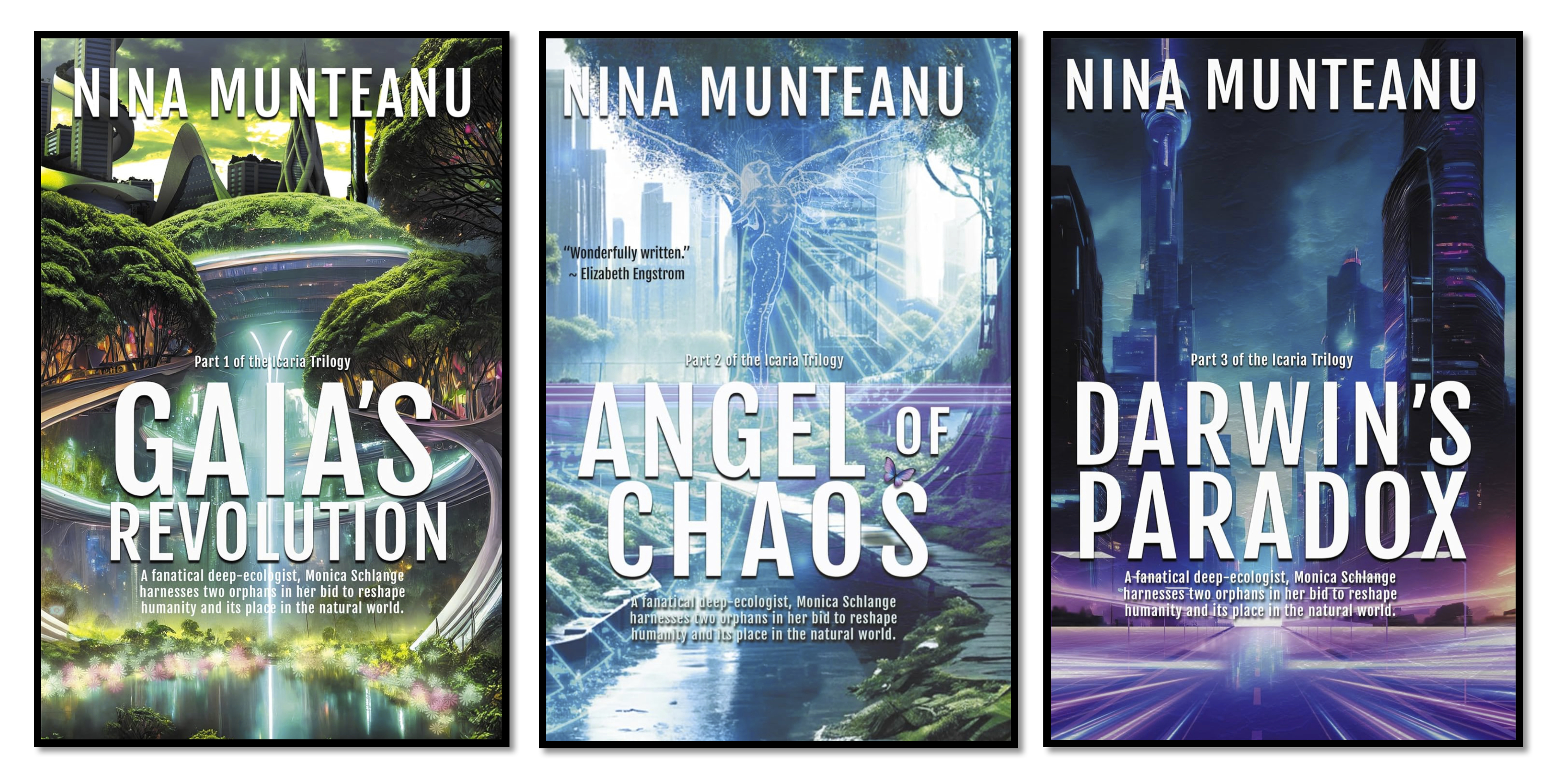
The Icaria Trilogy by Nina Munteanu

You can pre-order the ebook of Gaia’s Revolution on Amazon. Release date is March 10, 2026. The print version will release soon after. Book 2 (Angel of Chaos) and Book 3 (Darwin’s Paradox) of The Icaria Trilogy are already available in both ebook and print form.

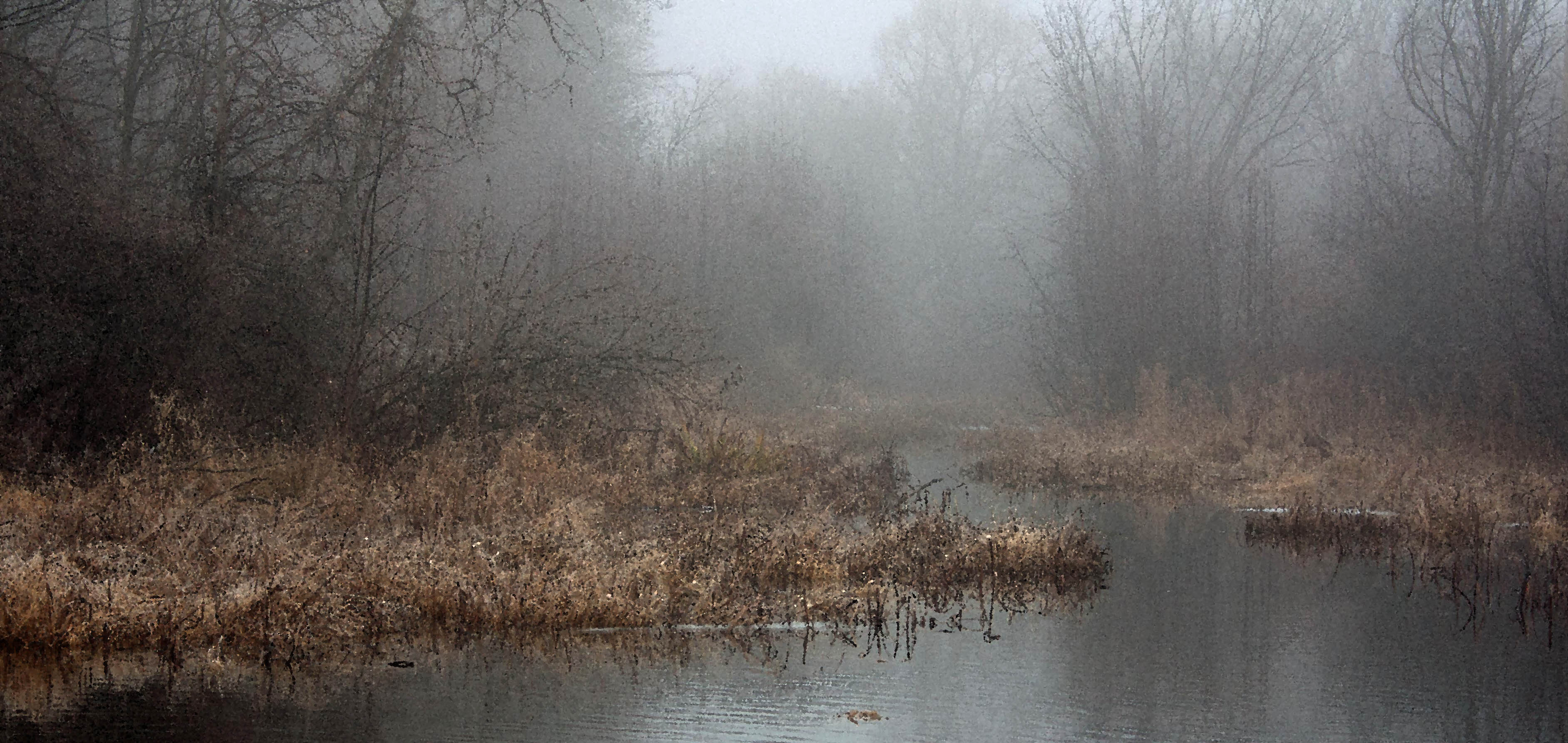
Birch trees in a winter marsh, ON (photo and rendition by Nina Munteanu)

References:

Munteanu, Nina. 2026. “Gaia’s Revolution, Part 1 of Icaria Trilogy.” Dragon Moon Press, Calgary, AB. 369 pp.

Munteanu, Nina. 2010. “Angel of Chaos, Part 2 of Icaria Trilogy.” Dragon Moon Press, Calgary, AB. 518 pp.

Munteanu, Nina. 2007. “Darwin’s Paradox, Part 3 of Icaria Trilogy.” Dragon Moon Press, Calgary, AB. 294 pp.

Sessions, George, Bill Devall. 2000. “Deep Ecology: Living as if Nature Mattered.” Gibbs Smith. 267pp.

Skinner, B.F. 1948. “Walden Two” The Macmillan Company, New York. 301pp.

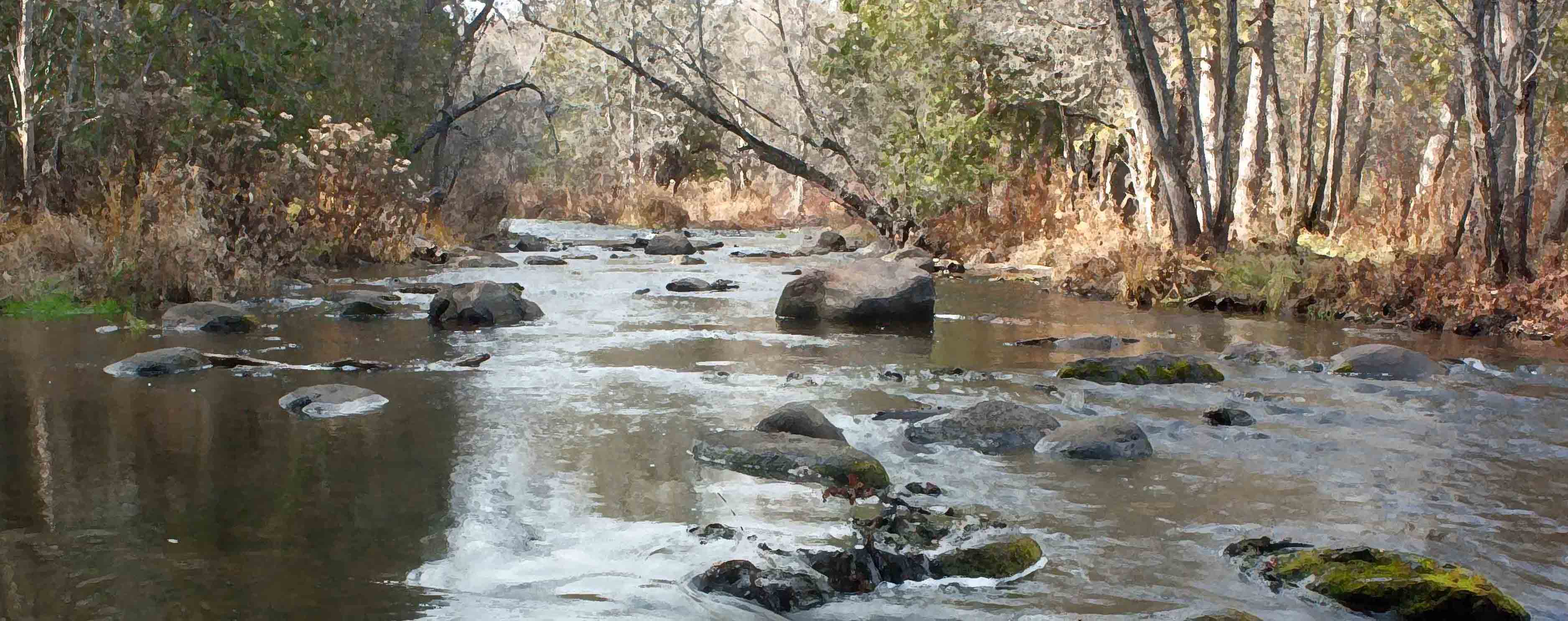
Jackson Creek in the fall, ON (photo and rendition by Nina Munteanu)

Terminology:

*Deep Ecology: An environmental philosophy and social movement advocating that all living beings have intrinsic value, independent of their utility to human needs. Coined by Arne Naess in 1972, it promotes a holistic, ecocentric worldview—often termed “ecosophy”—that demands radical, structural changes to human society to prioritize nature’s flourishing.

*Icaria: the name of Étienne Cabet’s utopia. Cabet was a French lawyer in Dijon, who published his novel Voyage en Icarie in 1839. The novel was a sort of manifesto-blueprint of utopian socialism, with elements of communism (abolished private property and individual enterprise), influenced by Fourierist and Owenite thinking. Key elements, such as the four-hour work day, are reflected in B.F. Skinner’s Walden Two. The novel explores a society in which capitalist production is replaced by workers’ cooperatives with a focus on small communities.

*Technocracy: A form of government in which the decision-maker(s) are selected based on their expertise in a given area; any portion of a bureaucracy run by technologists. Technocracies control society or industry through an elite of technical experts. The term was initially used to signify the application of the scientific method to solving social problems.

Nina Munteanu is an award-winning novelist and short story writer of eco-fiction, science fiction and fantasy. She also has three writing guides out: The Fiction WriterThe Journal Writer; and The Ecology of Writing and teaches fiction writing and technical writing at university and online. Check the Publications page on this site for a summary of what she has out there. Nina teaches writing at the University of Toronto and has been coaching fiction and non-fiction authors for over 20 years. You can find Nina’s short podcasts on writing on YouTube. Check out this site for more author advice from how to write a synopsis to finding your muse and the art and science of writing.

“Gaia’s Revolution”, Life After Capitalism: Will the Environment—And We Along With It—Survive?…

“Bourgeois society stands at the crossroads, either transition to socialism or regression into barbarism.”—Rosa Luxemburg, 1915

I wrote my first novel in 1969 when I was fifteen. Caged in World was a hundred-page speculative story about a world that had moved “inside” to escape the ravages of a post climate-change environment. It would later become Book 2 of The Icaria Trilogy. I was already disillusioned with my world. I saw how corporations and governments and society in general—individuals around me—‘othered’ the environment by either treating it with disrespect and apathy or outright ignoring it in a kind of torpor of obliviousness. As though it didn’t exist.

I remember being chastised by a school teacher for thinking globally about what was happening to the planet at our hands: worldwide deforestation (e.g., clearcutting the old-growth forests of Canada), infilling saltwater and freshwater marshes, massive use of pesticides and fertilizers, contamination of lakes, unregulated mining and toxic pollution, and ultimately climate change. Stick to local concerns, he advised me; recycling and such.

I remember wondering if I was just being weird. That my odd sensibility for the planet-entire was just a nina-thing. I prayed that I was not alone and it wasn’t just a nina-thing.

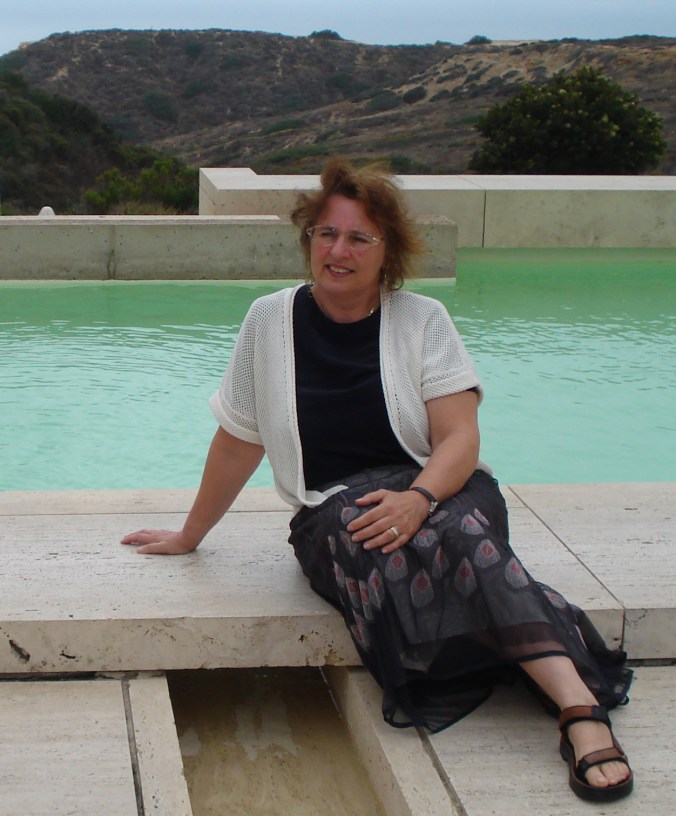
(Photo: Nina Munteanu, Salk Institute, California)

For a description of how the books of the trilogy came to be (for instance, they were published in backward order!) see my article entitled “Nina Munteanu Reflects on Her Eco-Fiction Journey at Orchard Park Secondary School”.

Throughout high school and university, I read scientific papers, news articles and books on revolution. I became a student of climate change long before the term entered the zeitgeist. I studied industrial capitalism and its roots in neoliberalism and colonialism. I noted how the post-war expansion of capitalism shifted from Fordist mass production to flexible automation, technology and AI. I saw the rise of multinational corporations, income inequality, and the commodification of everything—from water to human beings (Foucault’s homo economicus).

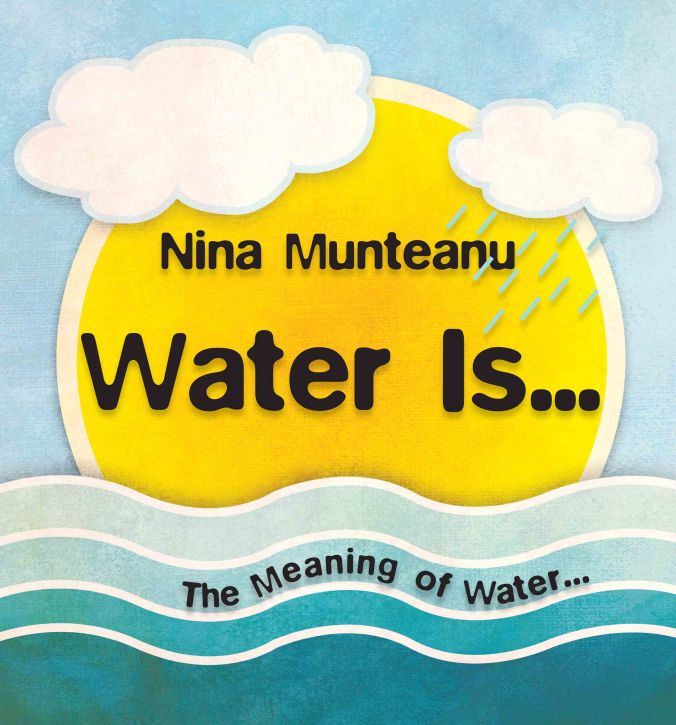
I pursued a university degree in ecology and limnology to study and help protect the environment and educate industry and their governments in the process. I became an expert on water. See my book Water Is…The Meaning of Water, which celebrates water from twelve perspectives (and got a shout out from Margaret Atwood!).

I soon concluded that a hegemony that follows the economic system of late capitalism inevitably commodifies and ‘others’ with ruthless purpose. Once something (or someone) is commodified, they are given a finite value and purpose outside their own existence. They become an object, a symbol to use and trade. They become a resource to manipulate, exchange, and dispose of with impunity. And through this surrender to utility, they become ‘othered.’ The consumer. The trees of the forest. Water. Homo sacer*. Each has a role to play in the late capitalist narrative of digital abundance and physical scarcity.

Capitalism hasn’t been kind to the environment. Economic pundits and sociologists insist that Capitalism is devolving. But what will replace it? Cloud capital? Technofeudalism? Something else?

Deep Ecology* & Gaia’s Revolution

The Icaria Trilogy (Dragon Moon Press)

My three Icaria novels—starting with Gaia’s Revolution, (the first of The Icaria Trilogy, releasing March 10, 2026, by Dragon Moon Press)—chronicle the collapse of a capitalist society in Canada as climate change, water shortages, habitat destruction, plague and a failing technology devastate the Canadian population.

Gaia’s Revolution (Book 1 of The Icaria Trilogy) explores a transition in Canada from semi-socialized capitalist system to a technocratic* meritocracy of technologists and scientists. Triggered by catastrophic environmental and sociological tipping points and following violent revolution, a dictatorship of deep ecologists* called Gaians seize power. By the end of the book, enclosed cities called Icarias* now populate North America. Separated from their environment, humans now live inside domes protecting them from a hostile and toxic environment.

In truth, the deep ecologists are keeping people “inside” not to protect humanity from a toxic wasteland but to protect the environment from a toxic humanity.

How realistic is this vision? Well, it is science fiction, after all, and though it takes liberties with its narrative, it is science-based and ultimately draws on precedent. As Margaret Atwood so astutely attested of her cautionary SF book The Handmaid’s Tale: “I didn’t put in anything that we haven’t already done, we’re not already doing, we’re seriously trying to do, coupled with trends that are already in progress.”

Science fiction is itself powerful metaphor; it is the fiction of political and social allegory or satire and makes astute social commentary about a world and civilization: how it has come to be, how it works—or doesn’t—and how it may evolve.

So, it is visionary and predictive? I prefer to think as Ray Bradbury:

“The function of science fiction is not only to predict the future, but to prevent it.”–Ray Bradbury

Jackson Creek in winter, ON (photo and rendition by Nina Munteanu)

References:

Angus, Ian. 1012. “The Spectre of 21st Century Barbarism.” Climate & Capitalism, August 20, 2012.

Atwood, Margaret. 2004. “The Handmaid’s Tale and Oryx and Crake ‘In Context'”. PMLA119 (3): 513–517.

Atwood, Margaret. 2018. “Margaret Atwood on How She Came to Write The Handmaid’s Tale”Literary Hub. April 25, 2018.

Bradbury, Ray. 1991. “Yestermorrow: Obvious Answers to Impossible Futures” and “Beyond 1984: The People Machines” by Ray Bradbury, dated 1982, Page 155, Joshua Odell Editions: Capra Press, Santa Barbara, California.

Foucault, Michel. 2010. “The Birth of Biopolitics (Naissance de la biopolitique): Lectures at the Collège de France, 1978-1979.” Picador. 368pp.

Luxemburg, Rosa. 1915. “The Junius Pamphlet: The Crisis in the German Democracy”, Marxist.org.

Munteanu, Nina. 2026. “Gaia’s Revolution, Part 1 of Icaria Trilogy.” Dragon Moon Press, Calgary, AB. 369 pp.

Munteanu, Nina. 2010. “Angel of Chaos, Part 2 of Icaria Trilogy.” Dragon Moon Press, Calgary, AB. 518 pp.

Munteanu, Nina. 2007. “Darwin’s Paradox, Part 3 of Icaria Trilogy.” Dragon Moon Press, Calgary, AB. 294 pp.

Neuman, Sally. 2006. “‘Just a Backlash’: Margaret Atwood, Feminism, and The Handmaid’s Tale“. University of Toronto Quarterly75 (3): 857–868.

Sessions, George, Bill Devall. 2000. “Deep Ecology: Living as if Nature Mattered.” Gibbs Smith. 267pp.

Skinner, B.F. 1948. “Walden Two” The Macmillan Company, New York. 301pp.

Streeck, Wolfgang. 2014. “How Will Capitalism End?” New Left Review 2 (87): 47p.

Terminology:

*Deep Ecology: An environmental philosophy and social movement advocating that all living beings have intrinsic value, independent of their utility to human needs. Coined by Arne Næss in 1972, it promotes a holistic, ecocentric worldview—often termed “ecosophy”—that demands radical, structural changes to human society to prioritize nature’s flourishing.

*Homo sacer: a figure from Roman law denoting a person excluded from society who is outside human law (can be killed) and divine law (cannot be sacrificed). The term represents “bare life”: stripped of political rights, legal protection, and social value. Philosopher Giorgo Agamben popularized the term to describe individuals excluded from the political community, such as refugees, stateless persons, or camp detainees. The term illustrates the power of a sovereign in deciding which lives are worthy of protection and which are not.

*Icaria: the name of Étienne Cabet’s utopia. Cabet was a French lawyer in Dijon, who published his novel Voyage en Icarie in 1839. The novel was a sort of manifesto-blueprint of utopian socialism, with elements of communism (abolished private property and individual enterprise), influenced by Fourierist and Owenite thinking. Key elements, such as the four-hour work day, are reflected in B.F. Skinner’s Walden Two. Cabet’s novel explores a society in which capitalist production is replaced by workers’ cooperatives with a focus on small communities.

*Letzte Generation: a prominent European climate activist group, founded in 2021, known for its acts of civil disobedience—such as roadblocks, defacing art, and vandalizing structures—to pressure governments on climate action. The term was chosen because they considered themselves to be the last generation before tipping points in the earth’s climate system would be reached. They are mostly active in Germany, Italy, Poland and Canada. In Germany, they have faced accusations of forming a criminal organization, leading to police raids.

*Technocracy: A form of government in which the decision-maker(s) are selected based on their expertise in a given area; any portion of a bureaucracy run by technologists. Technocracies control society or industry through an elite of technical experts. The term was initially used to signify the application of the scientific method to solving social problems.

Nina Munteanu is an award-winning novelist and short story writer of eco-fiction, science fiction and fantasy. She also has three writing guides out: The Fiction WriterThe Journal Writer; and The Ecology of Writing and teaches fiction writing and technical writing at university and online. Check the Publications page on this site for a summary of what she has out there. Nina teaches writing at the University of Toronto and has been coaching fiction and non-fiction authors for over 20 years. You can find Nina’s short podcasts on writing on YouTube. Check out this site for more author advice from how to write a synopsis to finding your muse and the art and science of writing.

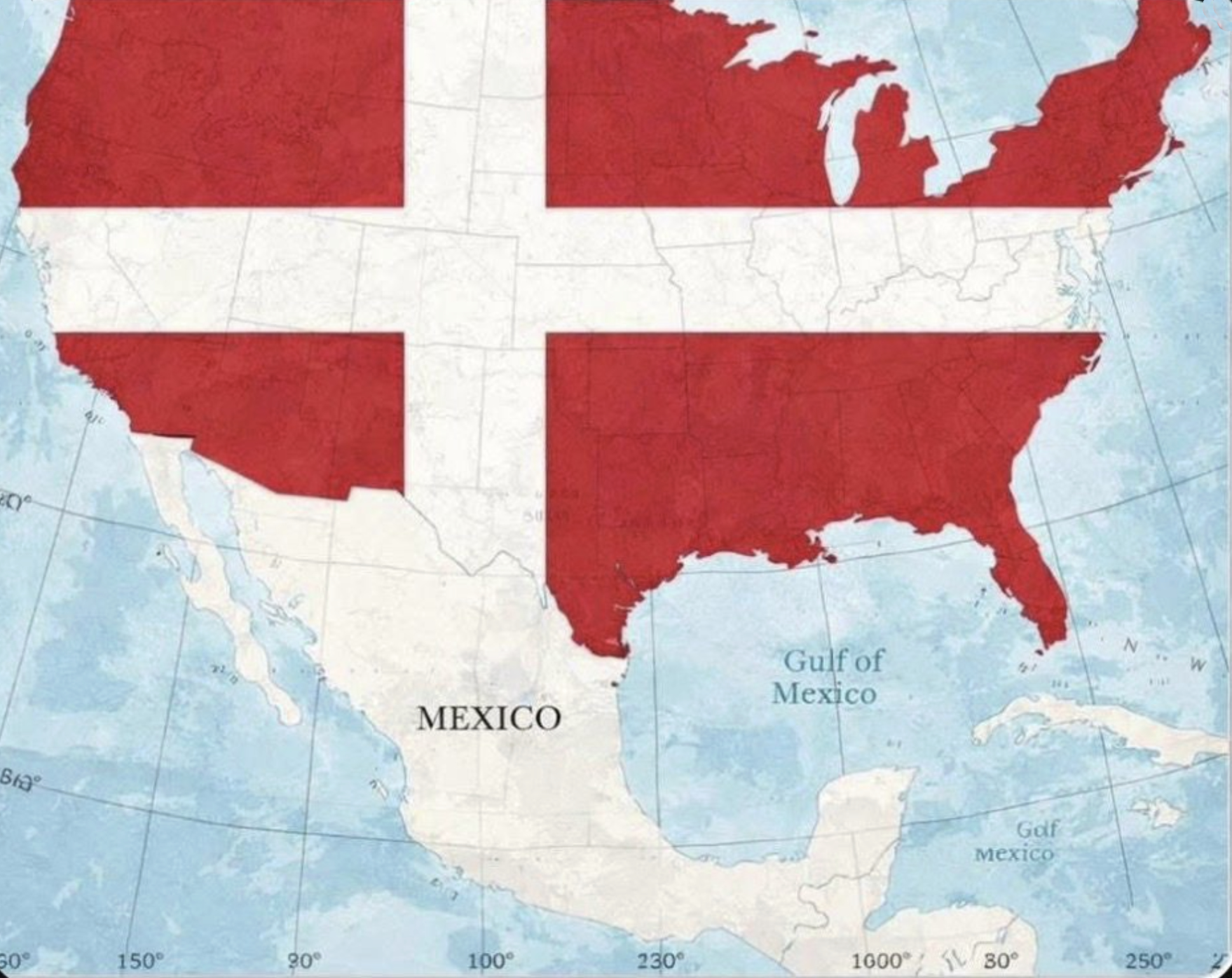
A Proposition For the World by Denmark for Geopolitical Hygge

I recently came across a wonderful—though rather cheeky—proposition on LinkedIn by Christian Thalacker-Heldenstein (EU Climate Pact Ambassador) to the world—with particular relevance to the United States of America:

An Important Announcement from the Bicycling Kingdom of Denmark🇩🇰 Dear Friends, Colleagues, and Youth of Our Planet: In light of recent global events, and in the spirit of offering constructive solutions, the Bicycling Kingdom of Denmark proposes bold, compassionate, and frankly, hyggelig* action.

We are formally announcing our intention to annex the territory formerly known as the United States of America. Why? Because every human deserves clean water, trustworthy government, and happiness.

Our proposal is simple. Upon peaceful integration, all American residents will be offered:

>Seamless Path to Danish (and EU) Citizenship: No complicated paperwork. Just a pleasant 50km scenic bike ride and a short oral exam on proper bicycling hand signals.
>$150/Month Universal Healthcare: Includes preventive care, mental well-being, and a complimentary handmade candle & wool blanket at every visit (HyggeCare™).
>Scandinavian-Style Education: Forest Kindergartens, where iphone-screens are replaced with pinecones, and critical thinking is honed by building shelters from the rain.
>Western Europe-Style Hate-free Speech & Governance: Council meetings are live-streamed with free wienerbrød. Hate-speech + Corruption-convictions leads to 100 hours of community kayak sessions.

Here’s the transformation in your daily livskvalitet (quality of life):

>Bicycle Infrastructure Everywhere: Heated bike lanes in winter, solar-powered path lights, and bridges that whisper encouraging proverbs as you cross.
>Harbor Saunas & Year-Round Swimming: Every coastline and lake will be cleaned for swimming.
>Michelin-Starred Street Food: We will match our global per-capita record. Say hello to gourmet smørrebrød food trucks.
>Sensible Gun Education & Laws: As per Danish standards. All safety courses include “Conflict Resolution with Pastries.”
>The “Ming” Mandate: A national policy fostering togetherness. Loneliness will be tackled with community chess.

We will phase in key changes:

Year 1: Car-free city centers, free city bike rollout, and mandatory fika (coffee break) at 3PM.
Year 2: All waterways swimmable; polluters sentenced to 1000 hours of community kayaking.
Year 3: Wind turbines installed nationwide, each painted by local artists.

This is not a conquest. It is an intervention. An offer of hygge, clean air, and civil society.

Your guns will be respectfully exchanged for a finely-tuned custom-made bicycle. Your stress will be swapped out. Your application for a better life is waiting at your nearest full-service bakery.

We welcome you.

Med venlig hilsen,

Christian Thalacker-Heldenstein
(For the Folketing Committee for Geopolitical Hygge)

What interested me, besides the ingenious nature of the piece itself, was the varied response to its obvious satirical message. Most embraced the satire with creative pithy comments: “I for one welcome our new Danish overlords.” “I’m in! I may or may not already be part of an underground cell working on this…” “Great! … Make America original again!”

Said one Canadian: “If the US is taken over by Denmark, Canada will have a much more like-minded and friendly neighbour…and I won’t be afraid to cross the border to visit!” To which Thalacker-Heldenstein responded, “We need bigger red-&-white carpets.” Others fixed on the “conflict resolution with pastries” courses. Yet others offered their countries to be annexed—from the UK, France, Germany and Italy to New Zealand.

Others just didn’t get it. One American’s offended response seemed to validate the satire: “Silly Europeans, always trying to come up with solutions for what ails the United States…”

First generation Latino American, Richard M. Alva also didn’t buy that these offerings of “hygge, clean air, and civil society” would make Americans happy. In a sad thesis on the American psyche, he offered:

“‘If Americans had what Denmark has: free healthcare, free college, a year of maternity leave, five weeks of vacation, pensions, hygge, we’d suddenly be happy.’ I don’t buy it.

Those benefits only work if a culture knows how to receive them. Most Americans don’t. We’re too individualistic, too competitive, too quick to turn every gift into an advantage.

Free education requires humility, not entitlement. Paid maternity leave only matters if family actually outranks productivity. Paid vacation only works if people are willing to stop working without guilt. Universal healthcare assumes we see health as a shared good, not a competitive edge.

As a first-generation Latino ‘American,’ this feels obvious. Many of our cultures value family and rest even when money is tight. In the U.S., money quietly outranks everything.

Americans aren’t unhappy because they lack perks. They’re unhappy because they defend a rat race they secretly hate. Freedom without restraint doesn’t make you happy. It just makes you tired.”

Oh well … So much for hygge … I’d welcome a Danish-annexed United States of America as my southern neighbour; After all, I am a huge fan of cycling and trading a gun for a bike seems like a steal of a deal. I’m also not so much an apple pie fan—but give me a Honningkage and I’m yours!

Hygge (pronounced hyoo-guh): a quality of coziness and comfortable conviviality that engenders a feeling of contentment or well-being (regarded as a defining characteristic of Danish culture).

Nina Munteanu is an award-winning novelist and short story writer of eco-fiction, science fiction and fantasy. She also has three writing guides out: The Fiction WriterThe Journal Writer; and The Ecology of Writing and teaches fiction writing and technical writing at university and online. Check the Publications page on this site for a summary of what she has out there. Nina teaches writing at the University of Toronto and has been coaching fiction and non-fiction authors for over 20 years. You can find Nina’s short podcasts on writing on YouTube. Check out this site for more author advice from how to write a synopsis to finding your muse and the art and science of writing.

Age of Water Podcast

AoW Logo-smallOn November 22, 2019, co-host Claudiu Murgan and I launched the podcast Age of Water in Toronto, Ontario.

The podcast is devoted to informing and entertaining you with topics about water and the environment. We interview scientists, journalists, writers, academia and innovators who share their knowledge and opinions about the real state of the environment and what committed individuals and groups are doing to make a difference. We talk about the problems and we talk about the solutions.

The format of our podcast is a combination of chat cast and informal interview. We cover anything of interest from breaking environmental news to evergreen material. This also includes human interest stories, readings of eco-literature, discussion of film and other media productions of interest.

AgeOfWater-HomePage

Diary Water cover finalClaudiu suggested doing the podcast during a discussion we had about what we could do to make a difference and to help bring more awareness about the environmental challenges we face in water issues and geopolitics.

We both agreed that the podcast should not only explore the issues but also present solutions and ideas in the ongoing conversation. We wanted to point to ways others could participate by talking to those who were indeed making a difference. So far, we have talked to people about positive initiatives such as 350.org, Drawdown, blue communities, Extinction Rebellion and several others. We’ve talked to homeowners and entrepreneurs with innovative ideas on what individuals can do at home and in their community.

The name of the podcast came from my upcoming book “A Diary in the Age of Water,” a novel that chronicles the lives of four generations of women and their relationship with water during a time of catastrophic change. The book will be launched by Inanna Publications in Toronto in May 2020.

Podcast CO-HOSTS

Guests have come from around the world to join us in monthly interviews on Age of Water. These have included so far: economist and educator David Zetland in Holland (aired Nov 2019); award-winning metaphysical author Rainey Highley in California (aired December 2019); Canadian award-winning author Candas Jane Dorsey in Calgary, Alberta (aired January 2020);  activist/author Kaz LeFave in Toronto (airing February 2020); Finnish award-winning author Emmi Itäranta in the UK (to air in March 2020); and Toronto film educators The Water Brothers (to air in April 2020). We interviewed environmental activist Liz Couture in Richmond Hill, Ontario (airing May 2020); Zen master Ian Prattis in Ottawa (airing June 2020), and we also talked to activist/author Merilyn Ruth Liddel in Calgary, Alberta (airing July 2020), and climate researcher / author Martin Bush in Toronto (airing August 2020). Many more are scheduled to be interviewed. For more information go to www.ageofwater.ca

Podcast MISSION

Water Is-COVER-webIn February 2020, we started a reading series on Age of Water, in which Claudiu or I read from a fiction or non-fiction work that resonated with us, followed by a discussion. The first readings is from my book “Water Is…The Meaning of Water,” a celebration of water, which was selected by Margaret Atwood as her choice reading in the New York Times ‘Year in Reading.’

Let us know if you or someone you know wishes to be interviewed on the show. If you have a work you think merits reading and discussing on the show, please let us know as well. Go to the Age of Water site, join the newsletter and email us.


DS-2008-16 copy

Nina kayaks Desolation Sound, off the coast of British Columbia (photo by H. Klassen)

nina-2014aaa

Nina Munteanu is a Canadian ecologist / limnologist and novelist. She is co-editor of Europa SF and currently teaches writing courses at George Brown College and the University of Toronto. Visit www.ninamunteanu.ca for the latest on her books. Nina’s bilingual “La natura dell’acqua / The Way of Water” was published by Mincione Edizioni in Rome. Her non-fiction book “Water Is…” by Pixl Press (Vancouver) was selected by Margaret Atwood in the New York Times ‘Year in Reading’ and was chosen as the 2017 Summer Read by Water Canada. Her novel “A Diary in the Age of Waterwill be released by Inanna Publications (Toronto) in June 2020.