When Art Helps Story

No writer works alone. Sure, we may work alone when writing, but all other aspects of getting our writing out to you, the reader, involves a team of other people. Like all good things, writing is a collaborative affair. All professional writers enter a contract with their publisher to work with editors, marketers, and also with cover artists, designers and interior artists. All together create the final artistic expression shared with the reading audience.

I want to focus on the latter here and celebrate how art and design help create more than what the writer alone produces. When my writing career started in earnest in 1995 with my first publication in a professional magazine, I was involved in collaborations with artists, who all improved my work.

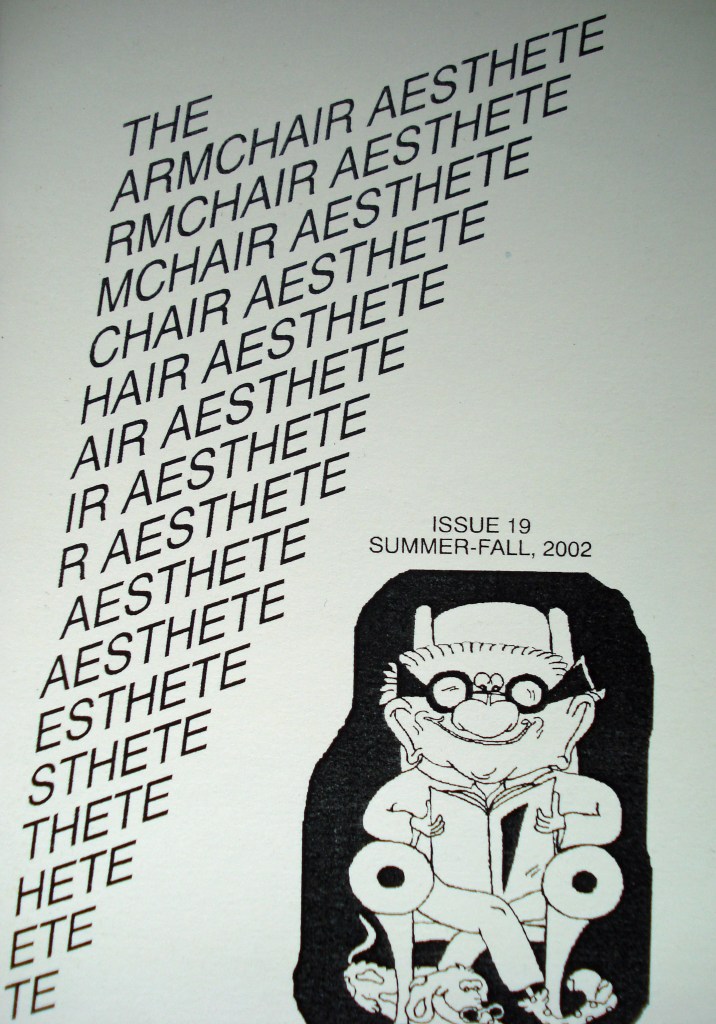
Arc of Time was my first short story publication, appearing in Armchair Aesthete in the Summer/Fall issue of 2002. Armchair Aesthete is a small literary magazine in the United States and features funky cover art.

Magazine cover for Ultra! and interior design for “Arc of Time”

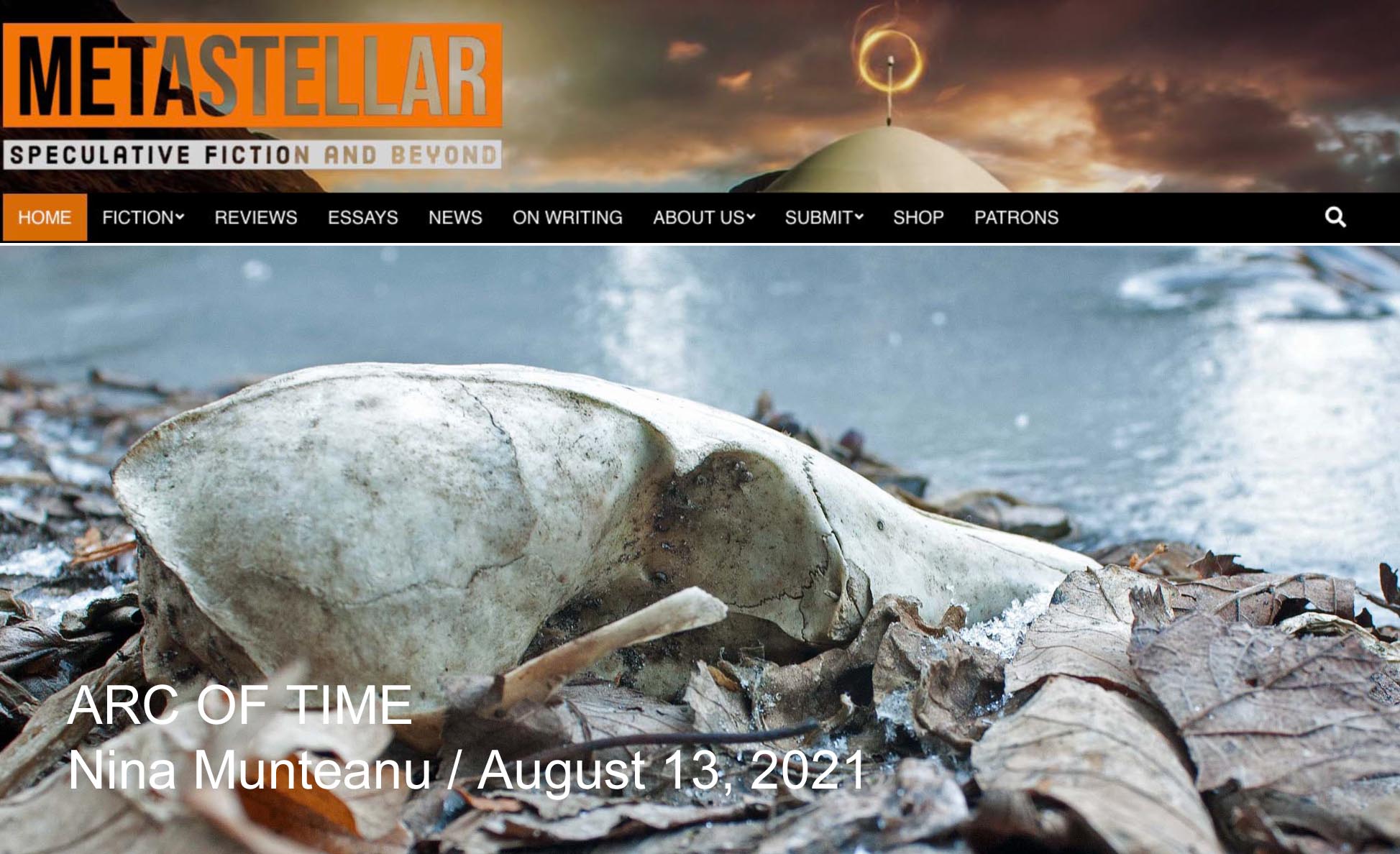
Arc of Time was then accepted in the premiere issue of Ultra! (Aardwolf Publications) in 2004. That issue contained a fully illustrated and designed interior, which really set off the story—an epistemological exchange of emails linked with narrative. In 2013, MetaStellar Speculative Fiction and Beyond, which provides illustrations for each story it carries, used one of my own photographs to illustrate Arc of Time.

Feature cover illustration for “Arc of Time” on MetaStellar site

Virtually Yours first appeared in Hadrosaur Tales in Issue #15 in December 2002. Hadrosaur Tales is a small but vibrant literary magazine out of Las Cruces, New Mexico and featured interesting covers.

Cover and story illustrations in Nowa Fantastyka for “Virtually Yours”

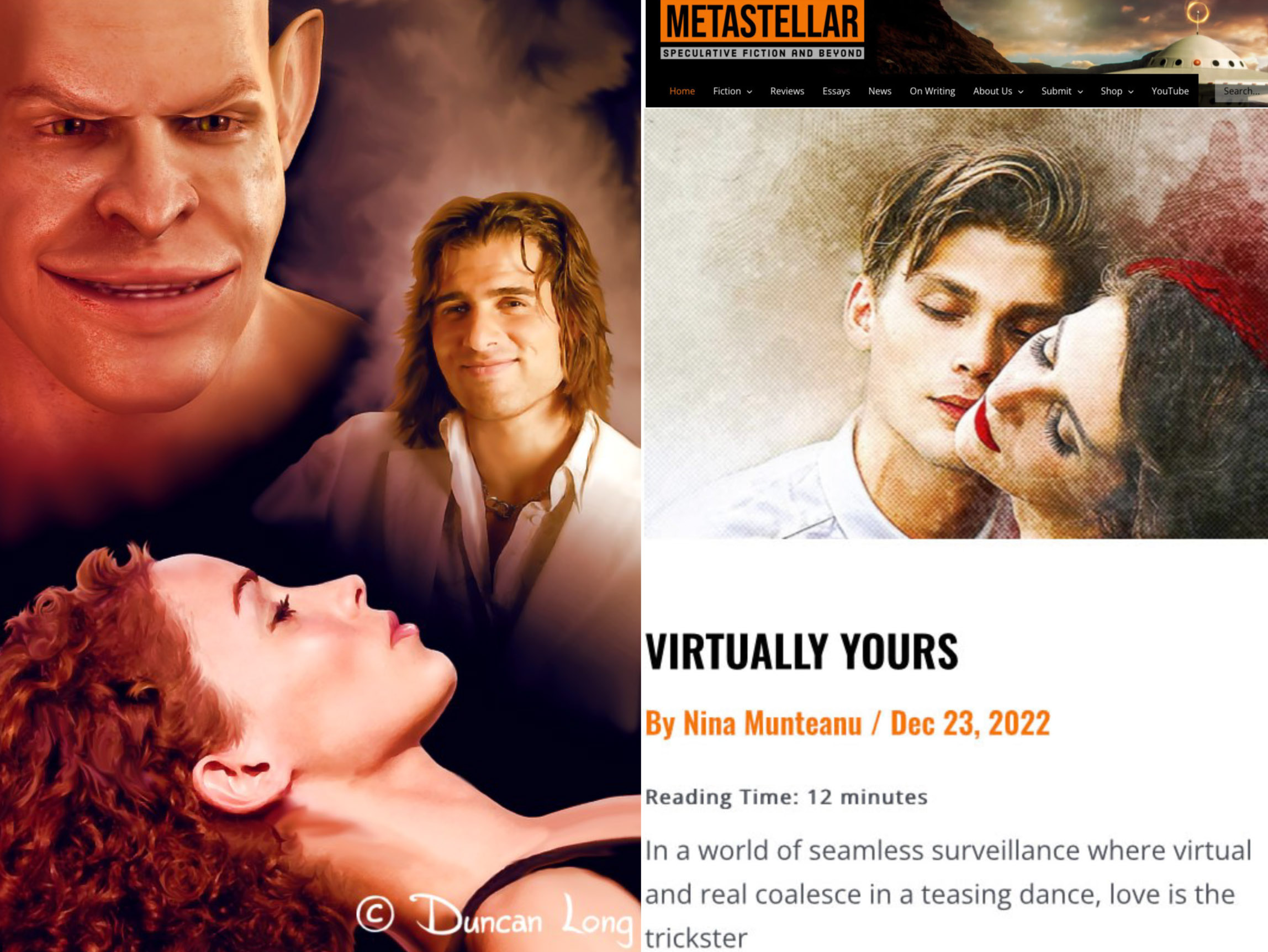
Virtually Yours was republished all over the world and is up to its tenth publication this year. Several publications included artwork specifically for the story. Nowa Fantastyka, out of Poland, is a slick magazine that boasts a lot of images, colour interiors and illustrations. My story was introduced with illustrations that enhanced its impact.

Interior illustrations for “Virtually Yours” in Amazing Stories and MetaStellar, respectively

Its reprint in Amazing Stories was illustrated evocatively by Duncan Long. In the story’s later reprint in MetaStellar Speculative Fiction and Beyond, Brigitte Werner created a beautiful illustration for the story.

Nowa Fantastyka cover art and story art for “A Butterfly in Peking”

A Butterfly in Peking first appeared in Issue #17 of Chiaroscuro in 2003. Its reprint in the Polish magazine Nowa Fantastyka in 2005 included interior art that introduced the tone and feel of the story.

Megan Survival Anthology cover art and story art for “Fingal’s Cave”

Fingal’s Cave was first published in The Megan Survival Anthology (Reality Skimming Press) in December 2016. The publication included art by Jeff Doten specific to each story in the anthology and I found his artwork for Fingal’s Cave wonderfully intriguing.

Artwork for “The Way of Water” in various publications

The Way of Water was first published in Future Fiction then in a smart print publication by Mincione Edizioni in Rome, Italy in May 2016. The story was reprinted several times and artwork associated with it included in some of the publications. One is Little Blue Marble, an online magazine that features artwork for each story it runs.

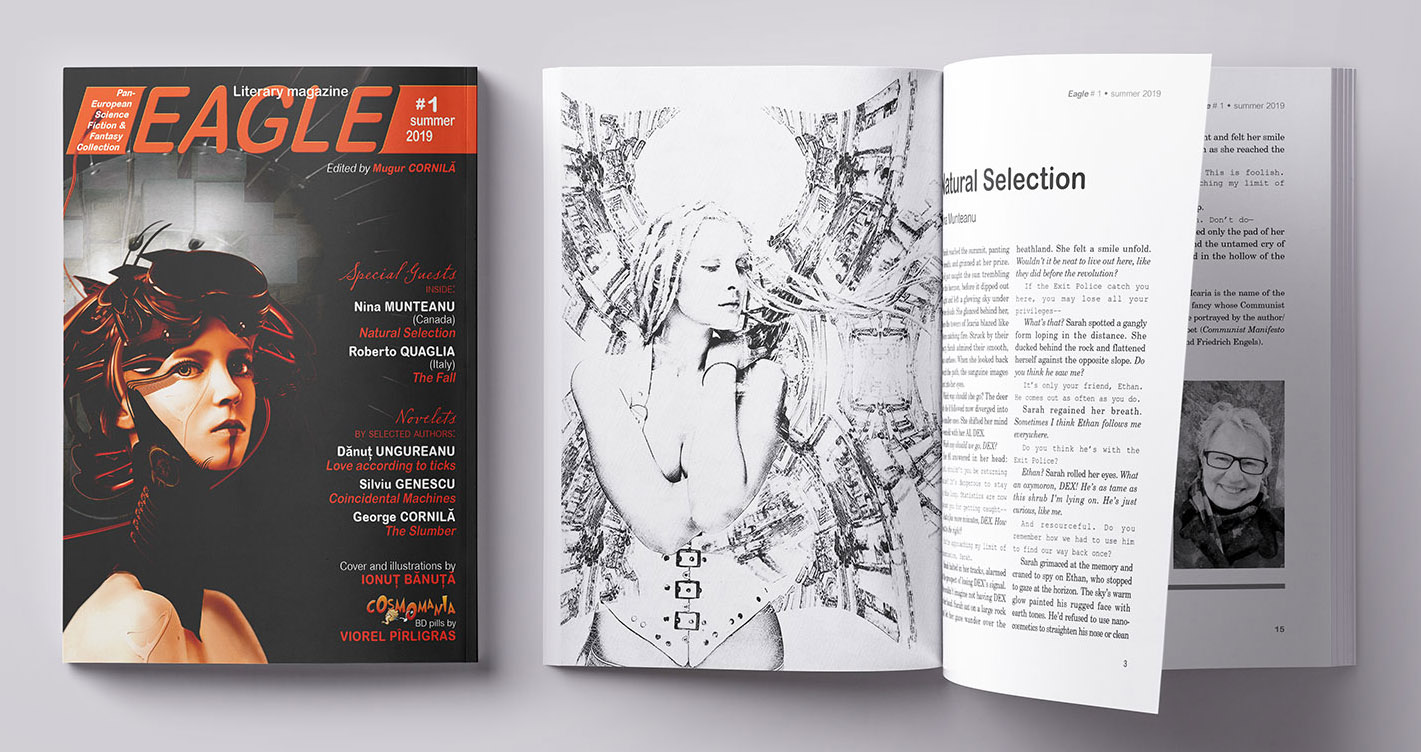
Cover art of Eagle Magazine and story art for “Natural Selection”

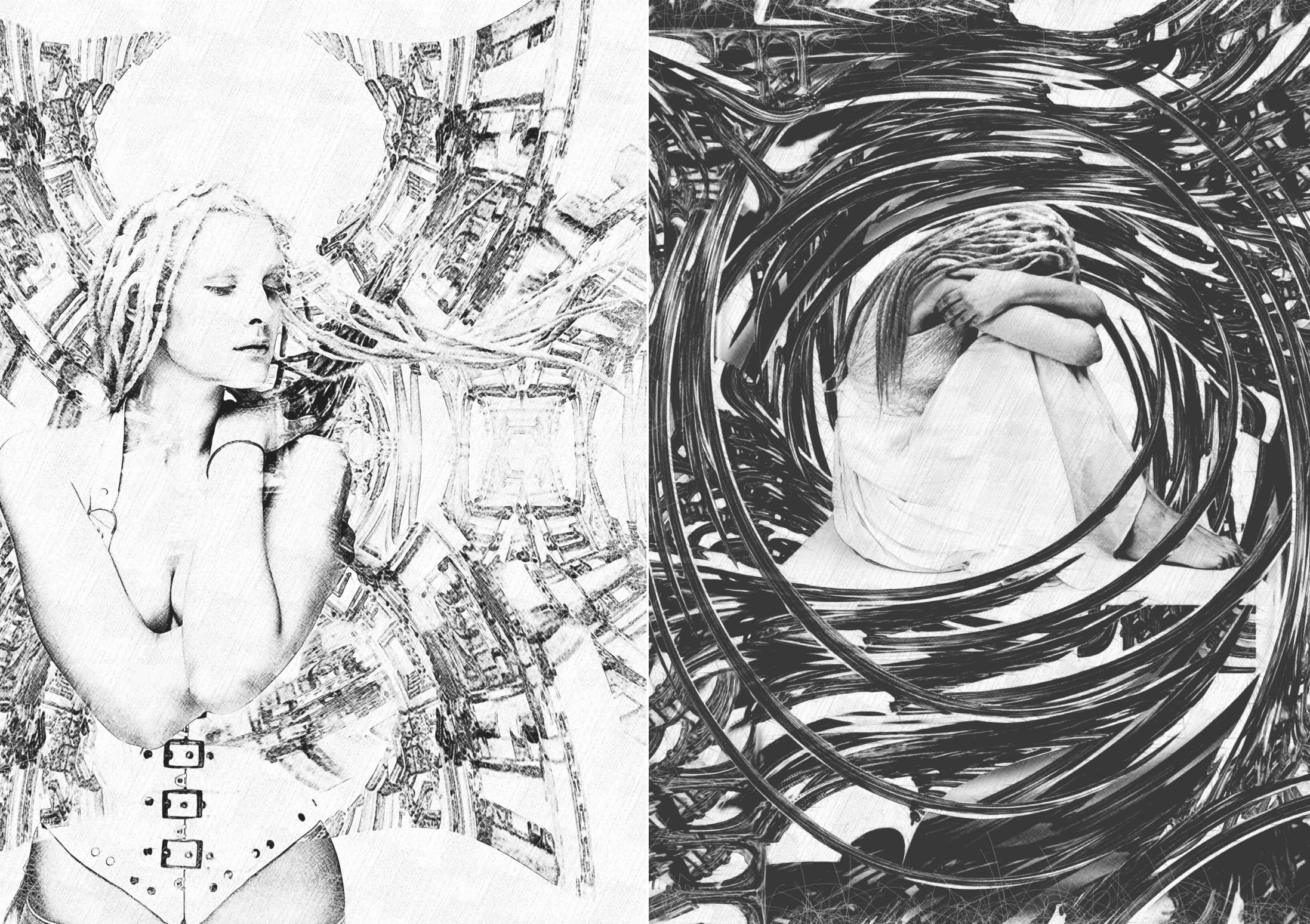
Natural Selection first came out in my short story collection of the same name in 2013. It was then reprinted in the premiere issue of Eagle Magazine and featured stellar and evocative interior illustrations by Ionuț Bănuță.

Interior story art for “Natural Selection”

Out of the Silence first appeared in Issue #85 of subTerrain Magazine in May 2020 and featured diverse and rich interior art and design (not pictured here). Its reprint in A House of Dawn in 2021 received its own artwork, which enhanced the tone and subject of the story.

Cover art for subTerrain Magazine and story art for “Out of the Silence” in A House of Dawn

I’d be remiss if I didn’t add the important artwork of artists on the covers of several of my novels and collections. As a reader, I can attest that cover art plays an important role in introducing a book to a potential reader. Whether we pick up a new author’s book to peruse depends upon the image, title and design of the cover. I have been very fortunate with my publishers and their artists.

Book covers for “Collision with Paradise” (Liquid Silver Books) and “The Cypol” (eXtasy Books)

My first published novel (Collision with Paradise) and novella (The Cypol)—both SF erotica—were designed to intrigue and titillate.

Costi Gurgu illustrated and designed the covers of my space detective thriller The Splintered Universe Trilogy for Starfire. The three books and their covers, formed a tryptic that reflected the journey of the lead character—a badass galactic detective—and her evolution.

Cover art for books of “The Splintered Universe” Trilogy

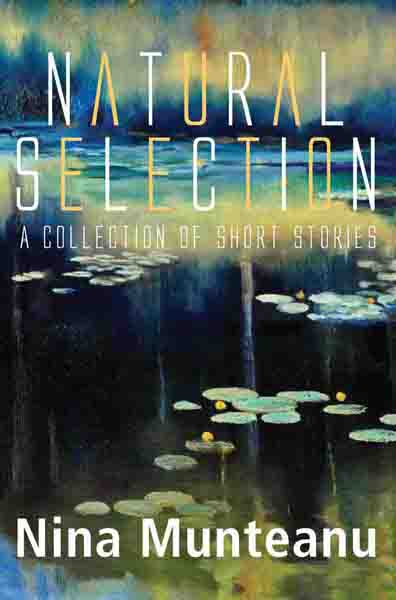
Costi Gurgu also designed the cover of my short story collection Natural Selection for Pixl Press in 2013 using an illustration by West Coast artist Anne Moody that showed the fluidity of nature.

Tikulin-illustrated covers for “Darwin’s Paradox” and “The Last Summoner”

Tomislav Tikulin illustrated the cover of my novel Darwin’s Paradox for Dragon Moon Press in 2007. The cover image ostensibly represented a work of hard science fiction and attracted much attention from SF fans. Tikulin’s evocative illustration of a knight in a drowning cathedral was then used for the cover of The Last Summoner for Starfire, with attractive typology design by Costi Gurgu. As with all of Tikulin’s work, this mysterious cover attracted the attention of many readers with many questions.

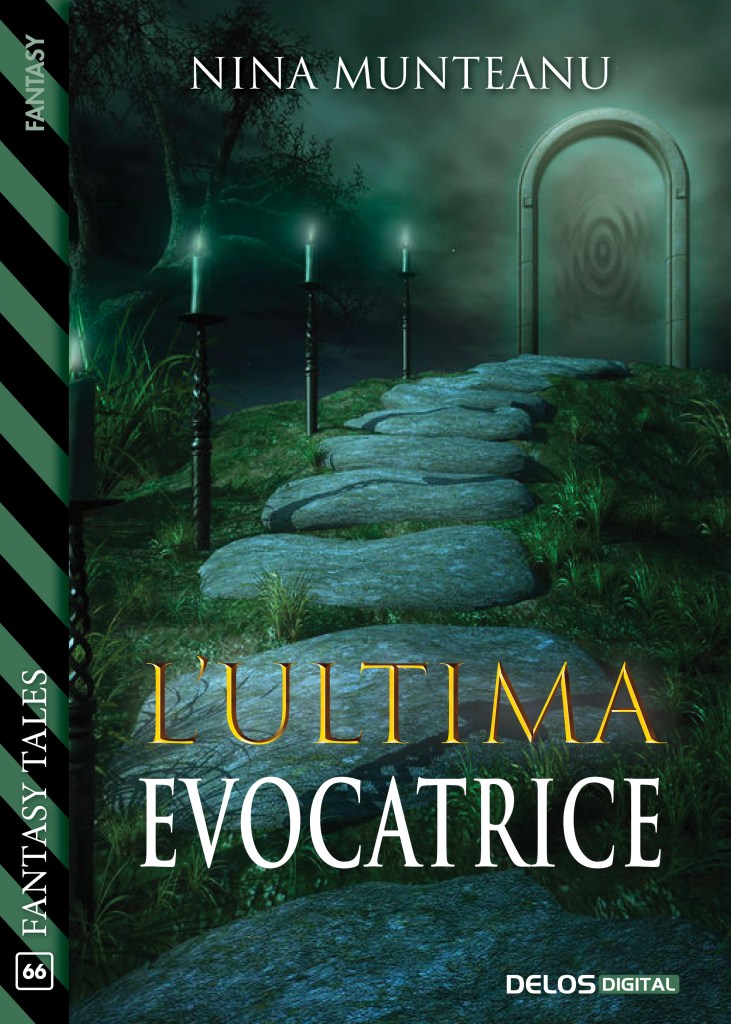
L’Ultima Evocatrice, a novella version of The Last Summoner in Italian was illustrated and designed for Delos Digital Publications in 2021 and draws the reader into the intrigue of the story.

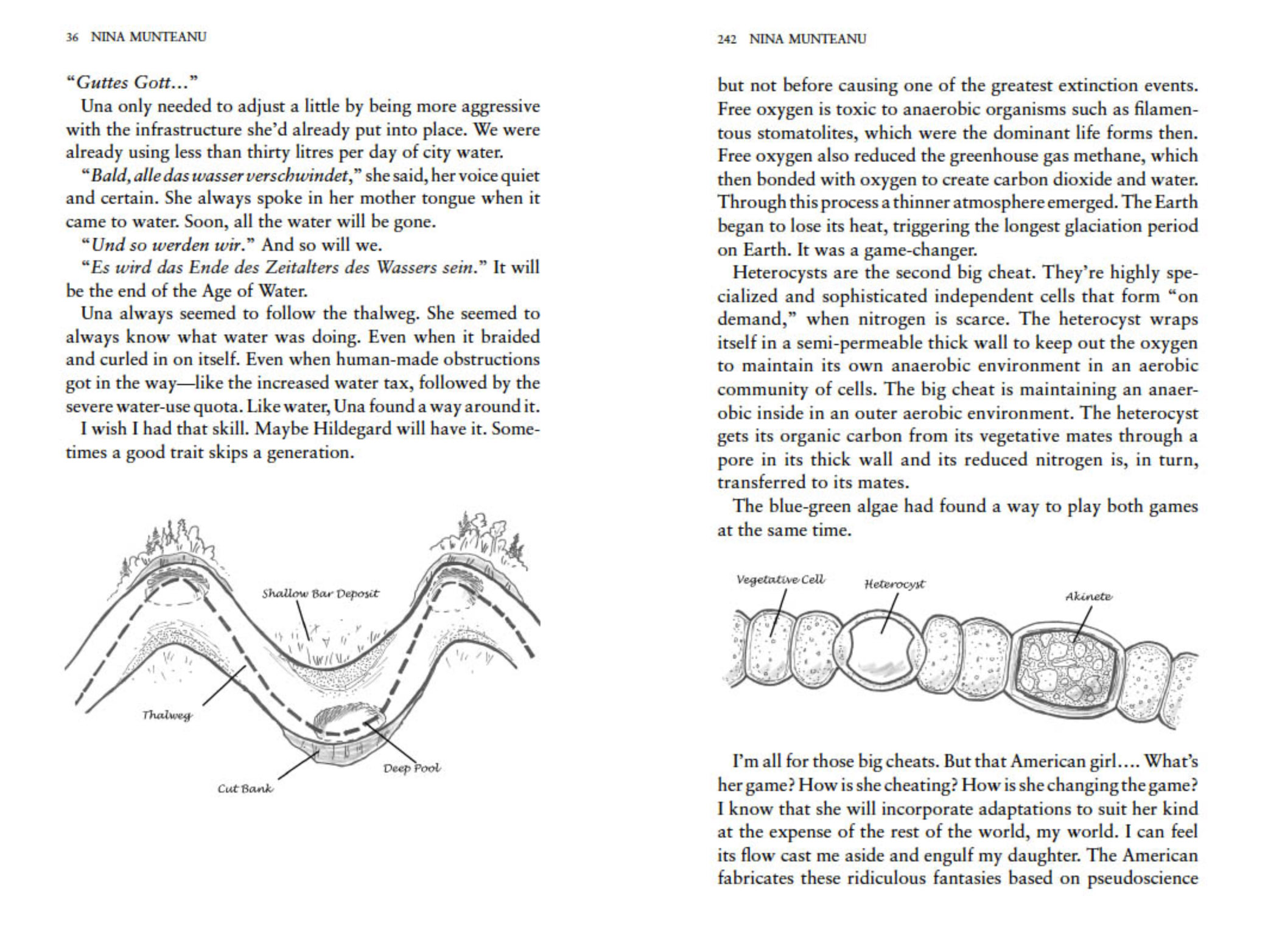
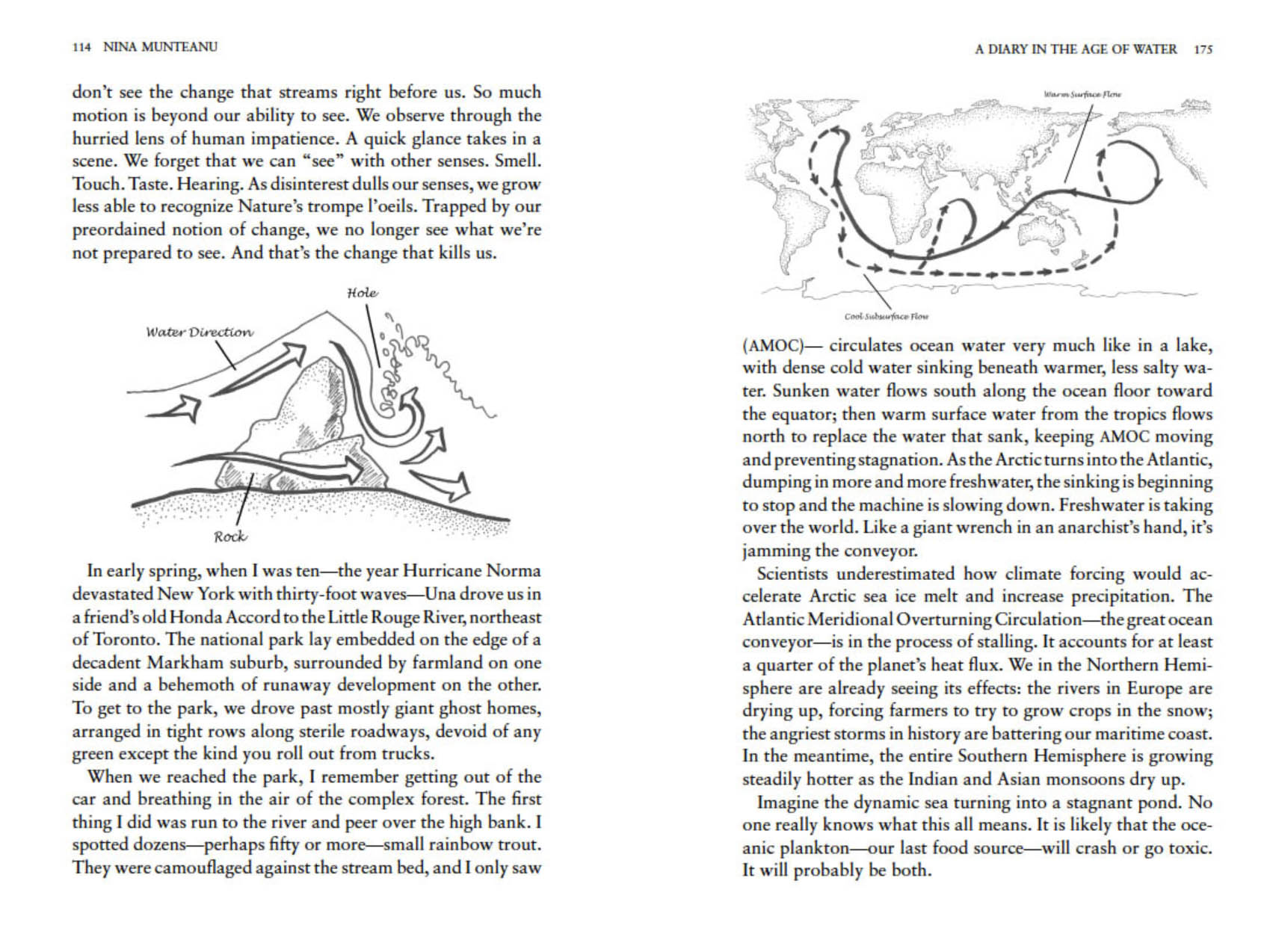
My most recent novel, A Diary in the Age of Water, published by Inanna Publications in 2020, features elegant cover art by Val Fullard and over thirty pieces of interior art work by my own hand.

Interior art representing the diarist’s sketches in “A Diary in the Age of Water

I wasn’t sure if the publisher would agree to use my sketches, but she did, to my surprised delight. She agreed with me that the interior illustrations, which represent sketches by the scientist diarist, lend a tangible reality to the story and a further focus of interest.

Interior art representing the diarist’s sketches in “A Diary in the Age of Water
Interior art representing the diarist’s sketches in “A Diary in the Age of Water”

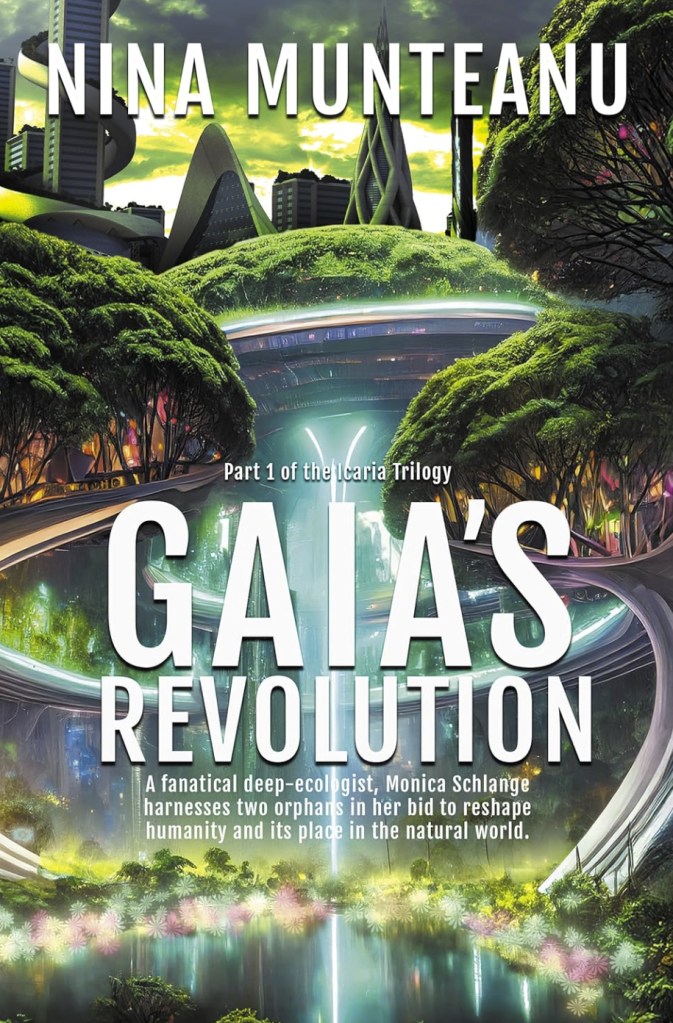
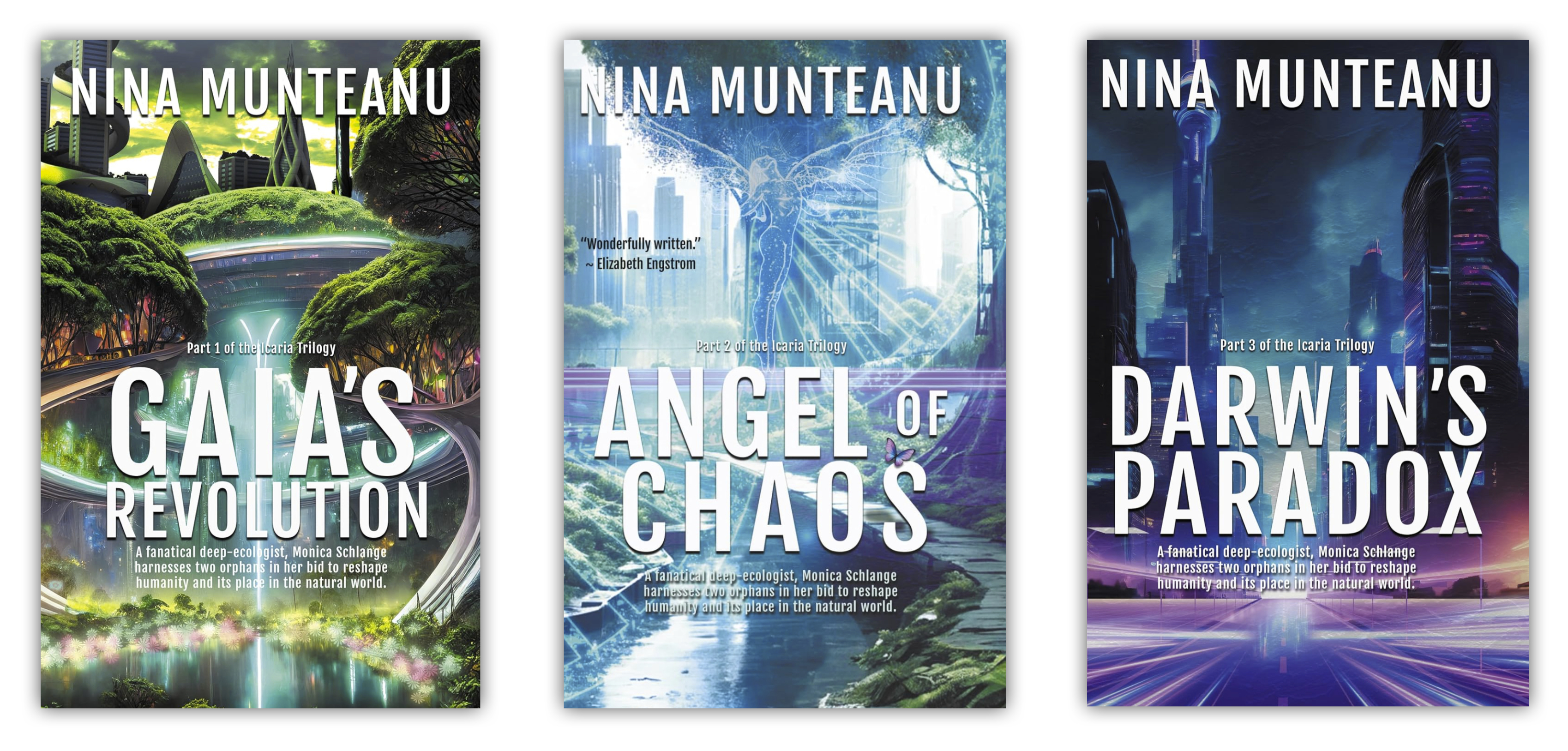
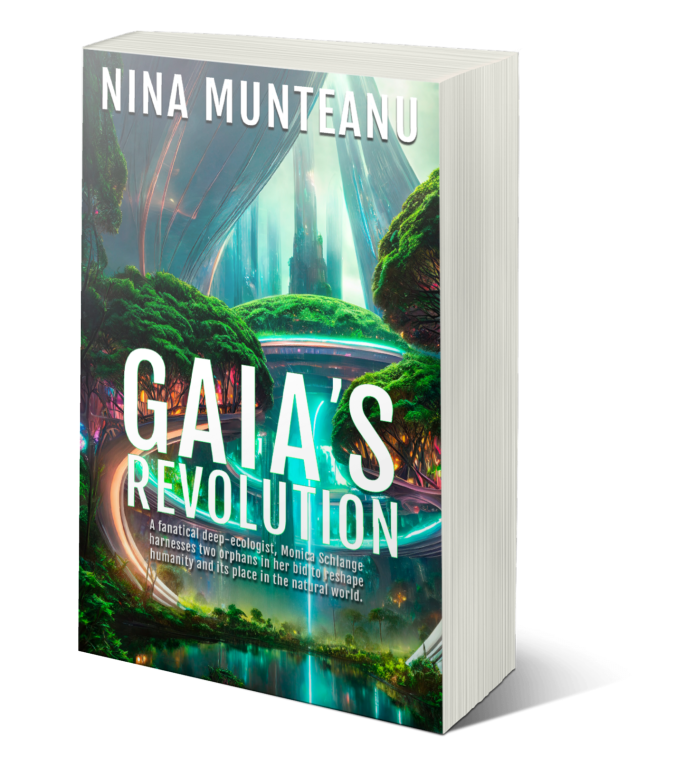
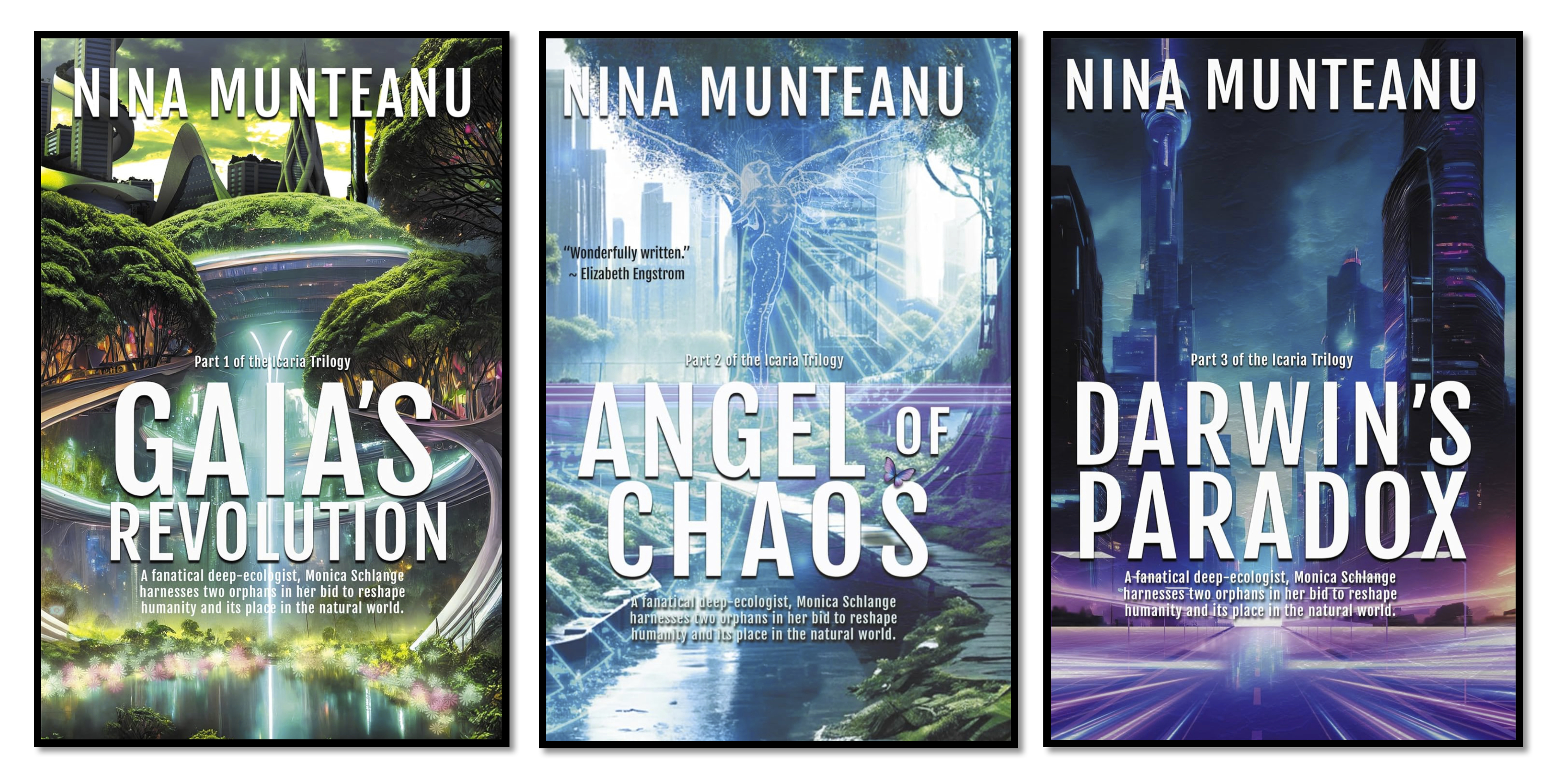
The excitement never ends for me as a writer … With the newest installation to The Icaria Trilogy imminent, Dragon Moon Press will be re-issuing Darwin’s Paradox and Angel of Chaos, along with the newest addition Gaia’s Revolution along with new covers and interiors. I can’t wait to see what Dragon Moon Press comes up with! …

The Icaria Trilogy by Dragon Moon Press (updated covers, 2026)

Post Script, 2026: Here are Dragon Moon’s newly issued covers for The Icaria Trilogy. They look fantastic and well-reflect the trilogy’s narrative progression. And, as I write this, I anticipate my newest book with Inanna Publications Thalweg, which continues in the same world as A Diary in the Age of Water. Thalweg will release early in 2027.

Cover art of print publications my work has appeared in up to 2021-end

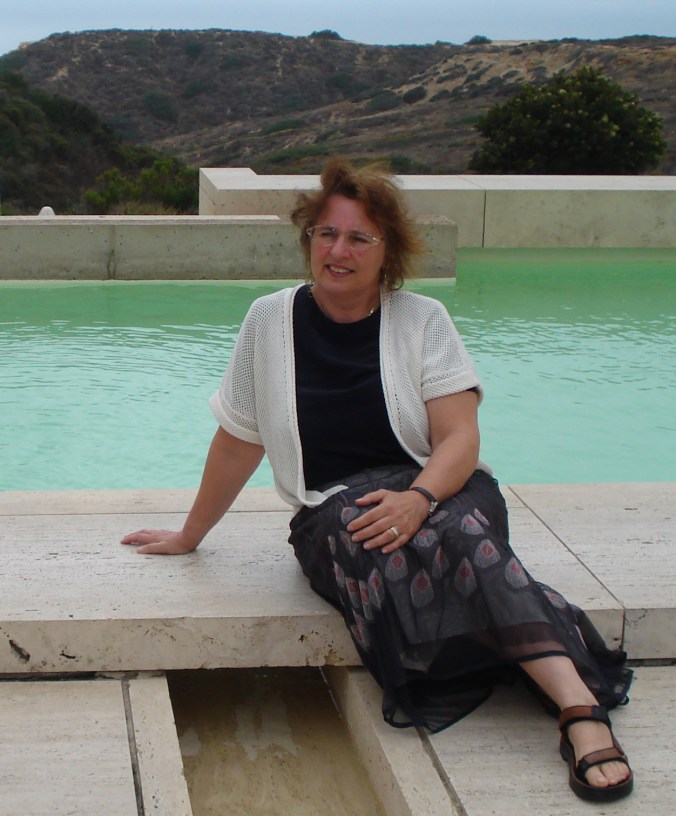
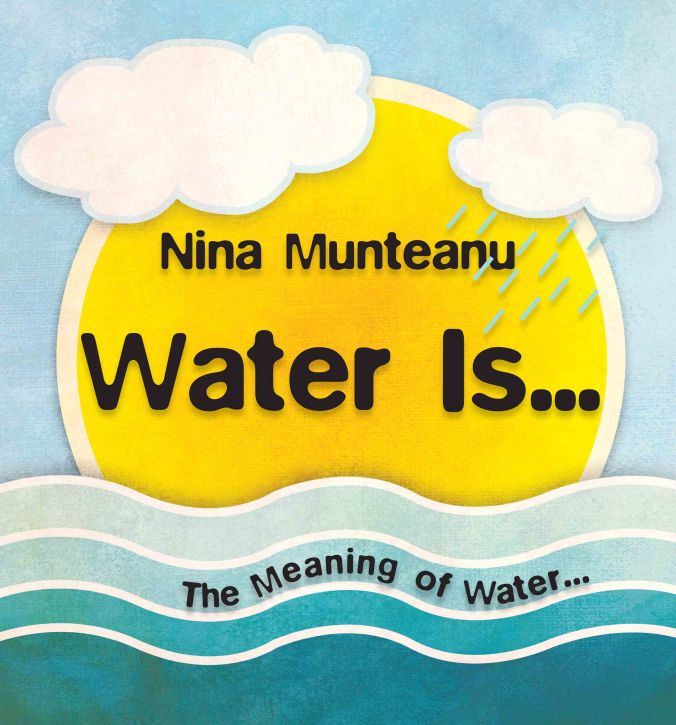
Nina Munteanu is a Canadian ecologist / limnologist and novelist. She is co-editor of Europa SF and currently teaches writing courses at George Brown College and the University of Toronto. Visit www.ninamunteanu.ca for the latest on her books. Nina’s bilingual “La natura dell’acqua / The Way of Water” was published by Mincione Edizioni in Rome. Her non-fiction book “Water Is…” by Pixl Press (Vancouver) was selected by Margaret Atwood in the New York Times ‘Year in Reading’ and was chosen as the 2017 Summer Read by Water Canada. Her novel “A Diary in the Age of Water” was released by Inanna Publications (Toronto) in June 2020.

When the Permafrost Thaws…

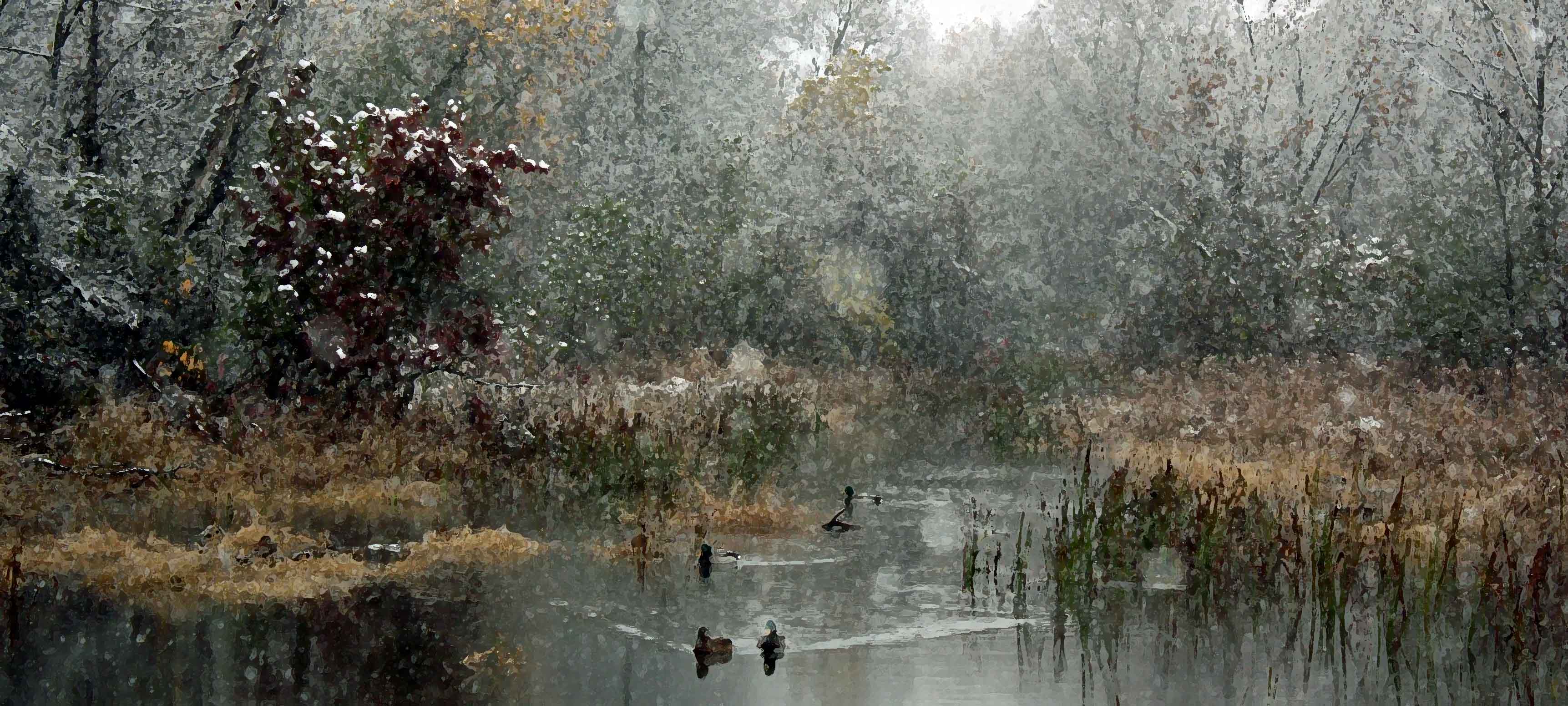
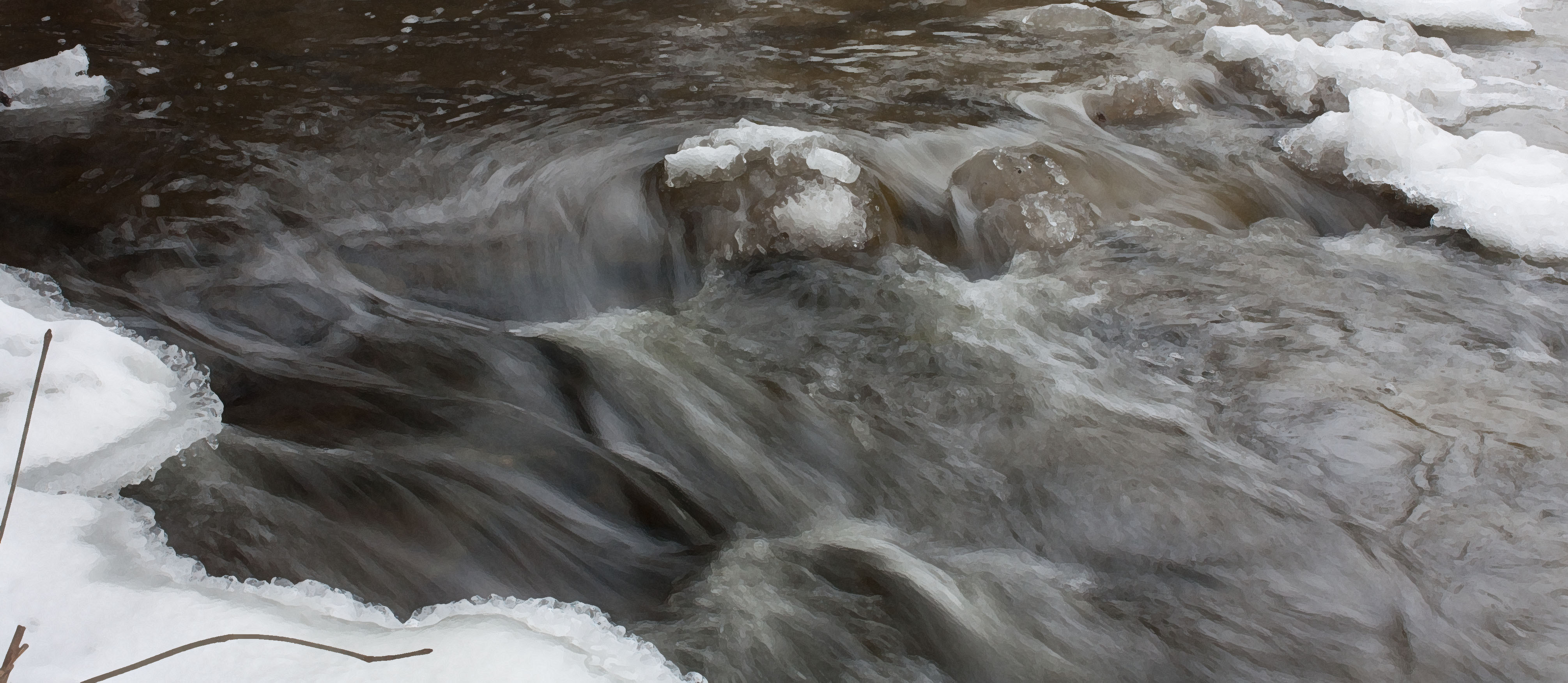
Ice and snow cover the Otonabee River in winter, ON (photo and rendition by Nina Munteanu)

In my upcoming novel “Gaia’s Revolution,” one of the protagonists, Damien Vogel, contemplates in 2022 a key event from 2020 that only a few seem to take seriously:

In Siberia in June 2020, record heat of thirty degrees Centigrade, over the average of 11 degrees, collapsed permafrost and caused oil tanks in Norilsk to rupture. Over twenty thousand tonnes of diesel spilled into the Pyasina lake and river system. Damien remembers looking at the veins of red on satellite images from space. That disaster is just the beginning of what the ‘sleeping bear’ of methane hydrates promise to unleash when the permafrost reaches a critical thaw and those hydrates awaken. Melting permafrost is a quiet sleeper in the climate change procession, he considers. At a microscopic level, in the chemistry of the water and in the change in the atmosphere, a time bomb is ticking.

A decade later, Damien’s twin brother, Eric, notes that:

“Back in the ‘20s scientists started noticing major permafrost melt on the Siberian Shelf,” Eric goes on. “The melting released hydrates, which set the oil and gas companies frothing at the mouth with joy and the climate scientists spinning in a panic because of what they knew it meant for the planet. It was the harbinger of the largest methane ‘burp’ ever.”

Eric then adds:

“Permafrost thaw kicked us into this devastating global warming, Dame, and everyone—even the climate modellers—ignored it, because they didn’t have enough data. Gott verdammt! They’re all still asleep, Dame!”

In his book The Treeline, Ben Rawlence writes about the ongoing extinction of indigenous peoples in the north as the treeline migrates northward into tundra and the permafrost and sea ice change and go extinct themselves.

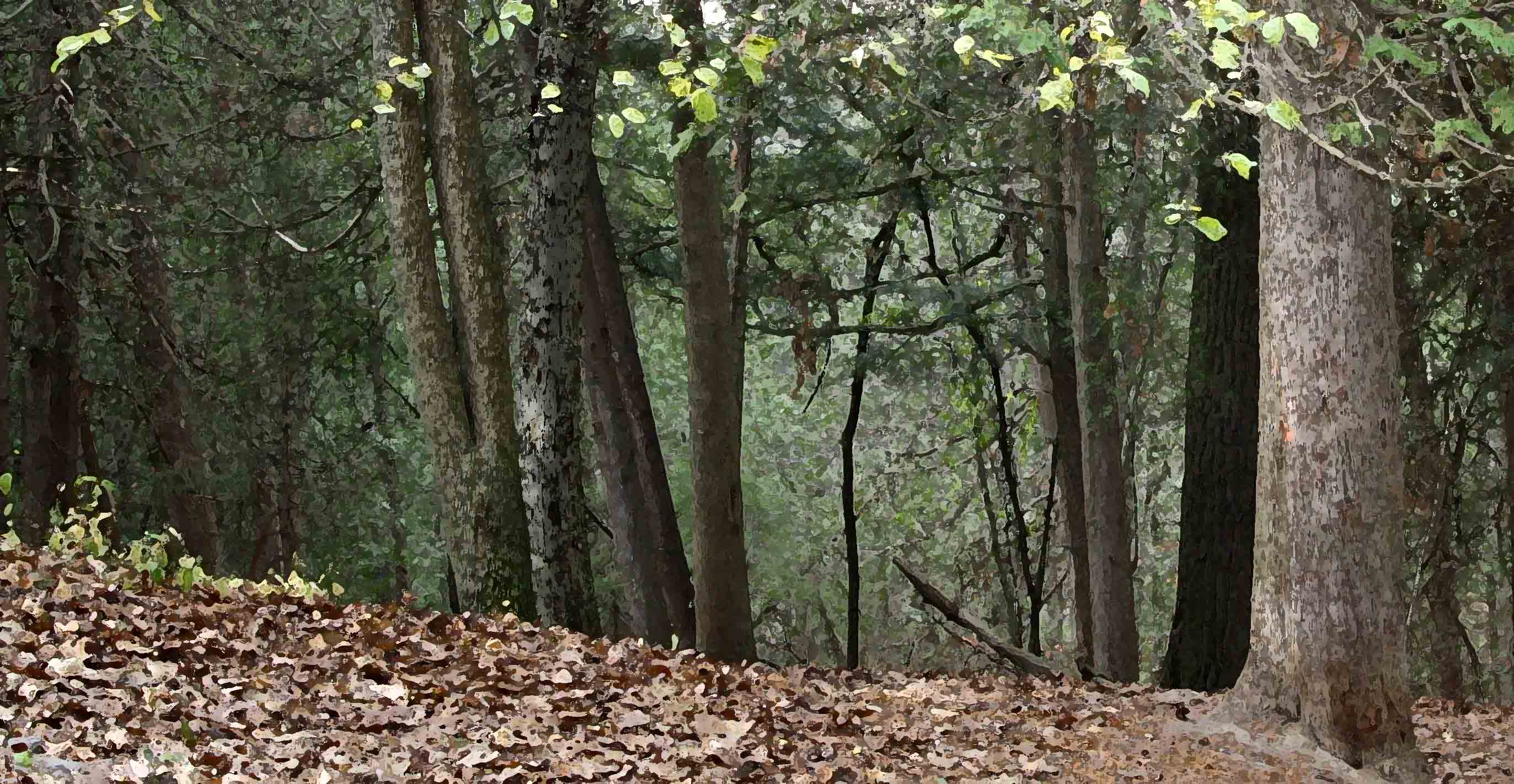
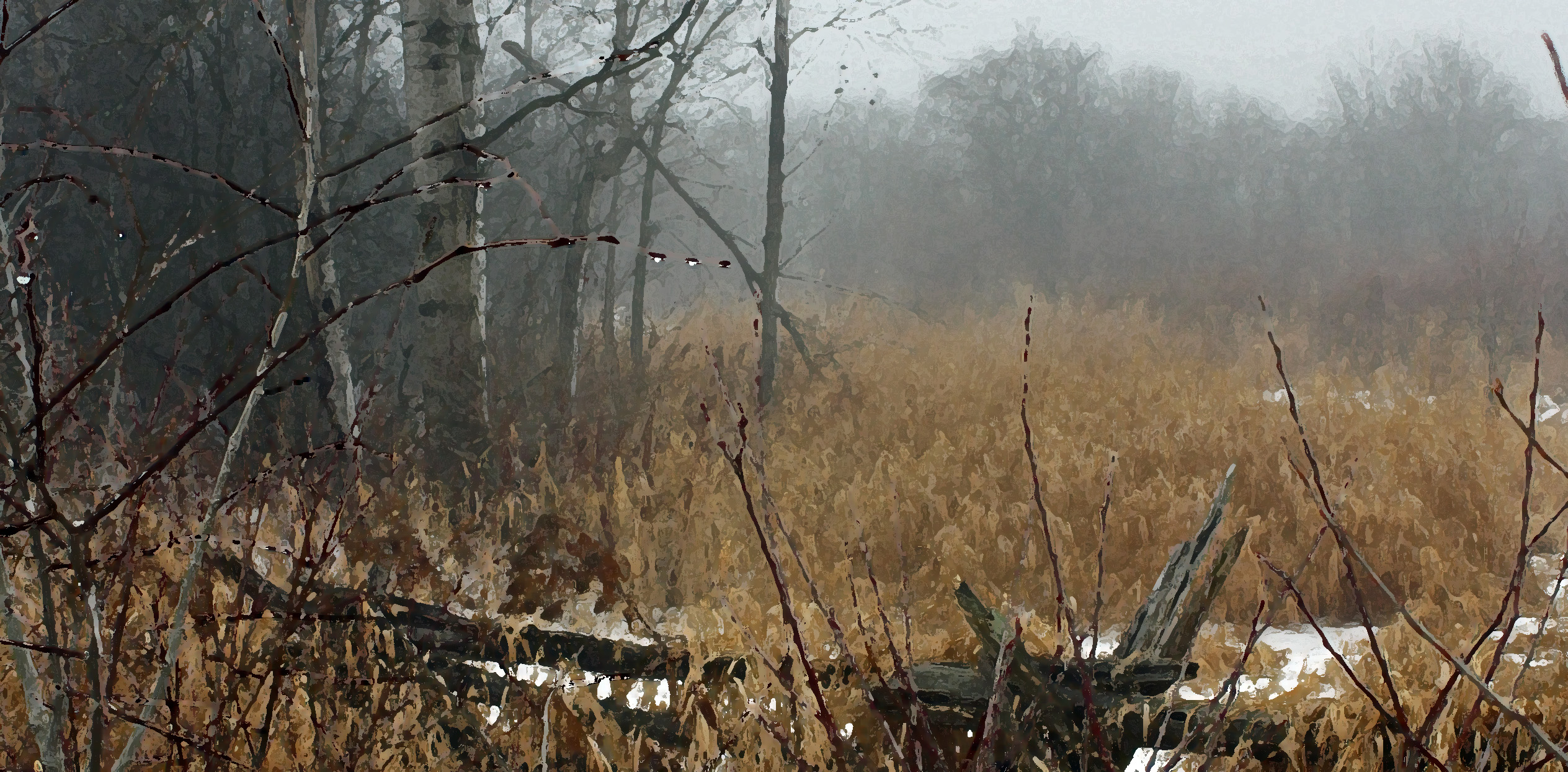
Ice fragments on the Otonabee River, ON (photo by Nina Munteanu)

Methane & The Clathrate Gun Hypothesis 

Because methane is present in much smaller concentrations many scientists have mistakenly deemed it as important as carbon dioxide in the climate change equation; however, it is becoming obvious that methane poses a real and largely unacknowledged danger. Methane is twenty times more efficient in trapping heat than carbon dioxide. Permafrost—which is currently melting rapidly in the north—contains almost twice as much carbon as is currently in the atmosphere. In the rapidly warming Arctic (warming twice as fast as the globe as a whole), the upper layers of this frozen soil are thawing, allowing deposited organic material to decompose and release methane.

.

The clathrate gun hypothesis is the notion that sea temperature rises (and/or drops in sea levels) may trigger a catastrophic positive feedback on climate:  warming would cause a sudden release of methane from methane clathrate (hydrate) compounds buried in seabeds, in the permafrost, and under ice sheets.

Something of this nature has already occurred in Siberia in 2020. In his book The Treeline Ben Rawlence reports the following warning by Dutch scientist Dr. Ko van Huissteden, a leading authority on permafrost:

“It is hard to measure methane release … [but] some studies have suggested that an unstable seabed could release a methane ‘burp’ of 500-5000 gigatonnes, equivalent to decades of greenhouse gas emissions, contributing to an abrupt jump in temperature that humans will be powerless to arrest.” (Wadhams, 2015)

Creation of gas hydrates requires high pressure; water; gas—mainly methane—and low temperatures. Three environments considered suitable for this process to occur include: sub-seabed along the world’s continental margins; permafrost areas on land and off shore; and a process for storing methane hydrates: ice sheets. As long as the climate is cold and the ice sheet stable, the gas hydrate zone remains stable. As the ice sheets melt, the pressure on the ground decreases; hydrates destabilize and release methane into rising seawater and finally into the atmosphere.

A recent study in Science revealed that hundreds of massive, kilometer-wide craters on the ocean floor in the Arctic were formed by substantial methane expulsions. Because methane is a powerful greenhouse gas, temperatures would rise exponentially. Once started, this runaway process could be as irreversible as the firing of a gun—and on a time scale less than a human lifetime.

The sudden release of large amounts of natural warming gas from methane clathrate deposits in runaway climate change could be a cause of past, future, and present climate changes.

Latest research on the Greenland ice sheet and elsewhere throughout the Arctic has revealed major methane discharges in Arctic lakes in areas of permafrost thaw. Scientists are exploring areas where methane is bubbling to the surface and releasing to the atmosphere.

If human emissions continue at their current rate, rapidly changing ocean currents and retreating ice sheets may uncork methane from under ice caps, ocean sediments and Arctic permafrost, causing a jump in radiative forcing. Even if rapid ice sheet disintegration were to scatter large amounts of ice into the oceans, the net cooling effect would be strongly countered and likely overwhelmed. The areas that did cool would likely trigger severe weather outbreaks.

As I write, we are pumping out CO2 into the atmosphere at a rate 10 times faster than at any point in the past 66 m years, with the resulting sea level rises, extreme weather events, heat waves, droughts, unseasonal storms, and stress on biodiversity around the globe.  Research published in the journal Nature Geoscience demonstrates that “the world has entered ‘uncharted territory’ and that the consequences for life on land and in the oceans may be more severe than at any time since the extinction of the dinosaurs,” writes Damian Carrington of The Guardian.

In an interview with Guardian reporter John Abraham, Woods Hole expert Robert Max Holmes, exhorted:

It’s essential that policymakers begin to seriously consider the possibility of a substantial permafrost carbon feedback to global warming. If they don’t, I suspect that down the road we’ll all be looking at the 2°C threshold in our rear-view mirror.

Ice break up on the Otonabee River in early spring, ON (photo by Nina Munteanu)

References:

Hansen, James and Sato, Makiko; Update of Greenland ice sheet mass loss: Exponential?; (26 December 2012).

Adams, J., M.A. Maslin and E. Thomas Sudden climate transitions during the Quaternary; Progress in Physical Geography, 23, 1, 1-36 (1999)

Andreassen et al. 2017. “Massive blow-out craters formed by hydrate-controlled methane expulsion from the Arctic seafloor,” Sciencescience.sciencemag.org/cgi/doi … 1126/science.aal4500


Carrington, Damian. 2016. “Carbon emission release rate ‘unprecedented’ in past 66 m years.” The Guardian, March 21, 2016.

Hansen, James and Sato, Makiko. 2012. Update of Greenland ice sheet mass loss: Exponential?; (26 December 2012).

Portnov et al. 2016. Ice-sheet-driven methane storage and release in the ArcticNature Communications 7

Rawlence, Ben. 2022. “The Treeline.” Jonathan Cape, London. 342pp.

Sachs, Julian and Anderson, Robert. 2005. Increased productivity in the subantarctic ocean during Heinrich events; Nature 434, 1118-1121;(28 April 2005).

Sojtaric, Maja. 2016. Ice Sheets May be Hiding Vast Reservoirs of Powerful Greenhouse GasCAGE.

Wadhams, Peter. 2015. “A Farewell to Ice.” Penguin.

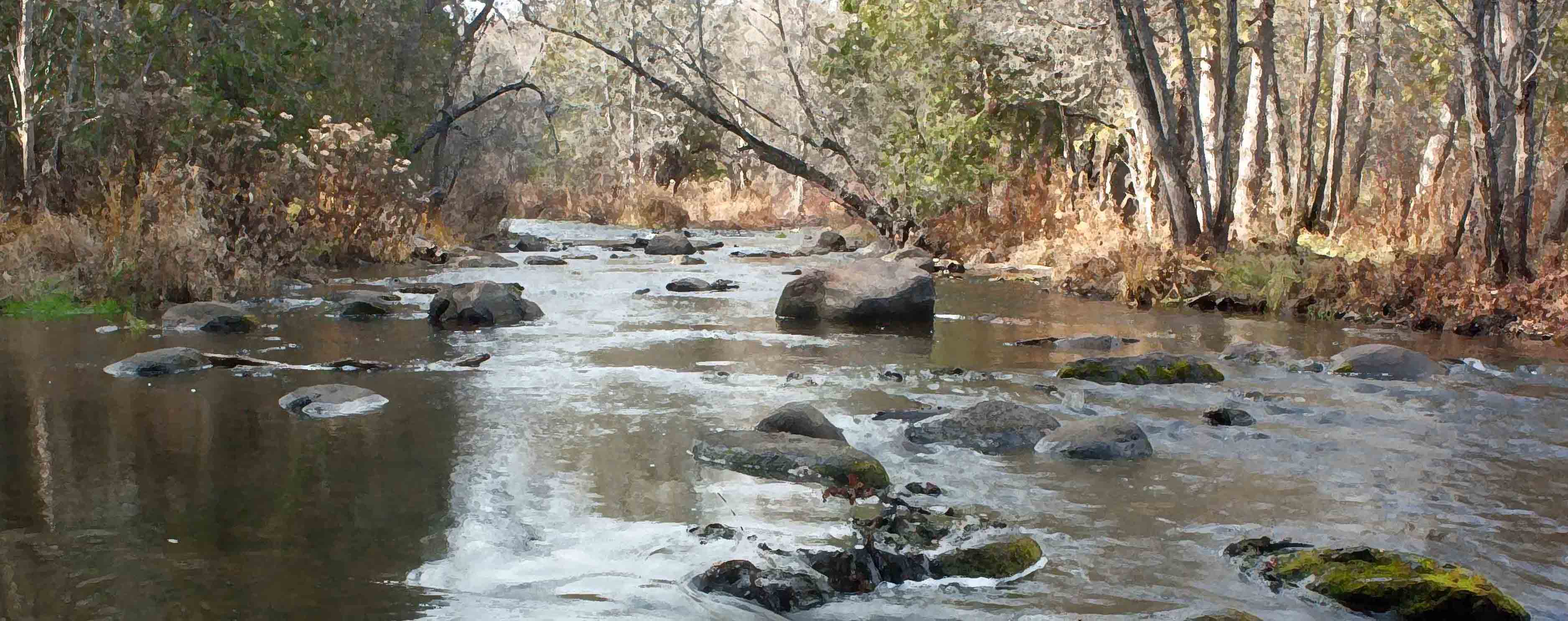
Flowing water in a river, ON (photo by Nina Munteanu)

Nina Munteanu is a Canadian ecologist / limnologist and novelist. She is co-editor of Europa SF and currently teaches writing courses at George Brown College and the University of Toronto. Visit www.ninamunteanu.ca for the latest on her books. Nina’s bilingual “La natura dell’acqua / The Way of Water” was published by Mincione Edizioni in Rome. Her non-fiction book “Water Is…” by Pixl Press (Vancouver) was selected by Margaret Atwood in the New York Times ‘Year in Reading’ and was chosen as the 2017 Summer Read by Water Canada. Her novel “A Diary in the Age of Water” was released by Inanna Publications (Toronto) in June 2020.

This entry was posted in booksCanadaChoices for WaterClimate Changeeco-fictionecologyenvironmentSciencesustainabilityThe FutureWater Is and tagged arctic ice meltArctic OceanBen Rawlenceclathrate gun hypothesisClimate Changeeco-fictionecologyenvironmentGaia’s Revolutionglobal warmingice sheetsmelting permafrostmethanemethane clathratesmethane hydratespermafrostpermafrost thawrunaway climate changeScienceThe Treelinewater. Bookmark the permalinkEdit