
My guest today is Calgary author Simon Rose, who has published eighteen novels for children and young adults, eight guides for writers, more than a hundred nonfiction books, and many articles on a wide variety of topics. Today, we’re looking at his latest release, Royal Blood, the second novel in the Stone of the Seer series.
Remind us about the Stone of the Seer series. What’s it all about?
The Stone of the Seer is an exciting historical fantasy series for young adults, primarily set during the English Civil War in the mid-seventeenth century. The Stone of the Seer, is the first book in the series. At Habingdon House, Lady Elizabeth Usborne, Kate, and Tom discover a magical black stone, mysterious ancient manuscripts, and the tempus inpectoris, an incredible time viewing device. They are also in grave danger from Daniel Tombes, who has a fearsome reputation as a witchfinder.
And without giving too much away, what can readers look forward to in the second novel?
In Royal Blood, Lady Elizabeth, Kate, and Tom move to London in the middle of the Civil War, experiencing the great political changes taking place at the time, including the
trial and execution of Charles I. They are also still under threat from Tombes, who is also in the city. The story has many twists and turns, and I doubt if any of the readers will expect the novel’s cliffhanger ending.
And then they’ll have to wait for the third book?
Yes, they certainly will. I’m hoping that Revenge of the Witchfinder, the final novel and the conclusion of the story,will be published later this year. After that, people will be able to buy all three books in the series.
And what’s the story behind the story?
The story, main characters, and some of the settings in Royal Blood are fictional, but like in The Stone of the Seer, they’re based on real events and historical characters, such as King Charles I, appear in the story. The English Civil War broke out as a result of the struggle between Charles I and Parliament, regarding how the country should be governed. The king’s defeat in the war was followed by his trial and execution in January 1649. The monarchy was abolished and replaced first by the Commonwealth of England and then the Protectorate. However, although the monarchy was restored in 1660, in the person of Charles II, his father’s defeat confirmed that an English monarch couldn’t rule the country without the consent of Parliament. This was eventually legally established in 1688 after the Glorious Revolution.
Did you conduct extensive historical research for this book, as you did with the first one?
Although the English Civil War is a time period I’ve always been interested in, I still engaged in lots of research. I needed to study what life was like in seventeenth century London, the political and religious beliefs that were around at the time, the influence of real witchfinders such as Matthew Hopkins and others like him, and of course the trial and execution of Charles I. The trial itself was very well recorded and I was able to ensure that the words spoken by both the king and his accusers were accurate. There were also many witnesses to the execution, so I was able to include established facts about that aspect as well.
As I did in The Stone of the Seer, I’ve included a glossary at the end of Royal Blood, where readers can learn more about the events, settings, and leading characters from the era, locations that are mentioned in the text, life in the seventeenth century, and about other historical periods that are featured in the story. On my website, there’s also a page with details about the historical background behind the books, with links to online sources about the time period.
Do you have any current projects?
Right now I’m working on another historical fantasy novel series, this time set in the early years of World War II. I’m also working on another series of paranormal novels, in the same genre as my previously published series that includes Flashback, Twisted Fate, and Parallel Destiny. You can learn more about those books at www.simon-rose.com. In addition, I’m in the early stages of another couple of historical projects, and am also working on some screenplays, including adaptations of my Shadowzone series, and on several other topics.
Do you still work with other authors as well?
Yes, I offer coaching, editing, consulting, and mentoring services for writers of novels, short stories, fiction, nonfiction, biographies, inspirational books, and in many other genres, plus work with writers of scripts and screenplays. I’m also a writing instructor at the University of Calgary and served as the Writer-in-Residence with the Canadian Authors Association. You can find details of some of the projects I’ve worked on with other authors, along with references and recommendations, at www.simon-rose.com.
Where can people buy Royal Blood and The Stone of the Seer?
The novel can be purchased at most of the usual places, as follows:
Royal Blood
Ebook: Amazon Canada, Amazon USA, Kobo, iBooks, Barnes and Noble, Smashwords
Paperback: Amazon Canada, Amazon USA
The Stone of the Seer
Ebook: Amazon Canada, Amazon USA, Kobo, iBooks, Barnes and Noble, Smashwords
Paperback: Amazon Canada, Amazon USA
Thanks Simon, for being my guest here today and the very best of luck with Royal Blood and the Stone of the Seer series. I hope the books sell thousands and thousands of copies in the coming weeks and months.
You can learn more about Simon and his work on his website at www.simon-rose.com, where you can also link to his social media sites and other locations online.


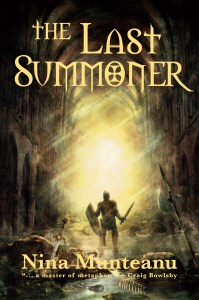 I teach writing at the University of Toronto and fiction writing at George Brown College in Toronto. A question I’m often asked is how I get my story ideas. I always start by sharing my favourite example of how I came to write my historical fantasy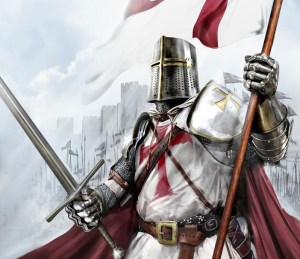
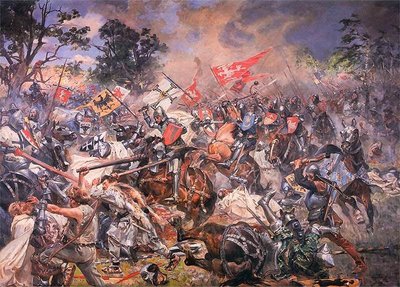
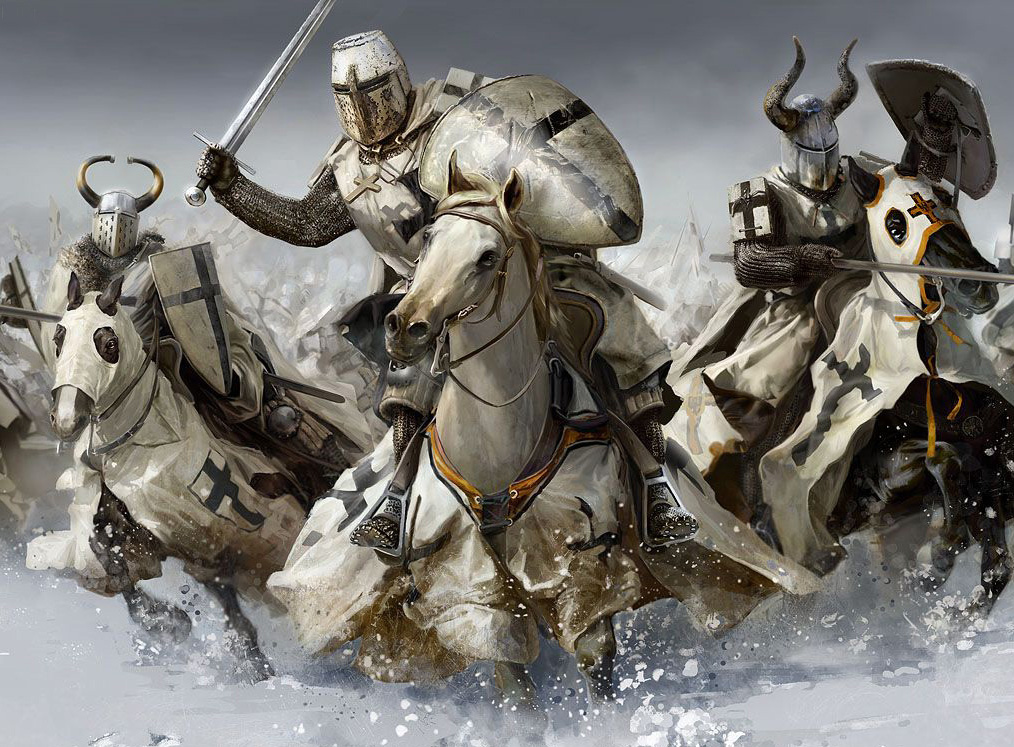
 Intrigued by this little known order of religious crusaders, I pursued the premise of an alternative consequence: what if the Teutonic Knights had NOT underestimated their enemy and won the Battle of Grunwald? Would they have continued their catastrophic sweep of Northeast Europe into Russia and beyond? Would they have claimed the whole for Germany’s expansionist lebensraum movement, fueled by its sonderweg—a dialectic that would ultimately lead to the killing fields of the Holocaust? What if the success of the Teutonic Order helped consolidate a united fascist elite, ambitious to conquer the world? What if Nazism sprang up 100 years earlier than it did in our current reality?
 Spanning from medieval Poland to present day Paris,

 across a story that stumped my super CSI powers of deduction was a real treat.”
 were incredibly strong and involved you in their lives. The flow was fun & fast-paced. Merci, Nina. Great book!”
 Nina Munteanu is an ecologist, limnologist and internationally published author of award-nominated speculative novels, short stories and non-fiction. She is co-editor of Europa SF and currently teaches writing courses at George Brown College and the University of Toronto. Visit
  In her book The Art of Slow Writing, Louise DeSalvo tells the story of how Ian McEwan composed his book Atonement.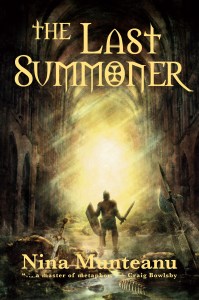
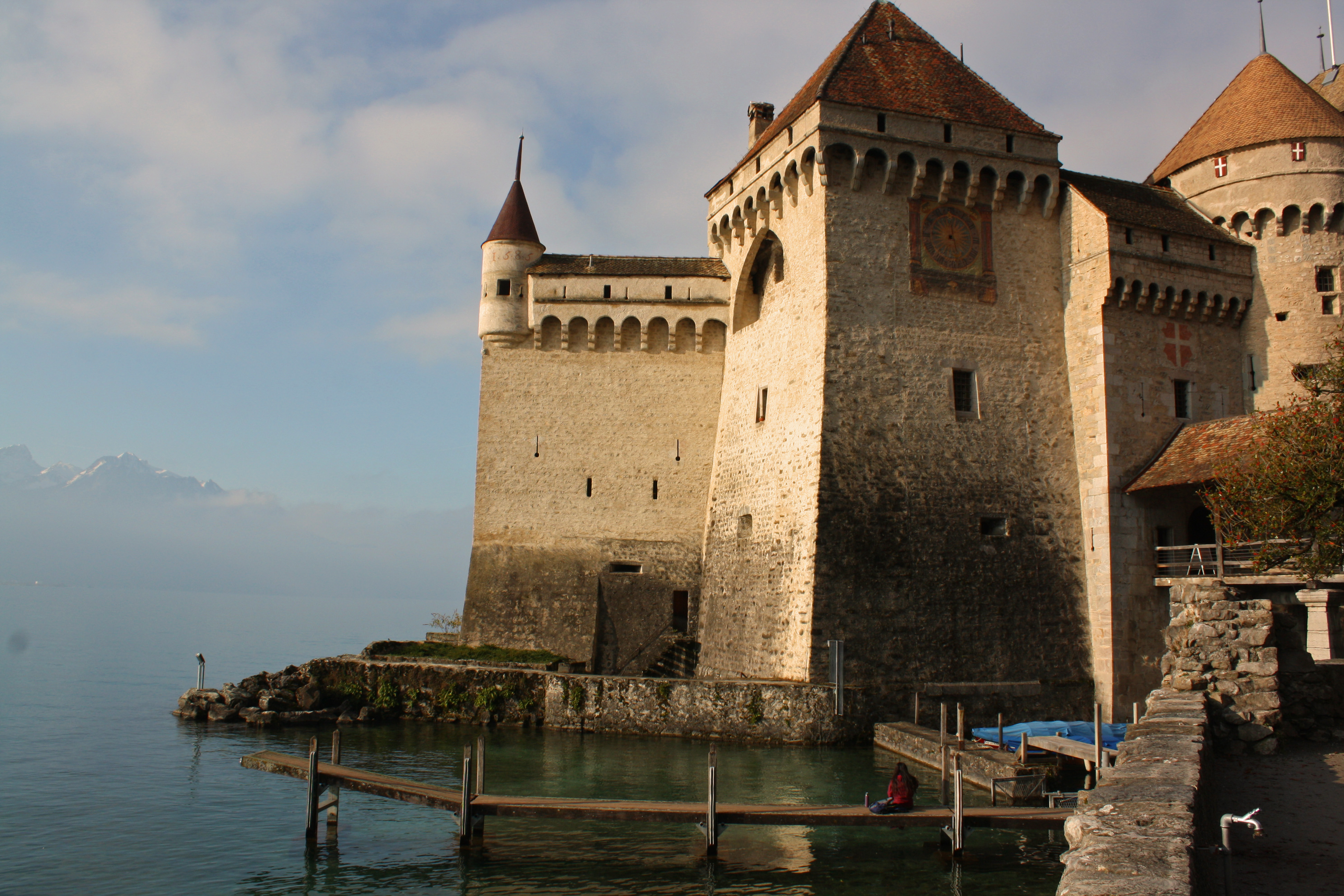
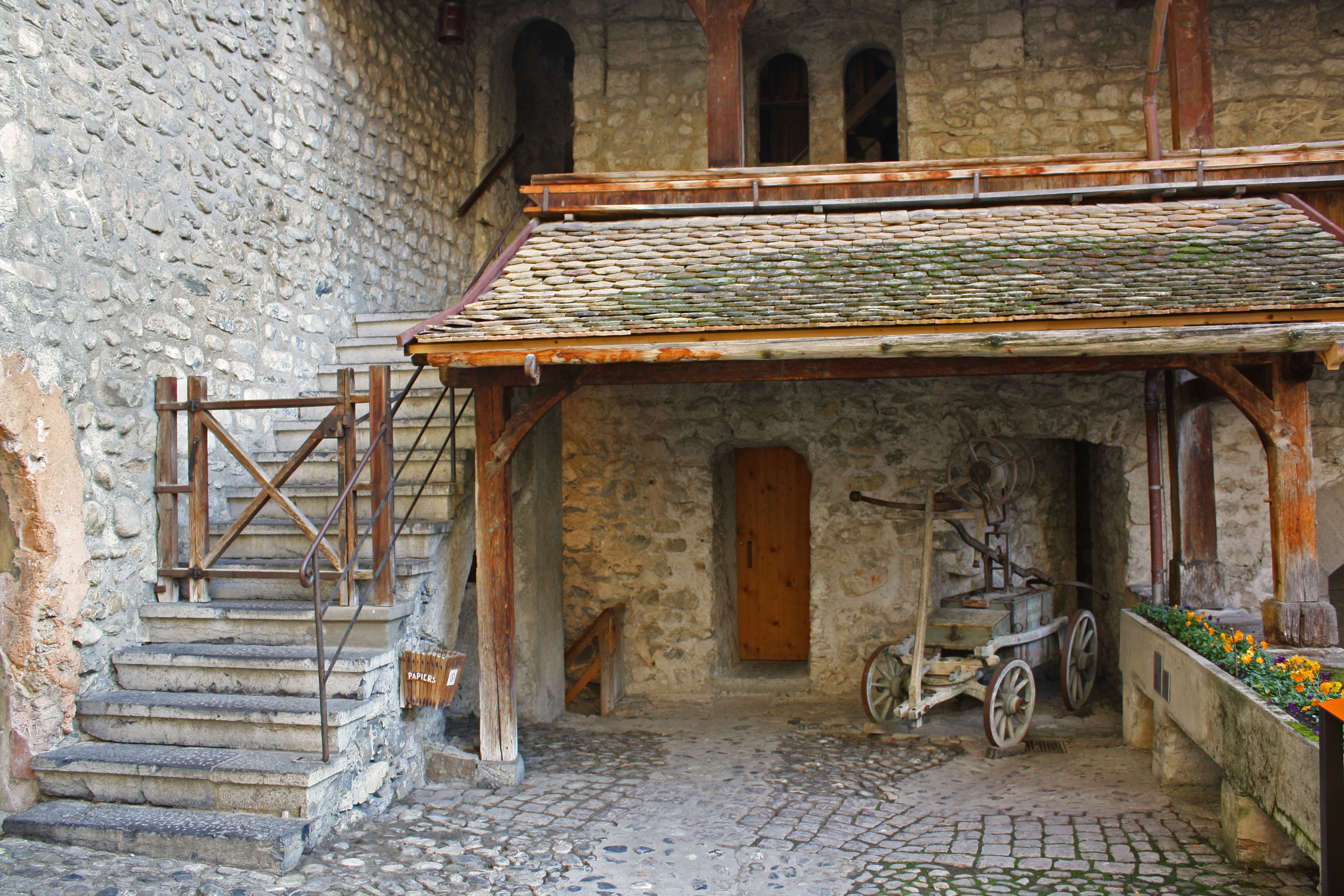
 I originally wrote the Paris section in Vivianne’s point of view, but it seemed flat with too obvious fish-out-of-water observations. I let the book sit, while I conducted more research on Paris, and then it came to me: give the narrative to François. This part of the book was his story. By giving François the only POV, I also gave his character agency to react and change to Vivianne’s role as “catalyst hero.” I rewrote this section, starting with François fleeing from a street crime he’d committed, when Vivianne literally appears and knocks him down. She then sweeps him up in a high-stakes chase that will change his worldview. When Vivianne returns to 1410 Poland in the last section of the book, her great journey of self-discovery and atonement begins.
 Nina Munteanu is a Canadian ecologist and internationally published author of award-nominated speculative novels, short stories and non-fiction. She is co-editor of Europa SF and currently teaches writing courses at George Brown College and the University of Toronto. Visit
  Nina Munteanu Writing Coach