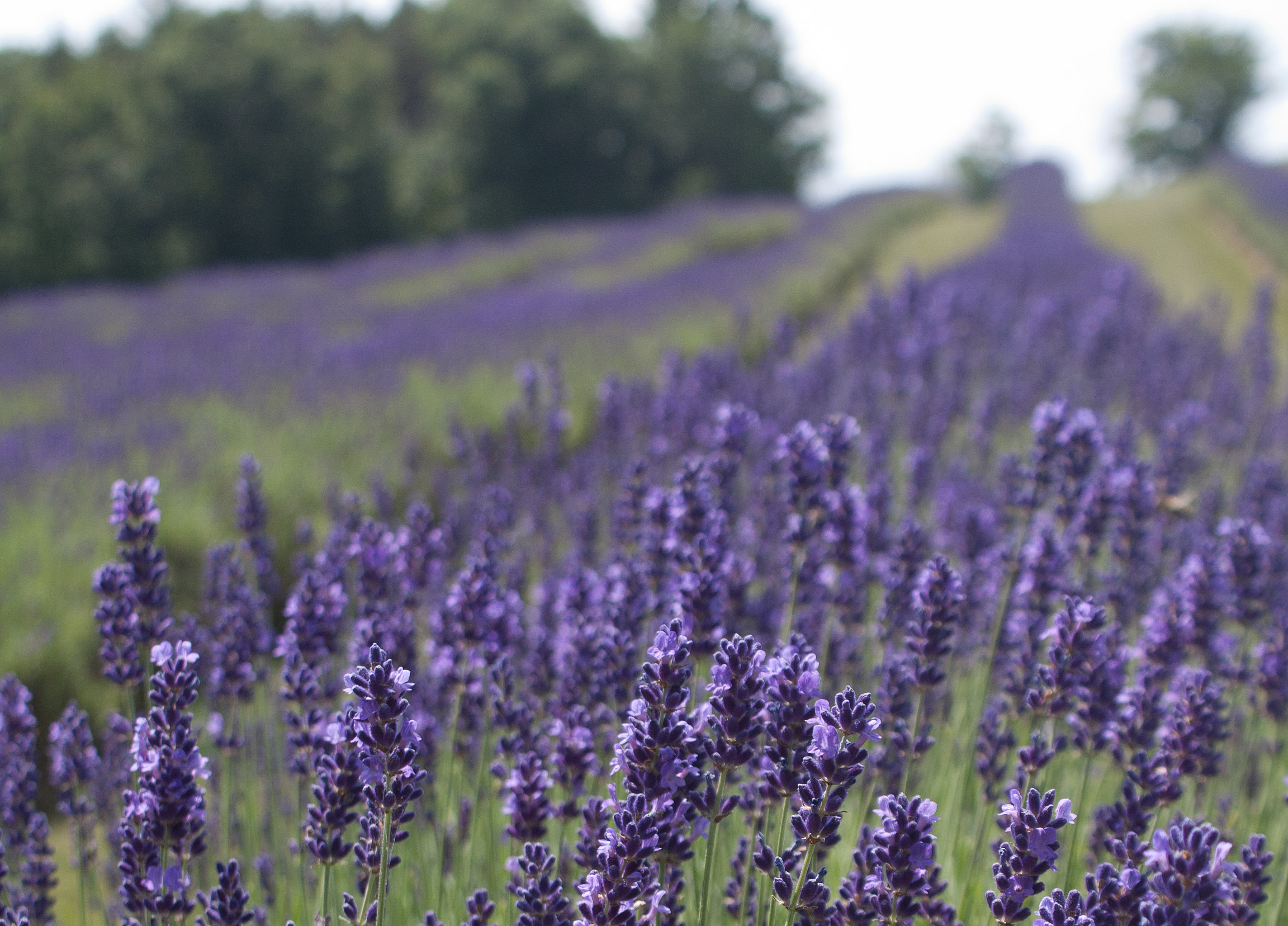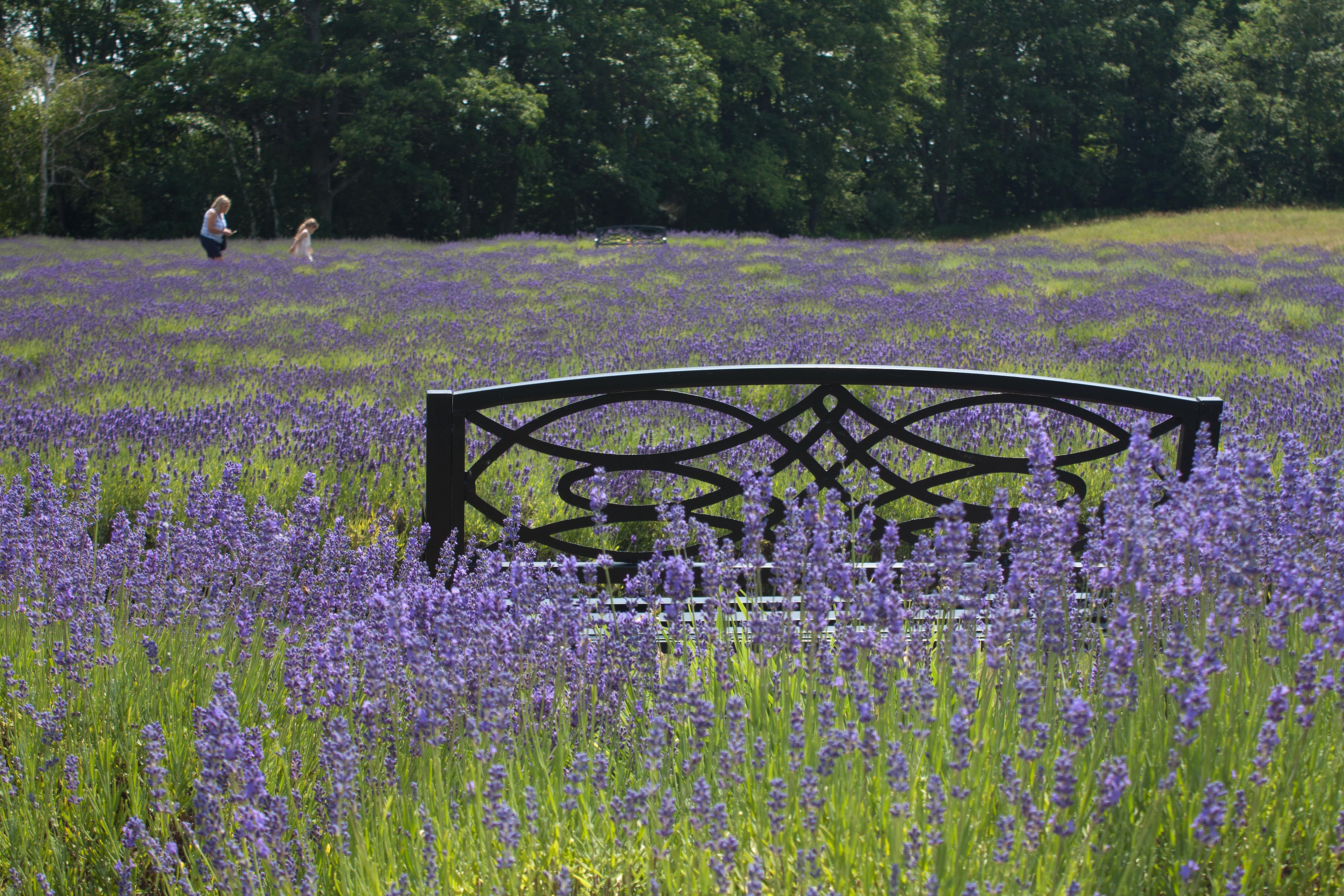
The lavender fields at Laveanne, ON (photo by Nina Munteanu)
.
Two years ago on this day, I tracked down Laveanne the lavender farm I’d heard about near Campbellcroft, Ontario. I’d seen the sign somewhere and just had to remind myself where that was. It was a sunny hot day in July and I was ready for adventure. My memory served me well and in no time I was driving east on Country Road 9 (Ganaraska Rd.) from Highway 28. The turn off to Gilmour Rd. came soon, well signed, and I was eventually driving a road that more resembled a lane until I arrived at the purple fields of the farm.
The 1.6 hectare family-run farm was started by partners Sabena and Gary in 2013 and now includes a lovely outdoor café and gift shop offering a wide diversity of lavender-related products. You can also buy a lavender plant from their nursery. When I asked her about the name they chose—Laveanne—for their enterprise, she explained: “lkjlkjlkjl”
I came to experience the lavender fields; so, relegating the café and gift shop for later, I set out into the undulating aromatic fields. As I inhaled a complex mixture of alluring mystery, I felt like I was entering some paysage Provençal painted by Annie Rivière, embraced by an arcane beauty of colour and scent and sound that conspired into an abiding sense of calm and joy.
The lavender fields at Laveanne: top left, rows of English lavender; top right, lavender labyrinth; bottom left, bumblebee in flight among lavender blooms; bottom right, Red Admiral butterfly settles on a lavender influorescence. (photos by Nina Munteanu)
.
The Smell of Lavender
The aroma was subtle yet lingered as I walked the four acres of lavender, along stubby rows of deep purple that snaked up and into a rolling horizon. It was early enough for many of the flowers to still be in bud, displaying an intensely deep purple. This colour grows brighter as more flowers burst into bloom later in the month, attracting more and more honeybees. I was in a kind of aromatic heaven, accompanied by the constant hum of honeybees buzzing from flower to flower and the occasional flutter of a Red Admiral butterfly, flashing its bright blue-orange wings as it stopped briefly to gorge on the lavender’s nectar. The scent was an airy symphony of sweet floral with herbal, camphor-like woodsy undertones. I detected the mildest hint of rosemary and coriander.
.
Chemistry of lavender smells (image by Andy Brunning / Compound Interest)
.
I’m told that lavender’s aroma comes mainly from linalool and linalyl acetate, both part of the terpene family. Linalool, which helps repel mosquitos, is widely used in fragrances as well as many personal care products and aromatherapies. This terpene also found in mint, cinnamon, coriander, and citrus fruits; it is the chief chemical responsible for the recognizable spicy floral smell of marijuana (the skunky smell of cannabis is from another terpene, myrcene). Linalool is of course known for its calming and soothing effects. It reduces stress and anxiety, helps relax the body and enhance sleep quality, and helps provide relief from pain and inflammation. Two other terpenes, 1,8-cineole and camphor add some hint of scent as well as having insecticidal and repellent properities (such as repelling moths). These terpenes are also found in rosemary, hence the hint of rosemary scent in lavender. I’m told that over 300 compounds exist in lavender’s essential oil, though not all contribute to aroma. Two enantiomers of linalool include the enantiomer licareol, responsible for the scent of lavender, and the enantiomer coriandrol, also found in coriander seed oils and sweet orange flowers.
.
Lavender Labyrinth
Reflection Labyrinth at Laveanne lavender farm, ON (photo by Nina Munteanu)
.
In the middle of the field I even found an over 30 metre diameter nine circuit modified Neo-Medieval labyrinth. Laveanne tells us that labyrinths are designed following sacred geometry and, unlike mazes that are built to challenge and confuse, are designed for meditation and relaxation. I walked the Reflection Labyrinth, among aromatic lavender and buzzing bees, feeling very content and relaxed.
I asked Sabena about what got them started farming lavender and she related the story of her son’s herb business “Grow Tasty”, which started a lavender collection. It went from a private collection to a larger enterprise after they saw a brochure from a lavender farm in Quebec and, after visiting the farm, were inspired to start their own lavender farm.
.
Bench faces the labyrinth at Laveanne lavender farm, ON (photo by Nina Munteanu)
.
Growing Lavender
Lavender is indigenous to the mountains of the Mediterranean region of western Europe. The plant spread rapidly to other parts of the world with travelers and by the sixteenth century, lavender was gracing English gardens. The first lavender plants made it to America with the European settlers. Lavender has been used medicinally for several millennia. It was used in ancient Egypt for mummification and Romans scented their public bathhouses with lavender. The name lavender comes from the Latin verb lavare—to wash.
High Country Gardens tells us that lavender “is known for its soothing, relaxing qualities and has been used to treat hyperactivity, insomnia, headaches, toothaches, sore joints, and rumbling digestive systems.” They add about early cleansing uses of lavender that “Early household use started with lavender strewn on the floors of castles and sick rooms as a disinfectant and deodorant. It was sold in bunches by street vendors and placed in linen closets as an insecticide to protect linens from moths.”
Sabena tells me that growing lavender successfully can be a challenge in Ontario. Given that lavender is not native to Ontario, it’s important to make it comfortable here. All species of lavender are sun lovers. These semi-woody and semi-evergreen perennials thrive in well-drained soil. They are drought tolerant and pest and disease resistant, but unless they are happy, they won’t do well. Summer pruning, after they have flowered, keeps them vigorous. They also need wind protection; being semi-evergreen makes them susceptible to windburn or drying out.
.
The Lavender Experience
At the outdoor café, which faces the fields, I treated myself to some lavender shortbread cookies with a refreshing lavender iced tea and sat to enjoy the glorious view.
Their shop offers a wonderful selection of lavender-infused products (from soaps to moisturizers, bath products to mists and essential oils), culinary goods such as spices and teas, as well as local jewelry and lavender treats. In the shop, I had to restrain myself, but managed to come away with a few prizes: homemade lavender shortbread cookies; lavender soap, and lavender essential oil.
.
A few lavender products from Laveanne (photo by Nina Munteanu)
.
Lavender Essential Oil
Leveanne’s essential oil is steam distilled from English lavender (Lavandula angustifolia), the preferred species for the oil’s healing properties and consists of a complex mixture of phytochemicals. Sebena mentions being inspired by René-Maurice Gattefossé, the father of modern aromatherapy, who widely experimented with English lavender oil in 1910 after he suffered severe burns in a laboratory experiment fire. Gattefossé found that the oil helped with so many body functions, the brain, nerves, paralysis, lethargy and rheumatism. He found it also effective in helping against stress, insomnia, headaches, acne, infections, and calming to skin irritations (burns, eczema). The oil also promotes healing and prevents scarring by stimulating the cells of a wound to regenerate more quickly. I keep my bottle handy and apply on wounds with good effect. Lavender essential oil is antibacterial, antifungal, antiseptic analgesic, anti-anxiety, antidepressant, calming, anti-inflammatory and an immune stimulant.
.
Lavender field, Laveanne, ON (photo by Nina Munteanu)
.
Nina Munteanu is a Canadian ecologist / limnologist and novelist. She is co-editor of Europa SF and currently teaches writing courses at George Brown College and the University of Toronto. Visit www.ninamunteanu.ca for the latest on her books. Nina’s bilingual “La natura dell’acqua / The Way of Water” was published by Mincione Edizioni in Rome. Her non-fiction book “Water Is…” by Pixl Press (Vancouver) was selected by Margaret Atwood in the New York Times ‘Year in Reading’ and was chosen as the 2017 Summer Read by Water Canada. Her novel “A Diary in the Age of Water” was released by Inanna Publications (Toronto) in June 2020.
Some years ago now, when the Dalai Lama was attending the 2009 Vancouver Peace Summit, he was quoted as saying, “The world will be saved by the western woman.”
This set the media buzzing on what His Holiness meant and—perhaps more importantly—how his statement resonates with us, and how his “call” affects the western woman.
Marianne Hughes, executive director of the Interaction Institute for Social Change (IISC), pondered the idea of the aging woman as hag (originally a representation of feminine power) and how it relates to the Dalai Lama’s statement on her blog. “I’m not entirely sure what [the Dalai Lama] meant,” said Hughes, “But I am wondering if when he travels across the globe and sees so many of our sisters impoverished and repressed he sees western women of all ages in a position to speak out for justice and to take on the responsibilities of “the hag”… to take loving care of the planet and its people.”
The original meaning of the word “hag” in Gaelic originally referred to a saint with great powers who was responsible for the land, the waters and the people. The term has since been distorted through patriarchal propaganda into something far less flattering and powerful. The “Hag” is currently being redefined as a strong, beautiful and ageless woman and has its similarities with “the Crone”, the third stage of a woman’s life and evolution from maiden to mother to crone. Postmenopausal women currently comprise the largest demographic group in America. With our increased lifespan, the ancient tripartite divisions of Maiden, Mother, and Crone are more meaningful in women’s lives as the Crone stage occupies one third of our lifespan. Moreover, our current Crone generation (those born in the forties and fifties) is the first in the history of humankind that can claim (and has already claimed) economic autonomy and power.
According to Dr. Linda E. Savage (author of “Reclaiming Goddess Sexuality”) “Each stage of a woman’s life is organized around what Goddess Cultures called the blood mysteries: menarche, (the first monthly flow of blood); childbirth, which is accompanied by blood from birthing; and menopause, when a woman’s “wise blood” remains inside her to give her wisdom. These are still powerful landmarks, which profoundly influence women’s lives. They function as psychological gateways to the change in consciousness required by each new stage.”
Savage describes the Crone as a powerful shamanic figure in society: “The developmental task of the Crone Stage is sharing wisdom. In Neolithic times, Crone women were the tribal matriarchs. Their heightened awareness of human nature yielded great insight and they were the source of wise counsel for important decisions. Spiritually, this is the Mastery phase. The Wise Woman teaches knowledge gained from her skills and life experience. It is a time of reaching into her spiritual depths, utilizing her powers of intuition, and finding meaning in her visions from the dream world. Some Crone women are masters of healing at the highest level. The Crone Stage of life, more than any other, is a time of giving back to society the cumulative wisdom of the years. Many women have an urge to speak out, to organize others, to take action. They have the energy to get more involved in the world-at-large. It is often Crone energy that leads to changes being made in society. As the Crone woman moves further into her life path she feels the urge to teach others and to cultivate her passions. It can be the most productive time in womens’ lives.”
Crone energy isn’t necessarily limited to Crones. It is an energy that may be carried by anyone at any age. Ariane de Bonvoisin, writing for the Huffington Post, made the following observation:
“Most people I meet have a new fear—the fear of not being relevant, the fear of not making a difference, the fear of working on things that don’t really matter in the important times of transition we live in. We’re hungry to be part of making things better. We want to create, we want to do what we love again and find our voice. We sense intuitively that we have a critical role to play in shaping the future of our world. And yet, so many of us give in to excuses of not being good enough, young enough, smart enough, wealthy enough, creative enough. We still play small, still give in to the ‘victim’ archetype. We still buy into what society’s beliefs are and put them right above our own. But we don’t really have time for these fears. If I could create a vaccine, instead of the flu one, I’d create one against fear. It’s what holds us back, every one of us, in every area of our life. And, while we’re holding back, time just moves on faster than ever. We are at a critical time in the evolution of our planet, a time where each one of us is waking up. We feel it.
Our intuition is growing more acute. Our inner microphone, as I like to call it, is getting harder and harder to turn off, so that we can’t just go along with our normal day. There’s a rise in consciousness where we feel more connected to others, a part of something bigger going on, where we each have a role to play. The most important thing isn’t to get the promotion, or stay in the marriage, or lose those 10 pounds. The most important thing is for us to remember who we are—why we are here—to do the inner work and find what are our ‘spiritual’ reasons for being on the planet. Yes we do have something great to accomplish. Now. At any age. Wherever we are.”
I found yet another revealing comment on her blog post that reminded me of another statement by His Holiness: that the next Dalai Lama might be a woman. The commentator told the story of the Buddhist Goddess Tara, who is highly revered in Tibet and was a most promising student of Buddhism. The monks told her she should come back as a man so that she could reincarnate and finish her spiritual journey and become a Buddha. She responded that male/female has no meaning since spiritual beings have perfectly balance aspects of both and in reality can incarnate as either gender. She made a resolution to always come back as a woman. I see this proclamation as a metaphor for choosing “feminine wisdom” or “Goddess Wisdom”, represented by the depth of forgiveness, kindness, tenderness, openness, vulnerability, tolerance, honor, integrity, sacred courage, humility, trust and faith.
So, why “the Western Woman”? We are not particularly known on the globe for these traits, nor does the western philosophy we espouse typically embrace these ideal traits. The western woman has more often been stereotyped (and vilified) with the following characteristics: vanity, pride, shallowness, self-centeredness, self-serving ambition, competitiveness, and pettiness.
While we can, in fact, accept these as our stereotypic weaknesses (it is part of our shallow consumer culture and capitalist model, after all), it is for this very reason that the western woman represents the salvation of the world. Not only do we have the means, as Marianne Hughes pointed out, but we are in the best position to convince.
We are the necessary paradox that spawns evolution. The darkness that sparks light. The chaos that creates stability. The inertia that initiates change.
Viburnam berries, ON (photo by Nina Munteanu)
.
Nina Munteanu is a Canadian ecologist / limnologist and novelist. She is co-editor of Europa SF and currently teaches writing courses at George Brown College and the University of Toronto. Visit www.ninamunteanu.ca for the latest on her books. Nina’s bilingual “La natura dell’acqua / The Way of Water” was published by Mincione Edizioni in Rome. Her non-fiction book “Water Is…” by Pixl Press(Vancouver) was selected by Margaret Atwood in the New York Times ‘Year in Reading’ and was chosen as the 2017 Summer Read by Water Canada. Her novel “A Diary in the Age of Water” was released by Inanna Publications (Toronto) in June 2020.
Mermaids, arborists, and pollinators are among the characters to be found in Through the Portal: Tales from a Hopeful Dystopia. Edited by Lynn Hutchinson Lee and Nina Munteanu, this eco-fiction collection gathers over thirty stories that fall under the general umbrella of hopeful dystopias…
Through the Portal offers intriguing and imaginative glimpses into the future. As [one of its short stories] “A Fence Made of Names” suggests, we often don’t appreciate what we have until we lose it. By showing us what we stand to lose, these stories offer a reason to increase our actions to preserve the planet…
While many of the tales hint at dark times ahead, it was refreshing to find so many that offered a ray of hope despite that. Whether it’s finding the will to live another day, returning to a better relationship with the land and the Earth, or taking steps to improve the world in even a small way, these stories affirm humanity’s potential for resilience in challenging times.
Will ingenuity, love, and respect for the earth help us work through whatever changes might lie ahead? Through the Portal offers hope that these qualities, if not enough in and of themselves, will help us find our way.
Nina Munteanu is a Canadian ecologist / limnologist and novelist. She is co-editor of Europa SF and currently teaches writing courses at George Brown College and the University of Toronto. Visit www.ninamunteanu.ca for the latest on her books. Nina’s bilingual “La natura dell’acqua / The Way of Water” was published by Mincione Edizioni in Rome. Her non-fiction book “Water Is…” by Pixl Press (Vancouver) was selected by Margaret Atwood in the New York Times ‘Year in Reading’ and was chosen as the 2017 Summer Read by Water Canada. Her novel “A Diary in the Age of Water” was released by Inanna Publications (Toronto) in June 2020.
Water Is… sits on the shelf at Banyen Books (photo by Nina Munteanu)
My books “Water Is… The Meaning of Water” and “A Diary in the Age of Water” are selling at Banyen Books in Kitsilano, Vancouver. While “A Diary in the Age of Water” is on Banyen’s virtual shelf for order, “Water Is…” sits on a shelf in the Water: Life-force & Resource / Ecology section.
“Water Is…” sits on the ‘water as life-force & resource’ shelf at Banyen Books, Vancouver (photo by Nina Munteanu)
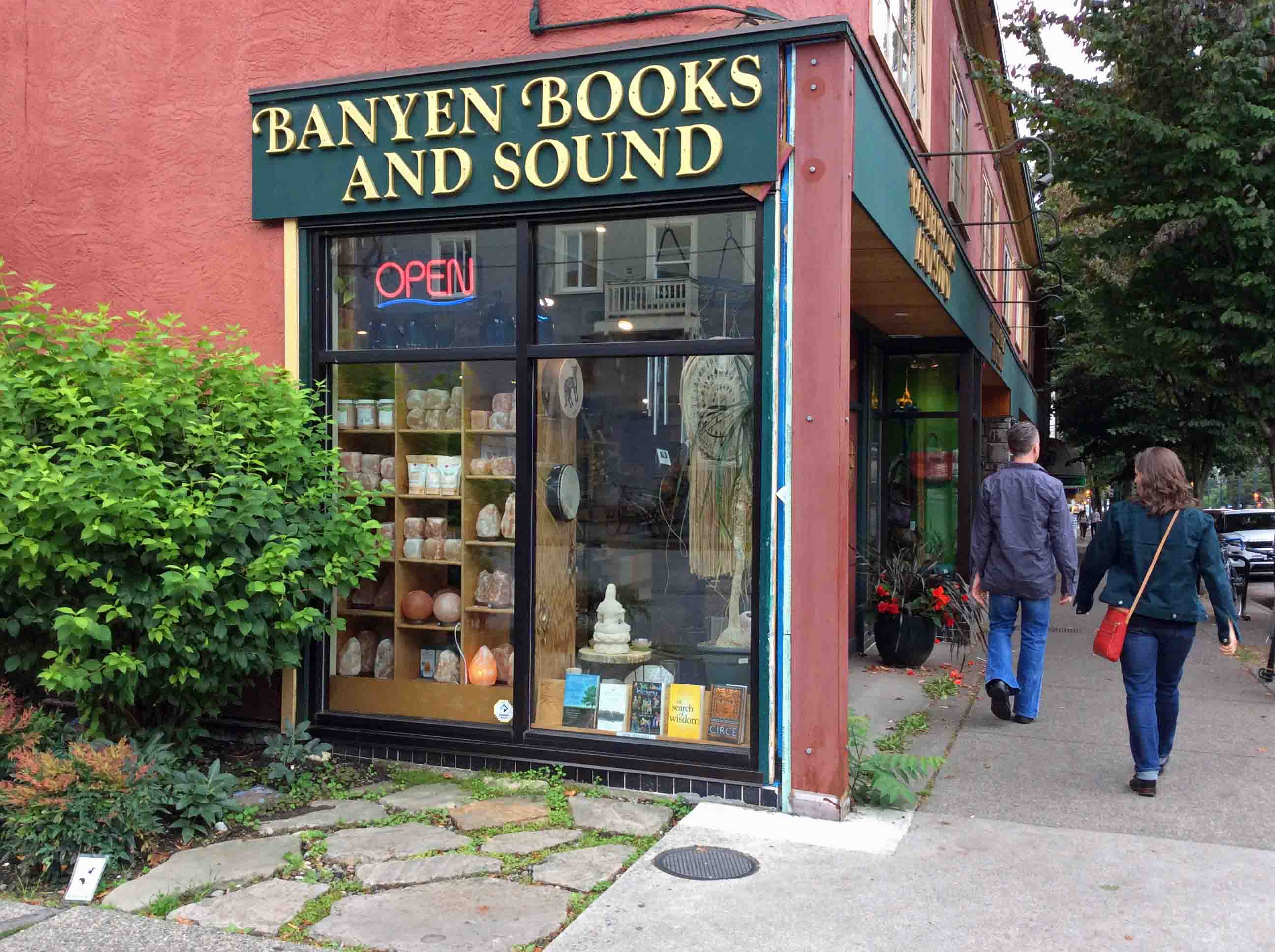
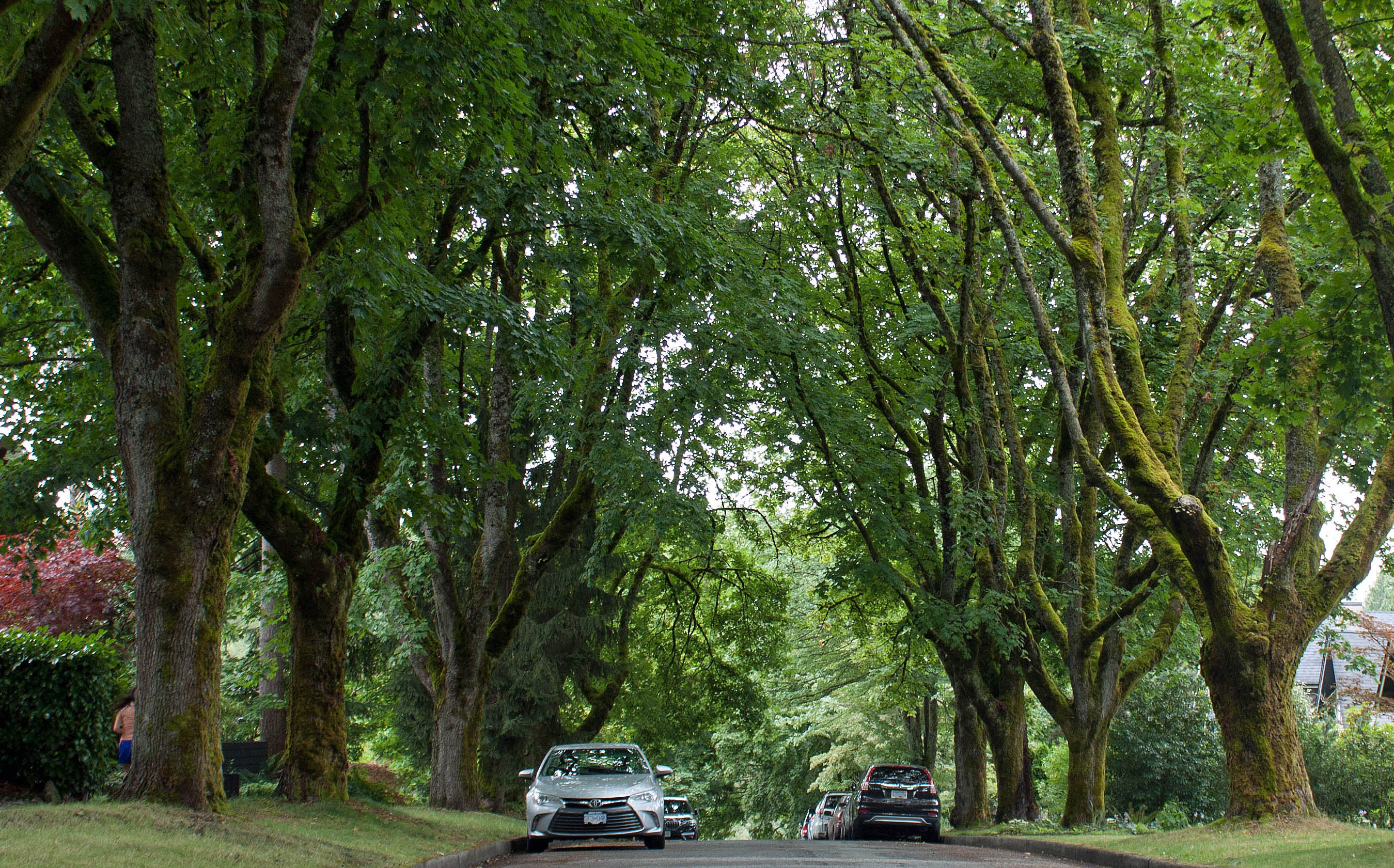
Banyen Books is located in Kitsilano on the south side of W 4th Avenue on the corner of Dunbar under a grove of healthy oak trees. Across the store is Aphrodite’s Organic Pies, itself a destination for awesome pies. Banyen Books is a beautiful store. It is spacious and surrounded with the warmth of wood and plants. Its wonderful atmosphere invites you to browse the shelves and sit on the comfortable chairs to read. Banyen Books has become a destination for me whenever I’m in Vancouver.
Banyen Books on the corner of W 4th and Dunbar, Vancouver, BC (photo by Nina Munteanu)
Since opening in 1970 Banyen Books has become Canada’s most comprehensive metaphysical bookstore, offering a broad spectrum of resources from humanity’s spiritual, healing, and earth wisdom traditions. Here is how they put it:
Banyen is an oasis, a crossroads, a meeting place… for East and West, the “old ways” and current discoveries and syntheses. Our beat is the “Perennial Philosophy” as well as our evolving learning edges and best practices in a wide variety of fields, from acupuncture to Zen, from childbirth and business to the Hermetic Mysteries, from the compost pile to the celestial spheres. We’re “in the philosophy business,” on “a street in the philosophy district” (as an old cartoon wagged). We welcome and celebrate the love of wisdom, be it in art, science, lifecraft, healing, visioning, religion, psychology, eco-design, gardening… Our service is to offer life-giving nourishment for the body (resilient, vital), the mind (trained, open), and the soul (resonant, connected, in-formed). Think of us as your open source bookstore for the “University of Life”.
Whenever I’m in Vancouver to visit family and friends, I make at least one stop at Banyen Books and often come out with an armful of books. On my most recent stop, I purchased a book on plant intelligence and several beautiful journals (I use a journal for each book project I work on).
My latest purchase at Banyen Books (photo by Nina Munteanu)
19th Avenue in Vancouver, BC (photo by Nina Munteanu)
Nina Munteanu is a Canadian ecologist / limnologist and novelist. She is co-editor of Europa SF and currently teaches writing courses at George Brown College and the University of Toronto. Visit www.ninamunteanu.ca for the latest on her books. Nina’s bilingual “La natura dell’acqua / The Way of Water” was published by Mincione Edizioni in Rome. Her non-fiction book “Water Is…” by Pixl Press (Vancouver) was selected by Margaret Atwood in the New York Times ‘Year in Reading’ and was chosen as the 2017 Summer Read by Water Canada. Her novel “A Diary in the Age of Water” was released by Inanna Publications (Toronto) in June 2020.
My short story Robin’s Last Song was selected by the NYC Climate Writers Collective as part of an exhibition in the Climate Imaginarium on Governors Island in New York. The exhibition, starting May 18, will run throughout the summer of 2024.
Robin’s Last Song
Robin’s Last Song first appeared in the #128 Issue of Apex Magazine in 2021. It tells the story of Robin, a blind elder whose digital app failed to warn the world of the sudden global loss of birds with disastrous ecological consequences. After years of living in self-exile and getting around poorly on sight-enhancing technology, a discovery gives her new hope in rekindling her talents in the field of Soundscape Ecology.
In a recent interview with writer Simon Rose, I described my thoughts in writing Robin’s Last Song:
I wanted to make “Robin’s Last Song” a realizable work of fiction in which science and technology play both instigator of disaster and purveyor of salvation. Our biogenetic technology comes to us as a double-edged sword in the form of gene-editing, proteomics, DNA origami, and CRISPR—just to name a few. These biotechnological innovations promise a cornucopia of enhancements: from increased longevity and health in humans to giant disease-resistant crops. But, for every ‘magic’ in technology, there is often unintended consequence. Unforeseen—or even ignored—casualties and risks. I suppose my ultimate question with this story is: will synthetic biology redesign Nature to suit hubris or serve evolution? Science doesn’t make those decisions. We do.
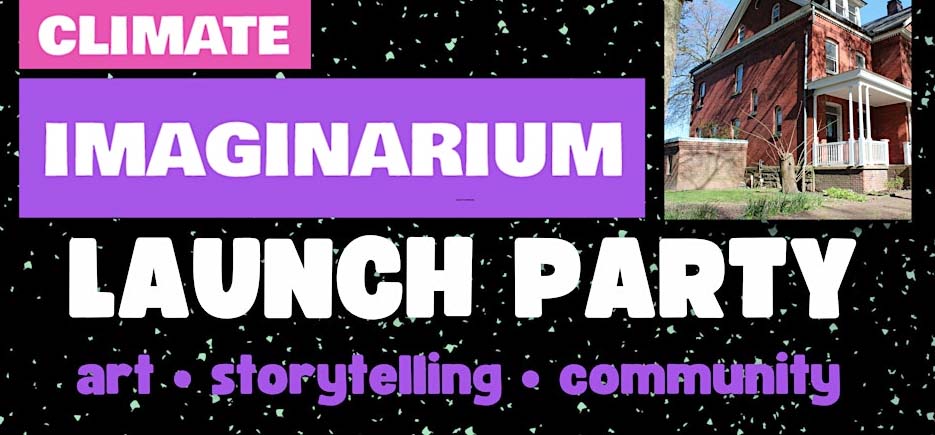
Anyone living in or visiting the NYC area is welcome to the Climate Imaginarium launch on May 18 on Governor’s Island. Check this Eventbrite link for details. The exhibition will continue throughout the summer of 2024 and will include: climate storytelling and poetry by Climate Café, the Sixth Festival, and the Climate Writers Collective; opening exhibition of “What is Environmental Art?” by Forest for Trees; artwork from the Climate Imaginarium community and Climate Writers exhibition; “Eye of Flora” virtual reality exhibition by Synphisica Collective; and more.
Here’s what they say:
Come to Governors Island for the grand opening of our Climate Imaginarium house! The Climate Imaginarium will serve as a community center for climate and culture, with galleries and spaces for exhibitions, performances, film screenings, and events that respond to the climate crisis with solutions and visions for hope and justice. Join us at Building 406A on Colonels Row for a lively celebration of climate art, storytelling, and community.
Exhibitions will be open to the public at noon, and the party will officially start at 2pm. All donations will support programming in our community space.
Nina Munteanu is a Canadian ecologist / limnologist and novelist. She is co-editor of Europa SF and currently teaches writing courses at George Brown College and the University of Toronto. Visit www.ninamunteanu.ca for the latest on her books. Nina’s bilingual “La natura dell’acqua / The Way of Water” was published by Mincione Edizioni in Rome. Her non-fiction book “Water Is…” by Pixl Press (Vancouver) was selected by Margaret Atwood in the New York Times ‘Year in Reading’ and was chosen as the 2017 Summer Read by Water Canada. Her novel “A Diary in the Age of Water” was released by Inanna Publications (Toronto) in June 2020.
NINA MUNTEANU is a Canadian ecologist / limnologist and novelist. She is co-editor of Europa SF and currently teaches writing courses at George Brown College and the University of Toronto. Visit www.ninamunteanu.ca for the latest on her books. Nina’s bilingual “La natura dell’acqua / The Way of Water” was published by Mincione Edizioni in Rome. Her non-fiction book “Water Is…” by Pixl Press(Vancouver) was selected by Margaret Atwood in the New York Times ‘Year in Reading’ and was chosen as the 2017 Summer Read by Water Canada. Her novel “A Diary in the Age of Water” was released by Inanna Publications (Toronto) in June 2020.
Great blue heron in Thompson Creek outlet marsh, ON (photo and rendition by Nina Munteanu)
Old cedars and roots by Jackson Creek, ON (photo and rendition by Nina Munteanu)
NINA MUNTEANU is a Canadian ecologist / limnologist and novelist. She is co-editor of Europa SF and currently teaches writing courses at George Brown College and the University of Toronto. Visit www.ninamunteanu.ca for the latest on her books. Nina’s bilingual “La natura dell’acqua / The Way of Water” was published by Mincione Edizioni in Rome. Her non-fiction book “Water Is…” by Pixl Press(Vancouver) was selected by Margaret Atwood in the New York Times ‘Year in Reading’ and was chosen as the 2017 Summer Read by Water Canada. Her novel “A Diary in the Age of Water” was released by Inanna Publications (Toronto) in June 2020.
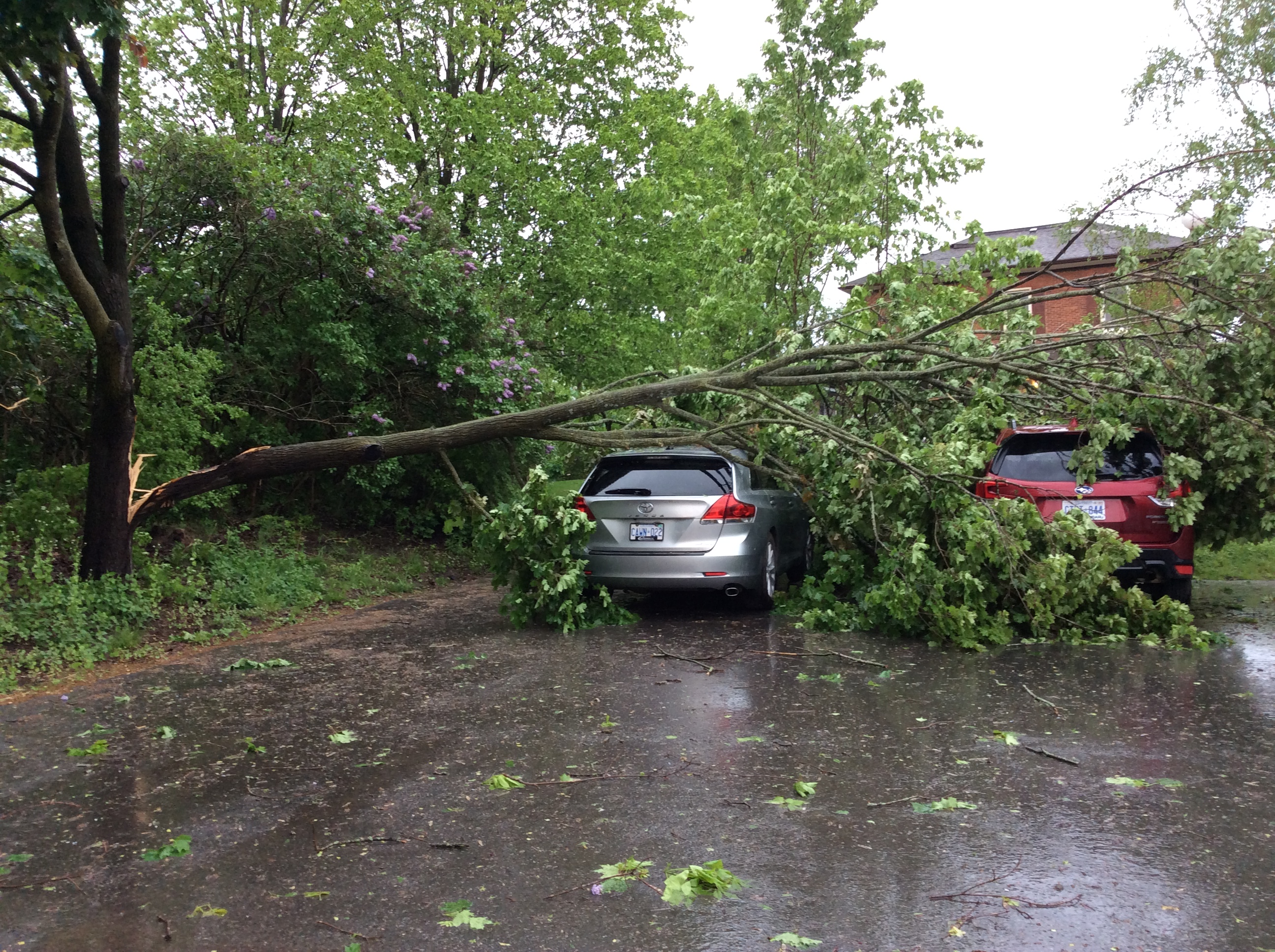
Cars trapped when a sugar maple snaps and falls on them in Saturday’s Derecho, Peterborough, ON (photo by Nina Munteanu)
It’s Wednesday and parts of the city still have no power since Saturday’s storm swept through like a ferocious lion. We got our power yesterday. We’d relied on our kind neighbours, who had a barbecue, to cook up some suppers. The power has come back in stages depending on where lines were brought down by trees or the violent wind microbursts.
A string of power poles and lines downed by the violent winds of the derecho along Highway 29 near Lakefield, ON (photos by Nina Munteanu)
Environment Canada calls Saturday’s storm a derecho: a long line of very active and violent thunderstorms or microbursts that include winds of at least 93 km/h with focused gusts of 121 km/h or greater. According to Environment Canada Senior Climatologist David Phillips, the storm spanned about 1,000 kilometers from Michigan to Maine as it went across Ontario and Quebec. Derechos typically contain numerous downburst clusters (families of downburst clusters) that, in turn, have smaller downbursts, and smaller microbursts. These tight, often cyclic tornado-like bursts within larger linear downbursts are what likely created the random devastation seen in Peterborough, where one tree was entirely uprooted and the tree beside it left untouched.
Birch uprooted on Auburn Street, Peterborough (photo by Nina Munteanu)
A true ‘herald archetype’, environmental disasters incite change, often through disorder. In doing so, they can bring out the best in us. The true mettle of a person is often revealed during such times, through the emergence of compassion and kindness.
I live just off the Rotary Trail in Peterborough, facing a mixed riparian forest of mostly black walnut and locust trees, with some silver maple, willow, Manitoba maple, oak and ash. The trail is well used every day by cyclists and walkers. The tornado-force winds and deluge rains singled out a few trees on the forest edge and flung them across the trail. A quick inspection shortly after the storm revealed that several trees formed obstacles to those using the trail: a silver maple just in front of my good friend Merridy’s place; an old half-dead elm; and a large Manitoba maple whose upper canopy had gotten tangled in the telephone wires.
Various damaged and uprooted trees in Peterborough, ON (photos by Nina Munteanu)
When Merridy and I decided to attempt clearing the Rotary Trail of strewn maple limbs and branches, we weren’t there more than five minutes when a cyclist stopped and without a word helped us; he grabbed large tree limbs and hoisted them aside like Superman then got on his bike and took off without a word—like Spiderman. After more dragging of tree limbs and my deft hand at the tree clippers and the broom, we cleared the trail for walkers and cyclists.
Before (left) and after (right) we cleared the Rotary Trail of downed silver maple from the derecho (photos by Nina Munteanu)
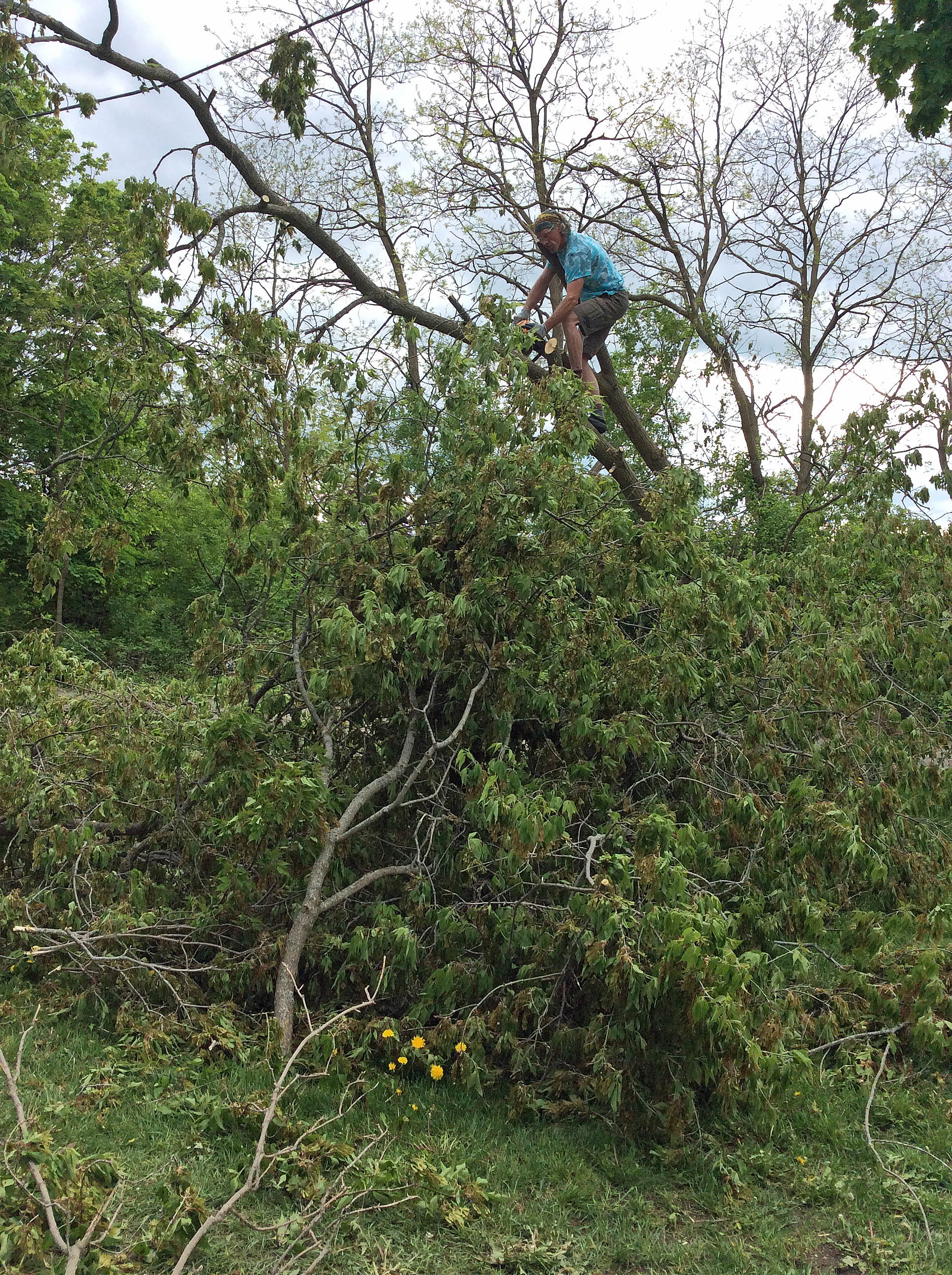
And then there was Charlie … a fashion-savvy quasi hipster-hippy who came cycling in with his chainsaw and hand saw on his back; he’d been all over the trail clearing tree debris just because he could. Charlie set to work on the huge Manitoba maple that had fallen across the trail and was leaning heavily on the telephone wire. Charlie proceeded to climb the tree and saw branches here and there to lighten the limb on the wire before cutting it. Two of us ladies became his cleanup crew, hauling big tree sections off the path as he downed them. By the time he got to the main tree limb on the wire, a group of cheerleaders had formed to watch. We all clapped when the big branch came off the line. One elder lady on two walking canes hobbled out from her home and handed Charlie a Bobcaygeon Petes Lager as thanks.
Charlie sawing off branches from Manitoba maple tangled on telephone wire (photo by Nina Munteanu)
Charlie saws the remaining tree trunk to clear the trail (photo by Nina Munteanu)
At first it was just me and Charlie. Watching him set up, I’d asked him if he was from the city and in the same breath knew he wasn’t—we both knew they were very busy getting the city’s power back on and freeing streets and getting trees off the roofs of houses; it would be a long time before they came to the Rotary Trail and other parks to clear. He responded, “well, that depends… are you a lawyer?” I laughed. We both recognized that Charlie was a rogue Good Samaritan, using less than regular protocol (no safety harness or equipment [except for goggles] and climbing shoes). When I said no, he relaxed and we introduced ourselves and exchanged stories about the storm, then got to work. I was soon joined by Susan, and together we became Charlie’s support team, hauling limbs and branches out of the tangle then rolling large tree bole sections to the side. Eventually several more walkers and nearby residents came to support the work and watch. Within an hour, the entire tree was off the path and off the wire. I felt a wonderful sense of community as people gathered exchanged names and stories about the storm. And it all started with one person’s kindness. Thanks, Charlie!
Before (left) and after (right) Charlie and his gang cleared the way (photo by Nina Munteanu)
I find that we really find our humanity and sense of kindness when a disaster strikes… one of the ‘good’ things about them.
Derecho damage to trees in the forest in Peterborough area, ON (photos by Nina Munteanu)
Nina Munteanu is a Canadian ecologist / limnologist and novelist. She is co-editor of Europa SF and currently teaches writing courses at George Brown College and the University of Toronto. Visit www.ninamunteanu.ca for the latest on her books. Nina’s bilingual “La natura dell’acqua / The Way of Water” was published by Mincione Edizioni in Rome. Her non-fiction book “Water Is…” by Pixl Press(Vancouver) was selected by Margaret Atwood in the New York Times ‘Year in Reading’ and was chosen as the 2017 Summer Read by Water Canada. Her novel “A Diary in the Age of Water” was released by Inanna Publications (Toronto) in June 2020.
The Ohio River at Parkersburg, West Virginia, contaminated for decades with C8 used by DuPont to make Teflon
.
I write science fiction and fantasy. On occasion magic or something that stands for magic enters in.
But that’s my fiction. In my ordinary very real life, I tend to be suspicious of claims of ‘magical’ properties, particularly those that claim to provide great convenience and utility with no expenditure (except money). Perhaps it’s my half-German ethic of good old-fashioned honest work; these claims seem like a big cheat: mops that clean the floor spotless without you ever having to bend over or scrub; carpets that resist spills or clean themselves; non-stick pans where cooked food just slides cheerfully from pan to plate without sticking.
In my experience, I have often found that if something seems too good to be true—like magic—there’s a catch. And just like magic in a good fiction story, it comes with great hidden cost.
Enter DuPont and its dark magic…
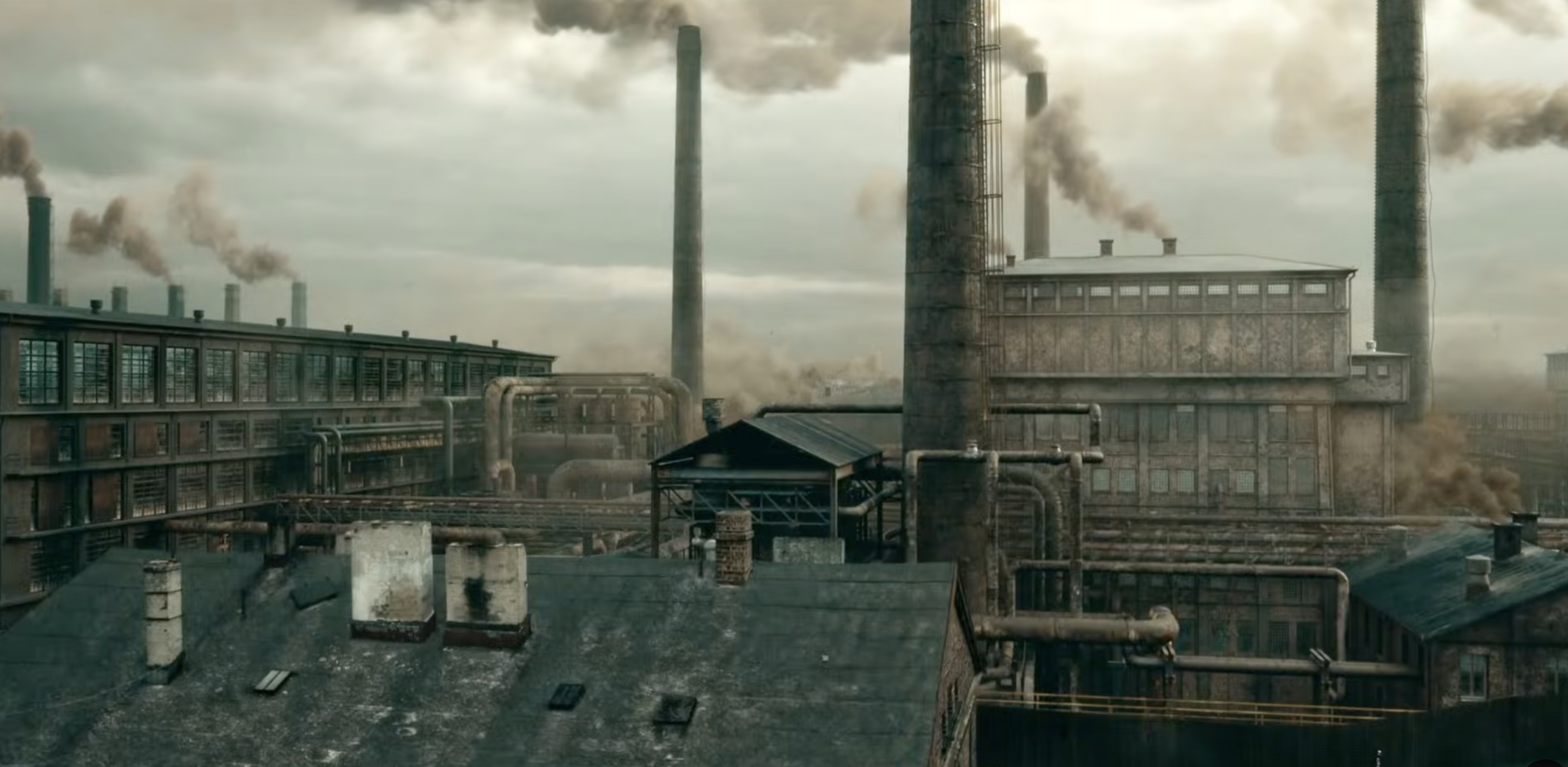
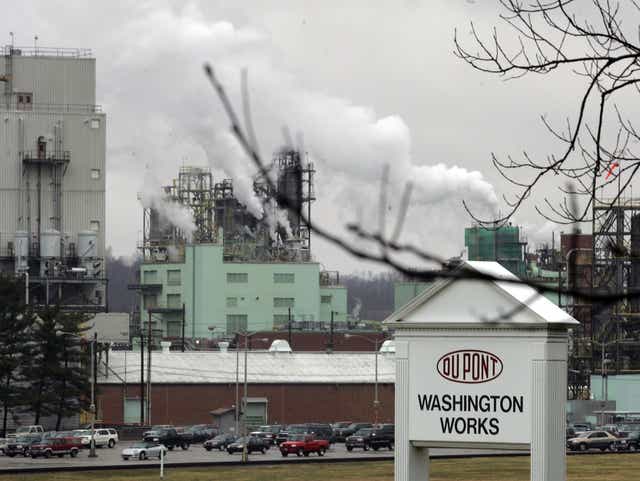
DuPont Washington Works facility at Parkersburg, West Virginia
.
DuPont is one of the richest families in the United States since French aristocrat Irénée du Pont de Nemours fled the French Revolution in 1802 and built a gunpowder mill in northeast Delaware. DuPont soon expanded to bombs and poison gas and over its more than a hundred years of operation DuPont has been linked to dangerous products that have caused health problems, particularly to its own workers. By the 1930s DuPont had created leaded gasoline, which ended up causing madness and violent deaths and life-long institutionalization of workers. Certain rubber and industrial chemicals turned the skin of exposed workers blue. Bladder cancers developed in many dye workers.
Spruce trees damaged by Imprelis
.
Then there was DuPont’s Imprelis, an aminocyclopyrachlor herbicide to control weeds that caused widespread death of mature trees and created ‘killer compost.’ DuPont failed to submit reports to the EPA about potential adverse effects of Imprelis and sold the product with misleading labelling. When damage reports began to surface weeks after Imprelis was introduced, DuPont simply continued to sell the product until the EPA finally banned its sale and DuPont was charged for negligence and violation of FIFRA.A year after the ban, impact from Imprelis use continued to be reported throughout the northern United States for a range of trees including maples, oaks, honey locust, Norway spruce and white pine (stunted, twisted or curled new growth, bud-kill, delayed leaf-out, stem die-back). Trees that initially experienced minor affects from Imprelis later developed more severe damage (e.g. bud formation and cold hardiness).
Concerned over DuPont’s “tendency to believe [chemicals] are harmless until proven otherwise,” staff doctor George Gehrmann convinced DuPont to create Haskell Laboratories in 1935. The lab became the first in-house toxicology facility; but, due to its position within DuPont, Haskell Lab also inherited limitations on its ability to conduct and report objective science. Just as self-regulation is a ridiculous concept, self-analysis is feckless and fraught with the potential for omission and false reporting. When pathologist Wilhelm Hueper tried to share his results with the scientific community on how dye chemicals led to bladder cancer, he was gagged and fired, and DuPont went on to use the chemicals for decades after in what appeared to become a common pattern for this company.
Early ad for DuPont’s “Happy Pan”
.
DuPont developed many astonishing products, mostly for warfare, including nylon, Lycra, Saran wrap and, of course, Teflon—their magic non-stick compound. By the late 1940s, they were producing worldwide a wide variety of industrial chemicals, synthetic fibers, petroleum-based fuels and lubricants, pharmaceuticals, building materials, sterile and specialty packaging materials, cosmetics ingredients, and agricultural chemicals. By the early 1950s, a group of Columbia University scientists published several papers describing high rates of cancer in rats exposed to plastics such as vinyl, Saran wrap and Teflon. This did not deter DuPont from continuing its production line for these products.
Representation of 1950s DuPont “Happy Pan”
.
By 1954, during the ramp up for the Teflon rollout, DuPont’s toxicologist R.A. Dickison noted possible toxicity of the surfactant C8 (PFOA or Perfluorooctanoic Acid) used to make Teflon. By 1961, the same year they rolled out their Teflon-coated “Happy Pan”, DuPont knew C8 was a toxic endocrine disruptor and caused cancer. DuPont’s chief toxicologist Dorothy Hood cautioned executives in a memo that the substance was toxic and should be “handled with extreme care.” It didn’t stop the roll out. By 1982, DuPont had confirmed the high toxicity of C8 in humans.
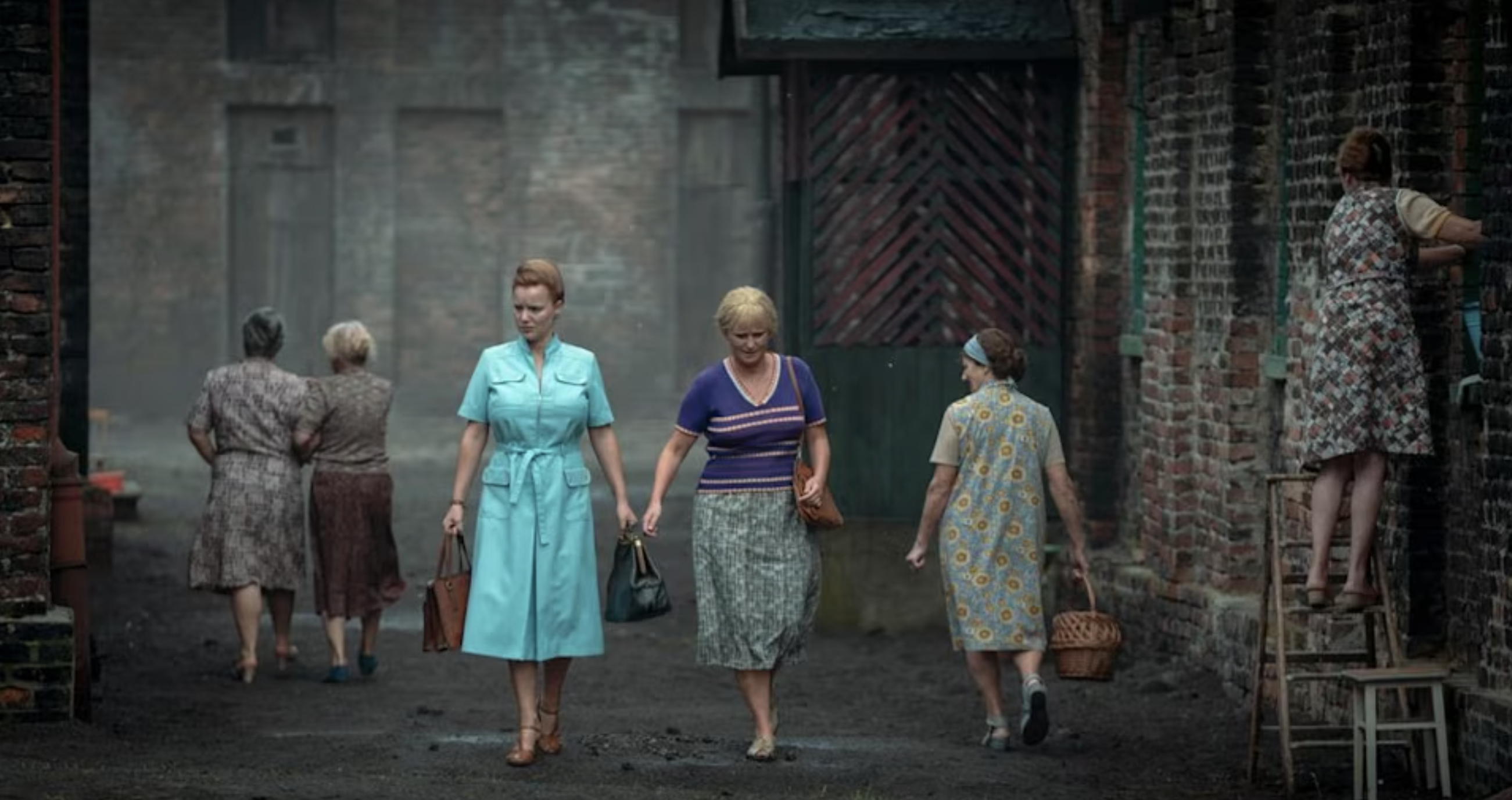
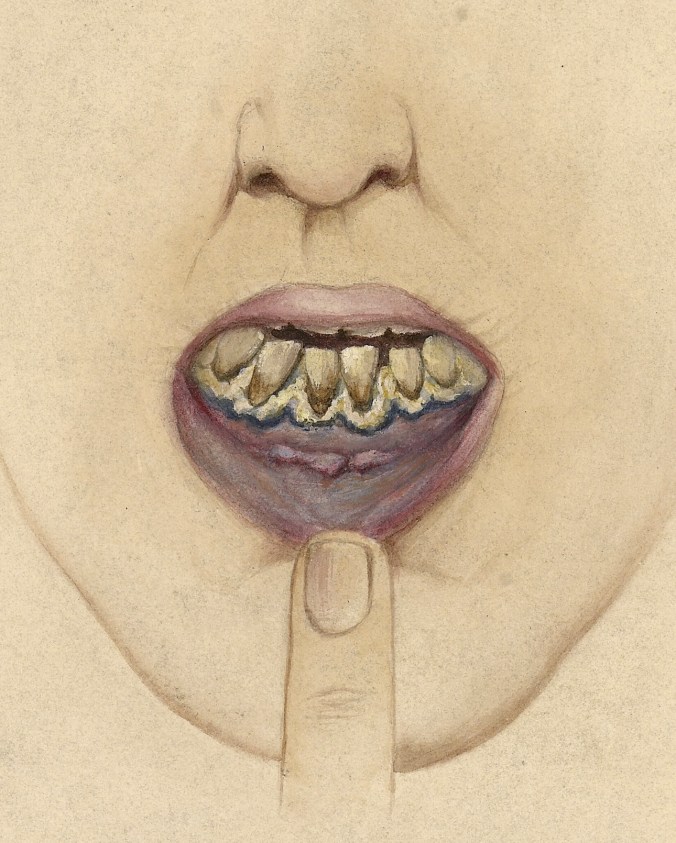
Effects of PFOA (birth defect in Bucky Bailey whose mother was on the Teflon line without protection during her first trimester; blackening teeth from the excessive fluoride, from scene in “Dark Waters”)
DuPont’s Washington Works plant in Parkersburg, West Virginia
.
Finally, in 2019—sixty-seven years after DuPont knew PFOA was toxic and did nothing—this forever chemical was banned globally under the Stockholm Convention. Unfortunately, by 2019, PFOA was already literally everywhere on the planet in concentrations considered unsafe. Given its high water-solubility, long-range transport potential, and lack of degradation in the environment, PFOA persists in groundwater and is ubiquitously present in oceans and other surface water around the globe. It is found in remote areas of the Arctic and Antarctic (where it was not used or manufactured), no doubt transported there through ocean currents and in the air, bound on particles.
Average surface water levels of PFOA and PFOS by country in 2012 (from Kunacheva et al. 2012)
.
In 2020, NBC News revealed that DuPont was still avoiding its responsibility to clean up its C8 mess and compensate those harmed by DuPont’s negligence. In 2015, DuPont began a series of complex transactions that sheltered it from responsibility for environmental obligations and liabilities associated with PFAS (C8); this included creating other entities such as Chemours, Corteva, and NewDupont. If Chemours becomes insolvent, Corteva will be responsible. Corteva does not have the funds to cover tens of billions in estimated PFAS (C8) costs to their victims.
Timeline for DuPont’s use of PFOA (C8) to 2006 (image from The Intercept)
.
Their Story…My Story…
In his 2006 book The Seven Basic Plots: Why We Write Stories, Christopher Booker told us that there are seven types of plots in story. One is entitled “Overcoming the Monster,” an underdog story where the hero sets out to destroy an evil to restore safety or order to the land. The evil force is typically much larger than the hero, who must find a way, often through great courage, strength, and inventive cunning, to defeat the evil force. This is the story of David and Goliath, of Beowulf and Grendel, of Luke Skywalker and Darth Vader in Star Wars, of Jake Sully and Miles Quaritch in Avatar, of Rita Vrataski and the Mimics in Edge of Tomorrow. The list goes on…
Miles Quaritch and Jake Sully face off in the film “Avatar”
The “Overcoming the Monster” plot, whether told literally or through metaphor, reflects an imbalance in the world—usually of power—that the hero must right. The true story of DuPont’s evil maleficence reflects the great power imbalance of many large corporations and the evil they enact through willful deception and mischief to increase profit, their god.
We’ve now come full circle to me and my relationship with magic. For in some terrible way, the story of DuPont is also my story. One of power imbalance, of deception and ignorance. Their deception; my ignorance:
In 1954, the year I was born, DuPont discovered the toxicity of C8 in its Teflon products at its Washington Works plant in Parkersburg—and proceeded to roll it out for mass use.
In 1964, I was ten years old and struggling with my Grade 5 teacher who was trying to curb my unique self-expression. I was already aware of environmental imbalance and destruction in the world. My pet peeve was littering because it demonstrated great disrespect for others and the environment; I told environmental stories. That year DuPont had already begun its great deception; having confirmed the toxicity of C8, they simply watched (and recorded) as this cancer-causing endocrine disruptor injured, maimed and killed their own workers. The company did nothing to prevent it and they told no one.
In 1969, I wrote my first dystopia, Caged in World. The eco-novel was about a subway train driver and a data analyst caught in the trap of a huge lie. The story later morphed into Escape from Utopia. Several drafts and years later the novel became the eco-medical thriller Angel of Chaos, set in 2095 as humanity struggles with Darwin’s Disease—a mysterious neurological environmental pandemic assaulting Icaria 5, an enclosed city within the slowly recovering toxic wasteland of North America. The city is run by deep ecologists who call themselves Gaians, and consider themselves guardians of the planet. The Gaians’ secret is that they are keeping humanity “inside” not to protect humanity from a toxic wasteland but to protect the environment from a toxic humanity.
In the early 1970s, I entered college and contemplated becoming an environmental lawyer; I wrote short stories, mostly eco-fiction, and joined marches protesting environmental destruction by large corporations. DuPont confirmed that C8 not only persisted in the environment; it bioaccumulated in animals. A 1979 internal memo in which humans exposed to C8 were referred to as “receptors,” DuPont scientists found “significantly higher incidence of allergic, endocrine and metabolic disorders” as well as “excess risk of developing liver disease.” DuPont withheld this information from EPA.
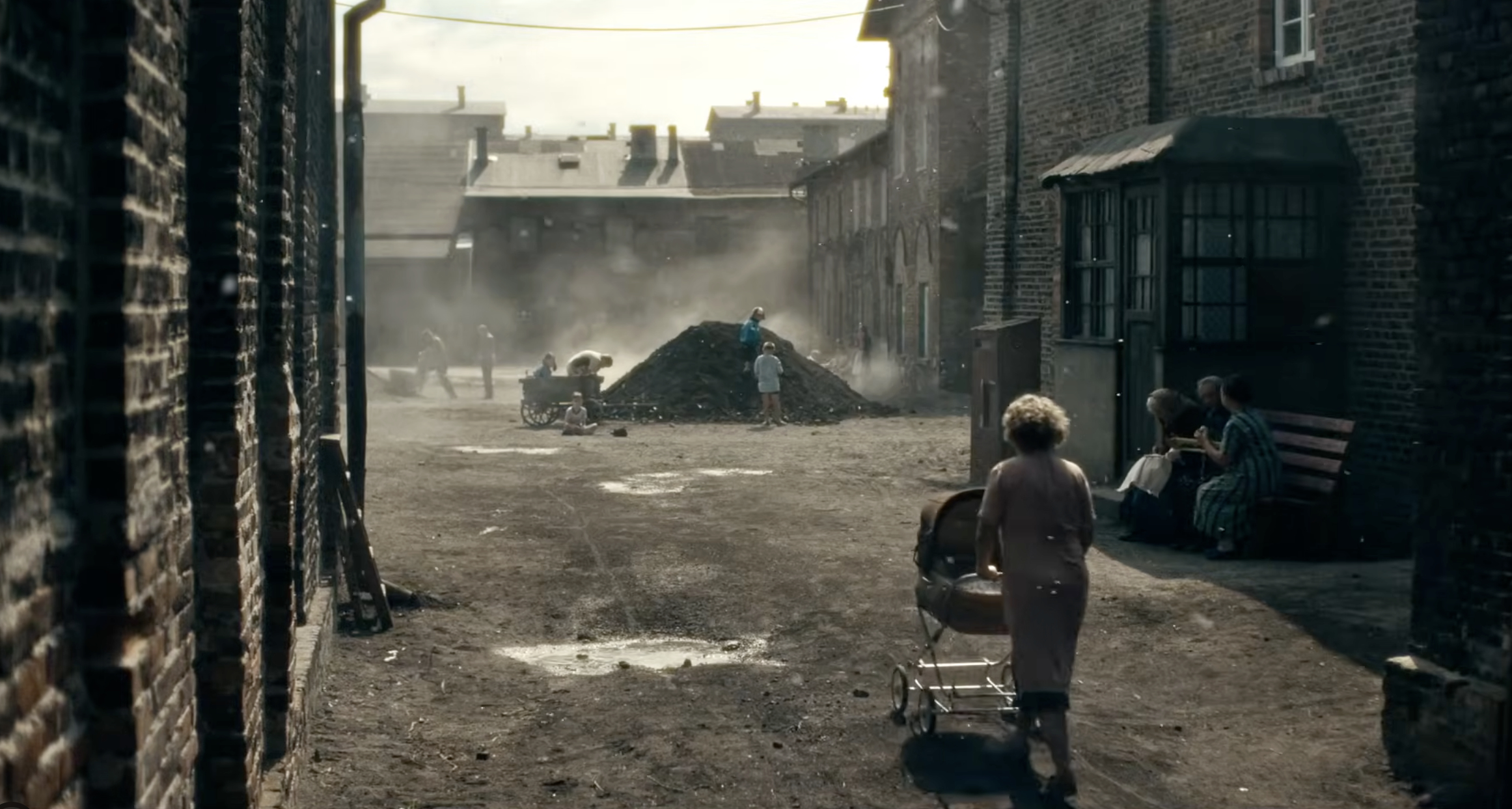
In 1981, when I got my first job as a limnologist and environmental consultant in Vancouver, DuPont confirmed that C8 caused birth defects in its own workers—and did not warn its workers; in fact they created false data for EPA and continued exposing women of childbearing age to C8. In 1984, a year after I formed my own consulting company Limnology Services in Vancouver, DuPont staffers secretly tested their community’s drinking water and found it to contain alarming levels of C8. Deciding that any cleanup was likely to cost too much and tarnish their reputation, DuPont chose to do nothing. In fact, they scaled up their use of C8 in Teflon products and bought land to dump their toxic sludge in unlined landfills. Deaths in DuPont workers from leukemia and kidney cancer climbed.
Throughout the 90s, I started teaching college ecology courses in Vancouver; Shared Vision Magazine published my first article “Environmental Citizenship” in 1995. Meantime, DuPont’s Washington Works plant pumped hundreds of thousands of pounds of PFOA sludge, powder and vapor through stacks and outfall pipes into the Ohio River and surrounding air. By 1996, C8 was in the drinking water of Parkersburg and other communities. Despite what they knew of C8’s toxicity, DuPont kept it a secret (no one else was testing for PFOA because it was unregulated).
In 2007, Darwin’s Paradox, my eco-fiction novel about an environmental pandemic, was published by Dragon Moon Press in Calgary, Alberta. Four years earlier, the law had finally caught up to DuPont, but not before they had dispersed 2.5 million pounds of harmful C8 from their Washington Works plant into the air and water of the mid-Ohio River Valley area. It would be another twelve years before DuPont would stop making C8 (in 2015) and another four years after that when C8 would be banned from use globally (2019). PFOA is still unregulated by EPA; the best they can do is issue a non-enforceable health advisory set at 70 parts per trillion.
Darth Vader and Luke Skywalker face off as Palpatine looks on in the film “Star Wars”
.
It isn’t the Darth Vaders or Miles Quaritchs we must overcome. Yes, they are monsters, but they serve a greater monster. For Vader it is Emperor Palpatine and for Quaritch it is the RDA Corporation. While Vader and Quaritch may be the face of evil, true evil lurks behind them, orchestrating. It is an evil we must fight internally, because each of us carries that evil inside us—in the urge to cheat on our taxes; in looking for the free ride (there are no free rides); in coveting what others have when what we have is enough; in embracing self-deception through unsubstantiated narratives and choosing to remain ignorant to suit a self-serving agenda.
I only heard of the decades-long environmental dispersal of PFOA (C8) by DuPont in 2022. I’d lived in total ignorance through DuPont’s entire five decades of deception with C8. This past year, I chanced upon “Dark Waters,” the 2019 film starring Mark Ruffalo as lawyer Robert Bilott, who took DuPont to court in 2002. I found out seven years after DuPont agreed to stop using PFOA (DuPont currently uses other PFAS compounds that are unregulated and whose toxicity is unknown).
Lawyer Robert Bilott (Mark Ruffalo) investigates leachate-infected cows from nearby DuPont landfill (photo from film “Dark Waters”)
Ignorance breeds complacency and hubris. Both will lead to downfall.
If you think you’re getting away with something … if you think you’re getting a free ride … think again. You’re being taken for one. Short cuts are dangerous. Nature is complex for good reason. Complexity builds in a diverse spider web of safeguards that interact to sustain the greater existential collaborative.
That is the real magic. And we’re not even close to understanding it.
“Angel of Chaos” and “Darwin’s Paradox” explore human-induced environmental catastrophe
.
DuPont’s Forever Weapon of Death: Teflon and C8 (PFOA)
Teflon was created in 1938, quite by accident, by Dr. Roy J. Plunkett, who was working on alternative refrigerant gases. Plunkett had stored the gas (tetrafluroethylene) in small cylinders where they were frozen and compressed. The gas had solidified into a waxy white material, which came to be called Polyetrafluoroethylene (PTFE), a slippery substance that was non-corrosive, chemically stable and with an extremely high melting point. Through polymer research, PTFE was combined with PFOA to make Teflon, a type of fluoropolymer and telomere-based consumer product. For every two carbon atoms, there are four fluorine atoms attached throughout the entire molecular structure. The fluorine atoms surround the carbon atoms, creating a protective armor, preventing the carbon atoms from reacting when anything comes into contact with them—such as food in a non-stick frying pan. The fluorine atoms also decrease friction, making it slippery.
Chemical formula for Perfluorooctanoic Acid (PFOA) also called C8
DuPont registered the Teflon trademark in 1944, and the coating was used in the Manhattan Project’s A-bomb effort. Like DuPont’s other wartime innovations, such as nylon and pesticides, Teflon found its way into the home. In 1951, DuPont started using PFOA (perfluorooctanoic acid) known as C8 in its Teflon production at the Parkersburg factory. By the 1960s, DuPont was producing Teflon for cookware and advertising it as “a housewife’s best friend.” C8 was eventually used in hundreds of DuPont products, including Gore-Tex and other waterproof clothing; coatings for eye glasses and tennis rackets; stain-proof coatings for carpets and furniture; fire-fighting foam; fast food wrappers; microwave popcorn bags; bicycle lubricants; satellite components; ski wax; communications cables; and pizza boxes.
Farmer Tennant and lawyer Rob Billot encounter a leachate-infected mad cow in the 2019 film “Dark Waters”
.
PFOA is a member of a family of over 4,500 synthetic chemicals called PFAS (polyfluorinated alkyl substances), also known as the Forever Chemicals. Due to their strong carbon-fluorine bond, PFAS chemicals don’t break down easily and persist in the environment for decades. PFAS also bioaccumulate, which means these chemicals are absorbed and not excreted and therefore buildup in the body. The higher up the food chain, the greater the PFAS concentrations. Before their manufacture started in the 1940s, no PFAS compounds were present in the environment. Now, thanks to their persistence and bioaccumulation, they exist everywhere in the environment, occupying virtually 99% of all life on the globe.
.
Currently, PFOA is one of only two PFAS chemicals regulated globally (the other being PFOS, which was banned in 2009, that DuPont replaced with another toxic unregulated chemical, GenX). Over 4,000 other PFAS chemicals remain in use that have not been studied and are not regulated. CHEMtrust, points out that when one PFAS chemical is regulated, “it is replaced in products and manufacturing processes by a similar, unregulated PFAS chemical. Unfortunately, the chemicals’ similarities often extend to their hazardous properties, and the replacement chemical is found to have similar harmful impacts on human health and the environment.”
DuPont’s Washington Works facility in Parkersburg, West Virginia
.
References:
Ahrens L. 2011. “Polyfluoroalkyl compounds in the aquatic environment: a review of their occurrence and fate.” J Environ Monit 13: 20–31. 10.1039/c0em00373e
Barton CA, Butler LE, Zarzecki CJ, Laherty JM. 2006. “Characterizing perfluorooctanoate in ambient air near the fence line of a manufacturing facility: comparing modeled and monitored values.” J Air Waste Manage Assoc 56: 48–55. 10.1080/10473289.2006.10464429
Barton CA, Kaiser MA, Russell MH. 2007. “Partitioning and removal of perfluorooctanoate during rain events: the importance of physical-chemical properties.” J Environ Monit 9: 839–846. 10.1039/b703510a
Busch J, Ahrens L, Xie Z, Sturm R, Ebinghaus R. 2010. “Polyfluoroalkyl compounds in the East Greenland Arctic Ocean.” J Environ Monit 12: 1242–1246. 10.1039/c002242j
Kunacheva, Chinagarn, Shigeo Fujii, Shuhei Tanaka, et al. 2012. “Worldwide surveys of perfluorooctane sulfonate (PFOS) and perflurorooctanoic acid (PFOA) in water environment in recent years.” Water Science & Technology 66(12): 2764-71.
McMurdo CJ, Ellis DA, Webster E, Butler J, Christensen RD, Reid LK. 2008. “Aerosol enrichment of the surfactant PFO and mediation of the water-air transport of gaseous PFOA.” Environ Sci Technol 42: 3969–3974. 10.1021/es7032026
Paustenbach, Dennis, Julie Panko, Paul K. Scott, and Kenneth M. Unice. 2007. “A Methodology for Estimating Human Exposure to Perfluorooctanoic Acid (PFOA): A Retrospective Exposure Assessment of a Community (1951-2003)” Journal of Toxicology and Environmental Health
Prevedouros K, Cousins IT, Buck RC, Korzeniowski SH. 2006. “Sources, fate and transport of perfluorocarboxylates” Environ Sci Technol 40: 32–44. 10.1021/es0512475
Rauert, Cassandra, Mahiba Shoieb, Jasmin K. Schuster, Anita Eng, Tom Harner. 2018. “Atmospheric concentrations and trends of poly- and perfluoroalkyl substances (PFAS) and volatile methyl siloxanes (VMS) over 7 years of sampling in the Global Atmospheric Passive Sampling (GAPS) network.” Environmental Pollution 238: 94-102.
Velez, M.P., T.E. Arbuckle, W.D. Fraser. 2015. “Maternal exposure to perfluorinated chemicals and reduced fecundity: the MIREC study.” Human Reproduction 30(3): 701-9.
Vierke, Lena, Claudia Staude, Annegret Biegel-Engler, Wiebke Drost, and Christoph Schulte. 2012. “Perflurorooctanoic acid (PFOA)–main concerns and regulatory developments in Europe from an environmental point of view.” Environmental Sciences Europe 24: 16
Yamashita N, Kannan K, Taniyasu S, Horii Y, Petrick G, Gamo T. 2005. “A global survey of perfluorinated acids in oceans.” Mar Pollut Bull 51: 658–668. 10.1016/j.marpolbul.2005.04.026
.
Nina Munteanu is a Canadian ecologist / limnologist and novelist. She is co-editor of Europa SF and currently teaches writing courses at George Brown College and the University of Toronto. Visit www.ninamunteanu.ca for the latest on her books. Nina’s bilingual “La natura dell’acqua / The Way of Water” was published by Mincione Edizioni in Rome. Her non-fiction book “Water Is…” by Pixl Press(Vancouver) was selected by Margaret Atwood in the New York Times ‘Year in Reading’ and was chosen as the 2017 Summer Read by Water Canada. Her novel “A Diary in the Age of Water” was released by Inanna Publications (Toronto) in June 2020.
“Over increasingly large areas of the United States, spring now comes unheralded by the return of the birds. The early mornings are strangely silent where once they were filled with the beauty of bird song.”—Rachel Carson, Silent Spring
Apex Magazine will release its 2021 Anthology this fall with my short story, Robin’s Last Song in it. They are running an Apex Kickstarter Campaign until April 30 to fund the anthology.
Apex Issue 128 and upcoming Anthology for 2021
Robin’s Last Song first appeared in the #128 Issue of Apex Magazine in 2021. It tells the story of Robin, a blind elder whose digital app failed to warn the world of the sudden global loss of birds with disastrous ecological consequences. After years of living in self-exile and getting around poorly on sight-enhancing technology, a discovery gives her new hope in rekindling her talents in the field of Soundscape Ecology. Here is how it begins:
May, 2071
I rock on the cedar swing on my veranda and hear the wind rustling through the gaunt forest. An abandoned nest, the forest sighs in low ponderous notes. It sighs of a gentler time. A time when birds filled it with song. A time when large and small creatures — unconcerned with the distant thrum and roar of diggers and logging trucks — roamed the thick second-growth forest. The discord was still too far away to bother the wildlife. But their killer lurked far closer in deadly silence. And it caught the birds in the bliss of ignorance. The human-made scourge came like a thief in the night and quietly strangled all the birds in the name of progress.
Robin’s egg, discarded in the forest to distract predators, ON (photo by Nina Munteanu)
Bird Population Decline
The number of birds in North America has declined by three billion, some 30 percent, over the last half-century. The October 2019 issue of Science magazine reported a staggering decline in North American birds. Kenneth V. Rosenberg and his team of researchers estimated that three billion birds of various species have disappeared in Canada and the US since 1970.
That’s a third of the entire bird population lost in five decades.
Bird population decline since 1970
In North America, warbler populations dropped by 600 million. Blackbirds by 400 million. The common robins, cardinals, and blue jays had noticeably declined. Even starlings—once considered a kind of fast-breeding pest—have dwindled by 50%. The Intergovernmental Science-Policy Platform on Biodiversity and Ecosystem Services have determined that three-quarters of Earth’s terrestrial and two-thirds of the its marine environments have been severely altered by human actions.
Plowing of fields, deforestation, wetland draining, climate change and other land use clearing and treatments have caused great habitat loss. In addition, neonicotinoid pesticides make it harder for birds to put on weight needed for migration, delaying their travel.
Robin fledgling rests on a patio chair, ON (photo by Merridy Cox)
Common bird species are vital to ecosystems. They control pests, pollinate flowers, spread seeds and help regenerate forests. When these birds disappear, their former habitats lose their functionality. “Declines in your common sparrow or other little brown bird may not receive the same attention as historic losses of bald eagles or sandhill cranes, but they are going to have much more of an impact,” said Hillary Young, a conservation biologist at the University of California. Kevin Gaston, a conservation biologist at the University of Exeter, lamented that: “This is the loss of nature.”
The Trump administration heinously and foolishly demolished or maimed several key bird protection acts, which hopefully the new administration has or will reinstate in full force: Migratory Bird Treaty Act; Clean Air Act; Clean Water Act; National Fish and Wildlife Act; and the Endangered Species Act.
Bernie Krause uses soundscape to measure ecosystem function
Useful Tool: Soundscape Ecology
The new science of soundscape ecology can analyze the health of an ecosystem. Bernie Krause, a soundscape ecologist who has been conducting long-term recordings for many decades recently noted that in Sugarloaf Ridge State Park, not far from his home in Northern California, “the effect of global warming and resulting drought has created the first completely silent spring I’ve ever experienced.” Stuart Winter at Express reports that “many of the iconic birds whose mating calls ring out across woodlands and open fields during early May are vanishing at an alarming rate.”
Rachel Carson and her iconic book, “Silent Spring”
Silent Spring: Rachel Carson’s Ominous Prediction
Rachel Carson was nothing short of prophetic when she published Silent Spring in 1962 (in reference to the dawn chorus most noticeable in spring during breeding). Silent Spring cautioned burgeoning ag-biotech companies (like Monsanto—now Bayer—Sygenta, Dow, and DuPont) who were carelessly and flagrantly spraying fields with pesticides and herbicides—at the time DDT was the main culprit. This would soon become a GMO world where gene-hacked plants of monocultures can withstand the onslaught of killer pesticides like neonicotinoids (currently killing bees everywhere) and Roundup. Roundup is a carcinogenic glyphosate-based weed killer that has recently been shown to kill beneficial insects like bees) and has been linked to Alzheimer’s disease, ADHD, birth defects, autism, and several kinds of cancerin humans.
Despite Carson’s warnings in 1962 and despite some action eventually taken (e.g. the ban on use of DDT in 1972—the precursor to Roundup and other neonicotinoids currently in use), the use of chemicals in big ag-industry has increased over five-fold since the 1960s. And this is destroying our bee populations, other beneficial insects, beneficial weeds, small animal populations and—of course—our bird life.
And it’s making us sick too.
Three baby goldfinches in a nest in a staghorn sumac shrub, ON (photo by Nina Munteanu)
NINA MUNTEANU is a Canadian ecologist / limnologist and novelist. She is co-editor of Europa SF and currently teaches writing courses at George Brown College and the University of Toronto. Visit www.ninamunteanu.ca for the latest on her books. Nina’s bilingual “La natura dell’acqua / The Way of Water” was published by Mincione Edizioni in Rome. Her non-fiction book “Water Is…” by Pixl Press(Vancouver) was selected by Margaret Atwood in the New York Times ‘Year in Reading’ and was chosen as the 2017 Summer Read by Water Canada. Her novel “A Diary in the Age of Water” was released by Inanna Publications (Toronto) in June 2020.