
I don’t watch zombie movies.
I steer away from them. I find them generally tasteless, unimaginative and lacking anything remotely connected to “story”. Most appear, at least from their trailers, to focus on violence and gore with little interest in anything else (what could be more gruesome than a person stalking then eating another?).
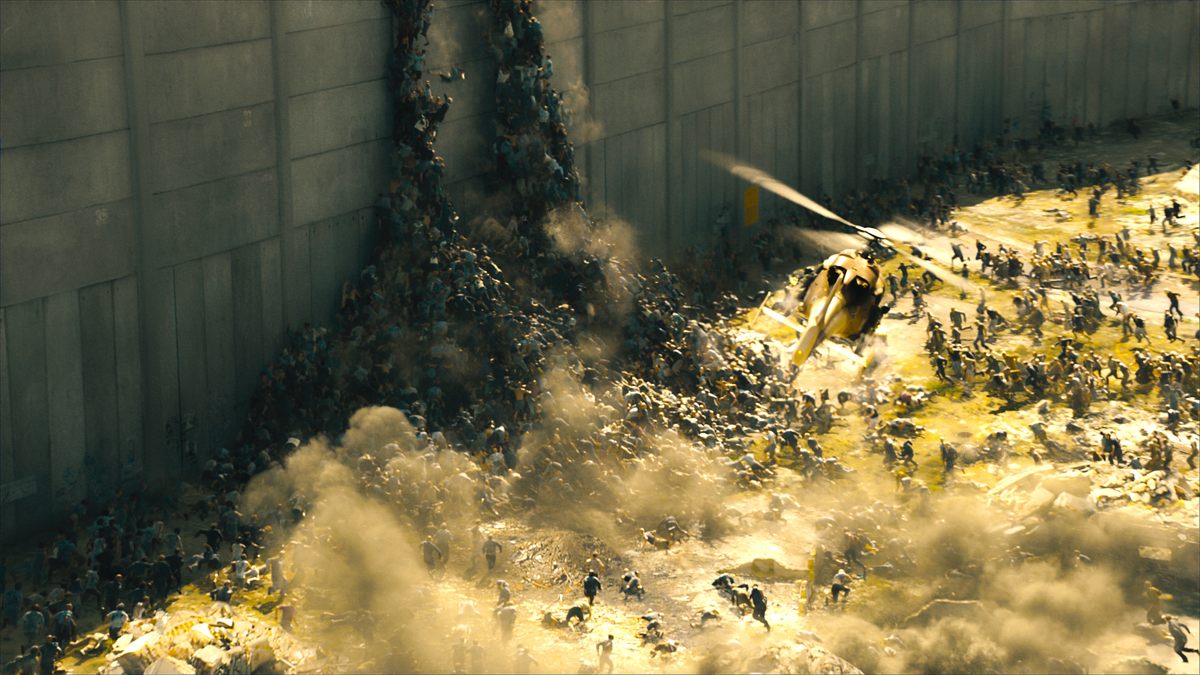
As a writer of science fiction and fantasy and avid fan of this genre in motion pictures, I lamented that zombies had become the “in thing” in stories and film these days. We’d just gotten over werewolves and vampires. Now I felt doomed by an infestation of the “undead”. I mean, how many ways can you portray such listless deadbeats?
then there’s the action thriller “World War Z”. Despite my intrigue with the trailer, it took my trusted friend’s insistence for me to go see it.

I was vindicated in my trust of her good taste.
“World War Z” is not your typical zombie movie. In fact, to call it a zombie movie is to fail to acknowledge the deeper thematic reflections portrayed. What struck most was that this action thriller focused less on what zombies did (all that missing blood and gore that some reviewers lamented over gave me relief and gratitude) than on the effect of a plague that turned most of humanity into them. It actually had a story! While the motion picture apparently honoured the iconic lore and criteria established in the zombie mythos, director Marc Forster and screen writers J. Michael Straczynski and Matthew Michael Carnahan (based on the book by Max Brooks) cleverly did not let themselves be limited by it. In fact, zombies per se serve more as plot tools in a far more interesting and deeper story arc and theme.
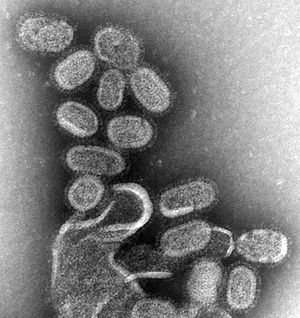
I’m referring to the subtle notes of ecology, biology and co-evolution interlaced throughout this visually stunning and rather disturbing film. What happens when you disturb Nature? The opening titles and scenes show a montage of curious and subtly dark reflections on the consequences of our general indifference to Nature and her growing unbalanced ecosystems. “Mother Nature is a serial killer,” virologist Andrew Fassbach tells our hero during his first—and last—ten minutes on screen. During that short time they spend together, Fassbach shares some key insights into how Gaia plays. And she doesn’t always play “fair”. Fassbach also tells us that this zombie plague started with a virus. Which brings up some interesting questions. Was it an “intelligent virus”, manufactured and introduced? Did the virus co-evolve with some organism as an aggressive symbiont and was spontaneously triggered by a disturbance? What was that disturbance and was it an accident or a mistake? How did it come to be?

In a 2020 interview with Yahoo Entertainment, Max Brooks (the author of the bestselling book of the same name) shared how uncannily similar the WWZ was to the Corona Virus (COVID-19) outbreak:
“Similarities between Brooks’s imagined outbreak, a virus called solanum (first introduced in 2003’s Zombie Survival Guide) and the coronavirus are uncanny. Never mind that Brooks has said he was using the novel to generally comment on government ineptitude and U.S. isolationism.
Patient Zero was in China. The virus is eventually nicknamed “African Rabies,” which sounds an awfully lot like “The Chinese Virus.” The U.S. greatly downplayed the severity of its threat and reacted too slowly, likely in part because it was an election year. Check. There was a much hyped-treatment that was ultimately ineffective (hello, hydroxychloroquine).”
“I was just being historically accurate,” says Brooks. “I wasn’t looking forward, I was looking back. Everything that’s happening today has already happened throughout history. Pandemics tend to come in very predictable cycles. And everything that is happening today happened with SARS, happened with AIDS, even happened with Ebola.”

I also didn’t fail to notice the reference to swarming ant colonies in the title montage that foreshadowed a later scene of zombies piling onto each other on the walls of Jerusalem in a frenzied search for warm bodies to eat. This is clearly a film about Nature’s powers and mysteries. You can be sure that questions about what triggered and defined the zombie plague will be addressed in the sequel, already scheduled. Because, like any serial killer, Mother Nature wants to be caught, says Fassbach.

Co-Evolution & Symbiogenesis
Which brings me to what this film really touches on: how Mother Nature takes care of herself and her own… whether we like it or not. The key is evolution and something called co-evolution: this is when two normal aggressors cooperate in an evolutionary partnership to benefit each other. Ehrlich and Raven coined co-evolution to explain how butterflies and their host plants developed in parallel. I wrote about it in an earlier post called “Co-evolution: Cooperation & Aggressive Symbiosis”
Virologist Frank Ryan calls co-evolution “a wonderful marriage in nature—a partnership in which the definition of predator and prey blurs, until it seems to metamorphose to something altogether different.” Co-evolution is now an established theme in the biology of virus-host relationships. The ecological “home” of the virus is the genome of any potential host and scientists have remained baffled by the overwhelming evidence for ‘accommodation’.

“Today…every monkey, baboon, chimpanzee and gorilla is carrying at least ten different species of symbiotic viruses,” says Ryan.
“Why,” asks Ryan, “is co-evolution [and its partner, symbiosis] such a common pattern in nature?” Ryan coined the term “genomic intelligence” to explain the form of intelligence exerted by viruses and the capacity of the genome to be both receptive and responsive to nature. It involves an incredible interaction between the genetic template and nature that governs even viruses. Symbiosis and natural selection need not be viewed as mutually contradictory. Russian biologists, Andrei Famintsyn and Konstantine Merezhkovskii invented the term “symbiogenesis” to explain the fantastic synthesis of new living organisms from symbiotic unions. Citing the evolution of mitochondria and the chloroplast within a primitive host cell to form the more complex eukaryotic cell (as originally theorized by Lynn Margulis), Ryan noted that “it would be hard to imagine how the step by step gradualism of natural selection could have resulted in this brazenly passionate intercourse of life!”

Aggressive Symbiosis
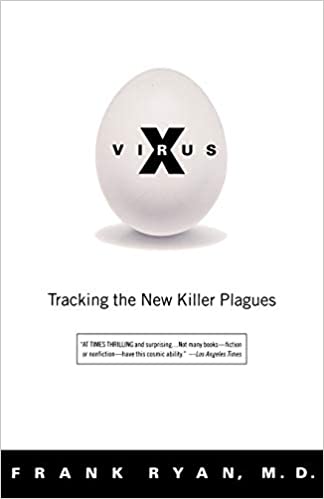
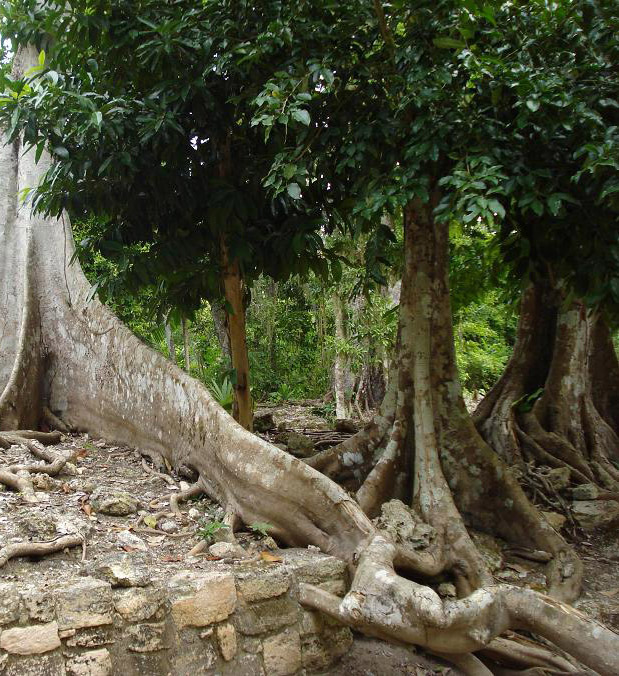
In his book, “Virus X” Dr. Frank Ryan coined the term “aggressive symbiont” to explain a common form of symbiosis where one or both symbiotic partners demonstrates an aggressive and potentially harmful effect on the other’s competitor or potential predator. Examples abound, but a few are worth mentioning here. In the South American forests, a species of acacia tree produces a waxy berry of protein at the ends of its leaves that provides nourishment for the growing infants of the ant colony residing in the tree. The ants, in turn not only keep the foliage clear of herbivores and preying insects through a stinging assault, but they make hunting forays into the wilderness of the tree, destroying the growing shoots of potential rivals to the acacia. Viruses commonly form “aggressive symbiotic” relationships with their hosts, one example of which is the herpes-B virus, Herpesvirus saimiri, and the squirrel monkey (the virus induces cancer in the competing marmoset monkey). Ryan suggests that the Ebola and hantavirus outbreaks follow a similar pattern of “aggressive symbiosis”. All you need is a perceived hostile trigger. A disturbance in an otherwise balanced ecosystem, for instance.
Aggressive Symbiosis & Human History
The historian, William H. McNeill, suggested that a form of “aggressive symbiosis” played a key role in the history of human civilization. “At every level of organization—molecular, cellular, organismic, and social—one confronts equilibrium [symbiotic] patterns. Within such equilibria, any alteration from ‘outside’ tends to provoke compensatory changes [aggressive symbiosis] throughout the system to minimize overall upheaval.”
So…what triggered the zombie plague of “World War Z”? And how will humanity prevail in this new paradigm of nature? The sequel (which I haven’t watched) may provide some answers. Check out author Max Brooks’s interview with Yahoo (link above) for some ideas.


Nina Munteanu is a Canadian ecologist / limnologist and novelist. She is co-editor of Europa SF and currently teaches writing courses at George Brown College and the University of Toronto. Visit www.ninamunteanu.ca for the latest on her books. Nina’s bilingual “La natura dell’acqua / The Way of Water” was published by Mincione Edizioni in Rome. Her non-fiction book “Water Is…” by Pixl Press (Vancouver) was selected by Margaret Atwood in the New York Times ‘Year in Reading’ and was chosen as the 2017 Summer Read by Water Canada. Her novel “A Diary in the Age of Water” was released by Inanna Publications (Toronto) in June 2020.






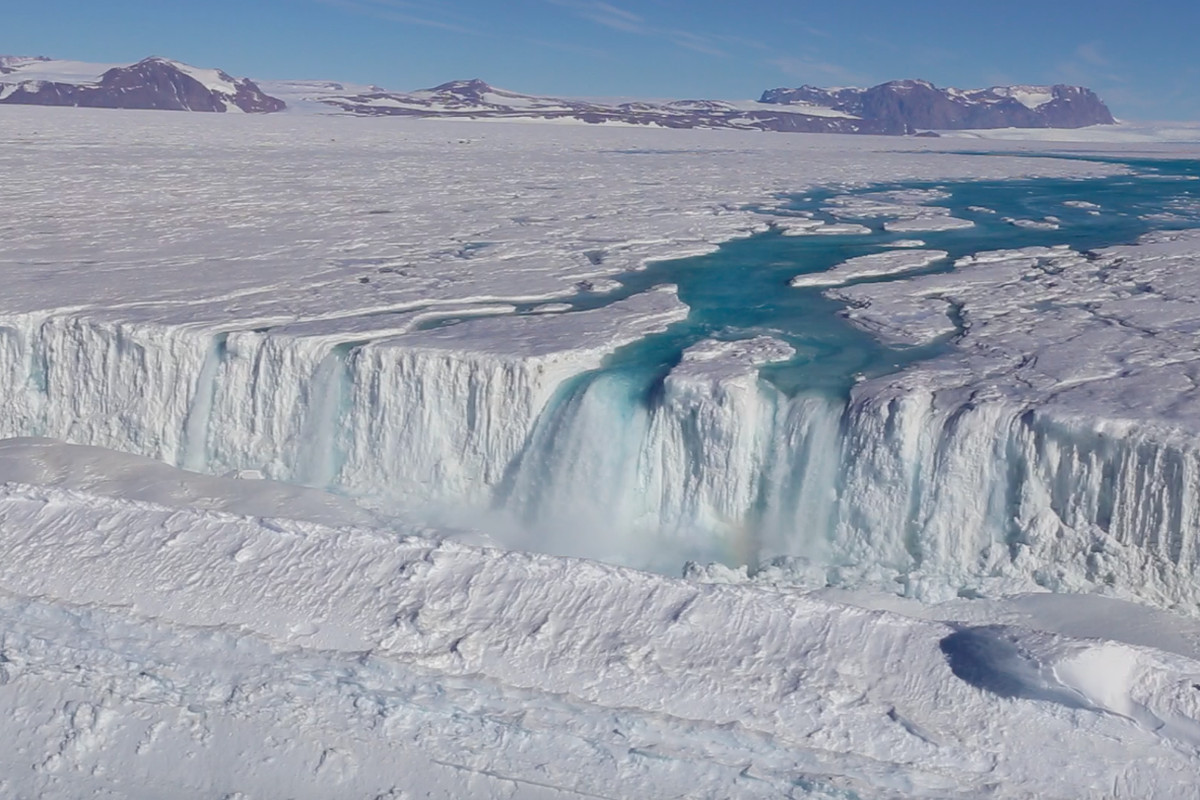
 Craig Russell begins his eco-thriller Fragment with a TV interview of glaciologist Kate Sexsmith in Scott Base Antarctica. The interview is interrupted by what turns out to be four runaway glaciers that have avalanched into the back of the Ross Ice Shelf and a fragment the size of Switzerland surges out into the open sea. Hence the title: Fragment.




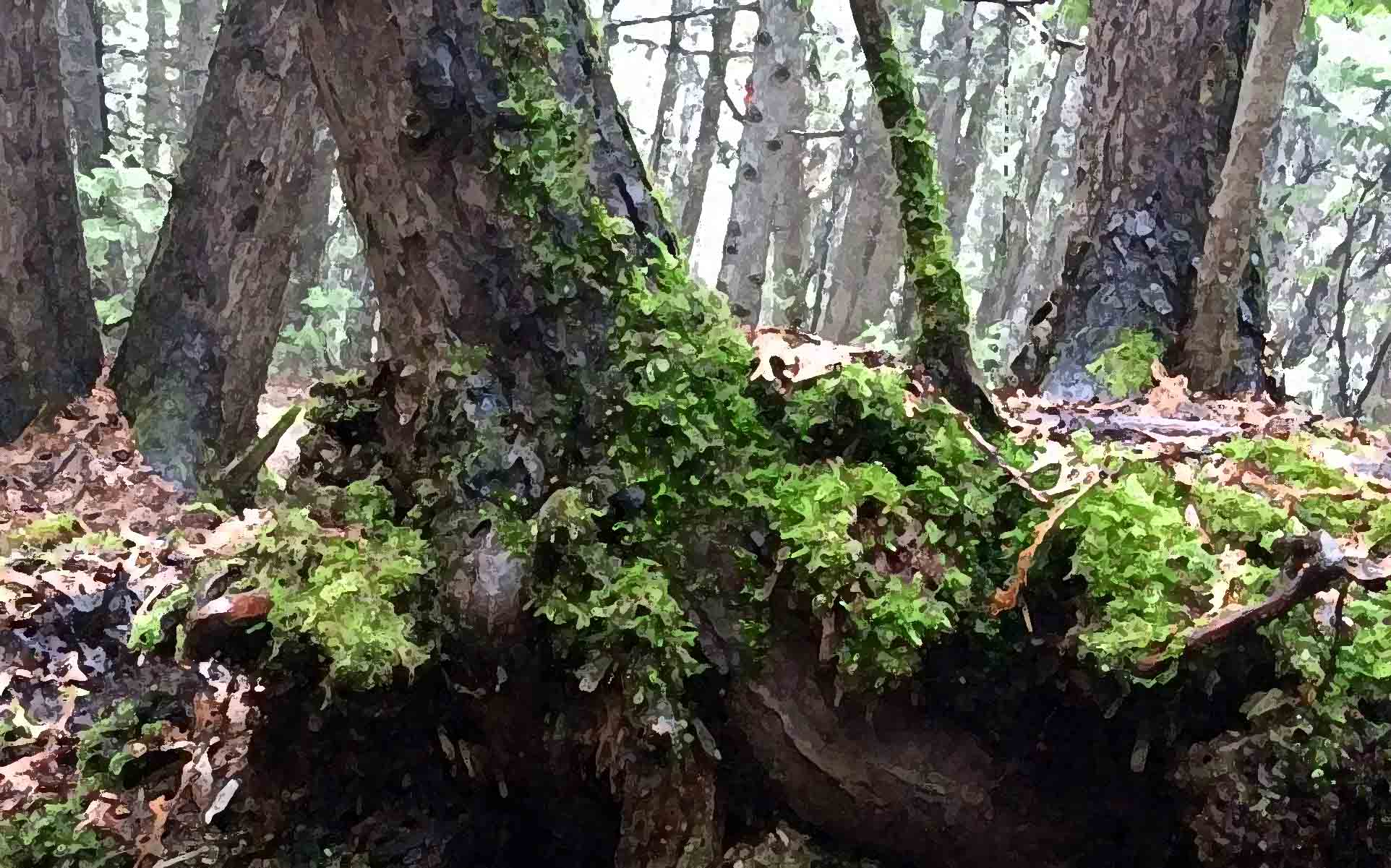
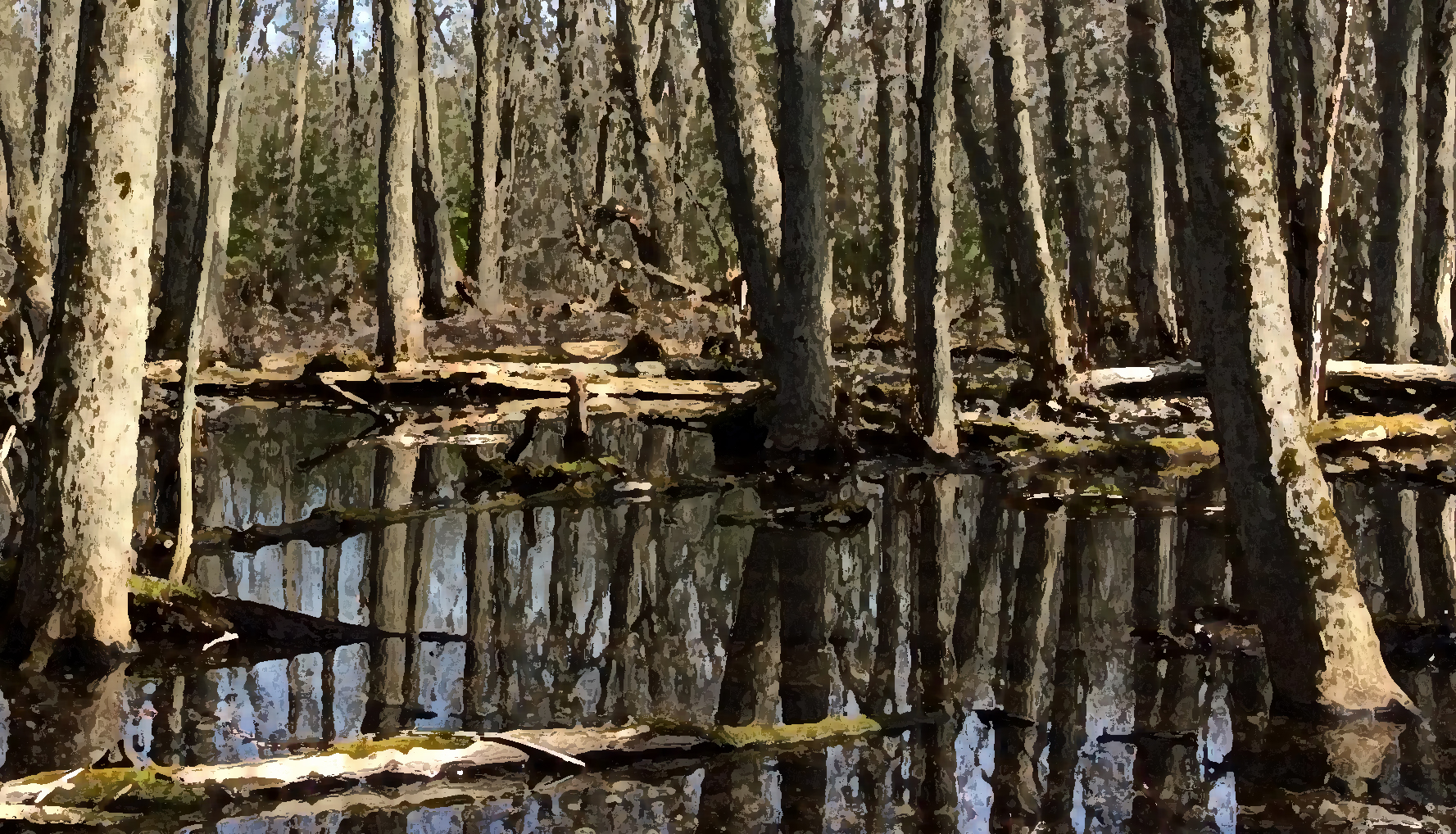
 Research what you’ve found on the Internet; find out more about something you’ve observed. For instance, why does the willow have such a shaggy bark? Why do alders grow so well near the edges of streams? What role do sowbugs play in the ecosystem? What do squirrels eat? What is that bird doing on my lawn? Start a phenology study (how something changes over the seasons). Keep tabs on the birds you see and what they’re doing. You can find several examples of mine in the links below.
 Expressive writing — whether in the form of journaling, blogging, writing letters, memoir or fiction — improves health. Over the past twenty years, a growing body of literature has shown beneficial effects of writing about traumatic, emotional and stressful events on physical and emotional health. In control experiments with college students, Pennebaker and Beall (1986) demonstrated that college students who wrote about their deepest thoughts and feelings for only 15 minutes over four consecutive days, experienced significant health benefits four months later. Long term benefits of expressive writing include improved lung and liver function, reduced blood pressure, reduced depression, improved functioning memory, sporting performance and greater psychological well-being. The kind of writing that heals, however, must link the trauma or deep event with the emotions and feelings they generated. Simply writing as catharsis won’t do.
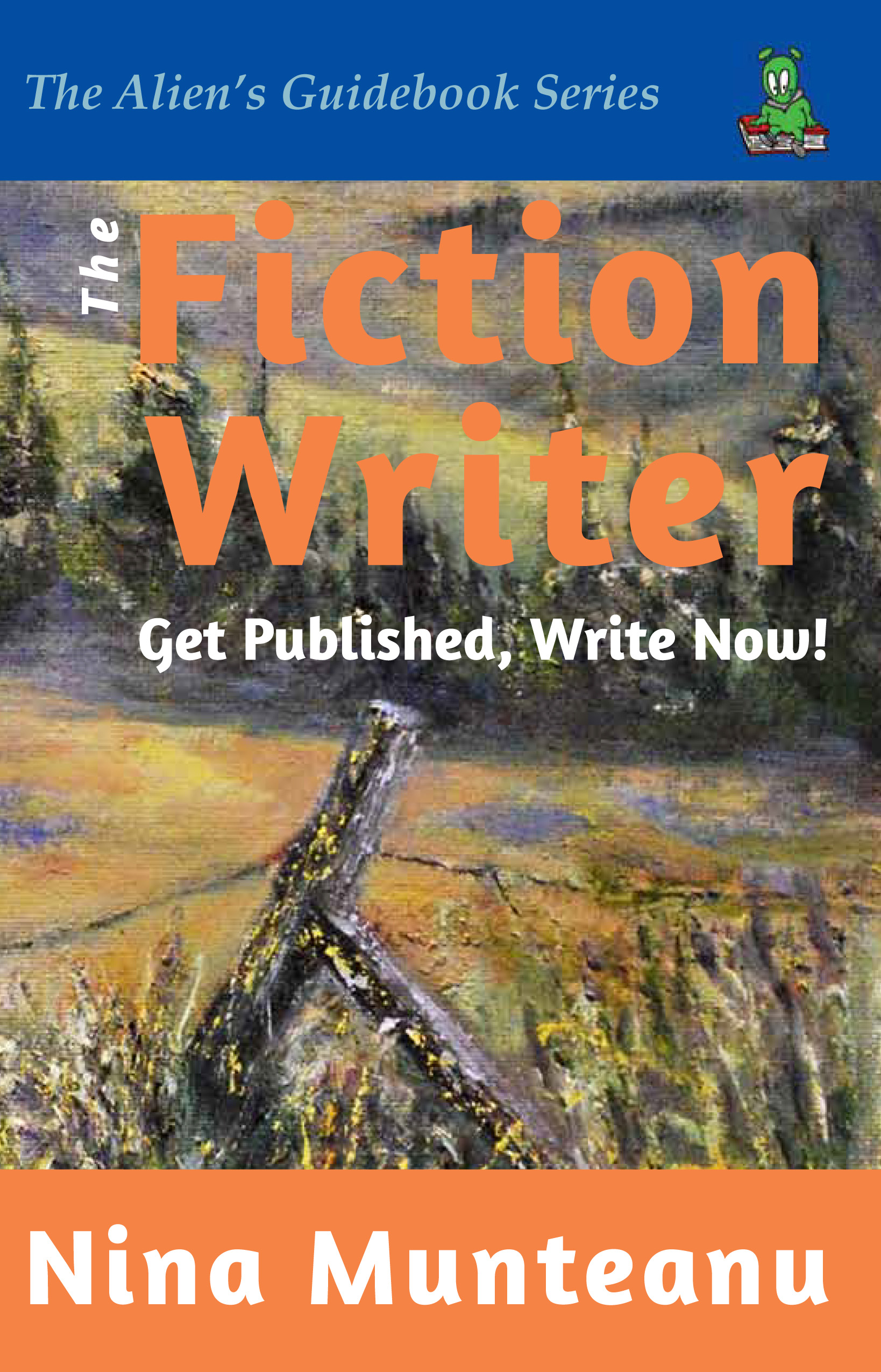 In Chapter K of my writing guidebook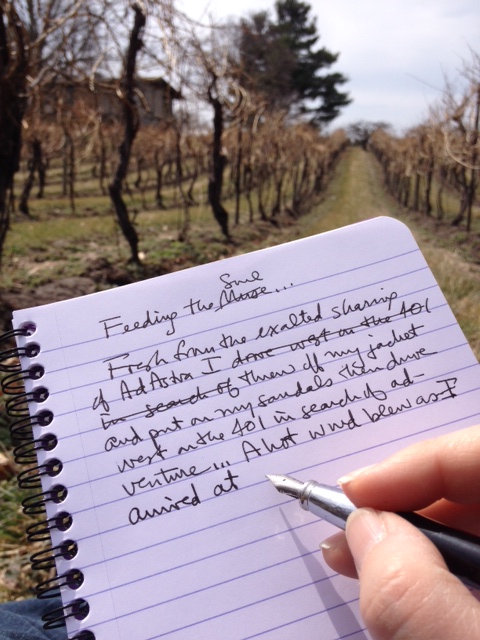
 According to


 In his book



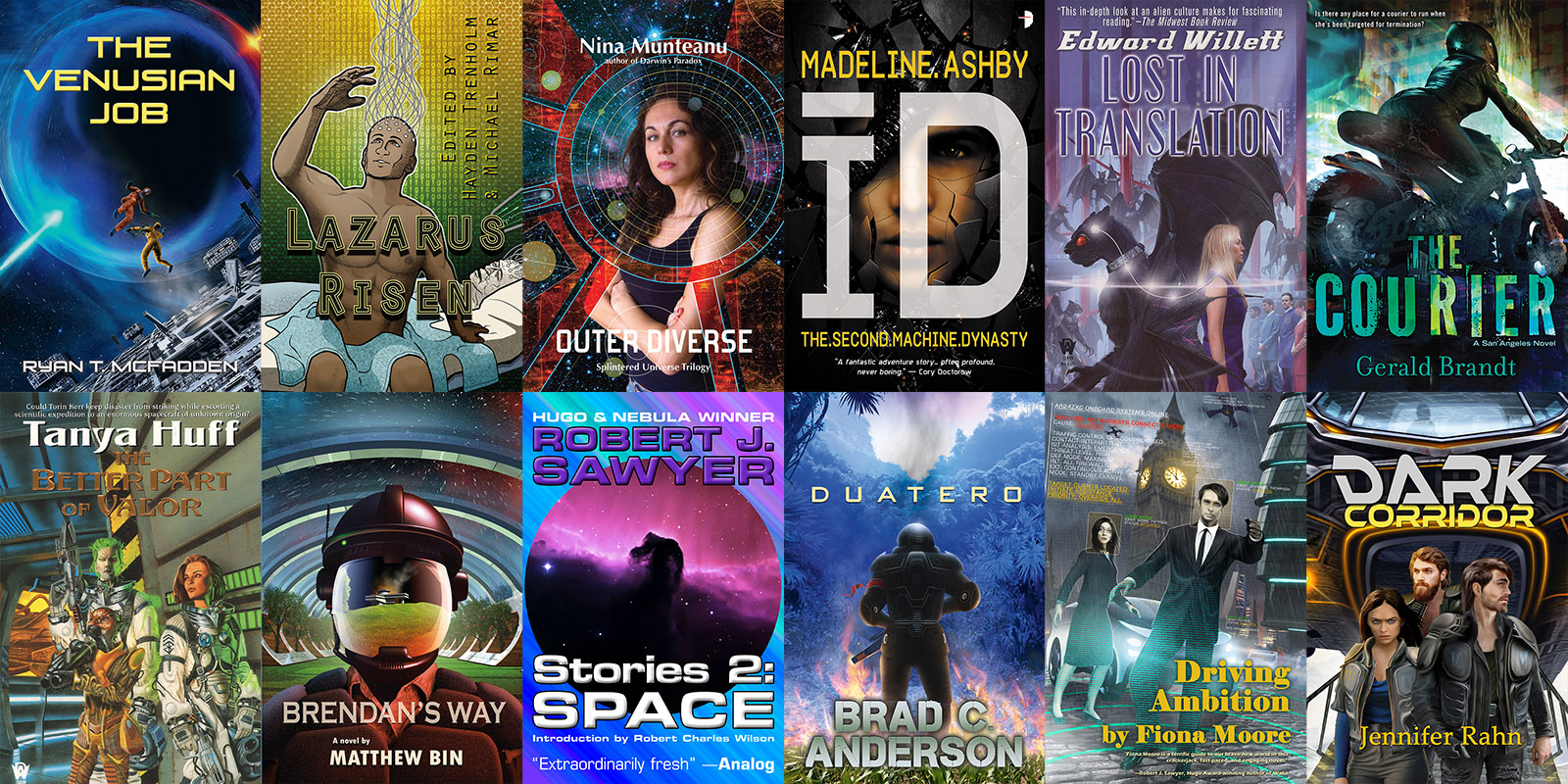
 Science fiction is our conversation with the future. That’s the philosophy of Bundoran Press Publishing House. But how can you have a conversation without friends? Even though in the days of COVID-19, most of those conversations take place on-line or by phone, there’s never been a better time to think and talk about the future.
 Last but certainly not least,



 Nina Munteanu Writing Coach

