 Craig Russell begins his eco-thriller Fragment with a TV interview of glaciologist Kate Sexsmith in Scott Base Antarctica. The interview is interrupted by what turns out to be four runaway glaciers that have avalanched into the back of the Ross Ice Shelf and a fragment the size of Switzerland surges out into the open sea. Hence the title: Fragment.
The original slide / wave and ensuing tsunami wipes out both Scott Station and the American McMurdo Station. The TV station records the moment:
Where Kate had stood to touch the map of Antarctica moments before, something hit the wall like an artillery round. It left a ragged hole through wall and map alike, framing an eerie light-show. A sheet of jewels flickered, glinting greens and blues, until a white mountain appeared and the screen went black.

Ross Ice Shelf, Antartica
With astute prescience, Russell reveals humanity’s behaviour in the stress of such a momentous event: from scientists who understand the global significance of this rogue fragment to those who minimize its effect such as the media and tourist industry who wish to exploit this anomaly and self-centred politicians obsessed with protecting their status.

Antartica

Senator Inhofe and infamous snow ball
My first thought was: he’s stereotyping a little. Then COVID-19 broke out to become a global pandemic. The reactions of scientists, media and certain politicians (e.g. the Trumps of the world) have played out with COVID-19 just as Russell had predicted with Fragment. Then again, good science fiction reaches deeply into a society’s core being, our motivations, fears and strengths; this is why science fiction is so eerily good at predicting. The best way to predict possibilities of the future is to understand the present and, as Russell demonstrates, science fiction writers are in touch with the zeitgeist of the world.
Reflecting the American government’s ridiculous denial of climate change, and calling to mind Republican Senator Inhofe’s snow ball in the senate scene, Russell’s character David Rookland (Washington’s Science Advisor) uses the glacier avalanche and fragment that he (purposely) misunderstands to illustrate with equal lack of logic the same misguided myth: “these theorists claim that around the world, glaciers have been receding. Thankfully, as you can see in the second photo, dear old Mother Nature has proven them wrong again.”

Blue whale
Russell’s chapters devoted to the POV of character Ring, a young blue whale also fragmented from his pod, are particularly touching and powerful. Chased alternatively by Killer whales and human hunters, Ring must warn his kind of the danger posed by the fragment. In one chapter Ring observes that “there’s a special taste to the air here, a tang carried north from the twin Smoking Mountains, which send their steamy vapors into the sky forever.”
Russell then weaves an inspiring legend among the blues about a whale named Long-Throat and the “hard/noisy things” that came to hunt. Men slaughtered so many and scattered the pods in all directions. According to the legend of Long-Throat, the faint bitter smell of the Smoking Mountains brought the pods together again. This had been a time, thinks Ring, when the pods were not afraid to be different, or of new places and strange experiences. But no more. “The Slaughter scarred his race and young Blues are fed fear with their mother’s milk. Fear that never heals, never sleeps. Fight it though he may, that fear lives inside him too.” Ring hopes that, by facing this new fear of the fragment and its incredible power to devastate (any whale caught under its massive moving force will drown), “the old fear can be allowed to sink away.” His course is clear: he must compose a new song to warn other blues. Ring ends up doing far more than sound the warning of the moving behemoth to his people when he is discovered by an American nuclear missile submarine. What follows is what I think is the real story and its magic.

Ross ice shelf, Antarctica
The book is appropriately titled Fragment because in some ways the fragment is a main character, carrying the theme. It is herald, harbinger, and misunderstood by many. Its power is greatly underestimated by others, and it is set apart from its fold to become something else. Like Ring and his people. Like humanity, even. Just as the Corona virus pandemic (currently ravaging the world as I write this article) promises to change every aspect of our world, so too does the fragment.
The fragment: “….Its northern rim is a world of chaos. Pack-ice, bulldozed by the Fragment, has been swept up into a bramble, miles deep, piled up and over itself in a frozen explosion. The corpses of countless penguins lie within, broken by the onslaught. Behind this jumble rises the Wall. A hundred metres above the water line and six hundred below, the Shelf is old, formed before Columbus stumbled his way across the Atlantic. In the Fragment’s back, imbedded like spears, are vast sections of the four glaciers. Byrd, Nimrod, Beardmore, and Shackleton. Truly ancient, each is a fortress, hard as granite, laminated layer upon layer over millennia…The creatures of the sea meet the wall in their millions. The air breathers, penguins, seals, dolphins, and so on, have no hope. They swim and die, exhausted and drowned. For many of the water breathers like fish and squid, the drop in temperature near the Fragment is too much…Some species of fish, well able to withstand the cold, succumb instead to the unfamiliar fresh water that has begun to pool around the Fragment.”–Craig Russell, Fragment
In a scene near the end of the book, which could be taken out of our current COVID-19 crisis, Russell describes how carefully considered warnings by scientists are downplayed as “alarmist” resulting in devastating inaction:
When Kate Sexsmith presents a possible scenario of the Fragment smashing into Europe, the Chairman of the European Fragment Conference counters with “in that highly unlikely event” all is under control by the world community. To this dangerous platitude, Sexsmith challenges (only to receive a mealy-mouthed double-speak reply):
“Respectfully, Mr. Chairman, [says Sexsmith] the world has faced plenty of hurricanes, tidal waves, and earthquakes. But we have no historical event to compare with the Fragment. And Europe isn’t the only place in danger. There are millions of people at risk on the Caribeean islands. Many are poorly educated and have no resources of their own. When do we mov them? How do we move them? Who is prepared to take them in? And based on Stanley [which was totally destroyed by the Fragment] who is prepared to take them in on a permanent basis?”
“We are not blind to these concerns, Doctor [says the chairman]. But we must take a balanced view. We cannot simply adopt an alarmist approach. Our scientific community’s reputation for sound council is too important to risk…”
But when great disaster strikes, all peoples (whales and humanity) come together in solidarity. With new humility, kindness and wisdom. I was astonished at the way Russell pulled things together toward a unique resolution. I give Craig Russell five stars for the courage to end his book the way he did. It was pure magic. The kind of magic we all want to see more of in this currently beleaguered, divisive and consumer-obsessed world.

Antartica
As Dutch trends forecaster Li Edelkoort said of COVID-19, the Fragment “might just turn the world around for the better [as] an amazing grace for the planet.”
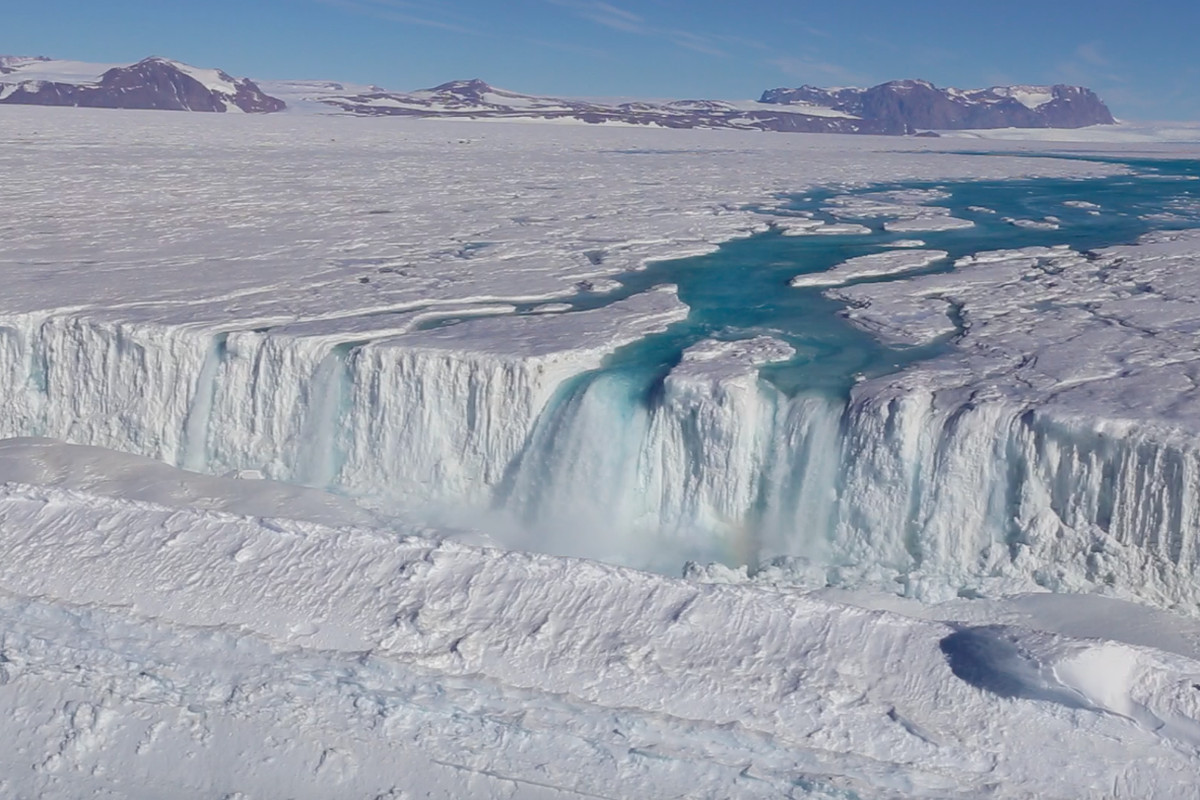
Antarctica melting
Whales and Intelligence:
Scientists are still finding ways to assess “intelligence”, particularly in life that isn’t human. Whales have been shown to have emotional intelligence. They show signs of empathy, grief, joy, and playfulness. All of these learned behaviors, types of intelligence, and signs of teamwork have led scientists to think about groups of whales in new ways.
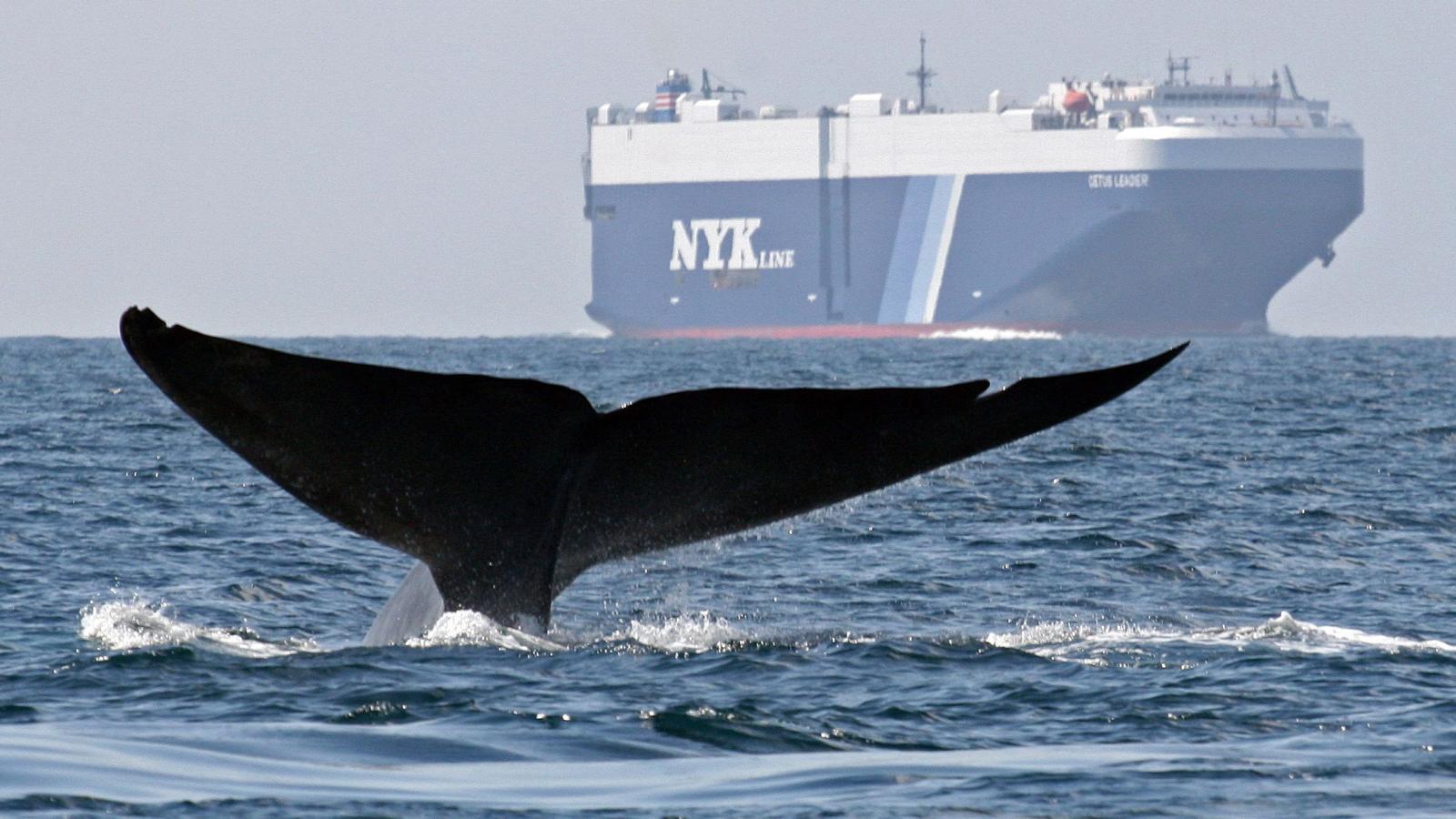
Blue whale
Most humans believe that our ability to communicate is far more complex and evolved than that of other animals, but cetaceans may be superior. According to a comparison of cetacean to primate brains from Michigan State University, “They have the distinct advantage over us in that their primary sense is the same as their primary means of communication, both are auditory. With primates, the primary sense is visual and the primary means of communication is auditory.” Communication is so great in cetaceans that there is a strong possibility they are able to literally project an “auditory image” that replicates a sonar message they may receive. MSU describes it this way: “So a dolphin wishing to convey the image of a fish to another dolphin can literally send the image of a fish to the other animal. The equivalent of this in humans would be the ability to create instantaneous holographic pictures to convey images to other people.”
Specialized brain cells called spindle neurons are most often associated with an organism’s ability to “recognize, remember, reason, communicate, perceive, adapt to change, problem solve and understand.” Spindle neurons have been isolated in the brains of both whales and dolphins, which suggests that whales do a lot more thinking than previously thought. Dolphins, for example, have been known to recognize themselves in mirrors, solve problems, follow recipes, and associate a part of their anatomy with that of a human’s (such as when a dolphin waves it’s fin whenever a trainer waves their arm). Recent studies even indicate that dolphins are capable of creating personalized whistles that act as names for individual members of a pod. With this name, dolphins are able to communicate more efficiently while roaming the open seas.
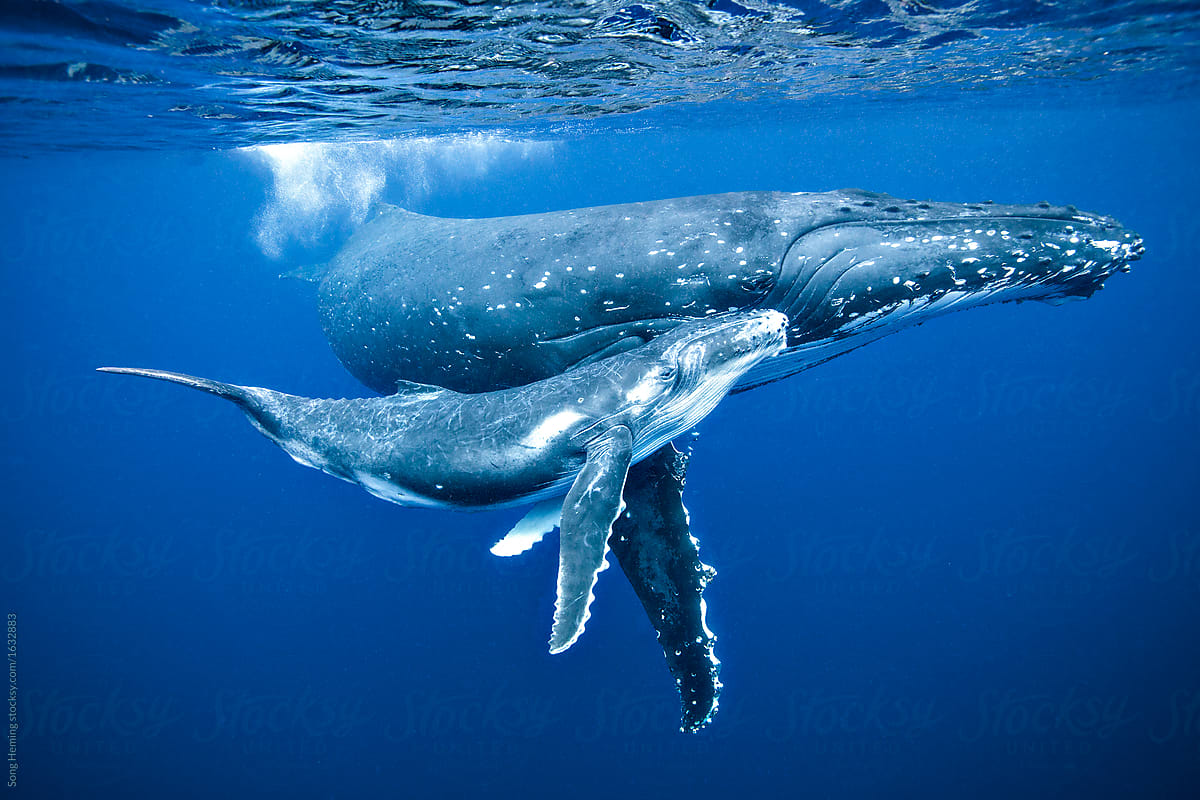
Mother humpback and her calf
In a Scientific American article entitled “Are Whales Smarter Then We Are?” R. Douglas Fields writes: Logically, brain function and intelligence must relate to the number of neurons. Intelligence resides in the neocortex (the thin, convuluted “rind” of the brain) rather than in other, underlying areas devoted to controlling vital housekeeping functions for the body, so Eriksen and Pakkenberg focused their investigation there. The frontal lobes of the dolphin brain are comparatively smaller than in other mammals, but the researchers found that the neocortex of the Minke whale was surprisingly thick. The whale neocortex is thicker than that of other mammals and roughly equal to that of humans (2.63 mm). However, the layered structure of the whale neocortex is known to be simpler than that of humans and most other mammals. In particular, whales lack cortical layer IV, and thus have five neocortical layers to humankind’s six. This means that the wiring of connections into and out of the neocortex is much different in whales than in other mammals. The researchers’ cellular census revealed that the total number of neocortical neurons in the Minke whale was 12.8 billion. This is 13 times that of the rhesus monkey and 500 times more than rats, but only 2/3 that of the human neocortex. What can account for the fact that whales have bigger brains — and similarly thick neocortexes — but fewer neurons? Eriksen and Pakkenberg found that there were 98.2 billion non-neuronal cells, called glia, in the Minke whale neocortex. This is the highest number of glial cells in neocortex seen in any mammal studied to date. The ratio of neocortical glial cells to neocortical neurons is 7.7 to 1 in Minke whales and only 1.4 to 1 in humans. This finding may indicate a tendency for larger glia/neuron ratios as brain mass increases to support the growing neurons. But when one considers other recent research revealing that glia play an important role in information processing (see “The Other Half of the Brain,” fromn Sci. Am. April 2004), one is left to wonder. Is the whale brain intellectually weaker than the human brain, or just different? They have fewer neurons but more glia, and in traditional views of the glia, the neurons count for much more.
In her article in One Green Planet entitled “Whales and Dolphins Might Be The Smartest Animals”, Madison Montgomery leaves us a strong message and exhortation: “While it appears that cetaceans have incredible abilities to feel emotions, understand complex problems and communicate in ways we can’t even imagine, humans don’t seem to value this. Because we assume we are so smart, we put the other creatures of the world underneath us. Knowing how dynamic cetaceans are, keeping them in glorified bathtubs and forcing them to do tricks for food is insulting and cruel. Could you imagine the pain of living in a small room your entire life and having to do flips to be fed? Sounds like a miserable existence, doesn’t it?”
As a postscript, Fragment was selected by the American National Oceanic and Atmospheric Administration (NOAA) for their “Planet Stewards” 2023-2024 Book Club.

Nina Munteanu is a Canadian ecologist / limnologist and novelist. She is co-editor of Europa SF and currently teaches writing courses at George Brown College and the University of Toronto. Visit www.ninamunteanu.ca for the latest on her books. Nina’s bilingual “La natura dell’acqua / The Way of Water” was published by Mincione Edizioni in Rome. Her non-fiction book “Water Is…” by Pixl Press (Vancouver) was selected by Margaret Atwood in the New York Times ‘Year in Reading’ and was chosen as the 2017 Summer Read by Water Canada. Her novel “A Diary in the Age of Water” will be released by Inanna Publications (Toronto) in June 2020.
 Paolo Bacigalupi’s 2015 biopunk science fiction novel The Windup Girl occurs in 23rd century post-food crash Thailand after global warming has raised sea levels and carbon fuel sources are depleted. Thailand struggles under the tyrannical boot of ag-biotech multinational giants such as AgriGen, RedStar, and PurCal—predatory companies who have fomented corruption and political strife through their plague-inducing and sterilizing genetic manipulations. The story’s premise could very easily be described as “what would happen if Monsanto got its way?”
 It’s difficult not to always be aware of those high walls and the pressure of the water beyond. Difficult not to think of the City of Divine Beings as anything other than a disaster waiting to happen. But the Thais are stubborn and have fought to keep their revered city of Krung Thep from drowning. With coal-burning pumps and leveed labor and a deep faith in the visionary leadership of their Chakri Dynasty they have so far kept at bay that thing which has swallowed New York and Rangoon, Mumbai and New Orleans.




 In the Green Kingdom, stimulation through the sense of taste has become a powerful and complex art form that rules the lives of the males—the phrils. Not only does it bring pleasure, it can change a phril’s destiny, even guide him into death and beyond. But only if he can afford the services of the artists called Recipears. Without a Recipear, a phril will live and die a pagan, with no chance of an afterlife. The female of the species, called phriliras, cannot experience RecipeArium; they replace it with their faith in one God with changing names. In the world within the huge body of a monstrous beast, the Recipears rule society.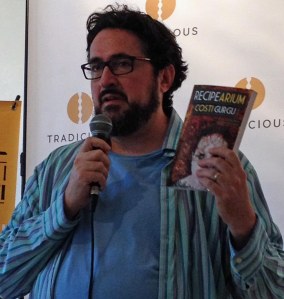

 fiction, which is itself considered strange), Costi responded:
 We embrace the exotic, the foreign, the strange, the unknown… the alien.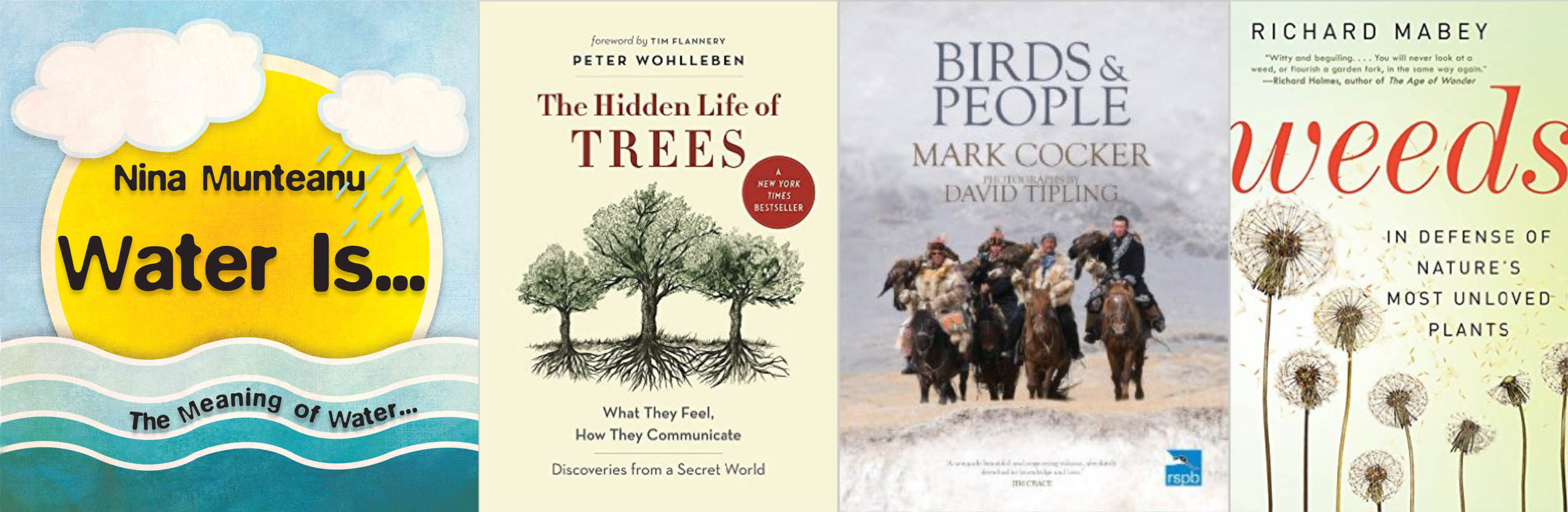
 Every year, near Christmas,
  Margaret Atwood is a winner of the Arthur C. Clarke Award and the Prince of Asturias Award for Literature as well as the Booker Prize (several times) and the Governor General’s Award. Animals and the environment feature in many of her books, particularly her speculative fiction, which reflects a strong view on environmental issues.
 “
“ “The Hidden Life of Trees: What They Feel, How They Communicate—Discoveries From a Secret World” (Greystone Books) by Peter Wohlleben. In The Hidden Life of Trees, Peter Wohlleben shares his deep love of woods and forests and explains the amazing processes of life, death, and regeneration he has observed in the woodland and the amazing scientific processes behind the wonders of which we are blissfully unaware. Much like human families, tree parents live together with their children, communicate with them, and support them as they grow, sharing nutrients with those who are sick or struggling and creating an ecosystem that mitigates the impact of extremes of heat and cold for the whole group. As a result of such interactions, trees in a family or community are protected and can live to be very old. In contrast, solitary trees, like street kids, have a tough time of it and in most cases die much earlier than those in a group. Drawing on groundbreaking new discoveries, Wohlleben presents the science behind the secret and previously unknown life of trees and their communication abilities; he describes how these discoveries have informed his own practices in the forest around him. As he says, a happy forest is a healthy forest, and he believes that eco-friendly practices not only are economically sustainable but also benefit the health of our planet and the mental and physical health of all who live on Earth.
 “Weeds: In Defense of Nature’s Most Unloved Plants” (Ecco) by Richard Mabey. “They’re better for you than you think,” says Atwood. “They hold the waste spaces of the world in place, and you can eat some of them.” Ever since the first human settlements 10,000 years ago, weeds have dogged our footsteps. They are there as the punishment of ‘thorns and thistles’ in Genesis and , two millennia later, as a symbol of Flanders Field. They are civilisations’ familiars, invading farmland and building-sites, war-zones and flower-beds across the globe. Yet living so intimately with us, they have been a blessing too. Weeds were the first crops, the first medicines. Burdock was the inspiration for Velcro. Cow parsley has become the fashionable adornment of Spring weddings. Weaving together the insights of botanists, gardeners, artists and poets with his own life-long fascination, Richard Mabey examines how we have tried to define them, explain their persistence, and draw moral lessons from them. One persons weed is another’s wild beauty.
 “Birds and People” (Jonathan Cape) by Mark Cocker. “Vast, historical, contemporary, many-levelled,” says Atwood. “We’ve been inseparable from birds for millenniums. They’re crucial to our imaginative life and our human heritage, and part of our economic realities.” Vast in both scope and scale, the book draws upon Mark Cocker’s forty years of observing and thinking about birds. Part natural history and part cultural study, it describes and maps the entire spectrum of our engagements with birds, drawing in themes of history, literature, art, cuisine, language, lore, politics and the environment. In the end, this is a book as much about us as it is about birds.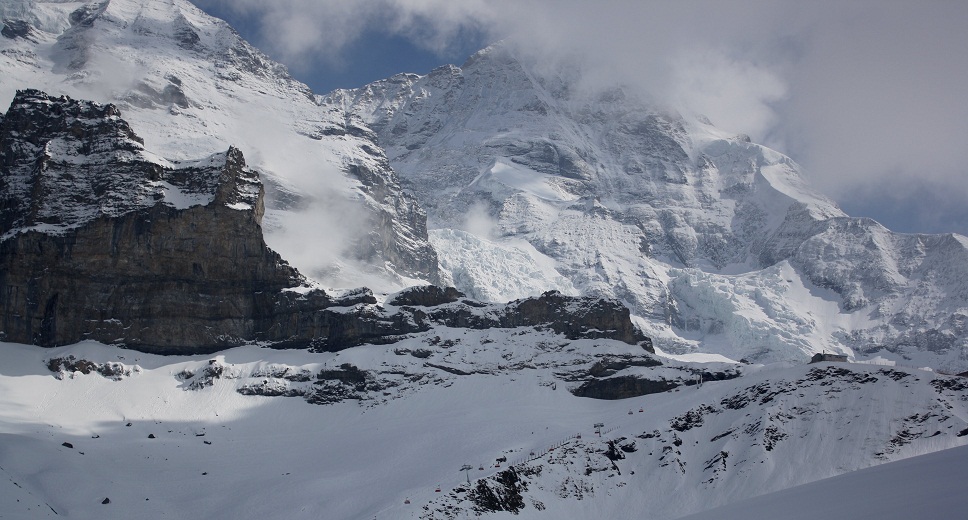

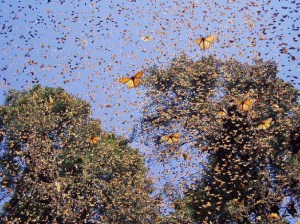
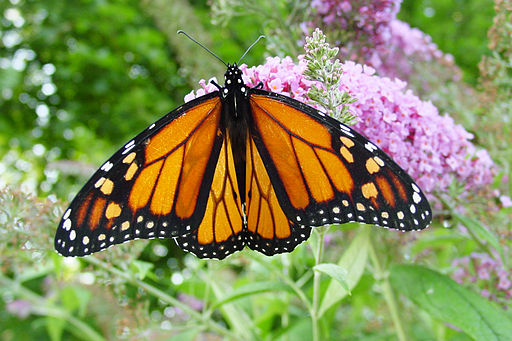
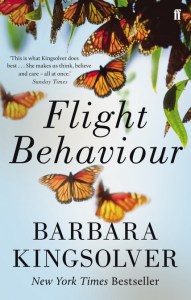 Barbara Kingsolver’s 2012 novel Flight Behavior was, according to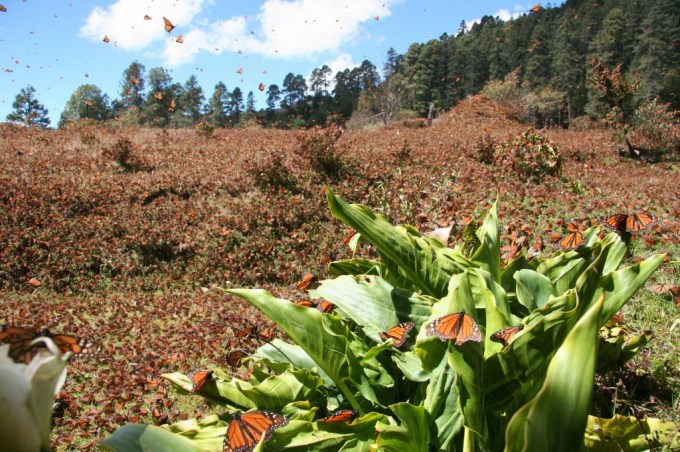
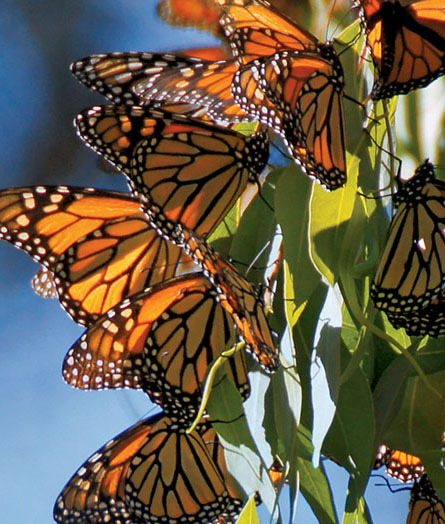
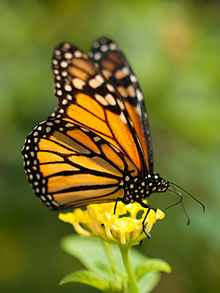
 Kathleen Byrne of The Globe and Mail
 We—humanity—may not be around here for much longer. Nature will endure without us. Planet Earth will continue, in some form and Nature and life will endure, evolve, and flourish—in its own way. It will change, perhaps grow more unruly than it is already, but Gaia will continue after she has kicked us off. Ecologists have long recognized the pattern of colonization, exploitation, decadence and succession. How hubristic of humanity not to include itself in that cycle. The cycle of continuing change. We grasp—we clamor—for the world we knew—even as we senselessly impose irreparable change. Shaving forests to the ground so water has no where else to go but down and in a torrent. Creating hot deserts by diverting great rivers somewhere else. Mining vast oil and mineral reserves by scraping the earth until it “bleeds” from unhealable wounds.
 Nina Munteanu is an ecologist and internationally published author of award-nominated speculative novels, short stories and non-fiction. She is co-editor of Europa SF and currently teaches writing courses at George Brown College and the University of Toronto. Visit
