The knight in Vivianne’s dream (illustration by Tomislav Tikulin)
If you want to find the secrets of the universe, think in terms of energy, frequency and vibration
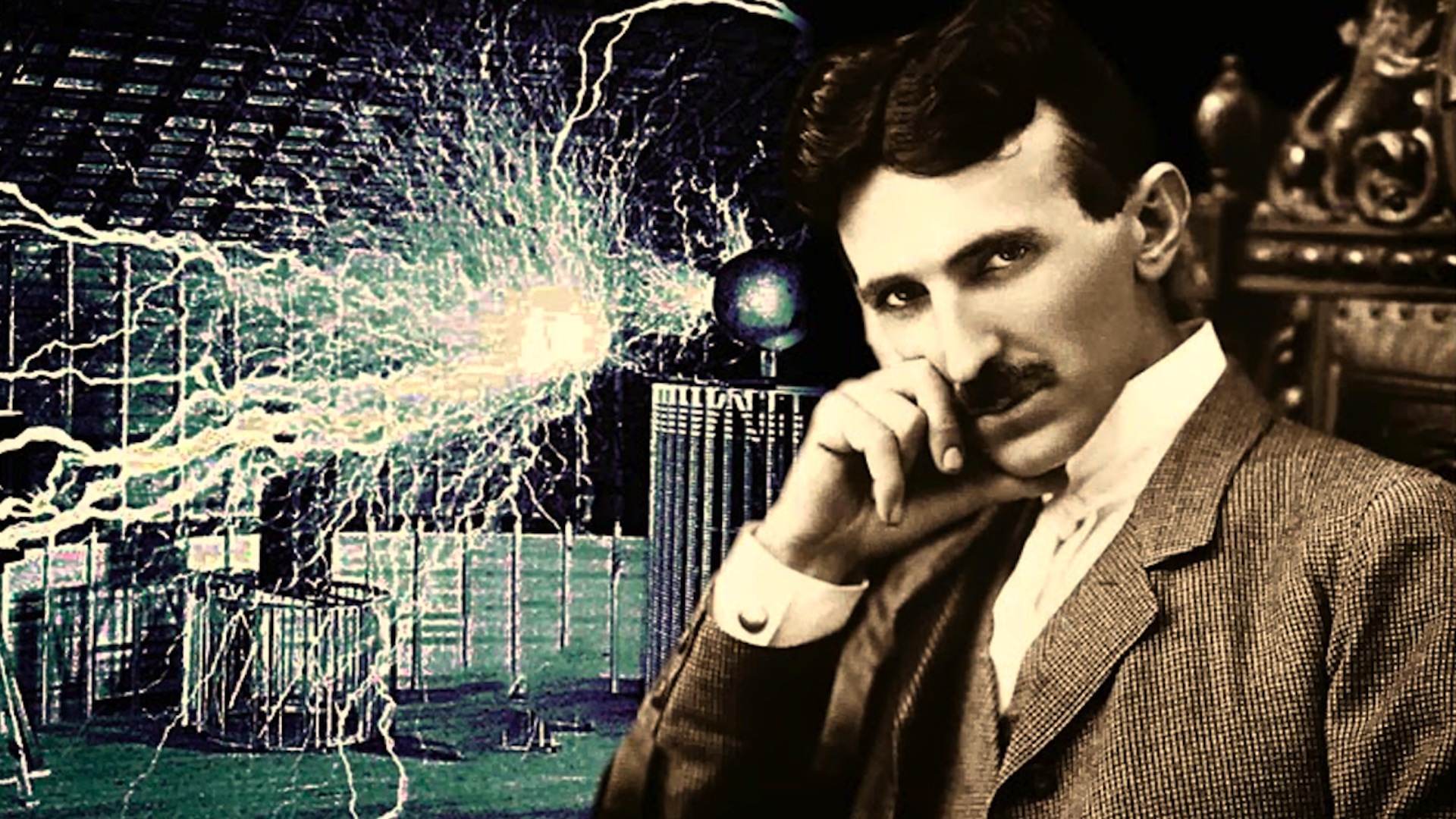
Nikola Tesla
In my historical fantasy The Last Summoner, Vivianne Schön, the Baroness Von Grunwald, travels through time from the 1400s to 1905 to meet Nikola Tesla and make a deal with the eccentric scientist in a bid to make the world a better place:
The Story (excerpt of The Last Summoner)
New York, 1905
VIVIANNE straightened when she glimpsed the elegantly dressed Serbian as he entered Bryant Park. From her bench in the shade of a sycamore tree, she watched him saunter to his favourite bench then sit down and cross his legs. He emitted a somber sigh, pulled out a small notebook from his jacket pocket and began to write. Vivianne studied his long face, straight nose and well groomed mustache. It was an intense face, though worn with reserve. He quelled the fire that burned inside him beneath a shell of enigmatic reflection. He brushed a hand over his thick hair, then set his mouth in a thin line of determined concentration as he hastily sketched something inside the notebook. He didn’t look terribly heartbroken for a man who had just lost his dream, she reflected. But she did recognize disappointment on his furrowed brow. He was used to that, she decided, reviewing his personal history, which had been plagued by rivalry and betrayal for nearly all his life. A visionary of his genius quality was easy fodder for bullying, whether it was schoolmates or the scientific community.
After adjusting her brimmed hat and flowing blue lace gown, Vivianne rose and approached the forty-eight year old Serbian visionary, musing how he would later be called the “Father of the 20th Century”.
She was barely a metre away from him before he looked up, ready to express annoyance at being interrupted. She took pleasure in seeing his expression change from a glower to a startled look of curiosity. She knew she was beautiful, but it was rather delightful to see that she could divert this intense scientist.
“Hello, Mister Tesla,” Vivianne greeted him with a curtsy. “I am the Comptesse d’Anjou at your service. May I join you and sit down?”
He frowned at first then nodded politely with not quite a smile. He was not known for his smiles, she recalled. Tesla rose to his feet and bowed to her but did not offer his hand. She did not press him, knowing of his particular compulsion for avoiding human contact. “Of course you may,” he said with a mild accent and nodded to her in invitation. They both sat down in unison and he added, “To what do I owe this pleasure, Comptesse? Do I know you?”
“No, Mister Tesla.” She smiled with irony. “We have never met—not in person, anyway. But I believe you may be interested in what I have to say.” She paused to take in his curiosity and continued, “Pardon me for what I am about to reveal of your affairs, but I represent the interests of La Banque Internationale du Monde in Geneva, Switzerland—perhaps you know of us—and the law offices of Frankl & Frankl. We are one of the five largest investment banks in the world, dating back to the late 1400s with offices in Amsterdam and Hamburg. We are a private bank who screen for altruistic and environmentally conscious investors. In short, we help finance only those projects that will help make the world a better world.” She paused.
Tesla studied her inquisitively but said nothing.
She smiled internally at his puzzled expression then continued, “We are very interested in your Wardenclyffe Tower in Shoreham, Long Island, and associated global wireless power transmission.”
Tesla slid his notebook back into his jacket pocket and now gave her his full attention. She knew that he’d been trying for years to gain backing for his enigmatic projects with little to no success.
She continued, “You theorized that electrical energy can be transmitted through the earth and the atmosphere…without power lines.”
“Yes, I can light lamps at moderate distances and can detect the transmitted energy at much greater distances. The Wardenclyffe Tower uses a rapidly alternating electrostatic field and was a proof-of-concept for global wireless power trans-mission.”
“Yes, I know.”
He frowned. “But my funding—“
“Yes, I know. Your backers don’t like the idea of unmetered power consumption.”
His face hardened with dark thoughts. “Free electricity isn’t profitable.”
“Least of all to greedy bankers with no vision or faith like J.P. Morgan or John Jacob Astor,” she added. “I know you’ve been in financial trouble with high construction costs since Morgan pulled out last year and encouraged other investors to do the same.”
Her last remark made him stiffen. She was hitting a painful nerve.
“I know about your expired patents and the resulting lack of royalty payments,” she continued. “Within another five to ten years your projects will all be defunk and you will be totally broke. And no one will listen to the ideas that come to you fully formed through visions and dreams.”
He straightened and looked her directly in the eyes. “What do you want of me, Comptesse? Who are you?”
“An ally,” she answered. “I am well aware of your humanitarian pursuits and altruistic nature. I know that you wish simply to make the world a better world. That is my wish also. Energy is and will continue to be one of the most important forces on this earth. Like water, it should be free and available to each and everyone of us. I think you can provide us with that gift and would be happy to as well. Mister Tesla, I want to offer you financial backing at zero percent interest.”
He let loose a humourless laugh. He had finally learned to be cynical about bankers, she thought.
“Make no mistake, Mister Tesla; I expect to become one of the wealthiest people on this planet because of you. But I will gain that wealth only as you gain yours, through a partnership, and not at the expense of others; rather, for the benefit of others. Your wireless technology will help in areas you have yet to imagine: instant global communications and the personal computer; clean energy for homes and industry; laser medicine; robotics; interstellar travel; instant matter transference; even time travel and so much more.”
He was staring at her now. “Who are you, really?”
An angel, she thought to herself. “I’m part of the future, Mister Tesla. A future of your making.” Then without thinking, she held out her hand. “You can call me Vivianne.”
To her delighted surprise, he smiled for the first time. He took her hand then lightly kissed it, as was the custom of most eastern Europeans. “And you can call me Nikola.”
The Man
Nikola Tesla and his experiments with electricity
Nikola Tesla intuited that energy waves in the earth and the atmosphere could be used to transmit power to any point on the globe. He understood that the surface of the Earth, the ionosphere and the atmosphere together form one gigantic electrical circuit—an electrified Gaia, so to speak—and this formed the basis for his work on wireless energy transmission. Tesla was able to transmit power and energy wirelessly over long distances (via transverse waves and longitudinal waves). He transmitted extremely low frequencies (ELF) through the ground and between the Earth’s surface and the Kennelly-Heaviside layer of the ionosphere. Tesla patented wireless transceivers that developed standing waves and it was he who discovered that the resonant frequency of the Earth was about 8 Hz and in the range of the Schumann Resonance or Cavity.
Tesla in his Colorado Springs lab
Modern technology appears to be threatening humanity’s connection with earth’s fundamental frequency and the natural vibrations of Schumann Resonance. Threats include artificial man-made EMF radiation, wireless technology, and high frequency heating microwaves pulsed at 2.45 GHz. Whether we co-evolved with Earth’s natural electromagnetic environment or were created with Divine Intelligence to live in harmony with it, many experts believe that artificial man-made EMF radiation masks the natural beneficial frequency of the Earth and may create an environment that is literally `out of tune’ with Nature itself.
The Book
The Last Summonerby Nina Munteanu is a fresh twist on chaos theory and observer-induced collapse of quantum entanglement. It’s June 14th, 1410, on the eve of the Battle of Grunwald when history records that a ragtag peasant army will slaughter the arrogant monk knights of the imperialistic Teutonic Order … or will they? Because of an impetuous choice, 14-year old Vivianne Schoen, Baroness von Grunwald, makes the startling discovery that she can alter history—but not before she’s branded a witch and must flee through a time-space tear. Now in an alternate present-day France ruled by fascist Black Knights of the ancient Teutonic Order, she must decide how to remake history.
Detail of ‘The Battle of Grunwald’ (painting by Jan Matejko)
“For those in love with science fiction at its best, The Last Summoner is a complex story of ignored responsibilities and their dire consequences, of love and betrayal that span centuries and multiple worlds. Time travel, multiverse travel, immortality, alternate history in which the Nazis have won, not in the twentieth century but way earlier, in the Teutonic age. Angels and mutants, utopias and dystopias, even a Tesla occurrence— everything a science fiction reader could ever desire in a book. A masterfully told story with great characters. Nina Munteanu moves flawlessly from a medieval story to a modern one and everything in between.”
Depiction of fierce Teutonic Knights crusading in the Baltic north during the 13th Century (illustration by Mariusz Kozik)
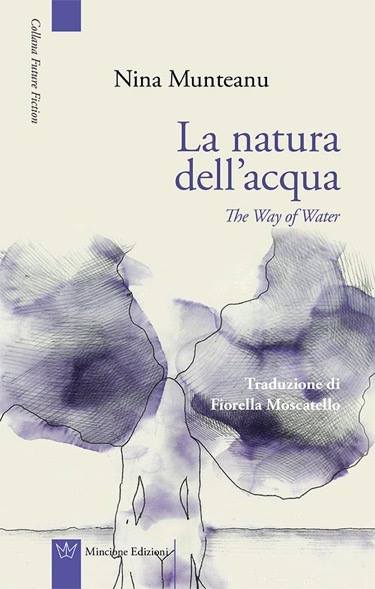
Nina Munteanu is a Canadian ecologist / limnologist and novelist. She is co-editor of Europa SF and currently teaches writing courses at George Brown College and the University of Toronto. Visit www.ninamunteanu.ca for the latest on her books. Nina’s bilingual “La natura dell’acqua / The Way of Water” was published by Mincione Edizioni in Rome. Her non-fiction book “Water Is…” by Pixl Press (Vancouver) was selected by Margaret Atwood in the New York Times ‘Year in Reading’ and was chosen as the 2017 Summer Read by Water Canada. Her novel “A Diary in the Age of Water” was released by Inanna Publications (Toronto) in June 2020.
McGill University, view from main gate on Rue Sherbrooke (photo by Nina Munteanu)
I’ve just returned from Montreal, where I was invited to participate in a two-day conference hosted by McGill University’s Bieler School of Environment at Esplanade Tranquil. Named after Kim Stanley Robinson’s eco-fiction novel New York 2140, the conference brought together a diverse assemblage of scientists, academic researchers, urban planners, speculative fiction writers, artists, and students in a small setting dedicated to encourage cross-pollination of ideas and visions through panels and workshops. I sat on a panel and a roundtable with other writers, urban planners, engineers, scientists and activists to discuss futures through science and story. Much of the event focused on the literary genre called Hopepunk—a sub-genre of Speculative Fiction devoted to optimistic themes of scientific transformation, discovery and empathy. Resulting dialogue explored forms of communication, expression, and ways not just to deal with growing solastalgia, eco-grief, and environmental anxiety but to move forward through action and hope.
Breakout groups in Seeds of Good Anthropocenes Workshop (photo by Nina Munteanu)
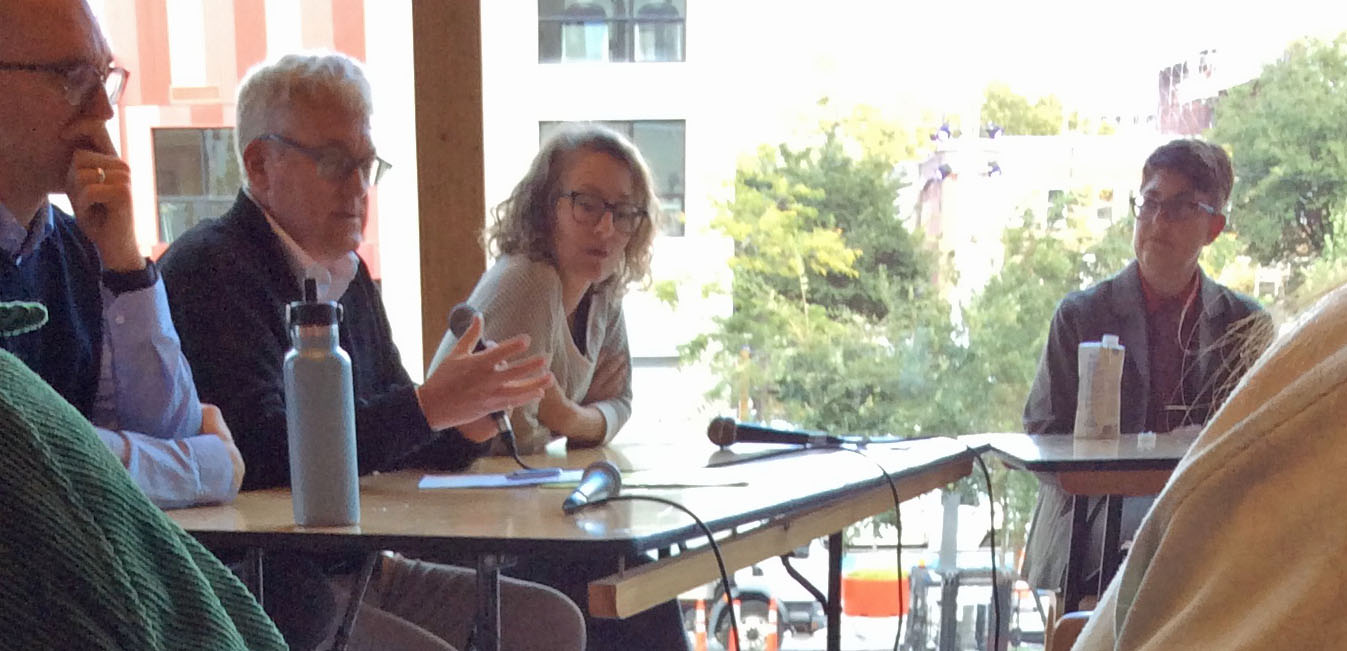
McGill faculty in Panel on ‘Turning Research into Hopeful Stories’ (photo by Nina Munteanu)
In the Thursday morning writer’s panel, in which we explored the role of science knowledge and hope in story, I shared the writing process I underwent with my latest published novel A Diary in the Age of Water, which I categorize as a hopeful dystopia (‘Hopeful dystopias’ are much more than an apparent oxymoron; they are in some fundamental way, the spearhead of the future—and ironically often a celebration of human spirit by shining a light through the darkness of disaster):
The main character in A Diary in the Age of Water was a limnologist like me who kept a journal (the diary referenced in the title of the book). This part of the story took place in the near-future when the water crisis and associated climate change phenomena had become calamitous. Being a scientist with so much intimate knowledge of the crisis, the diarist became cynical and lost her faith in humanity. I recall my own journey into despair as I did the research needed to convey the character’s knowledge and situation. I found myself creating a new character (the diarist’s daughter) much in the way a drowning swimmer takes hold of a life-saver, to pull me out of the darkness I’d tumbled into. The daughter’s hopeful nature and faith in humanity pulled both me and the reader out of the darkness. The cynical nature of the diarist came from a sense of being overwhelmed by the largeness of the crisis and froze her with feelings of powerlessness. The diarist’s daughter rose like an underground spring from the darkness by focusing on a single light: her friend and lover who pointed to a way forward. As Greta so aptly said once, “action leads to hope” and hope leads to action. Despite the dire circumstances in the novel, I think of A Diary in the Age of Water as a story of resilience. And ultimately of hope.
I came to the conference as a writer, scientist, mother, and environmental activist. What I discovered was an incredible solidarity with a group so diverse in culture, disciplines, expression and language—and yet so singularly united. It was heartwarming. Hopeful. And necessary. This conference ultimately felt like a lifeline to a world of possibilities.
Organizers brought in a wide variety of talent, skill, and interest and challenged everyone through well-run workshops to think, feel, discover, discuss, collaborate and express. Workshops, panels, and multimedia art incited co-participation with all attendees in imaginative and fun ways. On-site lunches and drinks helped keep everyone together and provided further space for interaction and discussion.
Student-led break out group discussing ways to transform eco-emotions into hope (photo by Nina Munteanu)
At every turn, I made contacts across disciplines and interests and had stimulating and meaningful conversations. I discovered many hopeful ‘stories’ of Montreal and elsewhere on hopeful visions and endeavors. These included “Seeds of good Anthropocenes” (small ground-rooted projects and initiatives aimed at shaping a future that is just, prosperous, and sustainable); turning scientific research into hopeful stories; and world building as resistance. I talked with artistic creators, students doing masters in Hopepunk literature and co-panelists on all manner of subjects from urban encampments, greening and rewilding Montreal, to how Rachel Carson’s Silent Spring informed a main character in Liu Cixin’s novel The Three Body Problem.
Creating visual art via MAPP (photo by Nina Munteanu)
Marc-Olivier Lamothe stands next to a MAPP projection (photo by Nina Munteanu)
Conversations often led to an acknowledgement of art as an effective means of expression and creative therapy in the context of the climate crisis. I met creatives such as Marc-Olivier Lamothe and his colleagues at MAPP and had the chance to experiment first hand with his creative tools. I had wonderful discussions with storytelling visual artist Alina Gutierrez Mejia of Visual Versa, whose evolving mural of each day’s events was truly mesmerizing to watch—and rather revealing.
Alina Gutierrez Mejia creates a visual representation of the day’s conference (photo by Nina Munteanu)
In future, I’ll post more on these and other creatives I encountered at the conference.
Program for Montreal 2140
THURSDAY morning began with an introduction by BDE Director Frédéric Fabry.
This was followed by a panel entitled Hopeful Stories Across Science and Fiction, in which I participated, along with fellow writers Su J. Sokol (author of Zee), Alyx Dellamonica (author of Gamechanger), Rich Larson (author of Annex and Ymir), Genevieve Blouin (author of Le mouroir des anges) and Andrea Renaud Simard (author of Les Tisseurs). The panel was moderated by McGill geographer Renee Sieber and McGill urban planner Lisa Bornstein.
After lunch, a panel entitled Faculty Workshop: Turning Research into Hopeful Stories was moderated by McGill researcher Kevin Manaugh and Annalee Newitz (journalist and author of Four Lost Cities). McGill researchers included: Caroline Wagner (bioengineering), Hillary Kaell (anthropology and religious studies); Jim Nicell (civil engineering); Sébastien Jodoin (law); and Michael Hendricks (biology).
McGill students who lead the workshop on Hope and the Future stand with one of the conference organizers Daniel Lukes (photo by Nina Munteanu)
The faculty panel was followed by the Student Workshop, Hope and the Future, led by McGill students Tom Nakasako, Rachel Barker, Tatum Hillier, and Lydia Lepki.
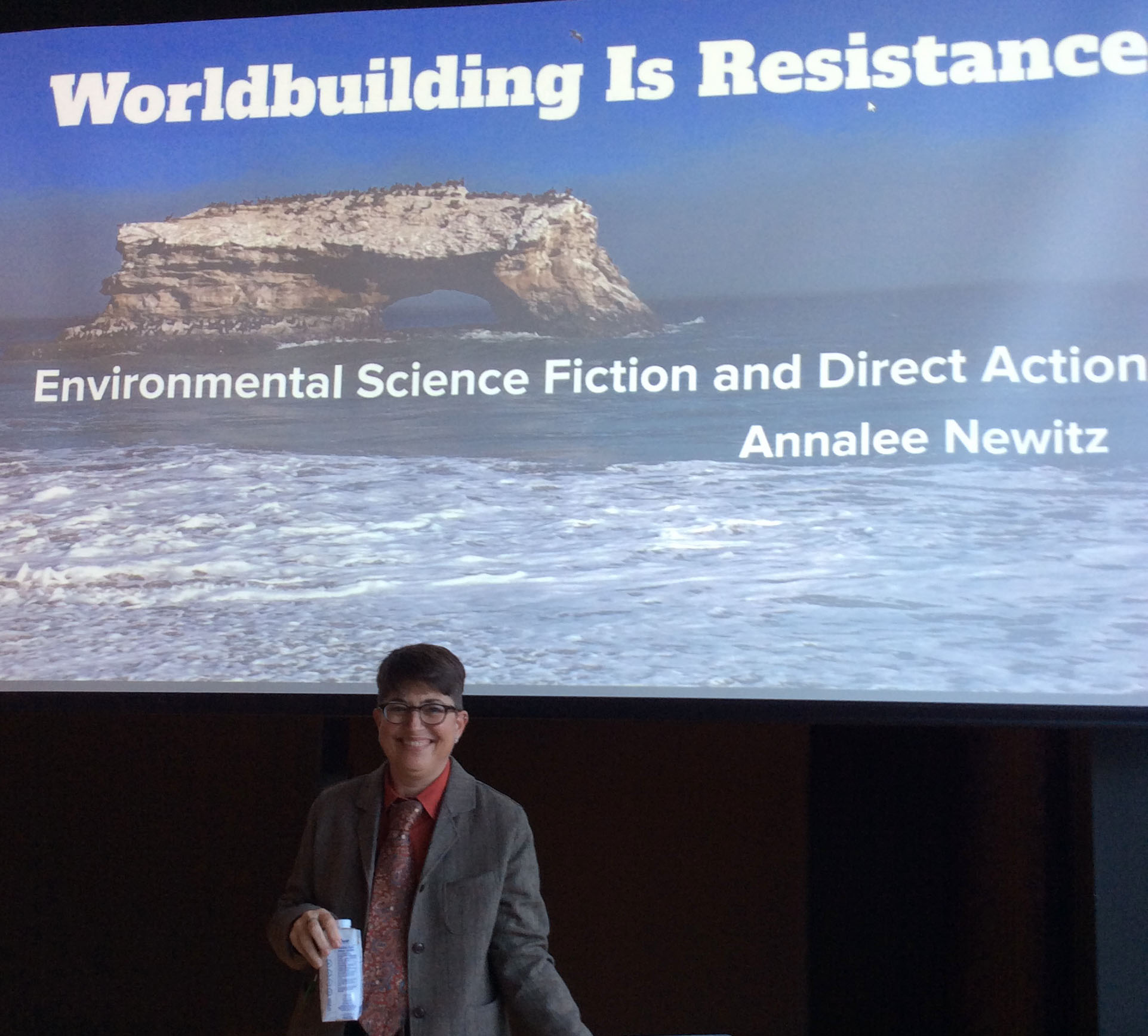
Annalee Newitz gives her keynote (photo by Nina Munteanu)
Annalee Newitz closed the day with their keynote presentation Worldbuilding Is Resistance that explored the dystopia binary of environmental science fiction. A theme to which the next keynote by Kim Stanley Robinson would touch on as well.
Elson Galang presenting Seeds workshop (photo by Nina Munteanu)
FRIDAY morning started with Elson Galang and Elena Bennett (McGill University), who led the Seeds of Good Anthropocenes Workshop, which introduced the concept of seeds programs then further explored through breakout discussion groups they moderated.
This was followed by faculty-led Teaching and Learning for Hopeful Futures Workshop, in which McGill instructors from varied disciplines (including education, political science, environment, urban planning and planetary sciences) discussed translating science into hopeful narratives.
pre-meet on Zoom of participants of the Roundtable
I then participated in a roundtable of authors, scholars, researchers and planners entitled Telling the Story of the Future, moderated by Chris Barrington-Leigh (McGill BSE/Health and Social Policy). The roundtable included fellow authors Alyx Dellamonica and Su J. Sokol. Other participants of the roundtable included Stephanie Posthumus (languages, literatures, cultures at McGill), Jayne Engle (public policy at McGill) Richard Sheamur (urban planning at McGill), and limnologist Irene Gregory-Eaves (biology at McGill).
BDE Director Frédéric Fabry introduces the conference (photo by Nina Munteanu)
The final keynote was given by Kim Stanley Robinson (author of New York 2140 and The Ministry of the Future).
Storyboard of the first day of the conference by Visual Versa (photo by Nina Munteanu)
Nina Munteanu is a Canadian ecologist / limnologist and novelist. She is co-editor of Europa SF and currently teaches writing courses at George Brown College and the University of Toronto. Visit www.ninamunteanu.ca for the latest on her books. Nina’s bilingual “La natura dell’acqua / The Way of Water” was published by Mincione Edizioni in Rome. Her non-fiction book “Water Is…” by Pixl Press (Vancouver) was selected by Margaret Atwood in the New York Times ‘Year in Reading’ and was chosen as the 2017 Summer Read by Water Canada. Her novel “A Diary in the Age of Water” was released by Inanna Publications (Toronto) in June 2020.
Maude Barlow, author of Boiling Point, Chairman of the Council of Canadians
Like a car, every novel has its point of ignition: a spark that sets it in motion. This occurs when a premise or idea comes together with an incendiary moment of clarity or a thematic question. Mine—though I didn’t know it at the time—happened in a church on the Summer of 2016.
I was in a United Church on Bloor Street, in Toronto’s Annex, watching a talk given by Maude Barlow on water justice. The radical talk was based on her recent book Boiling Point, a comprehensive exploration of Canada’s water crisis—a crisis that most Canadians weren’t—and still aren’t—aware. Canada is steward to a fifth of the world’s fresh water, after all. It is a water-rich country. Of the dozen largest inland lakes in the world, Canada holds eight of them. So, why water crisis? Barlow explains. And you should read Boiling Point, particularly if you’re Canadian. It will open your eyes to the politics of water and how multinational corporations—like Nestlé—are already grabbing and funneling water away from Canadians and into the global profit machine.
I sat close to the front of the Church sanctuary to best see her. But I soon noticed that many people had elected to sit in the gallery above. I found myself focusing on a young mother and her little girl. The girl had some paper and crayons and was busy with that as the enthusiastic mother listened to Maude deliver dire facts about corporate water high-jacking and government complicity.
I saw a story there.
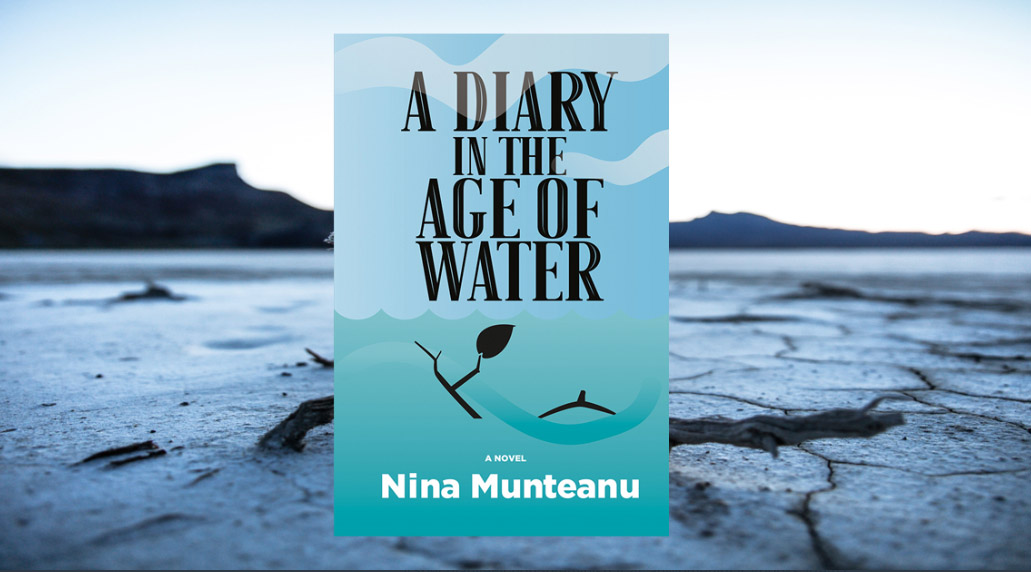
What mother would take her pre-school child to a socio-political talk on water? I would later reflect that memory of the mother and her little girl through my characters Una and her little daughter Lynna, the diarist in my novel A Diary in the Age of Water (eventually published in 2020 with Inanna Publications).
Fresh water flows down the barrel of a hand-operated water pump.
My novel really began with a short story I was invited to write in 2015 by editors of Future Fiction and Mincione Edizioni about water and politics in Canada; the premise of this story would later find it’s way into the larger novel. I had long been thinking of potential ironies in Canada’s water-rich heritage. The premise I wanted to explore was the irony of people in a water-rich nation experiencing water scarcity: living under a government-imposed daily water quota of 5 litres as water bottling and utility companies took it all. I named the story “The Way of Water.” It was about a young woman (Hilda) in near-future Toronto who has run out of water credits for the public wTap; by this time houses no longer have potable water and their water taps have been cemented shut; the only way to get water is through the public wTaps—at great cost. She is in a line of people; she’s two metres from water—and dying of thirst.
“The Way of Water” captures a vision that explores the nuances of corporate and government corruption and deceit together with global resource warfare. In this near-future, Canada is mined of all its water by thirsty Chinese and US multinationals—leaving nothing for the Canadians. Rain has not fallen on Canadian soil in years due to advances in geoengineering and weather manipulation that prevent rain clouds from going anywhere north of the Canada-US border. If you’re wondering if this is possible, it’s already happening in China and surrounding countries.
The story first appeared in 2015 in Future Fiction, edited by Francesco Verso, and in 2016 as a bilingual (English and Italian) book and essay published by Mincione Edizioni in Rome. The story has so far been reprinted seven times in magazines and anthologies, including “Cli-Fi: Canadian Tales of Climate Change Anthology” (Exile Editions, Bruce Meyer, ed), in 2017, “Future Fiction: New Dimensions in International Science Fiction” (Francesco Verso & Bill Campbell, eds; Future Fiction / Rosarium Publishing, Rome and Greenbelt, MD) in 2018; and in Little Blue Marble Magazine (Katrina Archer, ed) in January, 2019 and in their ‘Best of’ anthology. It was then published in 2022 in Metastellar Magazine and later in their ‘Best of’ anthology. “The Way of Water” received generous praise from review sites and the press worldwide.
After the success of this short story, I realized that I needed to tell the larger story—how did the world—Canada—get to where Hilda was? Her mysterious mother, the limnologist Lynna who was taken away by the RCMP in 2063, clamored for more attention. I remembered that four-year old girl and her mother in the gallery at Maude Barlow’s talk on water politics. And I thought of my characters: young Lynna and her mother Una. How does a daughter of an activist mother behave and think? How best to express her voice? I had earlier written a short story that was a mix of correspondence (emails) and third person narrative (“The Arc of Time” in Natural Selection, later reprinted in Metastellar Magazine), which I felt captured the voices of the characters well. I realized that a diary by Lynna would be an ideal way for her to express her unique worldview and cynicism—yet allow her vulnerable humanity to reveal itself through this unique relationship with her diary. The remaining characters and their narratives emerged easily from there: Una, her activist mother; Daniel, her conspiracy theorist colleague (and her conscience); Orvil, the water baron (and lover she betrayed); and Hilda, her “wayward” supposedly mind-challenged daughter—who appears in the short story that takes place later.
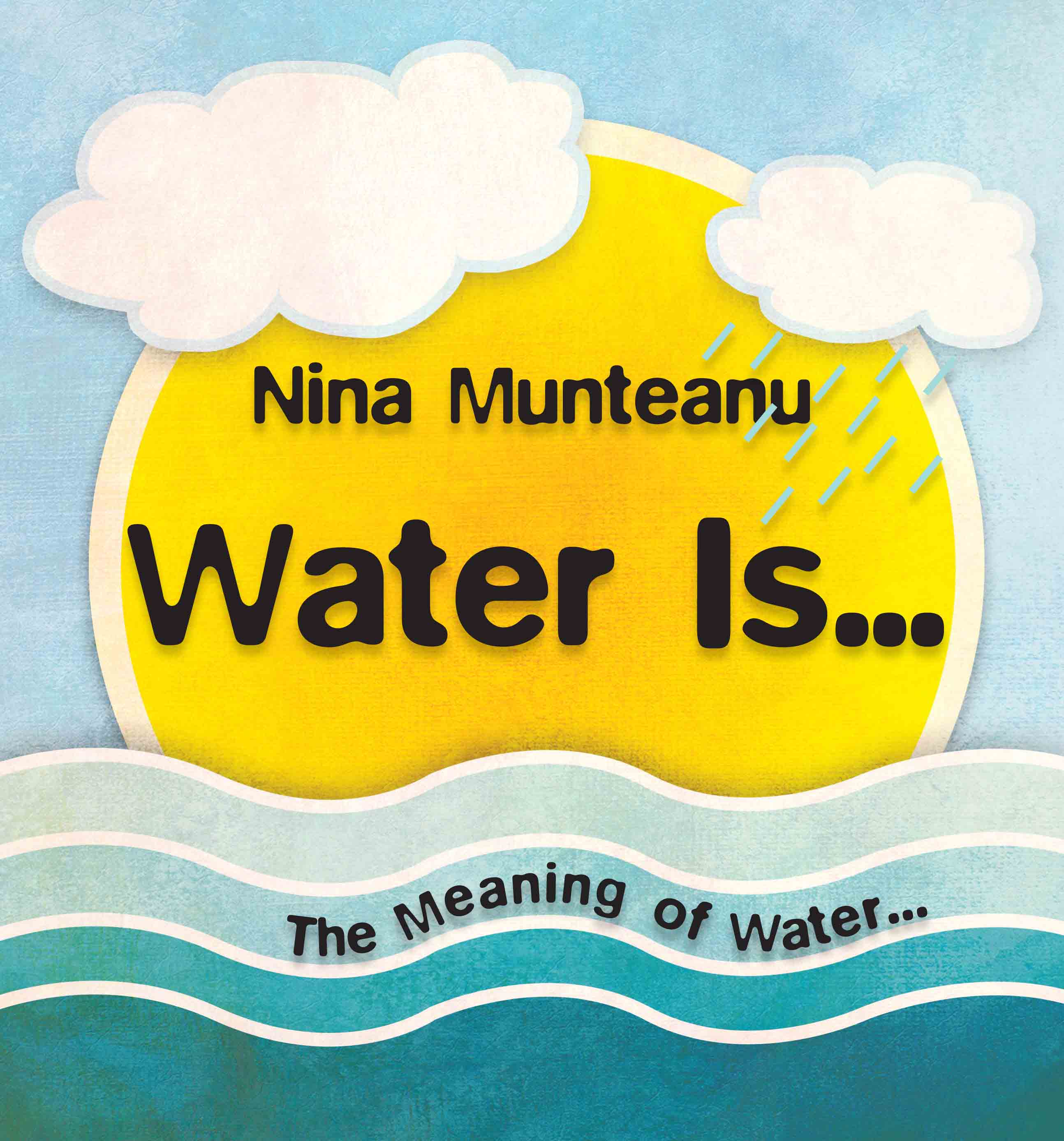
I had a lot of material; I had already been researching water issues and climate change in my activism as a science writer and reporter. In 2016, Pixl Press had published “Water Is… The Meaning of Water”,essentially a biography of water, written from the perspective of mother, environmentalist and scientist. I had practiced as a limnologist for over twenty-five years and could mine my various personal experiences in the field, lab and office with genuine realism. I chose Wetzel’s Limnology (the classic text book I used in my introductory limnology course) for quotes to each of Lynna’s entries; this added an opportunity to provide additional metaphor and irony through Lynna’s scientific voice. I placed the child Lynna (who was born in 2012) into actual events in Toronto, where I currently live. This pushed the story further into the area of documentary and blurred the lines between fiction and non-fiction to achieve a gritty and textured reality. Lynna also taught limnology at the University of Toronto, where I currently teach.
Just as Water Is… served as a watershed for all my relevant experiences as mother, environmentalist and scientist, A Diary in the Age of Water would galvanize many of my personal experiences, doubts, challenges and victories into compelling story. Although parts of the story wrote themselves, the entire book was not easy to write. There were times when I had to walk away from the book to gain some perspective—and optimism—before continuing. When I found myself drowning in Lynna’s voice, I invoked Hilda to guide me to shore. I found a balance that worked and compelled. Ultimately this opened to some of the best internal conflict and tension I have experienced in my writing.
Like water itself, A Diary in the Age of Water expresses through many vessels and in many perspectives, spanning hundreds of years—and four generations of women—with a context wider than human life. Through its characters, A Diary in the Age of Waterexplores the big question of humanity’s deadlock with planetary wellness and whether one is worth saving at the expense of the other. One of the characters asks Lynna the hard question: “If you had the chance to save the planet [stop the mass extinctions, deforestation and pollution ravaging the planet], but it was at the expense of humanity, would you do it?”
Water is, in fact, a character in the book—sometimes subtle and revealed in subtext, other times horrific and roaring with a clamorous voice. Water plays both metaphoric and literal roles in this allegorical tale of humanity’s final journey from home. The story explores identity and our concept of what is “normal”—as a nation and an individual—in a world that is rapidly and incomprehensibly changing—and in which each of us plays a vital role simply by doing or not doing.
A Diary in the Age of Water promises to leave you adjusting your frame of reference to see the world, yourself—and water—in a different way.
Illustration on Liisbeth article (photo collage by PK Mutch and Dreamstime
This is what PK Mutch of Liisbeth and Ariel Kroon (PhD graduate of English Literature at the University of Alberta and co-editor at Solarpunk Magazine) say about A Diary in the Age of Water, published by Inanna Publications in 2020:
The novel has received wonderful praise and prizes, including the Literary Titan Award, the Foreword Indies Award and finalist in the International Book Awards. I wonder if Maude Barlow has read it?… Maybe I (or someone) should get her a copy, huh?…
Maude Barlow with ‘Save our River’ sign
Maude Barlow is a Canadian activist and author of Blue Gold, Boiling Point and several other books on water justice. She chairs the board of Washington-based Food and Water Watch and Ottawa-based Blue Planet Project. Maude co-founded the Council of Canadians and chaired its board for over three decades.
Nina Munteanu is a Canadian ecologist / limnologist and novelist. She is co-editor of Europa SF and currently teaches writing courses at George Brown College and the University of Toronto. Visit www.ninamunteanu.ca for the latest on her books. Nina’s bilingual “La natura dell’acqua / The Way of Water” was published by Mincione Edizioni in Rome. Her non-fiction book “Water Is…” by Pixl Press (Vancouver) was selected by Margaret Atwood in the New York Times ‘Year in Reading’ and was chosen as the 2017 Summer Read by Water Canada. Her novel “A Diary in the Age of Water” was released by Inanna Publications (Toronto) in June 2020.
Fall colours of maple trees in the Mark S. Burnham Park, ON (photo and rendition by Nina Munteanu)
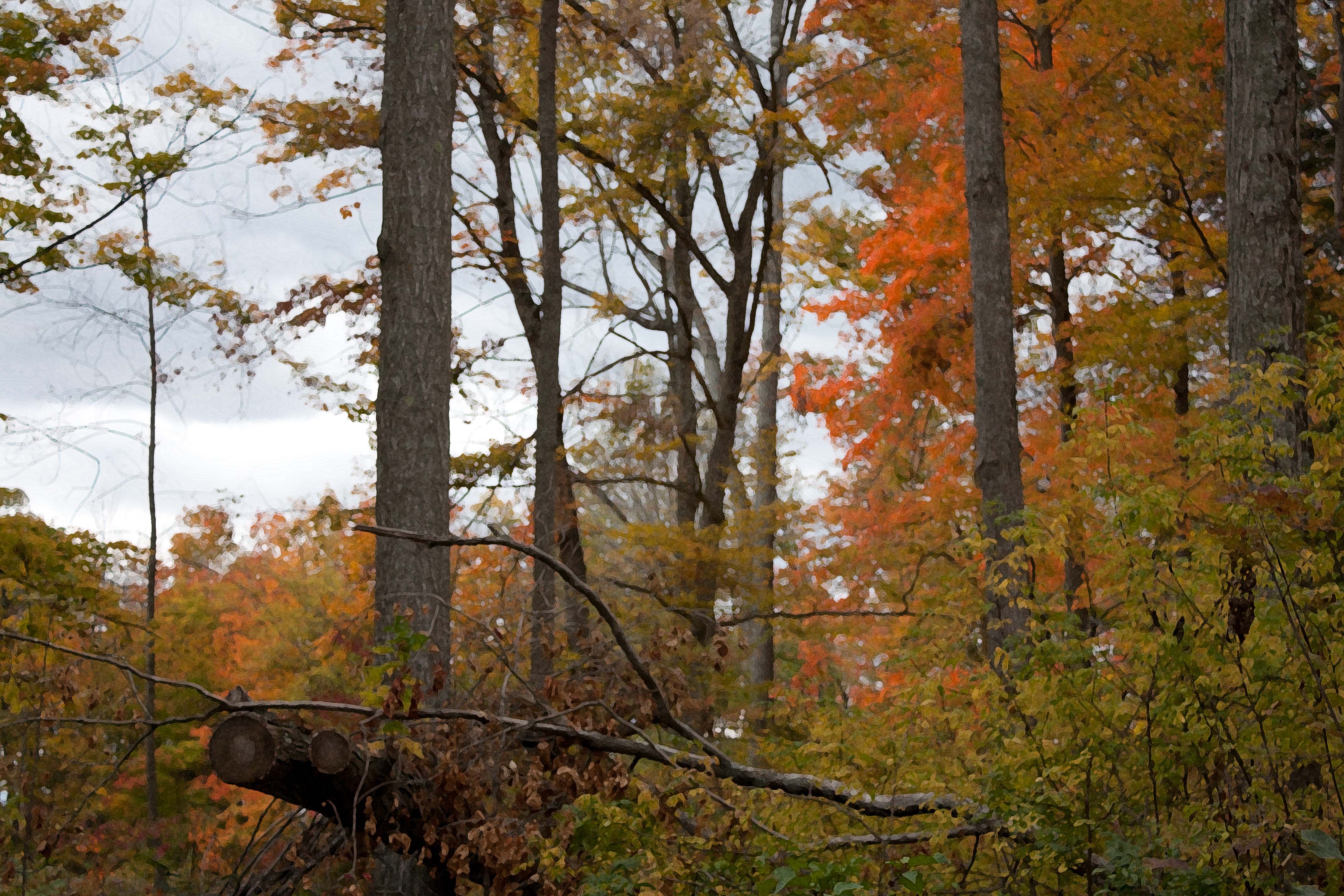
For the past few days, I’ve been wandering, entranced, in the various forests, swamps and marshes of the Kawarthas. I found myself inspired by the autumnal light and organic scent in the air.
They pulled me into the verge…
Poplar trees in the fall, ON (photo and rendition by Nina Munteanu)
It’s the time of “the verge,” when the seasons collide in the wake of the equinox and anticipate the unruly winds of change. A moment of stillness before the Earth shifts, relinquishes, and embraces.
In the hush of a great threshold, Nature holds its breath and a leaf settles in the arms of a cedar root…
Largetooth aspen sits on a cedar root in the pine forest of Warsaw Cave Park, ON (photo by Nina Munteanu)
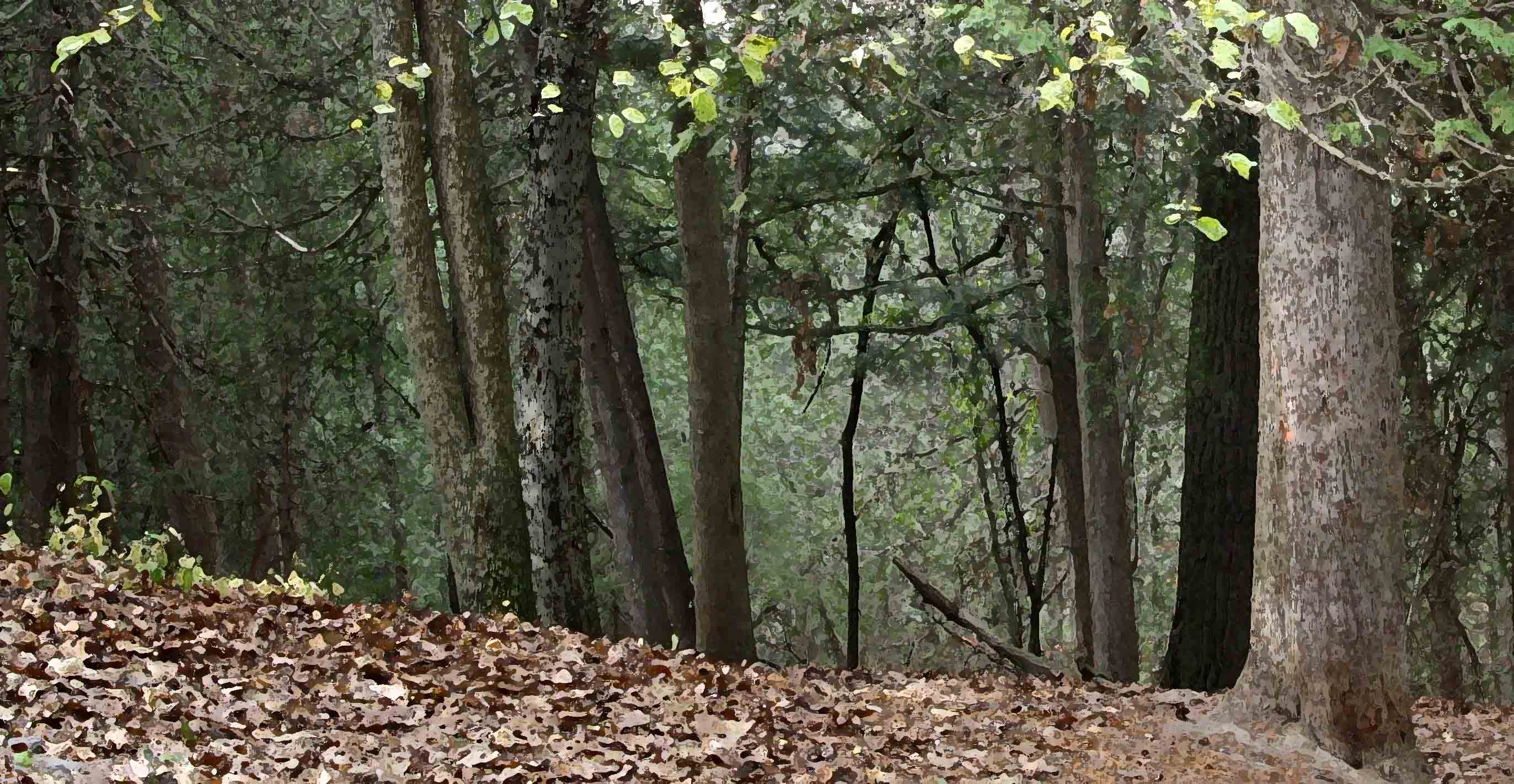
Ancient pine, cedar and hemlocks in Jackson Creek forest, ON (photo and rendition by Nina Munteanu)
There I was, eyes and ears–all senses–wide, taking in Nature’s gifts of the verge. The rustling leaves in a cool wind. The musky smell of swamp water and the sweet rot of vegetation. The lazy gurgle of shallow creeks around smooth rocks. The halting shrill of a Blue Jay.
Jackson Creek in October, ON (photo and rendition by Nina Munteanu)
On one walk, a giant toad—the biggest I’d ever seen!—waddled across my path. I think it was an American toad, mottled and rough with warts. He looked rather grumpy and took his time, somehow confident—or not caring—that I could step on him and squish him easily. He was rather jiggly as he lumbered on. I did not take his picture; I don’t think he wanted me to, so I didn’t.
Fallen hemlock tree in Mark S. Burnham Park, ON (photo and rendition by Nina Munteanu)
Soon after, a small garter snake slithered across my path, less confident of my steps. It froze once it was safely out of my way. Good snake…
The forest was alive with the domestic chaos of wildlife busy with itself. Chipmunks chugged and squirrels scolded from the tree tops. Surely not at me! I climbed out of the lowland of old-growth hemlock-beech swamp forest to the top of a drumlin of maple-hop hornbeam-ash forest and then descended again into the dark hemlocks and pines.
Maple tree showing deep colour in the fall, ON (photo and rendition by Nina Munteanu)
Red and sugar maples and aspens flame in the fall by the Otonabee River near Trent University, ON (photo and rendition by Nina Munteanu)
The colours of sugar and red maple blazed in the canopy above, frothy clouds of bright orange, red, yellow and everything in-between under a deep blue sky. I wandered, camera in hand, and found treasures everywhere—from blue fungi to tiny bright red maple leaves freshly fallen.
Various mushrooms in the forests of Ontario (photos by Nina Munteanu)
I have a silly habit of picking up leaves and pressing them when I get home; my books are repositories of colourful prizes from years past.
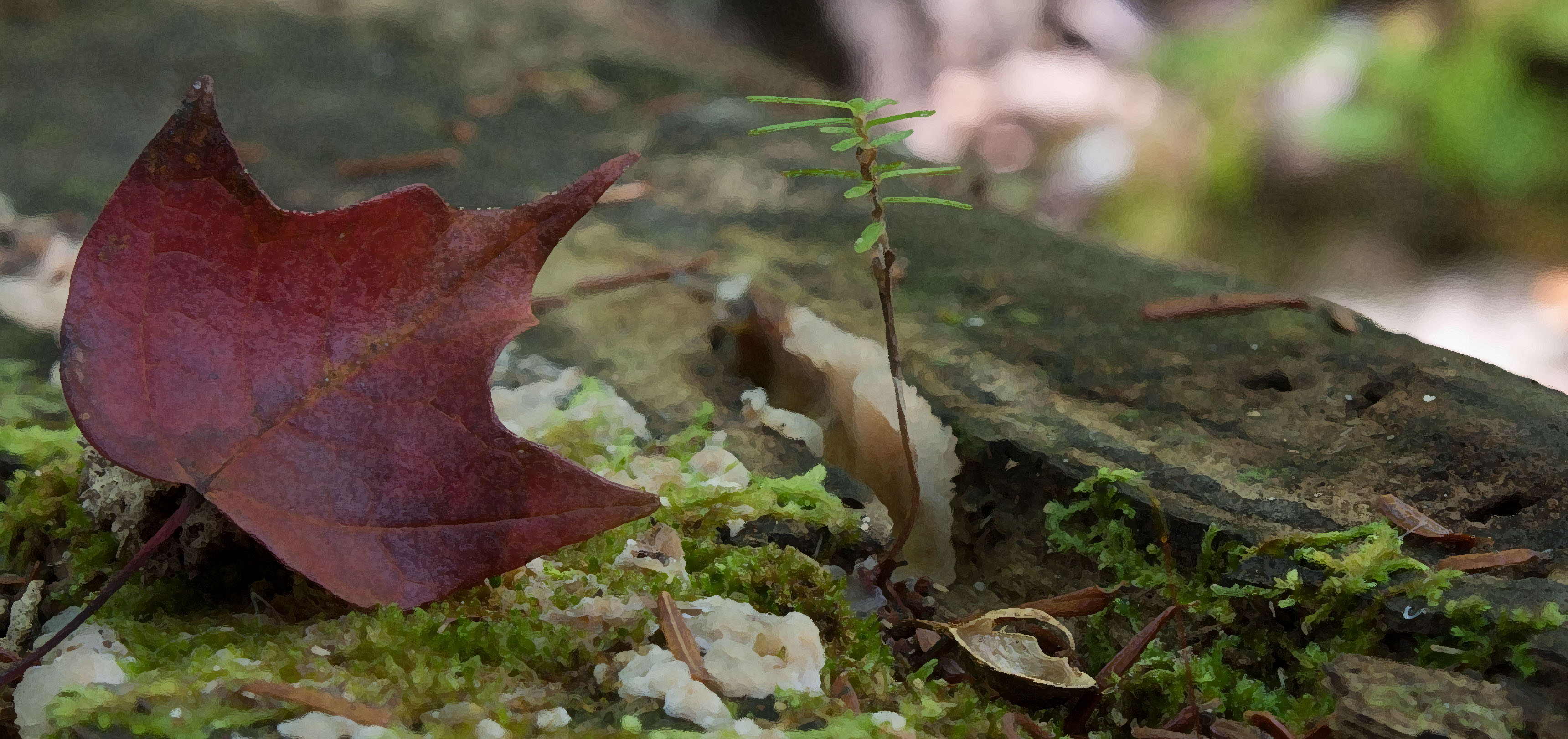
Small red maple leaf sits beside a hemlock sapling amid white fungi and moss on a nurse log in Mark S. Burnham forest, ON (photo and rendition by Nina Munteanu)
Marsh in Ontario in the fall (photo and rendition by Nina Munteanu)
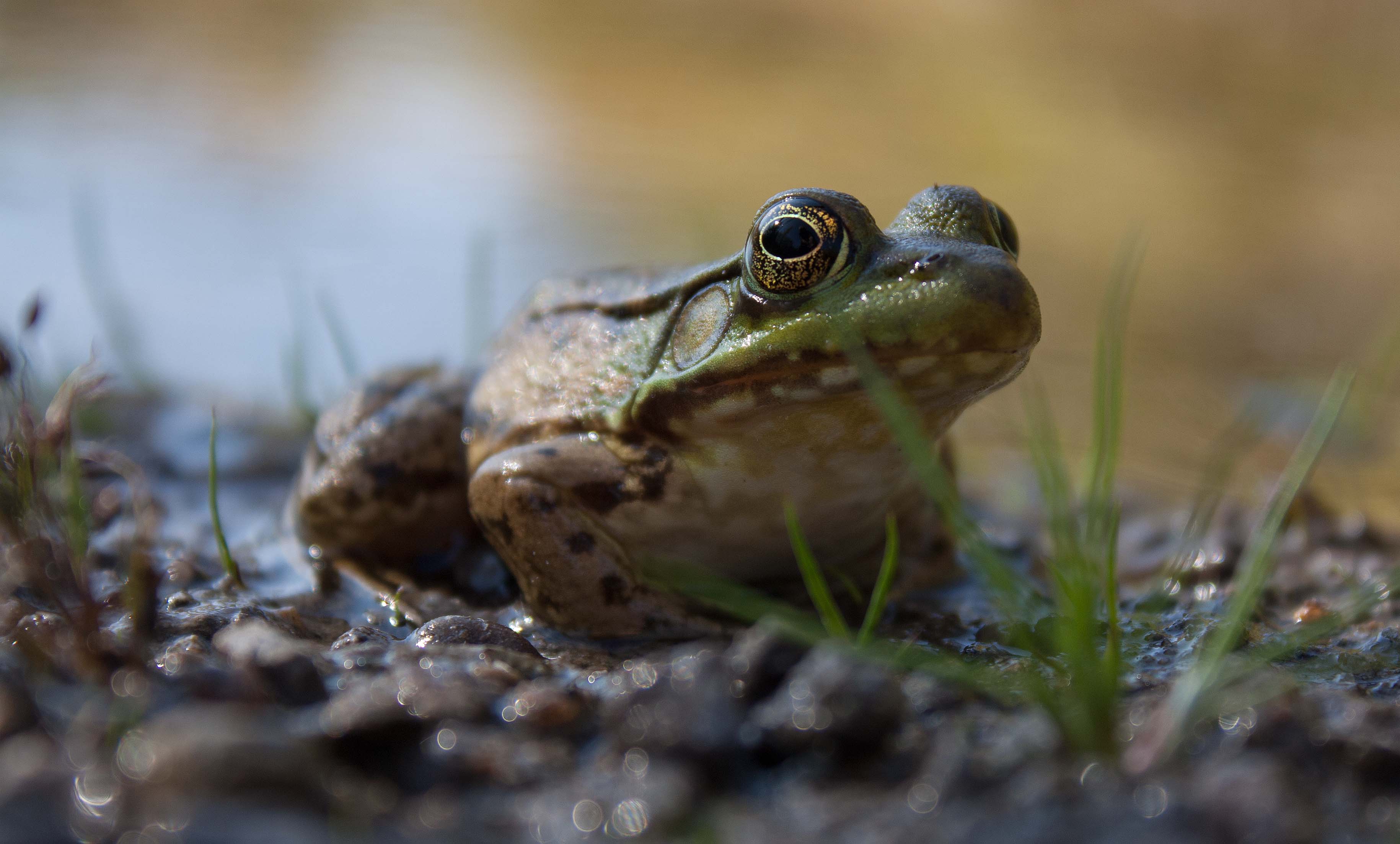
In the marsh, I encountered a green frog, sitting in the mud. It decided to pose for my camera. And I obligingly took its picture. My new best friend.
No, I did not take him home. I left him there, lollying in the mud, looking very content.
Green frog poses for the author’s camera
For all I know he’s still there, presiding over the autumn verge…
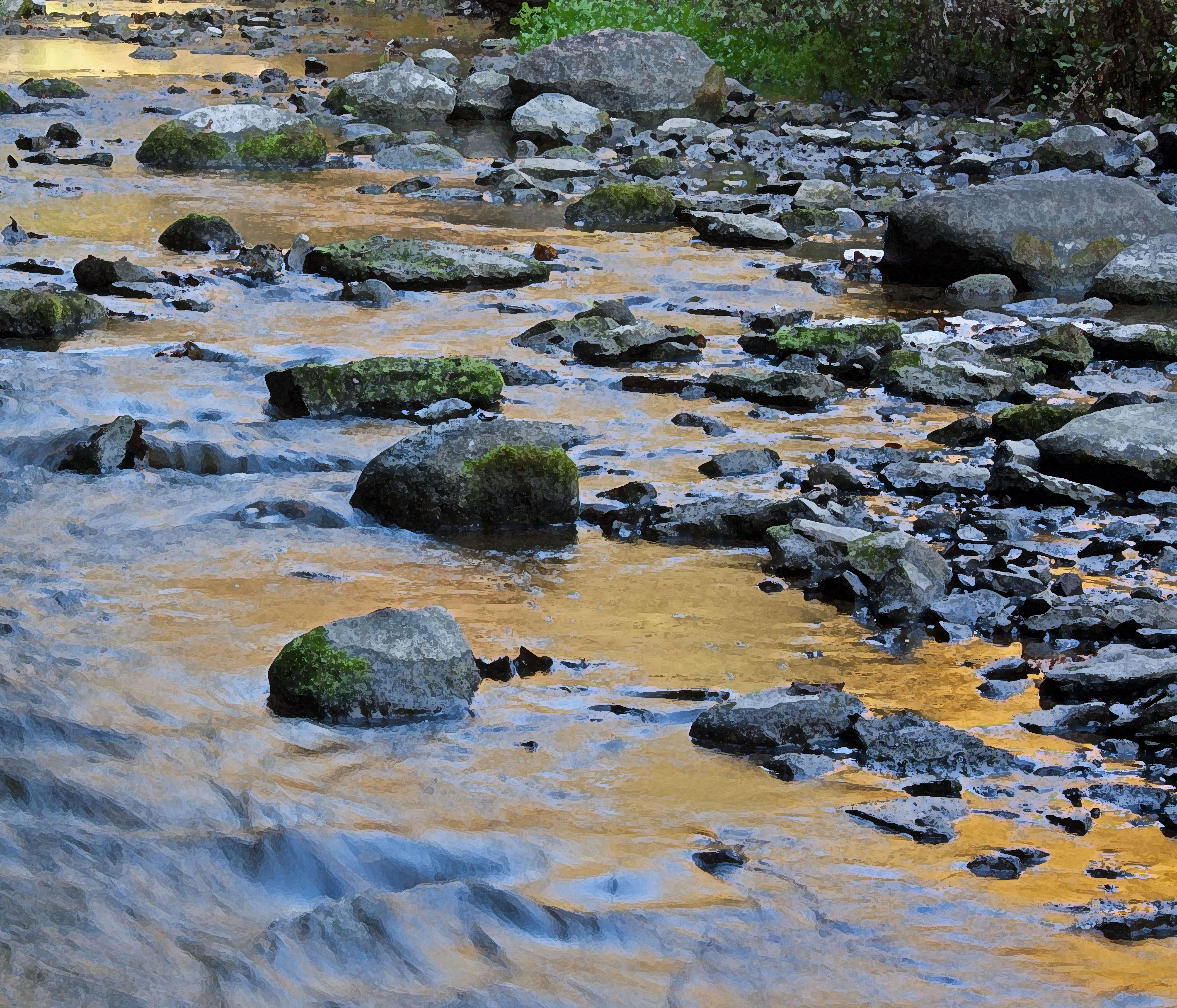
Jackson Creek reflects the gold hue of largetooth aspen in October, ON (photo by Nina Munteanu)
Nina Munteanu is a Canadian ecologist / limnologist and novelist. She is co-editor of Europa SF and currently teaches writing courses at George Brown College and the University of Toronto. Visit www.ninamunteanu.ca for the latest on her books. Nina’s bilingual “La natura dell’acqua / The Way of Water” was published by Mincione Edizioni in Rome. Her non-fiction book “Water Is…” by Pixl Press (Vancouver) was selected by Margaret Atwood in the New York Times ‘Year in Reading’ and was chosen as the 2017 Summer Read by Water Canada. Her novel “A Diary in the Age of Water” was released by Inanna Publications (Toronto) in June 2020.
My guest today is Calgary author Simon Rose, who has published eighteen novels for children and young adults, eight guides for writers, more than a hundred nonfiction books, and numerous articles on a wide range of topics.
Nina:Your most recently published books were those in The Stone of the Seer series. Remind us again of what it’s all about.
Simon:The Stone of the Seer is young adult historical fantasy series, featuring The Stone of the Seer, Royal Blood, and Revenge of the Witchfinder. The exciting story is mostly set in the mid-seventeenth century during the English Civil War. In The Stone of the Seer, Lady Elizabeth Usborne, Kate, and Tom encounter a magical stone, mysterious parchments and manuscripts, and an incredible time viewing device. In Royal Blood, Lady Elizabeth, Kate, and Tom are in London, witnessing the political turmoil at the time of the Civil War, including the king’s trial and execution. Revenge of the Witchfinder takes place in multiple time periods. The story features weird dreams, disturbing visions, parallel lives, and a bewildering identity crisis, as the lead characters discover to their horror that not even the passage of centuries can prevent a bloodthirsty witchfinder from the 1640s from seeking his deadly revenge.
Nina:Do you have any current projects?
Simon: Right now, I’m working on another historical fantasy novel series, this time set in the early years of World War II, that I’m hoping to publish next year. I’ve recently finished another story that takes place in the later stages of World War II and am putting the finishing touches to that one as well, potentially for publication the following year. Yet another series is currently in development in the same paranormal genre as my previously published Flashback series, which can learn more about on my website.
I’ve also been working on the script for a film project and continue to work on the adaptations of my Shadowzone series into screenplays for movies and TV shows. You can learn more about my work writing screenplays for clients and creating adaptations of my own work here on my website.
Anyone interested in keeping up to date with the projects that I’m working on is always welcome to subscribe to my monthly newsletter, which you can do on my website.
Nina:You certainly seem to be very busy. You also do other work related to writing and publishing, right?
Simon: Yes, I offer coaching, editing, consulting, and mentoring services for writers of novels, short stories, fiction, nonfiction, biographies, and in many other genres, plus work with writers of scripts and screenplays.
I’m also a writing instructor and mentor at the University of Calgary and have some courses coming up in the fall, including Writing for Children and Youth. My own online courses, including Writing Historical Fiction and Writing for Children and Young Adults, are also always available.
Simon: People can buy The Stone of the Seer, Royal Blood, and Revenge of the Witchfinder, as well as all my other books, at Amazon and all the other usual places online, which you can link to on my website at www.simon-rose.com I’ll also be making some personal appearances at local events in the fall, where people can buy autographed copies of all the books in the series, as well as all my other novels.
Nina:Thanks Simon, for being my guest here today.
Simon: My pleasure, Nina.
You can learn more about Simon and his work on his website at www.simon-rose.com where you can also link to him on social media and at other locations online.
Cafe patio facing Otonabee River (photo by Nina Munteanu)
.
I’m a bit of a wanderer, an itinerant. A hobo, even. I house sat and pet sat for a decade. I travel light; I carry what I own in my Jetta. One of the things I look for when I first settle somewhere is a choice café and a place where I can walk—preferably in a forest by a river. The small unpretentious town of Peterborough, north of Toronto and entry way to the Kawarthas, has both. The Otonabee River flows through Peterborough, much of it protected by riparian woodland and marsh (it is Peterborough’s source of drinking water, after all). The place where I currently live allows me to walk daily—rain or shine or snow—through riparian forest along the Otonabee River.
And then there’s the café part…
.
Silver Bean Cafe and boat wharf on the Otonabee River in Millennium Park, ON (photo by Nina Munteanu)
Cafe entrance to King Street and ice cream booth (photo by Nina Munteanu)
.
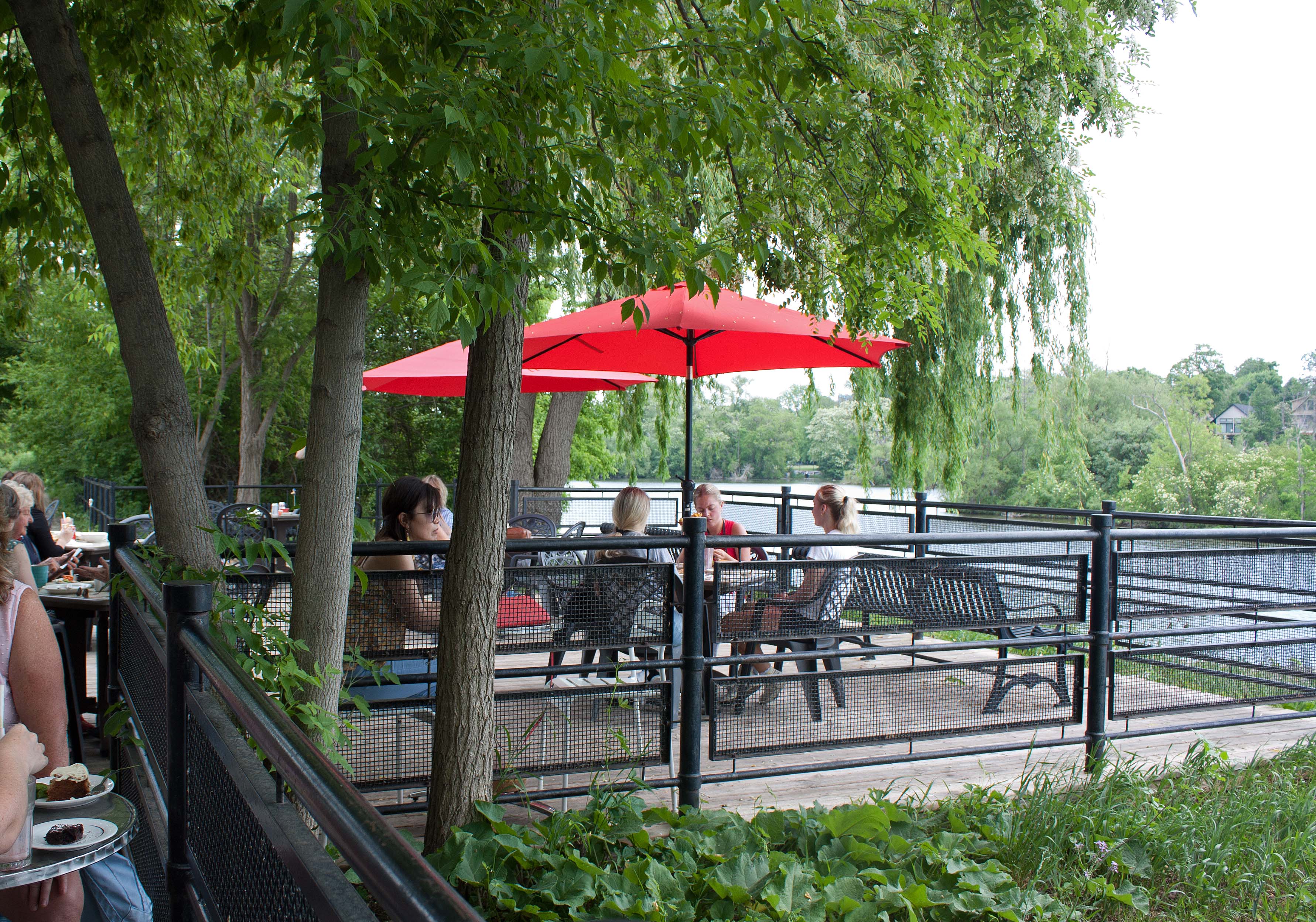
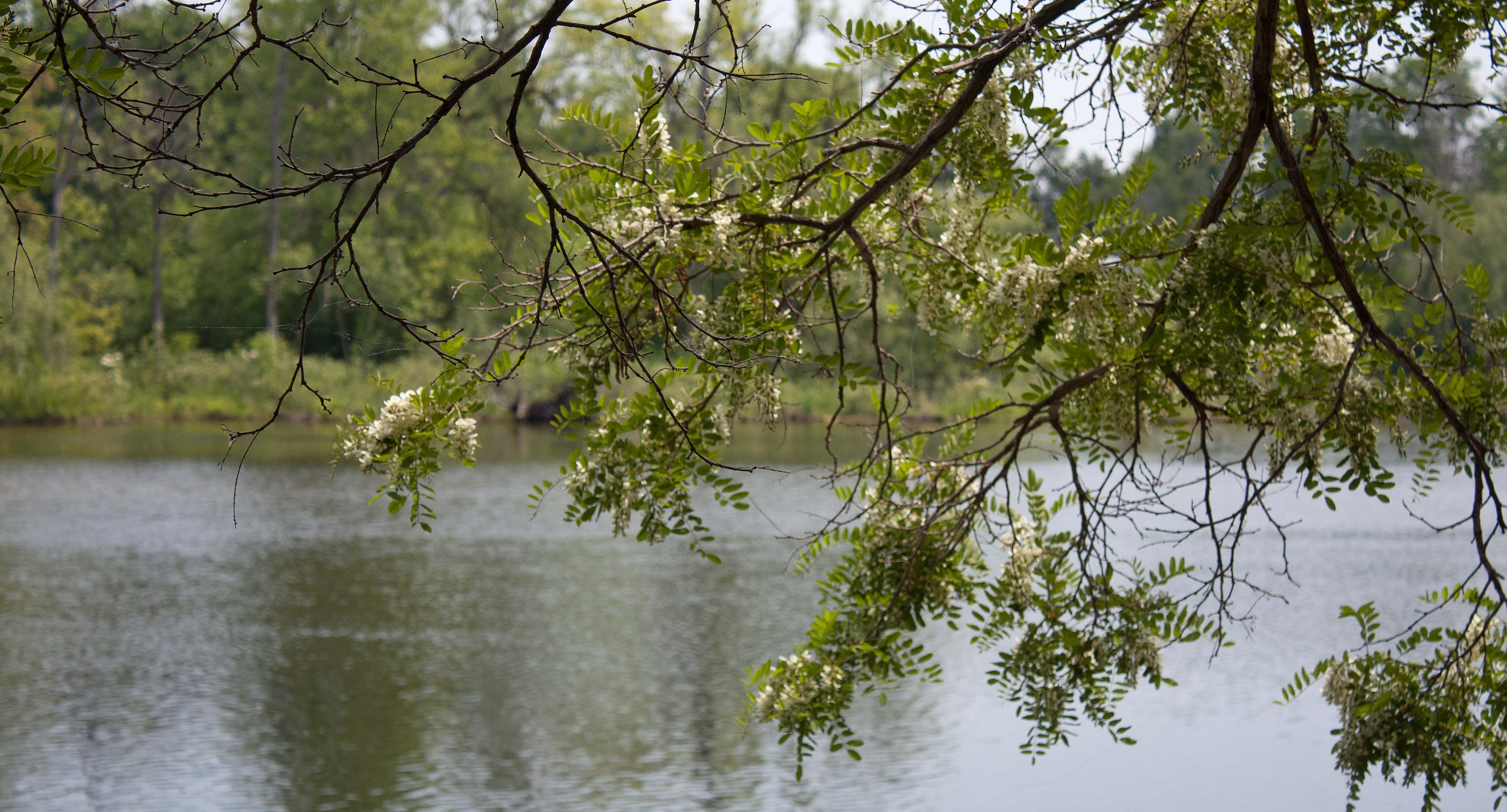
The Silver Bean Café fills that requirement wonderfully. It’s a café situated at a dead end of King Street within a linear riparian park (Millennium Park) on the banks of the river with a large side-park patio under a canopy of willows, black locust, and Manitoba maples. They know what they are too: they call themselves “your waterfront cottage in the city.” When I sit on the patio, enjoying my lunch under the dappled shade of a flowering black locust tree with a view of the river, I hear only birds and the desultory chatter of fellow patrons. And yet, the city is right there, next to this riparian park.
.
Stairs up to Silver Bean Cafe patio from boat wharf, beneath canopy of flowering black locust trees (photo by Nina Munteanu)
Riverside patio overlooking Otonabee River, ON (photo by Nina Munteanu)
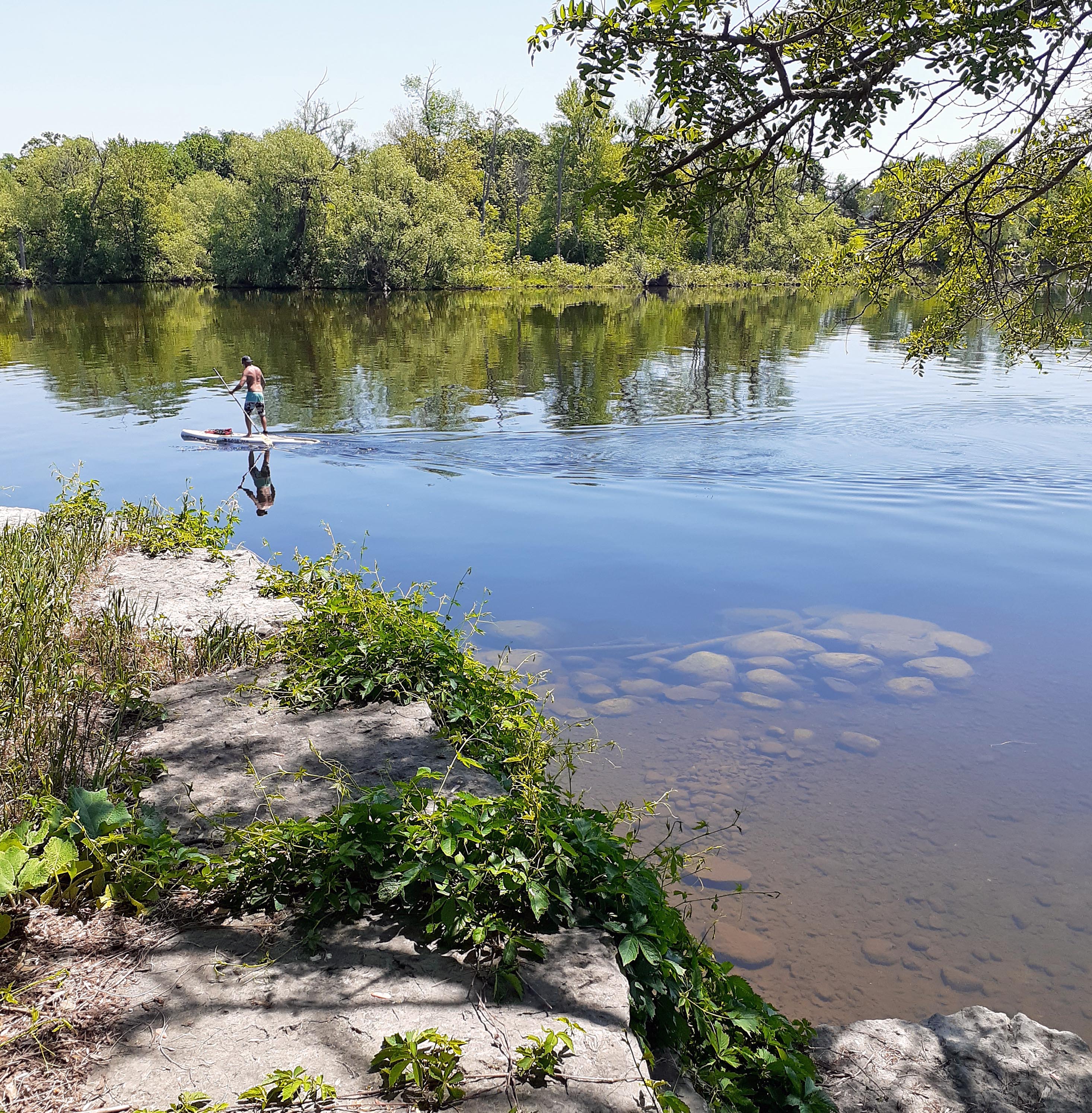
River boarder paddles by on Otonabee River, ON (photo by Nina Munteanu)
.
As I sit, eating my lunch and breathing in the ambrosia fragrance of black locust blooms, a young man paddles his canoe past the café. Soon after, a family of geese, adults flanking seven goslings, paddle leisurely by. Gulls cry out and gather on one of the small islands as a freight train lumbers over the old rail/footbridge downstream. A robin hops close to my table, looking for crumbs and I clumsily drop a seed from my multi-grain sandwich… Oops! Darn, I wanted that…
.
Family of geese paddle by cafe on the Otonabee River (photo by Nina Munteanu)
.
2023 is the Silver Bean’s 20th season, their website tells me. They opened in 2003 as a community café, serving light lunches with speciality sandwiches and salads, breakfasts, freshly baked scones, desserts and, of course, locally roasted coffee and espresso drinks. Oh! And their nook by the street-side serves at least thirty different flavours of my favourite Kawartha ice cream!
.
View of Silver Bean Cafe patio and boat rental wharf from park walk, ON (photo by Nina Munteanu)
.
One day, I was sitting on a stone step by the river on the park walkway, eating my peanut butter chocolate ice cream cone and watching a mother mallard and her chicks in the water. A well-dressed lady sat nearby with a take out coffee. Slipping off her shoes in the sun, she shared that she worked in the government building nearby and came here daily for her fix of sanity. I nodded sympathetically then smiled to myself. I felt the guilty pleasure of not being on ‘the clock.’ She left soon after. I stretched my legs in the sun, found my muse, and daydreamed about the next book I was going to write…
.
Black locust with fragrant flowers in spring, overlooking the Otonabee River, ON (photo by Nina Munteanu)
.
Nina Munteanu is an ecologist and internationally published author of award-nominated speculative novels, short stories and non-fiction. She is co-editor of Europa SF and currently teaches writing courses at George Brown College and the University of Toronto. Visit www.ninamunteanu.ca for the latest on her books. Nina’s recent book is the bilingual “La natura dell’acqua / The Way of Water” (Mincione Edizioni, Rome). Her latest “Water Is…” is currently an Amazon Bestseller and NY Times ‘year in reading’ choice of Margaret Atwood.
Alvar in spring, ON (photo and rendition by Nina Munteanu)
In my previous article, “Five Things Writers Wish Editors Knew—and Followed,” I focused on clarifying expectations between editors and writers from the writer’s point of view.
Part 2, this article, focuses on this same relationship from the editor’s point of view. If you are a writer, this article serves as a workable checklist of what you should expect from a good editor.
Realizing Expectations
Indie authors often come to editors with unclear and, at times, unreasonable or unrealistic expectations on services. Many writers know very little about the kind of editing we do and the different levels of effort (time and associated fee) required. They do not understand the difference between “copy-editing” and “structural editing”, particularly as it pertains to their own work. In fact, many indie writers don’t even know what their MS requires. This is because of two things: 1) they can’t objectively assess their own work, particularly in relation to market needs; and 2) many authors have not sufficiently considered their “voice” or brand and matched it to a relevant target market. Both of these will influence how the writer comes into the relationship and the nature of their expectations.
It is best to be “up front” with everything, from understanding a writer’s work and market expectations to establishing your fees, your time, and the nature of your services. This is why a savvy editor will ask for a one to several page example of the author’s writing prior to offering their services and finalizing the nature of a potential relationship. Such an exchange may, in turn, include a sample of the editor’s work for the writer to assess. This exchange helps clarify the process for both parties.
A savvy editor will want to establish with the author the following things prior to taking him/her on as a client and embarking on the actual editing task:
The nature of the writer’s work: a writer’s work should harmonize with the editor and achieve a good fit; e.g., I edit fiction and non-fiction; however, I do not edit horror, because I simply can’t relate to it and don’t care for it. More on this below.
The author’s expectations and target market: this is key to establishing the kind of editing required for the author’s piece. Is it good enough to just copy-edit or will the piece require substantive edits to succeed in the identified market? This often requires open and frank communication between editor and author.
Nature and time of submission: on which the schedule is based.
Schedule and deadlines for deliverables: based on the editor’s realistic timing (including other work) and the nature of the editing job (to be established by some reliable means).
Nature of communication: form and frequency; partly to ensure that the writer does not abuse the communication stream with a barrage of emails, e-chats, phone calls, etc.)
Nature and cost of deliverables: e.g., use of track changes; inclusion of summary letter; follow up meetings, etc.
Mutual agreement on fees, fee structure and payment details: what, how and when.
Inclusion and nature of contract: this may include an NDS, if desired.
By clarifying these, you and the author create a new set of realistic agreed-upon expectations.
Fitting Writer with Editor
The right fit for editor and writer includes more than harmonizing genre, writing style, and content. The fit includes personality. A professional editor and writing colleague of mine recently shared on our list-serve about his experience as both a freelance and publishing house editor. The editor shared that a majority of writers responded to his edits with comments like, “finally, someone who just comes out and plainly tells me what’s wrong!” However, others complained: “why are you so mean?” The editor admitted to using humor liberally in his assessments and was described by one of his clients as “playfully harsh.” While the work of this editor is no doubt impeccable, the added humor may not be a good fit for some writers, particularly those who are not highly confident in their work.
Knowing your own brand of editing and being up front with it is part of achieving a good fit with a writer and can avoid huge headaches down the line for both of you.
Toward Honesty & Moral Integrity
I and some of my editing colleagues have run across several cases of indie writers who have come to us with “already edited works” that they believed only needed proofing or minor edits, but in fact called for substantive editing and story coaching to fulfill market requirements. The previous editor had either done a poor job of editing or the author had done a poor job of incorporating the edits. Either way, I was now in the position to inform this author, who had already spent several thousand dollars on edits, that his work required more than a “trim job off the top” to meet the standards demanded by the market.
My colleague suggested that it is unethical to copy-edit a manuscript that obviously requires structural editing or has serious “story” problems. I’m inclined to agree. The key lies in the expectations of the author and his/her intended market. This is where the editor’s knowledge of “matching work to market” becomes a critical part of the relationship with the author, whether you take him/her on as a client or not. I talked more about this in an article on Boldface: “The Moving Target of Indie Publishing: What Every Editor (and Writer) Needs to Know.” Honesty is best. Following the path of moral integrity may not put food on the table; but it will maintain your reputation as an editor of quality, which will keep the roof over your head.
Below is a mock email of a general response to a writer’s inquiry for help on their MS:
Dear Alice,
Thank you for your interest in my editing services. I am still taking on clients and would be happy to help you.
In your initial letter, you included a brief description of your story. It sounds intriguing and interesting. Science fiction is my passion (I’ve published nine SF books so far).
Before we proceed, I need a few things from you to ensure we are a good fit and to help me do the best I can for your project. First, can you please send me a short sample of your work (2-3 pages) and a very short summary. From this I’ll be able to confirm the kind of editing that best suits your project. For the kinds of editing/coaching services and associated fees please refer to this page on my website: xxxx.
Can you also answer the following questions?
1. (If they haven’t included the genre or a short premise, I ask them for one). 2. How do you intend to publish this book (traditional, indie, self-publish)? 3. Who would you say is your intended audience and market? 4. Is his book a sand alone or par of a trilogy or series? 5. Is the book complete (firs draft or higher? If not, how much is written?
Based on this, I will suggest the kind of editing (and coaching) required to best fit your needs. This may be one or a combination of the following: 1) an evaluation/assessment at $xx/page; 2) copy-editing (with some substantive editing) at $xx/page; or 3) story coaching at $xx/hour. As outlined on my webpage (xxxx), I provide digital commentary (line by line) in your manuscript (in Word through track changes) accompanied by a summary letter with recommendations. You can find examples of what I do on this page of my website: xxxx. Once I’ve determined what services best suit your work and you are in agreement with the service and fees, I will draw up a contract for you and I to sign. The contract will stipulate a reasonable schedule that you and I can agree on for the process and deliverables.
Once the contract is signed by both of us, I would ask that you send me your material along with Paypal payment for the first half of the agreed total fee by the date marked in the contract.
I look forward to hearing from you.
Best Wishes, Nina
Nina Munteanu is a Canadian ecologist / limnologist and novelist. She is co-editor of Europa SF and currently teaches writing courses at George Brown College and the University of Toronto. Visit www.ninamunteanu.ca for the latest on her books. Nina’s bilingual “La natura dell’acqua / The Way of Water” was published by Mincione Edizioni in Rome. Her non-fiction book “Water Is…” by Pixl Press (Vancouver) was selected by Margaret Atwood in the New York Times ‘Year in Reading’ and was chosen as the 2017 Summer Read by Water Canada. Her novel “A Diary in the Age of Water” was released by Inanna Publications (Toronto) in June 2020.
Alvar at spring, ON (photo and rendition by Nina Munteanu)
As indie publishing soars into new heights and successes, writers are looking more and more to freelance editors to help them create works of merit that will stand out in the market. Whether this process is seamless and productive or fraught with difficulties relies on the relationship established between editor and writer—at the outset and throughout.
The writer-editor relationship—like any relationship—works best when communication between parties is transparent and clear. What ultimately drives misunderstanding—or its corollary, harmony—is “expectation” and how it is met. Clarifying expectations on both sides is paramount to creating a professional and productive relationship with few hitches.
Clarity of expectation, honesty, and mutual respect are key features in a productive and successful writer-editor relationship. Writers expect editors to inform them if their expectations are out of line, and writers rely on editors’ honesty and transparency to let them know if they are comfortable with the task being asked of them. This, of course, is predicated on the editor’s full understanding of what that task is; again, it is the responsibility of the editor to determine the scope of work from the author—just as a doctor will ask key questions to diagnose a patient. If an editor has reservations, caveats, or limitations with the project, these should be shared upfront. Honesty is always best, and it should start right from the beginning so that mutual respect is cemented.
Below, I list five things that writers should look for and expect from a good editor. Each of these five items can be determined at the outset, when you and your potential editor first meet. Consider that first meeting as an interview for both of you, to determine if you are a good match.
1. The editor will preserve the writer’s voice through open and respectful dialogue: Losing your voice to the “hackings of an editor” is perhaps a beginner writer’s greatest fear. This makes sense, given that a novice writer’s voice is still in its infancy; it is tentative, evolving, and striving for an identity. While a professional editor is not likely to “hack,” the fear may remain well-founded.
A novice’s voice is often tangled and enmeshed in a chaos of poor narrative style, grammatical errors, and a general misunderstanding of the English language. Editors trying to improve a novice writer’s narrative flow without interfering with voice are faced with a challenge. Teasing out the nuances of creative intent amid the turbulent flow of awkward and obscure expression requires finesse—and consideration. Good editors recognize that every writer has a voice, no matter how weak or ill-formed, and that voice is the culmination of a writer’s culture, beliefs, and experiences. Editing to preserve a writer’s voice—particularly when it is weak and not fully formed—needs a “soft touch” that invites more back-and-forth than usual, uses more coaching-style language, and relies on good feedback.
An editor colleague of mine consistently accompanies her edits with the question, “Does this change preserve your meaning?” This prompt both focuses on “voice” and reminds the writer that the editor is considering it, which fosters a nurturing environment of mutual respect. Editors who are not familiar with working with writers in the early stage of their careers may wish to defer to one who is more experienced. This is something you should ask when you first find an editor.
Editors also need to consider how the author’s narrative voice harmonizes with the standard in the author’s targeted genre and niche market. Pursuing respectful and open dialogue about how the author’s voice fits or doesn’t fit that standard is another responsibility of a good editor and one an author will come to rely on—particularly early on in their career.
2. The editor understands—and embraces—the market and genre of your writer: Writers are often told to write what they know. This edict applies equally to editors: edit what you “know” and understand. Each form of writing—from literary and genre fiction to journalism, the memoir, and technical writing—encompasses an overall style, culture and vision, associated language, and even “jargon” that is important to understand to succeed with readers. Even writers who subvert the trope need to first understand what they are subverting, and so does the editor.
I write and edit science fiction and fantasy. I do it very well, because I have a passion for the genre and I intimately understand its world and language, including where the boundaries lie and where the risks—and sublime nuances of originality—also lie. I worked as a scientist for over 20 years and have published papers in peer-reviewed journals, so I am comfortable editing technical and scientific papers. I live that world. On the other hand, I do not read, nor do I understand or care for, the horror fiction genre. Not only would I do a lousy job editing a work of horror, but I wouldn’t provide the discerning editorial advice to best place that work in the horror market. It is in the area of market niche that one editor will shine over another based on their familiarity with, and current activity in, that industry sector. This is ultimately what writers are paying for: the multi-layered understanding of the editor that comes with a full embrace of that world.
Your potential editor should ensure a good fit and the best chance for success by not taking on work in a genre with which they are neither familiar nor comfortable. Which leads me to the next point:
3. The editor is honest and practices moral integrity: they don’t take on a writer’s work unless they like and believe in it: When I was starting out as a writer with my first novel, I shopped it around to many agents, hoping for representation. While the book was eventually published with great success, many agents had rejected it. Literary agents take on clients and shop their books to publishing houses. They usually charge a percentage of the take and are not paid (if they are good agents) until the book is sold to a publishing house. Payment, therefore, is predicated on success. In many cases, an agent would respond with good things to say about my first manuscript but would not take it on, citing this common phrase: “It just didn’t excite me enough.” I was initially puzzled by this response. If they liked it, why didn’t they take it on? But “I like” isn’t the same as “I’m excited.” I soon realized the importance that excitement played in the agent’s business. They were my advocate, after all. If they weren’t eager about the book, how could they sell it to someone else? And if they couldn’t sell it to someone else, how could they get paid?
While the editor is usually paid up front and/or upon deliverable, they fulfill a similar role: that of advocate. If an editor takes on a writer’s work without enjoying it or believing in it, they are much less likely to do a good job. And both lose when that happens.
When we just do a job for the money and not for the passion of doing something well, we run the risk of losing on all fronts. We run the risk of being dishonest in our assessments and then doing a shabby job. And then losing our reputation. Editors need to be an advocate and be honest; sometimes, that means saying “no” to a project and explaining why. As a writer, you are entitled to working with an editor who enjoys your work.
4. Editor edits professionally and appropriately to promised deliverable: In my capacity as writing coach, I have met with several writers who have complained that their work had been insufficiently or inappropriately edited. This can occur for several reasons: (a) lack of time; (b) incompetence; or (c) inappropriate match-up.
Lack of time
As a writer, I once experienced an insufficient copy edit by a freelance professional editor. In fact, this particular editor was a good editor and had impeccably edited a previous work of mine. When I submitted my “edited” work to a beta reader, he pointed out many places that my copy editor had missed. A few is OK, but she’d missed many. From subsequent correspondence, I deduced that my editor had been overrun with other projects and had skimmed mine a little too fast. Unfortunately, this was unacceptable, given that I’d agreed to pay her a professional rate for a specific deliverable: a copy-edited, proofed, and publication-ready manuscript.
The ultimate message here for editors is, don’t take on a writer’s work and make promises of delivering until you know what you’re getting into and know that you can do it in the time you suggested. Honesty is best here. If an editor is too busy to meet the specified deadline, they need to say so and refer the writer to another respected editor if they can’t wait. A smart editor knows they aren’t “losing” the client. But that editor I mentioned in the previous paragraph did. It’s best to create a contract with the editor that is mutually beneficial, transparent, and detailed with reasonably scheduled updates, etc.
Incompetence
Unfortunately, most editors who are incompetent are unaware of it. One of my professional writer-editor colleagues at SF Canada invoked the Dunning-Kruger Effect (“at a certain point, people who really don’t know something don’t know that they don’t know it”) to share her story of what passes for editorial input in “an age of homonym errors.” She suggested that some self-appointed editors are convinced they have significant skills but allow a large error rate.
This is where organizations like Editors Canada become invaluable. Editors Canada certifies editors for skills in various editing fields and forms (that is, structural-, stylistic-, and copy editing and proofreading). Professional editors can be variously certified, and should ensure that they make this known to the writer; many writers not only don’t understand the various editing forms (for example, copy editing vs. structural editing), they also don’t necessarily recognize competence until after the job is done—when it’s too late. You, the writer, are entitled to ask your editor for references, testimonials, certifications and other forms of proven experience before signing on with them.
Inappropriate match-up
This is similar to point 2, which talks about matching writer and editor through genre and market. A good fit also includes temperament, schedules, communication style, and other considerations that will affect the editor-writer relationship and the natural progress of the project. As editor, I have encountered a few clients whose communications with me created tension and misunderstanding. We mutually agreed to terminate our arrangement early on, which saved much tension and grief. The transparency of the relationship allowed us to recognize the mismatch early on and attend to it before it became problematic and wasted both our time and efforts. You can prevent this to some degree by researching the editor’s style and experience with other writers. Many editors—like me—put their testimonials, experience, and even editing examples on their website. Another way to achieve match-up success is to get a referral from a trusted writer friend.
5. The editor keeps the relationship—and language—professional and respectful: Without necessarily expressing this, the majority of writers—particularly beginning writers and, by default, indie/self-published writers—seek a professional editor who will treat them with respect. What this translates into is the use of professional language, tone, and behaviour. You aren’t looking for an editor to be your “friend.” You are also not looking for a professional editor to validate your work or you as a person. As a writer, you seek a professional editor to give you honest and helpful advice that will help you create the very best work you can for eventual publication.
Simple. Not so simple.
As an editor who is also a writer (who gets edited a lot), I provide rationale as much as I can for the suggestions I make to writers and I do it through professional language, tone and behaviour. I am friendly but I keep it professional. This helps establish and maintain a respectful and collaborative relationship between author and editor. Think of it as a doctor-patient relationship; I’ve dropped doctors like hot potatoes who are not willing to sit with me as an equal and discuss their prognoses. I want to know why, and ultimately, it’s my decision. The editor is an expert, but so is the writer.
In the final analysis, the writer-editor relationship is foremost a professional one. As an editor, I feel it is my duty to promote integrity and respect with the writer, and this hopefully within a safe and nurturing environment for the achievement of mutual excellence. As a writer, I expect my editor to be respectful and act as advocate to my work. I offer my respect on their expertise with communication.
I’ve been edited by many editors, including freelance editors with Editors Canada to publishing house editors throughout North America and beyond. A good editor is like gold in your pocket. They can help you improve your work beyond your own imaginings. In the end, every decision remains yours. While I normally take most of my editor’s advice (usually 95% of the time), I often find the odd place where their suggestion does not fit the heart of my writing. Then I simply say “no.”
Alvar in spring, ON (photo and rendition by Nina Munteanu)
Nina Munteanu is a Canadian ecologist / limnologist and novelist. She is co-editor of Europa SF and currently teaches writing courses at George Brown College and the University of Toronto. Visit www.ninamunteanu.ca for the latest on her books. Nina’s bilingual “La natura dell’acqua / The Way of Water” was published by Mincione Edizioni in Rome. Her non-fiction book “Water Is…” by Pixl Press (Vancouver) was selected by Margaret Atwood in the New York Times ‘Year in Reading’ and was chosen as the 2017 Summer Read by Water Canada. Her novel “A Diary in the Age of Water” was released by Inanna Publications (Toronto) in June 2020.
Country road through Kawarthas, ON (photo and rendition by Nina Munteanu)
Issue #128 of Apex Magazine featured an interview that Rebecca E. Treasure did with me. We discussed the power of story, the use of dystopian narrative, and the blur between fiction and non-fiction to create meaningful eco-fiction. Below we talk about the writing process I use for my stories these days. For the complete interview go here:
AM:The language in your stories is richly thematic, using strong description to weave the subtext into the piece. For example, “killing two squirrels with one stone.” Is that something that comes about organically as you compose a piece, or a more intentional part of editing?
NM: I use both processes to achieve a final narrative that is multi-layered with metaphor, symbols, and deep meaning. The first process is through intuition derived through intimacy; the second process is more deliberate and generated through objectivity. Insights from intimacy come about organically, during moments of true inspiration, when my muse connects me to the deeper truth of a character’s voice and actions. Given that the inner story runs many layers (some of which I, as writer, may not even be overtly aware) and links in a fractal relationship with the outer story, those moments of inner inspiration happen as if of their own accord. That’s what writers mean when they admit that their characters “talk” to them and instruct them on what to write. When a writer achieves that level of intimacy and understanding, they can let the muse guide them.
Much of the description that is woven into story is generated through the editing process when I read the manuscript as a reader. The process involves letting the story sit for a while so when I return to it, I am reading more objectively. During this process, I apply my knowledge in storytelling craft to showcase combustible moments in plot, and work in foreshadowing, subtext, and compelling metaphor. A writer can’t add metaphor without context related to story theme (otherwise this may result in what the industry calls “purple prose”). Metaphor—given its roots in the deeper psyche of a culture—must arise organically from a deep, sometimes intuitive, understanding—where the personal meets the universal.
Nina Munteanu is a Canadian ecologist / limnologist and novelist. She is co-editor of Europa SF and currently teaches writing courses at George Brown College and the University of Toronto. Visit www.ninamunteanu.ca for the latest on her books. Nina’s bilingual “La natura dell’acqua / The Way of Water” was published by Mincione Edizioni in Rome. Her non-fiction book “Water Is…” by Pixl Press(Vancouver) was selected by Margaret Atwood in the New York Times‘Year in Reading’ and was chosen as the 2017 Summer Read by Water Canada. Her novel “A Diary in the Age of Water” was released by Inanna Publications (Toronto) in June 2020.
Jackson Creek after a fresh snowfall, ON (photo and rendition by Nina Munteanu)
Issue #128 of Apex Magazine featured an interview that Rebecca E. Treasure did with me. We discussed the power of story, the use of dystopian narrative, and the blur between fiction and non-fiction to create meaningful eco-fiction. Below we talk about the role of stories in the climate action movement. For the complete interview go here:
AM:Your work takes complex topics that are nonetheless critical to humanity’s future and pulls stories with compelling characters out of them, making the science accessible, the warnings personal to the reader. This has always been one of the callings of science fiction. What is the role of stories in the climate action movement?
NM: Our capacity and need to tell stories is as old as our ancient beginnings. From the Paleolithic cave paintings of Lascaux to our blogs on the internet, humanity has always shared story. Story is powerful in how it helps us define who we are, what’s important to us, and where we are going. Stories compel with intrigue, stir our emotions, connect with our souls through symbols, archetypes and metaphor. Stories inspire action. We live by the stories we tell.
For too long, our stories have promoted a dominant worldview of exploitation and capitalism. We’ve been telling the patriarchal story of “othering” for too long; we need a new voice and a new worldview to replace our old stories of conquering and taming a “savage land” and “savage people.” When Copernicus proclaimed in 1543 that the sun did not revolve around the Earth, it took a long time for the world to accept and let go of its Ptolemaic Earth-centered view. But the world did come around eventually to the point now that this is common knowledge and lies embedded in our daily lives and language.
Storytelling about how the Earth takes care of us and how we can take care of Earth is urgently needed.
This means shifting our stories from an exploitive capitalist narrative of separation toward an inclusive partnership narrative. This means embracing a more eco-centric worldview; a worldview in which humanity is not central, but lies embedded within greater planetary forces and phenomena. A worldview that sees humanity only as part of a greater entity, as participant in a greater existential celebration of life and the elements. A humanity that must learn to play along, not bully and take over. A humanity that must embrace compassion, respect and kindness; a humanity directed by humility—not hubris. It is my firm belief that until our worldview embraces humility in partnership with the natural world—until we cast off our self-serving, neo-liberal, capitalist ideologies—we will remain hampered in our journey forward. When we change our stories, we change our lives and we change the world along with it.
This is already happening with the emergence of a strong eco-voice by writers through the feminine voice, the gylanic voice, the voice of the marginalized, of ecology and the environment itself. Authors such as Barbara Kingsolver, Annie Proulx, Margaret Atwood, Richard Powers, Emmi Itäranta, Jeff Vandermeer, Cherie Demaline, Christiane Vadnais, Pitchaya Sudbanthad, Chen Qiufan, Paolo Bacigalupi, Grace Dillon, Andrew Krivak, Kim Stanley Robinson, and Coleen Murphy … These all give Nature a face and voice to care about. And caring is the first step.
Nina Munteanu and her award-winning eco-novel “A Diary in the Age of Water”
Nina Munteanu is a Canadian ecologist / limnologist and novelist. She is co-editor of Europa SF and currently teaches writing courses at George Brown College and the University of Toronto. Visit www.ninamunteanu.ca for the latest on her books. Nina’s bilingual “La natura dell’acqua / The Way of Water” was published by Mincione Edizioni in Rome. Her non-fiction book “Water Is…” by Pixl Press(Vancouver) was selected by Margaret Atwood in the New York Times‘Year in Reading’ and was chosen as the 2017 Summer Read by Water Canada. Her novel “A Diary in the Age of Water” was released by Inanna Publications (Toronto) in June 2020.
























 Nina Munteanu Writing Coach