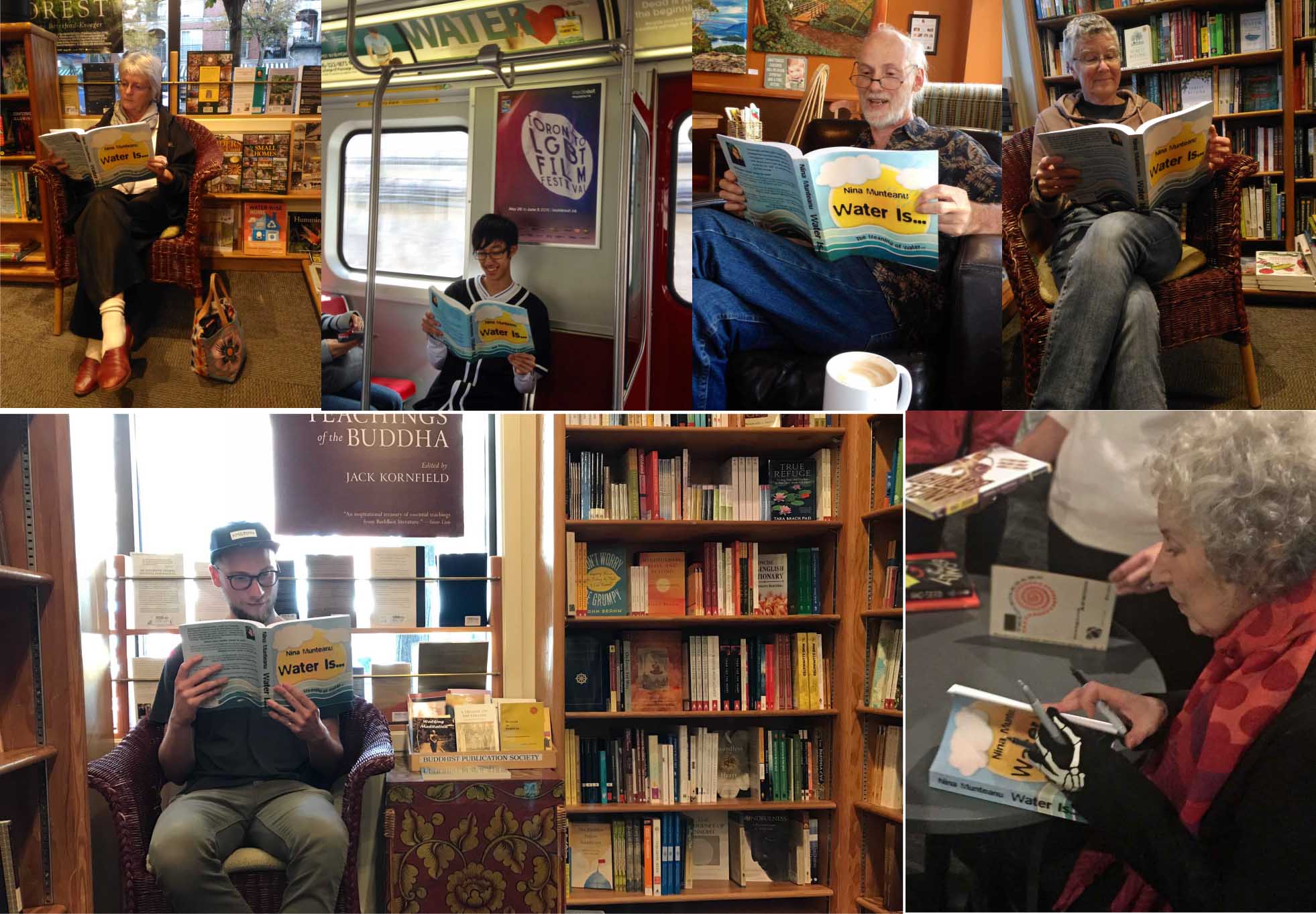
People reading “Water Is…”in Vancouver and Toronto
Margaret McCaffery, chair of the PROBUS Toronto Speakers Committee invited me some time ago to speak to their club in June of 2024 on my experience with water: as scientist, mother, and environmentalist. The audience was mostly retired professional and business people with enquiring minds. I gave my Powerpoint talk in the Holy Rosary Parish Hall on St. Clair West and then enjoyed a vigorous session of challenging and interesting questions to which I responded with equal vigour.
Here is the blurb for the presentation:
Canadian limnologist Nina Munteanu explores the many dimensions of water through her journey with water as mother, educator, and scientist. She describes an emotional connection with nature that compels us to take care of our environment with love versus a sense of duty.
Nina’s talk draws on her book Water Is… The Meaning of Water, part history, part science and part philosophy and spirituality. The book examines water’s many anomalous properties and what these meant to us. In sharing her personal journey with this mysterious elixir, Nina explores water’s many ‘identities’ and, ultimately, our own. Water Is… was Margaret Atwood’s first choice in the 2016 New York Times ‘Year in Reading.’ Water is… will be available for sale at the talk.
I started with my story as a child, growing up in the Eastern Townships of Canada
I defined “limnology” and talked about my career as a limnologistand environmental consultant
I discussed some of water’s anomalous properties, all life-giving
I brought in some interesting things about water…
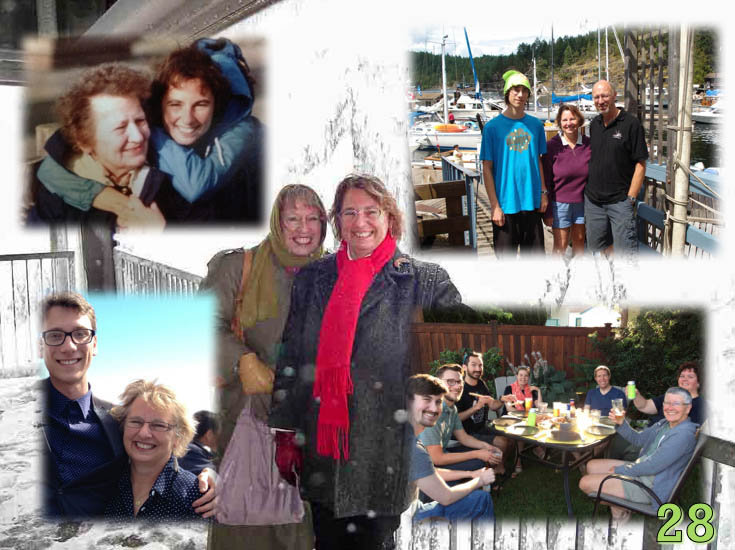
I tied my journey with water to family and friends and my watershed
I ended my talk with a discussion of the Watermark Project to catalogue significant stories to water bodies all over the world
I also brought my latest eco-clifi novel A Diary in the Age of Water for sale. It interested quite a few people and generated several wonderful discussions.
Nina Munteanu and her latest eco-novel
Nina Munteanu is a Canadian ecologist / limnologist and novelist. She is co-editor of Europa SF and currently teaches writing courses at George Brown College and the University of Toronto. Visit www.ninamunteanu.ca for the latest on her books. Nina’s bilingual “La natura dell’acqua / The Way of Water” was published by Mincione Edizioni in Rome. Her non-fiction book “Water Is…” by Pixl Press (Vancouver) was selected by Margaret Atwood in the New York Times ‘Year in Reading’ and was chosen as the 2017 Summer Read by Water Canada. Her novel “A Diary in the Age of Water” was released by Inanna Publications (Toronto) in June 2020.
No writer works alone. Sure, we may work alone when writing, but all other aspects of getting our writing out to you, the reader, involves a team of other people. Like all good things, writing is a collaborative affair. All professional writers enter a contract with their publisher to work with editors, marketers, and also with cover artists, designers and interior artists. All together create the final artistic expression shared with the reading audience.
I want to focus on the latter here and celebrate how art and design help create more than what the writer alone produces. When my writing career started in earnest in 1995 with my first publication in a professional magazine, I was involved in collaborations with artists, who all improved my work.
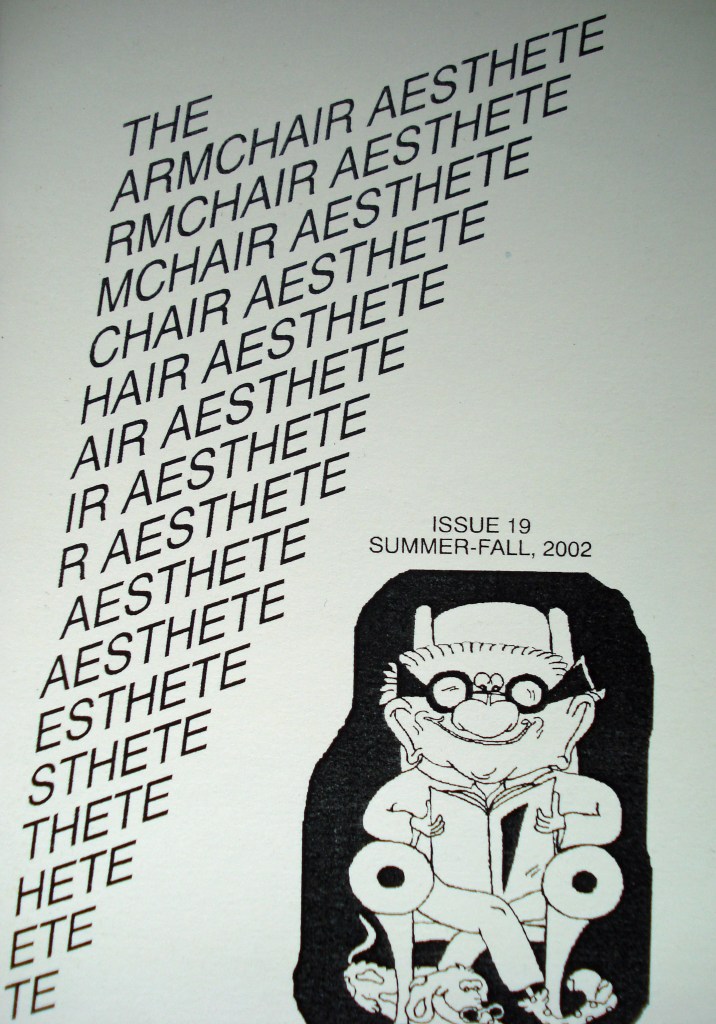
Arc of Time was my first short story publication, appearing in Armchair Aesthete in the Summer/Fall issue of 2002. Armchair Aesthete is a small literary magazine in the United States and features funky cover art.
Magazine cover for Ultra! and interior design for “Arc of Time”
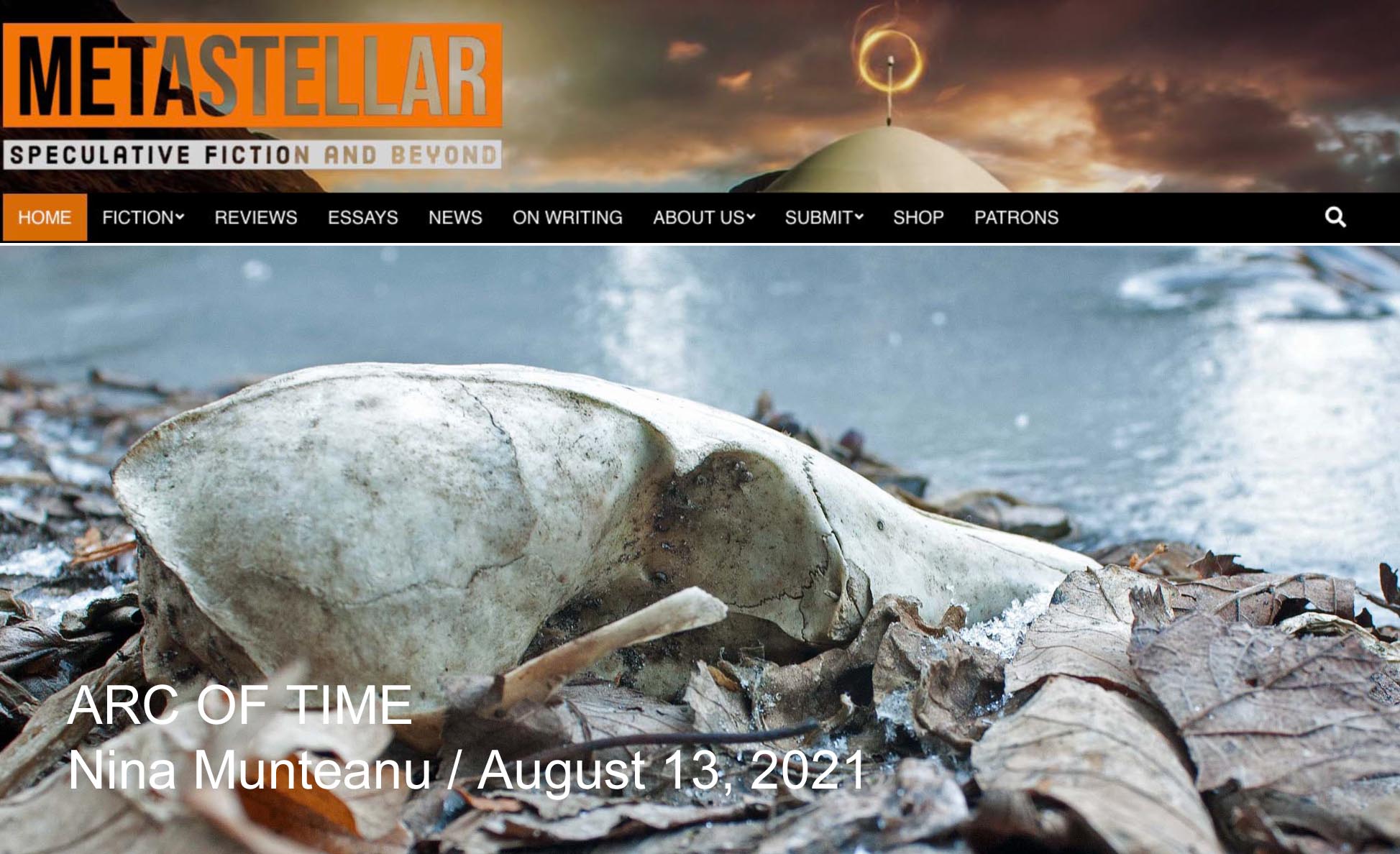
Arc of Time was then accepted in the premiere issue of Ultra! (Aardwolf Publications) in 2004. That issue contained a fully illustrated and designed interior, which really set off the story—an epistemological exchange of emails linked with narrative. In 2013, MetaStellar Speculative Fiction and Beyond, which provides illustrations for each story it carries, used one of my own photographs to illustrate Arc of Time.
Feature cover illustration for “Arc of Time” on MetaStellar site
Virtually Yours first appeared in Hadrosaur Tales in Issue #15 in December 2002. Hadrosaur Tales is a small but vibrant literary magazine out of Las Cruces, New Mexico and featured interesting covers.
Cover and story illustrations in Nowa Fantastyka for “Virtually Yours”
Virtually Yours was republished all over the world and is up to its tenth publication this year. Several publications included artwork specifically for the story. Nowa Fantastyka, out of Poland, is a slick magazine that boasts a lot of images, colour interiors and illustrations. My story was introduced with illustrations that enhanced its impact.
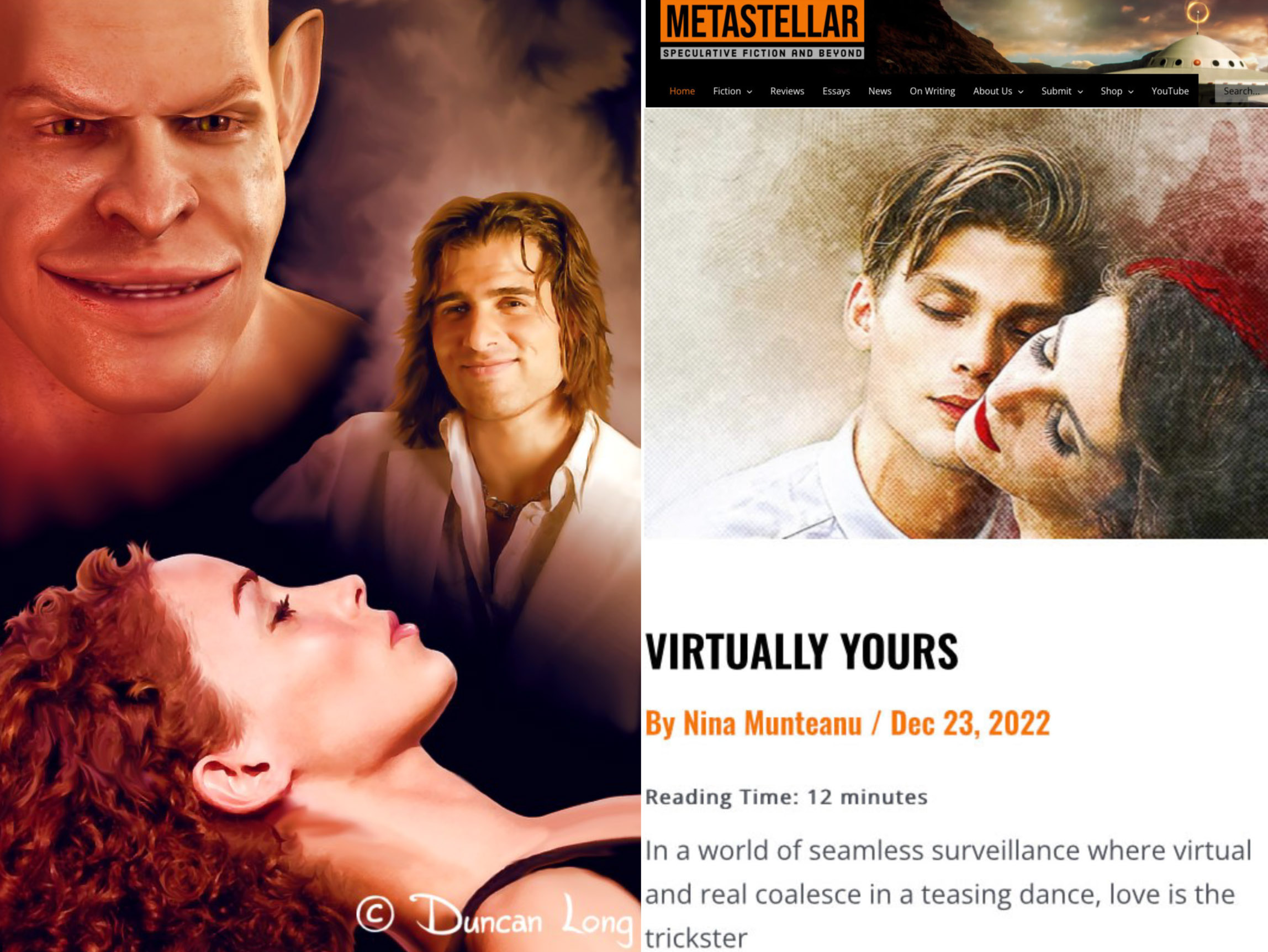
Interior illustrations for “Virtually Yours” in Amazing Stories and MetaStellar, respectively
Its reprint in Amazing Stories was illustrated evocatively by Duncan Long. In the story’s later reprint in MetaStellarSpeculative Fiction and Beyond, Brigitte Werner created a beautiful illustration for the story.
Nowa Fantastyka cover art and story artfor “A Butterfly in Peking”
A Butterfly in Peking first appeared in Issue #17 of Chiaroscuro in 2003. Its reprint in the Polish magazine Nowa Fantastyka in 2005 included interior art that introduced the tone and feel of the story.
Megan Survival Anthology cover art and story artfor “Fingal’s Cave”
Fingal’s Cave was first published in The Megan Survival Anthology (Reality Skimming Press) in December 2016. The publication included art by Jeff Doten specific to each story in the anthology and I found his artwork for Fingal’s Cave wonderfully intriguing.
Artwork for “The Way of Water” in various publications
The Way of Water was first published in Future Fiction then in a smart print publication by Mincione Edizioni in Rome, Italy in May 2016. The story was reprinted several times and artwork associated with it included in some of the publications. One is Little Blue Marble, an online magazine that features artwork for each story it runs.
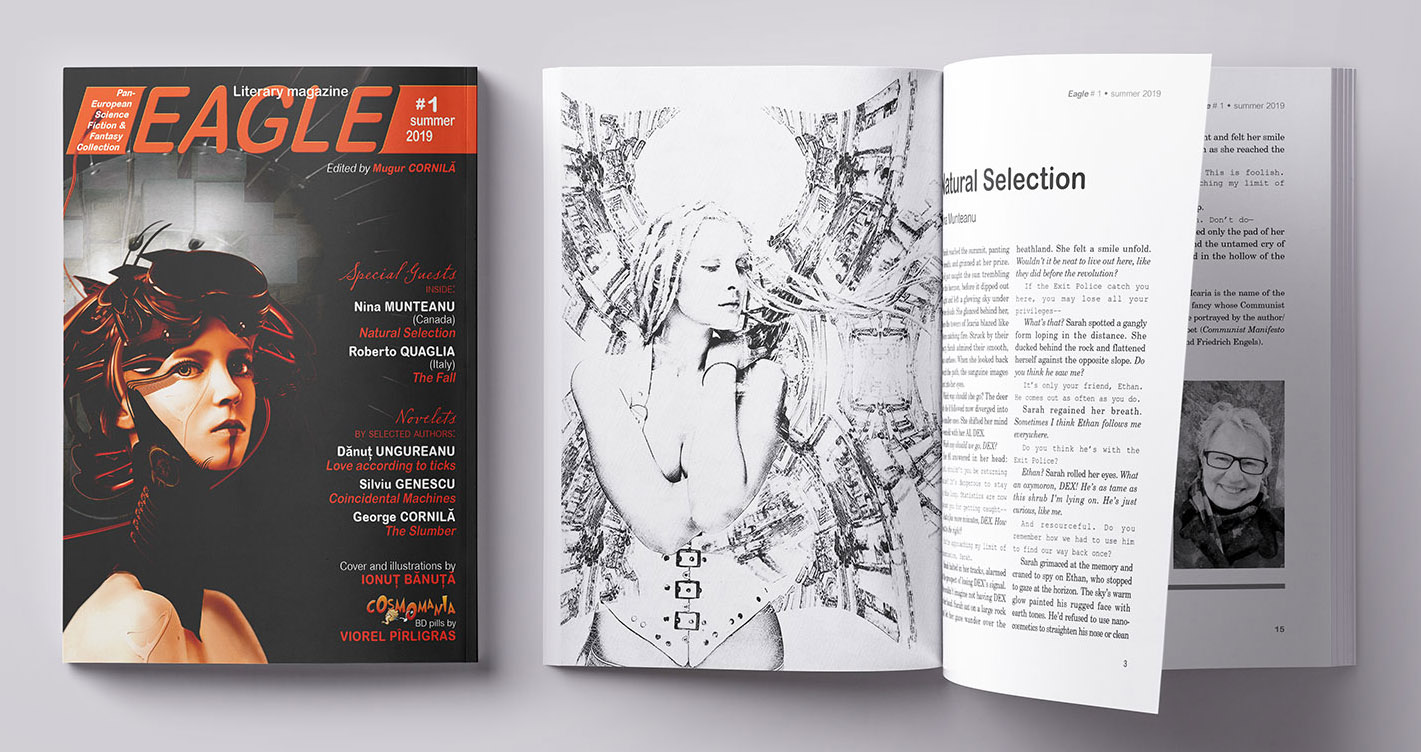
Cover art of Eagle Magazine and story art for “Natural Selection”
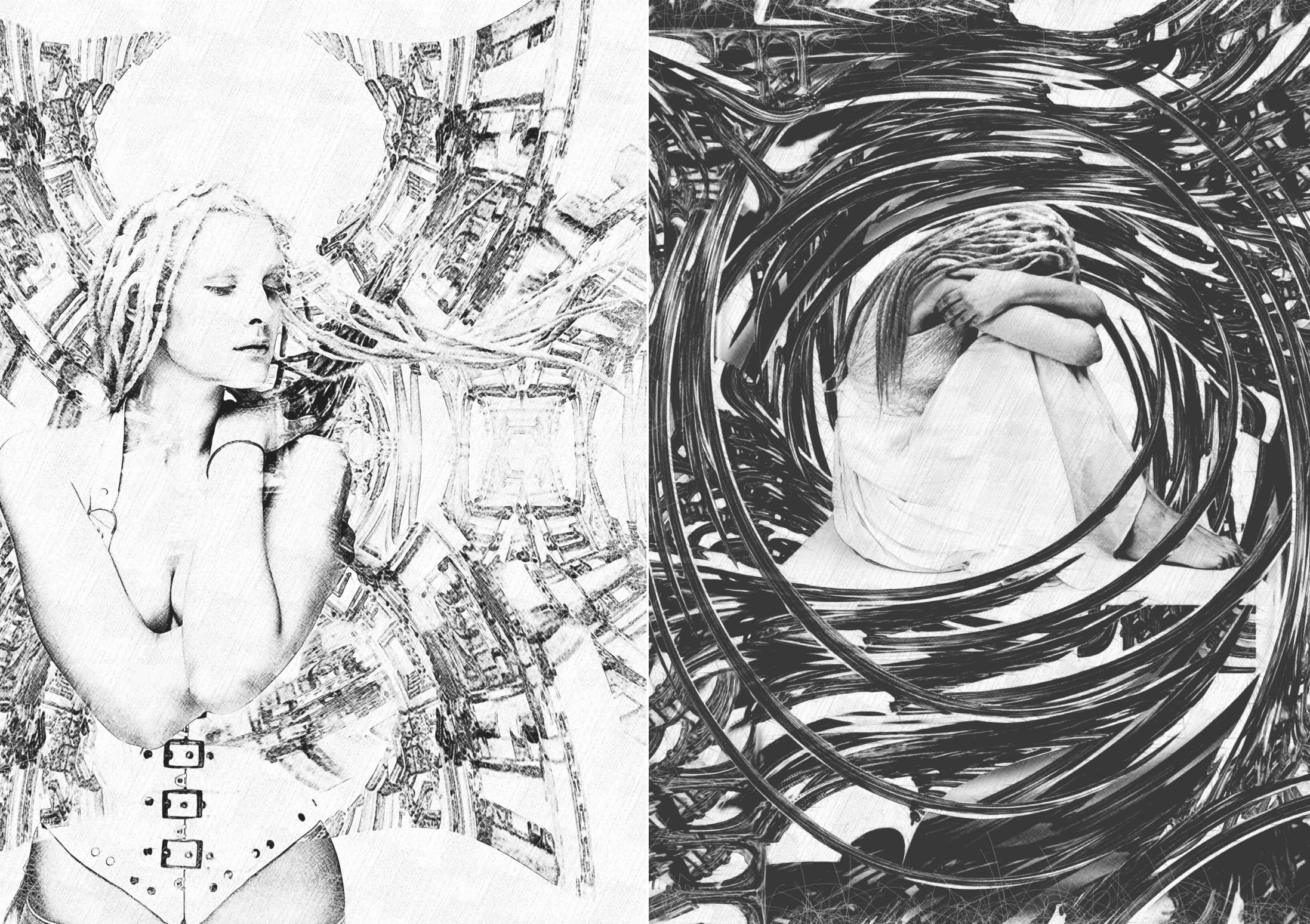
Natural Selection first came out in my short story collection of the same name in 2013. It was then reprinted in the premiere issue of Eagle Magazine and featured stellar and evocative interior illustrations by Ionuț Bănuță.
Interior story art for “Natural Selection”
Out of the Silence first appeared in Issue #85 of subTerrain Magazine in May 2020 and featured diverse and rich interior art and design (not pictured here). Its reprint in A House of Dawn in 2021 received its own artwork, which enhanced the tone and subject of the story.
Cover art for subTerrain Magazine and story art for “Out of the Silence” in A House of Dawn
I’d be remiss if I didn’t add the important artwork of artists on the covers of several of my novels and collections. As a reader, I can attest that cover art plays an important role in introducing a book to a potential reader. Whether we pick up a new author’s book to peruse depends upon the image, title and design of the cover. I have been very fortunate with my publishers and their artists.
Book covers for “Collision with Paradise” and “The Cypol”
My first published novel (Collision with Paradise) and novella (The Cypol)—both SF erotica—were designed to intrigue and titillate.
Costi Gurgu illustrated and designed the covers of my space detective thriller The Splintered Universe Trilogy for Starfire. The three books and their covers, formed a tryptic that reflected the journey of the lead character—a badass galactic detective—and her evolution.
Cover art for books of “The Splintered Universe” Trilogy
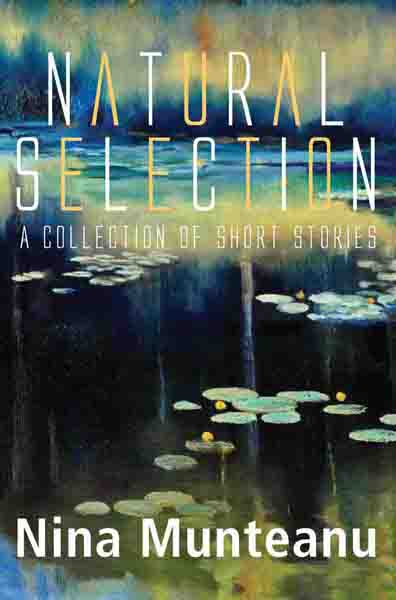
Costi Gurgu also designed the cover of my short story collection Natural Selection for Pixl Press in 2013 using an illustration by West Coast artist Anne Moody that showed the fluidity of nature.
Tikulin-illustrated covers for “Darwin’s Paradox” and “The Last Summoner”
Tomislav Tikulin illustrated the cover of my novel Darwin’s Paradox for Dragon Moon Press in 2007. The cover image ostensibly represented a work of hard science fiction and attracted much attention from SF fans. Tikulin’s evocative illustration of a knight in a drowning cathedral was then used for the cover of The LastSummoner for Starfire, with attractive typology design by Costi Gurgu. As with all of Tikulin’s work, this mysterious cover attracted the attention of many readers with many questions.
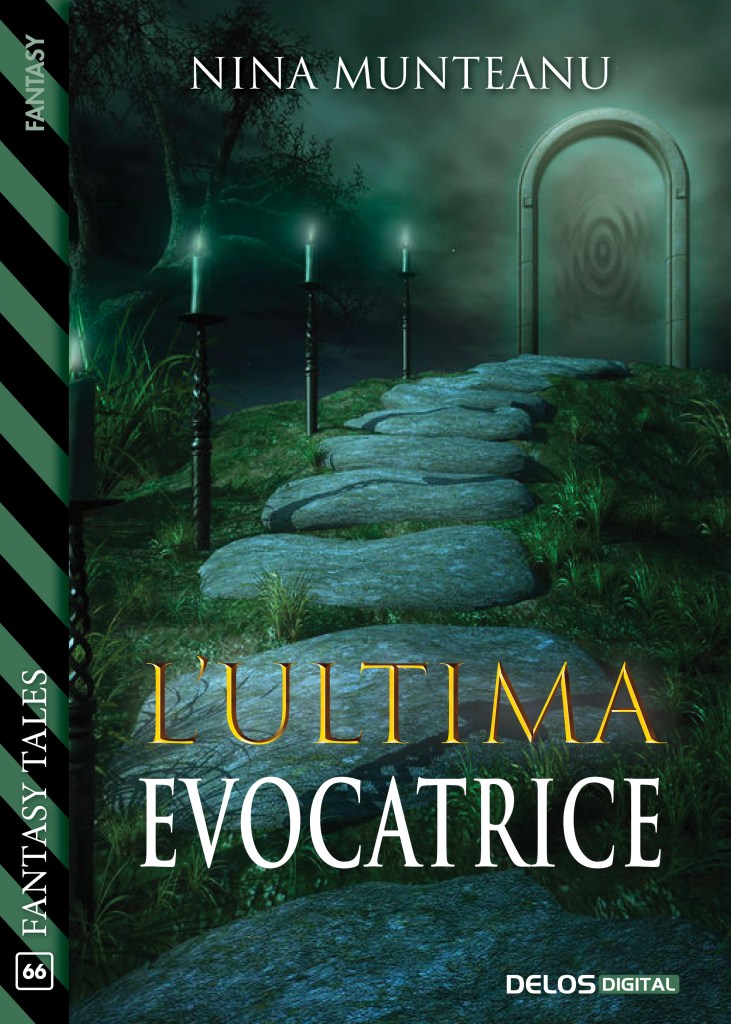
L’Ultima Evocatrice, a novella version of The Last Summoner in Italian was illustrated and designed for Delos Digital Publications in 2021 and draws the reader into the intrigue of the story.
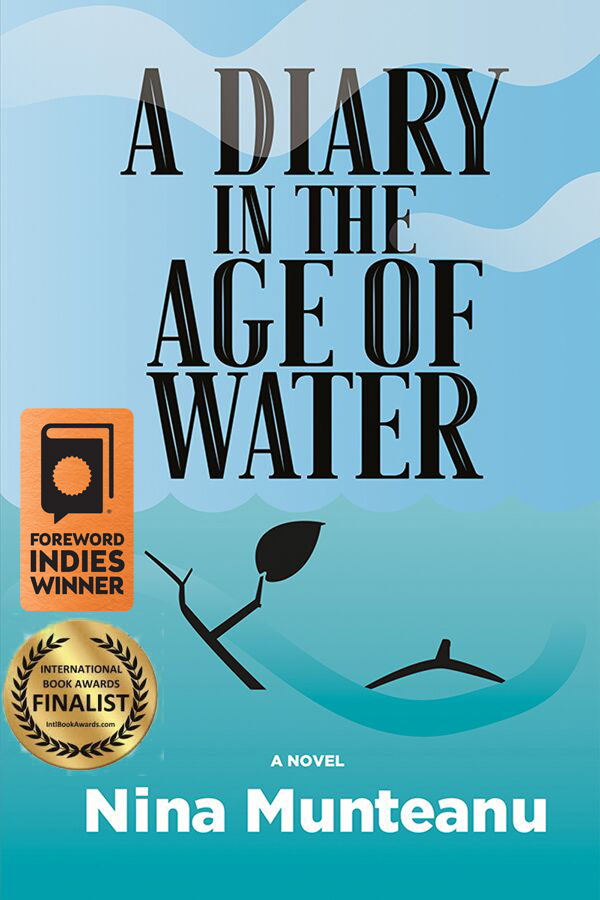
My most recent novel, A Diary in the Age of Water, published by Inanna Publications in 2020, features elegant cover art by Val Fullard and over thirty pieces of interior art work by my own hand.
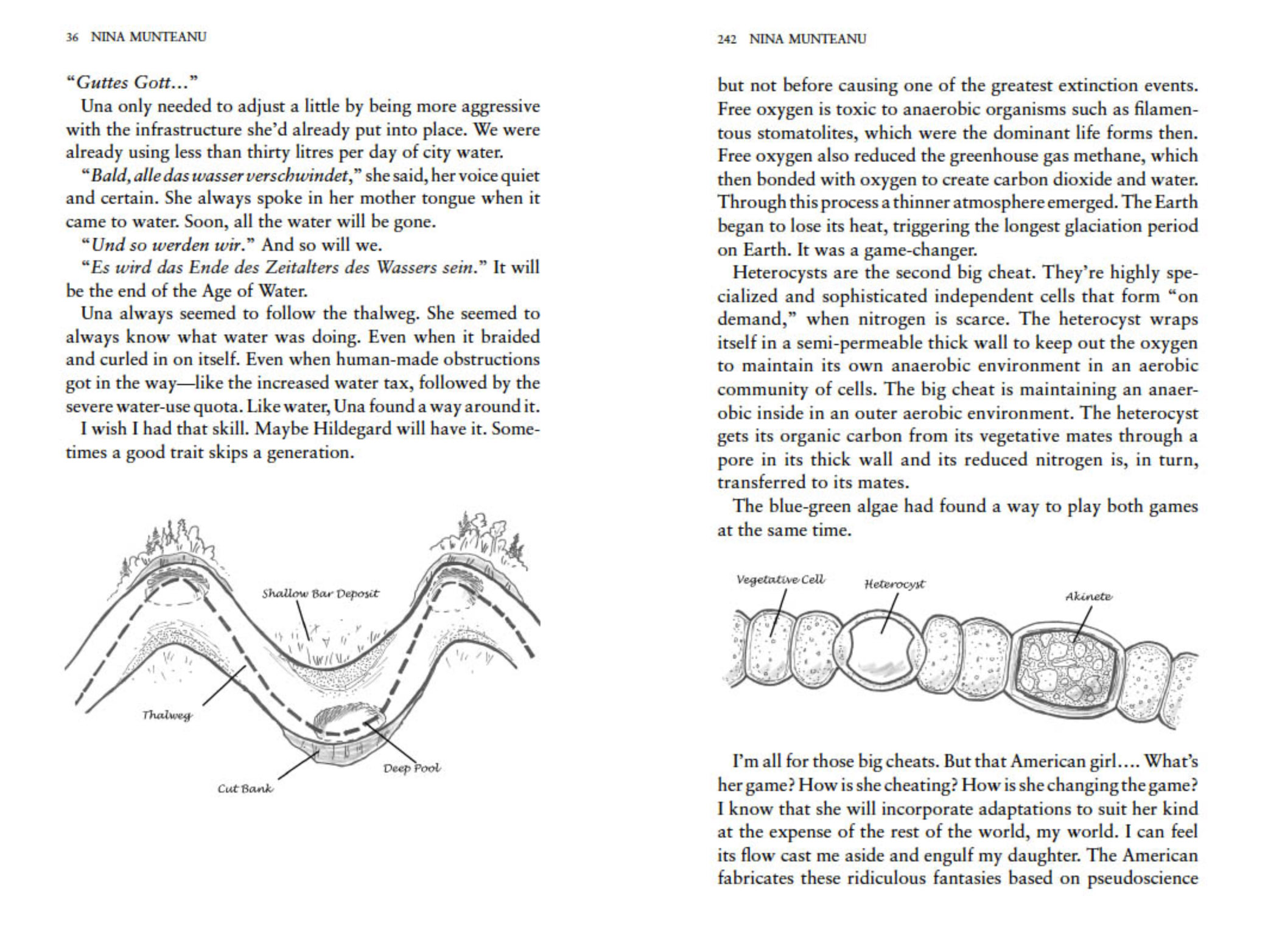
Interior art representing the diarist’s sketches in “A Diary in the Age of Water
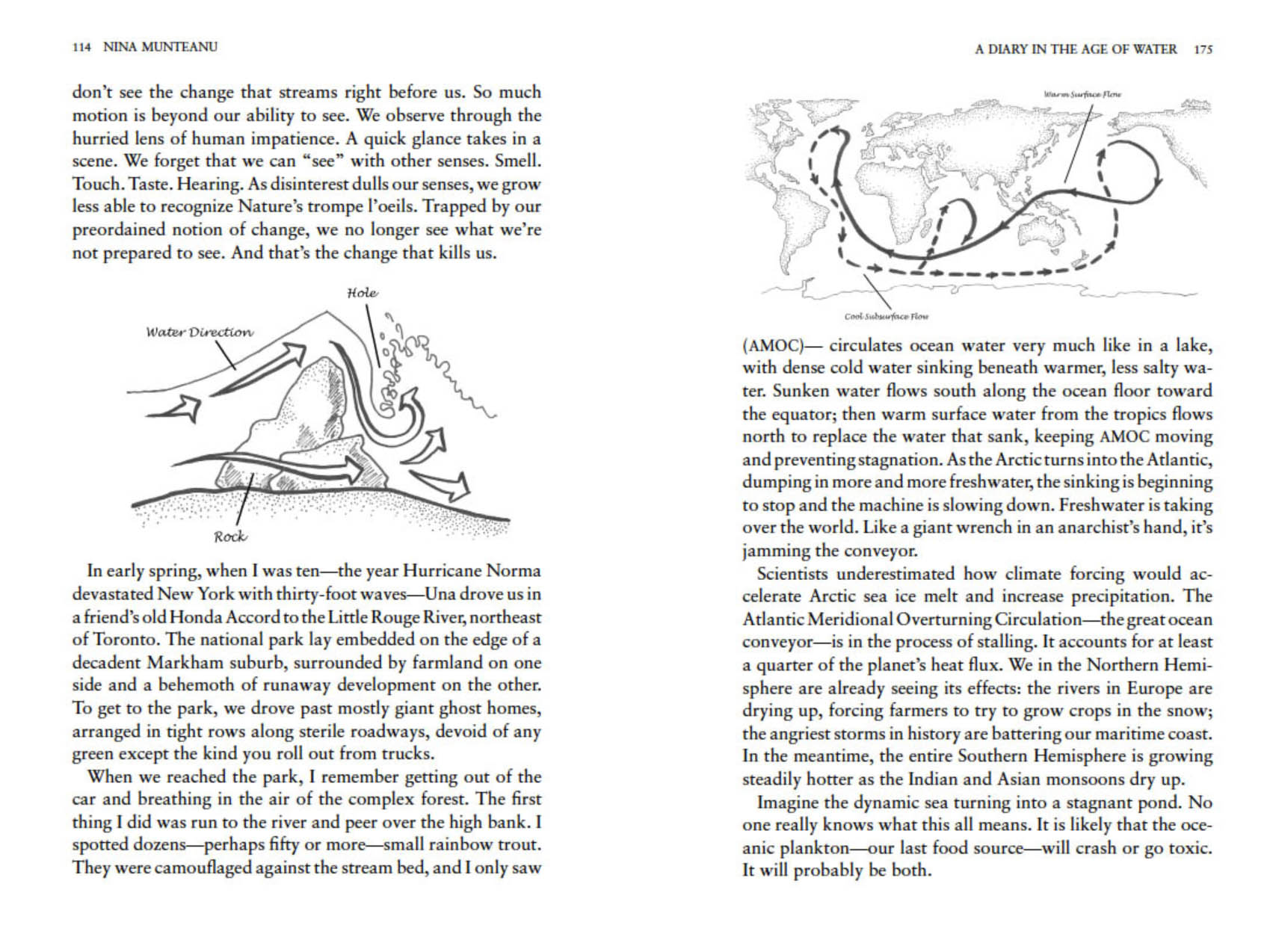
I wasn’t sure if the publisher would agree to use my sketches, but she did, to my surprised delight. She agreed with me that the interior illustrations, which represent sketches by the scientist diarist, lend a tangible reality to the story and a further focus of interest.
Interior art representing the diarist’s sketches in “A Diary in the Age of Water
Interior art representing the diarist’s sketches in “A Diary in the Age of Water”
The excitement never ends for me as a writer … With the newest installation to the Icaria Series imminent, Dragon Moon Press will be re-issuing Darwin’s Paradox and Angel of Chaos, along with the newest addition Gaia’s Revolution along with new covers and interiors. I can’t wait to see what Dragon Moon Press comes up with! …
Cover art of print publications my work has appeared in up to 2021-end
Nina Munteanu is a Canadian ecologist / limnologist and novelist. She is co-editor of Europa SF and currently teaches writing courses at George Brown College and the University of Toronto. Visit www.ninamunteanu.ca for the latest on her books. Nina’s bilingual “La natura dell’acqua / The Way of Water” was published by Mincione Edizioni in Rome. Her non-fiction book “Water Is…” by Pixl Press (Vancouver) was selected by Margaret Atwood in the New York Times ‘Year in Reading’ and was chosen as the 2017 Summer Read by Water Canada. Her novel “A Diary in the Age of Water” was released by Inanna Publications (Toronto) in June 2020.
Snowy marsh in spring, ON (photo and rendition by Nina Munteanu)
In this series of articles, I draw from key excerpts of my textbook on how to write fictionThe Fiction Writer: Get Published, Write Now! whose 26 chapters go from A to Z on the key aspects of writing good and meaningful fiction.
X is for Use eXceptional Language … but Don’t Overdo it
What makes some writing stunning and other writing lackluster? Mostly, it’s the language—the words—you use. And, it isn’t just what words you use; it’s how you use them. Here are a few things you need to consider when translating your work into something that sings:
Use active verbs and reduce modifiers: many writers, not just beginners, slide into the pattern of using passive and weak verbs (e.g., were, was, being, etc.). Then they add a modifier to strengthen it. It doesn’t. Actively look for strong, vivid verbs. This is a key to good writing. I can’t emphasize this enough.
Avoid using excessive prose: novice writers often use too many words to describe an event, action or scene. An overabundance of words slows down the story and obscures plot and action.
Use alliteration, metaphor, simile, personification (but don’t overuse): these devices bring lyricism and cadence and powerful imagery to your prose. However, as with anything powerful, you need to use these judiciously. Use them where you wish to convey a strong image and to punctuate your prose.
Be mindful of word-accuracy: more often than you might think, a writer inadvertently misuses a word to convey an idea or emotion.
Read your writing aloud & punctuate your pauses. Reading out loud helps define cadence, tone and pace of your prose and streamlines your writing. When you read aloud, pay attention to where you naturally pause. You may wish to put in a comma, semi-colon or period there.
Size your paragraphs: paragraphs are visual elements that help people read; they break up text on a page in logical places to provide white space for reader ease. This is one of the reasons some passages are harder to read than others; long paragraphs are more tiring to the eye. Find those logical breaks and put them in.
Size your sentences: as with paragraphs, overly long sentences can try a reader’s patience and you may lose them entirely. Too many short choppy sentences can also reduce your prose to a mundane level. Varying your sentence length in a paragraph creates the lyricism and cadence that makes prose enjoyable to read.
Y is for Yesterday, Today, and Tomorrow
Have you taken the time to consider tense in your story? While most stories are told in the past tense (e.g., Vinnie ran out of the house), I’ve seen many written in the present tense (e.g., Vinnie runs out of the house). You see the latter more in literary and esoteric works, where the immediacy and dream-like quality of present tense is in keeping with the kind of story being told. I write mostly genre fiction (e.g., science fiction, SF thrillers, historical fantasy, etc.) where the story-telling is normally fast-paced. These read better in the past tense. Stories which follow a more reflective tone can be quite powerful in the present tense.
In her series The Dragon Quartet, Marjorie B. Kellogg alternates from past tense to present tense as she hops from one protagonist’s point of view to the other’s. This deliberate shift in tense between sections works very well. The key is that she is consistent.
In the manuscripts that I read for novice writers I often find what I call uncontrolled shifting of tense within a sentence or paragraph. OWL provides these hints:
Use past tense to narrate events and to refer to ideas as historical entities.
Use present tense to state facts, to refer to perpetual or habitual actions, and to discuss your own ideas or those expressed by an author in a particular work; also to describe action in a literary work, movie, or other fictional narrative.
Future action may be expressed in a variety of ways, including the use of will, shall, is going to, are about to, tomorrow and other adverbs of time, and a wide range of contextual cues.
Z is for The Zen of Passionate Writing
Ralph Keyes, author of The Courage to Write, admits that “what makes writing so scary is the perpetual vulnerability of the writer. It’s not the writing as such that provokes our fear so much as other people’s reaction to our writing.” In fact, adds Keyes, “the most common disguise is fear of them, their opinion of us, when it’s actually our own opinion of ourselves that we’re worried about.” Keyes suggests that ultimately “mastering techniques [of style and craft] will do far less to improve writing than finding the will, the nerve, the guts to put on paper what you really want to say.”
Welcome to the threshold of your career as a writer. This is where many aspiring writers stop: in abject fear, not just of failure but of success. The only difference between those that don’t and those that do, is that the former come to terms with their fears, in fact learn to use them as a barometer to what is important. How do you get past the fear of being exposed, past the anticipated disappointment of peers, past the terror of success? The answer is passion. If you are writing about something you are passionate about, you will find the courage to see it through.
This is ultimately what drives a writer to not just write but to publish: the need to share one’s story, over and over again. Some of us only have one story we need to tell (Margaret Mitchell only needed to tell one, Gone With the Wind); others of us have many to tell. Either way, what is key here is that to prevail, persist, and ultimately succeed, a writer must have conviction and believe in his or her writing. You must believe that you have something to say that others want to read. Ask yourself why you are a writer. Your answer might surprise you.
The first step is to acknowledge your passion and own it. Flaunt it, even. Find your conviction, define what matters and explore it to the fullest. You will find that such an acknowledgement will give you the strength and fortitude to persist and persevere, particularly in the face of those fears. Use the fears to guide you into that journey of personal truths. Frederick Busch described it this way: “You go to dark places so that you can get there, steal the trophy and get out.”
Every writer, like her protagonist, is on a Hero’s Journey. Like the Hero of our epic, we too must acknowledge the call, pass the threshold guardian, experience the abyss and face the beast before we can return “home” with our prize.
The Fiction Writer is a digest of how-to’s in writing fiction and creative non-fiction by masters of the craft from over the last century. Packaged into 26 chapters of well-researched and easy to read instruction, novelist and teacher Nina Munteanu brings in entertaining real-life examples and practical exercises. The Fiction Writer will help you learn the basic, tried and true lessons of a professional writer: 1) how to craft a compelling story; 2) how to give editors and agents what they want’ and 3) how to maintain a winning attitude.
“…Like the good Doctor’s Tardis, The Fiction Writer is larger than it appears… Get Get Published, Write Now! right now.”
David Merchant, Creative Writing Instructor
Otonabee River glistens under a spring sun, ON (photo and rendition by Nina Munteanu)
Nina Munteanu is a Canadian ecologist / limnologist and novelist. She is co-editor of Europa SF and currently teaches writing courses at George Brown College and the University of Toronto. Visit www.ninamunteanu.ca for the latest on her books. Nina’s bilingual “La natura dell’acqua / The Way of Water” was published by Mincione Edizioni in Rome. Her non-fiction book “Water Is…” by Pixl Press (Vancouver) was selected by Margaret Atwood in the New York Times ‘Year in Reading’ and was chosen as the 2017 Summer Read by Water Canada. Her novel “A Diary in the Age of Water” was released by Inanna Publications (Toronto) in June 2020.
Snowing in cedar forest, ON (photo and rendition by Nina Munteanu)
In this series of articles, I draw from key excerpts of my textbook on how to write fiction The Fiction Writer: Get Published, Write Now! whose 26 chapters go from A to Z on the key aspects of writing good and meaningful fiction.
P is for Plotting with Purpose
“Plot is the things characters do, feel, think, or say, that make a difference to what comes afterward,” says Ansen Dibel, author of Elements of Fiction Writing: Plot. I’ve also heard authors describe plot as all the nasty things they throw at their main character to stop them from getting where or what they want or need. Plot is motion. “Plot is a verb,” says Dibell. “For a reader to care about your story, there has to be something at stake—something of value to gain, something of value to be lost.”
Although plots will vary as much as individual stories, there are some basic elements and forms. Here are some:
• Cause and Effect: this is simply when one event leads to another. Many writers talk about scenes and sequels when constructing stories (see below).
• Thematic: this is where events are tied together by a thematic thread, a common relationship, a central event, place, character or theme.
• Lyric: this is when plot is organized like music, with a cyclical return to key images, events or themes that grow deeper each time (Finnegan’s Wake, by James Joyce, for example.)
• Hero’s Journey: this plot approach follows the mythic steps of the hero’s journey.
Plot structure generally follows a progression from scene (action) to sequel (reaction) and back to scene again. A scene has the three-part pattern of: goal, conflict, disaster. A sequel follows with this three-part pattern: reaction, dilemma, decision. Plot structure generally follows a thematic story arc. A seven-point plot structure goes like this: hoot, problem, backfill, complication, action, the dark moment, resolution. This step-wise plot approach reflects the three act elements of the “hero’s journey”.
Bill Johnson said that every story makes a promise at the beginning to the reader. Those promises, says Dibell, are mostly unspoken ones. And some are made indirectly through pattern. As the journey continues, problems build on the previous ones, always moving the main plot toward the final crisis. “The job of a middle,” says Dibell, “is to build toward and deliver crisis.”
“Detail on detail, incident on incident, character on character, the pattern(s) begin to form,” says Dibell. “…they’re what hold your story together, give it both diversity and unity.” Dibell describes plot as a tapestry of pattern, form, shape and color that share recognizable meanings. Which brings me to subplots, the threads that make up the story’s fabric.
Subplots are more common in long fiction, where they are used to deepen a story and add layers that make it more intriguing and tease out more depth to the story. Subplots may provide varying aspects of a theme, from community to individual as played out by different characters. Ultimately, subplots and how they are crafted, provide the writer with the means to transcend plot into what Dibell calls pattern.
Dibell describes “braided” plots, in which two or more subplots are woven together, and parallel plot lines, in which two plots share almost equal footing. This happens when strong protagonists carry each plot. Parallel plot lines often run counterpoint to each other in pace, tone and colour. Each plot becomes richer and stronger when contrasted with the other. And they are always connected in some way, in many ways. In Matrix Reloaded, Neo’s introspective and thoughtful plot with the architect of the matrix runs counterpoint with Trinity’s action plot as she sabotages the matrix and battles an agent. Both demonstrate conflict and tension but the tone and pace are opposite. This contrast only heightens each plot line. Notice also how the two plot lines are connected and eventually converge in the final scene where Neo saves Trinity’s life by restarting her heart. Earlier on, while Trinity is totally engrossed in her problems, Neo becomes aware of her struggle through the architect’s artful hint; this prompts Neo to choose his path to join her plot. His awareness is the bridge between the two plot lines. If you look carefully, you will find many other ways the two plot lines are connected, visually, mentally and viscerally and how they inevitably draw together in that riveting last scene; “how thoroughly,” Dibell says, “the story belongs to itself.”
Crawford Kilian, SF writer and author of Writing Science Fiction and Fantasy, set down these ten commandments:
Nothing should happen at random
Plot stems from character under adversity
Give each character an urgent personal agenda
The plot of a story is the synthesis of the plots of its individual characters
The Fiction Writer is a digest of how-to’s in writing fiction and creative non-fiction by masters of the craft from over the last century. Packaged into 26 chapters of well-researched and easy to read instruction, novelist and teacher Nina Munteanu brings in entertaining real-life examples and practical exercises. The Fiction Writer will help you learn the basic, tried and true lessons of a professional writer: 1) how to craft a compelling story; 2) how to give editors and agents what they want’ and 3) how to maintain a winning attitude.
“…Like the good Doctor’s Tardis, The Fiction Writer is larger than it appears… Get Get Published, Write Now! right now.”
David Merchant, Creative Writing Instructor
Light snow by the river, ON (photo and rendition by Nina Munteanu)
Nina Munteanu is a Canadian ecologist / limnologist and novelist. She is co-editor of Europa SF and currently teaches writing courses at George Brown College and the University of Toronto. Visit www.ninamunteanu.ca for the latest on her books. Nina’s bilingual “La natura dell’acqua / The Way of Water” was published by Mincione Edizioni in Rome. Her non-fiction book “Water Is…” by Pixl Press (Vancouver) was selected by Margaret Atwood in the New York Times ‘Year in Reading’ and was chosen as the 2017 Summer Read by Water Canada. Her novel “A Diary in the Age of Water” was released by Inanna Publications (Toronto) in June 2020.
Snowing in a cedar forest, ON (photo and rendition by Nina Munteanu)
In this series of articles, I draw from key excerpts of my textbook on how to write fiction The Fiction Writer: Get Published, Write Now! whose 26 chapters go from A to Z on the key aspects of writing good and meaningful fiction.
M is for Master the Metaphor & Other Things
During a brainstorming session, my business partner quizzed me on the major problems that writers face: “What are their Waterloos?” She was using metaphor to make a point. You don’t have to look very far to find examples; everyday speech is full of them: like “raining cats and dogs; “table leg”; and “old flame”.
Metaphor directly compares seemingly unrelated subjects. It is, therefore, considered more powerful than an analogy, which may acknowledge differences. Other rhetorical devices in the ‘metaphor family’ that involve comparison include metonymy, synecdoche, personification, simile, allegory and parable. While these share common attributes with metaphor, each compares in a different way.
The term synecdoche substitutes a part for a whole or a whole for a part (e.g., the expression “all hands on deck” refers to the men; or the expression “use your head” refers to your brain). Synecdoche is a common way to emphasize an important aspect of a character.
Metonymy uses one word to describe and represent another (e.g. the suits from Wall Street). Metonymy works by association whereas metaphor works through similarity.
Personification gives an idea, object or animal the qualities of a person (e.g., the darkness embraced her; the creek babbled over the rocks).
Similes can imply comparison (e.g., His mind is like a sword) or be explicit (e.g., His mind is sharp like a sword). This is what makes the simile such a useful tool to the writer: you can choose to be vague, letting the reader infer the relationship, or be direct.
Simile: His love was like a slow dance
Metaphor: Love danced in her heart
Allegory is an extended metaphor in which an object, person or action is equated with the meaning that lies outside the narrative. In other words, allegory has both a literal and a representative meaning.
The kinds of metaphor you use (extended metaphors particularly) rely a great deal on your narrative voice, the type of story you’re telling, and the language you’re using. Here are two from Raymond Chandler’s The Long Goodbye:
His hair was bone white.
I got the drunk up [the stairs] somehow. He was eager to help but his legs were rubber.
The metaphor is often tied in to the overall theme or plot line of the story, providing tone to the story and sometimes foreshadowing.
N is for Now It’s Time for Revision
Ten things you should consider when revising your first (and subsequent) draft(s).
1. Let your work breathe: once you’ve completed your draft, set it aside for a while. This lets you make objective observations about your writing when you return.
2. Dig deep: now that you have the whole story before you, you can restructure plotlines, subplots, events and characters to best reflect your overall story. Don’t be afraid to remove large sections; you will likely add others. You may also merge two characters into one or add a character or change a character’s gender or age.
3. Take Inventory: it’s good to take stock of how each chapter contributes to plotline and theme; root out the inconsistencies as you relate the minutiae to the whole.
4. Highlight the Surges: some passages will stand out as being particularly stunning; pay attention to them in each chapter and apply their energy to the rest of your writing.
5. Purge & Unclutter: make a point of shortening everything; this forces you to use more succinct language, replacing adjectives and adverbs with power-verbs. Liken it to writing for a magazine with only so much space (check out Chapter U for more ideas). Doing this will tighten prose and make it more clear. Reading aloud, particularly dialogue, can help streamline your prose.
6. Point of view: this is the time to take stock of whether you’ve chosen the best point of view for the story. You may wish to experiment with different points of view at this stage and the results may surprise you.
7. Make a plot promise: given that you are essentially making a promise to your readers, it is advisable that you revisit that promise. Tie up your plot points; don’t leave any hanging unless you’re intentionally doing this, but be aware that readers don’t generally like it. Similarly, if you’ve written a scene that is lyrical, beautiful and compelling but doesn’t contribute to your plotline, nix it. But keep it for another story; chances are, it will work elsewhere. The trick is to file it where you can later find it.
8. Deepen your characters: the revision process is an ideal time to add subtle detail to your main characters. A nervous scratch of his beard, an absent twisting of the ring on her finger, the frequent use of a particular expression: all these can be worked in throughout the story, in your later drafts. Even minor characters can shine and be unique. When you paint your minor characters with more detail, you create a more three-dimensional tapestry for your main characters to walk through. This heightens realism in your story and involvement of your reader.
9. Write scenes: use the revision process to convert flat narrative into “scene” through dramatization. Narrative summaries read like lecture or polemic. They tend to be passive, slow, and less engaging. Scenes include action, tension and conflict, dialogue and physical movement.
10. Be concrete: Rosenfeld describes your novel as a world in which your reader enters and wants to stay in for a while. You make it easy for her by adding concrete details for her to envision and relate to. Ground your characters in vivid setting, rich but unobtrusive detail. Don’t abandon them to a generic and prosaic setting, drinking “beverages” and driving “vehicles” on “roads”; instead brighten up their lives by having them speeding along Highway 66 in a Mini Cooper, while sipping a Pinot Noir.
O is for Outline or Synopsis?
A synopsis is NOT an outline. Both are useful to the writer, yet each serves a very different purpose. An outline is a tool (usually just for the writer) that sketches plot items of a book. It provides a skeleton or framework of plot, people, places and their relationships to the storyline. It permits the writer to ultimately gauge scene, setting, and character depth or even determine whether a character is required (every character must have a reason to be in the book, usually to move the plot). To put it basically, the outline describes what happens when and to whom, while the synopsis includes why.
Elizabeth Lyon, author of The Sell Your Novel Toolkit, suggests that a synopsis should usually include these seven items:
• Theme
• Setting and Period
• Plot summary
• Character sketches
• Dialogue
• Emotional turning points
• Subplots
The theme, explains Lyons, “provides a rudder for an entire novel.” She suggests condensing it into one sentence or phrase: to have a friend you must be a friend; cooperation lies at the heart of evolution; love is the true source of human wealth; there’s no place like home. You can also portray your theme in a single word (e.g., forgiveness, revenge, trust, prejudice, evolution).
Lyon suggests that the plot summary is like a skeleton upon which to flesh out character and theme. Two things you need to consider are that 1) you must summarize the complete novel (beginning, middle and end) and 2) you should not confuse a plot summary (essentially an outline) with a synopsis, which incorporates more than plot. “The best-written and most impressive synopses,” says Lyon, “are those that make it clear that a story is character driven.” Lyon recommends that you limit your sketches to the main characters that drive principle theme in the story.
The first sentence of my synopsis of Collision with Paradise focuses on the main character:
When Genevieve Dubois, Zeta Corp’s hot shot starship pilot accepts a research mission aboard ZAC I to the mysterious planet Eos, she not only collides with her guilty past but with her own ultimate fantasy.
While the sentence conveys information about the plot, it is given from the viewpoint of a character’s motivations and feelings. The reader is informed at the outset that character development is at the heart of the story.
The emotional turning points are the focal events that are directly linked to the theme of the story. These are the “so what” parts of the story plot—where the character reaches an epiphany and, as a result, changes—and are ultimately linked to the climax of the story.
The Fiction Writer is a digest of how-to’s in writing fiction and creative non-fiction by masters of the craft from over the last century. Packaged into 26 chapters of well-researched and easy to read instruction, novelist and teacher Nina Munteanu brings in entertaining real-life examples and practical exercises. The Fiction Writer will help you learn the basic, tried and true lessons of a professional writer: 1) how to craft a compelling story; 2) how to give editors and agents what they want’ and 3) how to maintain a winning attitude.
“…Like the good Doctor’s Tardis, The Fiction Writer is larger than it appears… Get Get Published, Write Now! right now.”
David Merchant, Creative Writing Instructor
Light snow falling by the river, ON (photo and rendition by Nina Munteanu)
Nina Munteanu is a Canadian ecologist / limnologist and novelist. She is co-editor of Europa SF and currently teaches writing courses at George Brown College and the University of Toronto. Visit www.ninamunteanu.ca for the latest on her books. Nina’s bilingual “La natura dell’acqua / The Way of Water” was published by Mincione Edizioni in Rome. Her non-fiction book “Water Is…” by Pixl Press (Vancouver) was selected by Margaret Atwood in the New York Times ‘Year in Reading’ and was chosen as the 2017 Summer Read by Water Canada. Her novel “A Diary in the Age of Water” was released by Inanna Publications (Toronto) in June 2020.
Snowing in the Kawarthas, ON (photo and rendition by Nina Munteanu)
In this series of articles, I draw from key excerpts of my textbook on how to write fiction The Fiction Writer: Get Published, Write Now! whose 26 chapters go from A to Z on the key aspects of writing good and meaningful fiction.
J is for a Hero’s Journey
The Hero’s Journey is essentially the three-act structure of the ancient Greek play, according to Ridley Pearson (Writer’s Digest, 2007). The three-act structure was handed down to us thousands of years ago and consists of Beginning, Middle, and End (otherwise known as Opening, Development, Conclusion or “the decision to act”, “the action” and “the consequences of the action”).
the Hero’s Journey duplicates the steps of the rite of passage and is a process of self-discovery and self-integration. The Hero’s Journey is a concept drawn from the depth psychology of Swiss psychologist Carl Jung and the scholar and mythologist Joseph Campbell, author of The Hero with a Thousand Faces. Jung proposed that symbols appear to us when there is a need to express what thought cannot think or what is only divined or felt. Jung discovered reoccurring symbols among differing peoples and cultures, unaffected by time and space. He described these shared symbols as archetypes. Ultimately, the hero’s journey is the soul’s search for home. It is a long and tortuous journey of the soul seeking enlightenment-redemption-salvation only to find it by returning “home” (though, often not the home previously envisioned). It is a journey we all take, in some form.
Assigning an archetype to a character allows the writer to clarify that character’s role in the story as well as to determine the overall theme of the story itself. Archetypes are therefore an important tool in the universal language of storytelling, just as myth serves the overall purpose of supplying “the symbols that carry the human spirit forward.” (Joseph Campbell). Seven useful archetypes include: hero; mentor; herald; threshold guardian; shapeshifter, shadow; and trickster.
K is for Write About What You Know
The advice, “write what you know” isn’t about literal truths; it’s about what you know inside. As SF author Marg Gilks says, “You know more than you think.”
In an article in Writing World, Gilks discusses how a writer can use her own knowledge and experiences in everyday life and translate them into something far from ordinary. You start with universal experiences.
Get emotional: What excites you; what frightens you; what angers you, makes you sad, happy. These are emotions we all feel. When we give our characters experiences similar to our own, we breathe life into both character and experience and provide the reader an anchor for her heart.
Get sensational: You know how it feels when the sun shines on your face or the rain drenches you. You know how it feels to have your knees shake with fatigue after a long climb on a hot day or the invigorating freshness of a cool lake in summer.
Get people around you: My neighbor has a funny way of focusing his gaze slightly off me when he talks, as if he can’t look me directly in the eyes. When the paperboy approaches my house to deliver the paper, he strides with a lilting gait as he listens to hip-hop on his iPod.
Drawing from what you observe and know of the people around you is one of a writer’s most treasured resources for character description. I always carry a notebook with me no matter where I go, even if it’s only to the grocery store. Doing research is another way of “knowing” something. Once you have done the research, you certainly know about a subject, rovided you’ve done a good enough job.
A writer is like a magician. You play upon what readers all “know” then surprise them with the unexpected. Unleashing your imagination and letting it soar while grounding yourself in the realities of universal truths is the stuff of which stories are made. This is what most of us mean when we say “write what you know.”
L is for Long Form, Short Form
Figuring out what you are writing isn’t always as easy as you think. Many of us when we begin a story may think we are writing a short story when we are actually writing a novel; or vice versa. I had several editors of magazines tell me just that: “This feels more like a novel than a short story” they said—and rejected it. So, what are you really writing? Or, more to the point, what should you be writing?
A short story only has 5,000 words to get your story across while a novel has over ten times that many words to do the same. It follows then that the short story format is a simpler one. Novels provide a sense of change, growth and solutions to problems and conflicts. Short stories must be more succinct, contain fewer characters and subplots, have less complicated story arcs and a single theme. A short story is a poem to a novel’s prose. A short story is a statement to a novel’s argument.
“If the novel is a landscape, the short story is a close-up,” says Shelley Lowenkopf in a short story workshop entitled Telling Tales. Lowenkopf adds, “The short story is an event, a moment in time, captured as if by accident … The short story doesn’t have the luxury of depicting change; the closest it can come is awareness.” A short story, more than a novel, has the power to transport, disturb and enlighten.
The Fiction Writer is a digest of how-to’s in writing fiction and creative non-fiction by masters of the craft from over the last century. Packaged into 26 chapters of well-researched and easy to read instruction, novelist and teacher Nina Munteanu brings in entertaining real-life examples and practical exercises. The Fiction Writer will help you learn the basic, tried and true lessons of a professional writer: 1) how to craft a compelling story; 2) how to give editors and agents what they want; and 3) how to maintain a winning attitude.
“…Like the good Doctor’s Tardis, The Fiction Writer is larger than it appears… Get Get Published, Write Now! right now.”
David Merchant, Creative Writing Instructor
Snowing in a cedar forest, ON (photo and rendition by Nina Munteanu)
Nina Munteanu is a Canadian ecologist / limnologist and novelist. She is co-editor of Europa SF and currently teaches writing courses at George Brown College and the University of Toronto. Visit www.ninamunteanu.ca for the latest on her books. Nina’s bilingual “La natura dell’acqua / The Way of Water” was published by Mincione Edizioni in Rome. Her non-fiction book “Water Is…” by Pixl Press (Vancouver) was selected by Margaret Atwood in the New York Times ‘Year in Reading’ and was chosen as the 2017 Summer Read by Water Canada. Her novel “A Diary in the Age of Water” was released by Inanna Publications (Toronto) in June 2020.
Twelve years ago, my speculative short story Virtually Yours was originally published in issue #15 of Hadrosaur Tales, a small but vibrant literary magazine out of Las Cruces, New Mexico. The story explored concepts of cyber-spying, virtual workspace, anonymity, and identity. And like its own characters, who wandered through their impermanent virtual offices, the story has wandered far and wide since…
Some of the publications Virtually Yours appeared in: Hadrosaur Tales in 2002; Neo-opsis Science Fiction Magazine in 2004; Nowa Fantastyka in 2006; Amazing Stories 2014; and Speculative North in 2021
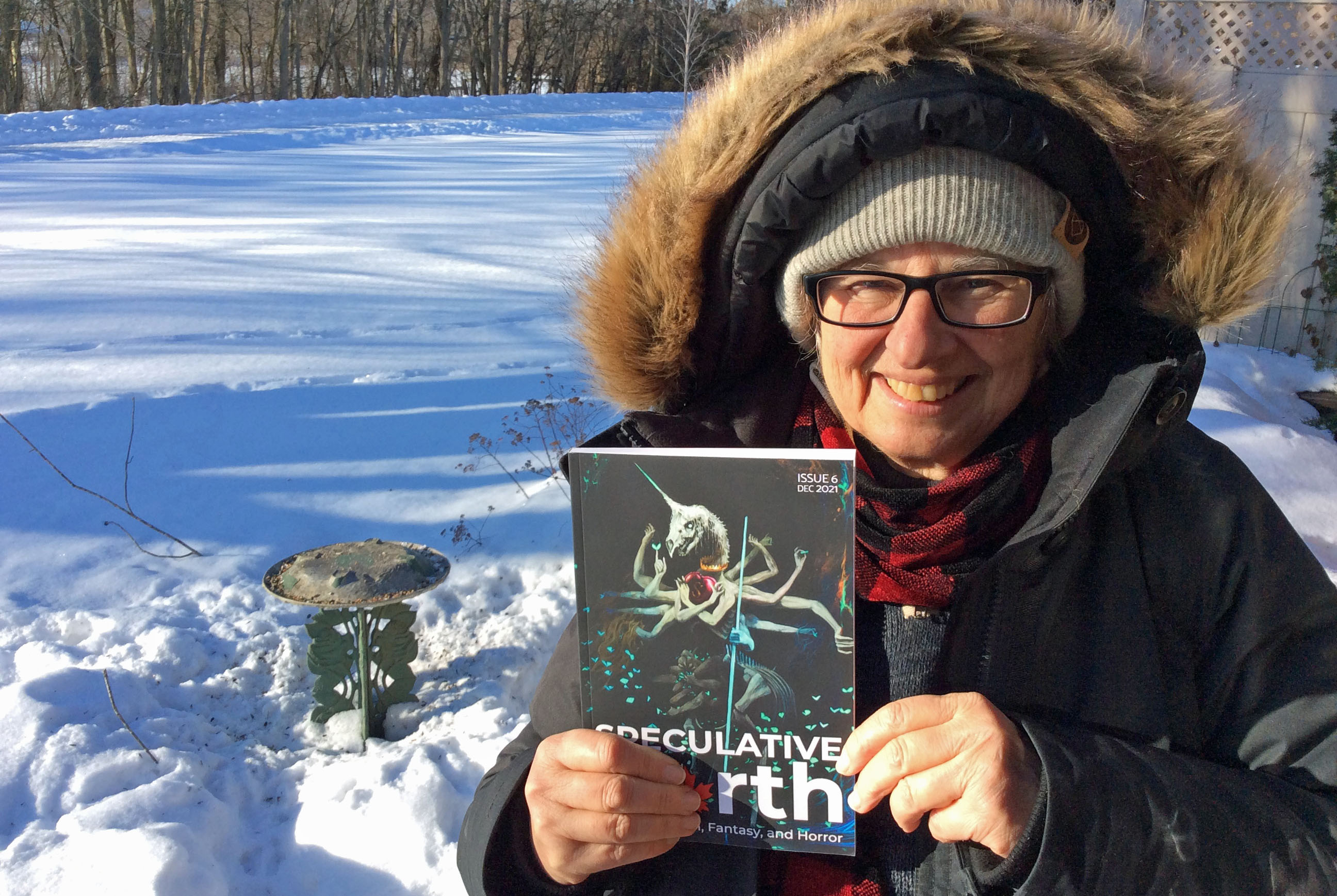
Nina in the North holding December 2021 issue of Speculative North
Shortly after Virtually Yours was published for the eighth time, in the December 2021 issue of Canadian magazine Speculative North, Issue #6, R. Graeme Cameron reviewed all the stories in that issue, including mine. His review appeared in Amazing Stories and here’s what he said about Virtually Yours:
Review of Virtually Yours by R. Graeme Cameron in Amazing Stories
Story Illustration by Duncan Long for Virtually Yours in Amazing Stories
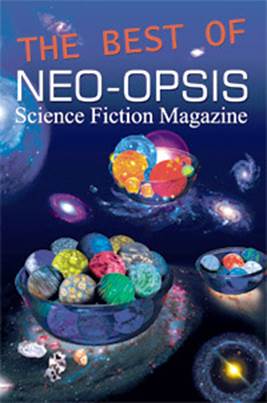
Since its first publication in 2002 in Hadrosaur Tales, Virtually Yours has travelled well. In 2004, it went to British Columbia with Neo-opsis Science Fiction Magazine (Issue #3). In 2006, it moved to Poland and was translated into Polish in Nowa Fantastyka. It then returned to British Columbia in the Best of Neo-opsis Science Fiction Magazine: Anthologyin 2006 and was nominated for the Speculative Literature Foundation Fountain Award. It then moved to Israel and was translated into Hebrew in Bli-Panika in 2006. In 2014, it moved back to America for an appearance in Amazing Stories (Issue 88) then went to Italy in 2016 to appear in Future Fiction. Its eighth appearance saw its return in 2021 to Canada in Ontario’s Speculative North.
Virtually Yours continues to wander the literary landscape, most recently making its ninth appearance in the worldly MetaStellar Speculative Fiction and Beyond, December 2022 (where you can find several of my other short stories).
Virtually Yours story illustration in MetaStellar by Brigitte Werner
I just love it when a story shows ‘legs’ and wanders the world.
Cover art for 2006 “The Best of Neo-opsis Science Fiction Magazine Anthology” by Karl Johanson
p.s. I was just informed that “Virtually Yours” will make its tenth appearance in MetaStellar’s short fiction 3rd annual anthology, with expected release both in print and electronic versions in June 2024.
Nina Munteanu is a Canadian ecologist / limnologist and novelist. She is co-editor of Europa SF and currently teaches writing courses at George Brown College and the University of Toronto. Visit www.ninamunteanu.ca for the latest on her books. Nina’s bilingual “La natura dell’acqua / The Way of Water” was published by Mincione Edizioni in Rome. Her non-fiction book “Water Is…” by Pixl Press (Vancouver) was selected by Margaret Atwood in the New York Times ‘Year in Reading’ and was chosen as the 2017 Summer Read by Water Canada. Her novel “A Diary in the Age of Water” was released by Inanna Publications (Toronto) in June 2020.
I started out by reviewing what I had read in 2023. It looked like I’d read about thirty odd books, almost half and half non-fiction to fiction. That’s not many, but I’m a slow reader. I pore through each book at a snail’s pace, spending time making notes with some, particularly the non-fiction books, which I use to research my writing. With fiction, I dive in deep and thoroughly savor each word and sentence like a mouthful of an excellent meal made with loving hands. Books varied from non-fiction scholarly works on forest ecosystems (The Treeline by Ben Rawlence) and post-capitalism (Four Futures by Peter Frase) to literary fiction, political thrillers, speculative fiction, clifi, and eco-fiction.
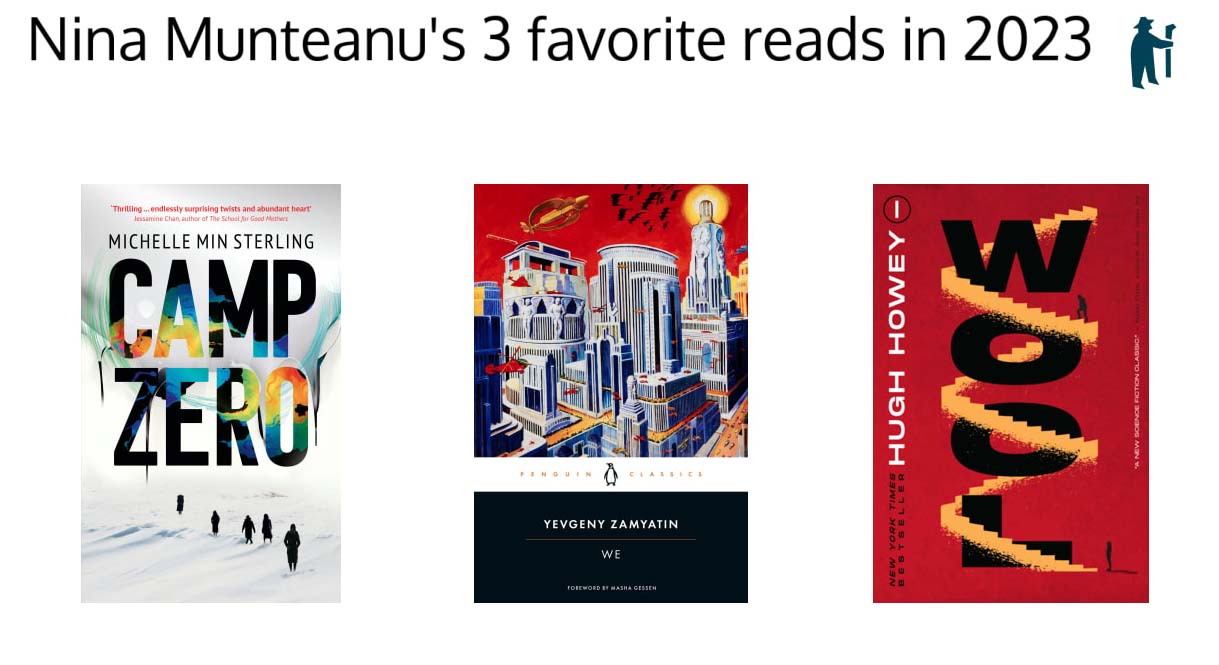
It was a tough choice, but I came up with three choices and a thematic rationale that resonated with me and made a deep kind of sense for that year: all three books were eco-fiction of sorts and featured hopeful stories of strong women, acting out of compassion and in solidarity with intelligence, kindness and courage. For me, 2023 was a year of strong feminine energy for the planet and my favourite books reflect that. Here they are (read the original article on Shepherd here):
The first of my favourite three books of 2023 is Michelle Min Sterling’s Camp Zero.
Set in the remote Canadian north—a place I love for its harsh beauty—this feminist climate fiction explores a warming climate through the perilous journeys of several female characters, each relating to her environment in different ways. Each woman exerts agency in surprising ways that include love, bravery and shared community. The strength of female power carried me through the pages like a braided river heading to a singular ocean. These very different women journey through the dark ruins of violent capitalism, colonialism and patriarchy—flowing past and through hubristic men pushing north with agendas and jingoistic visions—to triumph in an ocean of solidarity. I empathized with each woman as she found her strength and learned to wield true heroism—one based on collaboration and humble honesty.
My second favourite book of 2023 is Yevgeni Zamyatin’s We.
I enjoyed this 1920 hopeful dystopia for its courageous and unprecedented feminism. While the story centres on logical D-503, a man vacuously content as a number in the One State, it is I-330—Zamyatin’s unruly heroine—who stole my attention. Confident, powerful and heroic, the liberated I-330 embraces the Green Wind of change to influence D-503. A force of hope and resilience, she braves torture to successfully orchestrate a revolution that breaches the Green Wall—feats typically relegated to a male protagonist in novels of that era. When pregnant O-90 refuses to surrender her child to the State, I-330 helps her escape to the outside, where the Green Wind of freedom blows. I resonated with Zamyatin’s cautionary tale on the folly of logic without love and Nature.
My third favourite book of 2023 is Hugh Howie’s Wool (first of the SILO series).
Juliette—humble and gutsy, kind and relentlessly motivated in her journey for the truth—kept the pages turning for me. Juliette is a mechanic from the Down-Deep of the underground Silo, humanity’s last refuge to a toxic world. When Juliette inexplicably lands the job of sheriff, she treats her new position as a tool to seek the truth about her lover’s mysterious recent death. At her own peril, she pulls on threads that ultimately reveal a great conspiracy.
Juliette’s literal and metaphoric rise from the Down-Deep to the Up-Top is a feminist’s journey that transcends intersectional barriers as she battles small-minded men of power and maintains her integrity by refusing to abide by the inhumane Up-Top rules of order. By the end, I sensed a victory for humankind through womankind.
You might be interested in two of my own eco-fiction novels that feature several strong female protagonists:
Darwin’s Paradox follows the complex dynamic of a brave mother and her willful teenage daughter, both ‘gifted’ by a virus living inside them. Accused of murder and deliberately spreading the virus that killed many, Julie fled the enclosed city and settled in the climate wastelands with her husband and their child. Years later, when their harsh refuge is threatened by city forces seeking mother and daughter for experimentation, Julie leaves her family and gives herself up to the city, hoping they will abandon pursuing her daughter. Still psychically connected to the city’s AI community (now evolving into an autonomous entity with the intelligent virus), Julie entangles with political intrigue while her daughter, who followed her to the city, stumbles into her mother’s violent past.
A Diary in the Age of Waterfollows the climate-induced journey of Earth and humanity through four generations of women, each with a unique relationship to water. Centuries from now, in a dying boreal forest in what used to be northern Canada, Kyo, a young acolyte called to service in the Exodus, yearns for Earth’s past—the Age of Water—before the “Water Twins” destroyed humanity. Looking for answers and plagued by vivid dreams of this holocaust, Kyo discovers the diary of Lynna, a limnologist from that time of severe water scarcity just prior to the destruction. In her work for a global giant that controls Earth’s water, Lynna witnesses and records in her diary the disturbing events that will soon lead to humanity’s demise.
.
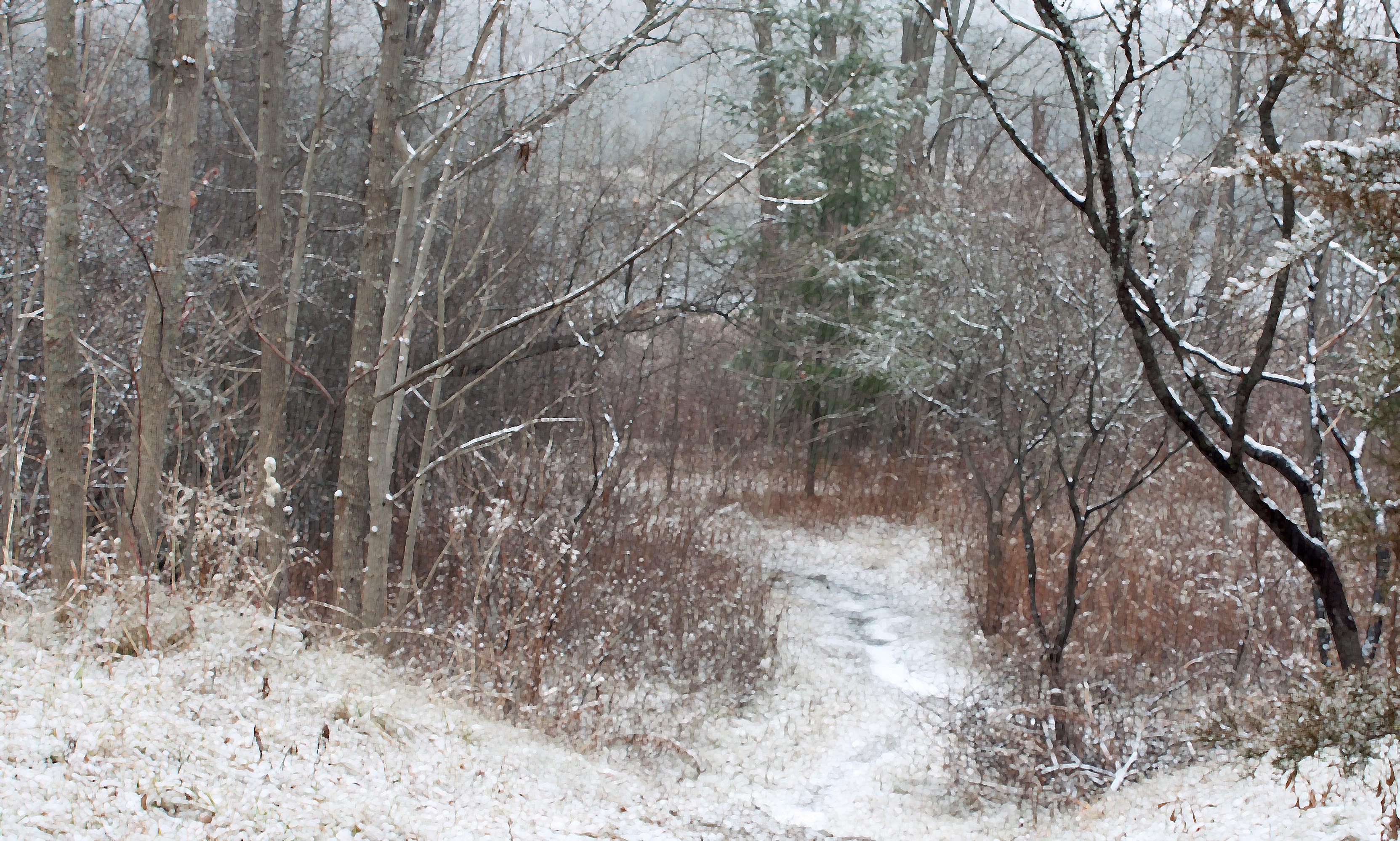
Path through a mixed forest in early winter, ON (photo and rendition by Nina Munteanu)
Nina Munteanu is a Canadian ecologist / limnologist and novelist. She is co-editor of Europa SF and currently teaches writing courses at George Brown College and the University of Toronto. Visit www.ninamunteanu.ca for the latest on her books. Nina’s bilingual “La natura dell’acqua / The Way of Water” was published by Mincione Edizioni in Rome. Her non-fiction book “Water Is…” by Pixl Press (Vancouver) was selected by Margaret Atwood in the New York Times ‘Year in Reading’ and was chosen as the 2017 Summer Read by Water Canada. Her novel “A Diary in the Age of Water” was released by Inanna Publications (Toronto) in June 2020.
On my third day in Paris, I got lost. I didn’t mean to; it just happened.
I’d started early and joined the morning crowd at the Musée d’Orsay. After a breathtaking journey through the visions of French Impressionists, I ventured by bus to the Champ du Mars and climbed the Eiffel Tower to see Paris from the perspective of the Gods: a wheeled mosaic of art, magic and scene. Then I decided to walk home from there. I thought my adventure was over; in truth, it had just begun…
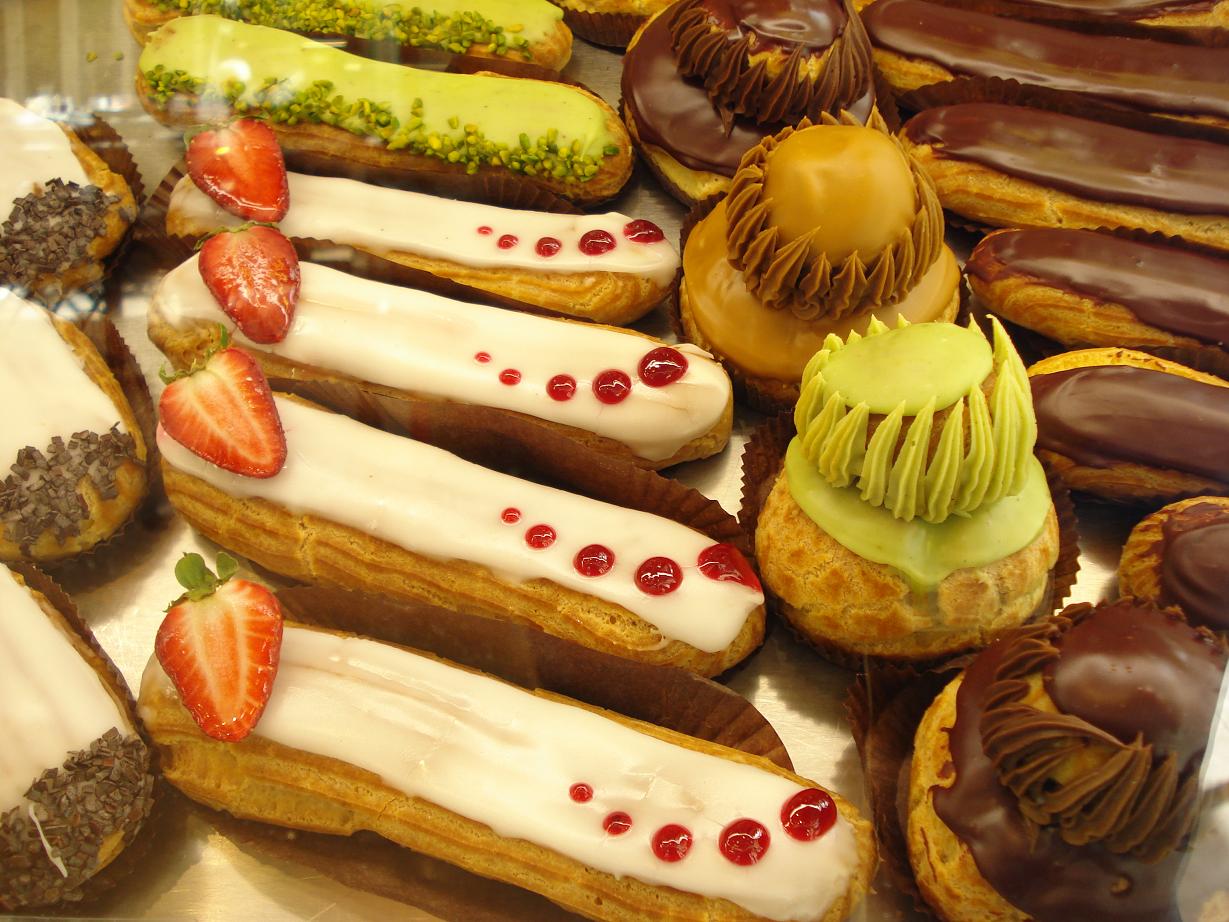
One of my many stops for delightful sustenance in Paris (photo by Nina Munteanu)
As I wound my way down a tree-lined street, the flower blossoms rained down with the fragrant breeze, painting the cobblestones in pale shades of diaphanous pink. A young couple sat wrapped around each other on a bench, kissing. It suddenly struck me that I was in Paris in the springtime; and I was alone. It was just an observation. It didn’t make me sad or uncomfortable; I’ve traveled a great deal on my own and have enjoyed the edgy play on my mind and soul that solitude in a strange place brings.
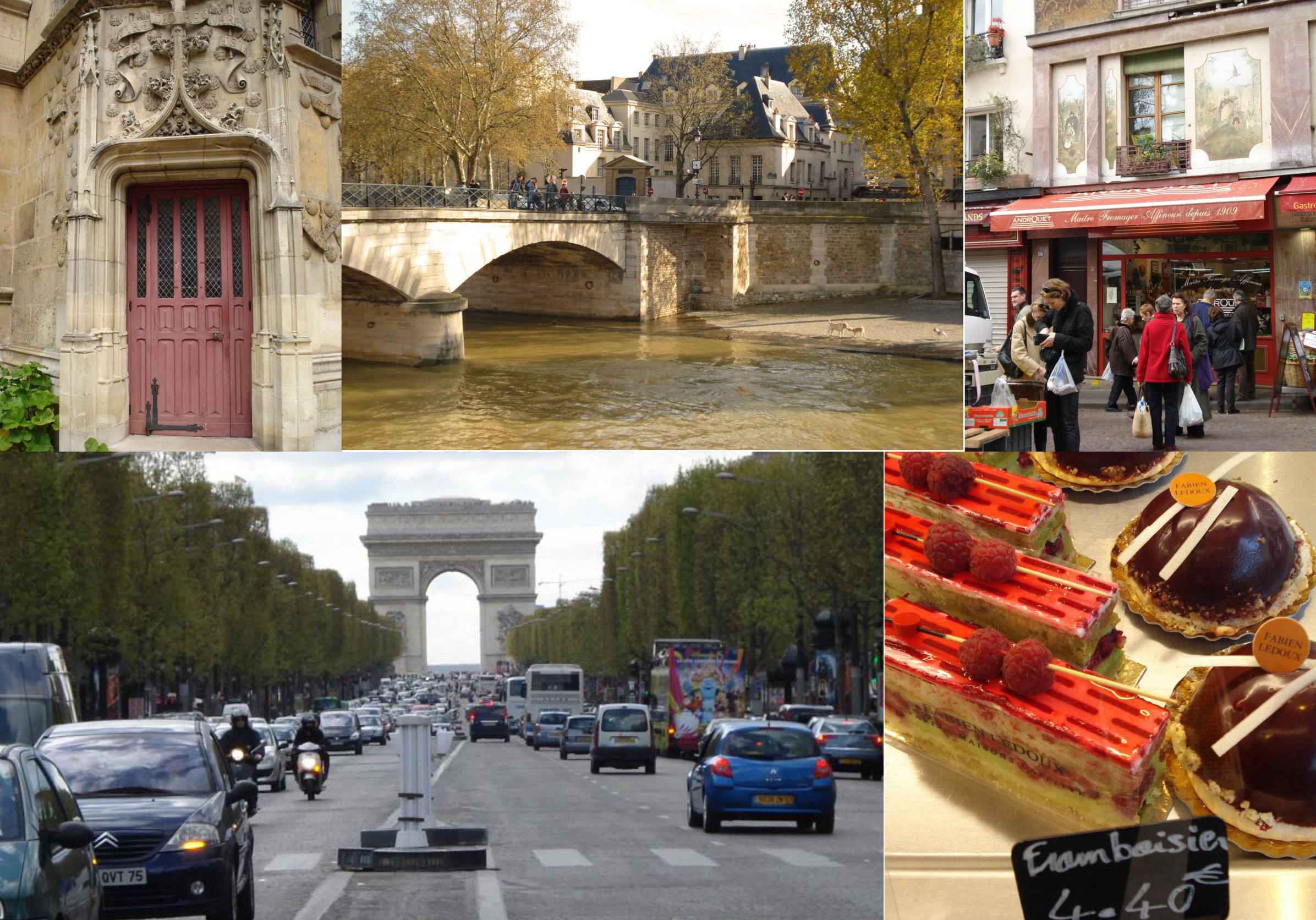
Montage of Paris (photos by Nina Munteanu)
Philosopher Mark Kingwell wrote, “travel is a drug, and not just because it can be addictive. More because it alters consciousness, dilates the mind and maybe even rewires the cerebral cortex…going somewhere different from home [is] the best way to challenge your habitual ways of thinking.”
I’d come to Paris to research the book I was writing—about a young girl (a medieval time-traveller) who can alter history (The Last Summoner). Paris, with its Neo-Classical architecture, quaint cobble streets, and stylish Parisians, lends itself to a wandering eye and finally to introspection. For Kingwell, “somewhere beyond the contrived, comfortable cityscapes, we’ll encounter a potentially more profound version of ourselves.”
Paris, like the Parisians, is a seductive dance. It is so attractive to view. But ultimately one must participate in it to fully experience it.
I don’t know when I finally noticed that I had no idea where I was. It just happened. Along one of Paris’s charming narrow cobble streets as the Hausmann-style buildings blushed in the sunset, I found myself utterly lost.
Montage of Paris (photos by Nina Munteanu)
The sky’s light shades of peach gave way to a deeper shade of ochre as I walked on, feeling more and more a stranger and more and more self-conscious that I was. I wasn’t dressed fashionably. Oh, I had the obligatory scarf and stylish leather jacket; but I lacked the finesse of these Parisians who glided confidently along the darkening streets that were familiar to them. The sounds, sights and smells of this foreign city heightened in a frisson of increasing tension. But I refused to let the darkness take me and let my feet lead me on, confident that I would find something. This was Paris, after all…
Display of one of the many patisseries in Paris (photo by Nina Munteanu)
“Not to find one’s way in a city may well be uninteresting and banal,” wrote Walter Benjamin. “It requires ignorance—nothing more. But to lose oneself in a city—as one loses oneself in a forest—that calls for quite a different schooling.” A school for questions, not answers, says Kingwell.
I’d come to Paris with questions, many questions; some of which I would not answer. Perhaps the most important ones. I’d come with the hubristic ambition of defining Paris. But I discovered that to define Paris is to define life…and oneself.
Montage of Paris (photos by Nina Munteanu)
Paris unfolds like an impressionist canvas, to be interpreted through experience. It is an aria, both exquisite and haunting. Like the lingering aftertaste in the back of my throat of a complex bitter-sweet Bordeaux. I lost myself willingly to its mystery. “Real travel,” says Kingwell, “means we must surrender expectations and submit to chance, to challenge our desires, not merely satisfy existing ones…Leaving home ought to be, above all…that plunge into otherness. Becoming strange to ourselves is the gateway to seeing how dependent on strangers we are for our identities…Getting lost to yourself might be the best way to find out who you are.”
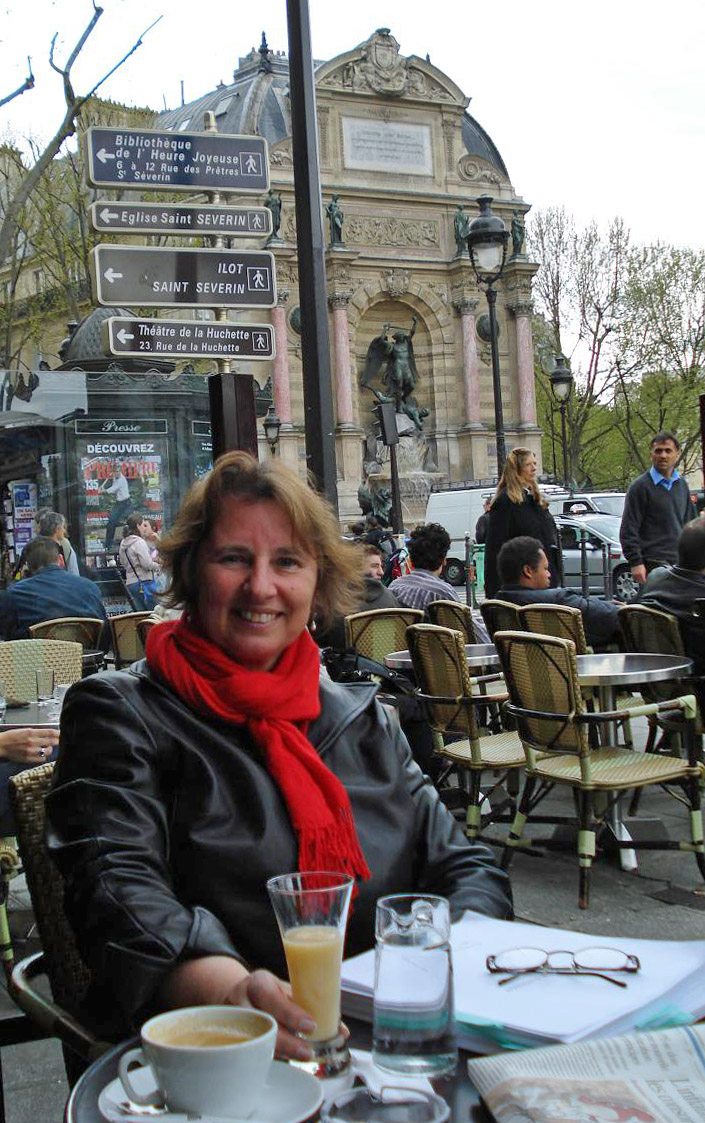
Author sits with her novel manuscript for “The Last Summoner”, a cafe creme and Pastis in Place Saint-Michel, Latin Quarter of Paris
Nina Munteanu is a Canadian ecologist / limnologist and novelist. She is co-editor of Europa SF and currently teaches writing courses at George Brown College and the University of Toronto. Visit www.ninamunteanu.ca for the latest on her books. Nina’s bilingual “La natura dell’acqua / The Way of Water” was published by Mincione Edizioni in Rome. Her non-fiction book “Water Is…” by Pixl Press (Vancouver) was selected by Margaret Atwood in the New York Times ‘Year in Reading’ and was chosen as the 2017 Summer Read by Water Canada. Her novel “A Diary in the Age of Water” was released by Inanna Publications (Toronto) in June 2020.























 Nina Munteanu Writing Coach