My Drive Across Canada: Part 1—Lake Superior

It was time to go back out west for me. So, I packed up my car Benny with my precious treasures—including all my plants—and drove west from Peterborough, Ontario (where I’d been living for a decade). My destination was Vancouver, BC, where my son and sister and good friends live.

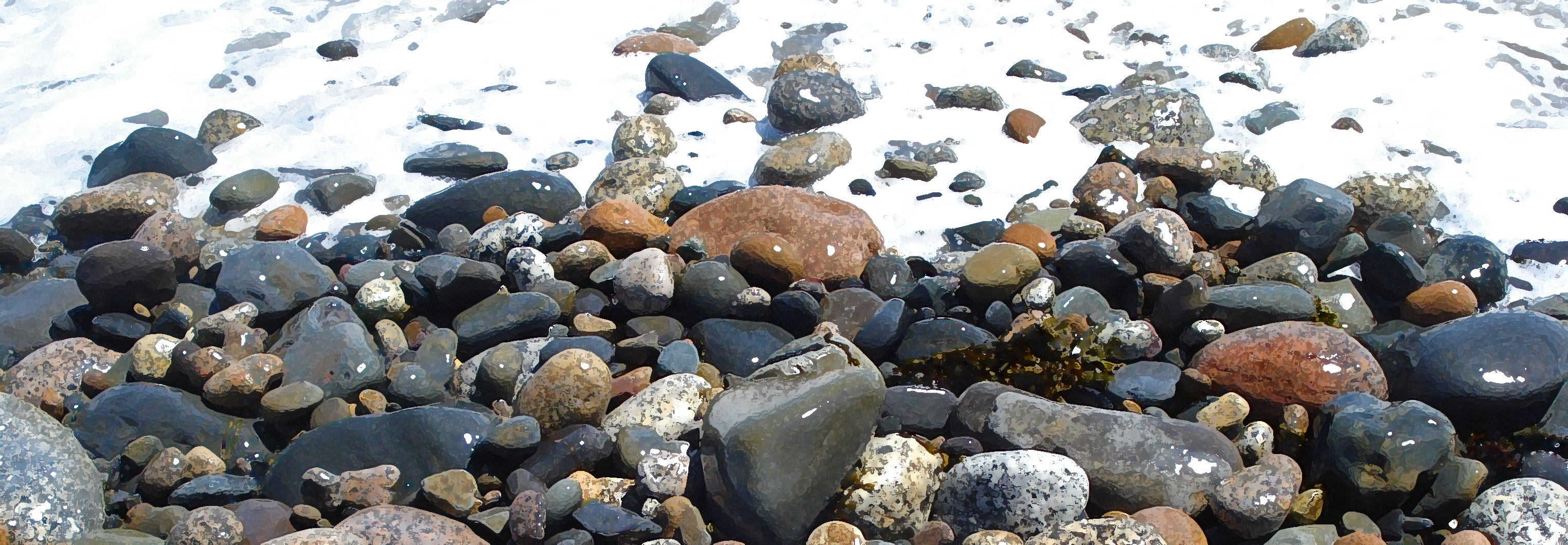
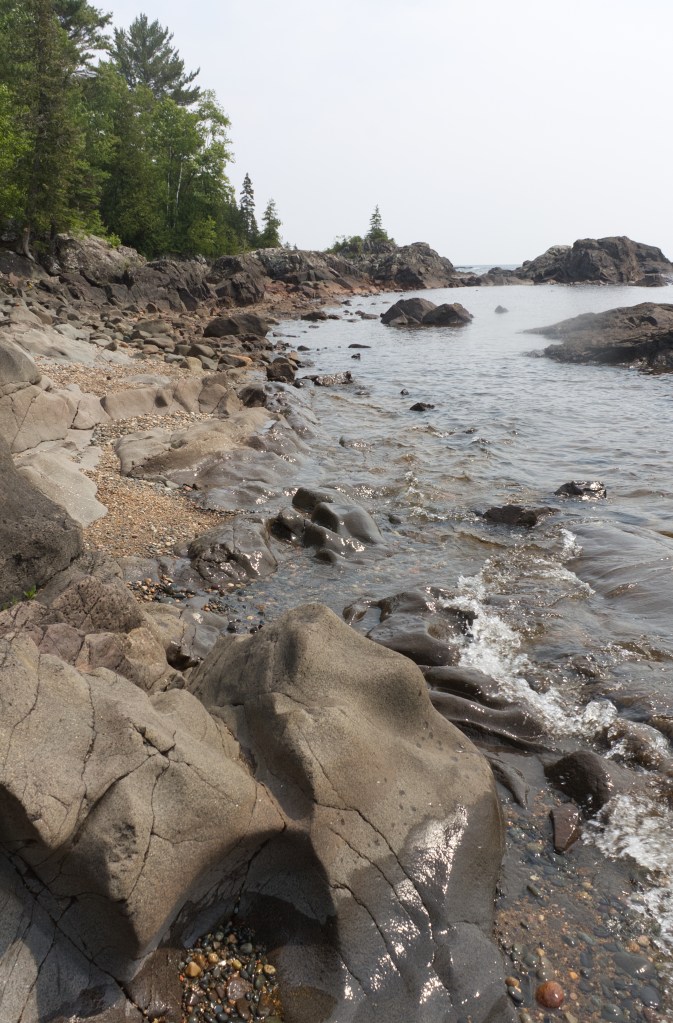
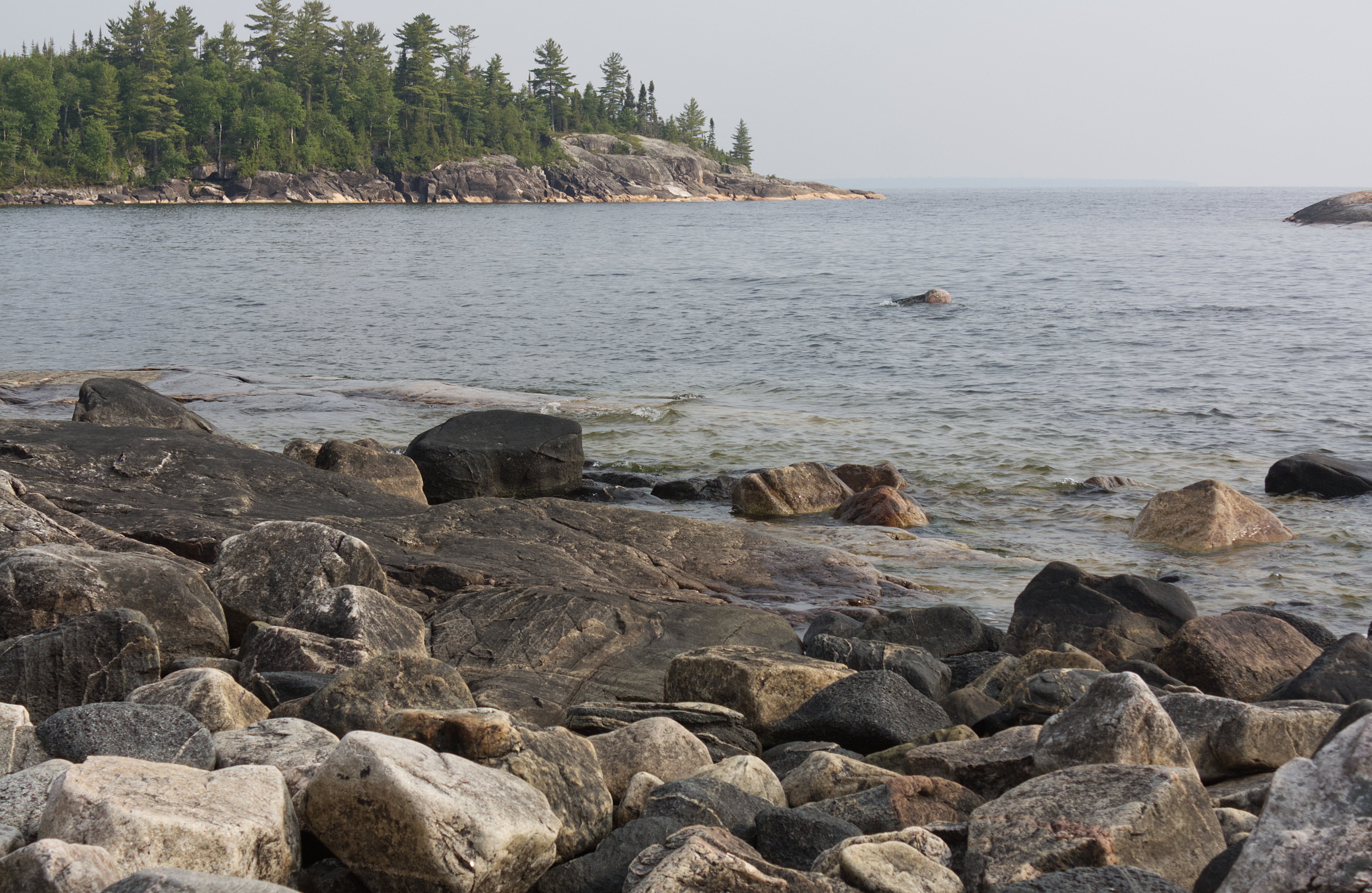
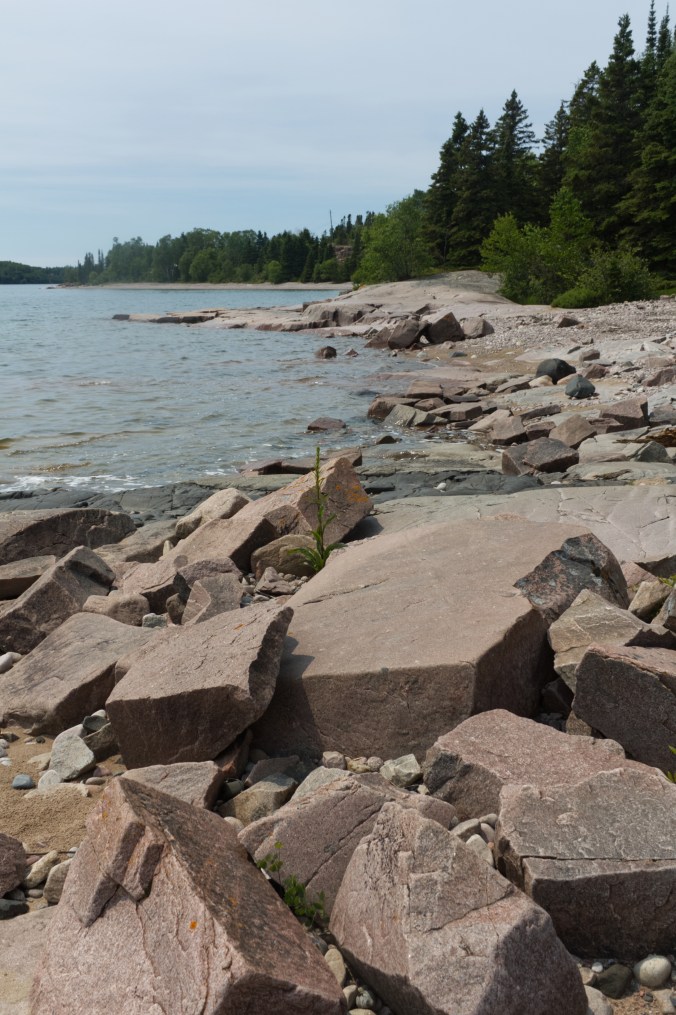
Stone Beach, Lake Superior, ON (photo by Nina Munteanu)

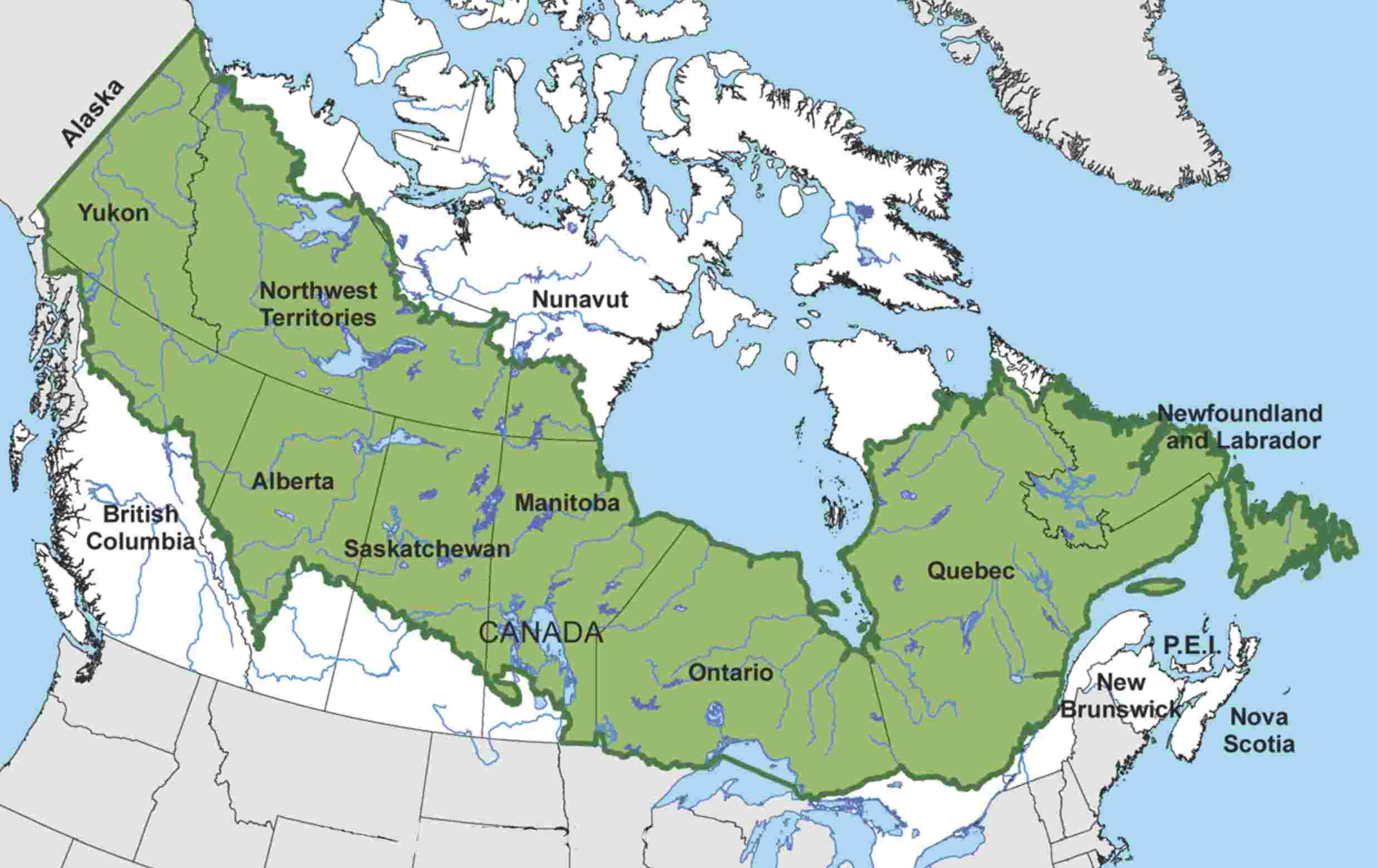
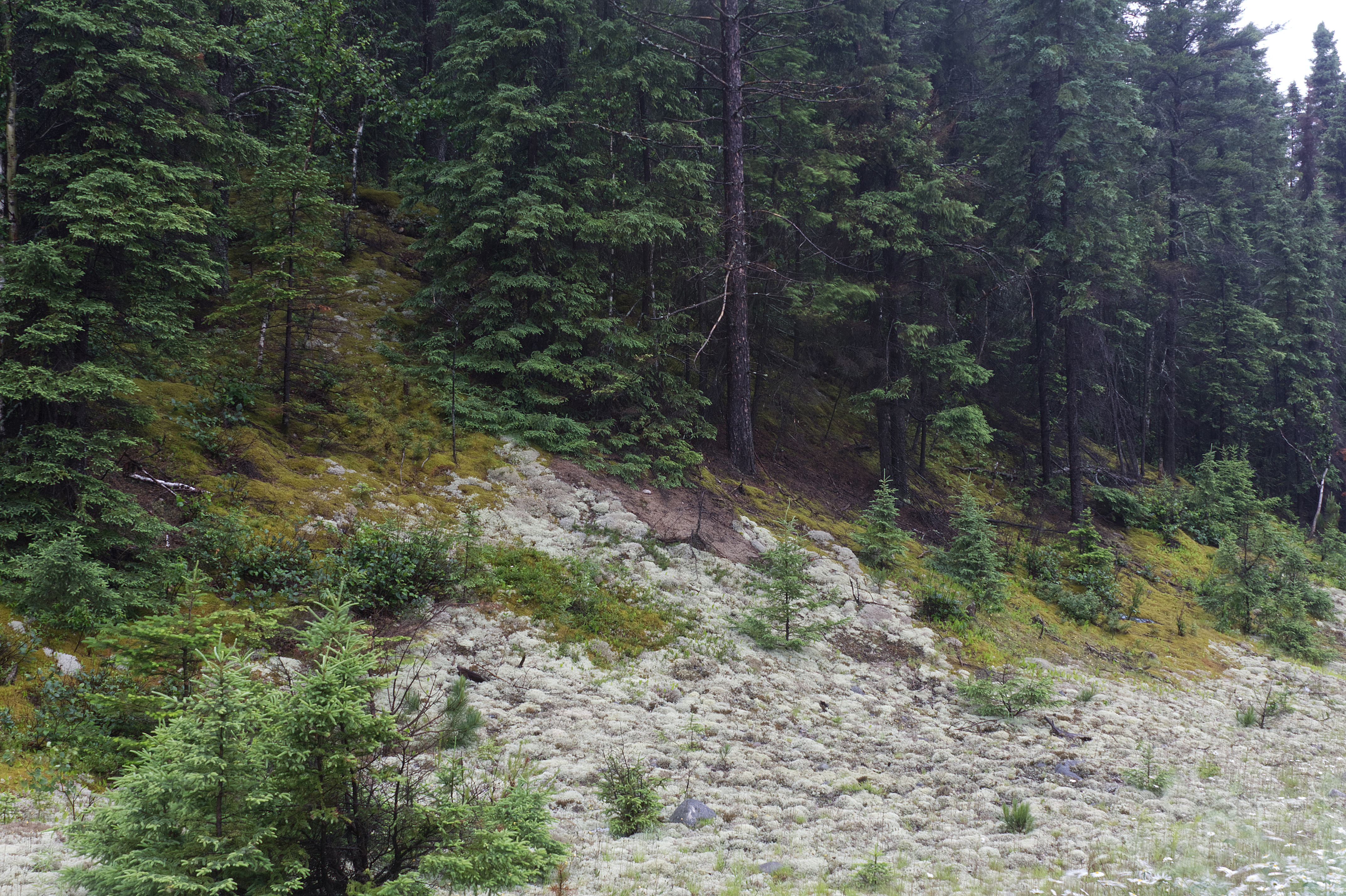
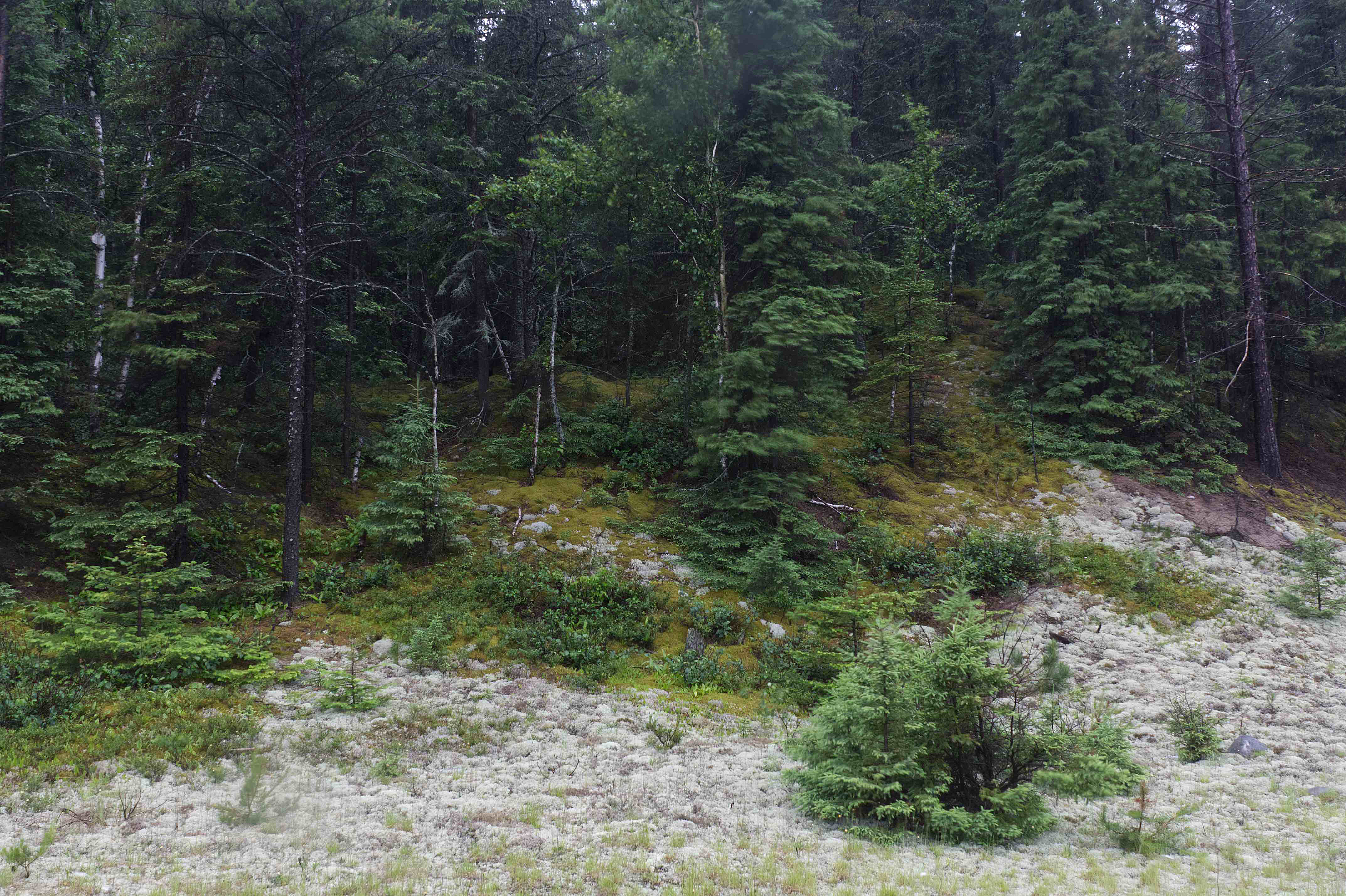
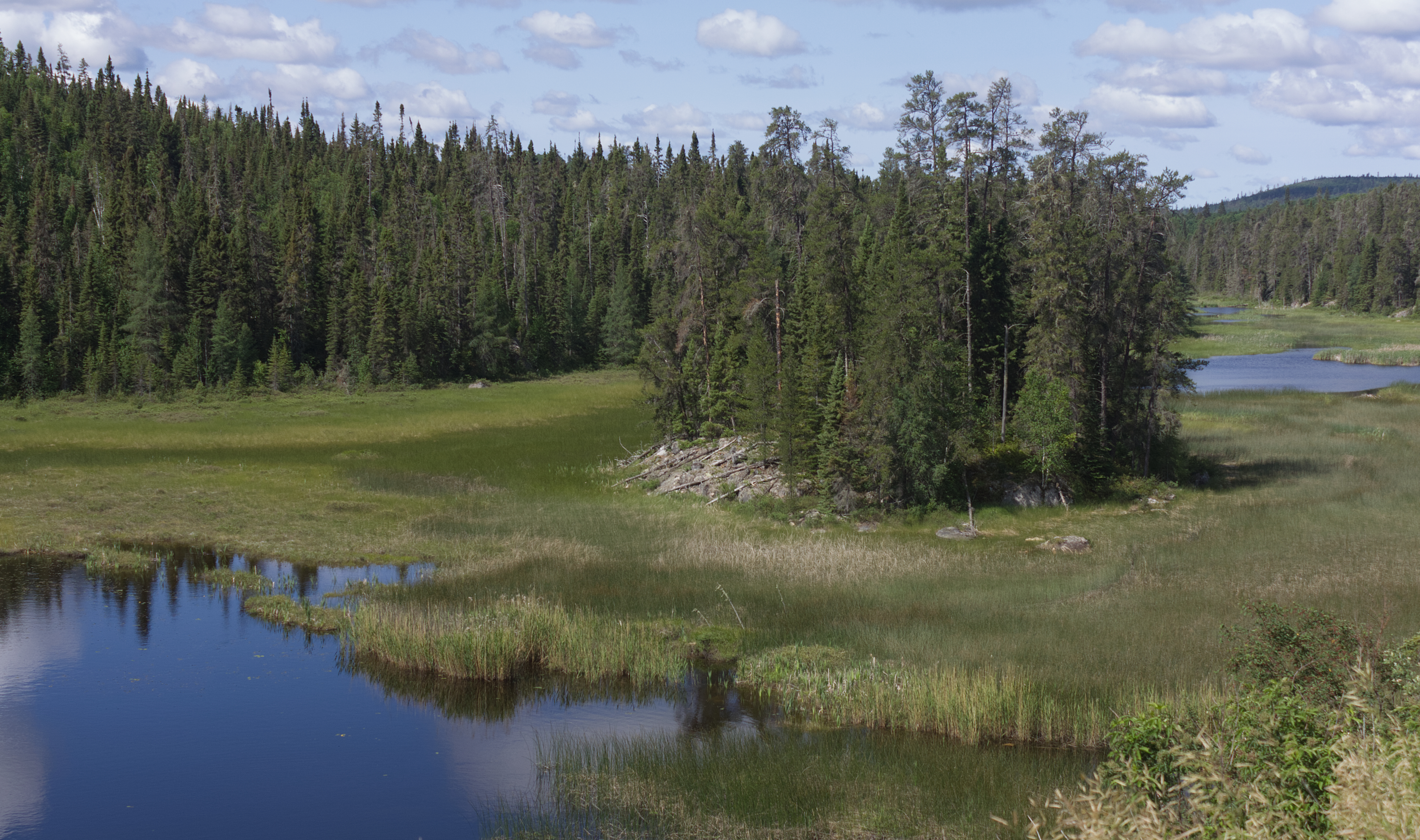
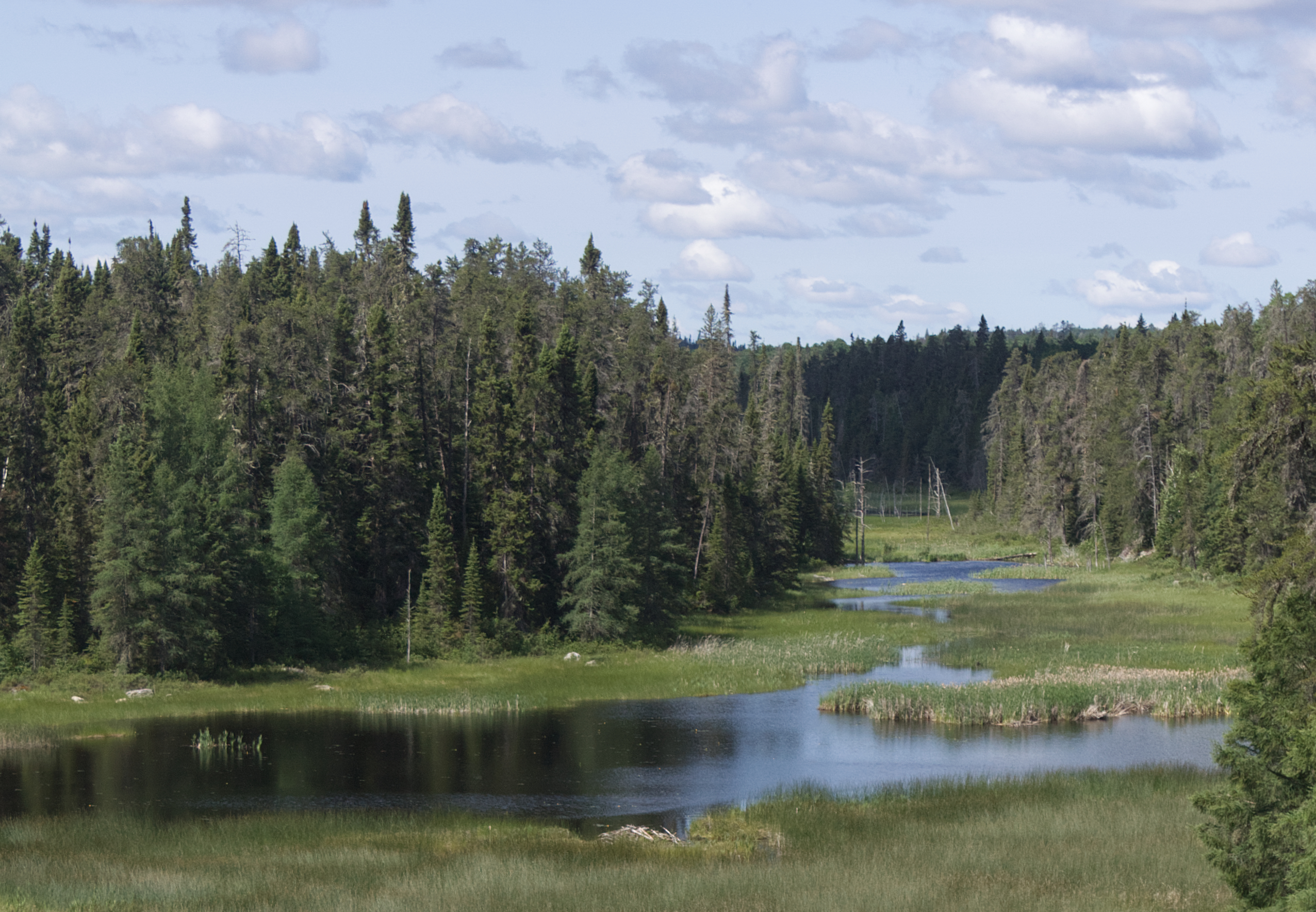
I looked forward to the drive through the boreal forest of the Canadian Shield—spectacular country of mostly black spruce forest, rugged billion-year old rocks and ancient inland seas. Because I’m a limnologist and ecologist, I particularly looked forward to driving along the northern shores of Lake Superior. Distinguished by iconic terraced cobble shores, vast sand beaches, steep gnarly cliffs and brooding headlands, Lake Superior was certain to be a highlight of my trip. I anticipated experiencing this Great Lake with the giddy excitement of a child.

Water-carved sandstone and granite / rhyolite boulders form shore of Stone Beach, ON (photo by Nina Munteanu)

Sandy Katherine Bay, Lake Superior, ON (photo by Nina Munteanu)
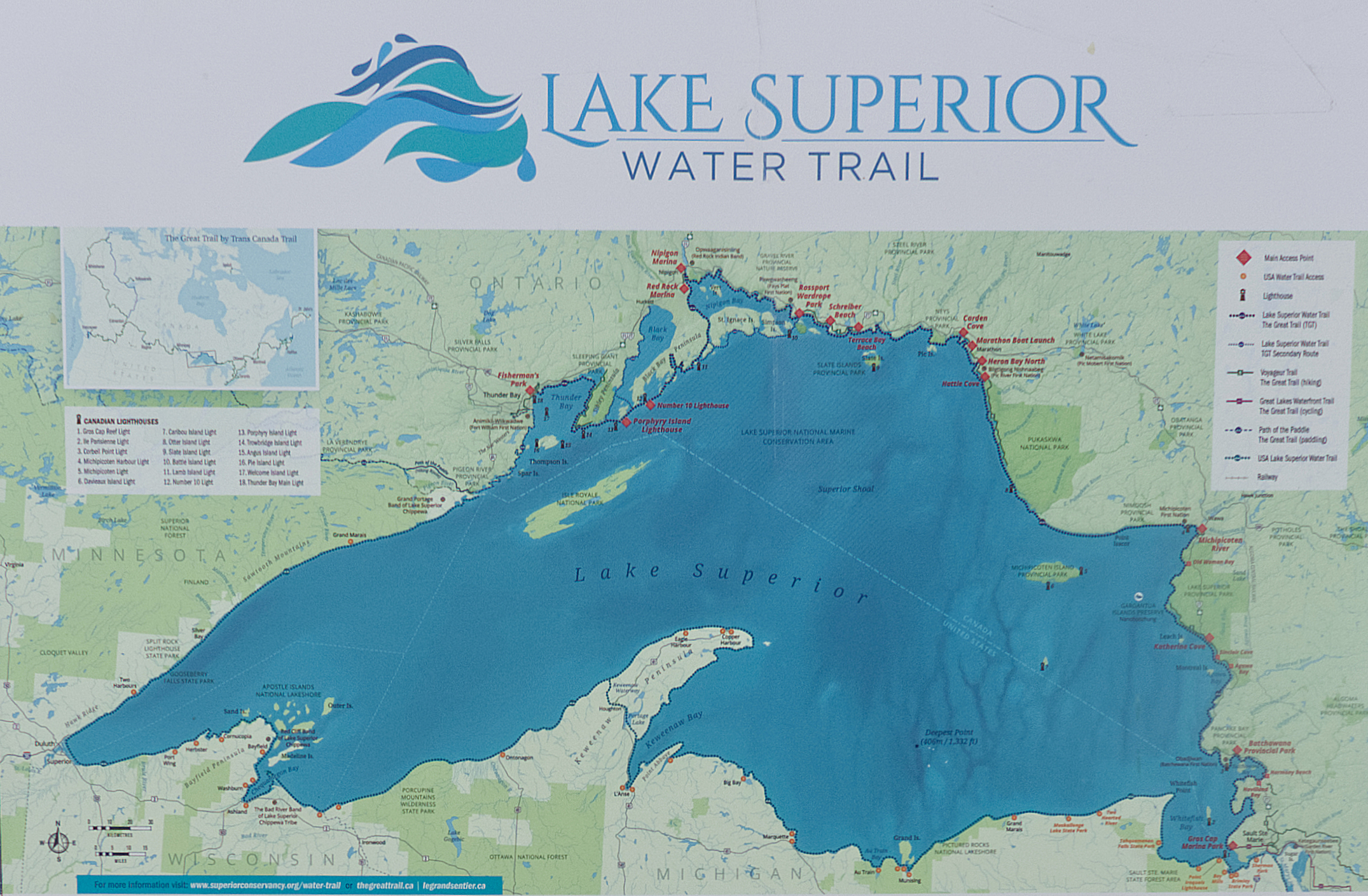
Contour and trail map of Lake Superior

I got my first glimpses of this massive lake at Sault Saint Marie, a charming town on the southeastern shore of Lake Superior and the location of the lake’s outlet, St. Marys River. My first stop for a more immersive experience of the lake was Batchawana Bay, part of Pancake Bay Provincial Park, where I explored the mostly sand coast and shore forest. I’m told that the name Batchawana comes from the Ojibwe word Badjiwanung that means “water that bubbles up”, referring to the bubbling current at Sand Point.

Benny, laden with my plants, parks beside Batchawana Beach of Lake Superior, ON (photo by Nina Munteanu)

Batchewana Bay is not only a main access point to several trails of the Lake Superior Water Trail; it also serves as a popular place for boaters and kayak paddlers to launch their craft for water adventure. The cold water and high wind fetch often make for treacherous boating. The Lake Superior Watershed Conservancy put up a sign at Batchewana Bay warning paddlers about dangerous and wily currents, including rip currents and channel currents and effects of offshore winds, accompanied by sudden surges.

Chippewa Falls, ON (photo by Nina Munteanu)

From Batchawana Bay, I continued north along the lake’s eastern shore, past Chippewa Falls, formed on 2.7 billion year old pink granite bedrock, covered by a later basalt flow; here, the Harmony River tumbles some 6 metres before emptying into Lake Superior.

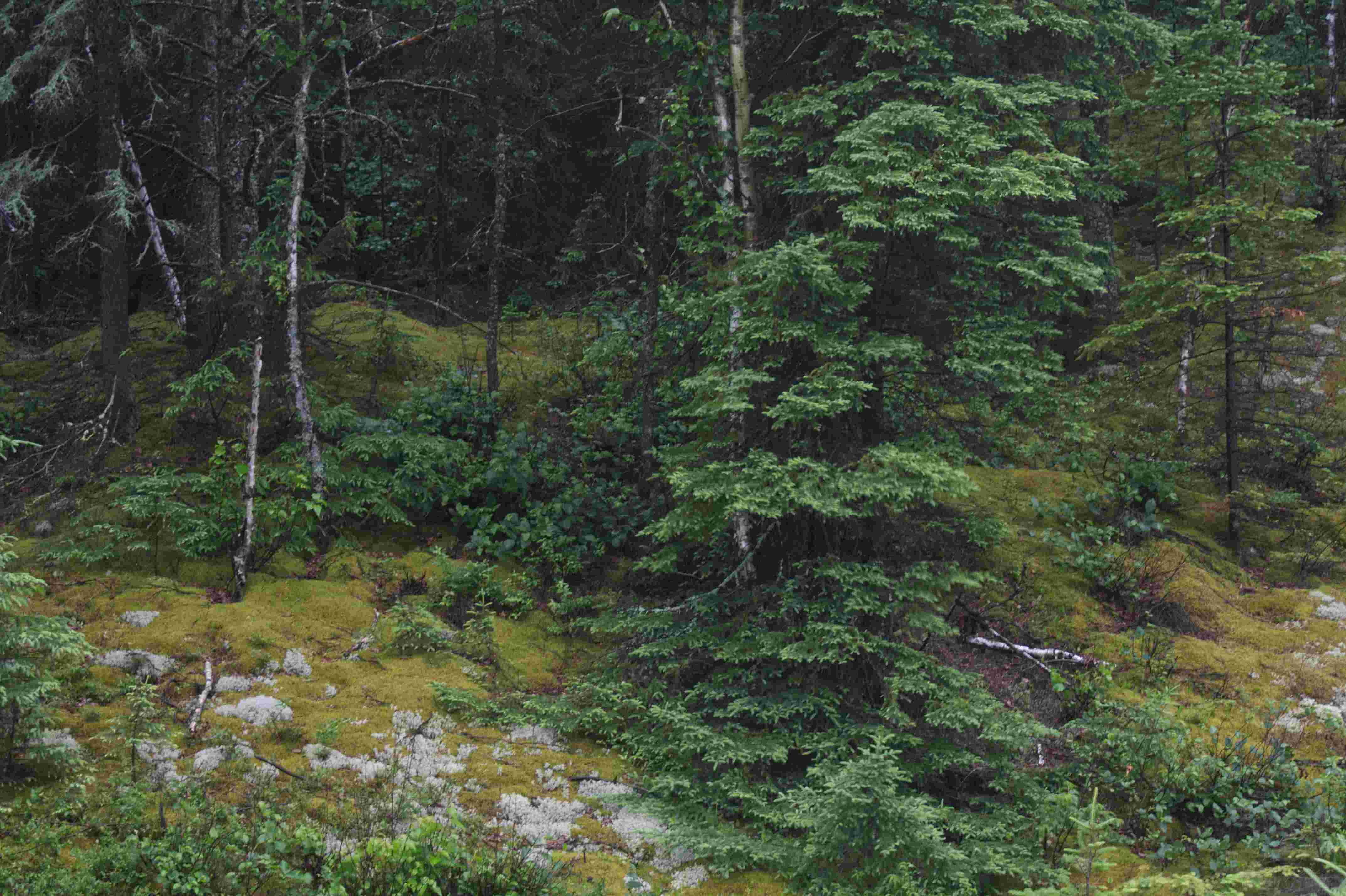
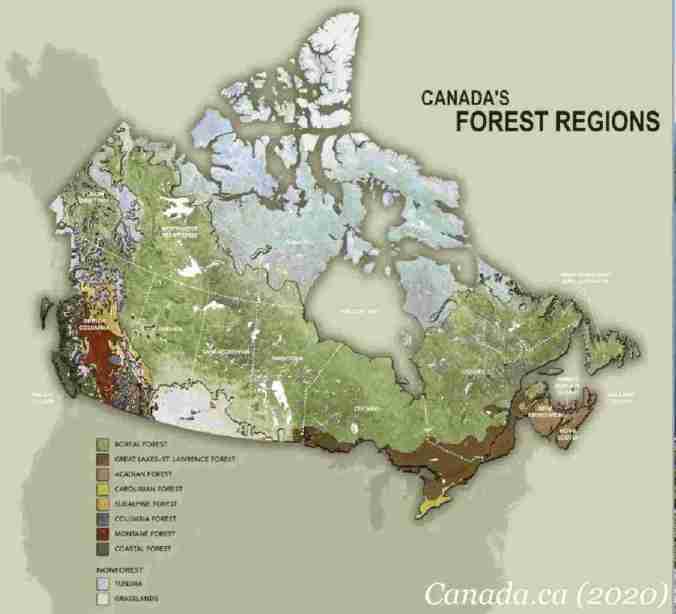
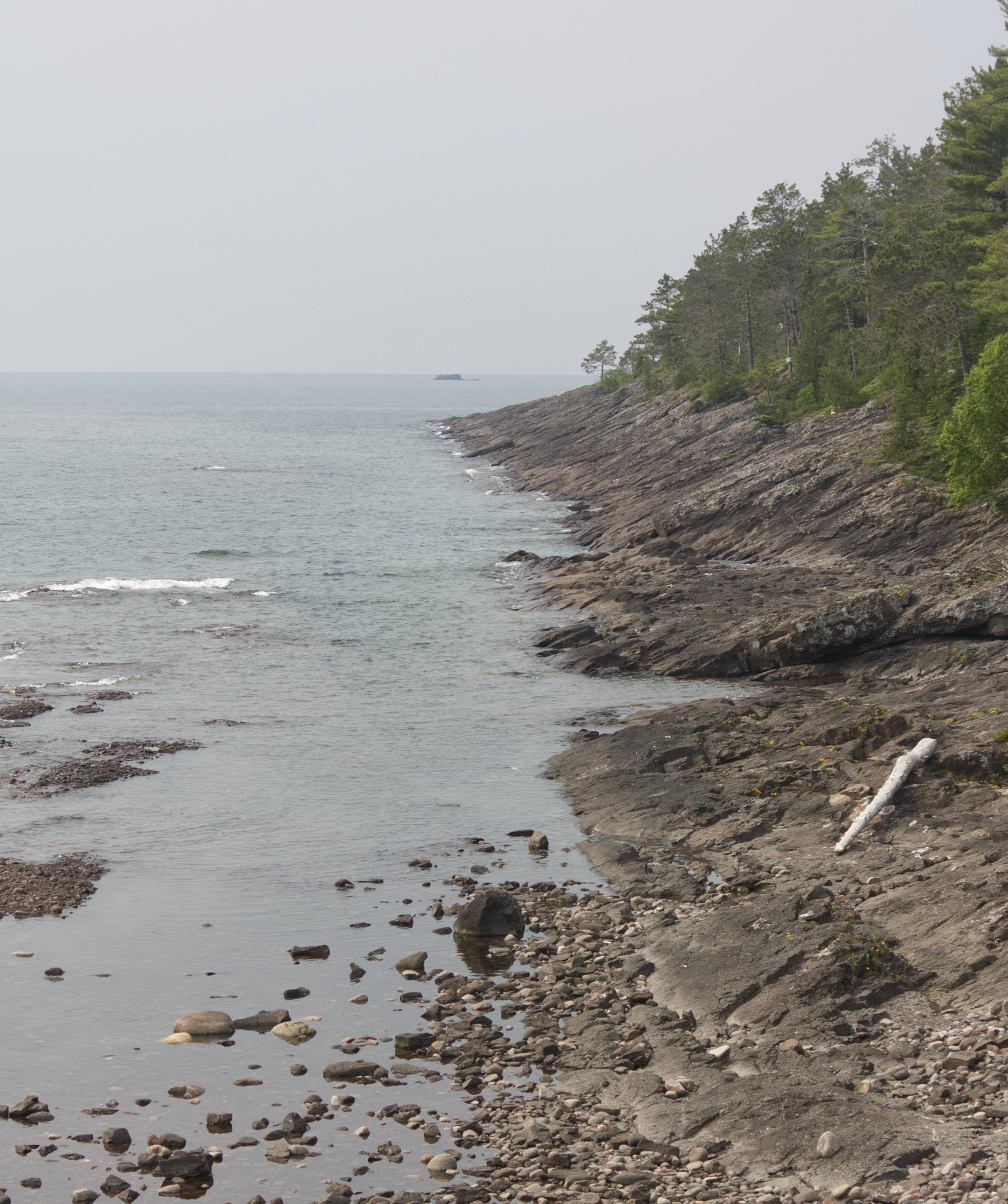
I found access points including Stone Beach, Alona Bay, Agawa Bay, and Katherine Bay, variously dominated by pebbled shores with rocky granite outcrops and finely sculpted sandstone—all overseen by windswept pine, cedar and spruce. This part of the lake lies in the Great Lakes-St. Lawrence Forest area, dominated by mixed forest of fir, spruce, cedar and paper birch.

Sorted cobble shore with scupted rocky bluffs of granite / rhyolite and black spruce, Alona Bay, Lake Superior, ON (photo by Nina Munteanu)
Rugged coastline of Alona Bay showing terraces of water-worn cobbles and granite / rhyolite bluffs, Lake Superior, ON (photo by Nina Munteanu)

Along the cobble shores of Alona Bay, I met a trio of rock hounds, looking for distinct Lake Superior agate, quite fetchy with its rich red, orange and yellow colours. I was told that the colours are caused by the oxidation of iron that leached from rocks. Fascinated by their varied colours and rounded shapes, I fell into a hypnotic meditation, picking up pebbles, rubbing them wet to reveal their bright colours and examining them close up.

Local rock hounds collecting choice pebbles at Alona Bay, Lake Superior (photo by Nina Munteanu)

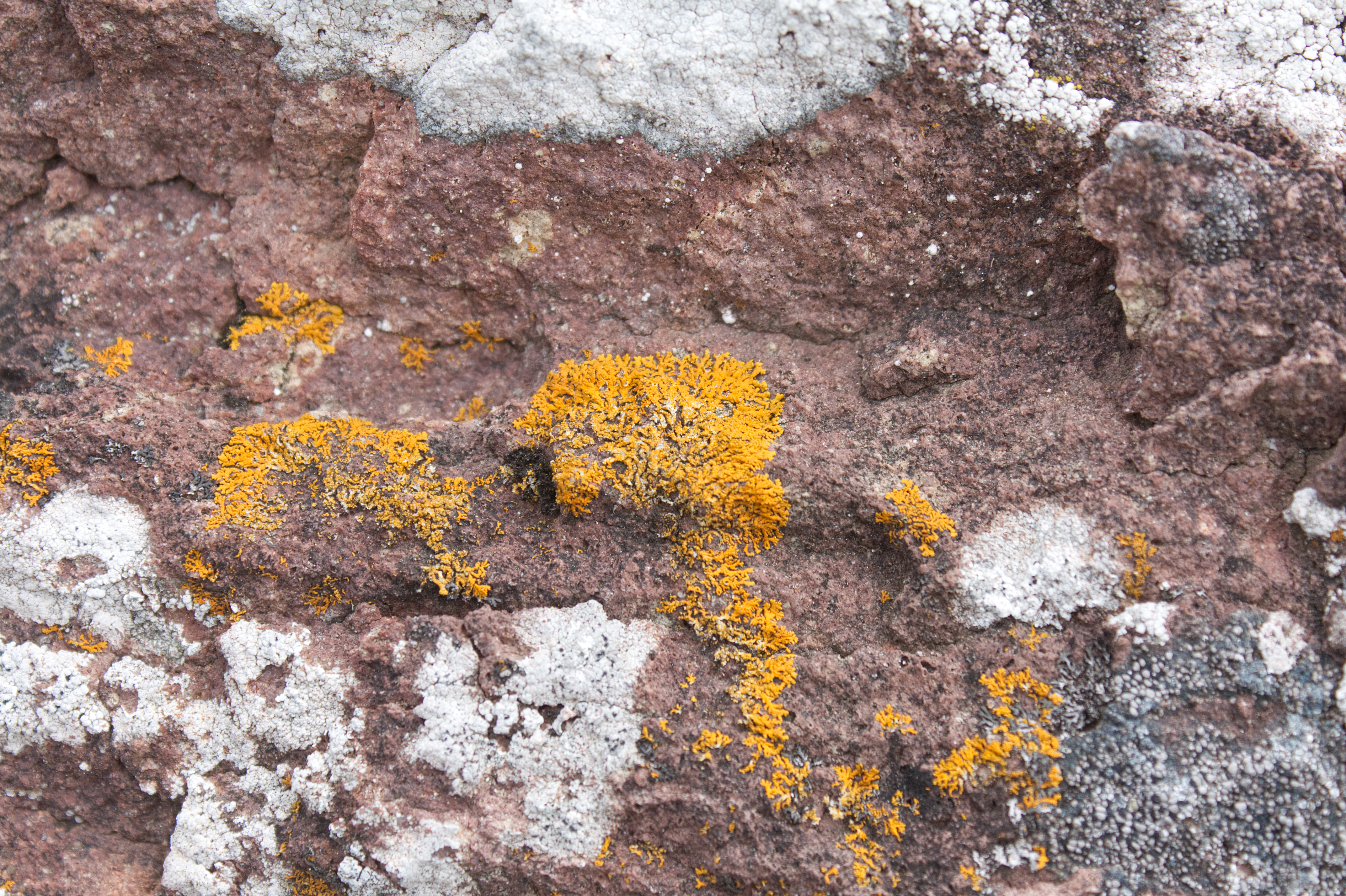
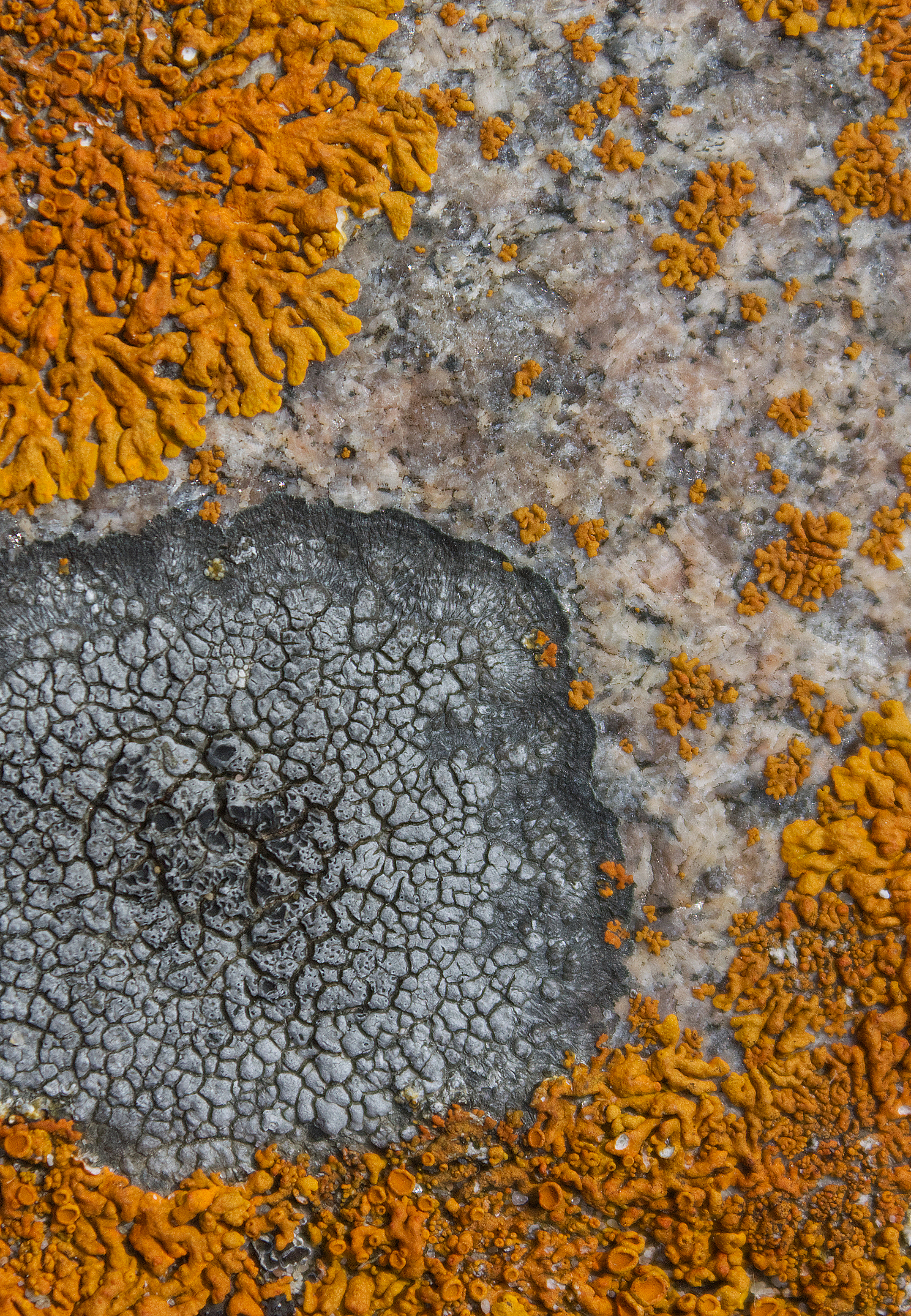
Rusavskia elegans along with Aspicillia cinerea and Lecidea sp. cover granite boulder, Alona Bay, Lake Superior, ON (photo by Nina Munteanu)

On the pink granite in Alona Bay, I found some brilliant lichen, which I confirmed was Elegant Starburst Lichen (Rusavskia elegans formerly Xanthoria elagans)—documented by other lichenologists as common on Lake Superior’s granite shores. I also saw patches of Rock Disk Lichen (Lecidella stigmatea).

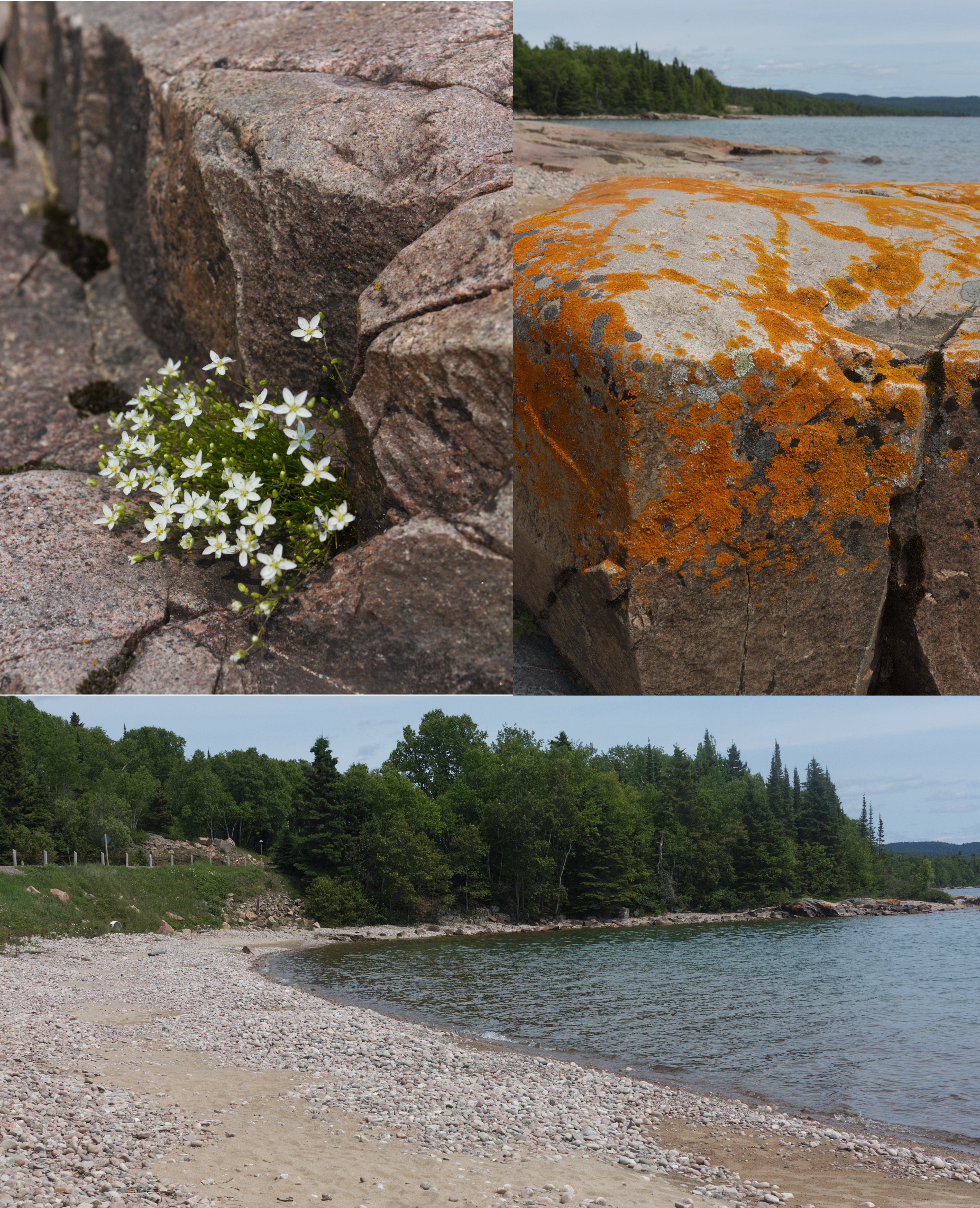
Lake Superior northern shore near Rossport; top left: Encrusted Saxifrage tucked into granite crack; top right: Sunburst Lichen carpets granite boulder; bottom cobbled beach (photos by Nina Munteanu)
Shoreline of terraced cobbles in Alona Bay, Lake Superior, ON (photo by Nina Munteanu)
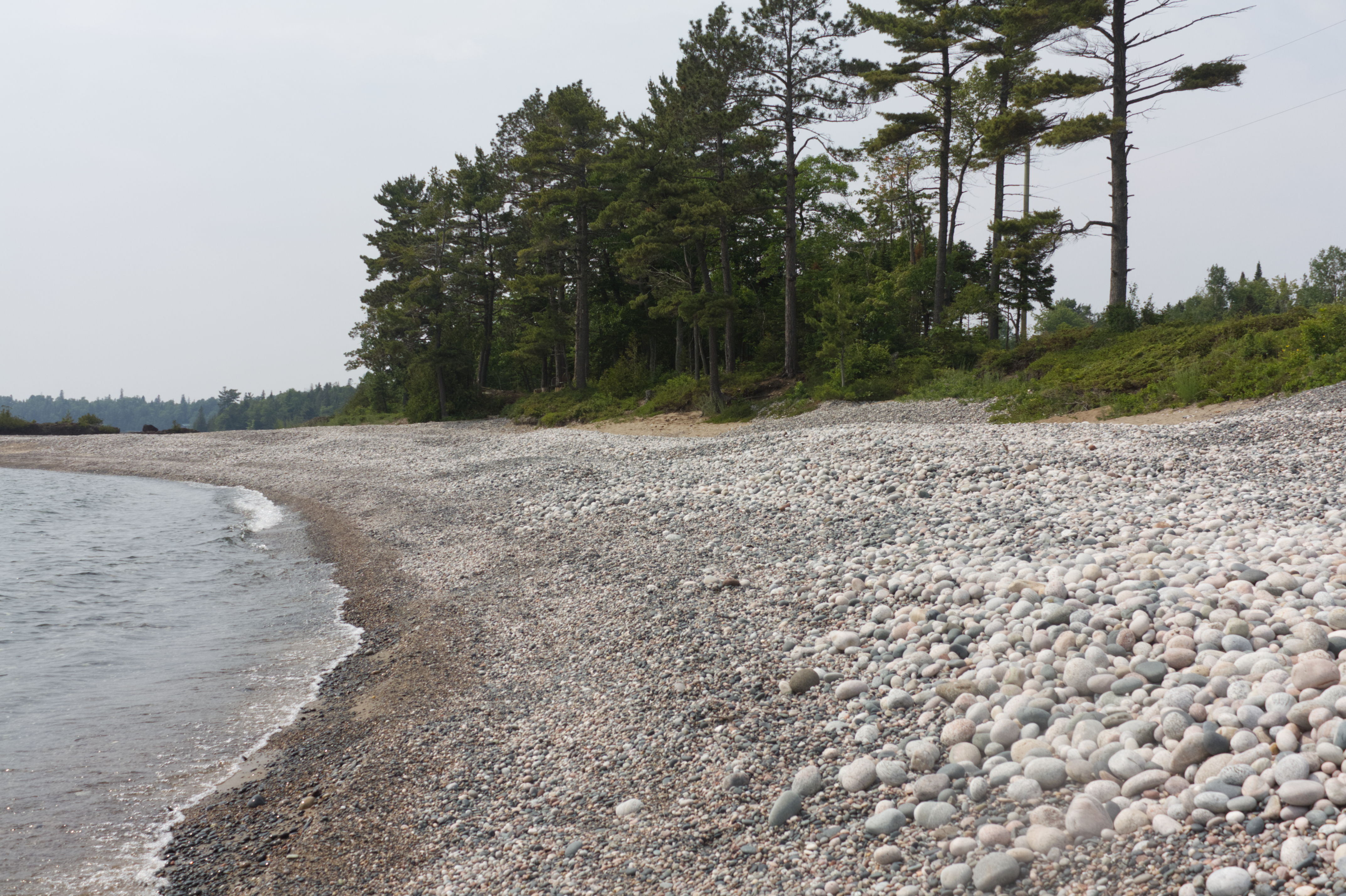
Boulder-strewn shore of Lake Superior at Agawa Bay, ON (photo by Nina Munteanu)

Agawa Bay and surrounding high points provide magnificent views of the Lake Superior shoreline and surrounding country. The high rising hills are easily one of the most rugged and beautiful in Ontario. The area is underlain mostly by over two billion year old granitic rocks of igneous origin that form part of a large batholitic mass formed in the Algoman period of Precambrian time.

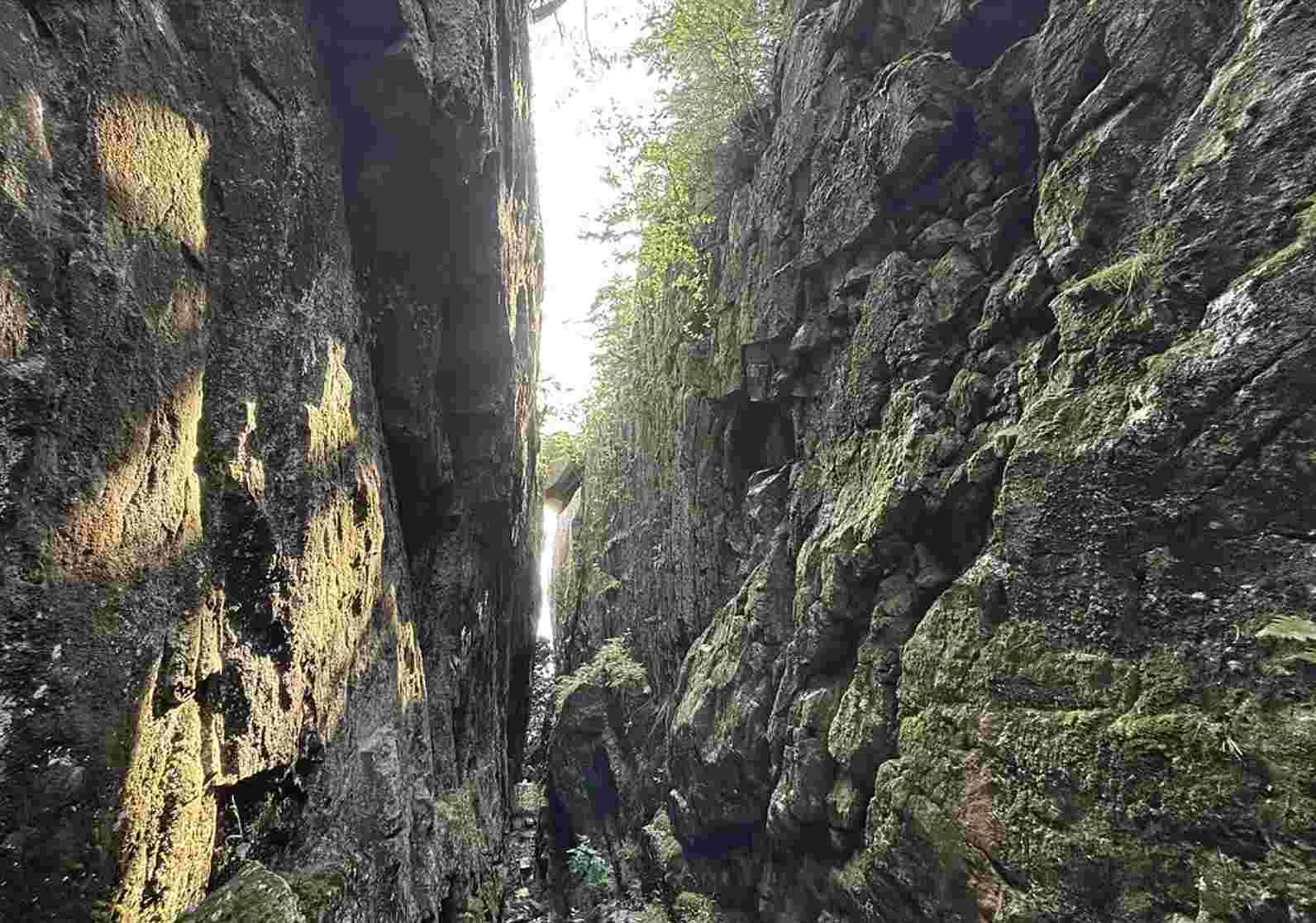
Trail to Agawa Rock, Lake Superior, ON

It’s a short hike (0.8 km) through the woods on a trail that leads to the Agawa Rock Pictographs, an amazing collection of Aboriginal pictographs that sends one’s senses soaring with imagination. Beautiful representations of real and mythical animals fill the granite canvas;, one is Mishipeshu, the Great Lynx. This mythical creature is a water dwelling dragon-like animal that also resembles a lynx with horns and a back tail covered in scales. Mishipeshu is believed to cause rough and dangerous water conditions claiming numerous victims.

Great Lynx pictograph, Agawa Rock, Lake Superior

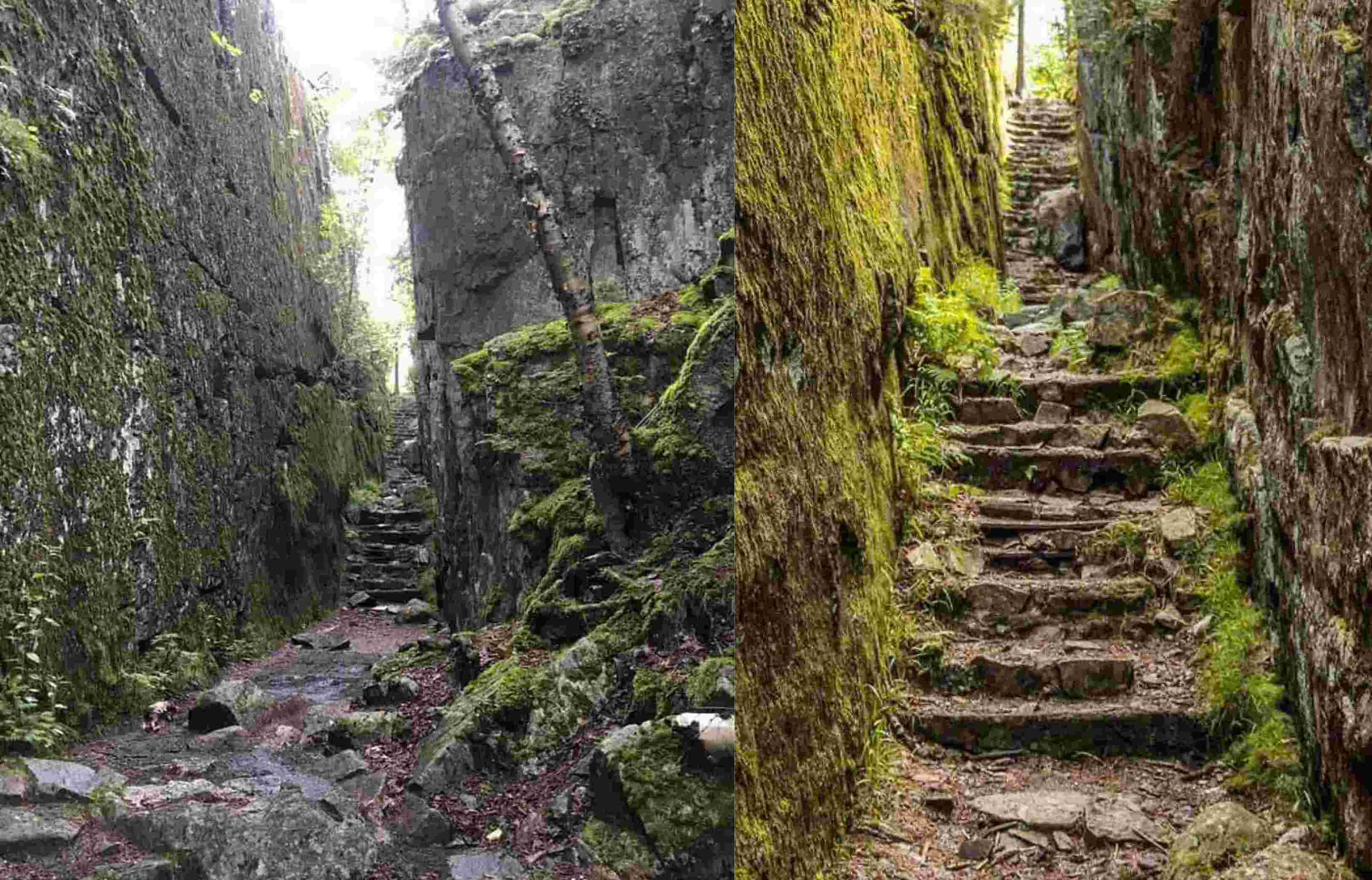
The trail it itself a highlight, takes you up a steep rock-hewn staircase, with steep cliff faces looming overhead, and along rocky pathways. The pictographs are viewed from a rock ledge below the 15-story high cliff that faces Lake Superior.

Two views of the rock-hewn staircase of the Agawa Rock trail, Lake Superior, ON
Rugged shoreline of Agawa Bay with birchleaf spirea in foreground, Lake Superior, ON (photo by Nina Munteanu)

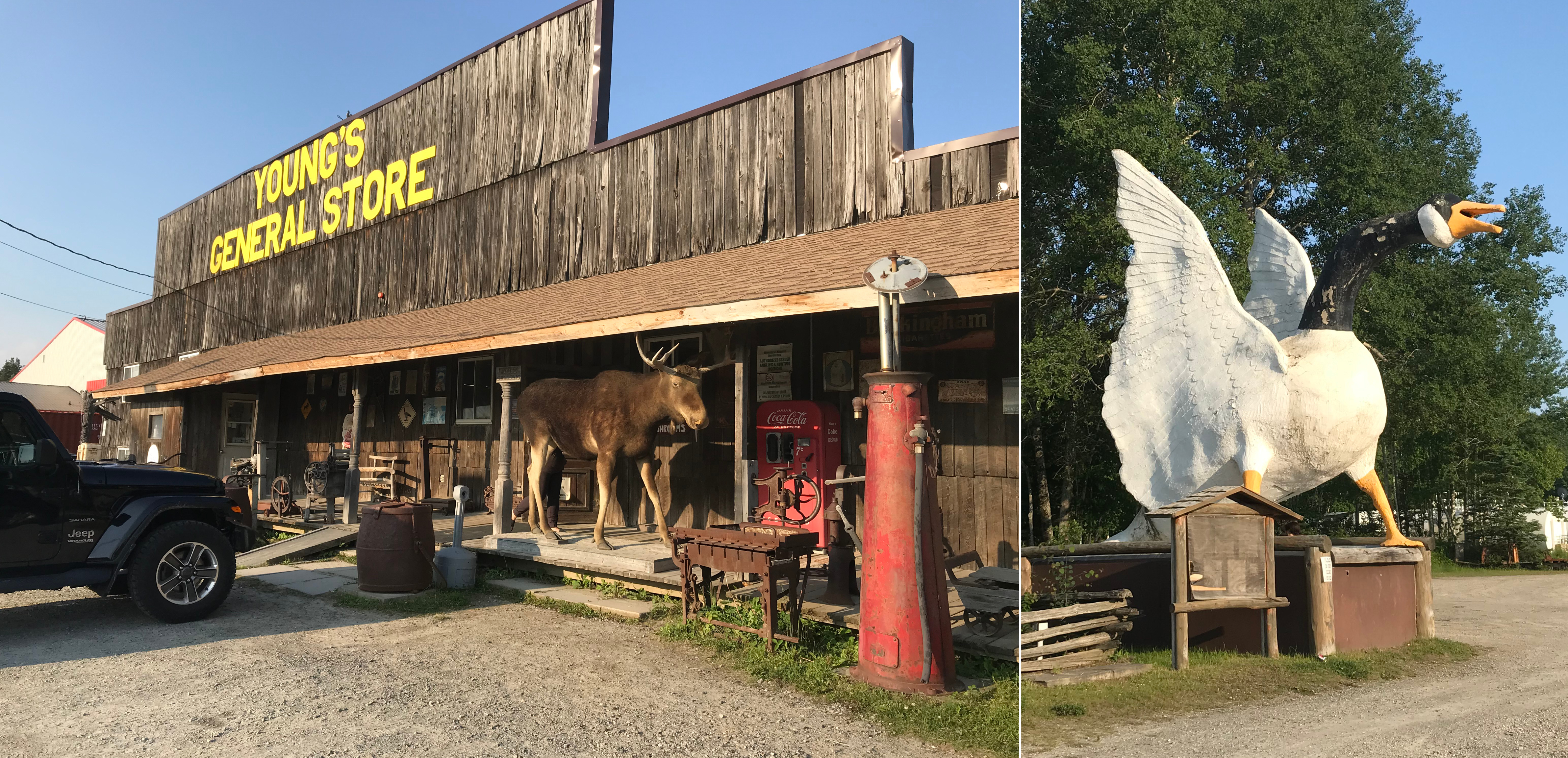
My second night stop was Wawa, on the edge of the boreal forest of the Canadian Shield, known for its giant ugly goose sculptures. The name Wawa comes from the Ojibwe word wewe for “wild goose.” The town, which resembles a modern-day version of an old pioneer town included the colourful Young’s General Store, where you could purchase anything from moccasins and fishing tackle to homemade fudge and ice cream.

Left: Young’s General Store in Wawa; Right: (in)famous goose statue (photos by Nina Munteanu)

From Wawa, I drove west along the most northerly shores of Lake Superior, stopping at access points including Schreiber Beach, Cavers and Rossport. I found this stretch of Lake Superior’s northern coast from Terrace Bay to Nipigon particularly enchanting. Here I found several access points off the road that drew me like Alice into wondrous boreal landscapes, offering windows to an ancient time before humans walked the earth.

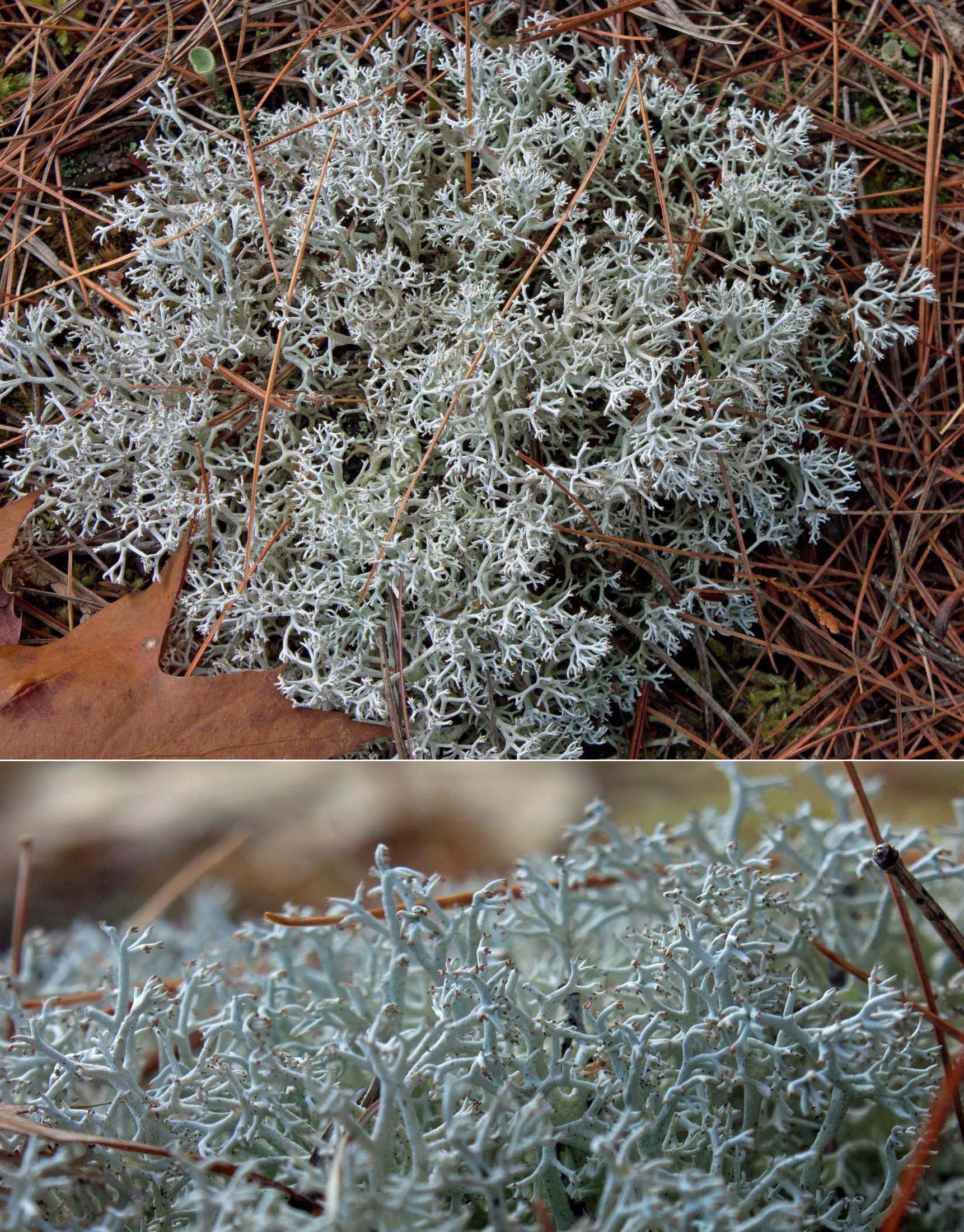
Near Schreiber, I stopped on the road to explore deep pink smooth granite outcrops covered in foliose Cumberland Rock Shield Lichen (Xanthoparmelia cumberlandia) and cushions of fruticose Reindeer Lichen (Cladonia spp.) where shallow soil pockets had grown. 

Granite outcrop with Xanthoparmelia cumberlandia and Cladonia spp. off Trans Canada Highway on shore of Lake Superior, near Schreiber, ON. (photo by Nina Munteanu)

The Lake Superior shoreline at Rossport consists mostly of exposed primordial granite, worn smooth by wave action. The granite here is mostly pink feldspar, quartz, and black mica. According to E.G. Pye, this rock is called porphyritic granite, an igneous rock that crystalized from a natural melt, or magma.

Though it lies in the boreal forest (typified by black spruce), the northern shoreline of Lake Superior in fact also supports species more characteristic of the Great Lakes-St. Lawrence Forest (e.g. white spruce, white cedar, red maple, paper birch). The northern shoreline of Lake Superior is therefore considered a transition zone between these two types of forest ecosystems.

Saxifrage flowers bloom in the cracks and corners of granite / gneiss rock, Lake Superior near Rossport, ON (photo by Nina Munteanu)

Nestled in the rocky cracks and crevices of Lake Superior’s wild rocky shores, I discovered several cold-loving plants that normally grow in high alpine areas of the Arctic. Botanists refer to them as “Arctic-alpine disjunct plants,” separated from their usual arctic-alpine habitat and regarded as possible relicts of the last glaciation. Typically, such plants grow much farther north; but these plants have adapted to the unique cold micro-environment of Lake Superior’s northern shores. Examples include encrusted saxifrage (Saxifraga paniculata), black crowberry (Empetrum nigrum), bilberry (Vaccinium uliginosum), arctic fir clubmoss (Huperzia selago), elegant groundsel (Packera indecora), and the carnivorous English sundew (Drosera anglica).

Rhizocarpon geographicum and Lecidea sp. on granite rocks at Katherine Bay, Lake Superior, ON (photo by Nina Munteanu)
Lecidella stigmata on granite rock, Lake Superior, ON (photo by Nina Munteanu)

I met old friends on the lake’s wild shores, lichens that made their homes on the water-smoothed rock surfaces and gnarly rock cliffs and boulders. Random patches of the crustose Yellow Map Lichen (Rhizocarpon geographicum), rosettes of the foliose Cumberland Rock Shield Lichen (Xanthoparmelia cumberlandia) and Tile Lichen (Lecidea sp.)—all lichens I’d encountered on my studied Catch Rock, a granite outcrop in the Catchacoma old-growth hemlock forest near Gooderham.

Rhizocarpon geographicum and Xanthoparmelia cumberlandia on granite outcrop, near Schrieber off Lake Superior, ON (photo by Nina Munteanu)

Circular patches of bright tangerine-orange Elegant Starburst Lichen (Rusavskia elegans formerly Xanthoria elegans) graced many of the rocky surfaces. I particularly noted them on the exposed granite slabs of Schreiber Beach and Rossport, often accompanied by Peppered Rock-Shield Lichen (Xanthoparmelia conspersa) and grey Cinder Lichen (Aspicillia cinerea).

Rusavskia elegans and Aspicillia cinerea, Lichen colonizing granite near Rossport on Lake Superior, ON (photo by Nina Munteanu)
Rusavskia elegans colonizes granite boulders on shore of Lake Superior near Rossport, ON (photo by Nina Munteanu)

William Purvis writes that R. elegans is a nitrophile (nitrogen lover) and is common at sites that are regularly fertilized by birds. In other words, they like bird poop. Inuit hunters knew that orange lichen meant small mammals like marmots probably lived nearby (the poop connection again). The orange colour comes from the carotenoid pigment, which acts like sunscreen to protect the lichen from UV radiation. This was the lichen that made it into space in 2005, exposed to the extremes of space (e.g. temperature, radiation and vacuum) for 1.5 years. Most of the samples continued to photosynthesize when they returned to Earth. 

Lichen colonizing granite near Rossport on Lake Superior, ON. A. Rusavskia elegans and Xanthoparmelia conspersa; B. Rusavskia elegans and Aspicillia cinerea (photo by Nina Munteanu)

Limnology & Geology of Lake Superior & Watershed

Morphometric map of Lake Superior (image by World Lake Database)

Lake Superior was formed 10,000 years ago when glacial melt-water filled a billion-year-old volcanic basin. The lake is the size of Austria, covering an area of about 82,100 km3 and making it the largest lake in the world by surface area. Lake Superior holds 10% of the Earth’s surface freshwater—enough to fill the other Great Lakes plus three more Lake Eries, making it the third largest lake in the world by volume. The Ojibwe call the lake gichi-gami (great sea), which so aptly describes this inland sea.

Slabs of granite rocks scatter along the shore of Lake Superior near Rossport, ON (photo by Nina Munteanu)

For a comprehensive summary of Lake Superior’s geologic history and rock formations see E.G. Pye’s 1969 guidebook “Geology and Scenery: North Shore of Lake Superior.”

Lake Superior is considered an oligotrophic lake of low productivity, characterized by cold, deep, nutrient-poor nutrients (particularly phosphorus and nitrogen). Its mean depth is 147 meters with a maximum depth of 406 meters. Fed by 200 rivers, Lake Superior holds 12,100 km3 of freshwater—enough to cover the entire North and South American continents with 30 cm of water. The lake’s volume is sufficiently large that it takes almost two centuries for a drop of water to circulate the lake before leaving through St. Marys River—its only natural outflow at Sault Ste. Marie—which flows into Lake Huron. Lake Superior also experiences seasonal circulation; the lake stratifies into two major temperature layers in summer and winter and undergoes mixing (turnover) twice in spring and fall, making it a dimictic lake.

Because of lack of plankton and turbidity from silt (due to cold waters low in nutrients), the lake is super clear with Secchi disk depths of 20-23 meters observed. Samuel Eddy at the University of Minnesota provided a summary of zooplankton and phytoplankton in the lake.

Macrophytes appeared nonexistent on the wave-washed shallows, though some boulders were covered in periphyton (e.g. attached algae, mostly diatoms). I also noticed some filamentous algae on the shore rocks near Rossport, likely Cladophora and Spirogyra, known to occur in the sheltered waters of the lake.

Granite shore near Rossport with green filamentous algae (photo by Nina Munteanu)

Seiches in lakes (image from University of Michigan)

Because of its size, Lake Superior provides long distances for wind to push water from one end to the other; these distances, called fetches, can exceed 500 km on Lake Superior. As a result, the lake experiences ‘tides’ called seiches—essentially oscillations in water level caused by strong winds and changes in atmospheric pressure. This causes a sloshing effect across the lake (of about a metre), much like a cup of coffee as it’s being carried, and exposes shorelines to dramatic fluctuations in shoreline levels with large waves, which can be as high as 6 m during storms.

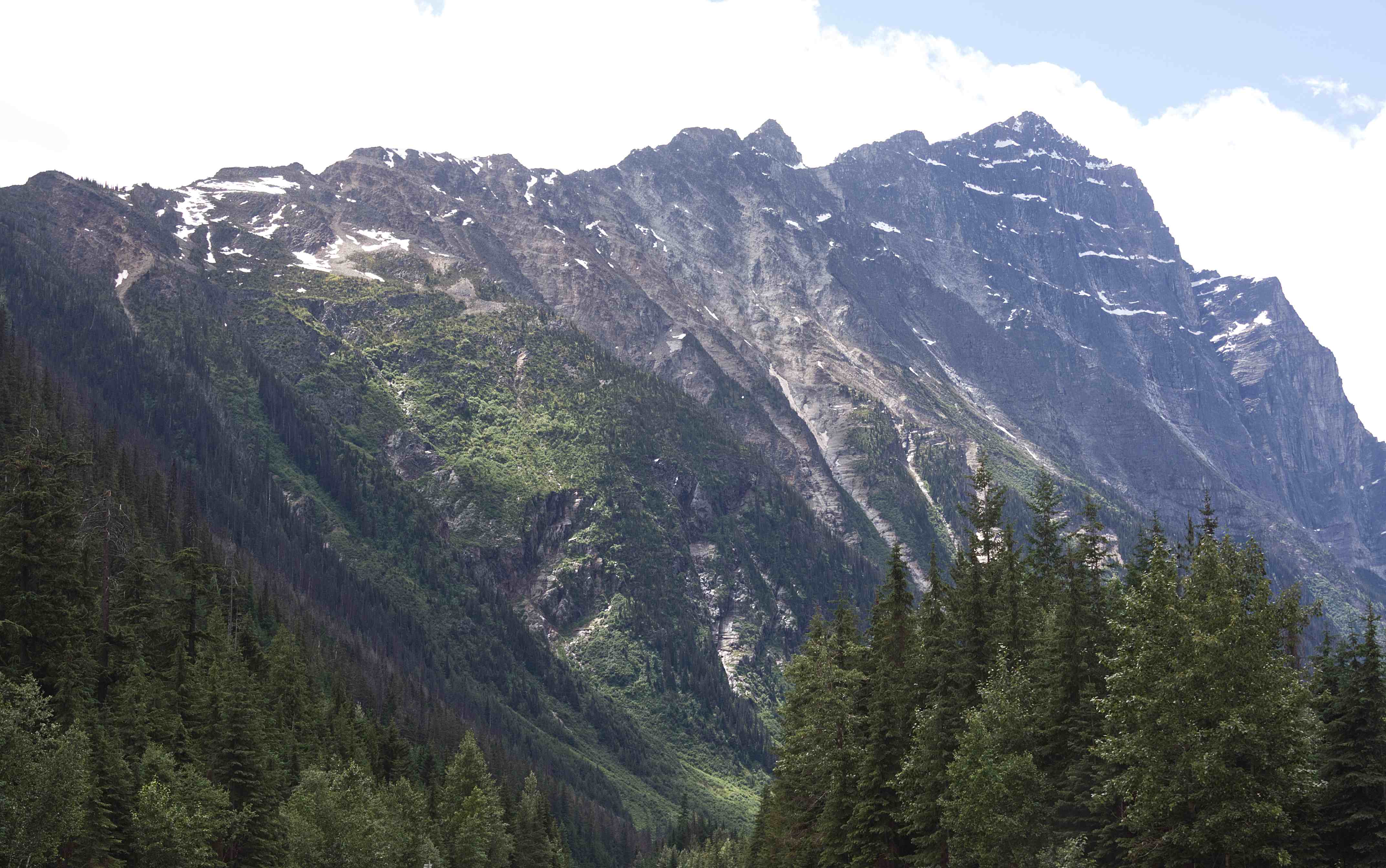
Rocky shore off Agawa Bay, Lake Superior, ON (photo by Nina Munteanu)

The rocks of the lake’s northern shore date back to the early history of the earth, during the Precambrian Era (4.5 billion to 540 million years ago) when magma forcing its way to the surface created the intrusive granites of the Canadian Shield. With a watershed rich in minerals such as copper, iron, silver, gold and nickel, the lake lies in long-extinct Mesoproterozoic rift valley (Midcontinent Rift). Over time eroding mountains deposited layers of sediments that compacted to become limestone, dolomite, taconite and shale. As magma injected between layers of sedimentary rock, forming diabase sills, flat-topped mesa formed (particularly in the Thunder Bay area), where amethyst formed in some cavities of the rift. Lava eruptions also formed black basalt, near Michipichoten Island.

During the Wisconsin glaciation 10,000 years ago, ice as high as 2 km covered the region; the ice sheet advance and retreat left gravel, sand, clay and boulder deposits as glacial meltwater gathered in the Superior basin

Although the lake currently freezes over completely every two decades, scientists speculate that by 2040 Lake Superior may remain ice-free due to climate change. Warmer temperatures may also lead to more snow along the shores of the lake.

Rock-strewn Katherine Bay, Lake Superior, ON (photo by Nina Munteanu)

Lake Superior & Watershed Characteristics
ParameterValue
Age10,000 years
Trophic StatusOligotrophic
Visibility (Secchi Depth)8-30 m
Thermal Stratificationdimictic
Length563 km
Breadth257 km
Mean Depth147 m
Maximum Depth406 m
Volume12,100 km3
Lake Surface Area82,100 km2
Watershed Area127,700 km2
Shoreline Length4,385 km
Water Residence / Flushing Rate191 years
Fetch500 km
OutletSt Marys River
Viking cruise ship from Minnesota off sandy shore of Terrace Bay, Lake Superior, ON (photo by Nina Munteanu)

References:

Brandt et. al. 2015. “Viability of the lichen Xanthoria elegans and its symbionts after 18 months of space exposure and simulated Mars conditions on the ISS.” International Journal of Astrobiology.

Purvis, William. 2000. “Lichens.” Smithsonian Institution Press, Washington, D.C. 112pp.

Stone Beach, Lake Superior, ON (photo by Nina Munteanu)

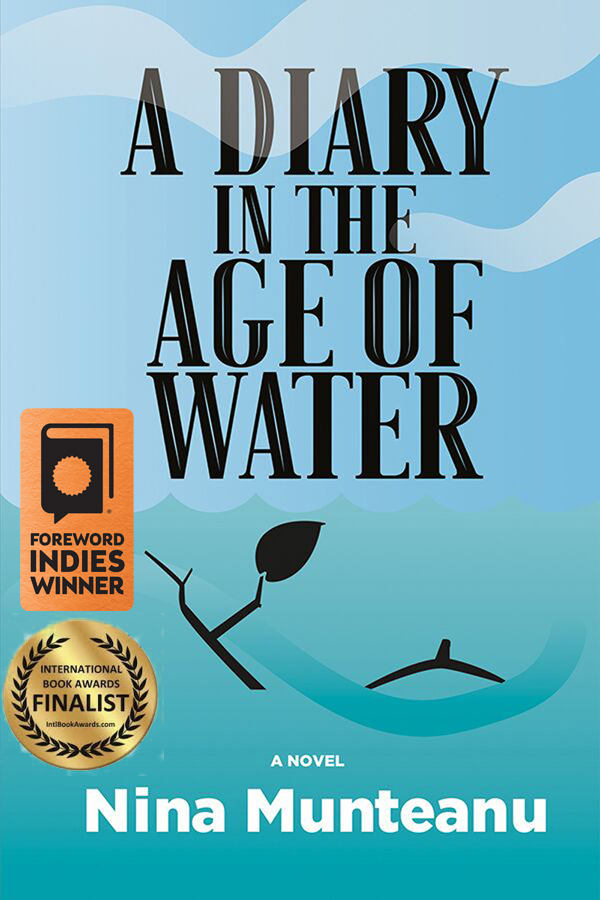
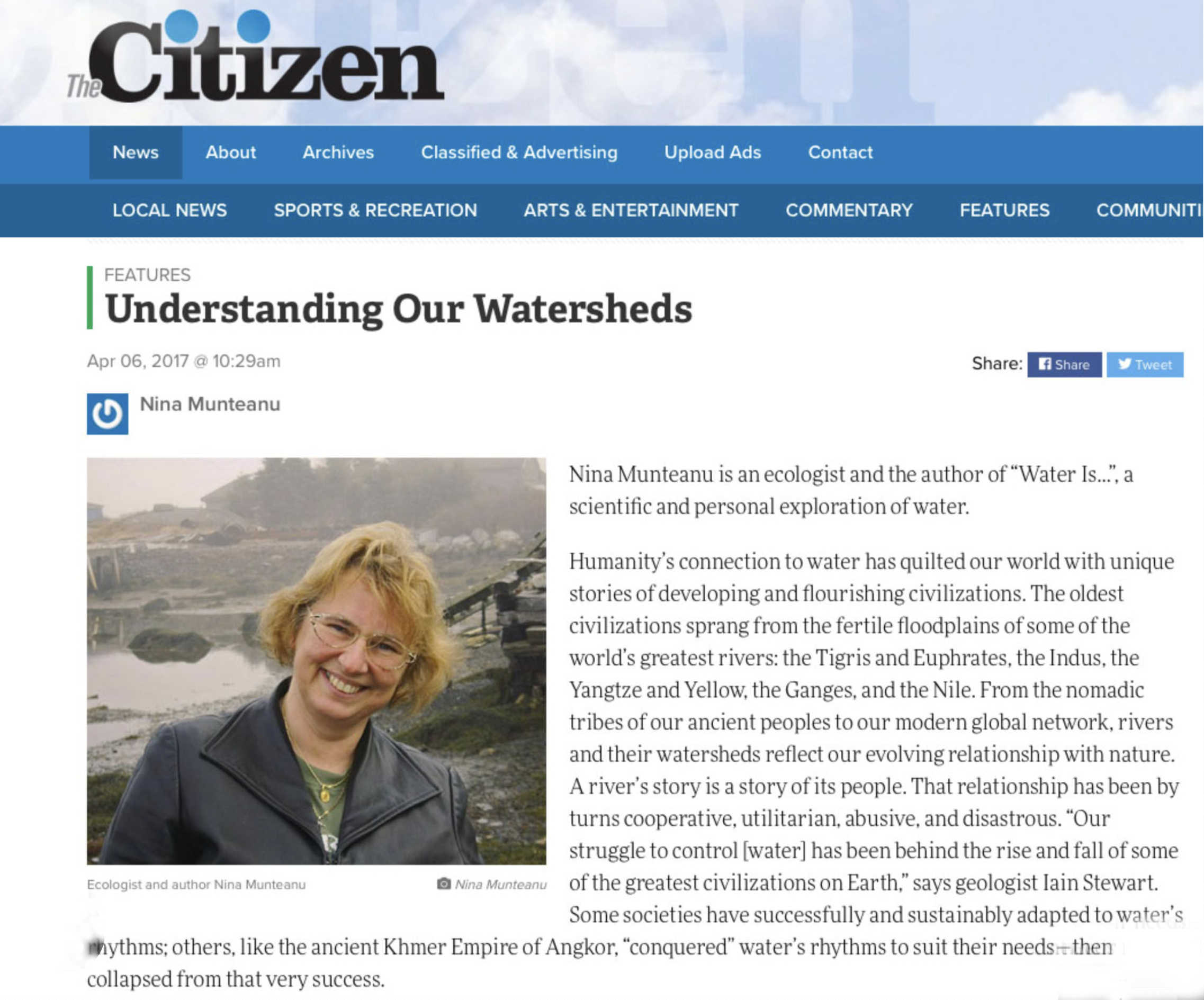
Nina Munteanu is a Canadian ecologist / limnologist and novelist. She is co-editor of Europa SF and currently teaches writing courses at George Brown College and the University of Toronto. Visit www.ninamunteanu.ca for the latest on her books. Nina’s bilingual “La natura dell’acqua / The Way of Water” was published by Mincione Edizioni in Rome. Her non-fiction book “Water Is…” by Pixl Press (Vancouver) was selected by Margaret Atwood in the New York Times ‘Year in Reading’ and was chosen as the 2017 Summer Read by Water Canada. Her novel “A Diary in the Age of Water” was released by Inanna Publications (Toronto) in June 2020.

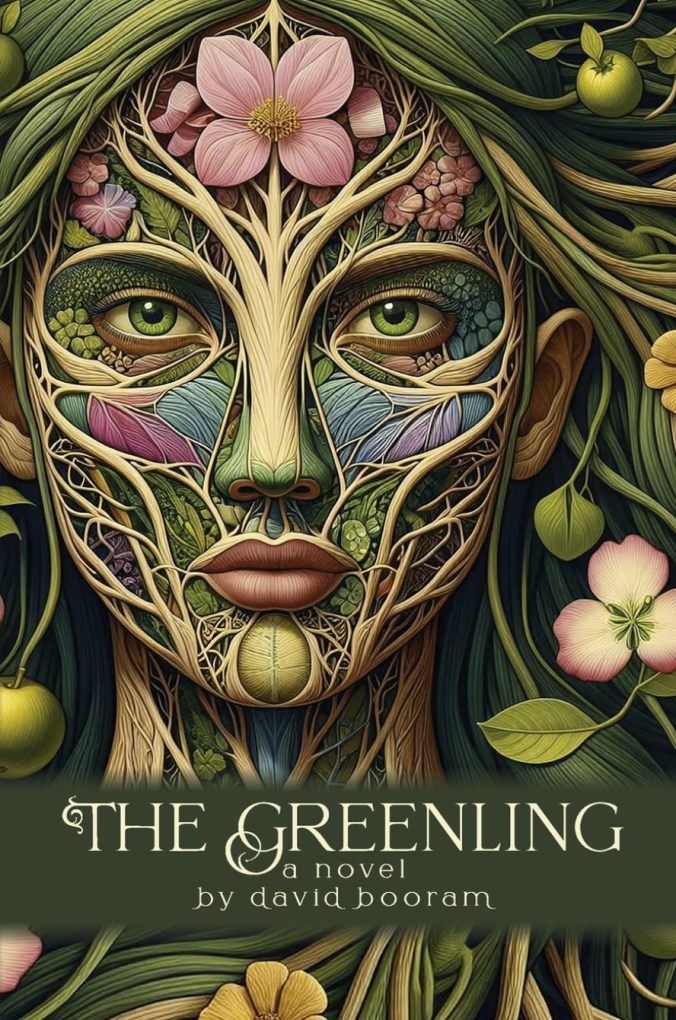
Book Review: “The Greenling”—When Nature Uses Biosemiosis To Change the World

The Greenling by David Booram is an exploration of an intriguing ‘Nature evolving’ premise, told through a coming-of-age narrative.

Responding to continued human tampering, a growing sentient Nature calls a young environmental activist to action in a planetary reset. The main character is Noah, ostracized by her peers due to her unique perspective on the world and her activism for Nature. This makes her a candidate for Nature’s planetary reset.

While I felt that the story used over-simplified fantasm and eco-terrorism in a way not to my liking, I found most intriguing Booram’s use of biosemiosis, the notion that all life finds meaning.

Coincidently, I had agreed to read Booram’s eco-fiction novel (without knowing much about it) after a social media conversation we’d had during a time when I was working on my most recent novel, tentatively called (Re)Genesis. My novel relied heavily on the concept of biosemiosis. Its premise of dark karma—when Nature learns to reflect back what we send out—made use of real examples of learning, pattern recognition, anticipation and adaptation in non-human life. (Another coincidence at this same time occurred when another author approached me to read their work on coincidence, which I am currently reading).  

In the 1930s, Jakob von Uexküll coined the term Umwelt (species-specific reality or subjective environment) to define a life process that involved semiotic interactions. He argued that an organism’s behaviour results from activity that attributes meaning to the world around it, rather than merely mechanically reacting to stimuli. Building on this notion, Friedrich S. Rothschild coined the term “biosemiosis” in 1962 to postulate that life has its subjective interpretation of the world around it (its Umwelt), a segment of the world that has significance and meaning based on that life’s biology and needs. Developing biosemiosis further, Thomas Sebeok later contended that all organisms are enveloped in a cloud of messages about themselves and their situation, which they constantly transmit, receive, and interpret. Life itself is a process of signification and meaning-making, from bacteria and plants to mammals and birds. Biosemiosis involves pattern recognition, anticipation, flexibility, goal-directed movement, memory, and learning.

Perhaps most intriguing is how The Greenling touches on humanity’s growing zeitgeist of not just planetary awareness but of sensibility, a sense that we are interlinked with all other life and nonlife, that we are all more than the sum of our parts. And only then—when we make meaning of our Umwelt—can we transcend from our toxic insecurities and bullying ways.

The Greenling is worth reading for how it weaves climate facts into compelling personal story. I also find refreshing that Booram gives full agency to the environment, Nature, and its nonhuman representatives.

I have been writing, reading, and studying eco-fiction for several decades and what I found noteworthy is how agency of the environment, as character, has changed over the years and how Nature’s portrayal has evolved from ‘other’ with little agency to ‘not other’ with much agency. For more on this concept and change, I urge you to read my two essays on this evolution:

The Use of Character-Coupling in Eco-Literature to Give Voice to the Other, Part 1: Introduction

The Use of Character-Coupling in Eco-Literature to Give Voice to the Other, Part 2: Types of Character-Coupling in Seven Examples of Eco-Literature

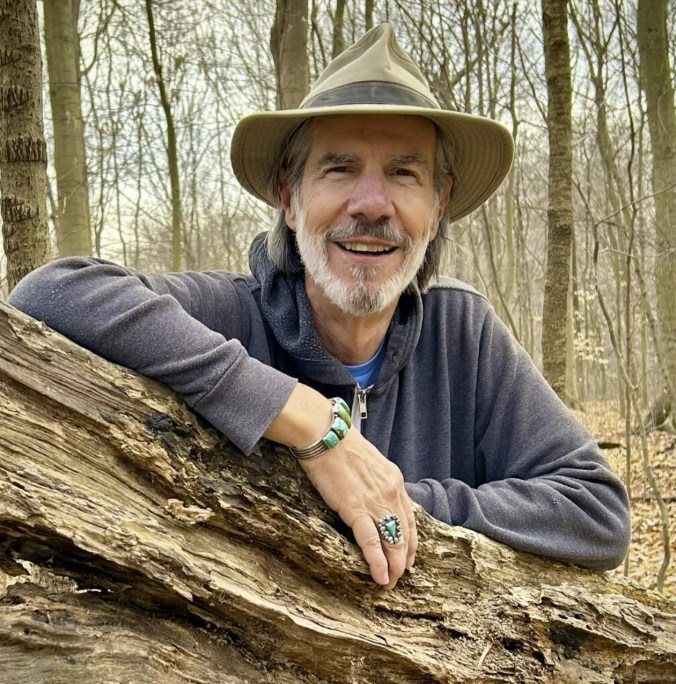
David Booram is the cofounder and director of Fall Creek Abbey, an urban retreat center in Indianapolis, where he and his wife Beth lead The School of Spiritual Direction and offer individual and group spiritual direction. He is the founder of Direction 4 Life Work, through which he is a career counselor.

Nina Munteanu is a Canadian ecologist / limnologist and novelist. She is co-editor of Europa SF and currently teaches writing courses at George Brown College and the University of Toronto. Visit  www.ninamunteanu.ca for the latest on her books. Nina’s bilingual “La natura dell’acqua / The Way of Water” was published by Mincione Edizioni in Rome. Her non-fiction book “Water Is…” by Pixl Press (Vancouver) was selected by Margaret Atwood in the New York Times ‘Year in Reading’ and was chosen as the 2017 Summer Read by Water Canada. Her novel “A Diary in the Age of Water” was released by Inanna Publications (Toronto) in June 2020.

.

An Autumn Walk in an Ontario Forest

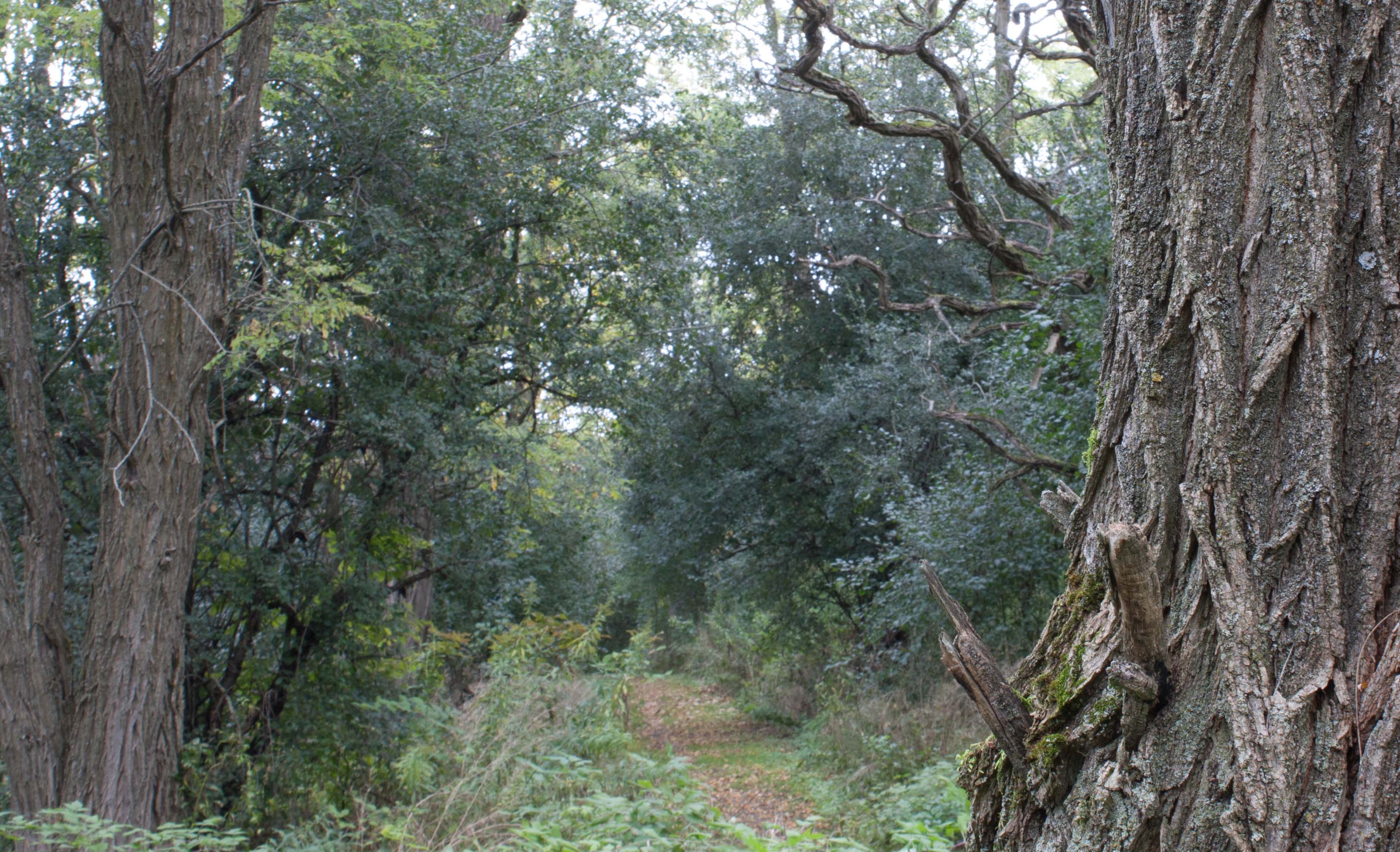
Gnarly branches of black locust trees overhang a trail in Trent Forest, ON (photo by Nina Munteanu)

It was a late October morning and I had chosen a less walked trail in the Trent Forest. It was a cloudy day that promised rain from the northeast with dark clouds; but the sun still shone in the southeastern sky through a thin screen, giving everything a bright and soft ethereal quality.

Deeply furrowed trunk of black locust on trail through black locust grove, Trent Forest, ON (photo by Nina Munteanu)

The main walk went first along a lowland of marshy swamp forest, mostly cedars and poplars. The less travelled trail veered up a steep incline and eventually tapered to another drier mini-ecosystem. I felt like I’d entered an enchanted grove with tall and crooked black locust trees, some very thick (a metre or so in diameter) and no doubt quite old. Vines of creepers tangled down from gnarly branches, forming intriguing webs of colour and texture. I adore the bark of the Black Locust tree; It is deeply furrowed and resembles entwined rope. When I touched the craggy light bark of a large tree, I felt its corky lightness. The bark was covered in small moss patches and tiny foliose and crustose lichen in shades of pale green and deep yellow. An entire ecosystem.

Old black locust tree showing rope-like bark covered in lichen, Trent Forest, ON (photo by Nina Munteanu)

Not another soul came by during the time I was there in the black forest grove. In fact, I didn’t encounter anyone on my entire walk in the forest. It was so quiet in the black locust grove. Except for some bird calling—possibly a woodpecker—and the soft trill of several little songbirds, chickadees and warblers, my constant companions.

Trail through black locust grove, Trent Forest, ON (photo by Nina Munteanu)

I felt a quiet calm descent on me like a soft blanket and I didn’t want to leave. But I was keenly aware of the coming storm as the dark clouds billowed closer in gusts of fresh wind and a few raindrops started to spatter down on me. Yet I lingered.

Gnarly branches of black Locust tree arc over the trail, Trent Forest, ON (photo by Nina Munteanu)

I got home just as the dark clouds opened to a hard rainfall. The rain turned to hail. it came down in thick sheets, bouncing hard on the pavement. By then, I was glad to be indoors with my cup of hot tea.

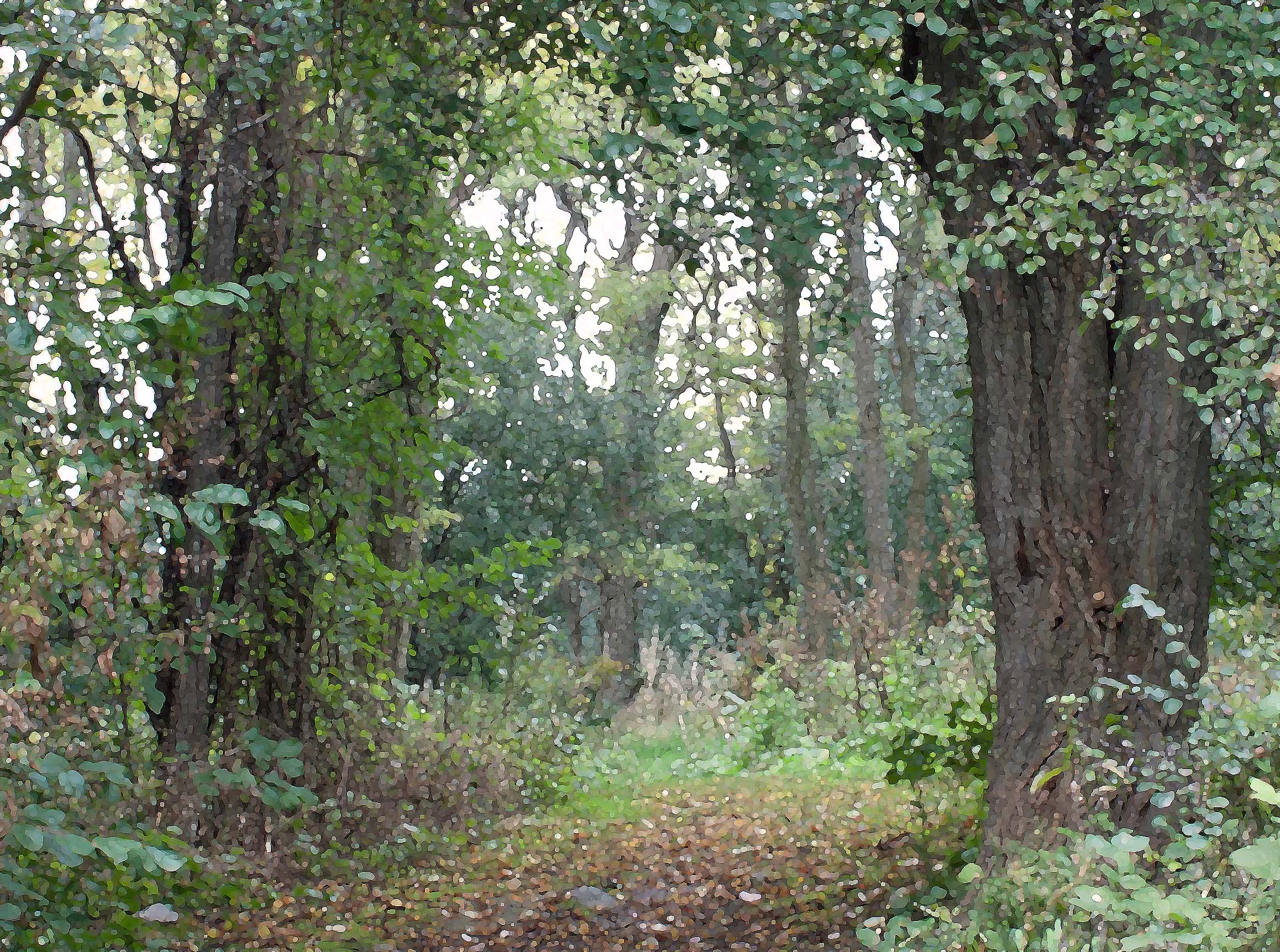
Upland trail through black locust grove, Trent Forest, ON (photo and rendition by Nina Munteanu)

Nina Munteanu is a Canadian ecologist / limnologist and novelist. She is co-editor of Europa SF and currently teaches writing courses at George Brown College and the University of Toronto. Visit www.ninamunteanu.ca for the latest on her books. Nina’s bilingual “La natura dell’acqua / The Way of Water” was published by Mincione Edizioni in Rome. Her non-fiction book “Water Is…” by Pixl Press (Vancouver) was selected by Margaret Atwood in the New York Times ‘Year in Reading’ and was chosen as the 2017 Summer Read by Water Canada. Her novel “A Diary in the Age of Water” was released by Inanna Publications (Toronto) in June 2020.

Returning Home…

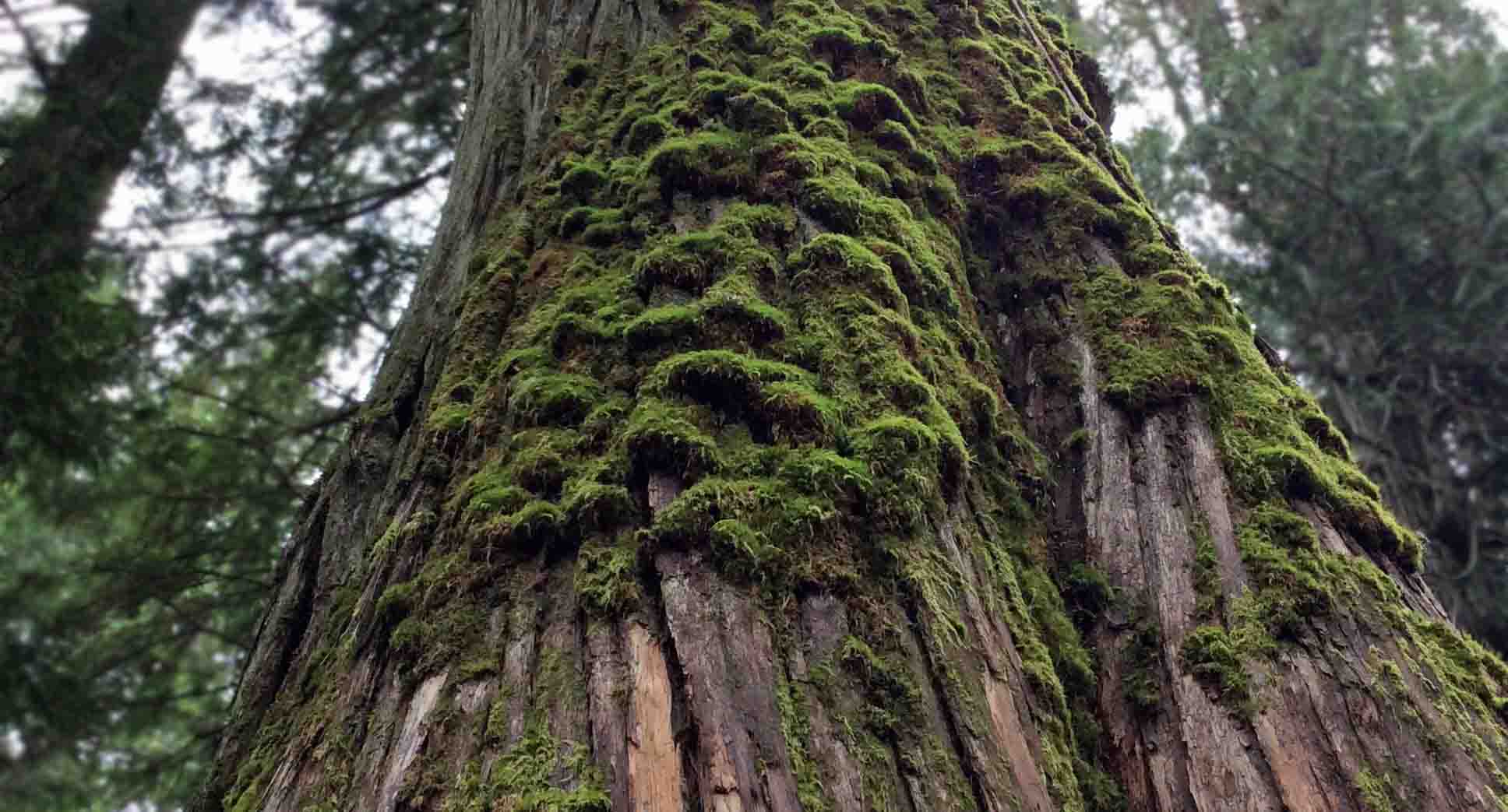
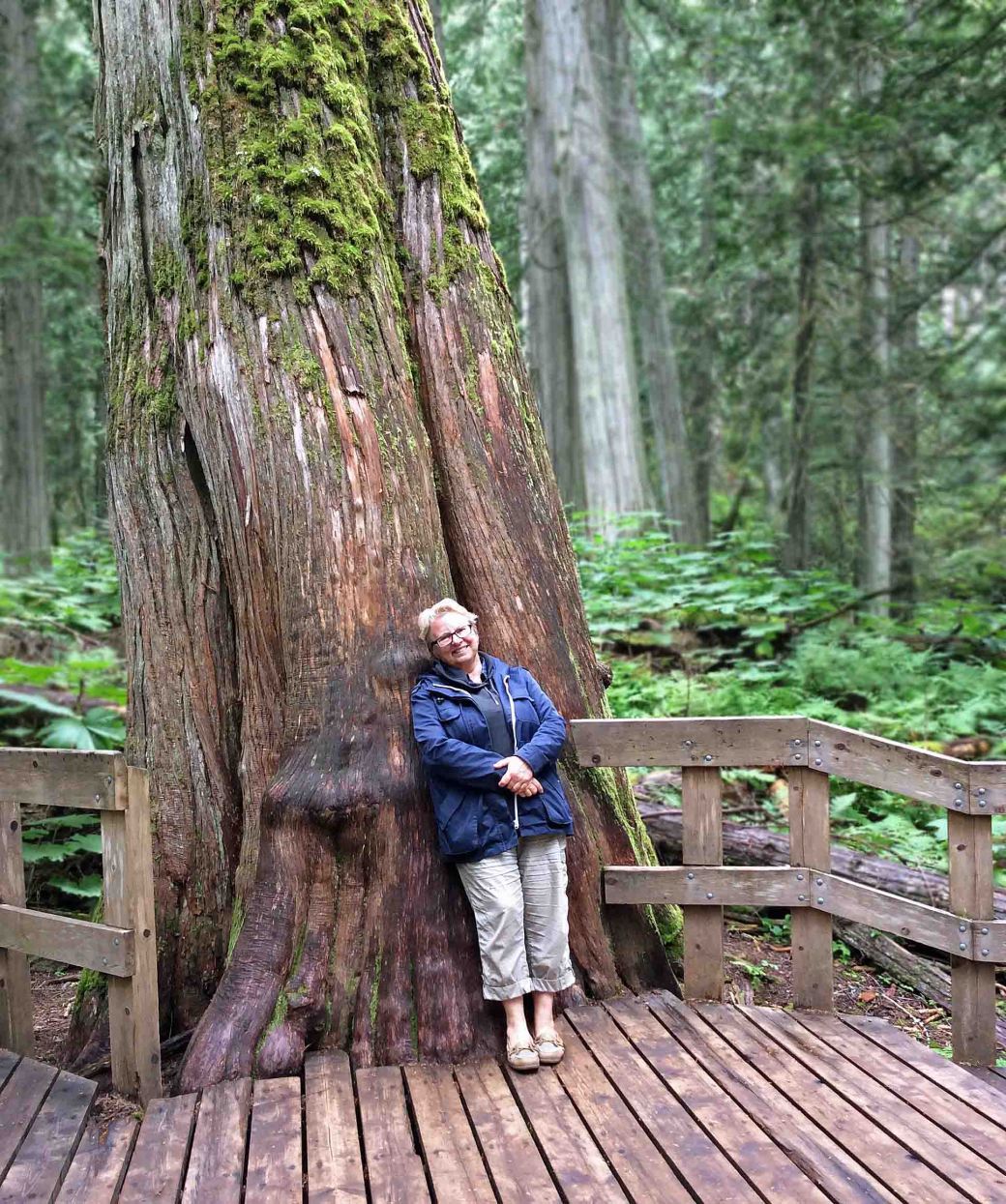
Nina stands next to a giant redcedar, BC (photo by Anne Voute)

It’s been a few months since I moved back to British Columbia from Ontario.

I don’t have a place to live yet (currently crashing at a friend’s place, thanks to her kindness), but it feels right. And, more importantly, it feels like home.

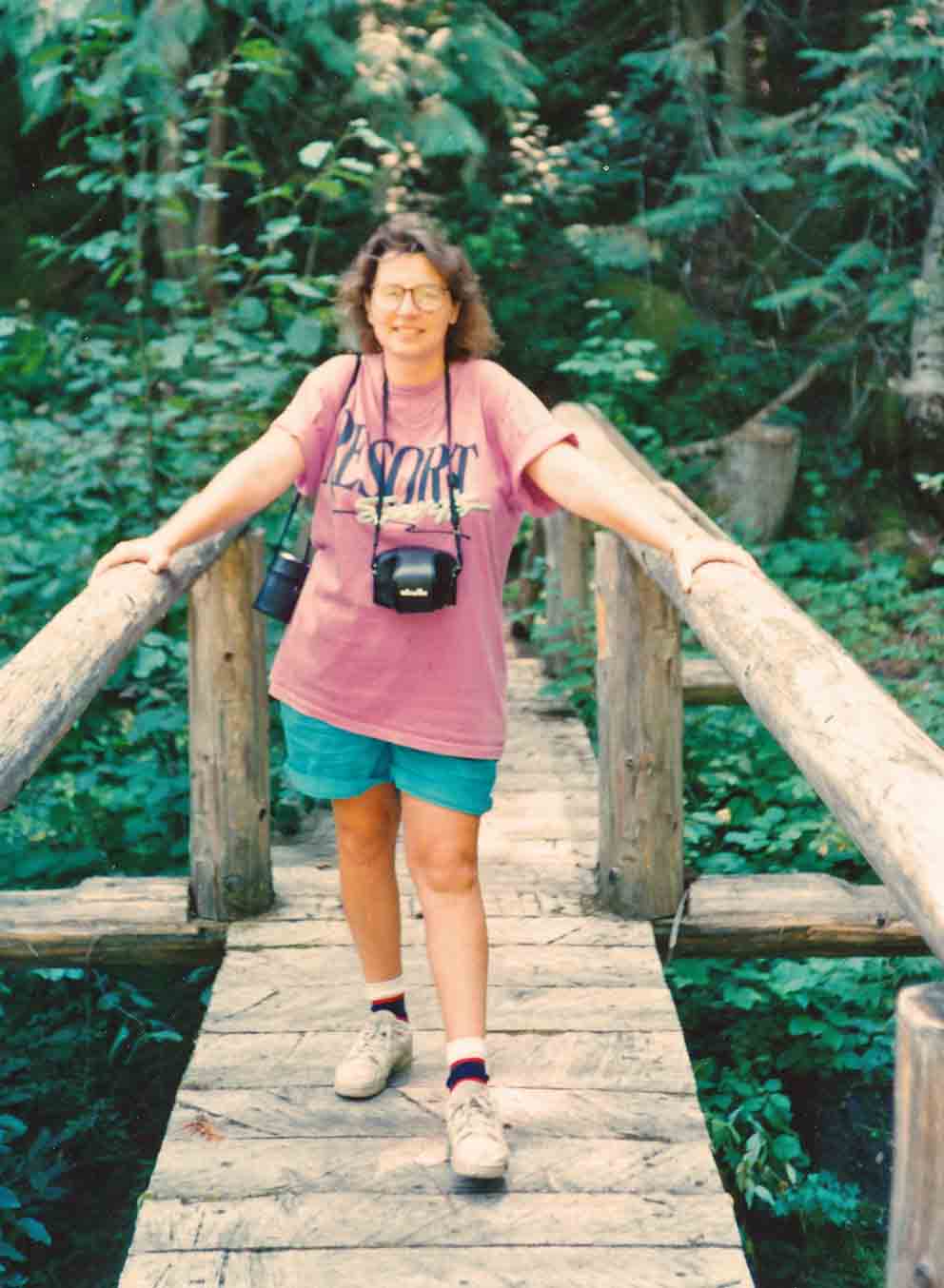
Nina, early days in BC (photo H. Klassen)

I first came to BC over five decades ago, shortly after I graduated from Concordia University in Montreal. I started my first teaching job at the University of Victoria on Vancouver Island, first worked as an environmental consultant in Richmond, met my husband-to-be in Vancouver, wrote and published my first novel in Delta and raised my son in the village of Ladner, overlooking the Fraser River Estuary. I have deep nurturing roots here with family and friends. And wonderful memories.

Various winter scenes in Ontario (photos by Nina Munteanu)
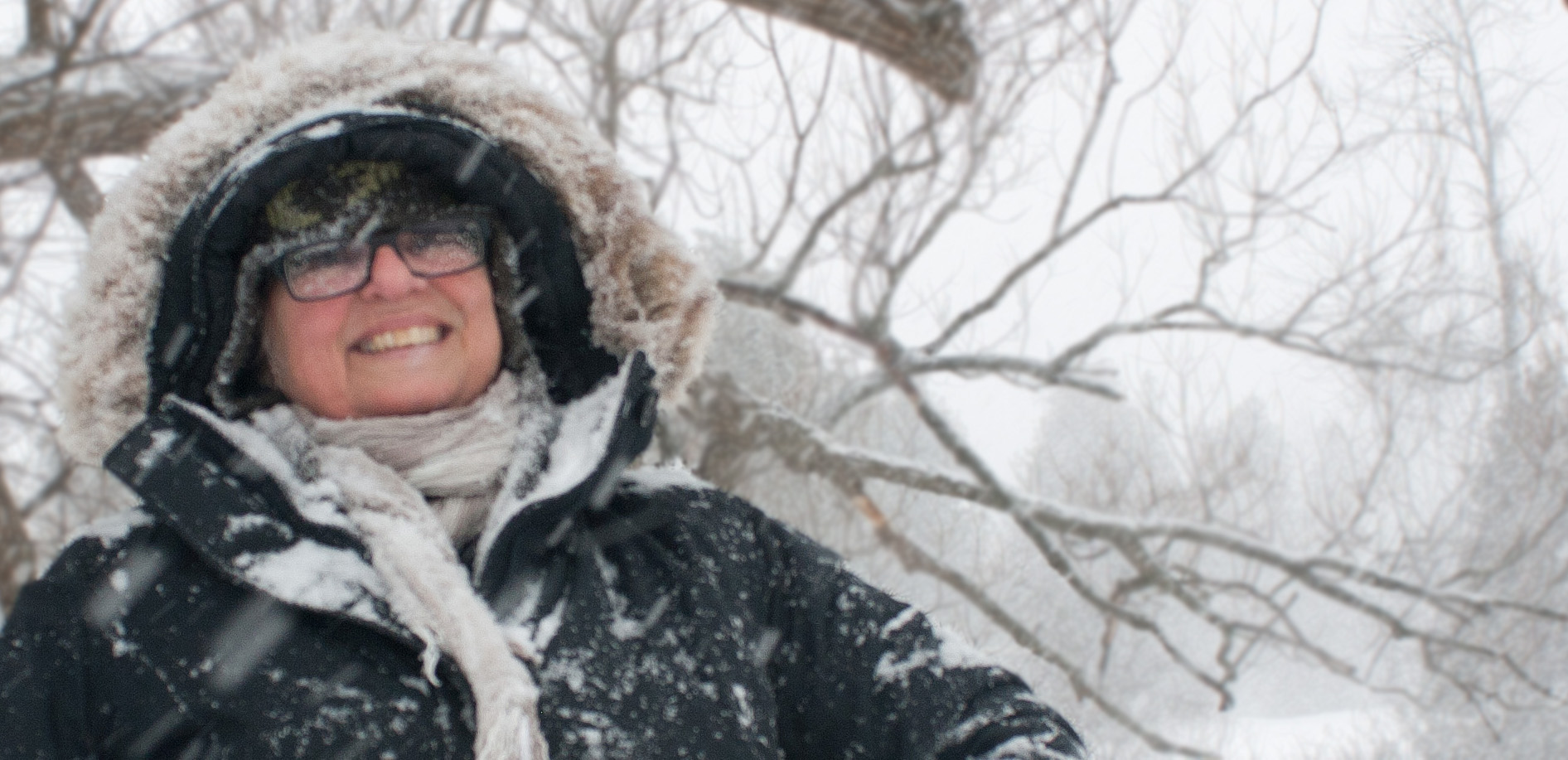
Nina ‘snowbear’ enjoys a winter storm, ON (photo by M. Cox)
Hayes Line Road in the colours of autumn, ON (photo by NIna Munteanu)

As the seasons progress, I find that I do miss aspects of Ontario. I left behind a rich environment that closely reflected where I’d grown up as a kid, in the Eastern Townships of Quebec: the cold crisp snowy winters and colourful windy autumns of maple-beech forests. These feel like home too. I spent many days driving the country roads of the Kawarthas without a map, looking for adventure and a cup of good coffee at the end of it. In winter, I daily walked through knee-deep snow in magical forests, snow glinting under the moonlight. I frequented several favourite forests over the seasons, some old-growth like the Catchacoma old-growth hemlock forest, the Mark S. Burnham Maple-Beech-Hemlock-Cedar forest, the pine-cedar mixed forest of Jackson Creek, the Trent Nature Sanctuary cedar-pine mixed forest and the South Drumlin Maple-Beech forest. These, I will miss. They were a life-line to a sacred and holy part of my existence.

Nina studies a lilac bush, ON (photo by Nina Munteanu)

I am building new memories of this new-old home, with more mature eyes and mind. When I left BC 15 years ago after my divorce, and son studying at university, to seek adventure across Canada (I spent several years on the east coast in Nova Scotia), I finally settled in Ontario, where I found fulfillment teaching at the University of Toronto. It was there, in Ontario, where I honed my ecological knowledge and rekindled my love for lichen and fungi. I immersed myself in their study and rediscovered a fascinating miniature world. I studied trees with more diligence, identifying virtually all the key species in the Carolinian forests I visited—and the fungi and lichens that grew on them and around them. I’ve become something of an expert in lichenology, able to identify many of the species I encounter, and also to understand their complex and fascinating ecology.

Various lichens, from top left: Punctellia reducta, Xanthoria elegans, Rizocarpon geographicum, Cladonia uncialis, and Cladonia pyxidata (photos by Nina Munteanu)

I now bring that new knowledge and appreciation back to coastal BC—my old and new home— with an excitement for more adventure in its magnificent rainforests, its small rural communities and coastal villages—and the cup of coffee at the end of it.

Port Renfrew, BC (photo by Nina Munteanu)

Nina checks her camera, Highland Creek, ON (photo by M. Cox)

p.s. When you know what to look for, you will see it; not before. That’s likely a tautology; but I found that it has applied to me over the years. And nowhere has it been more obvious to me than in my travels across Canada. My first trip across Canada was five decades ago, as a young sprite, heading west to do my PhD. I went by train and, though I saw much beauty, it passed me at speed. When I drove east to the coast, I recall lots and lots of trees, little else. But, my recent trip west from Ontario was landmarked with a new knowledge and appreciation for so many more layers of my environment; it became eye-opening. What I’d only remembered in the past as “so many trees”, became a fractal journey through boreal layers. I saw so much! I discovered so many ‘friends’: lichens, trees, rock formations, environments that I’d identified in my previous adventures. I became excited by it all. I was in a constant state of wonder. This was how I needed to see Canada. With a wide-open mind and the spirit of adventure.

I look forward to re-immersing myself in these coastal BC ecosystems with that same new understanding, and better informed eyes and mind.

Let it be.

Heron oversees activities in Ladner Marsh, BC (photo by NIna Munteanu)
Nina walks Highland Creek, ON (photos by M. Cox)

Nina Munteanu is a Canadian ecologist / limnologist and novelist. She is co-editor of Europa SF and currently teaches writing courses at George Brown College and the University of Toronto. Visit  www.ninamunteanu.ca for the latest on her books. Nina’s bilingual “La natura dell’acqua / The Way of Water” was published by Mincione Edizioni in Rome. Her non-fiction book “Water Is…” by Pixl Press(Vancouver) was selected by Margaret Atwood in the New York Times ‘Year in Reading’ and was chosen as the 2017 Summer Read by Water Canada. Her latest novel “A Diary in the Age of Water” was released by Inanna Publications (Toronto) in June 2020.

Ten Significant Science Fiction TV Series—Part 2, Shows that Touch on Climate Change, Resource Allocation and Environmental Justice: #10 — “EXTRAPOLATIONS”

I’ve selected ten TV series that have intrigued me, moved me, and stayed with me for various reasons that touch on: abuse of justice, including eco-justice and environmental abuse; technology use and abuse; and the effects and horrors of climate change.

Some are well known; others not so well known. All approach storytelling with a serious dedication to depth of character, important themes, realistic world building, and excellent portrayal by actors. The world-building is extremely well done—in some cases rivalling Ridley Scott’s best—with convincing portrayals of worlds that are at times uncanny in their realism. Worlds that reflect story from an expansive landscape to the mundane minutiae of daily life: like the cracked phone device of Detective Miller in The Expanse or the dirty fingernails of engineer Juliette Nichols in the Down Deep of Silo. Stories vary in their treatment of important themes from whimsical and often humorous ironies to dark and moody treatises on existential questions. In my opinion, these TV series rival the best movies out there, often reflecting large budgets (but not always) and a huge commitment by producers. The ten TV series I’ve selected in this series come from around the world: Brazil, Germany, France, Norway, Canada and the United States.

In Part 2, I focus on five TV series that explore issues to do with resource allocation, adaptations to climate change and corporate / government biopolitics.


EXTRAPOLATIONS: A Journey into A Climate Changed Future

Extrapolations is an intelligent and vividly filmed mini-series of eight interconnected moral tales told over thirty-three years that extrapolate how our planet’s changing climate will affect family, work, faith, and—ultimately—our survival. Each episode focuses on the perspective of a few key characters whose choices often have significance consequence: from the myopic exploitation of greedy corporate moguls and feckless concessions of bureaucrats to the solidarity of common folk breaking the law to survive and scary solutions of eco-terrorists with messianic complexes. Emotions run raw and these characters you will either love or hate.

Rebecca Shearer (Sienna Miller) braves a wildfire in “A Raven Story”

Each episode adds its own installment of personal choice and tragedy. The first episode takes place a decade from now and is named “A Raven Story.” This first installment sets the tone of the entire series with an unsettling tirade of self-serving human actions to a sweeping tide of brewing climate disasters. What follows is a bleak procession of climate change calamity from growing wildfires and powerful hurricanes to sea level rise, melting glaciers, species extinction, and acidifying oceans. A few characters, trying to address environmental disaster, struggle with choices to either gamble the present for the future or gamble the future for the present. In the last scene, a climate activist Carmen Jalilo (Yara Shahidi) sums up the trajectory of the entire series.  “What does an increase in global temperatures by two degrees Celsius mean to you and to me? It means that when the temperatures go up, our imagination must increase even more. It means that when the sea level rises we must rise up as well. It means that when forest fires obscure the horizon we must look toward each other and find our way forward. We cannot give up and go home for one simple reason. We already are home; this is our only home.”

Each episode in the procession of climate change is both a literal and metaphoric fable of our relationship to our environment, the creatures that live with us—our nonhuman relatives—and to each other: the real cause—and potential solution—to the calamities of climate change.

Episode 2, “Whale Fall”, features a beautiful heartfelt interaction between marine biologist Rebecca Shearer (Sienna Miller) and the last humpback whale in 2046. It is a solastalgic dirge on the sixth extinction event. When the whale asks the biologist “how might it be different” Shearer answers simply: “It will only change if we do, if we stop lying about the world, if we stop expecting the ones who come after us to fix it because we did not.”

Gurav (Adarsh Gourav) buys a puff of clean air in Mumbai

Episode 4, “Nightbirds”, oozes with such vivid visuals and angles, you can almost smell the stink in the air of Mumbai in 2056. Venders on the streets sell oxygen masks by the puff and real rice doesn’t exists; just the “synthetic, processed crap.” Driver Gurav (Adarsh Gourav) and handler Neel (Gaz Choudhry) flout the daytime curfew to transport illegal cargo (stolen seeds free of corporate branding) and a crazed geneticist to where they can be used in Varanasi. The drive becomes a nightmarish journey that touches on many aspects of ordinary life under the heel of climate change and the lengths that people will go to simply survive.

In Episode 6, “Lola”, the metaphors continue as this episode in 2066 explores the devastating memory loss of a main character through vascular dementia brought on by excessive carbon dioxide and heat. In the end, he has forgotten enough to forget that it even matters.

In 2017, I wrote an article about environmental generational amnesia. A term coined by Peter Kahn, professor of psychology at the University of Washington to explain how each generation can only recognize—and appreciate—the ecological changes they experience in their lifetimes.

In witnessing the collapse of large fish populations on the west coast, University of British Columbia fisheries biologist, Daniel Pauly observed that people just went on fishing ever smaller fish, resulting in what he called a “creeping disappearance” of overall fish stocks. He called this impaired vision “shifting baseline syndrome,” a willing ignorance of consequence based on short-term gain. This is because we are not connected. And because we aren’t connected, we simply don’t care. Environmental generational amnesia is really part of a larger amnesia, one that encompasses many generations; a selective memory driven by lack of connection and short-sighted greed.

Extrapolations ends in 2070 as Crypto mining has radically increased carbon output, higher temperatures are killing and disabling people en masse, and the weight of water in the higher oceans has altered the tectonic plates. While an element of hope glimmers in each episode, even if just through personal triumph and resilience, it is particularly notable in the last episode for reasons you need to watch to understand.

Each episode showcases an intimate personal journey woven into the larger story and strung in an anthology driven by a relentless changing climate and unruly environment. Make no mistake; the planet Earth, in the throws of climate change, is the main character here. This ambitious series dared to be more than human-centric, transcending beyond anthropocentric and androcratic worldviews in an attempt to elicit empathy for our entire world particularly the non human world. The series pointed to a more eco-centric view of this precious and beautiful world we live in. As a result, it suffered criticism.

Extrapolations was generally panned by critics and viewers alike as less than potent or even uninteresting and “flat” because it apparently traded character depth for scientific extrapolation and exposure. I couldn’t disagree more. I was gripped from the start by this large story. Characters throughout the episodes provided a panoply of understated archetypes to represent a cross section of humanity in the throws of climate catastrophe. Characters I either loved or hated or wanted to smack to wake them up. And I couldn’t help cheering when a certain miserable cruel human was offed by, of all things, a walrus mother protecting her pup.

I found the series incredibly potent for its realistic portrayal of a tortured environment at the hands of human apathy and fecklessness. I felt solastalgia creep into my bones as I witnessed this bleak future. There was something utterly tragic about a young corporate executive escaping her stressful job by retreating to a pretend autumn forest in a virtual chamber—when the real thing was no longer available. The loss of our wildlife and trees. Pure fresh air. Blue skies. Healthy oceans and freshwater. These are all things most of us still take for granted or don’t even care about.

Individual scenes lingered long after they were gone: people wearing galoshes to attend a drowning synagogue in Miami; two seed smugglers defying day curfews against overwhelming heat and noxious air quality to deliver contraband seeds to farmers in Mumbai; a news reel listing the extinction of the Polar Bear and the African Elephant as a young boy cuddles his stuffed animal version. I cried for these majestic creatures, fallen at our hands. And I cried for us at our great loss.

Ultimately, this series is all about the choices we make for this planet and our survival on it.  Extrapolations makes it clear that choices, any choices, can be key to saving life on this planet. This series is not just a clear clarion call but a heartfelt exhortation for us to be brave and act now. In any way we can. 

Ten Significant Science Fiction TV Series:

Biohackers (Germany)
Orphan Black (Canada)
Occupied (Norway)
Missions (France)
Expanse (USA)
Incorporated (USA)
3% (Brazil)
Snowpiercer (USA)
Silo (USA)
Extrapolations (USA)

Nina Munteanu is a Canadian ecologist / limnologist and novelist. She is co-editor of Europa SF and currently teaches writing courses at George Brown College and the University of Toronto. Visit www.ninamunteanu.ca for the latest on her books. Nina’s bilingual “La natura dell’acqua / The Way of Water” was published by Mincione Edizioni in Rome. Her non-fiction book “Water Is…” by Pixl Press (Vancouver) was selected by Margaret Atwood in the New York Times ‘Year in Reading’ and was chosen as the 2017 Summer Read by Water Canada. Her novel “A Diary in the Age of Water” was released by Inanna Publications (Toronto) in June 2020.

Nina Munteanu Identified as a Leading Voice in Eco-SciFi Fiction

Inventor/author Kyo Hwang Cho recently identified Nina Munteanu, Kim Stanley Robinson, Jeff VanderMeer, and Richard Powers as Leading Voices in Eco-Science Fiction in an article on the LinkedIn Skyhome Newsletter.

Cho wrote:

Kim Stanley Robinson: Robinson is renowned for integrating ecological themes into his narratives. His works like The Ministry for the Future and the Mars Trilogy explore climate change, sustainability, and alternative socio-economic systems. His stories often centre around scientists striving for environmental reform.

Jeff VanderMeer: Best known for the Southern Reach Trilogy, beginning with Annihilation, VanderMeer delves into a nature-reclaimed mystery zone called Area X. His work blends ecological concerns with surreal and speculative storytelling, offering a unique lens on environmental collapse.

Richard Powers: While not strictly a science fiction author, Powers’s novels such as The Overstory and Playground revolve around nature’s impact on human lives and vice versa. His writing emphasizes the deep interconnectedness of species and ecosystems.

Nina Munteanu: A Canadian ecologist and writer, Munteanu’s stories explore how humans interact with the environment. Her narratives often examine the intersection of science, climate crisis, and spiritual transformation.

Cho included the following Noteworthy Eco-Science Fiction Works:

  • “The Ministry for the Future”: A speculative exploration of global climate crisis responses through policy, activism, and emergent technology.
  • “Annihilation”: A surreal expedition into a wilderness zone that defies scientific explanation, echoing the unpredictability of nature itself.
  • “The Overstory”: A web of interconnected lives bound by trees, showing how the natural world can act as both witness and protagonist. [Inclusion of this book in the eco-SciFi subgenre is a stretch: however, like my own book, there are elements of speculation, and some subtle fantastical elements that one can argue place it in a scifi setting]
  • “A Diary in the Age of Water”: A dystopian look at a future shaped by water scarcity, societal collapse, and ecological memory.

Cho defines Eco-SciFi this way: “Eco-SciFi is a subgenre of SciFi that foregrounds ecological consciousness, blending speculative fiction with climate science, ethics, and planetary survival.” He includes a table that distinguishes Eco-SciFi from traditional Sci-Fi in several core areas from core theme, tone and motivation to protagonists and ‘message.’

Nina Munteanu is a Canadian ecologist / limnologist and novelist. She is co-editor of Europa SF and currently teaches writing courses at George Brown College and the University of Toronto. Visit  www.ninamunteanu.ca for the latest on her books. Nina’s bilingual “La natura dell’acqua / The Way of Water” was published by Mincione Edizioni in Rome. Her non-fiction book “Water Is…” by Pixl Press (Vancouver) was selected by Margaret Atwood in the New York Times ‘Year in Reading’ and was chosen as the 2017 Summer Read by Water Canada. Her novel “A Diary in the Age of Water” was released by Inanna Publications (Toronto) in June 2020.

Ten Significant Science Fiction TV Series—Part 2: Shows that Touch on Climate Change, Resource Allocation and Environmental Justice: #8—SNOWPIERCER

I’ve selected ten TV series that have intrigued me, moved me, and stayed with me for various reasons that touch on: abuse of justice, including eco-justice and environmental abuse; technology use and abuse; and the effects and horrors of climate change.

Some are well known; others not so well known. All approach storytelling with a serious dedication to depth of character, important themes, realistic world building, and excellent portrayal by actors. The world-building is extremely well done—in some cases rivalling Ridley Scott’s best—with convincing portrayals of worlds that are at times uncanny in their realism. Worlds that reflect story from an expansive landscape to the mundane minutiae of daily life: like the cracked phone device of Detective Miller in The Expanse or the dirty fingernails of engineer Juliette Nichols in the Down Deep of Silo. Stories vary in their treatment of important themes from whimsical and often humorous ironies to dark and moody treatises on existential questions. In my opinion, these TV series rival the best movies out there, often reflecting large budgets (but not always) and a huge commitment by producers. The ten TV series I’ve selected in this series come from around the world: Brazil, Germany, France, Norway, Canada and the United States.

In Part 2, I focus on five TV series that explore issues to do with resource allocation, adaptations to climate change and corporate / government biopolitics.  


SNOWPIERCER: Capitalism is a Perpetual Motion Train in a Frozen World

Snowpiercer is an American post-apocalyptic dystopian thriller that reboots the 2013 film Snowpiercer by Bong Jooh-ho. Snowpiercer is a perpetually moving train that circles the globe carrying the remnants of humanity seven years after the world has become a frozen wasteland, thanks to a botched climate fix. The train is divided up by class – first class, where all the wealthy people live; second and third class where the workers reside, and the tail – the end of the train, where the poor starve, live in total darkness, and are exploited for sex and labor. 

Passengers in the tail of the train

The train, of course, serves as a metaphor for class struggle, elitism and social injustices. The train’s self-contained closed ecosystem is maintained by an ordered social system, imposed by a stony militia. Those at the front enjoy privileges and luxurious living conditions, though most drown in a debauched drug stupor; those at the back live on next to nothing and must resort to savage means to survive. The TV show, as with the film, isn’t so much about climate change—as a study on how society functions—or rather copes—within a decadent capitalist system, based on an edict of productivity: serve the machine of “life” and keep the order at all cost. Chief of Hospitality Melanie Cavill (secretly chief engineer of the train) as much as tells this to homicide detective Andre Layton (from the back of the train) when she enlists him to solve the first murder in the elite section of the train.

Melanie Cavill, head of Hospitality, enlists Andre Layton as detective to investigate a murder on the train

The TV show diverges from the film in several important ways.

My original review of the movie touched on style and political agenda:

Bong Joon-Ho’s 2013 motion picture Snowpiercer is a stylish post-climate change apocalypse allegory. A dark pastiche of surrealistic insanity, welded together with moments of poetic pondering and steam-punk slick in a frenzied frisson you can almost smell. Joon-Ho casts each scene in metallic grays and blues that make the living already look half-dead. The entire film plays like a twisted steampunkish baroque symphony. Violence personified in a garish ballet.

Poster for the movie version of Snowpiercer

I drew on Aaron Bady’s commentary on the film in The New Inquiry which discussed reform capitalism* to conclude that the movie “Snowpiercer is about hard choices and transcendence. Save humanity but at the consequence of our souls? Or transcend the machine that has robbed us of our souls at the expense of our mortality? The film continually questions our definition of what life is and what makes life worth living … Ultimately, Bong Jung-Ho’s message with the ending of this baroque political allegory is the vindication of a choice against reform capitalism for something new, that there is indeed “Life after Capitalism”, not easy but worth living…”

The Snowpiercer TV series takes a different approach to the end of the world and capitalism metaphor, weaving in more intrigue in its plot (a murder) with elements of detecting by the only homicide detective left on the train and in the world—a self-styled revolutionary from the back of the train. Much of the entertaining tensions arise from the interactions of Detective Andre Layton (Daveed Diggs) and Hospitality head Melanie Cavill (Jennifer Connelly) and second in command Ruth Wardell (Alison Wright); there are also strong performances by the train’s Breakman, Bess Till (Mickey Sumner) and later Mr. Wilford (Sean Bean) who was supposedly running the train but had been secretly thrown off the train by head engineer Cavill.

Snowpiercer crew prepare to encounter another train in the freeze

The focus of the TV show has been more on the potential survival of a handful of what’s left of humanity with competing agendas on how this is best achieved, whether the freeze is indeed unfreezing and some part of the world has become hospitable or at least livable. Trading the film’s baroque metaphors to capitalism for a more literal approach to climate change and living in a post climate change world, the TV series focuses more on real questions facing this ragtag of humanity. How to keep it together when rifts naturally form based on unequal resource allocation and space in the limited ecosystem of the train. Given that the show plays out in several seasons, there is room to expand and further explore socialism, democracy, fascist rule and environmental activism. Class divisions are explored through a large cast of morally ambiguous characters, each with a plot arc, and more opportunities to explore not just first class but second and third class, showcasing more nuanced and varied elements to the class struggle and ambitions of people.  

*Reform Capitalism: “Reform and revolution are shibboleths that distinguish liberals from radicals,” explains Aaron Bady of The New Inquiry. “While liberals want to reform capitalism, without fundamentally transforming it, radicals want to tear it up from the roots (the root word of “radical” is root!) and replace capitalism with something that isn’t capitalism…If you’re the kind of leftist who thinks that the means of production just need to be in better hands—Obama, for example, instead of George W. Bush, or Elizabeth Warren instead of Obama, or Bernie Sanders instead of Elizabeth Warren, and so on—then this movie buries a poison pill inside its protein bar: soylent green is people.”  

Ten Significant Science Fiction TV Series:

Biohackers (Germany)
Orphan Black (Canada)
Occupied (Norway)
Missions (France)
Expanse (USA)
Incorporated (USA)
3% (Brazil)
Snowpiercer (USA)
Silo (USA)
Extrapolations (USA)

Nina Munteanu is a Canadian ecologist / limnologist and novelist. She is co-editor of Europa SF and currently teaches writing courses at George Brown College and the University of Toronto. Visit www.ninamunteanu.ca for the latest on her books. Nina’s bilingual “La natura dell’acqua / The Way of Water” was published by Mincione Edizioni in Rome. Her non-fiction book “Water Is…” by Pixl Press (Vancouver) was selected by Margaret Atwood in the New York Times ‘Year in Reading’ and was chosen as the 2017 Summer Read by Water Canada. Her novel “A Diary in the Age of Water” was released by Inanna Publications (Toronto) in June 2020.

What Genre Is My Story? Is it Eco-Fiction or Something Else?

Illustration depicting Ray Bradbury’s ‘Rocket Summer’ in The Martian Chronicles (image from The Black Cat Moan)

Twenty years ago, when I started seriously publishing short stories and novels, the environment was not recognized by the public or writers as an entity that deserved a literary category. Nature and environment were mostly portrayed and viewed as passive entities, to conquer, subdue, exploit and destroy at will (particularly in science fiction—with some notable exceptions such as The Martian Chronicles by Ray Bradbury). Environment and Nature were not generally considered characters on a journey like the progatonist and other major characters; the environment lacked agency and was often ‘othered’ as dangerous, treacherous and unknowable.

Despite the fact that eco-fiction has in fact been in existence for centuries, use of this literary term is quite recent. Its first recognized use was in 1971, appearing as the title in John Stadler’s anthology published by Washington Square Press, which compiled environmental scifi works from the 1930s to the 1960s.

Defining Eco-Fiction

Thirty works of impactful eco-fiction

Author / scholar Mary Woodbury defines eco-fiction as “made up of fictional tales that reflect important connections, dependencies, and interactions between people and their natural environments.” In her article “Eco-Fiction—The SuperGenre Hiding in Plain Sight”, Judith defines eco-fiction as literature that “portrays aspects of the natural environment and non-human life as an evolving entity with agency in its relationship between and interaction with human characters.” In the preface to his 1995 book Where the Wild Boks Are: A field guide to Eco-Fiction, Jim Dwyer provides four criteria for eco-fiction:

  1. The nonhuman environment is present not merely as a framing device but as a presence that begins to suggest that human history is implicated in natural history
  2. The human interest is understood to be not the only legitimate interest
  3. Human accountability to the environment is part of the text’s ethical orientation
  4. Some sense of the environment as a process rather than as a constant or a given is at least implicit in the text.

These designations could be easily met by prehistoric cave art and first nations artwork and storytelling. These definitions also allow for the inclusion of many classics defined as eco-fiction from Herman Melville’s Moby Dick and Thomas Hardy’s Return of the Native to John Wyndham’s Day of the Triffids.

Evolving Eco-Fiction & Eco-SciFi

Like the environment it describes, Eco-Fiction is changing and evolving as a genre. Inventor/author Kyo Hwang Cho used the genre designation of Eco-SciFi when he recently identified me along with Kim Stanley Robinson, Jeff VanderMeer, and Richard Powers as Leading Voices in Eco-Science Fiction. Cho defines Eco-SciFi as: “a subgenre of SciFi that foregrounds ecological consciousness, blending speculative fiction with climate science, ethics, and planetary survival.” He includes a table that distinguishes Eco-SciFi from traditional Sci-Fi in several core areas from core theme, tone and motivation to protagonists and ‘message.’ The table can also be used to distinguish this sub-genre from other sub-categories within the umbrella term eco-fiction.

Cho described me as a Canadian ecologist and writer whose “stories explore how humans interact with the environment. Her narratives often examine the intersection of science, climate crisis, and spiritual transformation.” He described A Diary in the Age of Water as a noteworthy work of eco-science fiction: “a dystopian look at a future shaped by water scarcity, societal collapse, and ecological memory.”

Categories of Eco-Fiction

Partially due to this literature’s growing popularity there are currently many categories within and overlapping with eco-fiction; these include: climate fiction or clifi; solarpunk; eco literature, eco-horror, eco-punk, hopeful dystopia, mundane science fiction, speculative fiction, and weird fiction. Each of these focuses on particular idiosyncracies within the literary form that uniquely identify a work.

For instance, A Diary in the Age of Water has been variously described by reviewers and readers as eco-fiction, speculative fiction, science fiction or scifi, Fem-lit, mundane science fiction, hopeful dystopia, hopepunk or solarpunk, ecological science fiction or Eco-Sci-Fi. All to say that these designations and sub-genres are somewhat arbitrary and overlap; they may ultimately depend on the reader’s expectations of the work, and their own worldview and predilections. Given the still relevant reason for genre identification (to be able to best find the book in a brick and mortar or virtual bookstore), this makes sense; a work may easily satisfy several reader perspectives and therefore merit many sub-genre descriptors.

Eco-SciFi and mundane science fiction can be viewed this way. In an interview on Solarpunk Futures, I describe mundane science fiction as a sub-genre of science fiction that is very much like speculative fiction in that this sub-genre focuses on scenarios on Earth and involves matters to do with everyday life—hence the term mundane. Given the speculative aspect of mundane science fiction (e.g., set on Earth, often in the near-future), much of what Cho describes as Eco-SciFi also fits the designation of mundane science fiction. in my article “The Power of Diary in Fiction,” I describe Paolo Bacigalupi’s The Windup Girl, Emmi Itäranta’s Memory of Water and my own novel A Diary in the Age of Water as examples of mundane science fiction. Other good examples of mundane science fiction or Eco-SciFi include Kim Stanley Robinson’s New York 2041, Pitchaya Sudbanthad’s Bangkok Wakes to Rain and Michelle Min Sterling’s Camp Zero. These can all be labelled clifi as well. Min Sterling’s book also fits well under Femlit, Feminist Eco-Fiction, and Hopeful Dystopia.

The determining features provided by Cho that distinguish Eco-Sci-Fi help distinguish works that fall more easily into science fiction from those that better fit within the category of literary fiction or climate fiction.

Eco-Fiction—like Science Fiction—is a large category and provides a kind of umbrella term for all environmental fiction in which the environment plays a central role that informs the plot, theme and character-journey. In literature, it serves many literary works that do not include scifi aspects (e.g. fantastical or speculative); because of this, reserving the sub-genre of Eco-SciFi for those that do include fantastical elements makes sense. For non scifi works of Eco-Fiction, I would suggest using the term Eco-Lit (ecological literature), a term already in existence that incorporates the word ‘literature’ to suggest a type of literary fiction.

Ecological Literature or Eco-Lit

Eco-Lit—unlike Eco-SciFi—tends to restrict its narrative to the current time, does not include fantastical or speculative elements, and tends to use the ecological or climate elements more as metaphorical setting to examine personal drama. In all eco-fiction, however, the environmental setting/characteristic remains central to the story—as theme and/or premise— which would not work without it. Good examples of Eco-Lit include Migration and Once There Were Wolves by Charlotte McConaghy, Flight Behavior and Prodigal Summer by Barbara Kingsolver, and Greenwood by Michael Christie. In each of these works, the environmental characteristic sparks, motivates, and helps direct the actions of the main protagonist. For instance, in Flight Behavior, if the protagonist Dellarobia Turnbow had not encountered the changed migration of the monarchs (as a result of climate change), she would not have taken a drastic turn in her own journey.  

Thomas Hardy’s 1878 Return of the Native was a work of powerful literary eco-fiction (Eco-Lit) that gave Egdon Heath powerful agency over the other traditional characters: destroying, enabling, enlightening, strengthening, isolating. 

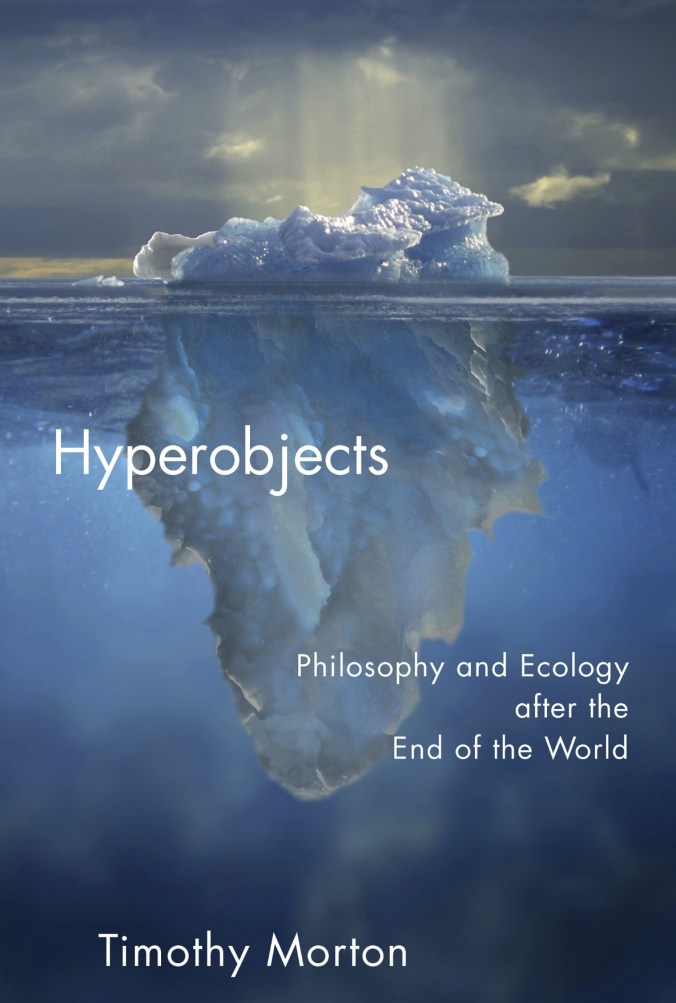
Eco-Fiction as Hyperobject

Some have suggested that eco-fiction be considered a supergenre, given that it defies strict boundaries. Elements of eco-fiction can be found in many other genres, from romance or thriller to science fiction or historical, suggesting that it is more a state of being than a category with static boundaries; more like a door or a window than a room. In my opinion, eco-fiction encompasses more than a genre or category; it is a hyperobject that has been with us since storytelling was born.  In his book Hyperobjects, philosopher Timothy Morton attempts to synthesize the still divergent fields of quantum theory (weirdness of tiny objects) and relativity (weirdness of large objects), inserting them into philosophy and art. According to Morton, a hyperobject is an entity that is massively distributed in space and time, making it difficult to grasp its totality or experience it as a single, unified object. Morton argues that the hyperobjects of the Anthropocene, such as global warming, climate or oil that have extensive time/space presence, have newly become visible to humans—mainly due to the very mathematics and statistics that helped to create these disasters. Glimpsing them through our copious data, hyperobjects “compel us to think ecologically, and not the other way around.”

I think that much of the fiction that authors write touches on climate and environment, whether they realize it or not, whether they are conscious of it or not. Climate and environment are both large, yet penetrating at the cellular level—influencing us in so many ways from obvious and literal to subtle and visceral. Try as we might—and we have for centuries tried—to separate ourselves and ‘other’ environment, we can’t escape it. “We are always inside an object,” says Morton. Hyperobjects show us that “there is no centre and we don’t inhabit it.”

I’ve created my own table, fashioned after Cho’s, and adapted to include Eco-Lit with pertinent examples:

Categories of Fiction Genres Related to Ecology and Environment
 SciFiEco-Fiction
Eco-SciFiEco-Lit
SettingScience, technology, space, time travel, AI, aliens, etc.* driven by elements of science fact or fictionEcological systems, environmental collapse, climate change, sustainability.* Some element of science fact or fiction; speculative fictionEcological systems, environmental effects, climate change, sustainability
ToneOften futuristic, space-based, dystopian, or technologically advanced societies*Earth-centred or near-future settings deeply affected by ecological factors*Earth-centred, mostly current settings, affected in some way by ecological factors; celebrates Nature in some way
MotivationCuriosity, innovation, power struggles, survival in altered realities*Preservation, adaptation, environmental justice, ethical stewardship*Environmental awareness and action, human justice, introspection, reflection, identity
StoryCan be optimistic, dystopian, neutral, techno-utopian, or apocalyptic* often focussing on human justice, alternative civilizations; allegoricalOften cautionary, reflective, grounded in real world environmental urgency* often extrapolating into dystopian future, optimistic dystopia; metaphoricGrounded in real and usually current world with undertones of environmental urgency, reflective, illuminating; literary
ProtagonistsScientists, explorers, rebels, AI, aliens, engineers* othersEnvironmentalists, ecologists, farmers, indigenous communities, climate activists* others connected to environmentOrdinary people, often linked in some intimate and actionable way to Nature
ExamplesDune (Herbert) I, Robot (Asimov) Neuromancer (Gibson) 1984 (Orwell) Brave New World (Huxley) The Martian Chronicles (Bradbury) Childhood’s End (Clarke)The Ministry for the Future (Robinson) Annihilation (VanderMeer) A Diary in the Age of Water (Munteanu) The Windup Girl (Bacigalupi) Memory of Water (Itaranta) Waste Tide (Quifan) Camp Zero (Min Sterling) Bangkok Wakes to Rain (Sudbanthad) Lost Arc Dreaming (Okungbowa)Flight Behavior (Kingsolver) Migration by (McConaghy) Greenwood (Christie) Barkskins (Proulx) The Overstory (Powers) Oil on Water (Habila) Where the Crawdads Sing (Owens) Return of the Native (Hardy) Moby Dick (Melville)
MessageBroad speculative insight into human potential* & survival, future tech, and evolution of civilizationWarns pf ecological degradation, offers alternative visions of coexistence* often through personal or community perspectiveExploration of the human spirit, growth and inspiration through personal environmental awareness and action
StructureOften premise-based or plot-based; environment often ‘othered’Theme-based and character-based; environment often with agencyCharacter-based; environment may be metaphoric character with or without agency

*descriptions taken directly from Cho’s article

References:

Morton, Timothy. 2013. “Hyperobjects: Philosophy and Ecology After the End of the World.” University of Minnesota Press, Minneapolis. 240pp.

Nina Munteanu is a Canadian ecologist / limnologist and novelist. She is co-editor of Europa SF and currently teaches writing courses at George Brown College and the University of Toronto. Visit www.ninamunteanu.ca for the latest on her books. Nina’s bilingual “La natura dell’acqua / The Way of Water” was published by Mincione Edizioni in Rome. Her non-fiction book “Water Is…” by Pixl Press (Vancouver) was selected by Margaret Atwood in the New York Times ‘Year in Reading’ and was chosen as the 2017 Summer Read by Water Canada. Her novel “A Diary in the Age of Water” was released by Inanna Publications (Toronto) in June 2020.

Ten Significant Science Fiction TV Series—Part 2, Shows that Touch on Climate Change, Resource Allocation and Environmental Justice: #7 — 3%

I’ve selected ten TV series that have intrigued me, moved me, and stayed with me for various reasons that touch on: abuse of justice, including eco-justice and environmental abuse; technology use and abuse; and the effects and horrors of climate change.

Some are well known; others not so well known. All approach storytelling with a serious dedication to depth of character, important themes, realistic world building, and excellent portrayal by actors. The world-building is extremely well done—in some cases rivalling Ridley Scott’s best—with convincing portrayals of worlds that are at times uncanny in their realism. Worlds that reflect story from an expansive landscape to the mundane minutiae of daily life: like the cracked phone device of Detective Miller in The Expanse or the dirty fingernails of engineer Juliette Nichols in the Down Deep of Silo. Stories vary in their treatment of important themes from whimsical and often humorous ironies to dark and moody treatises on existential questions. In my opinion, these TV series rival the best movies out there, often reflecting large budgets (but not always) and a huge commitment by producers. The ten TV series I’ve selected in this series come from around the world: Brazil, Germany, France, Norway, Canada and the United States.

In Part 2, I focus on five TV series that explore issues to do with resource allocation, adaptations to climate change and corporate / government biopolitics.   

3%: Living with Scarcity and Uncertainty

This Brazilian dystopian thriller was created by Pedro Aguilera and directed by Cesar Charlone. It is set in the near future after the planet has fallen into a divided haves and have-nots through some calamity. Three percent of the population live well on an island in the Atlantic Ocean, called Offshore (Mar Alto). The remaining 97% struggle Inland with poverty and scarcity. A selection process lies between them.

Every year the 97% send their 20-year olds to undergo The Process, a grueling Hunger Games-style contest run by the Offshore elite to replenish their numbers. Only 3% of the candidates will be considered worthy. They must pass psychological, emotional and physical tests to earn a place in Mar Alto. Candidates cheat in self-service; others violently impose Darwinian entitlement and survival of the fittest; yet others rely on reciprocal altruism.

Candidates undergo a test in The Process

By the time Season 1 is over, candidates will have committed a full range of desperate and unsavory acts to make the cut—the stakes are high, after all: secure a position in the 3% elite or die in squalor and poverty. After being eliminated during the interview process, one youth throws himself off the balcony of the testing centre.

Inland is valued by the elite only for its reserve of youth to recruit Offshore’s strictly controlled population (you only find out how in the last show of Season 1). As for what personality and fitness The Process tests for is also uncertain. “You each create your own merit,” says Ezequiel, who runs The Process, to the candidates. “No matter what happens … you deserve this.” The corollary is that if they don’t have merit—value, as determined by Ezequiel’s Process—they don’t deserve to move Offshore. There is, of course, a resistance to The Process, called The Cause. They cause stirrings of unrest and may even be responsible for the first murder in Offshore in over 100 years—which puts Ezequiel’s Process under question. Ezequiel dismisses The Cause by suggesting that it operates “in the name of a false or hypocritical equality.”

Ezekuiel speaks to the candidates

There is no inherent equality or fair entitlement in a land of scarcity; there is only proof of merit to a limited resource. This meritocratic notion—and the need to prove one’s worth to be accepted—is so ingrained in society that not even the poor question it. It was American writer John Steinbeck who argued that socialism would never take off in America because the poor see themselves as “temporarily embarrassed capitalists.”

3% is a brutal commentary on the world’s rising income inequality and the lengths we’re all willing to go to improve our lot,” writes Matthew Gault of Motherboard. “It’s a world of extreme income inequality where techno-fascists rule with an iron fist.”

With each episode, 3% examines the motivations and paradoxes of heroism and villainy, sometimes turning them on their sides until they touch with such intimacy you can’t tell them apart. At its deepest, 3% explores the nature of humanity—from its most glorious to its most heinous—under the stress of scarcity and uncertainty. How we behave under these polarizing challenges ultimately determines who we are.

Two 3% candidates navigate the slums they are trying to escape with The Process

Ten Significant Science Fiction TV Series:

Biohackers (Germany)
Orphan Black (Canada)
Occupied (Norway)
Missions (France)
Expanse (USA)
Incorporated (USA)
3% (Brazil)
Snowpiercer (USA)
Silo (USA)
Extrapolations (USA)

Nina Munteanu is a Canadian ecologist / limnologist and novelist. She is co-editor of Europa SF and currently teaches writing courses at George Brown College and the University of Toronto. Visit www.ninamunteanu.ca for the latest on her books. Nina’s bilingual “La natura dell’acqua / The Way of Water” was published by Mincione Edizioni in Rome. Her non-fiction book “Water Is…” by Pixl Press (Vancouver) was selected by Margaret Atwood in the New York Times ‘Year in Reading’ and was chosen as the 2017 Summer Read by Water Canada. Her novel “A Diary in the Age of Water” was released by Inanna Publications (Toronto) in June 2020.

The Green Stories Project Flash Fiction Competition: Epiphanies

The Green Stories Project is running a flash fiction competition for stories under 500 words on the theme of ‘epiphanies’. Submit your story here. The deadline is August 27th, 2025.

The Competition

The writing competition invites writers to submit a story about transformation, when a moment of epiphany causes one or more characters to change for the greener.

The transformative realisation doesn’t have to explicitly mention climate or the environment as long as it inspire behaviours with environmental implications (e.g. food, travel, consumption, gardening, cleaning, etc.), or the story could focus on the benefits of any greener alternative (e.g. environment, health, status, spirit, soul). For more about judging, prizes and terms and conditions, visit their site Green Stories Project.

The Green Stories Project

Their mission is to create a cultural body of work that entertains and informs about green solutions, inspires green behaviour and raises awareness of the necessary transformations towards a sustainable economy.

Green Stories began as a series of free writing competitions across various formats to solicit stories that showcase what a sustainable society might look like. They have run over 20 free competitions since they set up in 2018.

Green Stories engage writers, academics and policymakers in sustainability projects. They also partnered with BAFTA on the #ClimateCharacters project to research whether audiences believe presenting characters with high carbon-consumption as aspirational is still acceptable.

Cedar trees colonize a mossy log, ON (photo and rendition by Nina Munteanu)

Nina Munteanu is a Canadian ecologist / limnologist and novelist. She is co-editor of Europa SF and currently teaches writing courses at George Brown College and the University of Toronto. Visit www.ninamunteanu.ca for the latest on her books. Nina’s bilingual “La natura dell’acqua / The Way of Water” was published by Mincione Edizioni in Rome. Her non-fiction book “Water Is…” by Pixl Press (Vancouver) was selected by Margaret Atwood in the New York Times ‘Year in Reading’ and was chosen as the 2017 Summer Read by Water Canada. Her novel “A Diary in the Age of Water” was released by Inanna Publications (Toronto) in June 2020.