Eco-Fiction: What Readers Get From It and How to Prevent Polemic

Mary Woodbury on Dragonfly.eco recently shared a survey of over a hundred readers to determine the impact that eco-fiction had on them. What did environmental fiction mean to readers? What about it appealed to them? What were their favourite works? And did it incite them to action? The answers were both expected and surprising. Given the sample size and some study limitations on audience and diversity, the results are preliminary still. However, they remain interesting and enlightening.

theoverstorySome of the most impactful novels according to the readers surveyed include Barbara Kingsolver’s Flight Behavior, Richard Power’s The Overstory, Margaret Atwood’s MaddAddam trilogy, Cormac McCarthy’s The Road, Edward Abbey’s Monkey Wrench Gang, and Ursula K. Le Guin’s Hainish Cycle series.

Readers gave Woodbury several reasons why they enjoyed and found eco-novels impactful:

  • Realism or compelling account of or reflection of society, scary or not
  • Goes beyond readers’ culture–expands minds
  • Humorous
  • Story focused on characters versus an issue
  • Learned something new
  • Opened readers’ minds
  • Captured imagination
  • Positive endings
  • Good storytelling
  • Interesting characters
  • Suspense and/or psychological burn

One reader mentioned that what appealed to them about Emmi Itäranta’s Memory of Water was the style of writing. It provoked “feelings of utter beauty but also unease.”

One reader enjoyed Cormac Mccarthy’s The Road “for its spare post-apocalyptic world where even language seems to run out.”

Of Cherie Dimaline’s The Marrow Thieves a reader wrote that “The dystopic beginning felt so real, and then the positive ending was so good. I loved it and it made me think about how climate change can possibly have impacts beyond just our physical and mental health, but also our dreams!”

A reader of Frank Herbert’s Dune wrote that “it was the first time I’d seen a literary rendering of an ecosystem that felt real. The ideas of ecology are woven into this story in a way I didn’t think was possible for fiction. Interconnection is hard to think about, hard to grasp, and Dune showed me that fiction, done well, can really help with this.” The same reader acknowledged that in Annihilation Jeff VenderMeer “mastered the technique.”

FavTopics Eco-Fiction

Graph from Environmental Fiction Impact Survey by Mary Woodbury

When asked the question “Do you think that environmental themes in fiction can impact society, and if so, how?” 81% agreed and qualified their answers:

  • Fiction can encourage empathy and imagination. Stories can affect us more than dry facts. Fiction reaches us more deeply than academic understanding, moving us to action.
  • Fiction can trigger a sense of wonder about the natural world, and even a sense of loss and mourning. Stories can immerse readers into imagined worlds with environmental issues similar to ours.
  • Fiction raises awareness, encourages conversations and idea-sharing. Fiction is one way that helps to create a vision of our future. Cautionary tales can nudge people to action and encourage alternative futures. Novels can shift viewpoints without direct confrontation, avoid cognitive dissonance, and invite reframed human-nature relationships through enjoyment and voluntary participation.
  • Environmental themes can reorient our perspective from egocentrism to the greater-than-human world.
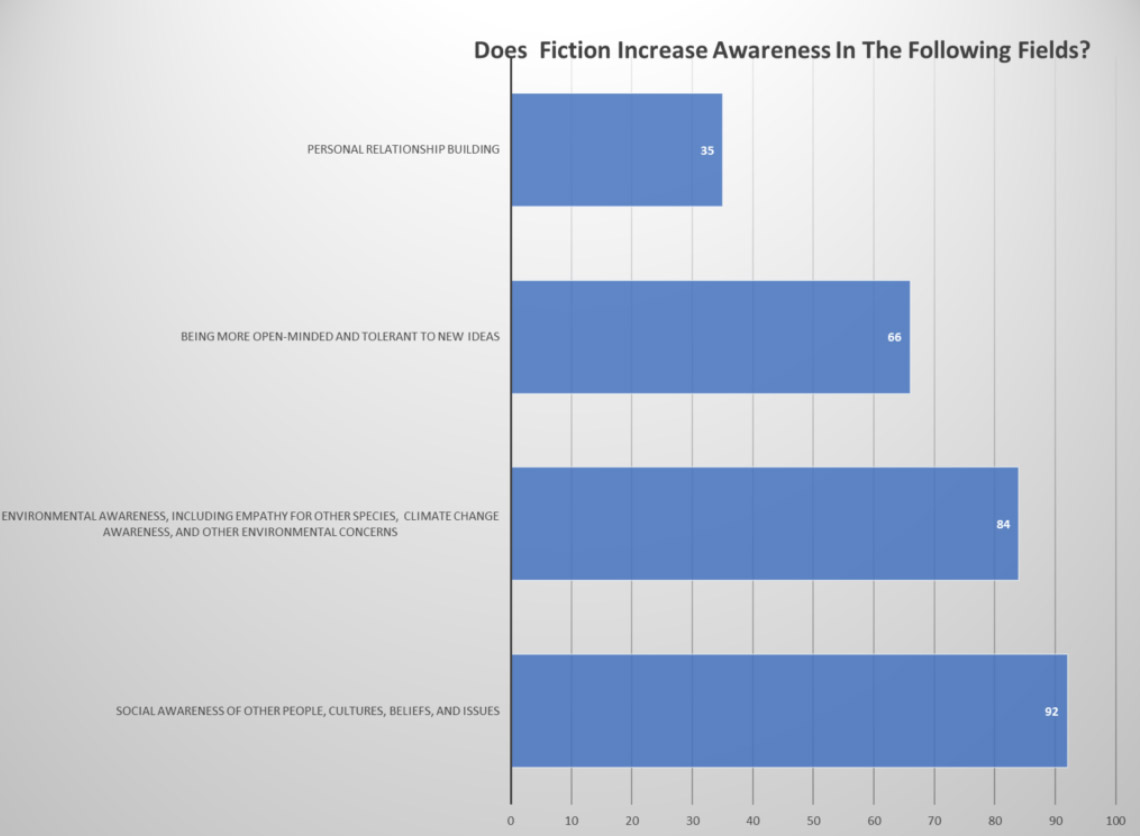
Awareness in Fields

Graph from Environmental Fiction Impact Survey by Mary Woodbury

In summary, Woodbury writes:

“The sample size (103) seems to be a good one for people who are mostly familiar with the idea of eco-fiction (and similar environmental/nature fiction genres and subgenres), though I was still hoping to get a larger, more diverse group of participants. The majority of respondents were highly educated middle-aged women. The majority of the group read from 1-29 novels a year. Favorite novels represented mostly North American or European authors (male and female about equally, with J.R.R. Tolkien, Barbara Kingsolver and Margaret Atwood consistently a favorite), with the majority of readers enjoying literary fiction the most, followed by dystopia/utopia and then science fiction.”

Woodbury notes that the genres of science fiction and fantasy were well represented in the survey, “both as favorite and most impactful novels, despite literary fiction being the favorite genre among the participants.” Of novels that respondents enjoyed, “readers were most impacted by good storytelling.” Polemic was not well regarded.


Achieving Impactful Eco-Fiction & Avoiding Polemic Through Use of Metaphor

The key to impact and enjoyment for a reader lies in good storytelling. The very best storytelling uses metaphor and oblique description to achieve a deeper meaning. The greatest art must be left to interpretation; not directly dispensed. Great art is felt and experienced viscerally; not just taken in intellectually. Great art shows; not tells.

EcologyOfStoryIn my writing guidebook The Ecology of Story: World as Character, I discuss the various ways that the use of metaphor achieves depth and meaning in story, particularly in eco-fiction. One impactful way is in the choice of setting. In the chapter on Place as Metaphor, I write:

Everything in story is metaphor, Ray Bradbury once told me. That is no more apparent than in setting and place, in which a story is embedded and through which characters move and interact.

Metaphor is the subtext that provides the subtleties in story, subtleties that evoke mood, anticipation, and memorable scenes. Richard Russo says, “to know the rhythms, the textures, the feel of a place is to know more deeply and truly its people.” When you choose your setting, remember that its primary role is to help depict theme. This is because place is destiny.

What would the book Dune be without Arrakis, the planet Dune? What would the Harry Potter books be without Hogwarts?

Metaphor provides similarity to two dissimilar things through meaning. In the metaphor “Love danced in her heart” or the simile “his love was like a slow dance”, love is equated with the joy of dance. By providing figurative rather than literal description to something, metaphor invites participation through interpretation.

When I write “John’s office was a prison,” I am efficiently and sparingly suggesting in five words—in what would normally take a paragraph—how John felt about his workplace. The reader would conjure imagery suggested by their knowledge of a prison cell: that John felt trapped, cramped, solitary, stifled, oppressed—even frightened and threatened. Metaphor relies on sub-text knowledge. This is why metaphor is so powerful and universally relevant: the reader fully participates—the reader brings in relevance through their personal knowledge and experience and this creates the memorable aspect to the scene.

Metaphor is woven into story through the use of devices and constructs such as depiction of the senses, personification, emotional connections, memories, symbols, archetypes, analogies and comparisons. Sense, and theme interweave in story to achieve layers of movement with characters on a journey. All through metaphor.

Symbols and Archetypes

In Emmi Itäranta’s Memory of Water—about a post-climate change world of sea level rise—water is a powerful archetype, whose secret tea masters guard with their lives. Water, with its life-giving properties and other strange qualities, has been used as a powerful metaphor and archetype in many stories: from vast oceans used as a powerful metaphor and archetype in many stories: from vast oceans of mystery, beauty and danger—to the relentless flow of an inland stream. Margaret Atwood’s The Penelopiad is one example:

Water does not resist. Water flows. When you plunge your hand into it, all you feel is a caress. Water is not a solid wall, it will not stop you. But water always goes where it wants to go, and nothing in the end can stand against it. Water is patient. Dripping water wears away a stone. Remember that, my child. Remember you are half water. If you can’t go through an obstacle, go around it. Water does.

In my short story The Way of Water (La natura dell’acqua), water’s connection with love flows throughout the story:

The Way of Water-COVERThey met in the lobby of a shabby downtown Toronto hotel. Hilda barely knew what she looked like but when Hanna entered the lobby through the front doors, Hilda knew every bit of her. Hanna swept in like a stray summer rainstorm, beaming with the self-conscious optimism of someone who recognized a twin sister. She reminded Hilda of her first boyfriend, clutching flowers in one hand and chocolate in the other. When their eyes met, Hilda knew. For an instant, she knew all of Hanna. For an instant, she’d glimpsed eternity. What she didn’t know then was that it was love. 

Love flowed like water, gliding into backwaters and lagoons with ease, filling every swale and mire. Connecting, looking for home. Easing from crystal to liquid to vapour then back, water recognized its hydrophilic likeness, and its complement. Before the inevitable decoherence, remnants of the entanglement lingered like a quantum vapour, infusing everything. Hilda always knew where and when to find Hanna on Oracle, as though water inhabited the machine and told her. Water even whispered to her when her wandering friend was about to return from the dark abyss and land unannounced on her doorstep. 

In a world of severe water scarcity through climate catastrophe and geopolitical oppression, the bond of these two girls—to each other through water and with water—is like the shifting covalent bond of a complex molecule, a bond that fuses a relationship of paradox linked to the paradoxical properties of water. Just as two water drops join, the two women find each other in the wasteland of intrigue. Hilda’s relationship with Hanna—as with water—is both complex and shifting according to the bonds they make and break.

Using the Senses 

Readers don’t just “watch” a character in a book; they enter the character’s body and “feel”.

How do writers satisfy the readers’ need to experience the senses fully? Description, yes. But how cold is cold? What does snow really smell like? What color is that sunset? How do you describe the taste of wine to a teetotaler?

Literal description is insufficient. To have the sense sink in and linger with the reader, it should be linked to the emotions and memories of the character experiencing it. By doing this, you are achieving several things at the same time: describing the sense as the character is experiencing it—emotionally; revealing additional information on the character through his/her reaction; and creating a more compelling link for the reader’s own experience of the sense.

Senses can be explored by writers through metaphor, linking the sense to memories, using synesthesia (cross-sensory metaphor), linking the sense psychologically to an emotion or attitude, and relating that sense in a different way (e.g., describing a visual scene from the point of view of a painter or photographer—painting with light). How a sense is interpreted by your protagonist relies on her emotional state, memories associated with that sense and her attitude.

Using Personification

TheWindupGirl Paolo BacigalupiEnvironmental forces—such as weather, climate, forests, mountains, water systems—convey the mood and tone of both story and character. These environmental forces are not just part of the scenery. To a writer, they are devices used in plot, theme and premise. They may also be a compelling character, particularly in eco-fiction, climate-fiction, and speculative fiction. Dystopian fiction often explores a violent world of contrast between the affluent and vulnerable poor that often portrays the aftermath of economic and environmental collapse (e.g., Maddaddam Trilogy, The Windup Girl, Snowpiercer, Interstellar, Mad Max). In any fiction genre it is important to get the science right. Readers of fiction with strong environmental components, however, expect to learn as much from the potential reality as from the real science upon which the premise depends.

In Memory of Water, Emmi Itäranta personifies this life-giving substance whose very nature is tightly interwoven with her main character. As companion and harbinger, water is portrayed simultaneously as friend and enemy. As giver and taker of life.
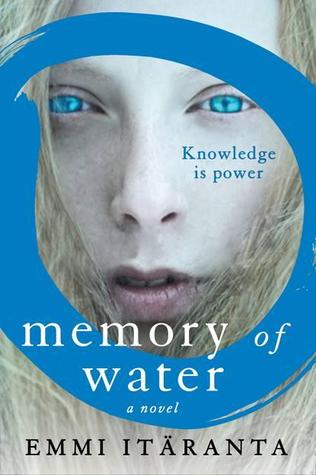
Memory of Water Emmi ItarantaWater is the most versatile of all elements … Water walks with the moon and embraces the earth, and it isn’t afraid to die in fire or live in air. When you step into it, it will be as close as your own skin, but if you hit it too hard, it will shatter you … Death is water’s close companion. The two cannot be separated, and neither can be separated from us, for they are what we are ultimately made of: the versatility of water, and the closeness of death. Water has no beginning and no end, but death has both. Death is both. Sometimes death travels hidden in water, and sometimes water will chase death away, but they go together always, in the world and in us. 

Personification of natural things provides the reader with an image they can clearly and emotionally relate to and care about. When a point-of-view character does the describing, we get a powerful and intimate indication of their thoughts and feelings—mainly in how they connect to place (often as symbol). When this happens, place and perception entwine in powerful force.

Donald Maass writes in Writing the Breakout Novel Workbook: “The beauty of seeing a locale through a particular perspective is that the point-of-view character cannot be separated from the place. The place comes alive, as does the observer of that place, in ways that would not be possible if described using objective point of view.” The POV character’s relationship to place helps identify the transformative elements of their journey. Such transformation is the theme of the story and ultimately portrays the story’s heart and soul.

Connecting Character with Environment

Strong relationships and linkages can be forged in story between a major character and an aspect of their environment (e.g., home/place, animal/pet, minor character as avatar/spokesperson for environment [e.g. often indigenous people]). In these examples the environmental aspect serves as symbol and metaphoric connection to theme. They can illuminate through the sub-text of metaphor a core aspect of the main character and their journey: the grounding nature of the land of Tara for Scarlet O’Hara in Gone With the Wind; the sacred white pine forests for the Mi’kmaq in Barkskins; The dear animals for Beatrix Potter of the Susan Wittig Albert series.

The immense sandworms of Frank Herbert’s Dune are strong archetypes of Nature—large and graceful creatures whose movements in the vast desert sands resemble the elegant whales of our oceans:

It came from their right with an uncaring majesty that could not be ignored. A twisting burrow-mound of sand cut through the dunes within their field of vision. The mound lifted in front, dusting away like a bow wave in water. 

Misunderstood, except by the indigenous Fremen, the giant sandworms are targeted as a dangerous nuisance by the colonists—when, in fact, they are closely tied to the ecological cycles of the desert planet through water and spice.
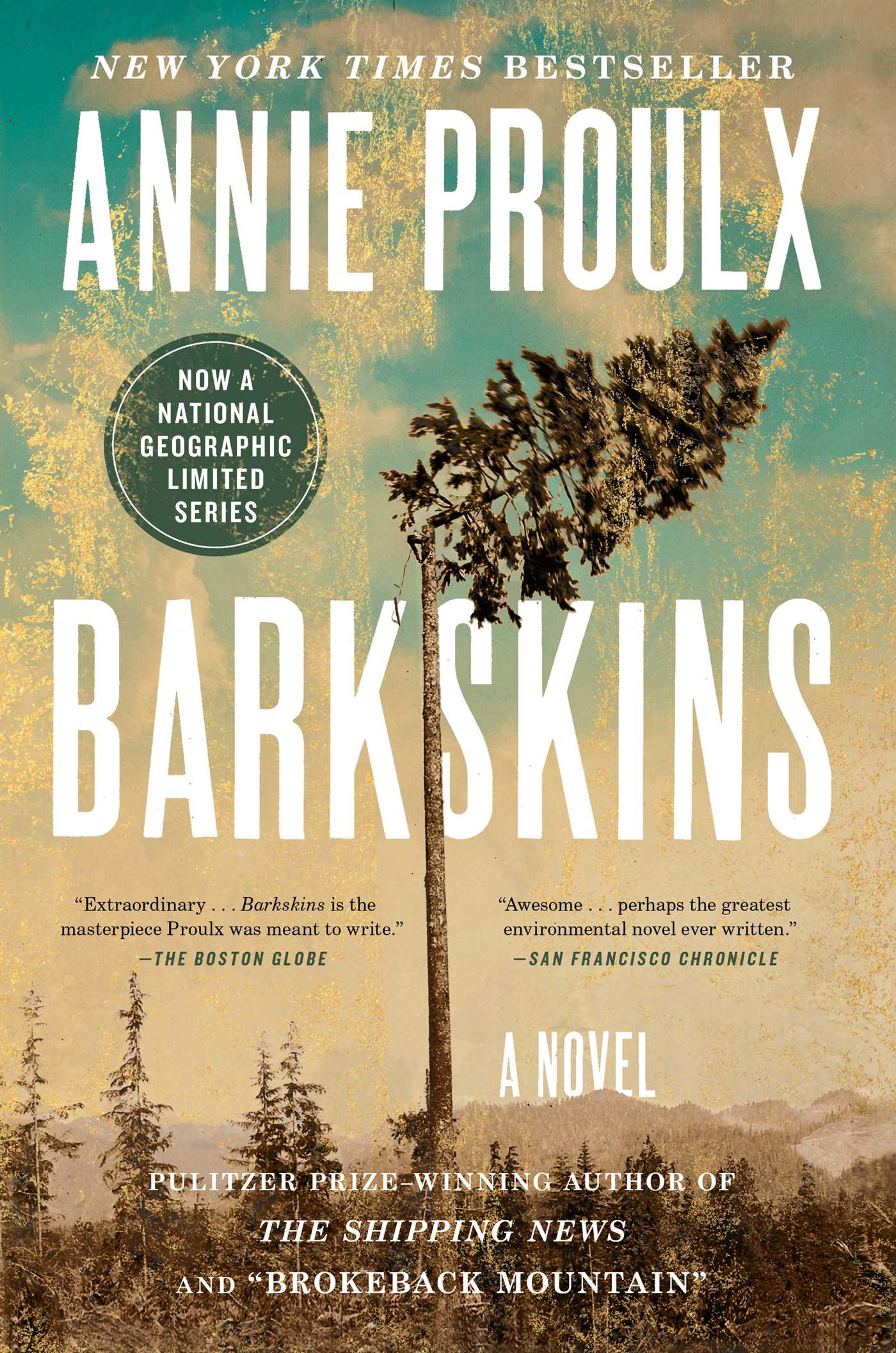
Barkskins Annie ProulxAnnie Proulx opens her novel Barkskins with a scene in which René Sel and fellow barkskins (woodcutters) arrive from France in the late seventeenth century to the still pristine wilderness of Canada to settle, trade and accumulate wealth:

In twilight they passed bloody Tadoossac, Kébec and Trois-Rivières and near dawn moored at a remote riverbank settlement … Mosquitoes covered their hands and necks like fur. A man with yellow eyebrows pointed them at a rain-dark house. Mud, rain, biting insects and the odor of willows made the first impression of New France. The second impression was of dark vast forest, inimical wilderness.

These bleak impressions of a harsh environment crawling with pests such as bébites and moustiques underlie the combative mindset of the settlers to conquer and seize what they can of a presumed infinite resource. By page seventeen, we know that mindset well. René asks why they must cut so much forest when it would be easier to use the many adequate clearings to build their houses and settlements. Trépagny fulminates: “Easier? Yes, easier, but we are here to clear the forest, to subdue this evil wilderness.” He further explains the concept of property ownership that is based on strips of surveyable land parcels—an application of the enclosure system. For them, the vast Canadian boreal forest was never-ending and for the taking: “It is the forest of the world. It is infinite. It twists around as a snake. swallows its own tail and has no end and no beginning,” Trépagny claims.
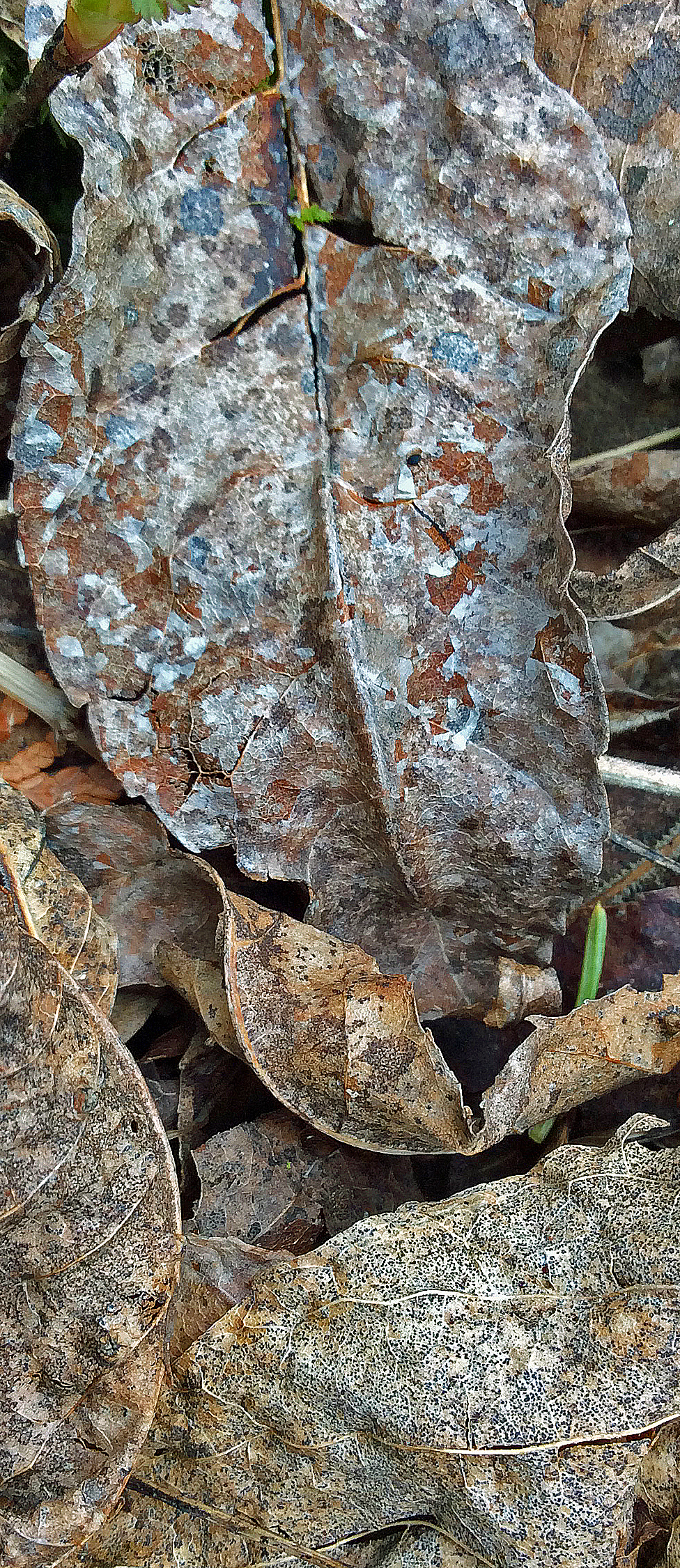
Leaves dead litter-long sh TNS

Leaf litter in Ontario forest (photo by Nina Munteanu)

Annie Proulx’s Barkskins chronicles two immigrants who arrive in Canada in 1693 (René Sel and Charles Duquet) and their descendants over 300 years of deforestation of North America; a saga that starts with the arrival of the Europeans in pristine forest and ends with a largely decimated forest under the veil of global warming. “Barkskins” (woodcutters) are, in fact indentured servants who were brought from the Paris slums to the wilds of New France to clear the land, build and settle. Sel is forced to marry a native woman and their descendants live trapped between two cultures; Duquet runs away to become a fur trader and builds a timber empire.

The Mi’kmaq are interwoven with the land and the forest. Missionary Pere Crème, who studies language makes this observation of the natives and the forest:

He saw they were so tightly knitted into the natural world that their language could only reflect the union and that neither could be separated from the other. They seemed to believe they had grown from this place as trees grow from the soil, as new stones emerge aboveground in spring. He thought the central word for this tenet, weji-sqalia’timk, deserved an entire dictionary to itself. 

The foreshadowing of doom for the magnificent forests is cast by the shadow of how settlers treat the Mi’kmaq people. The fate of the forests and the Mi’kmaq are inextricably linked through settler disrespect for anything indigenous and a fierce hunger for “more” of the forests and lands. Ensnared by settler greed, the Mi’kmaq lose their own culture and their links to the natural world erode with grave consequence. In a pivotal scene, Noë, a Mi’kmaw descendent of René Sel, grows enraged when she sees a telltale change in her brothers:

The offshore wind had shifted slightly but carried the fading clatter of boots on rock. They were wearing boots instead of moccasins. Noë knew what that meant but denied it … The men should be setting out to hunt moose, but because of the boots she knew they were going to work for the French logger.


Other Articles on Environmental Fiction, Eco-Fiction and Climate Fiction 

Can Dystopian Eco-Fiction Save the Planet?

Science Fiction on Water Justice & Climate Change

Windup Girl: When Monsanto Gets Its Way

Eco-Artist Roundtable with Frank Horvat on Green Majority Radio


Thanks to Mary Woodbury for the permission to share her survey results here. Much of the second part of this article is excerpted from the “Story” section of  The Ecology of Story: World as Character.
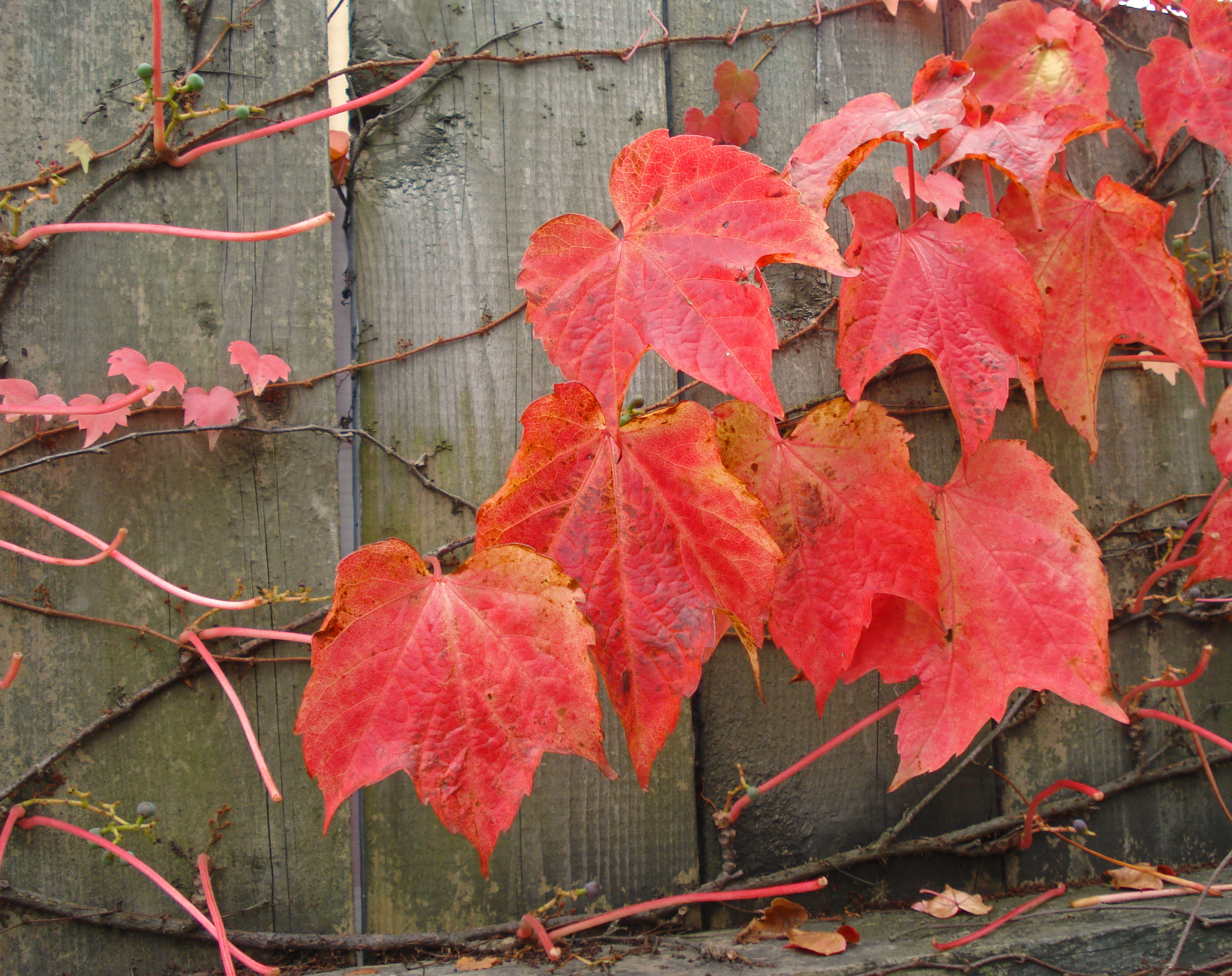
grape leaves in fall-halifax copy

Grape leaves on fence in Toronto, ON (photo by Nina Munteanu)

nina-2014aaa

Nina Munteanu is a Canadian ecologist / limnologist and novelist. She is co-editor of Europa SF and currently teaches writing courses at George Brown College and the University of Toronto. Visit www.ninamunteanu.ca for the latest on her books. Nina’s bilingual “La natura dell’acqua / The Way of Water” was published by Mincione Edizioni in Rome. Her non-fiction book “Water Is…” by Pixl Press(Vancouver) was selected by Margaret Atwood in the New York Times ‘Year in Reading’ and was chosen as the 2017 Summer Read by Water Canada. Her novel “A Diary in the Age of Waterwas released by Inanna Publications (Toronto) in June 2020.

Nina Munteanu Talks “A Diary in the Age of Water” on W.O.W. Podcast

Microsoft Word - WOW-Nina.docx

I recently chatted with Darshaun McWay on W.O.W. Podcast about my recent novel A Diary in the Age of Water.

We talked about the story, its main characters–including water as a character–and why I write about water. We also covered why the book is written partly as a diary. Margaret Atwood’s name came up too…

The interview will air on W.O.W. Podcast on October 15, 2020. Darshaun kindly provided the recording for my community. Here it is:

Darshaun McAwayDarshaun McAway has been hosting W.O.W. Podcast from Arkansas in the USA since 2017. With over a hundred episodes to date, Darshaun’s main focus is to instruct, inspire and enlighten through interviews with authors around the world. Other Canadian science fiction authors who have appeared on W.O.W include Cat Rambo and Edward Willett.

pebble shoreline drybr ThompsonCreek

Pebbled shoreline of Thompson Creek, ON (photo by Nina Munteanu)

nina-2014aaa

Nina Munteanu is a Canadian ecologist / limnologist and novelist. She is co-editor of Europa SF and currently teaches writing courses at George Brown College and the University of Toronto. Visit www.ninamunteanu.ca for the latest on her books. Nina’s bilingual “La natura dell’acqua / The Way of Water” was published by Mincione Edizioni in Rome. Her non-fiction book “Water Is…” by Pixl Press(Vancouver) was selected by Margaret Atwood in the New York Times ‘Year in Reading’ and was chosen as the 2017 Summer Read by Water Canada. Her novel “A Diary in the Age of Waterwas released by Inanna Publications (Toronto) in June 2020.

An Interview with a Bull Thistle

Story is place, and place is character—Nina Munteanu

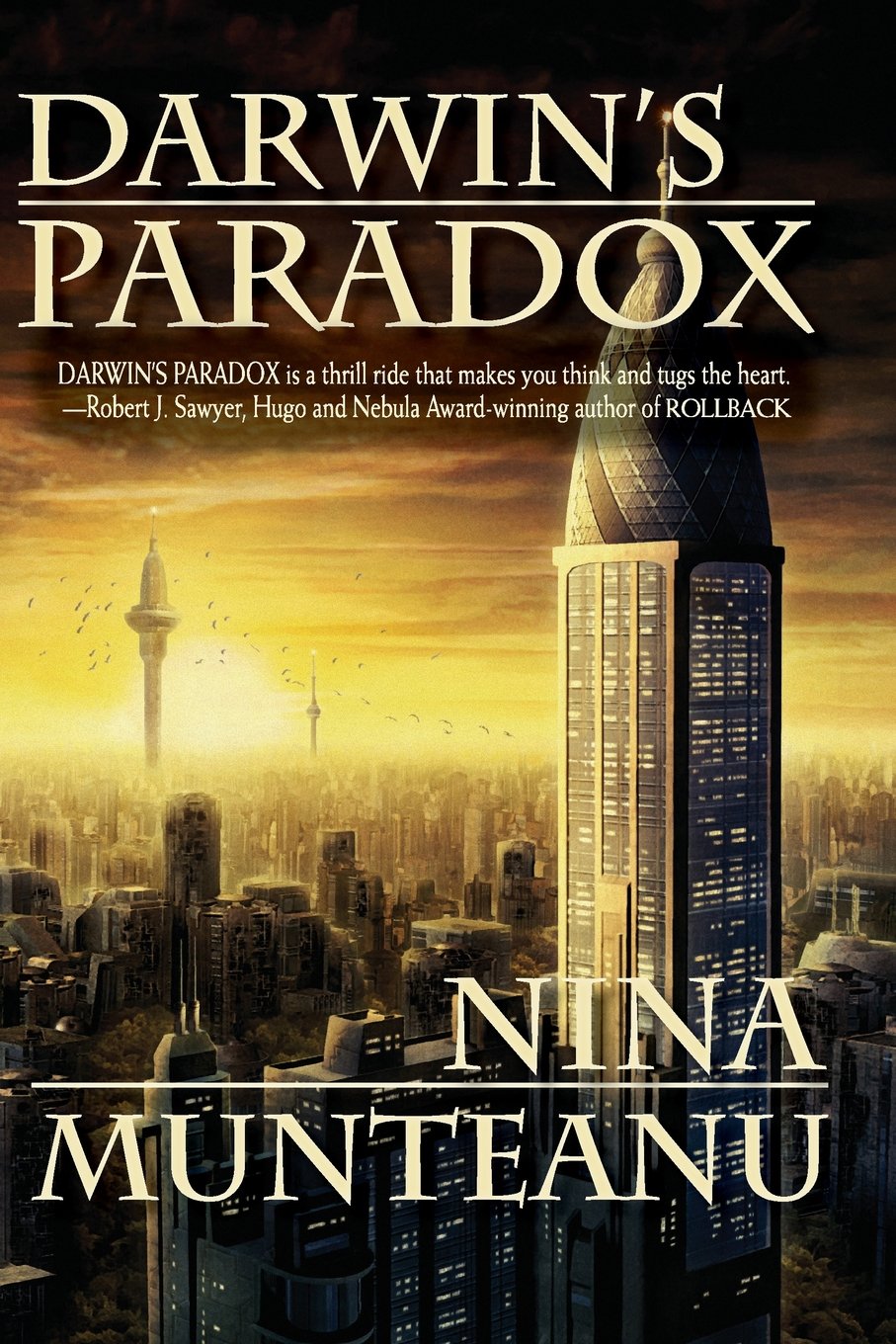
Darwins Paradox-2nd edI write mostly eco-fiction. Even before it was known as eco-fiction, I was writing it. My first book—Darwin’s Paradox—published in 2007 by Dragon Moon Press as science fiction, was also eco-fiction. It takes place in 2075 after climate change has turned southern Ontario into a heathland and Toronto into a self-enclosed city. My latest eco-fiction—A Diary in the Age of Water published in 2020 by Inanna Publications—is set mostly in Toronto from the near-future to 2065 and beyond.

As a writer of eco-fiction and climate fiction, I’m keenly aware of the role environment plays in story. Setting and place are often subtle yet integral aspects of story. In eco-fiction, they can even be a “character,” serve as archetypes and present metaphoric connections to characters on a journey (see my guidebook The Ecology of Story: World as Character published by Pixl Press for more discussion on all aspects of nature’s symbols in writing).

EcologyOfStoryThings to consider about place as character begin with the POV character and how they interact with their environment and how they reflect their place. For instance, is that interaction obvious or subtle? Is that environment constant or changing, stable or unstable, predictable, or variable? Is the place controllable or not, understandable or not? Is the relationship emotional, connected to senses such as memory?

Place as character serves as an archetype that story characters connect with and navigate in ways that depend on the theme of the story. A story’s theme is essentially the “so what part” of the story. What is at stake for the character on their journey. Theme is the backbone—the heart—of the story, driving characters to journey through time and place toward some kind of fulfillment. There is no story without theme. And there is no theme without place.

Archetypes are ancient patterns of personality shared universally by humanity (e.g. the “mother” archetype is recognized by all cultures). When place or aspects of place act as an archetype or symbol in story—particularly when linked to theme—this provides a depth of meaning that resonates through many levels for the reader.

In Ray Bradbury’s The Martian Chronicles, Mars symbolizes a new Eden. Like Bradbury’s aboriginal Martians—who are mostly invisible—the planet is a mirror that reflects humanity’s best and worst. Who we are, what we are, what we bring with us and what we may become. What we inadvertently do—to others, and finally to ourselves—and how the irony of chance can change everything.

“Nature’s symbols are powerful archetypes that reveal compelling story,” writes Donald Maass in Write the Breakout Novel Workbook.

Diary Water cover finalWater has been used as a powerful archetype in many novels. In my latest novel, A Diary in the Age of Water, water plays an important role through its unique metaphoric connection with each of the four main characters; how they relate to it and understand it, and act on its behalf. Water in A Diary in the Age of Water is often personified; water reflects various symbolic and allegorical interpretations and embraces several archetypes including herald-catalyst, trickster, shapeshifter, and shadow.

Strong relationships and linkages can be forged in story between a major character and an aspect of their environment (e.g., home/place, animal/pet, minor character as avatar/spokesperson for environment).

FictionWriter-cover-2nd edIn these examples the environmental aspect serves as symbol and metaphoric connection to theme. They can illuminate through the sub-text of metaphor a core aspect of the main character and their journey: the grounding nature of the land of Tara for Scarlet O’Hara in Margaret Mitchel’s Gone With the Wind; the white pine forests for the Mi’kmaq in Annie Proulx’s Barkskins; The animals for Beatrix Potter of the Susan Wittig Albert series.

All characters—whether the main POV character, or a minor character or personified element of the environment—have a dramatic function in your story. In my writing courses at George Brown College and The University of Toronto and in my guidebook The Fiction Writer, I provide a list of questions you can ask your character to determine if they are functioning well in the story and if they should even stay in the story. I call it interviewing your character. You can interview any character in your story; it can provide incredible insight. And speaking of character…

I have of late been walking daily to a lovely meadow beside a stream and thicket where brilliant Bull thistles have burst into flower. I felt the need to research this beautiful yet dangerously prickly plant and why it peaked my interest…

Thistle group 2 Pb copy

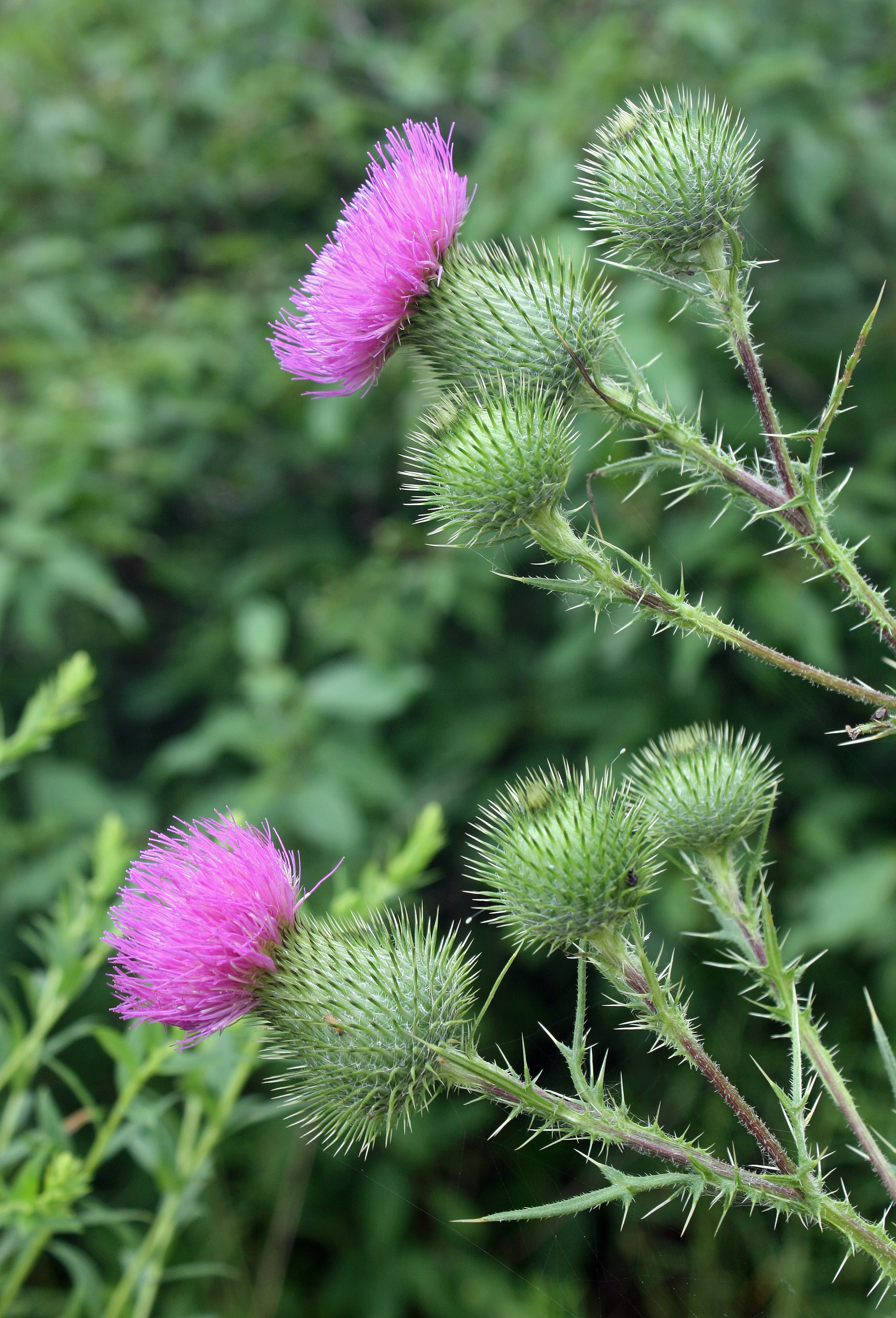
Bull Thistle, ON (photo by Nina Munteanu)

 Interview With the Bull Thistle

Nina: Pardon my saying, but you seem to scream paradox. You’re dangerously beautiful. Alluring yet aloof. Standoffish, even threatening. For instance, how is it that you have such a beautiful single purple-pink flower at the top of such a nasty prickly stem and leaves?

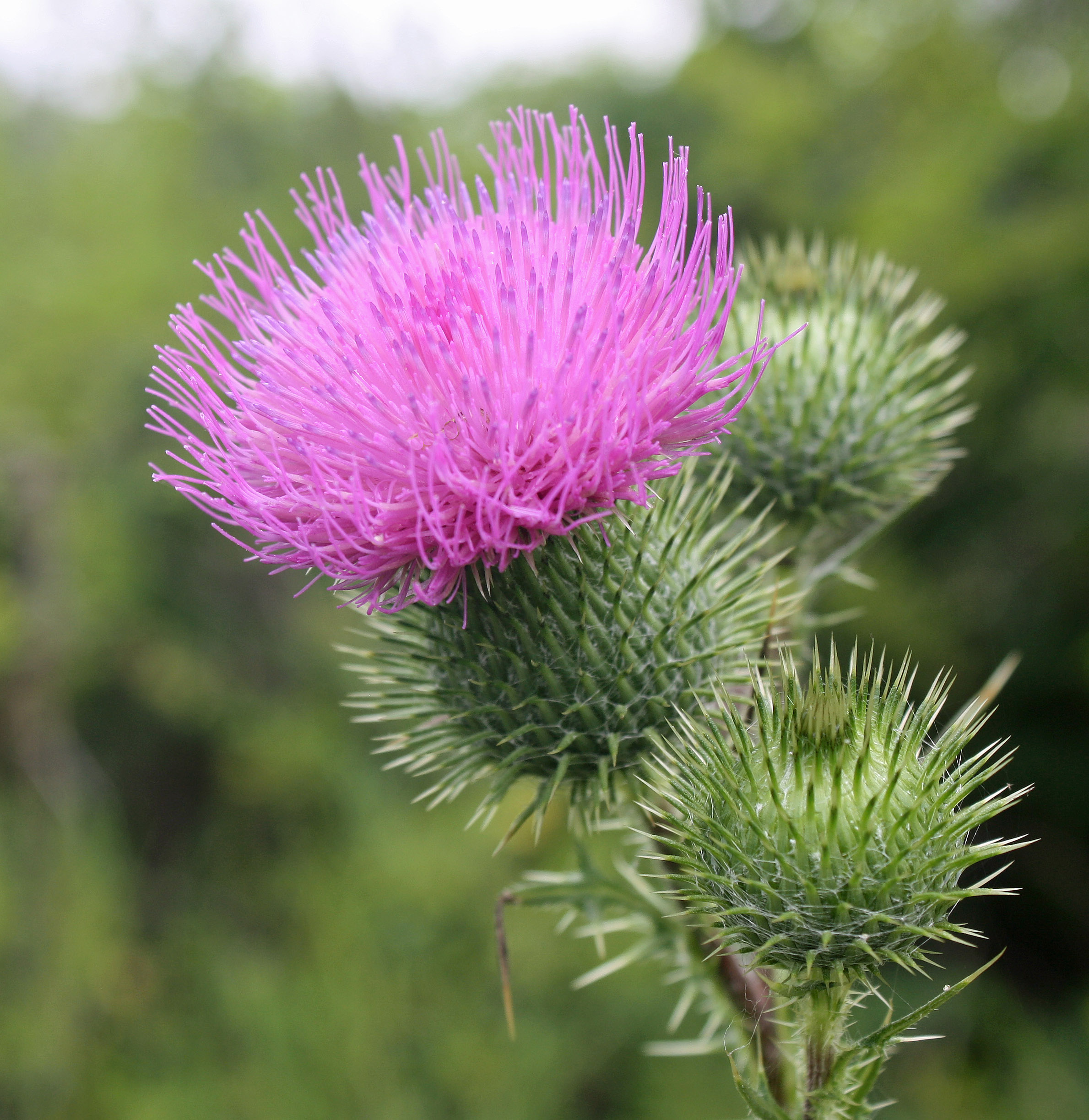
Bull Thistle: First of all, it isn’t just a flower at the top; it’s a flower head of over two hundred flowers called florets. Each flower head is a tight community of tube disk bisexual florets arranged in Fibonacci spirals and protected by a collection of spiked bracts called an involucre. And inside the protective outer shell, embedded in a fleshy domed receptacle, are the tiny ovaries, waiting patiently to be fertilized and grown into a seed or achene.

Thistle honey bee 2 closer

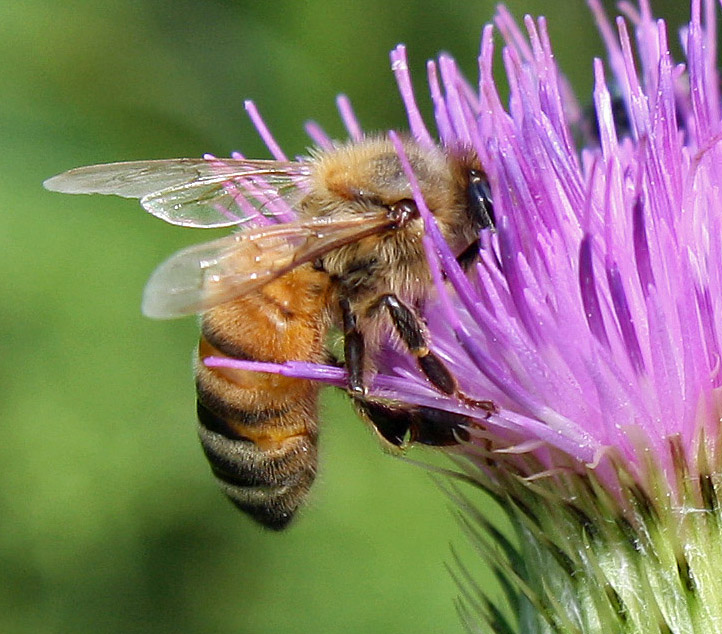
Honey bee getting nectar from the thistle flower head (photo by Nina Munteanu)

Nina: Ah, I beg your pardon. But you still have all those sharp spikes everywhere. I’m guessing they are to protect your developing young, the ovaries. But doesn’t that isolate you? Keep you from integrating in your ecosystem?

Bull Thistle: The bristles are specifically aimed at predators who wish to harm us, eat us, bore into us, pull us out of the earth. We have many friends—the pollinators, the bees, wasps, and butterflies that help us cross-pollinate from plant to plant. And the birds—particularly the goldfinches—also help.

Nina: Wait. Don’t goldfinches eat your babies—eh, seeds?

Bull Thistle: They do. But they also help disperse our children. They land on our dried involucres—now opened to reveal the seeds and their pappus. The birds pull the seeds out by the thistle down that rides the wind. The birds eat the seeds and also use the thistle down to make their nests. But—like the squirrels who love oak acorns—the birds miss as many as they eat. By carrying the down to their nests, they also help the seeds travel great distances farther than the wind would have carried them. By dislodging the seeds in bunches, they help the seeds break away from the receptacle and meet the wind. The pappus, which is branched and light like a billowing sail, carries the seed on the wind to germinate elsewhere to help us colonize.

Thistle opened involucre scattering seeds

Opened involucre with achenes and pappus ready to disperse, ON (photo by Nina Munteanu)

Nina: So, your enemy is also your friend… The shadow character, who helps the hero on her journey by presenting a perilous aspect of enlightenment.

Bull Thistle: If you say so. What we understand is that Nature’s resilience derives from the balance of give and take over time. Prey and predator. Death, decay, transcendence. Destruction and creation. Ecological succession and change are a gestalt expression of Gaia wisdom as each individual fulfills its particular existential niche. Even if that is to die…for others to live.

Nina: Yes, the hero’s journeyBut you’re not originally from here, are you? You were brought to North America from Eurasia. Some consider you an interloper, a disturbance. You could serve the shadow or trickster archetype yourself—outcompeting the native thistle, creating havoc with pasture crops. You can tolerate adverse environmental conditions and adapt to different habitats, letting you spread to new areas. Your high seed production, variation in dormancy, and vigorous growth makes you a serious invader. You cause wool fault and physical injury to animals. Storytellers might identify you metaphorically with the European settler in the colonialism of North America; bullying your way in and destroying the natives’ way of life.

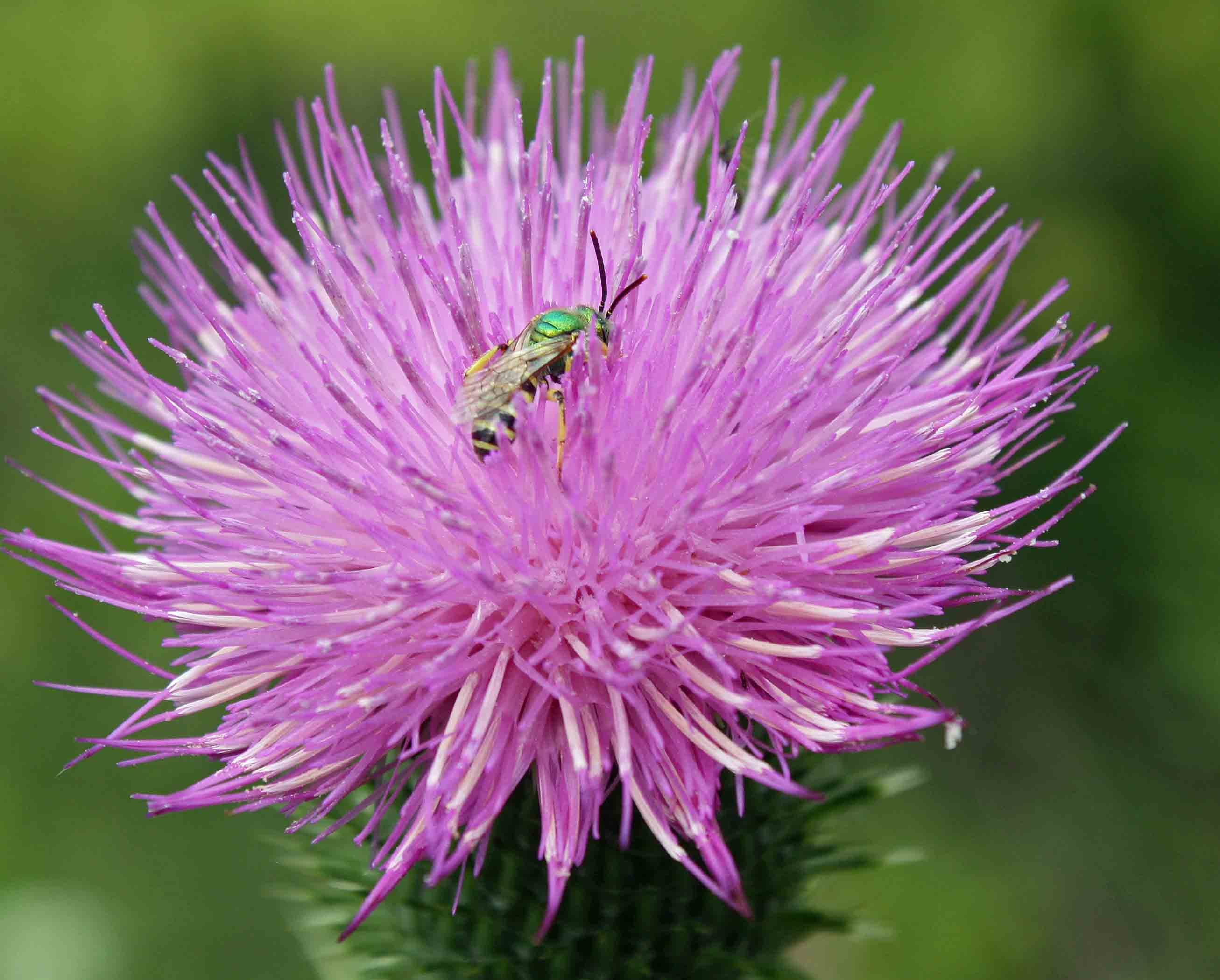
Bull Thistle: We’re unaware of these negative things. We don’t judge. We don’t bully; we simply proliferate. We ensure the survival of our species through adaptation. Perhaps we do it better than others. You’ve lately discovered something we’ve felt and acted on for a long time. Climate is changing. We must keep up with the times… But to address your original challenge, if you did more research, you would find that we serve as superior nectar sources for honey bees (Apis spp.), bumblebees (Bombus spp.) and sweat bees (Anastogapus spp.) who thoroughly enjoy our nectar.

Thistle head sweat bee Pb copy

Sweat bee draws the sweet nectar of the Bull Thistle, ON (photo by Nina Munteanu)

We’re considered a top producer of nectar sugar in Britain. Cirsium vulgare—our official name—has ranked in the top 10 for nectar production in a recent UK survey.  The goldfinch relies on our seed and down. And we’ve provided food, tinder, paper, and medicine to humans for millennia. As some of your indigenous people point out, it’s a matter of attitude. Change is opportunity.

Thistle group Pb copyNina: I guess that every weed was once a native somewhere. I also agree that times are changing—faster than many of us are ready for, humans included. If you were to identify with an archetype, which would you choose?

Bull Thistle: That would depend on the perceiver, we suppose. Some of us think of us as the hero, journeying through the change and struggling to survive; others see us as the herald, inciting movement and awareness by our very existence; some of us identify with the trickster, others with the shapeshifter—given how misunderstood we are. In the end, perhaps, we are the mentor, who provides direction through a shifting identity and pointing the way forward through the chaos of change toward enlightenment.

Nina: Yes, I suppose if someone stumbled into your nest of prickles, incredible awareness would result. Speaking of that very awareness, this brings me back to my original question: why are you so beautiful yet deadly?

Bull Thistle: We are the purest beauty—only attained through earnest and often painful awareness. We are the future and the beauty of things to come.

Thistle head on full of pollen close

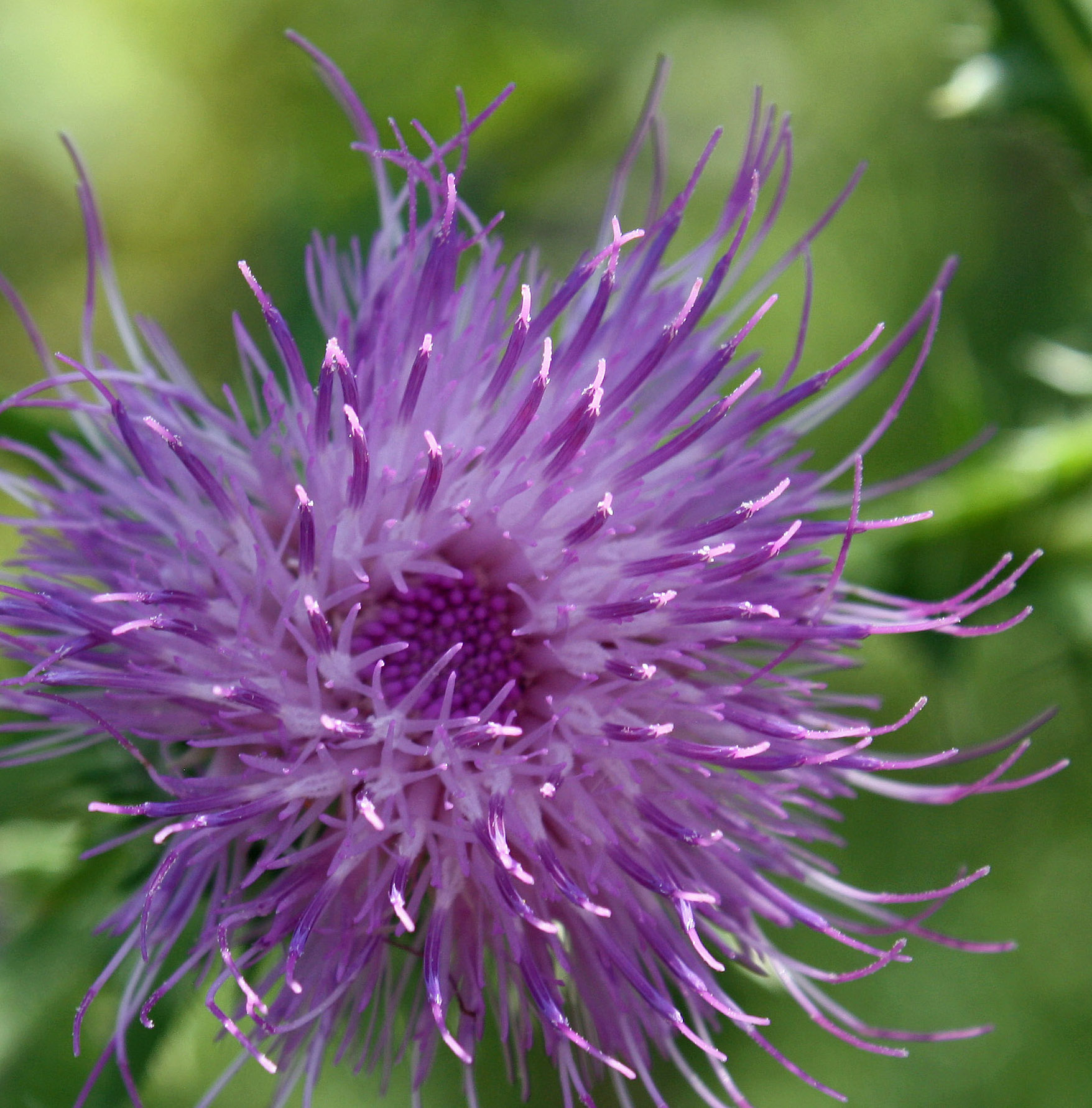
Flower head of Bull Thistle, ON (photo by Nina Munteanu)

You can read more on this topic in Nina’s writing guidebook series, particularly The Fiction Writer: Get Published, Write Now! and The Ecology of Story: World as Character.

Relevant Articles:

The Ecology of Story: Revealing Hidden Characters of the Forest

Ecology of Story: World as Character” Workshop at When Words Collide

Ecology of Story: Place as Allegory

Ecology of Story: Place as Symbol

Ecology of Story: Place as Metaphor

Ecology of Story: Place as Character & Archetype

nina-2014aaa

Nina Munteanu is a Canadian ecologist / limnologist and novelist. She is co-editor of Europa SF and currently teaches writing courses at George Brown College and the University of Toronto. Visit www.ninamunteanu.ca for the latest on her books. Nina’s bilingual “La natura dell’acqua / The Way of Water” was published by Mincione Edizioni in Rome. Her non-fiction book “Water Is…” by Pixl Press(Vancouver) was selected by Margaret Atwood in the New York Times ‘Year in Reading’ and was chosen as the 2017 Summer Read by Water Canada. Her novel “A Diary in the Age of Waterwas released by Inanna Publications (Toronto) in June 2020.


Age of Water Podcast: Interview with The Water Brothers

WaterBrothers-banner

AoW Logo-smallWe are now living in the Age of Water. Water is the new “gold”, with individuals, corporations and countries positioning themselves around this precious resource. Water is changing everything. The Age of Water Podcast covers anything of interest from breaking environmental news to evergreen material. This also includes human interest stories, readings of eco-literature, discussion of film and other media productions of interest.

Join the discussion!

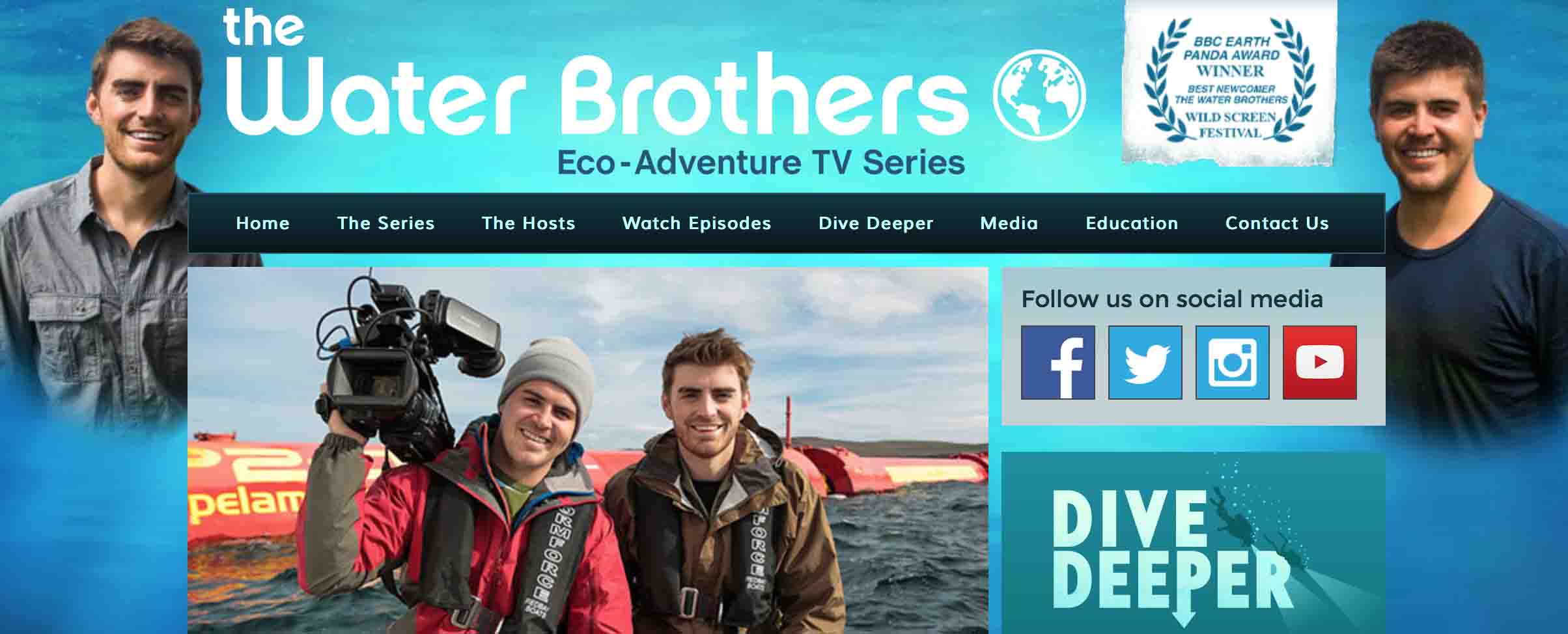
In Episode six of Age of Water, we join Canadian film educators The Water Brothers—Alex and Tyler Mifflin—in Toronto, Ontario, where they discuss their eco-adventure TV series and other documentary initiatives to educate, entertain and connect people with water and environmental issues. Alex and Tyler are two young eco-adventurer brothers who travel the world to explore our relationship with water. What are the problems and where will the solutions come from? The next generation takes us on the search.


WaterBrothers-camera

The Water Brothers

The Water Brothers is an eco-adventure documentary series that follows brothers, Alex and Tyler Mifflin, as they explore the world, uncover the planet’s most important and leading-edge water stories and interview top scientists and experts on solutions to help overcome the many and diverse environmental challenges we all face. There is nowhere they won’t go from high mountain peaks to the bottom of the ocean.


Alex and Tyler are passionate about the subject of water conservation and use their respective educations in film and environmental studies to create this award-winning series. Alex is the lead researcher, co-writer and co-host and Tyler is the co-host, director, videographer and co-producer. They share a love of travel and adventure, a passion for the subject and a powerful desire to communicate their passion to audiences, especially their own generation.

WaterBrothers diving

WaterBrothers-ice

Water Brothers

Age of Water talked to the Water Brothers about their adventures from the Kumbh Mela on the Ganges River—largest gathering of humans on earth—to diving into dead zones to sailing into the middle of the Great Pacific Garbage Patch or climbing Mount Kilimanjaro. The Water Brothers circle the globe to bring back stories that affect, inspire and educate viewers.

The Water Brothers airs in Canada on TVO, Knowledge Network, and Radio – Canada in Quebec, as well as in over 50 countries worldwide.


nina-2014aaa

Nina Munteanu is a Canadian ecologist / limnologist and novelist. She is co-editor of Europa SF and currently teaches writing courses at George Brown College and the University of Toronto. Visit www.ninamunteanu.ca for the latest on her books. Nina’s bilingual “La natura dell’acqua / The Way of Water” was published by Mincione Edizioni in Rome. Her non-fiction book “Water Is…” by Pixl Press (Vancouver) was selected by Margaret Atwood in the New York Times ‘Year in Reading’ and was chosen as the 2017 Summer Read by Water Canada. Her novel “A Diary in the Age of Waterwas released by Inanna Publications (Toronto) in May 2020.


Age Of Water Podcast: Nina Reads from “The Overstory”

AoW Logo-smallWe are now living in the Age of Water. Water is the new “gold”, with individuals, corporations and countries positioning themselves around this precious resource. Water is changing everything. The Age of Water Podcast covers anything of interest from breaking environmental news to evergreen material. This also includes human interest stories, readings of eco-literature, discussion of film and other media productions of interest.

In this episode of Age of Water, Nina reads from the eco-fiction book “Overstory” by Richard Powers, an exploration of the relationship of trees and humanity…


At the heart of Richard Powers’s The Overstory are the pivotal lives of two women, botanist Patricia Westerford and college student Olivia Vandergriff. Both will inspire a movement against the destruction of forests.

theoverstoryPatricia Westerford—whose work resembles that of Diana Beresford-Kroeger (author of The Global Forest) and UBC’s Suzanne Simard—is a shy introvert who discovers that trees communicate, learn, trade goods and services, and have intelligence. When she shares her discovery, she is ridiculed by her peers and loses her position.  But, just as with Lynn Margulis and her theory of endosymbiosis, Westerford is finally validated. She is the archetypal ‘mother tree’, the metaphoric Tachigali versicolor, who ultimately brings the tangle of narratives together through meaning. Westerford writes in her book The Secret Forest:

“There are no individuals in a forest, no separable events. The bird and the branch it sits on are a joint thing. A third or more of the food a big tree makes may go to feed other organisms. Even different kinds of trees form partnerships. Cut down a birch, and a nearby Douglas fir may suffer…Fungi mine stone to supply their trees with minerals. They hunt springtails, which they feed to their hosts. Trees, for their part, store extra sugar in their fungi’s synapses, to dole out to the sick and shaded and wounded. A forest takes care of itself, even as it builds the local climate it needs to survive…A tree is a wondrous thing that shelters, feeds, and protects all living things. It even offers shade to the axmen who destroy it.”

Olivia Vandergriff miraculously survives an electrocution to become an ecowarrior after she begins to hear the voices of the trees. She rallies others to embrace the urgency of activism in fighting the destruction of California’s redwoods and even camps in the canopy of one of the trees to deter the logging. When the ancient tree she has unsuccessfully protected is felled, the sound is “like an artillery shell hitting a cathedral.” Vandergriff weeps for this magnificent thousand-year old tree. So do I. Perhaps the real heroes of this novel are the ancient trees.

EcologyOfStoryIn his review of Overstory in The Guardian, Banjamin Markovits wrote, “ There is something exhilarating…in reading a novel whose context is wider than human life. Like Moby-DickThe Overstory leaves you with a slightly adjusted frame of reference… And I found, while reading, that some of what was happening to his characters passed into my conscience, like alcohol into the bloodstream, and left a feeling behind of grief or guilt, even after I put it down.”

I further explore the use of metaphor and other storytelling devices used by Richard Powers in his strongly symbolic novel in my writing guidebook “Ecology of Story: World as Character.”


nina-2014aaa

Nina Munteanu is a Canadian ecologist / limnologist and novelist. She is co-editor of Europa SF and currently teaches writing courses at George Brown College and the University of Toronto. Visit www.ninamunteanu.ca for the latest on her books. Nina’s bilingual “La natura dell’acqua / The Way of Water” was published by Mincione Edizioni in Rome. Her non-fiction book “Water Is…” by Pixl Press (Vancouver) was selected by Margaret Atwood in the New York Times ‘Year in Reading’ and was chosen as the 2017 Summer Read by Water Canada. Her novel “A Diary in the Age of Waterwas released by Inanna Publications (Toronto) in June 2020.
Talking with Author Lucia Monica Gorea about “Yukon, the Polar Bear”

Yukon 8.5x8.5_KDP Cover.indd

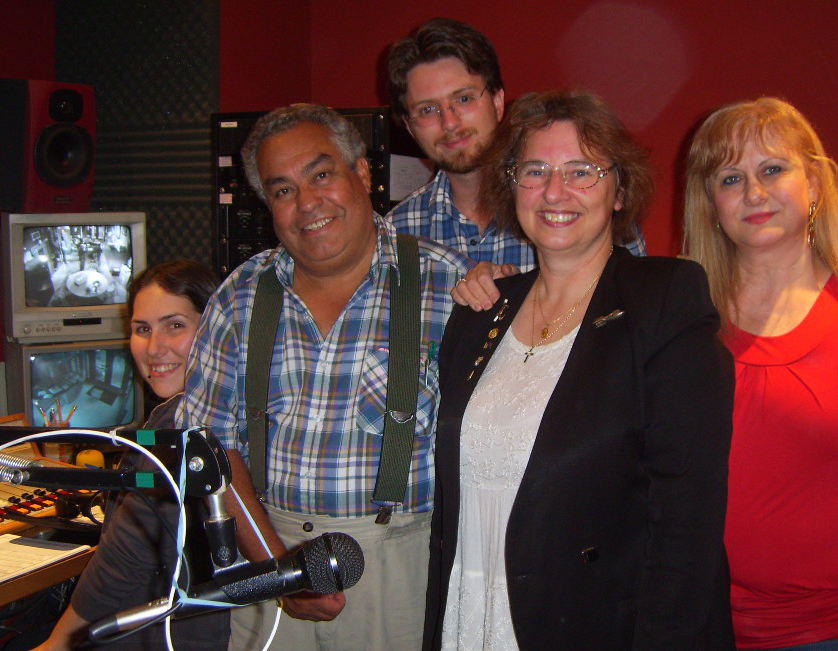
I met my fellow Romanian author friend Lucia Monica Gorea several years ago at a writer’s function in Vancouver and our (Romanian) passion for writing and storytelling made us fast friends. At the time Lucia was teaching writing at UBC and was co-hosting a radio show on Vancouver Coop Radio. She interviewed me several times about my science fiction publications, about water, my limnology and my eco-fiction.

coop-radio-team

Co-host Lucia with Nina and Coop Radio team, Vancouver, BC

Nina-Lucia Editura Gaudeamus

Nina Munteanu and Lucia Monica Gorea at Gaudeamus Book Fair, Bucharest, Romania

We also together attended the launch of our books with Romanian publisher Editura Paralela 45 in Bucharest Romania at the Gaudeamus Book Fair. I was launching my translated book on fiction writing, “Manual de Scriere Creativa” (The Fiction Writer: Get Published, Write Now!) and Lucia was launching her English / Romanian translation of Petre Ispirescu’s fairy tale “The Morning Star and the Evening Star.”

I’ve since moved to Ontario and teach writing at the University of Toronto and Lucia moved to Nanaimo, BC, where she teaches at Vancouver Island University.

I recently interviewed Lucia, who just reissued her most recent children’s book “Yukon,” a wonderfully illustrated story about a young polar bear who loses his mother and goes on a perilous adventure:

  1. You recently republished your children’s climate fiction book “Yukon” through Bestsellers Publishing Academy. Tell us about the book.

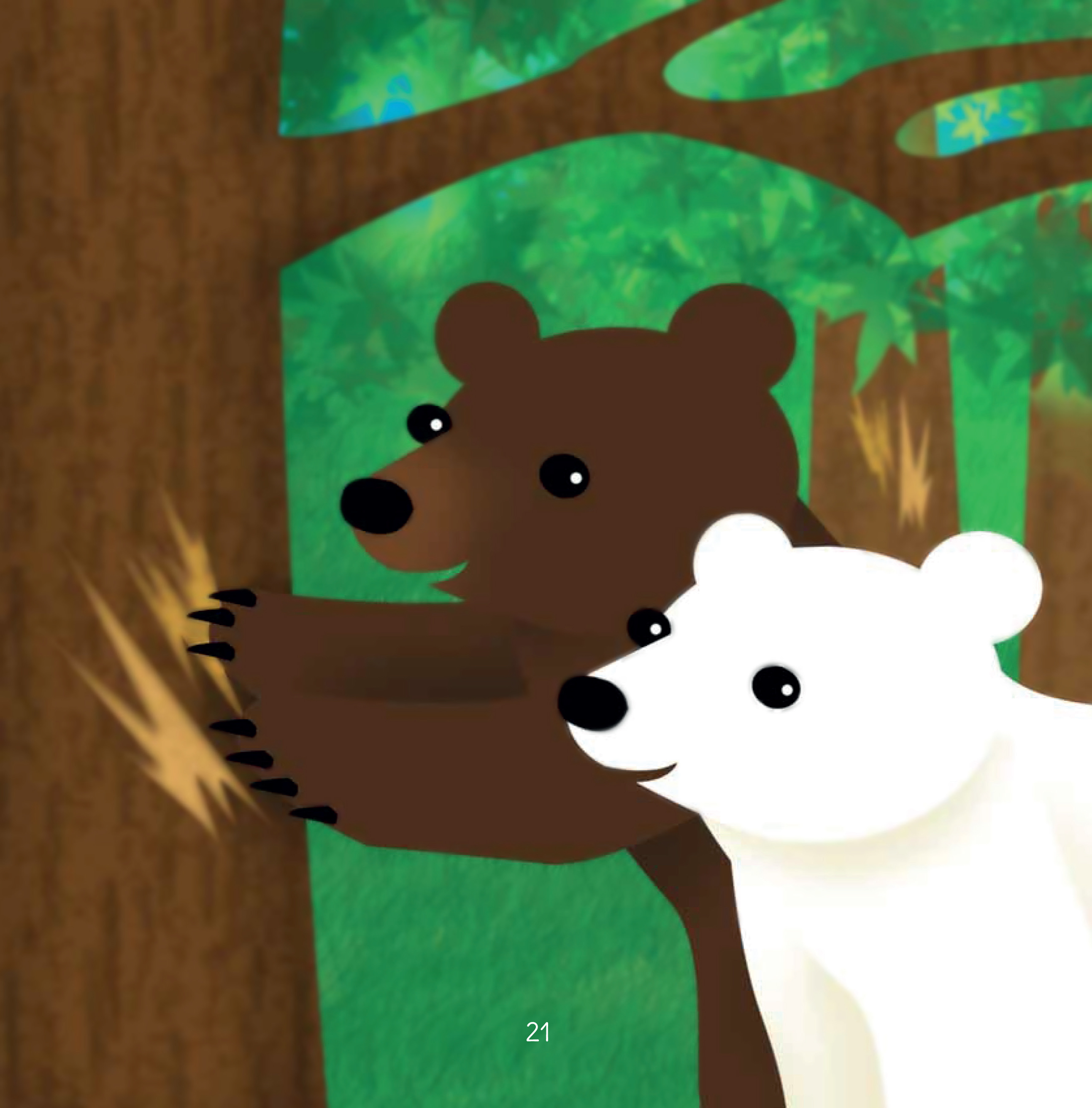
Yukon, the Polar Bear is a story that brings awareness about global warming and climate change and teaches children how important our planet is. The reader is not only drawn into the story, but he or she learns how climate change affects polar bear habitat, and how polar bears will eventually become extinct if we don’t take action now.

Yukon 8.5x8.5_Working.indd

Yukon and his mom 

Since younger children can’t easily grasp concepts such as, glaciers and sea ice melting, or ocean acidification, they can better understand the issues our planet faces at the moment, through stories that are age appropriate.


  1. What inspired you to write “Yukon”?

I have always been fascinated by polar bears. I believe that they are so cool.

Seeing that their habitat is in huge danger, I wanted to bring my small apport to educate children, by letting them know how important our planet is through this children’s book.

Yukon 8.5x8.5_Working.indd

Yukon alone on a melting ice float after losing his mother 

  1. Who do you hope will read “Yukon”?

“Yukon” is intended for grade school children, ages 7+, for parents, and teachers alike. The topic of climate change can initiate interesting discussions and debates at school or home, during circle time, book clubs, or science classes. Teachers can assign research topics and invite children to further explore polar bear habitat, and learn how the Arctic animals are being affected by global warming.


  1. What does the polar bear represent in our awareness and fight against climate change?

Polar bears represent a “healthy planet.” As climate change forces polar bears to spend longer time offshore, they come in contact with Arctic coastal communities. Unfortunately, these interactions sometimes end badly for both humans and bears.  At the same time, the melting of the ice is resulting in more polar bears spending longer periods on land.

The expansion of offshore petroleum installations and operations in the Arctic are expected to increase in number. This expansion would affect polar bears and their habitat in many negative ways. As oil tankers and cargo ships in Arctic waters increase, so do the risks of polar bear disturbance. It is our responsibility to protect these iconic creatures.  It is no wonder that the polar bear is of great cultural significance to the Canadian people. For the Inuit and many northern communities, polar bears are especially significant culturally, spiritually, and economically.

Yukon 8.5x8.5_Working.indd

Jasper teaches Yukon how to survive on terra firma 

  1. In your book, Yukon meets a brown bear named Jasper and Jasper’s family teaches Yukon how to feed and take care of himself in his new environment. How close do you think this matches what is already happening in our northern regions as melting sea ice is forcing polar bears onto dry land into northern communities and the Inuvialuit Game Council reports that more and more grizzly bears are moving into Canada’s High ArcticIs this heralding a future written by climate change?

Experts say that interbreeding is happening more frequently now due to climate change.

With climate change, grizzly bears are moving further north, so there is more overlap between grizzly bears and polar bears in terms of their range. A hybrid bear is unofficially called a grolar bear if the sire is a grizzly bear, and a pizzly bear if the sire is a polar bear. A third potential name is nanurlak — a word combining the Inuit-language words for polar bear and grizzly, nanuk and aklak.

grizzly-polar-pizzly

Grizzly bear + Polar bear = Pizzly or Grolar (depending on who the mother bear is)

Grizzly bears in Alaska and Canada are moving north as their environment warms, bringing them into contact with polar bears located on the coastline

“…predicting that far into the future is a challenge and it really depends on what we do about global warming as a whole,” says Andrew Derocher, bear biologist.


  1. Will you do an educational tour with the book?

Yukon_eBook-CoverAbsolutely! As soon as COVID- 19 will not pose a threat to BC schools, and to schools around the country, and when the students are safe to return to class, I plan a reading and educational tour on Vancouver Island, then I will visit various schools within the province.


  1. Where can individuals and schools purchase “Yukon”?

“Yukon” can be purchased in both paperback and electronic format on Amazon, Draft to Digital, Smashwords, Ingram, and Barnes and Noble.


  1. What projects are you working on next?

I have already started working on two projects. One is a How-to book titled, “Write! Publish! Sell!” – and the second book is a collection of supernatural short stories that take place in my native Transylvania, “The Hills of Magherani.”

On the podcast “Age of Water”, co-host Claudiu Murgan and I interviewed Lucia about her book, about young readers and climate change, and about writing in general. The podcast episode with Lucia will air in December, 2020.


More about Lucia Monica Gorea 

LuciaMonicaGorea

Lucia Monica Gorea

Lucia Monica Gorea, is a Canadian poet and award-winning author of fifteen books spanning multiple genres including poetry, short stories, a historical novel, ESL texts, children’s books, fairy tales, and translations.

The Transylvanian province of Romania, which filled Lucia with literary passion inspired her to write at a young age. She graduated from the University of Bucharest with degrees in English, French and Linguistics then earned her PhD in English and Education in the USA.

Her interest in history inspired The Impaler, her debut novel, which tells the captivating and intriguing story of Vlad the Impaler. She has also written Journey Through My Soul—a collection of love and mystical poems, Welcome to America! ESL Games and Classroom Activities, and Speak English for Success. Lucia also wrote several children’s stories that were inspired by her son, Alex: How Alex Saved Christmas, The Crow That Swallowed a Pearl, Halloween in Transylvania, and Yukon, the Polar Bear.

lucia-girl-reading-web

Lucia with young girl, reading her translated book at Gaudeamus

Lucia translated several fairy tales and poetry books from Romanian into English: The Enchanted Turtle, Aleodor the Emperor, The Morning Star and the Evening Star, and The Enchanted Pig, fairy tales authored by Petre Ispirescu. 

Lucia was the keynote speaker at the 8th International Symposium on Translation, Interpretation, and Terminology in Havana (2013). Lucia currently teaches English courses at Vancouver Island University in British Columbia, and graduate studies at Atlantic International University in the United States.

Lucia founded BestSellers Publishing Academy – Your Story Must Be Told in 2019. She also founded Poetry Around the World, Monica’s Writers’ Café and Poets and Writers’ Café, online groups. She hosted radio (World Poetry Café Radio Show) and television poetry shows (Poetry Around the World) in Portland, Oregon, Vancouver, and Nanaimo, BC.


More about the Polar Bear

Temperatures in the Arctic are rising at least twice as fast as the global average and sea ice cover is diminishing by nearly four per cent per decade.

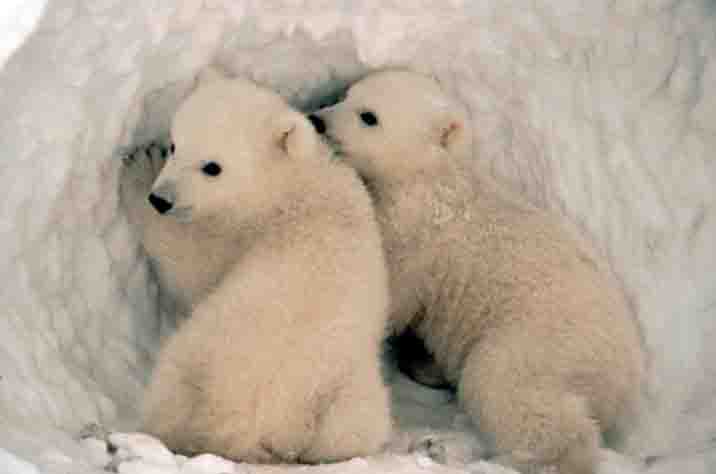
The primary habitat of the polar bear is sea ice, which they use to hunt seals. Polar bears live in the Arctic regions of Canada, Greenland/Denmark, Norway, Russia and the United States. The primary habitat of the polar bear is sea ice, which they use to hunt seals. Polar bears feed on ringed seals that live at the ice edge; the bears get two thirds of the energy they need for the entire year in late spring and early summer. Sea ice loss due to climate change poses the single largest threat to polar bear numbers according to a recent comprehensive review. As the ice retreats earlier in spring and forms later in winter, the bears have less time to hunt prey. Consequences mean that the bears average weight declines and fewer cubs survive; the ones that do are smaller. Warming has also caused bear dens to collapse, trapping a female’s young.

Scientists’ best estimate is that there’s a 70% chance the global population of polar bears will fall by more than a third within the next three generations.

Baby polar bears in den

Polar bear cubs in their den


nina-2014aaa

Nina Munteanu is a Canadian ecologist / limnologist and novelist. She is co-editor of Europa SF and currently teaches writing courses at George Brown College and the University of Toronto. Visit www.ninamunteanu.ca for the latest on her books. Nina’s bilingual “La natura dell’acqua / The Way of Water” was published by Mincione Edizioni in Rome. Her non-fiction book “Water Is…” by Pixl Press (Vancouver) was selected by Margaret Atwood in the New York Times ‘Year in Reading’ and was chosen as the 2017 Summer Read by Water Canada. Her novel “A Diary in the Age of Waterwas released by Inanna Publications (Toronto) in June 2020.


The Legacy of Trees: Purposefully Wandering Vancouver’s Stanley Park

Winter on Sea Wall StanleyPark

Winter on the sea wall (Heritage House)

“In the gorgeously colourful fall of 2017, I had a sudden thought: “I live next to Stanley Park, one of the world’s most beloved and best parks. How have I not noticed? Of course I had noticed, but I hadn’t taken that awareness inside. I barely knew the park. I have lived beside this park for twenty-five years. I first saw the crescent beach of English Bay and the storytelling totems in the park in 1961, fifty-nine years ago. Have I been asleep? Can I wake up? Is it time?

If I am going to get to know this park—this Stanley Park—and call it “my park,” I will have to wander it purposefully, path by path, plaque by plaque, monument by monument, rock by rock, tree by tree, blossom by flowering blossom, through every season, and allow its layers of history to seep into me as though it were a living, breathing being.

Actually, it is.

Legacy of Trees Nina Shoroplova

This is how Nina Shoroplova begins her book “The Legacy of Trees” by Heritage House, 2020, a book all about “Purposeful Wandering in Vancouver’s Stanley Park.”

The beautifully laid out 288-page book with colour photos is a feast for the mind and the heart. Although the book provides an excellent human and natural history of the park—from its pre-colonial existence, and logging history, to its creation and uses and description—at its root is an expression of wonder for this natural gem in the middle of a bustling city and a true love of trees.

Shoroplova approaches the forest with the heart of a poet. Her passion for nature—and trees, particularly—lights each page with joyful discovery. Shoroplova brings this passion to Stanley Park, one of Canada’s iconic parks, and one worth both visiting and knowing through many aspects from history to ecology and from forest ecosystem to legacy tree.

Each year, Stanley Park welcomes more than eight million visitors from around the world. In the summer of 2013, Travel & Leisure magazine ranked Stanley Park second among the world’s twenty-eight most beautiful city parks in the world. In 2014, TripAdvisor named Stanley Park the best park in the world. The park features 400-hectares of natural coastal temperate rainforest with 27 km of trails and scenic views of water, mountains, and truly majestic trees. The rainforest holds an old-growth forest of +400-year old Douglas-firs and some of the largest grand firs in the world. The park also features an 8.8 km seawall, totem poles and six beautiful gardens.

Map of Stanley Park

Map of Stanley Park, Vancouver

Early in the book, Shoroplova describes a particular experience with a weeping beech in Shakespeare Garden with something close to reverence:

“When I first walked under its canopy of falling dark green drapery, tears came to my eyes. Somehow, the generosity of that tree, offering its shade and comfort to all who stand, walk, and drive underneath its south-facing leaves, opened my heart.” She then added, “As a friend says, ‘trees are divine beings.’”

Shoroplova shares why she feels calmed, centred, and connected in a forest, particularly in Stanley Park:

Hemlock on Cedar StanleyPark

Hemlock growing on cedar stump (Heritage House)

Maybe it’s because the change in a forest is constant yet unobservable, unobtrusive. Maybe it’s because I, as a human being, am so insignificant in size compared with the giants around me. Or because I, as a human being, have lived for such a short time compared with the ancient living beings around me. Or the green and the tree pheromones are so calming…

I used to feel this way when I skied downhill and when I breastfed my babies. I feel this way when I stand in the ocean and await the next wave and the next. I feel this way with my grandchildren. That’s what being in the forest does for us…It brings us to the present moment. That’s the gift.”

Victorian woman giant trees 1901

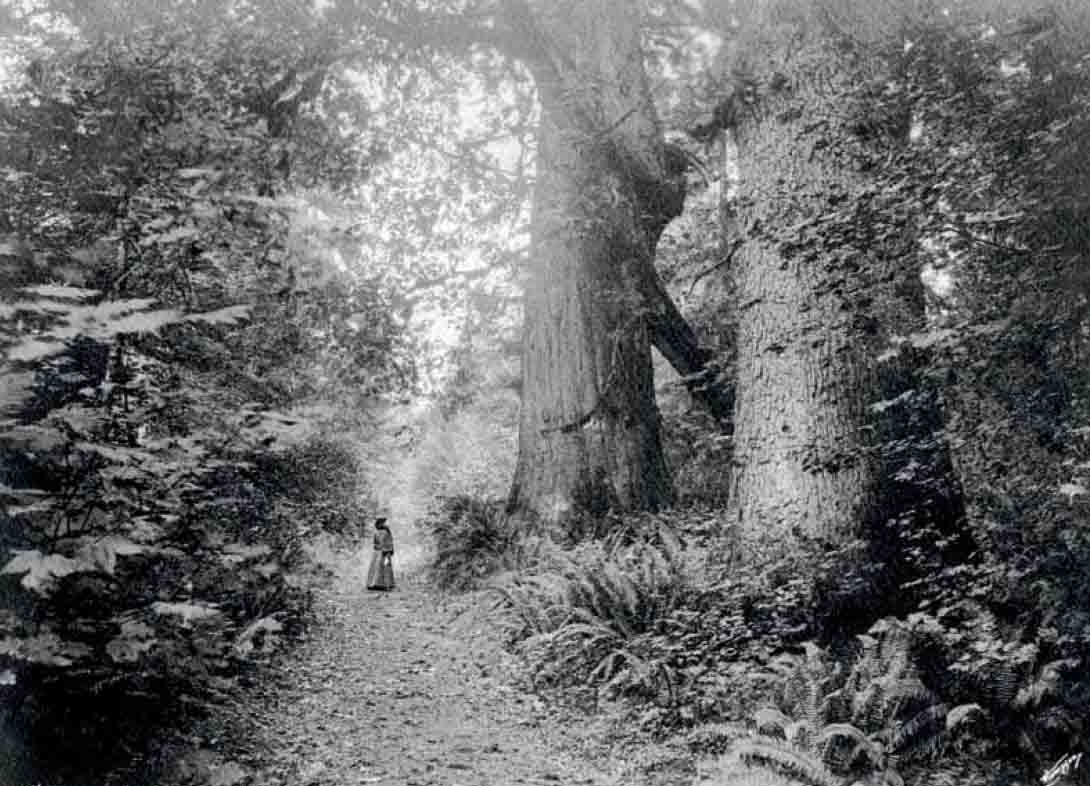
Woman wanders among the Seven Sisters giants, 1901 (Heritage House)

There is an abiding quality about trees and a living forest that is reassuring. “Trees are supportive, yet ambitious,” writes Shoropova. They are “quiet yet communicative, flexible yet strong, adaptive yet true to type.” They connect us to a larger world in a way that is both awe-inspiring and familiar.

“Learning the histories of the legacy trees in Stanley Park deepens our knowledge of the people of Vancouver—our history, our origins, our values,” Shoroplova explains in her opening chapter. These stories also show how Vancouver is maturing and evolving alongside its park forests and gardens. “We are shaking off the colonial identity that the park exhibited for so many decades and embracing the values of reconciliation with the first inhabitants of this land, the Squamish, Musqueam, and Tsleil-Waututh. We are also reclaiming what we can of the original nature of this land while honouring our communal history.”

Loggers springboard system Douglas-fir-1890s

Loggers using springboards to chop down a Douglas-fir giant, Stanley Park, 1890s (Heritage House)

Shoroplova arranged her tree stories into three parts: Part 1: The Trees Were Always There—trees that were already growing on the peninsula headland that became the federal reserve and then Stanley Park; Part 2: The First Trees Are Planted—those that were planted during the colonial and imperial years of the park (up to 1960); Part 3: The Park Grows Up—the years of growing independence.

Complete with old photos and original maps, Shoroplova offers several well-described and mapped routes to learn about and appreciate the beauty of the park. Her accurate science and historical accounts are dispensed in easily-digested and understood parcels through the language of conversation. The narrative is both charming and intriguing from the sad tale of the sentinel big Douglas-fir at the entrance to Stanley Park in 1894 to the princess-poet Pauline Johnson’s naming of Lost Lagoon and stories of historic events.

GeorgiaSt Entrance StanleyPark-bigfir-1894

Georgia Street entrance to Stanley Park in 1894 (Heritage House)

In a particularly engaging chapter of the book (Chapter 8), Shoroplova compares humans to trees and, through some interesting observations on tree physiology and behaviour, she draws some interesting conclusions. One example is her description of a tree’s heartbeat: how trunk and branches use a very slow pulse of contraction and expansion to send water up and out to every branchlet and leaf. Or how trees essentially breathe in more oxygen during the day (during active photosynthesis) and breathe out more carbon dioxide at night (during respiration without photosynthesis). Shoroplova likens it to “one slow breath for every twenty-four hours.” Shoroplova extends this fractal idea to the “suggestion that the northern hemisphere of Earth breathes in every summer and breathes out every winter. One slow planetary breath for every twelve months.”

Shoroplova also discusses two theories that explain the phenomenon of crown shyness, only seen in deciduous trees: “One is that trees of the same species avoid both being shaded by and shading each other. They take up space that is not already filled, allowing each other space to grow and breathe and capture the sun’s rays. The opposing theory is that stormy weather breaks off branches that are very close to each other. I suspect a mixture of both theories is at work.”

NurseryTree StanleyPark

Decaying log provides nutrients and substrate for other life (Heritage House)

Shoroplova continues her comparison in describing the life and death of a tree. “The death of a tree is a very drawn-out affair, taking years and even decades, as the tree changes from being healthy to having its health impinged on in some way, to losing more of its branches … to becoming a standing snag, and finally to falling to the forest floor. The decomposition—the composting—of one tree provides the soil for the birth and regeneration of many others. When a tree falls in the forest, its fallen form—minerals, fibre, and glucose—nourishes all the other life forms in its environment…Fallen trees become nurse logs for seedling trees, especially for western hemlocks.” In Chapter 9, Shoroplova shares how the forest—like the ocean—releases negative ions that help in general feelings of wellness as these ions “neutralize all the free radicals that result from our natural body processes or that exist as environmental toxins.”

RemainingSevenSister burl

Western red cedar with burl, remaining Seven Sister in Stanley Park (Heritage House)

In Chapter 12, Shoroplova describes the cathedral-like grandeur of the Seven Sisters grove of western redcedars and Douglas-firs as witnessed by Mohawk poet E. Pauline Johnson in 1911 and the sad narrative that followed. The fame of this stately grove of giants became their undoing—in the early 1950s the Park Board cut them down, citing safety reasons. The seven stately trees became seven sad stumps—with just one western redcedar with a large burl of the originals remaining. In 1988 the Park Board planted seven young Douglas-fir trees to replace the Seven Sisters. It will take time but eventually they may rival the Seven Sisters in majestic height. The single original sister still stands, prompting Shoroplova to “return to feel the history embedded in this single sibling.”

PaulineJohnson feather

E. Pauline Johnson

“But in all the world there is no cathedral whose marble or onyx columns can vie with those straight, clean, brown tree-boles that team with the sap and blood of life. There is no fresco that can rival the delicacy of lace-work they have festooned between you and the far skies. No tiles, no mosaic or inlaid marbles are as fascinating as the bare, russet, fragrant floor outspreading about their feet. They are the acme of Nature’s architecture, and in building them she has outrivalled all her erstwhile conceptions. She will never originate a more faultless design, never erect a more perfect edifice. But the divinely moulded trees and the man-made cathedral have one exquisite characteristic in common. It is the atmosphere of holiness.”—E. Pauline Johnson, Legends of Vancouver, 1911.

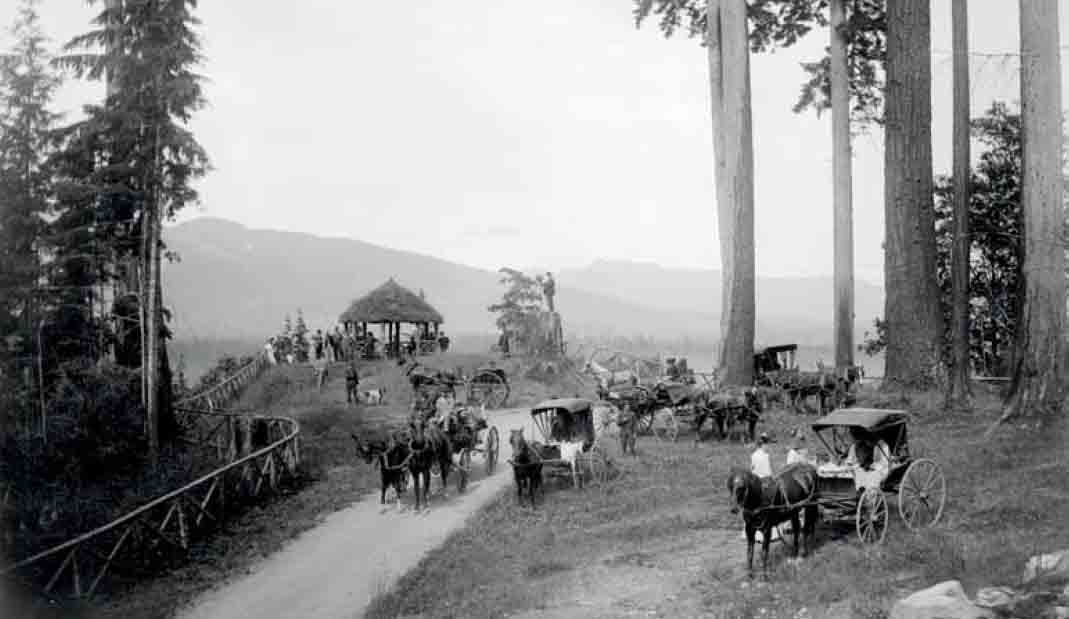
ProspectPoint 1891

Prospect Point, Stanley Park, 1891 (Heritage House)

Subsequent chapters are devoted to singular trees and charming stories throughout the various gardens and paths of Stanley Park. Shoroplova brings them all to life with an animated history that weaves through the park to the present day.

Nina looking up dougfir-LHP

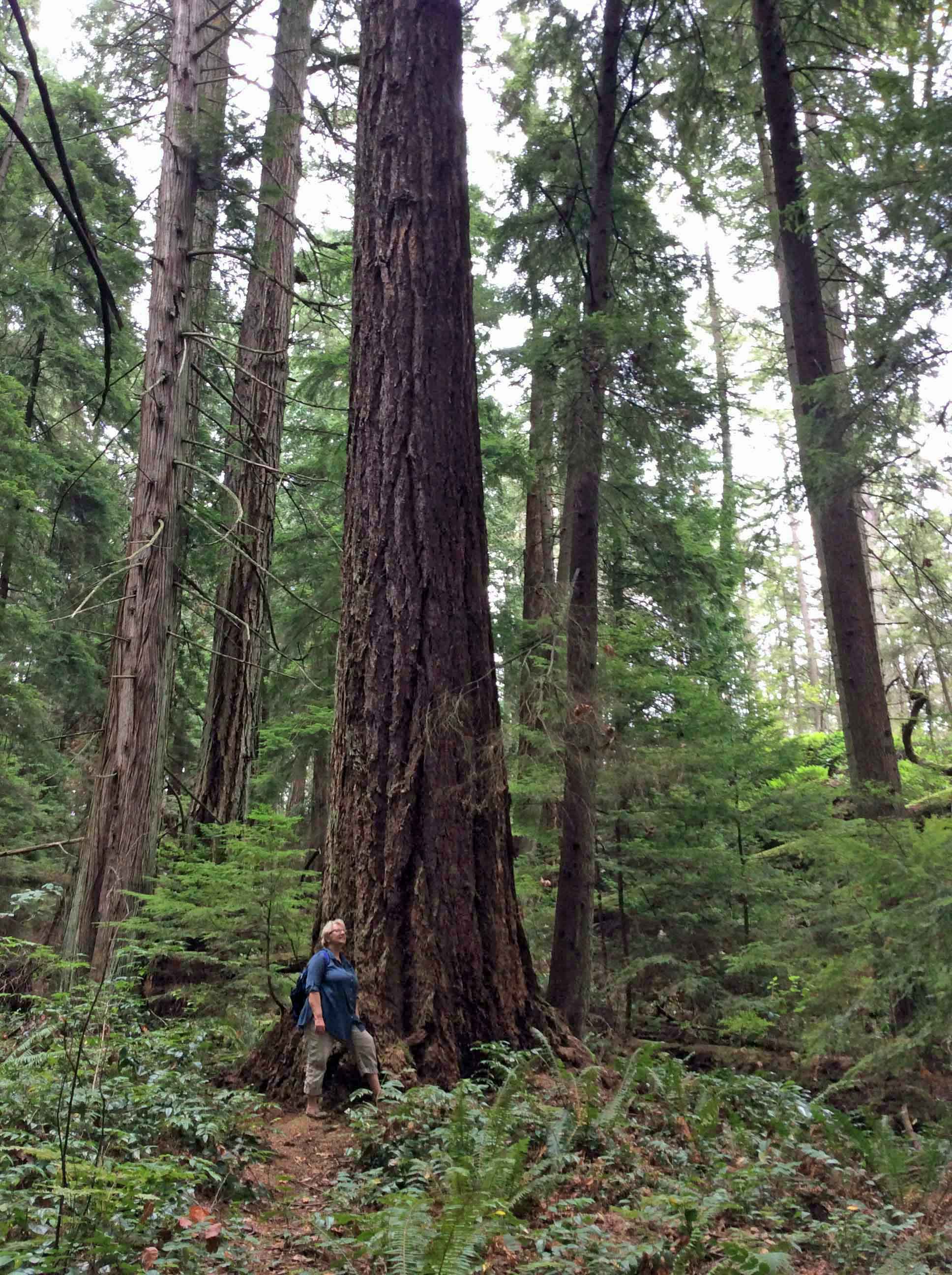
Nina Munteanu looks up at giant Douglas-fir in Lighthouse Park, BC (photo by M. Ross)

She ends on a high note for me by invoking the wisdom of UBC ecologist and forester Suzanne Simard, who parses out four simple solutions to forest managers. They include: 1) know the local region and ecology and act accordingly; 2) stop or at least curtail most logging of the old-growth forests; 3) save the legacies, the mother trees and networks so they can pass their wisdom onto the next generation of trees; 4) help regenerate the biodiversity of forest ecosystems by planting and allowing natural regeneration. “Forests aren’t just a bunch of trees competing with each other; they’re super-cooperators,” says Simard in a TED talk in June 2016. From Simard’s message I travelled to Ira Sutherland’s TEDx talk in October 2019, about the giant trees in Vancouver, which include Stanley Park; his message was also direct: 1) this is our story; and 2) Nature proves resilient.

I give Shoroplova a top score for ending her wonderful exposé on Stanley Park trees with action. Once we have connected with a forest and with a particular tree, we have walked through a door into awareness and ultimately responsibility. The wisdom and actionable message is clear. It isn’t enough to be a bystander. Just as E. Pauline Johnson raised the flag of awareness a hundred years ago for indigenous peoples and Nature by association, we must do the same. Or it will disappear. Sutherland points out that many of the sites where he has documented giant mother trees are not protected.

Bill Stephen, superintendent of urban forestry (retired), in his foreword to the book, wisely suggests how to use the book:

Read it first in a leisurely manner at home, and internalize the park’s history since its dedication in 1888. Then tuck it into your backpack and take it with you as a companion on your park wanderings. Take it on your smartphone or tablet as an ebook. Follow the maps, and use a maps app to enter the latitude/longitude coordinates of your place of interest for the day. Re-read its tales in the presence of the very trees about which it speaks, time travel with them, and return to the city with a richer sense of the connections between the trees of this great park and its human and animal actors. Then repeat…”

Vancouver StanleyPark bridge

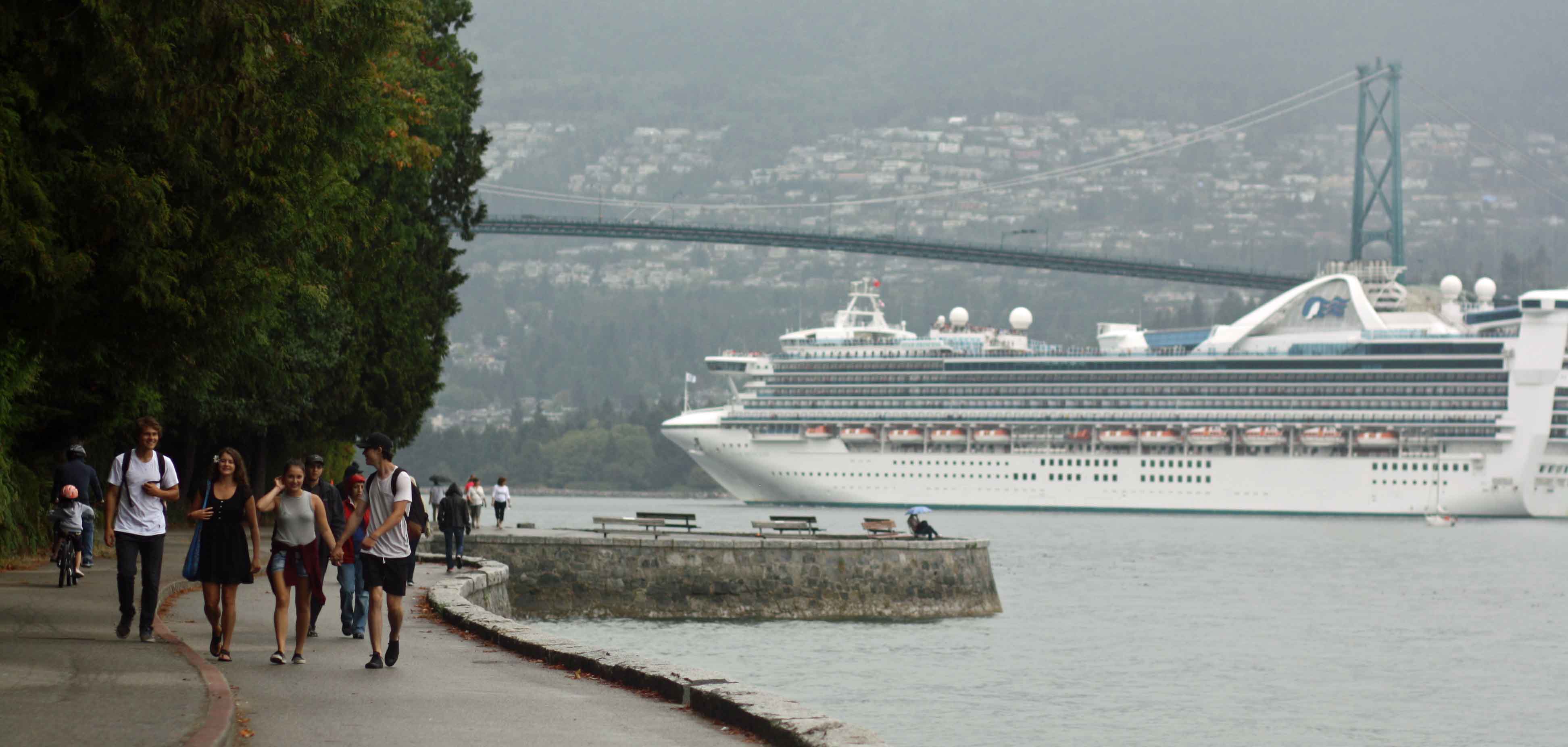
North side of Sea Wall with view of north shore and Lion’s Gate Bridge, Stanley Park, BC (photo by Nina Munteanu)

References:

Johnson, E. Pauline 1911. “Legends of Vancouver.” Library of Alexandria. 196pp. E. Pauline Johnson (Takehionwake) was a daughter of a Mohawk Chief and a white mother.  She was one of Canada’s most famous performers, poet, feminist and indigenous activist of the Victorian era. Pauline Johnson documented legends, told to her by her great friend, Squamish Chief Joe Capilano, in the Vancouver newspaper, The Daily Province, and then a book, ‘Legends of Vancouver’, in print now for over 100 years.

Nombre, Antonio Donato. 2010. “The Magic of the Amazon: A river that flows invisibly all around us.” TEDx Talk, 21:27 min. November, 2010. The Amazon River is like a heart, pumping water from the seas through it, and up into the atmosphere through 600 billion trees, which act like lungs. Clouds form, rain falls and the forest thrives. In a lyrical talk, Antonio Donato Nobre talks us through the interconnected systems of this region, and how they provide environmental services to the entire world. A parable for the extraordinary symphony that is nature.

Simard, Suzanne. 2016. “How Trees Talk to Each Other.” TED Talk, 18:20 min. June, 2016. “A forest is much more than what you see,” says ecologist Suzanne Simard. Her 30 years of research in Canadian forests have led to an astounding discovery — trees talk, often and over vast distances. Learn more about the harmonious yet complicated social lives of trees and prepare to see the natural world with new eyes.

Shoroplova, Nina. 2020. “Legacy of Trees: Purposeful Wandering in Vancouver’s Stanley Park.” Heritage House Publishing Co.Ltd., Vancouver. 288pp.

Sutherland, Ira. 2019. “The Great Vancouver Forest: A Story of Place.” TEDx Talk, 21:04 min. Oct. 2019. Growing up among the tall forests near UBC, Ira Sutherland developed an appreciation and curiosity for forests early on. This talk invites his audience to explore Vancouver’s extensive forests and to hopefully see trees in a new light (for more information, see http://www.vancouversbigtrees.com)


nina-2014aaa

Nina Munteanu is a Canadian ecologist / limnologist and novelist. She is co-editor of Europa SF and currently teaches writing courses at George Brown College and the University of Toronto. Visit www.ninamunteanu.ca for the latest on her books. Nina’s bilingual “La natura dell’acqua / The Way of Water” was published by Mincione Edizioni in Rome. Her non-fiction book “Water Is…” by Pixl Press(Vancouver) was selected by Margaret Atwood in the New York Times‘Year in Reading’ and was chosen as the 2017 Summer Read by Water Canada. Her novel “A Diary in the Age of Waterwas released by Inanna Publications (Toronto) in June 2020.

Age of Water Podcast: Nina Reads from “Barkskins”

AoW Logo-smallWe are now living in the Age of Water. Water is the new “gold”, with individuals, corporations and countries positioning themselves around this precious resource. Water is changing everything. The Age of Water Podcast covers anything of interest from breaking environmental news to evergreen material. This also includes human interest stories, readings of eco-literature, discussion of film and other media productions of interest.

In this episode of Age of Water, Nina reads from the novel “Barkskins” by Annie Proulx a poignant exploration of the forest industry in Canada and North America.


Annie Proulx’s Barkskins chronicles two immigrants who arrive in Canada in 1693 (Rene Sel and Charles Duquet) and their descendants over 300 years of deforestation of North America starting with the arrival of the Europeans to contemporary global warming. “Barkskins” (woodcutters) are, in fact indentured servants who were brought from the Paris slums to the wilds of New France “to clear the land, to subdue this evil wilderness,” says their seigneur. Sel is forced to marry a native woman and their descendants live trapped between two cultures; Duquet runs away to become a fur trader and build a timber empire.

Barkskins AnnieProulxProulx immerses the reader in rich sensory detail of a place and time, equally comfortable describing a white pine stand in Michigan and logging camp in Upper Gatineau to a Mi’kmaq village on the Nova Scotia coast or the stately Boston home of Charles Duquet. The foreshadowing of doom for the magnificent forests is cast by the shadow of how settlers treat the Mi’kmaq people. The fate of the forests and the Mi’kmaq are inextricably linked through settler disrespect and a fierce hunger for “more.”

The novel rolls out events in a relentless stream of life and death; no character is safe from the ravages of nature or the notions of that time period. While most of the book flows like a great amoral river—filled with feckless, unheroic and at times miserable characters—there are moments of emotional shoring. They act like exclamation marks for their rarity.

EcologyOfStory“The reader comes to realize that the novel isn’t really about the human characters so much as it is about the forests,” Gus Powell of The National Post concludes of Barkskins. “As [the forests] disappear, the narrative seems to recede in importance, revealing a crucial interdependence between the human and the natural world previously handled almost entirely as subtext. This is especially true in the novel’s closing, where the anger and despair that have characterized the novel shift into an outspoken environmental advocacy.”

I further explore the use of metaphor and other storytelling devices used by Annie Proulx in this strongly symbolic novel in my writing guidebook “Ecology of Story: World as Character.”


nina-2014aaa

Nina Munteanu is a Canadian ecologist / limnologist and novelist. She is co-editor of Europa SF and currently teaches writing courses at George Brown College and the University of Toronto. Visit www.ninamunteanu.ca for the latest on her books. Nina’s bilingual “La natura dell’acqua / The Way of Water” was published by Mincione Edizioni in Rome. Her non-fiction book “Water Is…” by Pixl Press(Vancouver) was selected by Margaret Atwood in the New York Times‘Year in Reading’ and was chosen as the 2017 Summer Read by Water Canada. Her novel “A Diary in the Age of Waterwas released by Inanna Publications (Toronto) in June 2020.
Launch of “A Diary in the Age of Water” by Nina Munteanu

june 18 launch evite1

Diary Water cover finalOn June 18th, Toronto book publishing house Inanna Publications launched its second spring series and A Diary in the Age of Water, my near-future/far-future speculative fiction book was among them.

A Diary in the Age of Water follows the climate-induced journey of Earth and humanity through four generations of women, each with a unique relationship to water.

Evoking Ursula LeGuin’s unflinching humane and moral authority, Nina Munteanu takes us into the lives of four generations of women and their battles against a global giant that controls and manipulates Earth’s water. In a diary that entwines acute scientific observation with poignant personal reflection, Lynna’s story unfolds incrementally, like climate change itself. Particularly harrowing are the neighbourhood water betrayals, along with Lynna’s deliberately dehydrated appearance meant to deflect attention from her own clandestine water collection. Her estrangement from her beloved daughter, her “dark cascade” who embarks upon a deadly path of her own, is heartwrenching. Munteanu elegantly transports us between Lynna’s exuberant youth and her tormented present, between microcosm and macrocosm, linking her story and struggles – and those of her mother, daughter and granddaughter – to the life force manifest in water itself. In language both gritty and hauntingly poetic, Munteanu delivers an uncompromising warning of our future.

—Lynn Hutchinson Lee


NINA-RENEE-TOAST2a

Renee Knapp and Nina Munteanu toast Inanna and all participants at the launch

A Diary in the Age of Water starts with young Kyo in the dying boreal forest of what used to be northern Canada. Kyo yearns inordinately for the Age of Water, a turbulent time of great change, before the “Water Twins” destroyed humanity. Looking for answers and plagued by vivid dreams of this holocaust, Kyo discovers the diary of Lynna, a limnologist from a time just prior to the destruction.

At the book launch, I read from Lynna’s first diary entry—in 2045. I then answered questions from audience members who came from Canada’s coast to coast:


What inspired you to write this book?

The Way of Water-COVERWho really… My publisher in Rome (Mincione Edizioni) had asked me for a short story on water and politics. I wanted to write about Canada and I wanted something ironic… so I chose water scarcity in Canada, a nation rich in water. “The Way of Water” (“La natura dell’acqua”) resulted, which has been reprinted in several magazines and anthologies, including Cli-Fi: Canadian Tales of Climate Change (Exile Editions), Future Fiction: New Dimensions in International Science Fiction (Future Fiction/Rosarium Publishing), Little Blue Marble Magazine, and Climate Crisis Anthology (Little Blue Marble). The story was about young Hilde—the daughter of the diarist—dying of thirst in Toronto… It begged for more … so the novel came from it…


Why did you choose to write your novel as a diary?

I was writing about both the far and the near future and much of it was based—like Margaret Atwood and her books—on real events and even real people. I wanted personal relevance to what’s going on, particularly with climate change.  I also wanted to achieve a gritty realism of the mundane and a diary felt right. The diarist—Lynna—is also a reclusive inexpressive character, so I thought a personal diary would help bring out her thoughts and feelings. There’s nothing like eves-dropping to make the mundane exciting.


If the oceans are rising because the ice caps are melting, is the ocean actually getting less salty?

The short answer is “yes.” As glaciers melt and introduce fresh water to the ocean—contributing to the rise in sea level—salinity is reduced in the surrounding sea. This has far-reaching consequences that lie beyond just rising sea levels and promise to affect all ocean life. Because freshwater is less dense than seawater—hence the saltwater wedge we experience on the lower Fraser River in Vancouver—freshwater increase in seawater will interfere with the pattern, mixing, and movement of ocean currents; this could be devastating to ocean life. The overall movement of ocean currents throughout the planet is called the Great Ocean Conveyor—or Atlantic Meridional Overturning Circulation (AMOC)—which circulates ocean water very much like in a lake, with dense water sinking beneath warmer, less salty water. As my diarist in the book writes, dumping in more and more freshwater into the ocean has slowed the sinking (and mixing) and the whole machine is slowing down. Freshwater is jamming the conveyor. If it stalls, this would unbalance the heat flux of the planet with more climate devastation.

Illustration 17 AMOC

Sketch of Atlantic Meridional Overturning Circulation (AMOC) from “A Diary in the Age of Water” Inanna Publications (sketch by Nina Munteanu)

The main protagonist is a limnologist; so are you; is there any resemblance?

Oh yes! Well, apart from the obvious—we both chose the same scientific discipline, we have similar views on the environment and humanity’s place in it. I might even have some of her foibles…hopefully not ALL of them… But, I’d say that all good characters have a piece of ourselves in them. Some dark and some light. The resemblance is heightened because she is depicted through her diary, which adds a gritty realism and a highly personal aspect to the fiction. In truth there’s a piece of me in each of the four women depicted in the story.


What is happening to the water in Ontario?

Water quality in Ontario waterways has not improved in the last decade and this can be placed squarely on the shoulders of local, regional and provincial governments and their failure to legislate and act. Inaction varies from lack of regulations and policing of industry to lack of city infrastructure and lack of ecological foresight.

SONY DSC

Cladophora alga in Lake Ontario

Lake Ontario itself receives pollution from Chicago, Sarnia, Detroit, Cleveland, Buffalo, Hamilton and Toronto. Pollution includes agricultural runoff (such as excess nutrients and cancer-causing pesticides and herbicides), disease-carrying sewage, and hormone-disrupting storm water runoff. Nine million people rely on the lake for drinking water. Greatest threats to the lake’s health come from urban development, electricity generation, sewage, and storm water contamination. In cities with large amounts of impervious surfaces, storm water runs over pavement and parking lots, picking up oil and other pollutants before flowing into a nearby river or stream. Flash floods are often accompanied by sewage overflow, which carries numerous pathogens. In addition, storm water picks up toxic heavy metals, endocrine disrupting chemicals and pharmaceuticals. All with devastating consequences to humans, never mind aquatic life and other wildlife.

Every five years the Conservation Authority Watershed Report Cards provide an assessment of ground and surface water quality in various watersheds of Ontario. The latest one by the TRCA (Toronto and Region Conservation Authority) in 2018 gave an overall grade of “D” (unchanged from 2013). They cited storm water runoff and lack of its management improvement as the chief reason for the poor grade. Increasing chloride concentrations in the Toronto region (mostly from liberal use of road salt) poses a real problem to aquatic life.


Log over water forest-DeasPark copy

Forest swamp in Deas Park, BC (photo by Nina Munteanu)

You mentioned that each of the four generations of women have a singular relationship with water. What role does water play in the book?

Well, in some important way, water is the fifth character. You could say even the main character. Water is the theme that carries each woman on her personal journey with climate change and the devastation that occurs—through water, I might add. Climate change is a water phenomenon, after all… So, water—like place and setting—plays a subtle yet powerful role in the story, influencing each character in her own way and bringing them together in the overall journey of humanity during a time of great and catastrophic change.


Are there other ages/epochs?

Yes. The story begins in the far future with young Kyo during the Age of Trees, after the end of the Age of Water. It is, in fact, the end of that age as well and that is why she prepares for the Exodus to “humanity’s” new home.

All Inanna titles are 30% off with coupon code: summer20. Please also consider purchasing “A Diary in the Age of Water” from an independent bookstore this summer. Find your local bookstore: http://open-book.ca/News/Your-Community-Your-Bookstore. And here is the current map of independent bookstores that are doing curbside pick up and delivery across Canada.


Beach stones foam HB-NS drybrush

Surf on Hirtle Beach, NS (photo and illustration by Nina Munteanu)

nina-2014aaa

Nina Munteanu is a Canadian ecologist / limnologist and novelist. She is co-editor of Europa SF and currently teaches writing courses at George Brown College and the University of Toronto. Visit www.ninamunteanu.ca for the latest on her books. Nina’s bilingual “La natura dell’acqua / The Way of Water” was published by Mincione Edizioni in Rome. Her non-fiction book “Water Is…” by Pixl Press(Vancouver) was selected by Margaret Atwood in the New York Times‘Year in Reading’ and was chosen as the 2017 Summer Read by Water Canada. Her novel “A Diary in the Age of Waterwas released by Inanna Publications (Toronto) in June 2020.


Endocrine Disruption in The Age of Water

Diary Water cover finalIn my recent novel A Diary in the Age of Water published by Inanna Publications Lynna, the diarist, talks with colleague Daniel about the increase in human infertility related to endocrine disruption. Daniel starts with a litany of reasons for human infertility:

“Scientists all agree that environmental factors are the main triggers for male and female infertility through epigenetics. The list of exposure triggers is endless. You know the main culprits: heavy metals, pesticides, PCBs, PAHs, VOCs, car exhaust, tobacco smoke … mostly chemicals with hormonal properties” Leaning on his microscope, Daniel went on, “Wherever there’s a sewage treatment plant, pulp and paper mill, or herbicides and pesticides in a stream, you get endocrine disruption, which causes more female or intersex fish populations. Then there’s nonylphenols—”

“—Degradation products of surfactants used in commercial and household detergents,” I ended for him and leaned against the doorway.

He nodded. “They inhibit breeding in male fish. And herbicides like atrazine—”

“—Create feminized males with female eggs, along with reduced immunity to disease,” I finished for him.

I knew all this. Hormonal disruption is global. Environmental toxicologists have been finding it in many aquatic animals like fish, turtles, alligators and frogs. And some terrestrial animals…Even humans…Was it also causing the steep rise in ambiguous sex in humans? Apparently 1 in 30 now have bodies that differ notably from standard male or female. Klinefelter, androgen insensitivity syndrome, presence of ovotestes, mixed gonadal dysgenesis, and mosaic genetics are all on the rise.

Daniel added, “The environment is changing us faster than most think and it’s doing it through epigenetics and HGT.”

Their discussion, which leads to something far more disastrous, is based on the reality of today.

endocrine systemThe endocrine system is a set of glands and the hormones they produce that help guide and regulate the development, growth, reproduction and behavior of most living things (yes plants too!). Some hormones are also released from parts of the body that aren’t glands, like the stomach, intestines or nerve cells. These usually act closer to where they are released. The endocrine system is made up of glands, which secrete hormones, and receptor cells which detect and react to the hormones. Hormones travel throughout the body, acting as chemical messengers, and interact with cells that contain matching receptors. The hormone binds with the receptor, like a key into a lock. Some chemicals, both natural and human-made, may interfere with the hormonal system. They’re called endocrine disruptors.

Endocrine (hormone) disruptors are substances that interfere with an organism’s endocrine system and disrupt the physiologic function of hormones. Studies have linked endocrine disruptors to adverse biological effects in animals, giving rise to valid concerns that low-level exposure can cause similar effects in human beings.

common endocrine disruptors

Common endocrine disruptors


Disruption of the endocrine system via Endocrine Disrupting Chemicals (EDCs) or Hormone Disrupting Chemicals (HDCs) happens in different ways. Some chemicals mimic a natural hormone, fooling the body into over-responding to the stimulus, or responding at inappropriate times. Other endocrine disruptors curtail the effects of a hormone from certain receptors by blocking the receptor site on a cell. Still others directly stimulate or inhibit the endocrine system and cause overproduction or underproduction of hormones.

EDC path

The effects of endocrine disruptors in humans include:

  • Reduction of male fertility;
  • Abnormalities in male reproductive organs;
  • Female reproductive diseases;
  • Earlier puberty; and,
  • Declines in the numbers of males born.

Some EDCs can also affect the development of the nervous and immune systems. Some well-known examples of EDCs include the contraceptive pill (17-alpha ethinylestradiol), dioxins, PCBs, PAHs, furans, phenols and several organic pesticides (most prominently DDT and its derivatives).

Pathways of endocrine disruptors

Pathophysiological pathways of EDCs

Sources for common EDCs in our daily lives are provided by Hormone Health Network in the table below:

Common EDCs: Used In:
DDT, Chlorpyrifos, Atrazine, 2, 4-D, Glyphosate Pesticides
Lead, Phthalates, Cadmium Children’s Products
Polychlorinated biphenyls (PCBs) and Dioxins Industrial Solvents or Lubricants and their Byproducts
Bisphenol A (BPA), Phthalates, Phenol Plastics and Food Storage Materials
Brominated Flame Retardants, PCBs Electronics and Building Materials
Phthalates, Parabeans, UV Filters Personal Care Products, Medical Tubing, Suncreen
Triclosan Anti-Bacterial Soaps, Colgate Total
Perfluorochemicals Textiles, Clothing, Non-Stick Food Wrappers, Mircowave Popcorn Bags, Old Teflon Cookware

Several chemicals have been found to disrupt the endocrine systems of animals in laboratory studies, and strong evidence exists that chemical exposure has been associated with adverse developmental and reproductive effects on fish and wildlife. The relationship of human diseases of the endocrine system and exposure to environmental contaminants, however, is still poorly understood (Kavlock et al., 1996, EPA, 1997).

One example of the devastating consequences of the exposure of developing animals, including humans, to endocrine disruptors is the case of the potent drug diethylstilbestrol (DES), a synthetic estrogen. Prior to its ban in the early 1970s, doctors mistakenly prescribed DES to as many as five million pregnant women to block spontaneous abortion and promote fetal growth. It was discovered after the children went through puberty that DES affected the development of the reproductive system and caused vaginal cancer. In addition to disruption of reproductive hormones, modulation of adrenal, thyroid and growth hormone function have also been described for various compounds in both humans and some animals, although the significance of these effects have not yet been fully determined.

Chemicals with affinities for estrogen receptors may cause lowered sperm count and other related reproductive abnormalities. Male fetuses exposed to high doses of estrogens may develop many female characteristics. Lower doses may alter the differentiation and multiplication of the germ cells that eventually give rise to sperm. Dr. John A. McLachlan, director of intramural research at the National Institute of Environmental Health Sciences noted that “some of the environmental chemicals that have estrogenic activity also seem to have a long half-life and can bioaccumulate” in the body’s fat tissue. Most endocrine disrupting chemicals are fat-soluble. This means that they do not get rapidly flushed out of the body, but are stored in fat. These chemicals bioaccumulate up the food chain. As a result, an individual will accumulate more of these chemicals throughout his/her lifetime. Major routes of removing these chemicals involve transfer from mother to child, through the placenta and in breast milk.

In 1992 researchers at Lake Apopka in Florida associated a declining alligator population with a depressed reproduction rate. Many of the male alligators had tiny penises that prevented successful reproduction. These developmental problems were connected to a large organochlorine pesticide spill several years earlier; although the water tested clean, the alligators and their eggs contained detectable levels of endocrine disrupting pesticides.

Atrazine male female frogs

Fish in the Great Lakes, which are heavily contaminated with polychlorinated biphenyls (PCBs) and other organochlorines, exhibit numerous reproductive function problems and swelling of the thyroid gland. Fish-eating birds, such as eagles, terns, and gulls are also showing similar health effects, as are mink, a mammal that also eats fish from the Great Lakes. These findings are consistent with lab studies that indicate that PCBs interfere with thyroid function and with sex hormones.

The environment is a global entity that recognizes no political boundaries. Issuing a plea for wise action, the National Resources Defense Council state: “Dioxin from a paper mill in the US can accumulate within livestock that is exported to another country; water vapor carrying DDT (now banned in the US) from Mexico can be rained down in Minnesota. Individuals living near the North Pole, where DDT has never been used, have surprisingly high levels of it in their body fat. The laws that ban the production and use of specific chemicals in the United States do little to regulate against exposure via imported products from countries that allow the use of these chemicals.”

Given the common use of sources (in industry, agriculture and residential) that contain and distribute endocrine disruptive chemicals by the human population, and given their bioaccumulation in human tissue, I can practically guarantee that virtually all humans carry some endocrine disruptive chemical in their bodies. How much depends on your life style, where you live and work, your eating habits and your physiology.

freighter-rowers-sailboat-web

Freighter in Toronto Harbour (photo by Nina Munteanu)


Recommended Reading:

Lauretta, Rosa, Andrea Sansone, Missimiliano Sansone, Francesco Romanelli and Marialuisa Appetecchia. 2019. “Endocrine Disrupting Chemicals: Effects on Endocrine Glands.” Front. Endocrinol. Online: https://www.frontiersin.org/articles/10.3389/fendo.2019.00178/full

Colborn, Theo, Dianne Dumanoski, and John Peterson Myers. 1996. “Our stolen future : are we threatening our fertility, intelligence, and survival? : a scientific detective story.” Dutton, New York.  306 pp.

Hormone Health Network. 2020. “Endocrine-Disrupting Chemicals EDCs.” Website: https://www.hormone.org/your-health-and-hormones/endocrine-disrupting-chemicals-edcs

National Institute of Environmental Health Sciences. 2019. “Endocrine Disruptors.” Website: https://www.niehs.nih.gov/health/topics/agents/endocrine/index.cfm

NRDC. 2016. “9 Ways to Avoid Hormone-Disrupting Chemicals.” Website: http://www.nrdc.org/health/effects/bendrep.asp


More on A Diary in the Age of Water:


nina-2014aaa

Nina Munteanu is a Canadian ecologist / limnologist and novelist. She is co-editor of Europa SF and currently teaches writing courses at George Brown College and the University of Toronto. Visit www.ninamunteanu.ca for the latest on her books. Nina’s bilingual “La natura dell’acqua / The Way of Water” was published by Mincione Edizioni in Rome. Her non-fiction book “Water Is…” by Pixl Press (Vancouver) was selected by Margaret Atwood in the New York Times ‘Year in Reading’ and was chosen as the 2017 Summer Read by Water Canada. Her novel “A Diary in the Age of Waterwas released by Inanna Publications (Toronto) in June 2020.