It was several years ago, in 2020, that Terry Birdgenaw approached me as a writing coach to look at his first novel. When he described its premise, I was hooked right away and agreed to give it an editorial review. It was the beginning of a wonderful and rich experience with Terry’s books, now a series entitled The Antunite Chronicles. From the start, I was impressed and fascinated with his imagination and accurate use of science to produce a diverting allegorical CliFi series about cyborg insects on a far-away planet that serves as metaphor to developing autocracies on Earth.
Terry has three books out, with a fourth upcoming. The three books in this YA series take place on a far-away planet and moon, serving as a political and environmental allegory of an evolving technological society and failed democracy. They include: Antuna’s Story; The Rise and Fall of Antocracy; and Antunites Unite. The theme of induced climate change and environmental destruction runs deeply through the first three books. The fourth book, soon to release, is Cyborg Contact, which returns us to Earth. I’ll let Terry describe the series in the following interview I conducted with him on November 26:
.
Nina: Your background and expertise is in neuroscience and psychology with over 150 scientific publications. You are Harold Griffith Professor of Anesthesia Research at McGill University in Montreal and your main research focus is on the mechanisms underlying neuroplasticity and its influence on the perception of pain. What got you started writing this incredible series, an adventure story that embraces ecology and entomology? What gave you the idea to create this imaginative modern allegory on the evolution of a technological society using insects as your main characters?
Terry: Oddly enough, I was not originally planning to write fiction. My inspiration came from my school librarian wife, Ann Birdgenaw, when she began writing the second book of her children’s chapter book series, Black Hole Radio. Her series features fifth-grade kids who travel through a wormhole to different planets, aiding the inhabitants they discover. She was considering what kind of planet and civilization her explorers would encounter, and I gave her some ideas about a giant cyborg-insect world that she ran with. Having some skin in the game, I participated beyond my welcome, offering plotlines that were far too advanced for her 7- to 11-year-old readers. Graciously, Ann suggested I take my ideas and write the backstory for her book, Black Hole Radio – Bilaluna, but target my book at young adults and adults. Thus began my fiction writing adventure. It was a rough start, but with the help of a tolerant book coach, my planned novella rapidly expanded to a trilogy. Perhaps a quick study because of years of scientific writing, I still credit Nina with opening in me an imaginative creativity I never knew I possessed.
.
Nina: The narrative of your stories is from the POV of various insects and in some way, the stories are dramatizations of real and accurate ecological relationships of insects with their environment and each other. How did you prepare for this—both in relaying accurate ecologies and in realizable dramatization and characterization of your main characters—all insects? How did you avoid what I would call the Disney-effect: anthropomorphising insect characters into human archetypes to achieve reader engagement? How did you create that balance between realistic representation and empathic portrayal?
Terry: Although my books are parodies with characters who face political and ecological problems and anthropomorphise human dilemmas, I did not want them to be simply furry or slimy stand-ins for the humans they satirize. Thus, I drew on my long-standing expertise as a scientific researcher to delve deeply into entomology, ecology and environmental science. Fascinated by the richness of insect activities and interactions and the similarity between insect and human behaviour, I endeavoured to exploit my newly acquired knowledge within the pages of my story. I was inspired both by Orwellian dystopias and works such as Bernard Werber’s Empire of the Ants and Laline Paull’s The Bees. But more than that, I learned to let myself be taken into the world my insects lived in, experiencing both their instinctive realities and the human predicaments I intended to lampoon in equal measure.
.
Nina: I noticed some fun metaphoric descriptions and expressions that incorporated insect terms to represent human counterparts. Did these come to you easily or were they a lot of work over time? Can you describe the process you used? For instance, did you spend a lot of time watching ants on the sidewalk?
Terry: Some phrases like ‘she shook her antenna to tune her attention’, ‘I took that as a back-clawed compliment’, or ‘he is such a hindgut hole’ came easily to me as differences in insect and human anatomy necessitated them. Others, like the expressions explained in my dictionary of pheromonal insect emotions, took much more reflection. This literary technique was inspired by your writing guide, The Fiction Writer, when you described how to add colour to one’s writing by using word pairings that mix up the senses, like the well-known one ‘biting cold’. This excellent advice led me to develop an extensive lexicon of insect emotions/non-verbal speech, including word combinations such as abrasive aroma, bitter bouquet, frosty fragrance, and vacillating vapour. They were not all alliterations, but some, like ‘she emitted an effervescent essence, were clearly intended to be. I didn’t watch ants walking, but I thought a lot about how they might communicate their emotions pheromonally.
.
Nina: One of the things I enjoyed throughout your series is how you seamlessly imparted interesting facts about insects on our planet in the storytelling. I learned a lot about various insects! Tell us a little about the process you used to achieve this so effectively.
Terry: As a long-time researcher, I have learned how to find and use facts from scientific literature and reliable web-based information on many subjects within and outside my scientific field. Insect behaviour is little known, but often fascinating, and I enjoyed both discovering many details and incorporating them into fiction scenes. Sometimes I was required to dig even deeper than I initially expected to make my stories scientifically accurate. One of these cases had a very significant impact on a critical component of my book’s key plot. In Antunites Unite, ants are separated into a hierarchy of castes based on exoskeleton colour. Although clearly an anti-racism story, I originally wrote it with black ants as oppressors of both brown and red ants. Perhaps influenced by previous literature and movies, where the bad guys are often dressed in black, I had a feeling that some readers might interpret my choice as having a racist underpinning. I convinced myself that readers would not take the colour choice as representative of human ethnicity. However, the last beta reader to comment on the book made such an interpretation and confirmed my fear that some readers might see it as the opposite of my intention. So, while I debated altering the colour schemes, I dug deeper into the entomological discovery of a phenomenon my story paralleled, involving what entomologists call slave-maker ants. When my extensive research confirmed that red ants are more often the ants using raids to steal the eggs of other ants to be raised as slave-like workers for the dominant reds, I knew I had to reverse the colours. And this was no easy task, because all the characters in each caste took names that reflected their colour, like Ruby and Obsidiant. There were also many humorous references to colour, such as black widow spiders and lava fields, that needed to be reworked. It was an editing nightmare: Rose became Raven, and Raven – Rose, while Cole gave way to Clay, and Jett morphed to Jasper, etc., etc., etc. But in the end, it was true to nature and avoided any unwanted racial interpretations.
.
Nina: In your first three books—a political modern satire on developing autocracies and human-induced climate change—you explore the technological and biological evolution of an insect exo-community in which certain species—ants for instance—acquire the ability to become cyborgs, ANTs, growing in size and abilities to navigate their world more effectively with related achievements—and consequences. As an ecologist, I was fascinated by how you portrayed the changing relationship of these beings to their environment as they evolved. Do you see a parallel with human society? Can you elaborate on this?
Terry: Yes, on a macro level. That is, technology can benefit society immensely, but it can also cause significant harm when coupled with greed, wilful ignorance of scientific warnings, and leaders misleading the public. I highlight one line of poetry written by my narrator in The Rise and Fall of Antocracy: “Like Peter and the crows, tis science, truth and reality denied ere climate is crucified.” Cyborg insects were created to enhance the production of honey, which was their currency. Cyborg ants, who most craved both power and honey, deceived the public to the detriment of the environment and ignored the science that provided evidence of environmental changes, which most insectoids on the planet denied. Perhaps an obvious cataclysmic message to those in our world, but many on this Earth apparently need to be hit over the head to see where this all may lead.
.
Nina: Tell us about your latest book, the fourth in the series, Cyborg Contact, in which one of the cyborg ANTs returns to Earth through a wormhole with an important mission. I found that, while the first three books served as satirical allegory to a developing technological society through the evolving insect communities, the fourth book—being a first contact—shifts into more of an exploration of ‘the other,’ its perception and treatment by humans and their civilizations. Can you expand on this? How does humanity’s perception and treatment of the ‘other’ factor into our treatment of our environment and the growing phenomenon of climate change?
Terry: I might disagree and point out that ‘exclusion of the other’ is a dominant theme in all four books. The difference is that in Cyborg Contact, the main character embodies ‘the other’, so it hits home more strongly. What could be more ‘otherly’ than an alien (from another planet) who is treated like an illegal alien and hunted by ICE agents? And, too, aside from being hunted, many other dangers the alien experiences on Earth, including hurricanes, droughts, mudslides, and forest fires, are all caused by climate change, which has accelerated in the near-future North America our hero traverses. It seems that for some world leaders, a lack of empathy for others is paired with a disregard for the environment.
.
Nina: Who is reading your books? And who should be who isn’t?
Terry: They are read by both young adults and adults; sometimes by parents reading to their pre-teens. They are not New York Times best sellers, but are highly celebrated by those who have read them. They should be read by all sci-fi and fantasy readers aged 13 and up who enjoy a thought-provoking read, except those who support fascism.
.
Nina: How have your books been generally received? I understand that your trilogy has won the Firebird Book Award. Congratulations! What are people saying about your books?
Terry: Editorial reviews have been stellar, and the books have received awards from most of the contests to which they have been entered. Awards for all three books include Gold Medal/Badge (Readers’ Favourite, Literary Titan), First Place Prize (Firebird, Entrada Incipere), Silver & Bronze Medal (Firebird, Bookfest), Honourable Mention (Readers’ Favourite), and Finalist (American Writing Awards, Chanticleer, The Wishing Shelf). Most notable review comments describe the books as: “soon-to-be a bestseller”, “takes speculative fiction to a new level”, “fantastical to a degree not seen elsewhere in any Sci-Fi dystopian fiction”, “as big in spirit as any literary giant in the genre” and “holds its ground next to Brave New World, Dune, Animal Farm, and 1984”. These reviews have “blown me away”, like an enthusiastic reader’s comment on Antuna’s Story.
.
Nina: What’s next for Terry Birdgenaw?
Terry: Finish editing Book 4 and writing a dystopian novel featuring humans for a change.
.
Nina: That sounds very intriguing! Thanks for coming out for the interview, Terry.
Terry: My pleasure, Nina.
.
The first three books of the Antunite Chronicles series by Terry Birdgenaw
.
You can find Terry’s books all over the place, including Amazon. Find out more about Terry on his website and check out Terry’s interview on SF Canada in which he talks more about his heritage and interests.
Terry Birdgenaw and one of his fans
.
Terry Birdgenaw with Narrant at award ceremonies
.
Nina Munteanu is a Canadian ecologist / limnologist and novelist. She is co-editor of Europa SF and currently teaches writing courses at George Brown College and the University of Toronto. Visit www.ninamunteanu.ca for the latest on her books. Nina’s bilingual “La natura dell’acqua / The Way of Water” was published by Mincione Edizioni in Rome. Her non-fiction book “Water Is…” by Pixl Press (Vancouver) was selected by Margaret Atwood in the New York Times ‘Year in Reading’ and was chosen as the 2017 Summer Read by Water Canada. Her novel “A Diary in the Age of Water” was released by Inanna Publications (Toronto) in June 2020.
The Greenling by David Booram is an exploration of an intriguing ‘Nature evolving’ premise, told through a coming-of-age narrative.
Responding to continued human tampering, a growing sentient Nature calls a young environmental activist to action in a planetary reset. The main character is Noah, ostracized by her peers due to her unique perspective on the world and her activism for Nature. This makes her a candidate for Nature’s planetary reset.
.
While I felt that the story used over-simplified fantasm and eco-terrorism in a way not to my liking, I found most intriguing Booram’s use of biosemiosis, the notion that all life finds meaning.
Coincidently, I had agreed to read Booram’s eco-fiction novel (without knowing much about it) after a social media conversation we’d had during a time when I was working on my most recent novel, tentatively called (Re)Genesis. My novel relied heavily on the concept of biosemiosis. Its premise of dark karma—when Nature learns to reflect back what we send out—made use of real examples of learning, pattern recognition, anticipation and adaptation in non-human life. (Another coincidence at this same time occurred when another author approached me to read their work on coincidence, which I am currently reading).
In the 1930s, Jakob von Uexküll coined the term Umwelt (species-specific reality or subjective environment) to define a life process that involved semiotic interactions. He argued that an organism’s behaviour results from activity that attributes meaning to the world around it, rather than merely mechanically reacting to stimuli. Building on this notion, Friedrich S. Rothschild coined the term “biosemiosis” in 1962 to postulate that life has its subjective interpretation of the world around it (its Umwelt), a segment of the world that has significance and meaning based on that life’s biology and needs. Developing biosemiosis further, Thomas Sebeok later contended that all organisms are enveloped in a cloud of messages about themselves and their situation, which they constantly transmit, receive, and interpret. Life itself is a process of signification and meaning-making, from bacteria and plants to mammals and birds. Biosemiosis involves pattern recognition, anticipation, flexibility, goal-directed movement, memory, and learning.
Perhaps most intriguing is how The Greenling touches on humanity’s growing zeitgeist of not just planetary awareness but of sensibility, a sense that we are interlinked with all other life and nonlife, that we are all more than the sum of our parts. And only then—when we make meaning of our Umwelt—can we transcend from our toxic insecurities and bullying ways.
The Greenling is worth reading for how it weaves climate facts into compelling personal story. I also find refreshing that Booram gives full agency to the environment, Nature, and its nonhuman representatives.
I have been writing, reading, and studying eco-fiction for several decades and what I found noteworthy is how agency of the environment, as character, has changed over the years and how Nature’s portrayal has evolved from ‘other’ with little agency to ‘not other’ with much agency. For more on this concept and change, I urge you to read my two essays on this evolution:
David Booram is the cofounder and director of Fall Creek Abbey, an urban retreat center in Indianapolis, where he and his wife Beth lead The School of Spiritual Direction and offer individual and group spiritual direction. He is the founder of Direction 4 Life Work, through which he is a career counselor.
.
Nina Munteanu is a Canadian ecologist / limnologist and novelist. She is co-editor of Europa SF and currently teaches writing courses at George Brown College and the University of Toronto. Visit www.ninamunteanu.ca for the latest on her books. Nina’s bilingual “La natura dell’acqua / The Way of Water” was published by Mincione Edizioni in Rome. Her non-fiction book “Water Is…” by Pixl Press (Vancouver) was selected by Margaret Atwood in the New York Times ‘Year in Reading’ and was chosen as the 2017 Summer Read by Water Canada. Her novel “A Diary in the Age of Water” was released by Inanna Publications (Toronto) in June 2020.
Illustration depicting ‘Rocket Summer’ (image from The Black Cat Moan)
They came because they were afraid or unafraid, happy or unhappy. There was a reason for each man. They were coming to find something or get something, or to dig up something or bury something. They were coming with small dreams or big dreams or none at all
Ray Bradbury, The Martian Chronicles
When I was but a sprite, and before I became an avid reader of books (I preferred comic books), I read Ray Bradbury’s The Martian Chronicles. It changed me, what I thought of books and what I felt about the power of stories. It made me cry. And perhaps that was when I decided to become a writer. I wanted to move people as Bradbury had moved me.
The 1970 Bantam book jacket aptly describes The Martian Chronicles as, “a poetic fantasy about the colonization of Mars. The story of familiar people and familiar passions set against incredible beauties of a new world…A skillful blending of fancy and satire, terror and tenderness, wonder and contempt.”
.
Rockets land on Mars overlooking Bradbury Lane (illustration from Sutori)
.
The Martian Chronicles isn’t really about Mars. True to Bradbury’s master metaphoric storytelling, The Martian Chronicles is about humanity. Who we are, what we are and what we may become. What we inadvertently do—to others, and finally to ourselves—and how the irony of chance can change everything. Despite the knowledge of no detectable amounts of oxygen, Bradbury gave Mars a breathable atmosphere: “Mars is a mirror, not a crystal,” he said, using the planet for social commentary rather than to predict the future.
From “Rocket Summer” to “The Million-Year Picnic,” Ray Bradbury’s stories of the colonization of Mars form an eerie tapestry of past and future. Written in the 1940s, the chronicles long with the nostalgia of shady porches with pitchers of lemonade, ponderously ticking grandfather clocks, and comfortable sofas. Expedition after expedition leave Earth to investigate and colonize Mars. Though the Martians guard their mysteries well, they succumb to the diseases that come with the rocketeers and grow extinct—not unlike the quiet disappearance of the golden toad, the Pinta giant tortoise, or the Bramble Cay melomys. Humans, with ideas often no more lofty than starting a tourist hot-dog stand, bear no regret for the native alien culture they exploit and eventually displace.
It is a common theme of human colonialism and expansionism, armed with the entitlement of privilege. Mars is India to the imperialistic British Empire. It is Rwanda or Zaire to the colonial empire of the cruel jingoistic King Leopold II of Belgium. Mars is Europe to Nazi Germany’s sonderweg. We need look no further than our own Canadian soil for a reflection of this slow violence of disrespect and apathy by our settler ancestors on the indigenous peoples of Canada.
Mars was a distant shore, and the men spread upon it in waves… Each wave different, and each wave stronger.
The Martian Chronicles
Tyler Miller of The Black Cat Moan makes excellent commentary in their 2016 article entitled “How Ray Bradbury’s ‘The Martian Chronicles’ changed Science Fiction (and Literature).”The article begins with a quote from Argentinean author Jorge Luis Borges (in the introduction to the Spanish-language translation of The Martian Chronicles: “What has this man from Illinois done, I ask myself when closing the pages of this book, that episodes from the conquest of another planet fill me with horror and loneliness?”
.
Remember, this was the 1950s … halfway through a century dominated by scientific discovery, and expansion. The 1950s saw developments in technology, such as nuclear energy and space exploration. On the heels of the end of World War II, the 1950s was ignited by public imagination on conquering space, creating technological futures and robotics. The 1950s was considered by some as the real golden age for science fiction, still a kind of backwater genre read mostly by boys and young men, that told glimmering tales of adventure, exploration, and militarism, of promising technologies, and often-androcratic societies who used them in the distant future to conquer other worlds full of strange and disposable alien beings in the name of democracy and capitalism. (In some ways, this is still very much the same.Though, it is thankfully changing…)
(Bantam 1951 1st edition cover)
Many scientists deeply involved in the exploration of the solar system (myself among them) were first turned in that direction by science fiction. And the fact that some of that science fiction was not of the highest quality is irrelevant. Ten year‐olds do not read the scientific literature.
Carl Sagan, 1978
First edition book covers of Martian Chronicles (Doubleday, 1950); I, Robot (Grayson & Grayson, 1952); Childhood’s End (Ballantine Books, 1953); and Starship Troopers (G.P. Putnam’s Sons, 1959)
Large idea-driven SF works that typified this time period included Robert A. Heinlein’s Starship Troopers, Arthur C. Clarke’s Childhood’s End, Isaac Asimov’s I, Robot and his Foundation series.
It was at this time that Ray Bradbury published The Martian Chronicles. Though filled with the requisite rocket ships, gleaming Martian cities, ray guns, and interplanetary conquest, from the very start—as Borges noted—The Martian Chronicles departed radically from its SF counterparts of the time.
(Illustration on album cover of “Rocket Summer”, music by Chris Byman)
Instead of starting with inspiring technology or a stunning action sequence, or a challenging idea or discovery, Bradbury’s The Martian Chronicles opens with a domestic scene.
One minute it was Ohio winter, with doors closed, windows locked, the panes blind with frost, icicles fringing every roof, children skiing on the slopes, housewives lumbering like great black bears in their furs along the icy streets.
And then a long wave of warmth crossed the small town. A flooding sea of hot air; it seemed as if someone had left a bakery door open. The heat pulsed among the cottages and bushes and children. The icicles dropped, shattering, to melt. The doors flew open. The windows flew up. The children worked off their wool clothes. The housewives shed their bear disguises. The snow dissolved and showed last summer’s ancient green lawns.
Rocket summer. The words passed among the people in the open air, airing houses. Rocket summer. The warm desert air changing the frost patterns on the windows, erasing the art work. The skis and sleds suddenly useless. The snow, falling from the cold sky upon the town, turned to a hot rain before it touched the ground.
Rocket summer. People leaned from their dripping porches and watched the reddening sky.
The rocket lay on the launching field, lowing out pink clouds of fire and oven heat. The rocket stood in the cold winter morning, making summer with every breath of its mighty exhausts. The rocket made climates, and summer lay for brief moment upon the land…
Ray Bradbury, The Martian Chronicles, Rocket Summer
Bradbury’s focus was on the domestic. Housewives fighting off the ice and snow of Ohio. A Martian woman “cleaning the house with handfuls of magnetic dust which, taking all dirt with it, blew away on the hot wind.”
They had a house of crystal pillars on the planet Mars by the edge of the empty sea, and every morning you could see Mrs. K eating the golden fruits that grew from the crystal walls, or cleaning the house with handfuls of magnet dust which, taking all dirt with it, blew away on the hot wind. Afternoons, when the fossil sea was warm and motionless, and the wine trees stood stiff in the yard…you could see Mr. K in his room, reading from a metal book with raised hieroglyphs over which he brushed his hand, as one might play a harp. And from the book, as his fingers stroked, a voice sang, a soft ancient voice, which told tales of when the sea was red steam on the shore and ancient men had carried clouds of metal insects and electric spiders into battle…
This morning Mrs. K stood between the pillars, listening to the desert sands heat, melt into yellow wax, and seemingly run on the horizon.
Something was going to happen.
She waited.
Ray Bradbury, The Martian Chronicles, Ylla
Bradbury’s gift to literature—and to his SF genre—was his use of metaphor. Unlike the science fiction of his colleagues, Bradbury’s stories are a lens to study the past and the present. According to Miller, “The Earthmen’s exploration and desolation of Mars allowed Bradbury to look not forward but backward at exploration and desolation on Earth, namely the European arrival in the New World. Just as Europeans landed in North and Central America wholly unprepared for what they found there, Bradbury’s Earthmen are unprepared time and again for the wonder and the horror of Mars. And just as European diseases decimated native people in the Americas, it is chicken-pox which wipes out the Martians.”
.
.
The back cover of the 2012 mass market paperback Simon & Schuster Reprint edition of The Martian Chronicles reads:
Bradbury’s Mars is a place of hope, dreams and metaphor—of crystal pillars and fossil seas—where a fine dust settles on the great, empty cities of a silently destroyed civilization. It is here the invaders have come to despoil and commercialize, to grow and to learn—first a trickle, then a torrent, rushing from a world with no future toward a promise of tomorrow. The Earthman conquers Mars … and then is conquered by it, lulled by dangerous lies of comfort and familiarity, and enchanted by the lingering glamour of an ancient, mysterious native race.
“Ask me then, if I believe in the spirit of the things as they were used, and I’ll say yes. They’re all here. All the things which had uses. All the mountains which had names. And we’ll never be able to use them without feeling uncomfortable. And somehow the mountains will never sound right to us; we’ll give them new names, but the old names are there, somewhere in time, and the mountains were shaped and seen under those names. The names we’ll give to the canals and the mountains and the cities will fall like so much water on the back of a mallard. No matter how we touch Mars, we’ll never touch it. And then we’ll get mad at it, and you know what we’ll do? We’ll rip it up, rip the skin off, and change it to fit ourselves.”
“We won’t ruin Mars,” said the captain. “It’s too big and too good.”
“You think not? We Earth Men have a talent for ruining big, beautiful things.”
Ray Bradbury, The Martian Chronicles, And the Moon be Still as Bright
Ray Bradbury’s The Martian Chronicles is a profound and tender analysis of the quiet power humanity can wield unawares and how we define and treat ‘the other.’ It is a tragic tale that reflects only too well current world events where the best intended interventions can go awry. From the meddling friend who gossips to “help” another (only to make things worse) to the righteous “edifications” of a religious group imposing its “order” on the “chaos” of a “savage” peoples … to the inadvertent tragedy of simply and ignorantly being in the wrong place at the wrong time (e.g., the introduction of weeds, disease, etc. by colonizing “aliens” to the detriment of the native population; e.g., smallpox, AIDs, etc.). Bradbury is my favourite author for this reason (yes, and because he makes me cry…)
.
Mars terrain (photo by NASA)
Nina Munteanu is a Canadian ecologist / limnologist and novelist. She is co-editor of Europa SF and currently teaches writing courses at George Brown College and the University of Toronto. Visit www.ninamunteanu.ca for the latest on her books. Nina’s bilingual “La natura dell’acqua / The Way of Water” was published by Mincione Edizioni in Rome. Her non-fiction book “Water Is…” by Pixl Press (Vancouver) was selected by Margaret Atwood in the New York Times ‘Year in Reading’ and was chosen as the 2017 Summer Read by Water Canada. Her novel “A Diary in the Age of Water” was released by Inanna Publications (Toronto) in June 2020.
Trickster wind kicks up clouds of snow, ghosting trees (photo and rendition by Nina Munteanu)
In Part 1, I introduced and described the concept of giving voice to the Other in eco-literature through the literary device of character-coupling. Character-couplings manifest in story through theme, plot approach, narrative form, and ultimately the writer’s own intentions. Particular techniques used by writers of eco-literature include the use of time, language, POV, narrative style, the senses, archetype, symbolism and metaphor, such as personification, synesthesia, and synecdoche.
In the seven examples provided below, nature’s avatars coupled to a protagonist represent the greater natural world; it is often the greater natural world that is ultimately Othered, and achieves a voice through its avatar (e.g. the quiet ‘voice’ of the polar bear in Colleen Murphy’s The Breathing Hole represents the quiet ‘voice’ of the Arctic, itself Othered by the loud voice of the greater human world).
1. Use of Language, Time and Displaced Narrative in Cli-Fi Allegory: Inuk Woman and Polar Bear
Coleen Murphy’s The Breathing Hole uses simple language, and displaced narrative linked to silent action to convey an immediacy of moment and character and to create empathy. Murphy’s spare and focused narrative achieves a timeless, dreamlike quality that plays strongly on the emotional connections of the reader; it elicits immense empathy for the Other in a deeply moving saga on the tragic dance of colonialism and climate change.
The story begins in 1535, when the Inuk widow Hummiktuq risks her life to save a lost one-eared polar bear cub on an ice floe and adopts him. She names him Angu’ruaq. We soon learn that Angu’ruaq is timeless when we encounter him in scenes over the centuries from the Franklin Expedition in 1845 (who he helps by bringing them food) to 2031 when Angu’ruaq—old, hungry, his fur yellowing—returns to the breathing hole where long-dead Hummiktuq rescued him. By then the glaciers have receded and the ground is slush. The constant thumping of the Circumpolar Oil platform can be heard in the distance. There is no mistaking Angu’ruaq’s archetype as Other. When someone says to wildlife biologist Qi’ingaqtuq (who is tracking Angu’ruaq), “I hope you find your bear,” she responds, “It’s not my bear—bears belong to everyone and to no one”; Angu’ruaq is the quintessential homo sacer. Under Agamben’s biopolitics he is both sacred and cursed, both beneath the law and outside the law, a meaningless bare life that may be killed by anyone but not sacrificed (Agamben, 1998).
Told sparingly, often through humorous dialogue, the tale of the young polar bear—and by extension the warming Arctic—plays out through the point of view of various characters. Murphy’s effective use of displaced narrative (e.g., protagonist’s ‘story’ told by other characters) provides varied perspectives of how others view the Other. Some are disparaging and all are akin to gossip. This ironically achieves incredible reader empathy. Throughout the play, the bear does not speak; yet it wields tremendous impact through its silent actions. The bear has no POV and no voice—except in the very last scene five hundred years later in the oily waters of the Northwest Passage. Angu’ruaq—skeletal, desperate with hunger and covered in oil—boards an eco-tourist cruise ship and is fatally injured by cruel actions of eco-tourists aboard. As he struggles from drowning, “gasping for breath, gasping as he tries to stay afloat in the black, oily water,” Angu’ruaq thinks he hears Hummiktuq and “cocks his one ear, hoping to hear Hummiktuq’s voice on the wind … then he raises his foreleg as if reaching for help…but there is no help”. No one sees him. No one on the cruise ship (except for one little girl) cares as he slips under the dark waters—possibly the last polar bear in the world; even as—in terrible irony—cruise ship patrons cheerfully watch a fake mother and her cubs on a fake ice floe, like some fake ‘reality’ show.
No one weeps for the bear. But the reader weeps. We weep for him and we weep for his world destroyed by apathy.
2. Use of POV, Senses and Symbolism in Cli-Fi Allegory / Fable: Girl and Bear
The Bear by Andrew Krivak is a fable of a post-anthropocene Earth told through the point of view of a young girl—possibly the only remaining human in the world—and the bear that guides her. Unlike the polar bear of The Breathing Hole, who remains silent and is clearly victimized by humanity’s actions, the black bear of The Bear lives with agency in a post-anthropocene world; he proselytizes and tells stories to instruct the girl on living harmoniously with Nature. His actions and elegant use of speech reflect his archetype as mentor in this story. This is foreshadowed in the fairytale the girl’s father recounts to her of a bear that saved a village from a cruel despot through cleverness and a sense of community.
This fable about humanity’s deliverance to nature’s dominion flows like a river under ice, revealing profound depth beneath spare yet sensual prose. Krivak does not name the girl, father or bear; allowing each to clearly symbolize ‘what we are, what we could be, and the natural world.’ Krivak gives the bear the power of direct voice through its ability to speak with the girl. Soon after the girl meets the bear she asks him how it is that he can speak. He tells her that long ago all animals could make the sounds she and her father made to communicate, but humans stopped listening and the skill was lost. He suggests the real question is how she can understand him. He then tells her that if she is patient enough, she too will hear the trees.
As the story progresses, the girl transcends from lonely last human in a post-human world to one of Nature’s beings, living as part of the natural world. In this way, the girl embraces the society of the Other and casts aside her previous identity with the Othering society.
The transition begins with her found ability to understand the bear. Near the end of the story, she is an old woman who communicates with all of Nature; “they came to her without fear of dominion and ate with her the plants and seeds and fruits she grew and picked.” The woman rejects her human trappings—the old house and its books, her parent’s grave, rising each morning with the sun and laying to sleep with the setting sun.
A descendant of the bear returns to bury her on the mountain, a place “where end and beginning were the same … the sky beginning to pale behind him like the world itself being born.” This fable celebrates humanity’s potential to participate humbly with the natural world and to embrace the Other by engaging with it and respecting it.
3.Use of Fractal Association & Archetype in Dystopian (mundane) Cautionary Tale: The Windup Girl and the Cheshires
Paolo Bacigalupi’s biopunk science fiction novel The Windup Girl makes effective use of trickster archetypes in character-couplings of Windup girl and Cheshire cats to illustrate Nature’s silent power to herald change. The fractal associations of gene-manipulated Windup girl with manufactured-come-wild cats illustrate how Nature—when pushed—navigates the predatory world of a 23rd century post-food crash Thailand. By then global warming has raised sea levels, depleted carbon fuel sources, and destroyed the wilderness through genetic manipulations. Thailand struggles under the tyrannical boot of ag-biotech multinational giants—predatory companies who have fomented corruption and political strife through their plague-inducing and sterilizing genetic manipulations.
Anderson Lake is a farang (of white race) who owns a factory trying to mass-produce kink-springs—successors to the internal combustion engine) to store energy. The factory covers for his real mission: to find and exploit the secret Thai seed bank with its wealth of genetic material. Emiko is an illegal Japanese “windup” (genetically modified human), owned by a Thai sex club owner, and treated as a sub-human slave; gene rippers built her sensual and obedient—even when abused.
When Emiko meets Lake, he cavalierly shares that a refuge in the remnant forests of northern Thailand exists for New People like her; Emiko embarks on a quest to escape her bonds and find her own people in the north. Like Bangkok itself, both protected and trapped by the wall against a sea poised to claim it—Emiko cannot escape who and what she is: a gifted modified human and herald of a sustainable future—vilified and feared by a humanity obsessed with the road set before it. Just as with the unintended consequence of cheshires (modified cats that wiped out regular cats), Emiko heralds in a post-modified world created through reckless greed and lax environmental protection. When she meets an old generipper after the floods have destroyed Bangkok, he admits, “Someday perhaps all people will be New People and you will look back on us as we now look at the poor Neanderthals.”
Bangkok’s cheshires are genetically created “cats” (made by an agri-giant as a fun “toy”) that wiped out the regular cat Felis domesicus. As with Alice in Wonderland’s Cheshire Cat, these crafty creatures have adapted to Bangkok’s unstable environment. The shapeshifting cheshires exemplify the subversion of good intentions gone wrong, when Nature plays the trickster.
Emiko and the cheshires serve both trickster and herald archetype; genetically created by the very people who despise them. Humanity understands that on some level those like Emiko and the cheshires are the future and they the past. As Bangkok drowns, Emiko meets an old generipper, dying from the gene-hacked casualties of cibiscosis and blister rust; he claims god-status to her and she responds, “If you were my God, you would have made New People first…We would have beaten you. Just like the cheshires.”
Toward the end, policewoman Kanya is instructed to take the greedy corporate farang to the vault and hand over Bangkok’s precious seedbank to them. In a sudden moment of clarity Kanya singlehandedly creates her own coup by executing the farang and instructing the monks to safely dispatch Thailand’s precious seedbank to the jungle wilderness. Husked of its precious treasure, the city implodes as pumps and locks fail. Then the monsoons arrive. The City of Angels gives in to the sea that chases refugees into the gene-hack-destroyed outer forests. While Kanya triumphs in her own personal battle, she remains less agent of change than feckless witness to Nature’s powerful force as it unfurls like a giant cheshire and claws back what humans have taken from it.
From the beginning, the cheshires embrace their difference and fate as Other; It is only near the end of the book, signaled by nature’s own rebellion, that Emiko breaks out of her oppression—including the one built into her—and embraces her survival in this changing world. Both she and the cheshires are the change. The epilogue to Bacigalupi’s cautionary tale belongs to the Other—Emiko and the cheshires—and an uncertain future with promise of change.
4.Use of Personification, Archetype & Symbol in Post-Apocalyptic Cautionary Tale: The Tea master and Water
In the post-climate change drought-affected world of Memory of Water, Emmi Itäranta personifies water and couples to main character Tea Master Noria, to explore consequences of commodification and exploitation. Symbols of water as shapeshifter archetype and its omnipotent life- and death-giving associations flow throughout the story, from the ‘fishfires’ in the northern skies to the painted blue circles on the doors of water criminals about to die.
The government considers water a resource to strictly control and water crimes are punishable by death. When her dying tea master father reveals that he used a secret spring in a cave by their house in his ceremonies, Noria is conflicted whether to continue guarding it as secret for use in her ceremonies or risk exposure by sharing it with those she loves in the village who struggle with poor water rations. “Secrets carve us like water carves stone.” Noria convinces herself to keep the hidden well a secret based on the Tea Master’s rhetoric of ceremony and notions of water’s sovereign nature: “Tea masters believe there are times when water doesn’t wish to be found because it knows it will be chained in ways that are against its nature.”
This works for a while until she discovers her friend trying to illegally tap a water main to draw off water for her sick baby sister. Fearing for her friend’s safety, Noria shares her secret well with her. Soon after, the town discovers its existence, and Noria quietly feeds the thirsty townsfolk, avoiding the realization that she too has now commodified water by serving as reluctant threshold guardian to water’s own journey.
Of course, she is eventually caught by police for her ‘water crime’ and sentenced to death. She may be a Tea Master but she is not a Water Master. “Water walks with the moon and embraces the earth, and it isn’t afraid to die in fire or live in air.”
In choosing to control water, the tea master becomes victim in a power play of ideology that fails to recognize the hidden power of this sovereign and arcane substance. As companion and harbinger, shape-shifting water is portrayed simultaneously as friend and enemy. As giver and taker of life. “When you step into it, it will be as close as your own skin, but if you hit it too hard, it will shatter you … Sometimes death travels hidden in water, and sometimes water will chase death away, but they go together always, in the world and in us.”
Ironically, the wisdom Noria quoted at the beginning of the story comes back to her too late. “The story tells that water has a consciousness, that it carries in its memory everything that’s ever happened in this world, from the time before humans until this moment, which draws itself in its memory even as it passes. Water understands the movements of the world; it knows when it is sought and where it is needed. Sometimes a spring or a well dries for no reason, without explanation. It’s as if the water escapes of its own will, withdrawing into the cover of the earth to look for another channel.”
5.Use of Symbolic World and Archetype: The Fremen and the Sand Worms
Frank Herbert’s Dune uses powerful world building and symbols of desert, water and spice coupled to the indigenous Fremen, to address exploitation and oppression by colonial greed.
The novel chronicles the journeys of new colonists and indigenous peoples of the desert planet Arrakis, enslaved by its previous colonists. The planet known as Dune lies at the heart of an epic story about taking, giving and sharing. The planet also serves as symbol to any new area colonized by settlers and already inhabited by Othered indigenous. It is the Mars of Martian Chronicles, the Bangkok of The Windup Girl, the North America of Barkskins.
The immense sandworms of Dune are strong archetypes of Nature—large and graceful creatures whose movements in the vast desert sands resemble the elegant whales of our oceans: “It came from their right with an uncaring majesty that could not be ignored. A twisting burrow-mound of sand cut through the dunes within their field of vision. The mound lifted in front, dusting away like a bow wave in water.”
Misunderstood, except by the indigenous Fremen, the giant sandworms are targeted as a dangerous nuisance by the colonists who are mining the desert for spice—when, in fact, the sandworms are closely tied to both spice and water through the ecological cycles of the desert planet.
In their oppression of the native Fremen, the colonists reflect an oppression of the desert and its very ecology—and a misunderstanding of Dune’s intricate connections to well-being and to spice. The main character quickly intuits the intimate connection of the native Fremen with the huge 400-metre long sandworms that roam the desert, attracted by vibration and sound and upon which the Fremen ride like dragons; he also makes the connection of the giant worms to the cinnamon-scented spice mélange, recognizing that the worms are “guarding” the spice deposits from interlopers as they look for prey. Mélange is, in fact, a byproduct of the life cycle of the giant sandworms, which created and maintain the desert and require the arid climate for their survival.
Fremen respect the giant worms that dominate the dunes. The Fremen embrace their environment. This is reflected in how they view themselves—as a single “organism” bound by water. Kynes, an ecologist and spokesman for the Fremen, argues that “a man’s water, ultimately, belongs to his people—to his tribe”. This proclamation represents a humble participation with the Other.
6.Use of Symbolism in a Historic or Contemporary World: the Mi’kmaq and the White Pine Forest
Annie Proulx’s Barkskins uses strong metaphor-based character-coupling of indigenous peoples with the native forests to illuminate their oppression and exploitation.
Barkskins chronicles two immigrants who arrive in Canada in 1693 (René Sel and Charles Duquet) and their descendants over 300 years of deforestation of North America; a saga that starts with the arrival of the Europeans in pristine forest and ends with a largely decimated forest under the veil of global warming. Barkskins (woodcutters) are indentured servants who were brought from the Paris slums to the wilds of New France to clear the land, build and settle. Sel is forced to marry a native Mi’kmaw woman and their descendants live trapped between two cultures.
Missionary Pere Crème is dumbfounded by how the Mi’kmaq treat aspects of nature as their equals. “To them Trees are Persons. In vain I tell them that Trees are for the uses of Men to build Houses and Ships.”
The fate of the magnificent pine forests is cast by the shadow of nature’s exploitation and mistreatment of the Mi’kmaq by settlers with a fierce hunger for more. The Mi’kmaq lose their culture and their links to the natural world—even as that natural world slowly erodes. In a pivotal scene, Noë, a Mi’kmaw descendent of René Sel and a métis, grows enraged when she sees a telltale change in her brothers. That morning, she heard the men leaving and knew what it meant: they were wearing boots, not moccasins: “The men should be setting out to hunt moose, but because of the boots she knew they were going to work for the French logger.”
Proulx’s bleak impressions of a harsh environment crawling with pests such as bébites and moustiques underlie the combative mindset of the settlers to conquer and seize what they can of a presumed infinite resource—and foreshadows the forest’s eventual destruction by settlers intent on conquering Nature. The natives are called sauvage just as Nature is considered an “evil wilderness.” Both are Othered, used by the white settlers as resource or tool, subdued and controlled.
The great pines of the Gatineau forest are raped and destroyed just as the Mi’kmaq. They cut indiscriminately, leaving what they don’t need to rot on the ground.
7.Use of Archetype & Identity in a Historic or Contemporary World: the Botanist and the Douglas Fir
The Overstory by Richard Powers explores powerful archetypes through the coupling of several characters to avatar trees to illuminate individual aspects of nature, the wonder of forest cycles, and of its destructive and reckless exploitation.
The novel follows the life-stories of nine characters and their journey with trees. At its heart is the pivotal life of botanist-ecologist Patricia Westerford, a hearing- and speech-impaired introvert who discovers that trees communicate. Patricia Westerford is the archetypal ‘mother tree,’ who ultimately brings the tangle of narratives together through meaning. Westerford writes in her book The Secret Forest: “There are no individuals in a forest, no separable events. The bird and the branch it sits on are a joint thing.” Hers is a journey of becoming.
When the scientific community destroys her career, she travels to the giant trees of the west coast, where she is overwhelmed by their massive size, dense biomass and profligate nature: “The air is so twilight-green she feels like she’s underwater … Death is everywhere, oppressive and beautiful.”
Patricia identifies with the Douglas-fir trees. Tall and straight, they tower a hundred feet before the first branch. Yet these independent behemoths tell a different story beneath, in their roots. Just as Patricia secretly yearns for humanity, these trees seek community. Before a five hundred year old Douglas-fir dies, it will send its storehouse of chemicals to its roots and out through its fungal partners, donating its wealth to the community: “We might well call these ancient benefactors giving trees.” Patricia remembers the Buddha’s words: “A tree is a wondrous thing that shelters, feeds, and protects all living things. It even offers shade to the axmen who destroy it.” And with those last words, she seals her fate of becoming.
“No one sees trees. We see fruit, we see nuts, we see wood, we see shade. We see ornaments or pretty fall foliage. Obstacles blocking the road or wrecking the ski slope. Dark, threatening places that must be cleared. We see branches about to crush our roof. We see a cash crop. But trees—trees are invisible.” Like she is.
In her final moments—as she stands at the podium in the Stanford auditorium to deliver her first and last keynote—Patricia opens with a sacrificial eulogy to trees that will strike at the very heart of who and what she has become. “When the world was ending the first time,” she begins, “Noah took all the animals, two by two, and loaded them aboard his escape craft for evacuation. But it’s a funny thing: he left the plants to die. He failed to take the one thing he needed to rebuild life on land, and concentrated on saving the freeloaders.” The crowd laughs, not fully understanding where she’s going with this. Then she gets to the point and mentions how, when asked by a reporter how much is enough, Rockefeller responded with ‘just a little bit more.’
The audience begins to stir restlessly, not clear on her progression. “Just a little more timber. A few more jobs.” Now the shifting in the seats, nervous coughs and whispers, as she nears her closing. “Link enough trees together and a forest grows aware,” she says. “The dying mother [tree] opens a hole in the canopy, and its rotting trunk enriches the soil for new seedlings.” At which point Patricia, too, ends her life to a startled audience.
It is the ultimate parental sacrifice. Through archetype and identity, we realize that Patricia has not only fully embraced the Other; she is the Giving Tree: the ancient tree that in its last act gives all its secondary metabolites—her wisdom—back to the community. Like her stunned audience, we are moved and our perspective changed.
Heavy snowfall on the Otonabee River, ON (photo and rendition by Nina Munteanu)
The Power of Changing Perspective Through Character-Coupling
A good story explores a character’s journey through their relationships—to their environment, to other characters, and ultimately to themselves—who they were, are, and will be. In story, characters are defined through their experience and their approach to the unfamiliar, the Other. By describing the Other, writers describe “us”, given that it is through our own eyes that the Other is viewed and described.
Scholars Ganz and Lin argue that convincing narrative can translate values into sources of motivation and build relationships committed to a common purpose. In her 2015 PhD Thesis, Shirley Roburn writes that, “Well chosen stories, which activate positive feelings such as hope, solidarity, and a sense of connection and purpose, can help listeners connect to their core values and approach challenges with a confident, action-oriented outlook.” Such reactions are elicited and heightened through effective use of character-coupling, particularly by giving voice to the Other.
Roburn shares a good example of character-coupling that gives voice to the Other through the re-branding of a mid-coast timber supply area into the compelling narrative of the Great Bear Rainforest, home of the rare Spirit Bear. The Gitga’at Nation tells the story that “the raven left one in ten bears white to remind them of the Ice Age when things were clean and pristine.” Following the revelation of this special bear’s existence and its compelling story, public pressure spawned the creation of a 21-million acre park to protect its home.
This example of character-coupling not only heightened engagement, increased empathy, and connected readers to their core values; it moved them to action.
Old shed on the Otonabee River during a snow and fog, ON (photo and rendition by Nina Munteanu)
References:
Agamben, Giorgo. Homo Sacer: Sovereign Power and Bare Life. Stanford University Press. 1998. 228pp.
Bacigalupi, Paolo. The Windup Girl. Night Shade Books, New York. 2015. 466pp.
de Beauvoir, Simone. “The Second Sex.” Modern Library, Random House, New York. 1968. p.144 In: King, Ynestra. “The Ecology of Feminism and the Feminism of Ecology.” Chapter 2. Healing the Wounds: The Promise of Ecofeminism, edited by Judith Plant. New Society Pub, 1989, pp. 18-28.
Dwyer, Jim. Where the Wild Books are: A Field Guide to Ecofiction. University of Nevada Press, Reno, Nevada. 2010. 264pp.
Ganz, Marshall and Emily S. Lin. “Learning to Lead: a Pedagogy of Practice.” The Handbook for Teaching Leadership: Knowing, Doing, and Being, edited byIn Scott A. Sook, Nitin Nohria, and Rakesh Khurana. Thousand Oaks: SAGE Publications, 2012. 354p.
Herbert, Frank. Dune. Ace, New York. 1965. 884pp.
Itäranta, Emmi. Memory of Water. Harper Voyager. New York. 2014. 266pp.
Kerslake, Patricia. “The Self and Representations of the Other in Science Fiction.” Chapter 1. Science Fiction and Empire, Liverpool University Press, 2007, pp. 8-24.
King, Ynestra. “The Ecology of Feminism and the Feminism of Ecology.” Chapter 2. Healing the Wounds: The Promise of Ecofeminism, edited by Judith Plant. New Society Pub, 1989, pp. 18-28.
Krivak, Andrew. The Bear. Bellevue Literary Press, New York, NY. 2020. 221pp.
Miles, Kathryn. “Ecofeminism: sociology and environmentalism.” Britannica, britannica.com/topic/ecofeminism.
Walking the Rotary Trail during aheavy snowfall, ON(photo and rendition by Nina Munteanu)
Nina Munteanu is a Canadian ecologist / limnologist and novelist. She is co-editor of Europa SF and currently teaches writing courses at George Brown College and the University of Toronto. Visit www.ninamunteanu.ca for the latest on her books. Nina’s bilingual “La natura dell’acqua / The Way of Water” was published by Mincione Edizioni in Rome. Her non-fiction book “Water Is…” by Pixl Press (Vancouver) was selected by Margaret Atwood in the New York Times ‘Year in Reading’ and was chosen as the 2017 Summer Read by Water Canada. Her novel “A Diary in the Age of Water” was released by Inanna Publications (Toronto) in June 2020.
A trickster wind stirs up clouds of drifting snow, ON (photo and rendition by Nina Munteanu)
Not long ago, I was driving through a short tunnel that I typically take to go to work and, glancing back through the rearview mirror, I didn’t see what I expected to see. For some reason—perhaps it was the light or my wandering mind—the familiar scene looked unfamiliar; it was as though I’d entered a new dimension.
It felt ‘Otherly’ and I briefly experienced a titillating excitement akin to a protagonist journeying into a new world in some novel.
Indeed, the rhetoric of ‘Otherness’ in most fiction is typically portrayed through the singular point of view (POV) and discourse of a protagonist on a journey. The very nature of the term ‘Other’ used in any narrative suggests exclusion. According to Patricia Kerslake of Central Queensland University, the postcolonial notion of the Other arises through a mutual process of exclusion that inspires the very idea of ‘alien’ by imposing expectation on perception. Kerslake argues that: “When one culture imposes its perceptions on another, in that it begins to see the Other not as they are but as, in [Edward W.] Said’s words, ‘they ought to be’, then the process of representation becomes inevitable: a choice is made to see a ‘preferred’ real”.
In most forms of literature The POV ‘voice’ represents the Self, the inclusive ‘us’ (worldview) in its encounter with the Other, which in turn is the ‘not us.’ In his book Orientalism: Western Conceptions of the Orient Edward W. Said contended that for there to even be an ‘us’, there has to be a ‘not-us’. The resulting power dynamic of “them and us,” of Other and Self, is created and controlled by perceptions of the singular POV voice that usually represents ‘us.
Tree branches overlook river during snowfall, ON(photo and rendition by Nina Munteanu)
‘The Other’ in Various Genres of Literature
In most genres of literature, the Other is often relegated to this dichotomous portrayal. In post-apocalyptic and metaphoric journey stories the Other may be the harsh environment or a calamity through which the protagonist must find their own strength to survive; in military stories it is clearly the enemy, seldom portrayed with compassion or understanding but there to test our hero; in coming-of-age stories it may be the oppressive rule or established world the hero must overcome; in science fiction it may be the hostile or unknowable aliens who must be defeated. According to Ursula K. Le Guin, science fiction displays a legacy of silencing the Other and rendering it impotent to establish and confirm humanity’s superior position in the world. Given that science fiction (SF) literature is rooted in culture, and often helps construct national identity, SF often confirms worldview, and in so doing creates internal Others (Brioni and Comberiati). According to Hermann, by failing to escape our boundary conflicts, SF simply constructs “new situations of restriction and otherness.” Kerslake argues that “silencing the Other provides SF with an indirect ability to define the potential of humankind”.1
Country road in the Kawarthas, ON (photo and rendition by Nina Munteanu)
‘The Other’ in Eco-Literature
While eco-literature overlaps with many genres, it appears to differ from SF and other genres portrayal of Other through its unique intention to give voice to otherwise voiceless characters, and it often does this through masterful use of character-coupling. Mary Woodbury defines eco-literature or eco-fiction as literature “made up of fictional tales that reflect important connections, dependencies, and interactions between people and their natural environments.” The environment—or an aspect of the environment—plays a major role in eco-literature, either as premise or as itself a character on a journey.
Eco-Literature is preeminently the literature of bringing awareness to the plight of the environment as both character and as Other and explores humanity’s role in that plight.
Eco-literature may go beyond raising awareness to link environmental abuse with concepts of jingoistic hubris; it may raise issues of human intersectionality, misogyny, marginalization, oppression of class, privilege, sexuality and race, and misuse of power. Violent acts perpetrated on environment—when environment is personified as ‘character’ and/or coupled directly to a character—elicit powerful emotion and clearly demonstrate how social/human injustice reflects environmental injustice.
At the heart of much eco-literature lie strong relationships forged between a major character (often main protagonist) and a minor character (as avatar for the environment such as place or ecosystem, a being, animal or plant) or an aspect of their environment—itself a character and archetype. The strong connection between protagonist and environment—whether antagonistic or sympathetic—fosters unique communication that provides ‘voice’ to the environment as Other and as Othered. The environment may serve as a symbolic connection to theme and can illuminate through the sub-text of metaphor a core aspect of a main or minor character and their journey: the over-exploited white pine forests for the lost Mi’kmaq in Annie Proulx’s Barkskins; the mystical life-giving sandworms for the beleaguered Fremen of Arrakis in Frank Herbert’s Dune.
Old shed overlooks the Otonabee river on a snowy-foggy day, ON (photo and rendition by Nina Munteanu)
Giving Voice to the Other Through Character-Coupling
The coupling of protagonist with avatar—character-coupling—creates powerful drama and visceral connection to environmental issues and needs. Character-coupling characterizes environment, the Other, and effectively provides it with a voice, often through relationship. It elicits reader engagement, sparking new understandings and motivations toward a better caring of this world. The Other’s voice may be understandable (e.g. in many fables such as The Bear), arcane, tumultuous or fearsome (Memory of Water), or enduring and silently profound (The Breathing Hole).
Eco-literature is particularly poised to make meaningful character-couplings between mostly human protagonist and environmental characters or representatives. This is because the protagonist provides relatable qualities for easy reader empathy, while the Othered character is often less relatable—often an arcane aspect of the environment, such as water (Memory of Water) or a forest (The Overstory). Character-couplings illuminate a core aspect of the main character’s journey and/or the reader’s journey. From direct and intimate (The Breathing Hole, The Bear) to associated and inferred (The Windup Girl, Barkskins), different forms of character couplings often provide a new understanding of the plight and viewpoint of the Other. The protagonist’s link to the Other provides a readable map for the reader to follow and make their own connection.2
Dogwood shrubs and trees line a marsh in Ontario (photo and rendition by Nina Munteanu)
Women Coupled with Nature as Other
Since before the industrial revolution, and very much to this day, the prevailing western worldview toward the wildness of nature has been to dominate it and constrain it. The conviction that humans are separate from and superior to nature was established by Judeo-Christian beliefs and the Cartesian hegemony that laid the foundations of modern anthropocentrism (White). Ecofeminist Ynestra King argues that “we live in a culture that is founded on the repudiation, [exploitation], and domination of nature … the Other that has no voice”. King further argues that, “Women, who are identified with nature, have been similarly objectified and subordinated in patriarchal society”.
The modern ecofeminist movement contends that a long historical precedent of associating women with nature has led to the oppression of both. Ecofeminists note that “women and nature were often depicted as chaotic, irrational, and in need of control, while men were frequently characterized as rational, ordered, and thus capable of directing the use and development of women and nature” (Miles).
French philosopher and writer Simone de Beauvoir elegantly explores this connection:
Man seeks in woman the Other as Nature and as his fellow being. But we know what ambivalent feelings Nature inspires in man. He exploits her, but she crushes him, he is born of her and dies in her; she is the source of his being and the realm that he subjugates to his will; Nature is a vein of gross material in which the soul is imprisoned, and she is the supreme reality…Woman sums up Nature as Mother. Wife, and Idea; these forms now mingle and now conflict, and each of them wears a double visage.
Simone de Beauvoir
Because of this association and history, some of the most powerful character-couplings in eco-literature are of women protagonists coupled with natural avatar: the Inuk widow with polar bear cub in the clifi allegory The Breathing Hole; the girl and bear in the allegory-fable The Bear; the windup girl Emiko and the Cheshire cats in the cautionary tale The Windup Girl; the tea master Noria and water in the post-ecosystem collapse novel Memory of Water; the ecologist, Patricia Westerford, with the giant trees in The Overstory.3
Heavy snow on the river, ON (photo and rendition by Nina Munteanu)
Footnotes:
The Other has often been metaphorically portrayed in SF by aliens that lack a distinct voice or viewpoint; some portrayal has reflected a fearful imperialistic colonialism by representing Other as adversary such as an invading monster with no regard for humans (e.g. Robert Heinlein’s The Number of the Beast; H.G. Wells’s War of the Worlds). Kerslake argues that the traits of the Other “fall characteristically—and conveniently—into those spaces we choose not to recognize in ourselves, the ‘half-imagined, half-known: monsters, devils, heroes, terrors, pleasures, desires’ of Said’s ‘Orient’”. The Martians of Ray Bradbury’s Martian Chronicles—who also have no voice—reflect our indigenous peoples under the yoke of settler colonialism and an exploitive resource-extraction mindset. The monster of Mary Shelley’s Frankenstein—also with no voice—exemplifies the disabled/deformed unsavory departure from our ‘perfect’ self-image; to be chased, destroyed and nullified.
In some stories the protagonist is Othered in some way, providing a more direct link to the experience of being the Other or being Othered. For instance, in Mishell Baker’s Borderline, disabled protagonist Millie provides the connection to the greater theme of Othering “lesser beings.” In Costi Gurgu’s Recipearium, the protagonists are not human; they are alien creatures that dwell inside the dead carcass of a monster, representing Other as main character.
Excellent examples that overtly deal with some of these injustices include The Fifth Season trilogy by N.K. Jemisin and The Marrow Thieves by Cherie Dimaline.
Snow-covered houses line the river during a snowstorm, ON (photos and rendition by Nina Munteanu)
References:
Agamben, Giorgo. Homo Sacer: Sovereign Power and Bare Life. Stanford University Press. 1998. 228pp.
Bacigalupi, Paolo. The Windup Girl. Night Shade Books, New York. 2015. 466pp.
de Beauvoir, Simone. “The Second Sex.” Modern Library, Random House, New York. 1968. p.144 In:
Dwyer, Jim. Where the Wild Books are: A Field Guide to Ecofiction. University of Nevada Press, Reno, Nevada. 2010. 264pp.
Ganz, Marshall and Emily S. Lin. “Learning to Lead: a Pedagogy of Practice.” The Handbook for Teaching Leadership: Knowing, Doing, and Being, edited byIn Scott A. Sook, Nitin Nohria, and Rakesh Khurana. Thousand Oaks: SAGE Publications, 2012. 354p.
Herbert, Frank. Dune. Ace, New York. 1965. 884pp.
Itäranta, Emmi. Memory of Water. Harper Voyager. New York. 2014. 266pp.
Kerslake, Patricia. “The Self and Representations of the Other in Science Fiction.” Chapter 1. Science Fiction and Empire, Liverpool University Press, 2007, pp. 8-24.
King, Ynestra. “The Ecology of Feminism and the Feminism of Ecology.” Chapter 2. Healing the Wounds: The Promise of Ecofeminism, edited by Judith Plant. New Society Pub, 1989, pp. 18-28.
Krivak, Andrew. The Bear. Bellevue Literary Press, New York, NY. 2020. 221pp.
Miles, Kathryn. “Ecofeminism: sociology and environmentalism.” Britannica, britannica.com/topic/ecofeminism.
The rotary trail on a heavy-snow day, ON (photo and rendition by Nina Munteanu)
Nina Munteanu is a Canadian ecologist / limnologist and novelist. She is co-editor of Europa SF and currently teaches writing courses at George Brown College and the University of Toronto. Visit www.ninamunteanu.ca for the latest on her books. Nina’s bilingual “La natura dell’acqua / The Way of Water” was published by Mincione Edizioni in Rome. Her non-fiction book “Water Is…” by Pixl Press (Vancouver) was selected by Margaret Atwood in the New York Times ‘Year in Reading’ and was chosen as the 2017 Summer Read by Water Canada. Her novel “A Diary in the Age of Water” was released by Inanna Publications (Toronto) in June 2020.
Jackson Creek after a fresh snowfall, ON (photo and rendition by Nina Munteanu)
Issue #128 of Apex Magazine featured an interview that Rebecca E. Treasure did with me. We discussed the power of story, the use of dystopian narrative, and the blur between fiction and non-fiction to create meaningful eco-fiction. Below we talk about the role of stories in the climate action movement. For the complete interview go here:
AM:Your work takes complex topics that are nonetheless critical to humanity’s future and pulls stories with compelling characters out of them, making the science accessible, the warnings personal to the reader. This has always been one of the callings of science fiction. What is the role of stories in the climate action movement?
NM: Our capacity and need to tell stories is as old as our ancient beginnings. From the Paleolithic cave paintings of Lascaux to our blogs on the internet, humanity has always shared story. Story is powerful in how it helps us define who we are, what’s important to us, and where we are going. Stories compel with intrigue, stir our emotions, connect with our souls through symbols, archetypes and metaphor. Stories inspire action. We live by the stories we tell.
For too long, our stories have promoted a dominant worldview of exploitation and capitalism. We’ve been telling the patriarchal story of “othering” for too long; we need a new voice and a new worldview to replace our old stories of conquering and taming a “savage land” and “savage people.” When Copernicus proclaimed in 1543 that the sun did not revolve around the Earth, it took a long time for the world to accept and let go of its Ptolemaic Earth-centered view. But the world did come around eventually to the point now that this is common knowledge and lies embedded in our daily lives and language.
Storytelling about how the Earth takes care of us and how we can take care of Earth is urgently needed.
This means shifting our stories from an exploitive capitalist narrative of separation toward an inclusive partnership narrative. This means embracing a more eco-centric worldview; a worldview in which humanity is not central, but lies embedded within greater planetary forces and phenomena. A worldview that sees humanity only as part of a greater entity, as participant in a greater existential celebration of life and the elements. A humanity that must learn to play along, not bully and take over. A humanity that must embrace compassion, respect and kindness; a humanity directed by humility—not hubris. It is my firm belief that until our worldview embraces humility in partnership with the natural world—until we cast off our self-serving, neo-liberal, capitalist ideologies—we will remain hampered in our journey forward. When we change our stories, we change our lives and we change the world along with it.
This is already happening with the emergence of a strong eco-voice by writers through the feminine voice, the gylanic voice, the voice of the marginalized, of ecology and the environment itself. Authors such as Barbara Kingsolver, Annie Proulx, Margaret Atwood, Richard Powers, Emmi Itäranta, Jeff Vandermeer, Cherie Demaline, Christiane Vadnais, Pitchaya Sudbanthad, Chen Qiufan, Paolo Bacigalupi, Grace Dillon, Andrew Krivak, Kim Stanley Robinson, and Coleen Murphy … These all give Nature a face and voice to care about. And caring is the first step.
Nina Munteanu and her award-winning eco-novel “A Diary in the Age of Water”
Nina Munteanu is a Canadian ecologist / limnologist and novelist. She is co-editor of Europa SF and currently teaches writing courses at George Brown College and the University of Toronto. Visit www.ninamunteanu.ca for the latest on her books. Nina’s bilingual “La natura dell’acqua / The Way of Water” was published by Mincione Edizioni in Rome. Her non-fiction book “Water Is…” by Pixl Press(Vancouver) was selected by Margaret Atwood in the New York Times‘Year in Reading’ and was chosen as the 2017 Summer Read by Water Canada. Her novel “A Diary in the Age of Water” was released by Inanna Publications (Toronto) in June 2020.
Kelvin (played by George Clooney) arrives on Solarisin Steven Soderberg’s 2002 film
.
Some time ago, I participated in an inquiry to name my choice of “Best Alien in Science Fiction,” posed by John DeNardo at SF Signal. “Aliens are a classic trope dating back to the earliest days of science fiction,” John said. They are the quintessential “other” archetype in science fiction.
From conquering warlords (War of the Worlds) to instructing sages (The Day the Earth Stood Still) to victimized pacifists (Martian Chronicles), how the “other” is portrayed and how humanity interacts with it, has been explored throughout science fiction since it began with Mary Shelley’s Frankenstein.
Of course, in science fiction—a metaphoric literature of grand scope—these ‘others’ / aliens make representation through archetype. So, the aliens of War of the Worlds represent a conquering nation; Klaatu of The Day the Earth Stood Still may represent a benevolent dictator; the Martians of Martian Chronicles represent our indigenous peoples under the yoke of settler colonialism and an exploitive resource-extraction mindset; and the monster of Frankenstein exemplifies the disabled/deformed unsavory departure from our ‘perfect’ self-image. Author Brian Ott tells us that “it is a profound mistake to interpret the genre [of science fiction] literally.” He reminds us that it is not what the aliens are but what they represent that matters (except when, in some cases, they are one in the same). Science fiction is both “the great modern literature of metaphor” and “pre-eminently the modern literature not of physics but of metaphysics,” adds Peter Nicholls, Australian scholar and critic.
Steven Spielberg’s 2005 film of H.G. Wells’s book “War of the Worlds”
.
In a previous article entitled “Dreams and Perceptions And ‘the Other’” I described an experience with the unfamiliar. Have you ever done the same? Looked backward while driving through a familiar scene to gain a different perspective? And just felt different for a moment? Like you’d entered a different dimension and briefly glimpsed ‘the other.’
What is it like to meet ‘the other’?
In story, characters are defined through their experience and their approach to the unfamiliar. A new relationship. A stranger in town. A different culture. An alien encounter… How does the character react? Is it with fear? Wonder? Curiosity? A mixture of these? By describing “the other” science fiction writers describe “us”, given that it is through our own eyes that the other is viewed and described.
In his book Orientalism: Western Conceptions of the Orient Edward W. Said contended that for there to be an ‘us’, there has to be a ‘not-us.’ According to Patricia Kerslake of Central Queensland University, this arises from a postcolonial notion of ‘the Other’, through a mutual process of exclusion. This exclusion inspires the very idea of ‘alien’ by imposing expectation on perception. Kerslake argues that: “When one culture imposes its perceptions on another, in that it begins to see the Other not as they are but as, in Said’s words, ‘they ought to be’, then the process of representation becomes inevitable: a choice is made to see a ‘preferred’ real.”
Klaatu greets humanity in “The Day the Earth Stood Still”
.
In her 1975 article “American SF and the Other,” Ursula K. LeGuin unequivocally scolded the Western SF genre for representing and promoting colonialism and androcratic motives by “othering” or making inconsequential the poor, the uneducated, the marginalized and women.
…The question involved here is the question of The Other—the being who is different from yourself. This being can be different from you in its sex; or in its annual income; or in its way of speaking and dressing and doing things; or in the color of its skin; or the number of its legs and heads. In other words, there is the sexual Alien, and the social Alien, and the cultural Alien, and finally the racial Alien…
The people in SF are not people. They are masses, existing for one purpose to be led by their superiors…
If you deny any affinity with another person or kind of person, if you declare it to be wholly different from yourself–as men have done wo women, and class has done to class, and nation has done to nation–you may hate it, or deify it; but in either case you have denied its spiritual equality, and its human reality. You have made it into a thing, to which the only possible relationship is a power relationship. And thus you have fatally impoverished your own reality.
You have, in fact, alienated yourself.
Ursula K. LeGuin
Written 45 years ago, Le Guin’s scathing article may have accurately represented the North American science fiction community of writers of that time. Today, despite the remnants of a strong old guard that still promotes a patriarchal colonialist hegemony, the science fiction genre has matured and grown beyond this self-limiting view. This is partly because current authors—many who are women and many who are representatives of minority or marginalized groups—have given SF a new face and voice that promises to include equality, inclusion, and a fresh look at exploration and ‘the other.’ In most cases it is ‘the other’ whose voice—for so long missing—is now being expressed.
The genre of science fiction has diversified and matured to embrace “mundane science fiction,” literary fiction, speculative fiction, climate fiction, cli-fi, eco-fiction, indigenous futurisms and more. Each of these genres provide new opportunities that give voice to ‘the other’ from women (Octavia Butler’s Parable of the Sower and N.K. Jemison’s The Broken Earth series) to disabled people (Mishell Baker’s Borderline) to the indigenous human (Cherie Dimaline’s The Marrow Thieves) to the non-human (Costi Gurgu’s RecipeArium) and the environment such as water (Emmi Itäranta’s The Memory of Water and my own A Diary in the Age of Water).
.
My Choice for ‘Best’ Alien Character: Solaris
The most memorable aliens for me have been those that helped illuminate our history and our very humanity, whether they played the archetype of simple antagonist or misunderstood as “commentator” on human prejudice, insecurities, greed, heroism, compassion and honor. I can think of several aliens who have provided excellent examples of this: the victimized ” prawns” of Peter Jackson’s District 9come to mind. Each provided a platform for the exploration and exposition of human’s strengths and weaknesses. How we handle or even recognize “the other” is very compelling and illuminating.
In response to his friend’s plea, a depressed psychologist with the ironic name of Kris Kelvin (George Clooney), sets out on a mission to bring home the dysfunctional crew of a research space station orbiting the distant planet, Solaris. Kelvin arrives at the space station, Prometheus, to find his friend, Gibarian, dead by suicide and a paranoid and disturbed crew obviously withholding a terrible secret from him. It is not long before he learns the secret first-hand: some unknown power (apparently the planet itself) taps into his mind and produces a solid corporeal version of his tortured longing: his beloved wife, Rheya (Natascha McElhone) who years ago had committed suicide herself. Faced with a solid reminder, Kelvin yearns to reconcile with his guilt in his wife’s death and struggles to understand the alien force manifested in the form of his wife. He learns that the other crew are equally influenced by Solaris and have been grappling, each in their own way, with their “demons,” psychologically trapping them there.
Crew onboard the Prometheus orbiting Solaris: Snow (Jeremy Davies), Rheya (Natascha McElhone), Kelvin (George Clooney) and Gordon (Viola Davis)
.
Ironically, our hero’s epic journey of great distance has only led him back to himself. The alien force defies Kelvin’s efforts to understand its motives; whether it is benign, hostile, or even sentient. Kelvin has no common frame of reference to judge and therefore to react. This leaves him with what he thinks he does understand: that Rheya is a product of his own mind, his memories of her, and therefore a mirror of his deepest guilt—but perhaps also an opportunity to redeem himself.
Kelvin and his ‘dead’ wife Rheya onboard the Prometheus orbiting Solaris
.
Solaris is the epitome of the “other”, a force and entity unrecognizable and unfathomable. Lem’s existentialist portrayal of “the other”—and by extension of humanity—serves as excellent commentary on what is important to us and our identity. Unlike the familiar human-like figures of a Spock, Zhaan or the fremen, Solaris accomplishes its ‘other’ role through arcane manipulation of the human characters’ dreams and yearnings. We never understand its motivations or intelligence, yet we are drawn to its force and reflective mirror of our souls. It is its very incomprehensibility that attracts us, as to an abstract artwork, and challenges our very identities. Solaris shows neither judgment nor morality. It exists through the lens of paradox. Both there and not there. Fluid but enduring. Fractured yet whole. Like water.
All lead to the ultimate question asked of science fiction: who are we and why are we here?
Kelvin arrives at the space station orbiting Solaris
.
Nina Munteanu is a Canadian ecologist / limnologist and novelist. She is co-editor of Europa SF and currently teaches writing courses at George Brown College and the University of Toronto. Visit www.ninamunteanu.ca for the latest on her books. Nina’s bilingual “La natura dell’acqua / The Way of Water” was published by Mincione Edizioni in Rome. Her non-fiction book “Water Is…” by Pixl Press(Vancouver) was selected by Margaret Atwood in the New York Times ‘Year in Reading’ and was chosen as the 2017 Summer Read by Water Canada. Her novel “A Diary in the Age of Water” was released by Inanna Publications (Toronto) in June 2020.
It was a while ago, as I was driving home from a friend’s place in the sultry dark of night that I noticed the change…
Perhaps it was the rain and the winding road that nudged my psyche to wander into that other realm. Or was it the surrealistic motion picture The Fountain that I’d seen the evening before? Or had it more to do with the fact that I’d been, for various reasons, without sleep for over forty hours that I glimpsed the ordinary in an extra-ordinary light?
Light had everything to do with it…Amber traffic lights at a construction site pulsed like living things. Smoky back-lit clouds billowed over an inky sky. A garish screen of trees, caught in the beams of my car lights as I turned a corner, flashed. Nature recast. A half-built apartment building loomed up like some dark tower in Lord of the Rings. I was reminded of a scene early on in The Fountain where the viewer is disoriented initially by a busy street at night because it was shot upside down. Ironically, the picture was filmed in my hometown of Montreal and I didn’t even recognize it.
Have you ever done that? Looked backward while driving through a familiar scene to gain a different perspective? And felt different for just a moment? Like you’d briefly entered a different dimension and glimpsed “the other”?
What is it like to meet “the other”?
What is it like to approach the unfamiliar? A new landscape. A stranger in town. A different culture. An “alien” encounter. How do we react? Is it with wonder? Curiosity? Fear? Hatred? A mixture of these?
The genre of science fiction vividly explores our humanity through our reactions to “the other.” It does this by looking at both perspectives. By describing “the other,” science fiction writers describe “us.” In his book Orientalism: Western Conceptions of the Orient Edward W. Said contended that for there to be an ‘us’, there has to be a ‘not-us.’ According to Patricia Kerslake of Central Queensland University, this arises from a postcolonial notion of ‘the Other’, through a mutual process of exclusion. This exclusion inspires the very idea of ‘alien’ by imposing expectation on perception. Kerslake argues that: “When one culture imposes its perceptions on another, in that it begins to see the Other not as they are but as, in Said’s words, ‘they ought to be’, then the process of representation becomes inevitable: a choice is made to see a ‘preferred’ real.”
Ursula K. LeGuin
In her 1975 article “American SF and the Other,” Ursula K. LeGuin unequivocally scolded the Western SF genre for representing and promoting colonialism and androcratic motives.
One of the great early socialists said that the status of women in a society is a pretty reliable index of the degree of civilization of that society. If this is true, then the very low status of women in SF should make us ponder about whether SF is civilized at all.
The women’s movement has made most of us conscious of the fact that SF has either totally ignored women, or presented them as squeaking dolls subject to instant rape by monsters—or old-maid scientists de-sexed by hypertrophy of the intellectual organs—or, at best, loyal little wives or mistresses of accomplished heroes. Male elitism has run rampant in SF. But is it only male elitism? Isn’t the “subjection of women” in SF merely a symptom of a whole which is authoritarian, power-worshiping, and intensely parochial?
The question involved here is the question of The Other—the being who is different from yourself. This being can be different from you in its sex; or in its annual income; or in its way of speaking and dressing and doing things; or in the color of its skin, or the number of its legs and heads. In other words, there is the sexual Alien, and the social Alien, and the cultural Alien, and finally the racial Alien.
Well, how about the social Alien in SF? How about, in Marxist terms, “the proletariat”? Where are they in SF? Where are the poor, the people who work hard and go to bed hungry? Are they ever persons, in SF? No. They appear as vast anonymous masses fleeing from giant slime-globules from the Chicago sewers, or dying off by the billion from pollution or radiation, or as faceless armies being led to battle by generals and statesmen. In sword and sorcery they behave like the walk-on parts in a high school performance of The Chocolate Prince. Now and then there’s a busty lass amongst them who is honored by the attentions of the Captain of the Supreme Terran Command, or in a space-ship crew there’s a quaint old cook, with a Scots or Swedish accent, representing the Wisdom of the Common Folk.
The people, in SF, are not people. They are masses, existing for one purpose: to be led by their superiors…
…What about the cultural and the racial Other? This is the Alien everybody recognizes as alien, supposed to be the special concern of SF. Well, in the old pulp SF, it’s very simple. The only good alien is a dead alien—whether he is an Aldebaranian Mantis-Man, or a German dentist. And this tradition still flourishes: witness Larry Niven’s story “Inconstant Moon” (in All the Myriad Ways, 1941) which has a happy ending—consisting of the fact that America, including Los Angeles, was not hurt by a solar flare. Of course a few million Europeans and Asians were fried, but that doesn’t matter, it just makes the world a little safer for democracy, in fact. (It is interesting that the female character in the same story is quite brainless; her only function is to say Oh? and Ooooh! to the clever and resourceful hero.)
If you deny any affinity with another person or kind of person, if you declare it to be wholly different from yourself—as men have done to women, and class has done to class, and nation has done to nation—you may hate it, or deify it; but in either case you have denied its spiritual equality, and its human reality. You have made it into a thing, to which the only possible relationship is a power relationship. And thus you have fatally impoverished your own reality.
You have, in fact, alienated yourself.
Written 45 years ago, Le Guin’s scathing article may have accurately represented the North American science fiction community of writers of that time. Today, despite the remnants of a strong old guard that still promotes a patriarchal colonialist hegemony, the science fiction genre has matured and grown beyond this self-limiting view. This is partly because current authors—many who are women and many who are representatives of minority or marginalized groups—have given SF a new face and voice that promises to include equality, inclusion, and a fresh look at exploration and ‘the other.’
The genre of science fiction has matured by diversifying to embrace “mundane science fiction,” literary fiction, speculative fiction, climate fiction, cli-fi, eco-fiction, indigenous futurisms and more.
Science fiction that leans toward “mundane”(everyday life) and literary fiction include the works of Paulo Bacigalupi (Windup Girl), Margaret Atwood (Year of the Flood), and Kim Stanley Robinson (New York 2140). Literary fiction overlaps with science fiction through eco-fiction and climate fiction which address oppression, jingoism and neoliberalism often through dystopian themes—and often through the voice of women writers—such as Octavia Butler’s Parable of the Sower, N.K. Jemisin’s The Broken Earth series, Emmi Itäranta’s The Memory of Water, Nina Munteanu’s A Diary in the Age of Water, Barbara Kingsolver’s Flight Behavior, Annie Proulx’s Barkskins, and Richard Power’s Overstory.
In 2017, several publications addressed different aspects of society through speculative fiction. Laksa Media published Strangers Among Us: Tales of the Underdogs and Outcasts, which explores issues of mental health. Exile Editions published Cli-Fi: Tales of Climate Change with stories on personal experience with climate change. Reality Skimming Press published Water, for which I was editor, which explored optimism in the face of climate change.
In Ann Leckie’s 2014 Ancillary Justice, the main character is a space ship. The Gethenians in Ursula K. LeGuin’s The Left Hand of Darkness are humanoids with fluid gender, adapted to environment. In Kim Stanley Robinson’s 2312, humans have abandoned the gender binary for an intersex existence based on proven longevity.
Novels and anthologies of short stories that feature disabled characters are also growing. Examples include Borderline by Mishell Baker, We Who Are About To… by Joanna Russ, Murderbot series by Martha Wells, and Uncanny: Disabled People Destroy Science Fiction (edited by Elsa Sjunneson-Henry, Dominik Parisien et al.) among many others.
Indigenous futurisms, speculative writings on issues of colonialism, identity, AI, and climate change include Trail of Lightning by Rebecca Roanhorse, Mongrels by Stephen Graham Jones, Robopocalypse by Daniel H. Wilson, Take Us to Your Chief, by Drew Hayden Taylor, The Marrow Thieves by Cherie Dimaline, Walking the Clouds Anthology edited by Grace L. Dillon, and Future Home of the Living God by Louise Erdrich.
In an introduction to seven Indigenous Futurism books, Barnes and Noble writes:
So many stories, well intentioned and not-so-well-intentioned, have fixated on the dark pasts of Indigenous people, assuming that colonization stole from them any future not involving slow decline and assimilation. Though there’s plenty of tragedy to be recounted, Indigenous history didn’t end there, and a wave of modern authors are exploring Indigenous cultures as living, vibrant, and firmly fixed in both the modern and furute worlds—sovereign nations with as much claim to an endless array of possible futures as any other culture. So much of what we call classic science fiction involves tropes that look very different to colonized peoples: the heroic space explorers who travel the stars visiting (and often conquering) alien worlds look very different to people whose histories are so strongly marked by the scars of colonization.
Of Indigenous Futurisms, the Seattle Public Library writes:
Indigenous Futurisms confront many of the norms of speculative fiction by challenging, subverting, or refusing to engage with colonial, racist, and otherwise oppressive genre tropes. Indigenous Futurism draws on the strength of Indigenous knowledge systems, worldviews, stories, languages, and traditions to reimagine the past, present, and future of this world and others. Yet it is not necessarily utopic or optimistic. Many authors writing within the Indigenous Futurisms genre engage with the realities of ongoing colonialism around the world, and the apocalyptic nature of the present for many Indigenous communities. However, characters struggle despite the circumstances for a better future.
First snow on the Credit River (photo by Nina Munteanu)
Nina Munteanu is a Canadian ecologist / limnologist and novelist. She is co-editor of Europa SF and currently teaches writing courses at George Brown College and the University of Toronto. Visit www.ninamunteanu.ca for the latest on her books. Nina’s bilingual “La natura dell’acqua / The Way of Water” was published by Mincione Edizioni in Rome. Her non-fiction book “Water Is…” by Pixl Press (Vancouver) was selected by Margaret Atwood in the New York Times ‘Year in Reading’ and was chosen as the 2017 Summer Read by Water Canada. Her novel “A Diary in the Age of Water” will be released by Inanna Publications (Toronto) in June 2020.

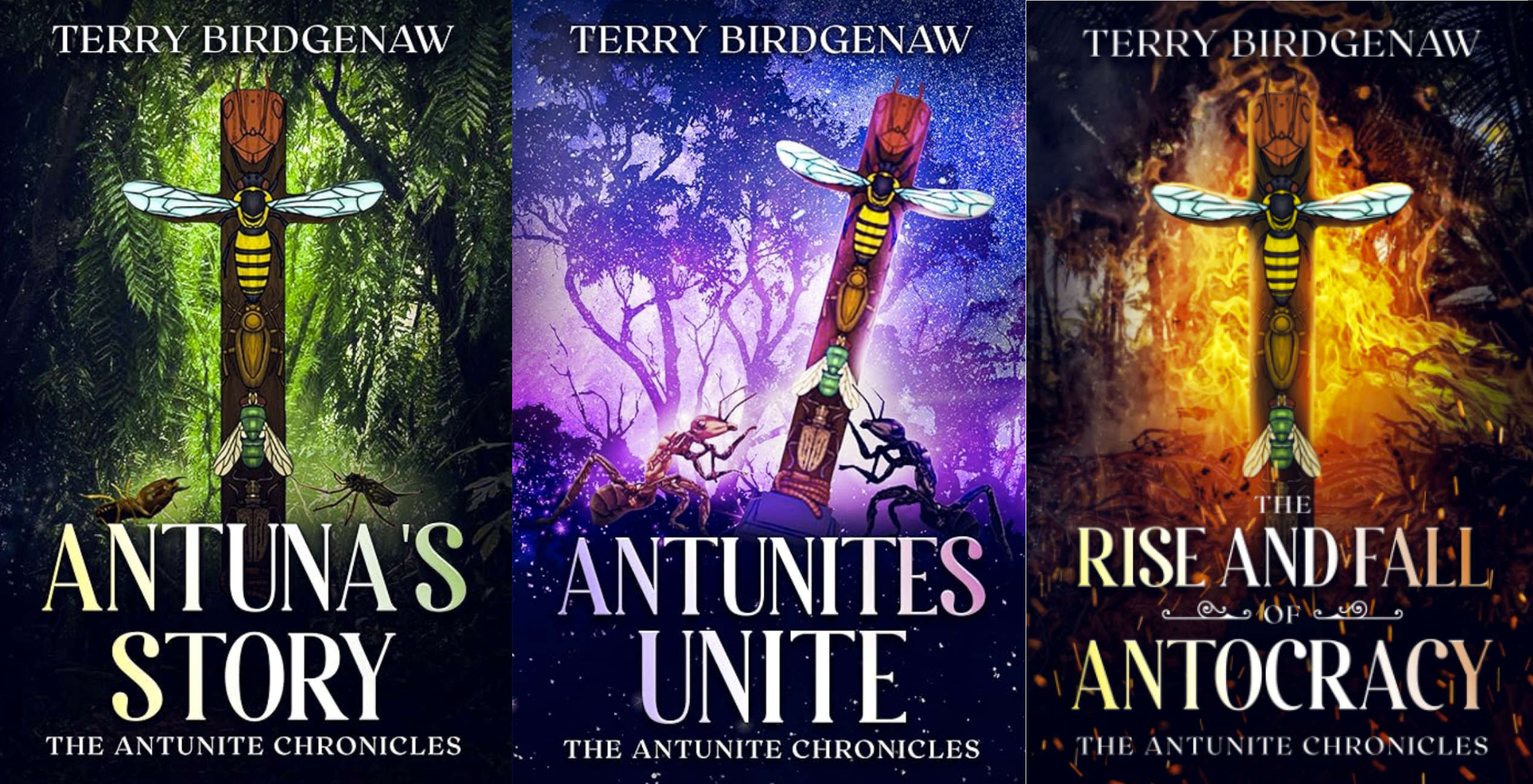

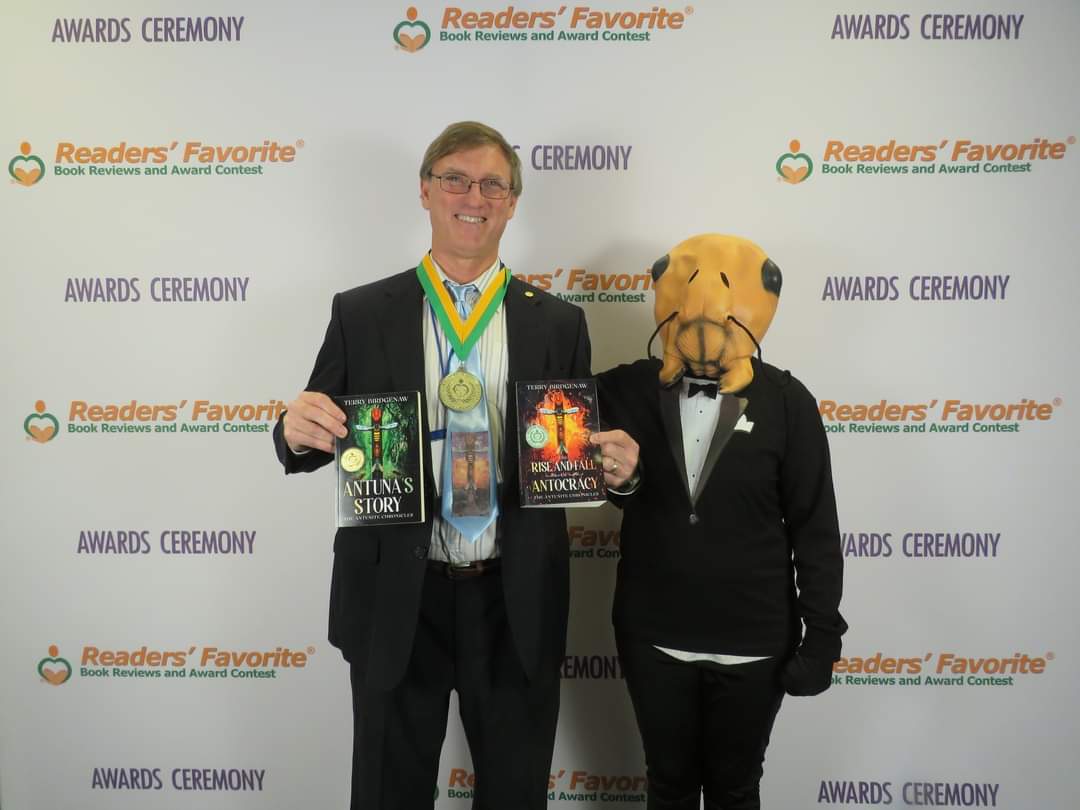
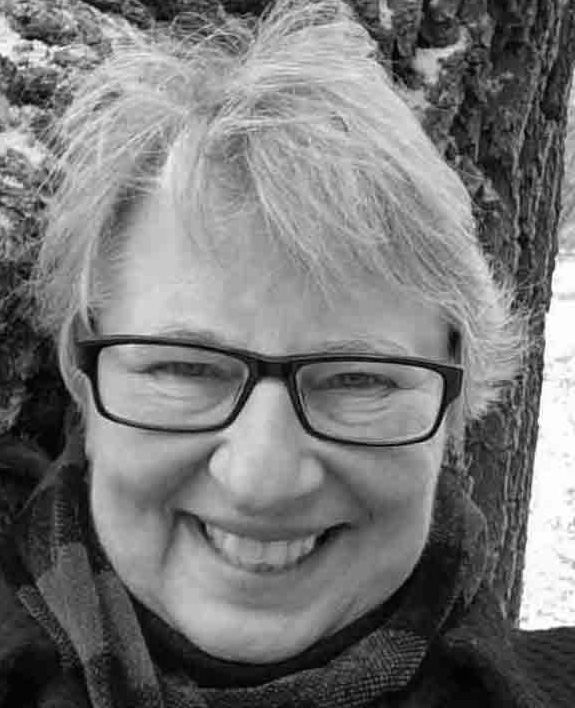
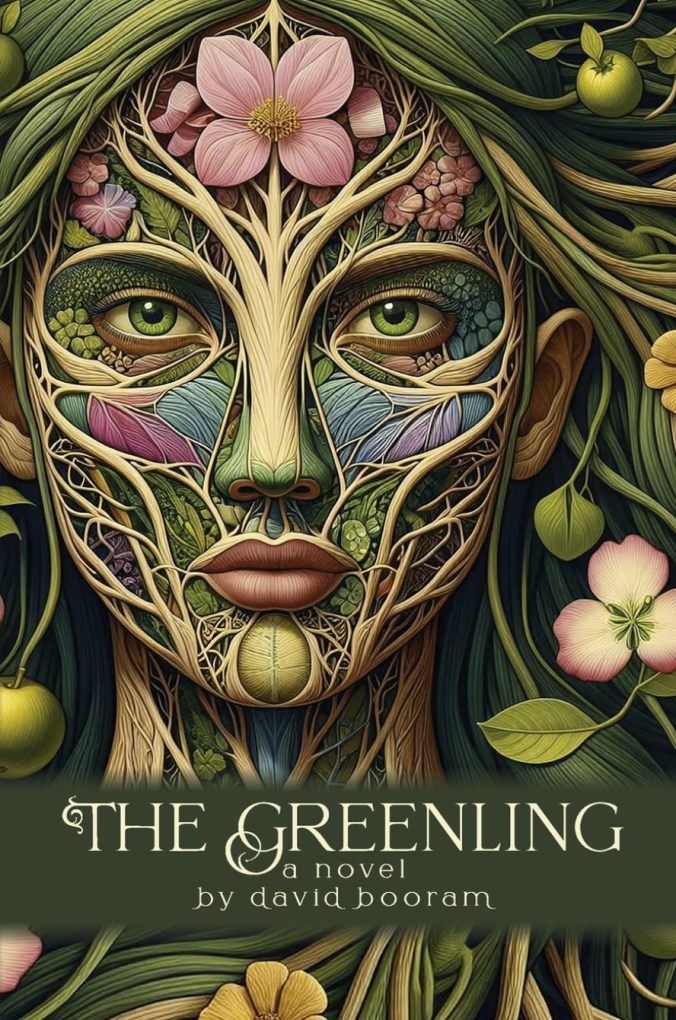
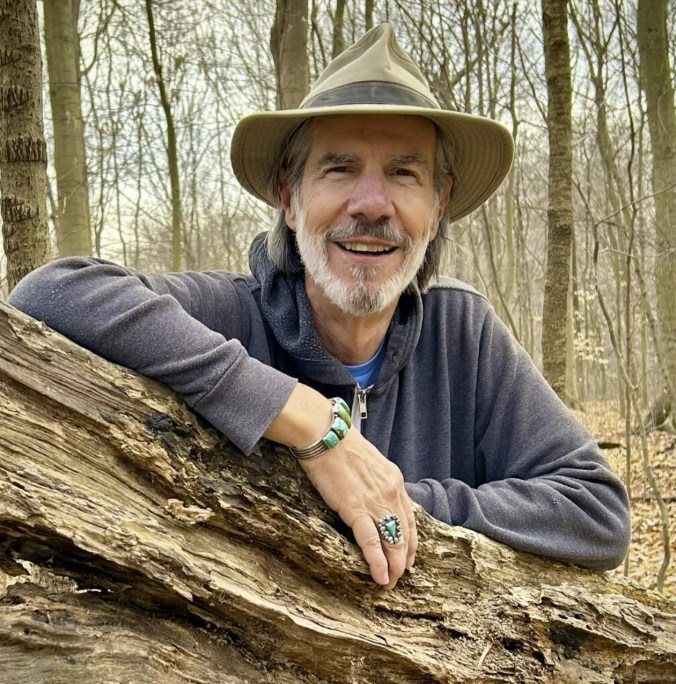
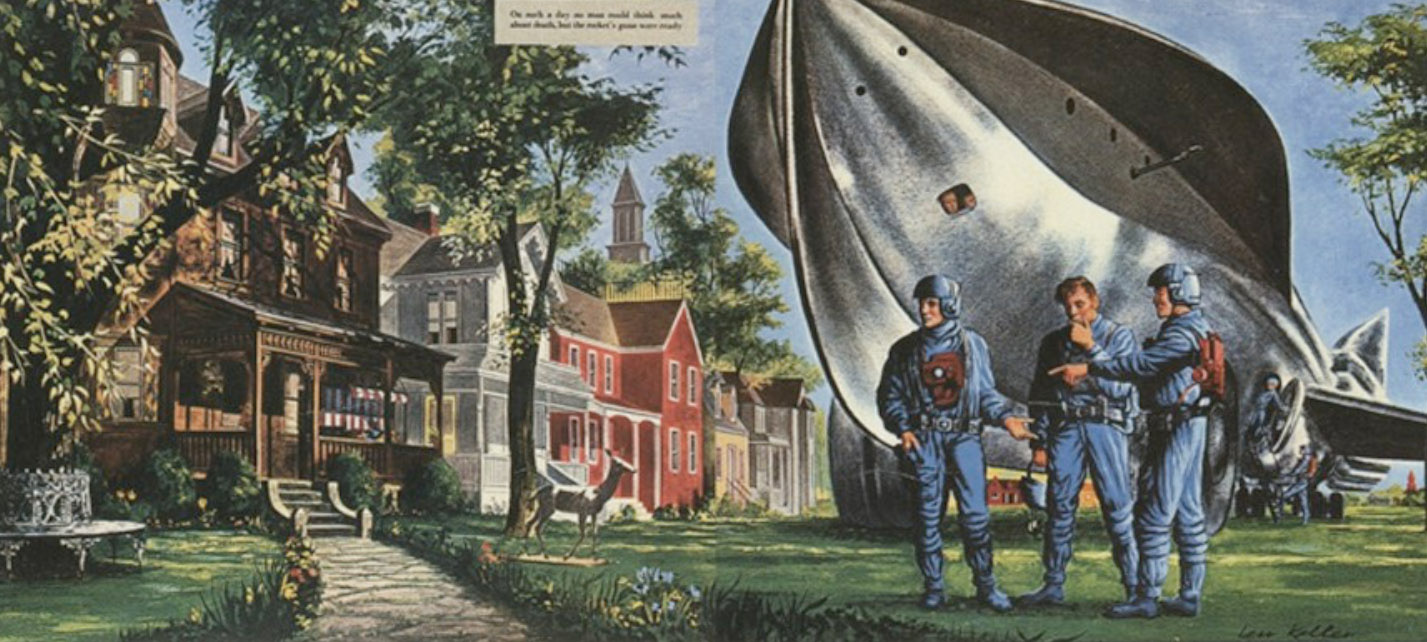


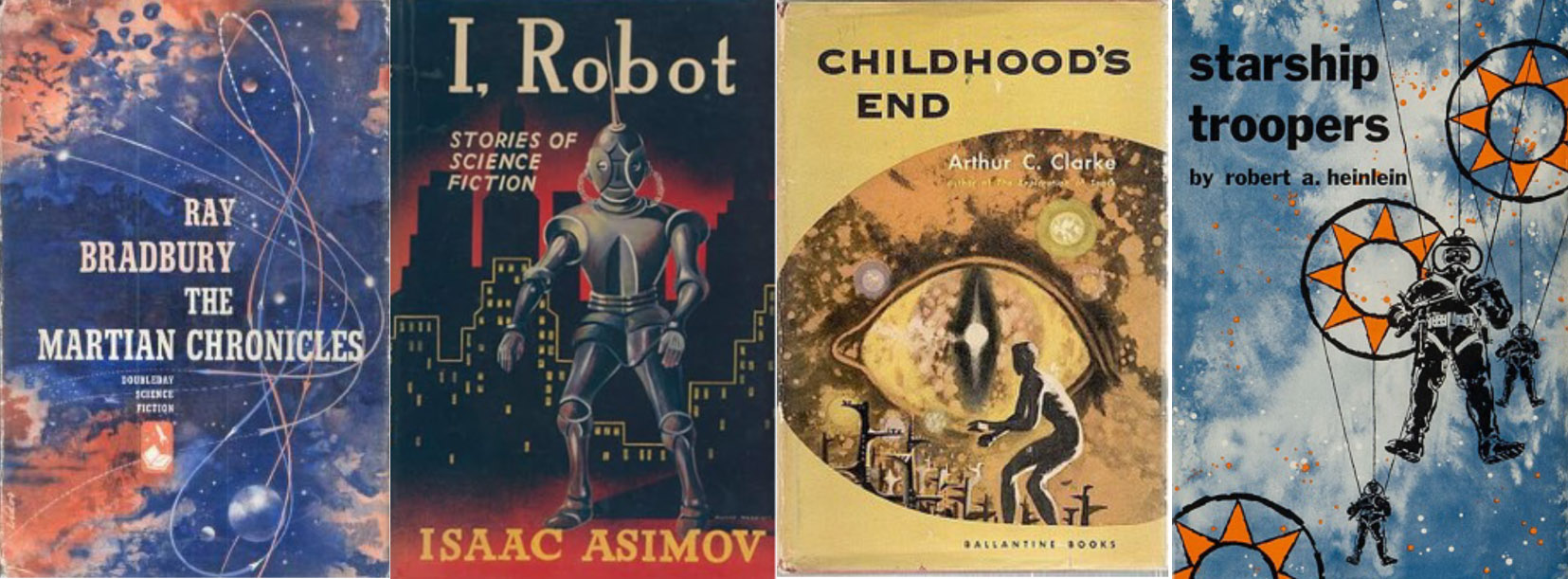

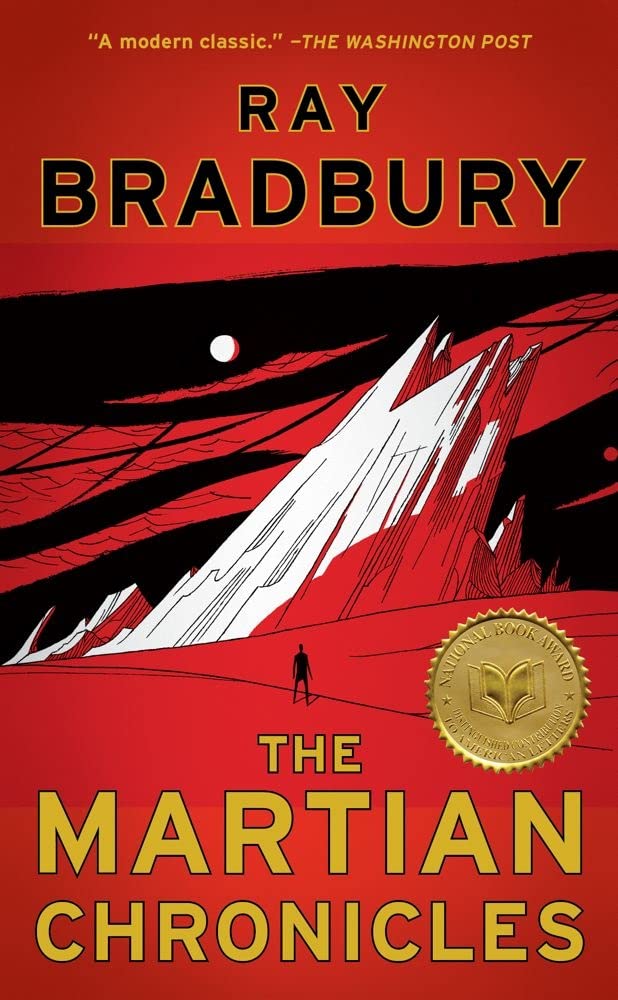
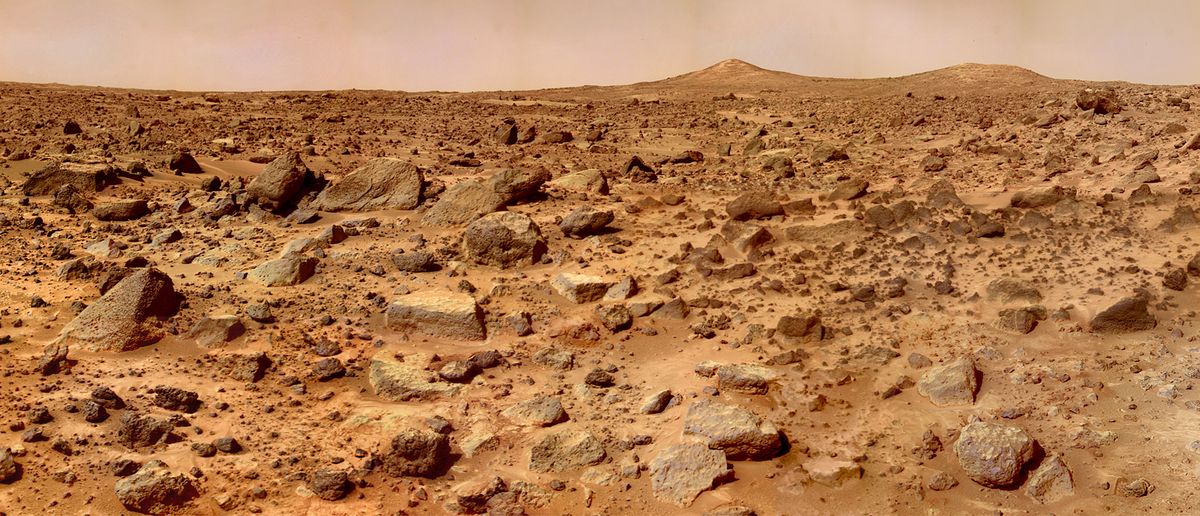

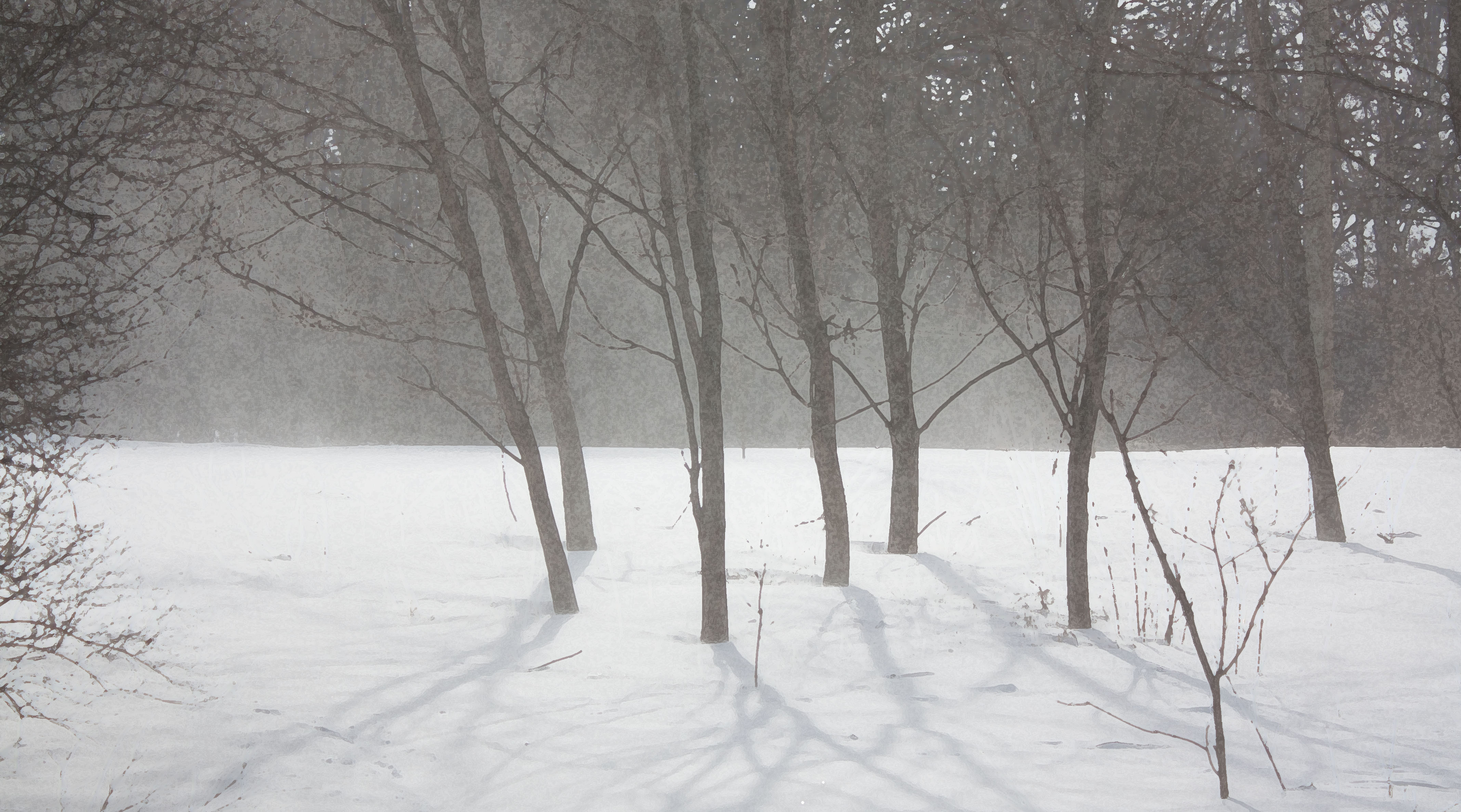

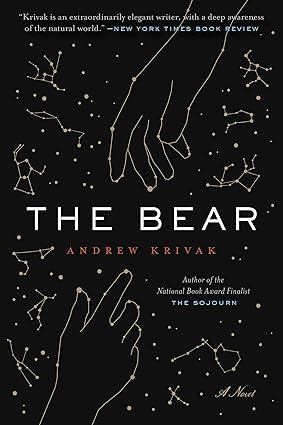
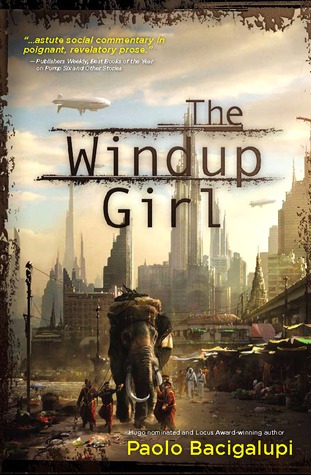
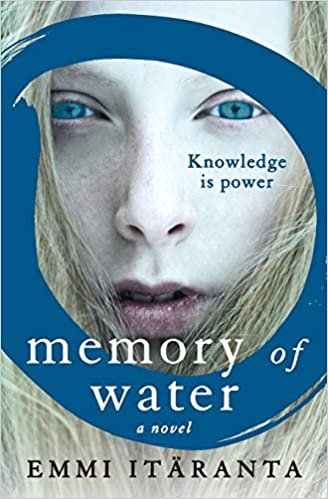


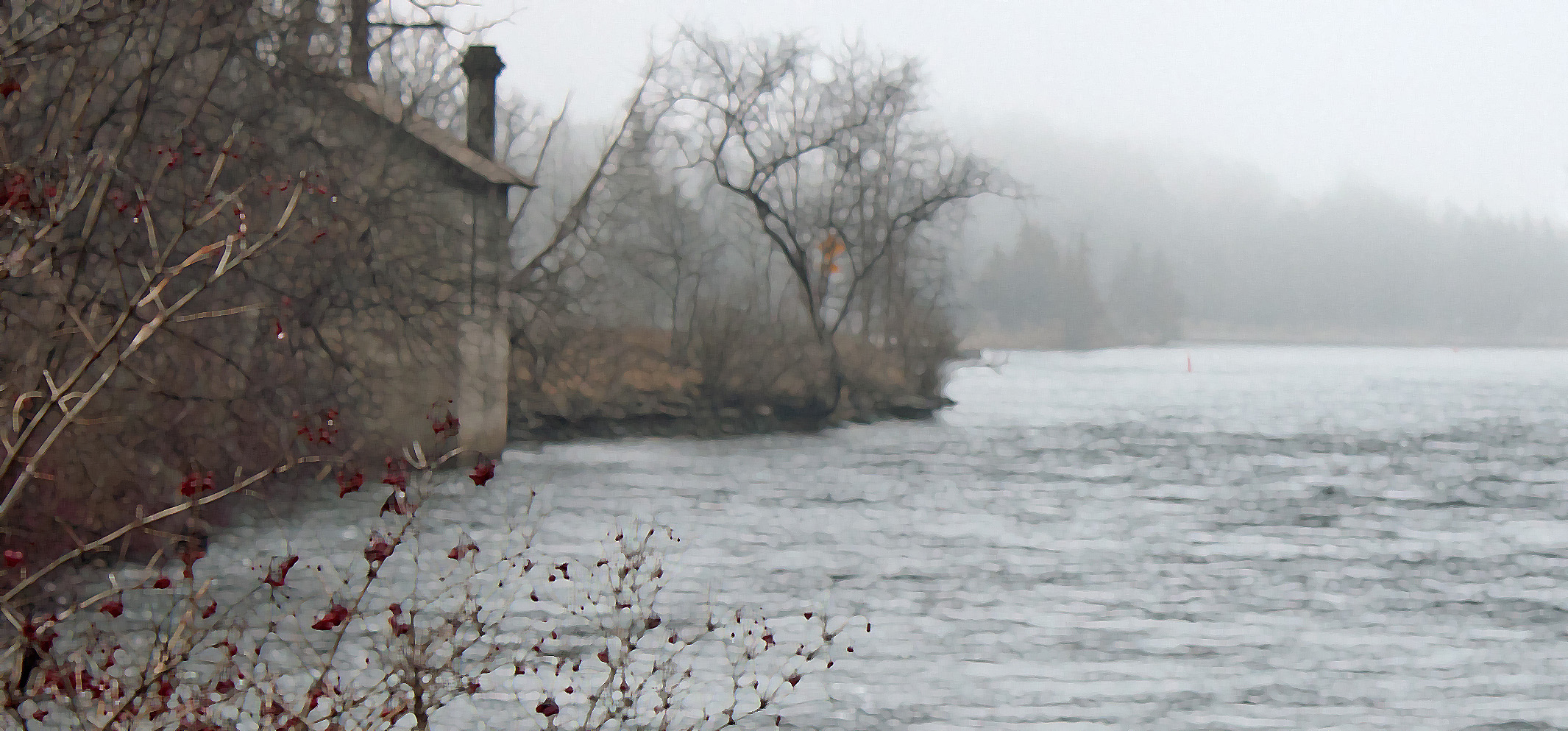

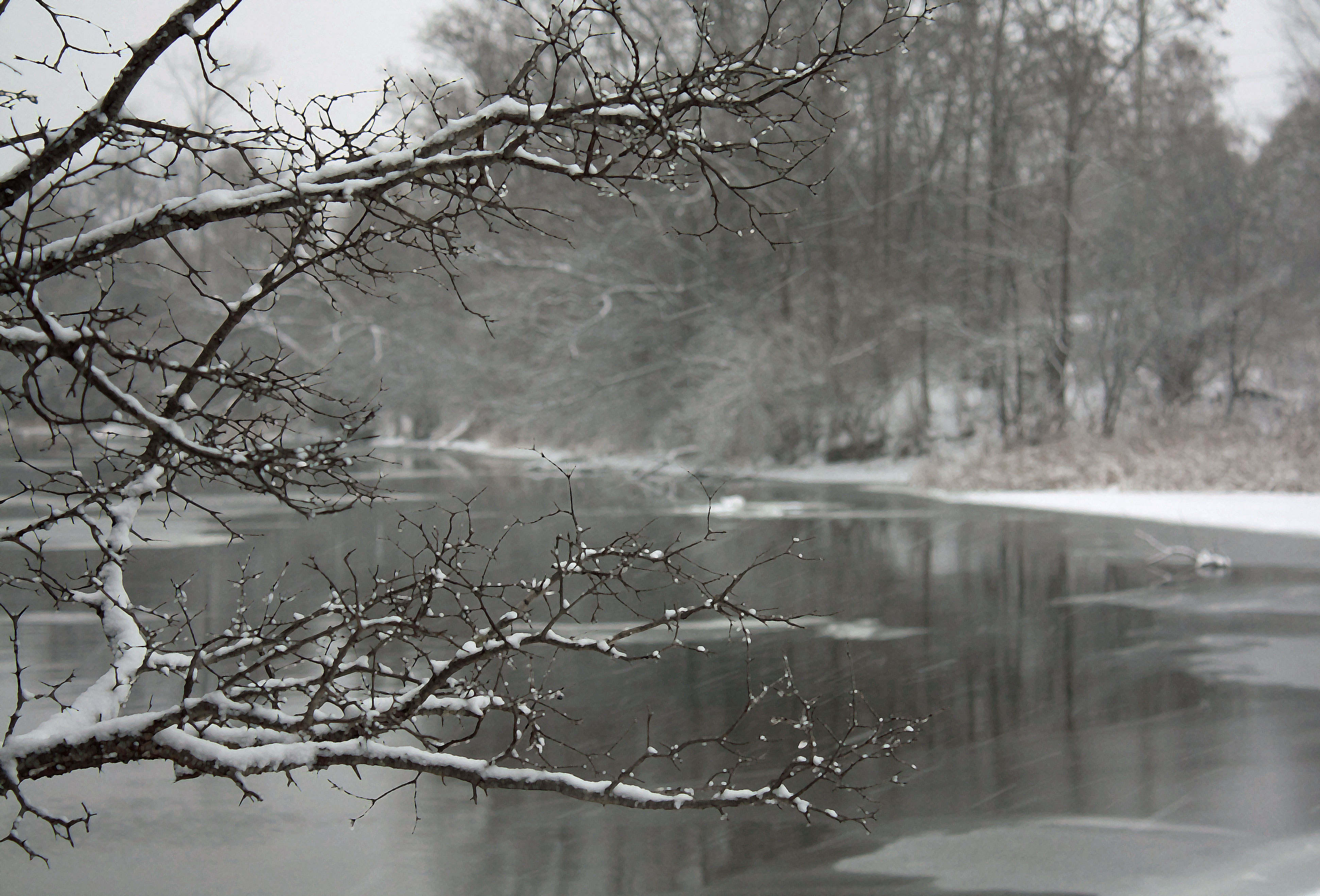
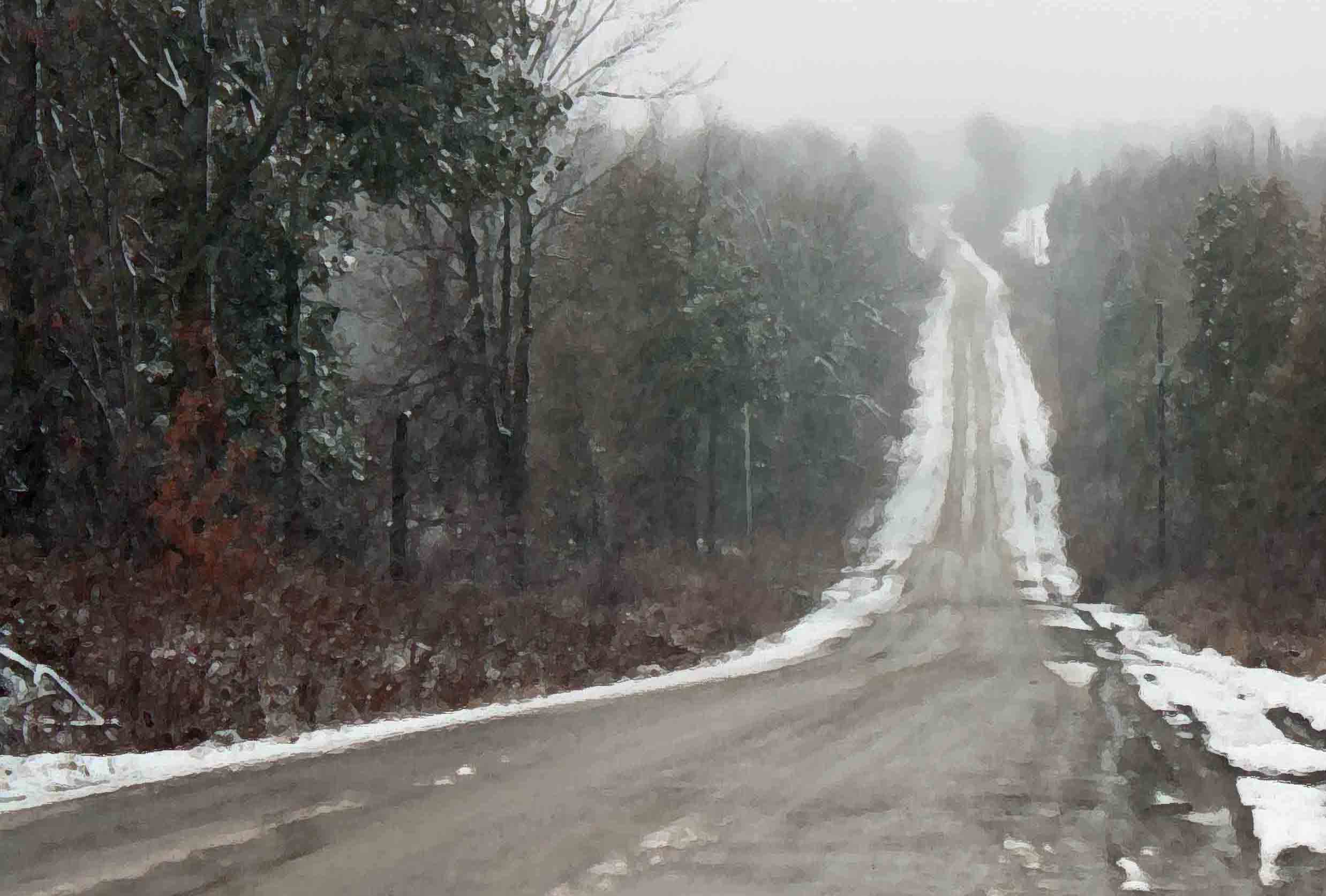

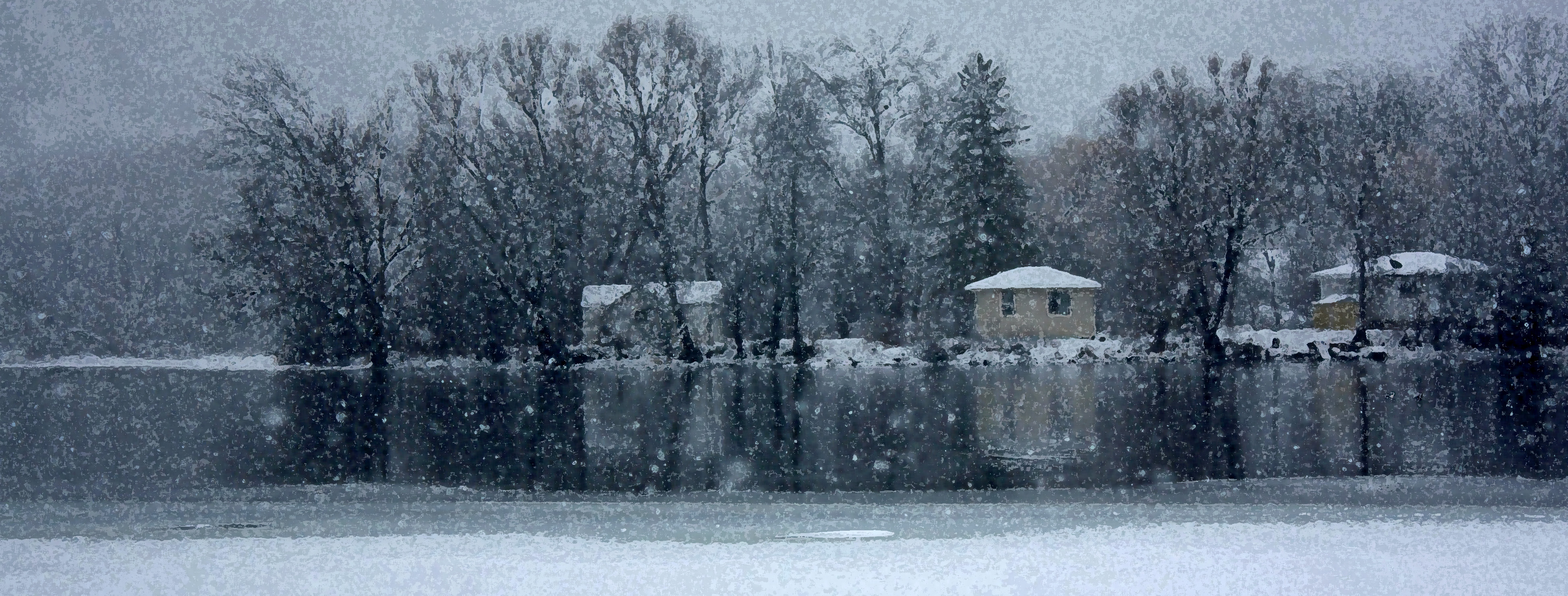


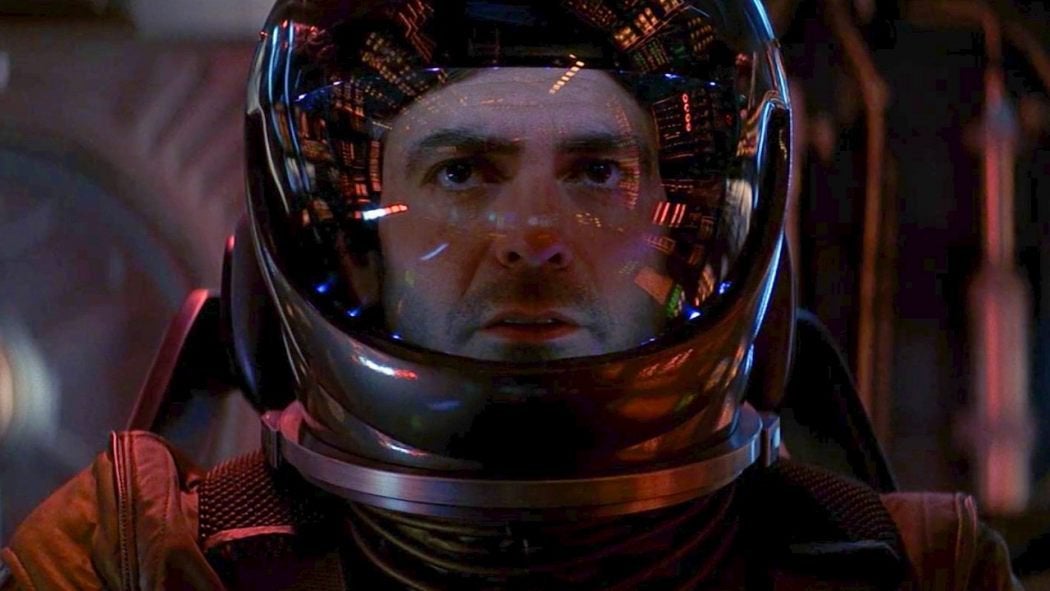


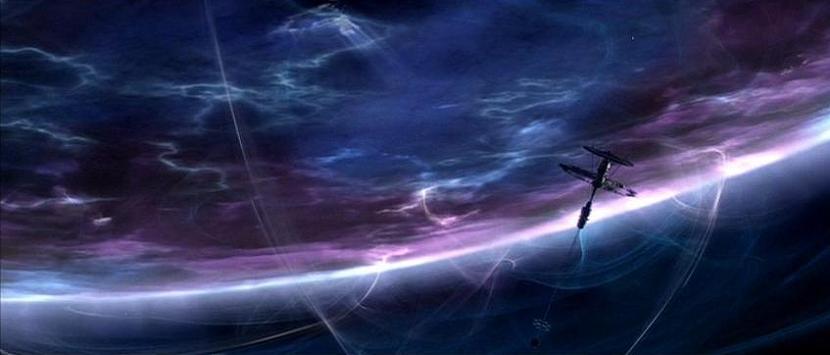
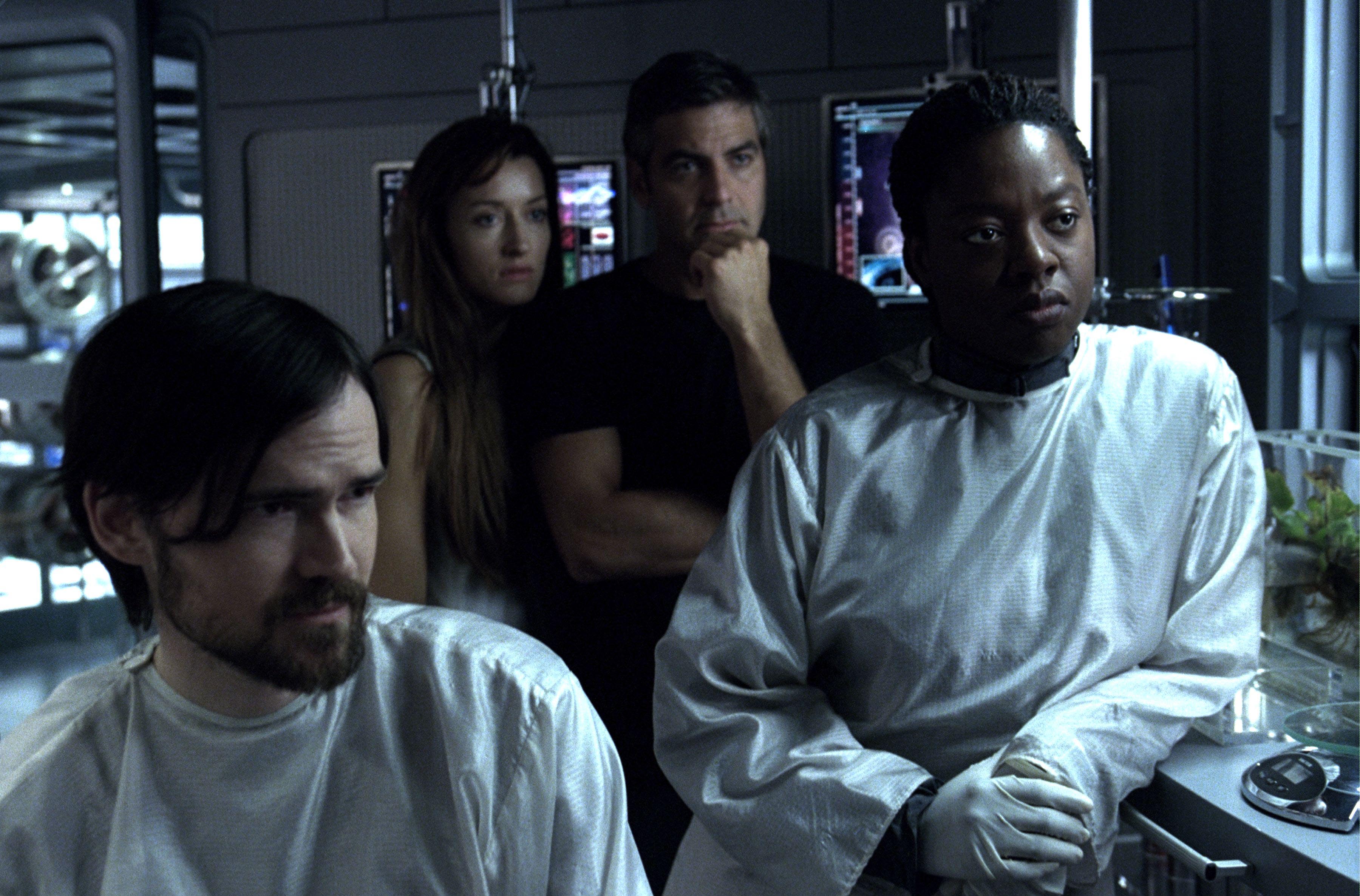

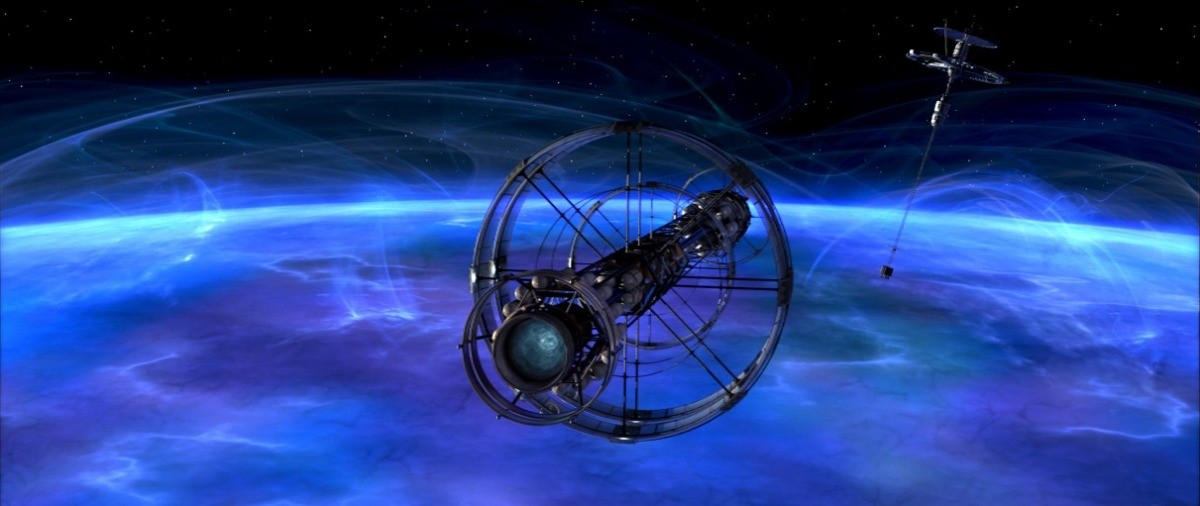


 Written 45 years ago, Le Guin’s scathing article may have accurately represented the North American science fiction community of writers of that time. Today, despite the remnants of a strong old guard that still promotes a patriarchal colonialist hegemony, the science fiction genre has matured and grown beyond this self-limiting view. This is partly because current authors—many who are women and many who are representatives of minority or marginalized groups—have given SF a new face and voice that promises to include equality, inclusion, and a fresh look at exploration and ‘the other.’
 Science fiction that leans toward “mundane”(everyday life) and literary fiction include the works of Paulo Bacigalupi (Windup Girl), Margaret Atwood (Year of the Flood), and Kim Stanley Robinson (New York 2140). Literary fiction overlaps with science fiction through eco-fiction and climate fiction which address oppression, jingoism and neoliberalism often through dystopian themes—and often through the voice of women writers—such as Octavia Butler’s Parable of the Sower, N.K. Jemisin’s The Broken Earth series, Emmi Itäranta’s The Memory of Water, Nina Munteanu’s A Diary in the Age of Water, Barbara Kingsolver’s Flight Behavior, Annie Proulx’s Barkskins, and Richard Power’s Overstory.
 In 2017, several publications addressed different aspects of society through speculative fiction. Laksa Media published Strangers Among Us: Tales of the Underdogs and Outcasts, which explores issues of mental health. Exile Editions published Cli-Fi: Tales of Climate Change with stories on personal experience with climate change. Reality Skimming Press published Water, for which I was editor, which explored optimism in the face of climate change.
 Novels and anthologies of short stories that feature disabled characters are also growing. Examples include Borderline by Mishell Baker, We Who Are About To… by Joanna Russ, Murderbot series by Martha Wells, and Uncanny: Disabled People Destroy Science Fiction (edited by Elsa Sjunneson-Henry, Dominik Parisien et al.) among many others.
 In an introduction to seven Indigenous Futurism books, Barnes and Noble writes:

 Nina Munteanu Writing Coach