
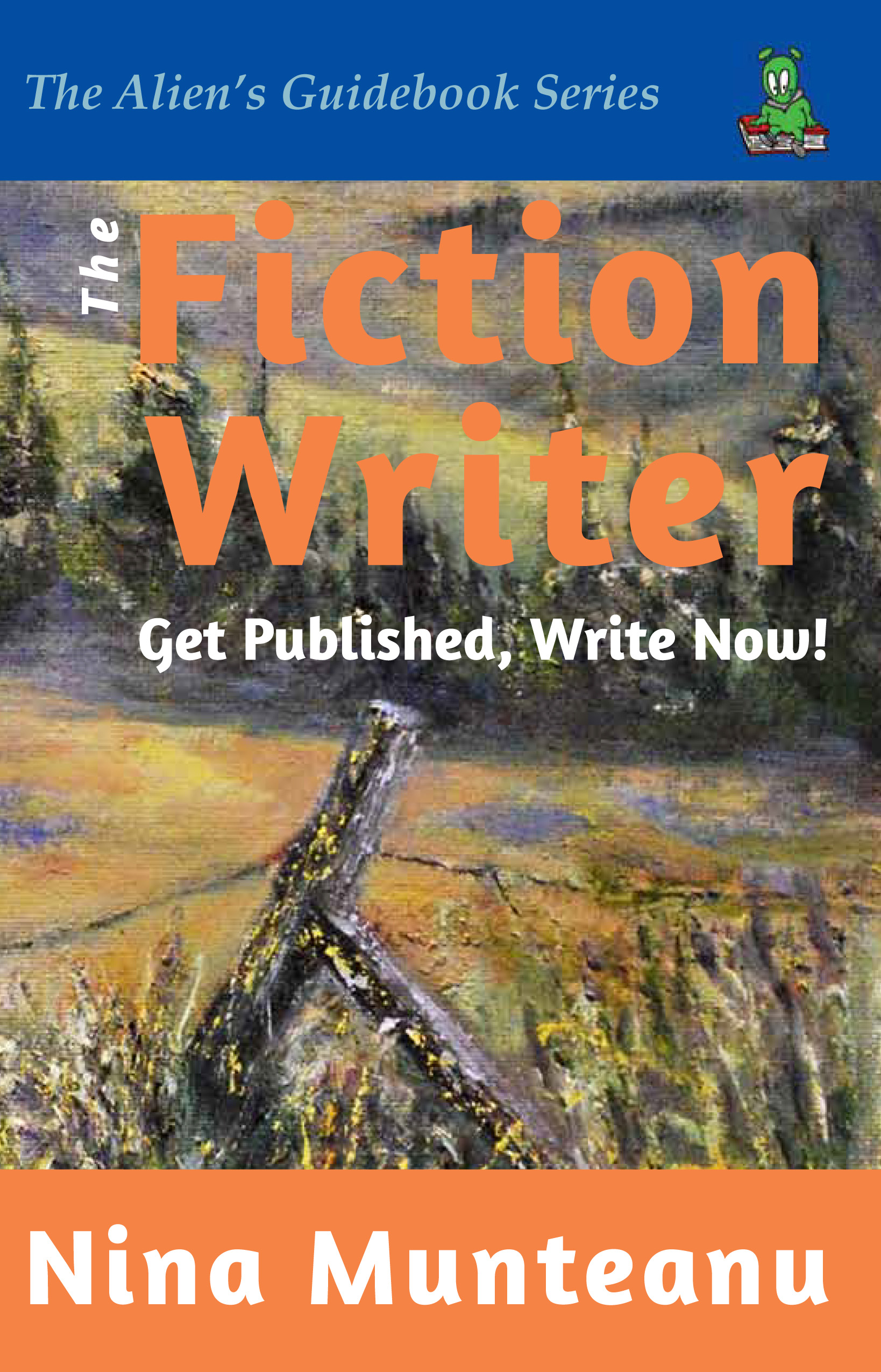
In this series of articles, I draw from key excerpts of my textbook on how to write fiction The Fiction Writer: Get Published, Write Now! whose 26 chapters go from A to Z on the key aspects of writing good and meaningful fiction.
D is for Get the Dope on Dialogue
One of the most important devices to spice up narrative and increase pace is the use of dialogue. There’s a reason for this: we read dialogue more quickly; it’s written in more fluid, conversational English; it tends to create more white space on a page with less dense text, more pleasing to the reader’s eye. Dialogue is action. It gets readers involved. Good dialogue neither mimics actual speech (i.e., it’s not usually mundane, repetitive or broken with words like “uh”) nor does it educate the reader through long discourse (unless the character is that kind of person). Good dialogue in a story should be somewhere in the middle.
While it should read as fluid conversation, dialogue remains a device to propel the plot or enlighten us to the character of the speaker. No conversation follows a perfect linear progression. People interrupt one another, talk over one another, often don’t answer questions posed to them or avoid them by not answering them directly. These can all be used by the writer to establish character, tension, and relationship.
E is for Exposition
In fiction, exposition breaks away from the ongoing action of a scene to give information. It can be one paragraph or go on for several pages. Exposition often provides contextual information critical for the reader to buy in to character-motivation or the ideas promoted in the story. It gives a story its perspective and larger meaning by linking the reader with the thematic elements. If scene is action and plot, exposition feeds reflection and theme. Exposition can appear in the form of background, setting, back story or overview. It is most often expressed through a POV character’s reflection and observation.
Exposition is something every writer grapples with in a story. Where to put it? When to add it? How much is too much? How little is too little? Working out when to explain the plot and when to leave the reader to draw their own conclusions can be tricky for even experienced writers, says author Elsa Neal. Ansen Dibell, author of Elements of Fiction Writing: Plot, describes exposition as “the author telling the reader something—telling, rather than showing.” Telling is much less effective and interesting than showing. It follows then that exposition is much less dramatic and less vivid than a scene. This is why you need to break exposition up into small bite-size pieces rather than a huge caloric meal of information. A good rule to follow is to minimize exposition as much as you can.
Okay, it’s good to add exposition. But there is a way and a time to do it. You need to balance the show-and-tell part of your narrative and to maintain a rhythm in your pace and tone. This means doing several things:
- restrain yourself and keep your notes to yourself
- arouse then explain
- build exposition into the scene
- put exposition in between scenes
- let the character explain—but be careful!
- Use interior monologue
F is for Finding Your Muse
In over twenty years of writing both fiction and non-fiction I really hadn’t given much thought to writer’s block until recently, when I was challenged on it. This is not to say that I never experienced it. I did; I just kept on writing. “What?” you say. “Then, you didn’t really have writer’s block.” Well, I did, but only for that particular project, and only for one aspect of that particular project. The key is to have multiple projects and recognize that each of these has multiple tasks aside from writing (e.g., editing, research, discussion, etc.) that you can work on.
For instance, besides Novel A, whose plot had me stumped, I was working on two short stories and a non-fiction article. I was also actively posting science articles, essays and opinion pieces on my blog. In addition, I was writing news articles for an online magazine and doing my regular stint at the environmental consulting firm, writing interpretive environmental reports. I kept on writing.
I let the plot of Novel A sit for a while as I continued to write. That didn’t mean I couldn’t work on Novel A in other capacities: copy editing or polishing language, for instance. The point I want to make is that it’s helpful to have other things on the go mainly because this will let you relax about the project that has you stumped. And you need to relax for it to resolve. It’s a little like looking for the watch you misplaced; it will find you once you stop looking for it.

The Fiction Writer: Get Published, Write Now! (Starfire World Syndicate) May 2009. Nominated for an Aurora Prix Award. Available through Chapters/Indigo, Amazon, The Book Depository, and Barnes & Noble.
The Fiction Writer is a digest of how-to’s in writing fiction and creative non-fiction by masters of the craft from over the last century. Packaged into 26 chapters of well-researched and easy to read instruction, novelist and teacher Nina Munteanu brings in entertaining real-life examples and practical exercises. The Fiction Writer will help you learn the basic, tried and true lessons of a professional writer: 1) how to craft a compelling story; 2) how to give editors and agents what they want’ and 3) how to maintain a winning attitude.
“…Like the good Doctor’s Tardis, The Fiction Writer is larger than it appears… Get Get Published, Write Now! right now.”
David Merchant, Creative Writing Instructor

Click here for more about my other guidebooks on writing.

Nina Munteanu is a Canadian ecologist / limnologist and novelist. She is co-editor of Europa SF and currently teaches writing courses at George Brown College and the University of Toronto. Visit www.ninamunteanu.ca for the latest on her books. Nina’s bilingual “La natura dell’acqua / The Way of Water” was published by Mincione Edizioni in Rome. Her non-fiction book “Water Is…” by Pixl Press (Vancouver) was selected by Margaret Atwood in the New York Times ‘Year in Reading’ and was chosen as the 2017 Summer Read by Water Canada. Her novel “A Diary in the Age of Water” was released by Inanna Publications (Toronto) in June 2020.











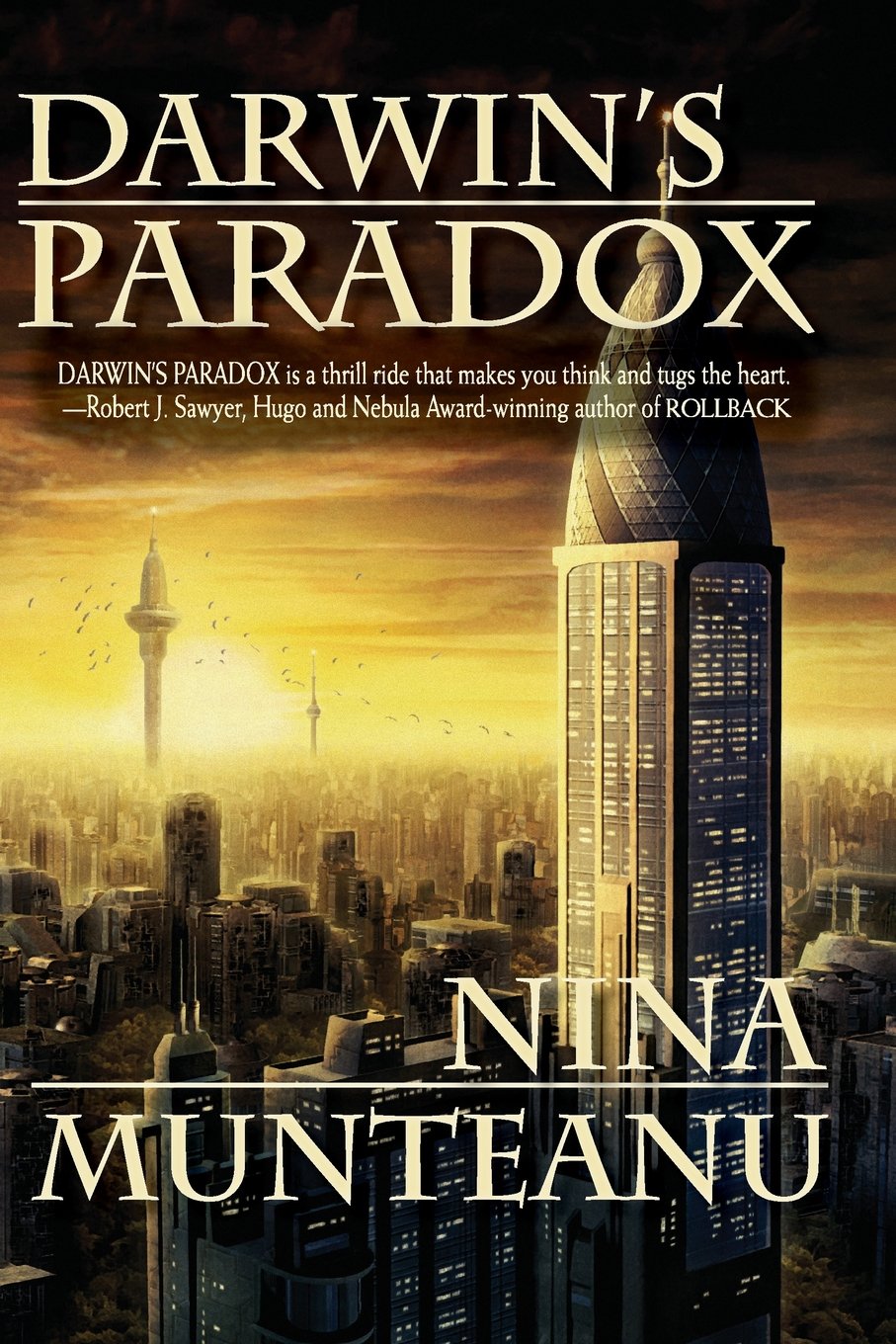 I write mostly eco-fiction. Even before it was known as eco-fiction, I was writing it. My first book—
 Things to consider about
  Water has been used as a powerful archetype in many novels. In my latest novel,
  In these examples the environmental aspect serves as symbol and metaphoric connection to theme. They can illuminate through the sub-text of metaphor a core aspect of the main character and their journey: the grounding nature of the land of Tara for Scarlet O’Hara in Margaret Mitchel’s Gone With the Wind; the white pine forests for the Mi’kmaq in Annie Proulx’s Barkskins; The animals for Beatrix Potter of the Susan Wittig Albert series.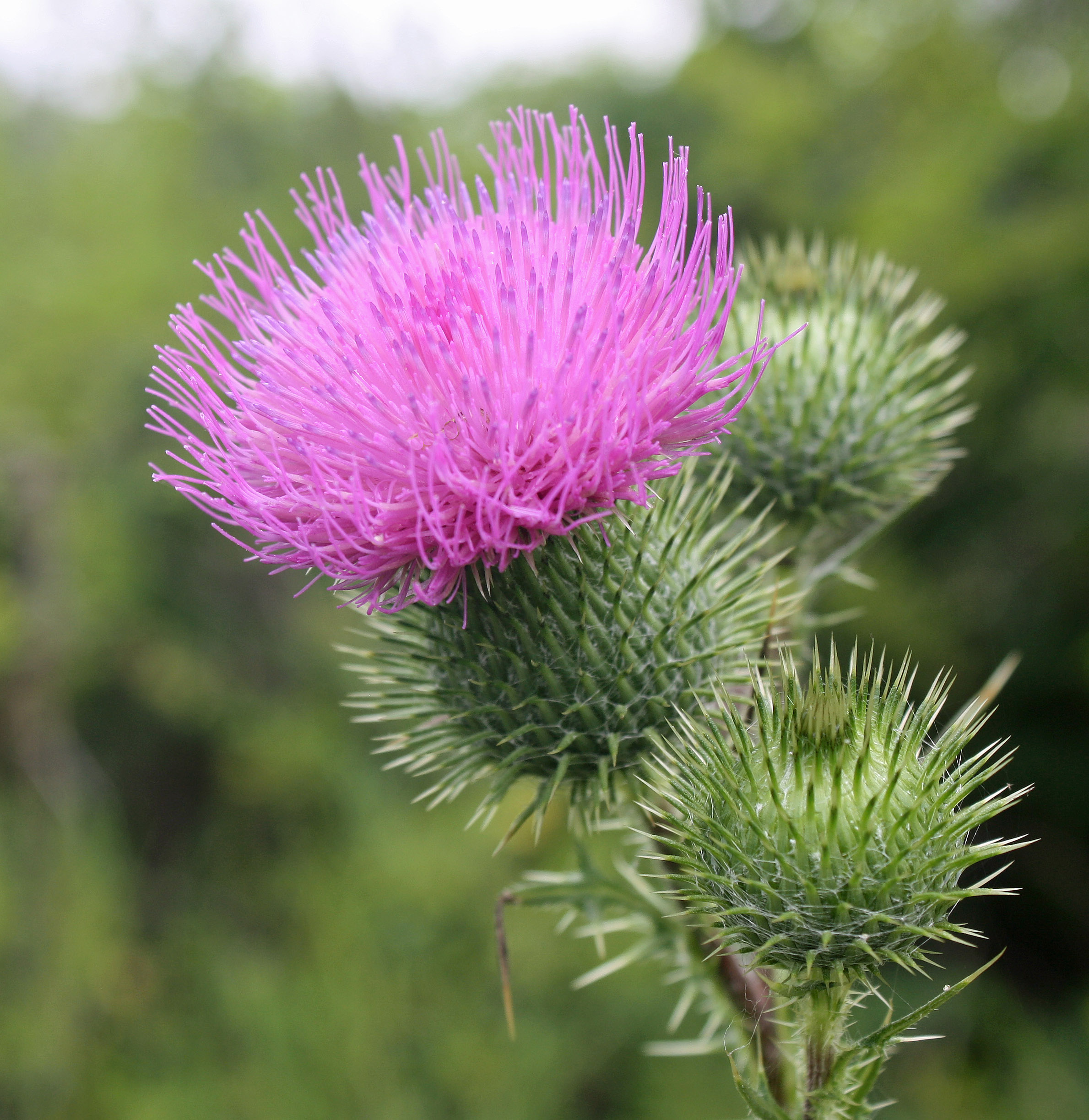
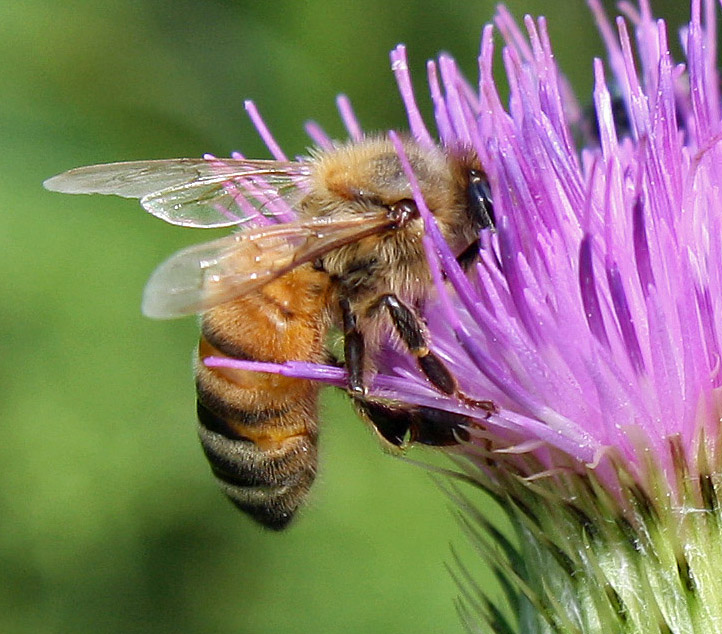


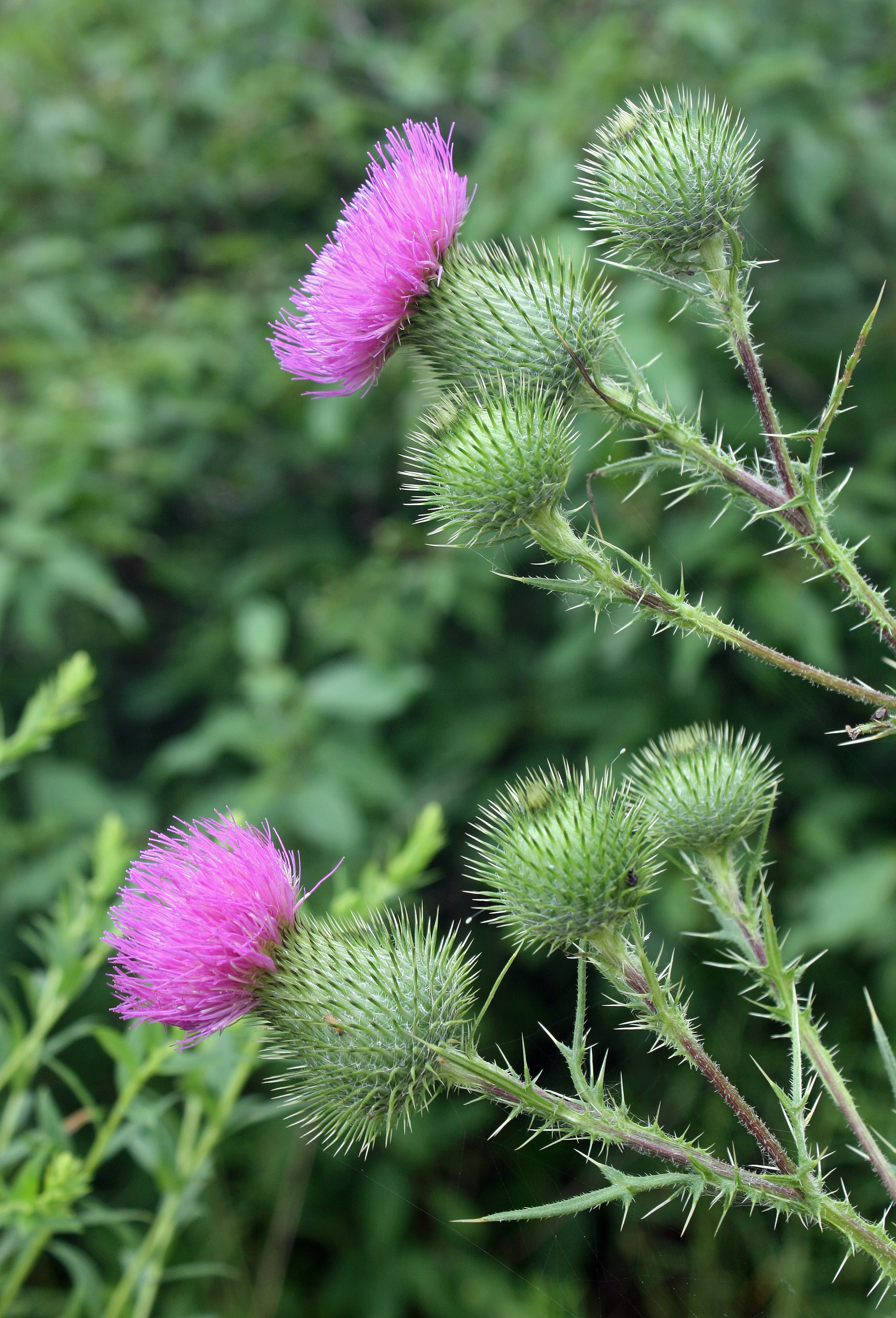 Nina: I guess that every weed was once a native somewhere. I also agree that times are changing—faster than many of us are ready for, humans included. If you were to identify with an archetype, which would you choose?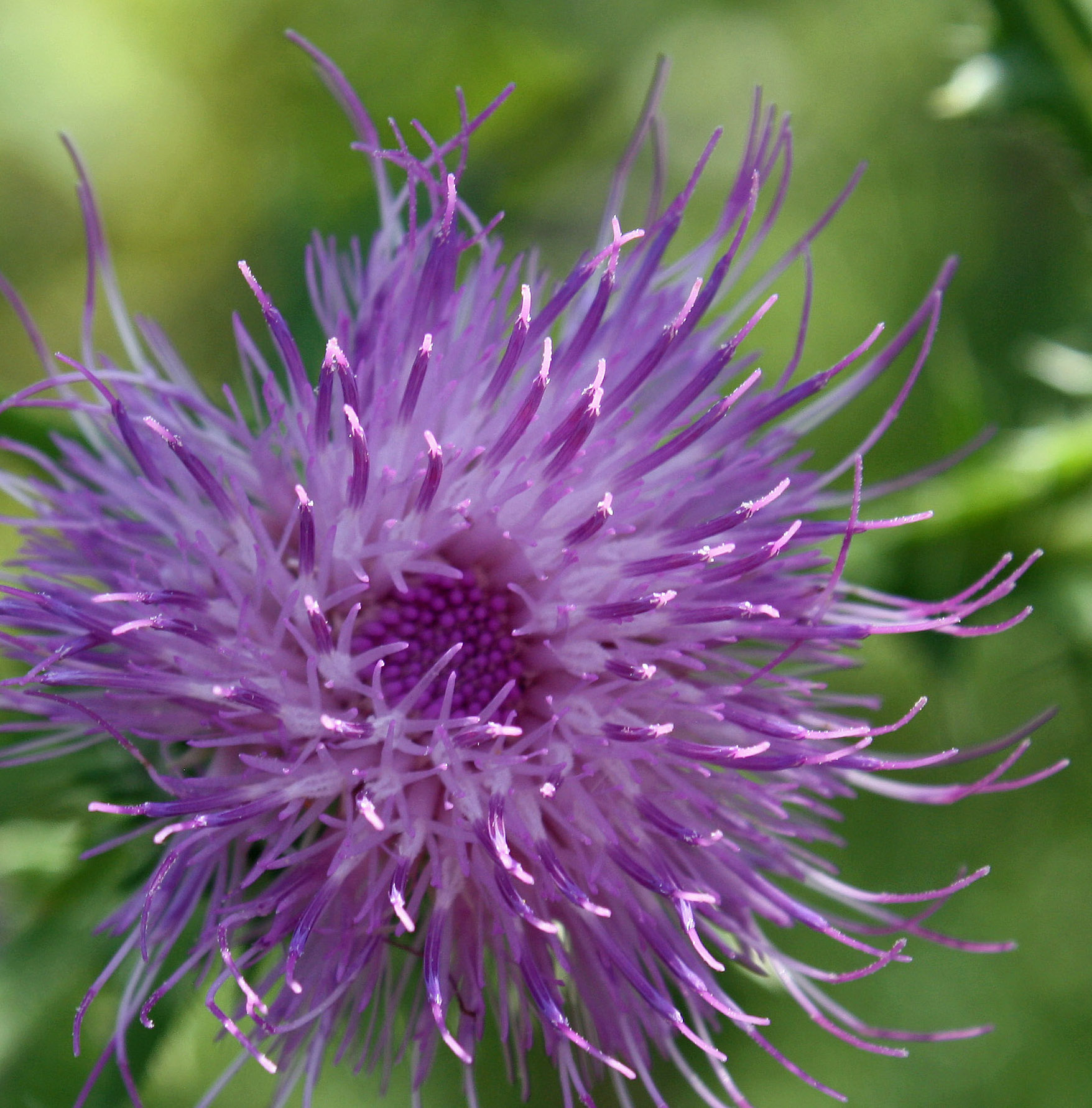


 Research what you’ve found on the Internet; find out more about something you’ve observed. For instance, why does the willow have such a shaggy bark? Why do alders grow so well near the edges of streams? What role do sowbugs play in the ecosystem? What do squirrels eat? What is that bird doing on my lawn? Start a phenology study (how something changes over the seasons). Keep tabs on the birds you see and what they’re doing. You can find several examples of mine in the links below.
 Expressive writing — whether in the form of journaling, blogging, writing letters, memoir or fiction — improves health. Over the past twenty years, a growing body of literature has shown beneficial effects of writing about traumatic, emotional and stressful events on physical and emotional health. In control experiments with college students, Pennebaker and Beall (1986) demonstrated that college students who wrote about their deepest thoughts and feelings for only 15 minutes over four consecutive days, experienced significant health benefits four months later. Long term benefits of expressive writing include improved lung and liver function, reduced blood pressure, reduced depression, improved functioning memory, sporting performance and greater psychological well-being. The kind of writing that heals, however, must link the trauma or deep event with the emotions and feelings they generated. Simply writing as catharsis won’t do.
 In Chapter K of my writing guidebook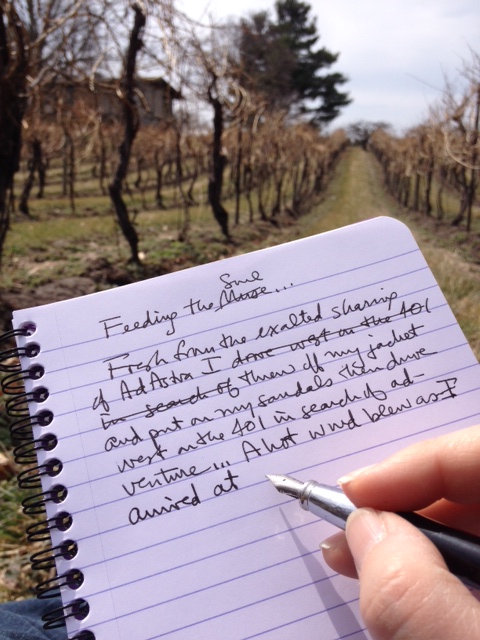
 According to


 “I was fascinated by Nina’s clear and extremely interesting lecture on the hero’s journey. Maybe all writers have a novel in their heads they want to write one day, and the techniques Nina shared with us will help me when I get to that point. In fact, because of her, I may get there a lot sooner than I had planned.”— Zoe M. Hicks, Saint Simon’s Island, GA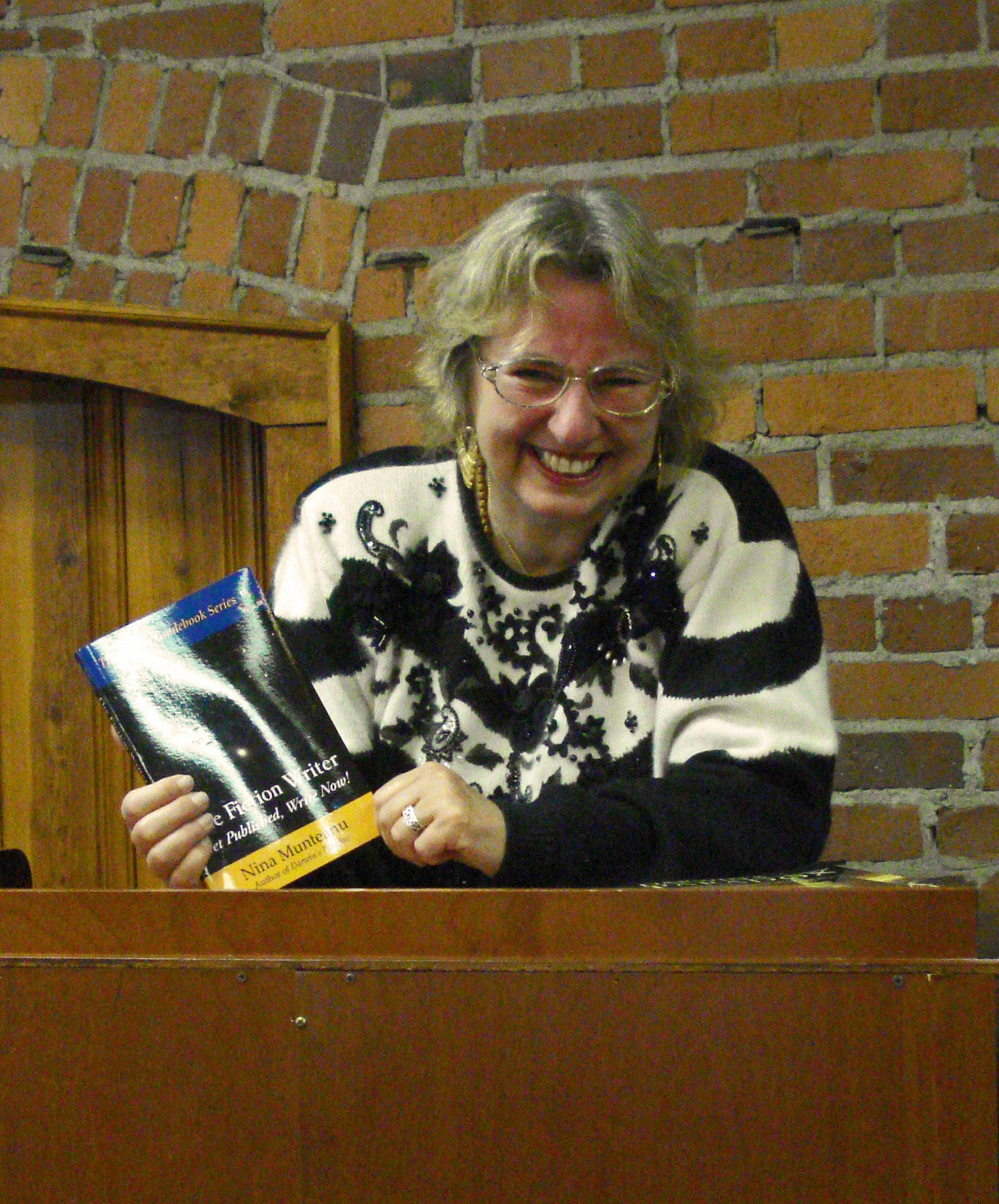
 “…Like the good Doctor’s Tardis, The Fiction Writer is larger than it appears… Get Get Published, Write Now! right now.”—David Merchant, Creative Writing Instructor


 Nina Munteanu Writing Coach