The Diverse Impact of Gaia’s Revolution

“Gaia’s Revolution is a chlorophyll-stained argument about power, survival, and the peril of holy certainty.”

Literary Titan
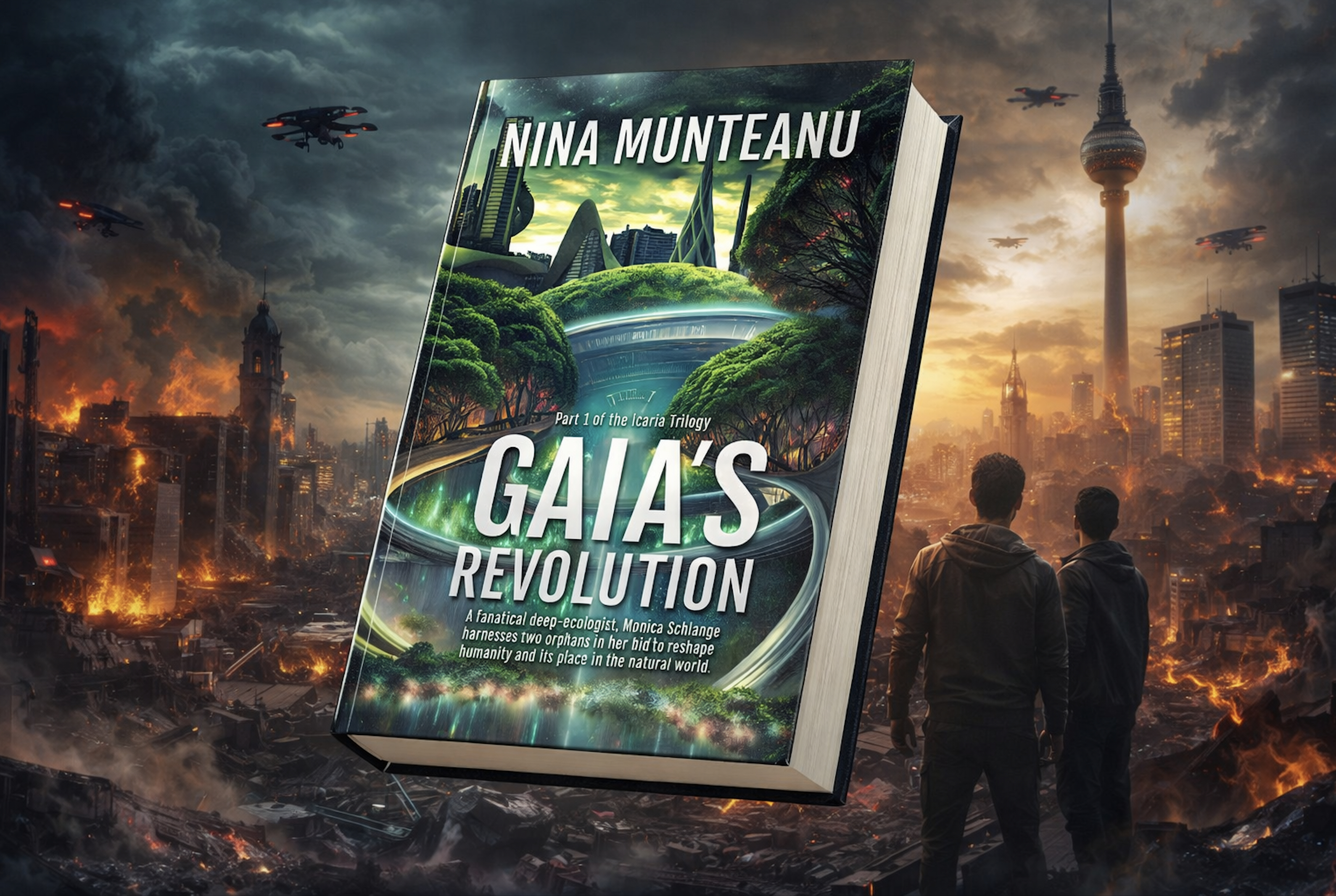
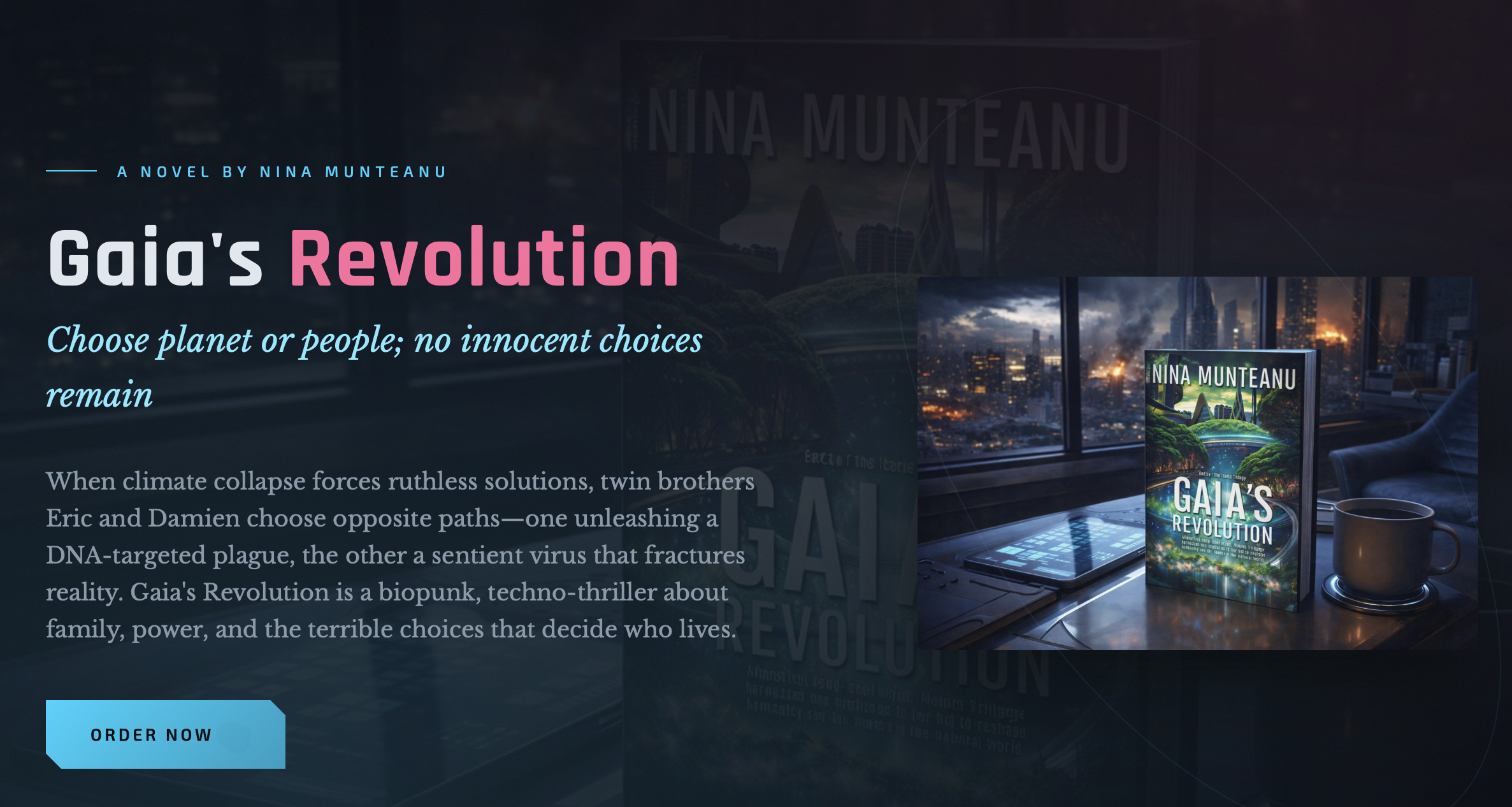
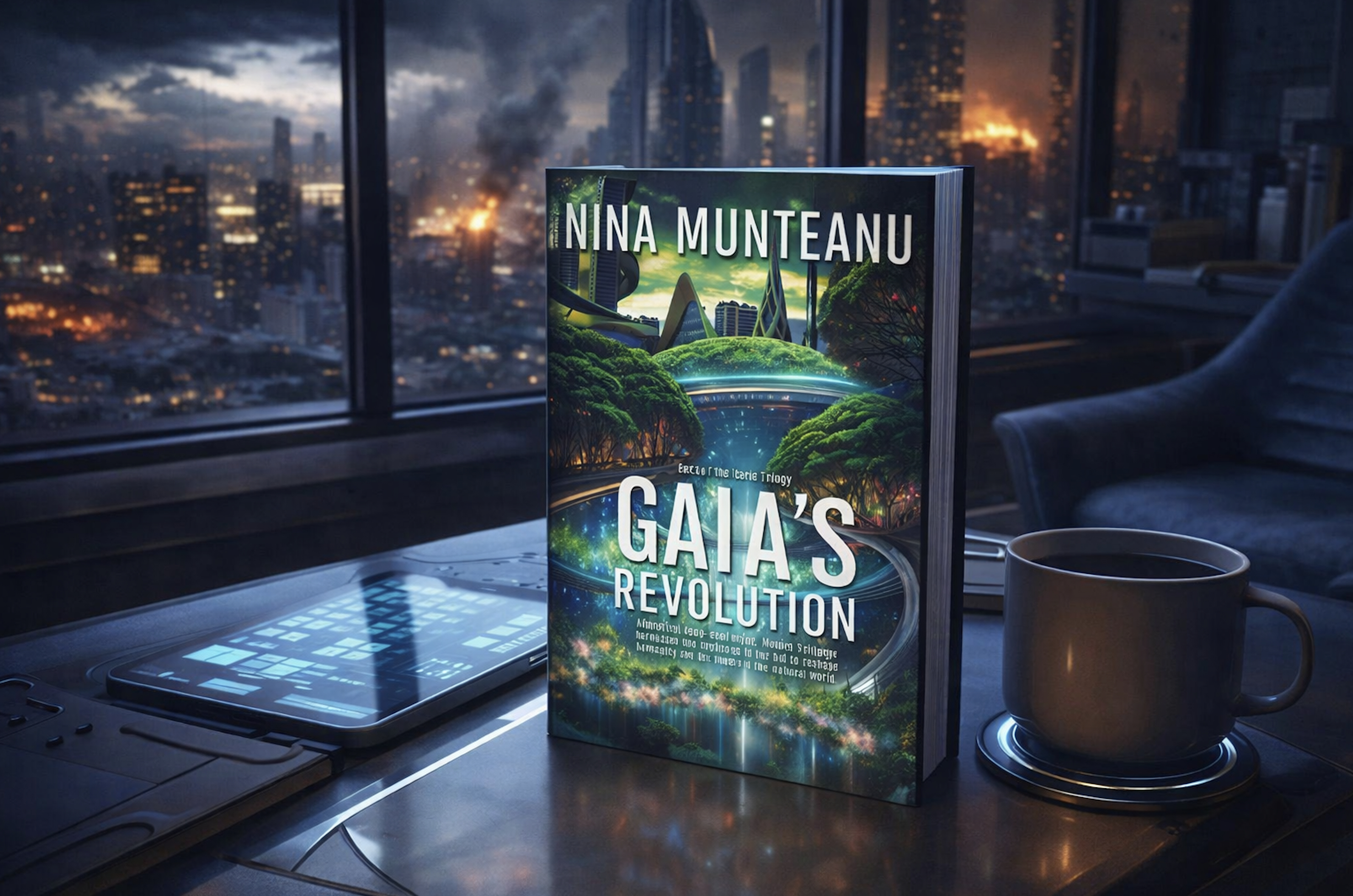
My eco-fiction political thriller Gaia’s Revolution—released March 10 of this year—has already made quite an impact on readers and reviewers: from amazing accolades to outright pans.

I love the controversy!

The book that follows ambitious twin brothers and the woman who plays them has rightly caused a ruckus from its questionable and controversial main characters to a thrilling though notorious plot. Understandably, some readers hated the book, even as others thoroughly enjoyed it. Either way, the book can’t be accused of being mediocre or mundane (something I would detest in my writing).

The Prairies Book Review accurately describes the novel:

Gaia’s Revolution “is a politically incendiary portrait of a civilization unraveling under climate collapse, historical trauma, and ideological extremism. Berlin, 2022. In a country destabilized by climate catastrophe and political extremism, activist Damien Vogel becomes the target of a violent state crackdown after protesting with Letzte Generation. As he uncovers long-buried truths about his family, he is drawn into conflict with his estranged twin Eric, whose ruthless plan for humanity’s survival threatens to sacrifice freedom itself.”

Literary Titan adds that the story “widens into a future history of revolution, ideology, biotech, enclosed cities, and ecological control…The novel is Part 1 of The Icaria Trilogy, and it reads like both an origin story and a warning flare.”

The Prairies Book Review calls Gaia’s Revolution:

“Dense, unsettling, and intellectually ambitious.” They describe the novel as “bleak, intelligent, and emotionally explosive.” They add that, “Munteanu crafts the novel as both climate thriller and philosophical inquiry, weaving ecological science, German history, and political paranoia into a narrative charged with dread and moral instability…Munteanu refuses simplistic moral binaries, presenting climate collapse as a force that destabilizes not only ecosystems, but democracy, ethics, and identity itself.” 

Reader Neha Shukla writes on Goodreads that Gaia’s Revolution has a “strong message with emotional depth.” Shukla noted that “the emotional side of the story is very well handled.” Lily Thomass wrote on Goodreads that “what stood out to me was the emotional honesty of the story.”

Costi Gurgu, author of Recipearium and The Cursed writes: “Gaia’s Revolution may be the most extensively researched SF novel I’ve ever read…[the book is] so close to reality that it’s frightening.” Claudiu Murgan, author of Water Entanglement, enjoyed the “dynamic plot and interesting, well-defined characters.”

Steve Stanton, Canadian speculative fiction author of Freenet writes: “I love it when novelists tackle the big issues and take on big opponents, and in these perilous times there is no bigger issue than global climate change, and no bigger opponent than patriarchal capitalism. Gaia’s Revolution by Nina Munteanu begins in present-day Germany, where ecological activists are setting the stage even now. In Munteanu’s inspired vision, radical racism, anti-immigration activism, and ultra right-wing security forces will be a crucible fomenting world catastrophe.”

Stanton adds, “The author uses some subtle stylistic variations for those readers who pay attention to details. The pace is varied, and the plot twists drive the narrative forward. I felt the beginning was a bit wordy with backstory and political philosophy, but Munteanu masterfully dovetails current political unrest and eco-activism into the worldwide dystopia of The Icaria Trilogy. As a prequel, this novel is an embellishment of sci-fi concepts developed very early in Munteanu’s career, but it is also the culmination of a body of work. For me, Gaia’s Revolution has been a delightful rediscovery of a talented Canadian voice.”

Reviews weren’t all positive; some oozed acid in their negative wrath. Why is Gaia’s Revolution eliciting this diversity of polarized reactions?

Sophia Wasylinko of The British Columbia Review in part suggests why in her negative review: “The book hooked me at first with its look at a world hostile to environmentalists and deep ecological concepts. Unfortunately, once the brothers cross paths with deep ecologist Monica Schlange, things get messy. Both for them and for the book.” Wasylinko particularly took exception to Monica’s character.

Literary Titan describes Monica’s mercurial shapeshifting character as “a zealous deep ecologist, [who] becomes one of the book’s most dangerous engines: part savior, part tyrant, using damaged people…as instruments in her plan to remake humanity’s relationship with the natural world.” Wasylinko emphatically disliked Monica, which impeded her enjoyment of the book. The reviewer found that, “…as the story progressed, the more irritated I became with [Monica’s] sexual antics and ‘Tears for Fears’ references. While I probably wasn’t supposed to like her, I didn’t care for her at all.” She ended with: “I won’t be continuing with the trilogy…I cannot cope with any more of Monica’s crooning Tears for Fears’ big hit of 1985, ‘Everybody Wants to Rule the World.’”

Literary Titan provides another possible reason for the polarized reactions: “the book refuses to make climate politics tidy. It doesn’t give us a simple contest between virtuous activists and corrupt institutions; instead, it shows how righteousness can calcify into doctrine, how grief can become governance, and how ecological thinking can be twisted into a new authoritarian grammar.” The reviewer found that what unsettled them the most, “was the book’s interest in compromised people [who are not] arranged into neat moral bins. They are products of abuse, ideology, scientific ambition, terror, tenderness, cowardice, and survival.”

In describing the diametrically opposed trajectories of twin brothers Eric and Damien, Prairies Book Review adds that, “Eric’s eco-authoritarian worldview is chilling precisely because it emerges logically from the same environmental realities driving Damien’s activism.”

The book follows six key characters and a handful of minor characters—all with associated archetypes—and their journeys during this catastrophic time are complex and messy; a function of the chaotic time itself. I make no apology to Wasylinko for the messiness. Revolution is messy. In a time of hard choices, innocence is the main casualty. This becomes evident for all the characters in the novel—particularly the children—as fiction reflects non-fiction. In the end, no one is innocent and all are changed.

Gaia’s Revolution is best described as an exploration of violent change and its associated impact and paradoxes. This is something we will face or already are facing with the growing unruliness of global warming, environmental destruction, and planetary change. Gaia’s Revolution ultimately explores the diverse impact of revolution in an unsustainable world; perhaps it is only apt that its reception by readers is equally diverse.

Paradox and irony drive Gaia’s Revolution. Says Wasylinko: “Gaia’s Revolution shows how quickly utopia becomes a dystopia. Nowhere is this more evident than the [revolutionary] Gaian Army adopting the Technocratic government’s weapons, including terrifying clones, and … book burning.”

According to Literary Titan, Gaia’s Revolution “has the grain of a manifesto smuggled inside a thriller, a story with roots sunk deep into Rachel Carson, chaos theory, surveillance states, and the bad old habit of deciding that humanity must be saved from itself.”

Literary Titan recommends Gaia’s Revolution “to readers of climate fiction, eco-dystopian fiction, biopunk, political fiction, and science fiction readers who like their futures thorny rather than sleek. Readers who enjoy Margaret Atwood’s MaddAddam books or Kim Stanley Robinson’s climate-minded fiction may find familiar pleasures here, though Munteanu’s novel is darker, more doctrinal, and more intimate in its wounds.” 

Gaia’s Revolution is Book 1 of The Icaria Trilogy, available in quality bookstores near you and, of course, on Amazon. Check out readers’ reaction to Gaia’s Revolution on Goodreads.

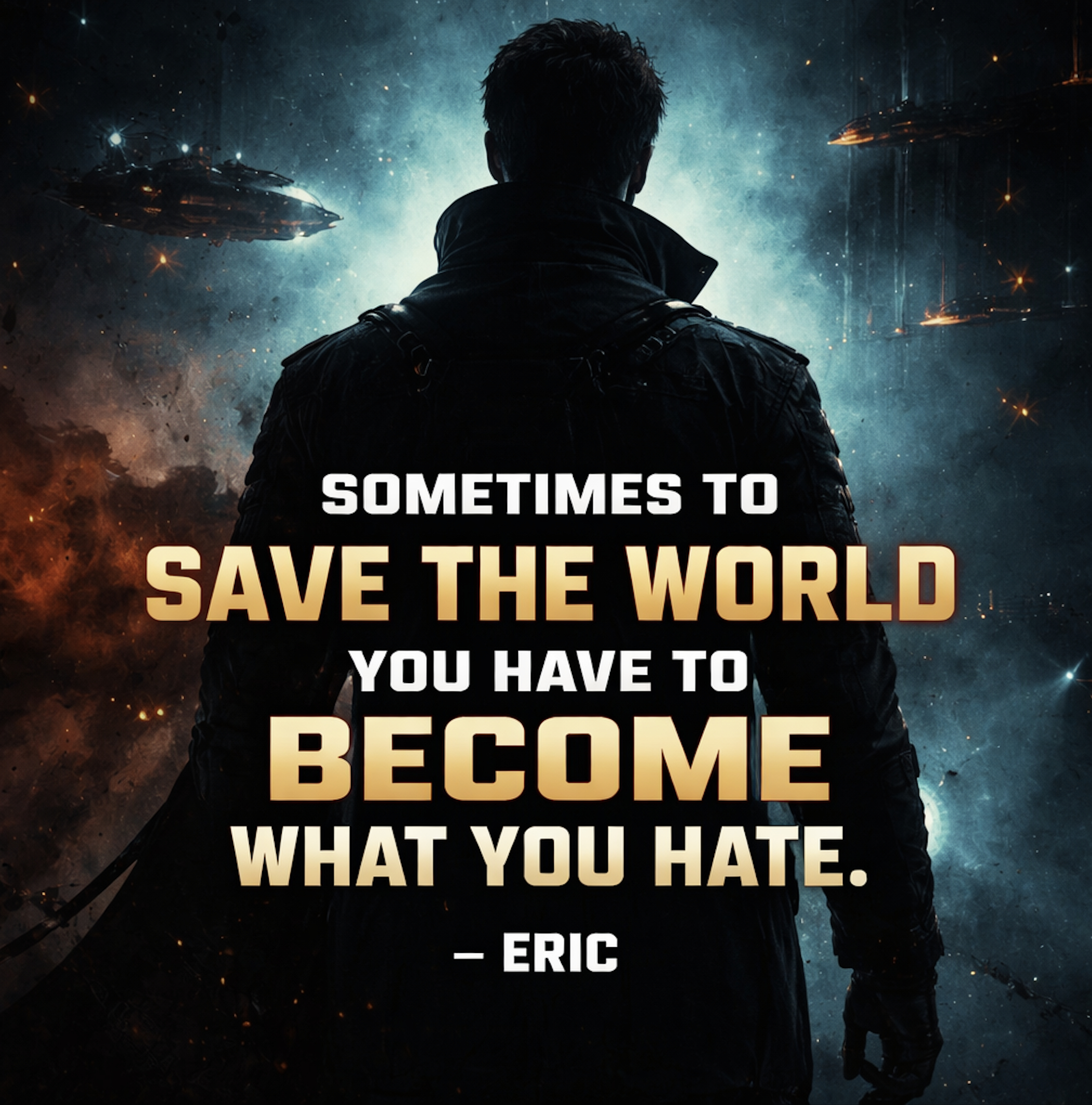
“We must first destroy before we can create. We must be unruly like climate. We must be relentless like climate. We must ride that wave before we can become the wave.”—Eric Vogel, Gaia’s Revolution

Nina Munteanu is a Canadian ecologist / limnologist and novelist. She is co-editor of Europa SF and currently teaches writing courses at George Brown College and the University of Toronto. For the lates on her books, visit www.ninamunteanu.ca. Nina’s bilingual “La natura dell’acqua / The Way of Water” was published by Mincione Edizioni in Rome. Her non-fiction book “Water Is…” by Pixl Press (Vancouver) was selected by Margaret Atwood in the New York Times ‘Year in Reading’ and was chosen as the 2017 Summer Read by Water Canada. Her novel “A Diary in the Age of Water” was released by Inanna Publications (Toronto) in June 2020. Her latest eco-fiction novel Gaia’s Revolution was released March 2026 by Dragon Moon Press.

“Gaia’s Revolution”, Life after Capitalism: A Canadian Story…

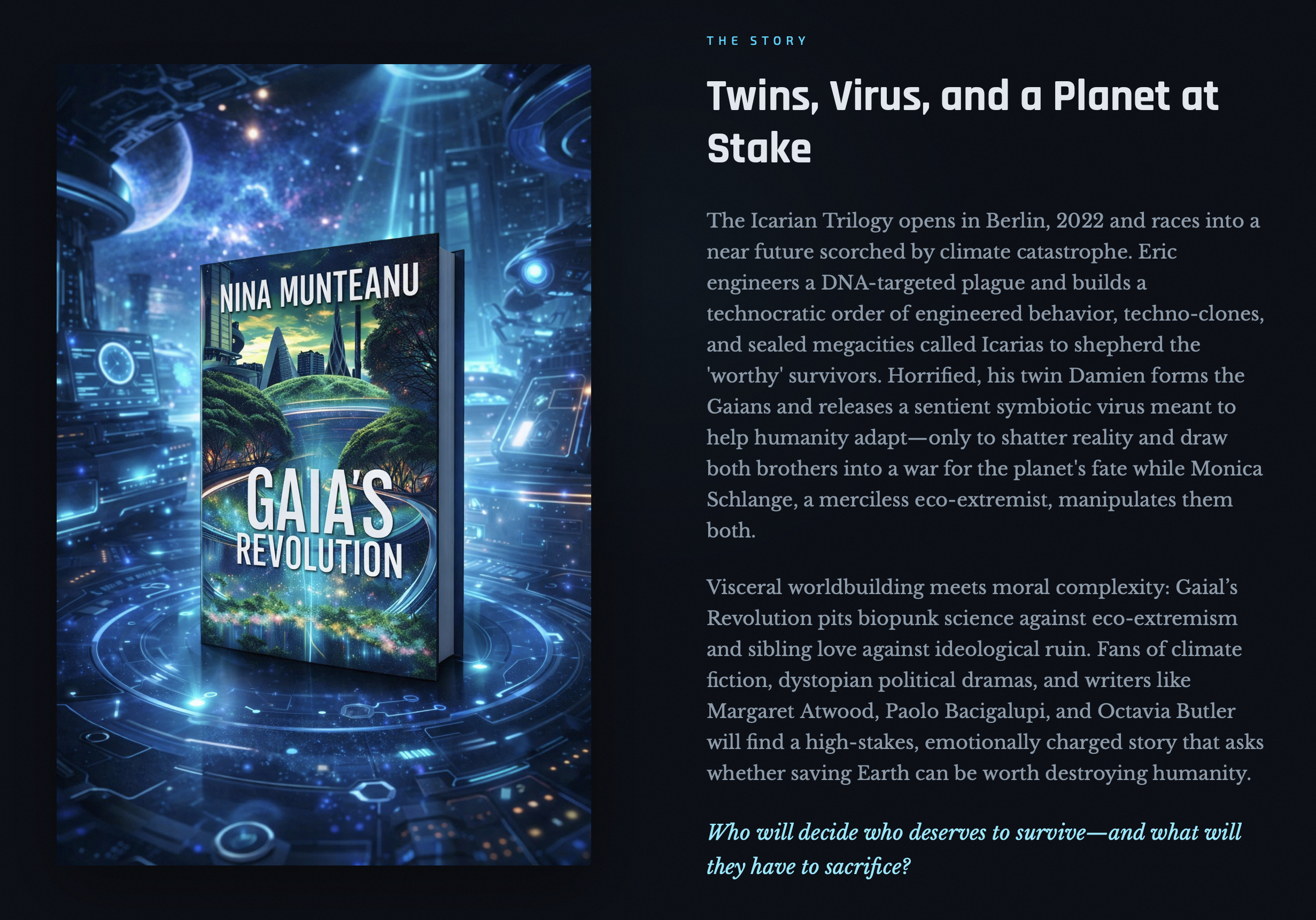
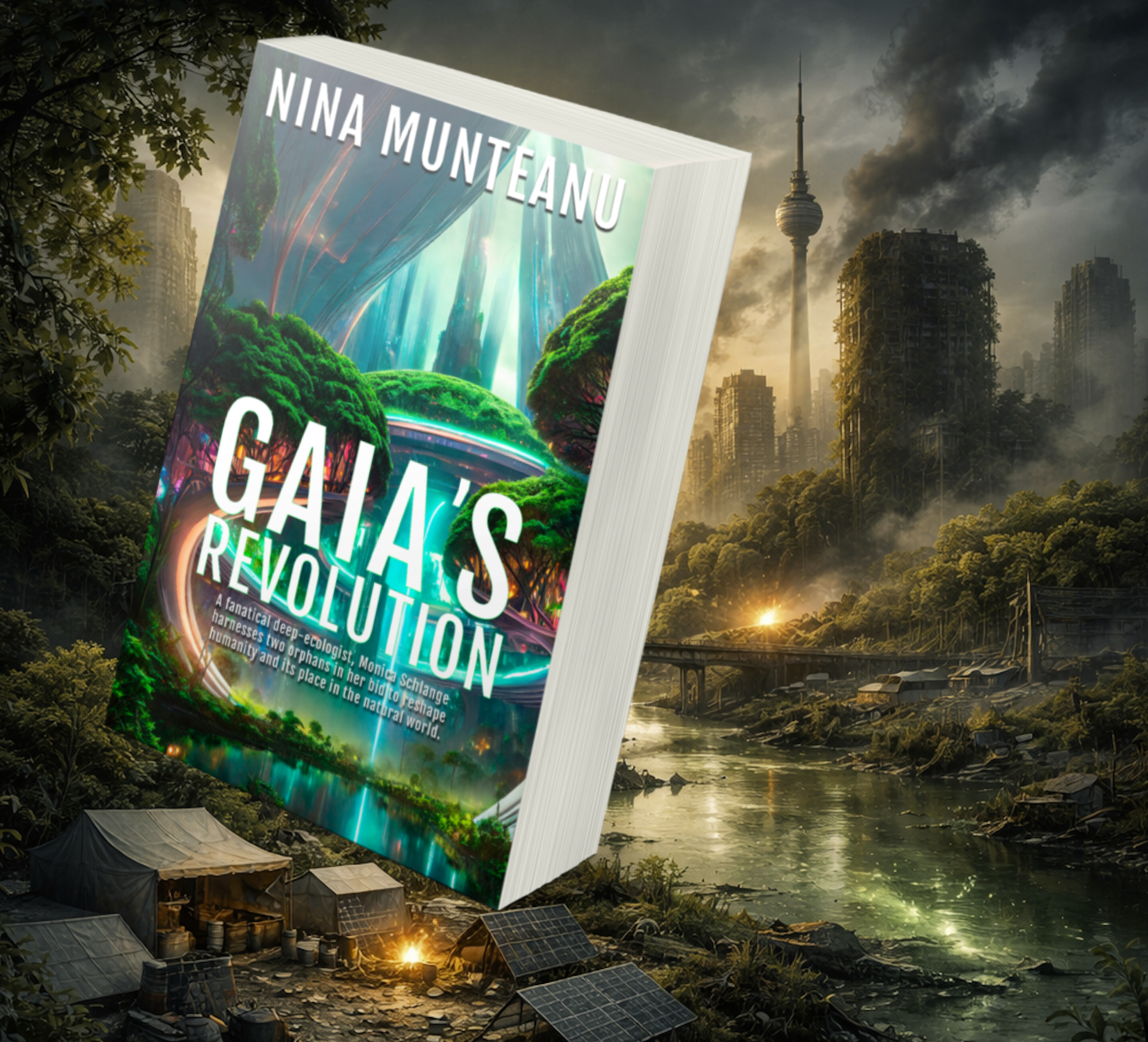
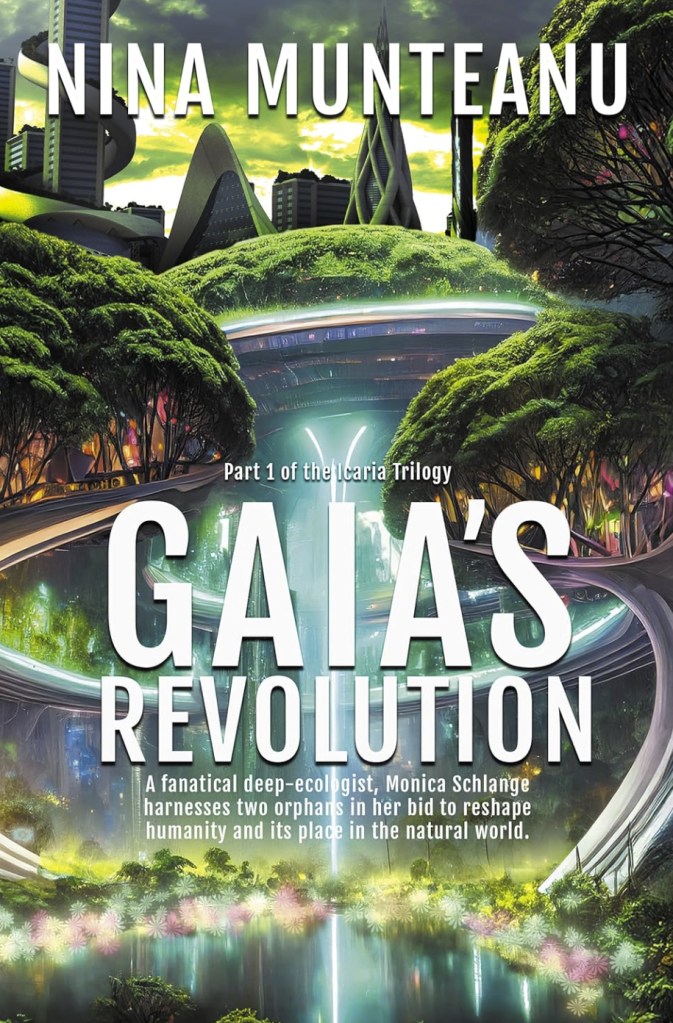
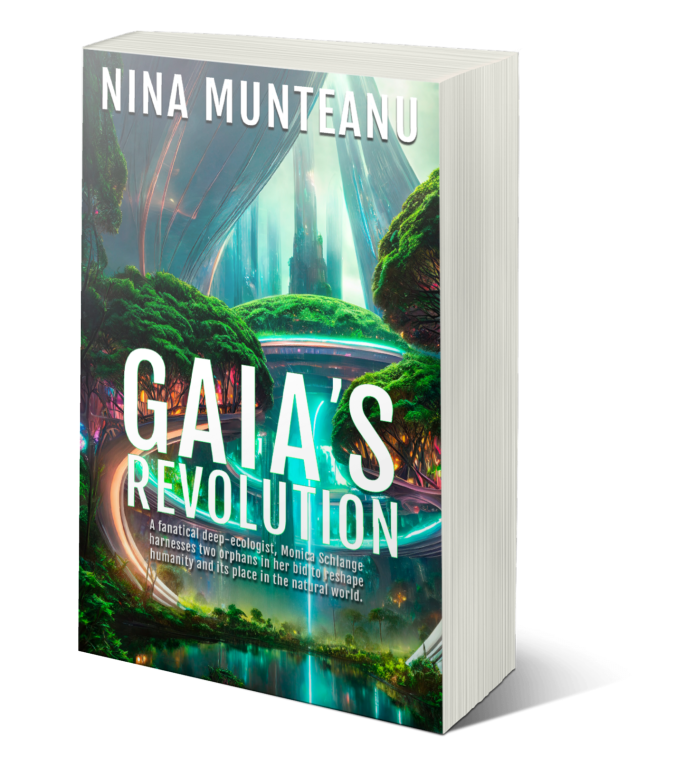
A fanatical deep-ecologist, Monica Schlange, harnesses two orphans in her bid to reshape humanity and its place in the natural world.

My upcoming book Gaia’s Revolution (Book 1 of The Icaria Trilogy by Dragon Moon Press) explores a collapsing capitalist society in Canada through ravages of climate change and a failing technology. The story is told through the lives of ambitious twin brothers Eric—a gifted engineer—and Damien Vogel—a brilliant scientist and deep ecologist*—and the woman who plays them like chess pieces in her gambit to ‘rule the world.’

The brothers meet at Treffpunkt, a café near Humboldt University in Berlin, nursing Kellerbiers over a late lunch of Einsbein mit Sauerkraut. They argue ideology and reform. Canada represents an ideal canvas for revolution, argues Eric. Damien is puzzled by this. To him Canada represents a quietly reposed nation of polite intellectuals who accept a healthy multicultural society and whose practical leaders are connected with their people. Not a restive rabble ripe for change.

As if reading his brother’s mind, Eric replies:

“Because it’s a huge nation with a lot of space and few people,” Eric argues. “Did you know that Canada holds on average only 4 people per square kilometer? Germany stuffs 240 people in the same area. And China, which is virtually the same size as Canada, holds 153 people per square kilometer.” He picks up Walden Two and waves it at Damien. “Canada is a perfect place to start these [Walden Two colonies called Icarias*]. And, with global warming, we could settle in the boreal.” He then slides the book back in his pocket and leans back, eyes sparkling with purpose. “But the real reason to start a revolution there is because, like you, Canadians are naïve. Even their leaders. And this is because, unlike the rest of the world, they are still asleep…

“Climate is not our enemy, Dame; it’s our friend. Climate is our fierce archangel of change. And let’s not forget that ‘crisis is opportunity…” … He grins, self-pleased, like a wolf in a hen house. Then he practically snarls out, “We must first destroy before we can create. We must be unruly like climate. We must be relentless like climate. We must ride that wave before we can become the wave, Bruder. And then by being that wave, we change the world.”  

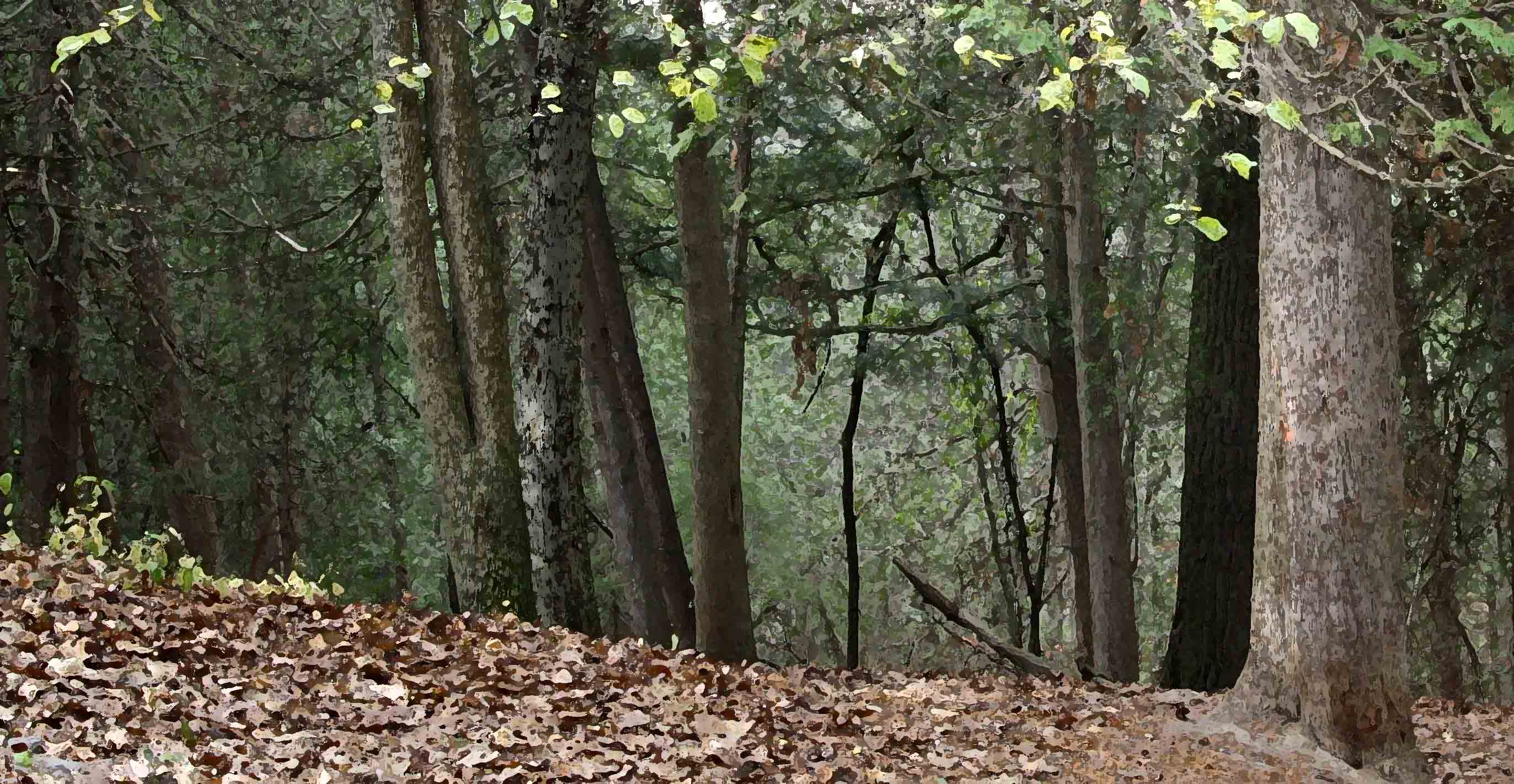
Pine cedar forest in Ontario (photo and rendition by Nina Munteanu)

The brothers escape the growing racial violence of Berlin, to ‘peaceful’ Canada in a rivalry to control the evolution of the human race. Years later, Eric Vogel, who has created a niche for himself in the technocratic government*, sits in the Canadian prime minister’s office and imagines what a post-capitalist world will look like and how his twin brother Damien—left behind in Germany—would disagree with his vision:

Damien too easily prescribes to the old leftist shibboleth of Nature being the answer to everything and Market being evil. His deep ecology utopia would spring from an atavistic rejection of modern life, a return to ‘the ancient farm.’ But how that fantasy could be achieved without a drastic population reduction is beyond his brother’s imagination. Damien fetishizes the natural world. Just like he does their mother. The naïve fool is a blind romantic, refusing to see reality right in front of him: that Nature is ultimately cruel, cold, and preoccupied with its own survival. Just like their mother.

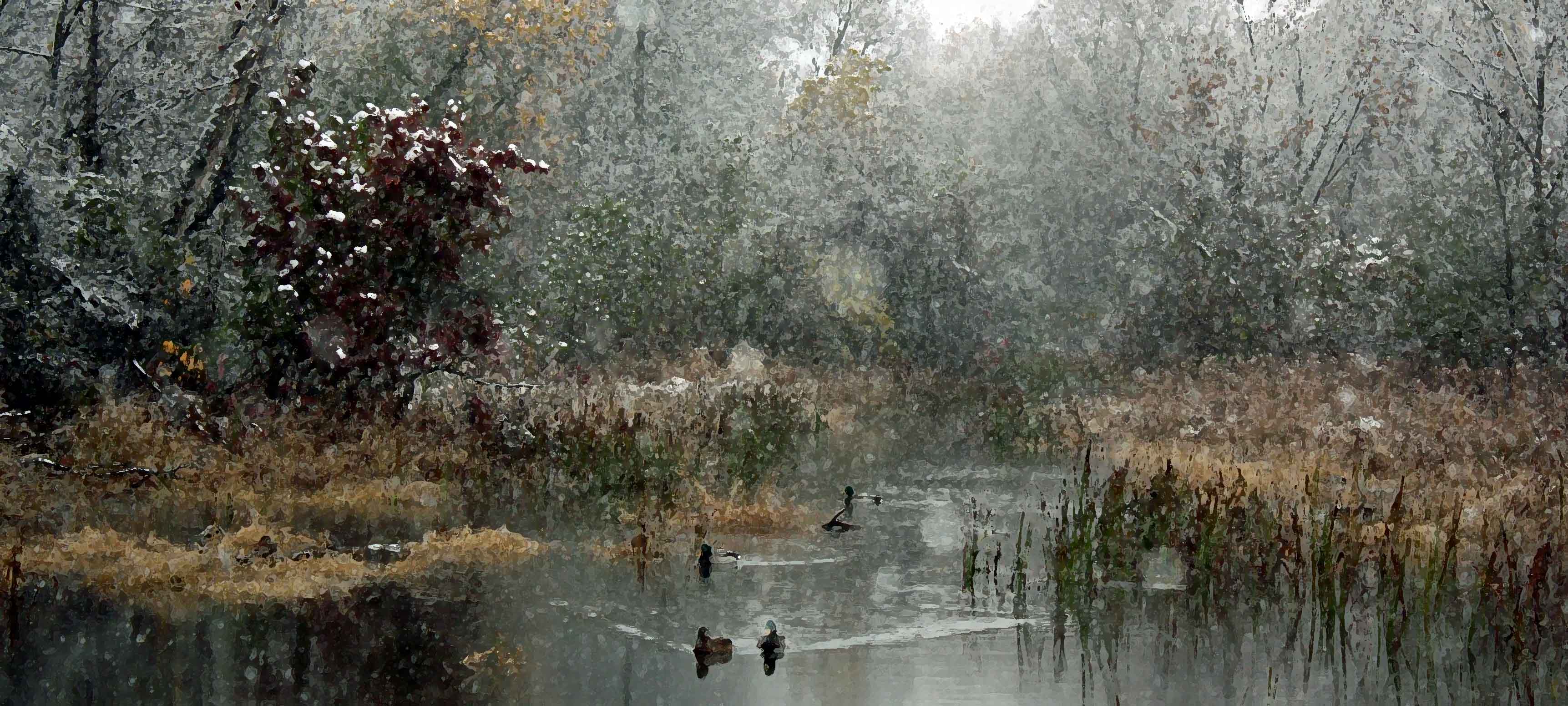
First snow in an Ontario marsh (photo and rendition by Nina Munteanu)

Each brother plans to create a new humanity: one to control through gene manipulation and behaviour engineering; the other to empower through biotechnology and transhumanist AI. The warring brothers end up in Canada and set off a violent revolution that destroys the Canadian technocratic government and whose weapons ultimately risk the survival of humanity. Deep ecologist Monica Schlange snares the brothers in her gambit to reshape humanity and its place in the natural world. Three orphaned children, caught in the web of intrigue and violence, will ultimately determine the direction of humanity by introducing the first veemelds (people who can communicate with machines), a new environmental disease (Darwin), and a new set of rules neither brother envisioned.

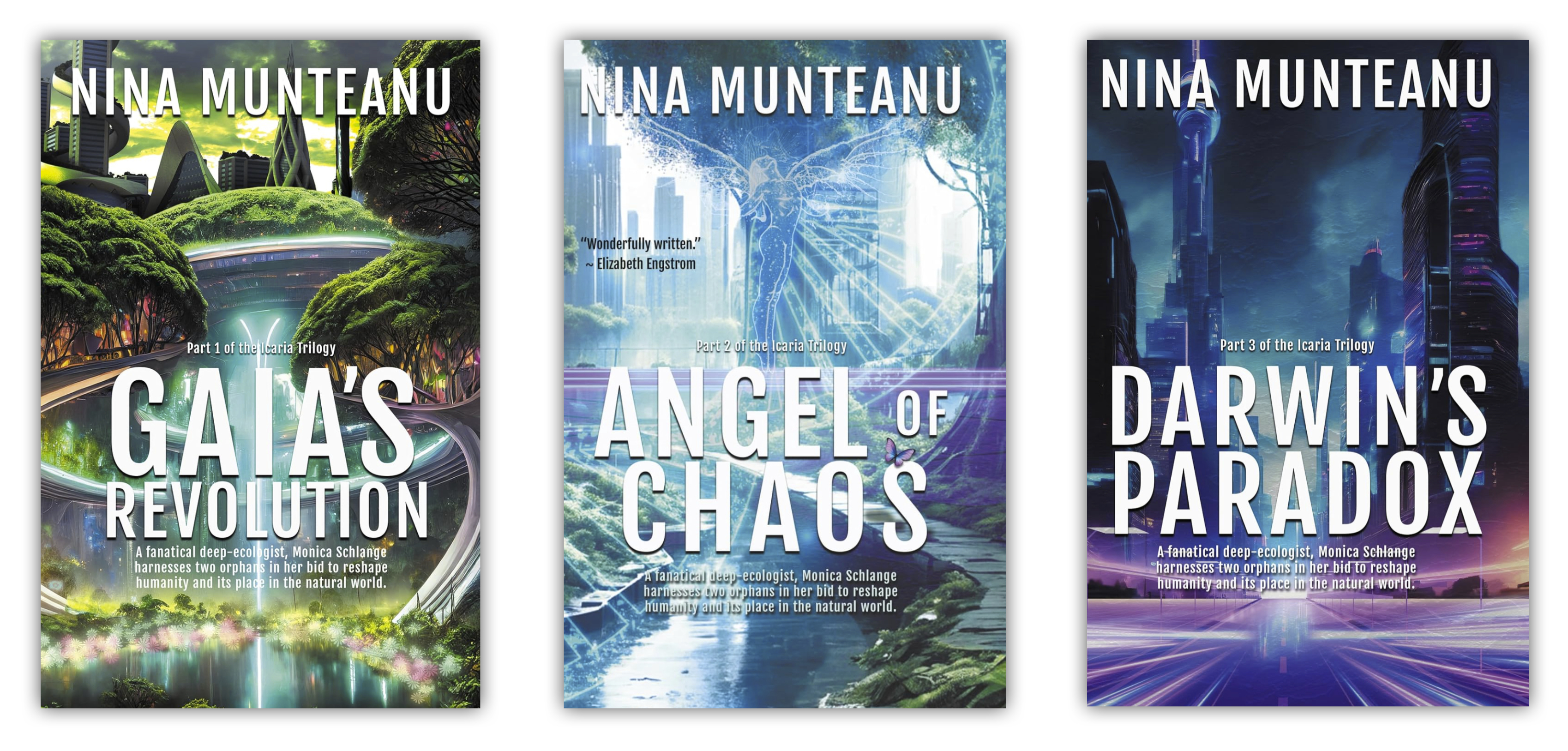
The Icaria Trilogy by Nina Munteanu

You can pre-order the ebook of Gaia’s Revolution on Amazon. Release date is March 10, 2026. The print version will release soon after. Book 2 (Angel of Chaos) and Book 3 (Darwin’s Paradox) of The Icaria Trilogy are already available in both ebook and print form.

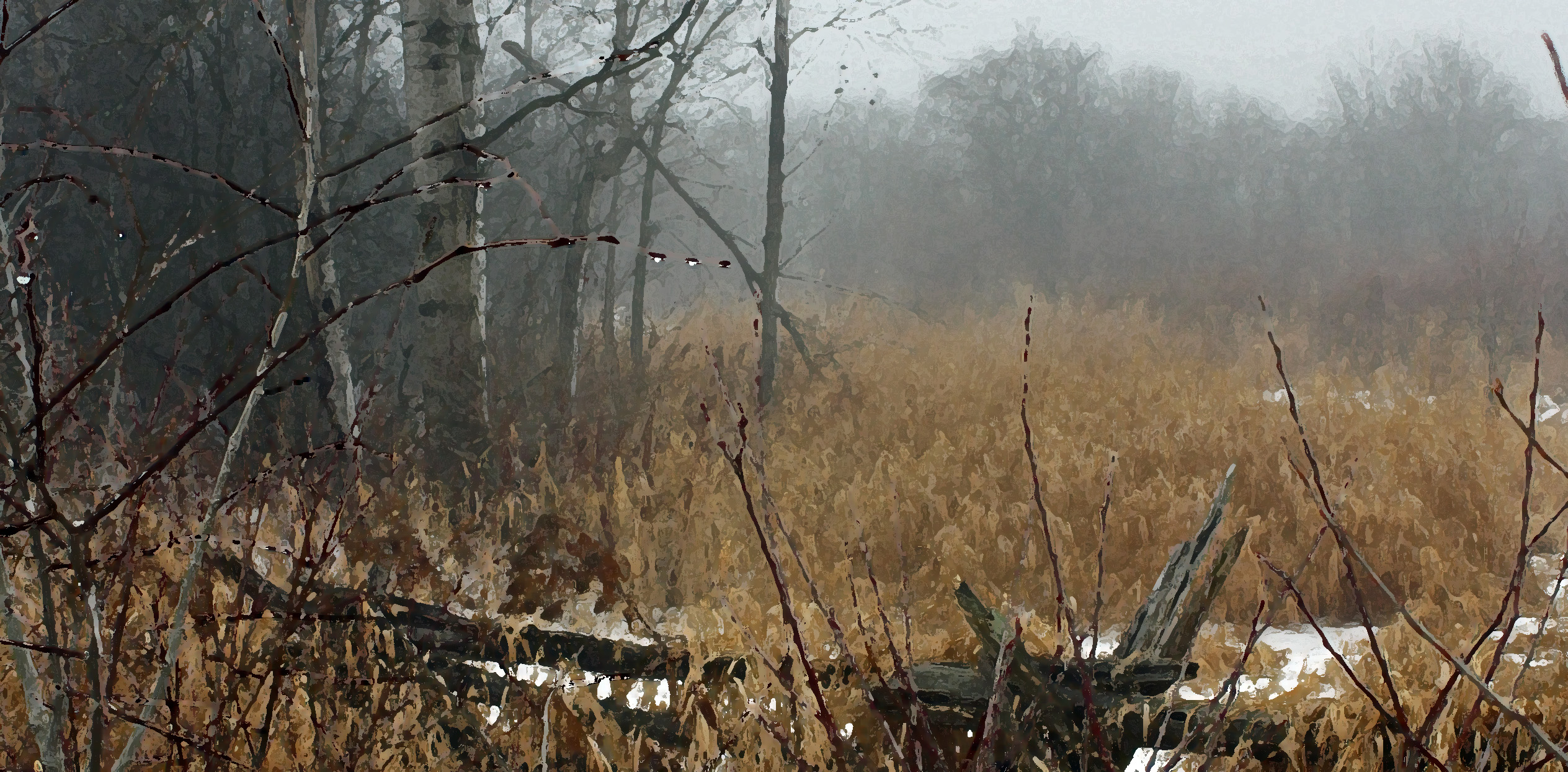
Birch trees in a winter marsh, ON (photo and rendition by Nina Munteanu)

References:

Munteanu, Nina. 2026. “Gaia’s Revolution, Part 1 of Icaria Trilogy.” Dragon Moon Press, Calgary, AB. 369 pp.

Munteanu, Nina. 2010. “Angel of Chaos, Part 2 of Icaria Trilogy.” Dragon Moon Press, Calgary, AB. 518 pp.

Munteanu, Nina. 2007. “Darwin’s Paradox, Part 3 of Icaria Trilogy.” Dragon Moon Press, Calgary, AB. 294 pp.

Sessions, George, Bill Devall. 2000. “Deep Ecology: Living as if Nature Mattered.” Gibbs Smith. 267pp.

Skinner, B.F. 1948. “Walden Two” The Macmillan Company, New York. 301pp.

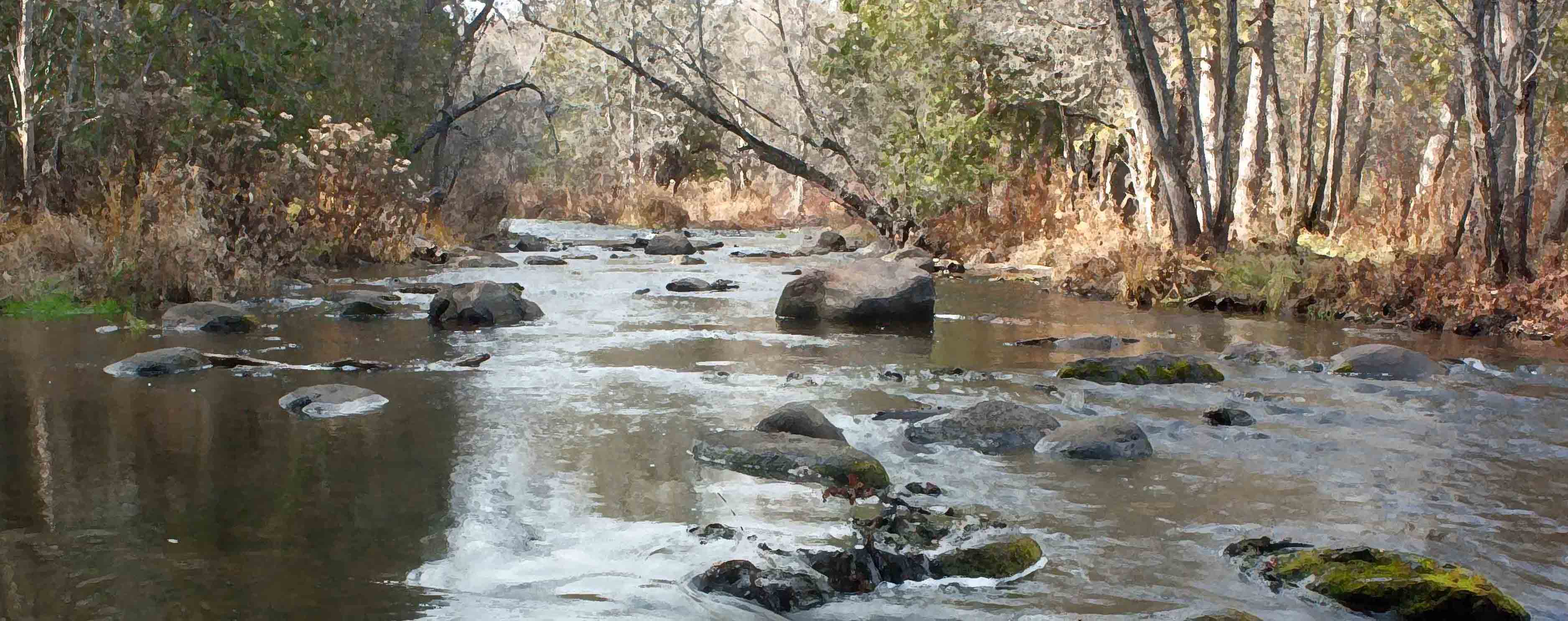
Jackson Creek in the fall, ON (photo and rendition by Nina Munteanu)

Terminology:

*Deep Ecology: An environmental philosophy and social movement advocating that all living beings have intrinsic value, independent of their utility to human needs. Coined by Arne Naess in 1972, it promotes a holistic, ecocentric worldview—often termed “ecosophy”—that demands radical, structural changes to human society to prioritize nature’s flourishing.

*Icaria: the name of Étienne Cabet’s utopia. Cabet was a French lawyer in Dijon, who published his novel Voyage en Icarie in 1839. The novel was a sort of manifesto-blueprint of utopian socialism, with elements of communism (abolished private property and individual enterprise), influenced by Fourierist and Owenite thinking. Key elements, such as the four-hour work day, are reflected in B.F. Skinner’s Walden Two. The novel explores a society in which capitalist production is replaced by workers’ cooperatives with a focus on small communities.

*Technocracy: A form of government in which the decision-maker(s) are selected based on their expertise in a given area; any portion of a bureaucracy run by technologists. Technocracies control society or industry through an elite of technical experts. The term was initially used to signify the application of the scientific method to solving social problems.

Nina Munteanu is an award-winning novelist and short story writer of eco-fiction, science fiction and fantasy. She also has three writing guides out: The Fiction WriterThe Journal Writer; and The Ecology of Writing and teaches fiction writing and technical writing at university and online. Check the Publications page on this site for a summary of what she has out there. Nina teaches writing at the University of Toronto and has been coaching fiction and non-fiction authors for over 20 years. You can find Nina’s short podcasts on writing on YouTube. Check out this site for more author advice from how to write a synopsis to finding your muse and the art and science of writing.

“Gaia’s Revolution”, Life After Capitalism: Will the Environment—And We Along With It—Survive?…

“Bourgeois society stands at the crossroads, either transition to socialism or regression into barbarism.”—Rosa Luxemburg, 1915

I wrote my first novel in 1969 when I was fifteen. Caged in World was a hundred-page speculative story about a world that had moved “inside” to escape the ravages of a post climate-change environment. It would later become Book 2 of The Icaria Trilogy. I was already disillusioned with my world. I saw how corporations and governments and society in general—individuals around me—‘othered’ the environment by either treating it with disrespect and apathy or outright ignoring it in a kind of torpor of obliviousness. As though it didn’t exist.

I remember being chastised by a school teacher for thinking globally about what was happening to the planet at our hands: worldwide deforestation (e.g., clearcutting the old-growth forests of Canada), infilling saltwater and freshwater marshes, massive use of pesticides and fertilizers, contamination of lakes, unregulated mining and toxic pollution, and ultimately climate change. Stick to local concerns, he advised me; recycling and such.

I remember wondering if I was just being weird. That my odd sensibility for the planet-entire was just a nina-thing. I prayed that I was not alone and it wasn’t just a nina-thing.

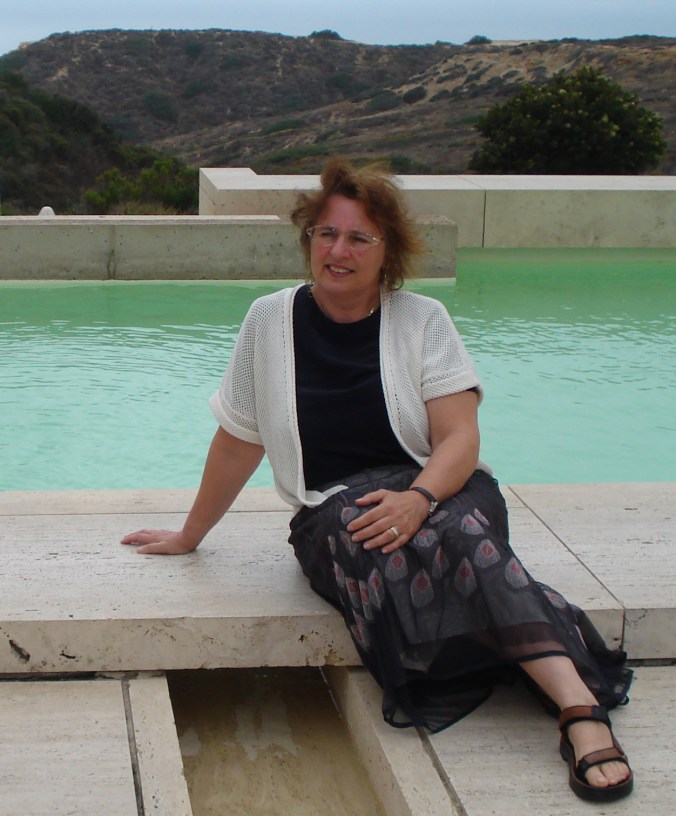
(Photo: Nina Munteanu, Salk Institute, California)

For a description of how the books of the trilogy came to be (for instance, they were published in backward order!) see my article entitled “Nina Munteanu Reflects on Her Eco-Fiction Journey at Orchard Park Secondary School”.

Throughout high school and university, I read scientific papers, news articles and books on revolution. I became a student of climate change long before the term entered the zeitgeist. I studied industrial capitalism and its roots in neoliberalism and colonialism. I noted how the post-war expansion of capitalism shifted from Fordist mass production to flexible automation, technology and AI. I saw the rise of multinational corporations, income inequality, and the commodification of everything—from water to human beings (Foucault’s homo economicus).

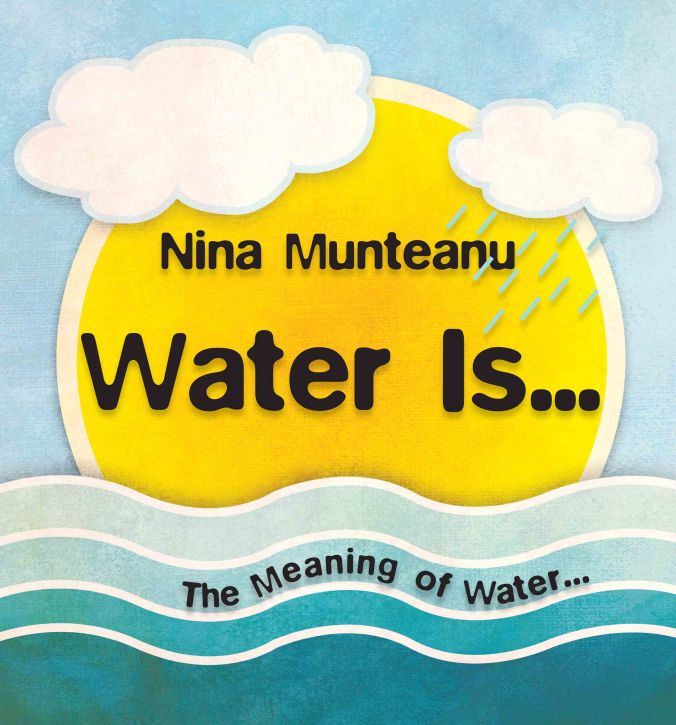
I pursued a university degree in ecology and limnology to study and help protect the environment and educate industry and their governments in the process. I became an expert on water. See my book Water Is…The Meaning of Water, which celebrates water from twelve perspectives (and got a shout out from Margaret Atwood!).

I soon concluded that a hegemony that follows the economic system of late capitalism inevitably commodifies and ‘others’ with ruthless purpose. Once something (or someone) is commodified, they are given a finite value and purpose outside their own existence. They become an object, a symbol to use and trade. They become a resource to manipulate, exchange, and dispose of with impunity. And through this surrender to utility, they become ‘othered.’ The consumer. The trees of the forest. Water. Homo sacer*. Each has a role to play in the late capitalist narrative of digital abundance and physical scarcity.

Capitalism hasn’t been kind to the environment. Economic pundits and sociologists insist that Capitalism is devolving. But what will replace it? Cloud capital? Technofeudalism? Something else?

Deep Ecology* & Gaia’s Revolution

The Icaria Trilogy (Dragon Moon Press)

My three Icaria novels—starting with Gaia’s Revolution, (the first of The Icaria Trilogy, releasing March 10, 2026, by Dragon Moon Press)—chronicle the collapse of a capitalist society in Canada as climate change, water shortages, habitat destruction, plague and a failing technology devastate the Canadian population.

Gaia’s Revolution (Book 1 of The Icaria Trilogy) explores a transition in Canada from semi-socialized capitalist system to a technocratic* meritocracy of technologists and scientists. Triggered by catastrophic environmental and sociological tipping points and following violent revolution, a dictatorship of deep ecologists* called Gaians seize power. By the end of the book, enclosed cities called Icarias* now populate North America. Separated from their environment, humans now live inside domes protecting them from a hostile and toxic environment.

In truth, the deep ecologists are keeping people “inside” not to protect humanity from a toxic wasteland but to protect the environment from a toxic humanity.

How realistic is this vision? Well, it is science fiction, after all, and though it takes liberties with its narrative, it is science-based and ultimately draws on precedent. As Margaret Atwood so astutely attested of her cautionary SF book The Handmaid’s Tale: “I didn’t put in anything that we haven’t already done, we’re not already doing, we’re seriously trying to do, coupled with trends that are already in progress.”

Science fiction is itself powerful metaphor; it is the fiction of political and social allegory or satire and makes astute social commentary about a world and civilization: how it has come to be, how it works—or doesn’t—and how it may evolve.

So, it is visionary and predictive? I prefer to think as Ray Bradbury:

“The function of science fiction is not only to predict the future, but to prevent it.”–Ray Bradbury

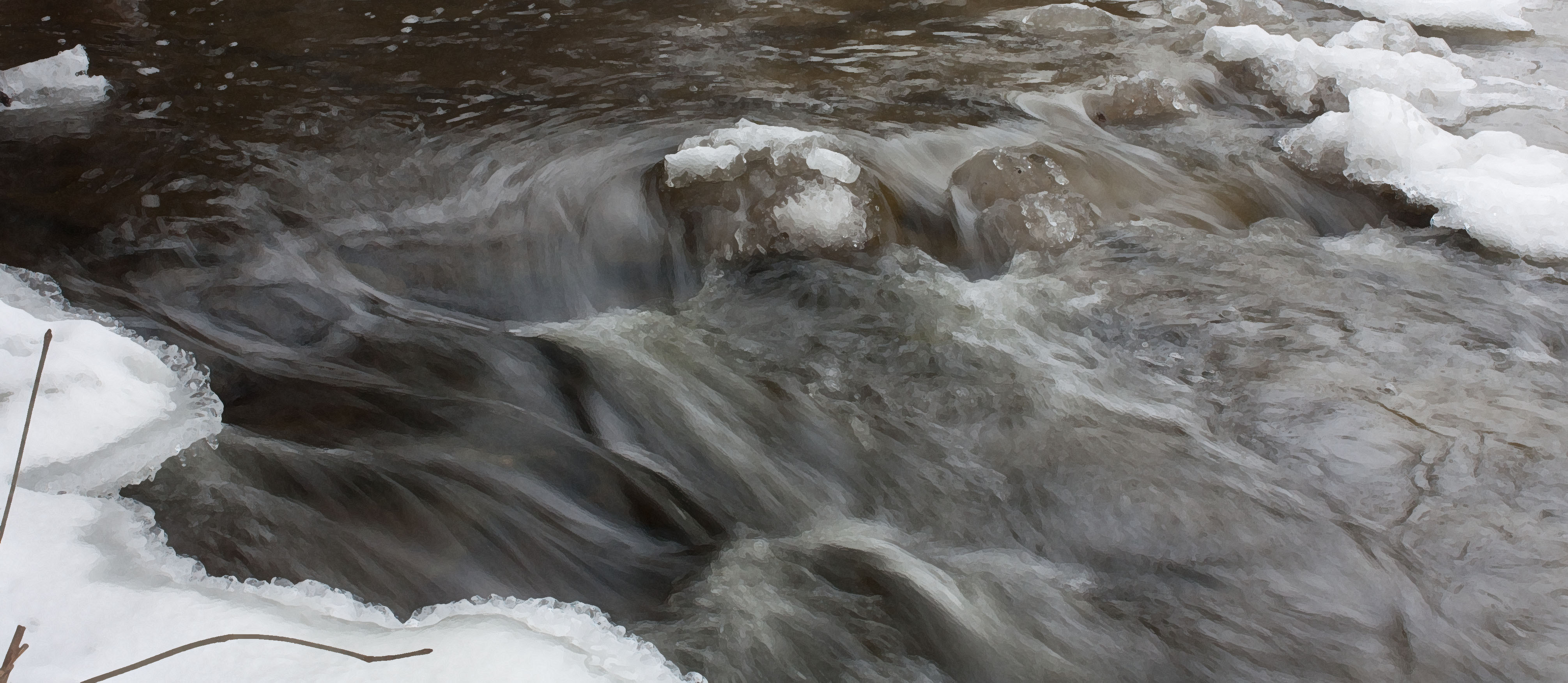
Jackson Creek in winter, ON (photo and rendition by Nina Munteanu)

References:

Angus, Ian. 1012. “The Spectre of 21st Century Barbarism.” Climate & Capitalism, August 20, 2012.

Atwood, Margaret. 2004. “The Handmaid’s Tale and Oryx and Crake ‘In Context'”. PMLA119 (3): 513–517.

Atwood, Margaret. 2018. “Margaret Atwood on How She Came to Write The Handmaid’s Tale”Literary Hub. April 25, 2018.

Bradbury, Ray. 1991. “Yestermorrow: Obvious Answers to Impossible Futures” and “Beyond 1984: The People Machines” by Ray Bradbury, dated 1982, Page 155, Joshua Odell Editions: Capra Press, Santa Barbara, California.

Foucault, Michel. 2010. “The Birth of Biopolitics (Naissance de la biopolitique): Lectures at the Collège de France, 1978-1979.” Picador. 368pp.

Luxemburg, Rosa. 1915. “The Junius Pamphlet: The Crisis in the German Democracy”, Marxist.org.

Munteanu, Nina. 2026. “Gaia’s Revolution, Part 1 of Icaria Trilogy.” Dragon Moon Press, Calgary, AB. 369 pp.

Munteanu, Nina. 2010. “Angel of Chaos, Part 2 of Icaria Trilogy.” Dragon Moon Press, Calgary, AB. 518 pp.

Munteanu, Nina. 2007. “Darwin’s Paradox, Part 3 of Icaria Trilogy.” Dragon Moon Press, Calgary, AB. 294 pp.

Neuman, Sally. 2006. “‘Just a Backlash’: Margaret Atwood, Feminism, and The Handmaid’s Tale“. University of Toronto Quarterly75 (3): 857–868.

Sessions, George, Bill Devall. 2000. “Deep Ecology: Living as if Nature Mattered.” Gibbs Smith. 267pp.

Skinner, B.F. 1948. “Walden Two” The Macmillan Company, New York. 301pp.

Streeck, Wolfgang. 2014. “How Will Capitalism End?” New Left Review 2 (87): 47p.

Terminology:

*Deep Ecology: An environmental philosophy and social movement advocating that all living beings have intrinsic value, independent of their utility to human needs. Coined by Arne Næss in 1972, it promotes a holistic, ecocentric worldview—often termed “ecosophy”—that demands radical, structural changes to human society to prioritize nature’s flourishing.

*Homo sacer: a figure from Roman law denoting a person excluded from society who is outside human law (can be killed) and divine law (cannot be sacrificed). The term represents “bare life”: stripped of political rights, legal protection, and social value. Philosopher Giorgo Agamben popularized the term to describe individuals excluded from the political community, such as refugees, stateless persons, or camp detainees. The term illustrates the power of a sovereign in deciding which lives are worthy of protection and which are not.

*Icaria: the name of Étienne Cabet’s utopia. Cabet was a French lawyer in Dijon, who published his novel Voyage en Icarie in 1839. The novel was a sort of manifesto-blueprint of utopian socialism, with elements of communism (abolished private property and individual enterprise), influenced by Fourierist and Owenite thinking. Key elements, such as the four-hour work day, are reflected in B.F. Skinner’s Walden Two. Cabet’s novel explores a society in which capitalist production is replaced by workers’ cooperatives with a focus on small communities.

*Letzte Generation: a prominent European climate activist group, founded in 2021, known for its acts of civil disobedience—such as roadblocks, defacing art, and vandalizing structures—to pressure governments on climate action. The term was chosen because they considered themselves to be the last generation before tipping points in the earth’s climate system would be reached. They are mostly active in Germany, Italy, Poland and Canada. In Germany, they have faced accusations of forming a criminal organization, leading to police raids.

*Technocracy: A form of government in which the decision-maker(s) are selected based on their expertise in a given area; any portion of a bureaucracy run by technologists. Technocracies control society or industry through an elite of technical experts. The term was initially used to signify the application of the scientific method to solving social problems.

Nina Munteanu is an award-winning novelist and short story writer of eco-fiction, science fiction and fantasy. She also has three writing guides out: The Fiction WriterThe Journal Writer; and The Ecology of Writing and teaches fiction writing and technical writing at university and online. Check the Publications page on this site for a summary of what she has out there. Nina teaches writing at the University of Toronto and has been coaching fiction and non-fiction authors for over 20 years. You can find Nina’s short podcasts on writing on YouTube. Check out this site for more author advice from how to write a synopsis to finding your muse and the art and science of writing.