I love using the em dash. Along with the semi-colon, it’s my go-to punctuation. And before you ask—no, I don’t use AI in my writing.
Lately, I’ve discovered that use of the em dash has come under criticism by writers and discerning readers, given its apparently overwhelming use by AI. The appearance of em dashes in script is now considered a “tell” that a written work was AI-generated.
.
.
I’m told that em dashes were deeply embedded in the AI learning algorithms—they were everywhere in human-generated training data such as books, articles, essays because we used them so often. Because they weren’t flagged as risky during training, they became a default. AI learns through pattern mimicry by sifting through massive text datasets (that have included my own works of fiction and non-fiction;by the way, I use the em dash a lot because I love what it does for a sentence). One theory suggests that em dashes are preferred by autoregressive models for waving tokens or providing structural breaks. Its use has its own name: the “ChatGPT hyphen.” The discussion alone has brought more attention to the em dash, mostly negative attention.
As a result of em dash’s association with LLM-generated text, some writers have started avoiding the use of em dashes altogether to prevent their work from being labelled fake—despite its legitimate appearance in human writing for centuries.
This is a real shame.
Because, the em dash is a visual and versatile tool to achieve an emphasized pause, the equivalent to a raised eyebrow, a dramatic mid-sentence shift in thought, or a noteworthy point to consider. Used correctly and with intention, the em dash provides depth, contextual complexity and three dimensionality within an otherwise unidirectional sentence. The em dash singles out a thought, raises it above the script to show its merit amid the greater sentence concept. What is often achieved is more complex and layered with additional meaning and clarity. The visual nature of the em dash—how it looks in a sentence—is also important. Because, as writer Bill Zinsser says, “Writing is visual—it catches the eye before it has a chance to catch the brain.” There’s a kind of aesthetic nature to how writing sits on a page; this is also why paragraphing—breaking up long text into shorter paragraphs on a page—is so important. The white space created by these breaks subliminally signals the reader, giving them a chance to breathe as they read. The presence of an em dash similarly signals the reader to read the enclosed phrase apart—yet remaining an important part—of the sentence.
Here’s how The Chicago Manual of Style explains it:
“The em dash has several uses. It allows, in a manner similar to parentheses, an additional thought to be added within a sentence by sort of breaking away from that sentence—as I’ve done here. Its use or misuse for this purpose is a matter of taste, and subject to the effect on the writer’s or reader’s “ear.” Em dashes also substitute for something missing. For example, in a bibliographic list, rather than repeating the same author over and over again, three consecutive em dashes (also known as a 3-em dash) stand in for the author’s name. In interrupted speech, one or two em dashes may be used: “I wasn’t trying to imply—” “Then just what were you trying to do?””
After announcing that the em dash is their favourite punctuation, Bavesh Rajaraman listed the several ways you can use this punctuation:
1. use it like how I regularly do, with bridging sentences, kind of like a longer comma, or a semicolon.
2. use it like a colon: “Some examples of transition metal atoms are — Co, Ni, Fe”
3. use it like a parenthesis, to add extra detail, or clarify. “The Wheel of Time has been an incredibly strong fantasy series — till book 6 where I’m currently at — with size and scope incomparable to its contemporaries”
4. use it to interrupt a speaker: “Melissa, I’m gonna be leaving for work, make sure to keep the door — “ as Klein heard the door thud, “I guess she understood the assignment,” he lampooned as he headed for work.
5. use it as something more important than demarcated in parenthesis. Here’s a snippet from Brandon Sanderson’s Essay “Outside”: “When you’re very young, it’s proximity — not shared interests — that makes friends. This often changes as you age. By fourteen, John had found his way to basketball, parties, and popularity. I had not.”— Brandon Sanderson, 2023
Celebrated poets and writers—including Emily Dickinson, Henry James, Virginia Woolf, and Stephen King—have used the em dash for emphasis, as bridge or interruption, or to set off parenthetical thoughts, create unique rhythms and cadence in their writing. The poet Emily Dickinson was known to use dashes instead of commas or periods to create pauses, express emotion and link ideas in her poetry. These celebrated authors used the em dash for emphasis and interruption, drawing attention to a phrase or to intentionally break a sentence’s flow. They used the em dash as appositives, to set off additional information with more impact. They used the em dash to create rhythm and pacing. They used the em dash to create a unique voice and style. The em dash is an uber-punctuation! And it’s been around since the early 1800s, adding style, pizazz, rhythm and depth to all types of writing.
I wish I had this quote from Rajaraman when I was submitting my fiction to editors, who seemed to like to remove most of my em dashes and replace them with boring commas:
“The em dash is a fiction writer’s spell-casting focus, it’s their ultimate pacing tool; used to fix the flow of a sentence. There’s no such thing as too many em dashes in literature.”
Canadian journalist Clive Thompson wrote, “Writers worry they overuse it. They shouldn’t—it’s awesome.”
All to say forget the internet conspiracy theories that em dashes are a telltale sign of AI writing; forget that ChatGPT can’t stop using them even when users tell it to stop. The em dash is not a sign of AI, but that AI was trained on good writing—good human writing. FVR at WellVersed.com adds that it’s “not a robot glitch—it’s a writer’s signature.”
So, I for one, will continue using the em dash liberally, as I have for the past forty years—long before ChatGPT hiccupped into our writing lives and long after.
.
Robot copying the em dash
.
References:
Csutoras, Brent. 2025. “The Em Dash Dilemma: How a Punctuation Mark Became AI’s Stubborn Signature.” Medium, April 29, 2025.
Rajaraman, Bavesh. 2025. “An Era to its Knee: An Em-dash Retrospective.” The Jabber Junction, July 29, 2025.
Nina Munteanu is an award-winning novelist and short story writer of eco-fiction, science fiction and fantasy. She also has three writing guides out: The Fiction Writer; The Journal Writer; and The Ecology of Writing and teaches fiction writing and technical writing at university and online. Check the Publications page on this site for a summary of what she has out there. Nina teaches writing at the University of Toronto and has been coaching fiction and non-fiction authors for over 20 years. You can find Nina’s short podcasts on writing on YouTube. Check out this site for more author advice from how to write a synopsis to finding your muse and the art and science of writing.
Author Nina Munteanu holding copy of Tales of Science II (photo by Jane Raptor)
.
A few weeks ago, I looked into my mail box and found my contributor’s copy of “Tales of Science II” Anthology (edited by Marianne Labisch & Kiran Ramakrishnan) with my short story Die Polywasser-Gleichung (“The Polywater Equation”) inside. Beaming, I did a little dance because the anthology was marvelous looking! And it was all in German! (My mother is German, so I could actually read it; bonus!).
This science-fiction anthology, for which I was invited to contribute, collected seventeen short stories, all based on sound science. Here’s how the book jacket blurb (translated from German) describes the anthology:
.
It’s all just fiction. Someone made it up; it has nothing to do with reality, right? Well, in this anthology, there’s at least a grain of truth in all the stories, because scientific sponsors collaborated with authors. Here, they looked into the future based on current research What does such an experiment look like? See for yourself what the authors and scientific sponsors have come up with: about finding a way to communicate with out descendants, finding the ideal partner, conveying human emotions to an AI, strange water phenomena [that’s my story], unexpected research findings, lonely bots, and much more. The occasion for this experiment is the 20th anniversary of the microsystems technology cluster microTEC Südwest e. V.
(cover image and illustrations by Mario Franke and Uli Benkick)
.
In our initial correspondence, editor Marianne Labisch mentioned that they were “looking for short stories by scientists based on their research but ‘spun on’ to create a science fiction story;” she knew I was a limnologist and was hoping I would contribute something about water. I was glad to oblige her, having some ideas whirling in my head already. That is how “The Polywater Equation” (Die Polywasser-Gleichung) was born.
I’d been thinking of writing something that drew on my earlier research on patterns of colonization by periphyton (attached algae, mostly diatoms) in streams using concepts of fluid mechanics. Elements that worked themselves into the story and the main character, herself a limnologist, reflected some aspects of my own conflicts as a scientist interpreting algal and water data (you have to read the story to figure that out).
As I mentioned, the short story drew on my scientific work, which you can read about in the scientific journal Hydrobiologia. I was studying the community structure of periphyton (attached algae) that settled on surfaces in freshwater streams. My study involved placing glass slides in various locations in my control and experimental streams and in various orientations (parallel or facing the current), exposing them to colonizing algae. What I didn’t expect to see was that the community colonized the slides in a non-random way. What resulted was a scientific paper entitled “the effect of current on the distribution of diatoms settling on submerged glass slides.”
.
A. Distribution of diatoms on a submerged glass slide parallel to the current; treated diatom frustules are white on a dark background. B. diagram of water movement around a submerged glass slide showing laminar flow on the inner face and turbulent flow on the edges (micrograph photo and illustration by Nina Munteanu)
.
For more details of my work with periphyton, you can go to my article called Championing Change. How all this connects to the concept of polywater is something you need to read in the story itself.
.
The Phenomenon of Polywater
The phenomenon started well before the 1960s, with a 19th century theory by Lord Kelvin (for a detailed account see The Rise and Fall of Polywater in Distillations Magazine). Kelvin had found that individual water droplets evaporated faster than water in a bowl. He also noticed that water in a glass tube evaporated even more slowly. This suggested to Kelvin that the curvature of the water’s surface affected how quickly it evaporated.
.
Soviet chemist Boris Deryagin peers through a microscope in his lab
.
In the 1960s, Nikolai Fedyakin picked up on Lord Kelvin’s work at the Kostroma Technological Institute and through careful experimentation, concluded that the liquid at the bottom of the glass tube was denser than ordinary water and published his findings. Boris Deryagin, director of the Institute of Physical Chemistry in Moscow, was intrigued and his team confirmed that the substance at the bottom of the glass tube was denser and thicker than ordinary water and had additional anomalous properties. This phase of water had a thick, gel-like consistency; it also had a higher stability, like a polymer, over bulk water. It demonstrated a lower freezing point, a higher boiling point, and much higher density and viscosity than ordinary water. It expanded more than ordinary water when heated and bent light differently. Deryagin became convinced that this “modified water” was the most thermodynamically stable form of water and that any water that came into contact with it would become modified as well. In 1966, Deryagin shared his work in a paper entitled “Effects of Lyophile Surfaces on the Properties of Boundary Liquid Films.” British scientist Brian Pethica confirmed Deryagin’s findings with his own experiments—calling the odd liquid “anomalous water”—and published in Nature. In 1969, Ellis Lippincott and colleagues published their work using spectroscopic evidence of this anomalous water, showing that it was arranged in a honeycomb-shaped network, making a polymer of water—and dubbed it “polywater.” Scientists proposed that instead of the weak Van der Waals forces that normally draw water molecules together, the molecules of ‘polywater’ were locked in place by stronger bonds, catalyzed somehow by the nature of the surface they were adjacent to.
.
Molecular structure of polywater
.
This sparked both excitement and fear in the scientific community, press and the public. Industrialists soon came up with ways to exploit this strange state of water such as an industrial lubricant or a way to desalinate seawater. Scientists further argued for the natural existence of ‘polywater’ in small quantities by suggesting that this form of water was responsible for the ability of winter wheat seeds to survive in frozen ground and how animals can lower their body temperature below zero degrees Celsius without freezing.
When one scientist discounted the phenomenon and blamed it on contamination by the experimenters’ own sweat, the significance of the results was abandoned in the Kuddelmuddel of scientific embarrassment. By 1973 ‘polywater’ was considered a joke and an example of ‘pathological science.’ This, despite earlier work by Henniker and Szent-Györgyi, which showed that water organized itself close to surfaces such as cell membranes. Forty years later Gerald Pollack at the University of Washington identified a fourth phase of water, an interfacial water zone that was more stable, more viscous and more ordered, and, according to biochemist Martin Chaplin of South Bank University, also hydrophobic, stiffer, more slippery and thermally more stable. How was this not polywater?
.
The Polywater Equation
In my story, which takes place in Berlin, 2045, retired limnologist Professor Engel grapples with a new catastrophic water phenomenon that looks suspiciously like the original 1960s polywater incident:
The first known case of polywater occurred on June 19, 2044 in Newark, United States. Housewife Doris Buchanan charged into the local Water Department office on Broad Street with a complaint that her faucet had clogged up with some kind of pollutant. She claimed that the faucet just coughed up a blob of gel that dangled like clear snot out of the spout and refused to drop. Where was her water? she demanded. She’d paid her bill. But when she showed them her small gel sample, there was only plain liquid water in her sample jar. They sent her home and logged the incident as a prank. But then over fifty turbines of the combined Niagara power plants in New York and Ontario ground to a halt as everything went to gel; a third of the state and province went dark. That was soon followed by a near disaster at the Pickering Nuclear Generating Station in Ajax, Ontario when the cooling water inside a reactor vessel gummed up, and the fuel rods—immersed in gel instead of cooling water—came dangerously close to overheating, with potentially catastrophic results. Luckily, the gel state didn’t last and all went back to normal again.
If you read German, you can pick up a copy of the anthology in Dussmanndas KulturKaufhaus or Thalia, both located in Berlin but also available through their online outlets. You’ll have to wait to read the English version; like polywater, it’s not out yet.
Henniker, J.C. 1949. “The depth of the surface zone of a liquid”. Rev. Mod. Phys. 21(2): 322–341.
Kelderman, Keene, et. al. 2022. “The Clean Water Act at 50: Promises Half Kept at the Half-Century Mark.” Environmental Integrity Project (EIP). March 17. 75pp.
Munteanu, N. & E. J. Maly, 1981. The effect of current on the distribution of diatoms settling on submerged glass slides. Hydrobiologia 78: 273–282.
Szent-Györgyi, A. 1960. “Introduction to a Supramolecular Biology.” Academic Press, New York. 135 pp.
Roemer, Stephen C., Kyle D. Hoagland, and James R. Rosowski. 1984. “Development of a freshwater periphyton community as influenced by diatom mucilages.” Can. J. Bot.62: 1799-1813.
Schwenk, Theodor. 1996. “Sensitive Chaos.” Rudolf Steiner Press, London. 232 pp.
Szent-Györgyi, A. 1960. “Introduction to a Supramolecular Biology.” Academic Press, New York. 135 pp.
Wilkens, Andreas, Michael Jacobi, Wolfram Schwenk. 2005. “Understanding Water”. Floris Books, Edinburgh. 107 pp.
.
Nina Munteanu is a Canadian ecologist / limnologist and novelist. She is co-editor of Europa SF and currently teaches writing courses at George Brown College and the University of Toronto. Visit www.ninamunteanu.ca for the latest on her books. Nina’s bilingual “La natura dell’acqua / The Way of Water” was published by Mincione Edizioni in Rome. Her non-fiction book “Water Is…” by Pixl Press (Vancouver) was selected by Margaret Atwood in the New York Times ‘Year in Reading’ and was chosen as the 2017 Summer Read by Water Canada. Her novel “A Diary in the Age of Water” was released by Inanna Publications (Toronto) in June 2020.
Since “Expanse”, I’ve been on the lookout for an equally sophisticated treatment of space exploration—something that doesn’t slide into horrific mind-numbing and gut-wrenching insult to the senses, unrealistic character twists and visceral shock devices. Something that delivers…
Season One of French TV series “Missions” has delivered in so many ways. Created by Henri Debeurme, Julien LaCombe and Ami Cohen, Season 1 (2017) of this series on the exploration of Mars has explored human evolution, ancient history, trans-humanism, artificial intelligence, and environmental issues in a thrilling package of intrigue, adventure and discovery. From the vivid realism of the Mars topography to the intricate, realistic and well-played characters and evocative music by Étienne Forget, “Missions” builds a multi-layered mystery with depth that thrills with adventure and complex questions and makes you think long after the show is finished.
Gale Crater on Mars, showing inverted channels (image by NASA)
The first episode of the 10-episode Season One starts with a real tragedy: the first human to die in space flight; the 1967 fatal crash landing of the Russian Soyus 1 piloted by Cosmonaut Vladimir Komorov. In a stirring article on National Public Radio, Robert Krulwich provides incredible insight into this historic tragedy:
Starman by Jamie Doran and Piers Bizony, tells the story of a friendship between two cosmonauts, Vladimir Komarov and Soviet hero Yuri Gagarin, the first human to reach outer space. The two men were close; they socialized, hunted and drank together. In 1967, both men were assigned to the same Earth-orbiting mission, and both knew the space capsule was not safe to fly. Komarov told friends he knew he would probably die. But he wouldn’t back out because he didn’t want Gagarin to die. Gagarin would have been his replacement.
Gagarin and Komarov
The story begins … when Leonid Brezhnev, leader of the Soviet Union, decided to stage a spectacular mid-space rendezvous between two Soviet spaceships. The plan was to launch a capsule, the Soyuz 1, with Komarov inside. The next day, a second vehicle would take off, with two additional cosmonauts; the two vehicles would meet, dock, Komarov would crawl from one vehicle to the other, exchanging places with a colleague, and come home in the second ship. It would be, Brezhnev hoped, a Soviet triumph on the 50th anniversary of the Communist revolution. Brezhnev made it very clear he wanted this to happen.
The problem was Gagarin. Already a Soviet hero, the first man ever in space, he and some senior technicians had inspected the Soyuz 1 and had found 203 structural problems — serious problems that would make this machine dangerous to navigate in space. The mission, Gagarin suggested, should be postponed. The question was: Who would tell Brezhnev? Gagarin wrote a 10-page memo and gave it to his best friend in the KGB, Venyamin Russayev, but nobody dared send it up the chain of command. Everyone who saw that memo, including Russayev, was demoted, fired or sent to diplomatic Siberia.
Commemorative stamp for Komarov
With less than a month to go before the launch, Komarov realized postponement was not an option. He met with Russayev, the now-demoted KGB agent, and said, “I’m not going to make it back from this flight.” Russayev asked, Why not refuse? According to the authors, Komarov answered: “If I don’t make this flight, they’ll send the backup pilot instead.” That was Yuri Gagarin. Vladimir Komarov couldn’t do that to his friend. “That’s Yura,” the book quotes him saying, “and he’ll die instead of me. We’ve got to take care of him.” (italics mine).
In the opening scene of “Missions”, we never see the actual crash landing; instead, as Komarov hurtles to the ground, he suddenly sees a strange white light and then we cut to the present day. Now in an alternate present day, the international crew of the space ship Ulysses is readying for its journey to Mars. Days before the Ulysses mission takes off from Earth, psychologist Jeanne Renoir is asked to replace the previous psychologist who died suddenly in a freak accident.
We are introduced to Jeanne as she conducts a test at l’Université Paris with children on self-restraint using marshmallows. It’s a simple test: she leaves each child with one marshmallow and instructs that if they don’t eat it, she’ll give them a second one when she returns. Of course, the little girl can’t resist when left alone with the marshmallow and gobbles it down, giving up a second for her impatience. And we see that Jeanne correctly anticipates each child’s reaction.
Jeanne gives her psychology report of the crew to William Meyer onboard the Ulysses
Jeanne joins the international team of the Ulysses but maintains a detached relationship with them, refusing to get emotionally close to anyone; she cites her need as psychologist to remain impartial and objective and successfully hides a gentleness beneath an impenetrable layer of cold severity. The team consists of Captain Martin Najac and his estranged and depressed wife Alessandra (ship’s doctor), moody and laconic Simon Gramat (second in command), twitchy and paranoid Yann Bellocq (ship’s engineer), Basile (Baz), the sociopathic computer scientist who is more at ease with the ship’s AI Irène than the rest of the crew, and geologist Eva Müller, the target of Baz’s awkward advances.
Simon Gramat, second in command on Ulysses
The eccentric Swedish corporate billionaire and David Bowie fan, William Meyer is also on board the Ulysses. His goal is to lead the first mission to land on Mars. However, shortly before they are scheduled to land, the crew discover that Z1—a ship sent by charismatic but highly unlikable Ivan Goldstein of rival corporation Zillion (partnered with NASA)—has overtaken them and has already landed on Mars. But the Z1 crew have not been heard from since sending a cryptic warning: “Don’t come here. Don’t try and save us… It’s too dangerous,” an intense Z1 astronaut warns.
Z1 astronaut warns help away
Martian terrain (image by Perseverance NASA)
After a rough landing through a major dust storm on Mars, the Ulysses crew struggle to fix an inoperable computer system (Irène) and life support system aboard their shuttle, which was presumably damaged by the landing. While not expecting to find any survivors of the Z1 crew, part of the Ulysses crew head to the Z1 landing site in a rover, looking for parts they can scavenge to power their shuttle. They find only remnants of the Z1 ship, but close by they discover someone alive in the Martian desert along with the ship’s black box. They presume he is from the American team but he insists that he is Russian and that his name is Vladimir Komarov…
The Ulysses shuttle on Mars
So begins this surrealistic mystery that transcends history, identity and our concepts of reality with tantalizing notions of Atlantis, the mythical metal Orichalcum, programmable DNA-metal and much more. The first season of “Missions” focuses on cynical Jeanne Renoir as she unravels the mystery of Mars; a mystery that ties her inextricably to Komarov. When she first interviews Komarov, he surprises her by using her late father’s call to their favourite pastime of stargazing: “Mars delivers!” We then find that Komarov is her father’s hero for his selfless action to save his friend, and her father considered him “the bravest man of his time.” Jeanne is intrigued. Who—what—is this man they’ve rescued? Surely not the dead cosmonaut resurrected from 1967?
Martian terrain (image by NASA)
Throughout the series, choices and actions by each crew member weave narrative threads that lead to its overarching theme of self-discovery and the greater question of humanity’s existence. Yann Bellocq refuses to let the party who discovered Komarov back into the ship, citing oxygen depletion as his reason (“If you use oxygen to pressurize the airlock, you know what will happen. Better four survivors than eight corpses,” he says matter-of-factly as he dooms the four astronauts waiting to board). Eva later laments to Alex that “I thought I knew him.” Alex (who’s earlier terror had instigated the accidental death of her husband Captain Najac) tells Eva: “You’re young; there are situations which change people, for better or,” with a sideways glance at Bellocq, “worse.”
Martian surface (image by ESA)
Intrigue builds quickly. By the third episode (Survivor), the crew make a startling discovery about Mars and humanity. After Komarov mysteriously leaves the ship and leads the small search party to a mysterious sentiently-created stone object, a stele, the ship’s computer Irène describes the hieroglyphs as ancient Earth-like. The main block, supported by four Doric columns is similar to the Segesta Temple in Sicily; its central designs are similar to Mayan Calakmul bas-reliefs; and its height-width ratio is equal to Phi, known as the golden ratio in ancient Greece.
Komarov leads the crew to the stele
Irène concludes that “either someone was inspired by our civilizations to build it…” “…Or our civilizations were inspired by it,” finishes Jeanne.
Jeanne picks up a pyramid made of Orichalcum
Alex, the ship’s doctor, informs the crew that the DNA of Mars-Komarov is identical to that of original-Komarov, except for an additional single strand; his DNA has three strands instead of two. She concludes, “He isn’t human.” Jeanne adds, “or he’s something more than human.” They also discover that the stone stele is actually an artificial alloy not known in any geology database but described in ancient script as the mythical substance ancient Greek and Roman texts called Orichalcum—the metal of Atlantis. Irène also identifies similar triple helix DNA in the rock, similar to Komarov’s, that is data-processing—which makes Komarov a living computer program, capable of controlling the ship.
Jeanne later confronts Komarov about the stone object; stating the need for expediency, she asks him what he meant to show them by leading them there. After telling her that humans need to discover truths for themselves before accepting them, Komarov slides into metaphor that reflects her previous psychology experiments on restraint and patience: “Imagine that your right hand holds all the answers about me and your left hand holds all the answers about you, Mars, and the universe. If you open your right hand, the left disappears.” Jeanne quips back, “I’d open the left first.” Komarov rejoins, ”That would be too easy. Some rules can’t be broken. Making a choice means giving something up.” She must wait before she can open her left hand. Like the child and the second marshmallow…
From the beginning, we glimpse a surreal connection between Jeanne and Komarov and ultimately between Earth and Mars: from her childhood admiration for the Russian’s heroism on Earth to the “visions” they currently share that link key elements of her past to Mars and Komarov’s strange energy-giving powers, to Jeanne’s own final act of heroism on Mars. “You’re the reason I’m here,” he confesses to her in one of their encounters. “You have an important decision to make; one you’ve made in the past…”
As the storyline develops, linking Earth and Mars in startling ways, and as various agendas—personal missions—are revealed, we finally clue in on the main question that “Missions”—through the actions of each crew member and the exchanges between Komarov and Jeanne—is asking: are we worth saving?
In a flashback scene of her interaction with Komarov, Jeanne recalls Komarov telling her that, “people dream of other places, while they can’t even look after their own planet… You must remember your past in order to think about your future. Do you think Earth has a future?” When she responds that she doesn’t know, he challenges with “Yes, you do. They eat their marshmallow right away, when they could have two…Or a thousand. Do you think humanity can continue like that? You know the answer and it terrifies you.”
Jeanne embarks on the Martian surface, seeking answers
In the sixth episode (Irène), Jeanne pieces together a complex scenario from her encounters with Komarov, compelling her to leave the ship to discover more.
Gramat pursues Jeanne on the surface of Mars
Fearing for her safety and spurred on by a frank discussion with Komarov who recognizes how much Gramat cares for Jeanne (“You’re an impulsive man, especially when you talk about her…She’s counting on you, even if she’s too proud to say so”), Gramat pursues her on the surface of Mars. It is the first of two times that he will save her life, the second by using mouth-to-mouth resuscitation. After they appear to cross a time-space portal, Komarov is waiting for them and the two astronauts learn Mars’s greatest secret: it was green and inhabited once, a very long time ago, by Martians who destroyed it then colonized Earth. Jeanne learns that she is an “evolutionary accident”: “You alone can save them … from themselves…or not,” says Komarov. She must return to Earth, he tells her, despite their ship not having enough fuel to get them off Mars.
Gemma Williams of the Z2 brings both hope and despair to the Ulysses crew
Even after Zillion’s second ship, Z2, lands on Mars, giving the Ulysses crew a possible way off the planet, by season-end (Episode 10, Storm), it doesn’t look like Jeanne will leave Mars as the Ulysses crew meet with resistance from the other crew and a sudden storm surges toward them. Even if she does, will she return to save humanity or deliver them to their end? We’re not sure as we watch the ship take off with her still standing on Mars after dispatching their last impediment–one of the Z2 crew wishing to stop them. But she is not the same Jeanne we first met in episode one as she assures Gramat that she has no regrets—except for one (him, obviously). She follows with, “Let’s say you gave me the kiss of life…”
On to Season Two for more answers, and probably more questions…
Sirenum fossae crater on Mars (photo by NASA)
Gale Crater on Mars (photo by Curiosity, NASA)
The Lore—and the Lure—of Mars
When I was a child, my older brother told me that my parents found me in the huge garden behind our house and they brought me home out of pity. I scoffed back: ‘no, I wasn’t,’ I said with great confidence. I’d come down from Mars to study humans, I pronounced. I was born in April, after all; I’m an Aries and Mars is my planet.
Mars terrain (photo by ESA)
Ancient Observations of Mars
In ancient times of Mars observation (before 1500) little was known about it except that it appeared as a fiery red star and followed a strange loop in the sky, unlike other stars. In Roman myth, Mars was a fierce warrior god, protector of Rome, with the wolf his symbol. To the Greeks, Mars was Ares and that’s what they named the star (planet). The Babylonians, who studied astronomy as early as 400 BC, called Mars Nergal, the great hero, the king of conflicts. The Egyptians noticed that five bright objects in the sky (Mercury, Mars, Venus, Jupiter, and Saturn) moved differently from the other stars. They called Mars Har Decher, the Red One.
Mars in the 1600s and 1700s
In 1609 Johannes Kepler, a student of Tycho Brahe, published Astonomia Nova, which contained his first two laws of planetary motion. His first law assumed that Mars had an ellipitical orbit, which was revolutionary at the time. Then Galileo Galilei made the first telescopic observation of Mars in 1610 and within a century astronomers discovered distinct albedo features on the planet, including the dark patch Syrtis Major Planum and polar ice caps. They also determined the planet’s rotation period and axial tilt.
In 1659 Dutch astronomer Christian Huygens made the first useful sketch of Mars using an advanced telescope of his own design. He recorded a large dark spot or maria (probably Syrtis Major) and noticed that the spot returned to the same position at the same time the next day, which made him conclude that Mars had a 24 hour period. He later observed a white spot, likely the southern polar cap and likely assumed it was made of snow, ice or both. Huygens believed that Mars might be inhabited, perhaps even by intelligent creatures, and shared his belief with many other scientists. Giovanni Cassini later confirmed the polar caps and his nephew Giacomo Filippo Maraldi speculated that their changes showed evidence of seasons. In 1783, William Herschel confirmed that Mars experienced seasons; he is thought to be the first person to use the term “sea” for maria, though he was not the first to assume that maria actually contained liquid water. In 1860, Emmanuel Liais suggested that the variations in surface features were due to changes in vegetation (not flooding or clouds). Indeed, Father Pierre Angelo Secchi noticed in 1863 that maria changed colour, showing green, brown, yellow and blue.
Map of Mars by Giovanni Schiaparelli with ‘canali’
The (In)Famous Canals of Mars
In the 1880s Giovanni Schiaparelli made a map of Mars that showed maria, but also connected by thin lines. He assumed the lines were natural landscape features and called them “canali,” which is Italian for “groove.” Translated into English it became “canal,” meaning something entirely different and opening speculation about an intelligent civilization on Mars. French astronomer Camille Flammarion wrote a book on Mars, suggesting that these canals might be signs of intelligent life.
Martian surface (image by NASA)
Although Edward Emerson Barnard observed craters on Mars in 1892 (which suggested a lack of protective atmosphere and unlikely vibrant civilization there), public attention remained on the Martian canals, primarily through Percival Lowell’s efforts. His 1907 book “Mars and its Canals,” which suggested that the canals were built by Martians to transport water from the poles to the dry Martian plains, was widely read and embraced by a humanity eager for romantic adventure. That same year Alfred Russel Wallace (yes, the same scientist who came up with the theory of evolution based on natural selection before Darwin published On the Origin of Species, receiving full credit for its development) made a sound rebuttal with his own book that argued that Mars was completely uninhabitable; Wallace used measurements of light coming from Mars and argued that its surface temperature of minus 35 degrees Fahrenheit precluded the existence of liquid water. He also concluded correctly that the polar caps were frozen carbon dioxide, not water ice. But it didn’t matter; Wallace seemed doomed to be ignored, again… The idea of intelligent Martian life endured. The canal controversy was finally resolved in the 1960s with incontrovertible proof delivered by photographs taken by spacecraft on flybys or orbits around Mars. Mariner 4. Viking series. Pathfinder, the Mars Global Surveyor and Odyssey.
Illustration depicting Ray Bradbury’s “Martian Chronicles” (image from Tyler Miller Writes)
Mars in Literature and Film
Edgar Rice Burrough’s Barsoom series continued the romantic portrayal of Mars with its canals.And, of course a long tradition of portraying Martians as evil warmongering types is typified in the 1938 radio production by Orson Wells of the H.G. Wells 1897 work of fiction War of the Worlds, a story of Martians invading the Earth. The production was so convincing, that it set off a panic. In the 1940s Ray Bradbury wrote The Martian Chronicles, a poetic satire about humanity’s colonization of Mars and our inevitable destruction of its indigenous inhabitants–but not before the Martians attacked the settlers with their only weapon: telepathy. In the 1950 film Rocketship X-M, Martians are disfigured cave people who inhabit a barren wasteland, descendants of a nuclear holocaust. Martians have been depicted in various ways: enlightened and superior by Kurd Lasswitz in the 1897 novel Auf zwei Planeten, where the Martians visit Earth to share their more advanced knowledge with humans and gradually end up acting as an occupying colonial power. The 1934 short story “A Martian Odyssey” by Stanley G. Weinbaum describes the first ‘alien aliens’ in science fiction. The story broke new ground in portraying an entire Martian ecosystem unlike that of Earth—inhabited by species that are alien in anatomy and inscrutable in behaviour—and in depicting extraterrestrial life that is non-human and intelligent without being hostile. Several stories after the various Mariner and Viking probes had visited Mars, focused on its lifeless habitat and attempts to colonize it. The disappointment of finding Mars to be hostile to life is reflected in the 1970 novel Die Erde ist nah (The Earth is Near) by Ludek Pesek, which depicts members of an astrobiological expedition on Mars driven to despair by the realization that their search for life there is futile.
The theme of terraforming Mars later became prominent in the latter part of the 20th century, exemplified by Kim Stanley Robinson’s 1990s Mars Trilogy. The Expanse books and TV series portrays humans who have colonized Mars and in the process of terraforming it.
Mars (photo by Hubble)
What Scientists Now Know About Mars
Thanks to NASA, ESA, and other science agencies with various countries, we now have a very different picture of Mars. Some parts of Mars have numerous craters like Mercury and the Moon, but other parts of Mars have plains, volcanoes, canyons and river channels. The volcanoes and canyons are bigger than any other known examples. Data prove Mars was warmer and had abundant liquid water in its early history. Today there is still water, but almost all is in the form of ice in the polar caps and below the surface (some locations on Mars may experience temperatures above the melting point of water, hence transient pools of liquid water are possible). There is also the possibility that Mars may have had tectonic plates like the Earth does now. The atmosphere of Mars is mostly carbon dioxide (95%) with nitrogen, argon and traces of oxygen, carbon monoxide, water, methane and other gases, along with dust. The polar caps are partly water ice and partly frozen carbon dioxide, with differences between the northern and southern polar caps.
Mars surface showing south pole cap (image NASA)
Martian surface (image by NASA)
Victoria Crater on Mars (image by NASA)
Dune field in Endurance Crater on Mars (image by NASA)
Apparently, Viking 1 photographs taken in 1976 in the region known as Cydonia look like a human face, but later higher resolution MGS photographs of the same region look like a pile of rocks and it is likely a pareidolia (the tendency to perceive meaning in a natural pattern without significance, like the Man in the Moon).
Remnants of an old stream bed on Mars (image by NASA)
Possible methane sources and sinks (image by NASA)
When I was a child—and to this day—I would look up at the deep night, dressed in sparkling stars, often find that red planet blazing in the darkness, and let my mind and heart wander. If given the choice to explore the deep sea or the deep of space, I’d instantly reply: space, of course. I used to wonder why I chose to look up and away, beyond my home, to the far reaches of the unknown blackness of space, and find some thrilling element that provided an abiding fulfillment. Why did I abandon my home? Maybe I didn’t…
Dune field in Endurance Crater, Mars (image by Curiosity, NASA)
Nina Munteanu is a Canadian ecologist / limnologist and novelist. She is co-editor of Europa SF and currently teaches writing courses at George Brown College and the University of Toronto. Visit www.ninamunteanu.ca for the latest on her books. Nina’s bilingual “La natura dell’acqua / The Way of Water” was published by Mincione Edizioni in Rome. Her non-fiction book “Water Is…” by Pixl Press (Vancouver) was selected by Margaret Atwood in the New York Times ‘Year in Reading’ and was chosen as the 2017 Summer Read by Water Canada. Her novel “A Diary in the Age of Water” was released by Inanna Publications (Toronto) in June 2020.
Fall colours of maple trees in the Mark S. Burnham Park, ON (photo and rendition by Nina Munteanu)
For the past few days, I’ve been wandering, entranced, in the various forests, swamps and marshes of the Kawarthas. I found myself inspired by the autumnal light and organic scent in the air.
They pulled me into the verge…
Poplar trees in the fall, ON (photo and rendition by Nina Munteanu)
It’s the time of “the verge,” when the seasons collide in the wake of the equinox and anticipate the unruly winds of change. A moment of stillness before the Earth shifts, relinquishes, and embraces.
In the hush of a great threshold, Nature holds its breath and a leaf settles in the arms of a cedar root…
Largetooth aspen sits on a cedar root in the pine forest of Warsaw Cave Park, ON (photo by Nina Munteanu)
Ancient pine, cedar and hemlocks in Jackson Creek forest, ON (photo and rendition by Nina Munteanu)
There I was, eyes and ears–all senses–wide, taking in Nature’s gifts of the verge. The rustling leaves in a cool wind. The musky smell of swamp water and the sweet rot of vegetation. The lazy gurgle of shallow creeks around smooth rocks. The halting shrill of a Blue Jay.
Jackson Creek in October, ON (photo and rendition by Nina Munteanu)
On one walk, a giant toad—the biggest I’d ever seen!—waddled across my path. I think it was an American toad, mottled and rough with warts. He looked rather grumpy and took his time, somehow confident—or not caring—that I could step on him and squish him easily. He was rather jiggly as he lumbered on. I did not take his picture; I don’t think he wanted me to, so I didn’t.
Fallen hemlock tree in Mark S. Burnham Park, ON (photo and rendition by Nina Munteanu)
Soon after, a small garter snake slithered across my path, less confident of my steps. It froze once it was safely out of my way. Good snake…
The forest was alive with the domestic chaos of wildlife busy with itself. Chipmunks chugged and squirrels scolded from the tree tops. Surely not at me! I climbed out of the lowland of old-growth hemlock-beech swamp forest to the top of a drumlin of maple-hop hornbeam-ash forest and then descended again into the dark hemlocks and pines.
Maple tree showing deep colour in the fall, ON (photo and rendition by Nina Munteanu)
Red and sugar maples and aspens flame in the fall by the Otonabee River near Trent University, ON (photo and rendition by Nina Munteanu)
The colours of sugar and red maple blazed in the canopy above, frothy clouds of bright orange, red, yellow and everything in-between under a deep blue sky. I wandered, camera in hand, and found treasures everywhere—from blue fungi to tiny bright red maple leaves freshly fallen.
Various mushrooms in the forests of Ontario (photos by Nina Munteanu)
I have a silly habit of picking up leaves and pressing them when I get home; my books are repositories of colourful prizes from years past.
Small red maple leaf sits beside a hemlock sapling amid white fungi and moss on a nurse log in Mark S. Burnham forest, ON (photo and rendition by Nina Munteanu)
Marsh in Ontario in the fall (photo and rendition by Nina Munteanu)
In the marsh, I encountered a green frog, sitting in the mud. It decided to pose for my camera. And I obligingly took its picture. My new best friend.
No, I did not take him home. I left him there, lollying in the mud, looking very content.
Green frog poses for the author’s camera
For all I know he’s still there, presiding over the autumn verge…
Jackson Creek reflects the gold hue of largetooth aspen in October, ON (photo by Nina Munteanu)
Nina Munteanu is a Canadian ecologist / limnologist and novelist. She is co-editor of Europa SF and currently teaches writing courses at George Brown College and the University of Toronto. Visit www.ninamunteanu.ca for the latest on her books. Nina’s bilingual “La natura dell’acqua / The Way of Water” was published by Mincione Edizioni in Rome. Her non-fiction book “Water Is…” by Pixl Press (Vancouver) was selected by Margaret Atwood in the New York Times ‘Year in Reading’ and was chosen as the 2017 Summer Read by Water Canada. Her novel “A Diary in the Age of Water” was released by Inanna Publications (Toronto) in June 2020.
Collared Earthstar (Geastrum triplex) on mossy cedar growing on rotting cedar logs of Trent swamp forest, ON (photo by Nina Munteanu)
Earthstar lived in a verdant cedar forest, under a soft dappled light, where the fresh smell of moss and loam mixed with the pungency of cedar. It was a good life, thought Earthstar, gazing up at the tall canopy of green above her. She lived among many like her, scattered on and between old cedar logs that had piled on the ground and rotted into a rich woody ‘soil.’ It was just right for earthstars who grew deep in the warm, moist rot, covered in a carpet of moss and ferns. Cedar saplings had even sprouted on the rotting log piles, and grown into large mature trees. That was not surprising, given the number of caches the red squirrels left on the spongy rotting logs.
Red squirrel on a tree (photo by Nina Munteanu)
Fully opened Earthstar and sister buds in mossy humus of rotting cedar logs, Trent cedar forest, ON (photo by Nina Munteanu)
When she was just a young bud, Earthstar had pushed herself up from her parent mycelium through the woody humus then cracked open her outer shell to reveal her inner spore sac and beaked mouth. The outer shell formed arms of a ‘star’ that pushed back, raising her up to meet the world. When she surveyed her mossy terrain, she noticed that she was one of the earliest earthstars to emerge. Most of her sisters were still budding through the moss and duff. She was eager to fulfill her path. Soon she would be ready to deliver her precious spores to the world—
“Hey there!” a beaky voice called to her.
Earthstar recognized a Beaked Earthstar ambling along the rot pile using its outer skin ‘legs.’ She herself was a Collared Earthstar, and although she had long dislodged from the woody soil and become independent of the ground she sat on, she didn’t normally walk about like this Beaked Earthstar, known for its itinerant lifestyle. He was a rare and somewhat mysterious earthstar, not often seen, and somewhat of a legend. In fact, it was the first time she saw him and she felt tickled that he’d stopped in his wanderings to greet her.
Beaked earthstar, showing many arms that keep it upright, Trent cedar forest, ON (photo by Nina Munteanu)
“I’m on my way to town,” said Beaky cheerfully. “Want to come along? There’s so much more to see than this silly forest.”
“No thanks,” said Earthstar, overcoming the flush of excitement at being invited by this exotic drifter. She’d heard about ‘the town’ but knew nothing of it—and decided she didn’t want to. Besides, the forest wasn’t silly, she thought peevishly. It was her home. It nourished her. It was where her family was. Earthstar was content.
“Suit yourself,” said Beaky. “But you don’t know what you’re missing! There’s a river out there, and strange but wonderful creatures and moving things on wheels that carry them from place to place. And the fine ladies have something called ‘High Tea,’ which is quite splendid.”
“I think this forest is quite splendid enough,” she retorted a little rudely.
“Ah… But you won’t truly know your place until you’re out of place,” Beaky said. Then with a slight nod of his beaky head, he left her and soon disappeared along the forest path that wound its way into somewhere.
What did Beaky mean by his last comment? wondered Earthstar. How can one be out of place? And why would one wish to be? As time went by, Earthstar began to wonder about that ‘somewhere’ and those wonderful creatures and fine ladies and that thing called ‘High Tea.’ And before she realized it, she was no longer content. She became very curious about that ‘somewhere’ that lay beyond her forest home.
In a sudden thrilling act, Earthstar decided to leave the forest to see the world. And once she thought of it, she did it. That’s the way of earthstars. So, within moments, Earthstar was wandering along the same forest path that Beaky had earlier taken. She took Moss with her, tucked safely inside her ‘legs’ as companion.
Path, damp from a morning rain, through cedar swamp forest in Trent Nature Sanctuary, ON (photo by Nina Munteanu)
Earthstar rests on small root snag on leaf-strewn trail through Trent cedar forest, ON (photo by Nina Munteanu)
Path through Trent cedar swamp forest with ash and poplar in early fall, ON (photo by Nina Munteanu)
The path wound through dense cedar forest, mixed with birch, ash, poplar and the occasional oak and maple tree. Earthstar passed many relatives. Flaming waxcaps dotted the rotting logs and ground, looking like dance partners. Graceful Fairy Fingers thrust up through the duff on either side of the path along with Ashen Coral fungi, whose delicate ‘fingers’ reached up like praying hands. By the feet of one poplar tree, Earthstar saw a party of Scaly Ink Caps loitering on one side and Striate Bird’s Nest fungi having a party on the other. Stalwart boletes towered majestic, anchored to a mossy slope. A single shield mushroom with its smart lilac cap had burst out of a cedar stump and leaned into the sun with joy.
Waxcaps on decaying cedar wood in Trent forest, ON (photo by Nina Munteanu)
Fairy Fingers in cedar duff in Trent forest, ON (photo by Nina Munteanu)
Ashen coral fungi on ground of Trent cedar forest, ON (photo by Nina Munteanu)
Scaly ink caps growing at the base of a poplar tree in Trent forest (photo by Nina Munteanu)
Striated Bird’s Nest fungi at the base of a poplar tree in Trent forest (photo by Nina Munteanu)
Bolete on mossy hill of Trent cedar forest, ON (photo by Nina Munteanu)
Shield fungus grows out of rotting cedar stump in Trent forest, ON (photo by Nina Munteanu)
A group of Scaly Pholiota graced an old maple tree and not much farther a gaggle of Wolf’s Milk spread orange fungus joy over a decaying log. Conifer Tufts created a fairy ring around an old ash tree. Witches hats stood at the feet of a huge cedar tree, bowing with shy wisdom to her. There was a cheerful family of brilliant Scarlet Fairy Helmets tucked in the mossy undergrowth of a buckthorn thicket. She even saw a crowd of her closest relatives, Lycoperdon puffballs clutching a rotting birch log, and waved to them.
Scaly Pholiota on an old maple tree in Trent mixed cedar forest, ON (photo by Nina Munteanu)
Wolf’s Milk slime mould on rotting log in Trent forest, ON (photo by Nina Munteanu)
Conifer Tufts form a fairy ring around an old ash tree in Trent cedar forest, ON (photo by Nina Munteanu)
Witches hats nestled at base of a cedar tree, ON (photo by Nina Munteanu)
Scarlet Fairy Helmets in mossy undergrowth of cedar forest, ON (photo by Nina Munteanu)
Lycoperdon puffballs on decaying birch log, Trent cedar forest, ON (photo by Nina Munteanu)
Eventually, the forest opened into fields and thickets and the path became rocky. The dense cool cedar-scented air of the deep forest gave way to a fragrant floral breeze and the warmth of the sun touched Earthstar with rays of good tidings.
Earthstar on rocky path out of Trent cedar forest into open area, ON (photo by Nina Munteanu)
Earthstar negotiates the rocky path on her way out of the Trent forest (photo by Nina Munteanu)
Soon Earthstar reached a road and thought to follow it to town. Within moments a huge thing on wheels barrelled toward her! She froze in terror. But the cheerful wind whisked her out from under the wheel in the nick of time.
Earthstar almost gets run over by a car!
Earthstar thanked the wind and continued down the road, certain that the thing on wheels was what Beaky had mentioned and that she’d soon find the town and the river and those wonderful beings at the end of the road. And perhaps there she would encounter this marvelous “High Tea.”
Earthstar keeps to the side of the road with busy traffic
Countryside near Otonabee River, ON (photo by Nina Munteanu)
The road took Earthstar through an open countryside of meadows, flowers and trees. Earthstar kept to the side of the road to avoid getting squashed and soon found the river Beaky had mentioned. The river was magnificent. Sparkling in the radiant sun, it danced and lapped against the shore with the gurgling rush of laughter around the rocks and reeds.
The shallows of the Otonabee River, showing diatom-froth, ON (photo by Nina Munteanu)
Earthstar on Rotary Trail as bicycles bear down on her(photo by Nina Munteanu)
Sensing the lateness of the day, Earthstar continued her journey in search of “High Tea.” She wasn’t quite sure where she’d find it and followed the river on a trail through a black walnut forest.
Earthstar passed a large building with an open lawn just as a loud bell sounded and large two-legged beings spilled out onto the trail. They chattered about their lit class and laughed as Lillie, one of the students, recounted her scifi story about flying giant tardigrades that terrorized human cities for destroying the planet with fossil fuel emissions.
Attack of the giant tardigrades (image by Ramul in Deviant Art)
“Tardigrades are the coolest creatures,” Lillie went on. “Some people think they’re from outer space and lived among the stars. They can handle extreme temperature, the vacuum of space, and radiation, after all. And water bears can even survive a bullet impact!”
The students didn’t notice Earthstar below them. She was so tiny after all!
Earthstar (and her moss companion) gets underfoot near the high school(photo by Nina Munteanu)
Just as the dark shadow of a giant foot loomed over her, someone shouted, “Wait, Marcus, STOP! Look!”
Earthstar was snatched off the ground before Marcus could step on her and gently cupped in the girl’s hand where the little fungus felt finally safe. “It’s an earthstar!” said the girl holding her. “How cute! See the bit of moss clutched in its arm? How adorable!”
“But, Emily, what d’you think it’s doing here on the trail by the school?” Marcus asked the girl holding Earthstar. “How did it get here?” Marcus suddenly grinned with inspiration and turned to Lillie, eyes sparkling. “Or did your giant space tardigrade drop it here? Which means we’re in your story–“
Lillie elbowed him and said something Earthstar didn’t understand.
Emily looked down at Earthstar, who sat quietly in her palm. “They’re the only mushrooms that move. Earthstars. I’ve read about them.” Emily then bent low and carefully set Earthstar on the grass by the trail, out of harm’s way.
“Maybe it’s on ‘walkabout,’” Lillie suggested, inspired by the thought of travel and thinking of the Australian term for a long walking journey of discovery.
“You mean floatabout!” Marcus laughed. “If it came all the way from Australia it’d have to float across the Pacific Ocean!”
The students giggled, visualizing little Earthstar floating on a leaf and braving the vast ocean then hitchhiking across the North American continent into the Kawarthas. Still discussing the earthstar’s epic journey, they went on their way, leaving Earthstar on the grass.
Earthstar continued her journey, wondering what ‘walkabout’ meant. She found another large building and thought this might be where she needed to go. When one of the giant beings walked out through a door, she slid inside.
Earthstar and her Moss companion make it inside the condo complex(photo by Nina Munteanu)
She found herself in a wonderfully lit atrium with many more doors and lost herself among the indoor plants under large skylights. Within moments, as if sensing her presence, one of the large beings stepped out from a doorway and immediately saw Earthstar, perched by one of the indoor gardens.
“Well, well, what do we have here? A wandering earthstar and her little moss companion!” The being picked Earthstar up and gently cupped Earthstar in its hand. “Would you like to join me for tea?”
Earthstar in lady’s hand(photo by Nina Munteanu)
The magic word! Tea!
Earthstar jiggled on her ‘legs’ with joy. Was this being one of those fine ladies? As if sensing her excitement, the lady smiled and brought Earthstar inside her apartment.
The lady brought them outside to the patio for tea, where she had laid out tiny sandwiches, cheeses, crackers, scones with jam, and lovely pastries. Of course, Earthstar did not partake in these strange foods—being a saprophyte, she fed exclusively on decaying matter. But she enjoyed the ambience of this civilized celebration. And, of course, the tea!
Lady serving the tea (photo by Nina Munteanu)
When the lady went inside to replenish the tea, Earthstar explored the patio. Mistake! Moments after Earthstar dropped to the patio bricks with the help of a little breeze, a very large dog (well, a rather small dog for you and me) came bounding to her and gave her a lick. The dog might have eaten her but the lady returned and rescued Earthstar.
Poppy the dog licks Earthstar!(photo by Nina Munteanu)
“Oh, my! Don’t mind Poppy, the neighbour’s shiatzu,” the lady said to Earthstar. “Poppy is harmless and only eats dog treats. I don’t think you’re a dog treat, are you?”
Earthstar dipping her feet into the water of the bird bath(photo by Nina Munteanu)
Thinking to get her to safety, the lady placed Earthstar on the edge of the birdbath where Earthstar dipped her tired feet. Within moments a mischievous wind pushed Earthstar into the water! Luckily, Earthstar floated. She was accustomed to deluges of water that filled her ‘collar’ and raised her spore sac to better deliver her spores. Water was an earthstar’s friend; earthstars counted on the beating drops of rain to help release their spores. After the initial shock, Earthstar rather enjoyed the swim.
Earthstar swims happily in the birdbath(photo by Nina Munteanu)
The lady thought she ought to rescue Earthstar again and put her back down on the patio. Then the whistle of the kettle inside drew the lady away to the house. In that short time, a clever black squirrel, who had been spying from the silver maple tree nearby, leaped forward and seized her!
Earthstar about to be snatched by the black squirrel (photo by Nina Munteanu)
“Mine!” he shouted to himself and bounded away with her clutched in his mouth. After waiting for an oncoming bicycle, he raced across the trail–just inches in front of the zooming bicycle (squirrels are daredevils at heart)–and entered the little wood by the river.
Earthstar screamed. But no one heard her, because it was a silent scream.
The black squirrel took his prize to a huge old willow tree by the river. The tree bowed over a small path as if reaching down to say hello. The squirrel left Earthstar on the bowing tree to dry like he would any mushroom for later caching. Then he scurried away to look for more food. What this city squirrel didn’t know was that—unlike most other mushrooms—earthstars can move!
Old willow of the riparian forest by the Otonabee River, ON (photo by Nina Munteanu)
Earthstar let the wind blow her off the branch to the ground where she used her six arms to carry her back to the trail and back to the lady’s place. “Where have you been?” asked the lady when Earthstar got there. Her eyes seemed to wink. “I suspect you were on a small adventure with squirrels.”
Driving Earthstar home to the forest (photo by Nina Munteanu)
They continued their tea and when it was finished, the lady took Earthstar in her car and drove Earthstar home to the forest. Earthstar didn’t wonder how the lady knew where Earthstar’s home was; there is only one place where earthstars grew in the region. And no doubt the lady—being a true lady—knew where that was and respected the earthstars place in the world.
Cedar trees covered in moss, growing on ancient rotting cedar logs of the cedar swamp forest, ON (photo by Nina Munteanu)
Fern-like moss grows on cedar roots that dig into old decaying cedar logs of the forest, ON (photo by Nina Munteanu)
When they reached the deep forest where the tall cedars covered the sky with green and the air stirred with the breaths of cedar and birch, Earthstar felt the exhilaration of coming home. She did not need to rely on the vagaries of a capricious wind to deliver her safely home; the kind hand of the lady set her down on the soft downy surface of woody loam. The lady set Earthstar right beside her sisters, her tiny moss companion still with her, tucked under her arm.
Gently placing Earthstar back home by several earthstar buds in moss of decaying cedars, cedar forest, ON (photo by Nina Munteanu)
The forest was her home. It nourished her. It was where her family was. Earthstar was content. And this time she really was…
~~The End~~
Moss-covered red bark of cedar tree in the cedar swamp forest, ON (photo by Nina Munteanu)
Earthstar, now matured; notice the fetching collar and splendid reticulated outer robes (photo by Nina Munteanu)
The Trent Nature Sanctuary
Located in the southeast corner of Symons Campus of Trent University, the Wildlife Sanctuary Nature Area includes many types of ecosystems and a network of trails. Wetlands of the area are deemed Provincially Significant by the Ontario Ministry of Natural Resources and Forestry. The cedar/maple swamps of the sanctuary support a rich diversity of fungi and lichen amid a rich ecosystem of plants and animals of the forest. It is within this area that I keep discovering interesting life each time I visit. Virtually all the images of the forest and fungi in this article come from this sanctuary, including the Collared Earthstar.
Mossy cedars in the cedar swamp forest of the Trent Nature Sanctuary, ON (photo by Nina Munteanu)
Information on the Collared Earthstar (Geastrum triplex)
Eight stages of the Collared Earthstar life cycle, Trent Nature Sanctuary, ON: 1) buds emerge in late summer; 2) the outer layer begins to crack in early fall; 3) the bud cracks open; 4) then spreads open; 5) forming a ‘flower’; 6) the outer layer cracks; 7) to form the ‘collar’ by early fall; 8) the outer layer shrivels by early winter and the earhstar persists in this form to the next spring (photo by Nina Munteanu)
Collared Earthstar Life Cycle
The Collared Earthstar (Geastrum triplex) is a Gasteromycete or stomach fungus, since it produces and releases its spores inside a saclike structure. The earthstar spends most of the year as a network of fungal cells (mycelia) that penetrate the soil and digest decaying organic material. When they are ready to reproduce, the mycelium develops the “earthstar” above ground. New earthstars emerge as ‘buds’ and develop in late summer and autumn through into winter. The matured fruiting bodies will survive the winter to be discovered the following spring by curious explorers like me.
Spore sacs of Collared Earthstar in the frosts of winter (photo by Nina Munteanu)
Geo means earth and astrum means star. The species name triplex, which means ‘having three layers,’ refers to the way the ‘star’ arms of the outer layer crack when they peel back, making it look like the spore-sac is sitting on a dish. The three layers allow the earthstar to do something no other fungus can do: move. When it rains, the two outer layers of the peridium split and peel back, forming a ‘star’ with 4-12 rays. The rays spread with enough force to push aside leaves, raising the spore-filled sac above the surrounding debris. The rays often lift the earthstar high enough to break the connection to the parent mycelium, releasing the earthstar from its sedentary position. Detached, the earthstar can move with wind or rain to better spread its spores.
Finger poking the spore sac helps release the spores (photo by Nina Munteanu)
Fruiting bodies are large, 5-10 cm in diameter. Spores escape from the apical pointed hole (peristome) as breezes blow across it. Much larger puffs are released when raindrops hit and compress the spore-sac—or an interfering finger depresses the sac. What escapes is a powdery gleba (which distributes the tiny spores). The sides of the peristome ‘beak’ are fibrous and appear slightly ragged.
Several stages of the Collared Earthstar in late summer, from buds to opening ‘flower’
Early budding stage of Collared Earthstar in late summer (photo by Nina Munteanu)
After a late summer / autumn rain, the collared earthstar emerges from the leaf litter looking like a Hershey’s kiss or a fancy bulb-shaped truffle dusted in fine cocoa. Only the outer layer (exoperidium) is visible, peeking out of the litter and loam. The outer layer eventually cracks open, looking like a coconut husk and splits into five to seven ‘arms’ to form a star. Inside is revealed a tan to grey-coloured spore-sac (endoperidium) with a fringed beak (peristome) and its opening (ostiole). The endoperidium, or spore sac, is more like an elastic membrane resembling rubber that holds the gleba (spore-bearing mass). The star arms peel back and down, eventually cracking to form the ‘saucer’ which the round fruiting body (spore sac) sits on. The spore sac contains a mass of spores and fertile mycelial tissue, called the gleba that is white, fibrous and firm when young, but turns brown and powdery as it ages. A network of cells (capillatum) help spores move to the pore when a raindrop strikes the endoperidium. The columella, a bulbous sterile base at the centre of the spore-producing gleba forms ‘columns’ that radiate out to help spore dispersal.
Over time, the outer layer of ‘stars’ (exoperidium) form a reticulated pattern of cracks and fissures that deepen into golden-brown colours as they decompose and curl downward to lift the spore-sac farther up. The sac also grows more pale and papery.
Parts of a Collared Earthstar from first ‘bloom’ in early fall to matured stage the next spring (photos by Nina Munteanu)
Just opened Collared Earthstar in late summer, not yet showing the ‘collar’ formed by cracking of exoperidium (photo by Nina Munteanu)
Good example of a more mature opened Collared Earthstar in early fall, showing the ‘collar’ formed by separation of exoperidium and extended curled back ‘arms’ (photo by Nina Munteanu)
Mature Collared Earthstar the following spring, showing papery spore sac sitting on disintegrating ‘collar’ and reticulated outer exoperidium (photo by Nina Munteanu)
However, in the rain, the sac reverts to a rubbery consistency and deepens to a dark shiny tan colour. I was surprised by its elasticity; this time when I poked it, the sac sprang back to its round sphere like a thick balloon.
Mature Collared Earthstar; left in rain, right in dry weather (photos by Nina Munteanu)
Collared Earthstar Habitat
I also learned that the collared earthstar prefers a habitat of leaf litter in deciduous woods, especially beech on chalky soils. However, researchers acknowledge that the collared earthstar is also found under coniferous trees, especially on sloping ground—which better describes where I found them, in this cedar-birch forest of the Kawarthas. Geastrum triplex is a saprophytic organism: it gets its nutrients from decomposing organic matter—such as well-rotted cedar trees, where humus has accumulated—by further breaking down the organic matter then, in turn, returns those nutrients to the soil to complete the cycle. It does this by releasing enzymes to break down and digest the lignin, cellulose or chitin in these materials, converting them to soluble compounds that can be absorbed by them, and by plants, as nutrients. Earthstars, like all fungi, play a vital role in reducing the accumulation of dead organic material and in recycling essential nutrients, particularly carbon and nitrogen. If not for fungi, forests would choke under a mountain of logs and leaves.
Mature earthstar, with prominent collar, in the moss-covered loam of a rotting cedar, ON (photo by Nina Munteanu)
References:
Ellis JB, Ellis MB. 1990. “Fungi without Gills (Hymenomycetes and Gasteromycetes): an Identification Handbook. ”Chapman and Hall. London. ISBN 0-412-36970-2.
Torpoco V, Garbarino JA (1998). “Studies on Chilean fungi. I. Metabolites from Geastrum triplex Jungh”. Boletin de la Sociedad Chilena de Quimica. 43 (2): 227–29.
Mature collared earthstar in early winter, ON (photo by Nina Munteanu)
Nina Munteanu is a Canadian ecologist / limnologist and novelist. She is co-editor of Europa SF and currently teaches writing courses at George Brown College and the University of Toronto. Visit www.ninamunteanu.ca for the latest on her books. Nina’s bilingual “La natura dell’acqua / The Way of Water” was published by Mincione Edizioni in Rome. Her non-fiction book “Water Is…” by Pixl Press(Vancouver) was selected by Margaret Atwood in the New York Times‘Year in Reading’ and was chosen as the 2017 Summer Read by Water Canada. Her novel “A Diary in the Age of Water” was released by Inanna Publications (Toronto) in June 2020.
Cars trapped when a sugar maple snaps and falls on them in Saturday’s Derecho, Peterborough, ON (photo by Nina Munteanu)
It’s Wednesday and parts of the city still have no power since Saturday’s storm swept through like a ferocious lion. We got our power yesterday. We’d relied on our kind neighbours, who had a barbecue, to cook up some suppers. The power has come back in stages depending on where lines were brought down by trees or the violent wind microbursts.
A string of power poles and lines downed by the violent winds of the derecho along Highway 29 near Lakefield, ON (photos by Nina Munteanu)
Environment Canada calls Saturday’s storm a derecho: a long line of very active and violent thunderstorms or microbursts that include winds of at least 93 km/h with focused gusts of 121 km/h or greater. According to Environment Canada Senior Climatologist David Phillips, the storm spanned about 1,000 kilometers from Michigan to Maine as it went across Ontario and Quebec. Derechos typically contain numerous downburst clusters (families of downburst clusters) that, in turn, have smaller downbursts, and smaller microbursts. These tight, often cyclic tornado-like bursts within larger linear downbursts are what likely created the random devastation seen in Peterborough, where one tree was entirely uprooted and the tree beside it left untouched.
Birch uprooted on Auburn Street, Peterborough (photo by Nina Munteanu)
A true ‘herald archetype’, environmental disasters incite change, often through disorder. In doing so, they can bring out the best in us. The true mettle of a person is often revealed during such times, through the emergence of compassion and kindness.
I live just off the Rotary Trail in Peterborough, facing a mixed riparian forest of mostly black walnut and locust trees, with some silver maple, willow, Manitoba maple, oak and ash. The trail is well used every day by cyclists and walkers. The tornado-force winds and deluge rains singled out a few trees on the forest edge and flung them across the trail. A quick inspection shortly after the storm revealed that several trees formed obstacles to those using the trail: a silver maple just in front of my good friend Merridy’s place; an old half-dead elm; and a large Manitoba maple whose upper canopy had gotten tangled in the telephone wires.
Various damaged and uprooted trees in Peterborough, ON (photos by Nina Munteanu)
When Merridy and I decided to attempt clearing the Rotary Trail of strewn maple limbs and branches, we weren’t there more than five minutes when a cyclist stopped and without a word helped us; he grabbed large tree limbs and hoisted them aside like Superman then got on his bike and took off without a word—like Spiderman. After more dragging of tree limbs and my deft hand at the tree clippers and the broom, we cleared the trail for walkers and cyclists.
Before (left) and after (right) we cleared the Rotary Trail of downed silver maple from the derecho (photos by Nina Munteanu)
And then there was Charlie … a fashion-savvy quasi hipster-hippy who came cycling in with his chainsaw and hand saw on his back; he’d been all over the trail clearing tree debris just because he could. Charlie set to work on the huge Manitoba maple that had fallen across the trail and was leaning heavily on the telephone wire. Charlie proceeded to climb the tree and saw branches here and there to lighten the limb on the wire before cutting it. Two of us ladies became his cleanup crew, hauling big tree sections off the path as he downed them. By the time he got to the main tree limb on the wire, a group of cheerleaders had formed to watch. We all clapped when the big branch came off the line. One elder lady on two walking canes hobbled out from her home and handed Charlie a Bobcaygeon Petes Lager as thanks.
Charlie sawing off branches from Manitoba maple tangled on telephone wire (photo by Nina Munteanu)
Charlie saws the remaining tree trunk to clear the trail (photo by Nina Munteanu)
At first it was just me and Charlie. Watching him set up, I’d asked him if he was from the city and in the same breath knew he wasn’t—we both knew they were very busy getting the city’s power back on and freeing streets and getting trees off the roofs of houses; it would be a long time before they came to the Rotary Trail and other parks to clear. He responded, “well, that depends… are you a lawyer?” I laughed. We both recognized that Charlie was a rogue Good Samaritan, using less than regular protocol (no safety harness or equipment [except for goggles] and climbing shoes). When I said no, he relaxed and we introduced ourselves and exchanged stories about the storm, then got to work. I was soon joined by Susan, and together we became Charlie’s support team, hauling limbs and branches out of the tangle then rolling large tree bole sections to the side. Eventually several more walkers and nearby residents came to support the work and watch. Within an hour, the entire tree was off the path and off the wire. I felt a wonderful sense of community as people gathered exchanged names and stories about the storm. And it all started with one person’s kindness. Thanks, Charlie!
Before (left) and after (right) Charlie and his gang cleared the way (photo by Nina Munteanu)
I find that we really find our humanity and sense of kindness when a disaster strikes… one of the ‘good’ things about them.
Derecho damage to trees in the forest in Peterborough area, ON (photos by Nina Munteanu)
Nina Munteanu is a Canadian ecologist / limnologist and novelist. She is co-editor of Europa SF and currently teaches writing courses at George Brown College and the University of Toronto. Visit www.ninamunteanu.ca for the latest on her books. Nina’s bilingual “La natura dell’acqua / The Way of Water” was published by Mincione Edizioni in Rome. Her non-fiction book “Water Is…” by Pixl Press(Vancouver) was selected by Margaret Atwood in the New York Times ‘Year in Reading’ and was chosen as the 2017 Summer Read by Water Canada. Her novel “A Diary in the Age of Water” was released by Inanna Publications (Toronto) in June 2020.
I recently gave a webinar through the Immigrant Writers Association on how to structure an effective, compelling and meaningful short piece of writing, whether fiction or non-fiction article.
All good writing requires setting up a purposeful narrative that directs the reader seamlessly from the lead hook to the fulfilling conclusion. I went over the process and necessary steps from idea (premise) through introduction/set up (what’s at stake) and development (the journey/theme) toward a fulfilling end (message).
I used two examples (one that needed work and one that was superlative) to explore hooks, paragraphing, overall narrative structure and development, and tips on how language can enhance or detract from compelling story.
Heron in marsh of outlet stream, ON (photo and rendition by Nina Munteanu)
NINA MUNTEANU is a Canadian ecologist / limnologist and novelist. She is co-editor of Europa SF and currently teaches writing courses at George Brown College and the University of Toronto. Visit www.ninamunteanu.ca for the latest on her books. Nina’s bilingual “La natura dell’acqua / The Way of Water” was published by Mincione Edizioni in Rome. Her non-fiction book “Water Is…” by Pixl Press(Vancouver) was selected by Margaret Atwood in the New York Times ‘Year in Reading’ and was chosen as the 2017 Summer Read by Water Canada. Her novel “A Diary in the Age of Water” was released by Inanna Publications (Toronto) in June 2020.
Nina Munteanu with her copy of Speculative North, Issue #6
My speculative short story “Virtually Yours” was published for the eighth time, most recently in December 2021 in Speculative North, Issue #6. Originally published in Issue #15 of Hadrosaur Tales in 2002, the story explores concepts of cyber-spying, virtual workspace, anonymity, and identity.
A short excerpt follows below.
You can find the short story’s publication history in the Publications page on this site. You can see some of the main publications below. The story was translated into Polish and published by Nowa Fantastyka in 2006.
A selection of publications in which “Virtually Yours” appears from 2002 to 2021
Illustration by Duncan Long for the Amazing Stories publication of “Virtually Yours”
Snow-covered shrub after new snow in mid-winter, ON (photo and rendition by Nina Munteanu)
Nina Munteanu is a Canadian ecologist / limnologist and novelist. She is co-editor of Europa SF and currently teaches writing courses at George Brown College and the University of Toronto. Visit www.ninamunteanu.ca for the latest on her books. Nina’s bilingual “La natura dell’acqua / The Way of Water” was published by Mincione Edizioni in Rome. Her non-fiction book “Water Is…” by Pixl Press(Vancouver) was selected by Margaret Atwood in the New York Times ‘Year in Reading’ and was chosen as the 2017 Summer Read by Water Canada. Her novel “A Diary in the Age of Water” was released by Inanna Publications (Toronto) in June 2020.
In the Spring issue of Ecology & Action, Mary Woodbury, author and publisher of Dragonfly.eco, lists some of her favourite Eco-Fiction that Inspires Action. Among them is Nina Munteanu’s eco-novel “A Diary in the Age of Water.”
“Fiction exploring humanity’s impacts on nature is becoming more popular. It has the distinct ability to creatively engage and appeal to readers’ emotions. In fact, it can stir environmental action. A survey I took last year showed that 88% of its participants were inspired to act after reading ecological fiction.
Principled by real science and exalting our planet’s beauty, these stories are works of art. They live within classic modes of fiction exploring the human condition, but also integrate the wild. They can be referred to as “rewilded stories.” The following Canadian titles are some of my favourites in this genre.”
MARY WOODBURY
Dirt road to Long Lake in a misty light rain in early spring, ON (photo and dry brush rendition by Nina Munteanu)
Nina Munteanu is a Canadian ecologist / limnologist and novelist. She is co-editor of Europa SF and currently teaches writing courses at George Brown College and the University of Toronto. Visit www.ninamunteanu.ca for the latest on her books. Nina’s bilingual “La natura dell’acqua / The Way of Water” was published by Mincione Edizioni in Rome. Her non-fiction book “Water Is…” by Pixl Press(Vancouver) was selected by Margaret Atwood in the New York Times‘Year in Reading’ and was chosen as the 2017 Summer Read by Water Canada. Her novel “A Diary in the Age of Water” was released by Inanna Publications (Toronto) in June 2020.
“Every story is a story of water,” says Mojave American poet Natalie Diaz.
In her article on Diaz, Maria Popova reiterates, “we ourselves are a story of water—biologically and culturally, in our most elemental materiality and our mightiest metaphors.”
There is a reason that women are recognized worldwide as water keepers. Women are intimately connected with flowing water; everything about us is flowing: from our menstrual and birthing waters to the waters of our nurturing milk and the tears we shed for our lost ones. We flow with life and it flows out of us.
The water walk with Grandmother Josephine along Lake Ontario in 2019 (photo by Nina Munteanu)
So, when Lake Erie became a person with rights in February 2019, this landmark designation came with both triumph and some irony to womankind and water keepers around the world.
Based on that quote, it would seem that only men did the trammelling (given that women are not included or the more correct term would be “human”). It was only a hundred years ago, in 1920, that the 19thAmendment granted women legal personhood in the United States; and in that amendment Native American women were not included—until years after. In her poem Lake-loop, Mojave poet Natalie Diaz explored “how that nesting doll of exclusions breaks open into the living reality of this Earth”:
“Part of the San Andreas fault runs along the Mojave Desert. We see and feel the fault, it has always been a part of Mojave stories and geography. We have always existed with it–in rift–part land. We are land’s action, maybe. I am always wondering and wandering around what it means to be part of this condition, in shift. What it means to embrace discontinuity, to need it and even to need to cause it in order to be–depression but also moving energy. The necessary fracturing of what is broken. The idea of being made anything or nothing in this country–“to be ruined before becoming”–the idea that this country tried to give us no space to exist, yet we made that space, and make it still–in stress, in friction, glide and flow, slip and heave. We are tectonic, and ready.”
NATALIE DIAZ
The Earth is indeed shifting. As are we. If we are to survive, that is. This will come with a connection with Earth’s natural rhythms. We haven’t been doing that very well, particularly under an “othering” capitalist, exploitive, hubristic dogma. It’s time to ride the swells and turbulence of a Nature evolving. And co-evolve; or get left behind. We can learn much from the stories of our Indigenous relatives. We can learn much from the stories of our non-human relatives too.
That’s what climate change is: a new story. And that story is all about water.
Grandmother with young water keeper (illustration by Michaela Goade)
For this World Water Day, I share with you a wonderful story of water keepers and the water we keep safe. Author Carole Lindstrom, member of the Turtle Mountain Band of Ojibwe, and artist Michaela Goade, member of the Central Council of the Tlingit Haida Tribe of Alaska. have produced “We Are Water Protectors”, a lyrical illustrated celebration of cultural heritage and the courage to stand up for nature.
“Yours is a grave and sobering responsibility, but it is also a shining opportunity. You go out into a world where [human]kind is challenged, as it has never been challenged before, to prove its maturity and its mastery–not of nature but of itself. Therein lies our hope and our destiny.”
RACHEL CARSON
Today is World Water Day…
I exhort you to do something for water today. Plant a tree (they love water and water loves them). Clean up a local stream or lakeshore. Write a letter to a government official about protecting your watershed. Research something about water and share with someone. Share your watermark on the WatermarkProject.ca site. Buy We Are Water Protectors and share it with someone or give it away. Or buy Silent Spring and share it with someone who hasn’t read it yet.
Keep it flowing…
Nina Munteanu is a Canadian ecologist / limnologist and novelist. She is co-editor of Europa SF and currently teaches writing courses at George Brown College and the University of Toronto. Visit www.ninamunteanu.ca for the latest on her books. Nina’s bilingual “La natura dell’acqua / The Way of Water” was published by Mincione Edizioni in Rome. Her non-fiction book “Water Is…” by Pixl Press(Vancouver) was selected by Margaret Atwood in the New York Times‘Year in Reading’ and was chosen as the 2017 Summer Read by Water Canada. Her novel “A Diary in the Age of Water” was released by Inanna Publications (Toronto) in June 2020.


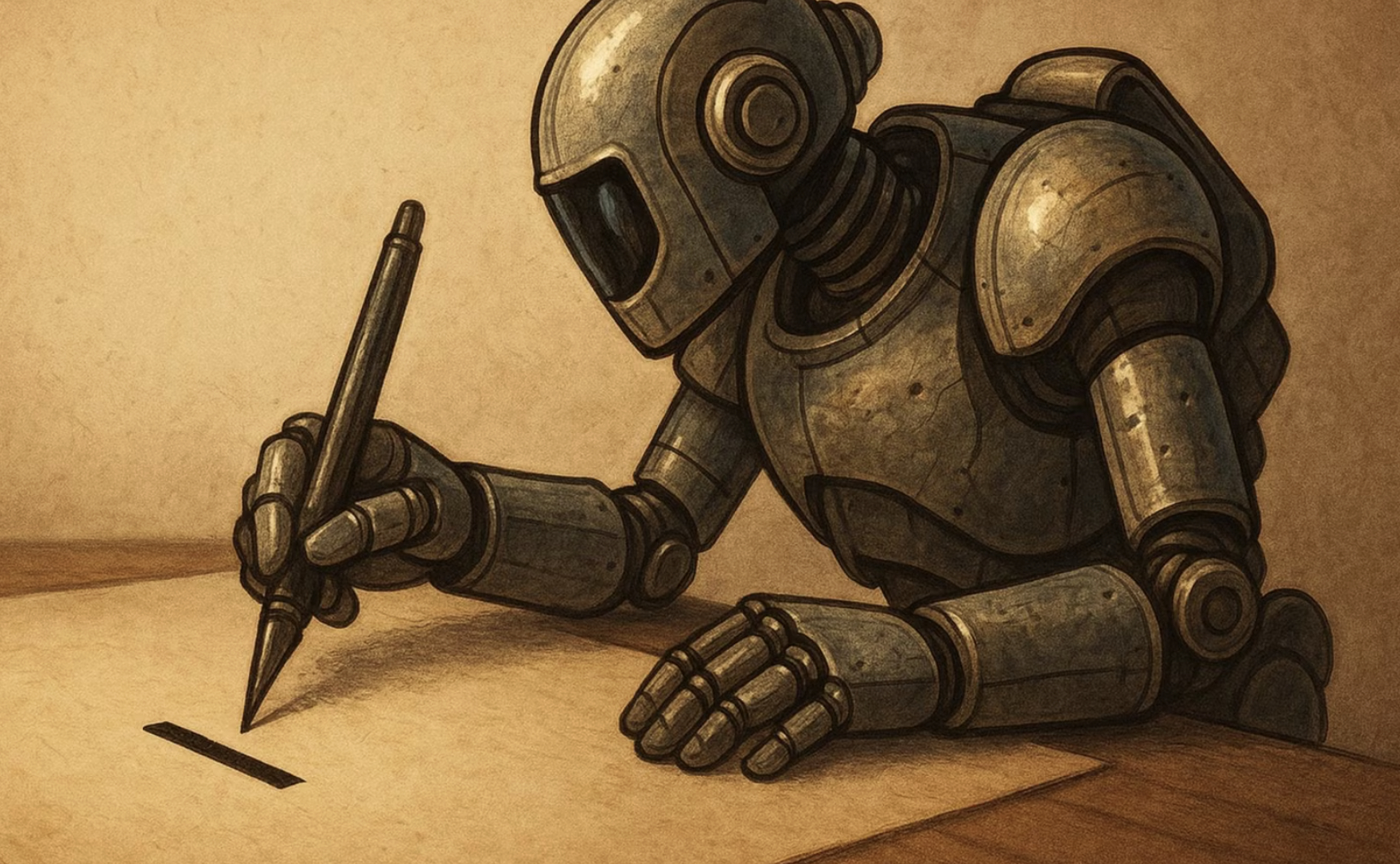






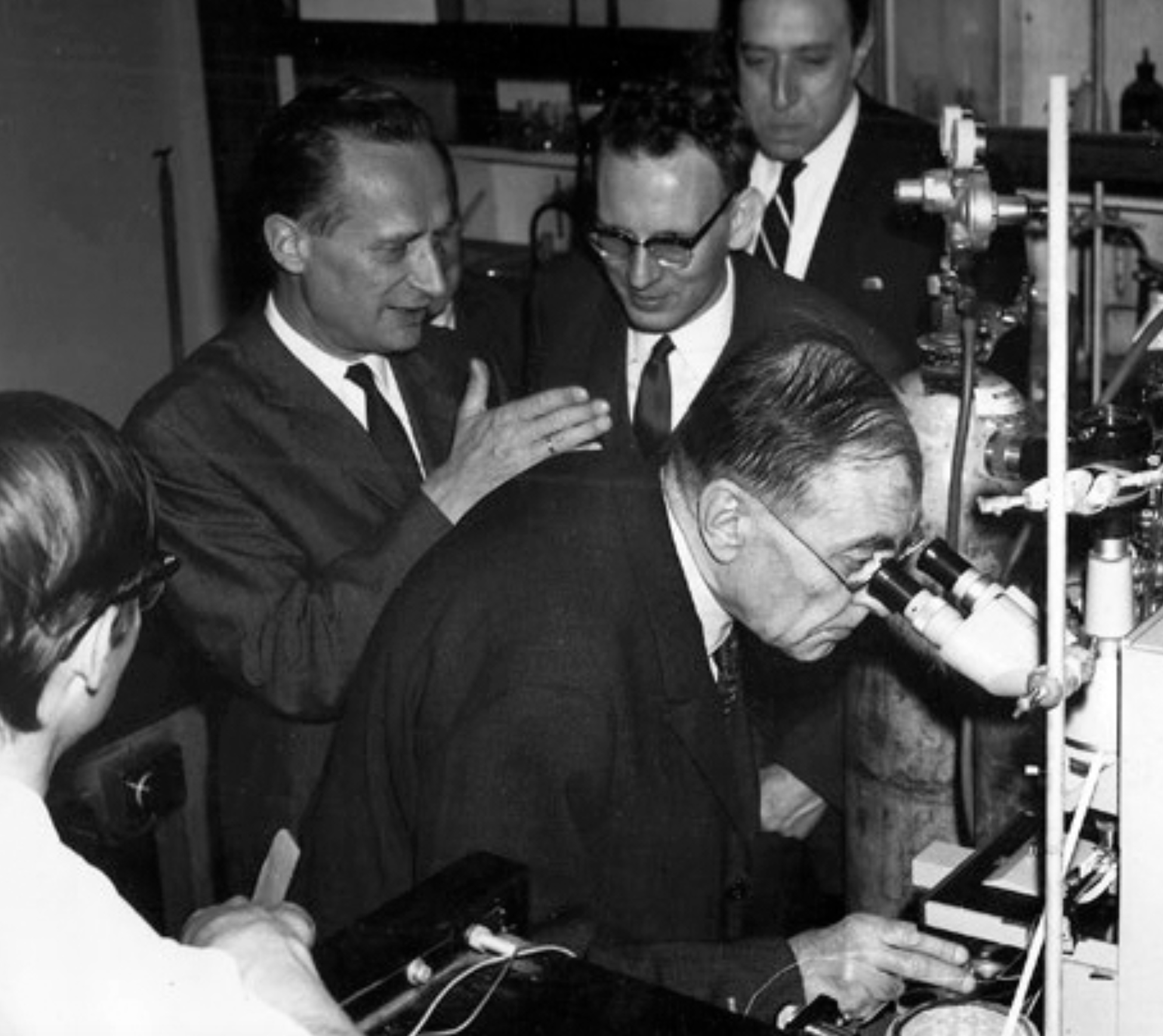



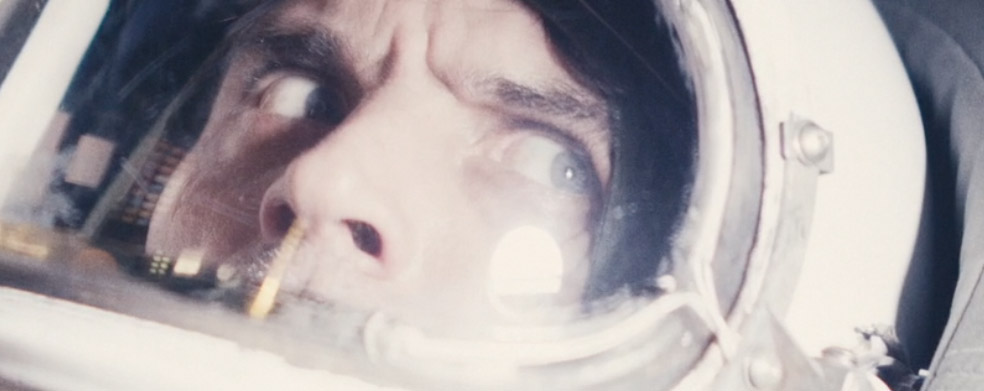




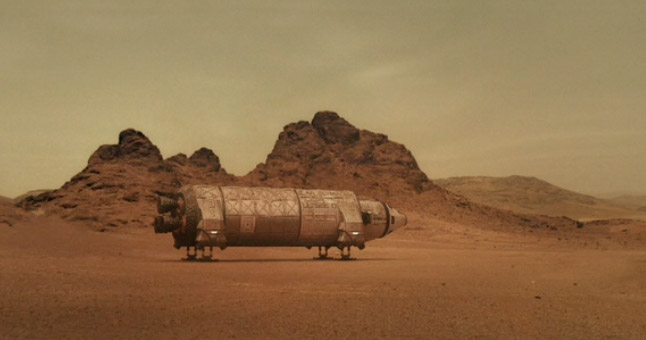
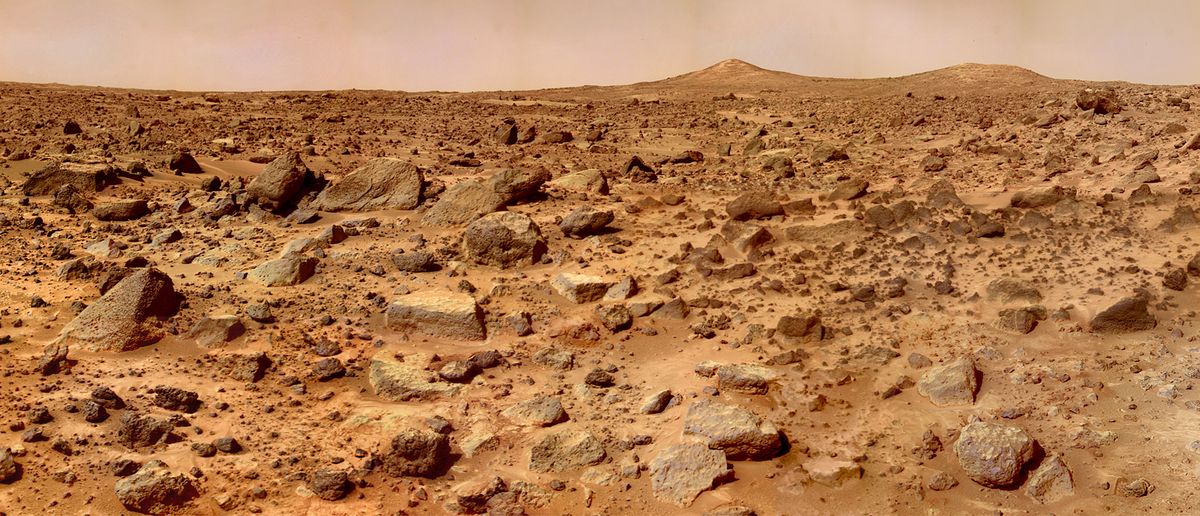
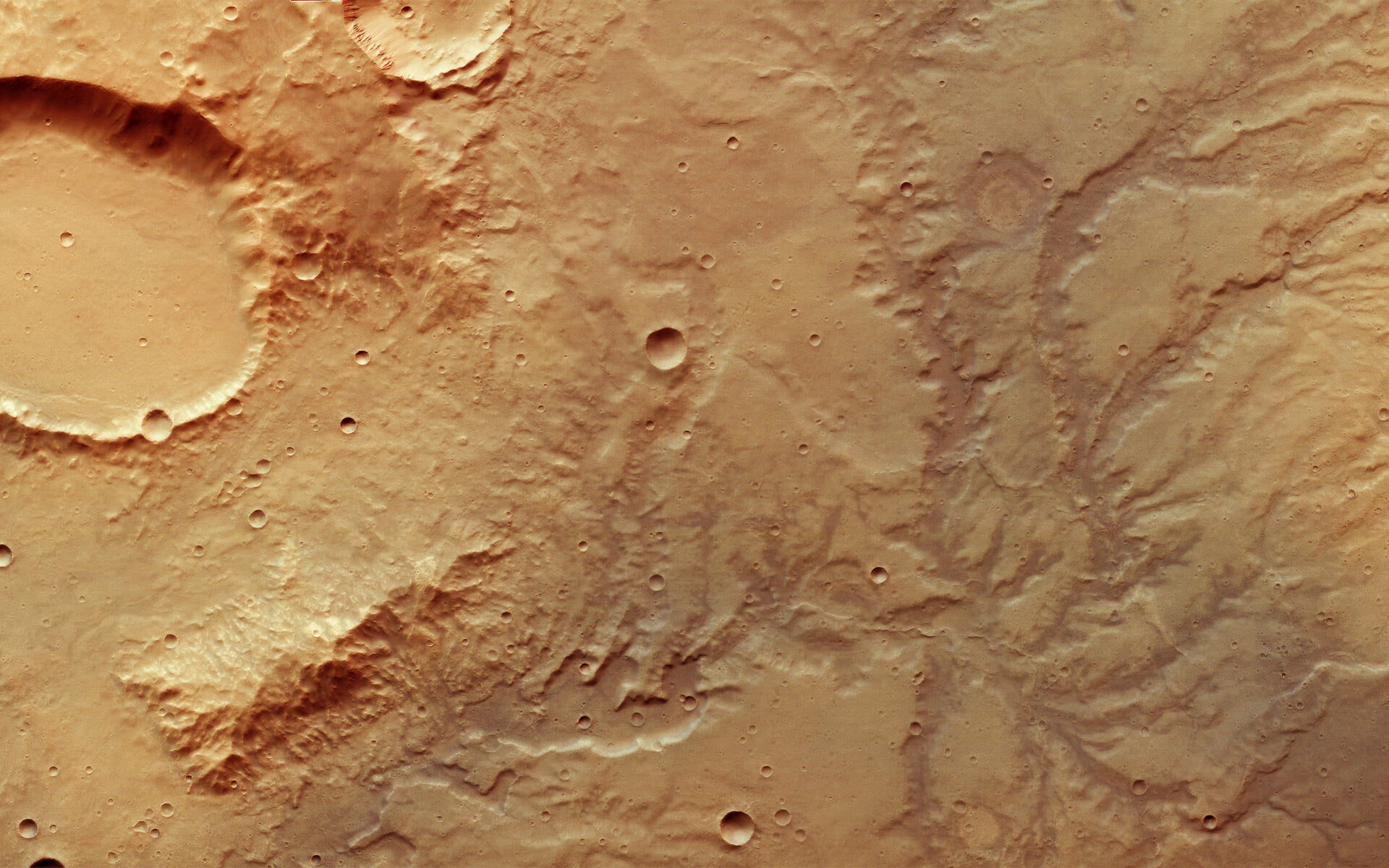

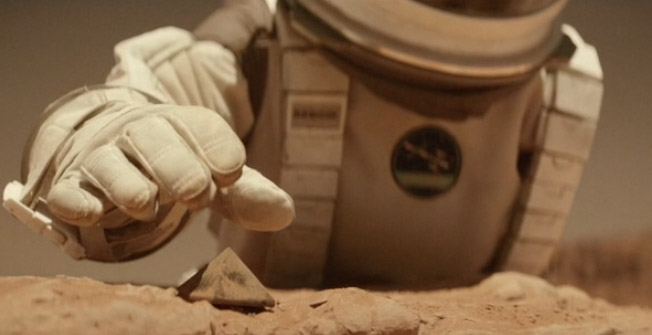
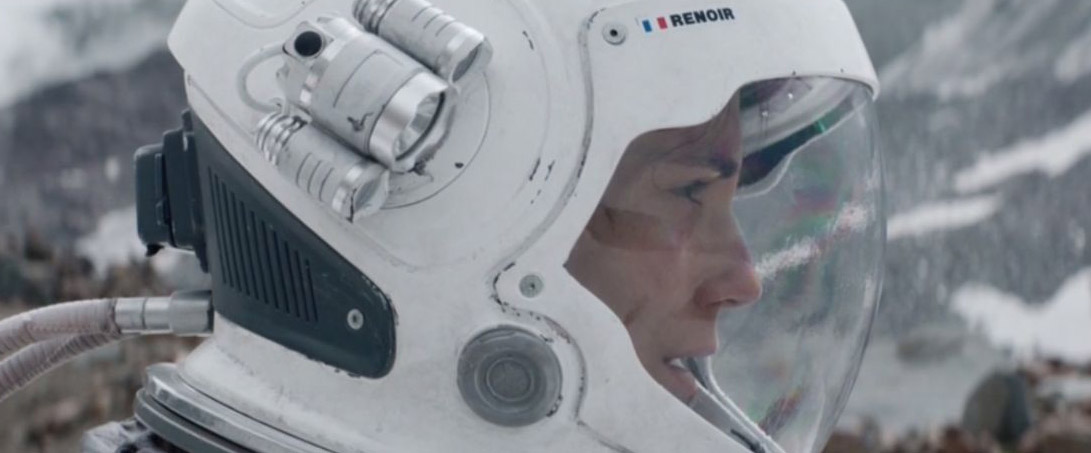
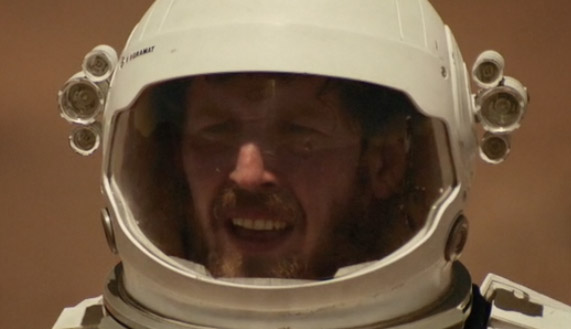

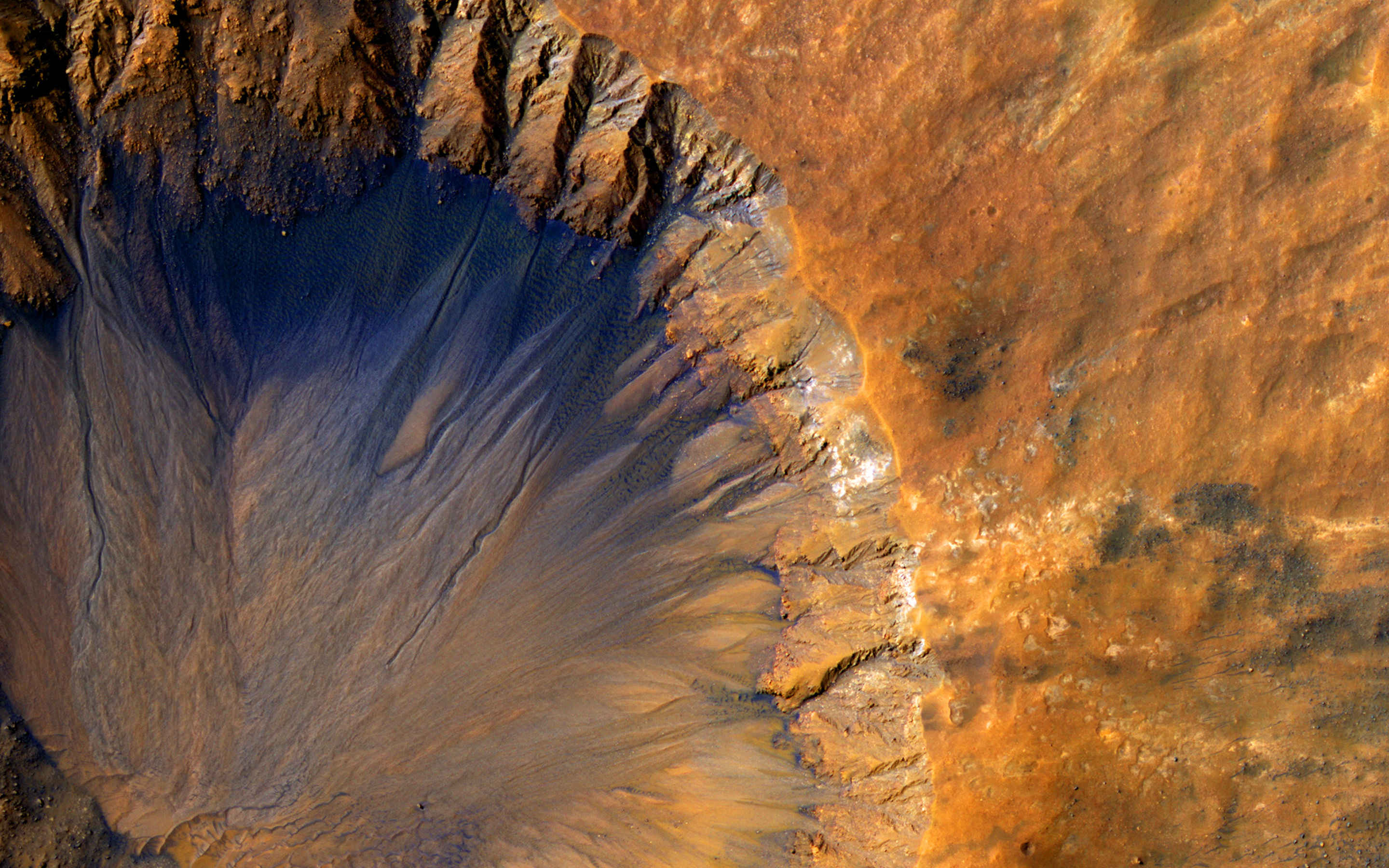
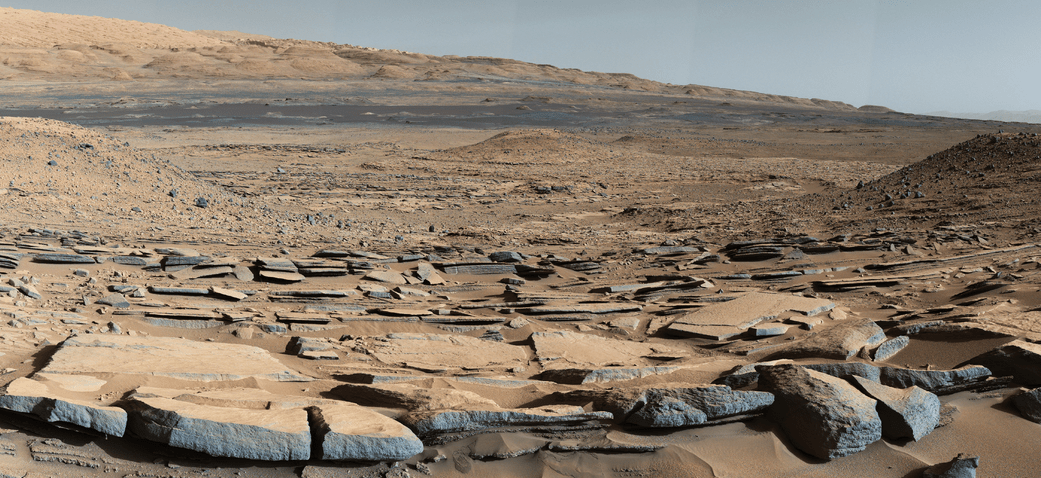


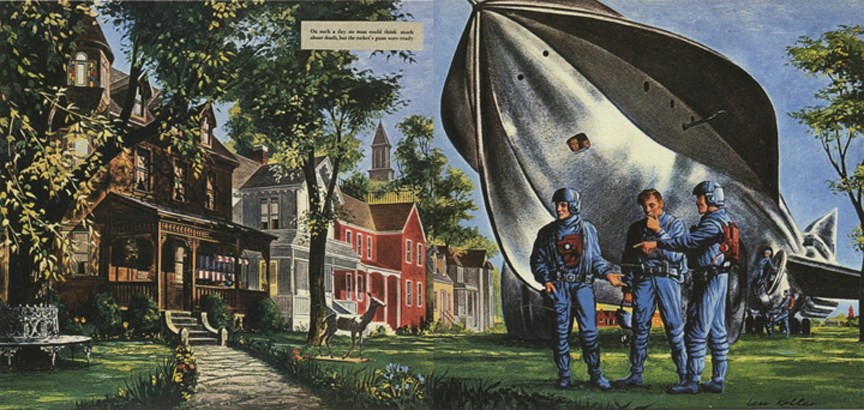

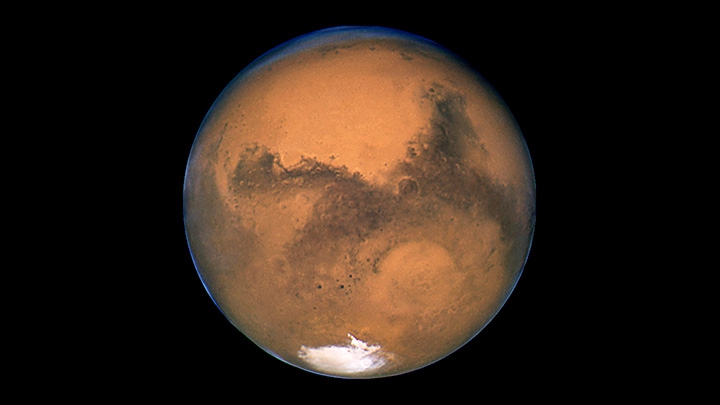
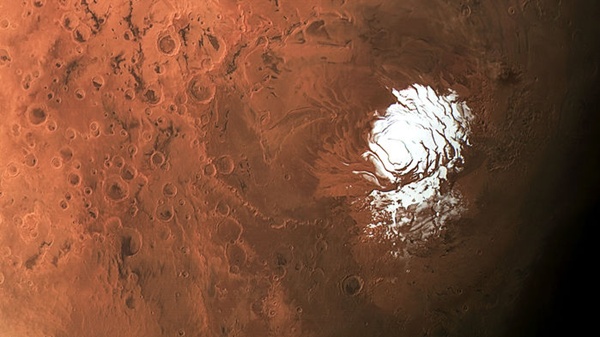


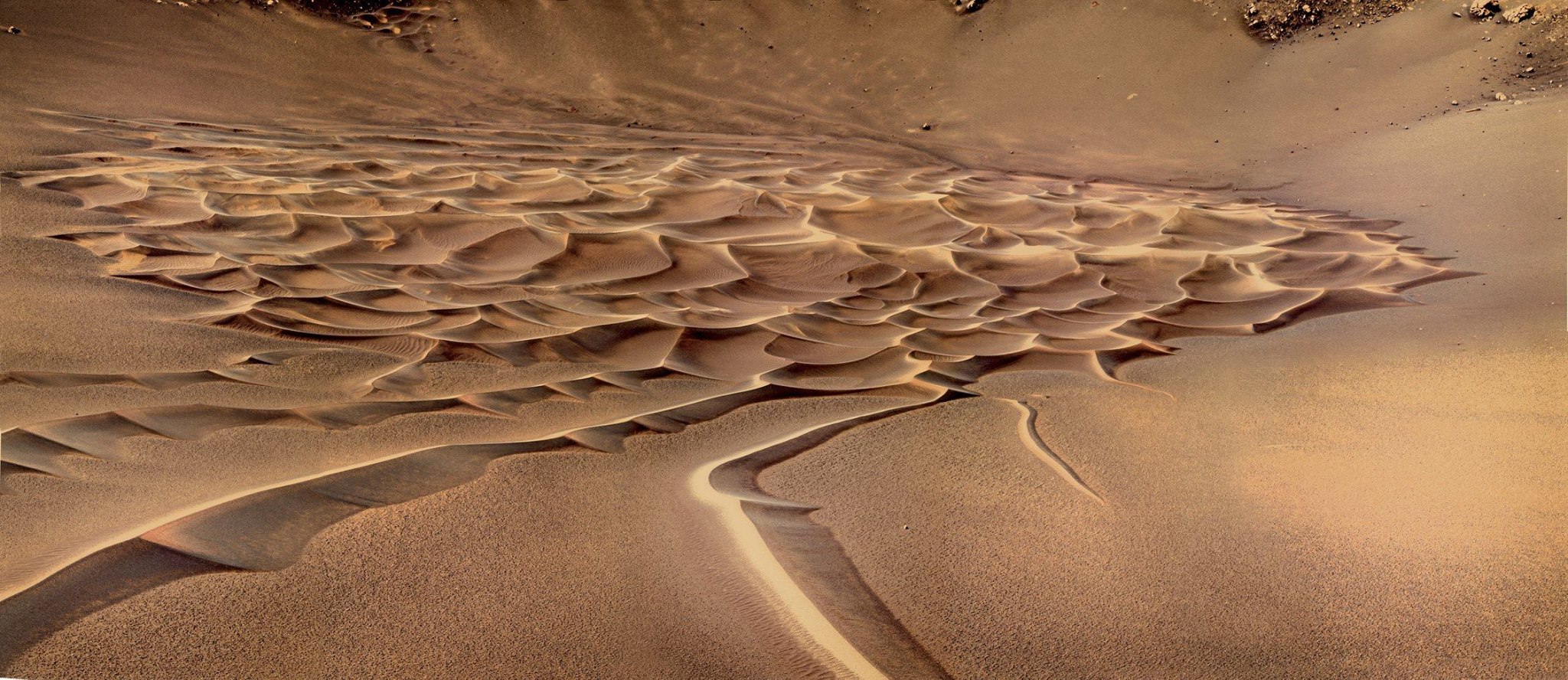
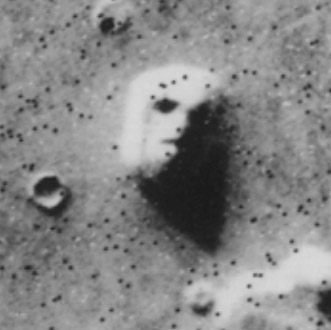
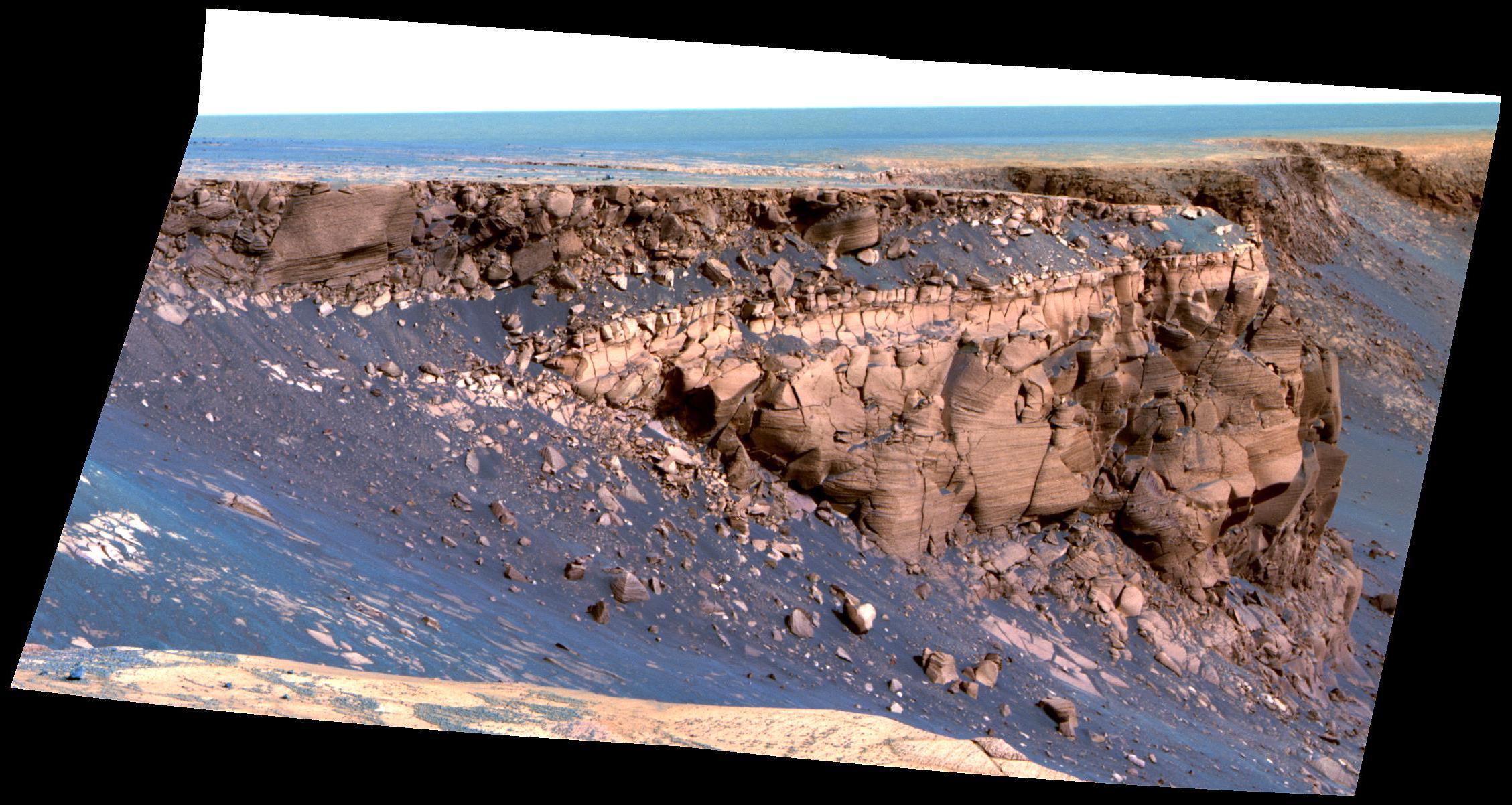


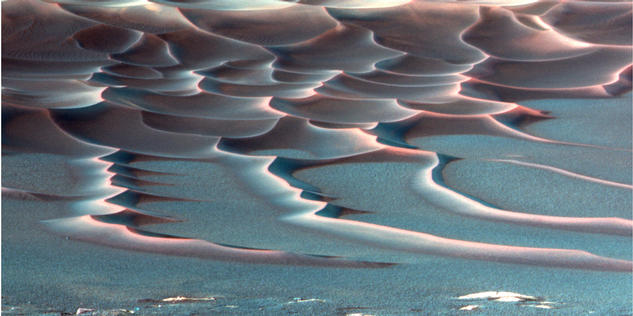

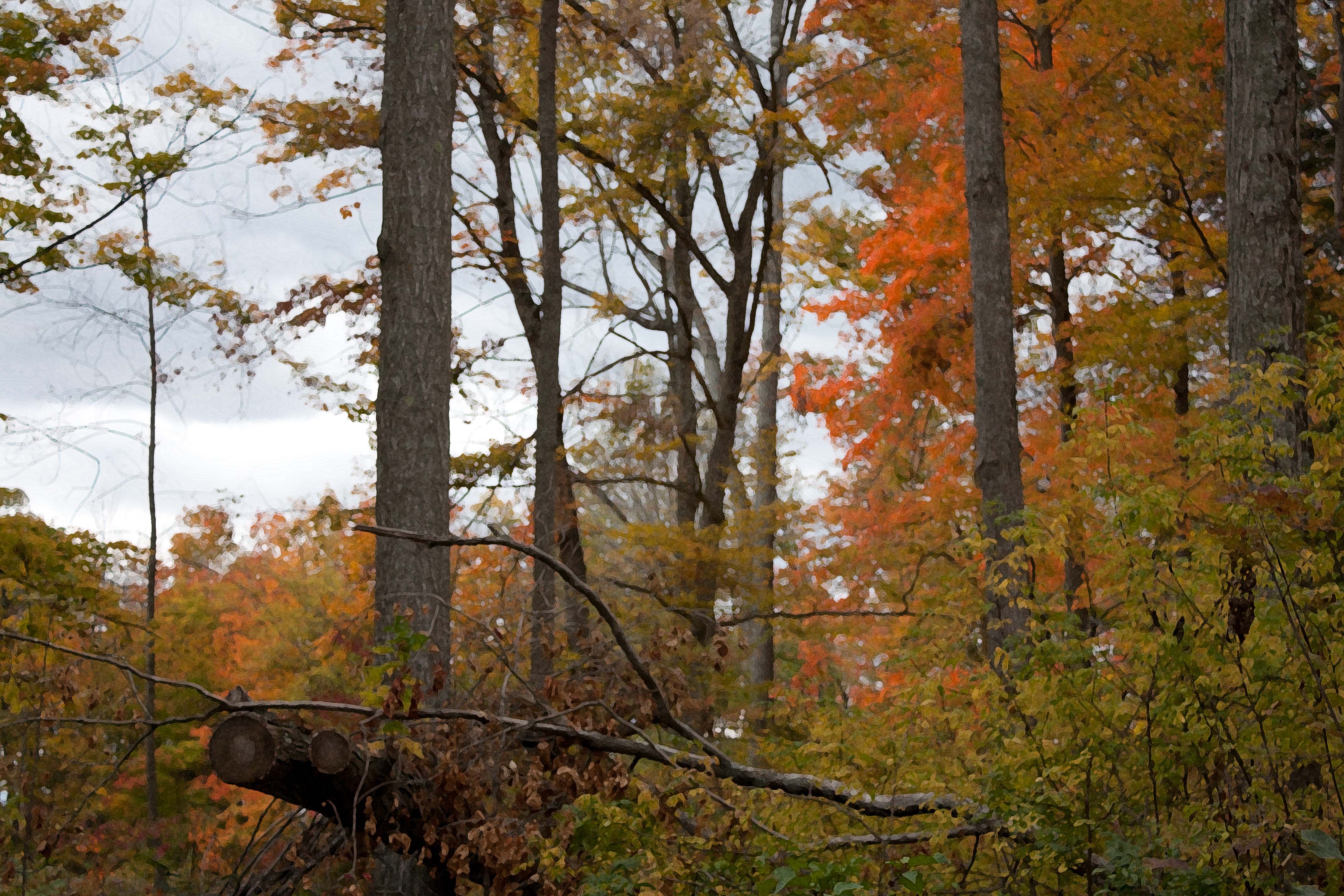


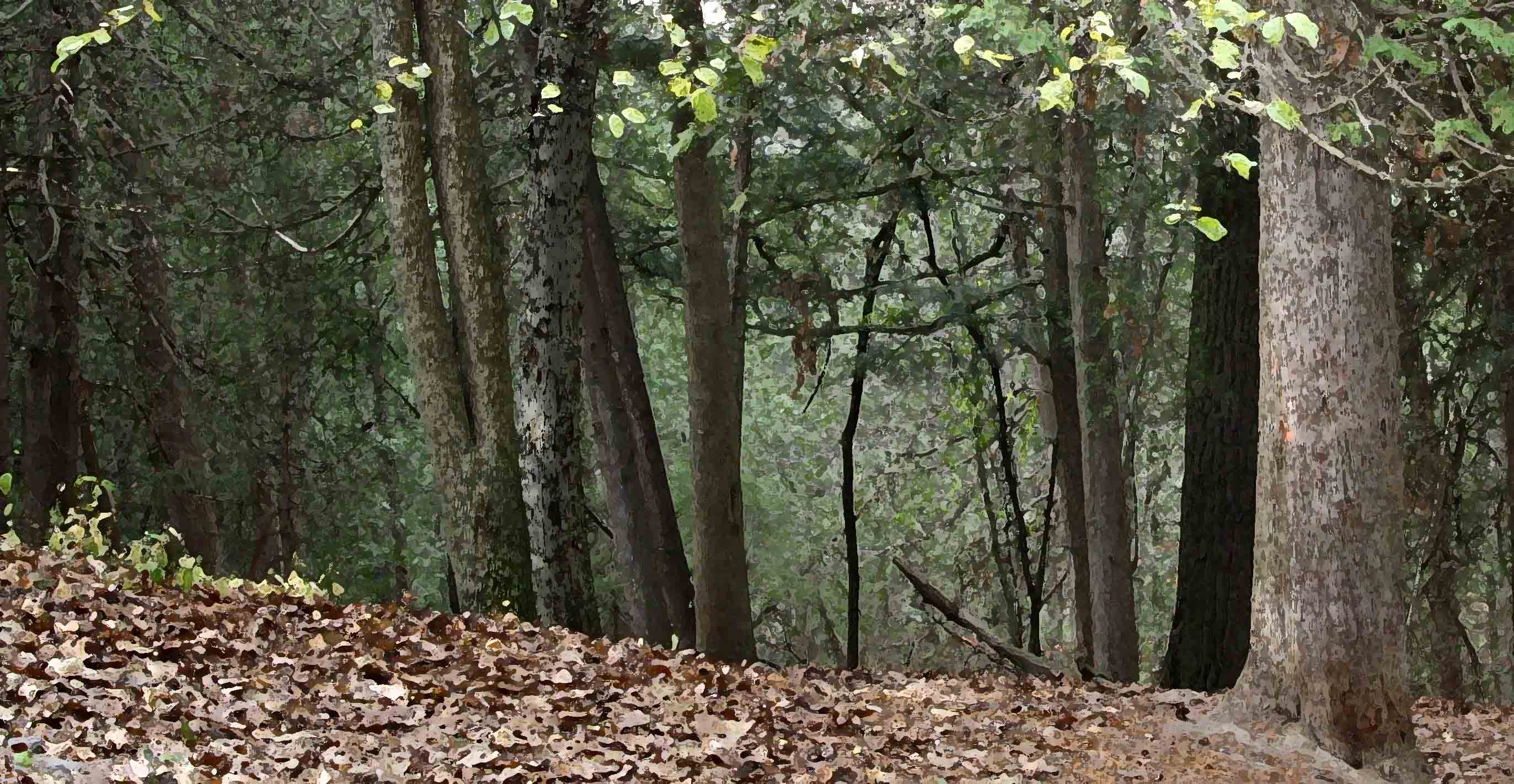


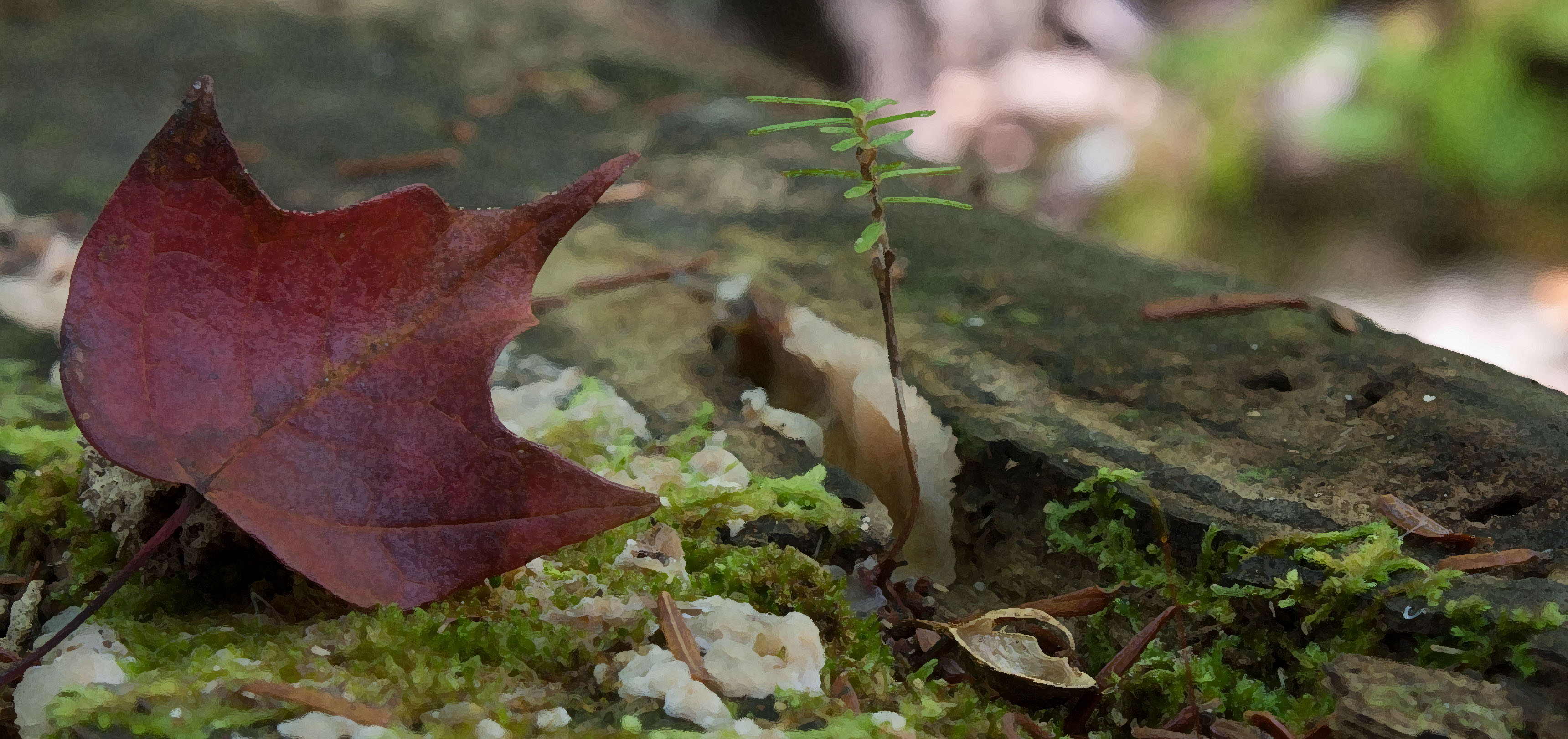

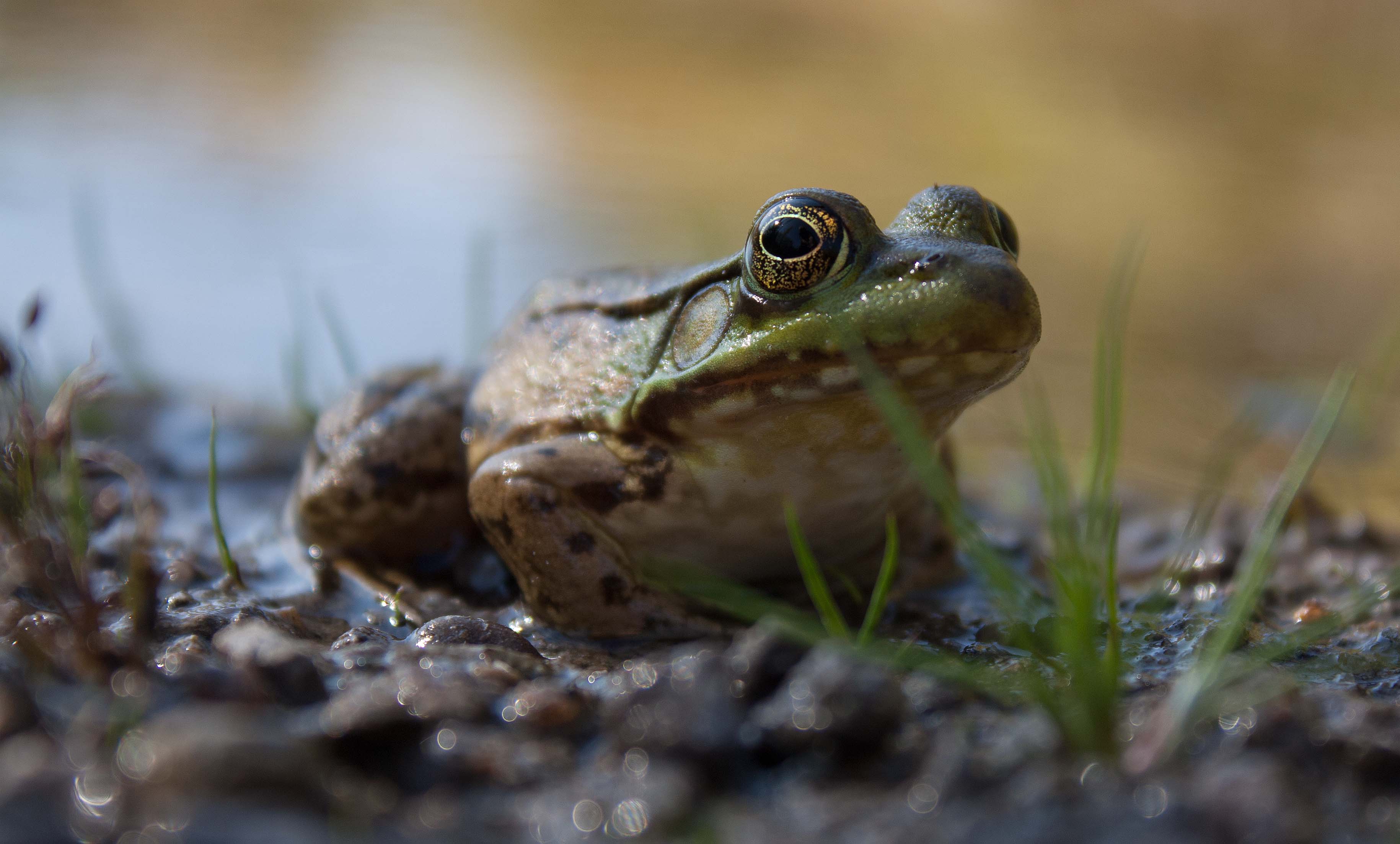
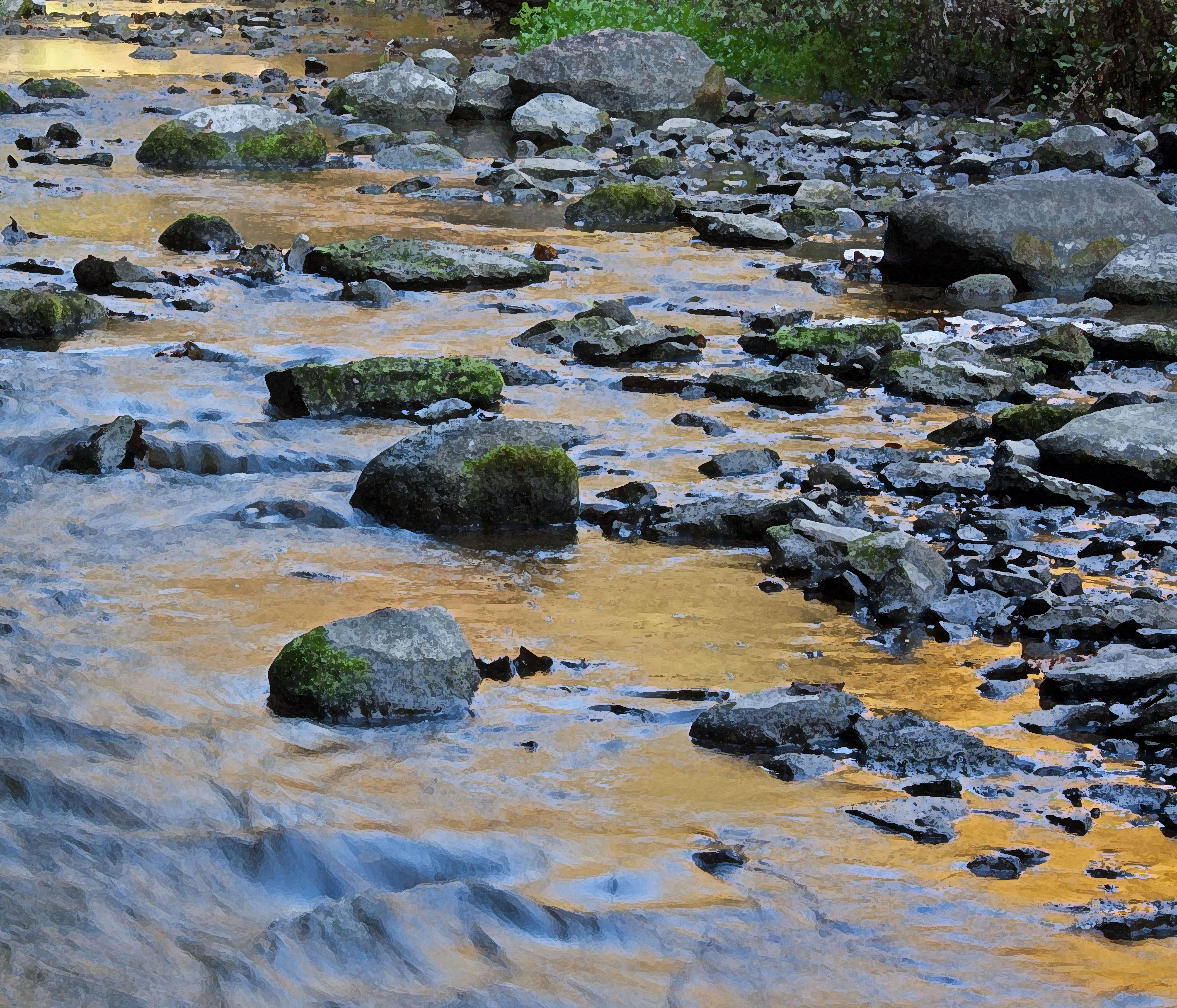

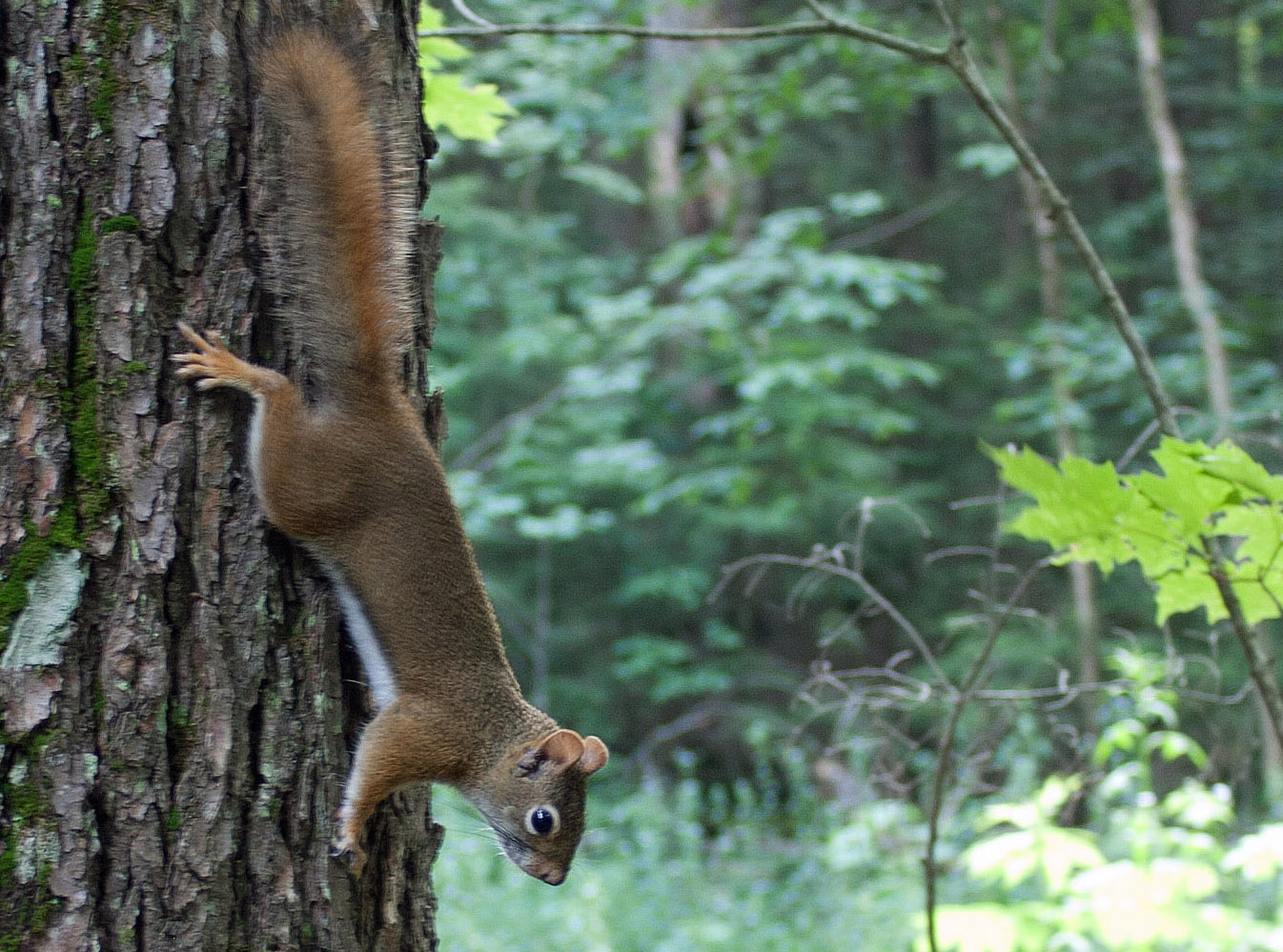

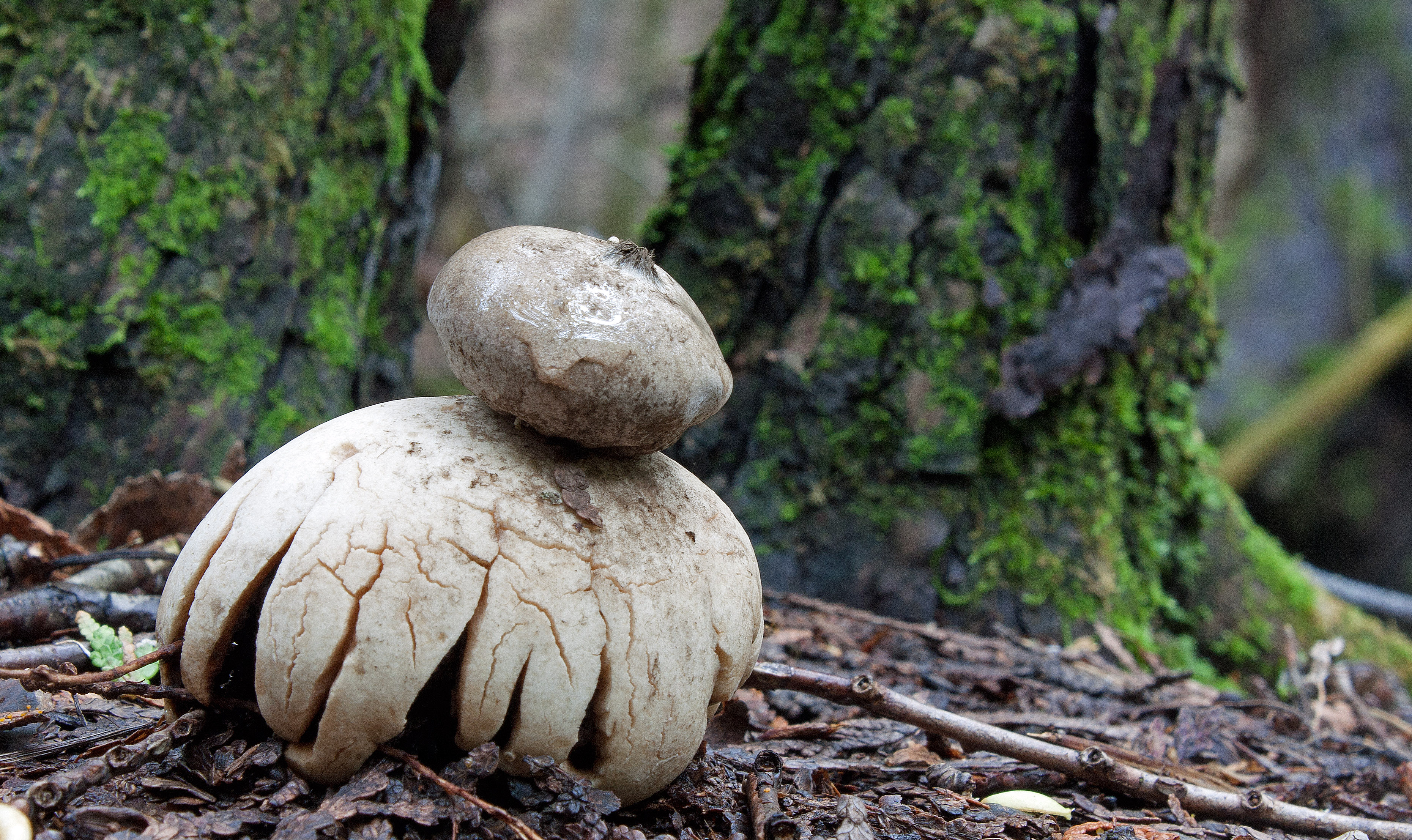


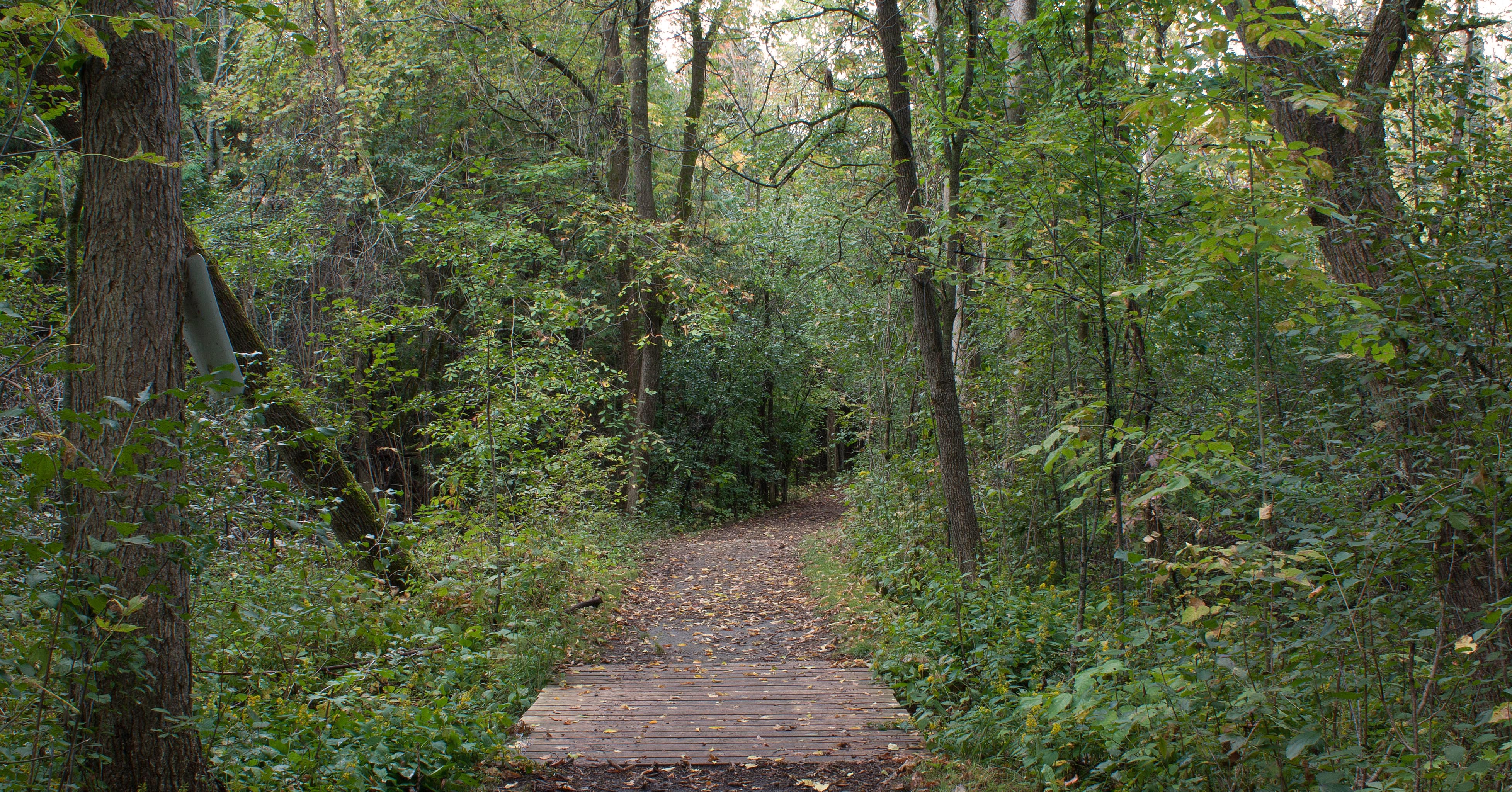


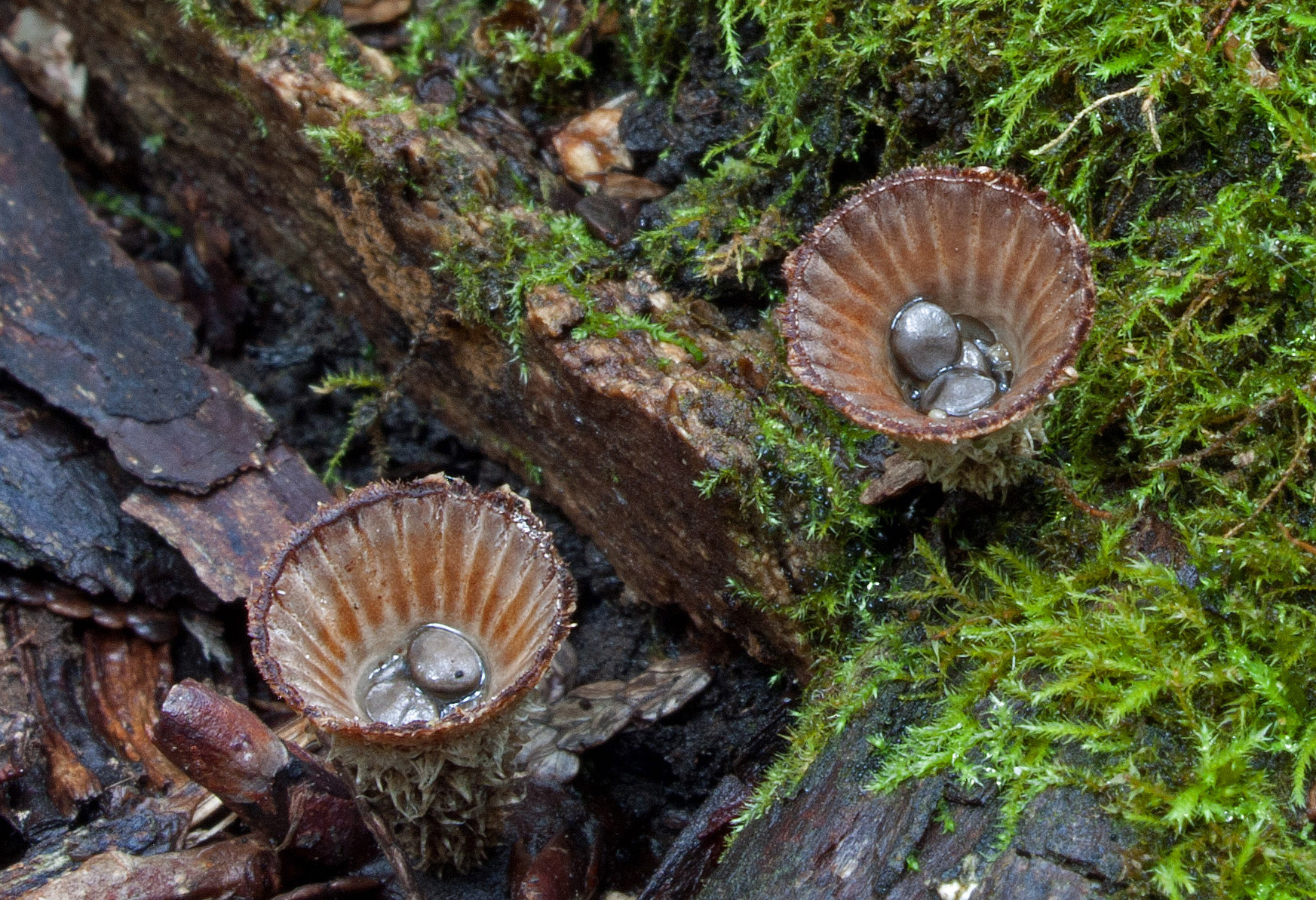

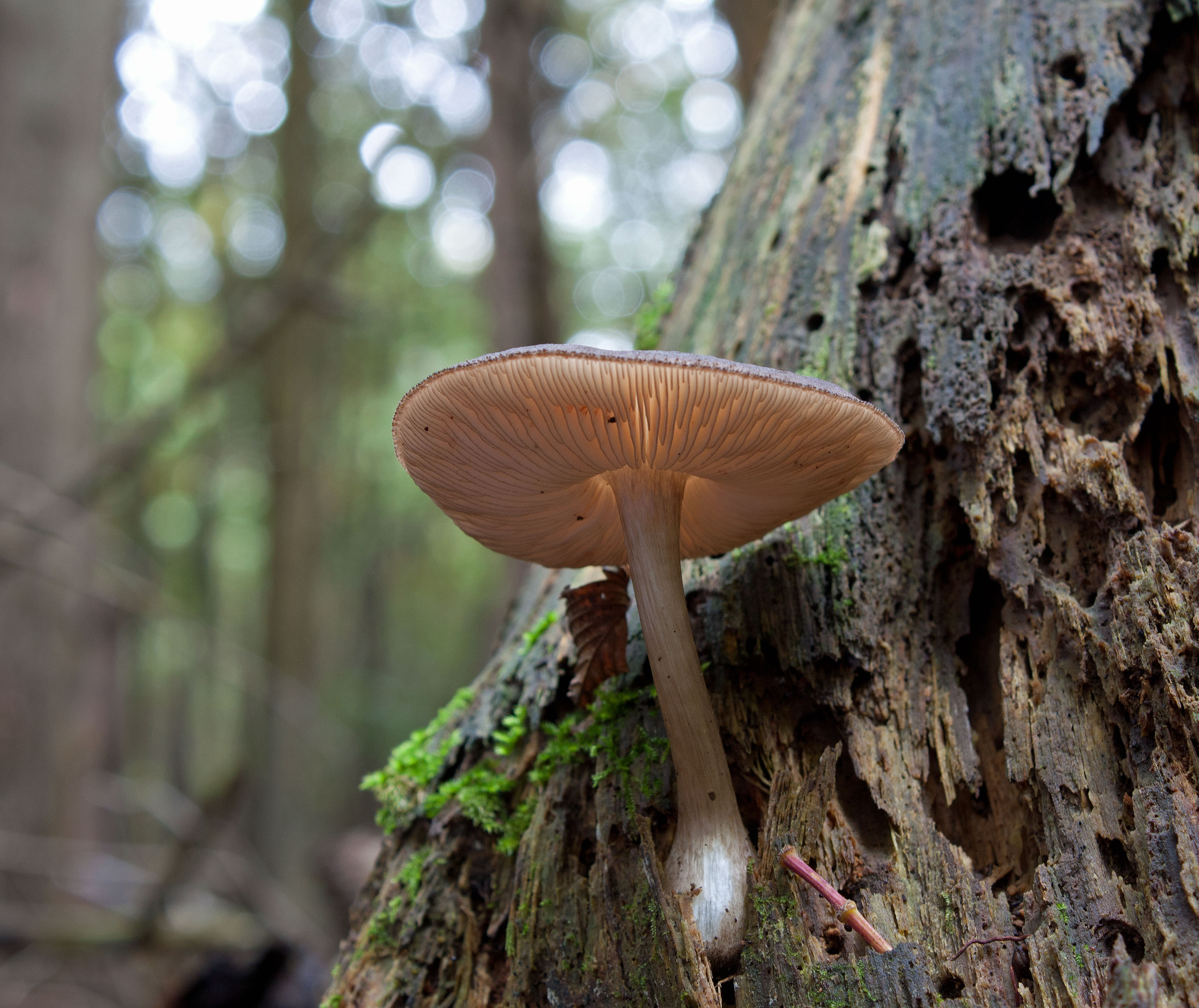


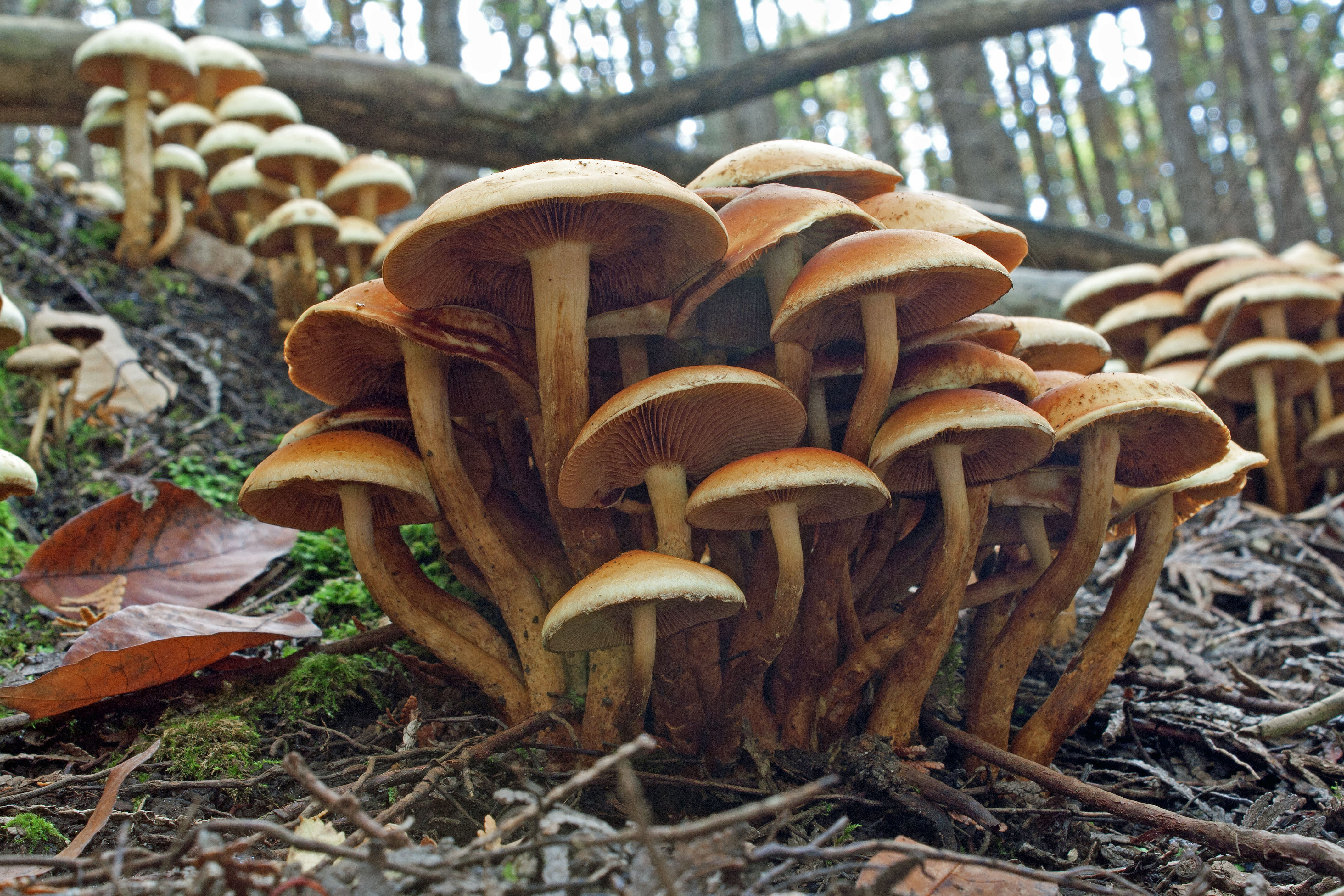
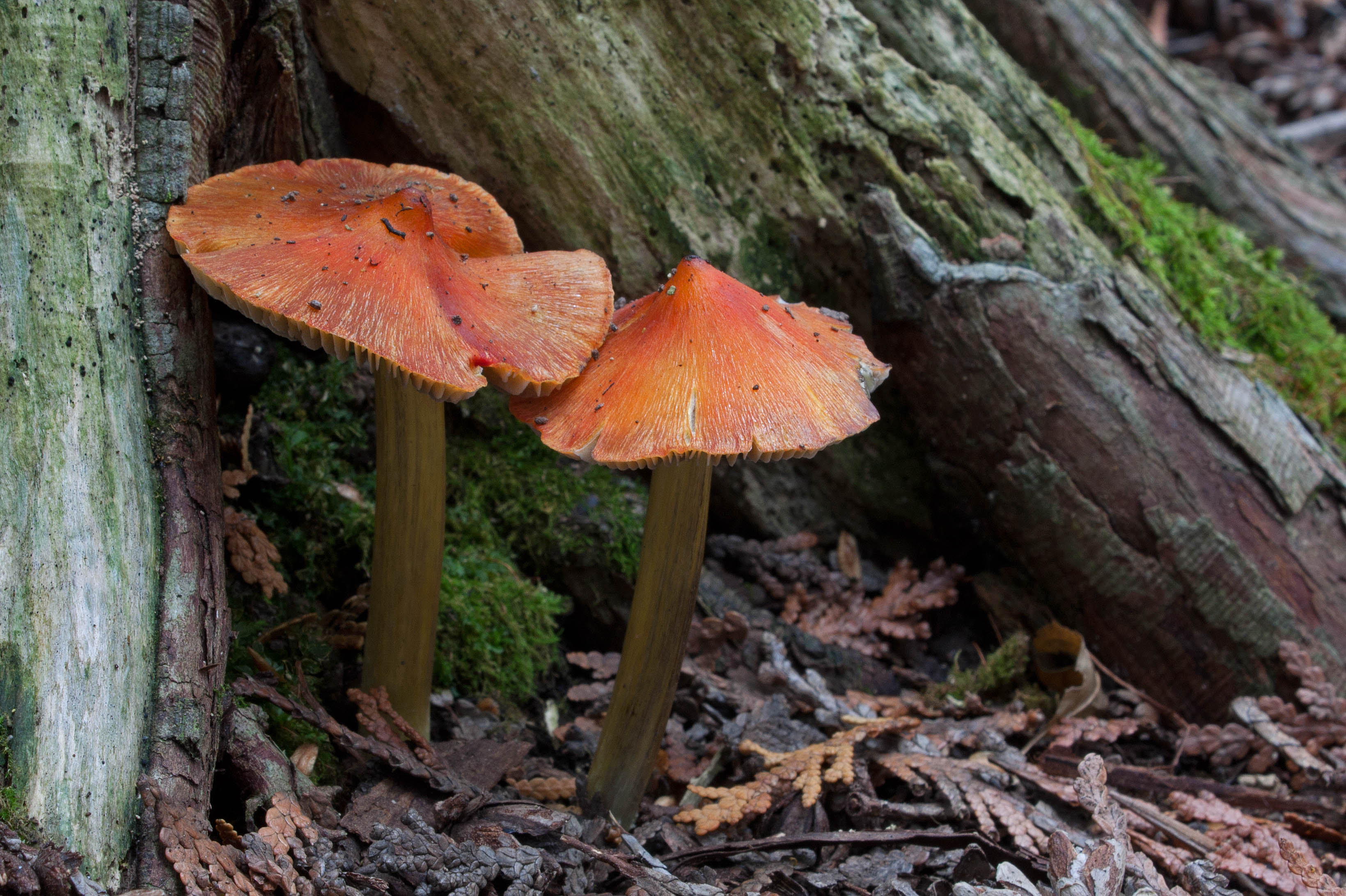


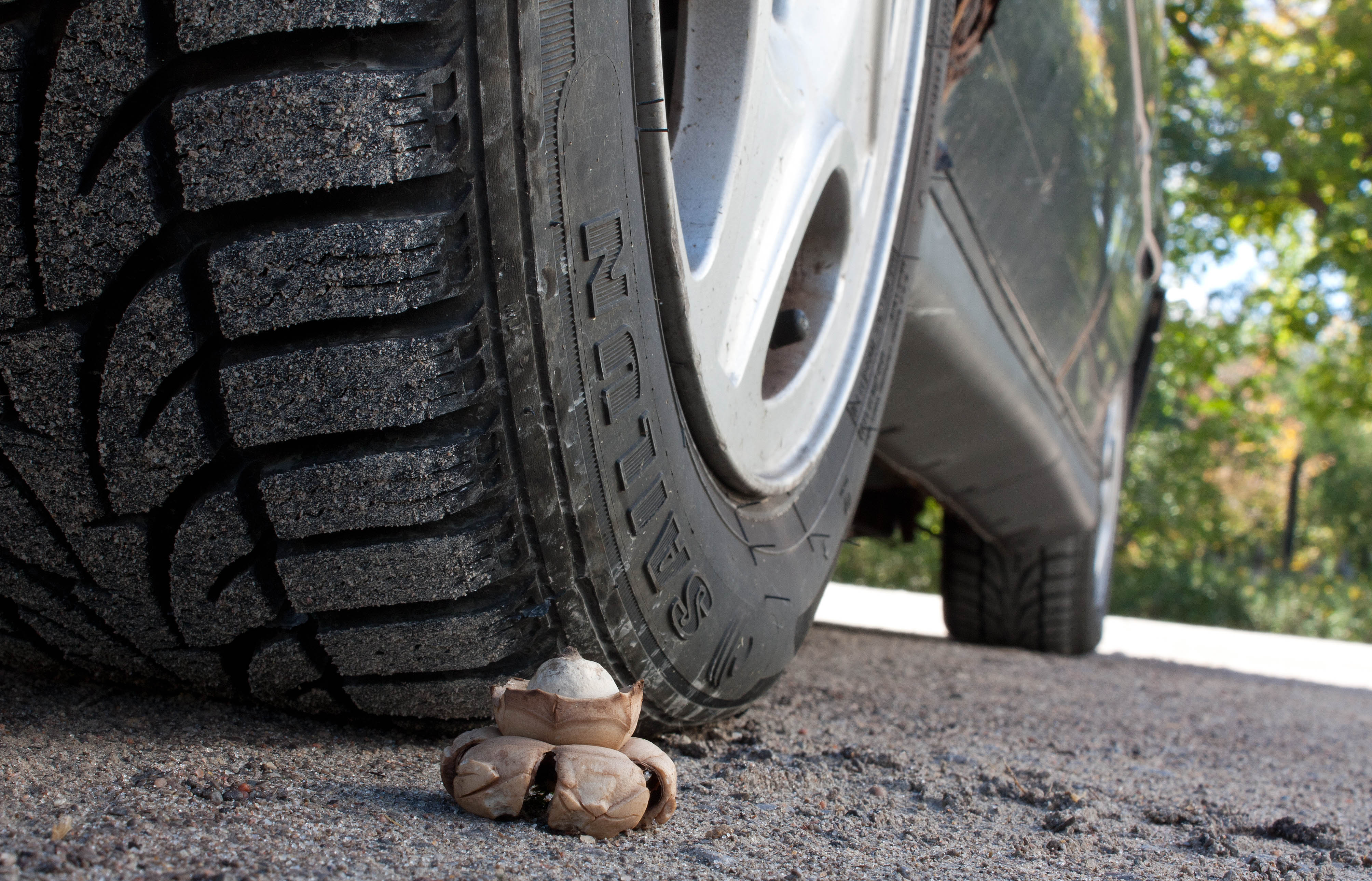
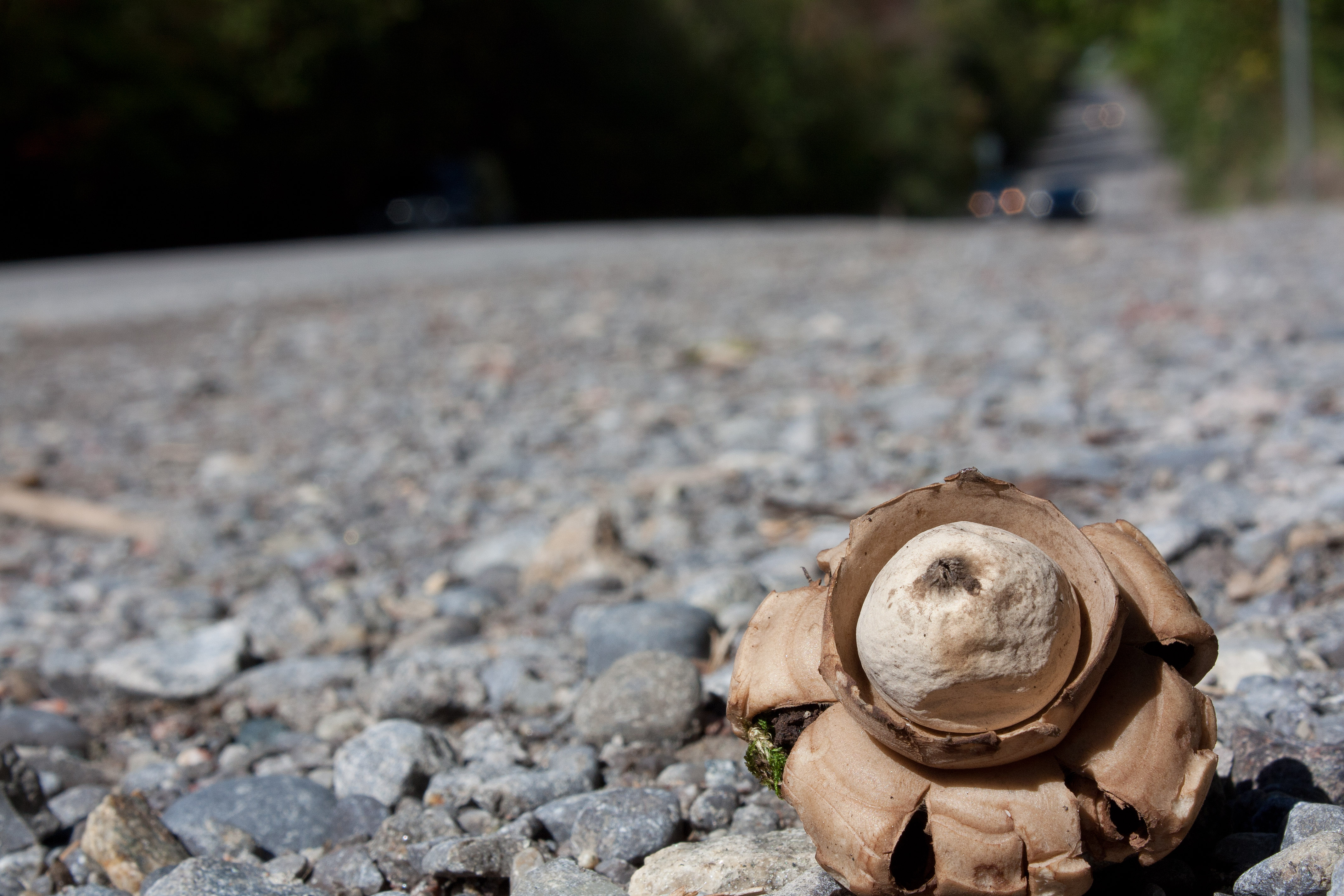


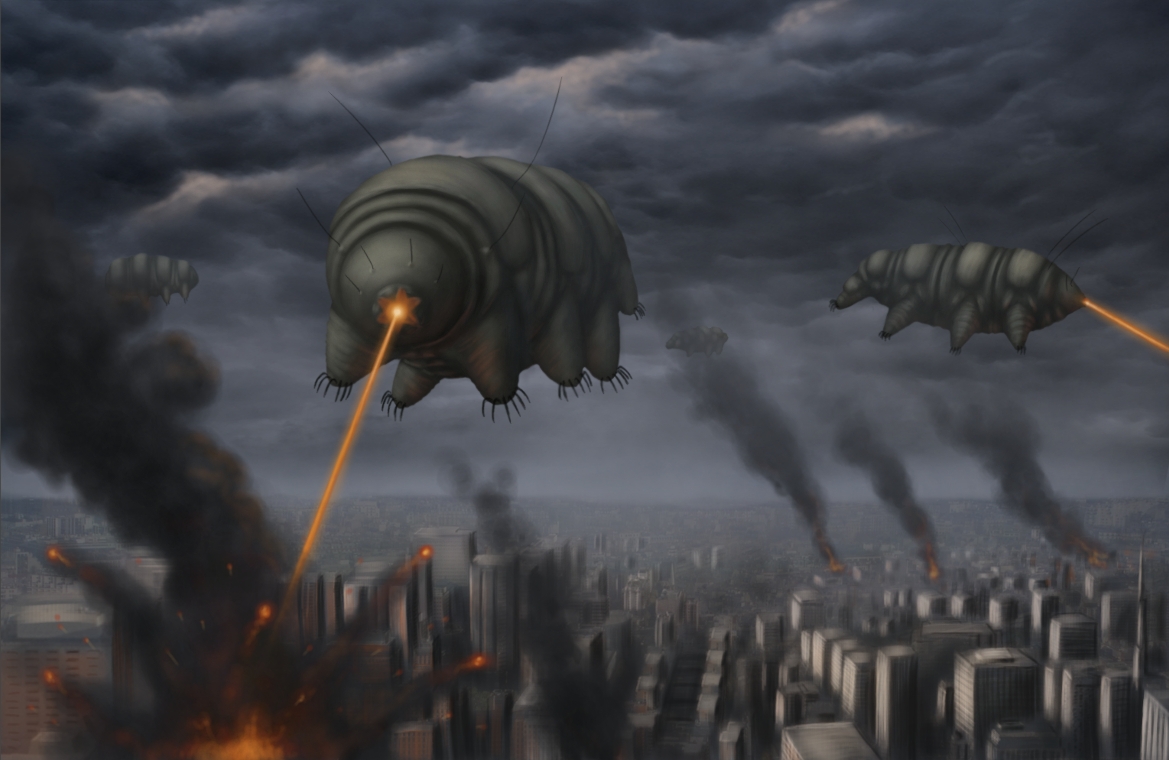

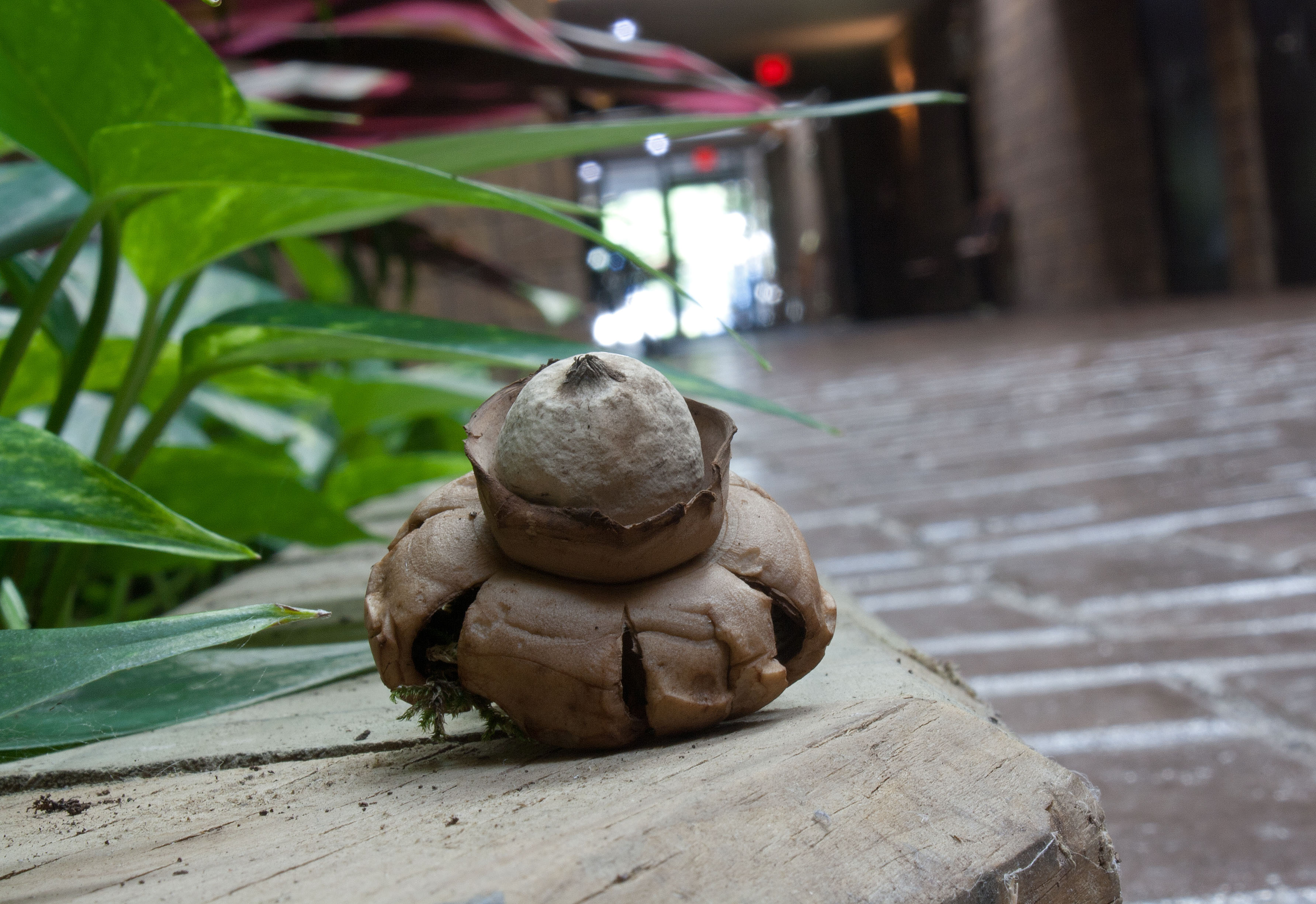


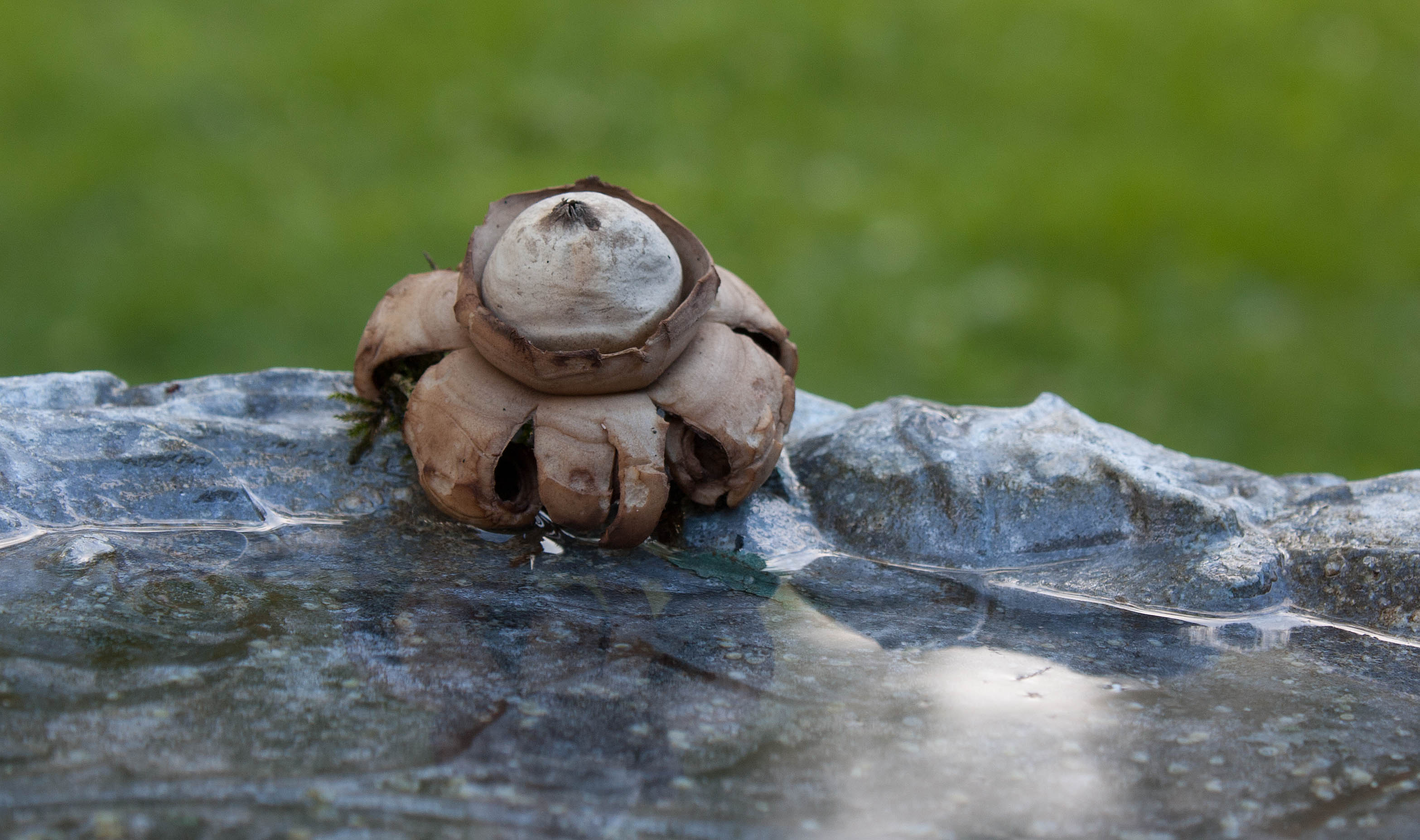
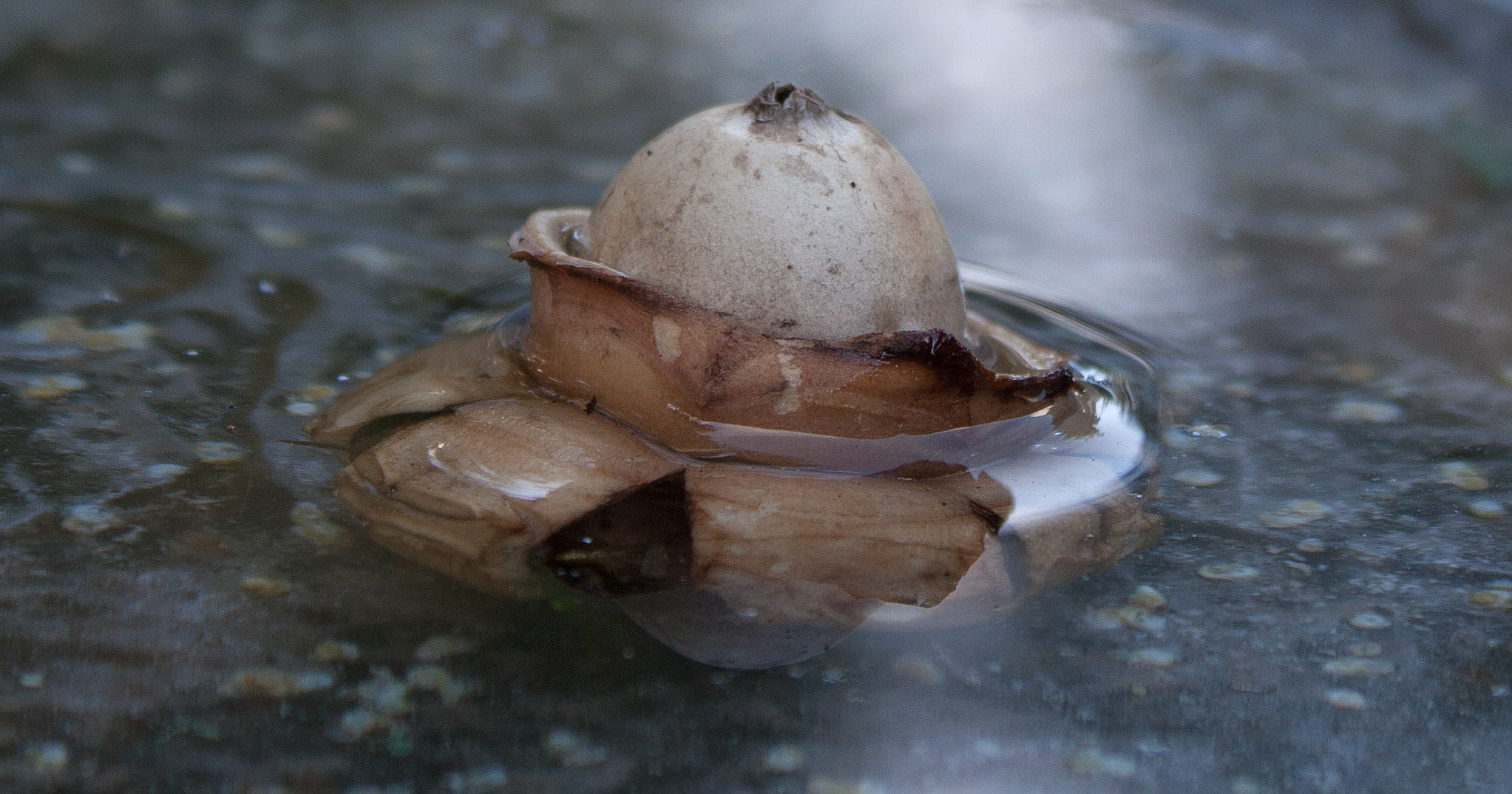
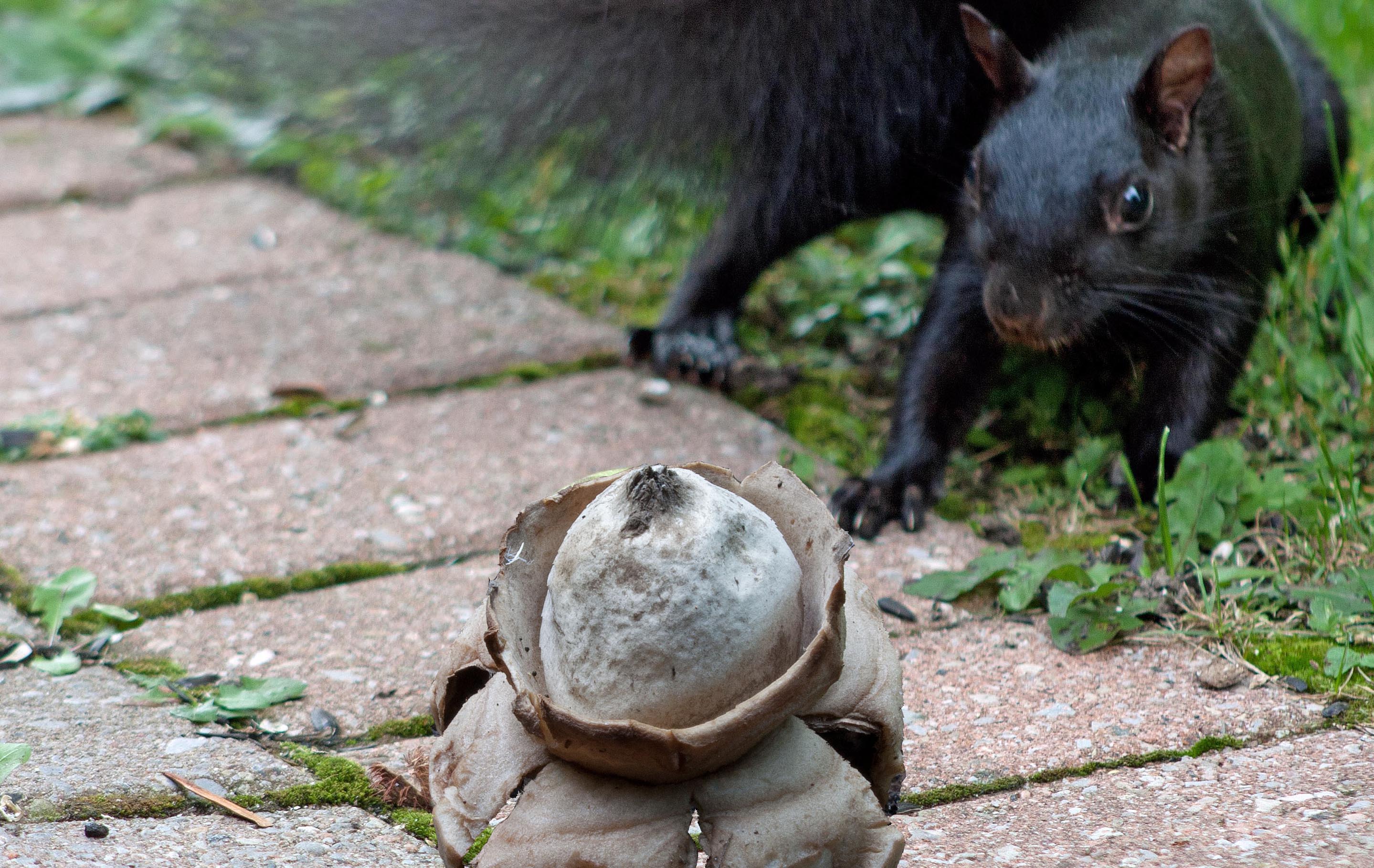
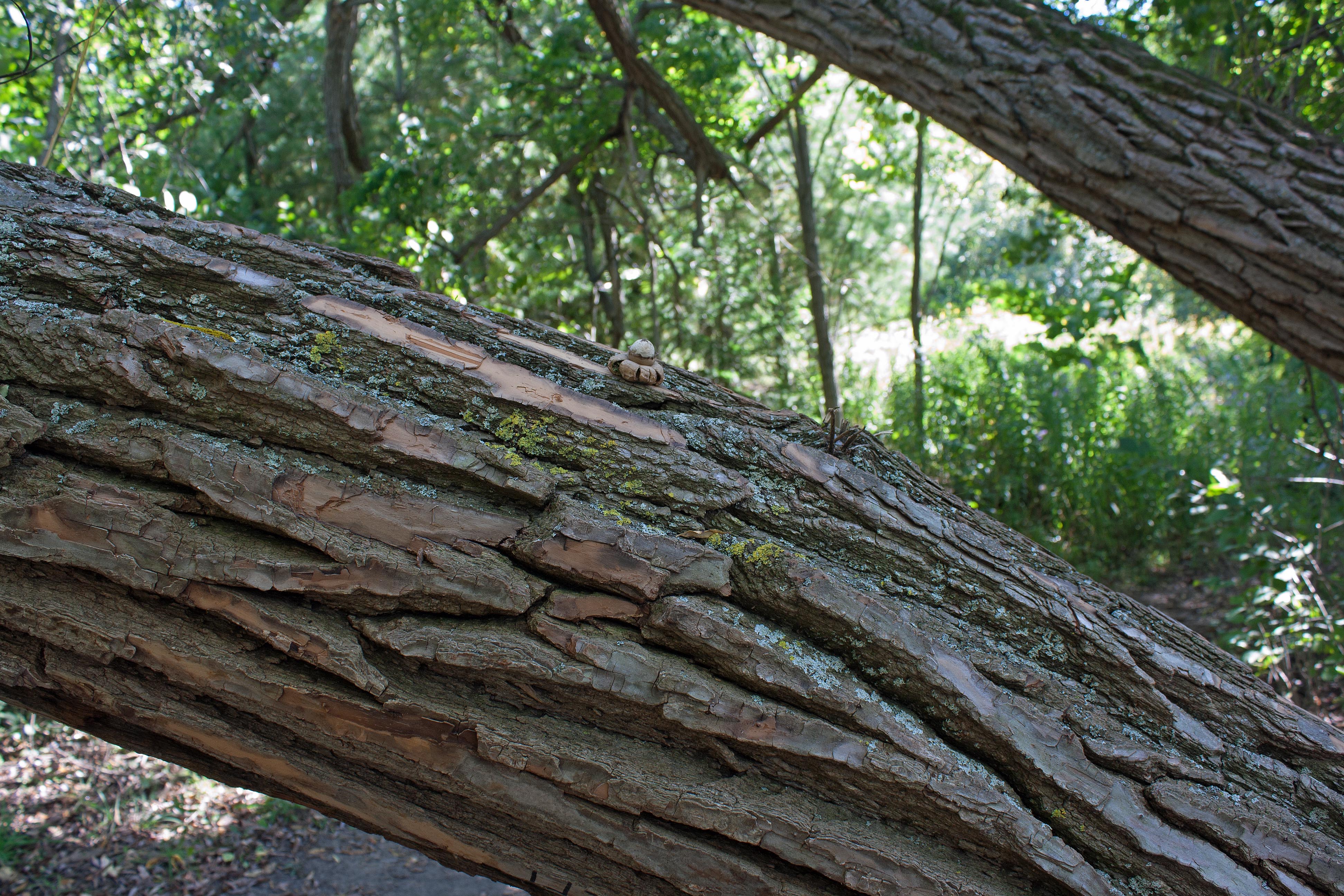


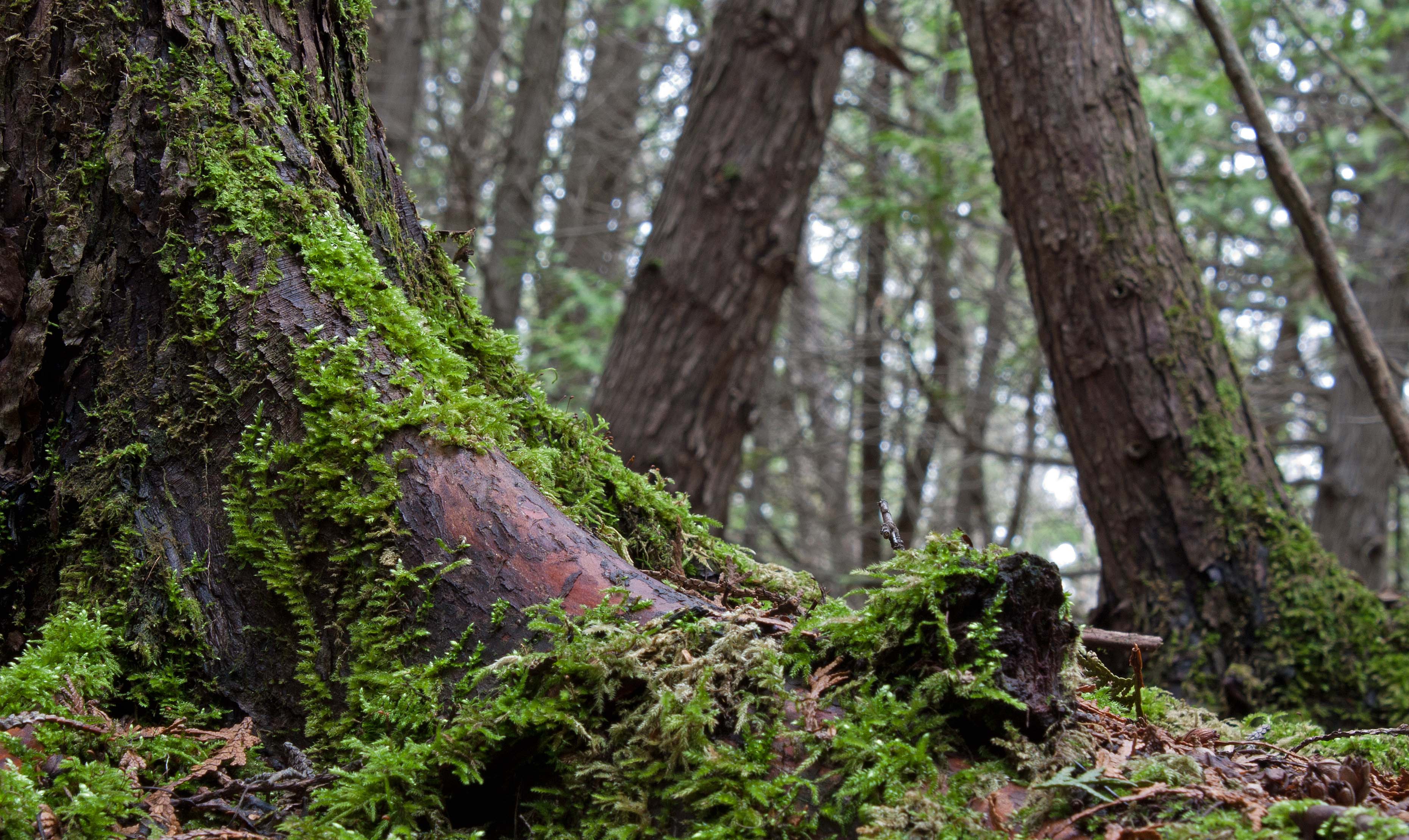
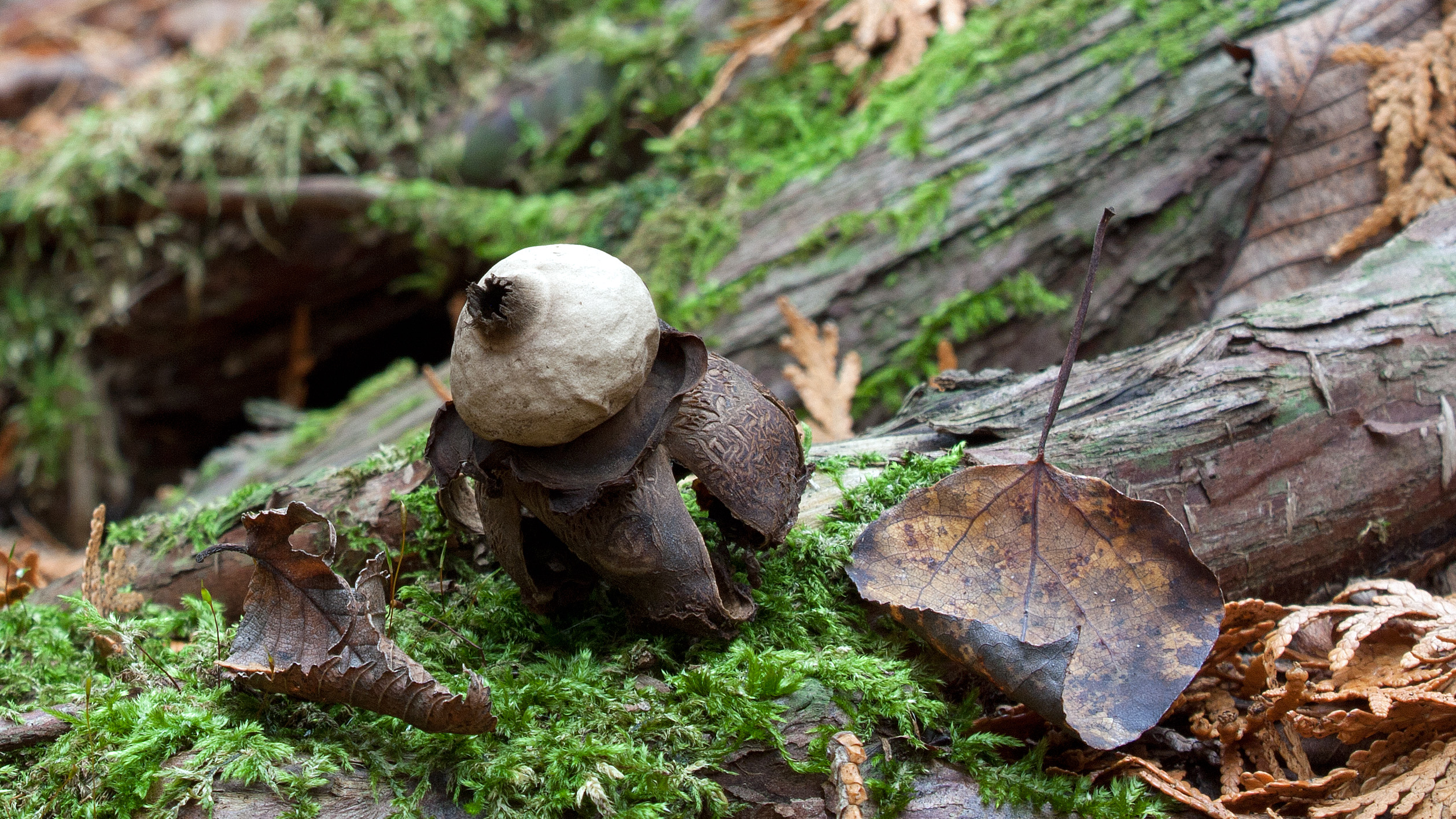


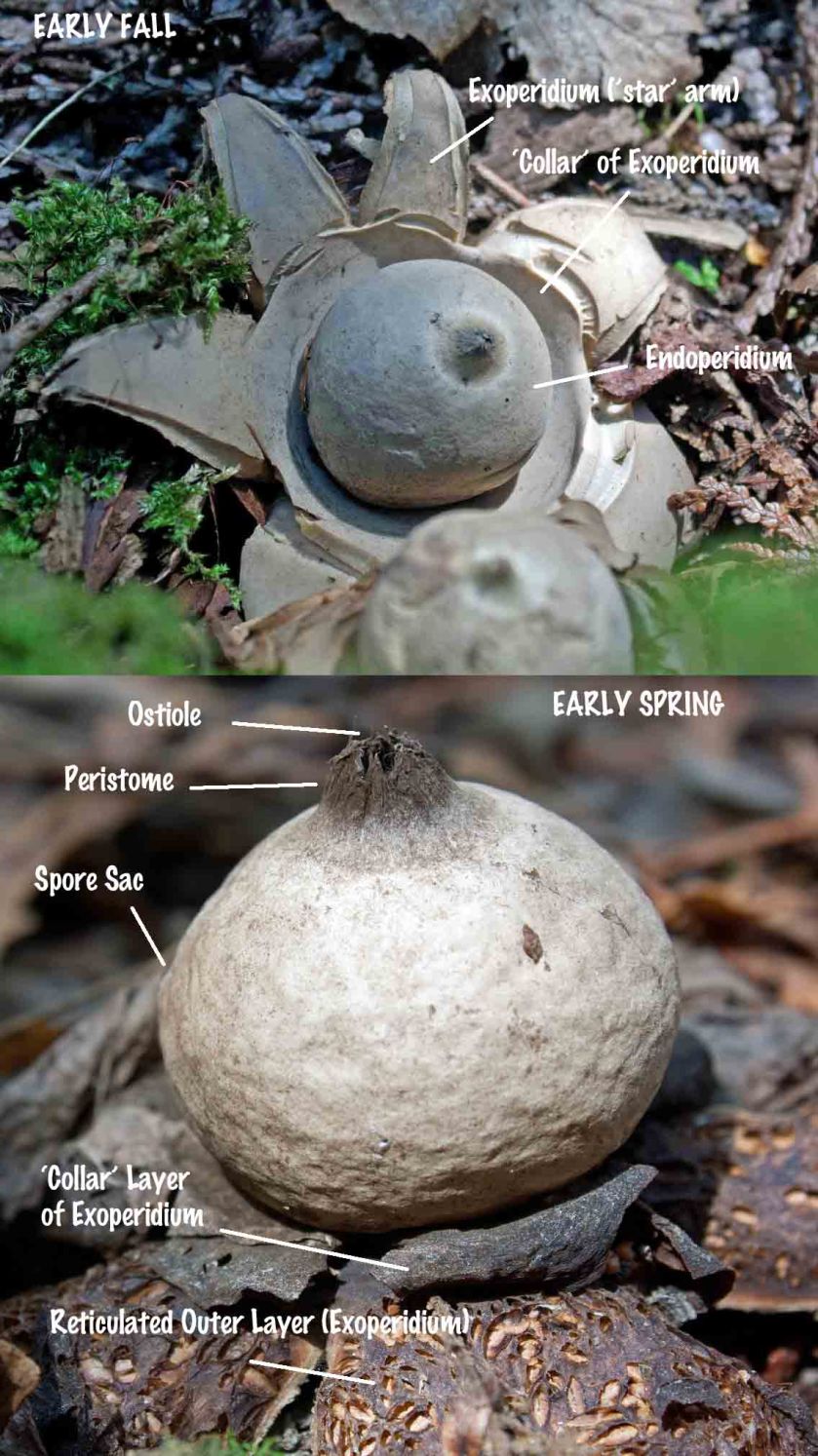



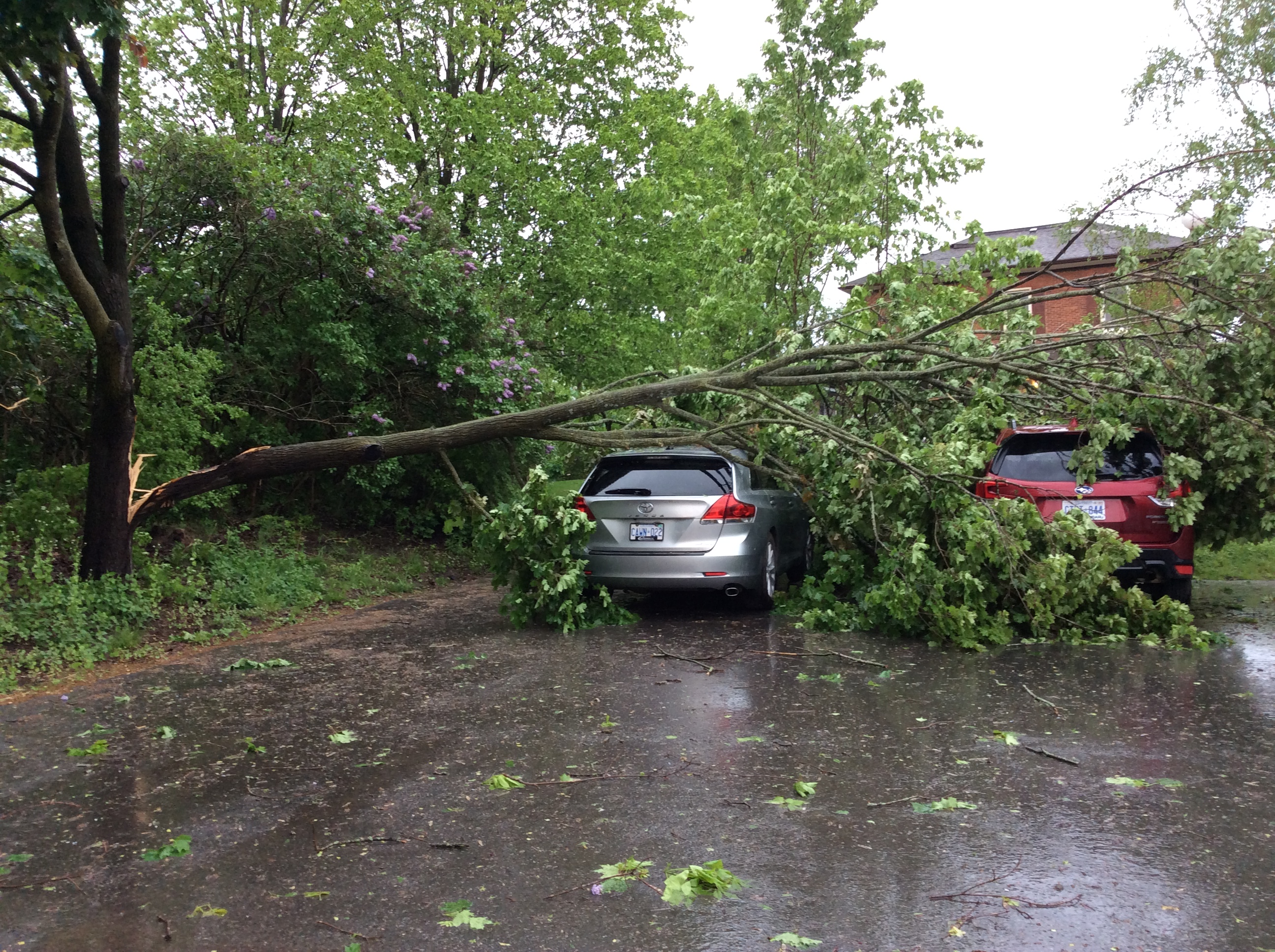


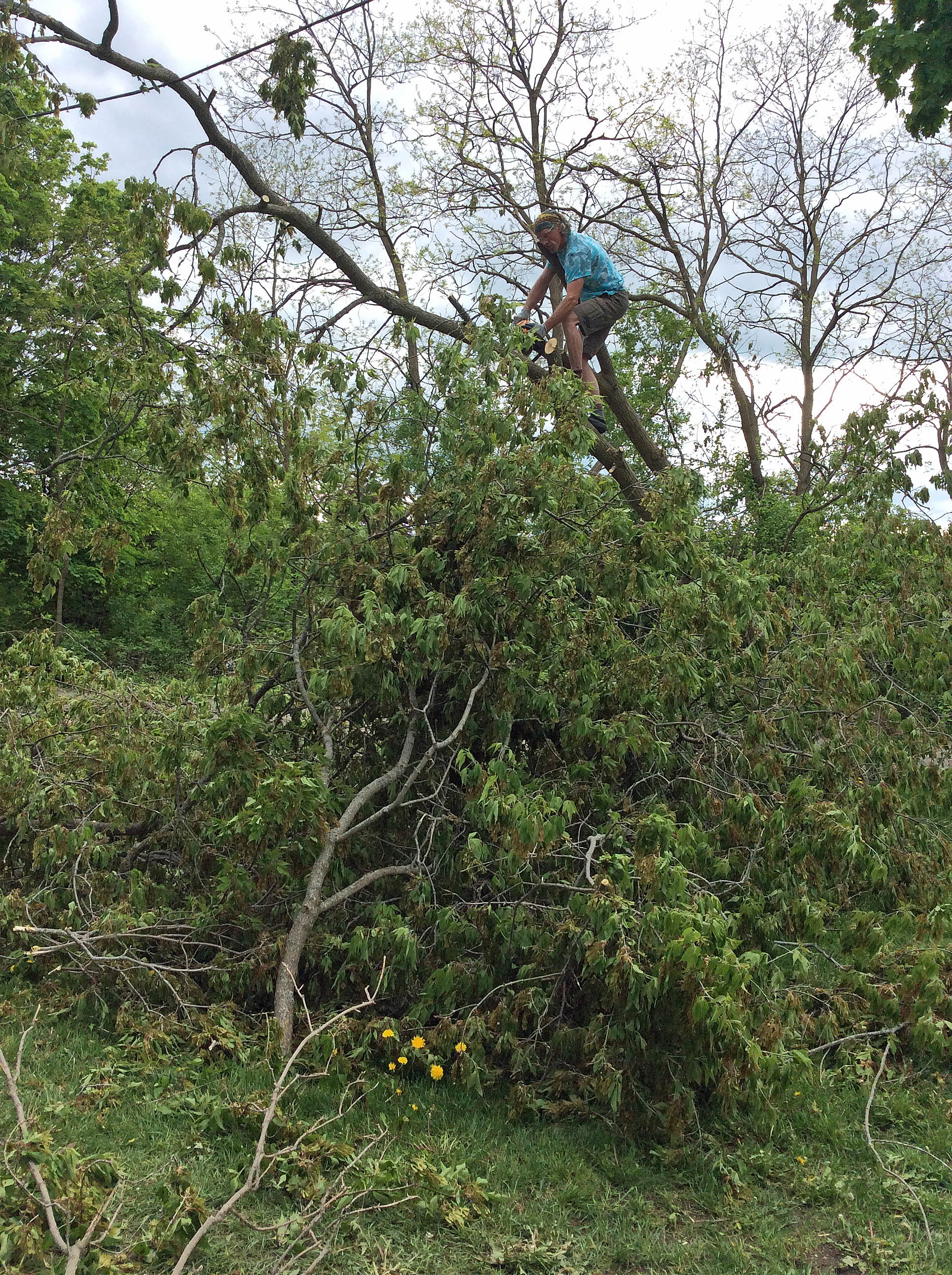





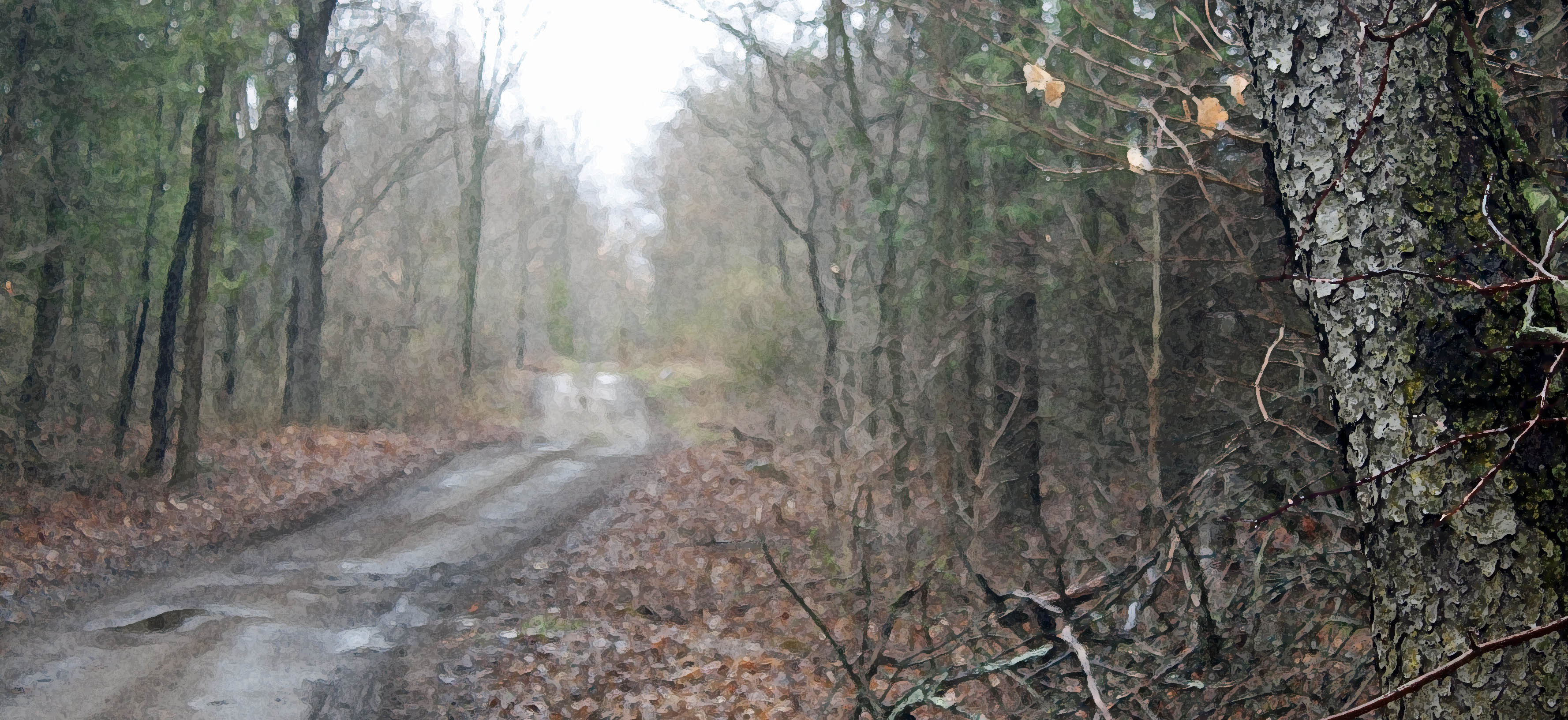


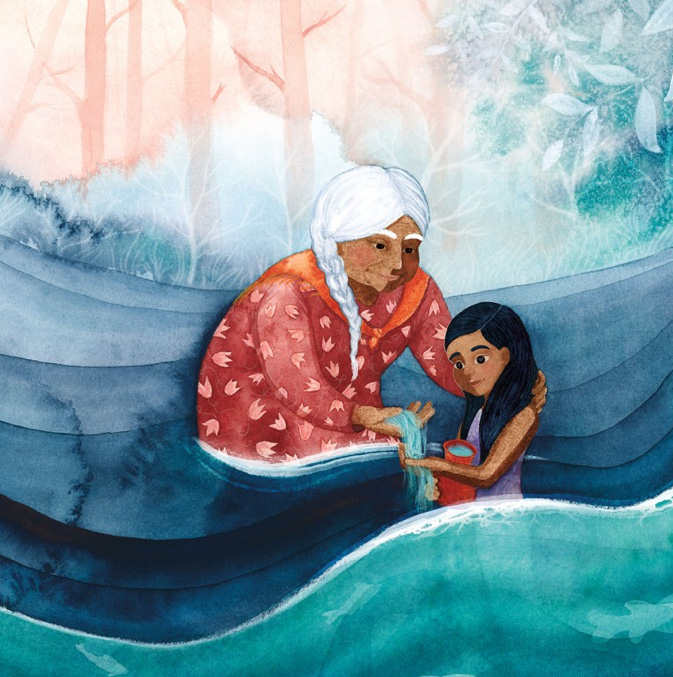


 Nina Munteanu Writing Coach