Eco-Fiction As Hyperobject: Defining the Undefinable…

In two excellent articles in Climate Cultures entitled “A History of Eco-fiction, Part 1 and 2”, eco-fiction author and critic Mary Woodbury starts out with several rather long definitions of eco-fiction—one provided by Jim Dwyer in his 2010 book Where the Wild Books Are: A Field Guide to Eco-Fiction.

She also includes simpler descriptions. For instance, Ashland Creek Press calls it “fiction with a conscience,” and co-founder John Yunker insightfully labelled it a super-genre.

Woodbury then muses: “I think of eco-fiction as not so much a genre than as a way to intersect natural landscape, environmental issues, and wilderness—and human connection to these things—into any genre and make it come alive.” Not a fan of labels, she argues that eco-fiction is broad and has a rich history (of existence long before its label was coined in 1971 in the preface to an anthology by Washington Square Press) and brings up examples such as The Stolen Child by Victorian author and poet WB Yeats. “Eco-fiction has no boundaries in time or space,” argues Woodbury. “It can be set in the past, present, or future. It can be set in other worlds…I think of eco-fiction as a way to bring alive the wild in any genre, whether romance, adventure, mystery, you name it.”

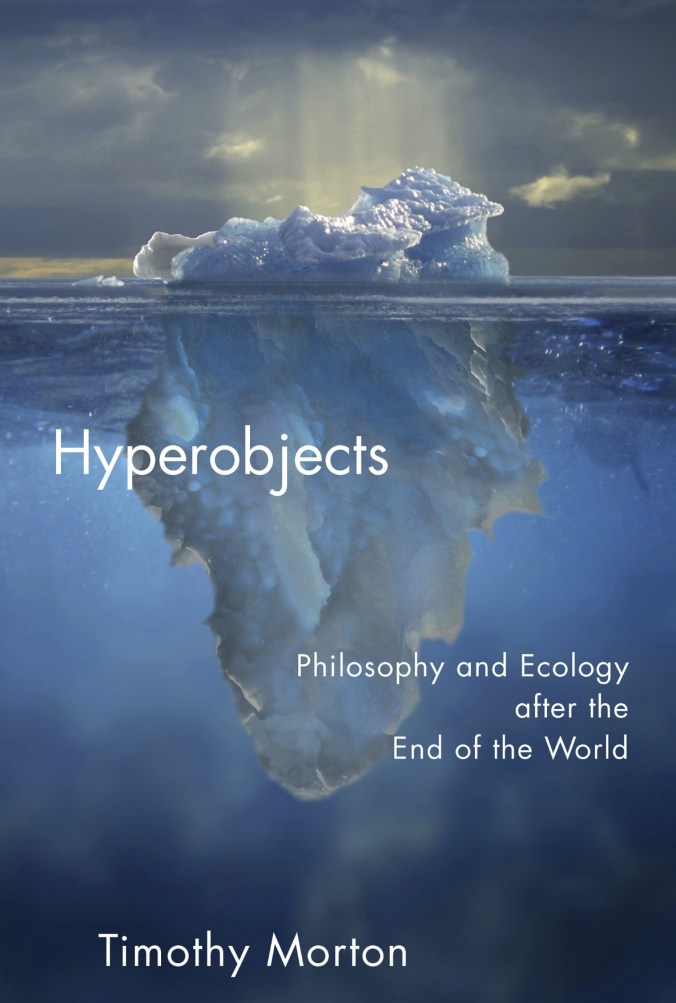
Eco-fiction—like climate change—is a hyperobject. In his 2014 book Hyperobjects, Timothy Morton explains that hyperobjects are immense, non-local entities that challenge our traditional understanding of objects; things so massively distributed in time and space that they defy human perception, given they exist beyond our immediate sensory grasp yet affecting us profoundly. Examples include anthropogenic global warming / climate change, but also pervasive phenomena, like plastic and oil, that have far reaching impacts beyond their simple physical presence.

My own definition (from a previous article in Solarpunk Magazine) embraces the hyperobject nature of eco-fiction: eco-fiction (short for ecological fiction) is a kind of fiction in which the environment—or one aspect of the environment—plays a major role in story, either as premise or as character. For instance, several of my eco-fiction stories give Water a voice as character. In my latest novel, A Diary in the Age of Water, each of the four women characters reflects on her relationship with water and, in turn, her view of and journey in a changing world.

Through its vision of our future, eco-fiction encourages conversations and an outward perspective. Eco-fiction can trigger a sense of wonder about the natural world; it may connect with our sense of loss or mourning—our solastalgia—for our changing home. Cautionary tales may nudge people to action and encourage alternative futures. By encouraging empathy and imagination, eco-fiction reaches deep into our souls, where we care. It is only when we care that we act.

A recent survey conducted by Woodbury revealed that, “Fiction exploring humanity’s impacts on nature is becoming more popular [and] has the distinct ability to creatively engage and appeal to readers’ emotions.” Woodbury’s 2020 survey showed that “88% of its participants were inspired to act after reading ecological fiction.”
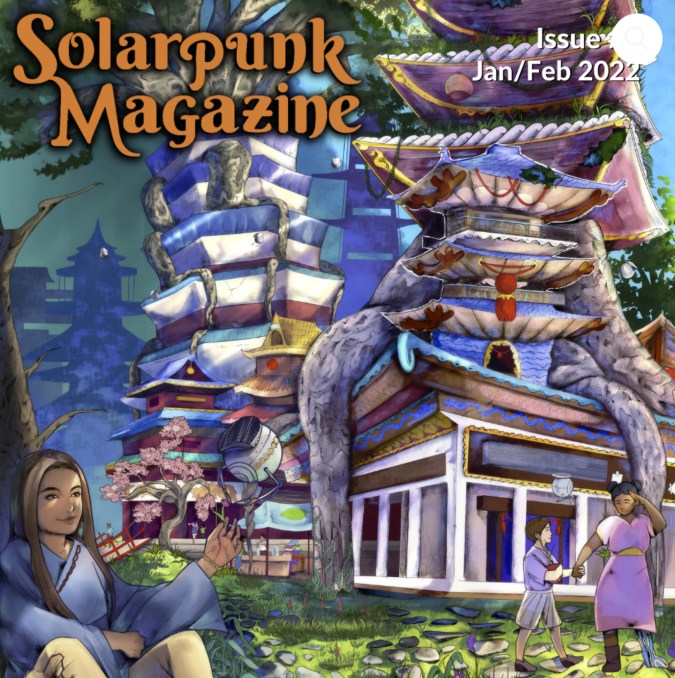
A few years ago, I wrote an article entitled “Why Ecofiction Will Save the World” which appeared in Issue #1 of Solarpunk Magazine. In it, I mentioned how I’d noticed in my university science fiction course that more and more students were bringing in WIPs on ecological and global environmental issues. Many of the stories involved a premise of environmental calamity, but not in the same vein as previous environmental disasters that depict “man” against Nature. Instead, these works gave the Earth or Nature (or an aspect of Nature) an actual voice—as a character—and had a protagonist who learns to interact with the Earth/Nature character, often cooperatively. This represents a palpable and gestalt cultural awakening of what eco-feminists have called the “feminine archetype” by providing a voice for “the other” in story.

This shift reflects what lies at the heart of eco-fiction.

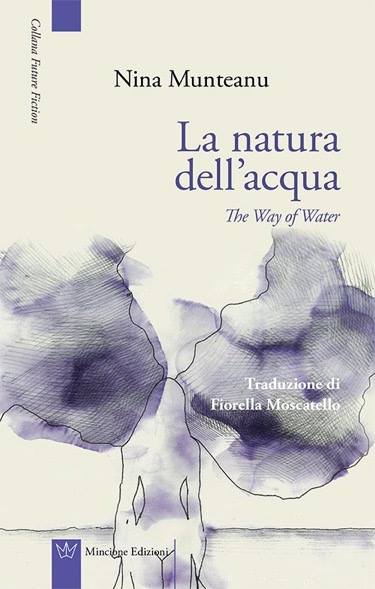
Eco-fiction explores the world and the consequences of humanity’s actions on the environment and ourselves (by inference) through dramatization. The stories that stir our hearts come from deep inside, through symbols, archetypes and metaphor, where the personal meets the universal. In my short story “The Way of Water” (“La natura dell’acqua”), water’s connection with love flows throughout the story:

They met in the lobby of a shabby downtown Toronto hotel. Hilda barely knew what she looked like but when Hanna entered the lobby through the front doors Hilda knew every bit of her. Hanna swept in like a stray summer rainstorm, beaming with the self-conscious optimism of someone who recognized a twin sister. She reminded Hilda of her first boyfriend, clutching flowers in one hand and chocolate in the other. When their eyes met, Hilda knew. For an instant, she knew all of Hanna. For an instant, she’d glimpsed eternity. What she didn’t know then was that it was love.

In a world of severe water scarcity through climate catastrophe and geopolitical oppression, the bond of these two girls—to each other through water and with water—is like the shifting covalent bond of a complex molecule, a bond that fuses a relationship of paradox linked to the paradoxical properties of water. Just as two water drops join, the two women find each other in the wasteland of environmental intrigue. Hilda’s relationship with Hanna—as with water—is both complex and shifting according to the bonds they make and break. Hilda navigates her dystopia by learning meaningful lessons—lessons that pertain directly to our reader in their current world. This is because the premise of a dystopia lies squarely in the present world. Good dystopias enlighten and suggest possibilities; they can warn and herald. At the very least, they incite the necessary conversation.

Our capacity—and need—to share stories is as old as our ancient beginnings. From the Paleolithic cave paintings of Lascaux to our blogs on the Internet, humanity has left a grand legacy of ‘story’ sharing. By providing context to knowledge, story moves us to care, to cherish, and, in turn, to act. What we cherish, we protect. It’s really that simple.

“Morton’s book is a queasily vertiginous quest to synthesize the still divergent fields of quantum theory (the weirdness of small objects) and relativity (the weirdness of big objects) and insert them into philosophy and art, which he notes are far behind ontologically speaking (page 150). Morton’s wager is that for the first time, we in the Anthropocene are able to see snapshots of hyperobjects, and that these intimations more or less will force us to undergo a radical reboot of our ontological toolkit and (finally) incorporate the weirdness of physics”—Cara Daggett
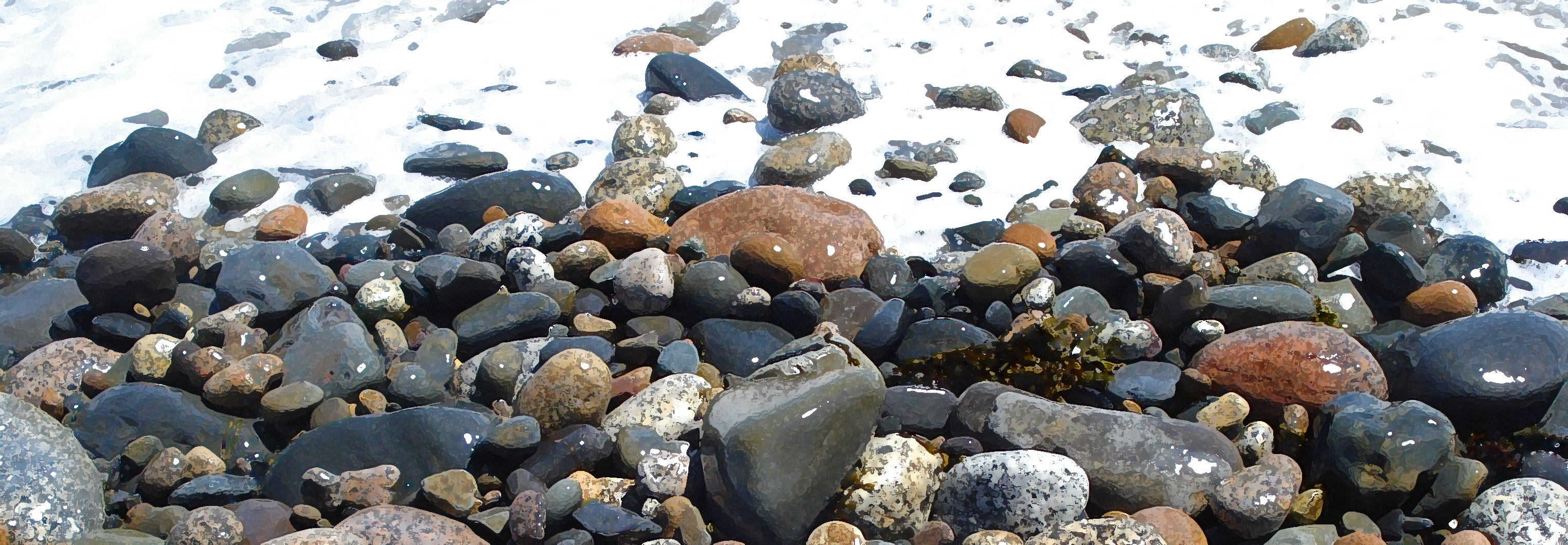
Hirtle Beach, Nova Scotia (photo and rendition by Nina Munteanu)

Nina Munteanu is an award-winning novelist and short story writer of eco-fiction, science fiction and fantasy. She also has three writing guides out: The Fiction WriterThe Journal Writer; and The Ecology of Writing and teaches fiction writing and technical writing at university and online. Check the Publications page on this site for a summary of what she has out there. Nina teaches writing at the University of Toronto and has been coaching fiction and non-fiction authors for over 20 years. You can find Nina’s short podcasts on writing on YouTube. Check out this site for more author advice from how to write a synopsis to finding your muse and the art and science of writing.

The Day We’re Not Allowed to Drink Water…

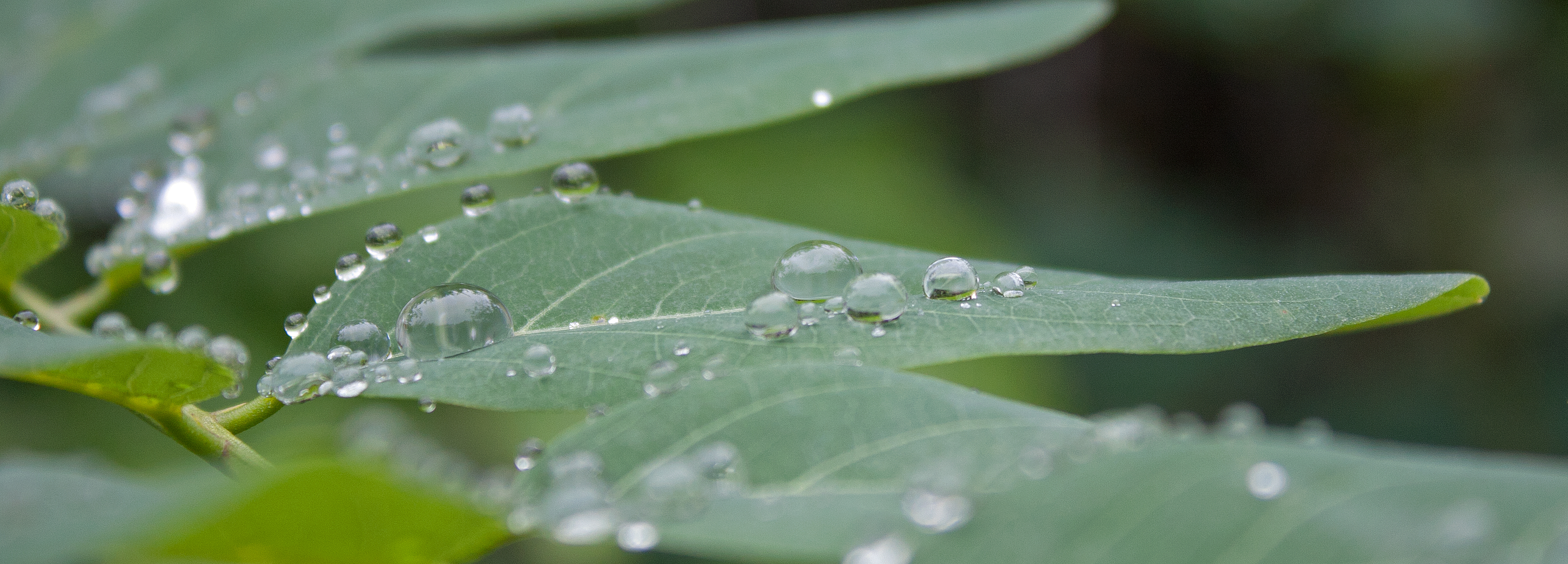
Dew drops on Hawkweed hairs, ON (photo by Nina Munteanu)

That day may seem like science fiction or the far future, but as William Gibson famously proclaimed, “The future is already here—it’s just not very evenly distributed.”

This is partly why I’ve been recently writing speculative (mundane) science fiction in which components of fiction blur with non-fiction. In a recent interview on the SolarPunk Magazine Podcast, I discussed with hosts Justine and Bria how my recent novel A Diary in the Age of Water blurred fiction with non-fiction. The novel achieved this through the use of a diary to create a gritty realism in a mundane narrative hard to put down. The intention was to achieve personal relevance for the reader to what was going on, particularly with climate change—a water-driven phenomenon. In The Temz Review, Marcie McCauley postulated that “[Munteanu] does not appear to view fiction and non-fiction as separate territories; or, if she does, then this book is a bridge between them.” I had to laugh when I read this; “she gets me,” I concluded.

In the near-future of A Diary in the Age of Water, Canada has privatized its water utilities after the Conservative Party comes into power, and a giant company called CanadaCorp removes municipal water connections from people’s homes and imposes strict water rations, all while selling off Canada’s precious water to US states like California that would otherwise be uninhabitable.

In her entry for July 13, 2049, Lynna the diarist writes:

“Today CanadaCorp announced that the collection of rainwater was illegal. As of today, I could be arrested for using my rain catcher and cistern. I’ve decided to continue using the cistern, and I’ve warned Hildegard not to breathe a word to anyone at school about what we’re doing with the water. Thankfully, I have time to train her in the art of subterfuge before she starts Grade Two in the fall.”

Nina Munteanu, A Diary in the Age of Water
Raindrops on a black locust leaf, ON (photo by Nina Munteanu)

What follows in the novel is complete commodification of water and further restrictions for citizens in the form of house tap closures and daily water quantity quotas from paying public water taps. No form of water is free or available without payment. And if you can’t pay, well…

Dizzy and shivering in the blistering heat, Hilda shuffles forward with the snaking line of people in the dusty square in front of University College where her mother used to teach. The sun beats down, crawling on her skin like an insect. She’s been standing for an hour in the queue for the public water tap… The man behind Hilda pushes her forward. She stumbles toward the tap and glances at the wCard in her blue-grey hand. Her skin resembles a dry riverbed.

Heart throbbing in her throat, Hilda fumbles with the card and finally gets it into the reader. The reader takes it. The light screams red. Her knees almost give out. She dreaded this day…

A tiny water drop hangs, trembling, from the wTap faucet mouth, as if considering which way to go: give in gravity and drop onto the dusty ground or defy it and cling to the inside of the tap. Hilda lunges forward and touches the faucet mouth with her card to capture the drop. Then she laps up the single drop with her tongue. She thinks of Hanna and her throat tightens.

The man behind her grunts. He barrels forward and violently shoves her aside. Hilda stumbles away from the long queue in a daze. The brute gruffly pulls out her useless card and tosses it to her. She misses it and the card flutters like a dead leaf to the ground at her feet. The man shoves his own card into the pay slot. Hilda watches the water gurgle into his plastic container. He is sloppy and some of the water splashes out of his container, raining on the ground. Hilda stares as the water bounces off the parched pavement before finally pooling. The ache in her throat burns like sandpaper and she wavers on her feet. The lineup tightens, as if the people fear she might cut back in. She stares at the water pooling on the ground, glistening into a million stars in the sunlight…and knows she is dying of thirst…

Nina Munteanu, The Way of Water / la natura dell’acqua

This excerpt from my bilingual short story “The Way of Water / la natura dell’acqua” (Mincione Edizioni, 2016) follows the life of Hilda Dresden, daughter of Lynna, the diarist in “A Diary in the Age of Water.”

Science fiction, you think…

Far future, you think…

Think again…

In 2010, Mike Adams of Natural News reported that collecting rainwater was now illegal in several states of the USA. Utah, Washington and Colorado had outlawed individuals from collecting rainwater on their own properties because, according to officials, that rain belonged to someone else.

In 2015, thousands of citizens in two of America’s poorest cities, Detroit and Baltimore, had their water shut off for being behind on their water bills (which had been sharply increased).

Both are inhumane examples of government-imposed oppression over what should be a public and free resource: water.

Dew drops on hawkweed hairs and Mealy Pixie Cup lichens, ON (photo by Nina Munteanu)

Maude Barlow, the Chairperson of the Council of Canadians, writes in Boiling Point of the water crisis in Canada—perhaps our best kept secret, considering that Canada is supposedly so water-rich. Are we giving it all away? And what of our indigenous communities, some of whom have not had potable water for decades?

So, I agree with Gibson about the future not being evenly distributed. This is because the present isn’t evenly distributed. Much of this disparity arises from an extractive and exploitive mentality and practice. One that commodifies what needs to remain free and available for all users. Capitalism ensures an uneven future by focusing on fear and stressing competition, separation, and exclusion.

In his book Designing Regenerative Cultures Daniel Christian Wahl talks about changing our evolutionary narrative from one based on fear defined by a perception of scarcity, competition, and separation to one based on love defined by a perception of abundance, a sense of belonging, collaboration and inclusion.

And moving forward we can take a lesson from Robin Wall Kimmerer, author of Braiding Sweetgrass, who talks about a gift economy—an economy of abundance—whose basis lies in recognizing the value of kindness, sharing, and gratitude in an impermanent world.

This is what she says: “Climate change is a product of this extractive economy and is forcing us to confront the inevitable outcome of our consumptive lifestyle, genuine scarcity for which the market has no remedy. Indigenous story traditions are full of these cautionary teachings. When the gift is dishonored, the outcome is always material as well as spiritual. Disrespect the water and the springs dry up. Waste the corn and the garden grows barren. Regenerative economies which cherish and reciprocate the gift are the only path forward. To replenish the possibility of mutual flourishing, for birds and berries and people, we need an economy that shares the gifts of the Earth, following the lead of our oldest teachers, the plants.”

So, “The Day We’re Not Allowed to Drink Water…”

…Let that day never come.

Make it so…

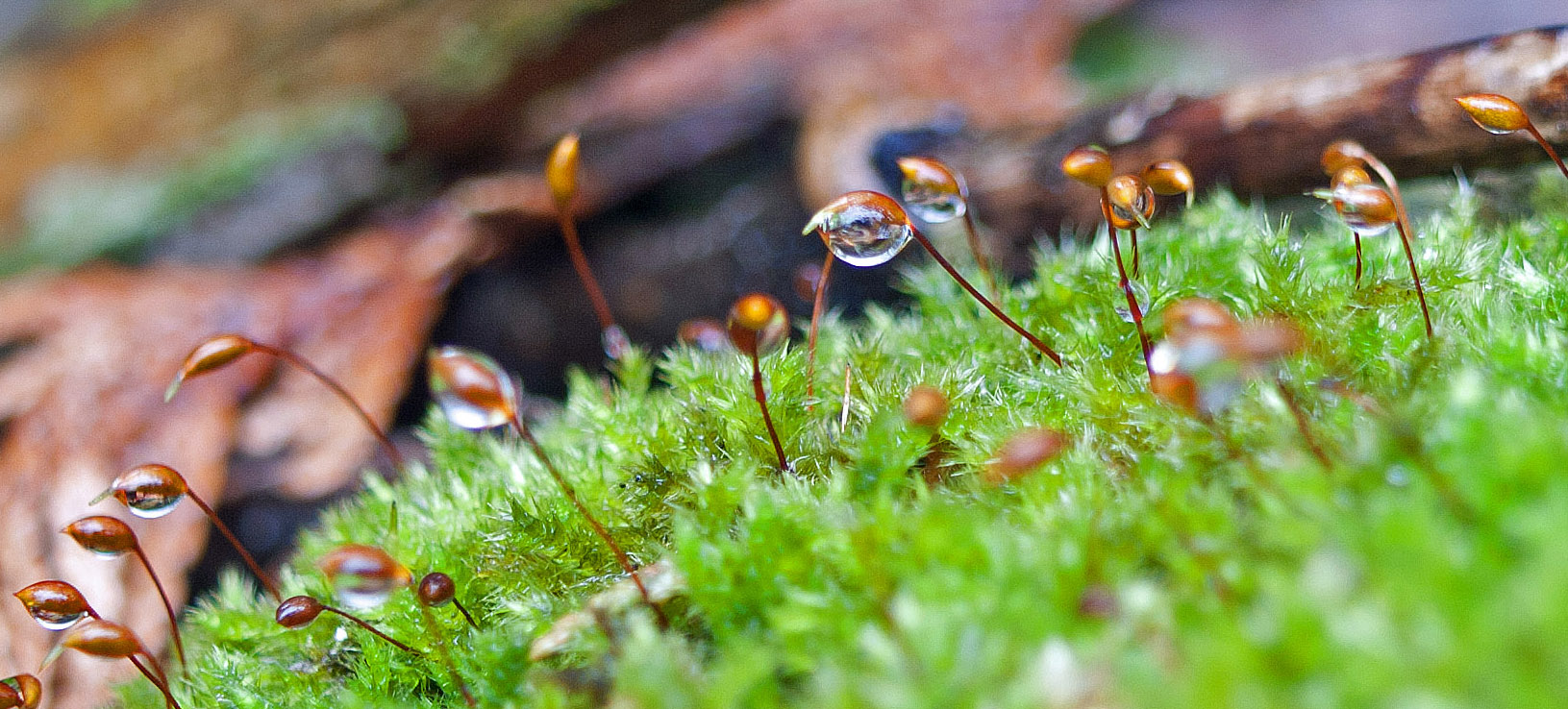
Moss with raindrops on capsules, ON (photo by Nina Munteanu)

References:

Barlow, Maude. 2016. “Boiling Point: Government Neglect, Corporate Abuse, and Canada’s Water Crisis.” ECW Press, Toronto. 312pp.

Kimmerer, Robin Wall. 2020. “The Serviceberry, An Economy of Abundance.” Emergence Magazine, December 10, 2020.

Munteanu, Nina. 2016. “La natura dell’acqua / The Way of Water.” Mincione Edizioni, Roma. 114pp.

Munteanu, Nina. 2020. “A Diary in the Age of Water.” Inanna Publications, Toronto. 300pp.

Wahl, Daniel Christian. 2016. “Designing Regenerative Cultures.” Triarchy Press Ltd. 288pp.

Raindrops ‘float’ on a black locust leaf in a light rain, ON (photo by Nina Munteanu)


Nina Munteanu is a Canadian ecologist / limnologist and novelist. She is co-editor of Europa SF and currently teaches writing courses at George Brown College and the University of Toronto. Visit www.ninamunteanu.ca for the latest on her books. Nina’s bilingual “La natura dell’acqua / The Way of Water” was published by Mincione Edizioni in Rome. Her non-fiction book “Water Is…” by Pixl Press(Vancouver) was selected by Margaret Atwood in the New York Times ‘Year in Reading’ and was chosen as the 2017 Summer Read by Water Canada. Her novel “A Diary in the Age of Water” was released by Inanna Publications (Toronto) in June 2020.

On Writing Hopeful Dystopias and the Blur of Fiction with Non-Fiction

‘Hopeful dystopias’ are much more than an apparent oxymoron; they are in some fundamental way, the spearhead of the future—and ironically often a celebration of human spirit by shining a light through the darkness of disaster. I discussed this in a recent interview on Solarpunk Futures Podcast.

In a recent interview on the CBC Radio show Ideas “Beyond Dystopia”, Canadian author Margaret Atwood (who penned the dystopic The Handmaid’s Tale and Maddaddam trilogy) said much the same thing. Atwood argued that dystopias and cautionary tales ultimately embrace an element of hope, through a character’s experience. Dystopias can serve as a road map for individual endurance, resilience, and triumph through disaster.

I talked with Solarpunk Futures about how the purposeful blur of fiction with non-fiction in my latest eco-novel A Diary in the Age of Water produced a heightened relevance to the dystopic journey for the reader.

Solarpunk: Your latest book is an eco-novel, or rather something of a fiction-nonfiction hybrid perhaps, called A Diary in the Age of Water. Tell us a bit about that novel and the role that water plays in the story.

Nina: A Diary in the Age of Water follows the climate-induced journey of Earth and humanity through four generations of women and their battles against a global giant that controls and manipulates Earth’s water. The book spans over forty years (from the 2020s to the 2060s) and into the far future, mostly through the diary of a limnologist, which is found by a future water-being. While A Diary in the Age of Water is a work of fiction, its premise and much of its story are firmly based on real events, people and phenomena. The dramatization of these through four main characters carry the reader into consequence and accountability. Water’s relationship with each character provides four different perspectives on the value of water to humanity—from the personal and practical to the spiritual and existential. For readers with an evidence-based approach to learning about water’s importance, the diarist provides interesting facts on water in each of her entries in the form of epigraphs (mostly from Robert Wetzel’s Limnology). Things like: watershed, hypolimnion, aquifer, thalweg, clapotis gaufre, and petrichor, to name a few…

I chose a diary format to purposely blur the fiction with non-fiction. I was writing about both the far and the near future and much of it was based—like Margaret Atwood and her books—on real events and real people. I wanted personal relevance to what was going on, particularly with climate change. I also wanted to achieve a gritty realism of “the mundane” and a diary felt right. Lynna—the diarist—is a reclusive inexpressive character, so I thought a personal diary would help bring out her thoughts and feelings. There’s nothing like eves-dropping to make the mundane exciting. The diary-aspect of the book characterizes it as “mundane science fiction” by presenting an “ordinary” setting for characters to play out. The tension arises from insidious cumulative events and circumstances that slowly grow into something incendiary. The real events are the fuel that incite a slow-burn fictional drama that blurs the reader’s perception of reality and heightens its relevance.

Solarpunk: Can you give us an example of an event in your book where the lines between fiction and nonfiction get blurred?

Nina: In the diary entry entitled “Watershed,”, for July 14, 2049, Lynna writes:

Today, CanadaCorp announced that the collection of rainwater was illegal. As of today, I could be arrested for using my rain catcher and cistern. I’ve decided to continue using the cistern, and I’ve warned Hildegard not to breathe a word to anyone at school about what we’re doing with the water. Thankfully, I have time to train her in the art of subterfuge before she starts Grade Two in the fall.

What follows in the story is a series of greater water restrictions that mimic some of the currenet ongoing scenarios in other parts of the world (e.g. illegal rainwater collection in parts of the USA; shutting down of home water taps in Detroit; required and restricted water collection at public water taps in parts of the world).

Lynna’s August 13, 2051 diary entry in my 2020 novel seemed to predict the atmospheric river disaster that befell British Columbia in November 2021:

In the mid- to late-twenties the west coast succumbed to massive atmospheric river storms. San Francisco. Los Angeles. Seattle. Even earthquakes seemed to follow climate change’s lead. The earthquake / tsunami that hit Vancouver Island in 2029 shifted the Earth’s axis by three inches, Daniel informed me. The American military stormed over the border with swift aid. “Did you know that they never left?” Daniel asked me. I hadn’t known that. But I wasn’t surprised either.

Of course, these “predictions” were really just good research into the current scientific knowledge and what current circumstances may naturally generate in the future. I was just doing a good job at reading water.

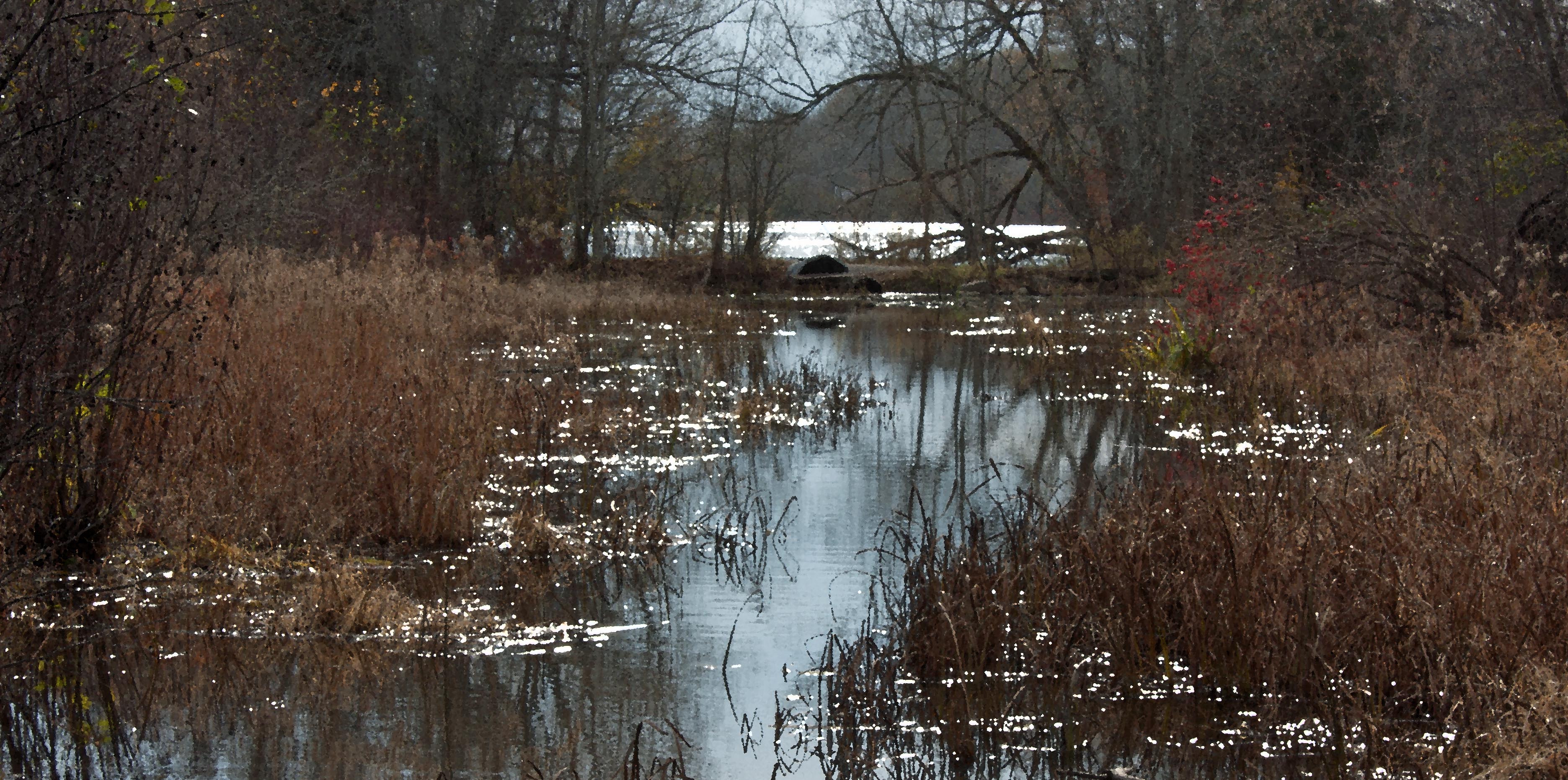
Thompson Creek marsh in early winter, ON (photo and rendition by Nina Munteanu)

Given that cli-fi features climate change, environmental destruction, and species extinction, you must think ‘how can it not be all doom and gloom?’ But dystopias often do reflect—in their depiction of terrible circumstance—an element of triumph, of overcoming adversity, and ultimately of hope. In fact, dystopias generally draw on a writer’s optimism; else, why would we write these cautionary tales? A strong belief in humanity underlies much of eco-fiction. Solarpunk is a rising light of eco-fiction that has emerged recently in response to the denial-despair dilemma many of us face when we think of climate change. This kind of eco-fiction features ingenuity, generativity, independence, and community. And it ultimately leads us through it all toward the light. A Diary in the Age of Water is in fact a dystopia with elements of solarpunk.

You can listen to the entire podcast interview on Solarpunk Futures: Imagining a New World here.

Thompson Creek Marsh in early winter, ON (photo and rendition by Nina Munteanu)

Nina Munteanu is a Canadian ecologist / limnologist and novelist. She is co-editor of Europa SF and currently teaches writing courses at George Brown College and the University of Toronto. Visit www.ninamunteanu.ca for the latest on her books. Nina’s bilingual “La natura dell’acqua / The Way of Water” was published by Mincione Edizioni in Rome. Her non-fiction book “Water Is…” by Pixl Press(Vancouver) was selected by Margaret Atwood in the New York Times ‘Year in Reading’ and was chosen as the 2017 Summer Read by Water Canada. Her novel “A Diary in the Age of Water” was released by Inanna Publications (Toronto) in June 2020.