A Diary in the Age of Water Featured in PhD Thesis on Heterogenous Being

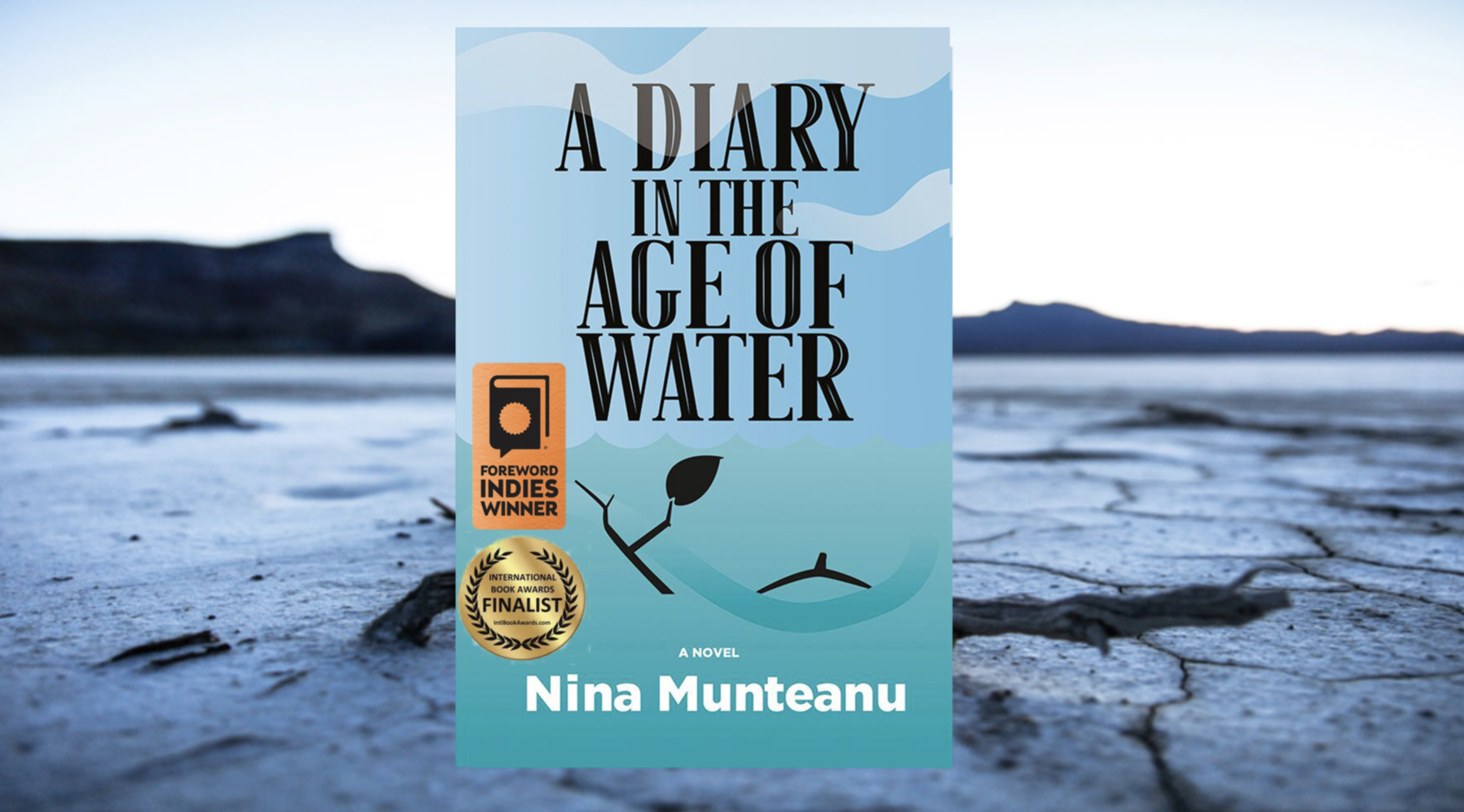
My eco-fiction novel A Diary in the Age of Water was recently discussed in a 2025 PhD thesis by Steven L. Ogden out of the University of Albany, State University of New York entitled: “Heterogenous Being: The Inhumanities and the Creative-Scientific Aesthetic.” I was fascinated by his stirring, well-researched dissertation that explored the dichotomous narrative separating human with non-human. A narrative that is changing—though very slowly.

Ogden’s PhD thesis advances a hybrid form of inquiry on “Heterogenous Being”1 that links the sciences with humanities to address the precarious realities of Earth’s ecological and environmental conditions; he does this by acknowledging the influences and agented potentialities of nonhuman subjects in narrative, both in fiction and nonfiction. “… these inhuman2 examinations not only provide the nonhuman with a comparable or more profound existence alongside our own; they also illustrate the immense and consequential scope of our collective realities,” writes Ogden.

Ogden is, of course, referring to the prevalent historic use of ‘othering’ vs. providing agency to environmental ‘characters’ in novel writing. I write about this in my two articles on character-coupling.

Othering in Literature

The rhetoric of ‘Otherness’ in most fiction is typically portrayed through the singular point of view (POV) and discourse of a protagonist on a journey.3 In most forms of literature the POV ‘voice’ represents the Self, the inclusive ‘us’ (worldview) in its encounter with the Other, which in turn is the ‘not us.’ In his book Orientalism: Western Conceptions of the Orient Edward W. Said contended that for there to even be an ‘us’, there has to be a ‘not-us’. The resulting power dynamic of “them and us,” of Other and Self, is created and controlled by perceptions of the singular POV voice.

In most genres of literature, the Other is often relegated to this dichotomous portrayal. In post-apocalyptic and metaphoric journey stories the Other may be the harsh environment or a calamity through which the protagonist must find their own strength to survive; in military stories it is clearly the enemy, seldom portrayed with compassion or understanding but there to test our hero; in coming-of-age stories it may be the oppressive rule or established world the hero must overcome; in science fiction it may be the hostile or unknowable aliens who must be defeated.

The irony of this way of thinking is made clear in Ogden’s introduction. Ogden writes that “like René Descartes, many today still consider the mind or “rational soul” of humanity to be entirely exceptional to and independent of animality, and believe no part of Man (as master and possessor of nature) could derive from the “potentiality of [nonhuman] matter.” He quotes Donna Haraway (author of When Species Meet) who said that “to exist as an individual is always to become with many.” She is talking about the thousands of species living symbiotically inside us and around us that keep us alive. This is what philosopher Levi Bryant refers to as a democracy of objects in which “humans are no longer monarchs of being, but are instead among beings … and implicated in other beings.” We are entangled in beings. We are implicated in other beings.

Through this new paradigm and approach, Ogden contends that “no longer can anthropogenic issues of climate change, trash vortices, deforestation, synthetic pollution, effluence, nuclear waste isolation, or species extinction be concealed from the majority of literary imaginings. Because as the trajectory of once passive, ancillary things and forces find an arena of greater articulation, the Anthropocene becomes an epoch whose hazards affect more than its namesake. Readers are afforded a larger moral and literary connectedness to a greater variety of relatable nonhuman subjects in the throes of this crisis, with that inhuman accordance likewise enlarging the terrains of their own ontological and epistemological perspectives as an ecomimetic strategy furthers the understanding of the nonhuman with each varied literary elaboration.” He adds that the “massive temporal and spatial persistence/distribution of anthropogenic nonhuman ‘hyperobjects’ like plastics, polychlorinated biphenyls (PCBs), per- and polyfluoroalkyl substances (PFAS), or nuclear waste expands the probable aesthetic and political/ethical dimensions of the creative arts.”

Ogden concludes that in such a space of consideration (an allied creative-scientific aesthetic), an intermediacy is established between the literary arts and sciences in which “principal methods, qualities, and philosophies are openly exchanged, and a multimodal expression links the realms of simplified rationalism with pure allegory into a compounded composition of metaphor and description, myth and science, characterization and cause-and-effect, and poetic reveries and empirical rationalism.” This greater perspective expand dynamic probabilities for the inhuman world to experience agency and greater and more meaningful presence, what Ogden calls “a necessary heterogenous representation of both humans and nonhumans within the collective scientific and literary imagination…towards a more meaningful and affective realization.”

How Eco-Fiction Empowers & Animates Nonhuman Subjects

While eco-literature overlaps with many genres, it appears to differ from SF and other genres portrayal of Other through its unique intention to give voice to otherwise voiceless characters, and it often does this through masterful use of character-coupling. Mary Woodbury defines eco-literature or eco-fiction as literature “made up of fictional tales that reflect important connections, dependencies, and interactions between people and their natural environments.” The environment—or an aspect of the environment—plays a major role in eco-literature, either as premise or as itself a character on a journey.

Eco-literature may go beyond raising awareness to link environmental abuse with concepts of jingoistic hubris; it may raise issues of human intersectionality, misogyny, marginalization, oppression of class, privilege, sexuality and race, and misuse of power. Violent acts perpetrated on environment—when environment is personified as ‘character’ and/or coupled directly to a character—elicit powerful emotion and clearly demonstrate how social/human injustice reflects environmental injustice.

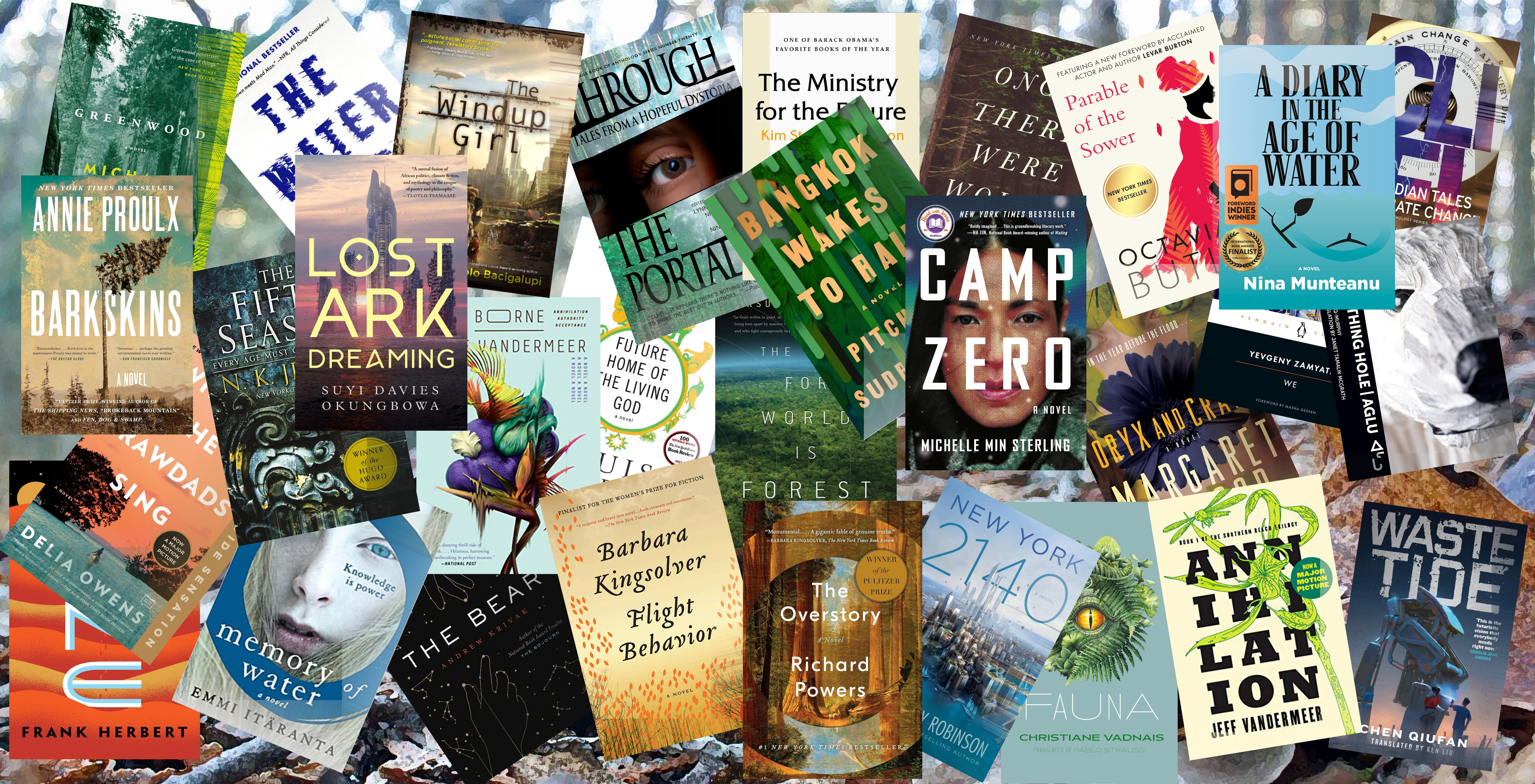
Eco-literature is particularly poised to make meaningful character-couplings between mostly human protagonist and environmental characters or representatives. This is because the protagonist provides relatable qualities for easy reader empathy, while the Othered character is often less relatable—often an arcane aspect of the environment, such as water (Memory of Water) or a forest (The Overstory). The protagonist’s link to the Other—often as avatar—provides a readable map for the reader to follow and make their own connection. In Character Coupling Part 2, I provide examples from several works of eco-fiction, such as The Overstory, Barkskins, The Breathing Hole, The Wiindup Girl, The Bear, Memory of Water, and Dune.

A Changing Narrative

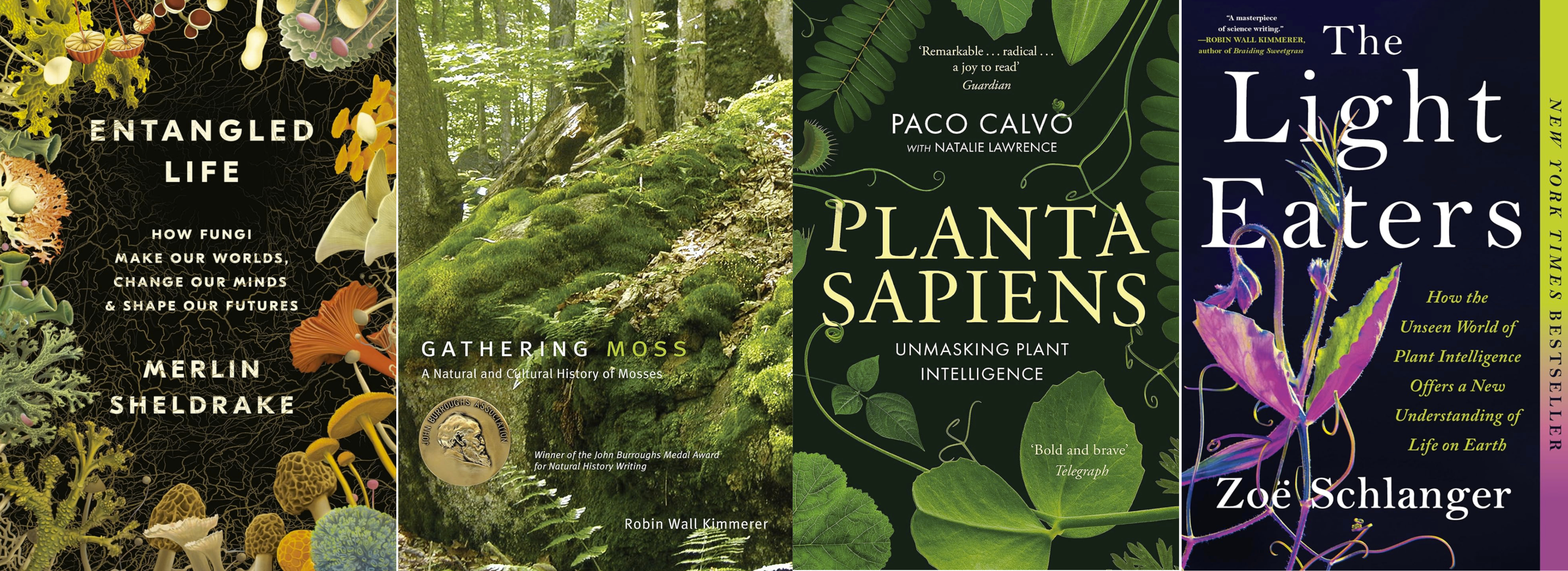
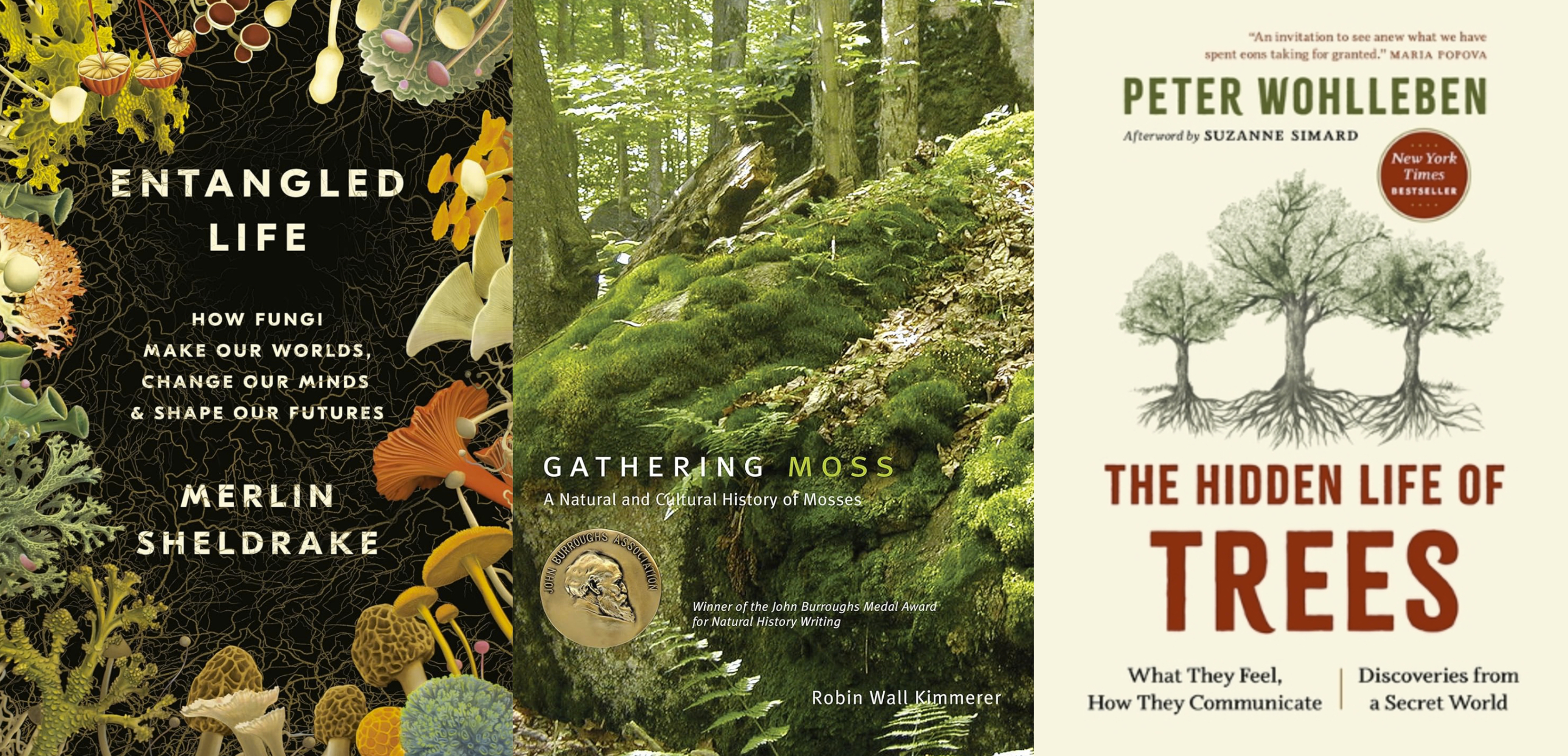
Acknowledging the early influences of animal studies rooted in biocentricity  (e.g. Carl Safina, Ogden notes that non-fiction representation of nonhuman life has increased exponentially in the last ten years. Ogden includes the following notable examples: Merlin Sheldrake’s Entangled Life: How Fungi Make Our Worlds; Robin Wall Kimmerer’s Gathering Moss, and Peter Wohlleben’s The Hidden Life of Trees.

In fiction, Ogden focuses primarily on the narrative of Overstory by Richard Powers but touches on other works such as Jeff VanderMeer’s writing. Says Ogden: “What moves The Overstory’s utilization of personification (of trees) … beyond some simple allegorical misconcention of dendrological and botanical being is that the provided anecdote of a tree’s agency in the development of soil, weather, and atmosphere is entirely factual.”

Ogden notes that “Nina Munteanu’s A Diary in the Age of Water brings the seemingly mundane and inconsequential (what Emanuele Coccia refers to as “residual” objects) to the imaginary forefront within creative-scientific writing…In Munteanu’s limnological characterization of freshwater bodies…[this] creative-scientific work of literature enlarges and redevelops the hierarchy of the taxaonomic ranks originally set out by animal studies. [It] increases the principal tenet of the discipline’s genealogy to include the greater part of all biological (and even inorganic) life in its inhuman narrative.”

Giving Voice to Plants ‘Othered’ to Silence

On looking more closely to the multiform agencies of plants, Ogden returns to Powers’ reference of a “gospel of new forestry”, and asserts that “whether it’s the writings of Suzanne Simard, Robin Wall Kimmerer, Emanuele Coccia, Michael Pollan, or Peter Wohlleben, the assumed contemporary bibliographic references in Powers’ novel alone illustrate the author’s appropriation of this gospel of new forestry. Ogden then adds: “These are creative-scientific hybrid forms and metamorphic figurations that have allowed the agency, narrative, and story of the plant world to become more meaningfully articulated, recognized, and appreciated in the modern moment. They are the informed meldings/hybridities (the issuances of comparative figurations, temporalities, and subjectivities of nonhuman agency) that stand as the antecedents of new and emergent metamorphic texts like The Overstory, and which “shift the terms of representation away from human subjectivity” by embedding new species into the storytelling process.”

Ogden argues that “Like Richard Powers and other creative-scientific writers, Westerford (Powers’s own character in The Overstory) understands climate and biodiversity are ‘failing precisely because no [story] can make the contest for the world seem as compelling as the struggles between a few lost people.’” She realizes that her peers believe plants live an inanimate existence, whose rooted immobility points to a kind of “unfreedom” that represents an “archetype of inert matter.” According to poet David Hinton, this devaluation of plant life relates to the human-nonhuman duality, “a Western dichotomy that relegates the vegetal world to a space of ‘linguistic silence.’”

This is the silence of ‘The Other.’

I further explore this specific narrative (of non-human agency, particularly of birds, plants, bryophytes and algae) in my upcoming novel (Re)Genesis. You’ll hear more about that book in later posts.

Footnotes:

  1. Ogden describes “Heterogenous Being” as a way of being that recognizes and incorporates humanity’s pluralized configurations with the nonhuman world by uniting the studies of science and humanities into an interdisciplinary hybrid creative-scientific aesthetic.
  2. Ogden explains the use of “inhuman” here by referring to Jeffrey Jerome Cohen’s notes in Stone: An Ecology of the Inhuman, which uses inhuman to “emphasize both difference (‘in-‘ as negative prefix) and intimacy (‘in-‘ as indicator of estranged interiority).” This is akin to the practice of “othering”.
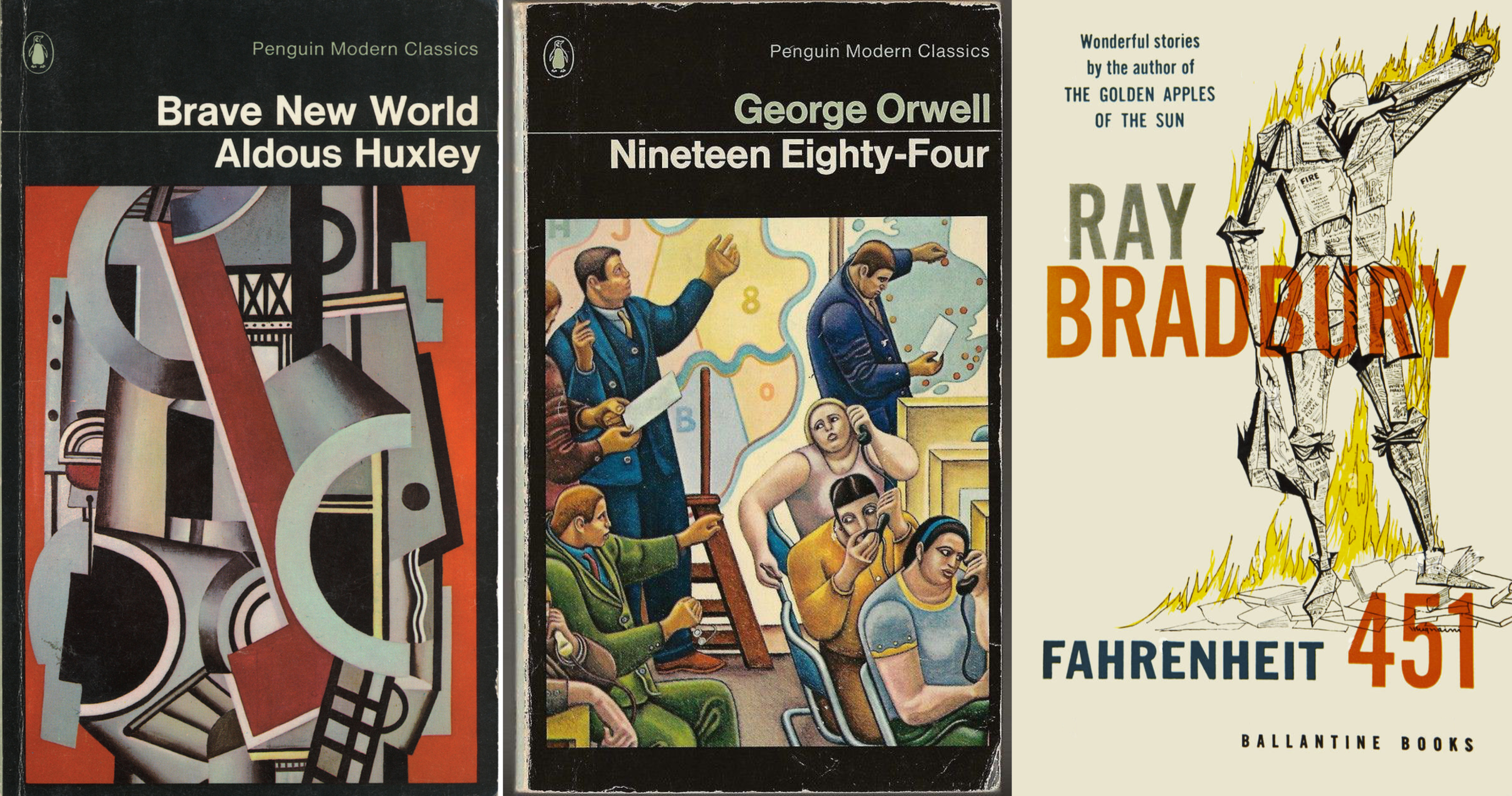
  3. The Other has often been metaphorically portrayed in SF by aliens that lack a distinct voice or viewpoint; some portrayal has reflected a fearful imperialistic colonialism by representing Other as adversary such as an invading monster with no regard for humans (e.g. Robert Heinlein’s The Number of the Beast; H.G. Wells’s War of the Worlds). Kerslake argues that the traits of the Other “fall characteristically—and conveniently—into those spaces we choose not to recognize in ourselves, the ‘half-imagined, half-known: monsters, devils, heroes, terrors, pleasures, desires’ of Said’s ‘Orient’”. The Martians of Ray Bradbury’s Martian Chronicleswho also have no voice—reflect our indigenous peoples under the yoke of settler colonialism and an exploitive resource-extraction mindset. The monster of Mary Shelley’s Frankenstein —also with no voice—exemplifies the disabled/deformed unsavory departure from our ‘perfect’ self-image; to be chased, destroyed and nullified.  
  4. In some stories the protagonist is Othered in some way, providing a more direct link to the experience of being the Other or being Othered. For instance, in Mishell Baker’s Borderline, disabled protagonist Millie provides the connection to the greater theme of Othering “lesser beings.” In Costi Gurgu’s Recipearium, the protagonists are not human; they are alien creatures that dwell inside the dead carcass of a monster, representing Other as main character. 

References:

Descartes, Rene, et. al. 1998. “Discourse on the Method; and Meditations on First Philosophy.” Hacket Pub.

Haraway, Donna Jeanne. 2008. “When Species Meet.” University of Minnesota Press.

Hinton, David. 2012. “Hunger Mountain.” Shambhala.

Latour, Bruno. 2017. “Facing Gaia: Eight Lectures on the New Climatic Regime.” Polity.

Marder, Micheal. 2013. “Plant-Thinking: A Philosophy of Vegetal Life.” Columbia University Press.

Morton, Timothy. 2013. “Hyperobjects: Philosophy and Ecology after the End of the World.” University of Minnesota Press.

Munteanu, Nina. 2020. “A Diary in the Age of WaterInanna Publications, Toronto. 328pp.

Munteanu, Nina. 2024. “The Use of Character-Coupling in Eco-Literature to Give Voice to the Other, Part 1: Introduction” February 18, 2024.

Munteanu, Nina. 2024. “The Use of Character-Coupling in Eco-Literature to Give Voice to the Other, Part 2: Types of Character-Coupling in Seven Examples of Eco-Literature” February 2024.

Ogden, Steven L. 2025. “Heterogenous Being: The Inhumanities and the Creative-Scientific Aesthetic.” A Dissertation submitted to the University at Albany, State University of New York in partial fulfillment of the requirements for the Degree of Doctor of Philosophy. 207pp.

Powers, Richard. “The Overstory.” W.W. Norton & Company, New York. 2018. 502pp.

Said, Edward W. “Orientalism: Western Conceptions of the Orient.” Vintage, London, 1978. 432pp.

Woodbury, Mary. “What is Eco-fiction?” Dragonfly.eco. 2016. https://dragonfly.eco/eco-fiction/ Accessed September 15, 2022.

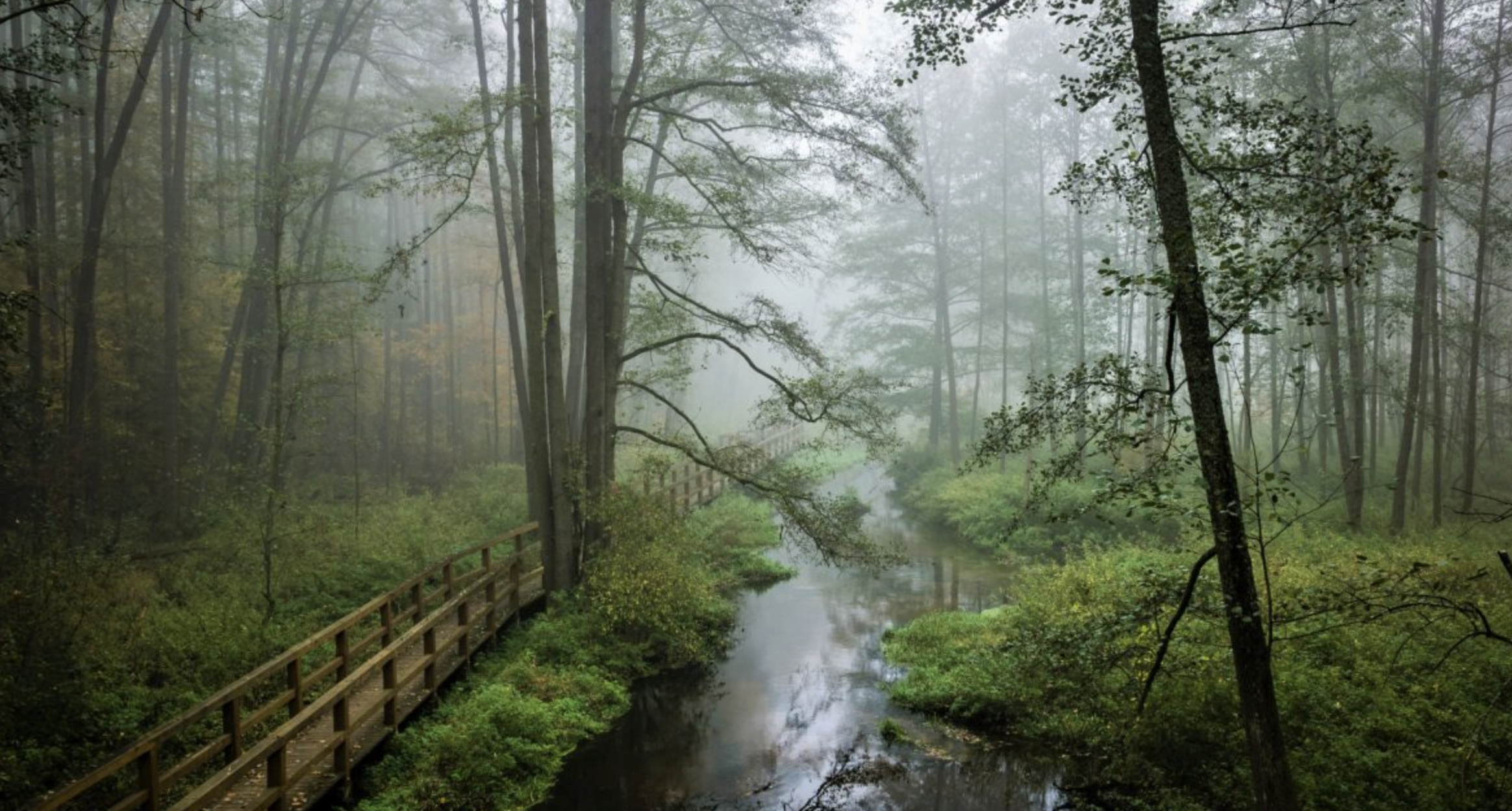
Mist over swelling spring stream, ON (photo and rendition by Nina Munteanu)

Nina Munteanu is a Canadian ecologist / limnologist and novelist. She is co-editor of Europa SF and currently teaches writing courses at George Brown College and the University of Toronto. For the lates on her books, visit www.ninamunteanu.ca. Nina’s bilingual “La natura dell’acqua / The Way of Water” was published by Mincione Edizioni in Rome. Her non-fiction book “Water Is…” by Pixl Press (Vancouver) was selected by Margaret Atwood in the New York Times ‘Year in Reading’ and was chosen as the 2017 Summer Read by Water Canada. Her novel “A Diary in the Age of Water” was released by Inanna Publications (Toronto) in June 2020. You can read her just released eco-fiction thriller Gaia’s Revolution by Dragon Moon Press.

“Lead Children”: The Heaviness of Poland under Communism

I recently discovered the Polish TV series Lead Children on Netflix—and pretty much binge-watched it. This gripping 6-episode series follows young Doctor Jolanta Wadowska-Król (played by Joanna Kulig) as she gradually uncovers and pieces together a mysterious health crisis that affects children living in the district of Szopienice (in the city of Katowice) dominated by a zinc / lead smelter.

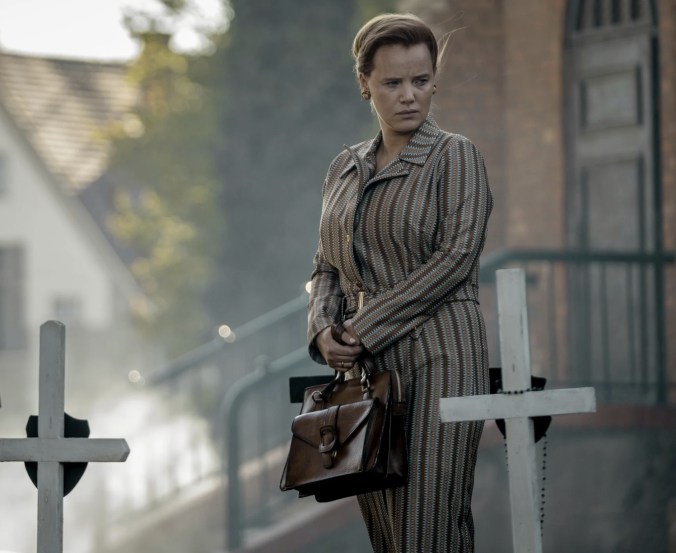
Jolanta stands at a Szopienice graveyard filled with children’s graves (“Lead Children”)

While the title gives away the subject matter of the series, episodes still unravel with insidious deliberation. In the first scene (after the flash forward) a young boy faints for no apparent reason, bringing our good doctor to his aid; in another scene Jolanta is wiping her filthy windows of black dust (from the nearby smelter) before visiting a pregnant mother with two anemic children who promptly gives birth to a stillborn child. We then move to a meeting of city officials who are deciding which factory Comrade General Secretary Brezhnev will visit and one official suggests the Szopienice Non-Ferrous Metal Works; the plant, he claims, has had “improvements and so forth,” that allowed it to exceed the plan for the past two months (the plan being Boleslaw Bierut’s Six-Year Plan started in 1950, for aggressively industrializing Poland through unrealistic production). All this sets the stage for a dark tale of treachery and brave but dangerous persistence to reveal the truth that will reach deep into your soul and squeeze until you are breathless.  

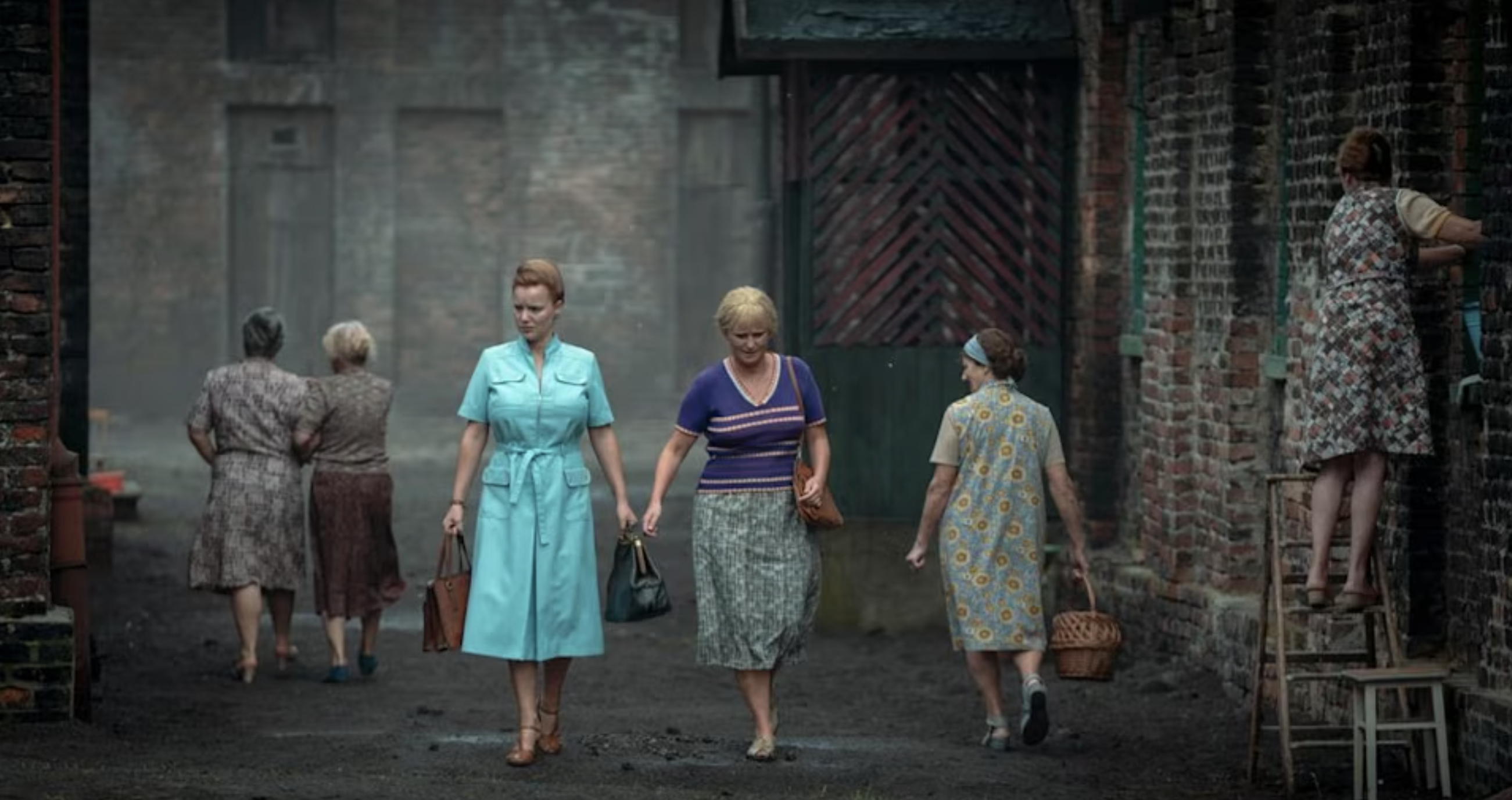
Doctor Jolanta Wadowska-Król and her assistant walk through the smelter district in “Lead Children”

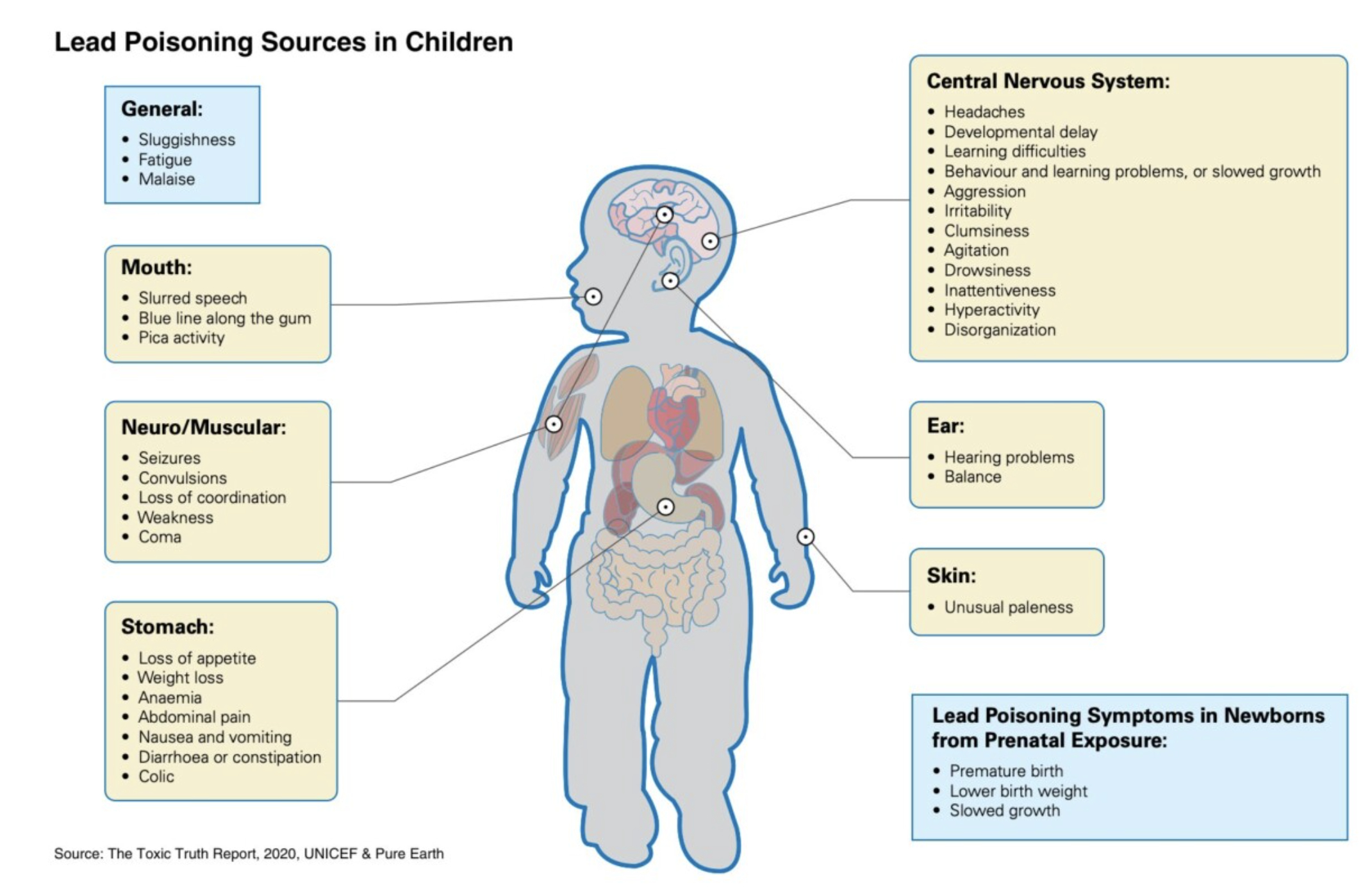
When local children begin showing signs of serious illness and developmental problems—high anemia (e.g. haemoglobin less than half normal), headaches, stomach pain, sluggishness, joint pain and muscle weakness, learning problems, hearing loss, irritability, vomiting, internal bleeding and seizures, enamel hypoplasia, blue gums—Jolanta pushes against what looks like a cover-up to investigate the unusual pattern of sicknesses.

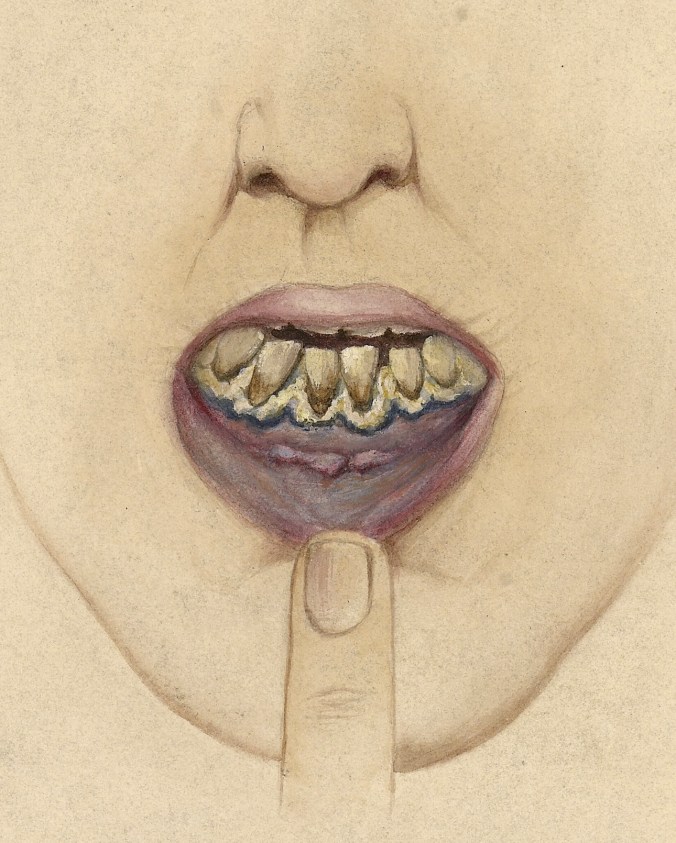
Jolanta recognizes the blue-black gum line in the children as a telltale sign of chronic lead toxicity. Known as “Burton’s line”, it is caused by a chemical reaction by a high level of lead in the child’s blood and sulfur-producing bacteria in the mouth. The interaction creates insoluble lead sulfide deposits in the gum tissue, typically near the gum margin. Jolanta links the poisoning to the lead emitted from the smelter in the Targowisko neighbourhood: in the dust, in the water and the ground where people keep their gardens and children play.

Watercolour drawing of the mouth and gums of a woman who worked in a lead-mill. There is saturnine impregnation with a well-marked Burton’s line and a blue stain on the buccal membrane opposite (source: Wikipedia)

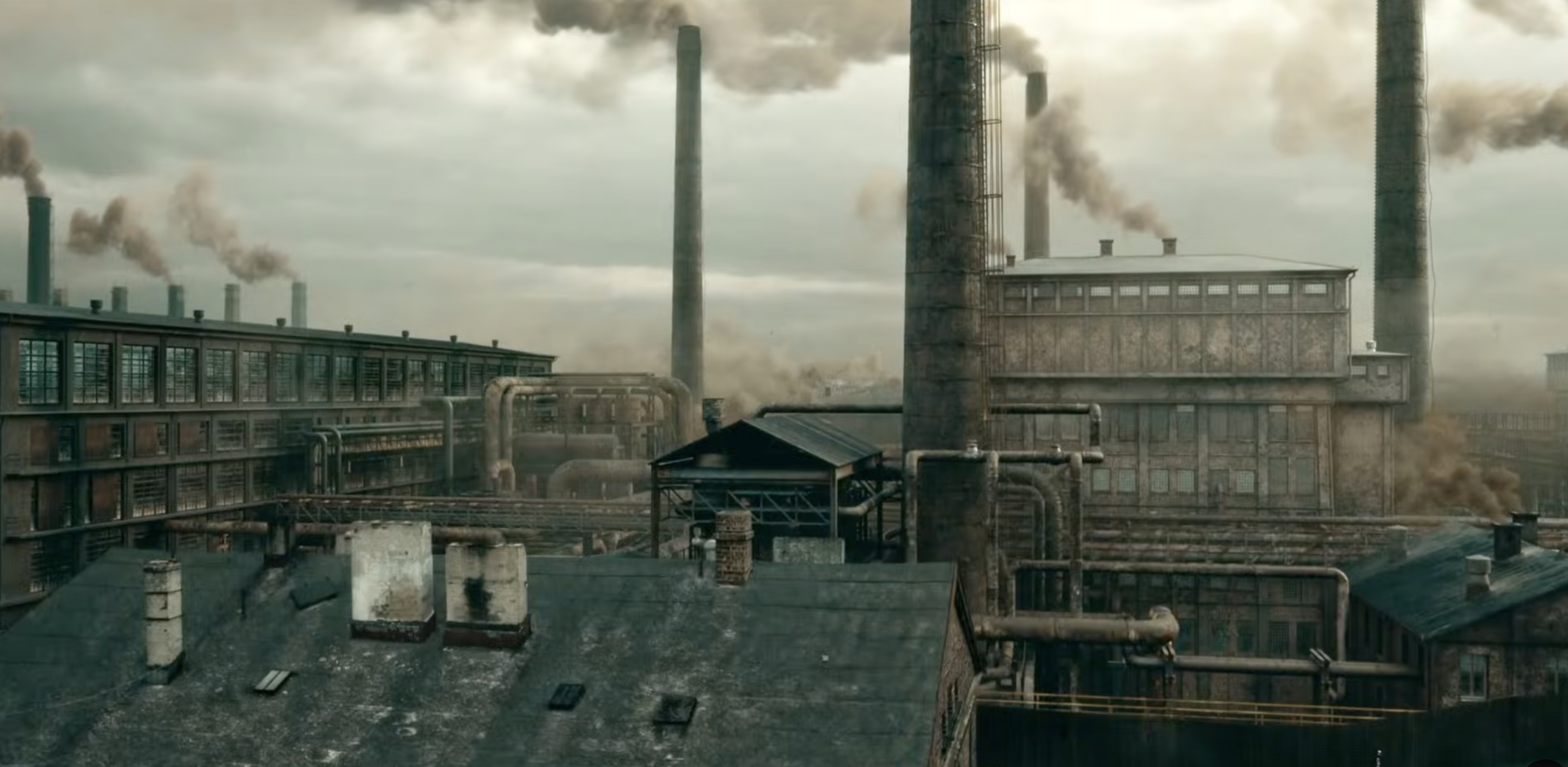
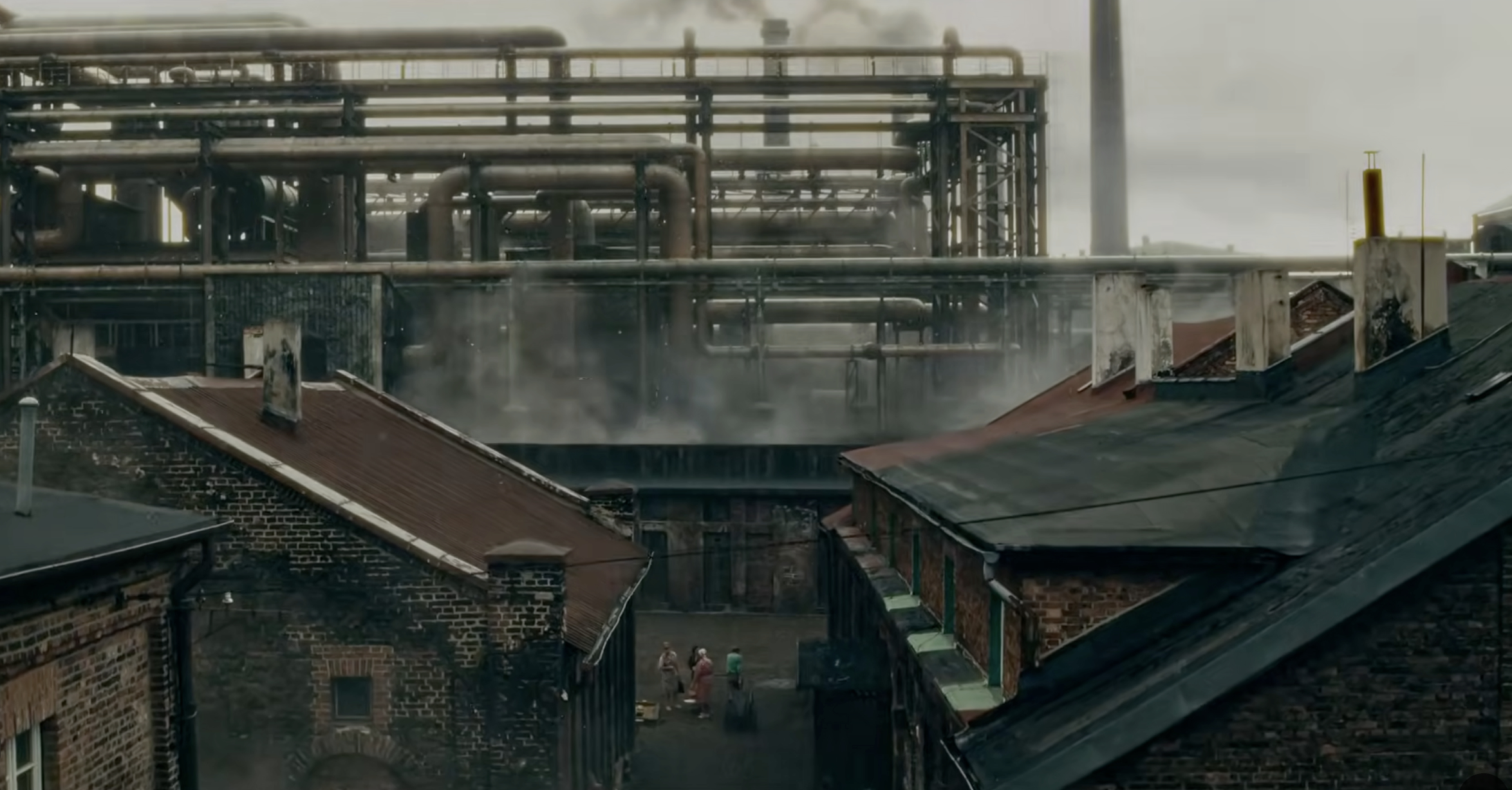
The Szopienice Non-Ferrous Metal Works (“Lead Children”)

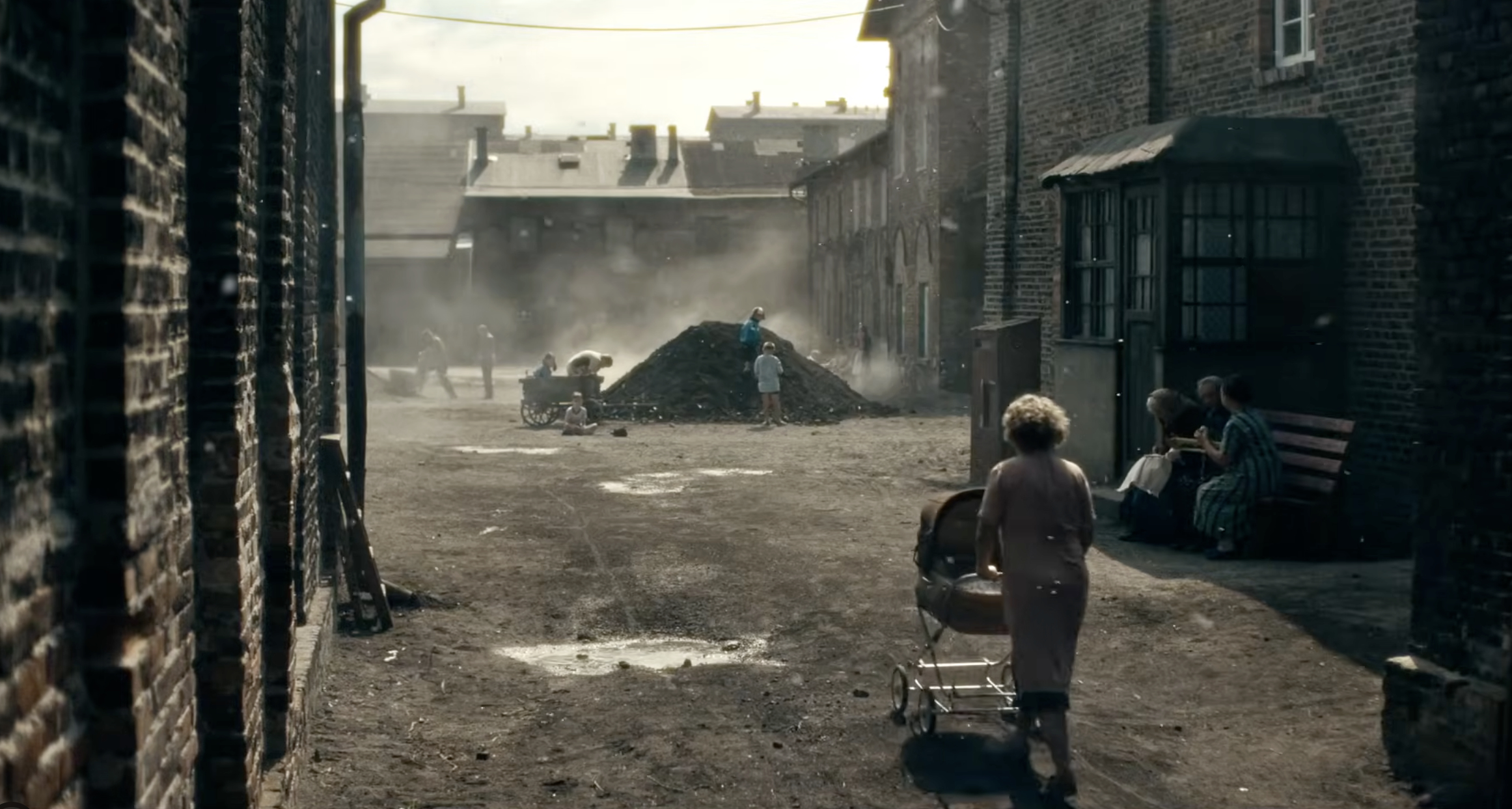
Jolanta’s efforts to address the problem are met with a concerted resistance from company managers, local officials and authorities, pressured by politics and the need for production over health and welfare of the community. For instance, workers and their families, live in shabby familoks around the smelter; kids play in the dirt, beneath the billowing smoke stacks, exposed to heavy metal-contaminated ash and dust. It gets even more dangerous for Jolanta when the Polish Security Service starts to interfere. As with the Stasi situation in East Germany, citizens are regularly pressganged into denunciating targeted individuals and Jolanta is denunciated by a member of her own staff.

Woman and baby walks in the dust of the smelter as children play in the contaminated dirt (“Lead Children”)

By Episode four, the show becomes heart-breaking as the first of the children dies shortly after returning to Targowisko after a reprieve and recovery from the smelter contamination. Meantime, local Polish Communist Party leader and politburo member Zdzislaw Grudzień pressures the smelter managers to “be the best” by comparing them to a high-producing metal works in Dresden (at the time still in East Germany under the GDR); they respond by removing all the dust-catching filters to increase the draft in the chimneys. Here we also learn that the previous head engineer in charge of stack air quality had been for years using only half the filters of the sieve plates in the pneumatic dust extractor to meet productivity targets.

The smelter with village below (from “Lead Children”)

The film notes that in the 1970s lead levels around the plant exceeded safety limits a thousand fold. Recent research indicates that even though the smelter was shut down in 2008, lead levels around it still exceed the limits set by the WHO.

Lead Poisoning in Children and Adults: where it comes from, what it does, and where it goes

Lead Poisoning in Children (image from Pure Earth)

Lead is a cumulative toxicant that affects multiple body systems; this includes the neurological, hematological, gastrointestinal, cardiovascular and renal systems. According to the WHO, there is no known safe level of lead exposure. Relatively low levels of lead exposure previously considered ‘safe’ are now known to damage children’s health and impair their cognitive development. With even low-level exposure, lead is associated with brain damage, reduced IQ, decreased intelligence, learning difficulties, lower lifetime earnings, increased incidence of heart and kidney disease later in life, and increased tendency for violence.

Young children are particularly vulnerable to lead poisoning, given that they can absorb up to 5 times as much lead as adults from an ingested dose. Children under the age of 5 years are at the greatest risk of suffering lifelong neurological, cognitive and physical damage and even death from lead poisoning. Older children as well as adults suffer severe consequences from prolonged exposure to lead in food, water and the air they breathe; this includes increased risk of cardiovascular death and kidney damage in later life. Children are particularly vulnerable to lead poisoning due to their smaller size and higher rate of lead absorption.

According to the WHO, once lead enters the body, it distributes to organs, including the brain, kidneys, liver and bones. Lead stores in the teeth and bones, where it accumulates over time. Lead stored in bone may release into the blood during pregnancy and expose the fetus.

Lead poisoning is not a thing of the past or restricted to communist nations. According to Pure Earth, lead exposure is responsible for an estimated 3.5 million cardiovascular deaths each year; more than HIV, malaria and tuberculosis combined. A World Bank analysis in 2019 demonstrated that children under five years old worldwide lost 765 million IQ points from lead exposure; about 95% of IQ point loss due to lead exposure were in LMICs. Lead poisoning may also account for 20% of the education gap between high- and low-income countries. 

Major sources of lead contamination include mining & smelting, manufacturing and recycling activities, and lead use in a range of products. These include lead-acid batteries for motor vehicles. Products that may contain lead include pigments, paints, solder, stained glass, lead crystal glassware, ammunition, ceramic glazes, jewelry, toys, some traditional cosmetics, and some traditional medicines. Lead may contaminate drinking water through plumbing systems that contain lead pipes, solders and fittings.

1970s Communist Poland

Inspired by real events from 1970s Upper Silesia during Communist‑era Poland, the TV series Lead Children showcases the atrocities committed in the name of industrial growth and production during that time.

This was a time when the Polish Służba Bezpieczeństwa (SB) or the Security Service of the Ministry of Internal Affairs infiltrated all elements of Polish life—not unlike the Stasi in eastern Germany—to ensure that everyone followed party dogma and the mandate of the Polish United Workers’ Party for industrial productivity. The Security Service of the Communist Polish People’s Republic did their bidding from 1956 to 1990, often enlisting the citizens’ militia. Key aspects of the SB mandate involved political repression and surveillance, infiltration of civil society, persecution of the Catholic Church, suppressing strikes and protests, controlling information, and protecting the state-controlled economy.

Boleslaw Bierut’s Six-Year Plan started in 1950, aggressively industrializing Poland and causing widespread shortages, particularly for meat and dairy. In 1956, when Gomułka came into power, things became somewhat less dangerous, but the shortages continued and in some cases got worse. The period between 1976 and 1989 experienced a maximum in shortages of nearly all products. Under communist rule, Poland was driven by rapid industrial growth, often using low-skilled workers with no consideration for their health and welfare. Criticism or resistance was suicidal. Protests and ensuing riots were violently crushed and suspected leaders hunted down and executed.

(Re)Genesis and the Kurpiowska Forest

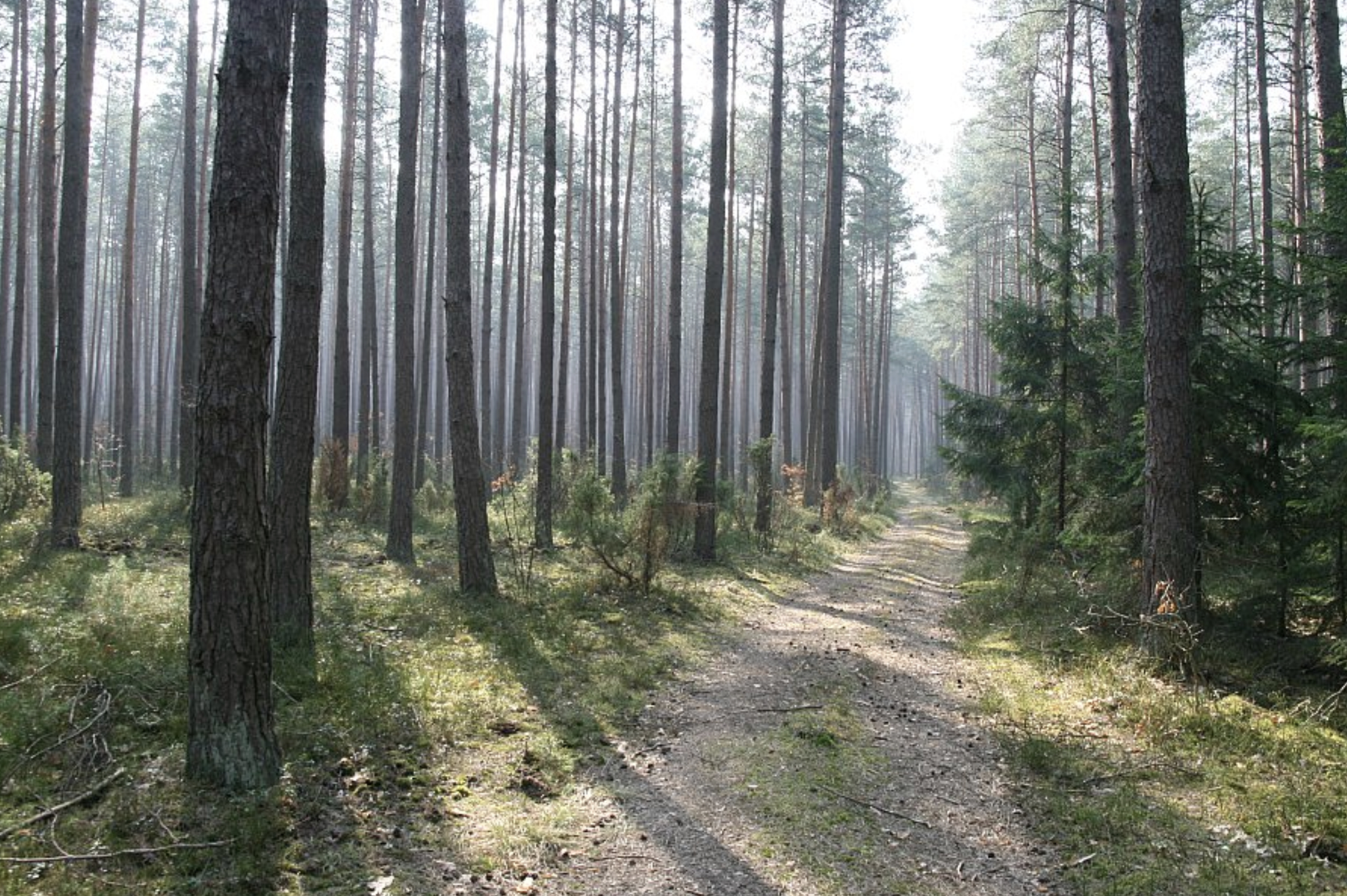
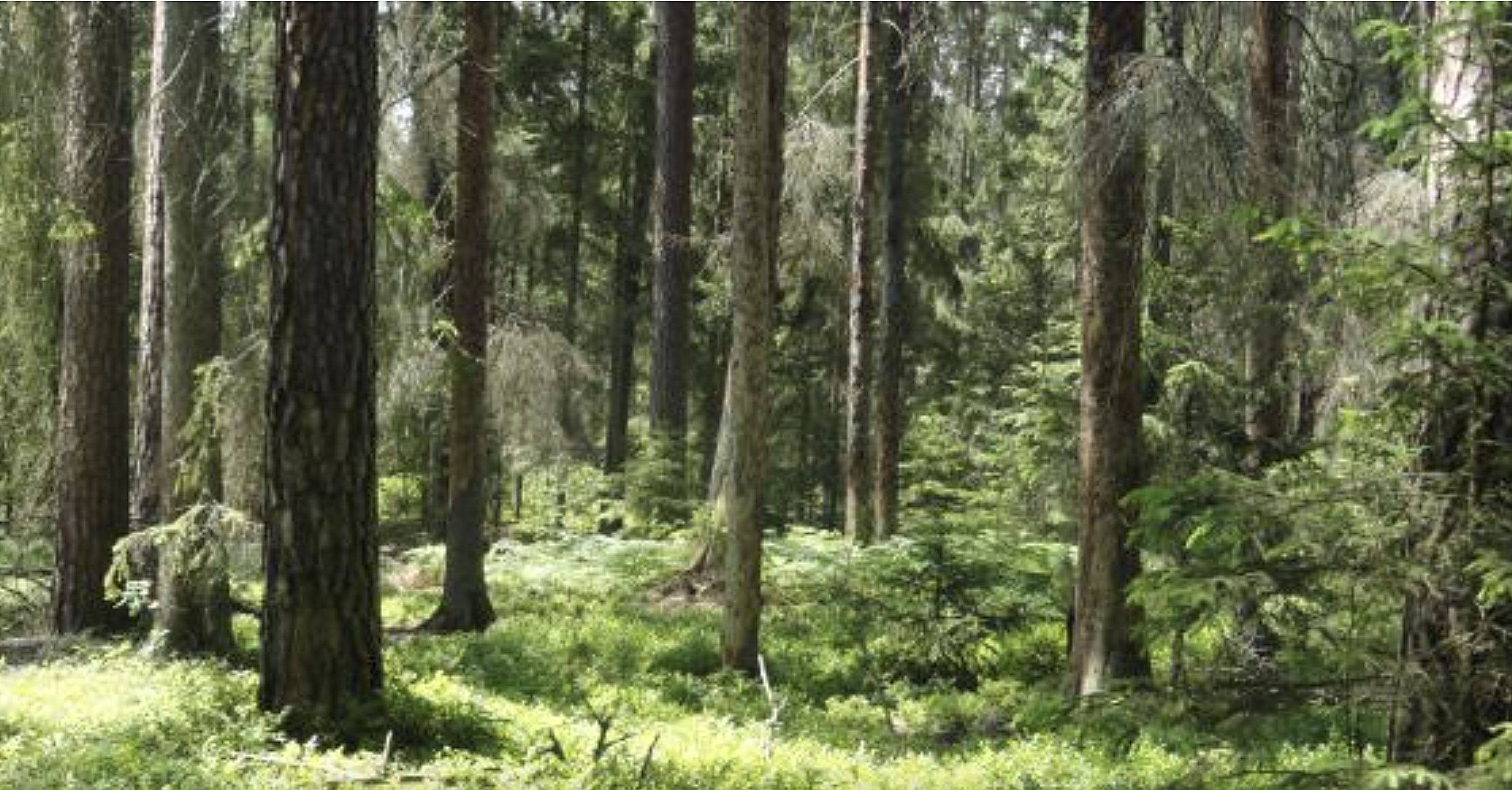
Puszcza Białowieska (The White Forest) of the Kurpiowska Forest (photo by OTOP)

Several key scenes of my upcoming eco-fiction thriller (Re)Genesis take place inside the Kurpiowska Forest in central Poland’s Mazovian Lowlands during the communist rule of Poland (specifically from the 1950s to the 1970s). Young Zofia and Piotr Wójcik and their little twins have come to the Puszcza Kurpiowska to work for Zima Performance Elastomers, a chemical plant that makes a mysterious miracle chemical called syprene that is highly volatile, flammable and toxic. Zima compromises the health and safety of its workers under the yoke of productivity. Workers fall ill and are usually replaced within a decade, either leaving due to ill health or dying of complications. In the following scene in 1959, Zofia has invited her older sister to take care of her twins so she can continue working at Zima Performance Elastomers deep inside the Kurpiowska Forest:

Zofia can’t help a smile. Her older sister is more of an intellectual; she isn’t the mothering type and has made it clear that she doesn’t like children. Yet the twins seem to have softened her heart a little, thinks Zofia, who is so grateful that her older sister is here, so she can return to work.

They eat supper quietly together; Piotr is on the evening shift and won’t be home until later at night when Zofia will reheat some bigos and bread for him.

“How’s Piotr? Still losing his hair?” Ewa asks casually, helping herself to more bigos from the pot.

“Not so much now,” says Zofia. She wipes the side of her bowl with some rye bread to catch the rest of her bigos. “He still gets headaches. I give him piołun for them.”  

Ewa frowns and shakes her head. “Does it work?”

Zofia shrugs.

Ewa makes a scoffing sound; she knows that it doesn’t. She leans forward suddenly. “Seriously, you need to do something, Zofia.”

“But what can I do?”

“Zima’s clearly breaking safety rules. The first is not having sufficient signage. Then hiring idiots straight from high school who don’t know what they’re doing and not educating them. You mentioned Janek smoking in the Polyanna Building? Didn’t you say that stuff is flammable?”

“I think so, based on other similar compounds I know about. No one knows what syprene really is.”

“Well, he’ll blow up the plant if he isn’t careful. Good god, sister, you need to report this to the government before it’s more than just some headaches or a bit of hair loss. Before there’s a serious accident. The constitution of ‘52—”

“The constitution! It’s just paper. The Polish United Worker’s Party has its own rules and ways of doing things.” She waves the bread in her hand at her older sister. “Who would I report this to, eh? Have you forgotten what happened when workers demanded better working conditions at the Poznań’s Cegielski Factories in ’56? Nothing can interfere with progress. The government doesn’t care. And let’s not forget the secret police. That Łukasz Zieliński, who’s so chummy with Wozniak, gives me the creeps. I’m sure he’s secret police. He hardly does anything except wander about poking his long nose in everything and making derogatory remarks.”

 “Now who’s the cynic.” Ewa leans back with a crooked smile. The smile turns into a scowl as she acknowledges Zofia’s point. “But you’re probably right about him.” She shakes her head, spoon playing with the stew. “And, you do have to be careful, sister. Something will happen. I can feel it in my bones.”

Unfortunately, so can Zofia. Her older sister is right, she concedes. The whole place is a tinder box and lately emotions have been high with arguments and even fights erupting in the polymer building. It doesn’t help that Piotr doesn’t seem to take the dangers seriously by not wearing protection, just to fit in—

There’s a noise outside.

The women turn, hearing shuffling at the door and men talking in low urgent voices. The door bursts open and two workmen—Vasili and Krzysztof—drag Piotr inside. He is barely conscious and his head lolls as he groans and murmurs through a frothing mouth.

The women rush forward.

“What happened?” Ewa demands.

“There’s been an accident,” Vasili says, glancing at Krzysztof, who normally works the shift with Piotr. “He got splashed when the drum broke, and may have even swallowed some of the stuff. Then he went into convulsions.”

“And you brought him here?” Ewa says, aghast.

“There’s no emergency shower or eye wash there—”

“Don’t come any further into the house!” Ewa orders gruffly. “Strip him naked and throw the clothes outside. Then take him to the shower. And for god’s sake take off your shoes!”

The men jump into action.

Zofia looks on, tongue-tied.

“Well, get in there!” Ewa shouts at Zofia. “Scrub him clean. With soap! Quickly!”

The Kurpiowska Forest near Czarnia, not far from the fictional Zima plant (photo by Polish Tourism)
Kozienice Landscape Park, Massovia, Poland (image by MasovianStyle.com)

Nina Munteanu is an award-winning novelist and short story writer of eco-fiction, science fiction and fantasy. She also has three writing guides out: The Fiction WriterThe Journal Writer; and The Ecology of Writing and teaches fiction writing and technical writing at university and online. Check the Publications page on this site for a summary of what she has out there. Nina teaches writing at the University of Toronto and has been coaching fiction and non-fiction authors for over 20 years. You can find Nina’s short podcasts on writing on YouTube. Check out this site for more author advice from how to write a synopsis to finding your muse and the art and science of writing. Her most recent novel “Gaia’s Revolution” was released in March 2026 by Dragon Moon Press (Calgary).