.
A short while ago, I was approached by a CBC reporter to discuss Solarpunk and the solarpunk movement in Toronto, specifically.
Given that my writing has significant solarpunk elements in it and I teach at the University of Toronto, in Toronto where I participated in several solarpunk initiatives, I was happy to discuss the subject with Louna Marchet.
The interview, which will air in French on CBC Radio, covered a wide range of a very interesting discussion on solarpunk generally and below, I’ve highlighted a few parts.
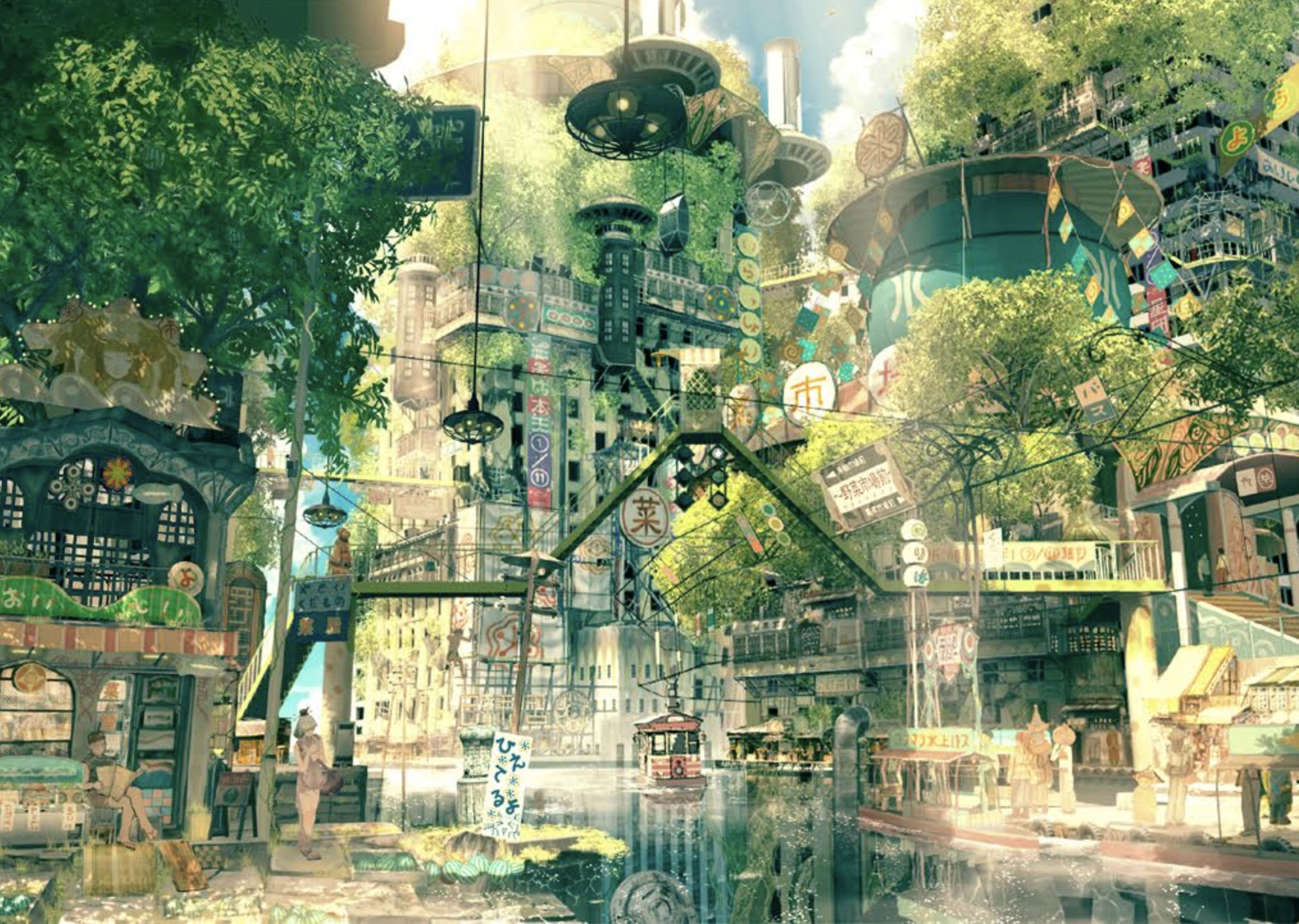
What is Solarpunk? Solarpunk is basically an optimistic, action-oriented subgenre of speculative fiction or art that has evolved into a social movement. The movement imagines a sustainable, post-capitalist future where humanity lives sustainably relying on renewable energy, DIY ethics, community resilience and a decentralized technology. It’s a radical hope alternative to dystopian narratives of gloom and doom.
On Eco-Fiction: I mentioned that I write mostly eco-fiction and hopeful dystopias (dystopias with solarpunk elements to them). Through its vision of our future, eco-fiction encourages conversations and an outward perspective. Eco-fiction can trigger a sense of wonder about the natural world; it may connect with our sense of loss or mourning—our solastalgia—for our changing home. Cautionary tales may nudge people to action and encourage alternative futures. Eco-fiction—whether told as dystopia, post-apocalypse, cautionary tale or hopeful solarpunk—can help us co-create a new narrative, one about how the Earth gifts us with life and how we can give in return. By encouraging empathy and imagination, eco-fiction reaches deep into our souls, where we care. It is only when we care that we act. I write more about this in my article “Why Writing and Reading Eco-Fiction Will Save the World—From Clifi to Solarpunk.”
On Changing the Narrative: I offered that we need to change our (North American society’s) current (capitalist) narrative of separation, “othering”, and exploitation toward one of participation, inclusion, and a nurturing spirit. Storytelling forms a key part of that overall narrative. That shift is happening in the emergence of a strong eco-voice by marginalized groups, those who would be most affected by things like habitat destruction and climate change. Centering the voice of the ecological other as a sympathetic character is a main feature of eco-fiction.
What we cherish, we protect.
I write more about this in two articles that discuss character coupling to provide voice to the ‘other’, from excluded minority to the silent environment.
On the Emerging Solarpunk Movement in Toronto: When asked about whether there is a solarpunk movement in Toronto, I said absolutely! Solarpunk Toronto is an emerging movement focused on building a sustainable, equitable future through community action, green architecture, and renewable energy, specifically tailored for the city’s urban environment. It includes initiatives like sustainable fashion shows, community meetings, and innovative storytelling, aimed at merging environmental activism with optimistic technology. The mantra is to achieve a regenerative sustainable urban future.
I mentioned Lindsay Jane of the Solarpunk Scene (Youtube videos on Solarpunk projects in Toronto) and Ariel of Solarpunk Presents with podcast interviews on solarpunk efforts. People can find community on the Solarpunk Facegroup group. I also talked about the Toronto Solarpunk Meetup at the Centre for Social Innovation, where they practice “prefigurative life’: living as if the sustainable future already exists. Which it does, though not everywhere.
This reminds me of cyberpunk science fiction author William Gibson’s famous quote: The future is already here; it’s just not evenly distributed.
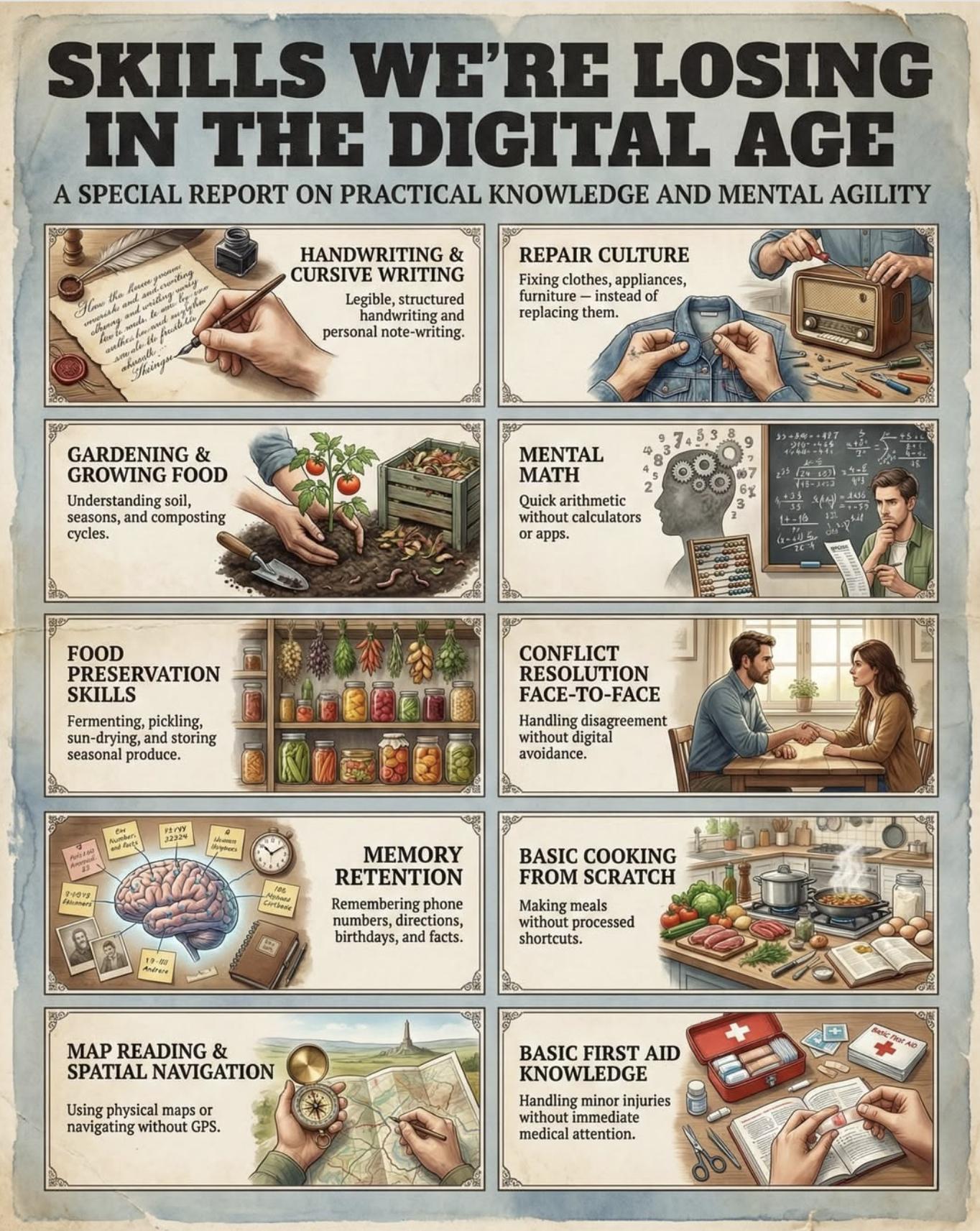
Examples of solarpunk initiatives practiced by individuals and small communities include the use of community gardens, setting up and looking after rooftop gardens or raingardens. Tenants can have a pollinator garden on their patio and set up a balcony solar panel (now very affordable). People are going electric; some are setting up solar rooftops or balconies. Groups and individuals are engaging in clothing swaps and sustainable fashion runways. Community-led trusts are involved in repairing items for reuse instead of adding to the throw-away culture. In my book A Diary in the Age of Water the diarist’s mother Una rides her bike all over the community, repairing all kinds of things for a community that has lost its ability to do so; something we’re losing in this digital age.
.
.
On a Solarpunk Future: We discussed the feasibility of a city like Toronto becoming 100% solarpunk. My response was a wary yes. Of course it was possible. But, in my opinion, two things have to happen for this to succeed: 1) the willingness of individuals in a community to give up a consumer-led capitalist lifestyle and adopt a lighter gentler footprint; and 2) community and city leaders to be on board with it. The enthusiastic cooperation of leaders cannot be overstressed for a paradigm shift toward a solarpunk future to succeed.
.
.
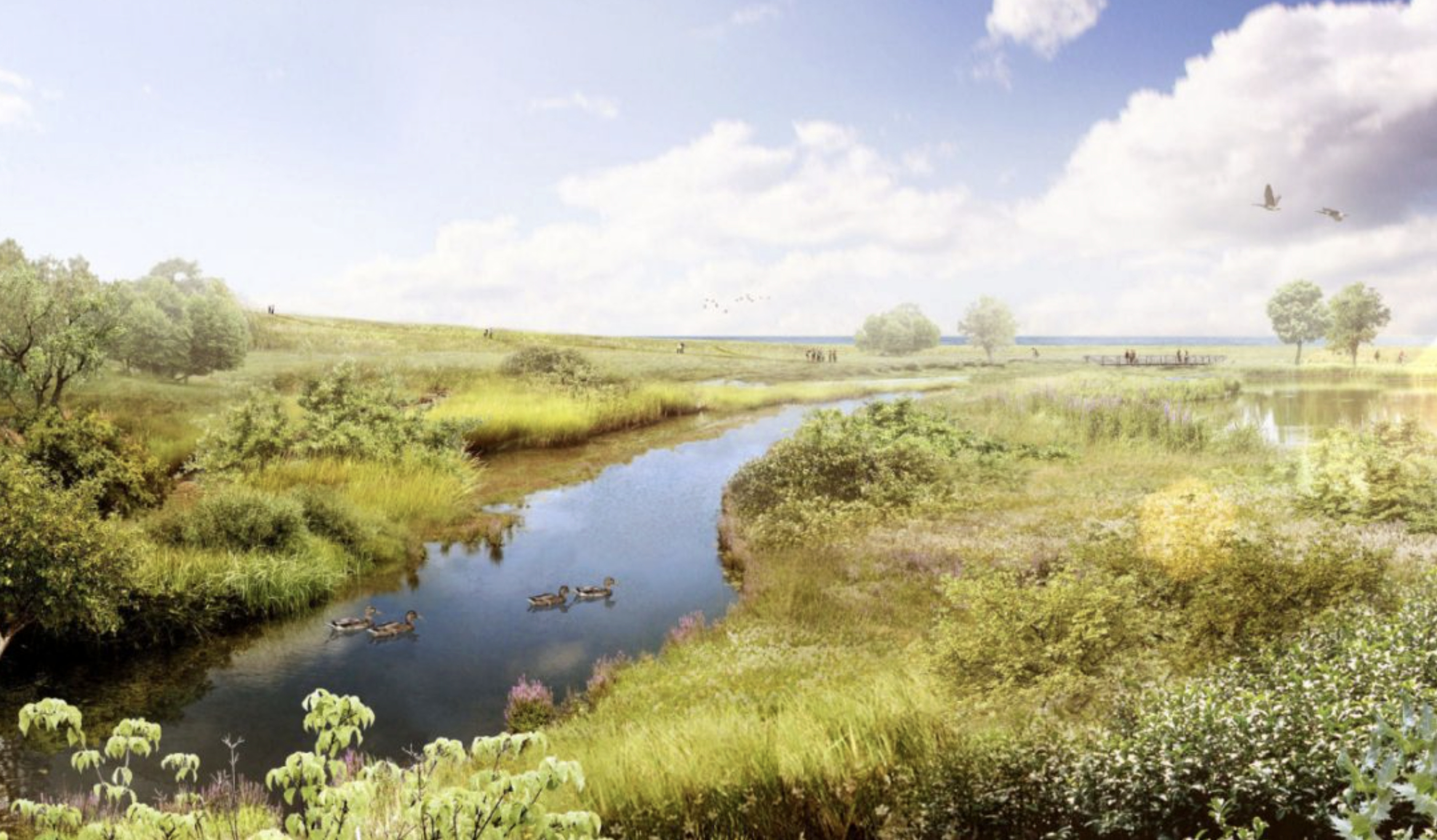
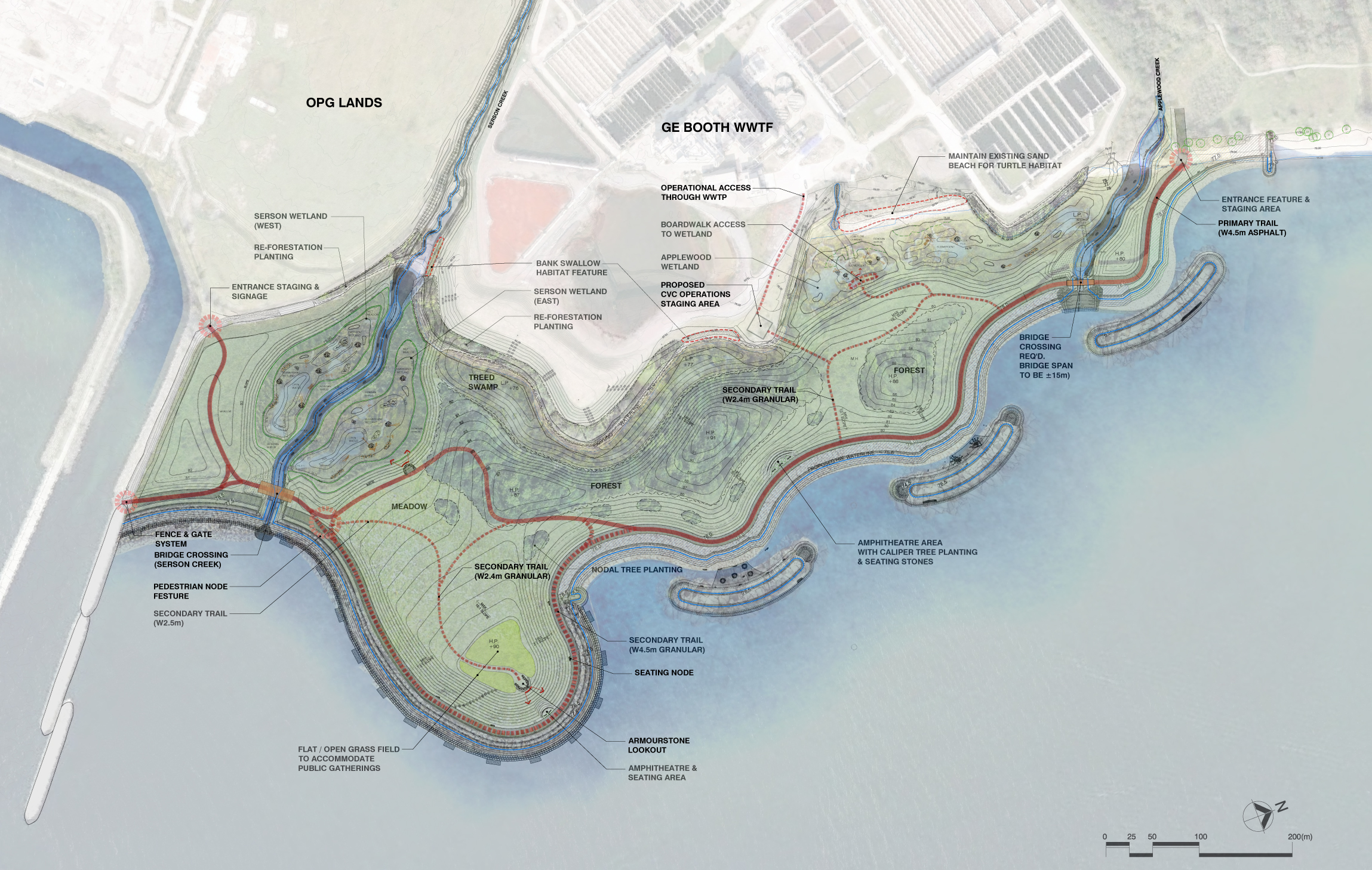
I gave two examples of small projects that succeeded because a community and its leaders cooperated to make it happen. One was the adoption of several climate solutions in Paul Hawken’s Drawdown by the Richmond Hill community, led by Liz Couture. The second example is Mississauga’s Morphology Project of 2017 to build a 26 hectare park and marsh creation (naturalization of shoreline and extensive marsh environment), inspired by Councilor Jim Tovey.
.
.
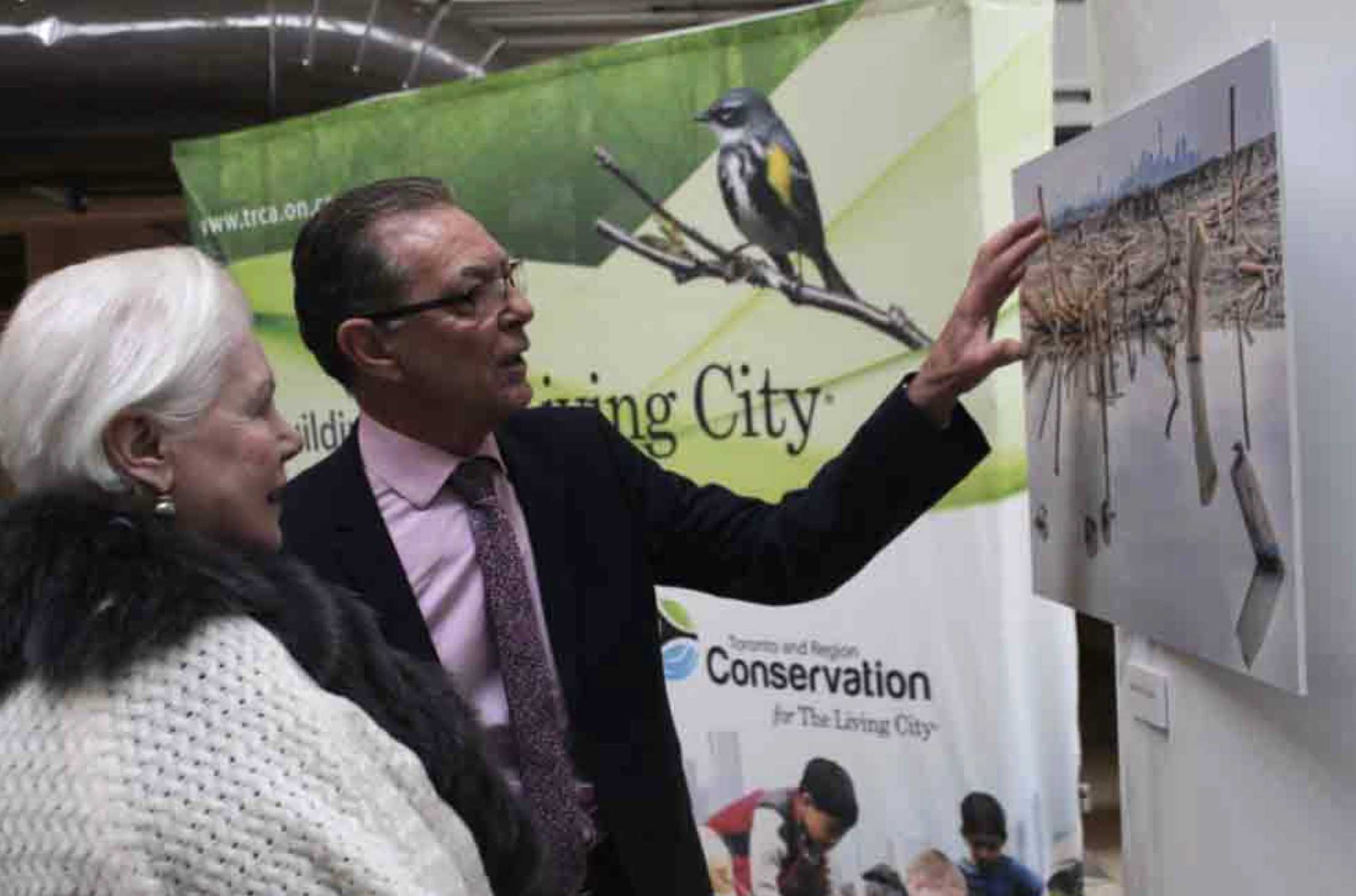
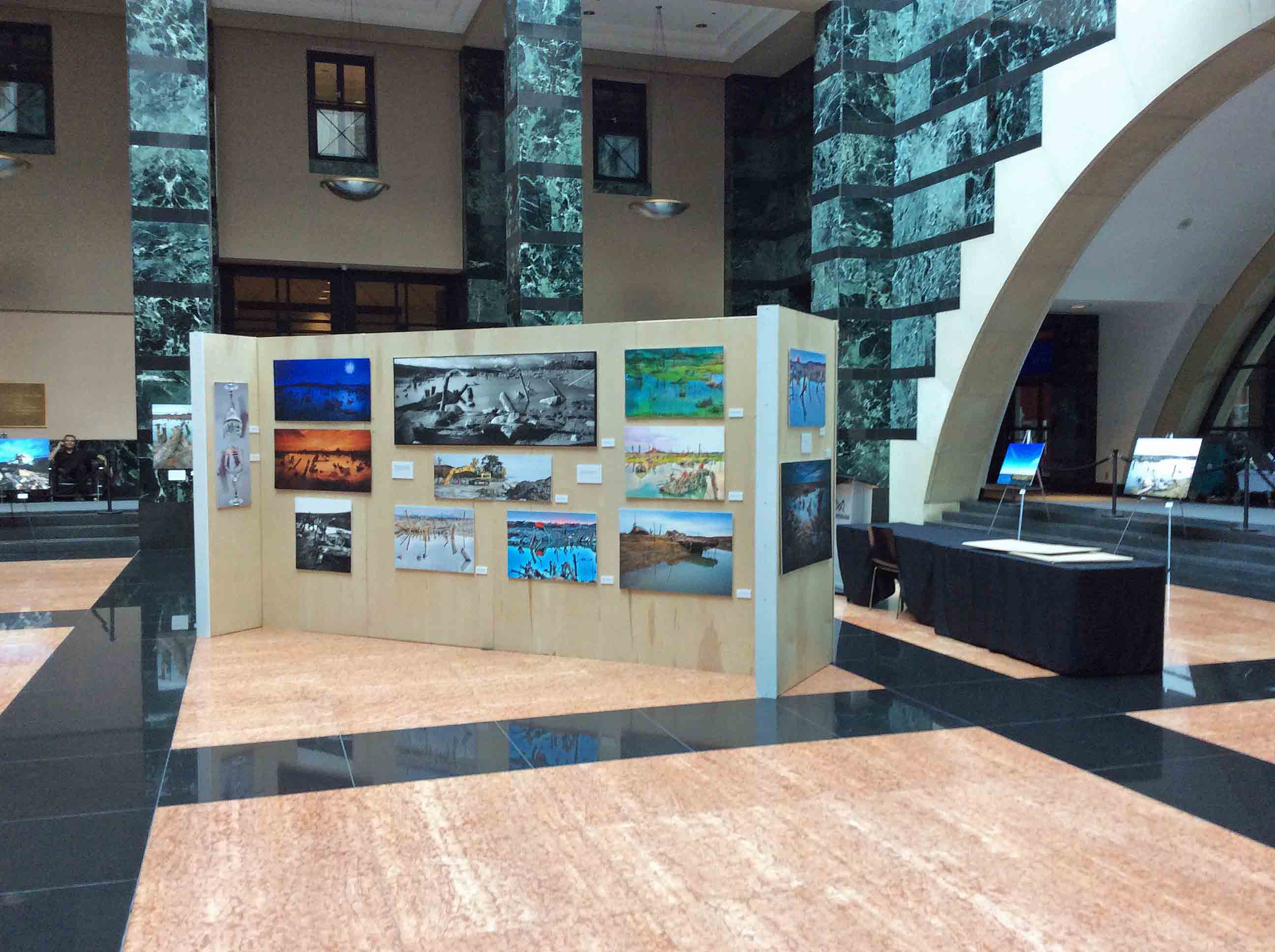
A true visionary, Tovey ensured the project’s success and potential spread to other jurisdictions by documenting the stages of the marsh creation and changes to the waterfront. Aside from regular press releases and interviews, etc. he invited eleven professional photographers to photograph and exhibit how the marsh evolved over the years.
.
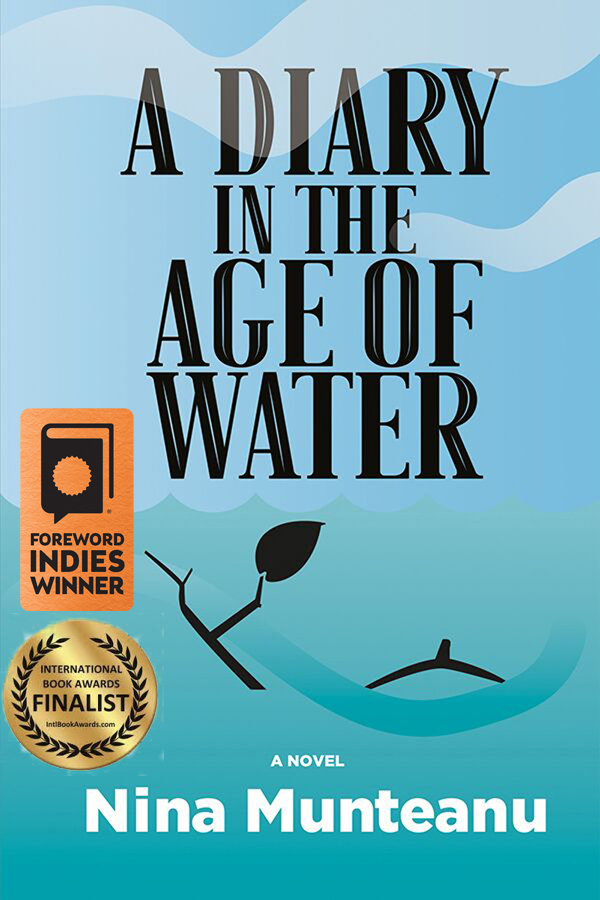
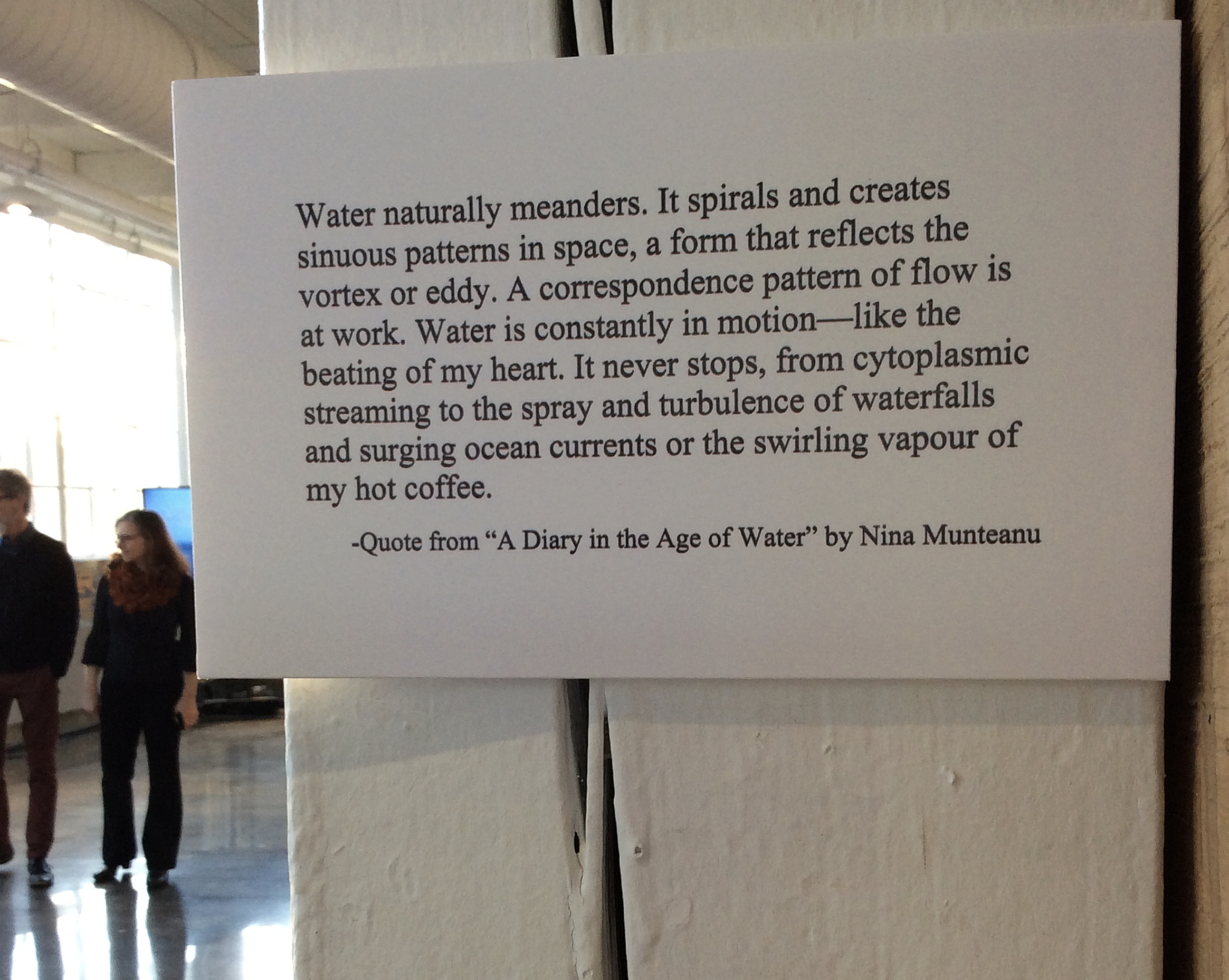
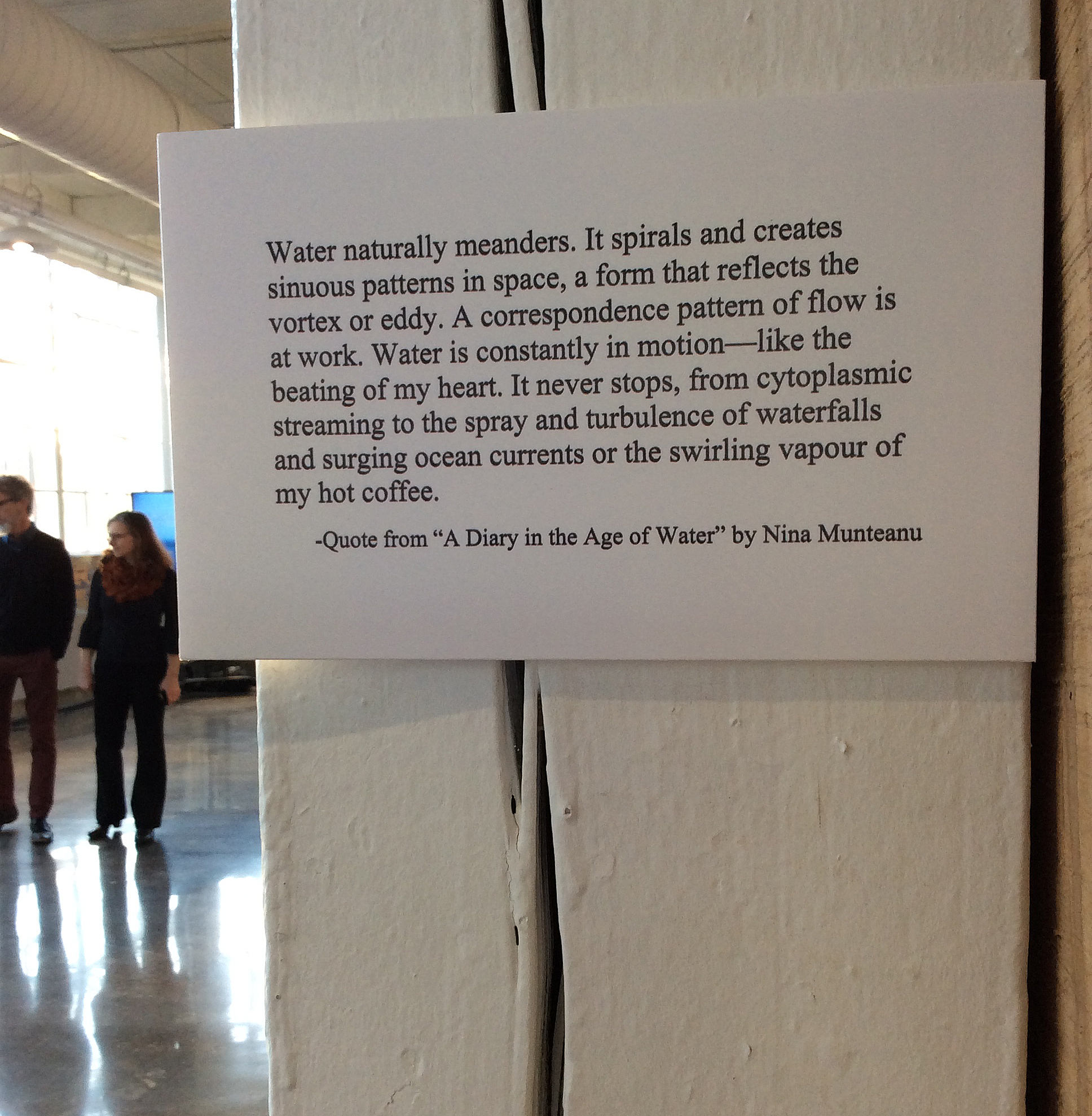
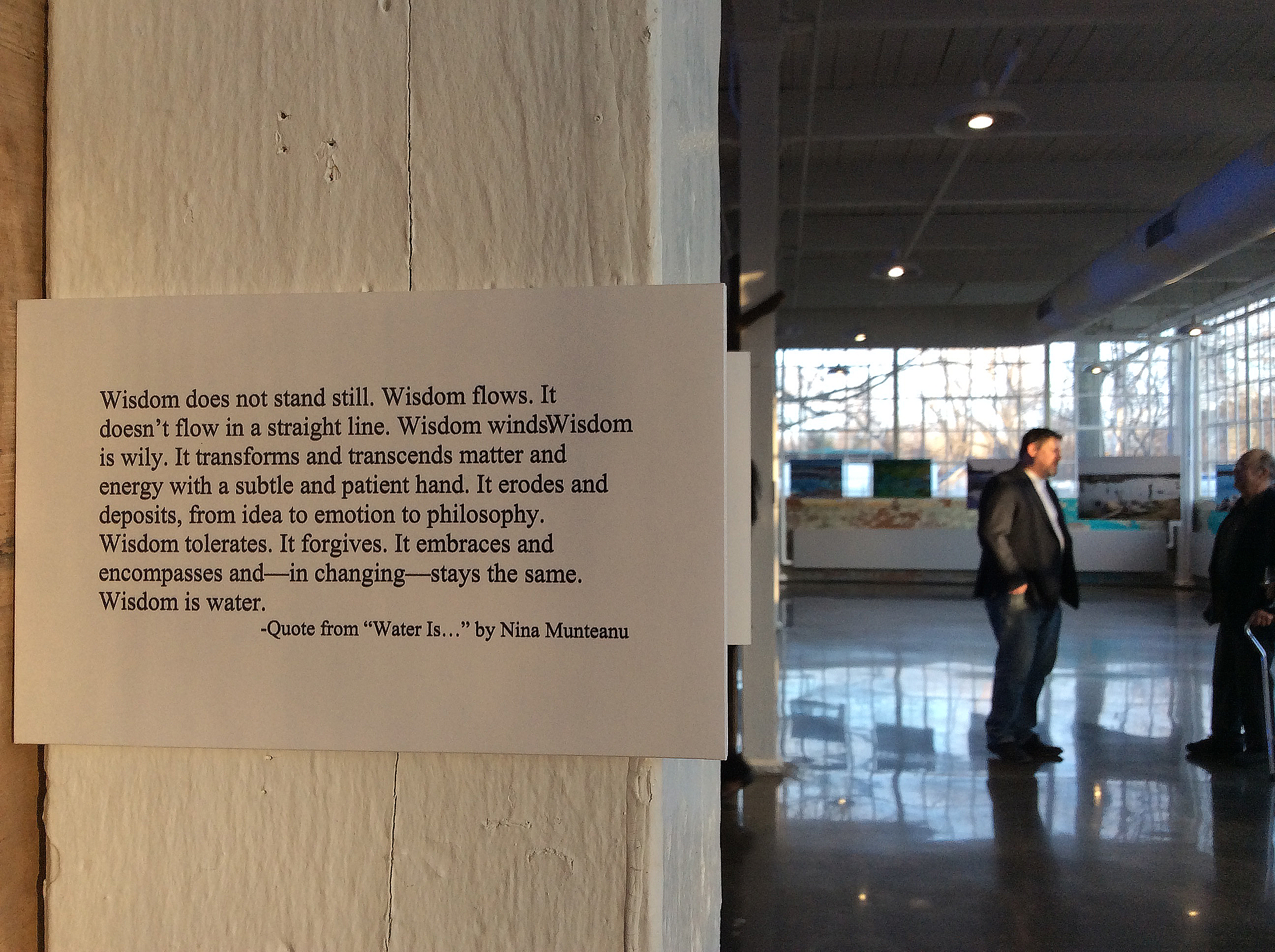
Tovey invited me to contribute quotes from my book Water Is…The Meaning of Water and A Diary in the Age of Water to accompany the photos in each exhibit. The Jim Tovey Lakeview Conservation Area project was a huge success, largely because—apart from the obvious ecological benefit—it captured the imagination and interest of several communities and showed how the blending of environmental benefit and good-living can co-exist and flourish.
.
Tovey invited me to contribute quotes from my book Water Is…The Meaning of Water and A Diary in the Age of Water to accompany the photos in each exhibit. The Jim Tovey Lakeview Conservation Area project was a huge success, largely because—apart from the obvious ecological benefit—it captured the imagination and interest of several communities and showed how the blending of environmental benefit and good-living can co-exist and flourish.
.
.
References:
Hawken, Paul. 2017. “Drawdown.” Penguin Books. 256pp.
Hawken, Paul. 2021. “Regeneration: Ending the climate crisis in one generation.” Penguin Books. 256pp.
Munteanu, Nina. 2016. “Water Is…The Meaning of Water.” Pixl Press, Delta. 584pp
Munteanu, Nina. 2020. “A Diary in the Age of Water” Inanna Publications, Toronto. 328pp.
.

Nina Munteanu is a Canadian ecologist / limnologist and novelist. She is co-editor of Europa SF and currently teaches writing courses at George Brown College and the University of Toronto. Visit www.ninamunteanu.ca for the latest on her books. Nina’s bilingual “La natura dell’acqua / The Way of Water” was published by Mincione Edizioni in Rome. Her non-fiction book “Water Is…” by Pixl Press (Vancouver) was selected by Margaret Atwood in the New York Times ‘Year in Reading’ and was chosen as the 2017 Summer Read by Water Canada. Her novel “A Diary in the Age of Water” was released by Inanna Publications (Toronto) in June 2020. Her most recent novel “Gaia’s Revolution” was released in March 2026 by Dragon Moon Press (Calgary).
.






 Nina Munteanu is an ecologist and internationally published author of award-nominated speculative novels, short stories and non-fiction. She is co-editor of Europa SF and currently teaches writing courses at George Brown College and the University of Toronto. Visit
