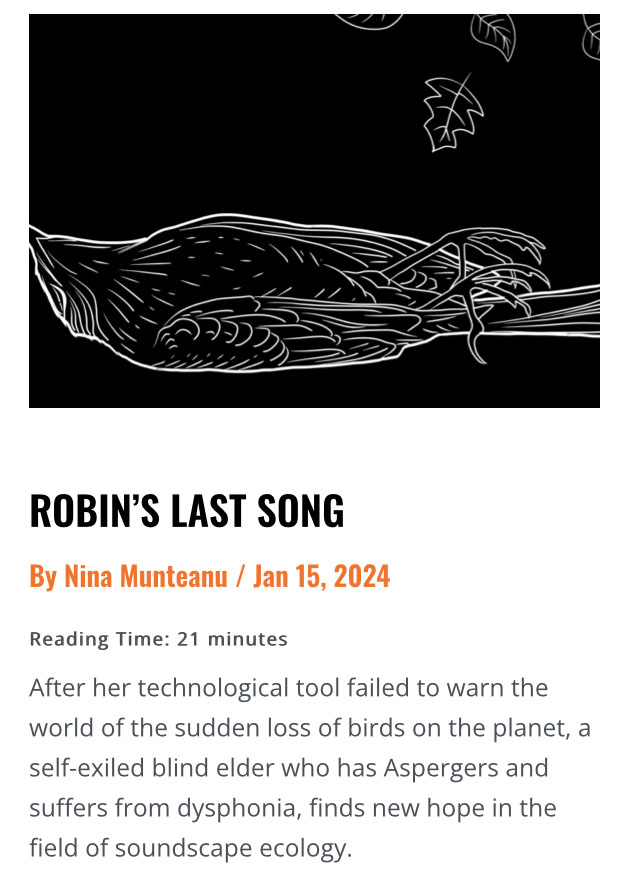
Nina Munteanu’s “Robin’s Last Song” in Metastellar Magazine

I rock on the cedar swing on my veranda and hear the wind rustling through the gaunt forest. An abandoned nest, the forest sighs in low ponderous notes. It sighs of a gentler time. A time when birds filled it with song. A time when large and small creatures — unconcerned with the distant thrum and roar of diggers and logging trucks — roamed the thick second-growth forest. The discord was still too far away to bother the wildlife. But their killer lurked far closer in deadly silence. And it caught the birds in the bliss of ignorance. The human-made scourge came like a thief in the night and quietly strangled all the birds in the name of progress.

excerpt from “Robin’s Last Song” by Nina Munteanu

My short story Robin’s Last Song was republished recently in the superlative online magazine Metastellar. The story was first published in 2021 in Issue 128 of Apex Magazine and an earlier version of the story called Out of the Silence appeared in the literary magazine subTerrain Magazine Issue 85 in 2020.

Left, “subTerrain” Issue 85 carries “Out of the Silence”; right, “Apex Magazine” issue 128 carries “Robin’s Last Song”

I raced up the stairs to the auditorium then quieted my breath and listened at the door, heart thumping like a bird trying to escape. Professor Gopnik was ten minutes into his lecture; I could hear his commanding voice: “… estimates that the entire number of birds have been reduced by a third in five decades—I mean common birds like the robins, sparrows, warblers, and even starlings…”

He was talking about Rosenberg’s paper in Science. The study shocked the scientific community; but I had already observed the decline of the house sparrow around my aunt and uncle’s house near the Old Mill. And the robin—my namesake, whose song heralded spring for me—had grown quiet.

I imagined Gopnik waving the journal at the class in his typical showman style. He had a habit of wandering the stage like an evangelist, fixing each student with intense blue eyes as if challenging them to believe. I thought him an over-confident condescending prig. But for someone who looked as young as the students he was teaching, Gopnik was brilliant. And what he was doing was so important. I wanted so badly to work under him as a grad student. But he terrified me.

Excerpt from “Robin’s Last Song” by Nina Munteanu

The Story Behind the Story

It all began with my discovery of an emerging bioacoustic tool, soundscape ecology, that measures biodiversity and ecosystem functionality. I’d just read the disturbing 2019 Science article by Rosenberg and team who determined that our slow violence of habitat degradation and toxic pollution has reduced the world’s bird population by a third in just five decades. I was devastated; I could not imagine a world without the comforting sound of birds. What would it be like if all the birds disappeared?

Map and chart of bird decline since 1970

Already primed with research into genetic engineering for the sequel to my 2020 eco-novel, A Diary in the Age of Water, my muse (often delightfully unruly) played with notions of the potential implication of gene hacking in ecological calamity and how this might touch on our precious birds: when nature “is forced out of her natural state and squeezed and moulded;” her secrets “reveal themselves more readily under the vexations of art than when they go their own way.”

Robin’s Last Song is a realizable work of fiction in which science and technology are both instigators of disaster and purveyors of salvation. Today, gene-editing, proteomics, and DNA origami—to name just a few—promise many things from increased longevity in humans to giant disease-resistant crops. Will synthetic biology control and redesign Nature to suit hubris or serve evolution? What is our moral imperative and who are the casualties? As Francis Bacon expressed in Novum Organum, science does not make that decision. We do. 

You can read an Interview on Writing Robin’s Last Song that Alberta author Simon Rose did with me recently.

I also recently sat down with Rebecca E. Treasure of Apex Magazine for a conversation about story, ecology, and the future. Here’s how it begins:

Apex Magazine: The Way of Water in Little Blue Marble is such a powerful piece touching on water scarcity and friendship, a dry future and the potential for technology to overtake natural ecology. Robin’s Last Song explores extinction, human fallibility, friendship, and again, that conflict between technology and nature. Do you think we’re heading toward the kind of dystopia shown in these stories?…

For more about bird declines around the world see my articles: “What if the Birds All Die?” andBirds are Vanishing.”

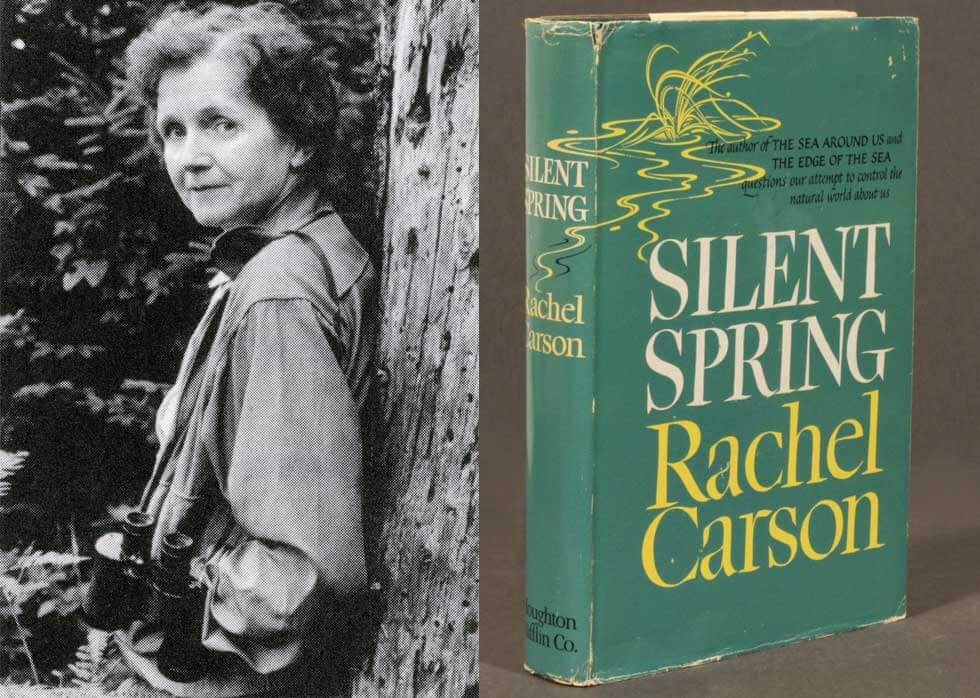
“Over increasingly large areas of the United States, spring now comes unheralded by the return of the birds. The early mornings are strangely silent where once they were filled with the beauty of bird song”

Rachel Carson, Silent Spring
Discarded robin’s egg in the forest in spring, ON (photo by Nina Munteanu)

Read my other stories in Metastellar here: Nina Munteanu in Metastellar Speculative Fiction and Beyond.

p.s. May9: I just learned that Robin’s Last Song was selected by the NYC Climate Writers Collective as part of an exhibition in the Climate Imaginarium on Governors island. The exhibition, starting May 18, will run throughout the summer of 2024.

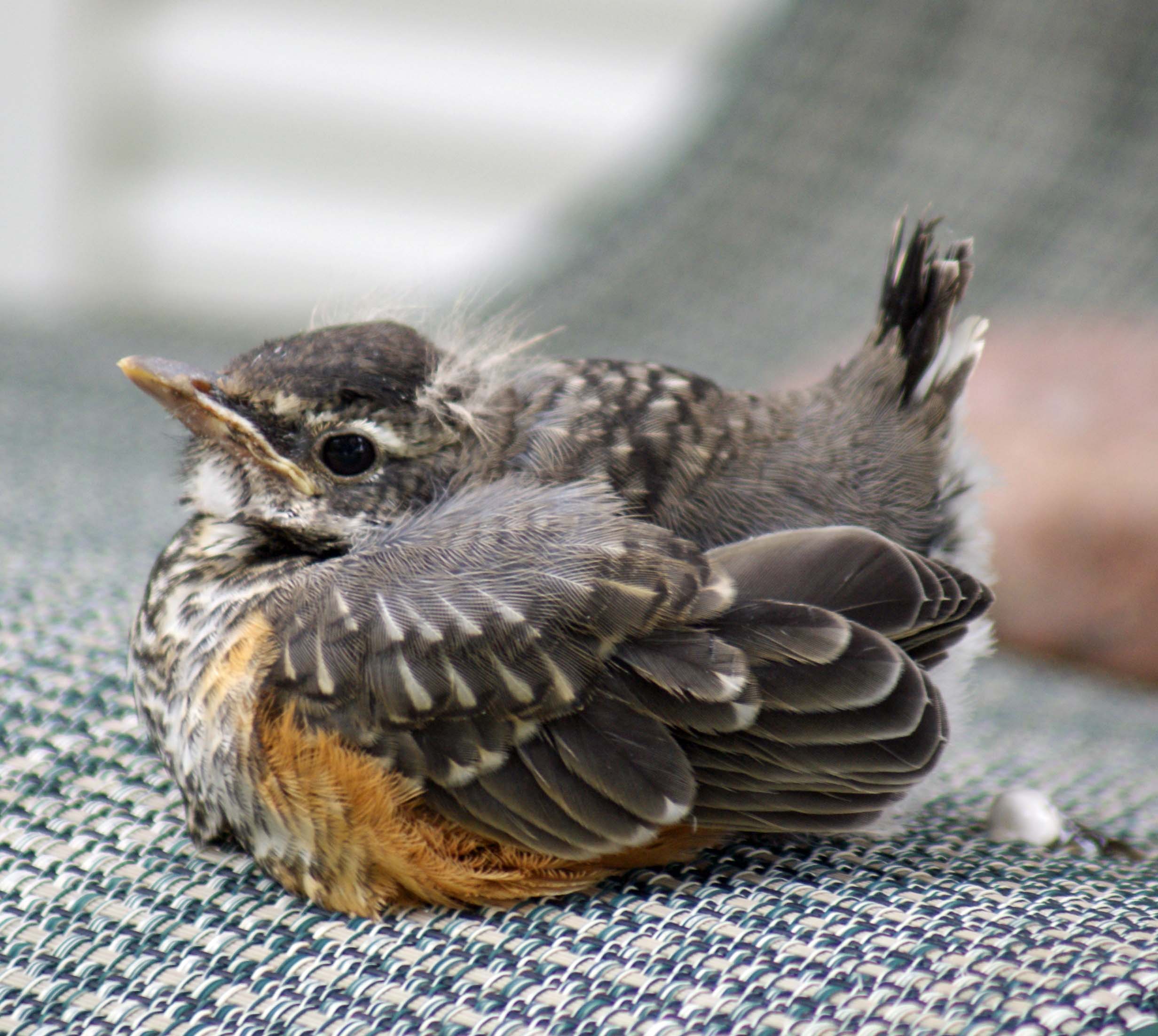
Fledgling robin rests on a patio chair in spring, ON (photo by Merridy Cox)

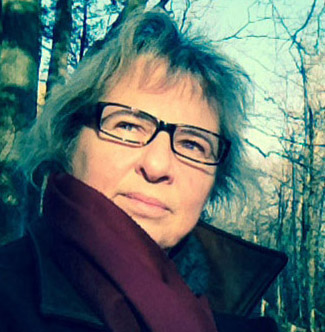
Nina Munteanu is a Canadian ecologist / limnologist and novelist. She is co-editor of Europa SF and currently teaches writing courses at George Brown College and the University of Toronto. Visit www.ninamunteanu.ca for the latest on her books. Nina’s bilingual “La natura dell’acqua / The Way of Water” was published by Mincione Edizioni in Rome. Her non-fiction book “Water Is…” by Pixl Press (Vancouver) was selected by Margaret Atwood in the New York Times ‘Year in Reading’ and was chosen as the 2017 Summer Read by Water Canada. Her novel “A Diary in the Age of Water” was released by Inanna Publications (Toronto) in June 2020.

Now is The Age of Nature…

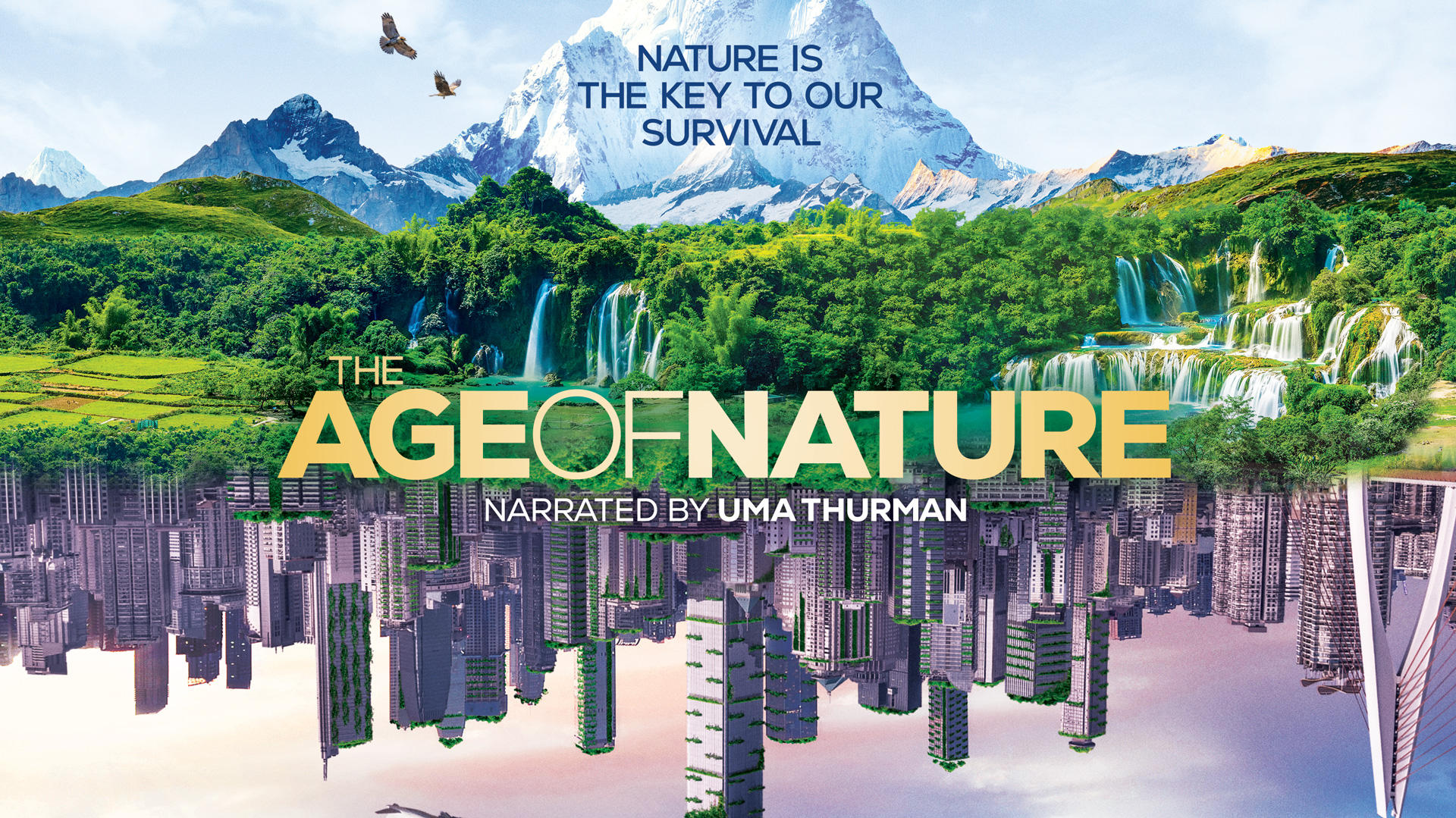
Age of Nature is a series of three films made by PBS and narrated by Uma Thurman about humanity’s relationship with nature and wildlife and how scientists and conservationists study ways to restore the planet. The series, beautifully narrated and filmed, shows how restoring nature might be our best tool to slow global warming. From Borneo to Antarctica, the resilience of the planet is helping us find solutions to cope and even mitigate climate change, providing hope for a more positive future. The series consists of three episodes: Awakening, Understanding, and Changing:

In AWAKENING you will discover how a new awareness of nature is helping to restore mostly collapsed ecosystems; this included: restoring the cod fishery in Norway’s Lofoten Islands; the restoring the Chagres watershed in Panama; rehabilitating the collapsed ecosystem of Mozambique’s Gorongosa Park; and restoring the denuded Loess Plateau in China by planting a forest (and reducing the sediment in the Yellow River by 80%). This episode shows how innovative actions are being taken to repair human-made damage and restore reefs, rivers, animal populations and more.

“We are at a turning point in history,” says narrator Uma Thurman. “and moving in a new direction. How we live with nature now will determine our future. A new age is upon us, the age of nature.” This new awakening comes with a change in philosophy.

“Materialism has suggested that wealth is coming from things. But, in fact, wealth is coming from ecological function.” 

—John D. Liu, Ecosystem Ambassador, Commonland Foundation
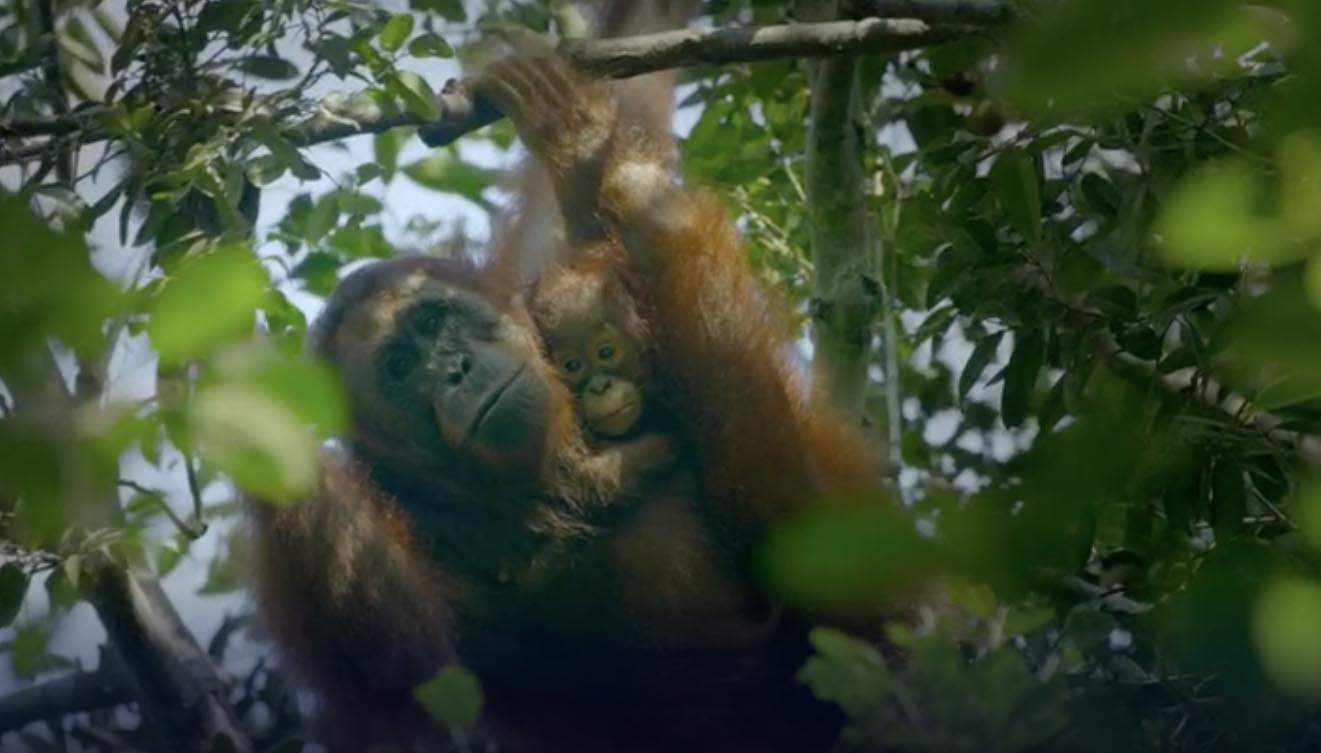
Orangutan in Borneo forest (image from “Age of Nature”)

In UNDERSTANDING you will explore how a new understanding of nature is helping us find surprising ways to fix it. From the salmon runs and connection to forest health of the Pacific Northwest to restoring fireflies in China, and the reintroduction of wolves in Yellowstone—scientists, citizens and activists are restoring the environment, benefiting humans and animals alike.

“If humans get our acts together and start thinking about the whole ecosystem, we’re going to be recovering the whales and ultimately we’re going to be saving ourselves.”

—Dr. Deborah Giles, Killer whale researcher, University of Washington
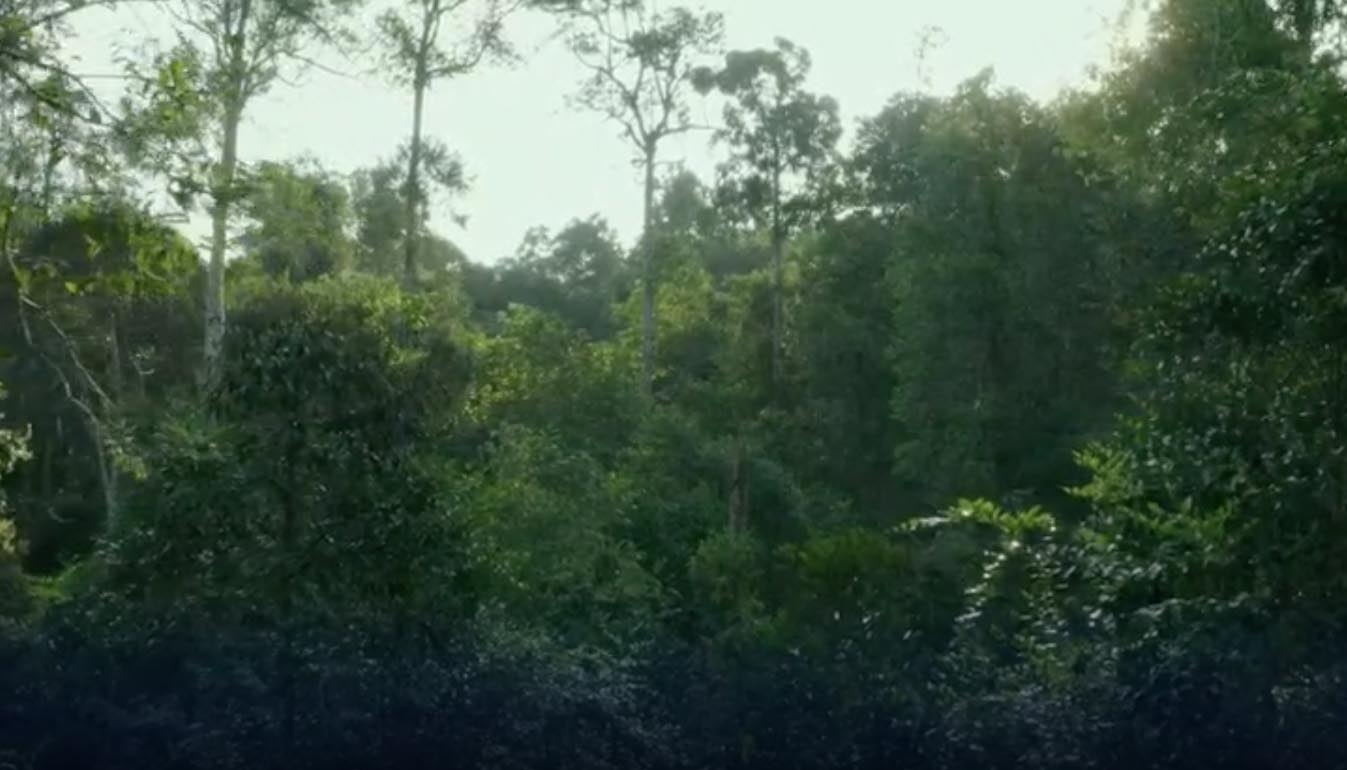
Jungle in Borneo (image from “Age of Nature”)

In CHANGING you will discover why restoring nature might be our best tool to slow global warming. From Borneo to Antarctica, the resilience of the planet is helping us find solutions to cope and even mitigate climate change, providing hope for a more positive future. Bhutan’s negative carbon system is based on “decades of enlightened but courageous policies,” says Tshering Tobgay, former prime minister of Bhutan. By law they maintain over 60% forest cover to maintain a rich biodiversity and help balance climate as a carbon sink. Over 70% of Bhutanese live along river banks where they cultivate rice and other crops. “We’ve always had a strong association with water,” Tobgay adds.

“Ultimately, if we’re going to understand how to stop climate change, we need to understand our planet,” says Professor Tom Crowther, who leads a team of ecologists in categorizing forests and soils around the world from “on the ground information” to understand the carbon they contain and absorb. Crowther stresses that “the key is to restore these ecosystems in the right ecologically-minded way. That means we don’t plant trees in ecosystems that would naturally be grasslands. We also restore trees in a very biodiverse mixture; we don’t just want plantations, monoculture of the same species. We need all the different interacting species which help one another to grow and capture huge amounts of carbon…We absolutely need nature to survive on this planet. If humanity is going to have a chance, we’re going to have to restore ecosystems all across the globe…Biodiversity is the life support for our planet.”

Rainforest (image from “Age of Water”)

The movie showcases three major ecosystems of significant carbon sequestration that need to be (and are in some cases) encouraged, nurtured and grown:

1.  Old growth forests of the world: Bialowieza in Poland is the oldest forest in Europe:

Malgorzata Blicharska at Uppsala University reminds us of an ecological tenet: the higher the biodiversity of an ecosystem, the more stable and resilient it is. “The more complex the forest is, the more resilient it will be to different environmental pressures, which is really important now in relation to climate change.” A more complex ecosystem has a larger toolkit to draw from when confronted with change. “Even if one species with a particular function disappears because of climate change, there will be other species that take over this function.” This provides a natural buffer to change, helping it cope with disruption. “A natural forest is not a stable forest; it is changing all the time.” Adapting. The simpler the ecosystem, the less likely it will be equipped to adapt to imposed change; the more likely it will collapse with change.

Bison in Poland ‘wilderness’ (image from “Age of Water”

2,  Ocean phytoplankton, tidal marshes and seagrass meadows: Peter MacReadie, at Deakin University, studies seagrass meadows that store enormous amounts of carbon. They, along with tidal marshes and mangrove forests lock massive amounts of carbon; this is known as blue carbon. Mangroves are incredibly efficient blue carbon sinks. “Blue carbon is definitely one of the new heros in the climate change mitigation scene.” They not only effectively sequester carbon, they protect coastlines, and they support half of the world’s fisheries.

MacReadie acknowledges the role apex predators in achieving balance in the ecosystem that might otherwise be destroyed by an over-abundance of herbivores. The apex predator keeps a balance not so much by eating prey but through what is called “fear ecology” and achieiving a healthy trophic cascade: the shark changes the behaviour of the next trophic level down, the turtle, that would otherwise over-graze the seagrass. “Through fear, they affect how much turtles breed, where they forage, where they move around,” ultimately creating a healthy balance of apex predators at the top, turtles in healthy balance and seagrass meadows thriving.”

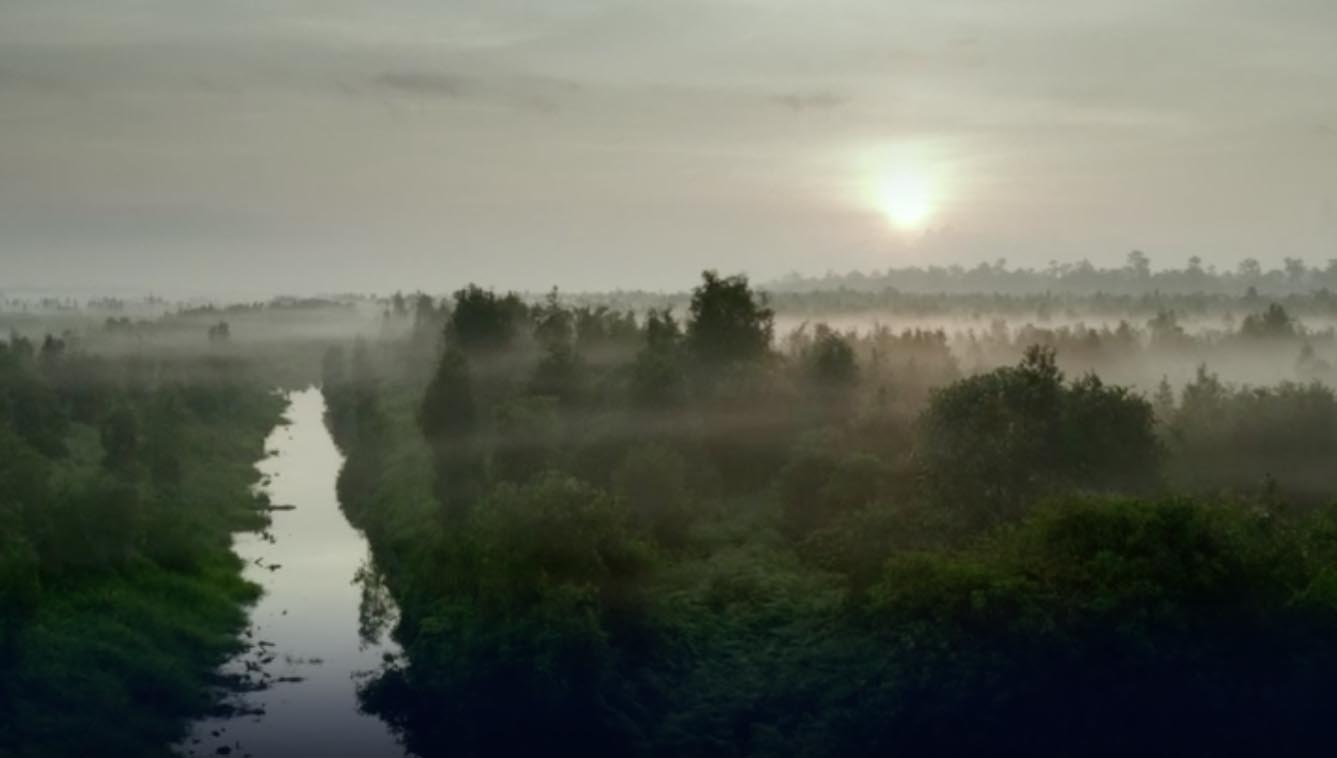
Peatlands in Indonesia (image from “Age of Nature”)

3.  Peatlands: Taryono Darusman, director of research and development of the Katingan Project in Indonesia, tells us that, “globally, peatlands store around five hundred and fifty gigatons of carbon.” Covering only 3% of the land on Earth, peatlands absorb twice the amount of carbon in all the world’s forests—which are ten times the size. Peatland ecosystems also provide for a unique and highly biodiverse community. Peatlands form in wetlands and rainforests; many of these areas have been drained to create canals or for agriculture. The drying peatlands become susceptible to fire. The Borneo fires of 2015 released more carbon than all of North America’s industry of that same year.  

The last ten minutes of the film are truly heartwarming and encouraging as the film documents how awareness is growing and inspiring a grass roots movement, particularly with the brave efforts of youth around the world. People like young Dayak activist, Emmanuela Shinta (who worked with youth groups to replant a destroyed ecosystem in Kalimantan, Borneo), and eleven-year old Madison Edwards (who started a social media campaign to stop oil drilling off the shores of Belize).

Planting in Borneo (image from “Age of Nature”)

Eco-heroism is sprouting all over the planet in response to her need for balance. Showing us that every single individual can make a difference…  

NINA MUNTEANU is a Canadian ecologist / limnologist and novelist. She is co-editor of Europa SF and currently teaches writing courses at George Brown College and the University of Toronto. Visit  www.ninamunteanu.ca for the latest on her books. Nina’s bilingual “La natura dell’acqua / The Way of Water” was published by Mincione Edizioni in Rome. Her non-fiction book “Water Is…” by Pixl Press(Vancouver) was selected by Margaret Atwood in the New York Times ‘Year in Reading’ and was chosen as the 2017 Summer Read by Water Canada. Her novel “A Diary in the Age of Water” was released by Inanna Publications (Toronto) in June 2020.