As a child, I always wanted a microscope.
I would have collected slimy waters from the scum ponds and murky puddles near my house. I would have brought them home and exposed them to the light of my microscope. I would then have peered deep into a secret world, where shady characters and alien forms lurked and traded.
It would be many years, when I was in college, before I finally witnessed this world—so alien, it might have inspired the science fiction books I wrote later as an adult. As it turned out, I was led to pursue a Masters of Science degree, studying periphyton (microscopic aquatic communities attached and associated with surfaces like rocks and plants) in local streams in the Eastern Townships of Quebec.
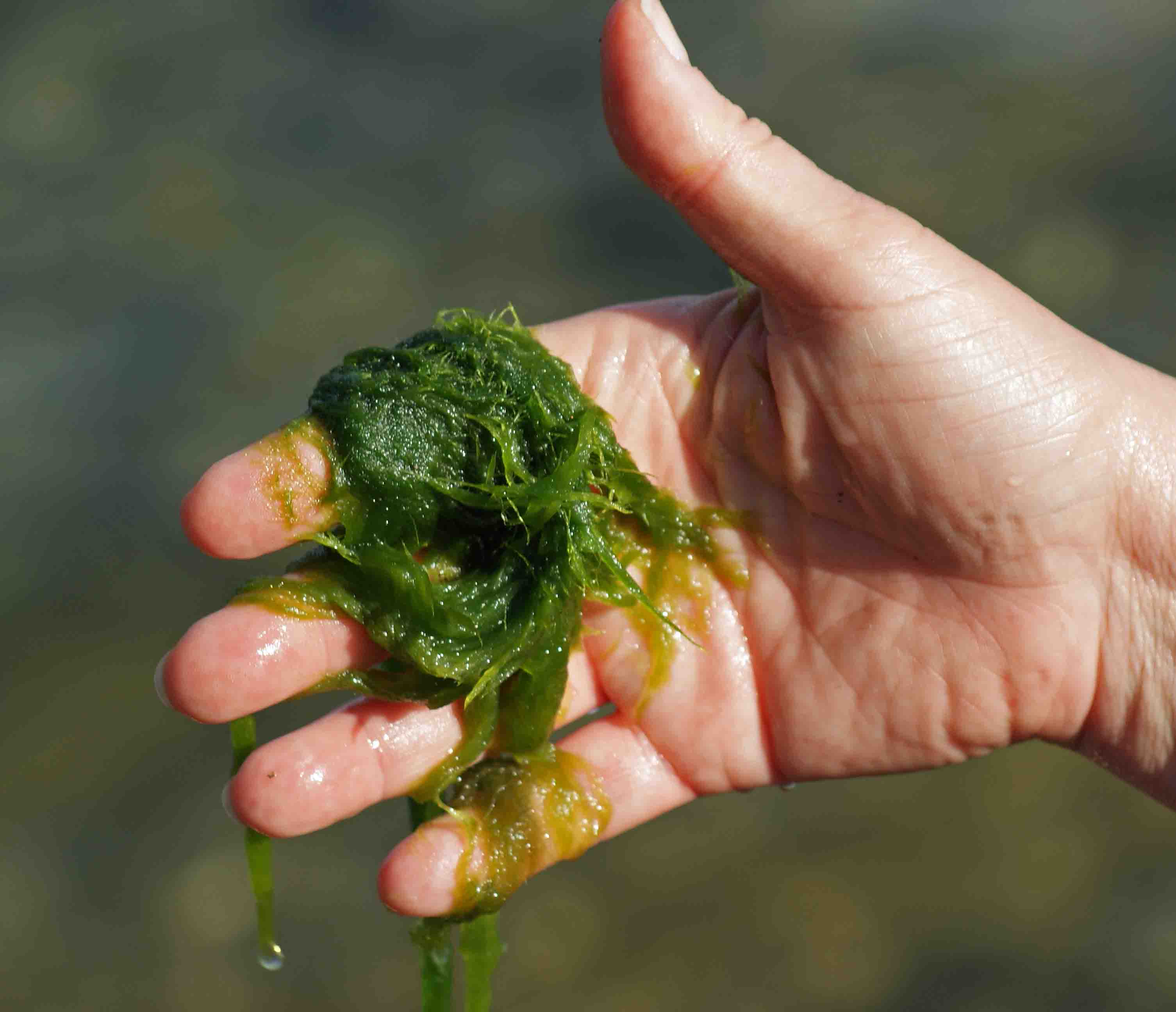
While my work focused on how diatoms (glass-walled algae) colonized surfaces, micro-invertebrates kept vying for my attention. Water fleas (cladocerans), copepods, rotifers, seed shrimps (ostracods) and water bears sang across my field of vision. They flitted, lumbered, wheeled and meandered their way like tourists lost in Paris. But this wasn’t Paris; I’d taken the blue pill and entered the rabbit hole into another world…

The Secret—and Dangerous—World of Micro-Organisms
Small Freshwater habitats are home to a highly productive and diverse collection of micro-invertebrates—multicellular animals that can barely be seen with the naked eye. Many average from 0.5 to 1 mm in size and resemble little white blobs; however, a scholar can distinguish each invertebrate by its unique movement. For instance, when presented with a jar of pond water, I can usually distinguish among the wheel-like wandering of a gastrotrich, dirigible-like gliding of an ostracod (seed shrimp), the vertical goldfinch-style “hopping” of the cladoceran (water flea) as it beats its antennae, or the halting-jerking movements of copepods (oar-feet) as their antennae drive them along like a dingy propelled by an amateur oarsman.
Alas, puddles, ephemeral ponds and vernal pools pose sketchy habitats, given their tendency to appear and disappear in a wink. And like the thief in the night, they pose a harsh and uncertain home to many small organisms. These environments are ever-changing, unstable, chaotic and unpredictable. Yet, anyone who has studied these variable ecosystems understands that they team with life.
When a puddle or ephemeral pond dries up then reappears with rain, how can these communities thrive? Or do they all die off and then somehow recruit when the pond reappears? Many of these invertebrates have evolved creative ways to survive in very unstable environments. Some form a resting stage—a spore, resting egg or ‘tun’—that goes dormant and rides out the bad weather.

Animalcules & the Bdelloid Rotifer
In 1701, Antonie van Leeuwenhoek observed that “animalcules” (likely the bdelloid rotifer Philodina roseaola) survived desiccation and were “resurrected” when water was added to them. He’d discovered a highly resistant dormant state of an aquatic invertebrate to desiccation.
Dormancy is a common strategy of organisms that live in harsh and unstable environments and has been documented in crustaceans, rotifers, tardigrades, phytoplankton and ciliates. “Dormant forms of some planktonic invertebrates are among the most highly resistant … stages in the whole animal kingdom,” writes Jacek Radzikowski in a 2013 review in the Journal of Plankton Research. Radzikowski describes two states of dormancy: diapause and quiescence. (on right: sketch of bdelloid rotifer by Nina Munteanu)

Bdelloid rotifers can go into quiescent dormancy at practically any stage in their life cycle in response to unfavorable conditions. Early research noted that dormant animals could withstand freezing and thawing from −40°C to 100°C and storage under vacuum. They also tolerated high doses of UV and X radiation. Later work reported that some rotifers could survive extreme abiotic conditions, such as exposure to liquid nitrogen (−196°C) for several weeks or liquid helium (−269°C) for several hours. Desiccated adult bdelloid rotifers apparently survived minus 80°C conditions for more than 6 years. The dormant eggs of cladocerans and ostracods also survived below freezing temperatures for years.
Rotifers are cosmopolitan detrivores (they eat detritus) and contribute to the decomposition of organic matter. Rotifers create a vortex with ciliated tufts on their heads that resemble spinning wheels, sweeping food into their mouths. They often anchor to larger debris while they feed or inch, worm-like, along substrates. Some are sessile, living inside tubes or gelatinous holdfasts and may even be colonial. Rotifers reproduce by parthenogenesis (in the absence of mates), producing clones (like cladocerans). Resting eggs (sometimes called zygotes) survive when a pond dries up. Bdelloid rotifers don’t produce resting eggs; they survive desiccation through a process called anhydrobiosis, contracting into an inert form and losing most of their body water. Embryos, juveniles and adults can undergo this process. The bdelloid withdraws its head and foot and contracts its body into a compact shape called a tun; a generally unprotected dormant state that remains permeable to gases and liquids. Like Tardigrades, Bdelloid rotifers can resist ionizing radiation because they can repair DNA double-strand breaks.

The long-term survival and evolutionary success of bdelloid rotifers in the absence of sex arises from horizontal gene transfer via DNA repair.
In my eco-novel A Diary in the Age of Water the limnologist Lynna visits her technician Daniel as he peers through a microscope and makes the observation of why the bdelloid rotifer is well-suited to climate change:
I bent to peer through the eyepiece at what turned out to be a pond sample in a Petri dish. Attached to a pile of detritus shivering in the current, several microscopic metazoans—rotifers—swung like trees in a gale; they were feeding. Their ciliated disk-like mouths twirled madly, capturing plankton to eat. Watching them reminded me of my early research days as an honours undergrad at Concordia University in Montreal. Probably Philodina, I thought; I had seen many during my stream research in Quebec.
“They’re the future,” Daniel said, looking up at me with a smirk as I straightened.
I raised my eyebrows, inviting him to elaborate, which he cheerfully did.
“They’re the future because of their incredible evolutionary success and their ecological attraction to environmental disaster.” He knew he’d piqued my interest. “These little creatures have existed for over forty million years, Lynna. Without sex! And they’re everywhere. In temporary ponds, moss, even tree bark. Bdelloid mothers that go through desiccation produce daughters with increased fitness and longevity. In fact, if desiccation doesn’t occur over several generations, the rotifers lose their fitness. They need the unpredictable environment to keep robust.” They incorporate genes from their environment: they acquire DNA transposons—mobile DNA—through HGT.”
—A DIARY IN THE AGE OF WATER
The bdelloid all-female populations have thrived for millions of years by maintaining a robust and diverse population through epigenetics and DNA repair during dormancy…The dormancy of all-female bdelloids is an elegant technique to ride out harsh conditions. The bdelloids can go dormant quickly in any stage of their life cycle, and they’re capable of remaining dormant for decades. They can recover from their dormancy state within hours when the right conditions return and go on reproducing without the need to find a mate.
Highly variable environments tend to support rare species: organisms that are uniquely equipped for change. These are the explorers, misfits, and revolutionaries who do their work to usher in a new paradigm. They carry change inside them, through phenotypic plasticity, physiological stress response mechanisms, or life history adaptations. Like bdelloid rotifers going dormant through anhydrobiosis. Or blue-green algae forming dormant akinete spores. In tune with the vacillations of Nature, epigenetics-induced adaptation is the only option for keeping up with rapid and catastrophic environmental change, not to mention something as gigantic as climate change. That’s why the bdelloid rotifers survived for millennia and will continue for many more. They adapt by counting on change.
References:
Munteanu, Nina. 2020. “A Diary in the Age of Water.” Inanna Publications, Toronto. 300pp.
Munteanu, Nina. 2016. “Water Is…The Meaning of Water.” Pixl Press, Vancouver. 586pp.
O’Leary, Denise. 2015. “Horizontal gene transfer: Sorry, Darwin, it’s not your evolution anymore.” Evolution News, August 13, 2015. Online: https://www.evolutionnews.org/201508/horizontal_gene/
Ricci, C. And D. Fontaneto. 2017. “The importance of being a bdelloid: Ecological and evolutionary consequences of dormancy.” Italian Journal ofZoology, 76:3, 240-249.
Robinson, Kelly and Julie Dunning. 2016. “Bacteria and humans have been swapping DNA for millennia”. The Scientist Magazine, October 1, 2016. Online: https://www.the-scientist.com/?articles.view/articleNo/47125/title/Bacteria-and-Humans-Have-Been-Swapping-DNA-for-Millennia/
Weinhold, Bob. 2006. “Epigenetics: the science of change.” Environmental Health Perspectives, 114(3): A160-A167.
Williams, Sarah. 2015. “Humans may harbour more than 100 genes from other organisms”. Science, March 12, 2015. Online: http://www.sciencemag.org/news/2015/03/humans-may-harbor-more-100-genes-other-organisms

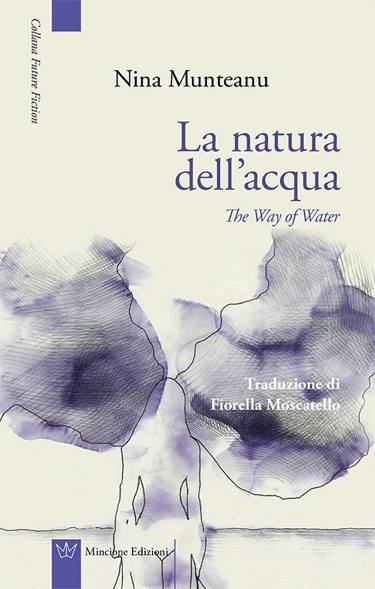
Nina Munteanu is a Canadian ecologist / limnologist and novelist. She is co-editor of Europa SF and currently teaches writing courses at George Brown College and the University of Toronto. Visit www.ninamunteanu.ca for the latest on her books. Nina’s bilingual “La natura dell’acqua / The Way of Water” was published by Mincione Edizioni in Rome. Her non-fiction book “Water Is…” by Pixl Press (Vancouver) was selected by Margaret Atwood in the New York Times ‘Year in Reading’ and was chosen as the 2017 Summer Read by Water Canada. Her novel “A Diary in the Age of Water” was released by Inanna Publications (Toronto) in June 2020.

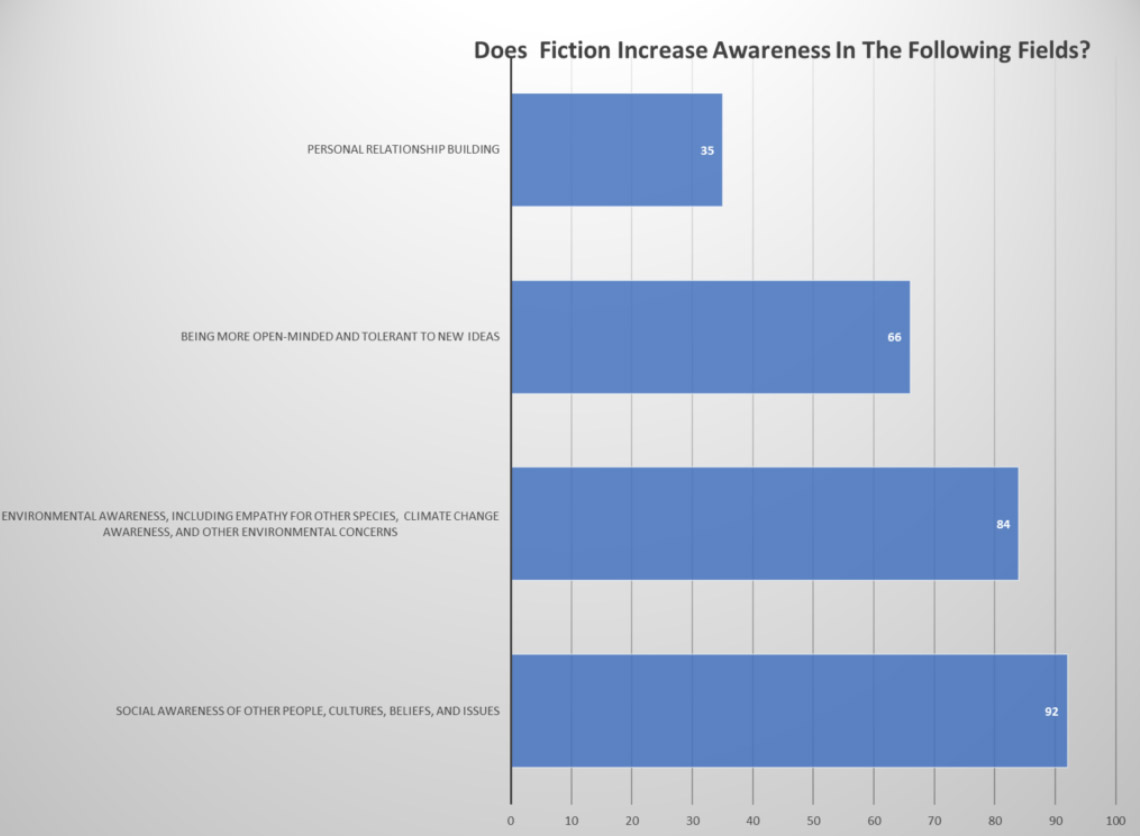
 Some of the most impactful novels according to the readers surveyed include Barbara Kingsolver’s Flight Behavior, Richard Power’s The Overstory, Margaret Atwood’s MaddAddam trilogy, Cormac McCarthy’s The Road, Edward Abbey’s Monkey Wrench Gang, and Ursula K. Le Guin’s Hainish Cycle series.
 In my writing guidebook
  They met in the lobby of a shabby downtown Toronto hotel. Hilda barely knew what she looked like but when Hanna entered the lobby through the front doors, Hilda knew every bit of her. Hanna swept in like a stray summer rainstorm, beaming with the self-conscious optimism of someone who recognized a twin sister. She reminded Hilda of her first boyfriend, clutching flowers in one hand and chocolate in the other. When their eyes met, Hilda knew. For an instant, she knew all of Hanna. For an instant, she’d glimpsed eternity. What she didn’t know then was that it was love.
  Environmental forces—such as weather, climate, forests, mountains, water systems—convey the mood and tone of both story and character. These environmental forces are not just part of the scenery. To a writer, they are devices used in plot, theme and premise. They may also be a compelling character, particularly in eco-fiction, climate-fiction, and speculative fiction. Dystopian fiction often explores a violent world of contrast between the affluent and vulnerable poor that often portrays the aftermath of economic and environmental collapse (e.g., Maddaddam Trilogy, The Windup Girl, Snowpiercer, Interstellar, Mad Max). In any fiction genre it is important to get the science right. Readers of fiction with strong environmental components, however, expect to learn as much from the potential reality as from the real science upon which the premise depends.
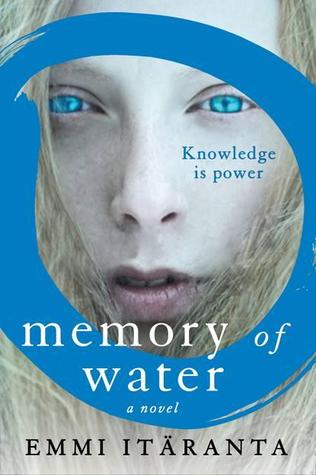 Water is the most versatile of all elements … Water walks with the moon and embraces the earth, and it isn’t afraid to die in fire or live in air. When you step into it, it will be as close as your own skin, but if you hit it too hard, it will shatter you … Death is water’s close companion. The two cannot be separated, and neither can be separated from us, for they are what we are ultimately made of: the versatility of water, and the closeness of death. Water has no beginning and no end, but death has both. Death is both. Sometimes death travels hidden in water, and sometimes water will chase death away, but they go together always, in the world and in us.
  Annie Proulx opens her novel Barkskins with a scene in which René Sel and fellow barkskins (woodcutters) arrive from France in the late seventeenth century to the still pristine wilderness of Canada to settle, trade and accumulate wealth:

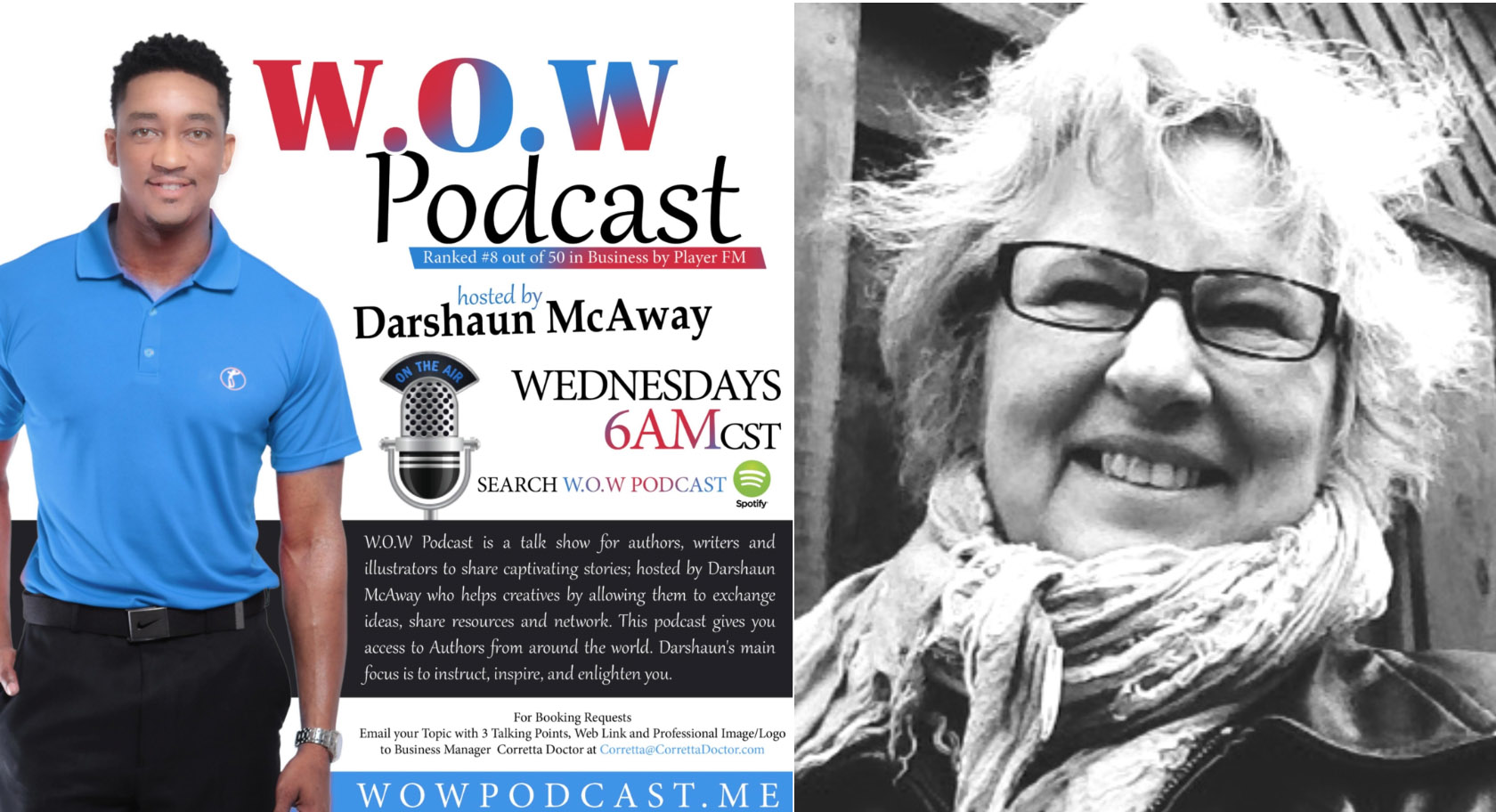
 Darshaun McAway has been hosting W.O.W. Podcast from Arkansas in the USA since 2017. With over a hundred episodes to date, Darshaun’s main focus is to instruct, inspire and enlighten through interviews with authors around the world. Other Canadian science fiction authors who have appeared on W.O.W include
 I write mostly eco-fiction. Even before it was known as eco-fiction, I was writing it. My first book—
 Water has been used as a powerful archetype in many novels. In my latest novel,
  In these examples the environmental aspect serves as symbol and metaphoric connection to theme. They can illuminate through the sub-text of metaphor a core aspect of the main character and their journey: the grounding nature of the land of Tara for Scarlet O’Hara in Margaret Mitchel’s Gone With the Wind; the white pine forests for the Mi’kmaq in Annie Proulx’s Barkskins; The animals for Beatrix Potter of the Susan Wittig Albert series.
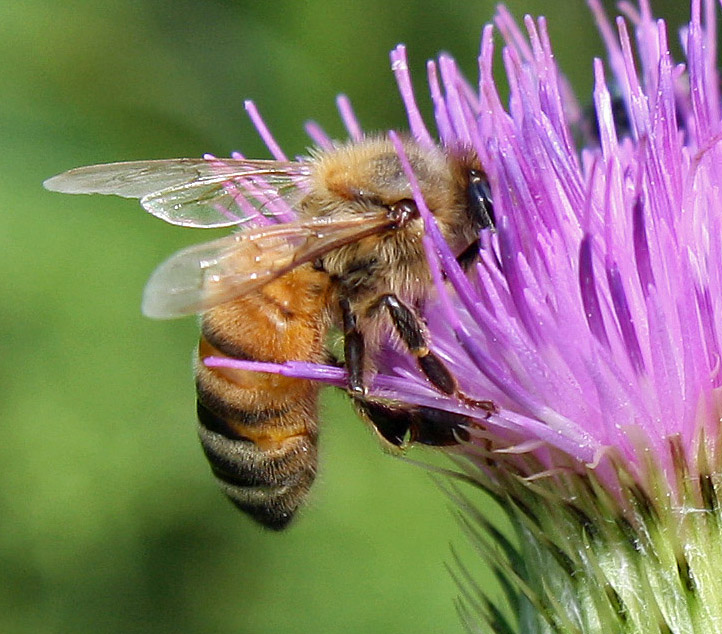

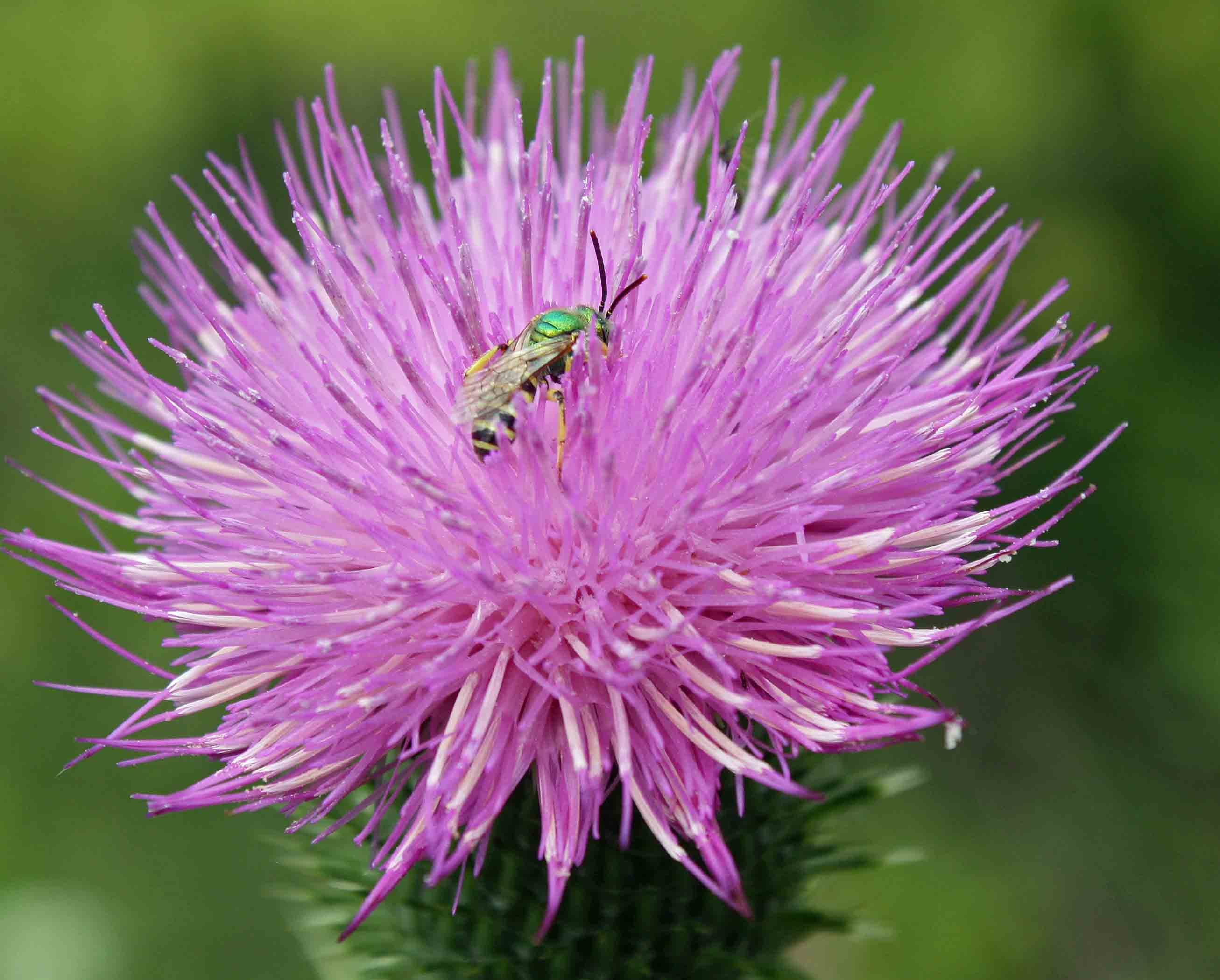
 Nina: I guess that every weed was once a native somewhere. I also agree that times are changing—faster than many of us are ready for, humans included. If you were to identify with an archetype, which would you choose?
 We are now living in the Age of Water. Water is the new “gold”, with individuals, corporations and countries positioning themselves around this precious resource. Water is changing everything. The Age of Water Podcast covers anything of interest from breaking environmental news to evergreen material. This also includes human interest stories, readings of eco-literature, discussion of film and other media productions of interest.


 Patricia Westerford—whose work resembles that of Diana Beresford-Kroeger (author of The Global Forest) and UBC’s
  In his review of Overstory in
  Proulx immerses the reader in rich sensory detail of a place and time, equally comfortable describing a white pine stand in Michigan and logging camp in Upper Gatineau to a Mi’kmaq village on the Nova Scotia coast or the stately Boston home of Charles Duquet. The foreshadowing of doom for the magnificent forests is cast by the shadow of how settlers treat the Mi’kmaq people. The fate of the forests and the Mi’kmaq are inextricably linked through settler disrespect and a fierce hunger for “more.”
 “The reader comes to realize that the novel isn’t really about the human characters so much as it is about the forests,” Gus Powell of
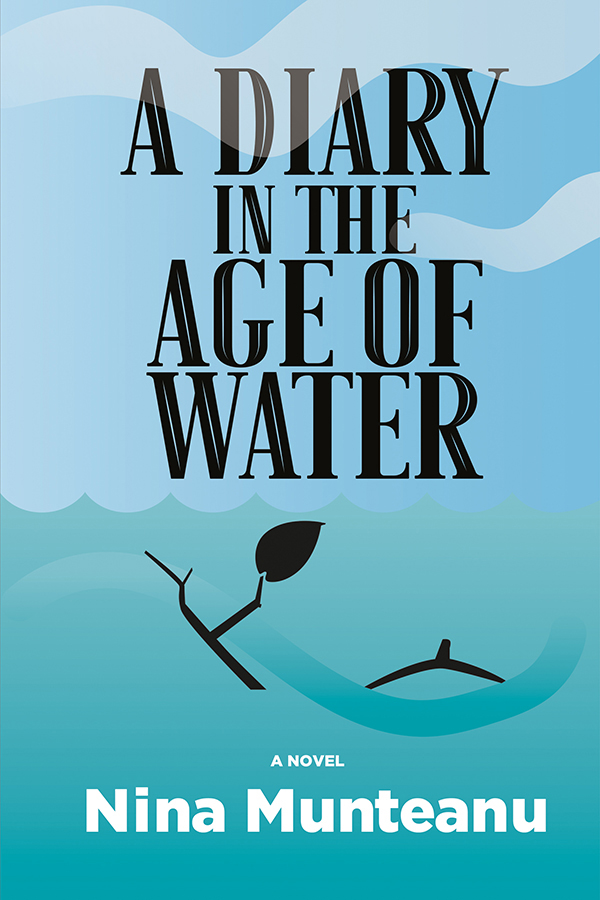 On June 18th, Toronto book publishing house
 Who really… My



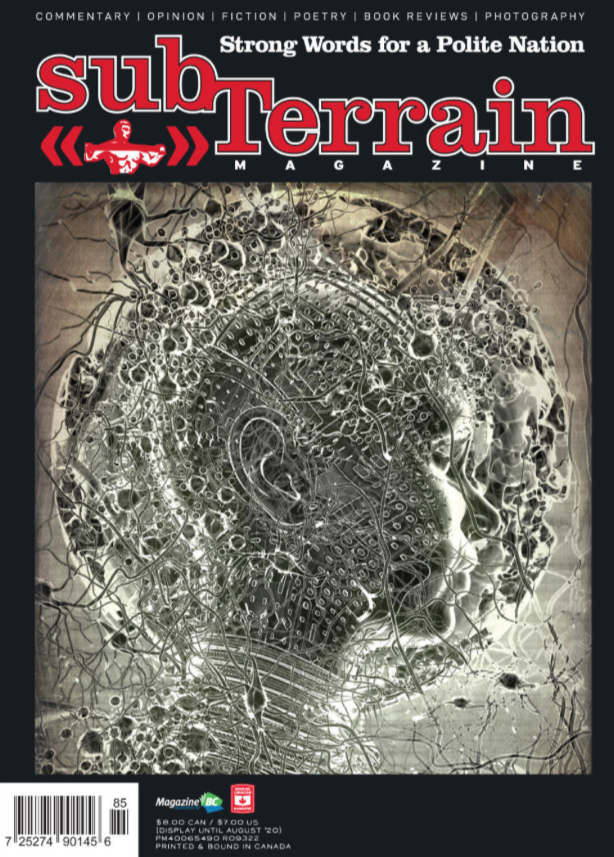 My short story “Out of the Silence,” which appeared in the Spring 2020 issue of
 In her 1997 biography Rachel Carson: Witness for Nature, historian and science biographer Linda Lear wrote:
 “Miss Rachel Carson’s reference to the selfishness of insecticide manufacturers probably reflects her Communist sympathies, like a lot of our writers these days. We can live without birds and animals, but, as the current market slump shows, we cannot live without business. As for insects, isn’t it just like a woman to be scared to death of a few little bugs! As long as we have the H-bomb everything will be O.K.”

 Nina Munteanu Writing Coach