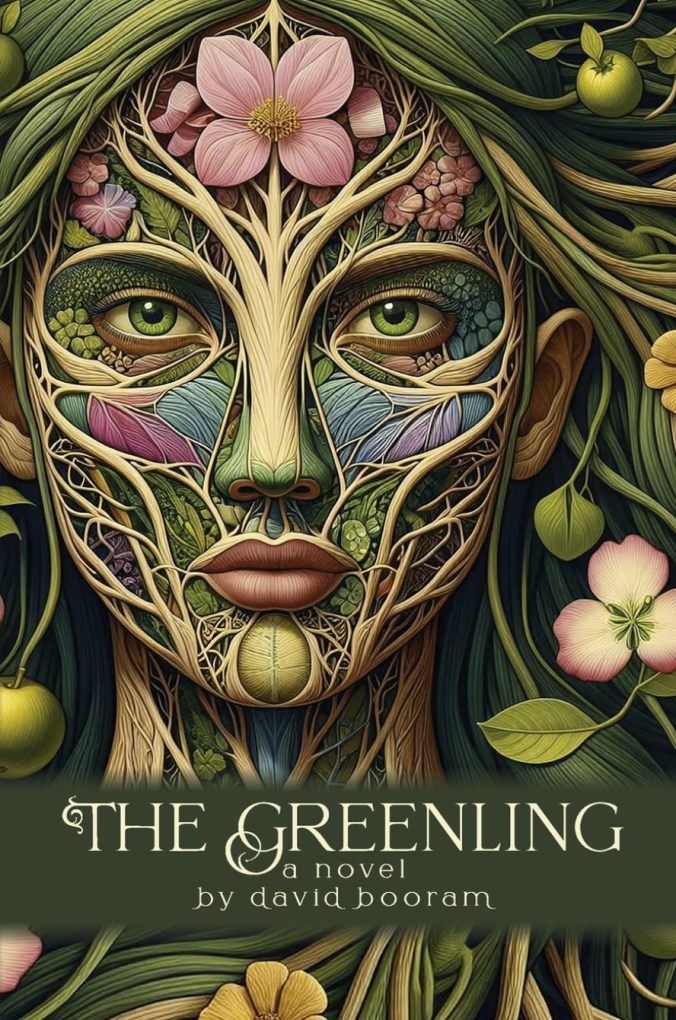
The Greenling by David Booram is an exploration of an intriguing ‘Nature evolving’ premise, told through a coming-of-age narrative.
Responding to continued human tampering, a growing sentient Nature calls a young environmental activist to action in a planetary reset. The main character is Noah, ostracized by her peers due to her unique perspective on the world and her activism for Nature. This makes her a candidate for Nature’s planetary reset.
.
While I felt that the story used over-simplified fantasm and eco-terrorism in a way not to my liking, I found most intriguing Booram’s use of biosemiosis, the notion that all life finds meaning.
Coincidently, I had agreed to read Booram’s eco-fiction novel (without knowing much about it) after a social media conversation we’d had during a time when I was working on my most recent novel, tentatively called (Re)Genesis. My novel relied heavily on the concept of biosemiosis. Its premise of dark karma—when Nature learns to reflect back what we send out—made use of real examples of learning, pattern recognition, anticipation and adaptation in non-human life. (Another coincidence at this same time occurred when another author approached me to read their work on coincidence, which I am currently reading).
In the 1930s, Jakob von Uexküll coined the term Umwelt (species-specific reality or subjective environment) to define a life process that involved semiotic interactions. He argued that an organism’s behaviour results from activity that attributes meaning to the world around it, rather than merely mechanically reacting to stimuli. Building on this notion, Friedrich S. Rothschild coined the term “biosemiosis” in 1962 to postulate that life has its subjective interpretation of the world around it (its Umwelt), a segment of the world that has significance and meaning based on that life’s biology and needs. Developing biosemiosis further, Thomas Sebeok later contended that all organisms are enveloped in a cloud of messages about themselves and their situation, which they constantly transmit, receive, and interpret. Life itself is a process of signification and meaning-making, from bacteria and plants to mammals and birds. Biosemiosis involves pattern recognition, anticipation, flexibility, goal-directed movement, memory, and learning.
Perhaps most intriguing is how The Greenling touches on humanity’s growing zeitgeist of not just planetary awareness but of sensibility, a sense that we are interlinked with all other life and nonlife, that we are all more than the sum of our parts. And only then—when we make meaning of our Umwelt—can we transcend from our toxic insecurities and bullying ways.
The Greenling is worth reading for how it weaves climate facts into compelling personal story. I also find refreshing that Booram gives full agency to the environment, Nature, and its nonhuman representatives.
I have been writing, reading, and studying eco-fiction for several decades and what I found noteworthy is how agency of the environment, as character, has changed over the years and how Nature’s portrayal has evolved from ‘other’ with little agency to ‘not other’ with much agency. For more on this concept and change, I urge you to read my two essays on this evolution:
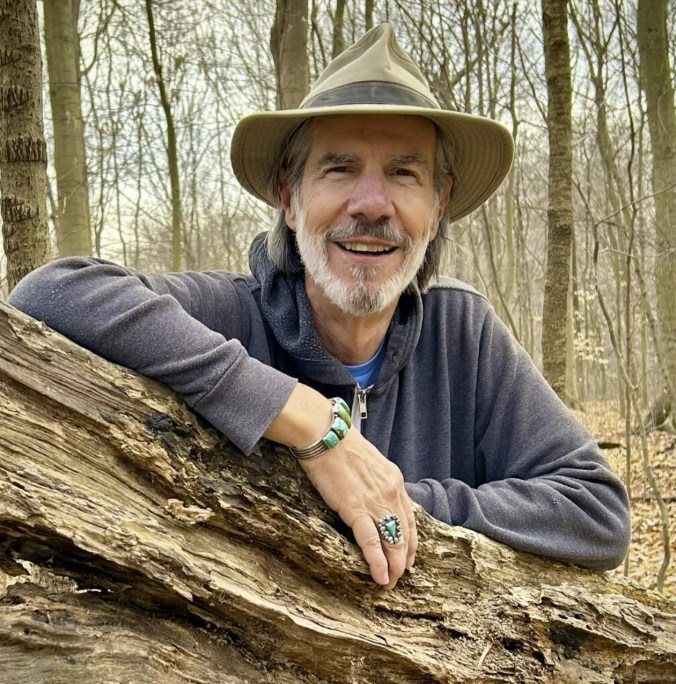
David Booram is the cofounder and director of Fall Creek Abbey, an urban retreat center in Indianapolis, where he and his wife Beth lead The School of Spiritual Direction and offer individual and group spiritual direction. He is the founder of Direction 4 Life Work, through which he is a career counselor.
.
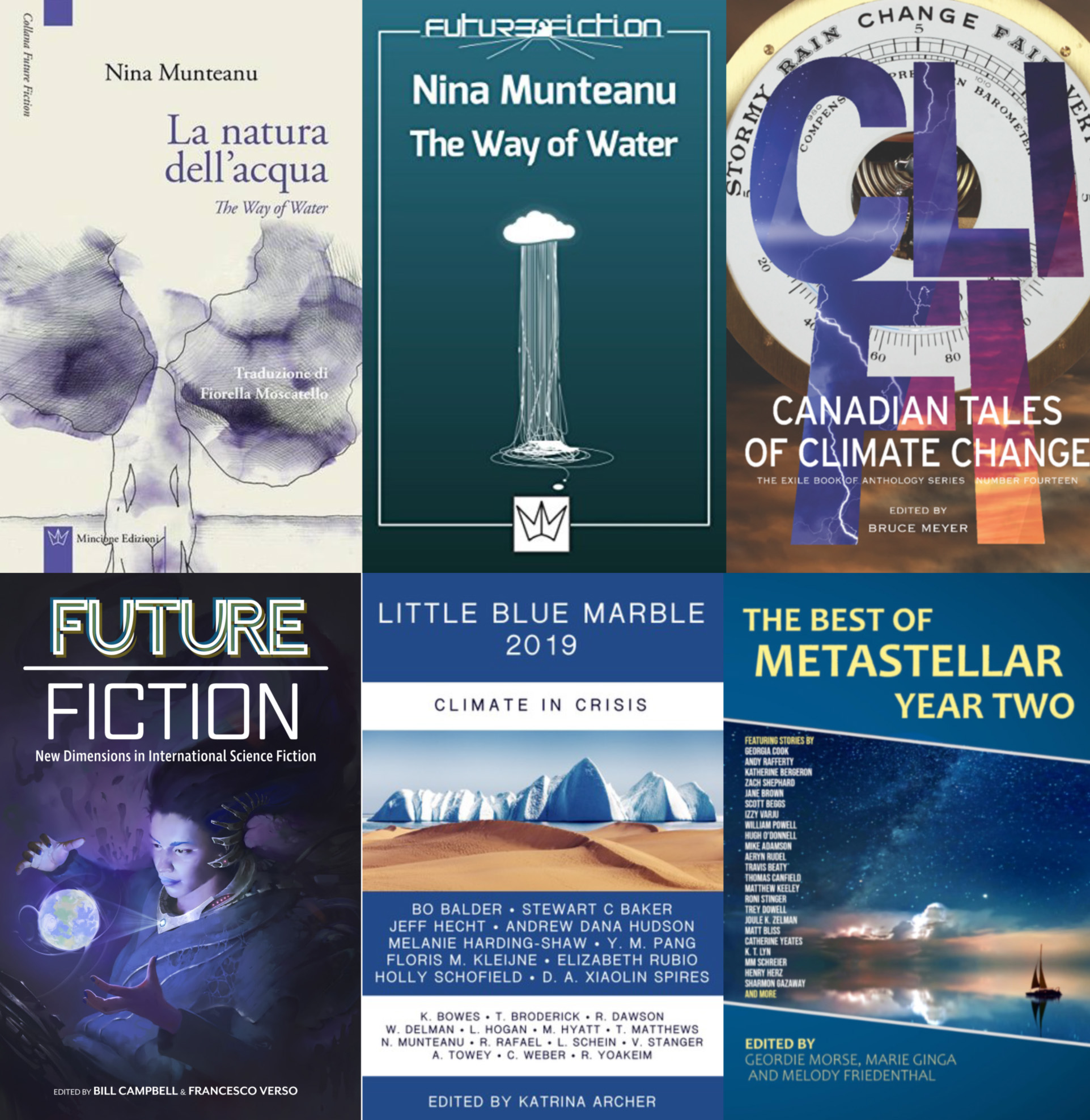
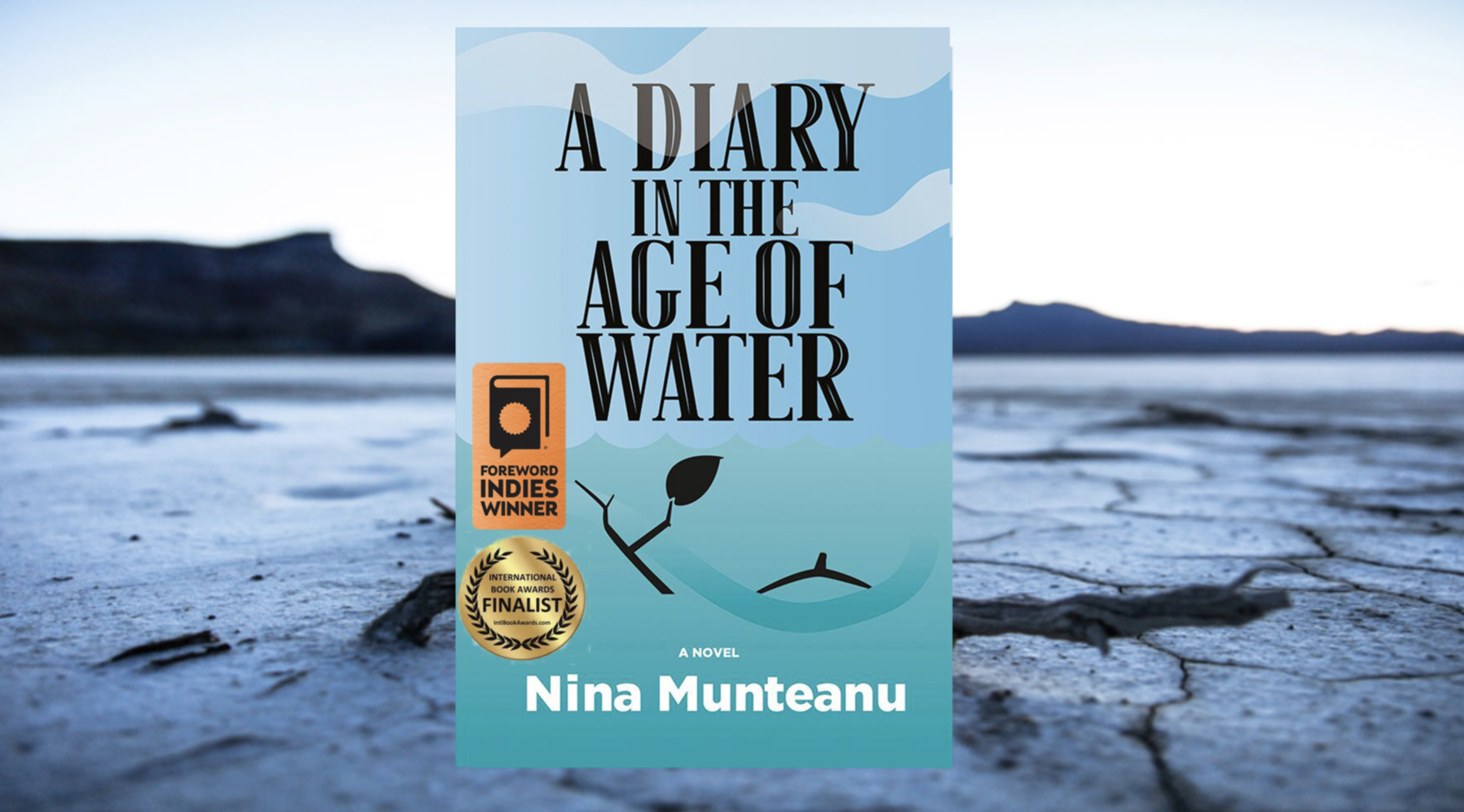
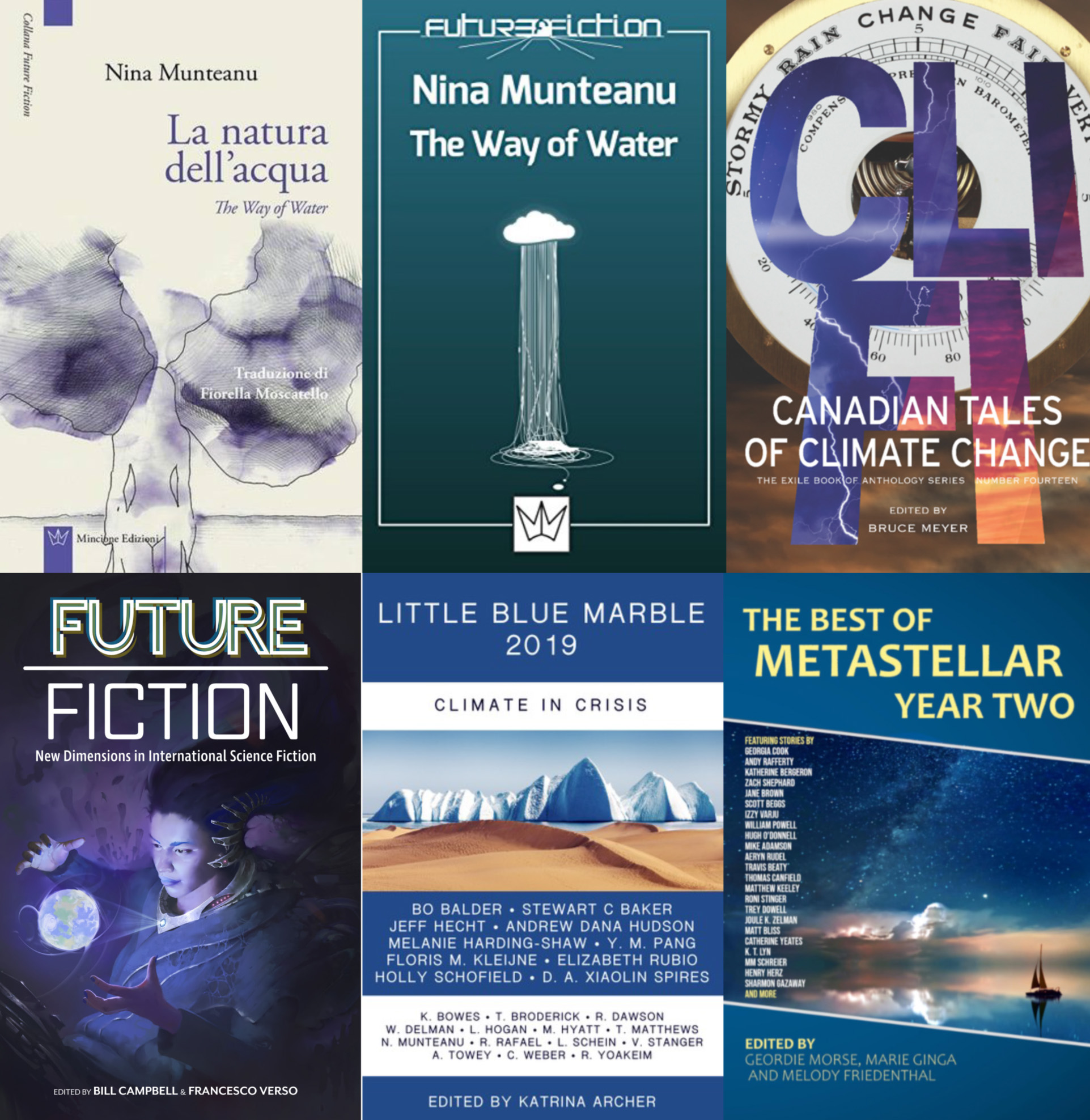
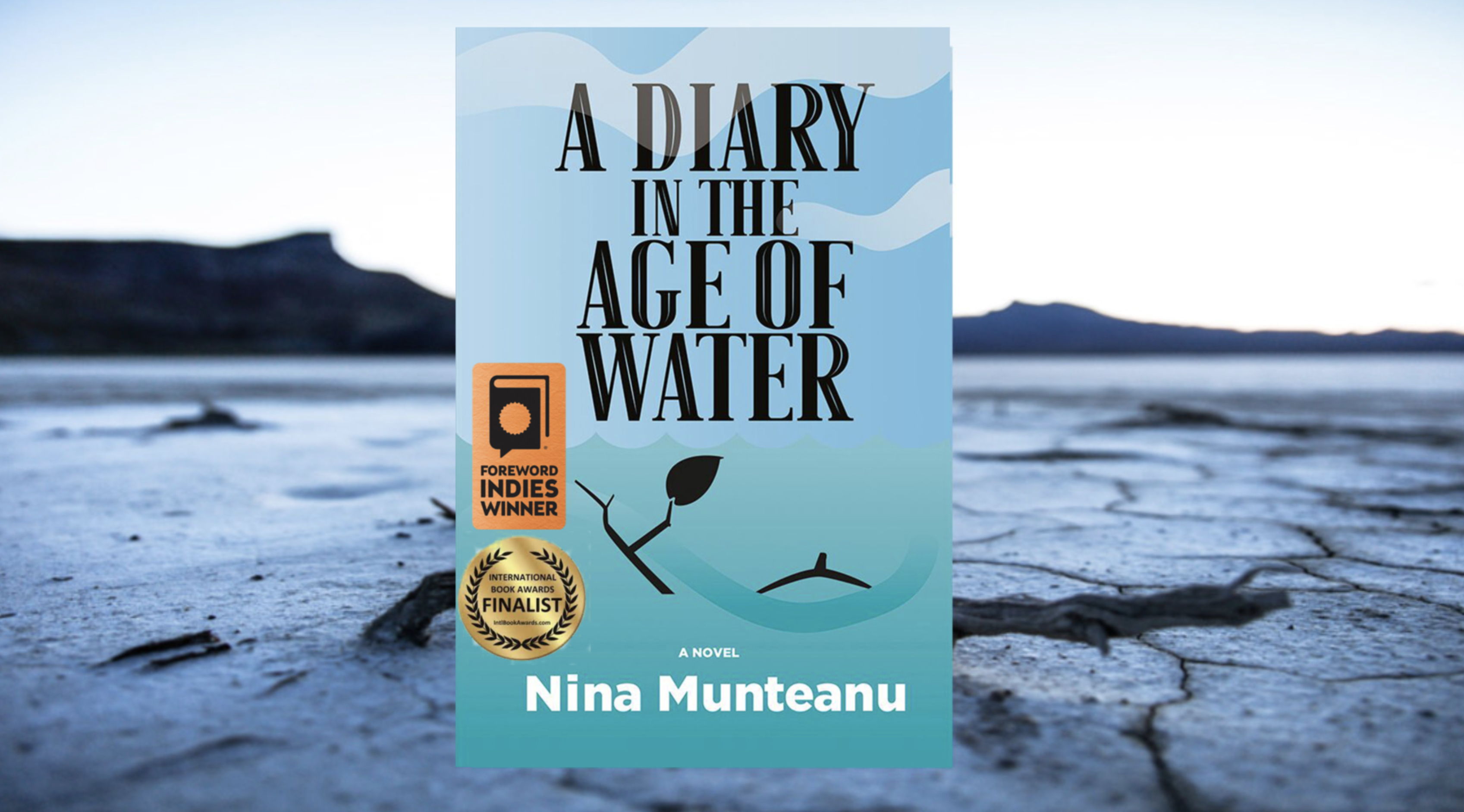
Nina Munteanu is a Canadian ecologist / limnologist and novelist. She is co-editor of Europa SF and currently teaches writing courses at George Brown College and the University of Toronto. Visit www.ninamunteanu.ca for the latest on her books. Nina’s bilingual “La natura dell’acqua / The Way of Water” was published by Mincione Edizioni in Rome. Her non-fiction book “Water Is…” by Pixl Press (Vancouver) was selected by Margaret Atwood in the New York Times ‘Year in Reading’ and was chosen as the 2017 Summer Read by Water Canada. Her novel “A Diary in the Age of Water” was released by Inanna Publications (Toronto) in June 2020.
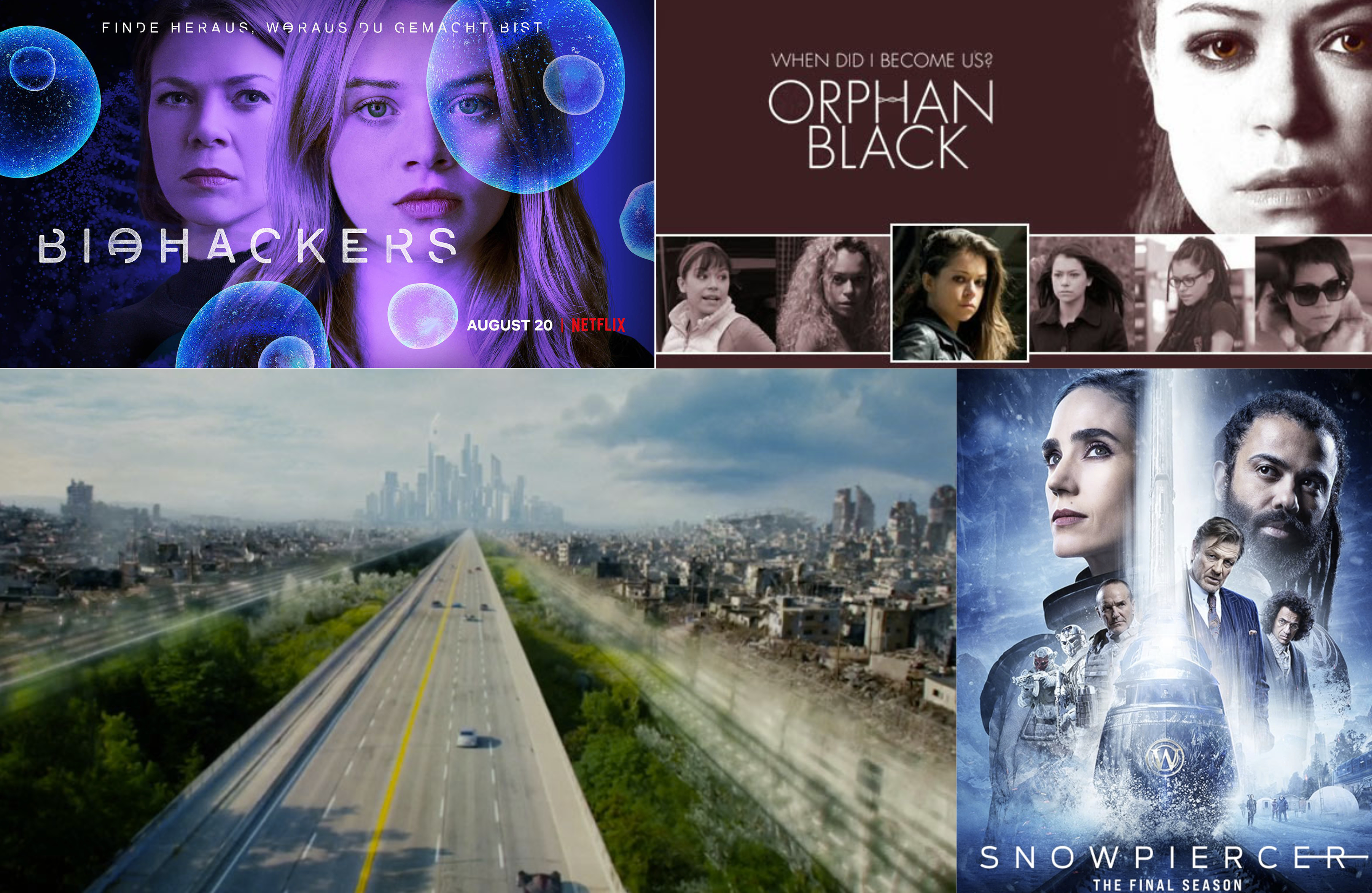
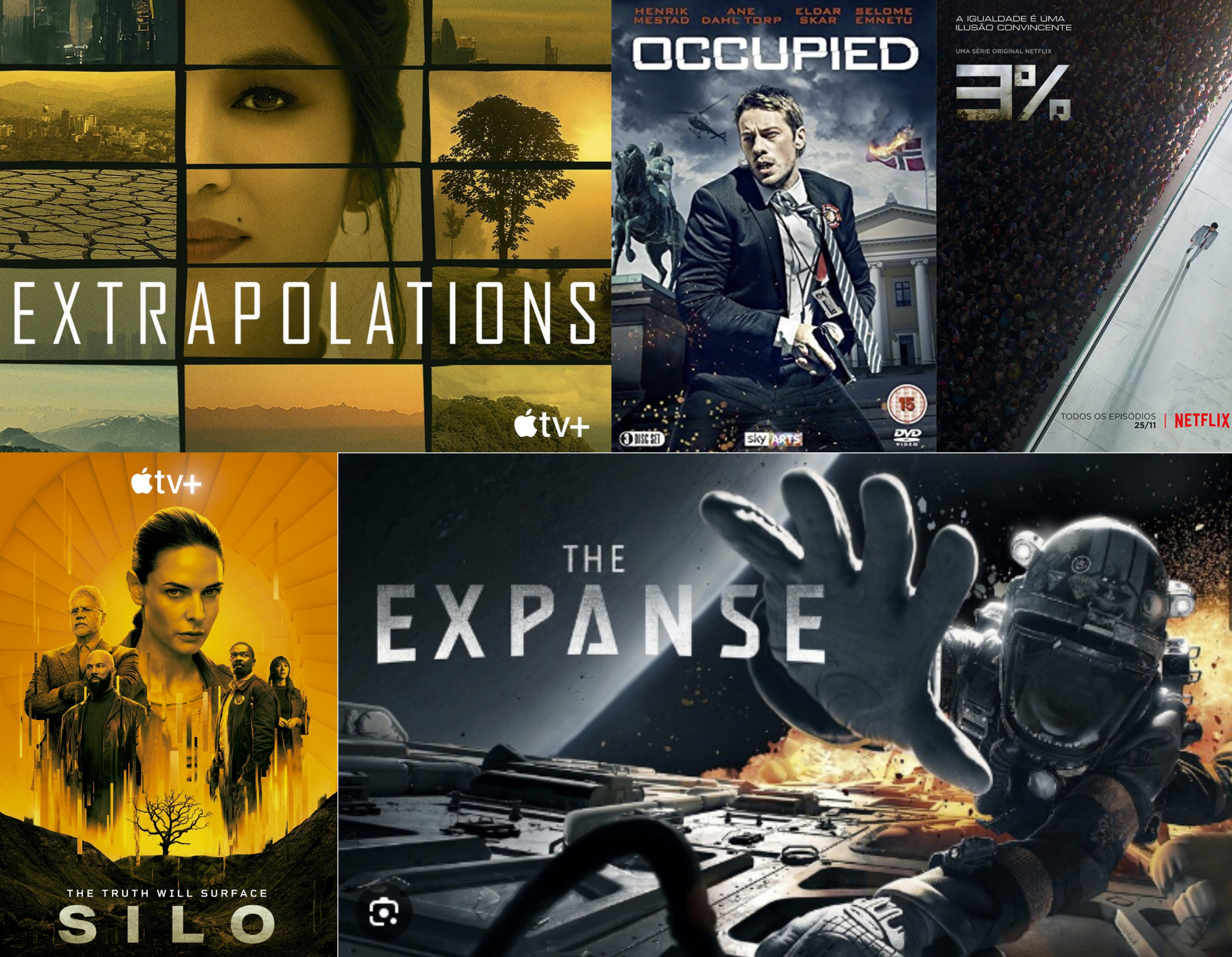
I’ve selected ten TV series that have intrigued me, moved me, and stayed with me for various reasons that touch on: abuse of justice, including eco-justice and environmental abuse; technology use and abuse; and the effects and horrors of climate change.
Some are well known; others not so well known. All approach storytelling with a serious dedication to depth of character, important themes, realistic world building, and excellent portrayal by actors. The world-building is extremely well done—in some cases rivalling Ridley Scott’s best—with convincing portrayals of worlds that are at times uncanny in their realism. Worlds that reflect story from an expansive landscape to the mundane minutiae of daily life: like the cracked phone device of Detective Miller in The Expanse or the dirty fingernails of engineer Juliette Nichols in the Down Deep of Silo. Stories vary in their treatment of important themes from whimsical and often humorous ironies to dark and moody treatises on existential questions. In my opinion, these TV series rival the best movies out there, often reflecting large budgets (but not always) and a huge commitment by producers. The ten TV series I’ve selected in this series come from around the world: Brazil, Germany, France, Norway, Canada and the United States.
In Part 2, I focus on five TV series that explore issues to do with resource allocation, adaptations to climate change and corporate / government biopolitics.
.
.
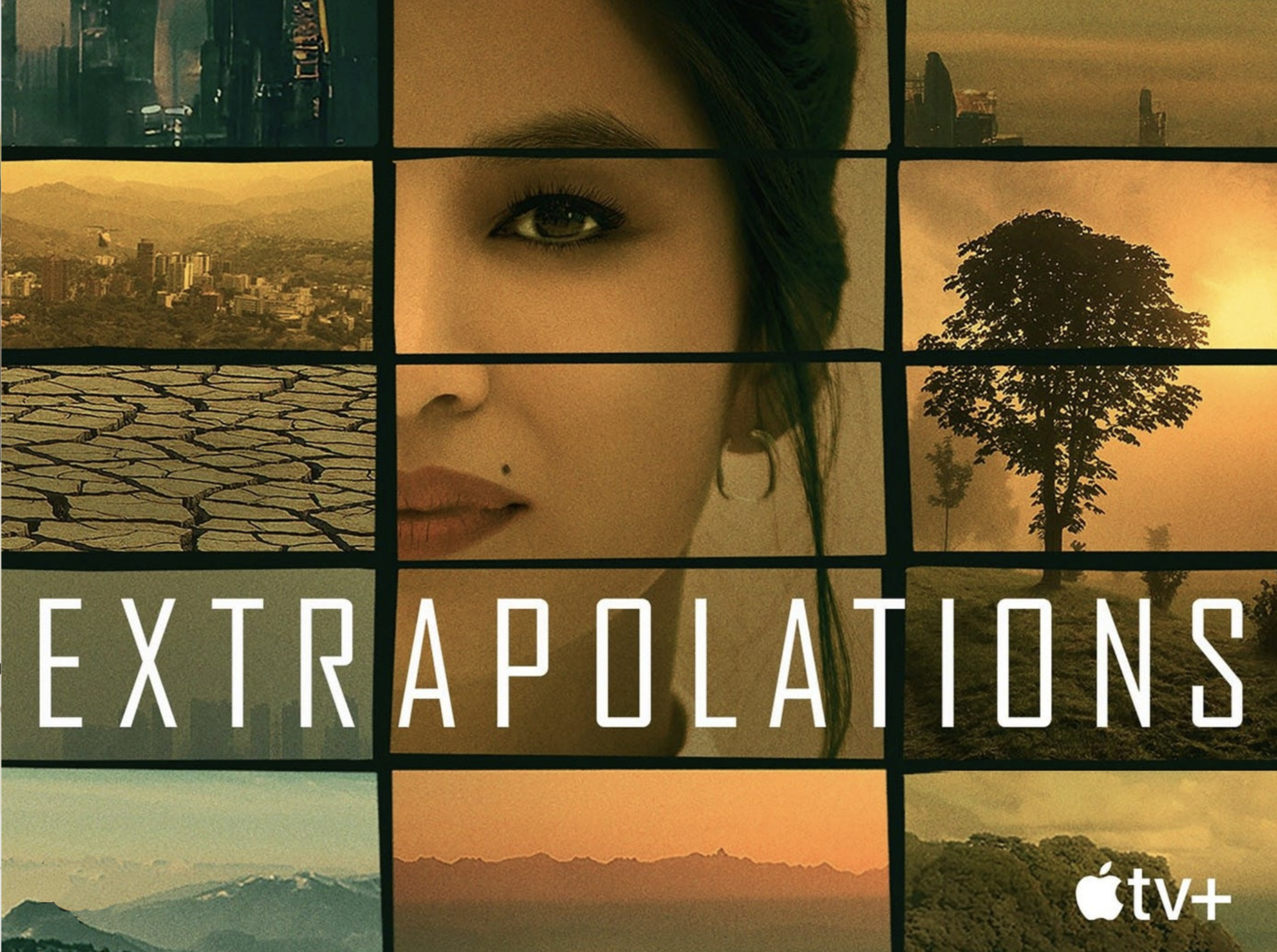
EXTRAPOLATIONS: A Journey into A Climate Changed Future
Extrapolations is an intelligent and vividly filmed mini-series of eight interconnected moral tales told over thirty-three years that extrapolate how our planet’s changing climate will affect family, work, faith, and—ultimately—our survival. Each episode focuses on the perspective of a few key characters whose choices often have significance consequence: from the myopic exploitation of greedy corporate moguls and feckless concessions of bureaucrats to the solidarity of common folk breaking the law to survive and scary solutions of eco-terrorists with messianic complexes. Emotions run raw and these characters you will either love or hate.
.
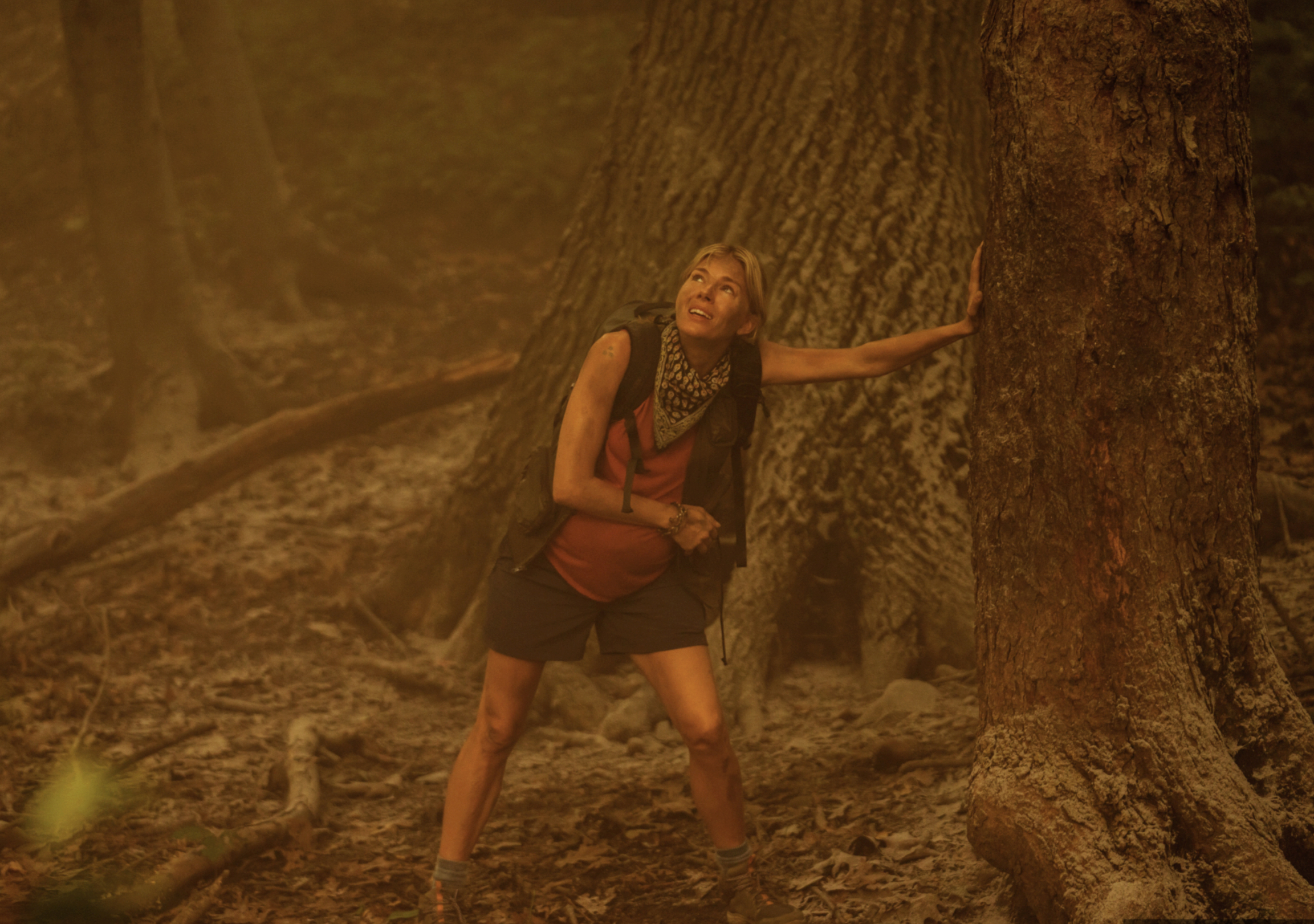
Rebecca Shearer (Sienna Miller) braves a wildfire in “A Raven Story”
.
Each episode adds its own installment of personal choice and tragedy. The first episode takes place a decade from now and is named “A Raven Story.” This first installment sets the tone of the entire series with an unsettling tirade of self-serving human actions to a sweeping tide of brewing climate disasters. What follows is a bleak procession of climate change calamity from growing wildfires and powerful hurricanes to sea level rise, melting glaciers, species extinction, and acidifying oceans. A few characters, trying to address environmental disaster, struggle with choices to either gamble the present for the future or gamble the future for the present. In the last scene, a climate activist Carmen Jalilo (Yara Shahidi) sums up the trajectory of the entire series. “What does an increase in global temperatures by two degrees Celsius mean to you and to me? It means that when the temperatures go up, our imagination must increase even more. It means that when the sea level rises we must rise up as well. It means that when forest fires obscure the horizon we must look toward each other and find our way forward. We cannot give up and go home for one simple reason. We already are home; this is our only home.”
Each episode in the procession of climate change is both a literal and metaphoric fable of our relationship to our environment, the creatures that live with us—our nonhuman relatives—and to each other: the real cause—and potential solution—to the calamities of climate change.
Episode 2, “Whale Fall”, features a beautiful heartfelt interaction between marine biologist Rebecca Shearer (Sienna Miller) and the last humpback whale in 2046. It is a solastalgic dirge on the sixth extinction event. When the whale asks the biologist “how might it be different” Shearer answers simply: “It will only change if we do, if we stop lying about the world, if we stop expecting the ones who come after us to fix it because we did not.”
.
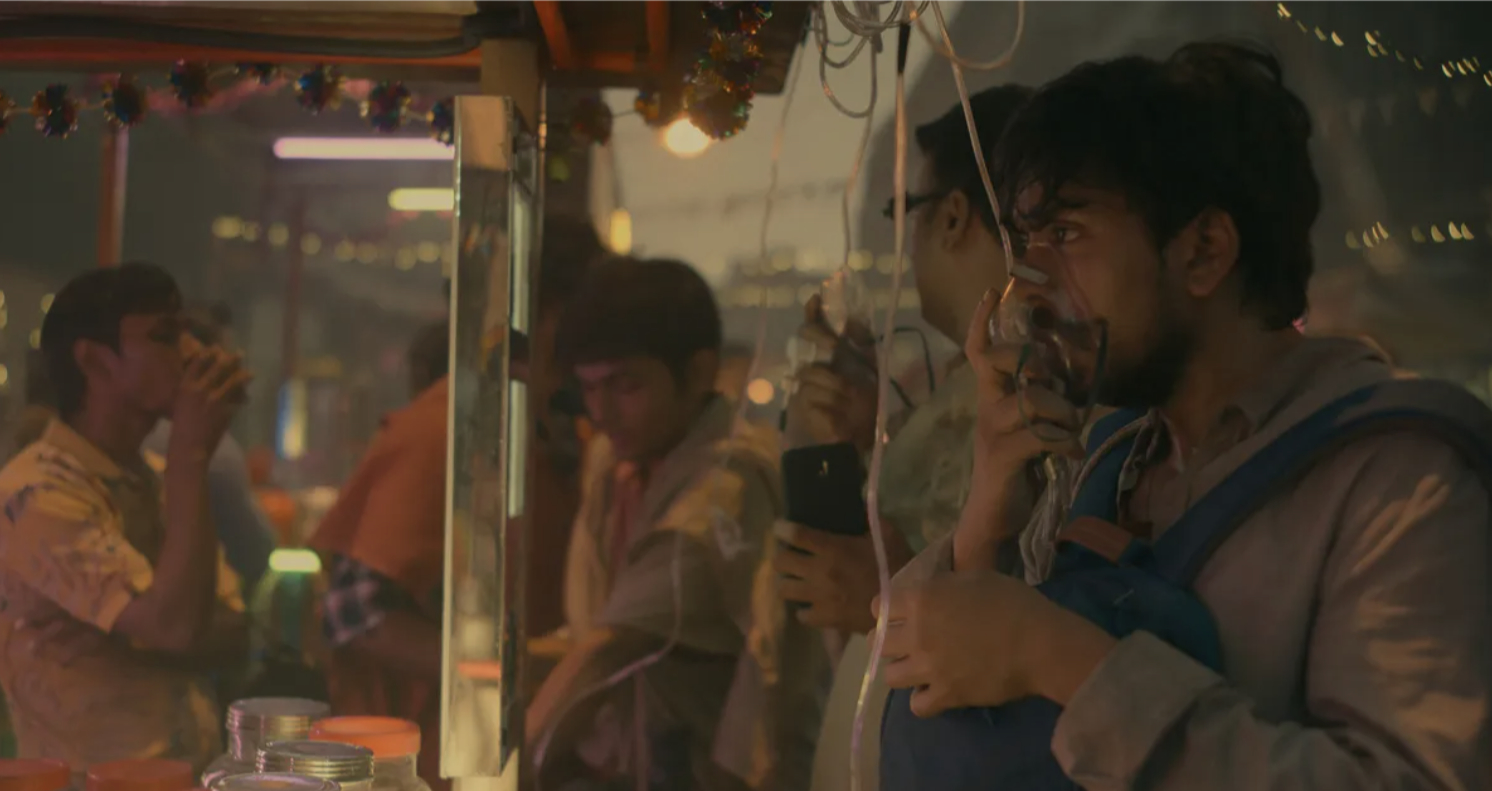
Gurav (Adarsh Gourav) buys a puff of clean air in Mumbai
.
Episode 4, “Nightbirds”, oozes with such vivid visuals and angles, you can almost smell the stink in the air of Mumbai in 2056. Venders on the streets sell oxygen masks by the puff and real rice doesn’t exists; just the “synthetic, processed crap.” Driver Gurav (Adarsh Gourav) and handler Neel (Gaz Choudhry) flout the daytime curfew to transport illegal cargo (stolen seeds free of corporate branding) and a crazed geneticist to where they can be used in Varanasi. The drive becomes a nightmarish journey that touches on many aspects of ordinary life under the heel of climate change and the lengths that people will go to simply survive.
In Episode 6, “Lola”, the metaphors continue as this episode in 2066 explores the devastating memory loss of a main character through vascular dementia brought on by excessive carbon dioxide and heat. In the end, he has forgotten enough to forget that it even matters.
In 2017, I wrote an article about environmental generational amnesia. A term coined by Peter Kahn, professor of psychology at the University of Washington to explain how each generation can only recognize—and appreciate—the ecological changes they experience in their lifetimes.
In witnessing the collapse of large fish populations on the west coast, University of British Columbia fisheries biologist, Daniel Pauly observed that people just went on fishing ever smaller fish, resulting in what he called a “creeping disappearance” of overall fish stocks. He called this impaired vision “shifting baseline syndrome,” a willing ignorance of consequence based on short-term gain. This is because we are not connected. And because we aren’t connected, we simply don’t care. Environmental generational amnesia is really part of a larger amnesia, one that encompasses many generations; a selective memory driven by lack of connection and short-sighted greed.
Extrapolations ends in 2070 as Crypto mining has radically increased carbon output, higher temperatures are killing and disabling people en masse, and the weight of water in the higher oceans has altered the tectonic plates. While an element of hope glimmers in each episode, even if just through personal triumph and resilience, it is particularly notable in the last episode for reasons you need to watch to understand.
Each episode showcases an intimate personal journey woven into the larger story and strung in an anthology driven by a relentless changing climate and unruly environment. Make no mistake; the planet Earth, in the throws of climate change, is the main character here. This ambitious series dared to be more than human-centric, transcending beyond anthropocentric and androcratic worldviews in an attempt to elicit empathy for our entire world particularly the non human world. The series pointed to a more eco-centric view of this precious and beautiful world we live in. As a result, it suffered criticism.
Extrapolations was generally panned by critics and viewers alike as less than potent or even uninteresting and “flat” because it apparently traded character depth for scientific extrapolation and exposure. I couldn’t disagree more. I was gripped from the start by this large story. Characters throughout the episodes provided a panoply of understated archetypes to represent a cross section of humanity in the throws of climate catastrophe. Characters I either loved or hated or wanted to smack to wake them up. And I couldn’t help cheering when a certain miserable cruel human was offed by, of all things, a walrus mother protecting her pup.
I found the series incredibly potent for its realistic portrayal of a tortured environment at the hands of human apathy and fecklessness. I felt solastalgia creep into my bones as I witnessed this bleak future. There was something utterly tragic about a young corporate executive escaping her stressful job by retreating to a pretend autumn forest in a virtual chamber—when the real thing was no longer available. The loss of our wildlife and trees. Pure fresh air. Blue skies. Healthy oceans and freshwater. These are all things most of us still take for granted or don’t even care about.
Individual scenes lingered long after they were gone: people wearing galoshes to attend a drowning synagogue in Miami; two seed smugglers defying day curfews against overwhelming heat and noxious air quality to deliver contraband seeds to farmers in Mumbai; a news reel listing the extinction of the Polar Bear and the African Elephant as a young boy cuddles his stuffed animal version. I cried for these majestic creatures, fallen at our hands. And I cried for us at our great loss.
Ultimately, this series is all about the choices we make for this planet and our survival on it. Extrapolations makes it clear that choices, any choices, can be key to saving life on this planet. This series is not just a clear clarion call but a heartfelt exhortation for us to be brave and act now. In any way we can.
Nina Munteanu is a Canadian ecologist / limnologist and novelist. She is co-editor of Europa SF and currently teaches writing courses at George Brown College and the University of Toronto. Visit www.ninamunteanu.ca for the latest on her books. Nina’s bilingual “La natura dell’acqua / The Way of Water” was published by Mincione Edizioni in Rome. Her non-fiction book “Water Is…” by Pixl Press (Vancouver) was selected by Margaret Atwood in the New York Times ‘Year in Reading’ and was chosen as the 2017 Summer Read by Water Canada. Her novel “A Diary in the Age of Water” was released by Inanna Publications (Toronto) in June 2020.
Illustration depicting Ray Bradbury’s ‘Rocket Summer’ in The Martian Chronicles (image from The Black Cat Moan)
.
Twenty years ago, when I started seriously publishing short stories and novels, the environment was not recognized by the public or writers as an entity that deserved a literary category. Nature and environment were mostly portrayed and viewed as passive entities, to conquer, subdue, exploit and destroy at will (particularly in science fiction—with some notable exceptions such as The Martian Chronicles by Ray Bradbury). Environment and Nature were not generally considered characters on a journey like the progatonist and other major characters; the environment lacked agency and was often ‘othered’ as dangerous, treacherous and unknowable.
Despite the fact that eco-fiction has in fact been in existence for centuries, use of this literary term is quite recent. Its first recognized use was in 1971, appearing as the title in John Stadler’s anthology published by Washington Square Press, which compiled environmental scifi works from the 1930s to the 1960s.
Defining Eco-Fiction
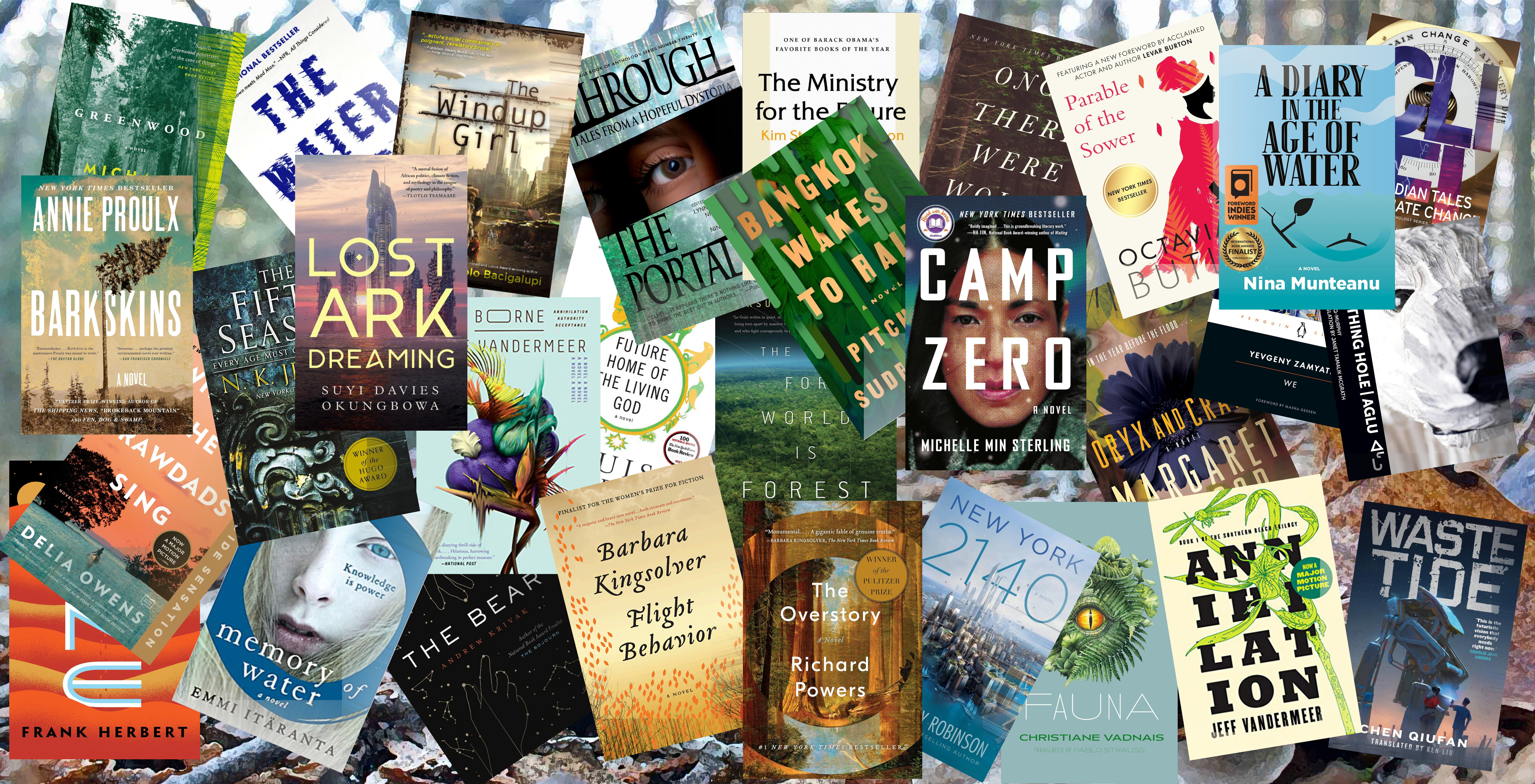
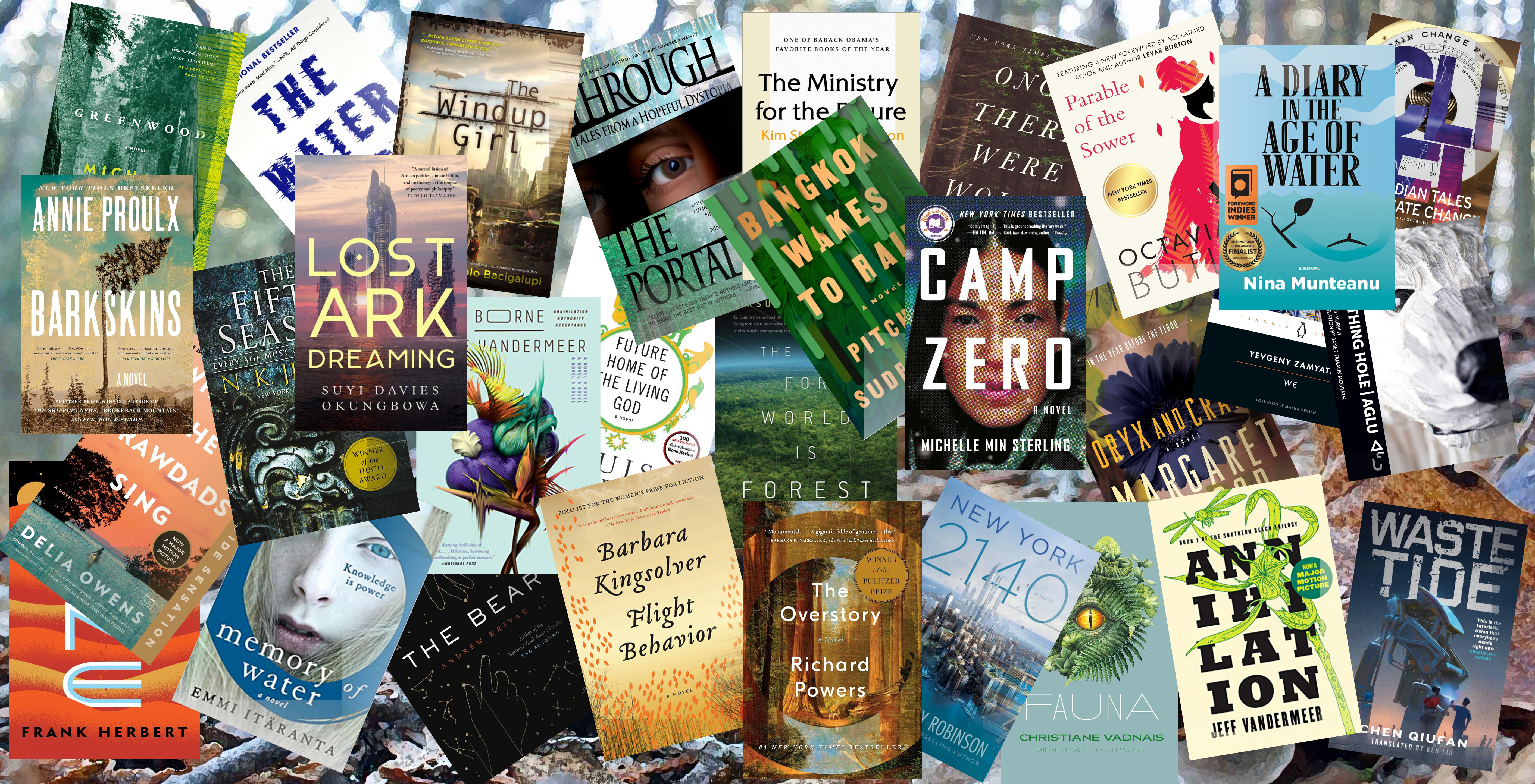
Thirty works of impactful eco-fiction
.
Author / scholar Mary Woodbury defines eco-fiction as “made up of fictional tales that reflect important connections, dependencies, and interactions between people and their natural environments.” In her article “Eco-Fiction—The SuperGenre Hiding in Plain Sight”, Judith defines eco-fiction as literature that “portrays aspects of the natural environment and non-human life as an evolving entity with agency in its relationship between and interaction with human characters.” In the preface to his 1995 book Where the Wild Boks Are: A field guide to Eco-Fiction, Jim Dwyer provides four criteria for eco-fiction:
The nonhuman environment is present not merely as a framing device but as a presence that begins to suggest that human history is implicated in natural history
The human interest is understood to be not the only legitimate interest
Human accountability to the environment is part of the text’s ethical orientation
Some sense of the environment as a process rather than as a constant or a given is at least implicit in the text.
These designations could be easily met by prehistoric cave art and first nations artwork and storytelling. These definitions also allow for the inclusion of many classics defined as eco-fiction from Herman Melville’s Moby Dick and Thomas Hardy’s Return of the Native to John Wyndham’s Day of the Triffids.
.
Evolving Eco-Fiction & Eco-SciFi
.
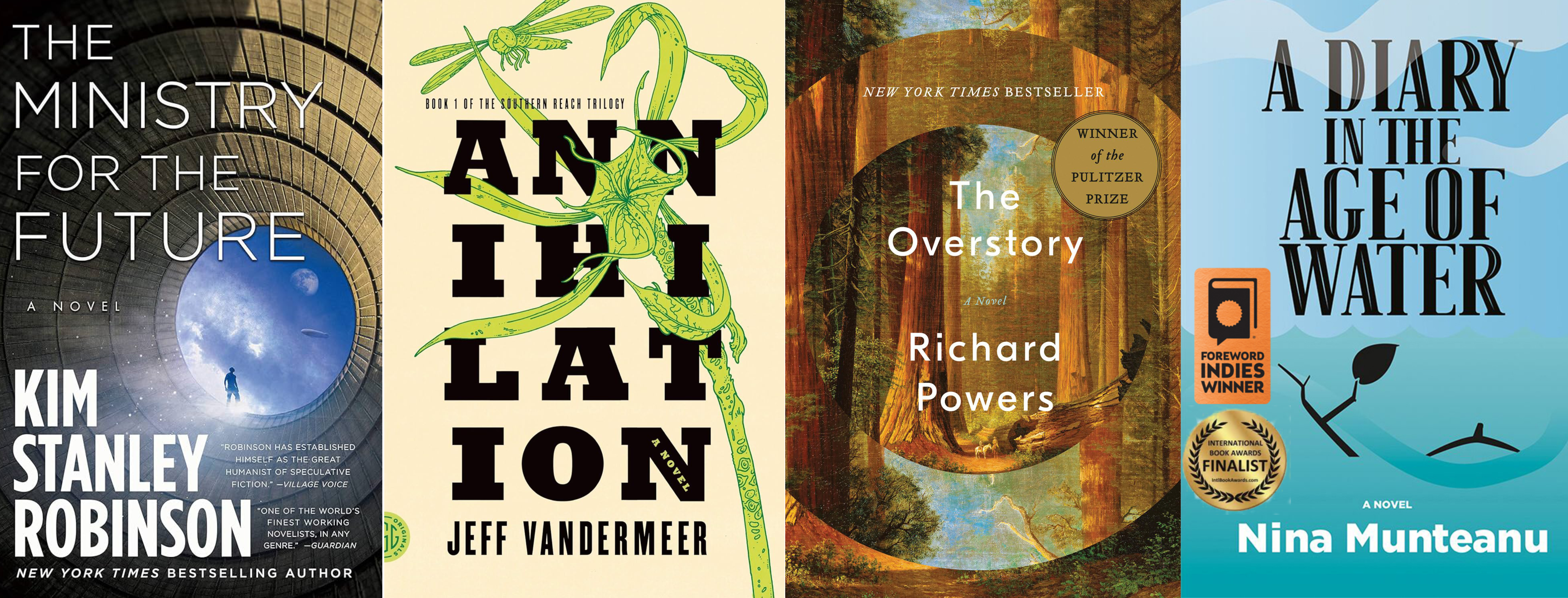
Like the environment it describes, Eco-Fiction is changing and evolving as a genre. Inventor/author Kyo Hwang Cho used the genre designation of Eco-SciFi when he recently identified me along with Kim Stanley Robinson, Jeff VanderMeer, and Richard Powers as Leading Voices in Eco-Science Fiction. Cho defines Eco-SciFi as: “a subgenre of SciFi that foregrounds ecological consciousness, blending speculative fiction with climate science, ethics, and planetary survival.” He includes a table that distinguishes Eco-SciFi from traditional Sci-Fi in several core areas from core theme, tone and motivation to protagonists and ‘message.’ The table can also be used to distinguish this sub-genre from other sub-categories within the umbrella term eco-fiction.
.
Cho described me as a Canadian ecologist and writer whose “stories explore how humans interact with the environment. Her narratives often examine the intersection of science, climate crisis, and spiritual transformation.” He described A Diary in the Age of Water as a noteworthy work of eco-science fiction: “a dystopian look at a future shaped by water scarcity, societal collapse, and ecological memory.”
.
Categories of Eco-Fiction
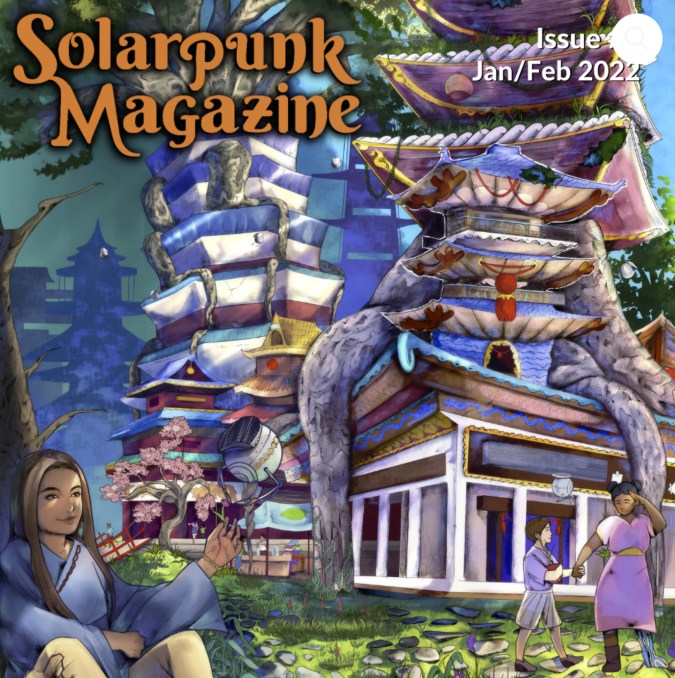
Partially due to this literature’s growing popularity there are currently many categories within and overlapping with eco-fiction; these include: climate fiction or clifi;solarpunk; eco literature, eco-horror, eco-punk, hopeful dystopia, mundane science fiction, speculative fiction, and weird fiction. Each of these focuses on particular idiosyncracies within the literary form that uniquely identify a work.
.
.
For instance,A Diary in the Age of Water has been variously described by reviewers and readers as eco-fiction, speculative fiction, science fiction or scifi, Fem-lit, mundane science fiction, hopeful dystopia, hopepunk or solarpunk, ecological science fiction or Eco-Sci-Fi. All to say that these designations and sub-genres are somewhat arbitrary and overlap; they may ultimately depend on the reader’s expectations of the work, and their own worldview and predilections. Given the still relevant reason for genre identification (to be able to best find the book in a brick and mortar or virtual bookstore), this makes sense; a work may easily satisfy several reader perspectives and therefore merit many sub-genre descriptors.
Eco-SciFi and mundane science fiction can be viewed this way. In an interview on Solarpunk Futures, I describe mundane science fiction as a sub-genre of science fiction that is very much like speculative fiction in that this sub-genre focuses on scenarios on Earth and involves matters to do with everyday life—hence the term mundane. Given the speculative aspect of mundane science fiction (e.g., set on Earth, often in the near-future), much of what Cho describes as Eco-SciFi also fits the designation of mundane science fiction. in my article “The Power of Diary in Fiction,” I describe Paolo Bacigalupi’s The Windup Girl, Emmi Itäranta’s Memory of Water and my own novel A Diary in the Age of Water as examples of mundane science fiction. Other good examples of mundane science fiction or Eco-SciFi include Kim Stanley Robinson’s New York 2041, Pitchaya Sudbanthad’s Bangkok Wakes to Rain and Michelle Min Sterling’s Camp Zero. These can all be labelled clifi as well. Min Sterling’s book also fits well under Femlit, Feminist Eco-Fiction, and Hopeful Dystopia.
The determining features provided by Cho that distinguish Eco-Sci-Fi help distinguish works that fall more easily into science fiction from those that better fit within the category of literary fiction or climate fiction.
Eco-Fiction—like Science Fiction—is a large category and provides a kind of umbrella term for all environmental fiction in which the environment plays a central role that informs the plot, theme and character-journey. In literature, it serves many literary works that do not include scifi aspects (e.g. fantastical or speculative); because of this, reserving the sub-genre of Eco-SciFi for those that do include fantastical elements makes sense. For non scifi works of Eco-Fiction, I would suggest using the term Eco-Lit (ecological literature), a term already in existence that incorporates the word ‘literature’ to suggest a type of literary fiction.
.
Ecological Literature or Eco-Lit
Eco-Lit—unlike Eco-SciFi—tends to restrict its narrative to the current time, does not include fantastical or speculative elements, and tends to use the ecological or climate elements more as metaphorical setting to examine personal drama. In all eco-fiction, however, the environmental setting/characteristic remains central to the story—as theme and/or premise— which would not work without it. Good examples of Eco-Lit include Migration and Once There Were Wolves by Charlotte McConaghy, Flight Behavior and Prodigal Summer by Barbara Kingsolver, and Greenwood by Michael Christie. In each of these works, the environmental characteristic sparks, motivates, and helps direct the actions of the main protagonist. For instance, in Flight Behavior, if the protagonist Dellarobia Turnbow had not encountered the changed migration of the monarchs (as a result of climate change), she would not have taken a drastic turn in her own journey.
Thomas Hardy’s 1878 Return of the Native was a work of powerful literary eco-fiction (Eco-Lit) that gave Egdon Heath powerful agency over the other traditional characters: destroying, enabling, enlightening, strengthening, isolating.
.
Eco-Fiction as Hyperobject
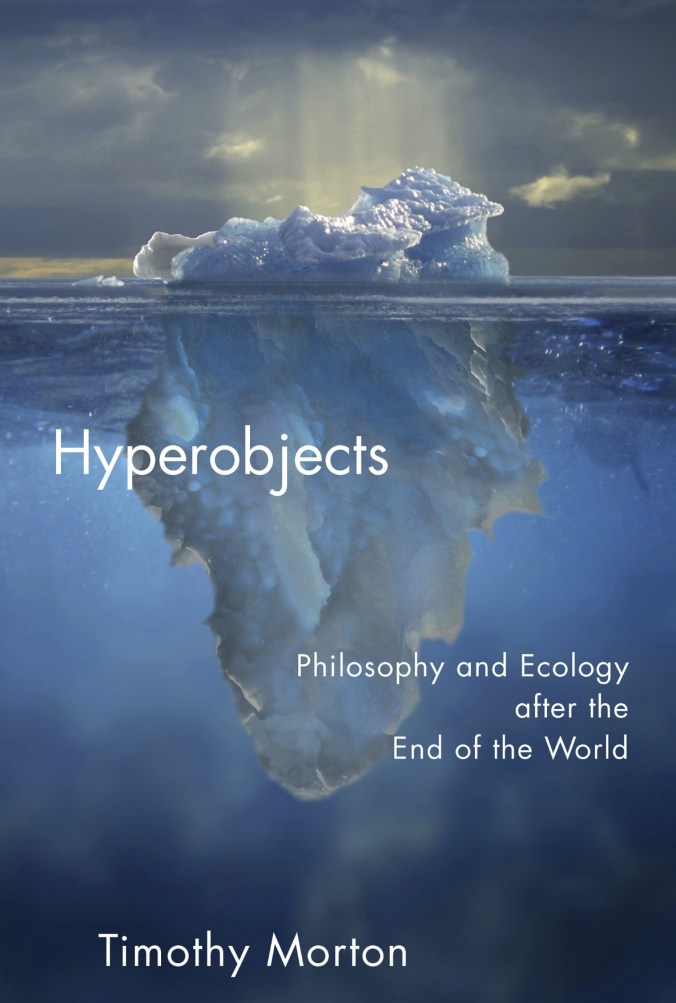
Some have suggested that eco-fiction be considered a supergenre, given that it defies strict boundaries. Elements of eco-fiction can be found in many other genres, from romance or thriller to science fiction or historical, suggesting that it is more a state of being than a category with static boundaries; more like a door or a window than a room. In my opinion, eco-fiction encompasses more than a genre or category; it is a hyperobject that has been with us since storytelling was born. In his book Hyperobjects, philosopher Timothy Morton attempts to synthesize the still divergent fields of quantum theory (weirdness of tiny objects) and relativity (weirdness of large objects), inserting them into philosophy and art. According to Morton, a hyperobject is an entity that is massively distributed in space and time, making it difficult to grasp its totality or experience it as a single, unified object. Morton argues that the hyperobjects of the Anthropocene, such as global warming, climate or oil that have extensive time/space presence, have newly become visible to humans—mainly due to the very mathematics and statistics that helped to create these disasters. Glimpsing them through our copious data, hyperobjects “compel us to think ecologically, and not the other way around.”
.
I think that much of the fiction that authors write touches on climate and environment, whether they realize it or not, whether they are conscious of it or not. Climate and environment are both large, yet penetrating at the cellular level—influencing us in so many ways from obvious and literal to subtle and visceral. Try as we might—and we have for centuries tried—to separate ourselves and ‘other’ environment, we can’t escape it. “We are always inside an object,” says Morton. Hyperobjects show us that “there is no centre and we don’t inhabit it.”
.
I’ve created my own table, fashioned after Cho’s, and adapted to include Eco-Lit with pertinent examples:
Categories of Fiction Genres Related to Ecology and Environment
SciFi
Eco-Fiction
Eco-SciFi
Eco-Lit
Setting
Science, technology, space, time travel, AI, aliens, etc.* driven by elements of science fact or fiction
Ecological systems, environmental collapse, climate change, sustainability.* Some element of science fact or fiction; speculative fiction
Ordinary people, often linked in some intimate and actionable way to Nature
Examples
Dune (Herbert) I, Robot (Asimov) Neuromancer (Gibson) 1984 (Orwell) Brave New World (Huxley) The Martian Chronicles (Bradbury) Childhood’s End (Clarke)
The Ministry for the Future (Robinson) Annihilation (VanderMeer) A Diary in the Age of Water (Munteanu) The Windup Girl (Bacigalupi) Memory of Water (Itaranta) Waste Tide (Quifan) Camp Zero (Min Sterling) Bangkok Wakes to Rain (Sudbanthad) Lost Arc Dreaming (Okungbowa)
Flight Behavior (Kingsolver) Migration by (McConaghy) Greenwood (Christie) Barkskins (Proulx) The Overstory (Powers) Oil on Water (Habila) Where the Crawdads Sing (Owens) Return of the Native (Hardy) Moby Dick (Melville)
Message
Broad speculative insight into human potential* & survival, future tech, and evolution of civilization
Warns pf ecological degradation, offers alternative visions of coexistence* often through personal or community perspective
Exploration of the human spirit, growth and inspiration through personal environmental awareness and action
Structure
Often premise-based or plot-based; environment often ‘othered’
Theme-based and character-based; environment often with agency
Character-based; environment may be metaphoric character with or without agency
*descriptions taken directly from Cho’s article
.
References:
Morton, Timothy. 2013. “Hyperobjects: Philosophy and Ecology After the End of the World.” University of Minnesota Press, Minneapolis. 240pp.
.
Nina Munteanu is a Canadian ecologist / limnologist and novelist. She is co-editor of Europa SF and currently teaches writing courses at George Brown College and the University of Toronto. Visit www.ninamunteanu.ca for the latest on her books. Nina’s bilingual “La natura dell’acqua / The Way of Water” was published by Mincione Edizioni in Rome. Her non-fiction book “Water Is…” by Pixl Press (Vancouver) was selected by Margaret Atwood in the New York Times ‘Year in Reading’ and was chosen as the 2017 Summer Read by Water Canada. Her novel “A Diary in the Age of Water” was released by Inanna Publications (Toronto) in June 2020.
I’ve selected ten TV series that have intrigued me, moved me, and stayed with me for various reasons that touch on: abuse of justice, including eco-justice and environmental abuse; technology use and abuse; and the effects and horrors of climate change.
Some are well known; others not so well known. All approach storytelling with a serious dedication to depth of character, important themes, realistic world building, and excellent portrayal by actors. The world-building is extremely well done—in some cases rivalling Ridley Scott’s best—with convincing portrayals of worlds that are at times uncanny in their realism. Worlds that reflect story from an expansive landscape to the mundane minutiae of daily life: like the cracked phone device of Detective Miller in The Expanse or the dirty fingernails of engineer Juliette Nichols in the Down Deep of Silo. Stories vary in their treatment of important themes from whimsical and often humorous ironies to dark and moody treatises on existential questions. In my opinion, these TV series rival the best movies out there, often reflecting large budgets (but not always) and a huge commitment by producers. The ten TV series I’ve selected in this series come from around the world: Brazil, Germany, France, Norway, Canada and the United States.
In Part 2, I focus on five TV series that explore issues to do with resource allocation, adaptations to climate change and corporate / government biopolitics.
.
.
INCORPORATED:A Post-Climate-Change Corporate Scrabble for Resource & Power
.
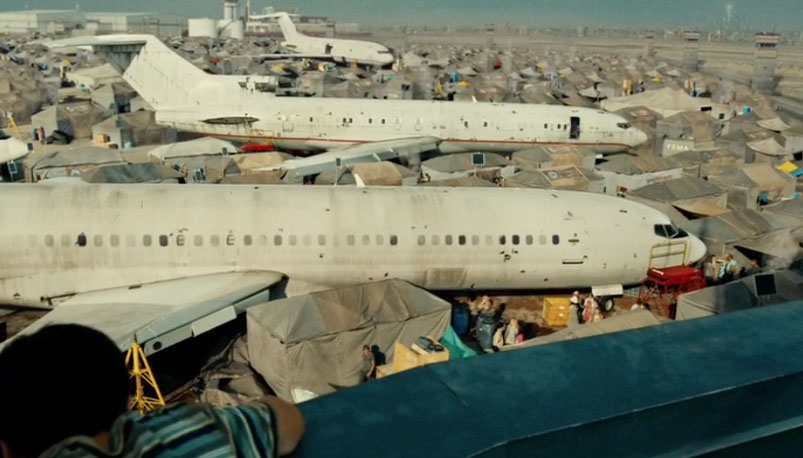
This American science fiction thriller offers a chilling glimpse of a post-climate change dystopia. Created by David and Alex Pastor and produced by Ben Affleck, Matt Damon, Ted Humphrey and Jennifer Todd, the show (filmed in Toronto, Canada) opens in 82 °F Milwaukee in November 2074 after environmental degradation, widespread famine and mismanagement have bankrupted governments. We learn later that Milwaukee Airport served as a FEMA climate relocation centre that resembles an impoverished shantytown. In the wake of the governments demise, a tide of multinational corporations has swept in to control 90% of the globe and ratified the 29th amendment, granting them total sovereignty.
.
Spiga CEO talks to her employees
Corporations fight a brutal covert war for market share and dwindling natural resources. Like turkey vultures circling overhead, they position themselves for what’s left after short-sighted government regulations, lack of corporate check and FEMA mismanagement have ‘had their way’ with the planet. The world is now a very different place. There is no Spain or France. Everything south of the Loire is toxic desert; New York City reduced to a punch line in a joke. Reykjavik and Anchorage are sandy beach destinations and Norway is the new France—at least where champagne vineyards are concerned. Asia and Canada are coveted for their less harsh climates.
Corporates live in a world isolated from the real world of poverty
.
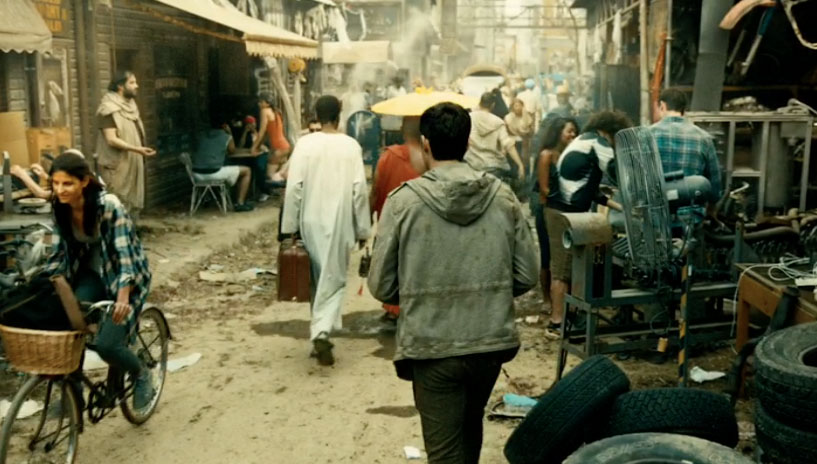
Those who work for the corporations live in privilege behind the sentried walls of the Green Zones. The rest fend for themselves with scarcity in the contaminated slums of the Red Zones.
Incorporated is an ‘Alice in Wonderland’ mixture of realizable technological advances, gadgetry and thrilling—if not chilling—consequence: like self-driving cars, intelligent writsbands, surrogate pregnancies and remote deliveries, genetic testing of ‘inferiors’, DNA theft, and malware sabotage.
Like a Seurat painting, the subtle details of the show change with perspective and build into a subliminal realism you can’t shake: from the food porn in the opening scene to eating rats in climate relocation camps or drinking dirty Red Zone water that costs $5. In Cost Containment we learn that Spiga competitor Inazagi is developing salt-tolerant crops that, like the mangroves, will thrive on irrigated seawater in the deserts left by an exploitive short-sighted America: Iowa, Missouri, Kansas—all the dust storm states. In a later episode, a murdered corporate executive is found by two dowsers on the dried lakebed of Missouri’s Lake Lotawana. We hear about the “oil wars” in Capetown.
.
A Spiga employee caught with malwear
.
The first episode (Vertical Mobility) opens to a corporate ‘traitor’ being dragged into “the quiet room”, rumoured to be a torture chamber run by taciturn head of security Julian Morse (Dennis Haysbert). The scene shifts to the Green zone suburban house of corporate climber Ben Larson (Sean Teale). As he prepares to go to work, the news streams of hurricanes breaching levies; Canada building a wall to stem the tide of illegal American climate refugees–12 million already there; offshore oil rigs in the waters of the former Arctic ice cap; and finally to the “terrorist” bombing of the R&D lab of biochemical giant Spiga, where Ben works. Spiga, we later learn, plays the same games as Monsanto and Nestle to ensure profits at the expense of well-being.
FEMA camps for climate refugees sprout everywhere
.
Aaron Pruner of Screener TV asks, “Could climate change push us into a collapsed society, informed consistently by the ongoing threat of class warfare? Will we eventually be separated by electric fences and really big walls [like Incorporated]? Are fear and greed going to be the currencies of our reality? These burning questions should sound far-fetched and silly, but as we watch tale of Incorporated unfold, it’s hard not to wonder what our own future will bring.” Far-fetched and silly? Is it any more far-fetched and silly than voting in a president who claims that the Chinese invented climate change to make American manufacturing non-competitive?
.
Climate refugee camp
.
Nina Munteanu is a Canadian ecologist / limnologist and novelist. She is co-editor of Europa SF and currently teaches writing courses at George Brown College and the University of Toronto. Visit www.ninamunteanu.ca for the latest on her books. Nina’s bilingual “La natura dell’acqua / The Way of Water” was published by Mincione Edizioni in Rome. Her non-fiction book “Water Is…” by Pixl Press (Vancouver) was selected by Margaret Atwood in the New York Times ‘Year in Reading’ and was chosen as the 2017 Summer Read by Water Canada. Her novel “A Diary in the Age of Water” was released by Inanna Publications (Toronto) in June 2020.
Here is my current list of 30 favourite eco-fiction novels and short story collections that have impacted me, and incited me to think, to feel and to act.
Flight Behavior is a multi-layered metaphoric study of “flight” in all its iterations: as movement, flow, change, transition, beauty and transcendence. Flight Behavior isn’t so much about climate change and its effects and its continued denial as it is about our perceptions and the actions that rise from them: the motives that drive denial and belief. When Dellarobia questions Cub, her farmer husband, “Why would we believe Johnny Midgeon about something scientific, and not the scientists?” he responds, “Johnny Midgeon gives the weather report.” Kingsolver writes: “and Dellarobia saw her life pass before her eyes, contained in the small enclosure of this logic.”
.
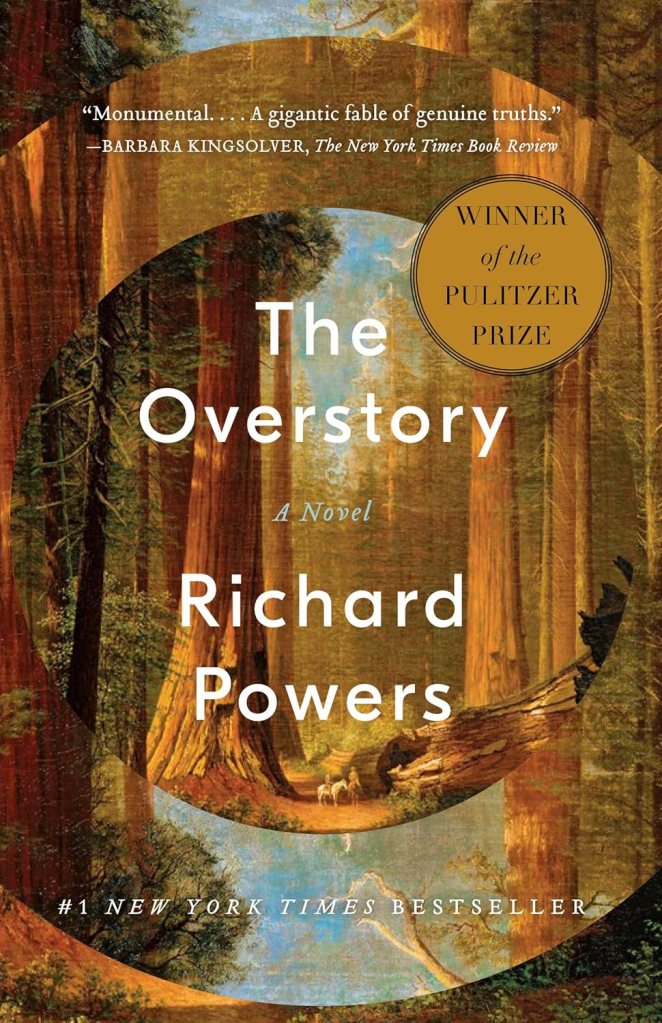
The Overstory follows the life-stories of nine characters and their journey with trees–and ultimately their shared conflict with corporate capitalist America. At the heart of The Overstory is the pivotal life of botanist Patricia Westerford, who will inspire movement. Westerford is a shy introvert who discovers that trees communicate, learn, trade goods and services—and have intelligence. When she shares her discovery, she is ridiculed by her peers and loses her position at the university. What follows is a fractal story of trees with spirit, soul, and timeless societies–and their human avatars.
.
The Maddaddam Trilogy is a work of speculative dystopian fiction that explores the premise of genetic experimentation and pharmaceutical engineering gone awry. On a larger scale the cautionary trilogy examines where the addiction to vanity, greed, and power may lead. Often sordid and disturbing, the trilogy explores a world where everything from sex to learning translates to power and ownership. The dark poetry of Atwood’s smart and edgy slice-of-life commentary is a poignant treatise on our dysfunctional society. Atwood accurately captures a growing zeitgeist that has lost the need for words like honor, integrity, compassion, humility, forgiveness, respect, and love in its vocabulary. And she has projected this trend into an alarmingly probable future. This is subversive eco-fiction at its best.
.
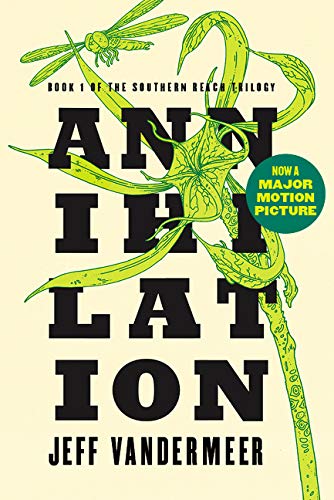
Annihilation is a science fiction eco-thriller that explores humanity’s impulse to self-destruct within a natural world of living ‘alien’ profusion. Annihilation is a bizarre exploration of how our own mutating mental states and self-destructive tendencies reflect a larger paradigm of creative-destruction—a hallmark of ecological succession, change, and overall resilience. VanderMeer masters the technique of weaving the bizarre intricacies of ecological relationship, into a meaningful tapestry of powerful interconnection. Bizarre but real biological mechanisms such as epigenetically-fluid DNA drive aspects of the story’s transcendent qualities of destruction and reconstruction. On one level Annihilation acts as parable to humanity’s cancerous destruction of what is ‘normal’ (through climate change and habitat destruction); on another, it explores how destruction and creation are two sides of a coin.
.
Barkskins chronicles two wood cutters who arrive from the slums of Paris to Canada in 1693 and their descendants over 300 years of deforestation in North America. Proulx weaves generational stories of two settler families into a crucible of terrible greed and tragic irony. The bleak impressions by immigrants of a harsh environment crawling with pests underlies the combative mindset of the settlers who wish only to conquer and seize what they can of a presumed infinite resource. From the arrival of the Europeans in pristine forest to their destruction under the veil of global warming, Proulx lays out a saga of human-environmental interaction and consequence that lingers with the aftertaste of a bitter wine.
.
Memory of Water is a work of speculative fiction about a post-climate change world of sea level rise. Symbols of water as shapeshifter archetype and its omnipotent life- and death-giving associations flow throughout the story, from the ‘fishfires’ in the northern skies to the painted blue circles on the doors of water criminals about to die. Water couples to main character Tea Master Noria, to explore consequences of commodification and exploitation. Teamaster Noria Kaitio guards its secrets; she alone knows the location of the hidden water source, coveted by the new government. Told in the literary fiction style of emotional nuances, Itäranta’s lyrical narrative follows a deceptively quiet yet tense pace that builds like a slow tide into compelling crisis and a poignant end.
.
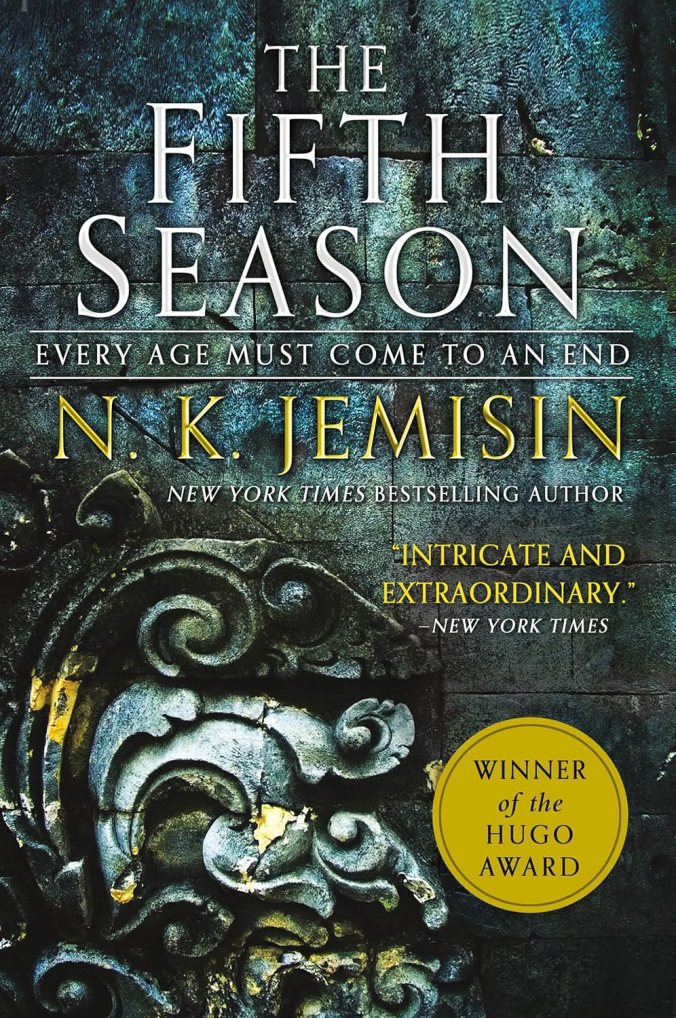
The Broken Earth Trilogy is a fantasy trilogy set in a far-future Earth devastated by periodic cataclysmic storms known as ‘seasons.’ These apocalyptic events last over generations, remaking the world and its inhabitants each time. Giant floating crystals called Obelisks suggest an advanced prior civilization. The first book of the trilogy introduces Essun, an Orogene—a person gifted with the ability to draw magical power from the Earth such as quelling earthquakes. The trilogy focuses on the dangers of marginalization, oppression, and misuse of power. Jemison’s cautionary dystopia explores the consequence of the inhumane profiteering of those who are marginalized and commodified.
.
The Windup Girl is a work of mundane science fiction that occurs in 23rd century post-food crash Thailand after global warming has raised sea levels and carbon fuel sources are depleted. Thailand struggles under the tyrannical boot of predatory ag-biotech multinational giants that have fomented corruption and political strife through their plague-inducing genetic manipulations. The rivalry between Thailand’s Minister of Trade and Minister of the Environment represents the central conflict of the novel, reflecting the current global conflict of neoliberal promotion of globalization and unaccountable exploitation with the forces of sustainability and environmental protection. Given the setting, both are extreme and there appears no middle ground for a balanced existence using responsible and sustainable means. The Windup Girl, Emiko, who represents the future, is precariously poised.
.
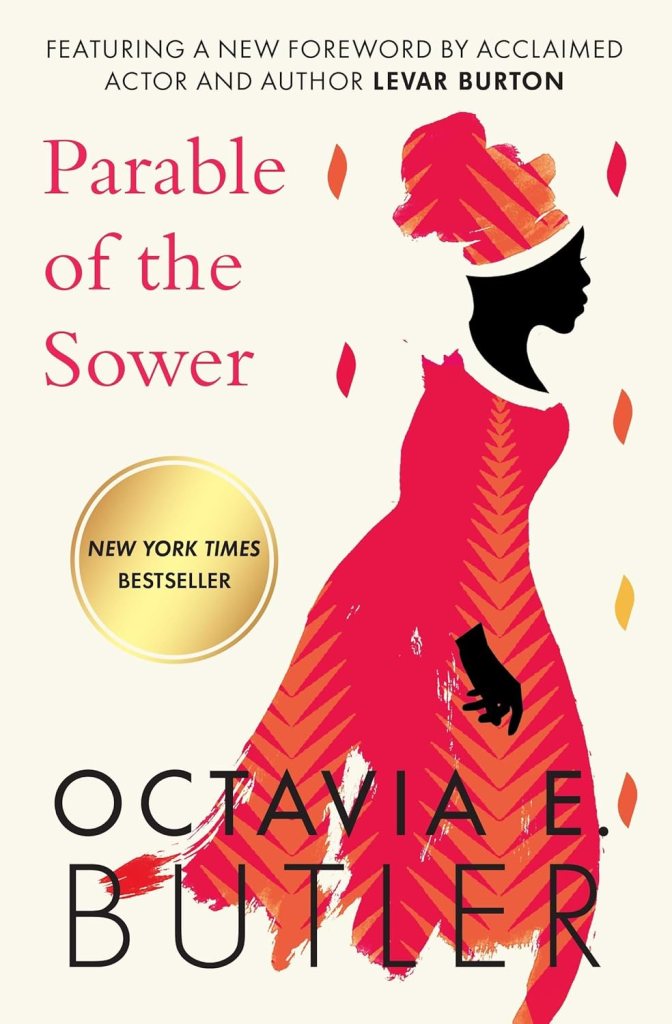
Parable of the Sower is a science fiction dystopian novel set in 21stcentury America where civilization has collapsed due to climate change, wealth inequality and greed. Parable of the Soweris both a coming-of-age story and cautionary allegorical tale of race, gender and power. Told through journal entries, the novel follows the life of young Lauren Oya Olamina—cursed with hyperempathy—and her perilous journey to find and create a new home. What starts as a fight to survive inspires in Lauren a new vision of the world and gives birth to a new faith based on science: Earthseed. Written in 1993, this prescient novel and its sequel Parable of the Talent speak too clearly about the consequences of “making America Great Again.”
.
The Water Knife is set in the near-future in the drought-stricken American southwest, where corrupt state-corporations have supplanted the foundering national government. Water is the new gold—to barter, steal, and murder for. Corporations have formed militias and shut down borders to climate refugees, fomenting an ecology of poverty and tragedy. Massive resorts—arcadias—constructed across the parched landscape, flaunt their water-wealth in the face of exploited workers and gross ecological disparity. Water is controlled by corrupt gangsters and “water knives” who cleverly navigate the mercurial nature of water rights in a world where “haves” hydrate and “have nots” die of thirst.
.
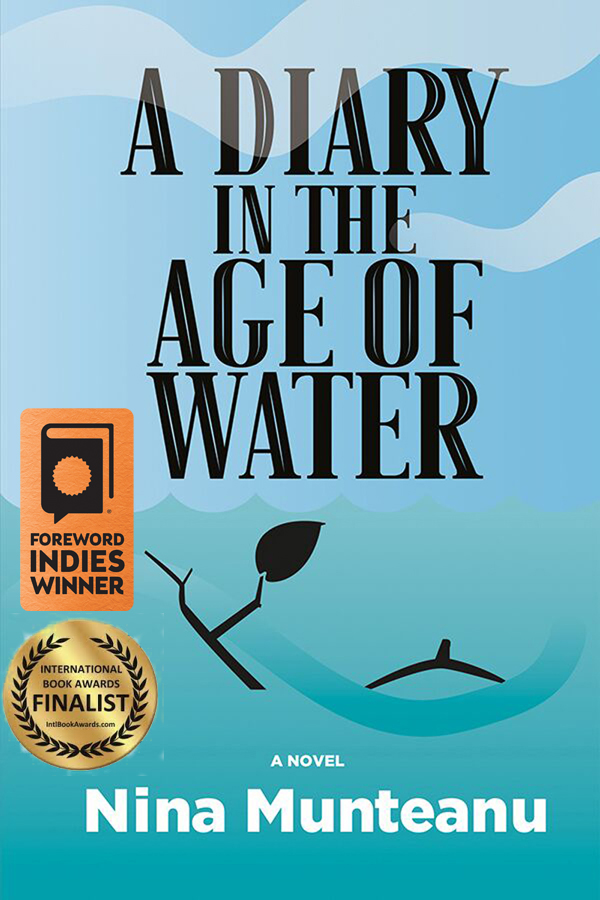
A Diary in the Age of Water explores the socio-political consequences of corruption in Canada, now owned by China and America as an indentured resource ‘reservoir’; it is a story told through four generations of women and their unique relationship with water during a time of great unheralded change. Centuries from now, in a dying boreal forest in what used to be northern Canada, Kyo, a young acolyte called to service in the Exodus, yearns for Earth’s past—the Age of Water—before the “Water Twins” destroyed humanity. Looking for answers and plagued by vivid dreams of this holocaust, Kyo discovers the diary of Lynna, a limnologist from that time of severe water scarcity just prior to the destruction. In her work for a global giant that controls Earth’s water, Lynna witnesses and records in her diary the disturbing events that will soon lead to humanity’s demise.
.
Waste Tide is an eco-techno thriller with compelling light-giving characters who navigate the dark bleak world of profiteers and greedy investors. Mimi is a migrant worker off the coast of China who scavenges through piles of hazardous technical garbage to make a living. She struggles, like the environment, in a larger power struggle for profit and power; but she finds a way to change the game, inspiring others. The story of Mimi and Kaizong—who she inspires—stayed with me long after I put the book down.
.
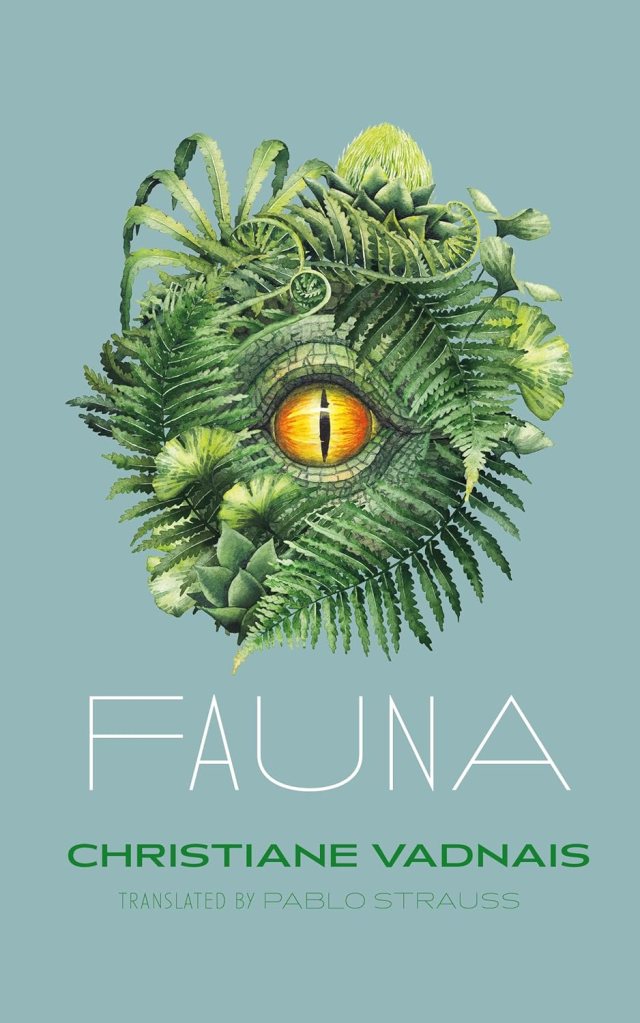
Fauna is at once beautiful and terrifying. Vadnais’s liquid prose immersed me instantly in her flowing story about change in this Darwinian eco-horror ode to climate change. I felt connected to the biologist Laura as she navigated through a torrent of rising mists and coiling snakes and her own transforming body with the changing world around her. It was an emotional rollercoaster ride that made me think.
.
The Word for World is Forest chronicles the struggles of the indigenous people under the conquering settlers through empathetic characters. The irony of what the indigenous peoples must do to save themselves runs subtle but tragic throughout the narrative. Given its relevance to our own colonial history and present situation, this simple tale rang through me like a tolling bell.
.
The Breathing Hole story begins in 1535, when the Inuk widow Hummiktuq risks her life to save a lost one-eared polar bear cub on an ice floe and adopts him. She names him Angu’ruaq. We soon learn that Angu’ruaq is timeless when we encounter him in scenes over the centuries from the Franklin Expedition in 1845 (who he helps by bringing them food) to 2031 when Angu’ruaq—old, hungry, his fur yellowing—returns to the breathing hole where long-dead Hummiktuq rescued him. By then the glaciers have receded and the ground is slush. Murphy’s spare and focused narrative achieves a timeless, dreamlike quality that plays strongly on the emotional connections of the reader; it elicits immense empathy for the Other in a deeply moving saga on the tragic dance of colonialism and climate change.
.
The Bearby Andrew Krivak is a fable of a post-anthropocene Earth told through the point of view of a young girl—possibly the only remaining human in the world—and the bear that guides her. Unlike the polar bear of The Breathing Hole, who remains silent and is clearly victimized by humanity’s actions, the black bear of The Bear lives with agency in a post-anthropocene world; he proselytizes and tells stories to instruct the girl on living harmoniously with Nature. His actions and elegant use of speech reflect his archetype as mentor in this story. This is foreshadowed in the fairytale the girl’s father recounts to her of a bear that saved a village from a cruel despot through cleverness and a sense of community.
.
Duneuses powerful world building and symbols of desert, water and spice coupled to the indigenous Fremen, to address exploitation and oppression by colonial greed.
The novel chronicles the journeys of new colonists and indigenous peoples of the desert planet Arrakis, enslaved by its previous colonists. The planet known as Dune lies at the heart of an epic story about taking, giving and sharing. The planet also serves as symbol to any new area colonized by settlers and already inhabited by Othered indigenous. It is the Mars of Martian Chronicles, the Bangkok of The Windup Girl, the North America of Barkskins.
.
Camp Zero, set in the remote Canadian north, is a feminist climate fiction that explores a warming climate through the perilous journeys of several female characters, each relating to her environment in different ways. Each woman exerts agency in surprising ways that include love, bravery and shared community. The strength of female power carried me through the pages like a braided river heading to a singular ocean. These very different women journey through the dark ruins of violent capitalism, colonialism and patriarchy—flowing past and through hubristic men pushing north with agendas and jingoistic visions—to triumph in an ocean of solidarity. I empathized with each woman as she found her strength and learned to wield true heroism—one based on collaboration and humble honesty.
.
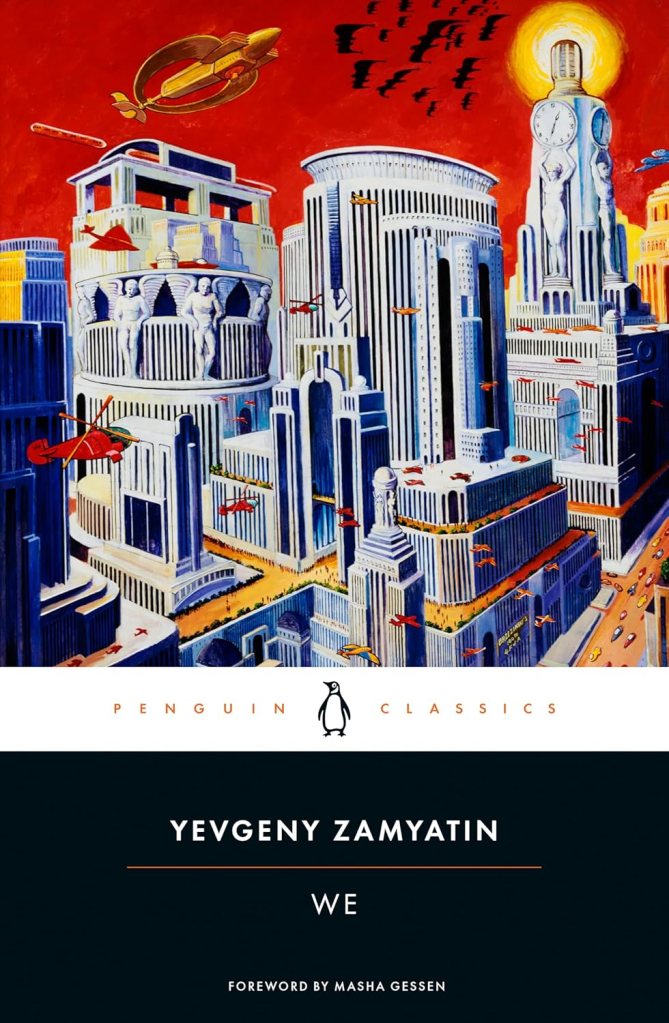
We, written in 1920, is a hopeful dystopic work of courageous and unprecedented feminism. While the story centres on logical D-503, a man vacuously content as a number in the One State, it is I-330—Zamyatin’s unruly heroine—who stole my attention. Confident, powerful and heroic, the liberated I-330 embraces the Green Wind of change to influence D-503. A force of hope and resilience, she braves torture to successfully orchestrate a revolution that breaches the Green Wall—feats typically relegated to a male protagonist in novels of that era. When pregnant O-90 refuses to surrender her child to the State, I-330 helps her escape to the outside, where the Green Wind of freedom blows. I resonated with Zamyatin’s cautionary tale on the folly of logic without love and Nature.
.
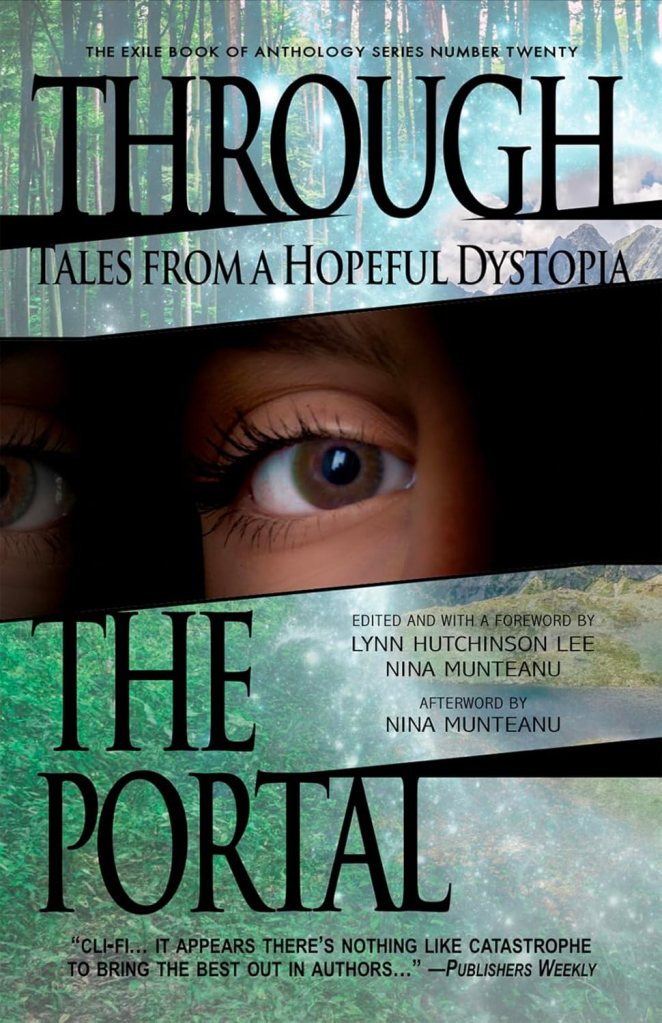
In Through the Portal: Tales from a Hopeful Dystopia, award-winning authors of speculative fiction Lynn Hutchinson Lee and Nina Munteanu present a collection that explores strange new terrains and startling social constructs, quiet morphing landscapes, dark and terrifying warnings, lush newly-told folk and fairy tales.
.
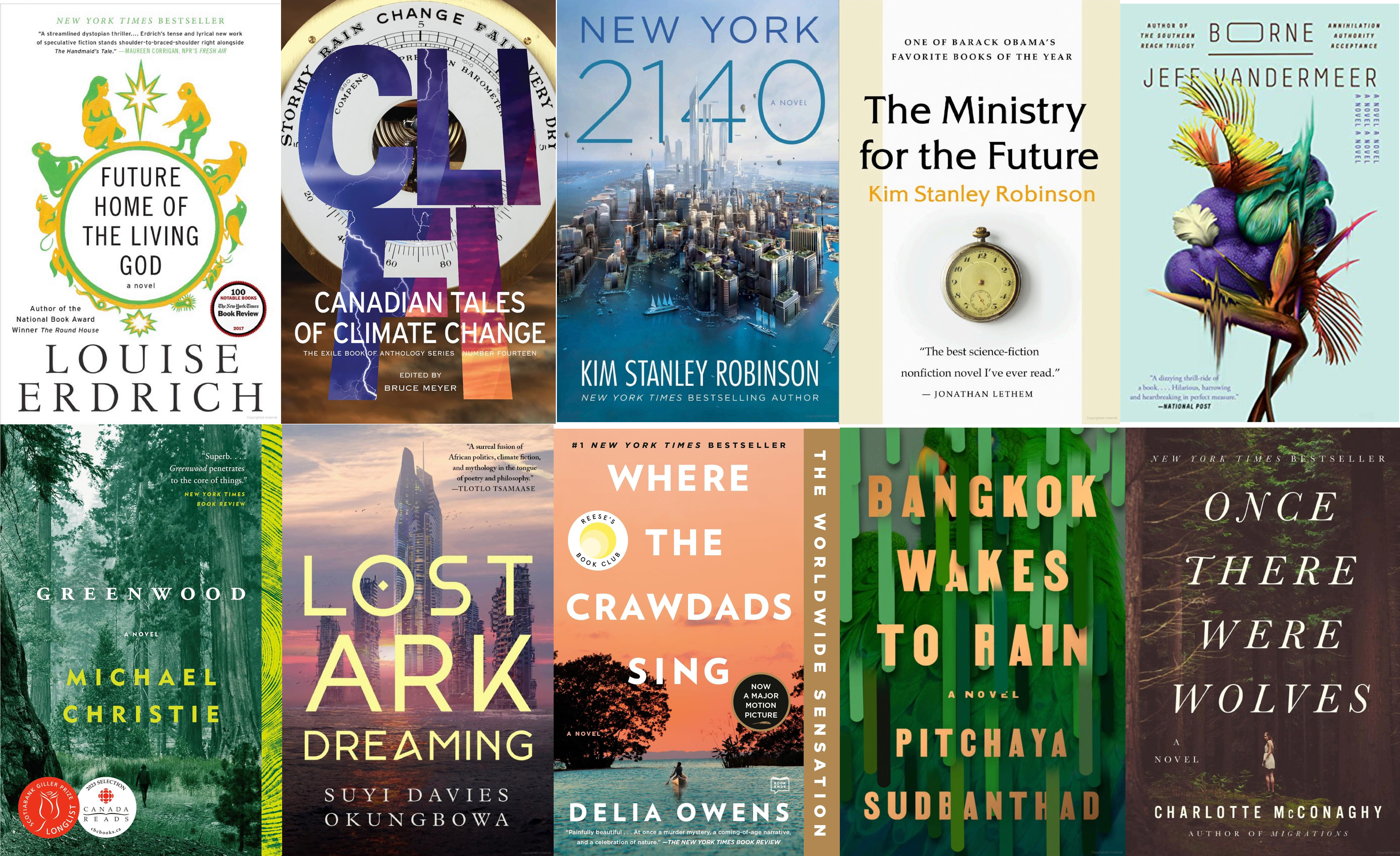
I list other significant and impactful eco-fiction books below:
New York 2140 by Kim Stanley Robinson
Canadian Tales of Climate Change (edited) by Bruce Meyer
Ministry for the Future by Kim Stanley Robinson
Borne by Jeff Vandermeer
Bangkok Wakes to Rain by Pitchaya Sudbanthad
Future Home of the Living God by Louise Erdrich
Lost Arc Dreaming by Suyi Davies Okungbowa
Greenwood by Micheal Christie
Where the Crawdads Sing by Della Owens
Once There Were Wolves by Charlotte McConaghy
.
.
Nina Munteanu is a Canadian ecologist / limnologist and novelist. She is co-editor of Europa SF and currently teaches writing courses at George Brown College and the University of Toronto. Visit www.ninamunteanu.ca for the latest on her books. Nina’s bilingual “La natura dell’acqua / The Way of Water” was published by Mincione Edizioni in Rome. Her non-fiction book “Water Is…” by Pixl Press (Vancouver) was selected by Margaret Atwood in the New York Times ‘Year in Reading’ and was chosen as the 2017 Summer Read by Water Canada. Her novel “A Diary in the Age of Water” was released by Inanna Publications (Toronto) in June 2020.
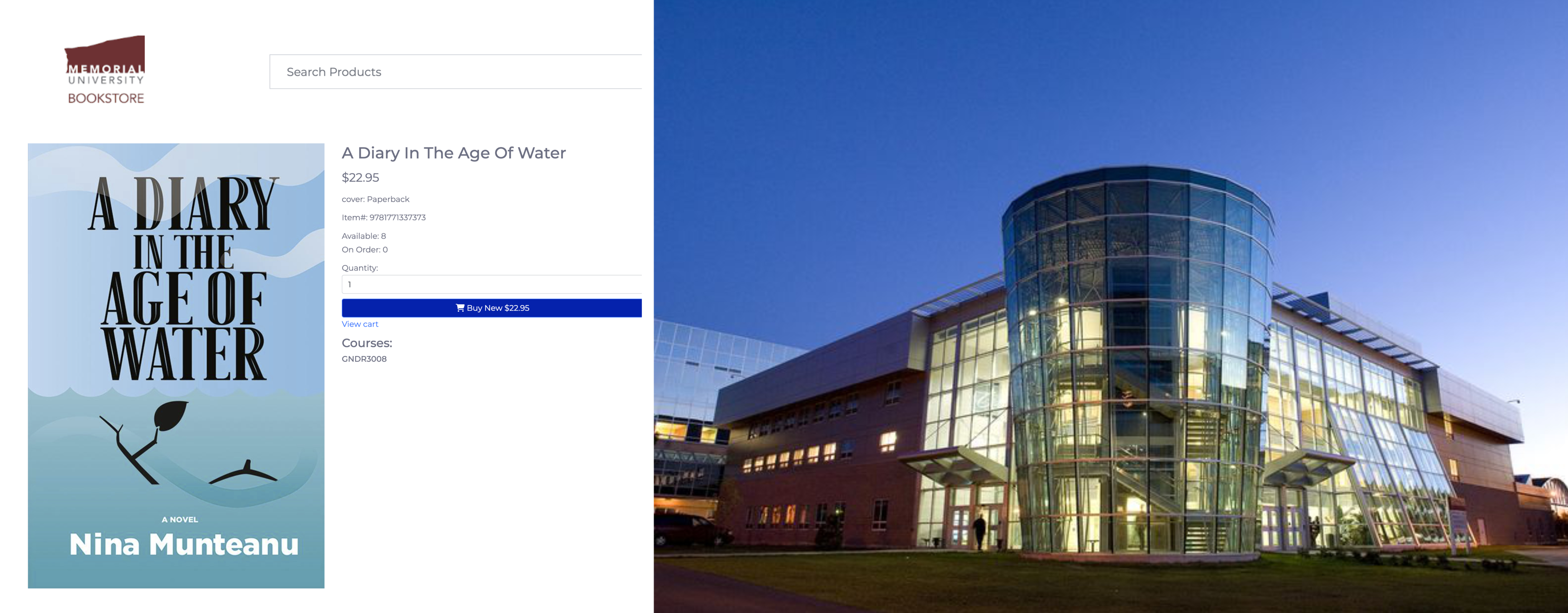
“A Diary in the Age of Water” at the Memorial University Bookstore
Instructor Keif Godbout-Kinney has made my eco-fiction novel A Diary in the Age of Water required reading in their course Feminist Practices and Global Change (GNDR 3008) at Memorial University, Newfoundland. The book is currently selling at the Memorial University Bookstore.
The Gender Studies course examines connections between feminist theories and activism for social and political change on a global scale.
.
.
My novel, told mostly through the diary of a limnologist, describes a world in the grips of severe water scarcity during a time when China owns the USA and the USA owns Canada. The diary spans a twenty-year period in the mid-twenty-first century of 33-year-old Lynna, a single mother who works in Toronto for CanadaCorp, an international utility that controls everything about water, and who witnesses disturbing events that she doesn’t realize will soon lead to humanity’s demise. A Diary in the Age of Water follows the climate-induced journey of Earth and humanity through four generations of women, each with a unique relationship to water. The novel explores identity and our concept of what is “normal”—as a nation and an individual—in a world that is rapidly and incomprehensibly changing.
.
Nina Munteanu is a Canadian ecologist / limnologist and novelist. She is co-editor of Europa SF and currently teaches writing courses at George Brown College and the University of Toronto. Visit www.ninamunteanu.ca for the latest on her books. Nina’s bilingual “La natura dell’acqua / The Way of Water” was published by Mincione Edizioni in Rome. Her non-fiction book “Water Is…” by Pixl Press (Vancouver) was selected by Margaret Atwood in the New York Times ‘Year in Reading’ and was chosen as the 2017 Summer Read by Water Canada. Her novel “A Diary in the Age of Water” was released by Inanna Publications (Toronto) in June 2020.
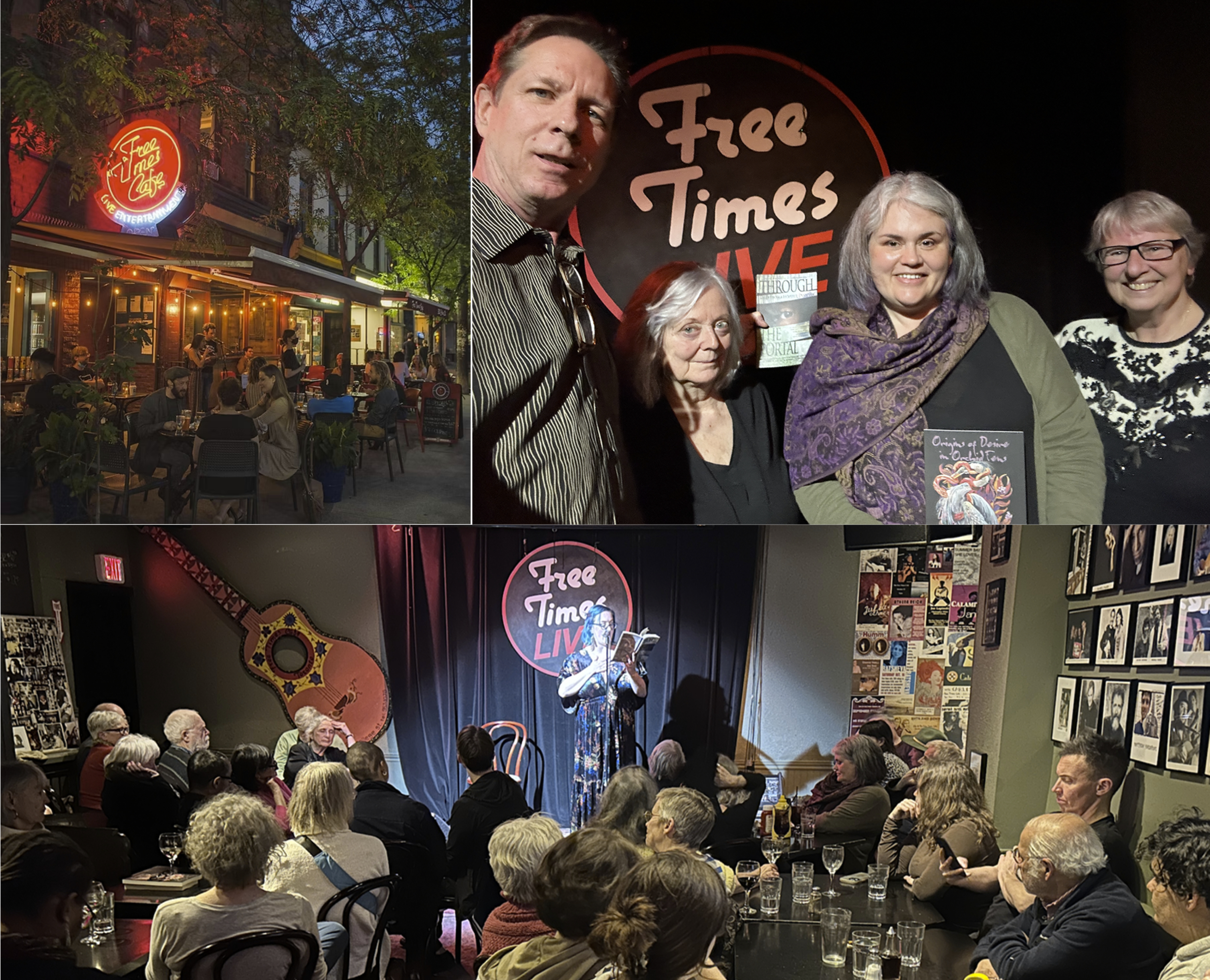
Free Times Cafe venue at night (photo by Ashish Pillai)
.
Appropriately, on the eve of Earthday, Exile Editions and Stelliform Press launched two eco-fiction books at one of Toronto’s oldest and established cultural/dining venues, Free Times Café, by Kensington Market. Both books were works of eco-fiction and climate fiction that focused on issues of environmental treatment and destruction. Both works focused on hope.
.
Top left: Free Times Cafe venue at night (photo by Nick Wons). Top right: Michael Callaghan of Exile Editions, Lynn Hutchinson Lee, Selena Middleton of Stelliform Press, Nina Munteanu. Bottom: Lynne Sargent reads from Portal.
.
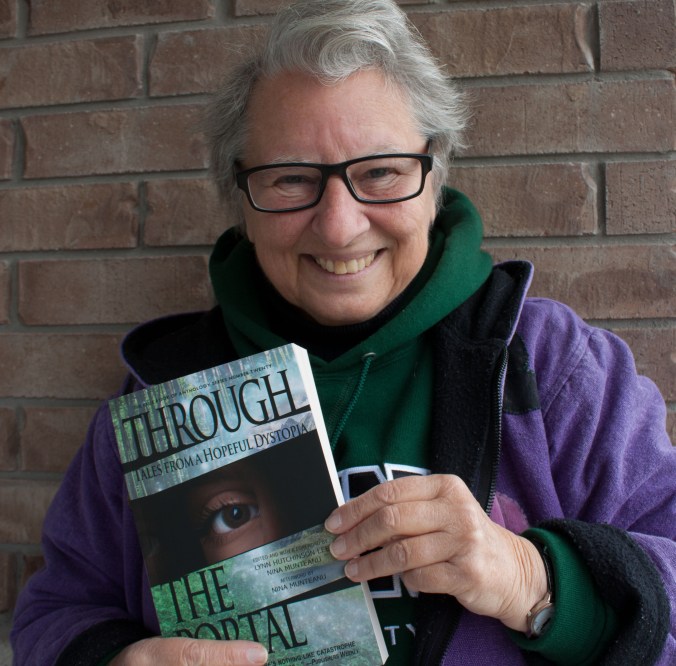
Exile launched their anthology Through the Portal: Tales of a Hopeful Dystopia, edited by Lynn Hutchinson Lee and Nina Munteanu. It was their twentieth in a series; this one focused on hope in a climate-changing world that is progressively becoming more dystopic. Short stories and poems were read by authors.
.
Top left: Ursula Pflug reads from Portal. Top right: Michael Callaghan introduces the anthology. Bottom: Lynn Hutchinson Lee reads from her novel Origins of Desire in Orchid Fens.
.
Stelliform launched Origins of Desire in Orchid Fens a novel written by Lynn Hutchinson Lee, who read several excerpts of her novel.
Both works have received much praise.
.
.
Nina Munteanu is a Canadian ecologist / limnologist and novelist. She is co-editor of Europa SF and currently teaches writing courses at George Brown College and the University of Toronto. Visit www.ninamunteanu.ca for the latest on her books. Nina’s bilingual “La natura dell’acqua / The Way of Water” was published by Mincione Edizioni in Rome. Her non-fiction book “Water Is…” by Pixl Press (Vancouver) was selected by Margaret Atwood in the New York Times ‘Year in Reading’ and was chosen as the 2017 Summer Read by Water Canada. Her novel “A Diary in the Age of Water” was released by Inanna Publications (Toronto) in June 2020.
Art is the oar that guides us through dystopian rivers
Mary Woodbury, dragonfly.eco
.
Through the Portal: Tales from a Hopeful Dystopiathe ecofiction anthology edited by Lynn Hutchinson Lee and me and published December 2024 by Exile Editions, recently received another wonderful review from Mary Woodbury at dragonfly.eco. Here is an excerpt:
As the world teeters on disaster, what saves us ranges from graceful failure to full-fledged resistance and opposition. Through the Portal, an anthology of eco-fiction, offers 35 artful, provoking stories to propel us forward. The book serves to reconnect us with Nature in diverse storytelling, from cautionary tales to fiction that brims with hope while also helping us grieve what we’ve lost—described as solastalgia.
The anthology is a stunning collection of short stories and poetry that address our most existential concerns through metaphysical, epic, solarpunk, mythological, and contemporary perspectives. From landscape and weather transformations to stars, fairy tales, parking lots, mermaids, whales, storms, bees, and much more, the reader is treated to a journey of colorful narratives woven into a chronology: imagination, after the fall, and Earth hour.
Hopeful dystopias are so much more than an apparent oxymoron: they are in some fundamental way the spearhead of the future—and ironically often a celebration of human spirit by shining a light through the darkness of disaster. In Through the Portal: Tales from a Hopeful Dystopia, award-winning authors of speculative fiction Lynn Hutchinson Lee and Nina Munteanu present a collection that explores strange new terrains and startling social constructs, quiet morphing landscapes, dark and terrifying warnings, lush newly told folk and fairy tales.—Exile Editions
.
Nina Munteanu is a Canadian ecologist / limnologist and novelist. She is co-editor of Europa SF and currently teaches writing courses at George Brown College and the University of Toronto. Visit www.ninamunteanu.ca for the latest on her books. Nina’s bilingual “La natura dell’acqua / The Way of Water” was published by Mincione Edizioni in Rome. Her non-fiction book “Water Is…” by Pixl Press (Vancouver) was selected by Margaret Atwood in the New York Times ‘Year in Reading’ and was chosen as the 2017 Summer Read by Water Canada. Her novel “A Diary in the Age of Water” was released by Inanna Publications (Toronto) in June 2020.
A recent favourable review of Through the Portal: Tales from a Hopeful Dystopia (edited by Lynn Hutchinson Lee and Nina Munteanu, released by Exile Editions) appeared in On Spec Magazine. The review by Lorina Stephens applauded the anthology for its genuine Canadian perspective, excellent writing, and “remarkable voice of many.”
.
Excerpts of the review follow below:
“What unfolds in these 35 stories is a quintessentially Canadian perspective on climate change, the probable dystopia of our own making, and how we as not only humans, but Canadians, may deal with the breakdown of environment and society, of how we construct mythology to interpret our experience.”
The stories, writes Stephens, “are filled with that remarkable pragmatism and resilience, little say a reverence for the land, which seems to be hardwired into a people who deal with constant change, and sometimes extremes, dictated by climate and geography.”
“…the quality of the writing from this enclave of writers is quite remarkable…I am steadfast in my praise of the skill of these writers, and the stories they’ve crafted, collected into this remarkable voice of many.”
“The stories manage that most adroit of transformations from genre fiction meant as escapism and consumable, to that other dimension which is provoking, illuminating, and exactly what good literary fiction should engender.”
Through the Portal has received other favourable reviews:
“Through the Portal offers intriguing and imaginative glimpses into the future.” – The Seaboard Review
“A stunning collection of short stories and poetry that address our most existential concerns through metaphysical, epic, solarpunk, mythological, and contemporary perspectives.” – dragonfly.eco.
Nina Munteanu is a Canadian ecologist / limnologist and novelist. She is co-editor of Europa SF and currently teaches writing courses at George Brown College and the University of Toronto. Visit www.ninamunteanu.ca for the latest on her books. Nina’s bilingual “La natura dell’acqua / The Way of Water” was published by Mincione Edizioni in Rome. Her non-fiction book “Water Is…” by Pixl Press (Vancouver) was selected by Margaret Atwood in the New York Times ‘Year in Reading’ and was chosen as the 2017 Summer Read by Water Canada. Her novel “A Diary in the Age of Water” was released by Inanna Publications (Toronto) in June 2020.
“It is a novel to learn from, and it is a novel to take forward into life as inspirational guide. Each of us is called upon to examine, not only our relationship with water, but with all Earth gifts.”
Jane Buchan, author & educator
Vermont author Jane Buchan recently wrote a review of my 2020 eco-fiction novel A Diary in the Age of Water. Here is an excerpt:
As climate, social, and political crises escalate, one source of guidance becomes essential to our continued optimism and activism: a Numinous Story… A Diary in the Age of Water by Nina Munteanu, is, for many of us alive in these terrifying times, a numinous story. It meanders through our consciousness with the enlightening science of fresh-water lakes and rivers and streams, sometimes heavy with sediment and toxicity, sometimes fast flowing and cleansing, sometimes terrifying with truths smacking us down with the force of a tidal bore. Its characters are story tellers and story receivers, and despite their diverse natures, all the stories they tell reveal the many threats to our source of life on Earth – our water.
Nina Munteanu’s novel structure is perfect for the weaving of human scientific and mystical relationships with water. It’s initial and final sections create a frame for the inner story of bitterness, despair, self-serving behaviours, and corporate rapaciousness described by a professional scientist, a limnologist named Lynna. In the outer story we meet Kyo and Nam, Kyo’s mentor, as well as Ho, a librarian and keeper of a remnant of rare books. These characters exist on the other side of a mysterious cataclysm, the causes of which are the novel’s key themes.
Kyo, a small, four-armed blue being whose story begins and ends the novel, introduces us to the characters who form the larger diary section framed by the opening Library section and final Seed Ship section. Kyo makes glancing references to Una, mother of Lynna, and Lynna, mother of Hilde. Only Lynna is fully realized through her own perceptions and thoughts, these expressed in diary entries beginning in the spring of 2045 and ending in the late fall of 2066. Her diary, taking up 250 pages of this 303-page novel, provides the chronological spine connecting our past and present to a possible future that is not the one most humans want to think about, let alone welcome.
A Diary in the Age of Water is best sipped and savoured rather than gulped. Gulping will lead to choking for most non-scientist readers, and this book deserves to be experienced as it is written, in slow, undulating, revelatory waves… Like all complex stories, A Diary in the Age of Water requires patience, something our video-oriented age does not foster. The richest stories ask that we learn to hold many apparently divergent story threads at once. One of my fears as I read the diary was that the darkness of greed and short-sighted thinking and feeling would win out over that wondrous mystical relationship with the world that Una carried. While Una does her best to pass the experience of the sacred on to Lynna, Una’s spiritual influence is eclipsed by Lynna’s oppressive dependence on scientific knowledge to the exclusion of all else.
Through these characters, Nina Munteanu offers a warning for our times. Science is vitally important to our understanding of natural systems but science best serves us when it is balanced with an experience of the responsiveness of the natural world, a responsiveness that evokes our reverence and respect. Every culture honours the spiritual nature of the greater-than-human world, encoding its reverence in mythology, folktales, and wisdom traditions. – all keepers of numinous stories that transform our relationships with one another and the world. When we live honouring the sacred nature of all life, we become partners and co-creators. When we do not, we are highly dangerous parasites…
Lynna is called to hold the science of water firmly in her mind as her heart slowly opens to water’s responsiveness, water’s intelligence, water’s generosity, water’s love. It is a huge transformation for her, because science has been her safe place, her refuge. But knowing how something works is only the first part of the journey for those of us alive on this watery planet; we must all experience the why – the joy of unbreakable interconnections that make our lives meaningful… It is not Una’s daughter, Lynna, who carries this numinosity forward. It is Hilde, Una’s granddaughter, whose name means, significantly, Warrior Woman. How Kyo fits in to this lineage is one of the novel’s most unique speculations, one best discovered by reading the entire novel.
This novel is rich with information about water’s evolutionary journeys; it also describes the horrors of human greed that directly impact our relationships with water. It is not an easy book, but it is an important one, especially for people ready to engage, to advocate, to stand against the corporate insanity currently destroying Earth’s delicate balances. It is a novel to learn from, and it is a novel to take forward into life as inspirational guide. Each of us is called upon to examine, not only our relationship with water, but with all Earth gifts.
Go to Jane’s site Winterblooms to read the full review, worth reading in its entirety for its rich and poetic narrative.
.
Jane Buchan is a writer currently living in Vermont and originally from southwest Ontario. Her books include Under the Moon, Kinder Sadist and her latest, The Buttes. She is also an emotional Freedom Techniques (EFT) coach, Master Trainer and educator.
.
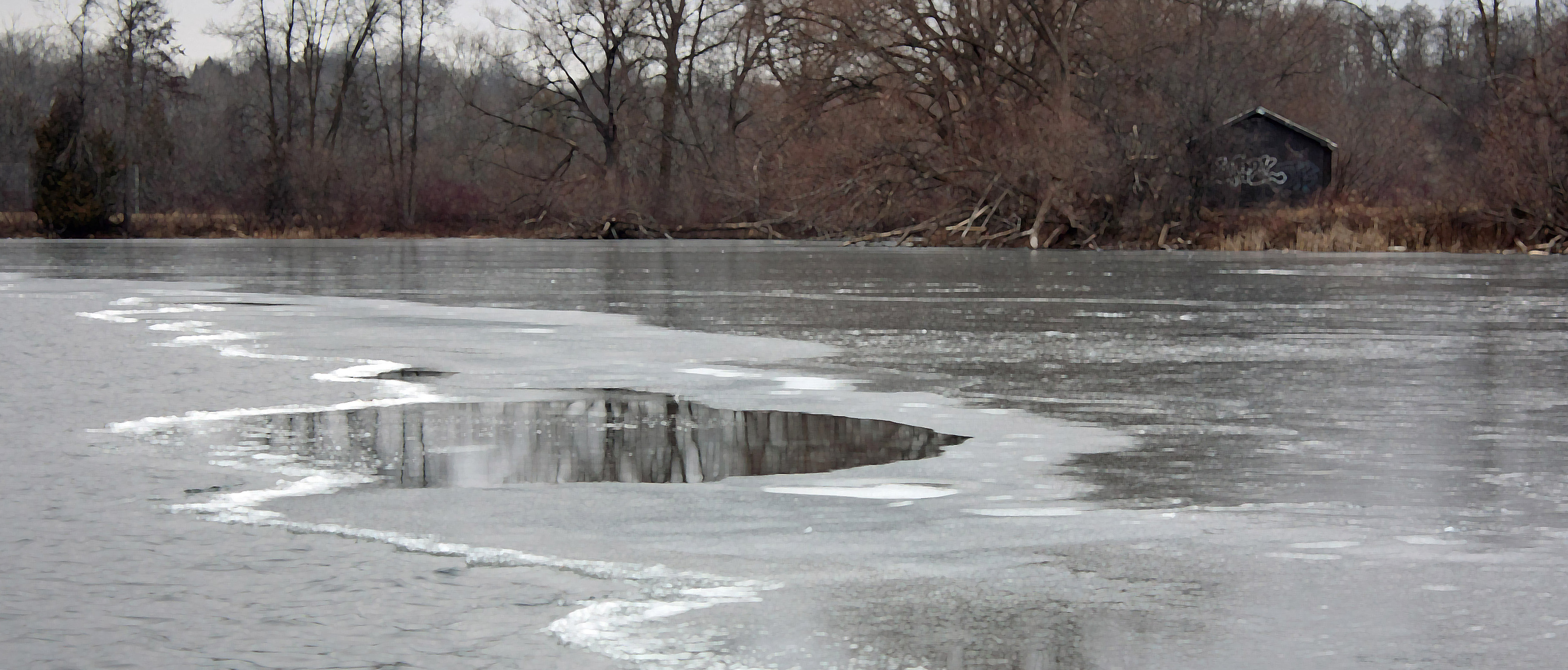
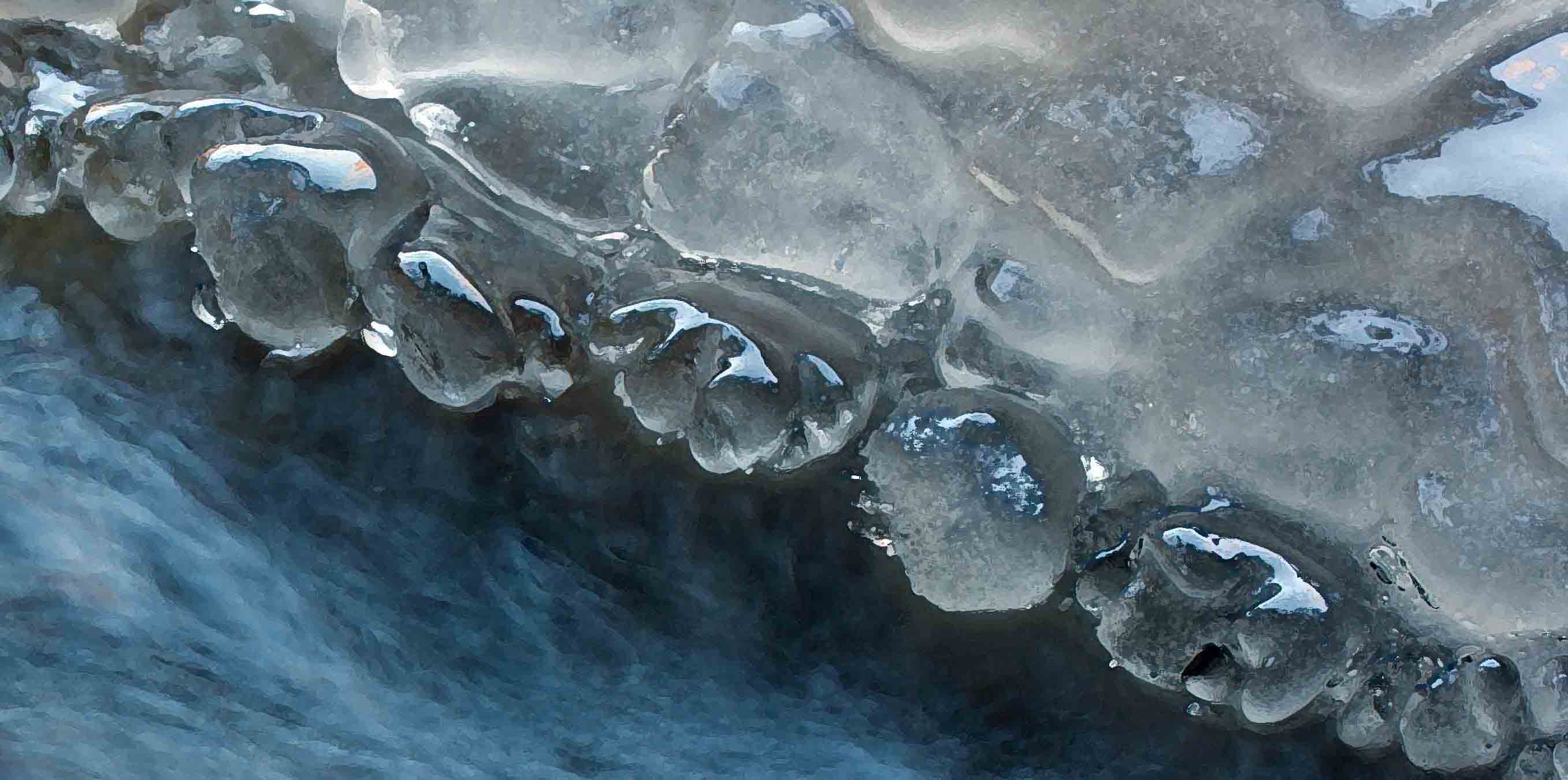
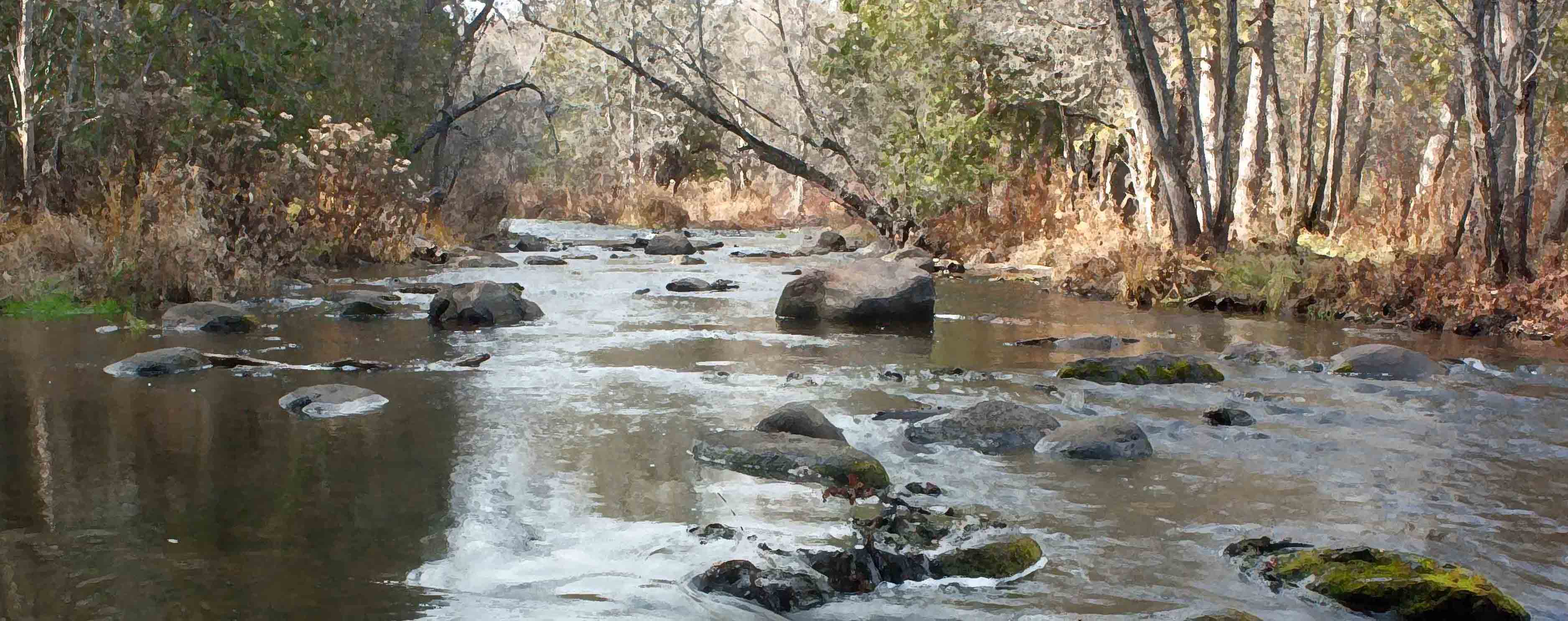
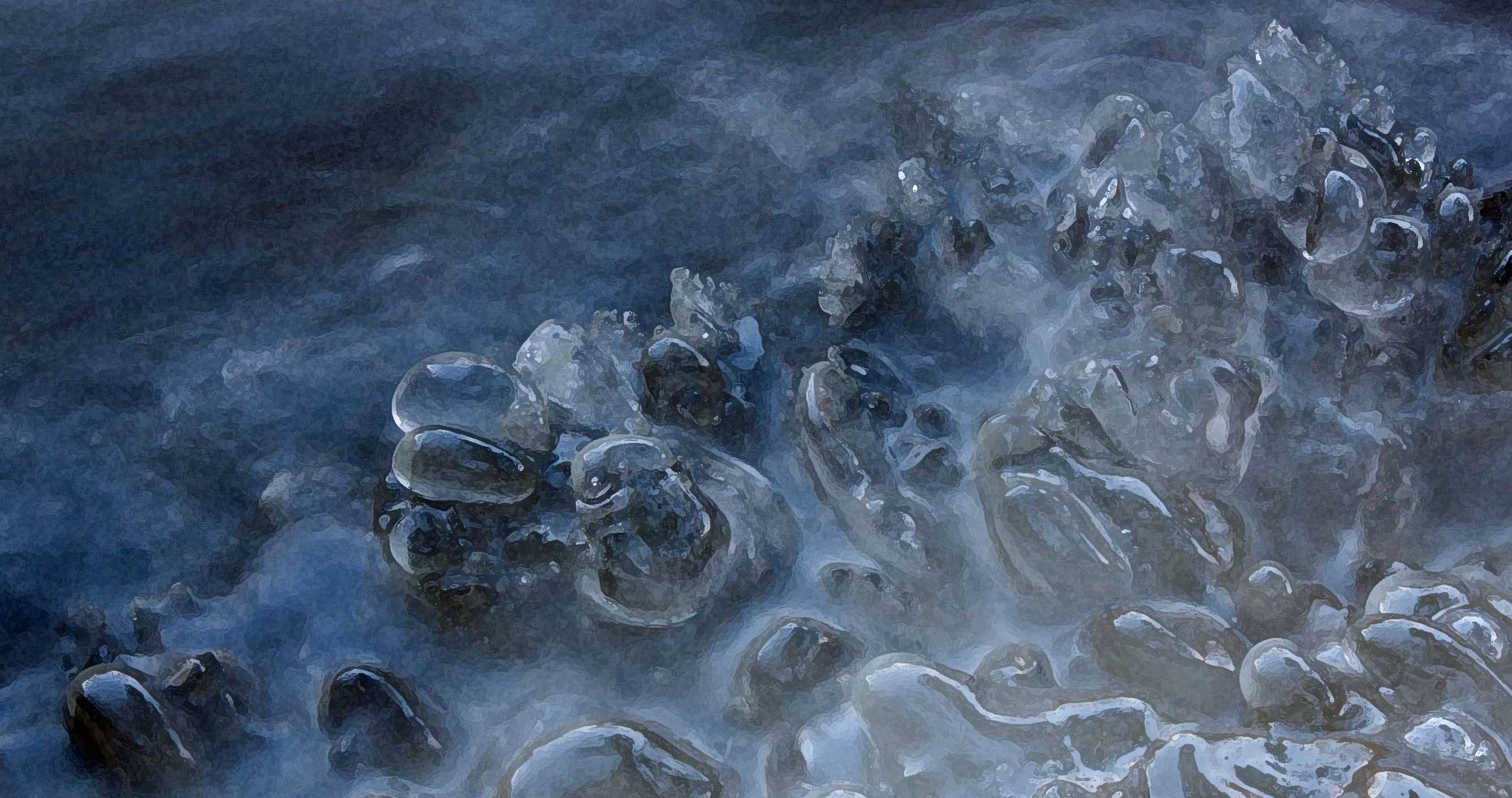
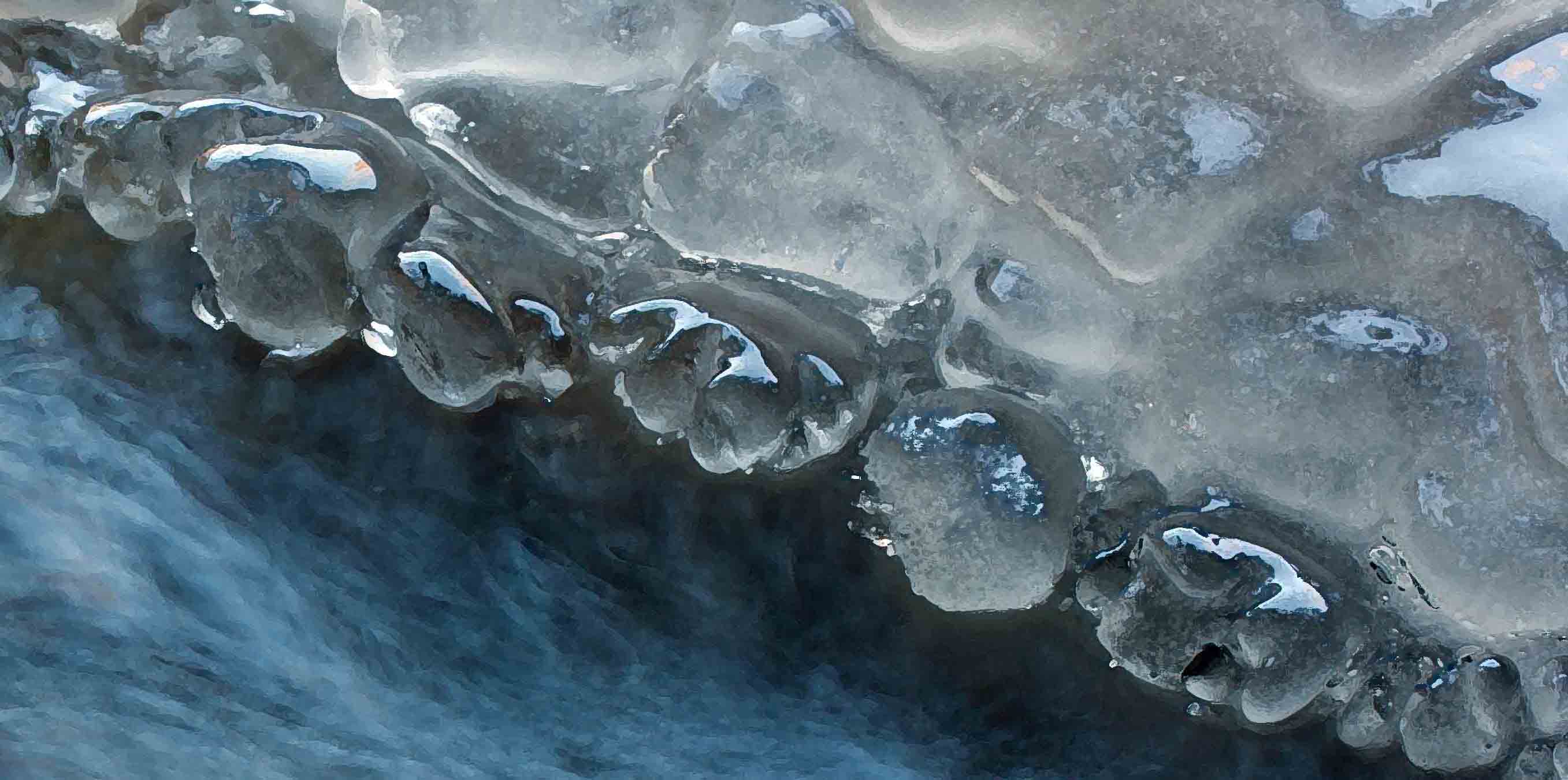
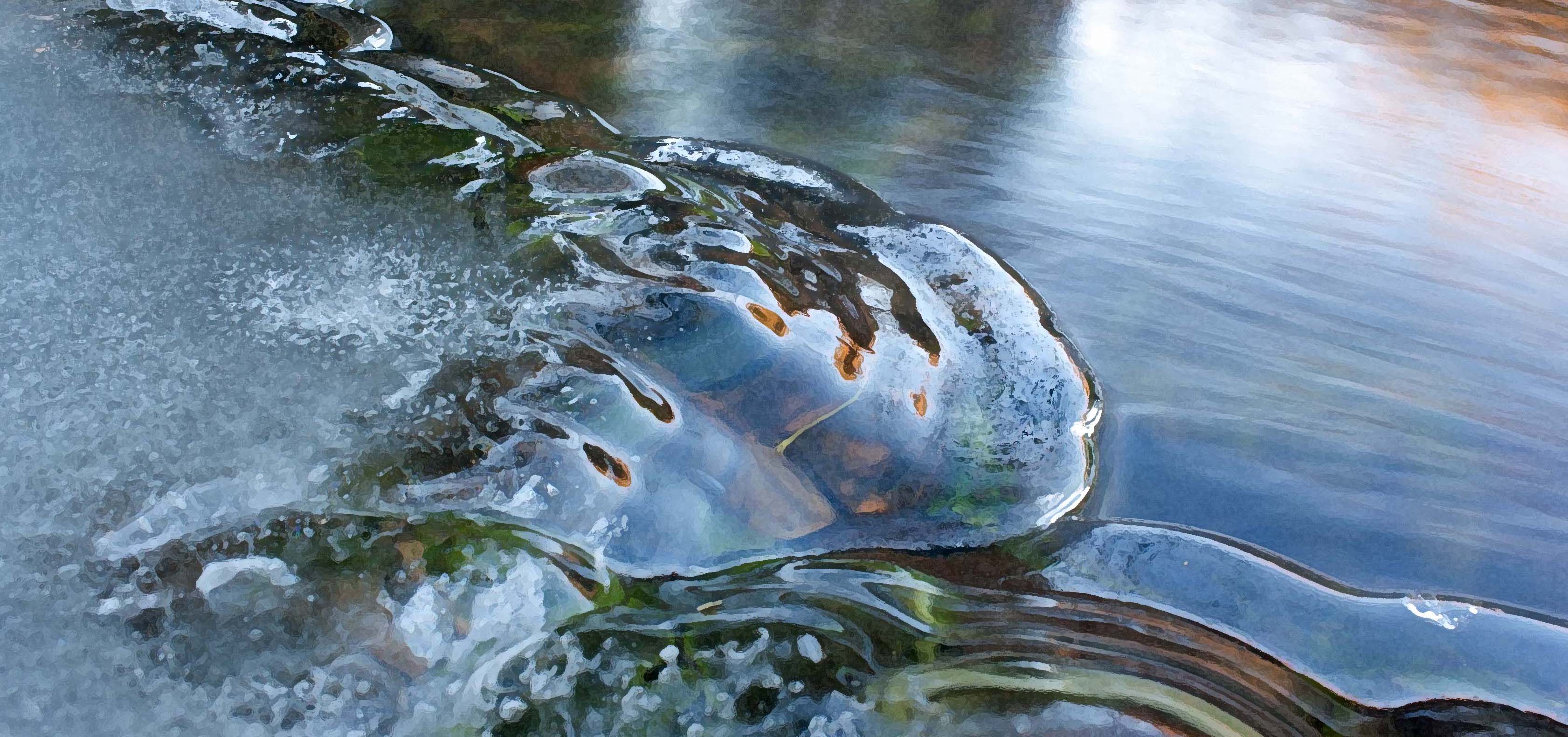
Jackson Creek flowing through ice formations (photo and rendition by Nina Munteanu)
.
Nina Munteanu is a Canadian ecologist / limnologist and novelist. She is co-editor of Europa SF and currently teaches writing courses at George Brown College and the University of Toronto. Visit www.ninamunteanu.ca for the latest on her books. Nina’s bilingual “La natura dell’acqua / The Way of Water” was published by Mincione Edizioni in Rome. Her non-fiction book “Water Is…” by Pixl Press (Vancouver) was selected by Margaret Atwood in the New York Times ‘Year in Reading’ and was chosen as the 2017 Summer Read by Water Canada. Her novel “A Diary in the Age of Water” was released by Inanna Publications (Toronto) in June 2020.