The AI Wave: To AI or not to AI … That is the Question…

I recently ran across a list posted on social media of the 20 most popular AI tools for productivity in writing. I only knew two of them. This heightened my anxiety about what I know and am prepared for in the use of genAI, particularly in academic settings, where I teach writing at university. And it got me thinking why I was so anxious…
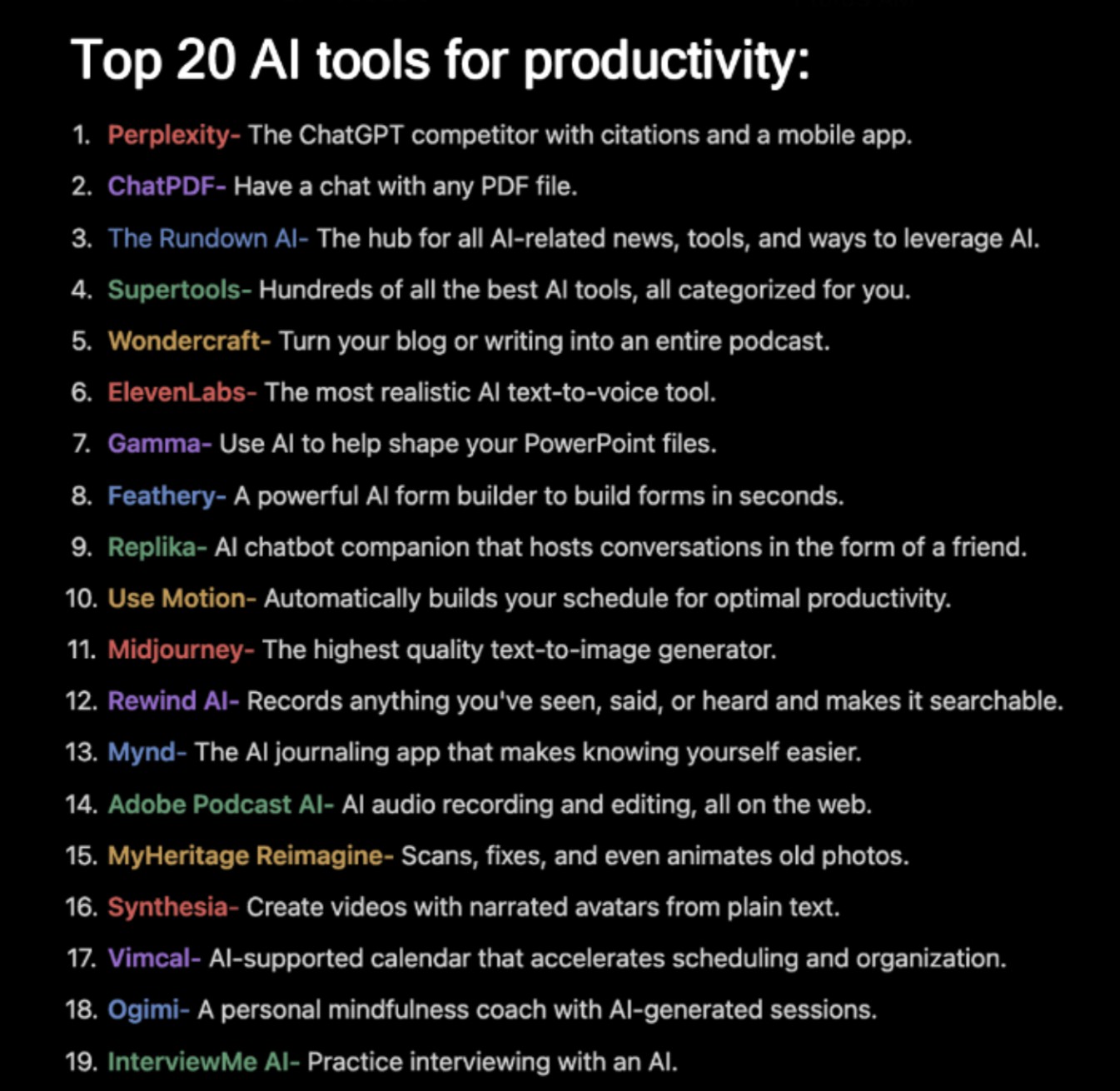
I shared the list with my colleagues at the university writing centre and one instructor who was actively following AI tools admitted that they knew only a few of the listed tools as well. They further shared that they were feeling increasingly apprehensive about genAI’s impact on higher education. “It’s hard not to feel overwhelmed,” they ended.

(Photo: Nina writing her novel at a cafe)

This was my exact sentiment: a kind of apprehensive excitement. An understanding that all communicators stand at the precipice of a major paradigm shift in tool use. The ramifications this will have on all aspects of effective and efficient communication will span from redefining plagiarism to reinventing creativity. As with all powerful tools—aside from the obvious threat of misuse—there is always something lost with the gain and I wonder what we are losing with all this. I have some ideas, and they do bother me from time to time.

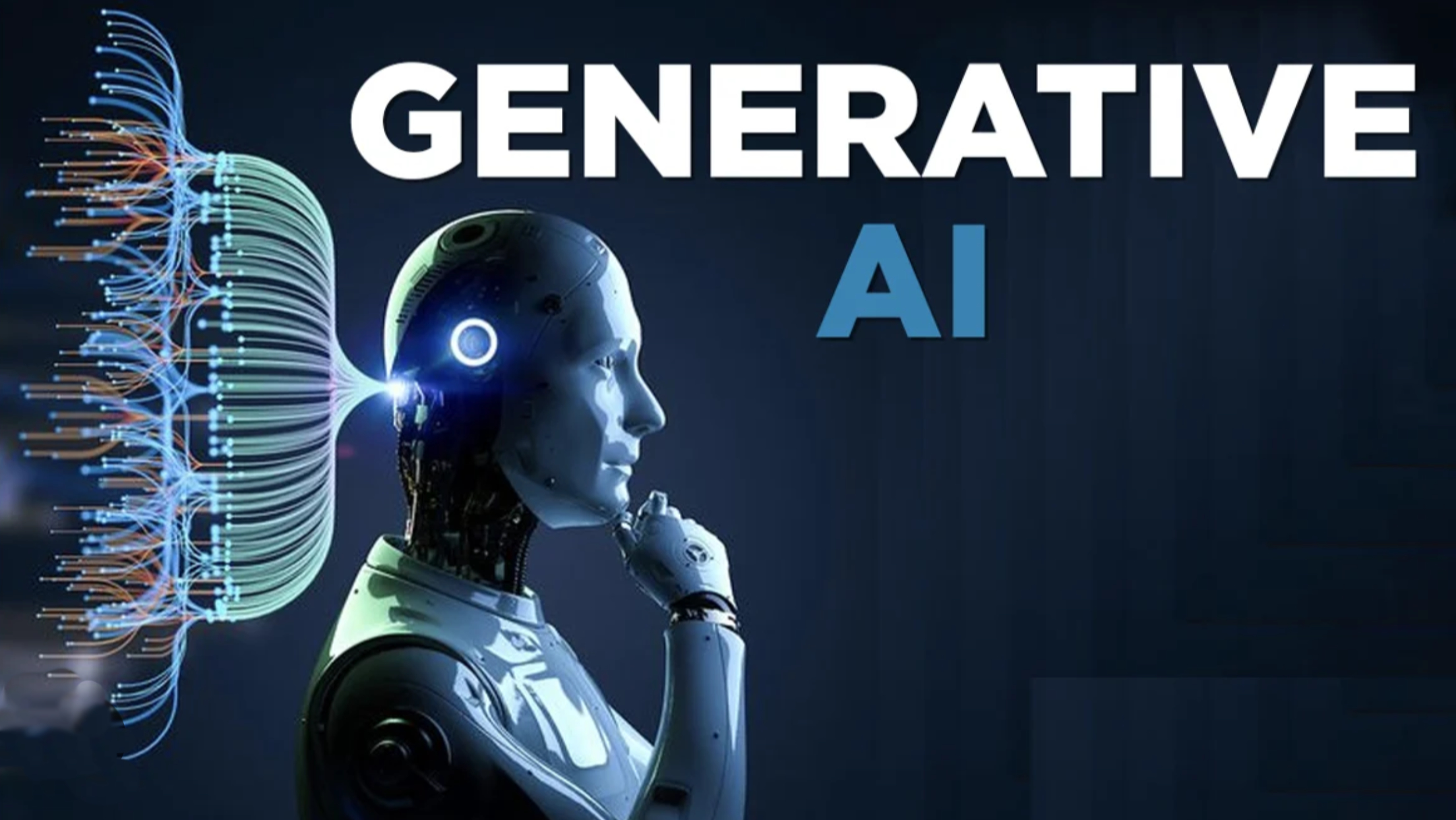
Applications of Generative AI (image by Neebel Technologies)

I do think it important for me as a communicator and writing instructor to understand the trade offs and to work with them.

When the world adopted the portable calculator, rote knowledge of basic math suffered. I know; I tested it during a lab exam when I was teaching college biology many years back. I forbid the use of calculators in the test and many students, who had lost the ability to do long division or multiplication by hand, lost marks. For some reason, I’m still not sure of, it was important for me to insist on students doing math longhand (a basic skill fast becoming obsolete like cursive writing) and punish those who had lost the art. Perhaps I was drawing on Isaac Asimov’s possibly prescient 1957 short story satire The Feeling of Power, which explored the limitations of a future world that lost its basic skills to machines. The corollary, I suppose, is that more complex and conceptual math gained some ground through this handy and efficient tool. Machines have their advantages, certainly. And generative AI is just one sophisticated aspect of machine use.

Consequences to Creative Writing

In my world of professional fiction authors, there is a palpable fear of being replaced by AI as story creators: a version of the ultimate science fiction horror plot of being taken over by the machine world (I’ve even exploited that in my SF thrillers Angel of Chaos and Darwin’s Paradox).

Given our unique powers of imagination, I don’t think that will happen (very soon, if ever successfully). Though, as we dummy-down and simplify complex stories for fast-paced multiplex audiences addicted to fast-paced bite-sized and easy to digest entertainment, AI-generated narratives could get by. How is all this affecting the publishing industry now? I recently learned that one of the top five online science fiction magazines, Metastellar, accepts AI-assisted stories with the proviso that “they better be good.” And Metastellar provides some convincing reasons. This has become a hot topic among my fellow professional writers at SF Canada.  One colleague informed me that a “new publisher Spines plans to disrupt industry by publishing 8000 AI books in 2025 alone.” On checking the news release, I discovered that Spines is, in fact, a tech firm trying to make its mark on publishing, primarily through the use of AI. The company offers the use of AI to proofread, produce, publish, and distribute books. They are, in fact, a vanity publishing platform (essentially a service for self-publishing), charging up to $5000 a book and often taking just three weeks to go from manuscript to a published title. The quality of what they will produce is unclear—and questionable.

All to serve as metaphor for what I and my colleagues at university are striving to achieve with students in their academic writing: excellence in communication, particularly in conveying complex scenarios that require creative solutions where clear, concise, and convincing writing is requisite.

I still find myself reluctant to use AI in my writing and communication, though I’ve at times slid into using AI for research and initial summaries to save time. I do this rarely because I absolutely enjoy doing research. I enjoy challenging my brain to summarize key points and write a good line. I enjoy the thrill of unanticipated discoveries, which always happen on these forays. I also recognize that many people do not share my enthusiasm for these brain exercises.

(Photo: Nina writing in another cafe)

I think that AI alone will not replace human mind for unique creativity. I didn’t say “can not.” It could; but it won’t. This is because even as genAI becomes infused in many aspects of life pursuit, there will remain those like that rare mathematician capable of doing math by hand in The Feeling of Power, valued not just because they are rare, but because in that rarity, they fulfill a critical role. When the machines stalled in their ability to move society forward in The Feeling of Power and all seemed lost, this archaic mathematician presented new innovation with basic math. I’m not suggesting that the technology will all break down, plunging the world into darkness (though this remains a possibility and is still a great plot for science fiction); but I submit that diversity rules over monopoly when it comes to survival.   

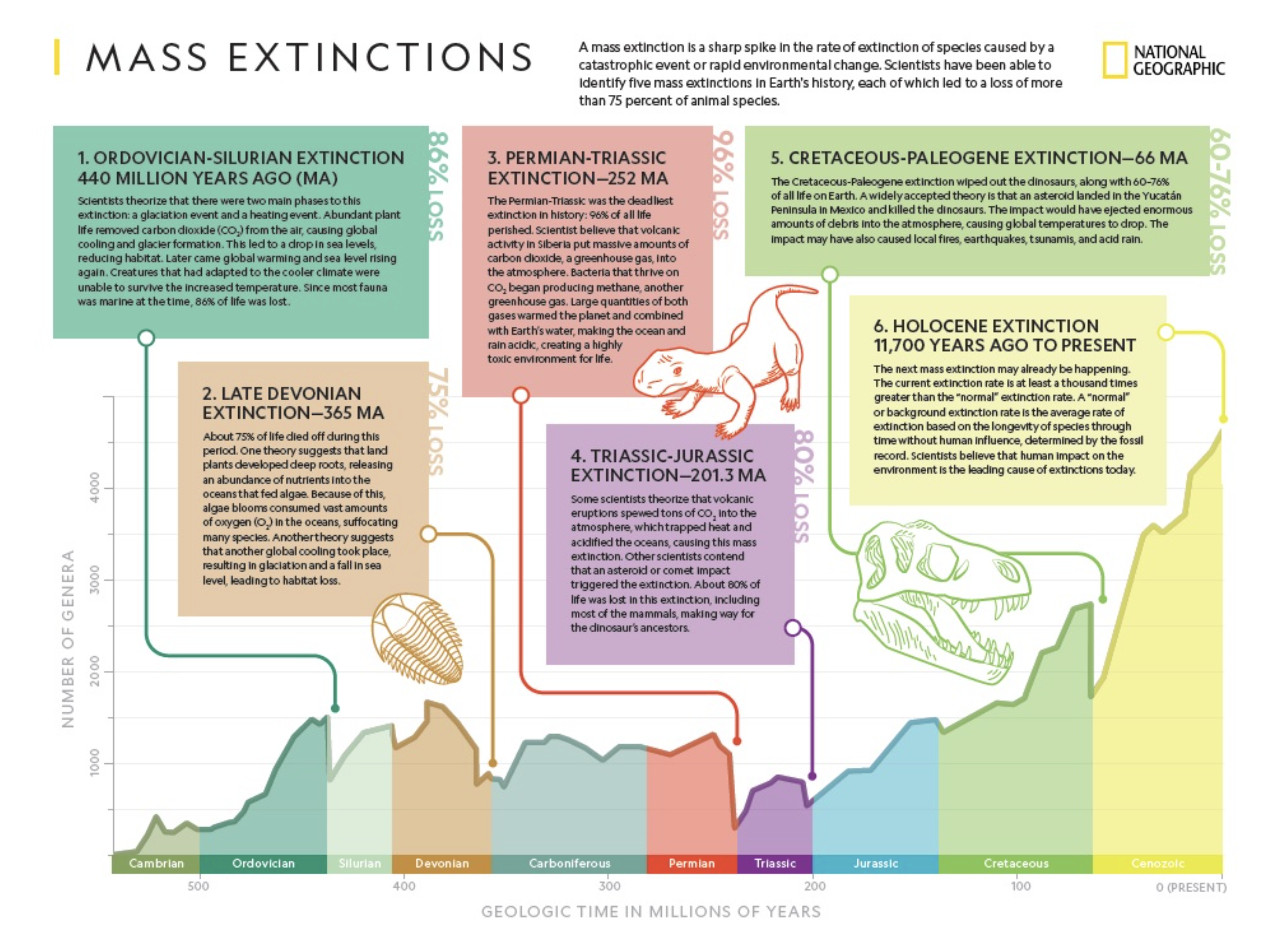
Five Mass Extinctions

This may seem a rather dark projection of the future, but consider that over the millennia, after five mass extinctions and with the sixth mass extinction underway, diversity has always saved the world. Within that necessary diversity, it is the nurtured rarities, the outliers, the misfits and nonconformists that survived the destruction of the previous world. Each time, diversity made that possible. As though engrained in Nature’s world building.

Mass Extinctions (image by National Geographic)

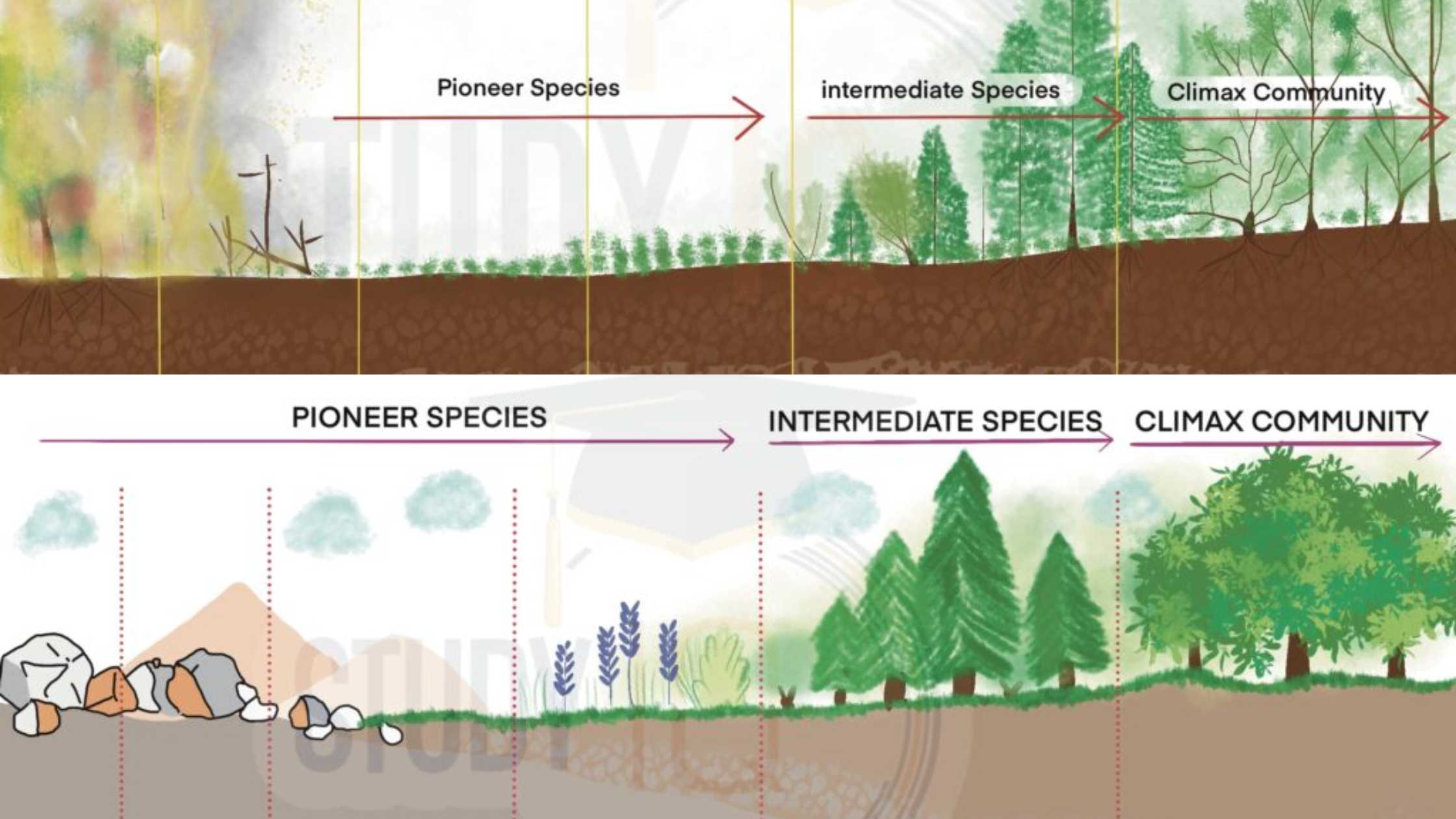
Ecologists call it ecological succession, others use the term “creative-destruction” to describe the recursive pattern of living and non-living things of the planet. Both describe how the oligarchs of an established climax ecosystem fail due to change or disturbance and are replaced by a previous rare misfit or immigrant better suited to the new environment. 

Primary and secondary succession in two different ecosystems

I think AI is part of our succession. Our use of AI in all its forms will represent a diversity of reaction and action that represent our own diversity and potential to survive in a changing world. All to say: relax and embrace the outliers.

Writing in nature (photo by Nina Munteanu)

As William Gibson so famously said in 1993: The Future is already here; it’s just not evenly distributed. And maybe that’s a good thing…

So…

…To AI, or not to AI, that is the question:
Whether ’tis nobler in the mind to suffer
The slings and arrows of terrible writing,
Or to take arms against a sea of scribbles
And by opposing end them. To think—to write,
No more; and by writing to say we end
The heart-ache and the thousand natural shocks
That tech is heir to: ’tis a consummation
Devoutly to be wish’d. To think, to write;
To write, perchance to create—ay, there’s the rub:
For in that creation of unique thoughts what others may come,
When we have shuffled off this genAI…

Writing in Nature (photo by Nina Munteanu)

Nina Munteanu is a Canadian ecologist / limnologist and novelist. She is co-editor of Europa SF and currently teaches writing courses at George Brown College and the University of Toronto. Visit www.ninamunteanu.ca for the latest on her books. Nina’s bilingual “La natura dell’acqua / The Way of Water” was published by Mincione Edizioni in Rome. Her non-fiction book “Water Is…” by Pixl Press (Vancouver) was selected by Margaret Atwood in the New York Times ‘Year in Reading’ and was chosen as the 2017 Summer Read by Water Canada. Her novel “A Diary in the Age of Water” was released by Inanna Publications (Toronto) in June 2020.

Apex Magazine Interviews Nina Munteanu About Story, Ecology, and The Future

Issue  #128 of Apex Magazine featured an interview that Rebecca E. Treasure did with me, posted on December 10, 2021. We discussed the power of story, the use of dystopian narrative, and the blur between fiction and non-fiction to create meaningful eco-fiction. Here’s part of the interview. For the complete interview go here:

INTERVIEW

Nina Munteanu, author of “Robin’s Last Song,” is a prolific creator with multiple books, podcasts, short stories, and nonfiction essays in publication. Her work spans genre, from eco-fiction to historical fantasy to thrillers, and of course, science fiction. Her work as an ecologist informs all of her writing, which circles around an essential exploration; the relationship between humanity and our environment.

 At the top of Nina Munteanu’s website, there is a quote: “I live to write, I write to live.” This sentiment is reflected in her fiction, which is not just about characters in compelling situations solving their problems with compassion, but is about all of us, our planet, our environment, and our future.

Rebecca E. Treasure

Nina Munteanu sat down with Apex for a conversation about story, ecology, and the future.

APEX MAGAZINE: “The Way of Water” in Little Blue Marble is such a powerful piece touching on water scarcity and friendship, a dry future and the potential for technology to overtake natural ecology. “Robin’s Last Song” explores extinction, human fallibility, friendship, and again, that conflict between technology and nature. Do you think we’re heading toward the kind of dystopia shown in these stories?

NINA MUNTEANU: The scenarios portrayed in these eco-fiction narratives are deeply grounded in current realities that involve a kind of dissonance between technology and natural processes—more specifically our myopic use of technological “fixes” to make nature more efficient for our use, whether it’s to mine water from the air (disrupting the water cycle) or gene-hack monocrops to increase yield (compromising the crop’s resilience and long-term productivity). It isn’t so much the technology, but the thought process driving its use that is undermining the environment we live in. Our unwillingness to think of ourselves as part of the very environment we’re manipulating for shortsighted purposes could certainly bring about some version of these dystopias.   

While these narratives are based on the realistic premise of current and projected water use and food production, their trajectories are fluid and multi-faceted. We still have many directions we can go. Concrete precedents set by a changing climate and our several-century interference will ensure continued extinction of species, reduction of bio-diversity, the proliferation of unstable simple ecosystems prone to crashing, and an unruly water cycle. Despite these, planetary responses remain fluid and unpredictable; there is so much about the natural world we still don’t know. And that is what my story “Robin’s Last Song” touches on: even when it looks utterly bleak and nothing seems left, Nature surprises us with hidden gifts. If nothing else, we are humbled by it. And a little wiser, hopefully.

AM: Your stories show readers the kind of world we could be facing if nothing changes. Do you believe such disaster is preventable?

NM: Humanity can destroy habitats and ecosystems; but we can’t destroy the planet—well, not yet anyway. We can only change it. Earth will endure. The question is: as Nature changes will we endure? We are currently destroying and simplifying the ecosystems that best support our species, and heralding in those that may not. Ecologists use a term “natural succession” to describe when one species or group of species create better conditions for another group that will succeed them. We are in danger of doing this. And we’re taking down a lot with us. This planet has experienced four major extinction events in the past (wiping out up to 90% of its species) and each time life came back in full force; but each time, that life looked different from what had preceded it.

To ensure our own survival, we need to ensure the survival of our supporting network: forests that balance a climate best suited to us; a biodiversity that brings resilience; a clean healthy ocean that nurtures all life. But I am hopeful. We need creativity and joy and connection to do this right. We are creators at heart and are more joyful when creating. We are capable of creating so much beauty in our music, art, and science. When faced with insurmountable odds and terrible circumstance, our earnest hearts fill with kindness and compassion. Some countries have embraced the Happy Index—over the GDP—to measure their success. Bhutan has achieved carbon negativity and others are following its lead. We know what the solutions are. We have the technologies. We understand the science. We just need the will.

As Yuval Harari noted, we remain an insecure species; despite our curiosity and capacity for wonder, we are prone to fear, suspicion, and defensive action in the face of the unknown. Our preoccupation with “self” in all its iterations limits our ability to gain a more healthy perspective and to see ourselves as part of our environment, not apart from it. Our hubris and separation comes from that same insecurity. Like the hero in the hero’s journey, we’ve strayed from our “home” to find ourselves. The changes in the world that we’re largely responsible for creating (e.g., climate change, habitat destruction, and oversimplification) are also part of our journey to find ourselves. When we find our humility and our unique gifts to the world, we can prevent disaster. It won’t be the tool—technology—that does it. It will be the wisdom that comes with loss of ego, allowing us to forge a partnership with the rest of the world, human and non-human.

With the wisdom of feminine energy emerging from the shadows and lighting its voice with kindness, humility, compassion, unity, and wholeness, I’m ever hopeful. It’s time to grow up, forgive ourselves and each other, and become whole.

For the entire interview, go to Apex Magazine, December 10, 2021.

Birch trees and marsh on a foggy winter morning, ON (photo and rendition by Nina Munteanu)

Rebecca E. Treasure grew up reading science fiction and fantasy in the foothills of the Rocky Mountains. After grad school, she began writing fiction. Rebecca has lived many places, including the Gulf Coast of Mississippi and Tokyo, Japan. She currently resides in Texas Hill Country with her husband, where she juggles two children, two corgis, a violin studio, and writing. She only drops the children occasionally. To read more visit www.rebeccaetreasure.com.

NINA MUNTEANU is a Canadian ecologist / limnologist and novelist. She is co-editor of Europa SF and currently teaches writing courses at George Brown College and the University of Toronto. Visit  www.ninamunteanu.ca for the latest on her books. Nina’s bilingual “La natura dell’acqua / The Way of Water” was published by Mincione Edizioni in Rome. Her non-fiction book “Water Is…” by Pixl Press(Vancouver) was selected by Margaret Atwood in the New York Times ‘Year in Reading’ and was chosen as the 2017 Summer Read by Water Canada. Her novel “A Diary in the Age of Water” was released by Inanna Publications (Toronto) in June 2020.

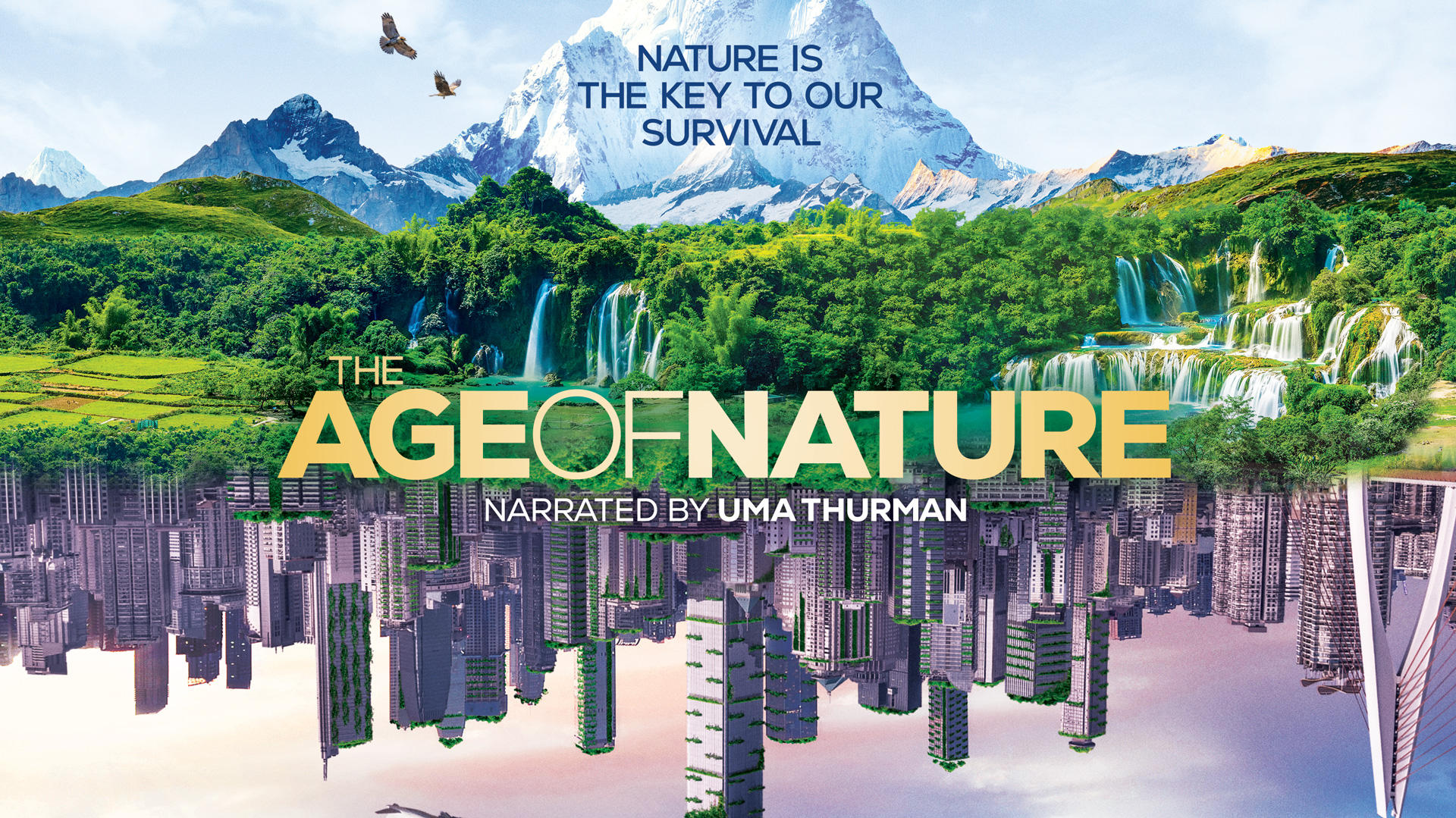
Now is The Age of Nature…

Age of Nature is a series of three films made by PBS and narrated by Uma Thurman about humanity’s relationship with nature and wildlife and how scientists and conservationists study ways to restore the planet. The series, beautifully narrated and filmed, shows how restoring nature might be our best tool to slow global warming. From Borneo to Antarctica, the resilience of the planet is helping us find solutions to cope and even mitigate climate change, providing hope for a more positive future. The series consists of three episodes: Awakening, Understanding, and Changing:

In AWAKENING you will discover how a new awareness of nature is helping to restore mostly collapsed ecosystems; this included: restoring the cod fishery in Norway’s Lofoten Islands; the restoring the Chagres watershed in Panama; rehabilitating the collapsed ecosystem of Mozambique’s Gorongosa Park; and restoring the denuded Loess Plateau in China by planting a forest (and reducing the sediment in the Yellow River by 80%). This episode shows how innovative actions are being taken to repair human-made damage and restore reefs, rivers, animal populations and more.

“We are at a turning point in history,” says narrator Uma Thurman. “and moving in a new direction. How we live with nature now will determine our future. A new age is upon us, the age of nature.” This new awakening comes with a change in philosophy.

“Materialism has suggested that wealth is coming from things. But, in fact, wealth is coming from ecological function.” 

—John D. Liu, Ecosystem Ambassador, Commonland Foundation
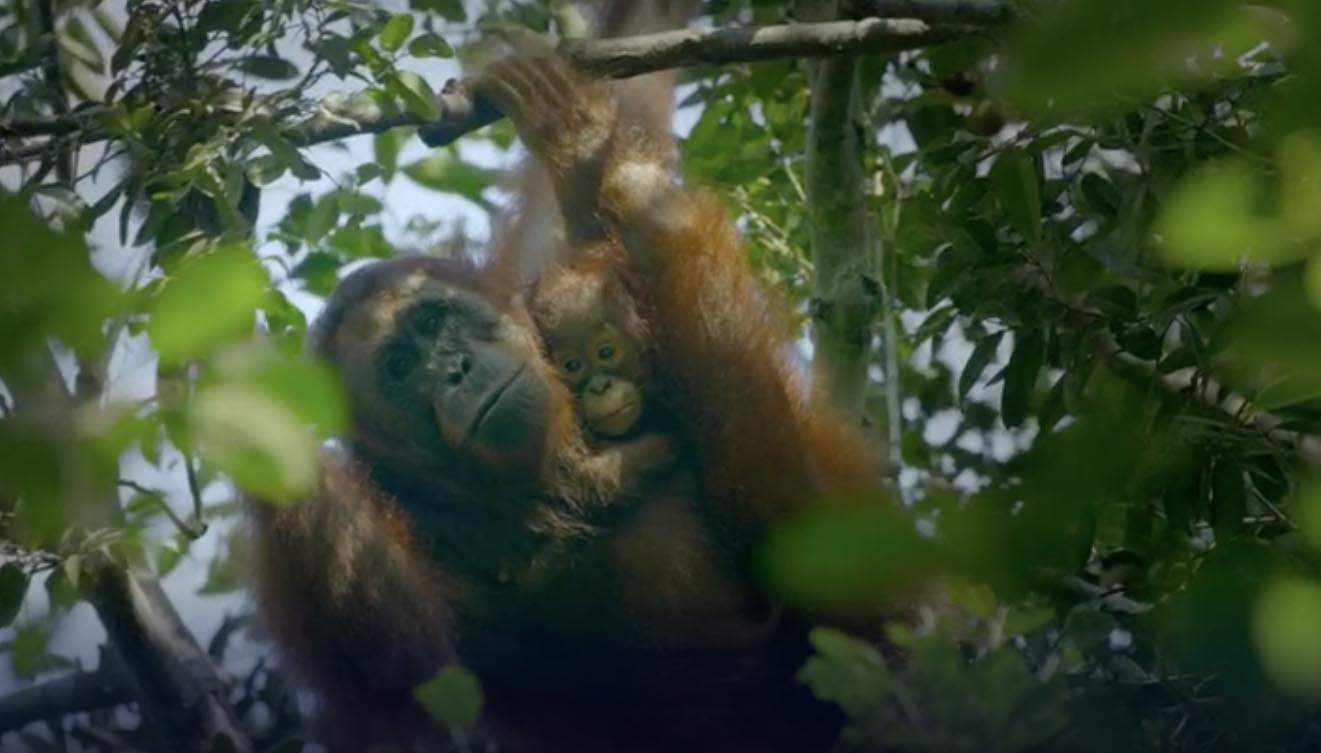
Orangutan in Borneo forest (image from “Age of Nature”)

In UNDERSTANDING you will explore how a new understanding of nature is helping us find surprising ways to fix it. From the salmon runs and connection to forest health of the Pacific Northwest to restoring fireflies in China, and the reintroduction of wolves in Yellowstone—scientists, citizens and activists are restoring the environment, benefiting humans and animals alike.

“If humans get our acts together and start thinking about the whole ecosystem, we’re going to be recovering the whales and ultimately we’re going to be saving ourselves.”

—Dr. Deborah Giles, Killer whale researcher, University of Washington
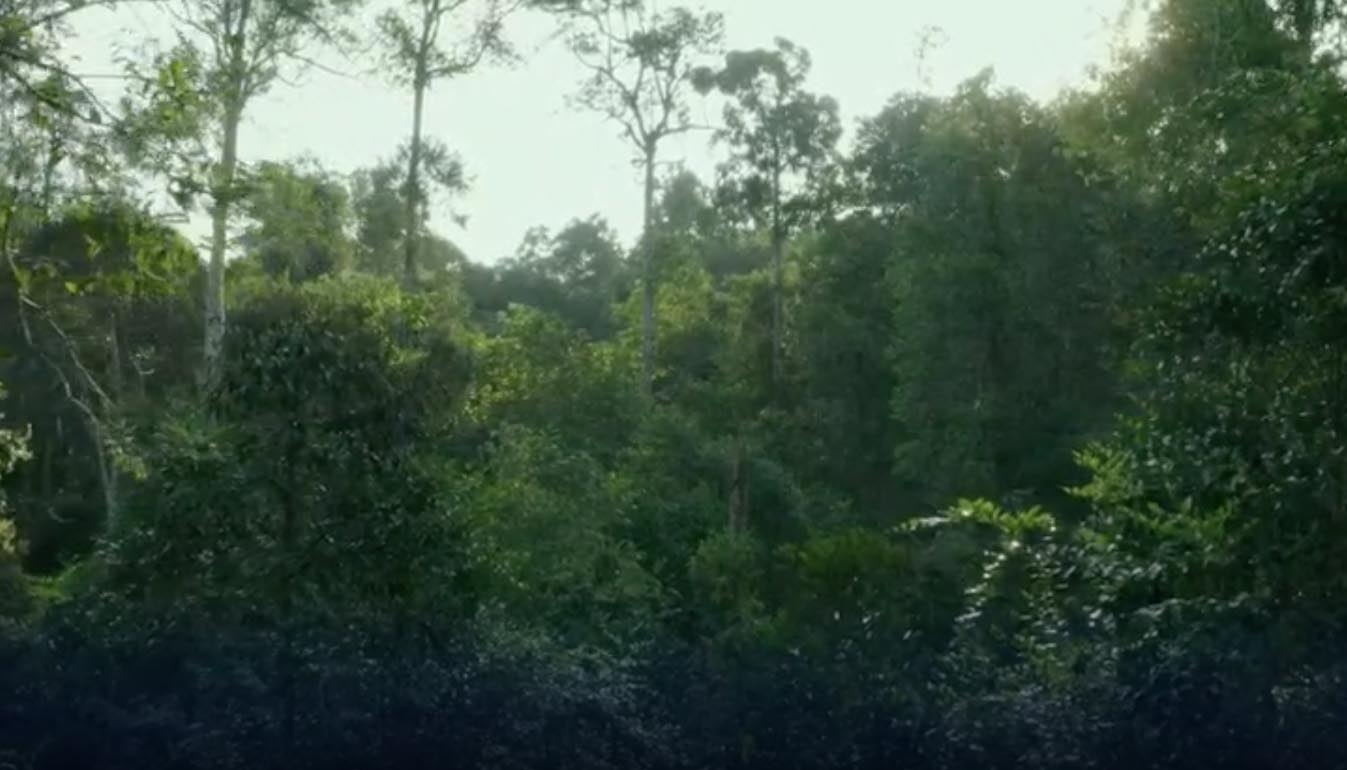
Jungle in Borneo (image from “Age of Nature”)

In CHANGING you will discover why restoring nature might be our best tool to slow global warming. From Borneo to Antarctica, the resilience of the planet is helping us find solutions to cope and even mitigate climate change, providing hope for a more positive future. Bhutan’s negative carbon system is based on “decades of enlightened but courageous policies,” says Tshering Tobgay, former prime minister of Bhutan. By law they maintain over 60% forest cover to maintain a rich biodiversity and help balance climate as a carbon sink. Over 70% of Bhutanese live along river banks where they cultivate rice and other crops. “We’ve always had a strong association with water,” Tobgay adds.

“Ultimately, if we’re going to understand how to stop climate change, we need to understand our planet,” says Professor Tom Crowther, who leads a team of ecologists in categorizing forests and soils around the world from “on the ground information” to understand the carbon they contain and absorb. Crowther stresses that “the key is to restore these ecosystems in the right ecologically-minded way. That means we don’t plant trees in ecosystems that would naturally be grasslands. We also restore trees in a very biodiverse mixture; we don’t just want plantations, monoculture of the same species. We need all the different interacting species which help one another to grow and capture huge amounts of carbon…We absolutely need nature to survive on this planet. If humanity is going to have a chance, we’re going to have to restore ecosystems all across the globe…Biodiversity is the life support for our planet.”

Rainforest (image from “Age of Water”)

The movie showcases three major ecosystems of significant carbon sequestration that need to be (and are in some cases) encouraged, nurtured and grown:

1.  Old growth forests of the world: Bialowieza in Poland is the oldest forest in Europe:

Malgorzata Blicharska at Uppsala University reminds us of an ecological tenet: the higher the biodiversity of an ecosystem, the more stable and resilient it is. “The more complex the forest is, the more resilient it will be to different environmental pressures, which is really important now in relation to climate change.” A more complex ecosystem has a larger toolkit to draw from when confronted with change. “Even if one species with a particular function disappears because of climate change, there will be other species that take over this function.” This provides a natural buffer to change, helping it cope with disruption. “A natural forest is not a stable forest; it is changing all the time.” Adapting. The simpler the ecosystem, the less likely it will be equipped to adapt to imposed change; the more likely it will collapse with change.

Bison in Poland ‘wilderness’ (image from “Age of Water”

2,  Ocean phytoplankton, tidal marshes and seagrass meadows: Peter MacReadie, at Deakin University, studies seagrass meadows that store enormous amounts of carbon. They, along with tidal marshes and mangrove forests lock massive amounts of carbon; this is known as blue carbon. Mangroves are incredibly efficient blue carbon sinks. “Blue carbon is definitely one of the new heros in the climate change mitigation scene.” They not only effectively sequester carbon, they protect coastlines, and they support half of the world’s fisheries.

MacReadie acknowledges the role apex predators in achieving balance in the ecosystem that might otherwise be destroyed by an over-abundance of herbivores. The apex predator keeps a balance not so much by eating prey but through what is called “fear ecology” and achieiving a healthy trophic cascade: the shark changes the behaviour of the next trophic level down, the turtle, that would otherwise over-graze the seagrass. “Through fear, they affect how much turtles breed, where they forage, where they move around,” ultimately creating a healthy balance of apex predators at the top, turtles in healthy balance and seagrass meadows thriving.”

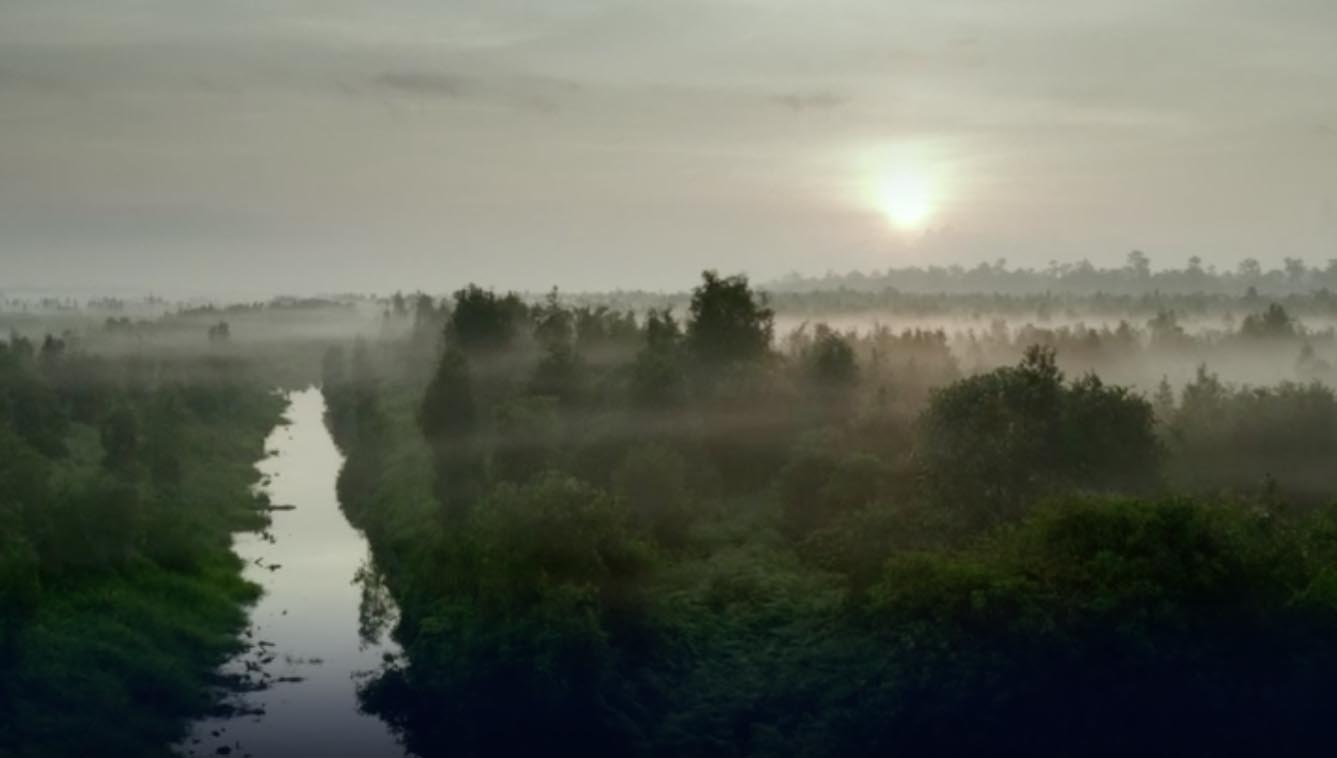
Peatlands in Indonesia (image from “Age of Nature”)

3.  Peatlands: Taryono Darusman, director of research and development of the Katingan Project in Indonesia, tells us that, “globally, peatlands store around five hundred and fifty gigatons of carbon.” Covering only 3% of the land on Earth, peatlands absorb twice the amount of carbon in all the world’s forests—which are ten times the size. Peatland ecosystems also provide for a unique and highly biodiverse community. Peatlands form in wetlands and rainforests; many of these areas have been drained to create canals or for agriculture. The drying peatlands become susceptible to fire. The Borneo fires of 2015 released more carbon than all of North America’s industry of that same year.  

The last ten minutes of the film are truly heartwarming and encouraging as the film documents how awareness is growing and inspiring a grass roots movement, particularly with the brave efforts of youth around the world. People like young Dayak activist, Emmanuela Shinta (who worked with youth groups to replant a destroyed ecosystem in Kalimantan, Borneo), and eleven-year old Madison Edwards (who started a social media campaign to stop oil drilling off the shores of Belize).

Planting in Borneo (image from “Age of Nature”)

Eco-heroism is sprouting all over the planet in response to her need for balance. Showing us that every single individual can make a difference…  

NINA MUNTEANU is a Canadian ecologist / limnologist and novelist. She is co-editor of Europa SF and currently teaches writing courses at George Brown College and the University of Toronto. Visit  www.ninamunteanu.ca for the latest on her books. Nina’s bilingual “La natura dell’acqua / The Way of Water” was published by Mincione Edizioni in Rome. Her non-fiction book “Water Is…” by Pixl Press(Vancouver) was selected by Margaret Atwood in the New York Times ‘Year in Reading’ and was chosen as the 2017 Summer Read by Water Canada. Her novel “A Diary in the Age of Water” was released by Inanna Publications (Toronto) in June 2020.