“Oh, Brave New World that has such people in it!”—Minerva in Shakespeare’s The Tempest and John the Savage in Aldous Huxley’s Brave New World

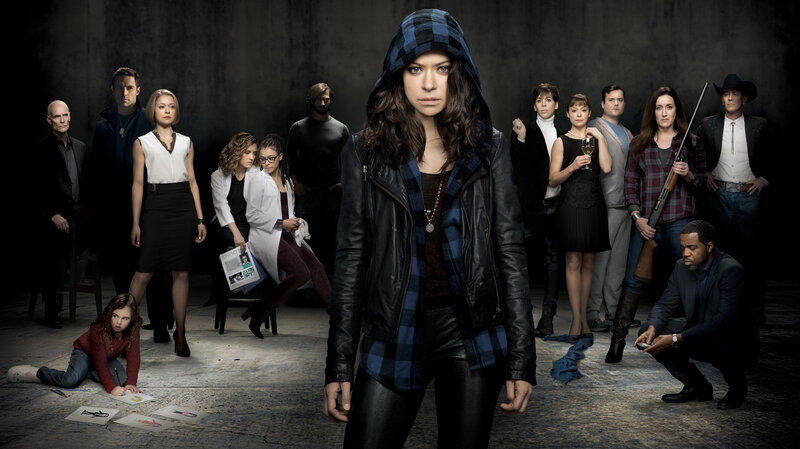
Canadian science fiction thriller Orphan Black, written by Graeme Manson and directed by John Fawcett stars the extraordinary multi-talented Tatiana Maslany in multiple roles of herself. If you haven’t yet watched the series (five seasons worth), you must on this point alone: to enjoy Maslany’s superb performance as seven clones, all different, yet all the same.

Shot in and around Toronto, Ontario, the series focuses on Sarah Manning, a fringe-dweller with questionable friends, who assumes the identity of her clone, cop Elizabeth (Beth) Childs, after witnessing her suicide and stealing her stuff. In Season 1 alone, seven clones are revealed. Those still alive include suburban housewife Alison Hendrix, university evolutionary biologist Cosima Niehaus, corporate mogul Rachel Duncan, and crazed sociopath Helena.
Toronto is filmed brilliantly in a vague every-city pastiche that combines the look of London’s eastside, NYC and northern Europe all in one. Like its characters, the show is both sparsely existentialist and baroque funk. Besides Sarah’s own diverse clones there is foster brother Felix and his various friends or cronies who add significant colour to this film-noir set. Unsavory antagonists not only add intrigue but provide significant texture from sophisticated and subtle to the banal and truly terrifying. And like biology itself—perhaps the true main character here—all the characters are shape-shifters; looking for balance in a shifting world where “normal” keeps chasing itself.

“While other stories, including Jurassic Park and H.G. Wells’ The Island of Doctor Moreau, could certainly be categorized as biopunk science fiction, very few television shows and movies today delve into the idea of biology,” says Isabella Kapur in her 2013 article “Clones are People Too: The Science and Science Fiction of BBC America’s Orphan Black.” There was, of course, the 2005 film The Island and the 2004-2008 Canadian TV series Regenesis. And, since then, there have been some excellent films and TV series that have delved imaginatively into the wonders and terrors of genetic engineering, human cloning, and synthetic biology, including the German 2020-21 series Biohackers, 2022 film Vesper, and 2023 film The Creator. But Orphan Black was certainly one of the first to explore this topic with such unflinching depth.
Orphan Black is a slick, sophisticated and edgy exploration of human evolution that raises issues about the moral and ethical implications of bio-engineering and genetic tampering—specifically human cloning (currently against the law), personal identity, and intellectual property. Manson and Fawcett enlist symbols and clever metaphor to enrich the story with layers of depth—no item is free of meaning: from the seemingly innocuous naming of a transit station (Huxley Station) in the show’s premiere, or Delphine’s passing reference to “a brave new world” to a terse discussion between a religious extremist and a restaurant proprietor over the merits of factory-farmed eggs: “They’re not normal,” the extremist complains. “They’ve been interfered with.” There is nothing normal about Orphan Black.

Episode titles in Season One quoted parts of Charles Darwin’s evolutionary text On The Origin of Species. Titles like “Natural Selection” (series premiere) and “Parts Developed in an Unusual Manner” elucidate concepts of evolution and survival of the fittest. Season 2 adopts the works of Sir Francis Bacon, reflecting the ethical and moral implications of scientific pursuit in a world of contrasting philosophies and values. “The frequently antagonistic relationship between ‘sound reason’ and ‘true religion’ and the attempt to reconcile the two,” says SlantMagazine, “emerges here as the structuring principle of Orphan Black‘s sophomore season—exemplified by the decision to title each episode after the writings of Sir Francis Bacon, whose body of work at once advocated empiricism and abhorred atheism.”
The Season 2 Premiere title, “Nature Under Constraint and Vexed” excerpts Bacon’s “Plan Of The Work” published in 1620:
“Next, with regard to the mass and composition of it: I mean it to be a history not only of nature free and at large (when she is left to her own course and does her work her own way)—such as that of the heavenly bodies, meteors, earth and sea, minerals, plants, animals—but much more of nature under constraint and vexed; that is to say, when by art and the hand of man she is forced out of her natural state, and squeezed and moulded…seeing that the nature of things betrays itself more readily under the vexations of art than in its natural freedom.”
Sir Francis Bacon
Mingling Its Own Nature With It…
Human cloning made a media comeback when three different research groups created embryonic stem cells out of embryos cloned from adult cells. Scientists insisted that the cloned embryos are meant for research and therapeutic purposes—not to create human clones (shades of The Island?). John Farrell of Forbes Magazine wrote, “The breakthrough also means that it is now just a matter of time before reproductive cloning is achieved. Probably within the next decade.”
Issues, brought on by GMO foods and medical genetic research, have propelled a major debate in gene patenting. The United States Supreme Court ruled against patenting sequences of the human genome in Association for Molecular Pathology Et Al. vs. Myriad Genetics, Inc., Et Al., reports Isabella Kapur in her 2013 article. “Myriad Genetics had patented two genes they had isolated that were identified as genes involved in increased ovarian and breast cancer risks,” said Kapur. “Companies, like Myriad, that spend money to identify nucleotide sequences want to be able to patent those discoveries. However, the patenting allows for monopolies on illness treatments and allows companies to have exclusive access to portions of human DNA. In 2013 companies like Myriad Genetics were not allowed to legally copyright portions of DNA they isolated in the human genome, but they were, according to the Supreme Court, allowed to patent synthetically created sequences of complementary DNA.” This is still the case, as far as I know.
In Orphan Black, The Dyad Institute, a biotech corporation with arcane connections to invisible powers and eugenics, patented the clones as theirs to do with as they please—which might be anything. The ownership of the clones’ genomes by The Dyad Institute would be lawful if all the clones’ DNA was entirely synthetically made. The company would also have exclusive rights to study the clones’ genome, effectively placing the clone Cosima under copyright infringement if she decided to study and apply her research (on herself) outside of the Dyad Institute. If the clones were synthetic, like the DNA created by scientist Dr. Craig Venter, then the Dyad Institute would be in a unique situation with regards to ethics and newly emerging considerations of human rights yet to be determined. For instance, how much of the clones really belong to the company that made them? What even constitutes a person?

Intrigue unfolds as Sarah and Felix discover that her clones are being systematically killed and/or getting sick. The series unravels a frightening panoply of stakeholders in this biological transhumanist game, spanning from the ultra-sophisticated to the deranged fanatic. Among the frightening stakeholders are the Proletheans, a religious extremist group who seek to systematically eliminate clones as “abominations” against the natural order of things. Pastor Henrick, a Waco-style cult “prophet” who quotes Einstein, conducts Mengele-style “breeding” experiments to recast humanity in his version of “perfection.”
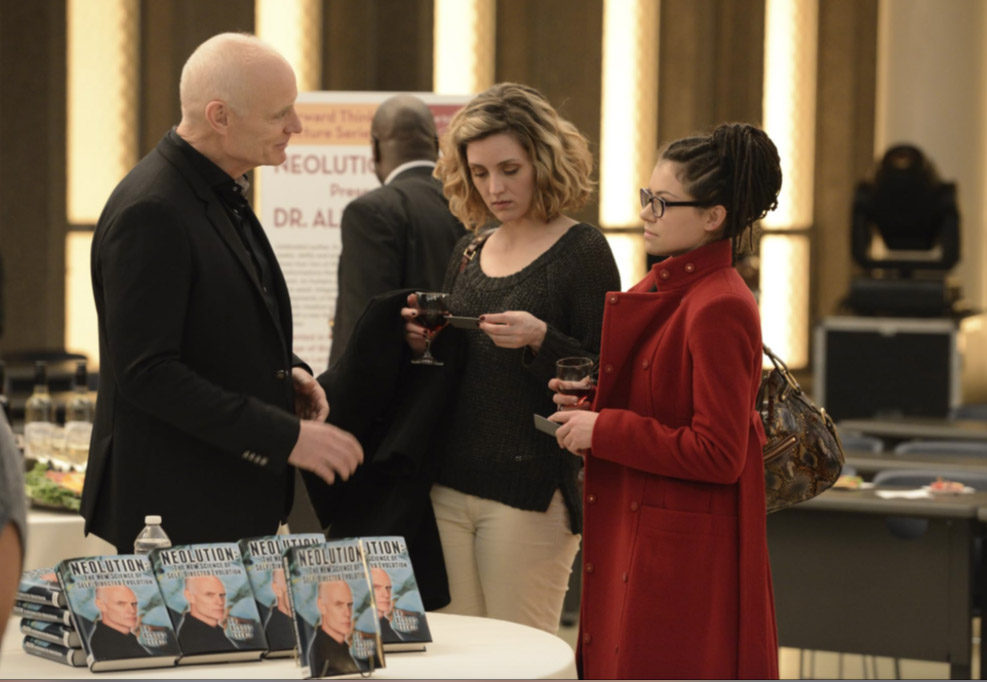
Sarah and Felix trace the origin of her clones to The Dyad Institute. One of the institute’s scientists, Aldous Leekie, heads Neolution, a transhumanist movement whose notion of “self-directed evolution” to recast humanity in the image of “perfection” evokes social Darwinism and the Übermensch. It brings to mind the early American eugenics programs that inspired the fascist sonderweg and Hitler’s aggressive application of eugenics in the Holocaust.
The terrible question remains: why were the clones made? Who exactly is the Dyad Institute and who is behind them? In the Season Two episode Variable and Full of Perturbation, we discover that not only are the clones female prototypes (of what?) but that they were purposefully created to be sterile. Frightening motivations reveal themselves over the remaining seasons as we discover just how far some are willing to go to achieve their goals of a ‘perfect society.’
Conditions of Existence…
Where do we draw the line in our tightrope walk across the sea of chaos to find the Holy Grail? When does a Transhumanist’s individual expression of “transcendence” become a movement toward the Singularity? When does a singular powerful thought encompass an entire society?
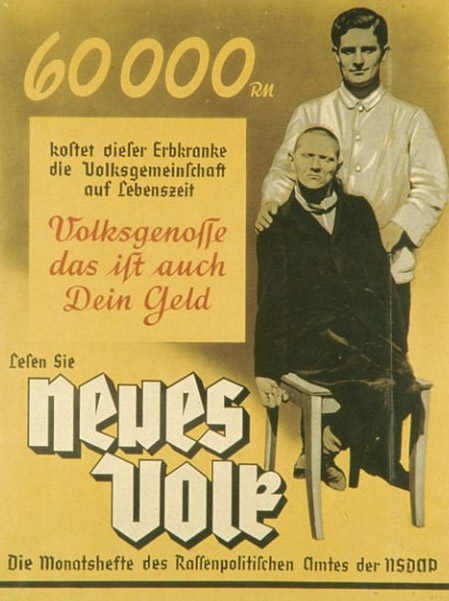
The political ambitions that wish to use science to “enhance” humanity, based on someone’s idea of “perfect” carry great social implications. Enter the pseudoscience of eugenics and scientific racism, concepts as old as Plato that have haunted humanity since the biblical portrayal of Adam and Eve. Simply put, eugenics is the scientifically erroneous and immoral theory of “racial improvement’ and “planned breeding” which gained popularity during the early 20th century; the practice of eugenics is based on the notion that not only physical traits but mental and behavioral attributes—like mental capacity, musical ability, insanity, sexual licentiousness and criminality—are inheritable and therefore can be directed through breeding, sterilization and now through genetic manipulation.

1883 Francis Galton, cousin of Charles Darwin, gave the practice a name. He called it eugenics, which comes from a Greek term meaning “good” or “noble” birth. Eugenic strategies flourished in the USA in the early 20th Century when thousands of people underwent forced sterilization. Ultimately, these same principles inspired the Nazis to exterminate people with disabilities and “lessor” ethnic or philosophical backgrounds.
“Perhaps more than any other science, biology has consistently been employed as an accomplice to moral claims because it has tremendous social utility in translating scientific findings into political imperatives,” says Cosima Herter, science consultant for Orphan Black. “Historian of science, Garland Allen, argued that the “decline in economic and social conditions” gives strong indications ‘of our potential to find eugenical arguments […] attractive once again,’ albeit ‘clothed in the updated language of molecular genetics.’ The social importance of genetics lies not only in how genetic research has contributed towards advances in biology (and undoubtedly it does in many, many beneficial ways – medicine not the least among them), but because we have yet to counter ‘simplistic claims of a genetic basis for our social behavior’ with modern facts. Our understanding of genetics has changed, but many of our social aspirations for its uses have not. Deeply embedded in the public consciousness is the hope that social problems can be solved with ‘scientific panaceas’.”
Herter goes on to say that, “We may indeed have a richer understanding of the science of heredity and genetic mechanisms, but public attitudes as to their social relevance have changed very little in the last 100 years. And we might be well advised to remember that science can as easily act as an ally to existing institutions and justify pernicious prejudices – racism, sexism, homophobia, and class disparity to name but a few – as it can produce wondrous, beautiful, and beneficial fruits in the service of a better world where these prejudices could be overcome. Many of us still hold on to ambitions that we can build ‘perfect’ people and genetically engineer ‘perfect’ societies, yet do so without much pause as to how we measure what ‘perfect’ is, and what horrendous and inhuman costs this aspiration towards perfection might incur. Many traits we value, and are wont to consider ‘perfect,’ are historically plastic. And ‘genes are not rigid pieces of information’ that necessarily lead to a particular behavioral trait. If our definitions of many behavioral traits we study today are known to be highly subjective, then our attempts at studying the genetics behind them is likely to remain on precariously shifting grounds.”

Eugenics: Designing A Perfect Society from a Perfect Human…
Aldous Huxley’s dystopian novel Brave New World describes a society based on eugenic principles. It is a stratified genetic caste society where the lower orders are deliberately stunted both mentally and physically. The destiny of its five main strata is determined from an early age. The strata consist of Alphas, destined for leadership positions; Betas, who hold less exalted but still intellectually demanding jobs; Gammas and Deltas, who occupy roles needing some intelligence; and finally Epsilons, happy morons capable of only the most menial and unskilled tasks.
“And it seems to me perfectly in the cards that there will be within the next generation or so a pharmacological method of making people love their servitude, and producing a kind of painless concentration camp for entire societies, so that people will in fact have their liberties taken away from them but will rather enjoy it, because they will be distracted from any desire to rebel by propaganda, brainwashing, or brainwashing enhanced by pharmacological methods.”
Aldous Huxley in a speech at the University of California
“Perhaps more than any other science, biology has consistently been employed as an accomplice to moral claims because it has tremendous social utility in translating scientific findings into political imperatives,” says Cosima Herter, science consultant for Orphan Black. “Deeply embedded in the public consciousness is the hope that social problems can be solved with ‘scientific panaceas’,” Herter adds. “…Science can as easily act as an ally to existing institutions and justify pernicious prejudices – racism, sexism, homophobia, and class disparity to name a few – as it can produce wondrous, beautiful, and beneficial fruits in the service of a better world.”

Transhumanism: Nature Under Constraint and Vexed…
In 1923 British geneticist J.B.S. Haldane predicted great benefits to humanity from applications of advanced sciences to human biology. He also suggested and that every such advance would be considered blasphemy or perversion, “indecent and unnatural”.
In 1929, Cambridge crystallographer J.D. Bernal, speculated on radical changes to human bodies and intelligence through bionic implants and cognitive enhancement. Two years before that, Fritz Lang’s expressionist SF film Metropolis introduced the first robot depicted in cinema: the Maschinenmensch, the machine-human.
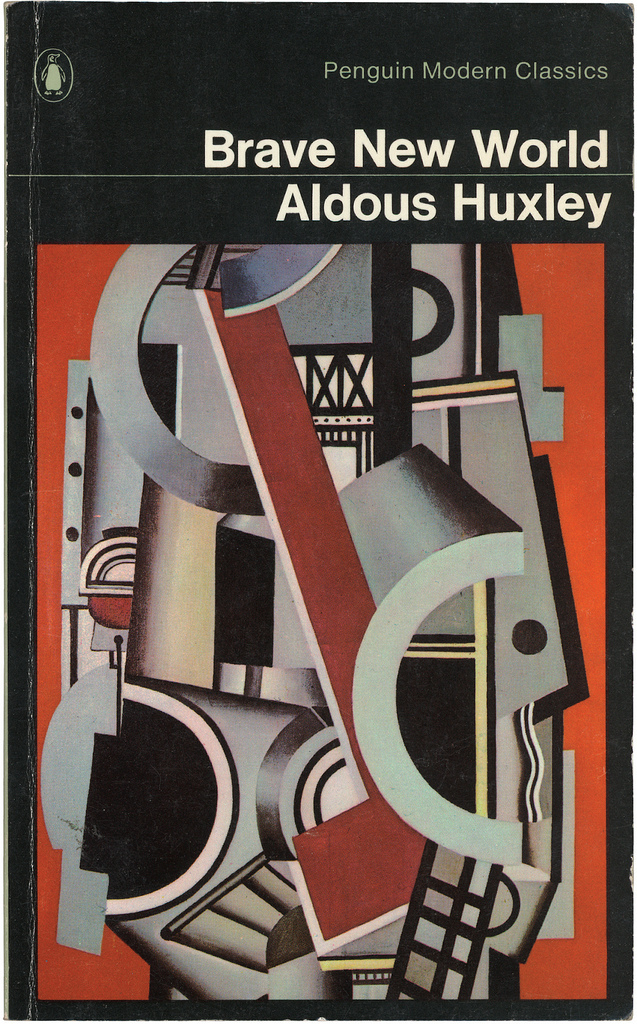
Biologist Julian Huxley, brother of the writer Aldous, first used the word Transhumanism in a 1957 article, where he presented the concept of the technological singularity, or the ultra-rapid advent of superhuman intelligence. Julian Huxley defined Transhumanism as “man remaining man, but transcending himself, by realizing new possibilities of and for his human nature.” As an aside, Aldous Huxley’s Brave New World was published in 1932.
The founders of Transhumanism were educated wealthy individuals of mostly British and European descent. They were an elite ruling class, who considered themselves the forward-thinking intelligentsia. Transhumanism is an intellectual and cultural movement that promotes eugenic principles through science & technology to improve human mental and physical characteristics and capacities. Transhumanists seek to expand technological opportunities for people to live longer and healthier lives and enhance their intellectual, physical, and emotional capacities through the use of synthetic biology: genetic, cybernetic and nanotechnologies. From the transhuman perspective, “in time the line between machines and living beings will blur and eventually vanish, making us part of a bionic ecology.”
While early Transhumanists advocated the elitest pseudoscience of Eugenics or “racial hygiene”, many of today’s Transhumanists argue that market dynamics and individual choice will drive twenty-first century eugenics. However, this argument contradicts the movement’s own dialectic: that of achieving the Singularity. The Transhuman quest for the Singularity of the Übermensch consists of the ability to upload the minds of all individuals to a Hive Mind, a symbiotic collective consciousness, in which all peoples can link to an artificial “brain” or global hard drive, to achieve super-intelligence. The Mind Upload Research Group (MURG) is currently researching this possibility.
Futurist Ray Kurzweil, author of The Age of Spiritual Machines and co-founder of the Singularity University, predicts that humans will be uploading their minds to computers by 2045 and that bodies will be replaced by machines—essentially achieving “immortality”—before the end of the century. “We’re going to become increasingly non-biological to the point where the non-biological part dominates and the biological part is not important any more,” says Kurzweil. “In fact the non-biological part – the machine part – will be so powerful it can completely model and understand the biological part. So even if that biological part went away it wouldn’t make any difference.”
Author Paul Joseph Watson reminds us that—even if desirable—such a utopia would not be available to everyone; rather, it would remain the domain of a wealthy aristocracy, creating yet another class system. Kurzweil seems to agree: “Humans who resist the pressure to alter their bodies by becoming part-cyborg or are unable to afford such procedures will be ostracized from society. “Humans who do not utilize such implants are unable to meaningfully participate in dialogues with those who do.”
In Kurzweil’s brave new world of “biological and non-biological intelligence, immortal software-based humans, and ultra-high levels of intelligence that expand outward in the universe at the speed of light,” will such an elite see the mass of humanity as worthless parasites and either prevent them from reproducing via mass sterilization programs or simply slaughter them outright?

What is perfect and how do we measure it? What is the risk of even suggesting a recipe for such a thing? A perfect society? Isn’t a Utopia an oxymoron of unresolvable paradox? Science fiction literature has given us many visions of where so-called utopias may descend (e.g., Brave New World, 1984, Fahrenheit 451, A Stranger in a Strange Land, The Handmaid’s Tale, The Matrix, The Hunger Games, Elysium, Divergent, Clockwork Orange, Delirium, and so many more). The very act of being an individual provides complexity and diversity that promotes stability in change. Stable chaos.
Perhaps, what Orphan Black demonstrates the best is that even clones—who are exactly the same genetically—can differ significantly, given free reign in a diverse environment.

What Orphan Black does exceptionally well is ask those hard questions. OK. It’s not asking the questions so much as presenting the “then” scenario to some pretty important “what if” premises. It’s doing what all good art—versus polemic—does: it’s providing the seeds for viewers to engage in intelligent conversation on emerging social issues via Twitter, Facebook, blogs and other social media.
Join in.


Nina Munteanu is a Canadian ecologist / limnologist and novelist. She is co-editor of Europa SF and currently teaches writing courses at George Brown College and the University of Toronto. Visit www.ninamunteanu.ca for the latest on her books. Nina’s bilingual “La natura dell’acqua / The Way of Water” was published by Mincione Edizioni in Rome. Her non-fiction book “Water Is…” by Pixl Press (Vancouver) was selected by Margaret Atwood in the New York Times ‘Year in Reading’ and was chosen as the 2017 Summer Read by Water Canada. Her novel “A Diary in the Age of Water” was released by Inanna Publications (Toronto) in June 2020.


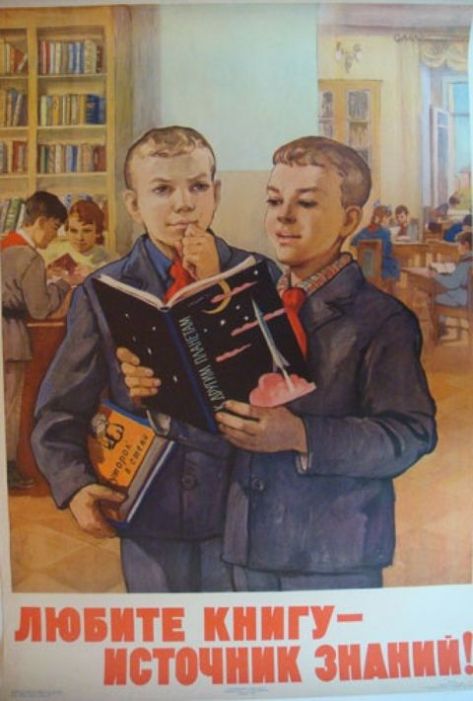


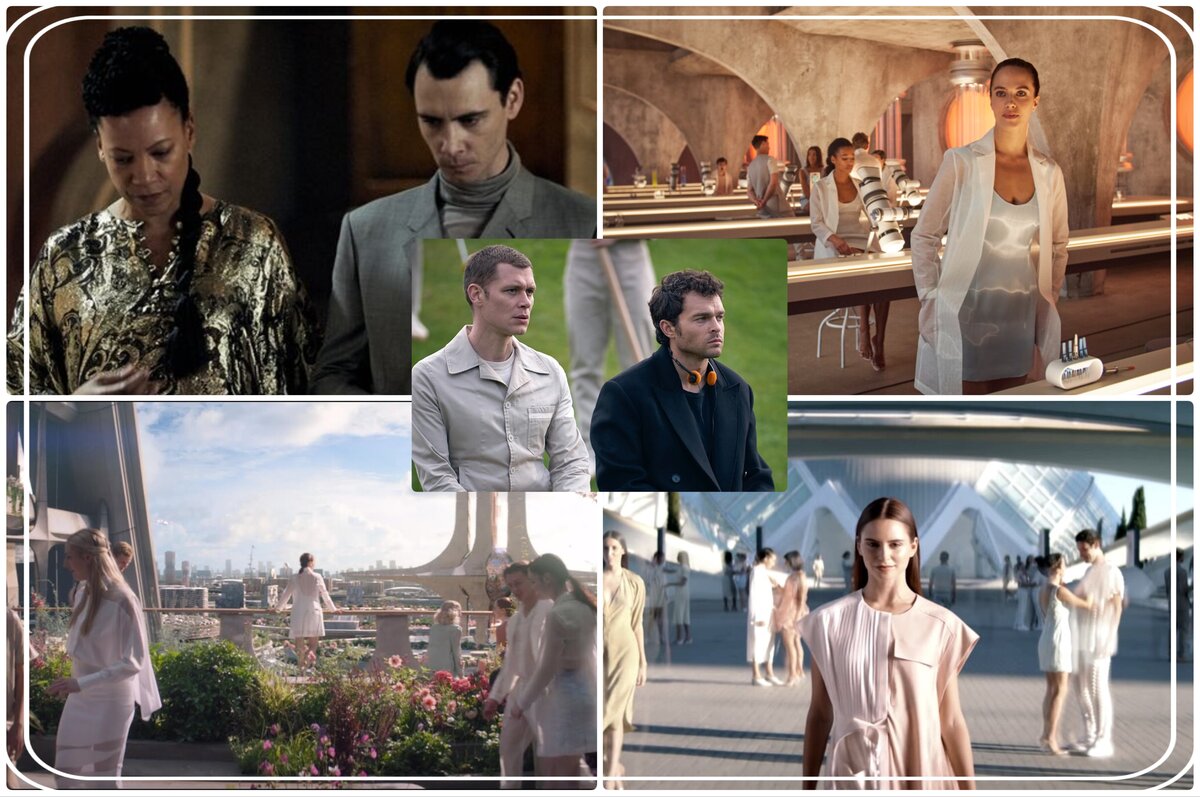






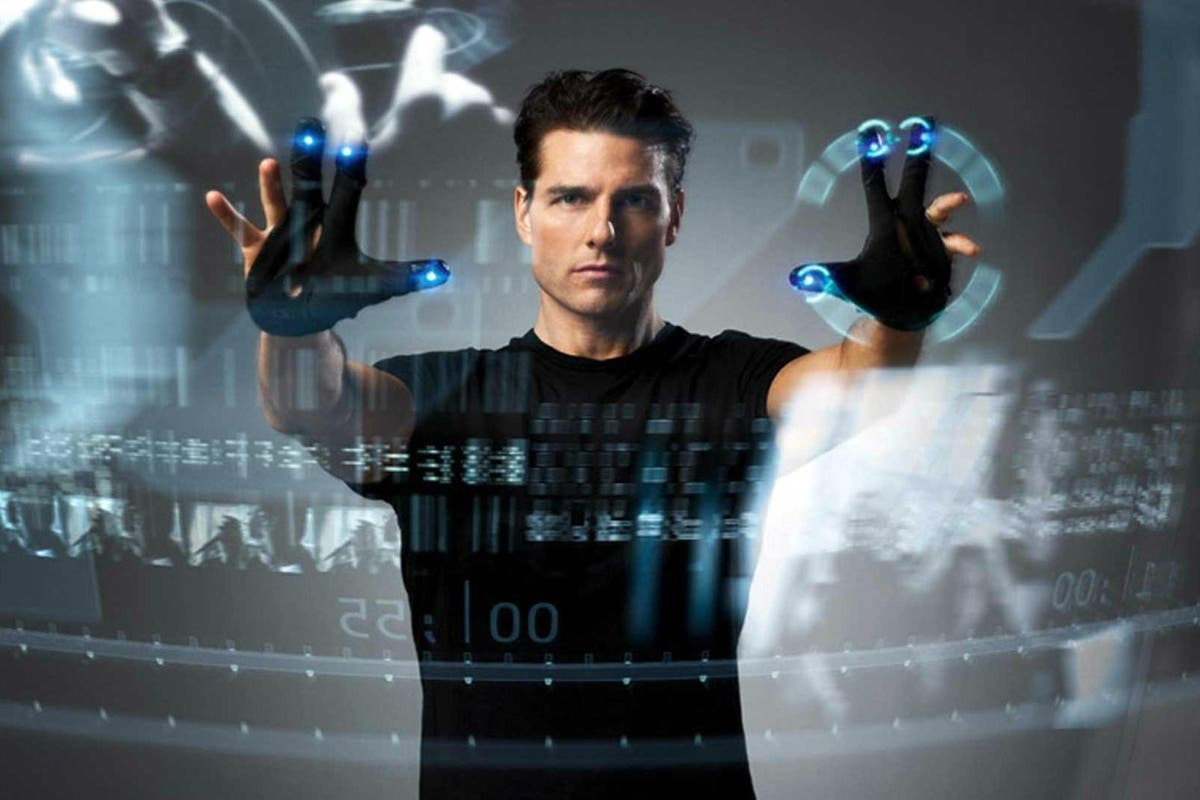



 Our predictions and visions of the future are certainly predicated on our perceptions of the present and the past. So, what happens when yesterday’s “future” collides with today’s past? Well, retro-fiction, alternate history and steam-punk, you quip, eyes askance with mischief: edgy sociopathic Sherlock Holmes with bipolar or obsessive /compulsive tendencies; flying aircraft carriers in Sky Captain and the World of Tomorrow, robot-like workers of Metropolis…

 There are, in most cases, no technological impediments to the flying car, the jetpack, and moon-bases; only cultural ones. “These SF predictions ought to be viewed as visions of where we could be, as opposed to where we will be, or, keeping Bradbury in mind, visions of where we don’t want to go and, thankfully, have mostly managed to avoid to date,” says Steve Davidson of Grasping for the Wind. “Perhaps it’s all cultural,” he adds.
 George Orwell wrote his dystopian satire in 1949 about a mind-controlled society in response to the Cold War. The book was a metaphor “against totalitarianism and for democratic socialism,” said Orwell in his 1947 essay Why I Write, adding, “Good prose is like a windowpane.” Was Orwell’s Nineteen Eighty-Four a failed novel because the real 1984 didn’t turn out quite like his 1984? Hugo Award-winning novelist Robert J. Sawyer suggests that we consider it a success, “because it helped us avoid that future. So just be happy that the damn dirty apes haven’t taken over yet.”
 A hundred years before 1984, Edward Bellamy published Looking Backward, “a romance of an ideal world”. It tells the story of a young man who falls into a hypnotic sleep in 1887, waking up in 2000 when the world has evolved into a great socialist paradise. It sold over a million copies and ranked only behind Uncle Tom’s Cabin and Ben-Hur: A Tale of the Christ as the top best-seller of the era. Looking Backward laid out a futuristic socialism, or was it a socialistic future?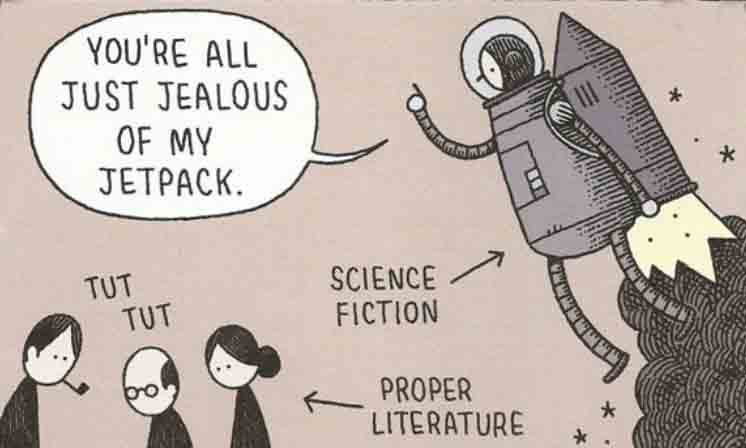
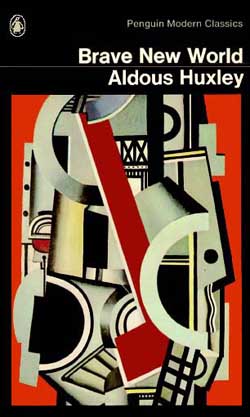 In a foreward to a later printing of Brave New World years after it was first published, Aldous Huxley explained why, when given the chance to revise the later edition, he left it exactly as it was initially written twenty years earlier:

 Nina Munteanu Writing Coach