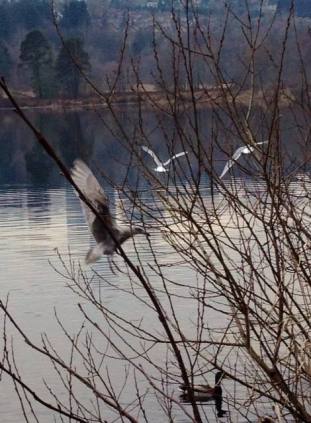
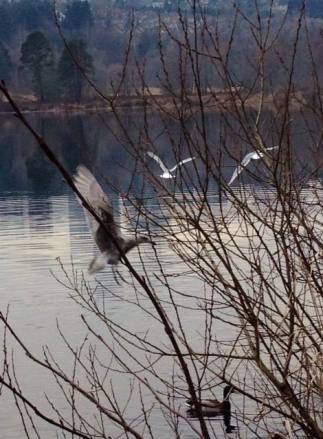
Birds on Deer Lake, BC (photo by Nina Munteanu)
An allegory is a complete narrative whose images and material things represent an abstract idea or theme such as a political system, religious practice or figure, or a philosophical viewpoint. The entire narrative is a metaphor in which all components are symbolic. Most fairy tales, folk tales and myths are allegories. Examples include: Edmund Spencer’s Faerie Queen; Mary Shelley’s Frankenstein; and Beowulf.
The narrative of allegory is a fractal nest of symbolic names, places and things, that contribute key elements to the story (e.g., Luke Skywalker and Han Solo in Star Wars; Gabriel Oak in Far From the Madding Crowd; John Savage of Stanger in a Strange Land; Darwin Mall in Darwin’s Paradox; Middle Earth in Lord of the Rings; Lilliput in Gulliver’s Travels). Setting and place in allegory symbolizes the theme being explored (e.g. Orwell’s farm in Animal Farm represents a totalitarian world of oppression; the road in John Bunyan’s Pilgrim’s Progress represents the journey of humankind; the island in William Golding’s Lord of the Flies represents the world at war).
As an aside, the science of place names, geographical names or toponyms (derived from a topographic feature) is called toponymy. The city of Montreal, for instance, is a toponym (named after le Mont Royal). Toponyms often come through the local vernacular. Given their link to cultural identity, such place names can provide a significant symbolic role in story.
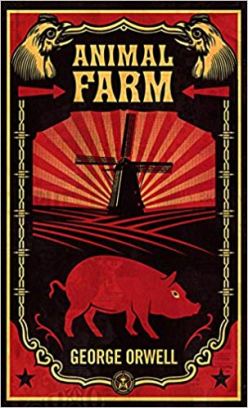 In Animal Farm, George Orwell uses animals to describe the revolution against a totalitarian regime (e.g. the overthrow of the last Russian Csar and the Communist Revolution of Russia). The animals embrace archetypes to symbolize the actions and thoughts of various sectors within that world. The pigs are the leaders of the revolution; Mr. Jones represents the ruling despot who is overthrown; the horse Boxer is the ever-loyal and unquestioning labor class.
John Bunyan’s The Pilgrim’s Progress, published in 1678, tells the story of a narrator who falls asleep and dreams of a man named Christian fleeing the City of Destruction while bearing a heavy burden (e.g., symbolizing his own sins) on his back. A character named Evangelist shows Christian the way to Celestial City, a perilous journey through the Slough (swamp) as characters called Mr. Worldly Wiseman and Hypocrisy try to lead him astray.
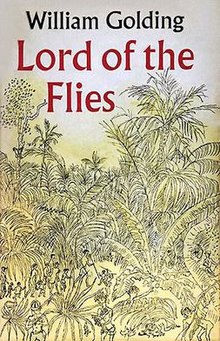 In Lord of the Flies, William Golding explores the conflict in humanity between the impulse toward civilization and the impulse toward savagery. The symbols of the island, the ocean, the conch shell, Piggy’s glasses, and the Lord of the Flies, or the Beast, represent central ideas that reinforce this main theme. Each character has recognizable symbolic significance: Ralph represents civilization and democracy; Piggy represents intellect and rationalism; Jack represents self-interested savagery and dictatorship; and Simon (the outsider in so many ways) represents altruistic purity.
Many of Golding’s potent symbols to power his allegory come from the natural world. These include the use of smoke, fire, and snakes to invoke the imaginary beast (that exists within each of them). The scar left from the plane crash that destroys this natural paradise symbolizes our savage and destructive nature.
Allegories may also be powerful as satires. The social commentary of satires expose and criticize corruption and foolhardiness of societies, groups or even individuals through humor, irony and even ridicule. Gulliver’s Travels by Jonathan Swift is a good example of satire and parody. Swift targets politics, religion and western culture through satire. Aspects of place, landscape and setting are effectively used to feature his commentary. Another excellent example of political satire and use of place and setting with embedded character is found in Lewis Carroll’s Alice’s Adventures in Wonderland.
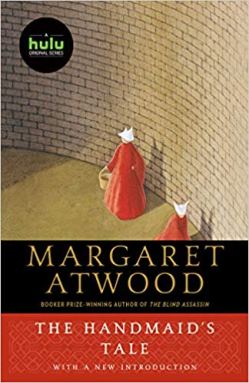 Excellent examples of satires with less obvious allegorical structure (but it’s there) can be found in the genre of science fiction—a highly metaphorical literature that makes prime use of place and setting with archetypal characters to satirize an aspect of society. Brave New World by Aldous Huxley is a satirical response to his observation of humans’ addiction to (sexual) pleasure and vulnerability to mind control and the dumbing of civilization in the 1930s. George Orwell’s Nineteen Eight-Four satirizes humanity’s vulnerability to fascism, based on his perception of humans’ sense of fear and helplessness under powerful governments and their oppressive surveillance. Margaret Atwood’s The Handmaid’s Tale satirizes a society in which a woman struggles in a fundamentalist Christian dictatorship patriarchy where women are forced into a system of sexual slavery for the ruling patriarchy.
Other examples include Stranger in a Strange Land by Robert Heinlein; The Dispossessed by Ursula K. Le Guin; The Time Machine by H. G. Wells; The Hunger Games by Suzanne Collins. Each of these stories examines the world of the day and provides critical commentary through premise, place and character. In each of these stories, place and setting help define premise and theme (e.g., what is being satirized.)
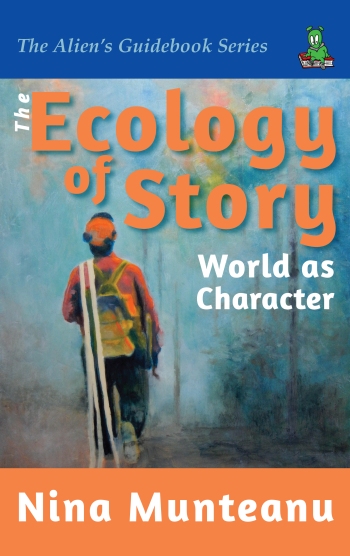
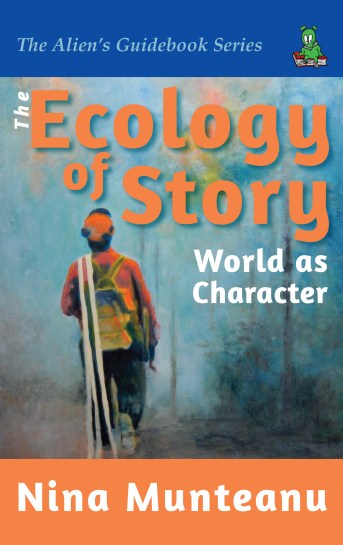
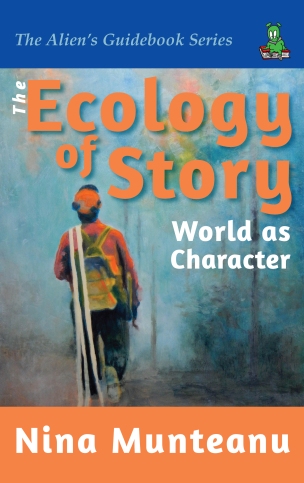 This article is an excerpt from “The Ecology of Story: World as Character” released in June 2019 by Pixl Press.
From Habitats and Trophic Levels to Metaphor and Archetype…
Learn the fundamentals of ecology, insights of world-building, and how to master layering-in of metaphoric connections between setting and character. “Ecology of Story: World as Character” is the 3rd guidebook in Nina Munteanu’s acclaimed “how to write” series for novice to professional writers.
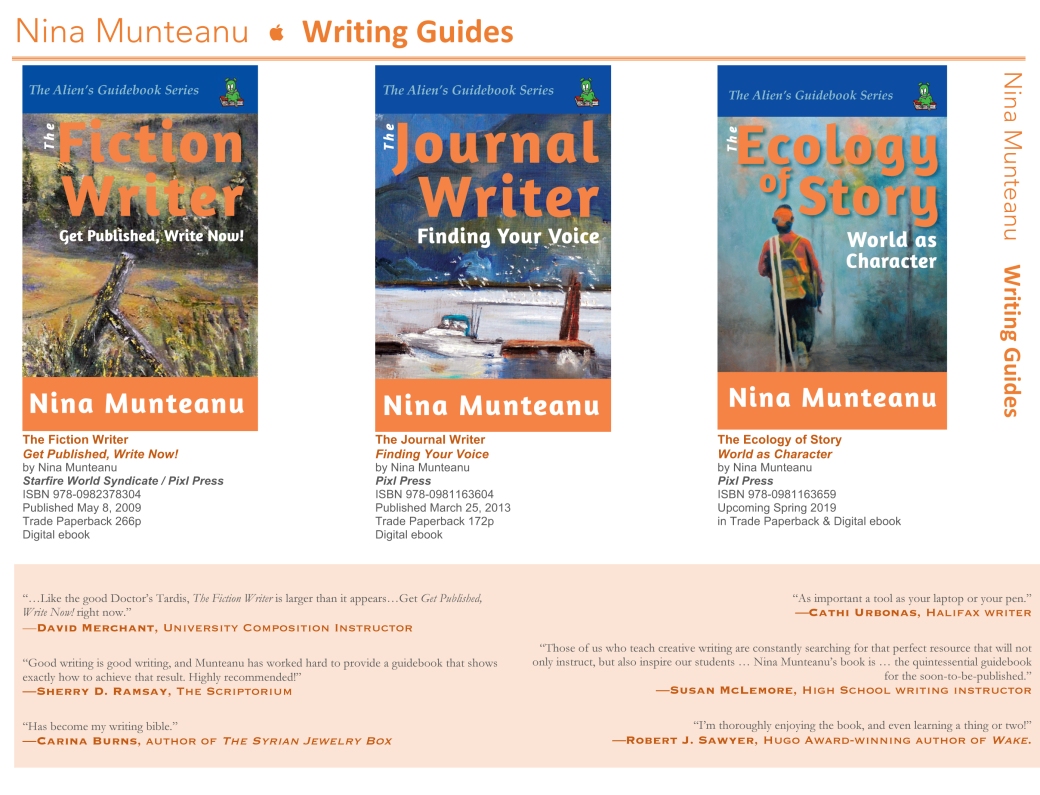

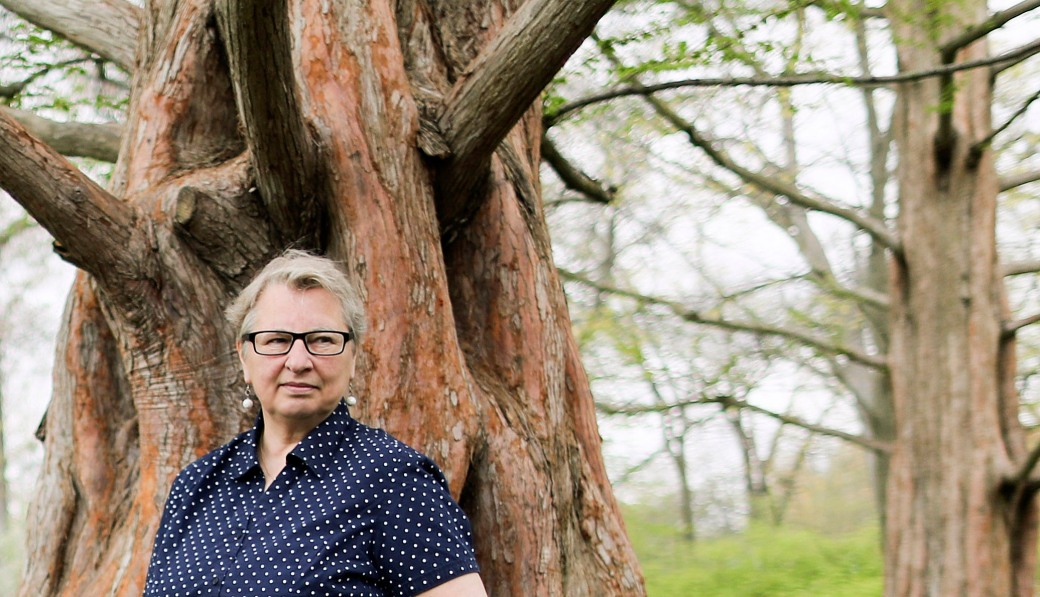
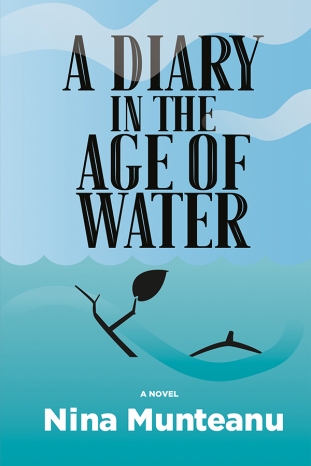
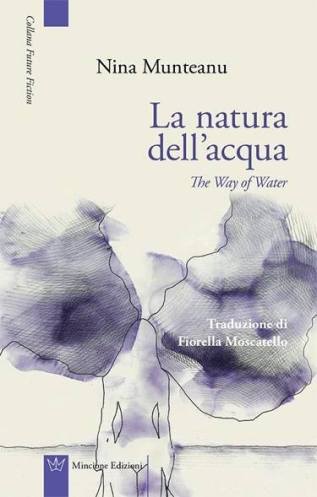
Nina Munteanu is a Canadian ecologist / limnologist and novelist. She is co-editor of Europa SF and currently teaches writing courses at George Brown College and the University of Toronto. Visit www.ninamunteanu.ca for the latest on her books. Nina’s bilingual “La natura dell’acqua / The Way of Water” was published by Mincione Edizioni in Rome. Her non-fiction book “Water Is…” by Pixl Press (Vancouver) was selected by Margaret Atwood in the New York Times ‘Year in Reading’ and was chosen as the 2017 Summer Read by Water Canada. Her novel “A Diary in the Age of Water” will be released by Inanna Publications (Toronto) in 2020.
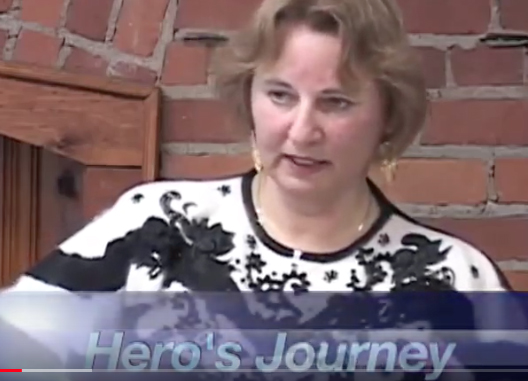

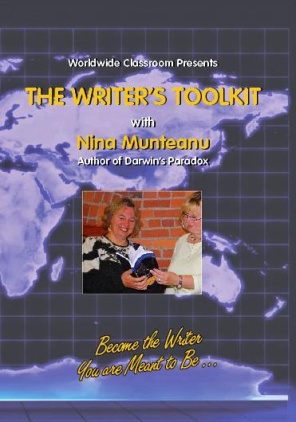 “I was fascinated by Nina’s clear and extremely interesting lecture on the hero’s journey. Maybe all writers have a novel in their heads they want to write one day, and the techniques Nina shared with us will help me when I get to that point. In fact, because of her, I may get there a lot sooner than I had planned.”— Zoe M. Hicks, Saint Simon’s Island, GA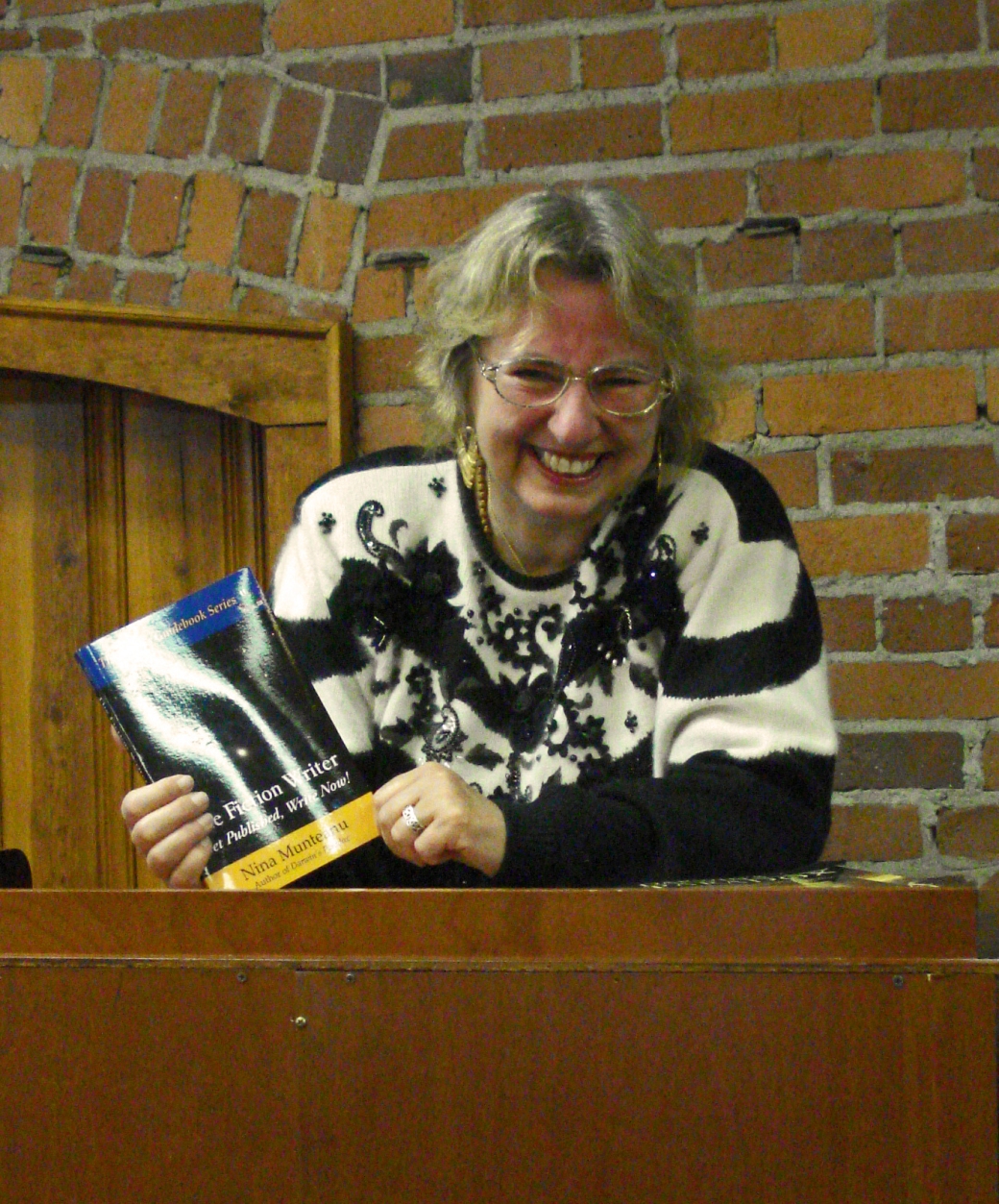
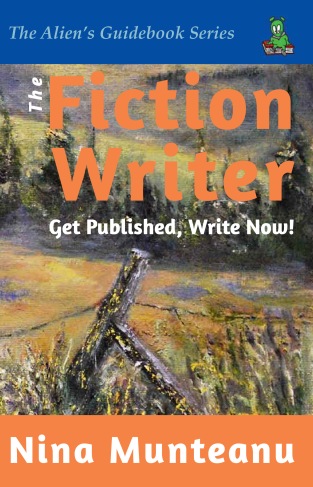 “…Like the good Doctor’s Tardis, The Fiction Writer is larger than it appears… Get Get Published, Write Now! right now.”—David Merchant, Creative Writing Instructor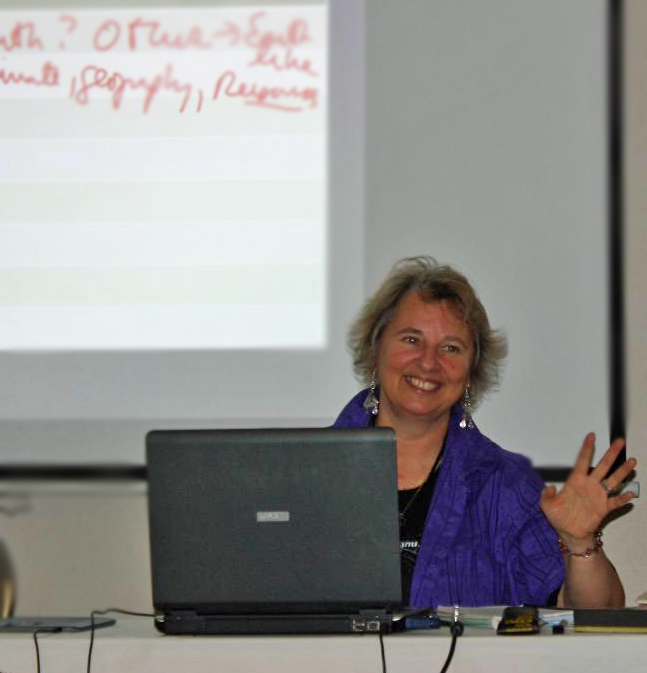
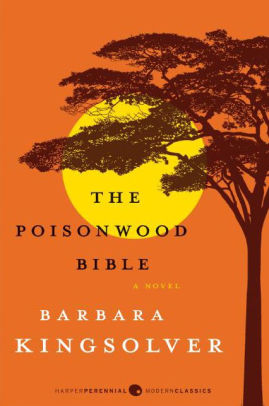 She is inhumanly alone. And then, all at once, she isn’t. A beautiful animal stands on the other side of the water. They look up from their lives, woman and animal, amazed to find themselves in the same place. He freezes, inspecting her with his black-tipped ears. His back is purplish-brown in the dim light, sloping downward from the gentle hump of his shoulders. The forest’s shadows fall into lines across his white-striped flanks. His stiff forelegs play out to the sides like stilts, for he’s been caught in the act of reaching down for water. Without taking his eyes from her, he twitches a little at the knee, then the shoulder, where a fly devils him. Finally he surrenders his surprise, looks away, and drinks. She can feel the touch of his long, curled tongue on the water’s skin, as if he were lapping from her hand. His head bobs gently, nodding small, velvet horns lit white from behind like new leaves.
  An oligotrophic lake is basically a young lake. Still immature and undeveloped, an oligotrophic lake often displays a rugged untamed beauty. An oligotrophic lakes hungers for the stuff of life. Sediments from incoming rivers slowly feed it with dissolved nutrients and particulate organic matter. Detritus and associated microbes slowly seed the lake. Phytoplankton eventually flourish, food for zooplankton and fish. The shores then gradually slide and fill, as does the very bottom. Deltas form and macrophytes colonize the shallows. Birds bring in more creatures. And so on. Succession is the engine of destiny and trophic status its shibboleth.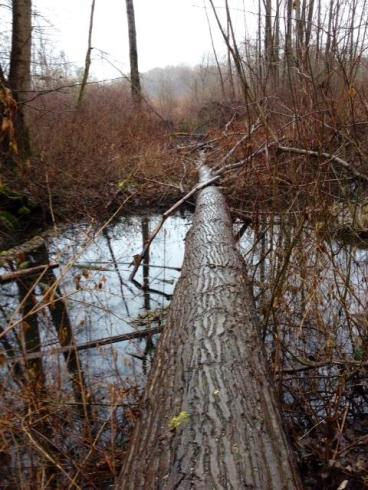
 They met in the lobby of a shabby downtown Toronto hotel. Hilda barely knew what she looked like but when Hanna entered the lobby through the front doors, Hilda knew every bit of her. Hanna swept in like a stray summer rainstorm, beaming with the self- conscious optimism of someone who recognized a twin sister. She reminded Hilda of her first boyfriend, clutching flowers in one hand and chocolate in the other. When their eyes met, Hilda knew. For an instant, she knew all of Hanna. For an instant, she’d glimpsed eternity. What she didn’t know then was that it was love.
  This article is an excerpt from
 “I was fascinated by Nina’s clear and extremely interesting lecture on the hero’s journey. Maybe all writers have a novel in their heads they want to write one day, and the techniques Nina shared with us will help me when I get to that point. In fact, because of her, I may get there a lot sooner than I had planned.”— Zoe M. Hicks, Saint Simon’s Island, GA
 “The Fiction Writer is at the top of the required reading list for my Writer’s Workshop students. With its engagingly direct, conversational style and easily accessible format, it is a veritable cornucopia of hands-on help for aspiring writers of any age…the quintessential guidebook for the soon-to-be-published.”—Susan McLemore, Writing Instructor

 This article is an excerpt from
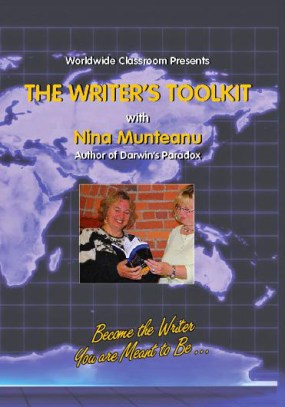 “I was fascinated by Nina’s clear and extremely interesting lecture on the hero’s journey. Maybe all writers have a novel in their heads they want to write one day, and the techniques Nina shared with us will help me when I get to that point. In fact, because of her, I may get there a lot sooner than I had planned.”— Zoe M. Hicks, Saint Simon’s Island, GA
 “…Like the good Doctor’s Tardis, The Fiction Writer is larger than it appears… Get Get Published, Write Now! right now.”—David Merchant, Creative Writing Instructor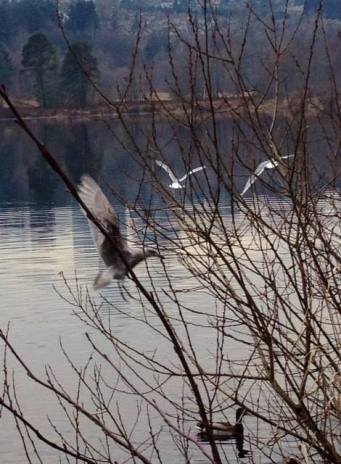
 They came because they were afraid or unafraid, happy or unhappy. There was a reason for each man. They were coming to find something or get something, or to dig up something or bury something. They were coming with small dreams or big dreams or none at all.
 In Emmi Itäranta’s Memory of Water—about a post-climate change world of sea level rise—water is a powerful archetype, whose secret tea masters guard with their lives:
 Water, with its life-giving properties and other strange qualities, has been used as a powerful metaphor and archetype in many stories: from vast oceans of mystery, beauty and danger—to the relentless flow of an inland stream. Margaret Atwood’s The Penelopiad is just one example:
 This article is an excerpt from
 “I was fascinated by Nina’s clear and extremely interesting lecture on the hero’s journey. Maybe all writers have a novel in their heads they want to write one day, and the techniques Nina shared with us will help me when I get to that point. In fact, because of her, I may get there a lot sooner than I had planned.”— Zoe M. Hicks, Saint Simon’s Island, GA
 “The Fiction Writer is at the top of the required reading list for my Writer’s Workshop students. With its engagingly direct, conversational style and easily accessible format, it is a veritable cornucopia of hands-on help for aspiring writers of any age…the quintessential guidebook for the soon-to-be-published.”—Susan McLemore, Writing Instructor

 This article is an excerpt from
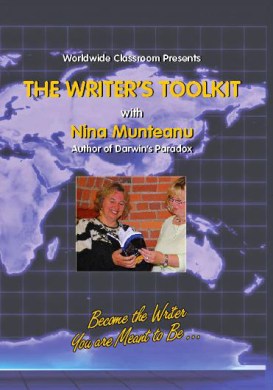 “I was fascinated by Nina’s clear and extremely interesting lecture on the hero’s journey. Maybe all writer’s have a novel in their heads they want to write one day, and the techniques Nina shared with us will help me when I get to that point. In fact, because of her, I may get there a lot sooner than I had planned.”— Zoe M. Hicks, Saint Simon’s Island, GA
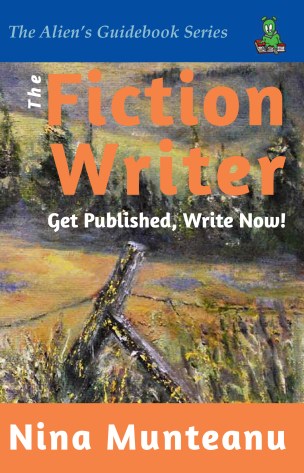 “The Fiction Writer is at the top of the required reading list for my Writer’s Workshop students. With its engagingly direct, conversational style and easily accessible format, it is a veritable cornucopia of hands-on help for aspiring writers of any age…the quintessential guidebook for the soon-to-be-published.”—Susan McLemore, Writing Instructor
 Nina Munteanu Writing Coach