Today my eco-fiction novel Gaia’s Revolution (Book 1 of The Icaria Trilogy) releases through Dragon Moon Press in paperback and ebook form on Amazon (and other book retailers).
Gaia’s Revolution explores a collapsing capitalist society in Canada through ravages of climate change and a failing technology. The story is told through the lives of ambitious twin brothers Eric and Damien Vogel, and the woman who plays them like chess pieces in her gambit to ‘rule the world.’ The novel starts out in Berlin—with a scuffle between police and climate activists of Letzte Generation-then moves to Toronto Canada, where an unlikely revolution is brewing…
This day is special for me in a number of ways. Today is also my dad’s birthday. He passed away a while ago, but I know he is here with me as this is happening. You see, when I was just 15, I’d written my first book, an early version of Angel of Chaos. My dad, who had met and befriended an editor at Doubleday, and proud of my accomplishment, arranged a meeting with me and the editor to look at my book. I put on my highest pumps—I could barely walk in them!—and best outfit and met with the gentleman. He did not take my book for publication but praised my work and gave me some wonderful advice. “Keep writing!” he said. I have carried that meeting and advice to this day and thank my dad for his belief in me as a writer—particularly given that he had been pushing for me to become a teacher or nurse. Four decades later, a more polished version of that same book was published in 2010 by Dragon Moon Press (as Angel of Chaos, the prequel to Darwin’s Paradox, which was published in 2007).
.
Birch forest in Ontario (photo and rendition by Nina Munteanu)
.
The Icaria Trilogy by Dragon Moon Press
.
Now, with newly written Gaia’s Revolution (the prequel to the prequel) released, Dragon Moon has reissued new covers for the entire trilogy. Here they are! Oh! And look who’s already reading Gaia’s Revolution!
.
Aliens get to read everything before we do…
.
Nina Munteanu is an award-winning novelist and short story writer of eco-fiction, science fiction and fantasy. She also has three writing guides out: The Fiction Writer; The Journal Writer; and The Ecology of Writing and teaches fiction writing and technical writing at university and online. Check the Publications page on this site for a summary of what she has out there. Nina teaches writing at the University of Toronto and has been coaching fiction and non-fiction authors for over 20 years. You can find Nina’s short podcasts on writing on YouTube. Check out this site for more author advice from how to write a synopsis to finding your muse and the art and science of writing.
Twin brothers—a brilliant scientist and a gifted engineer—escape the growing racial violence of Berlin, to ‘peaceful’ Canada in a rivalry to control the evolution of the human race.
.
My novel Gaia’s Revolution, the first of The Icaria Trilogy—releasing March 10, 2026, by Dragon Moon Press—explores a collapsing capitalist society in Canada through ravages of climate change, water shortages, plague, and a failing technology. The story is told through the lives of ambitious twin brothers Eric and Damien Vogel, and the woman who plays them like chess pieces in her gambit to rule the world.
.
The novel starts on December 13th, 2022, in Berlin, the day several members of the climate activist group Letzte Generation* to which Damien belongs, are raided by police who seize their computers and phones. Damien is a quiet scholar, an introvert and deep ecologist*, devoted to the teachings of Arne Næss and George Sessions, who promoted an environmental philosophy of eight basic principles of deep ecology. Næss and Sessions advocated that all living beings have intrinsic value, independent of their utility to human needs. Their philosophy has become a movement that promotes a holistic, eco-centric worldview demanding radical, structural changes to human society to prioritize nature’s flourishing.
.
Road through a beech tree forest, ON (photo and rendition by Nina Munteanu)
.
Damien later meets with his extrovert anarchist brother in Treffpunkt, near the university campus, and they argue ideology and revolution. Eric contends that the only way humanity will survive is to adapt to climate change by somehow overthrowing the bourgeois plutocrats through violent revolution: preventing the small ruling class carving out a comfortable life for itself while the rest of the world suffers terrible deprivation. Eric pulls out the worn copy of B.F. Skinner’s Walden Two from his jacket pocket, slaps it on the table and pushes it toward Damien. “That’s the answer, Dame.”
Each brother plans to create a new humanity: Eric’s plan is to control humanity through gene manipulation and behaviour engineering (aka Walden Two); Damien’s plan is to draw on deep ecology and use environmental triggers with biotechnologies to empower humanity with physical/chemical abilities to adapt to climate and its changing environment via transhumanist AI.
Neither addresses the elephant in the room: population. Only a much-reduced population will ensure success for either plan.
To this point, Eric, who is far more cynical and ruthless, thinks Damien naïve and feckless in his deep ecological view:
Damien too easily prescribes to the old leftist shibboleth of Nature being the answer to everything and Market being evil. His deep ecology utopia would spring from an atavistic rejection of modern life, a return to ‘the ancient farm.’ But how that fantasy could be achieved without a drastic population reduction is beyond his brother’s imagination. Damien fetishizes the natural world. Just like he does their mother. The naïve fool is a blind romantic, refusing to see reality right in front of him: that Nature is ultimately cruel, cold, and preoccupied with its own survival. Just like their mother.–Eric Vogel, Gaia’s Revolution
.
Foggy morning on an Ontario marsh in winter (photo and rendition by Nina Munteanu)
The well-being and flourishing of human and nonhuman Life on Earth have value in themselves (synonyms: intrinsic value, inherent value). These values are independent of the usefulness of the non-human world for human purposes.
Richness and diversity of life forms contribute to the realization of these values and are also values in themselves.
Humans have no right to reduce this richness and diversity except to satisfy vital needs.
The flourishing of human life and cultures is compatible with a substantial decrease of the human population. The flourishing of nonhuman life requires such a decrease.
Present human interference with the nonhuman world is excessive, and the situation is rapidly worsening.
Policies must therefore be changed. These policies affect basic economic, technological, and ideological structures. The resulting state of affairs will be deeply different from the present.
The ideological change is mainly that of appreciating life quality (dwelling in situations of inherent value) rather than adhering to an increasingly higher standard of living. There will be a profound awareness of the difference between big and great.
Those who subscribe to the foregoing points have an obligation directly or indirectly to try to implement the necessary changes.
.
Finn Slough old shed, BC (photo by Nina Munteanu)
.
Eric plans to address the 5th Basic Principle of Deep Ecology—present human interference with the nonhuman world is excessive and the situation is rapidly worsening— by using nefarious means to meet the 4th Basic Principle of Deep Ecology: the flourishing of human life and cultures is compatible with a substantial decrease of the human population and the flourishing of nonhuman life requires such a decrease. With a reduced population, he plans to make the remaining principles (e.g. 6th and 7th) realizable through his behaviour engineering.
But Eric hasn’t accounted for fanatical deep ecologist / eco-terrorist Monica Schlange in his plan… (More on this shapeshifting character in Part 2).
.
The Icaria Trilogy by Dragon Moon Press
.
You can pre-order the ebook of Gaia’s Revolution by Dragon Moon Press on Amazon. Release date is March 10, 2026. The print version will release soon after. Book 2 (Angel of Chaos) and Book 3 (Darwin’s Paradox) of theThe Icaria Trilogy are already available in both ebook and print form.
.
Oak leaves light up a dark pine forest in fall, ON (photo by Nina Munteanu)
.
References:
Munteanu, Nina. 2026. “Gaia’s Revolution, Part 1 of Icaria Trilogy.” Dragon Moon Press, Calgary, AB. 369 pp.
Munteanu, Nina. 2010. “Angel of Chaos, Part 2 of Icaria Trilogy.” Dragon Moon Press, Calgary, AB. 518 pp.
Munteanu, Nina. 2007. “Darwin’s Paradox, Part 3 of Icaria Trilogy.” Dragon Moon Press, Calgary, AB. 294 pp.
Sessions, George, Bill Devall. 2000. “Deep Ecology: Living as if Nature Mattered.” Gibbs Smith. 267pp.
Skinner, B.F. 1948. “Walden Two” The Macmillan Company, New York. 301pp.
.
Terminology:
*Deep Ecology: An environmental philosophy and social movement advocating that all living beings have intrinsic value, independent of their utility to human needs. Coined by Arne Næss in 1972, it promotes a holistic, ecocentric worldview—often termed “ecosophy”—that demands radical, structural changes to human society to prioritize nature’s flourishing.
*Letzte Generation: a prominent European climate activist group, founded in 2021, known for its acts of civil disobedience—such as roadblocks, defacing art, and vandalizing structures—to pressure governments on climate action. The term was chosen because they considered themselves to be the last generation before tipping points in the earth’s climate system would be reached. They are mostly active in Germany, Italy, Poland and Canada. In Germany, they have faced accusations of forming a criminal organization, leading to police raids.
.
Root-covered cedar-pine forest in early winter, ON (photo and rendition by Nina Munteanu)
.
Nina Munteanu is a Canadian ecologist / limnologist and novelist. She is co-editor of Europa SF and currently teaches writing courses at George Brown College and the University of Toronto. For the latest on her books, visit www.ninamunteanu.ca. Nina’s bilingual “La natura dell’acqua / The Way of Water” was published by Mincione Edizioni in Rome. Her non-fiction book “Water Is…” by Pixl Press (Vancouver) was selected by Margaret Atwood in the New York Times ‘Year in Reading’ and was chosen as the 2017 Summer Read by Water Canada. Her novel “A Diary in the Age of Water” was released by Inanna Publications (Toronto) in June 2020.
A fanatical deep-ecologist, Monica Schlange, harnesses two orphans in her bid to reshape humanity and its place in the natural world.
.
My upcoming book Gaia’s Revolution(Book 1 of The Icaria Trilogy by Dragon Moon Press) explores a collapsing capitalist society in Canada through ravages of climate change and a failing technology. The story is told through the lives of ambitious twin brothers Eric—a gifted engineer—and Damien Vogel—a brilliant scientist and deep ecologist*—and the woman who plays them like chess pieces in her gambit to ‘rule the world.’
.
The brothers meet at Treffpunkt, a café near Humboldt University in Berlin, nursing Kellerbiers over a late lunch of Einsbeinmit Sauerkraut. They argue ideology and reform. Canada represents an ideal canvas for revolution, argues Eric. Damien is puzzled by this. To him Canada represents a quietly reposed nation of polite intellectuals who accept a healthy multicultural society and whose practical leaders are connected with their people. Not a restive rabble ripe for change.
As if reading his brother’s mind, Eric replies:
“Because it’s a huge nation with a lot of space and few people,” Eric argues. “Did you know that Canada holds on average only 4 people per square kilometer? Germany stuffs 240 people in the same area. And China, which is virtually the same size as Canada, holds 153 people per square kilometer.” He picks up Walden Two and waves it at Damien. “Canada is a perfect place to start these [Walden Two colonies called Icarias*]. And, with global warming, we could settle in the boreal.” He then slides the book back in his pocket and leans back, eyes sparkling with purpose. “But the real reason to start a revolution there is because, like you, Canadians are naïve. Even their leaders. And this is because, unlike the rest of the world, they are still asleep…
“Climate is not our enemy, Dame; it’s our friend. Climate is our fierce archangel of change. And let’s not forget that ‘crisis is opportunity…” … He grins, self-pleased, like a wolf in a hen house. Then he practically snarls out, “We must first destroy before we can create. We must be unruly like climate. We must be relentless like climate. We must ride that wave before we can become the wave, Bruder. And then by being that wave, we change the world.”
.
Pine cedar forest in Ontario (photo and rendition by Nina Munteanu)
.
The brothers escape the growing racial violence of Berlin, to ‘peaceful’ Canada in a rivalry to control the evolution of the human race. Years later, Eric Vogel, who has created a niche for himself in the technocratic government*, sits in the Canadian prime minister’s office and imagines what a post-capitalist world will look like and how his twin brother Damien—left behind in Germany—would disagree with his vision:
Damien too easily prescribes to the old leftist shibboleth of Nature being the answer to everything and Market being evil. His deep ecology utopia would spring from an atavistic rejection of modern life, a return to ‘the ancient farm.’ But how that fantasy could be achieved without a drastic population reduction is beyond his brother’s imagination. Damien fetishizes the natural world. Just like he does their mother. The naïve fool is a blind romantic, refusing to see reality right in front of him: that Nature is ultimately cruel, cold, and preoccupied with its own survival. Just like their mother.
.
First snow in an Ontario marsh (photo and rendition by Nina Munteanu)
.
Each brother plans to create a new humanity: one to control through gene manipulation and behaviour engineering; the other to empower through biotechnology and transhumanist AI. The warring brothers end up in Canada and set off a violent revolution that destroys the Canadian technocratic government and whose weapons ultimately risk the survival of humanity. Deep ecologist Monica Schlange snares the brothers in her gambit to reshape humanity and its place in the natural world. Three orphaned children, caught in the web of intrigue and violence, will ultimately determine the direction of humanity by introducing the first veemelds (people who can communicate with machines), a new environmental disease (Darwin), and a new set of rules neither brother envisioned.
Birch trees in a winter marsh, ON (photo and rendition by Nina Munteanu)
.
References:
Munteanu, Nina. 2026. “Gaia’s Revolution, Part 1 of Icaria Trilogy.” Dragon Moon Press, Calgary, AB. 369 pp.
Munteanu, Nina. 2010. “Angel of Chaos, Part 2 of Icaria Trilogy.” Dragon Moon Press, Calgary, AB. 518 pp.
Munteanu, Nina. 2007. “Darwin’s Paradox, Part 3 of Icaria Trilogy.” Dragon Moon Press, Calgary, AB. 294 pp.
Sessions, George, Bill Devall. 2000. “Deep Ecology: Living as if Nature Mattered.” Gibbs Smith. 267pp.
Skinner, B.F. 1948. “Walden Two” The Macmillan Company, New York. 301pp.
.
Jackson Creek in the fall, ON (photo and rendition by Nina Munteanu)
.
Terminology:
*Deep Ecology: An environmental philosophy and social movement advocating that all living beings have intrinsic value, independent of their utility to human needs. Coined by Arne Naess in 1972, it promotes a holistic, ecocentric worldview—often termed “ecosophy”—that demands radical, structural changes to human society to prioritize nature’s flourishing.
*Icaria: the name of Étienne Cabet’s utopia. Cabet was a French lawyer in Dijon, who published his novel Voyage en Icarie in 1839. The novel was a sort of manifesto-blueprint of utopian socialism, with elements of communism (abolished private property and individual enterprise), influenced by Fourierist and Owenite thinking. Key elements, such as the four-hour work day, are reflected in B.F. Skinner’s Walden Two. The novel explores a society in which capitalist production is replaced by workers’ cooperatives with a focus on small communities.
*Technocracy: A form of government in which the decision-maker(s) are selected based on their expertise in a given area; any portion of a bureaucracy run by technologists. Technocracies control society or industry through an elite of technical experts. The term was initially used to signify the application of the scientific method to solving social problems.
.
Nina Munteanu is an award-winning novelist and short story writer of eco-fiction, science fiction and fantasy. She also has three writing guides out: The Fiction Writer; The Journal Writer; and The Ecology of Writing and teaches fiction writing and technical writing at university and online. Check the Publications page on this site for a summary of what she has out there. Nina teaches writing at the University of Toronto and has been coaching fiction and non-fiction authors for over 20 years. You can find Nina’s short podcasts on writing on YouTube. Check out this site for more author advice from how to write a synopsis to finding your muse and the art and science of writing.
“Bourgeois society stands at the crossroads, either transition to socialism or regression into barbarism.”—Rosa Luxemburg, 1915
.
I wrote my first novel in 1969 when I was fifteen. Caged in World was a hundred-page speculative story about a world that had moved “inside” to escape the ravages of a post climate-change environment. It would later become Book 2 of The Icaria Trilogy. I was already disillusioned with my world. I saw how corporations and governments and society in general—individuals around me—‘othered’ the environment by either treating it with disrespect and apathy or outright ignoring it in a kind of torpor of obliviousness. As though it didn’t exist.
.
I remember being chastised by a school teacher for thinking globally about what was happening to the planet at our hands: worldwide deforestation (e.g., clearcutting the old-growth forests of Canada), infilling saltwater and freshwater marshes, massive use of pesticides and fertilizers, contamination of lakes, unregulated mining and toxic pollution, and ultimately climate change. Stick to local concerns, he advised me; recycling and such.
I remember wondering if I was just being weird. That my odd sensibility for the planet-entire was just a nina-thing. I prayed that I was not alone and it wasn’t just a nina-thing.
.
(Photo: Nina Munteanu, Salk Institute, California)
Throughout high school and university, I read scientific papers, news articles and books on revolution. I became a student of climate change long before the term entered the zeitgeist. I studied industrial capitalism and its roots in neoliberalism and colonialism. I noted how the post-war expansion of capitalism shifted from Fordist mass production to flexible automation, technology and AI. I saw the rise of multinational corporations, income inequality, and the commodification of everything—from water to human beings (Foucault’s homo economicus).
.
I pursued a university degree in ecology and limnology to study and help protect the environment and educate industry and their governments in the process. I became an expert on water. See my book Water Is…The Meaning of Water, which celebrates water from twelve perspectives (and got a shout out from Margaret Atwood!).
.
I soon concluded that a hegemony that follows the economic system of late capitalism inevitably commodifies and ‘others’ with ruthless purpose. Once something (or someone) is commodified, they are given a finite value and purpose outside their own existence. They become an object, a symbol to use and trade. They become a resource to manipulate, exchange, and dispose of with impunity. And through this surrender to utility, they become ‘othered.’ The consumer. The trees of the forest. Water. Homo sacer*. Each has a role to play in the late capitalist narrative of digital abundance and physical scarcity.
Capitalism hasn’t been kind to the environment. Economic pundits and sociologists insist that Capitalism is devolving. But what will replace it? Cloud capital? Technofeudalism? Something else?
.
Deep Ecology* & Gaia’s Revolution
The Icaria Trilogy (Dragon Moon Press)
.
My three Icaria novels—starting with Gaia’s Revolution, (the first of The Icaria Trilogy, releasing March 10, 2026, by Dragon Moon Press)—chronicle the collapse of a capitalist society in Canada as climate change, water shortages, habitat destruction, plague and a failing technology devastate the Canadian population.
.
Gaia’s Revolution (Book 1 of The Icaria Trilogy) explores a transition in Canada from semi-socialized capitalist system to a technocratic* meritocracy of technologists and scientists. Triggered by catastrophic environmental and sociological tipping points and following violent revolution, a dictatorship of deep ecologists* called Gaians seize power. By the end of the book, enclosed cities called Icarias* now populate North America. Separated from their environment, humans now live inside domes protecting them from a hostile and toxic environment.
.
In truth, the deep ecologists are keeping people “inside” not to protect humanity from a toxic wasteland but to protect the environment from a toxic humanity.
.
How realistic is this vision? Well, it is science fiction, after all, and though it takes liberties with its narrative, it is science-based and ultimately draws on precedent. As Margaret Atwood so astutely attested of her cautionary SF book The Handmaid’s Tale: “I didn’t put in anything that we haven’t already done, we’re not already doing, we’re seriously trying to do, coupled with trends that are already in progress.”
Science fiction is itself powerful metaphor; it is the fiction of political and social allegory or satire and makes astute social commentary about a world and civilization: how it has come to be, how it works—or doesn’t—and how it may evolve.
So, it is visionary and predictive? I prefer to think as Ray Bradbury:
.
“The function of science fiction is not only to predict the future, but to prevent it.”–Ray Bradbury
.
Jackson Creek in winter, ON (photo and rendition by Nina Munteanu)
.
References:
Angus, Ian. 1012. “The Spectre of 21st Century Barbarism.” Climate & Capitalism, August 20, 2012.
Atwood, Margaret. 2004. “The Handmaid’s Tale and Oryx and Crake ‘In Context'”. PMLA. 119 (3): 513–517.
Bradbury, Ray. 1991. “Yestermorrow: Obvious Answers to Impossible Futures” and “Beyond 1984: The People Machines” by Ray Bradbury, dated 1982, Page 155, Joshua Odell Editions: Capra Press, Santa Barbara, California.
Foucault, Michel. 2010. “The Birth of Biopolitics (Naissance de la biopolitique): Lectures at the Collège de France, 1978-1979.” Picador. 368pp.
Luxemburg, Rosa. 1915. “The Junius Pamphlet: The Crisis in the German Democracy”, Marxist.org.
Munteanu, Nina. 2026. “Gaia’s Revolution, Part 1 of Icaria Trilogy.” Dragon Moon Press, Calgary, AB. 369 pp.
Munteanu, Nina. 2010. “Angel of Chaos, Part 2 of Icaria Trilogy.” Dragon Moon Press, Calgary, AB. 518 pp.
Munteanu, Nina. 2007. “Darwin’s Paradox, Part 3 of Icaria Trilogy.” Dragon Moon Press, Calgary, AB. 294 pp.
Neuman, Sally. 2006. “‘Just a Backlash’: Margaret Atwood, Feminism, and The Handmaid’s Tale“. University of Toronto Quarterly. 75 (3): 857–868.
Sessions, George, Bill Devall. 2000. “Deep Ecology: Living as if Nature Mattered.” Gibbs Smith. 267pp.
Skinner, B.F. 1948. “Walden Two” The Macmillan Company, New York. 301pp.
Streeck, Wolfgang. 2014. “How Will Capitalism End?” New Left Review 2 (87): 47p.
.
Terminology:
*Deep Ecology: An environmental philosophy and social movement advocating that all living beings have intrinsic value, independent of their utility to human needs. Coined by Arne Næss in 1972, it promotes a holistic, ecocentric worldview—often termed “ecosophy”—that demands radical, structural changes to human society to prioritize nature’s flourishing.
*Homo sacer: a figure from Roman law denoting a person excluded from society who is outside human law (can be killed) and divine law (cannot be sacrificed). The term represents “bare life”: stripped of political rights, legal protection, and social value. Philosopher Giorgo Agamben popularized the term to describe individuals excluded from the political community, such as refugees, stateless persons, or camp detainees. The term illustrates the power of a sovereign in deciding which lives are worthy of protection and which are not.
*Icaria: the name of Étienne Cabet’s utopia. Cabet was a French lawyer in Dijon, who published his novel Voyage en Icarie in 1839. The novel was a sort of manifesto-blueprint of utopian socialism, with elements of communism (abolished private property and individual enterprise), influenced by Fourierist and Owenite thinking. Key elements, such as the four-hour work day, are reflected in B.F. Skinner’s Walden Two. Cabet’s novel explores a society in which capitalist production is replaced by workers’ cooperatives with a focus on small communities.
*Letzte Generation: a prominent European climate activist group, founded in 2021, known for its acts of civil disobedience—such as roadblocks, defacing art, and vandalizing structures—to pressure governments on climate action. The term was chosen because they considered themselves to be the last generation before tipping points in the earth’s climate system would be reached. They are mostly active in Germany, Italy, Poland and Canada. In Germany, they have faced accusations of forming a criminal organization, leading to police raids.
*Technocracy: A form of government in which the decision-maker(s) are selected based on their expertise in a given area; any portion of a bureaucracy run by technologists. Technocracies control society or industry through an elite of technical experts. The term was initially used to signify the application of the scientific method to solving social problems.
.
Nina Munteanu is an award-winning novelist and short story writer of eco-fiction, science fiction and fantasy. She also has three writing guides out: The Fiction Writer; The Journal Writer; and The Ecology of Writing and teaches fiction writing and technical writing at university and online. Check the Publications page on this site for a summary of what she has out there. Nina teaches writing at the University of Toronto and has been coaching fiction and non-fiction authors for over 20 years. You can find Nina’s short podcasts on writing on YouTube. Check out this site for more author advice from how to write a synopsis to finding your muse and the art and science of writing.
I recently came across a wonderful—though rather cheeky—proposition on LinkedIn by Christian Thalacker-Heldenstein (EU Climate Pact Ambassador) to the world—with particular relevance to the United States of America:
An Important Announcement from the Bicycling Kingdom of Denmark🇩🇰 Dear Friends, Colleagues, and Youth of Our Planet: In light of recent global events, and in the spirit of offering constructive solutions, the Bicycling Kingdom of Denmark proposes bold, compassionate, and frankly, hyggelig* action.
We are formally announcing our intention to annex the territory formerly known as the United States of America. Why? Because every human deserves clean water, trustworthy government, and happiness.
Our proposal is simple. Upon peaceful integration, all American residents will be offered:
>Seamless Path to Danish (and EU) Citizenship: No complicated paperwork. Just a pleasant 50km scenic bike ride and a short oral exam on proper bicycling hand signals. >$150/Month Universal Healthcare: Includes preventive care, mental well-being, and a complimentary handmade candle & wool blanket at every visit (HyggeCare™). >Scandinavian-Style Education: Forest Kindergartens, where iphone-screens are replaced with pinecones, and critical thinking is honed by building shelters from the rain. >Western Europe-Style Hate-free Speech & Governance: Council meetings are live-streamed with free wienerbrød. Hate-speech + Corruption-convictions leads to 100 hours of community kayak sessions.
Here’s the transformation in your daily livskvalitet (quality of life):
>Bicycle Infrastructure Everywhere: Heated bike lanes in winter, solar-powered path lights, and bridges that whisper encouraging proverbs as you cross. >Harbor Saunas & Year-Round Swimming: Every coastline and lake will be cleaned for swimming. >Michelin-Starred Street Food: We will match our global per-capita record. Say hello to gourmet smørrebrød food trucks. >Sensible Gun Education & Laws: As per Danish standards. All safety courses include “Conflict Resolution with Pastries.” >The “Ming” Mandate: A national policy fostering togetherness. Loneliness will be tackled with community chess.
We will phase in key changes:
Year 1: Car-free city centers, free city bike rollout, and mandatory fika (coffee break) at 3PM. Year 2: All waterways swimmable; polluters sentenced to 1000 hours of community kayaking. Year 3: Wind turbines installed nationwide, each painted by local artists.
This is not a conquest. It is an intervention. An offer of hygge, clean air, and civil society.
Your guns will be respectfully exchanged for a finely-tuned custom-made bicycle. Your stress will be swapped out. Your application for a better life is waiting at your nearest full-service bakery.
What interested me, besides the ingenious nature of the piece itself, was the varied response to its obvious satirical message. Most embraced the satire with creative pithy comments: “I for one welcome our new Danish overlords.” “I’m in! I may or may not already be part of an underground cell working on this…” “Great! … Make America original again!”
Said one Canadian: “If the US is taken over by Denmark, Canada will have a much more like-minded and friendly neighbour…and I won’t be afraid to cross the border to visit!” To which Thalacker-Heldenstein responded, “We need bigger red-&-white carpets.” Others fixed on the “conflict resolution with pastries” courses. Yet others offered their countries to be annexed—from the UK, France, Germany and Italy to New Zealand.
Others just didn’t get it. One American’s offended response seemed to validate the satire: “Silly Europeans, always trying to come up with solutions for what ails the United States…”
First generation Latino American, Richard M. Alva also didn’t buy that these offerings of “hygge, clean air, and civil society” would make Americans happy. In a sad thesis on the American psyche, he offered:
“‘If Americans had what Denmark has: free healthcare, free college, a year of maternity leave, five weeks of vacation, pensions, hygge, we’d suddenly be happy.’ I don’t buy it.
Those benefits only work if a culture knows how to receive them. Most Americans don’t. We’re too individualistic, too competitive, too quick to turn every gift into an advantage.
Free education requires humility, not entitlement. Paid maternity leave only matters if family actually outranks productivity. Paid vacation only works if people are willing to stop working without guilt. Universal healthcare assumes we see health as a shared good, not a competitive edge.
As a first-generation Latino ‘American,’ this feels obvious. Many of our cultures value family and rest even when money is tight. In the U.S., money quietly outranks everything.
Americans aren’t unhappy because they lack perks. They’re unhappy because they defend a rat race they secretly hate. Freedom without restraint doesn’t make you happy. It just makes you tired.”
.
.
Oh well … So much for hygge … I’d welcome a Danish-annexed United States of America as my southern neighbour; After all, I am a huge fan of cycling and trading a gun for a bike seems like a steal of a deal. I’m also not so much an apple pie fan—but give me a Honningkage and I’m yours!
.
Hygge (pronounced hyoo-guh): a quality of coziness and comfortable conviviality that engenders a feeling of contentment or well-being (regarded as a defining characteristic of Danish culture).
.
Nina Munteanu is an award-winning novelist and short story writer of eco-fiction, science fiction and fantasy. She also has three writing guides out: The Fiction Writer; The Journal Writer; and The Ecology of Writing and teaches fiction writing and technical writing at university and online. Check the Publications page on this site for a summary of what she has out there. Nina teaches writing at the University of Toronto and has been coaching fiction and non-fiction authors for over 20 years. You can find Nina’s short podcasts on writing on YouTube. Check out this site for more author advice from how to write a synopsis to finding your muse and the art and science of writing.
In her masters thesis published in November 2025 at the University of Graz, Austria, Şeyma Yonar uses my short story The Way of Water, along with several others to explore and discuss the importance of eco-literature in establishing ecological awareness and ultimately ecological and sustainable action.
.
Ice-covered bay, Otonabee River, ON (photo and rendition by Nina Munteanu)
.
.
Yonar draws on the work of Maria Löschnigg to argue that “as the environmental crisis encompasses not just physical challenges but also a crisis of imagination, posing questions about life in severely degraded environments, it becomes crucial to examine how literature can inspire interest in ecological issues and foster a deeper environmental awareness.” Yonar further draws on the works of Serpil Oppermann and Susan O’Brian to note that ecocriticism tends to neglect less conventional but equally meaningful speculative or experimental fiction in its critical gaze of relevant eco-literature and to question whether realism should be the dominant mode for ecological discourse.
.
Ice-bubbles in a stream, Jackson Creek, ON (photo by Nina Munteanu)
.
“The Way of Water is a strong eco-story that possesses many layers and elements that strengthen its narrative while encouraging readers to engage with its world…The notion what water constitutes the essence of life is the central theme of the story … Munteanu’s knowledge as a scientist enables her to create a convincing scientist protagonist whom she embeds into a powerful fictional story. Water, particularly in this eco-story acts not only as a symbolic entity but also as a body of force…the agency of water is presented as a dynamic, living entity, central to the narrative’s ecological themes.”
“Munteanu’s impactful storytelling highlights her significant contribution to Canadian literature, particularly through her engagement with pressing environmental issues and her commitment to fostering ecological awareness through fiction.”
.
Ice ‘pearls’ in Jackson Creek in winter, ON (photo and rendition by Nina Munteanu)
.
Yonar draws on the work of Serpil Oppermann, who points out in her book Blue Humanities, that water is deeply connected to social and cultural realities, and stories that highlight its narrative role are both essential and impactful. “Non-human-centred narratives reveal the dynamic and active nature of water, making its agency understandable and natural to the reader.”
Yonar quotes beginning lines of the short story to demonstrate how a powerful metaphor can become surprisingly literal: In this passage the main character Hilda thinks: water is a shape-shifter. It changes yet stays the same, shifting its face with the climate. It wanders the earth like a gypsy, stealing from where it is needed and giving whimsically where it isn’t wanted: “A statement,” Yonar writes, “that initially appears to be metaphorical rather than literal description of water. However, as the story expands, it becomes evident that this ‘shape-shifting’ feature is not an unrealistic trait, but rather a reflection of water’s dynamic and transformative nature.” She adds that, “this characterization of water points out its agency, suggesting its ability to adapt and influence the narrative in ways that transcend traditional understandings.”
.
Icy bay, Jackson Creek, ON (photo and rendition by Nina Munteanu)
.
Yonar notes that intertextuality used in The Way of Water—such as wCard, iTap and Schrödinger’s Water is a useful way to “foreground notions of relationality, interconnectedness and interdependence in modern cultural life” (Graham Allen). Intertextuality in The Way of Water reflects capitalist industrialism: the monetization, commodification and control of water by national utilities represented by CanadaCorp: the “corporate dominance, digital dependence, and pervasive nature of technology.” Yonar adds pithily, “In a manner analogous to how Apple products have become indispensable instruments in contemporary existence, the iTap within Munteanu’s narrative operates as an emblem of hyper-connectivity and authority, thereby amplifying the novel’s critique of technological dependency in modern society.” Yonar ponders that the thought experiment of Schrödinger’s Cat, reimagined through the element of water as Schrödinger’s Water, “reframes the original paradox within an ecological and environmental context, emphasizing the fluidity and uncertainty of water’s role in shaping human and non-human existence.”
Yonar shares with Meyer and Oppermann “a unified perspective on the collaborative role of writers and scientists in addressing the shared challenge of climate change.” Yonar concludes that The Way of Water introduces a powerful human-made cooperation that is at the same time political, suppresses people, and takes advantage of the scarcity of water. Even “the rain belonged to CanadaCorp,” she quotes from The Way of Water.
.
Various publications in which The Way of Water appeared
.
The Way of Water was first published as a bilingual print book by Mincione Edizioni(Rome) in Italian (La natura dell’acqua, translated by Fiorella Moscatello), and English along with a recounting of what inspired it: The Story of Water (La storia dell’acqua) in 2016. To date, The Way of Water has been published and republished eight times throughout the world and translated into Italian and German. I think this success is less a reflection of my writing than the immediacy and importance of the topic covered: growing water scarcity, its commodification, and its politicization.
.
I’ve written several articles on how The Way of Water came about. Briefly, it all started with an invitation in 2015 by my publisher in Rome to write about water and politics in Canada. I had long been thinking of potential ironies in Canada’s water-rich heritage. The premise I wanted to explore was the irony of people in a water-rich nation experiencing water scarcity: living under a government-imposed daily water quota of 5 litres as water bottling and utility companies took it all.
Latest publication of The Way of Water in Nova 37, translated into German as Der Weg des Wassers
.
.
The Way of Water, in turn, inspired my dystopian novel A Diary in the Age of Water(Inanna Publications, 2020), which chronicles the lives of four generations of women and their relationship to water during a time of severe water restriction and calamitous climate change. The novel features the main character Hilda from The Way of Water and her limnologist mother; A Diary in the Age of Water is essentially the mother’s diary embedded in a larger story. Through a series of entries, the diarist reflects on the subtle though catastrophic occurrences that will eventually lead to humanity’s demise.
.
Jackson Creek in the fall, ON (photo and rendition by Nina Munteanu)
.
References:
Löschnigg, Maria. 2014. “The Contemporary Canadian Short Story in English: Continuity and Change.” Cultures in America in Transition, vol. 7, WVT.
Munteanu, Nina. “The Way of Water” Mincione Edizioni, Rome. 113pp.
Munteanu, Nina. “A Diary in the Age of Water.” Inanna Publications, Toronto, ON. 328pp.
Fi: Anthology #14. Edited by Bruce Meyer. Exile Editions, Toronto.304pp.
O’Brian, Susan. 2001. “Articulating a World of Difference: Ecocriticism, Post colonialism and Globalization.” Canadian Literature vol. 170-171: 140-158.
Oppermann, Serpil. 2023. “Blue Humanities.” Cambridge University Press.
Yonar, Şeyma. 2025. “Short Texts—Long Term Effects: The Canadian Eco-Story.” Masters Thesis, University of Graz, Austria. 70pp.
.
Jackson Creek partially iced in winter, ON (photo and rendition by Nina Munteanu)
.
Nina Munteanu is an award-winning novelist and short story writer of eco-fiction, science fiction and fantasy. She also has three writing guides out: The Fiction Writer; The Journal Writer; and The Ecology of Writing and teaches fiction writing and technical writing at university and online. Check the Publications page on this site for a summary of what she has out there. Nina teaches writing at the University of Toronto and has been coaching fiction and non-fiction authors for over 20 years. You can find Nina’s short podcasts on writing on YouTube. Check out this site for more author advice from how to write a synopsis to finding your muse and the art and science of writing. For more on her work as a limnologist and ecologist, see The Meaning of Water.
On March 20, 2025, in an article in The Atlantic entitled “The Unbelievable Scale of AI’s Pirated-Books Problem”, Alex Reisner disclosed how META pirated millions of books and research papers to train their flagship AI model Llama 3 to be competitive with products like ChatGPT. Reasons for this illegal action is simply time; asking permission and licensing takes too much time and is too expensive.
On the same day, The Atlantic provided a link to LibGen (the pirated-books database that Meta used to train its AI) so authors could search its collection of millions of illegally captured books and scientific papers. I went there and searched my name for my novels, non-fiction books and scientific papers and discovered several of my works in their AI training collection.
Two of my many scientific papers appeared in LibGen under my scientific author name Norina Munteanu. The first scholarly article came from my post grad work at the University of Victoria on the effects of mine tailing effluent on an oligotrophic lake, published in 1984 in Environmental Pollution Series A, Ecological and BiologicalVolume 33, Issue 1. The second article on the effect of current on settling periphyton came from my M.Sc. ecology research published in 1981 in Hydrobiologia, Volume #78.
.
.
Three of my thirteen novels appeared in LibGen under my fiction author name Nina Munteanu. I found it interesting how their bots captured a good range of my works. These included two of my earliest works. Collision with Paradise (2005) is an ecological science fiction adventure and work of erotica; Darwin’s Paradox (2007) is a science fiction medical-eco thriller that features the domination of society by an intelligent AI community. The bots also found my latest novel, A Diary in the Age of Water(2020), a climate thriller and work of eco-fiction that follows four generations of women and their relationship to water.
.
.
.
Each of these works has been highly successful in sales and has received a fair bit of attention and recognition.
When Genevieve Dubois, Zeta Corp’s hot shot starship pilot, accepts a research mission aboard AI ship ZAC to the mysterious planet Eos, she not only collides with her guilty past but with her own ultimate fantasy. On a yearning quest for paradise, Genevieve thinks she’s found it in Eos and its people; only to discover that she has brought the seed of destruction that will destroy this verdant planet.
Recognition: Gaylactic Spectrum Award (nominee)
“Collision with Paradise is ideal for readers who enjoy dark, introspective science fiction that explores complex moral dilemmas and psychological depth within a lush mythologically-rich setting.”—The Storygraph
.
A devastating disease. A world on the brink of violent change. And one woman who can save it or destroy it all. Julie Crane must confront the will of the ambitious virus lurking inside her to fulfill her final destiny as Darwin’s Paradox, the key to the evolution of an entire civilization. Darwin’s Paradox is a novel about a woman s fierce love and her courageous journey toward forgiveness, trust, and letting go to the tide of her heart.
Recognition: Readers Choice Award (Midwest Book Review); Readers Choice (Delta Optimist); Aurora Award (nominee)
“Darwin’s Paradox is a thrill ride that makes you think and tugs the heart.”—Robert J. Sawyer, Hugo and Nebula Award winning author of Rollback
.
This gritty memoir describes a near-future Toronto in the grips of severe water scarcity during a time when China owns the USA and the USA owns Canada. A Diary in the Age of Water follows the climate-induced journey of Earth and humanity through four generations of women, each with a unique relationship to water. The diary spans a twenty-year period in the mid-twenty-first century of 33-year-old Lynna, a single mother and limnologist of international water utility CanadaCorp, and who witnesses disturbing events that she doesn’t realize will soon lead to humanity’s demise.
Recognition: 2020 Foreword Indies Book of the Year Award (Bronze); 2020 Titan Literary Book Award (Silver); 2021 International Book Award (Finalist).
“If you believe Canada’s water will remain free forever (or that it’s truly free now) Munteanu asks you to think again. Readers have called ‘A Diary in the Age of Water’ “terrifying,” “engrossing,” and “literary.” We call it wisdom.”—LIISBETH
.
The April 3, 2025 article by Ella Creamer of The Guardian noted that a US court filing alleged that Meta CEO Mark Zuckerberg approved the company’s use of the notorious “shadow library”, LibGen, which contains more than 7.5 million books and 81 million research papers. According to Toby Walsh, leading AI researcher at the University of New South Wales: “As far as we know, there was an explicit instruction from Mark Zuckerberg to ignore copyright.”
This begs the question of the role and power of copyright law.
“Copyright law is not complicated at all,” said Richard Osman, author of The Thursday Murder Club series. “If you want to use an author’s work you need to ask for permission. If you use it without permission you’re breaking the law. It’s so simple.”
If it’s so simple then why is Meta and others getting away with it? For its defence, the tech giant is claiming “fair use”, relying on this term permitting the limited use of copyrighted material without the owner’s permission (my italics).
It would seem that just as Trump trumped the presidency, Zuckerberg and his AI minion bots have trumped the copyright law—by flagrantly violating it and getting away with it—so far (on both counts).
The actions of Meta were characterized by Society of Authors chair Vanessa Fox O’Louglin as “illegal, shocking, and utterly devastating for writers.” O’Louglin added that “a book can take a year or longer to write. Meta has stolen books so that their AI can reproduce creative content, potentially putting these same authors out of business.”
.
Three of my novels pirated for AI training
.
Reflecting many authors’ outragethroughout the world, Novelist AJ West remarked, “To have my beautiful books ripped off like this without my permission and without a penny of compensation then fed to the AI monster feels like I’ve been mugged.” Australian Author Sophie Cunninghamsaid, “The average writer earns about $18,000 a year on their writing. It’s one thing to be underpaid. It’s another thing to find that [their] work is being used by a company that you don’t trust.” Bestselling author Hannah Kent said, “If feels a little like my body of work has been plundered.” She adds that this, “opens the door to others also feeling like this is an acceptable way to treat intellectual copyright and creatives who already…are expected to [contribute] so much for free or without due recompense.” Both Kent and Cunningham exhort governments to weigh in with more powerful regulation. And this is precisely what may occur. Nicola Heath of ABC.net.au writes, “the outcomes of the various AI copyright infringement cases currently underway in the US will shape how AI is trained in the future.”
According to The March 20, 2025 Authors Guild article “Meta’s Massive AI Training Book Heist: What Authors Need to Know,” legal action is underway against Meta, OpenAI, Microsoft, Anthopic, and other AI companies for using pirated books. The Authors Guild is a plaintiff in the class action lawsuit against OpenAI, along with John Grisham, Jodi Picoult, David Baldacci, George R.R. Martin, and 13 other authors, but the claims are made on behalf of all US authors whose works have been ingested into GPT.
The Authors Guild suggests five things authors can do to defend their rights:
Send a formal notice: If your books are in the LibGen dataset, send a letter to Meta and other AI companies stating they do not have the right to use your books.
Join the Authors Guild: You should join the Guild and support our joint advocacy to ensure that the writing profession remains alive and vibrant in the age of AI. We give authors a voice, and there is power in numbers. We can also help you ensure that your contracts protect you against unwanted AI use of your work.
Protect your works: Add a “NO AI TRAINING” notice on the copyright page of your works. For online work, you can update your website’s robots.txt file to block AI bots.
Get Human Authored certification: Distinguish your work in an increasingly AI-saturated market with the Authors Guild’s certification program. This visible mark verifies your book was created by a human, not generated by AI.
Stay informed. The Authors Guild suggest signing up for the free Guild biweekly newsletter to keep updated on lawsuits and legislation that could impact you and your rights. The legal landscape is changing rapidly, and they are keeping close watch.
*as delivered by James Holden in Season 3, Episode 7 of “The Expanse”
.
Aspens in fall, ON (photo and rendition by Nina Munteanu)
.
Nina Munteanu is a Canadian ecologist / limnologist and novelist. She is co-editor of Europa SF and currently teaches writing courses at George Brown College and the University of Toronto. Visit www.ninamunteanu.ca for the latest on her books. Nina’s bilingual “La natura dell’acqua / The Way of Water” was published by Mincione Edizioni in Rome. Her non-fiction book “Water Is…” by Pixl Press (Vancouver) was selected by Margaret Atwood in the New York Times ‘Year in Reading’ and was chosen as the 2017 Summer Read by Water Canada. Her novel “A Diary in the Age of Water” was released by Inanna Publications (Toronto) in June 2020.
I’ve selected ten TV series that have intrigued me, moved me, and stayed with me for various reasons that touch on: abuse of justice, including eco-justice and environmental abuse; technology use and abuse; and the effects and horrors of climate change.
Some are well known; others not so well known. All approach storytelling with a serious dedication to depth of character, important themes, realistic world building, and excellent portrayal by actors. The world-building is extremely well done—in some cases rivalling Ridley Scott’s best—with convincing portrayals of worlds that are at times uncanny in their realism. Worlds that reflect story from an expansive landscape to the mundane minutiae of daily life: like the cracked phone device of Detective Miller in The Expanse or the dirty fingernails of engineer Juliette Nichols in the Down Deep of Silo. Stories vary in their treatment of important themes from whimsical and often humorous ironies to dark and moody treatises on existential questions. In my opinion, these TV series rival the best movies out there, often reflecting large budgets (but not always) and a huge commitment by producers. The ten TV series I’ve selected in this series come from around the world: Brazil, Germany, France, Norway, Canada and the United States.
In Part 2, I focus on five TV series that explore issues to do with resource allocation, adaptations to climate change and corporate / government biopolitics.
.
.
EXTRAPOLATIONS: A Journey into A Climate Changed Future
Extrapolations is an intelligent and vividly filmed mini-series of eight interconnected moral tales told over thirty-three years that extrapolate how our planet’s changing climate will affect family, work, faith, and—ultimately—our survival. Each episode focuses on the perspective of a few key characters whose choices often have significance consequence: from the myopic exploitation of greedy corporate moguls and feckless concessions of bureaucrats to the solidarity of common folk breaking the law to survive and scary solutions of eco-terrorists with messianic complexes. Emotions run raw and these characters you will either love or hate.
.
Rebecca Shearer (Sienna Miller) braves a wildfire in “A Raven Story”
.
Each episode adds its own installment of personal choice and tragedy. The first episode takes place a decade from now and is named “A Raven Story.” This first installment sets the tone of the entire series with an unsettling tirade of self-serving human actions to a sweeping tide of brewing climate disasters. What follows is a bleak procession of climate change calamity from growing wildfires and powerful hurricanes to sea level rise, melting glaciers, species extinction, and acidifying oceans. A few characters, trying to address environmental disaster, struggle with choices to either gamble the present for the future or gamble the future for the present. In the last scene, a climate activist Carmen Jalilo (Yara Shahidi) sums up the trajectory of the entire series. “What does an increase in global temperatures by two degrees Celsius mean to you and to me? It means that when the temperatures go up, our imagination must increase even more. It means that when the sea level rises we must rise up as well. It means that when forest fires obscure the horizon we must look toward each other and find our way forward. We cannot give up and go home for one simple reason. We already are home; this is our only home.”
Each episode in the procession of climate change is both a literal and metaphoric fable of our relationship to our environment, the creatures that live with us—our nonhuman relatives—and to each other: the real cause—and potential solution—to the calamities of climate change.
Episode 2, “Whale Fall”, features a beautiful heartfelt interaction between marine biologist Rebecca Shearer (Sienna Miller) and the last humpback whale in 2046. It is a solastalgic dirge on the sixth extinction event. When the whale asks the biologist “how might it be different” Shearer answers simply: “It will only change if we do, if we stop lying about the world, if we stop expecting the ones who come after us to fix it because we did not.”
.
Gurav (Adarsh Gourav) buys a puff of clean air in Mumbai
.
Episode 4, “Nightbirds”, oozes with such vivid visuals and angles, you can almost smell the stink in the air of Mumbai in 2056. Venders on the streets sell oxygen masks by the puff and real rice doesn’t exists; just the “synthetic, processed crap.” Driver Gurav (Adarsh Gourav) and handler Neel (Gaz Choudhry) flout the daytime curfew to transport illegal cargo (stolen seeds free of corporate branding) and a crazed geneticist to where they can be used in Varanasi. The drive becomes a nightmarish journey that touches on many aspects of ordinary life under the heel of climate change and the lengths that people will go to simply survive.
In Episode 6, “Lola”, the metaphors continue as this episode in 2066 explores the devastating memory loss of a main character through vascular dementia brought on by excessive carbon dioxide and heat. In the end, he has forgotten enough to forget that it even matters.
In 2017, I wrote an article about environmental generational amnesia. A term coined by Peter Kahn, professor of psychology at the University of Washington to explain how each generation can only recognize—and appreciate—the ecological changes they experience in their lifetimes.
In witnessing the collapse of large fish populations on the west coast, University of British Columbia fisheries biologist, Daniel Pauly observed that people just went on fishing ever smaller fish, resulting in what he called a “creeping disappearance” of overall fish stocks. He called this impaired vision “shifting baseline syndrome,” a willing ignorance of consequence based on short-term gain. This is because we are not connected. And because we aren’t connected, we simply don’t care. Environmental generational amnesia is really part of a larger amnesia, one that encompasses many generations; a selective memory driven by lack of connection and short-sighted greed.
Extrapolations ends in 2070 as Crypto mining has radically increased carbon output, higher temperatures are killing and disabling people en masse, and the weight of water in the higher oceans has altered the tectonic plates. While an element of hope glimmers in each episode, even if just through personal triumph and resilience, it is particularly notable in the last episode for reasons you need to watch to understand.
Each episode showcases an intimate personal journey woven into the larger story and strung in an anthology driven by a relentless changing climate and unruly environment. Make no mistake; the planet Earth, in the throws of climate change, is the main character here. This ambitious series dared to be more than human-centric, transcending beyond anthropocentric and androcratic worldviews in an attempt to elicit empathy for our entire world particularly the non human world. The series pointed to a more eco-centric view of this precious and beautiful world we live in. As a result, it suffered criticism.
Extrapolations was generally panned by critics and viewers alike as less than potent or even uninteresting and “flat” because it apparently traded character depth for scientific extrapolation and exposure. I couldn’t disagree more. I was gripped from the start by this large story. Characters throughout the episodes provided a panoply of understated archetypes to represent a cross section of humanity in the throws of climate catastrophe. Characters I either loved or hated or wanted to smack to wake them up. And I couldn’t help cheering when a certain miserable cruel human was offed by, of all things, a walrus mother protecting her pup.
I found the series incredibly potent for its realistic portrayal of a tortured environment at the hands of human apathy and fecklessness. I felt solastalgia creep into my bones as I witnessed this bleak future. There was something utterly tragic about a young corporate executive escaping her stressful job by retreating to a pretend autumn forest in a virtual chamber—when the real thing was no longer available. The loss of our wildlife and trees. Pure fresh air. Blue skies. Healthy oceans and freshwater. These are all things most of us still take for granted or don’t even care about.
Individual scenes lingered long after they were gone: people wearing galoshes to attend a drowning synagogue in Miami; two seed smugglers defying day curfews against overwhelming heat and noxious air quality to deliver contraband seeds to farmers in Mumbai; a news reel listing the extinction of the Polar Bear and the African Elephant as a young boy cuddles his stuffed animal version. I cried for these majestic creatures, fallen at our hands. And I cried for us at our great loss.
Ultimately, this series is all about the choices we make for this planet and our survival on it. Extrapolations makes it clear that choices, any choices, can be key to saving life on this planet. This series is not just a clear clarion call but a heartfelt exhortation for us to be brave and act now. In any way we can.
Nina Munteanu is a Canadian ecologist / limnologist and novelist. She is co-editor of Europa SF and currently teaches writing courses at George Brown College and the University of Toronto. Visit www.ninamunteanu.ca for the latest on her books. Nina’s bilingual “La natura dell’acqua / The Way of Water” was published by Mincione Edizioni in Rome. Her non-fiction book “Water Is…” by Pixl Press (Vancouver) was selected by Margaret Atwood in the New York Times ‘Year in Reading’ and was chosen as the 2017 Summer Read by Water Canada. Her novel “A Diary in the Age of Water” was released by Inanna Publications (Toronto) in June 2020.
I’ve selected ten TV series that have intrigued me, moved me, and stayed with me for various reasons that touch on: abuse of justice, including eco-justice and environmental abuse; technology use and abuse; and the effects and horrors of climate change.
Some are well known; others not so well known. All approach storytelling with a serious dedication to depth of character, important themes, realistic world building, and excellent portrayal by actors. The world-building is extremely well done—in some cases rivalling Ridley Scott’s best—with convincing portrayals of worlds that are at times uncanny in their realism. Worlds that reflect story from an expansive landscape to the mundane minutiae of daily life: like the cracked phone device of Detective Miller in The Expanse or the dirty fingernails of engineer Juliette Nichols in the Down Deep of Silo. Stories vary in their treatment of important themes from whimsical and often humorous ironies to dark and moody treatises on existential questions. In my opinion, these TV series rival the best movies out there, often reflecting large budgets (but not always) and a huge commitment by producers. The ten TV series I’ve selected in this series come from around the world: Brazil, Germany, France, Norway, Canada and the United States.
In Part 2, I focus on five TV series that explore issues to do with resource allocation, adaptations to climate change and corporate / government biopolitics.
.
.
SNOWPIERCER:Capitalism is a Perpetual Motion Train in a Frozen World
.
Snowpiercer is an American post-apocalyptic dystopian thriller that reboots the 2013 film Snowpiercer by Bong Jooh-ho. Snowpiercer is a perpetually moving train that circles the globe carrying the remnants of humanity seven years after the world has become a frozen wasteland, thanks to a botched climate fix. The train is divided up by class – first class, where all the wealthy people live; second and third class where the workers reside, and the tail – the end of the train, where the poor starve, live in total darkness, and are exploited for sex and labor.
.
Passengers in the tail of the train
.
The train, of course, serves as a metaphor for class struggle, elitism and social injustices. The train’s self-contained closed ecosystem is maintained by an ordered social system, imposed by a stony militia. Those at the front enjoy privileges and luxurious living conditions, though most drown in a debauched drug stupor; those at the back live on next to nothing and must resort to savage means to survive. The TV show, as with the film, isn’t so much about climate change—as a study on how society functions—or rather copes—within a decadent capitalist system, based on an edict of productivity: serve the machine of “life” and keep the order at all cost. Chief of Hospitality Melanie Cavill (secretly chief engineer of the train) as much as tells this to homicide detective Andre Layton (from the back of the train) when she enlists him to solve the first murder in the elite section of the train.
.
Melanie Cavill, head of Hospitality, enlists Andre Layton as detective to investigate a murder on the train
.
The TV show diverges from the film in several important ways.
My original review of the movie touched on style and political agenda:
Bong Joon-Ho’s 2013 motion picture Snowpiercer is a stylish post-climate change apocalypse allegory. A dark pastiche of surrealistic insanity, welded together with moments of poetic pondering and steam-punk slick in a frenzied frisson you can almost smell. Joon-Ho casts each scene in metallic grays and blues that make the living already look half-dead. The entire film plays like a twisted steampunkish baroque symphony. Violence personified in a garish ballet.
.
Poster for the movie version of Snowpiercer
.
I drew on Aaron Bady’s commentary on the film in The New Inquiry which discussed reform capitalism* to conclude that the movie “Snowpiercer is about hard choices and transcendence. Save humanity but at the consequence of our souls? Or transcend the machine that has robbed us of our souls at the expense of our mortality? The film continually questions our definition of what life is and what makes life worth living … Ultimately, Bong Jung-Ho’s message with the ending of this baroque political allegory is the vindication of a choice against reform capitalism for something new, that there is indeed “Life after Capitalism”, not easy but worth living…”
The Snowpiercer TV series takes a different approach to the end of the world and capitalism metaphor, weaving in more intrigue in its plot (a murder) with elements of detecting by the only homicide detective left on the train and in the world—a self-styled revolutionary from the back of the train. Much of the entertaining tensions arise from the interactions of Detective Andre Layton (Daveed Diggs) and Hospitality head Melanie Cavill (Jennifer Connelly) and second in command Ruth Wardell (Alison Wright); there are also strong performances by the train’s Breakman, Bess Till (Mickey Sumner) and later Mr. Wilford (Sean Bean) who was supposedly running the train but had been secretly thrown off the train by head engineer Cavill.
.
Snowpiercer crew prepare to encounter another train in the freeze
.
The focus of the TV show has been more on the potential survival of a handful of what’s left of humanity with competing agendas on how this is best achieved, whether the freeze is indeed unfreezing and some part of the world has become hospitable or at least livable. Trading the film’s baroque metaphors to capitalism for a more literal approach to climate change and living in a post climate change world, the TV series focuses more on real questions facing this ragtag of humanity. How to keep it together when rifts naturally form based on unequal resource allocation and space in the limited ecosystem of the train. Given that the show plays out in several seasons, there is room to expand and further explore socialism, democracy, fascist rule and environmental activism. Class divisions are explored through a large cast of morally ambiguous characters, each with a plot arc, and more opportunities to explore not just first class but second and third class, showcasing more nuanced and varied elements to the class struggle and ambitions of people.
.
.
*Reform Capitalism: “Reform and revolution are shibboleths that distinguish liberals from radicals,” explains Aaron Bady of The New Inquiry. “While liberals want to reform capitalism, without fundamentally transforming it, radicals want to tear it up from the roots (the root word of “radical” is root!) and replace capitalism with something that isn’t capitalism…If you’re the kind of leftist who thinks that the means of production just need to be in better hands—Obama, for example, instead of George W. Bush, or Elizabeth Warren instead of Obama, or Bernie Sanders instead of Elizabeth Warren, and so on—then this movie buries a poison pill inside its protein bar: soylent green is people.”
Nina Munteanu is a Canadian ecologist / limnologist and novelist. She is co-editor of Europa SF and currently teaches writing courses at George Brown College and the University of Toronto. Visit www.ninamunteanu.ca for the latest on her books. Nina’s bilingual “La natura dell’acqua / The Way of Water” was published by Mincione Edizioni in Rome. Her non-fiction book “Water Is…” by Pixl Press (Vancouver) was selected by Margaret Atwood in the New York Times ‘Year in Reading’ and was chosen as the 2017 Summer Read by Water Canada. Her novel “A Diary in the Age of Water” was released by Inanna Publications (Toronto) in June 2020.
Author Nina Munteanu holding copy of Tales of Science II (photo by Jane Raptor)
.
A few weeks ago, I looked into my mail box and found my contributor’s copy of “Tales of Science II” Anthology (edited by Marianne Labisch & Kiran Ramakrishnan) with my short story Die Polywasser-Gleichung (“The Polywater Equation”) inside. Beaming, I did a little dance because the anthology was marvelous looking! And it was all in German! (My mother is German, so I could actually read it; bonus!).
This science-fiction anthology, for which I was invited to contribute, collected seventeen short stories, all based on sound science. Here’s how the book jacket blurb (translated from German) describes the anthology:
.
It’s all just fiction. Someone made it up; it has nothing to do with reality, right? Well, in this anthology, there’s at least a grain of truth in all the stories, because scientific sponsors collaborated with authors. Here, they looked into the future based on current research What does such an experiment look like? See for yourself what the authors and scientific sponsors have come up with: about finding a way to communicate with out descendants, finding the ideal partner, conveying human emotions to an AI, strange water phenomena [that’s my story], unexpected research findings, lonely bots, and much more. The occasion for this experiment is the 20th anniversary of the microsystems technology cluster microTEC Südwest e. V.
(cover image and illustrations by Mario Franke and Uli Benkick)
.
In our initial correspondence, editor Marianne Labisch mentioned that they were “looking for short stories by scientists based on their research but ‘spun on’ to create a science fiction story;” she knew I was a limnologist and was hoping I would contribute something about water. I was glad to oblige her, having some ideas whirling in my head already. That is how “The Polywater Equation” (Die Polywasser-Gleichung) was born.
I’d been thinking of writing something that drew on my earlier research on patterns of colonization by periphyton (attached algae, mostly diatoms) in streams using concepts of fluid mechanics. Elements that worked themselves into the story and the main character, herself a limnologist, reflected some aspects of my own conflicts as a scientist interpreting algal and water data (you have to read the story to figure that out).
As I mentioned, the short story drew on my scientific work, which you can read about in the scientific journal Hydrobiologia. I was studying the community structure of periphyton (attached algae) that settled on surfaces in freshwater streams. My study involved placing glass slides in various locations in my control and experimental streams and in various orientations (parallel or facing the current), exposing them to colonizing algae. What I didn’t expect to see was that the community colonized the slides in a non-random way. What resulted was a scientific paper entitled “the effect of current on the distribution of diatoms settling on submerged glass slides.”
.
A. Distribution of diatoms on a submerged glass slide parallel to the current; treated diatom frustules are white on a dark background. B. diagram of water movement around a submerged glass slide showing laminar flow on the inner face and turbulent flow on the edges (micrograph photo and illustration by Nina Munteanu)
.
For more details of my work with periphyton, you can go to my article called Championing Change. How all this connects to the concept of polywater is something you need to read in the story itself.
.
The Phenomenon of Polywater
The phenomenon started well before the 1960s, with a 19th century theory by Lord Kelvin (for a detailed account see The Rise and Fall of Polywater in Distillations Magazine). Kelvin had found that individual water droplets evaporated faster than water in a bowl. He also noticed that water in a glass tube evaporated even more slowly. This suggested to Kelvin that the curvature of the water’s surface affected how quickly it evaporated.
.
Soviet chemist Boris Deryagin peers through a microscope in his lab
.
In the 1960s, Nikolai Fedyakin picked up on Lord Kelvin’s work at the Kostroma Technological Institute and through careful experimentation, concluded that the liquid at the bottom of the glass tube was denser than ordinary water and published his findings. Boris Deryagin, director of the Institute of Physical Chemistry in Moscow, was intrigued and his team confirmed that the substance at the bottom of the glass tube was denser and thicker than ordinary water and had additional anomalous properties. This phase of water had a thick, gel-like consistency; it also had a higher stability, like a polymer, over bulk water. It demonstrated a lower freezing point, a higher boiling point, and much higher density and viscosity than ordinary water. It expanded more than ordinary water when heated and bent light differently. Deryagin became convinced that this “modified water” was the most thermodynamically stable form of water and that any water that came into contact with it would become modified as well. In 1966, Deryagin shared his work in a paper entitled “Effects of Lyophile Surfaces on the Properties of Boundary Liquid Films.” British scientist Brian Pethica confirmed Deryagin’s findings with his own experiments—calling the odd liquid “anomalous water”—and published in Nature. In 1969, Ellis Lippincott and colleagues published their work using spectroscopic evidence of this anomalous water, showing that it was arranged in a honeycomb-shaped network, making a polymer of water—and dubbed it “polywater.” Scientists proposed that instead of the weak Van der Waals forces that normally draw water molecules together, the molecules of ‘polywater’ were locked in place by stronger bonds, catalyzed somehow by the nature of the surface they were adjacent to.
.
Molecular structure of polywater
.
This sparked both excitement and fear in the scientific community, press and the public. Industrialists soon came up with ways to exploit this strange state of water such as an industrial lubricant or a way to desalinate seawater. Scientists further argued for the natural existence of ‘polywater’ in small quantities by suggesting that this form of water was responsible for the ability of winter wheat seeds to survive in frozen ground and how animals can lower their body temperature below zero degrees Celsius without freezing.
When one scientist discounted the phenomenon and blamed it on contamination by the experimenters’ own sweat, the significance of the results was abandoned in the Kuddelmuddel of scientific embarrassment. By 1973 ‘polywater’ was considered a joke and an example of ‘pathological science.’ This, despite earlier work by Henniker and Szent-Györgyi, which showed that water organized itself close to surfaces such as cell membranes. Forty years later Gerald Pollack at the University of Washington identified a fourth phase of water, an interfacial water zone that was more stable, more viscous and more ordered, and, according to biochemist Martin Chaplin of South Bank University, also hydrophobic, stiffer, more slippery and thermally more stable. How was this not polywater?
.
The Polywater Equation
In my story, which takes place in Berlin, 2045, retired limnologist Professor Engel grapples with a new catastrophic water phenomenon that looks suspiciously like the original 1960s polywater incident:
The first known case of polywater occurred on June 19, 2044 in Newark, United States. Housewife Doris Buchanan charged into the local Water Department office on Broad Street with a complaint that her faucet had clogged up with some kind of pollutant. She claimed that the faucet just coughed up a blob of gel that dangled like clear snot out of the spout and refused to drop. Where was her water? she demanded. She’d paid her bill. But when she showed them her small gel sample, there was only plain liquid water in her sample jar. They sent her home and logged the incident as a prank. But then over fifty turbines of the combined Niagara power plants in New York and Ontario ground to a halt as everything went to gel; a third of the state and province went dark. That was soon followed by a near disaster at the Pickering Nuclear Generating Station in Ajax, Ontario when the cooling water inside a reactor vessel gummed up, and the fuel rods—immersed in gel instead of cooling water—came dangerously close to overheating, with potentially catastrophic results. Luckily, the gel state didn’t last and all went back to normal again.
If you read German, you can pick up a copy of the anthology in Dussmanndas KulturKaufhaus or Thalia, both located in Berlin but also available through their online outlets. You’ll have to wait to read the English version; like polywater, it’s not out yet.
Henniker, J.C. 1949. “The depth of the surface zone of a liquid”. Rev. Mod. Phys. 21(2): 322–341.
Kelderman, Keene, et. al. 2022. “The Clean Water Act at 50: Promises Half Kept at the Half-Century Mark.” Environmental Integrity Project (EIP). March 17. 75pp.
Munteanu, N. & E. J. Maly, 1981. The effect of current on the distribution of diatoms settling on submerged glass slides. Hydrobiologia 78: 273–282.
Szent-Györgyi, A. 1960. “Introduction to a Supramolecular Biology.” Academic Press, New York. 135 pp.
Roemer, Stephen C., Kyle D. Hoagland, and James R. Rosowski. 1984. “Development of a freshwater periphyton community as influenced by diatom mucilages.” Can. J. Bot.62: 1799-1813.
Schwenk, Theodor. 1996. “Sensitive Chaos.” Rudolf Steiner Press, London. 232 pp.
Szent-Györgyi, A. 1960. “Introduction to a Supramolecular Biology.” Academic Press, New York. 135 pp.
Wilkens, Andreas, Michael Jacobi, Wolfram Schwenk. 2005. “Understanding Water”. Floris Books, Edinburgh. 107 pp.
.
Nina Munteanu is a Canadian ecologist / limnologist and novelist. She is co-editor of Europa SF and currently teaches writing courses at George Brown College and the University of Toronto. Visit www.ninamunteanu.ca for the latest on her books. Nina’s bilingual “La natura dell’acqua / The Way of Water” was published by Mincione Edizioni in Rome. Her non-fiction book “Water Is…” by Pixl Press (Vancouver) was selected by Margaret Atwood in the New York Times ‘Year in Reading’ and was chosen as the 2017 Summer Read by Water Canada. Her novel “A Diary in the Age of Water” was released by Inanna Publications (Toronto) in June 2020.
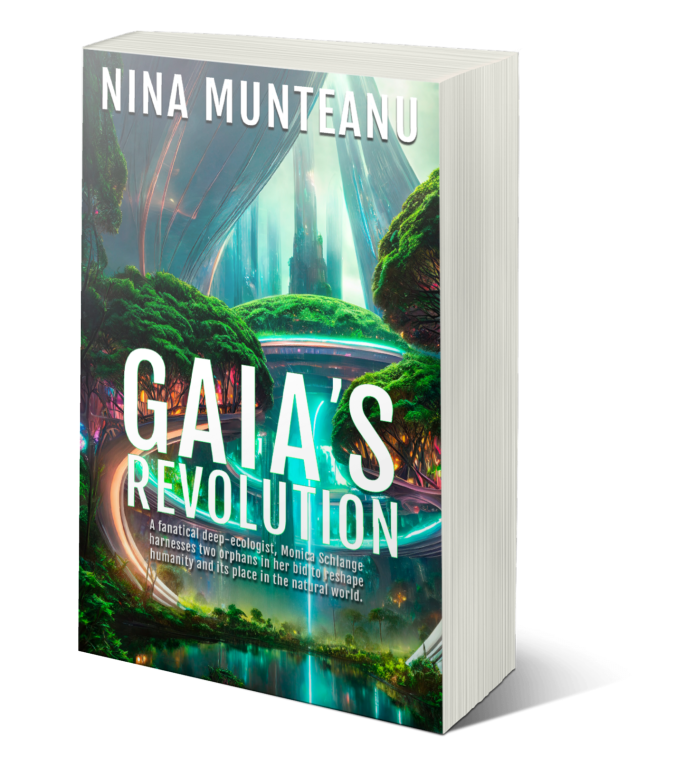
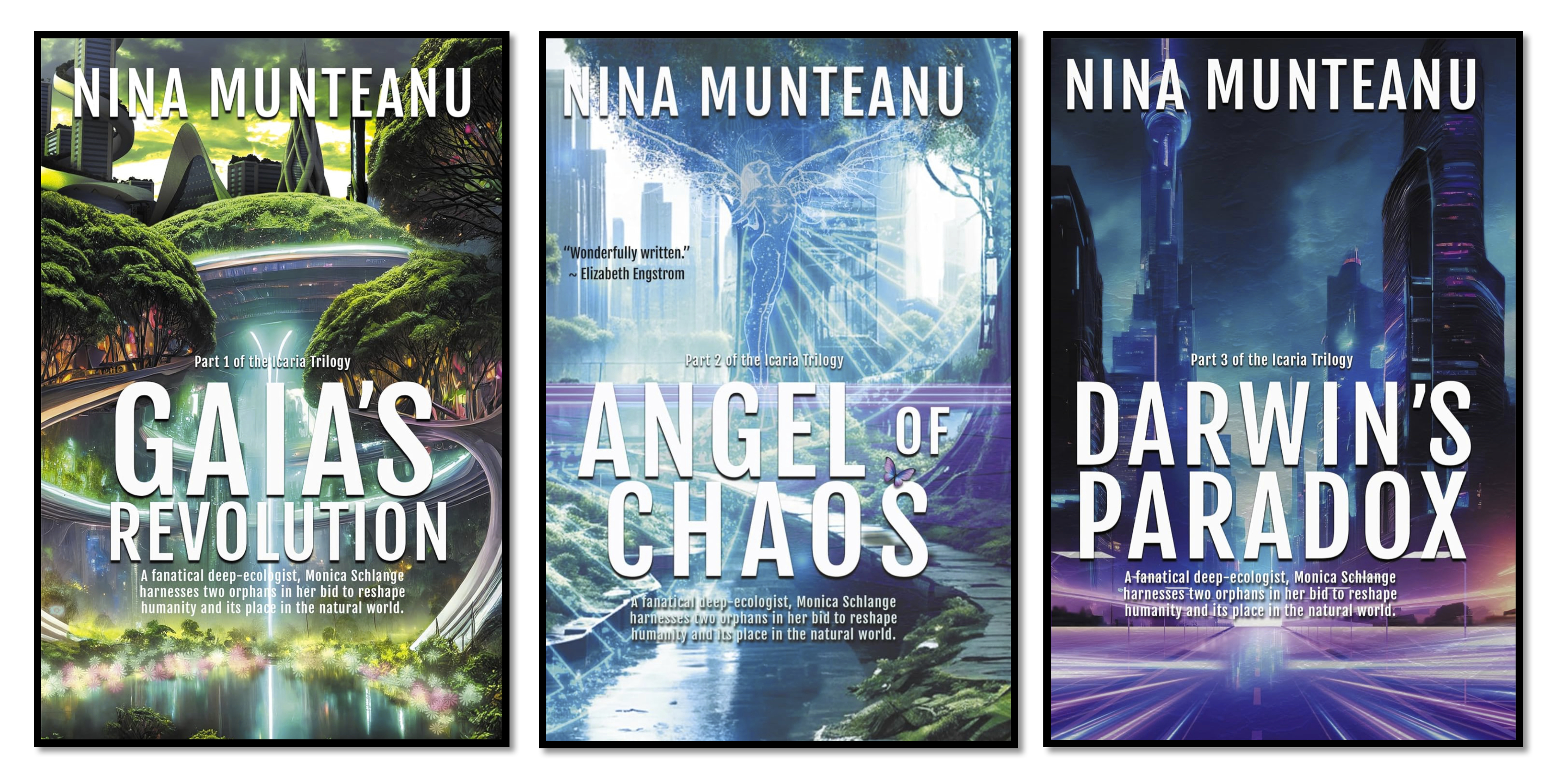
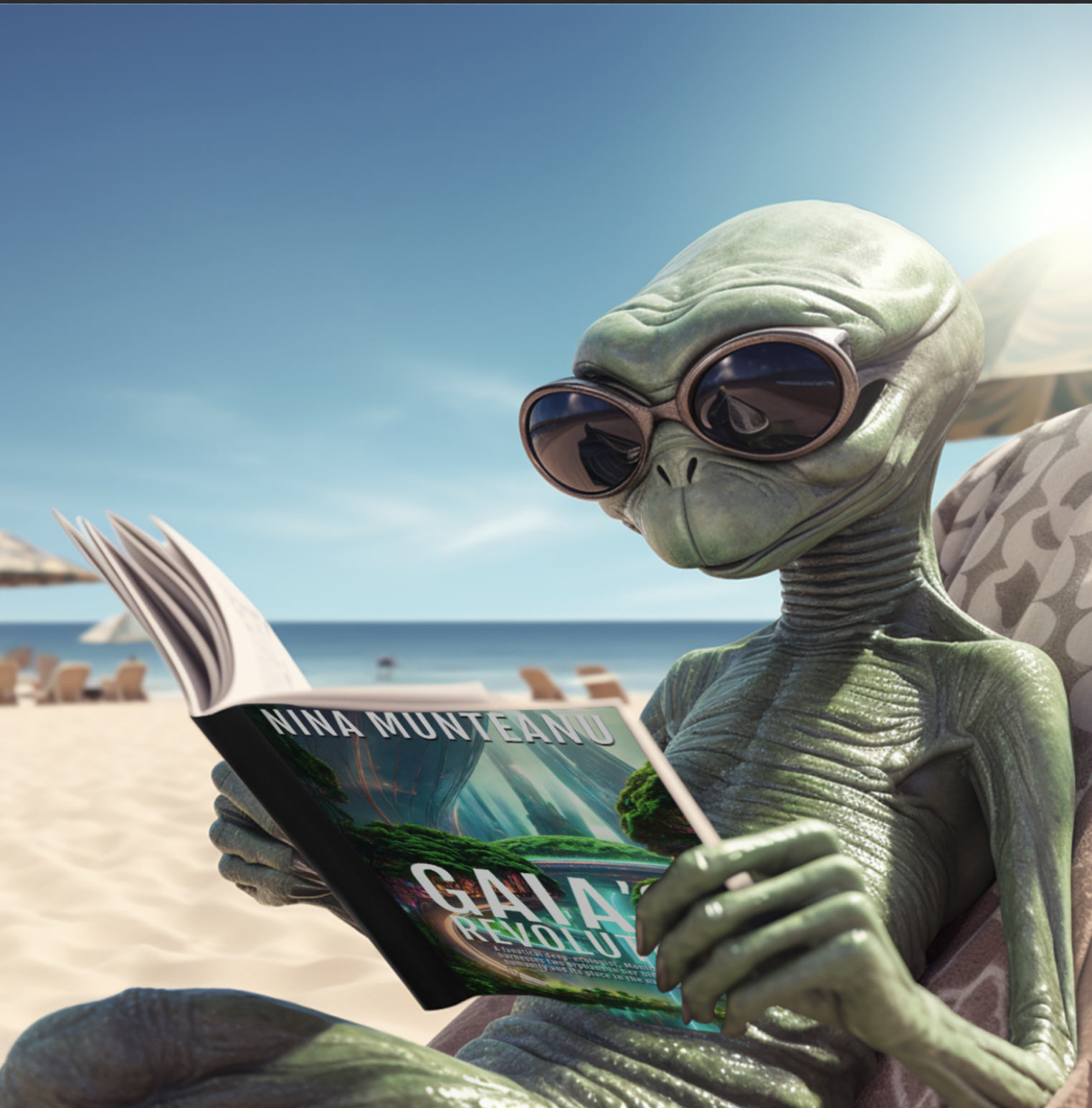

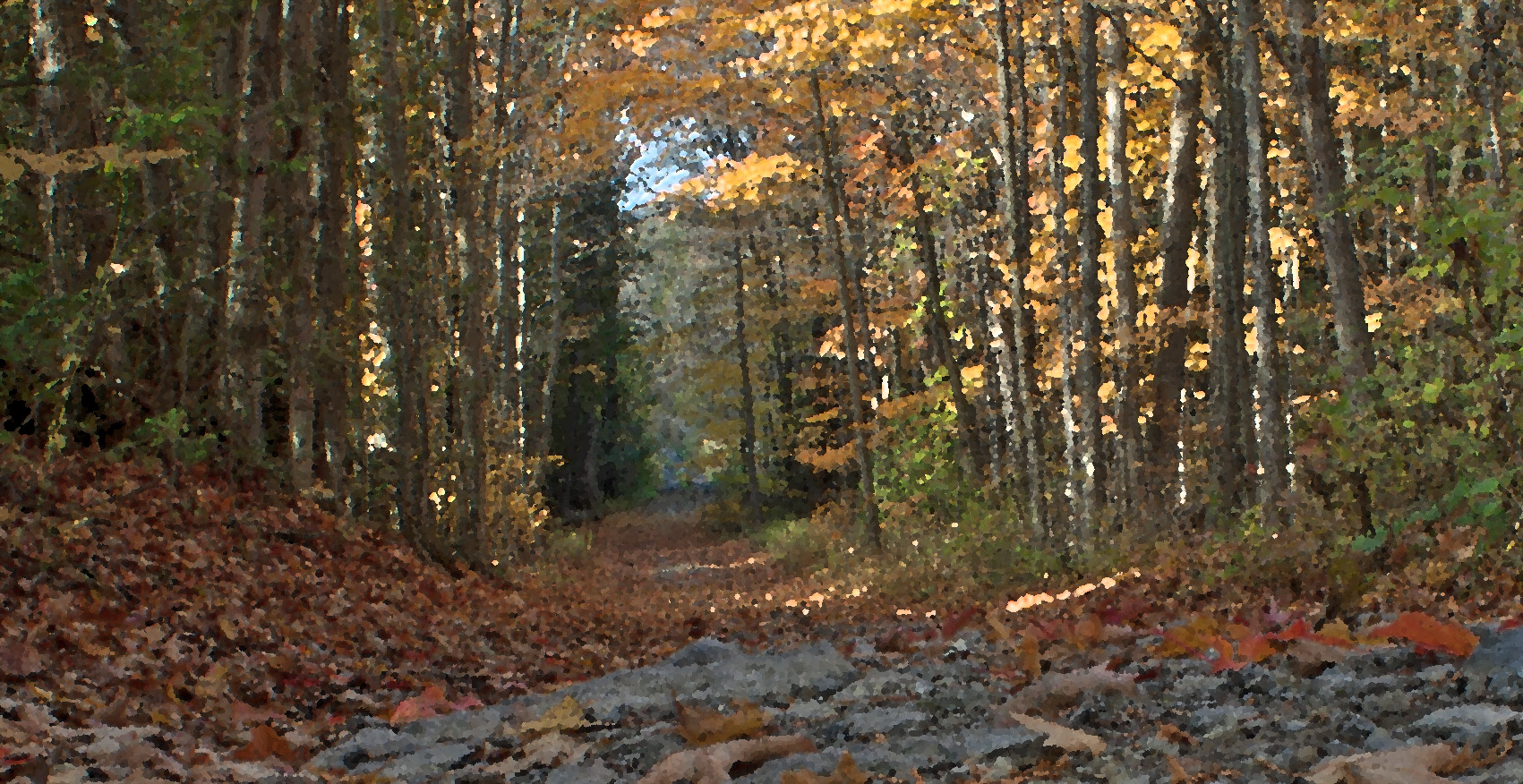
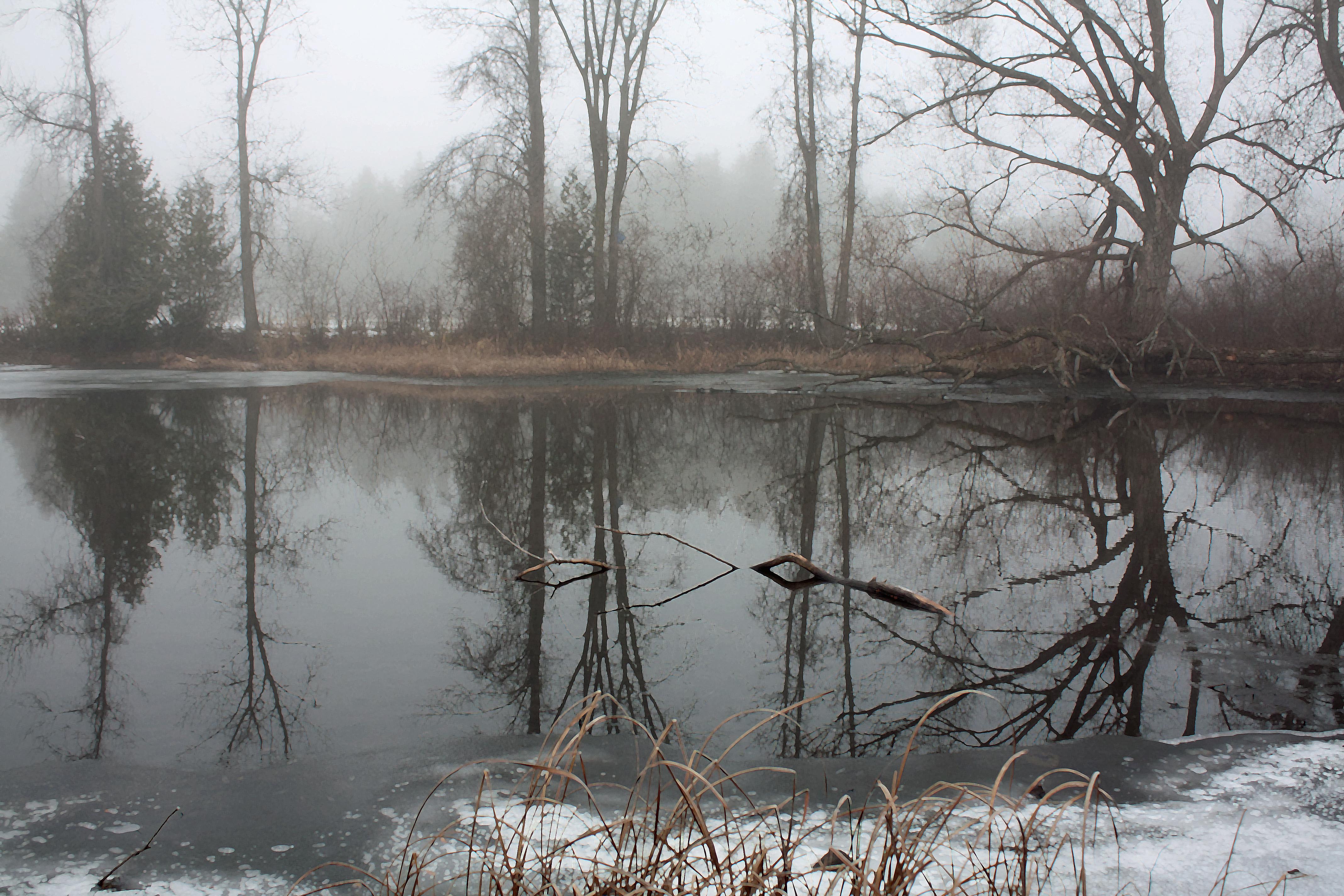
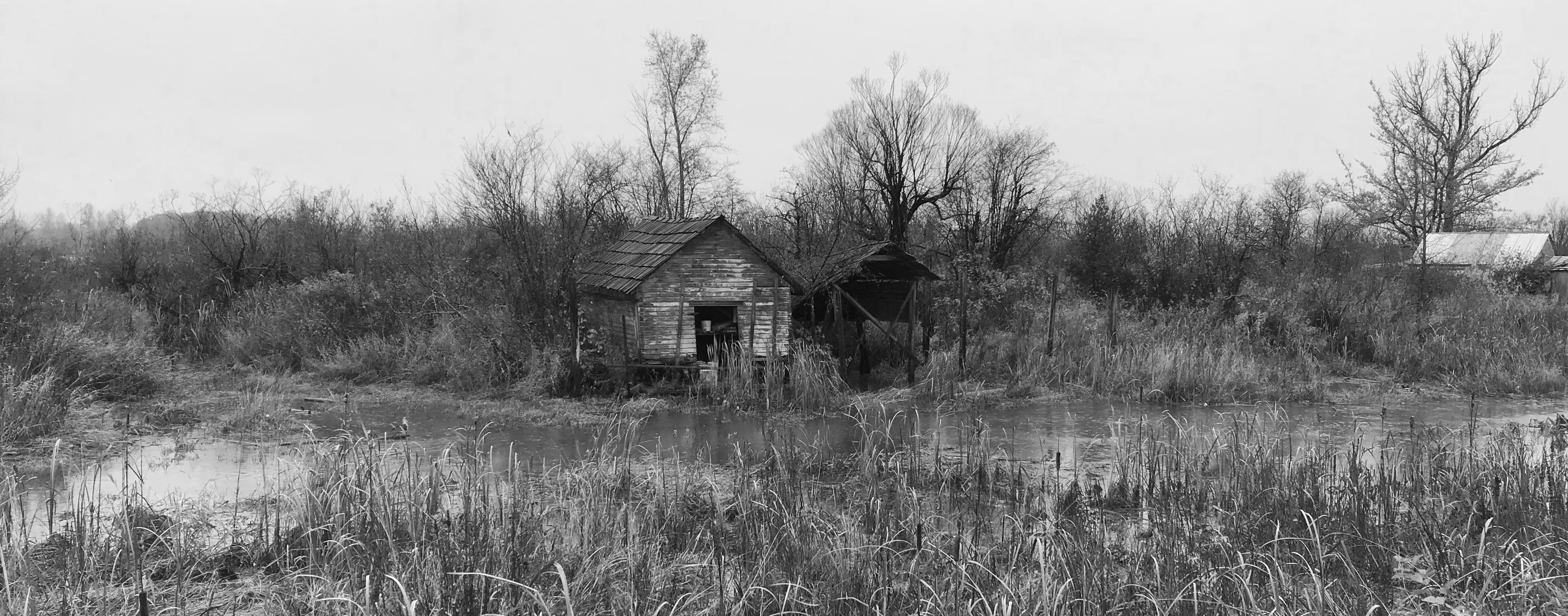
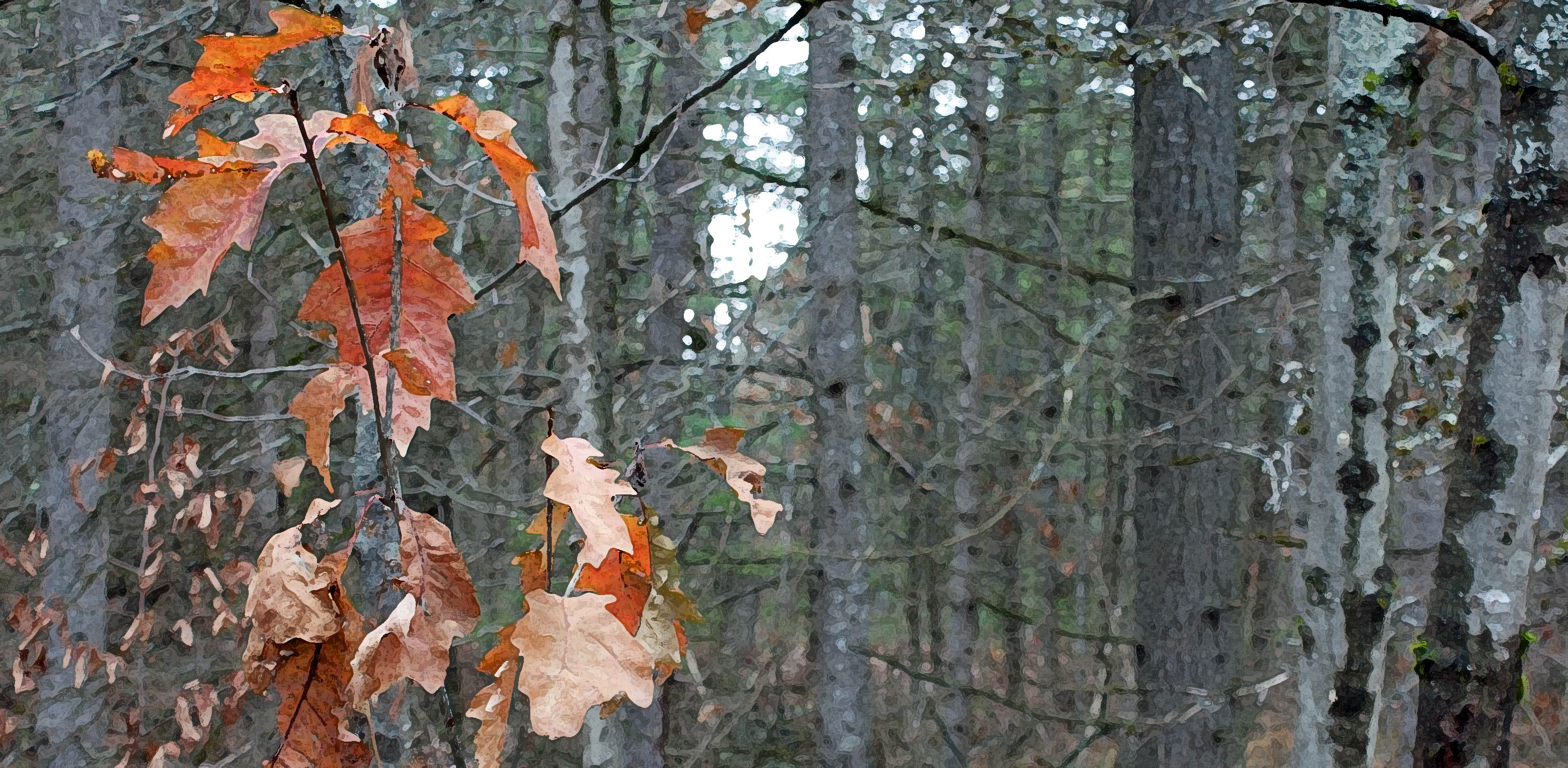
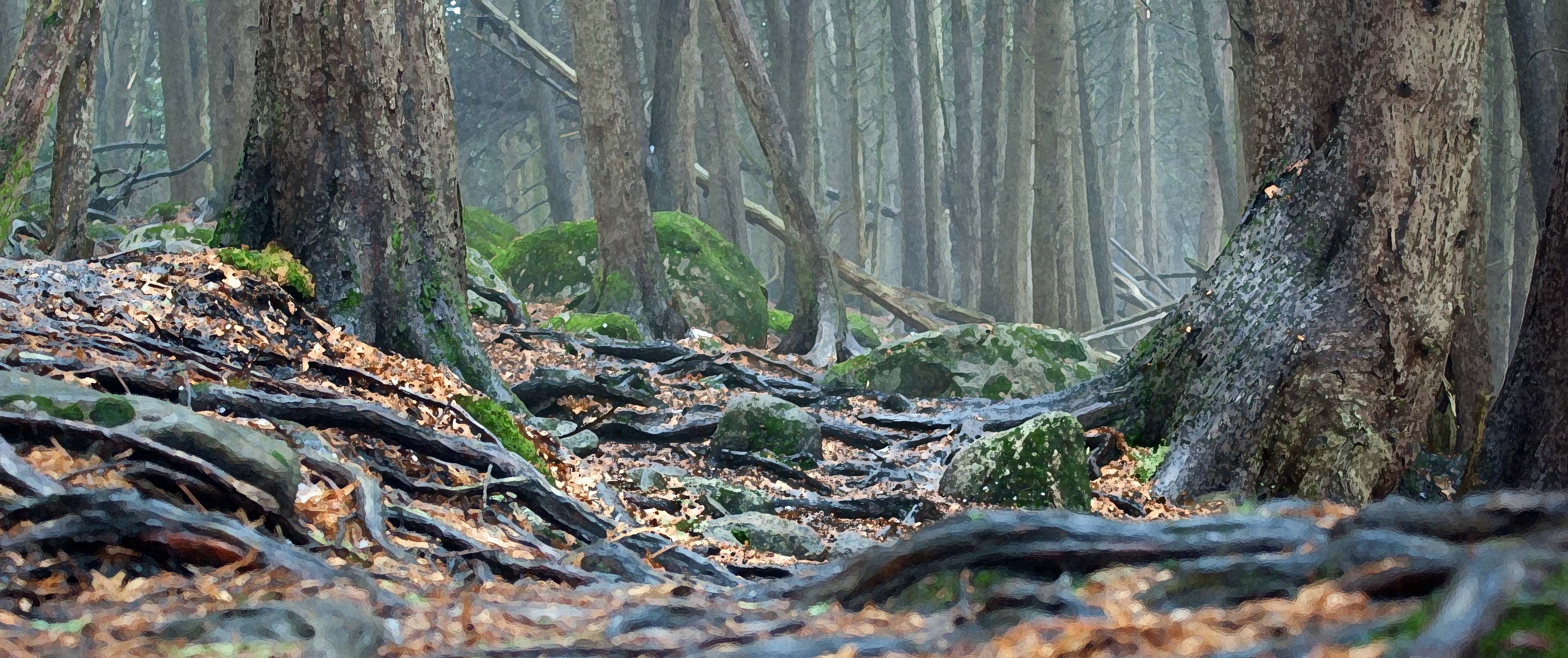
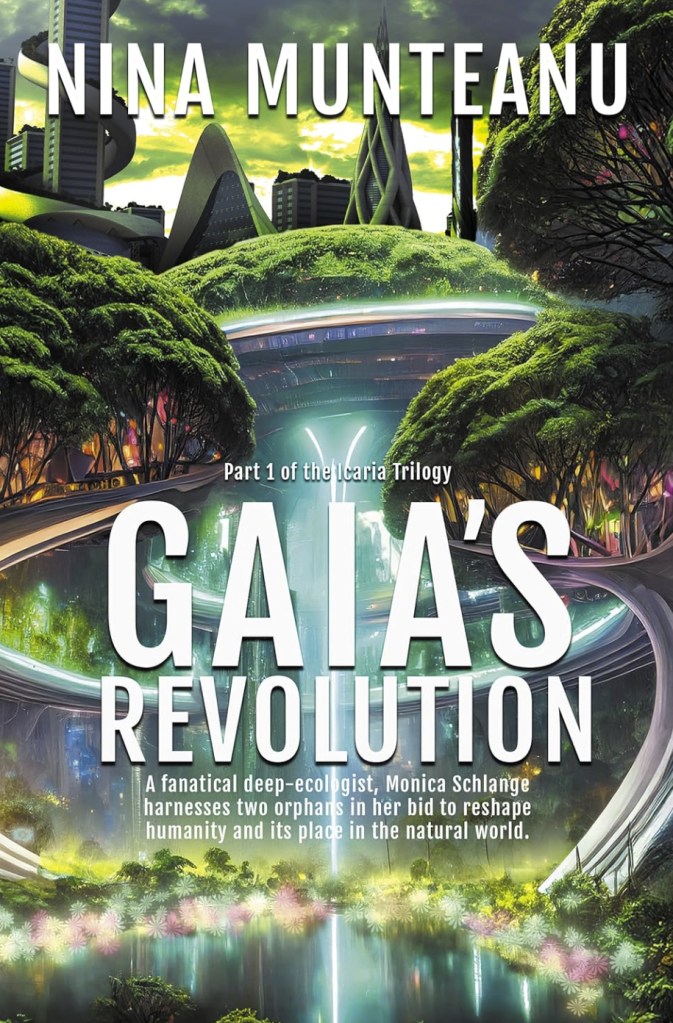
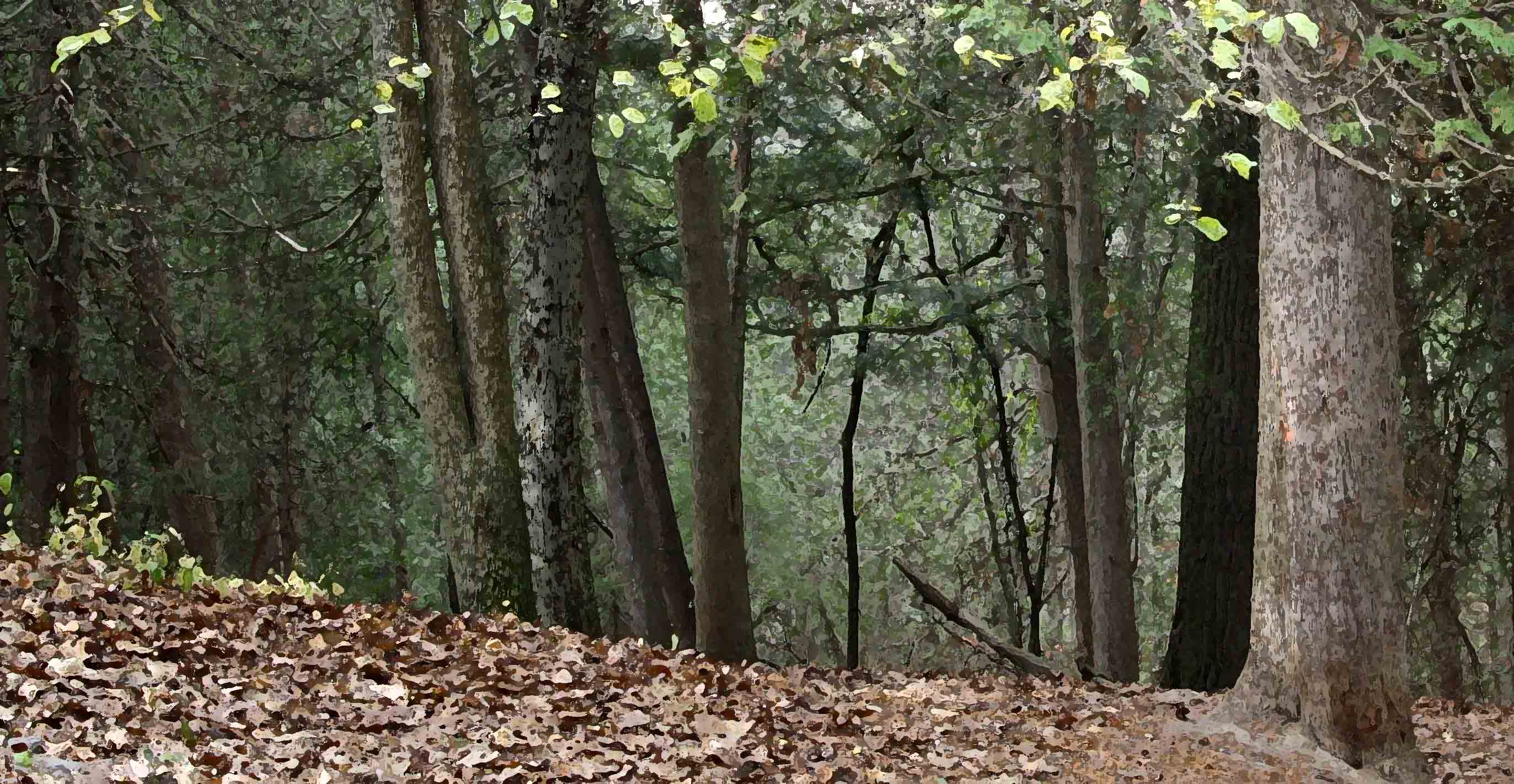
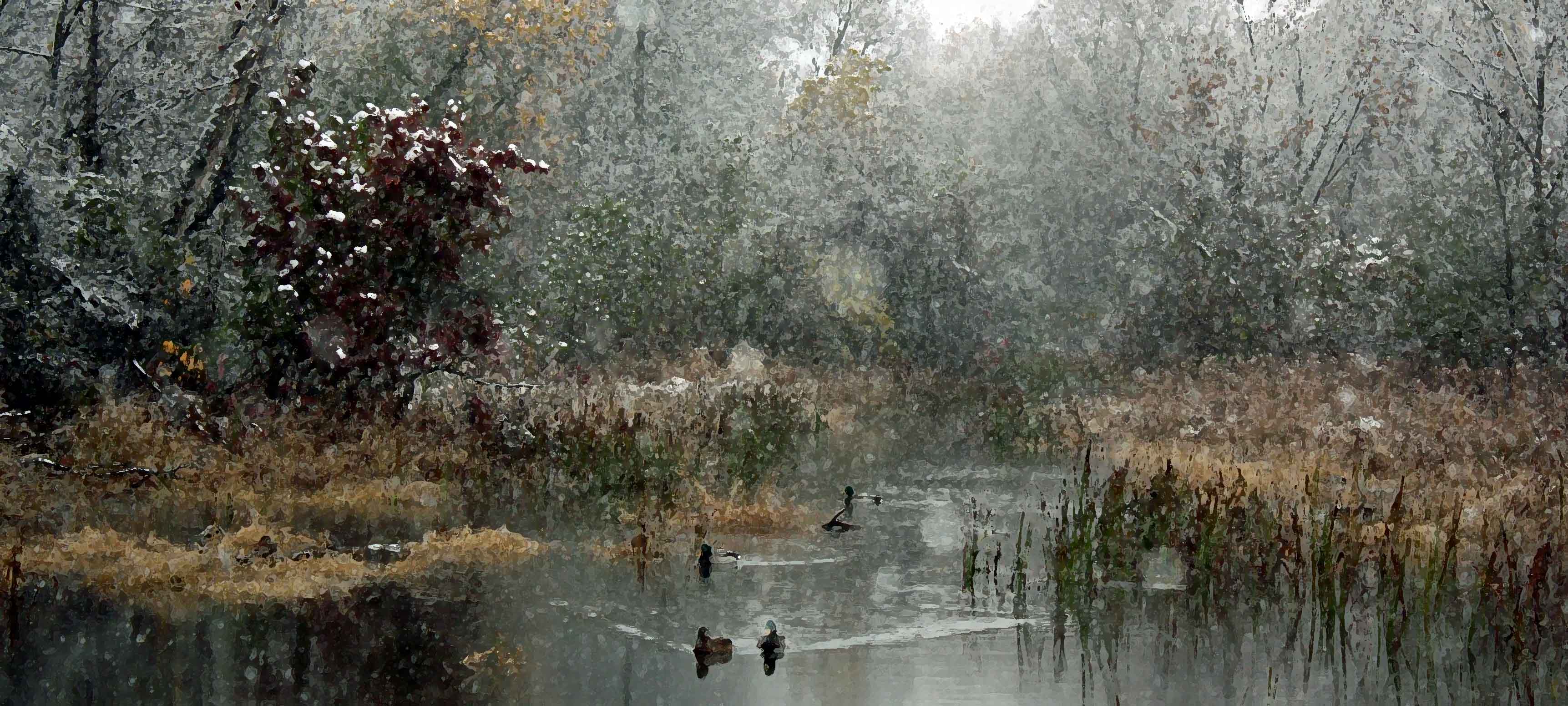
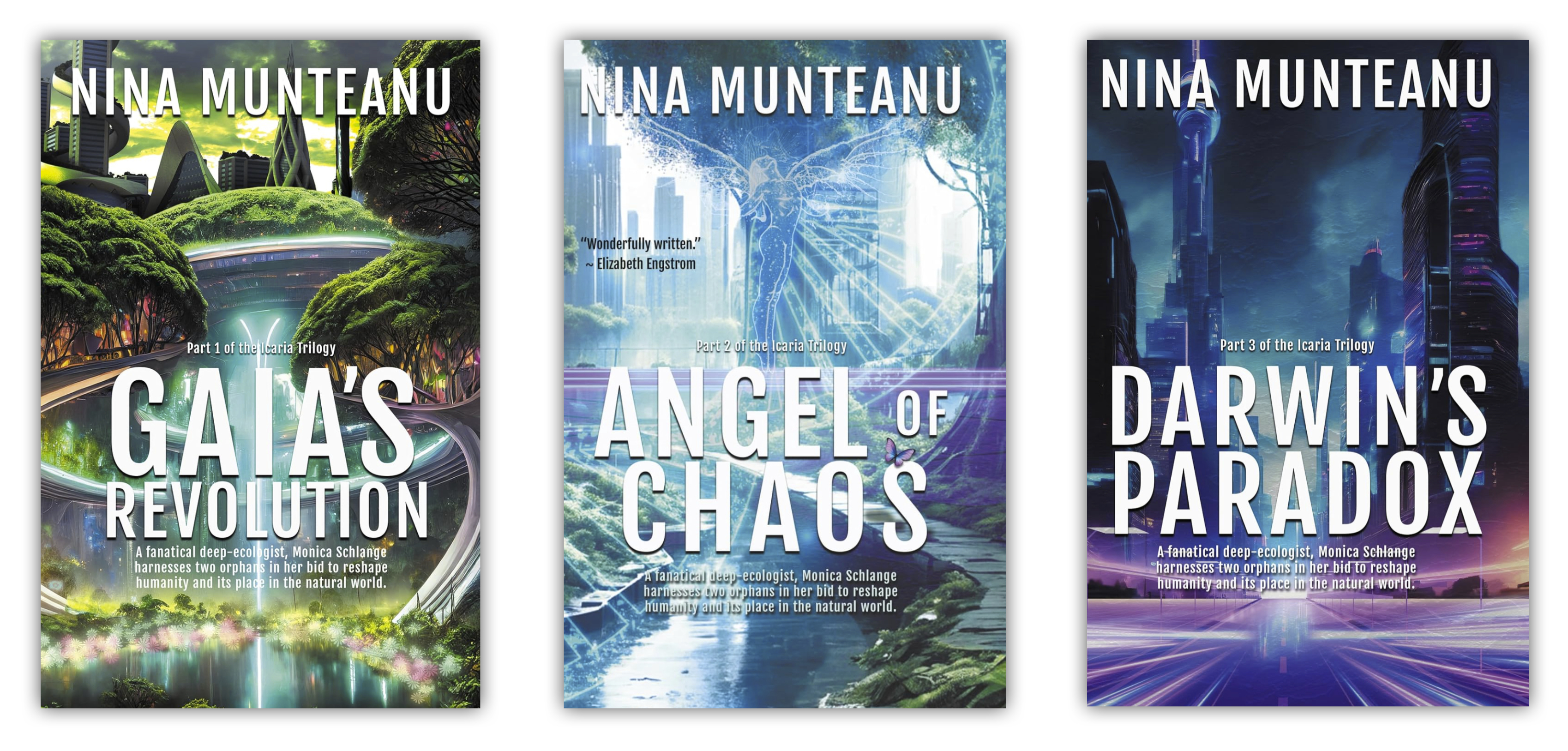
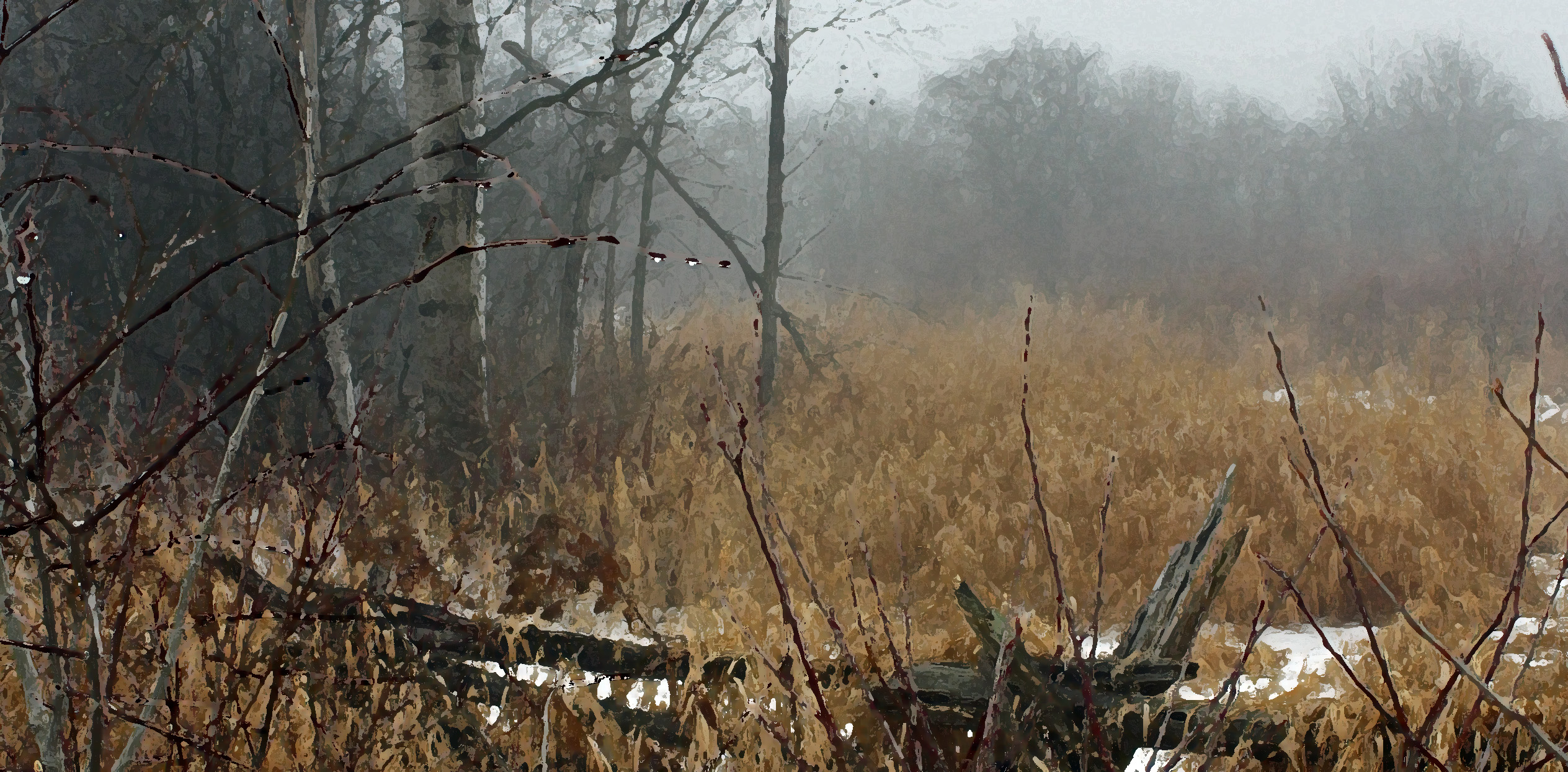
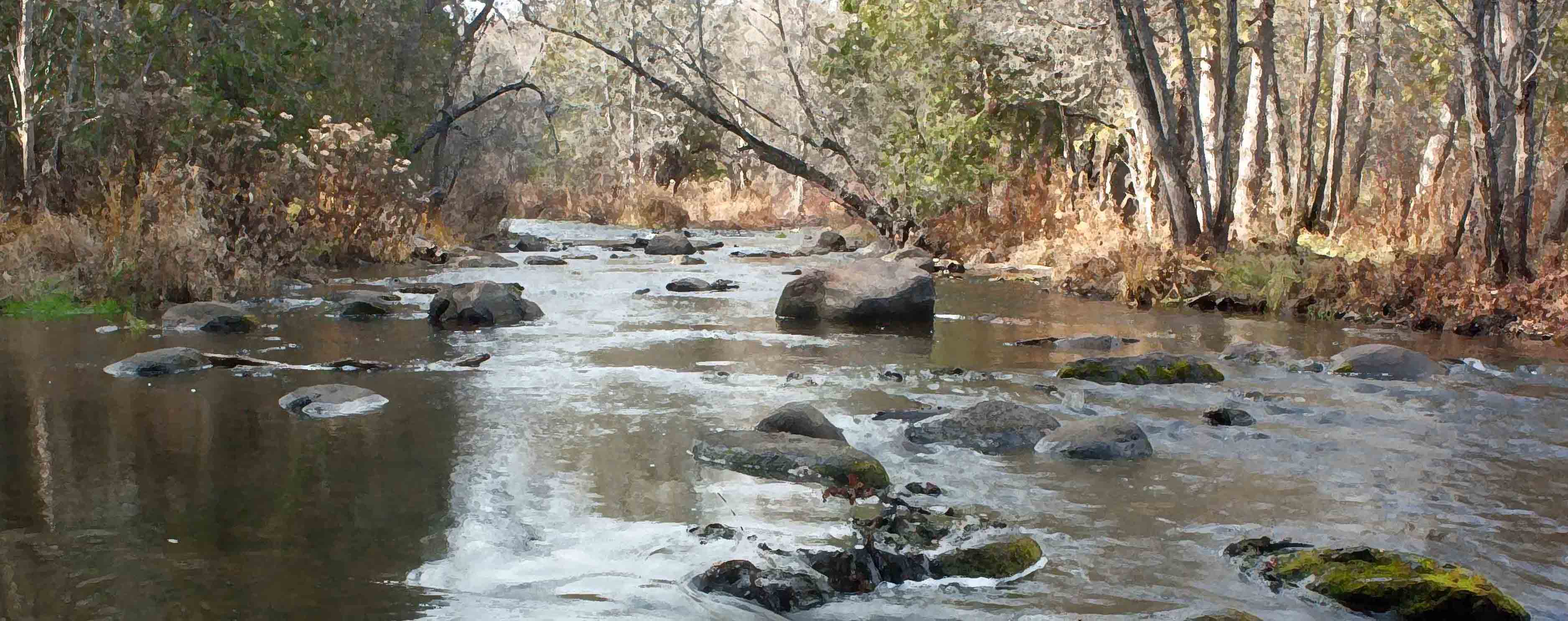
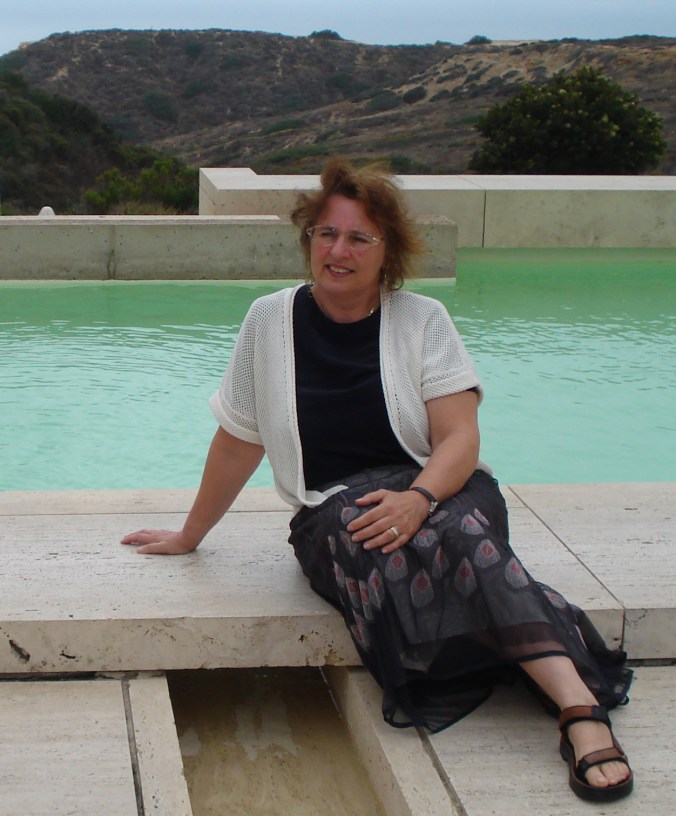
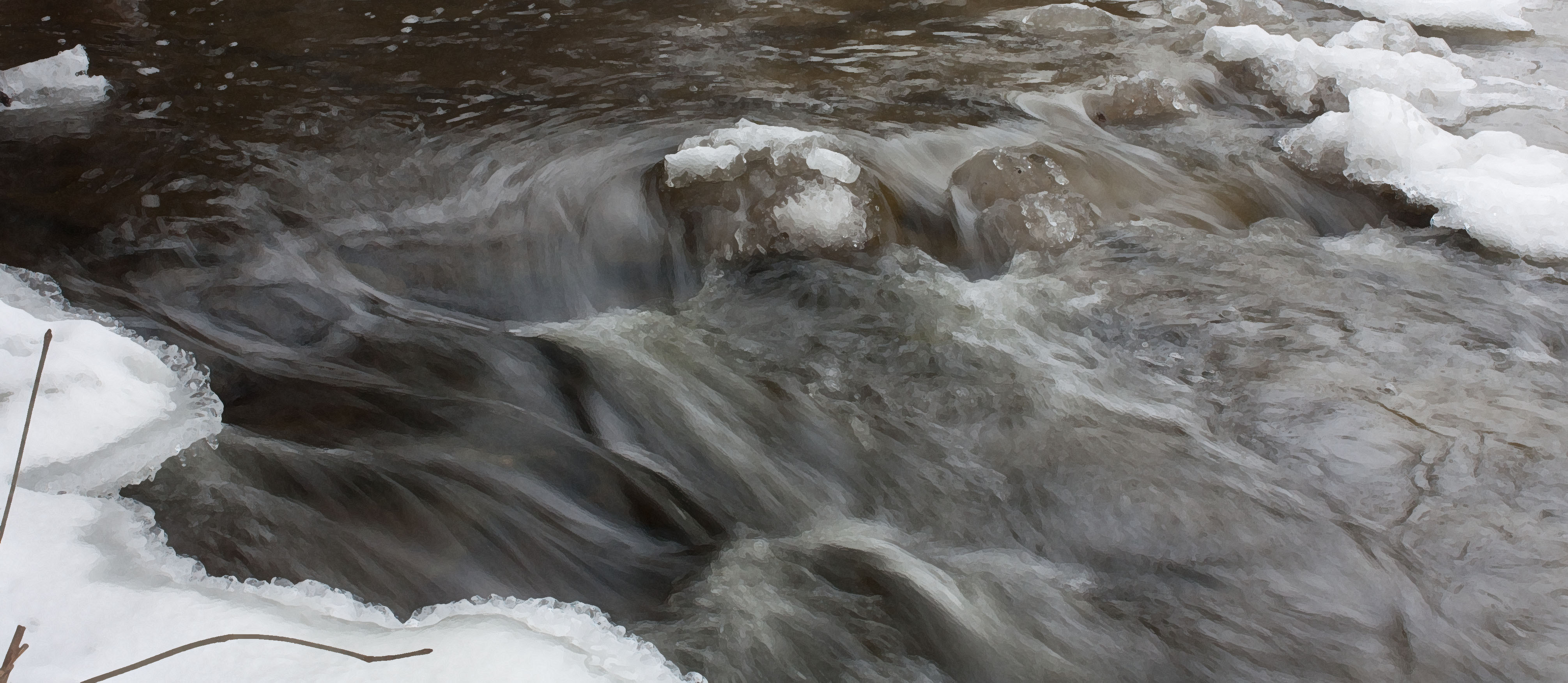
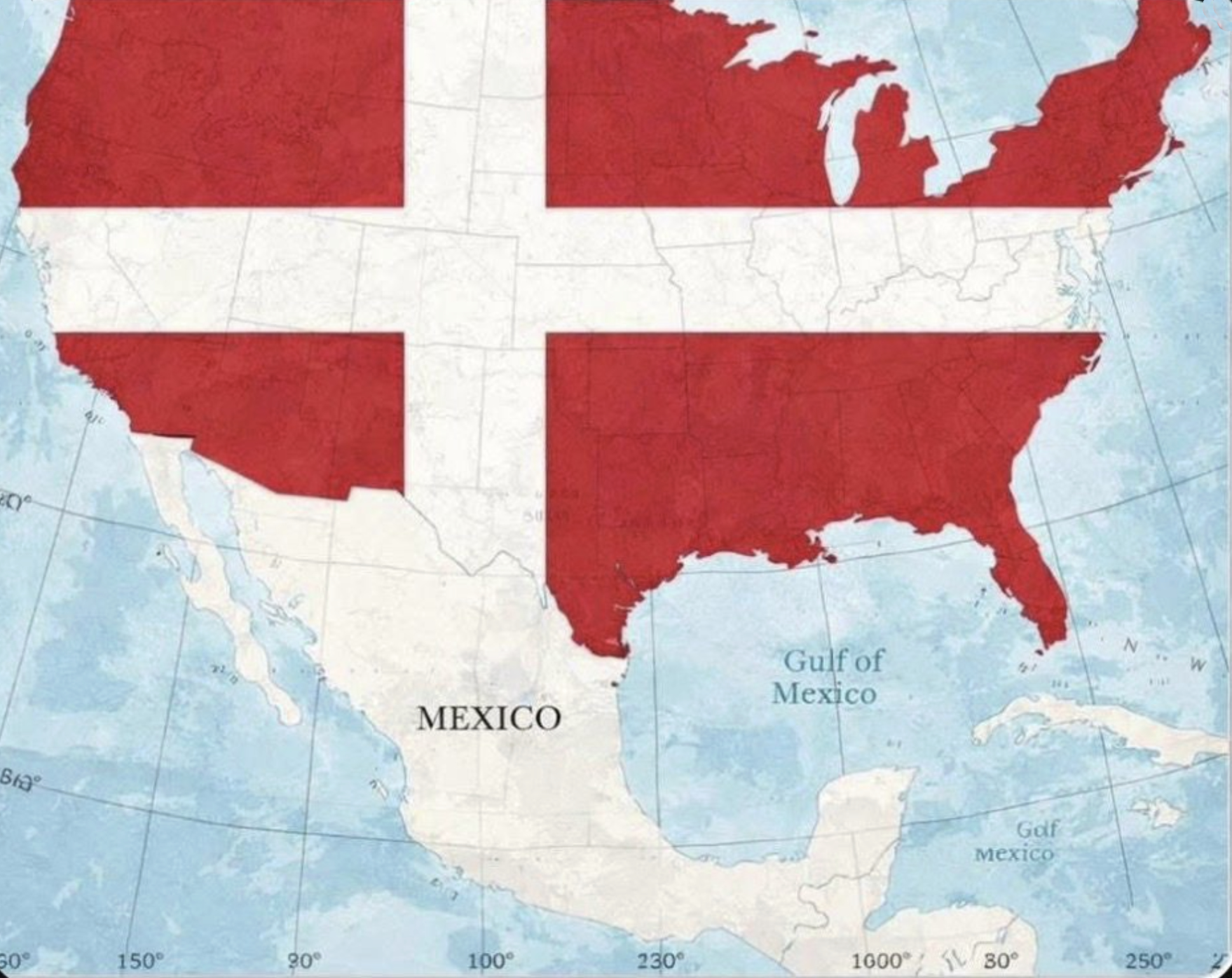
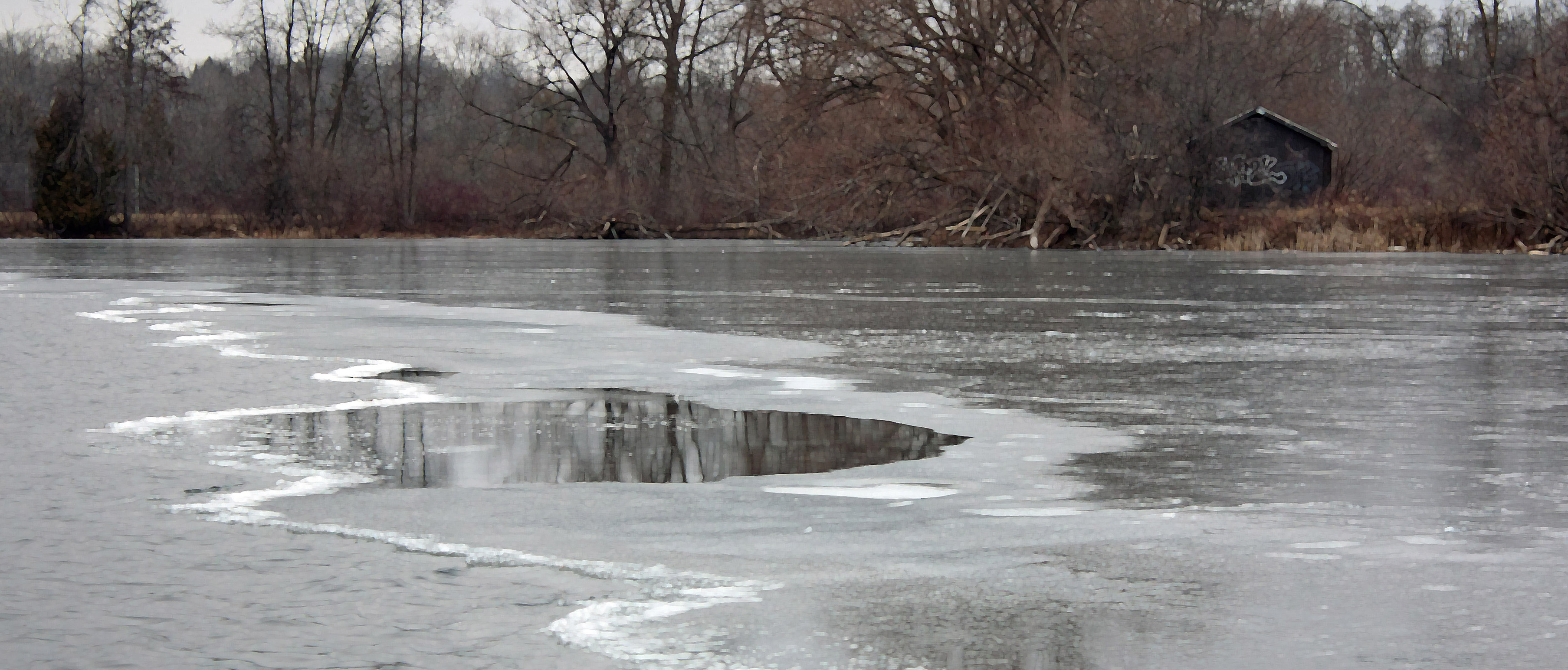
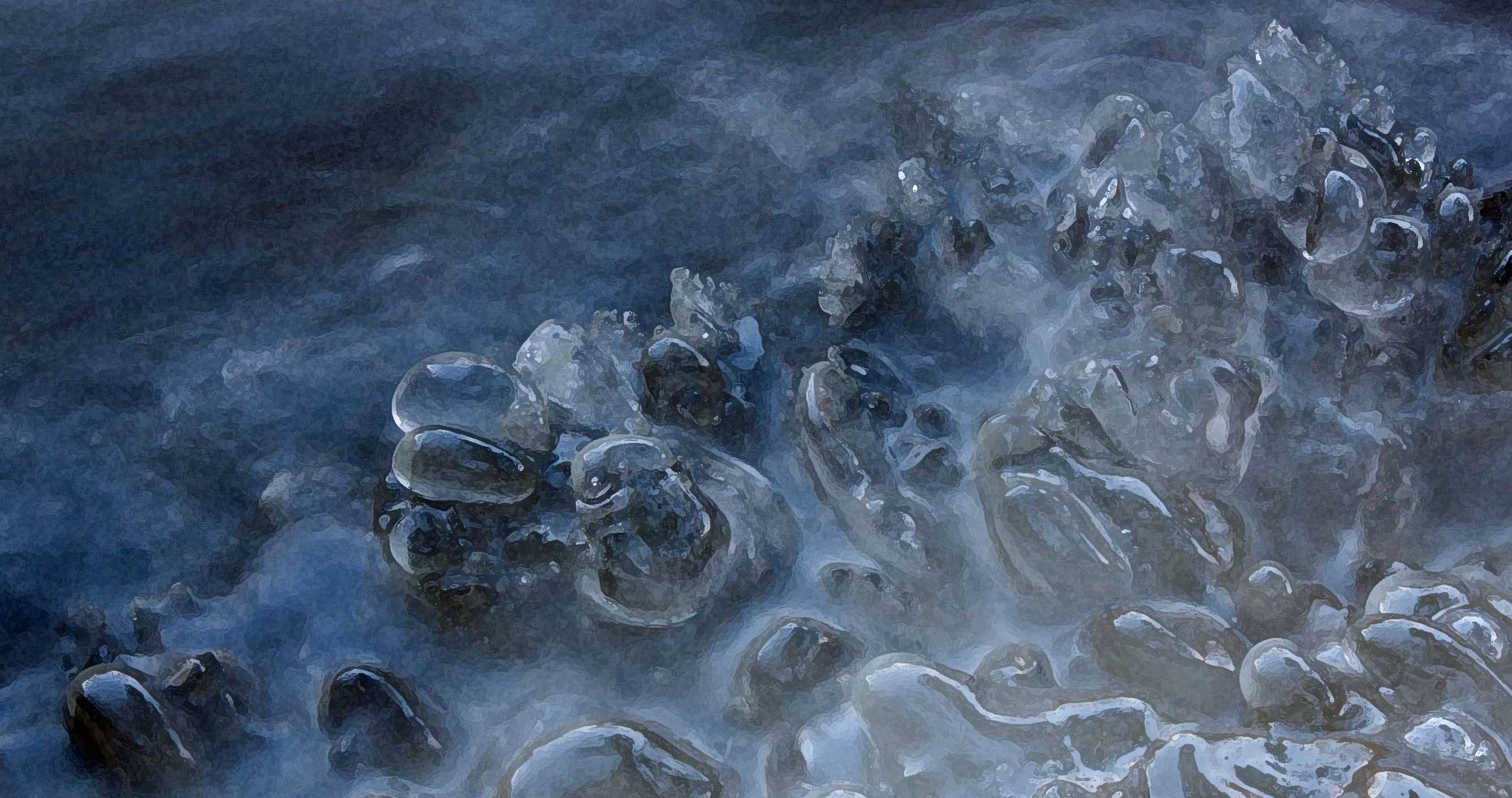
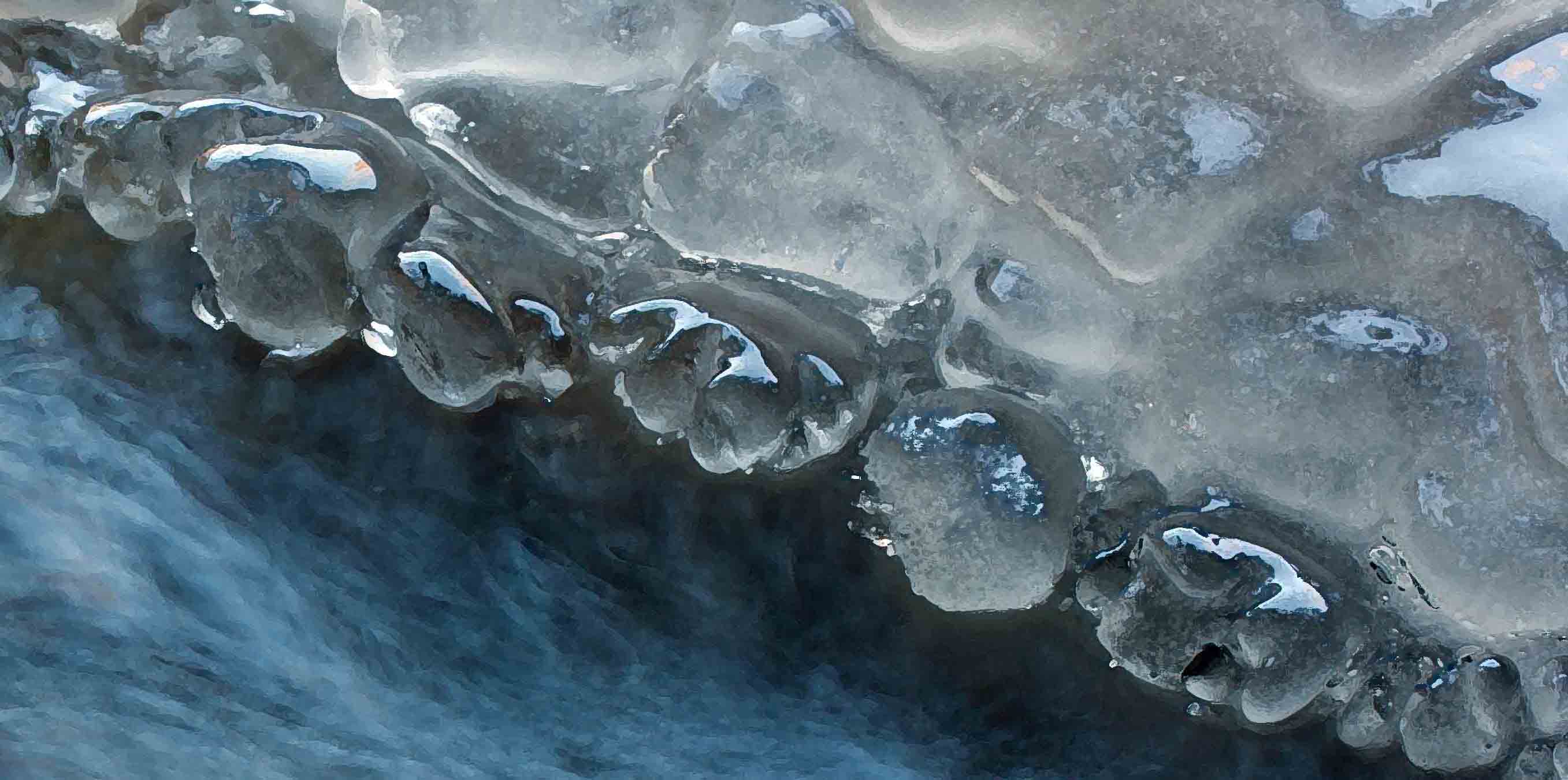
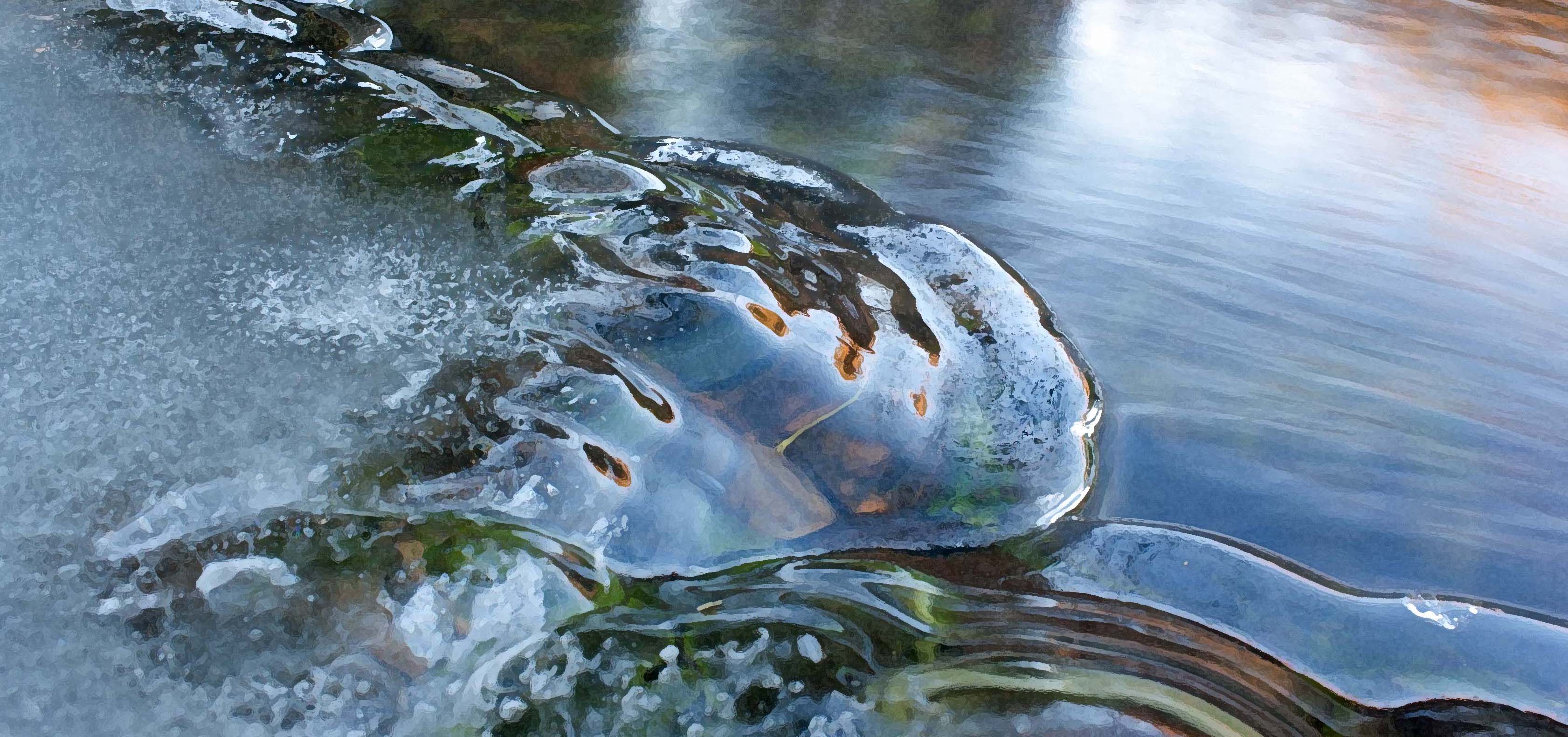
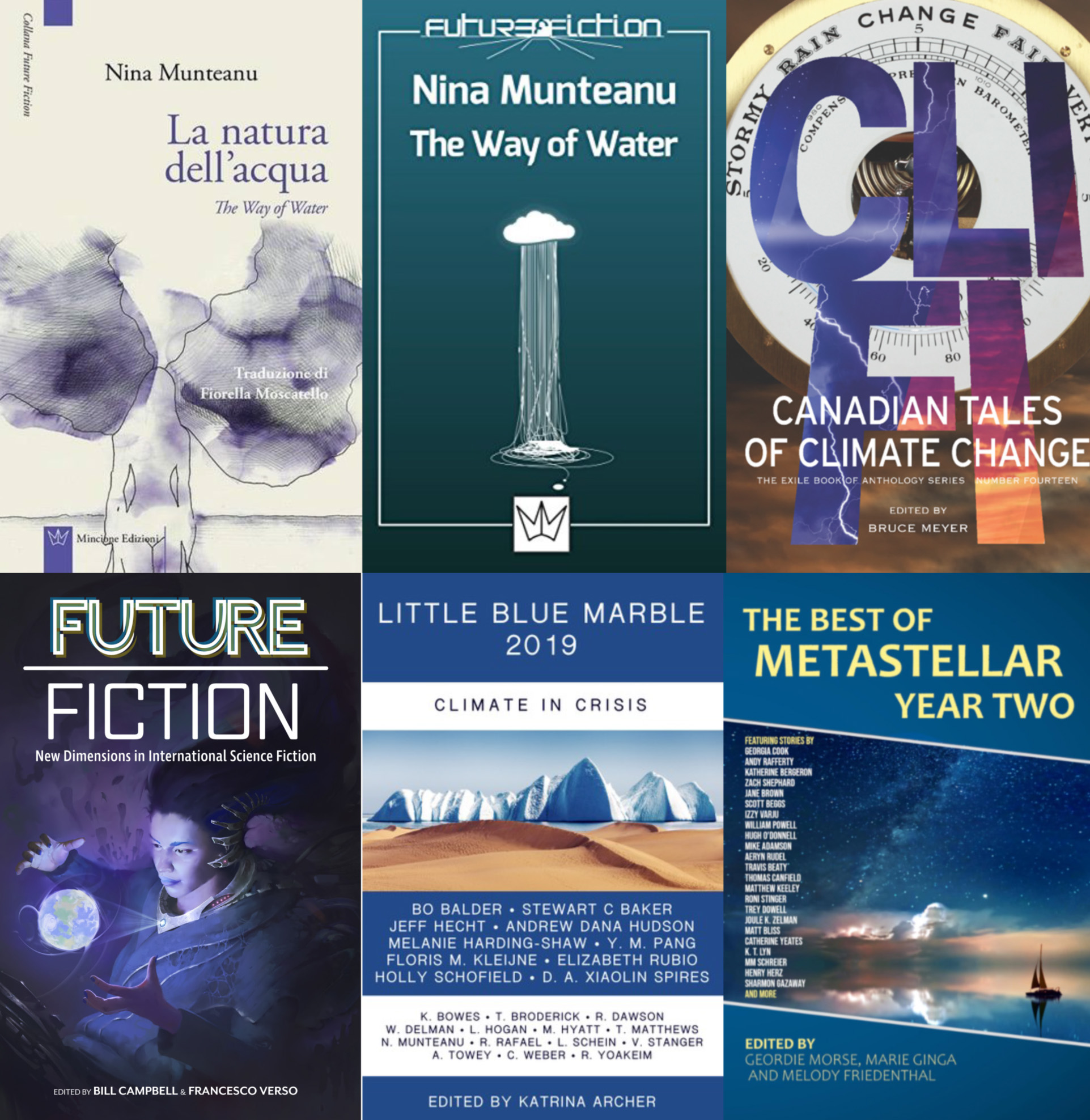
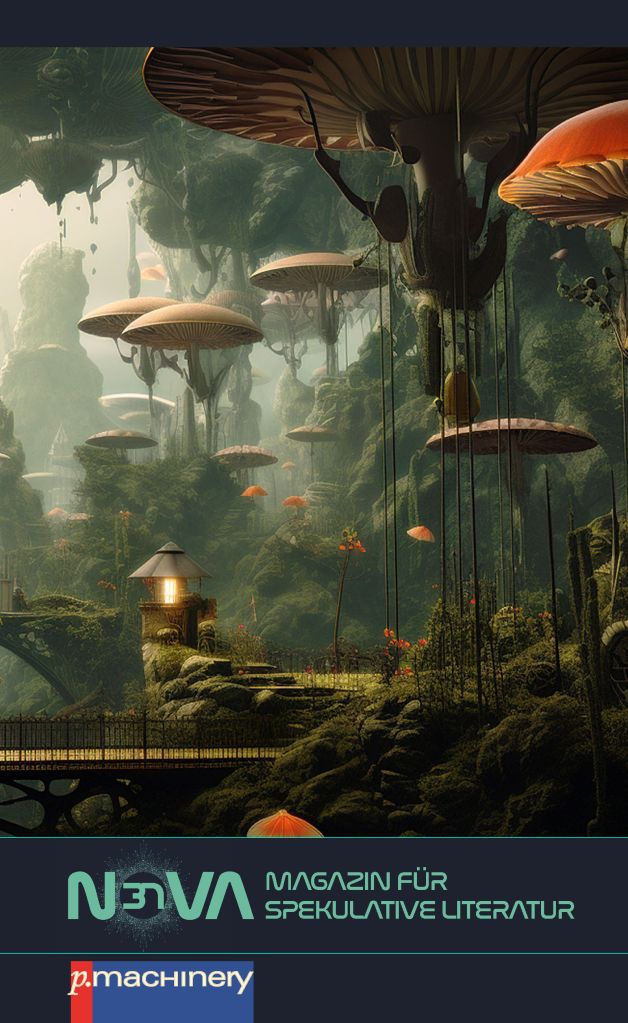
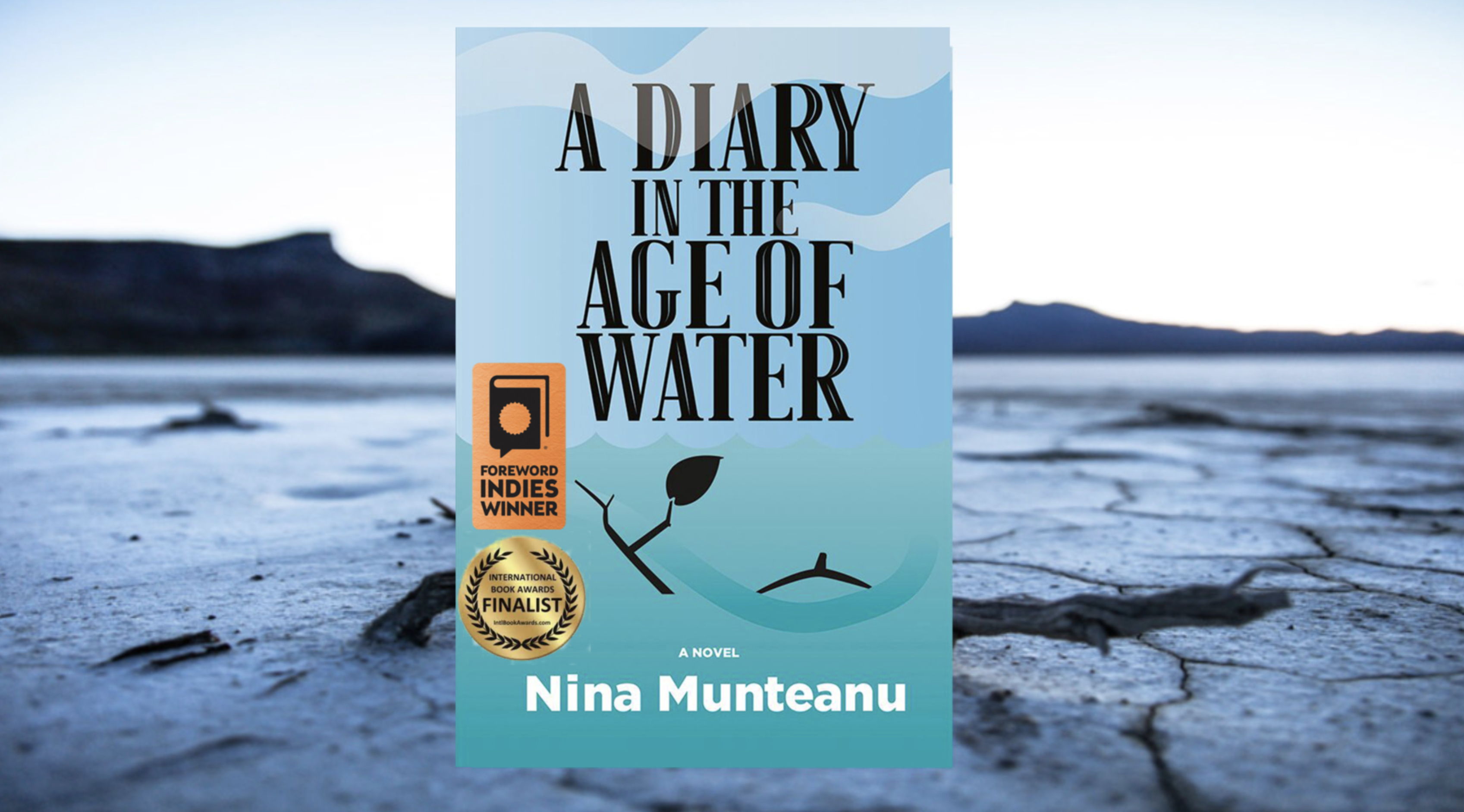
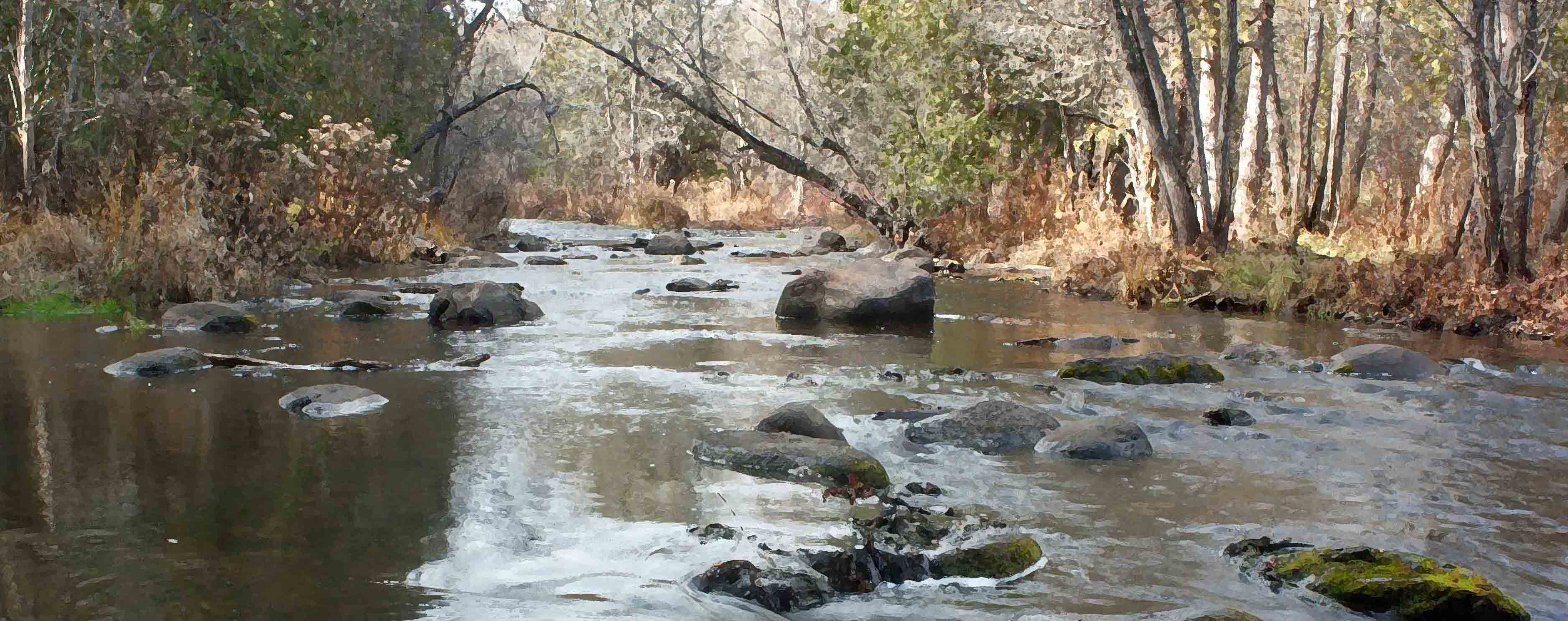


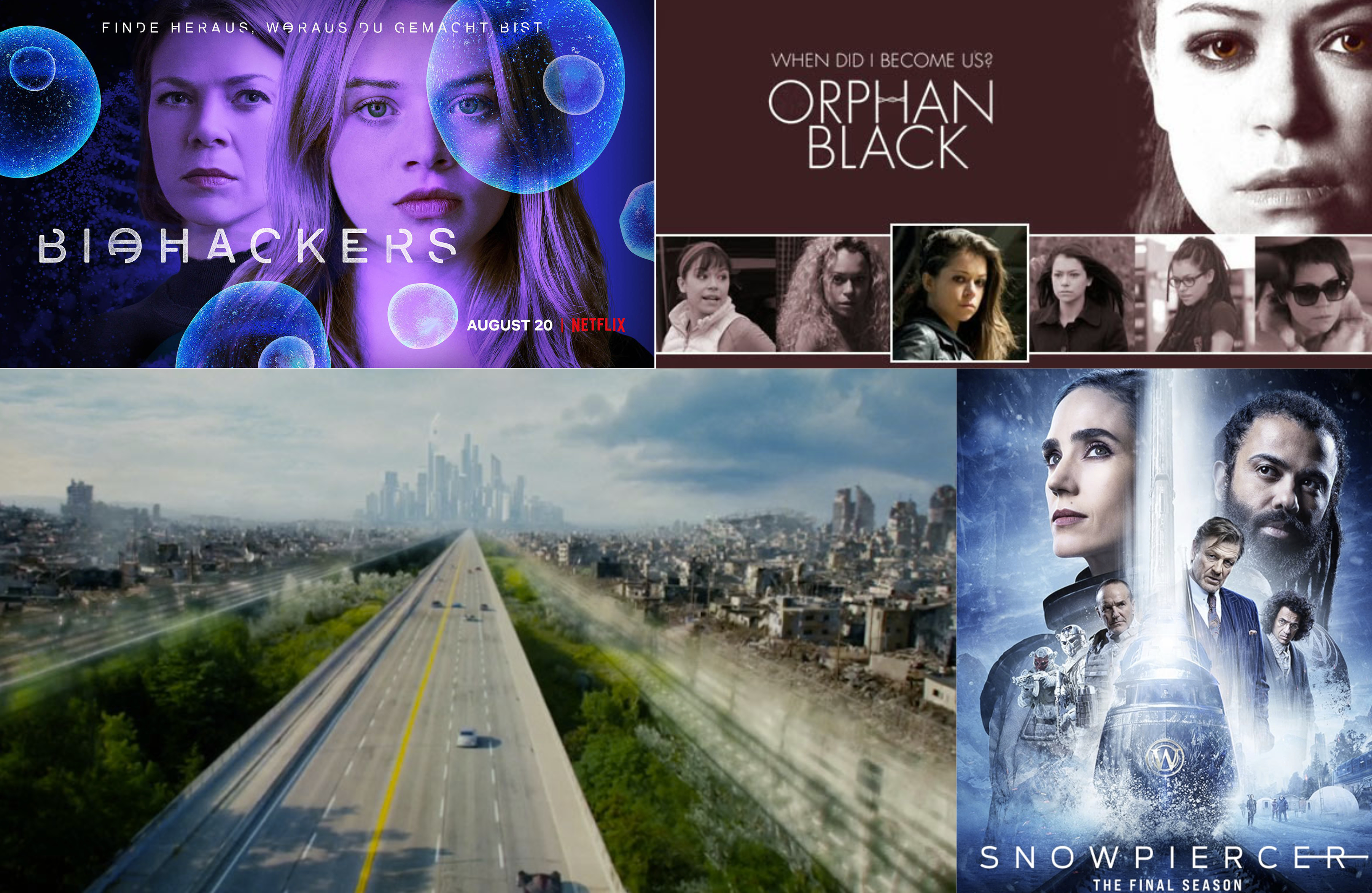

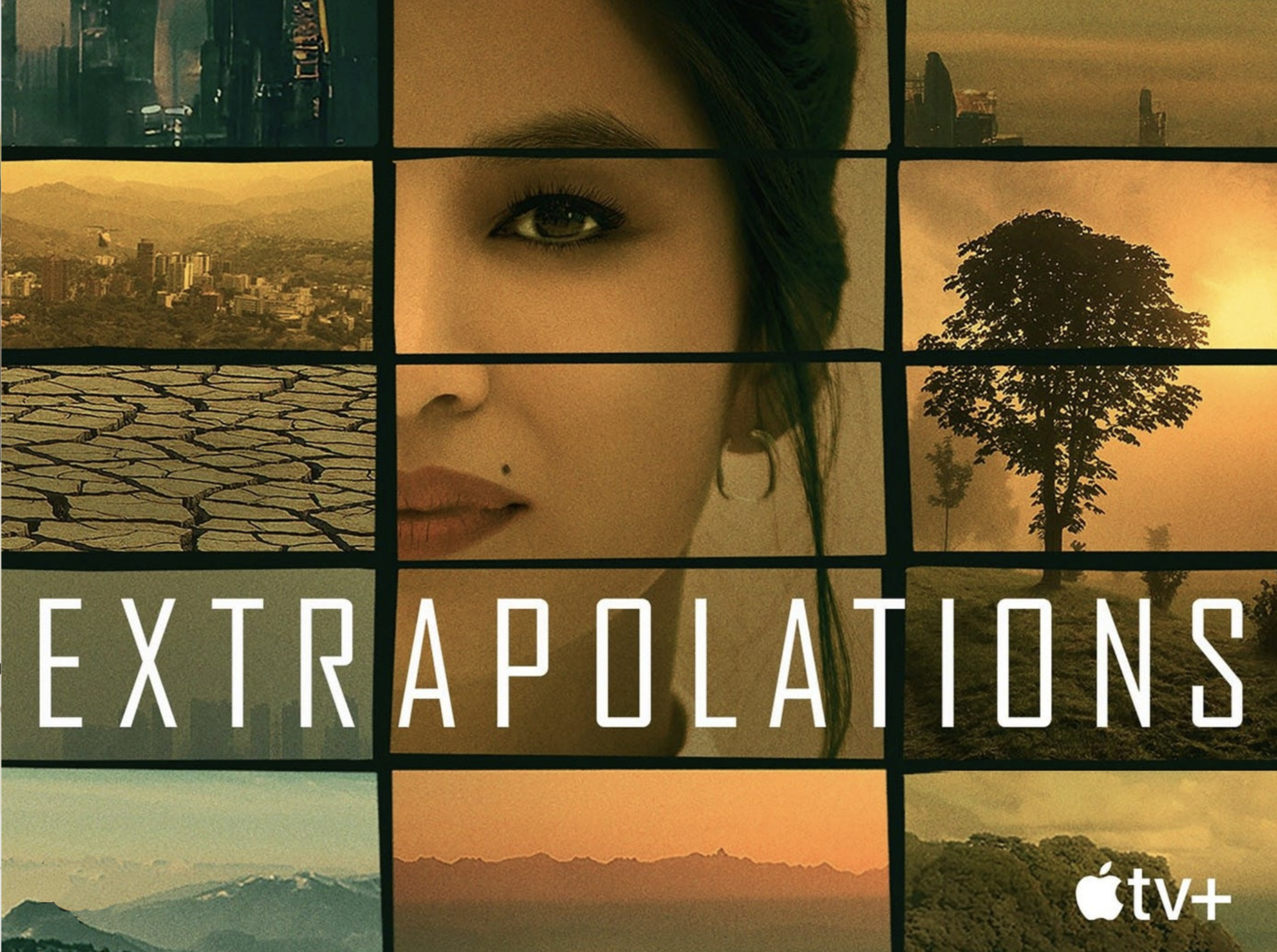
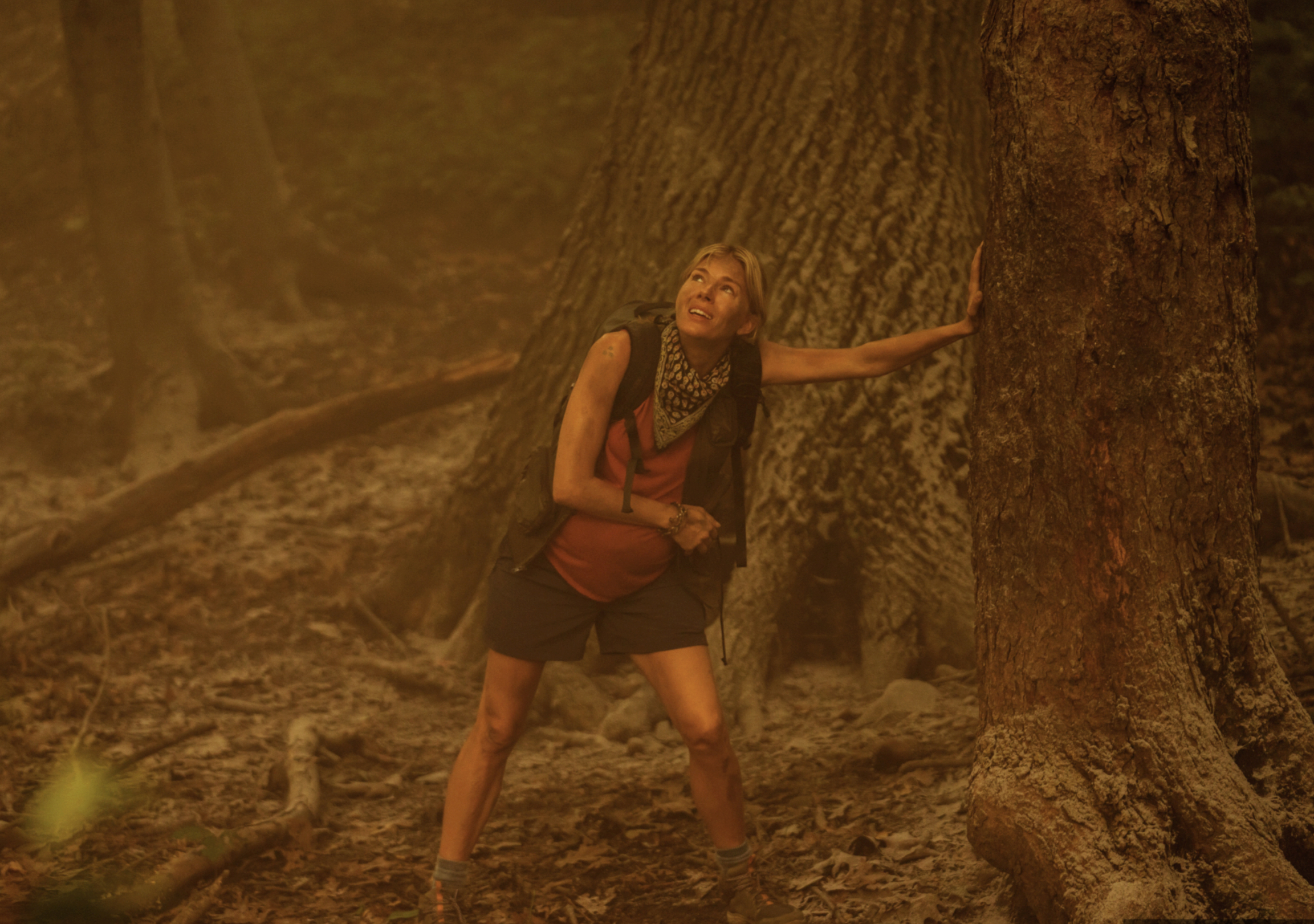
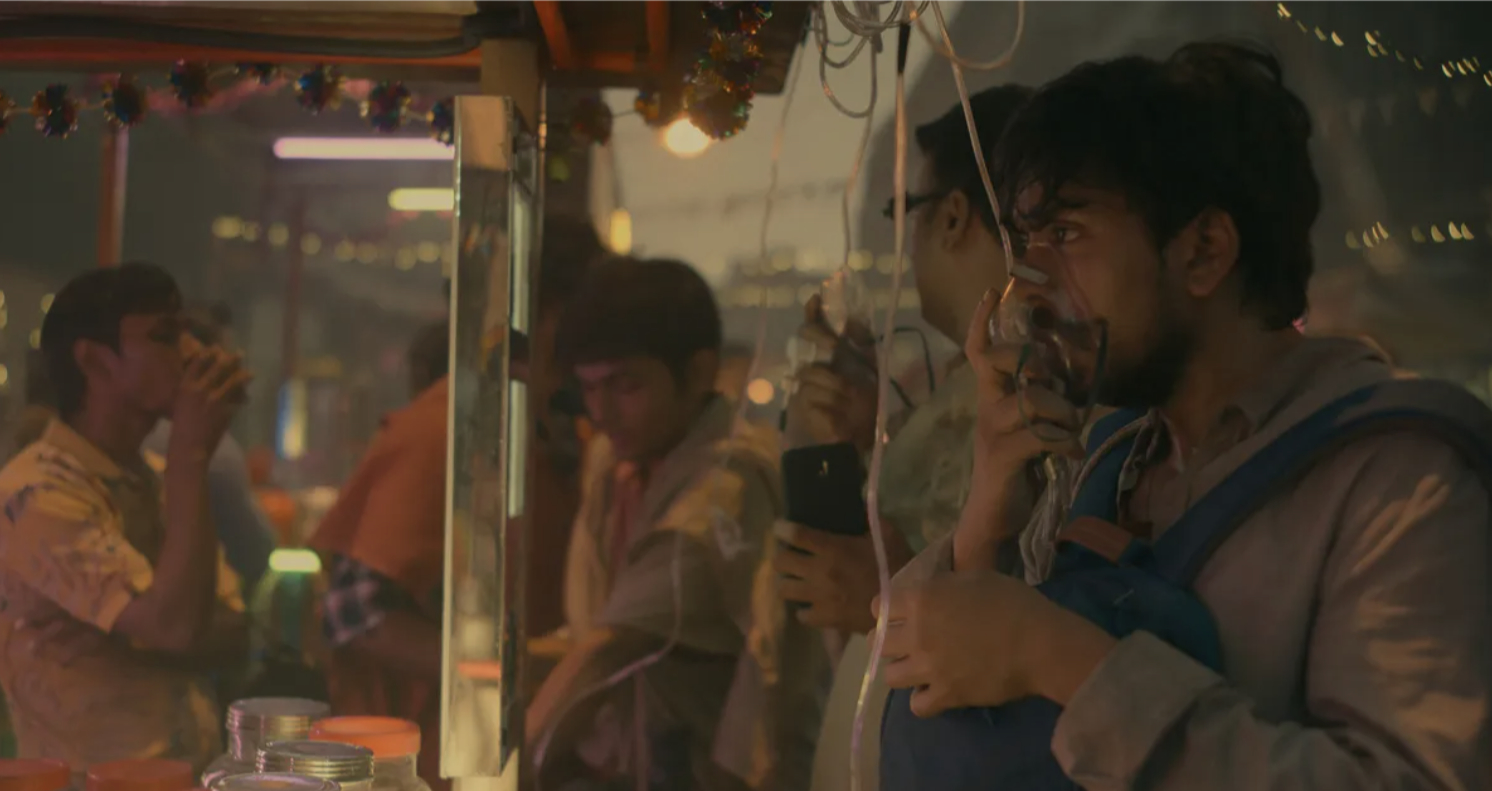



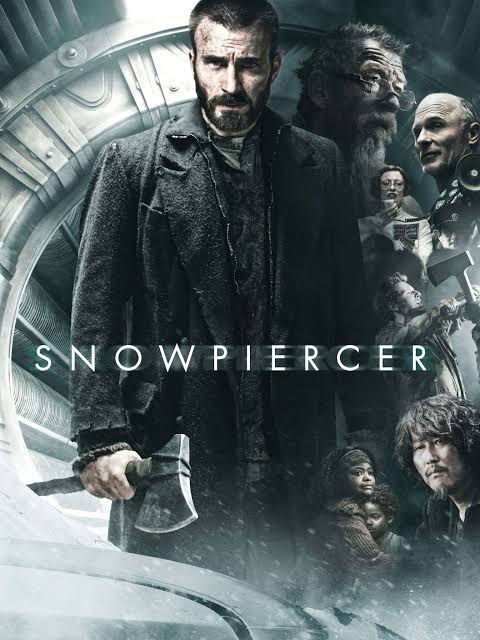
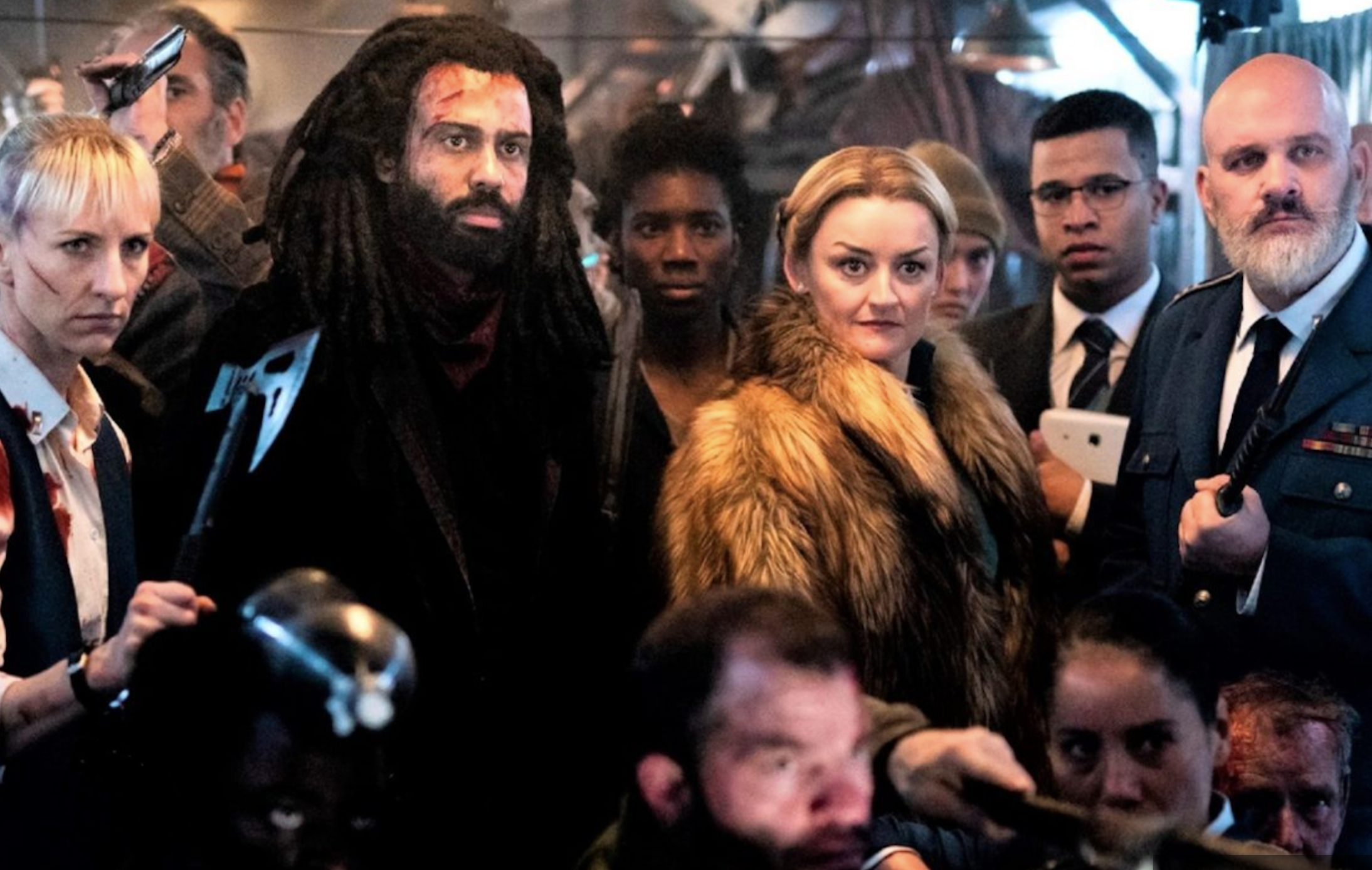


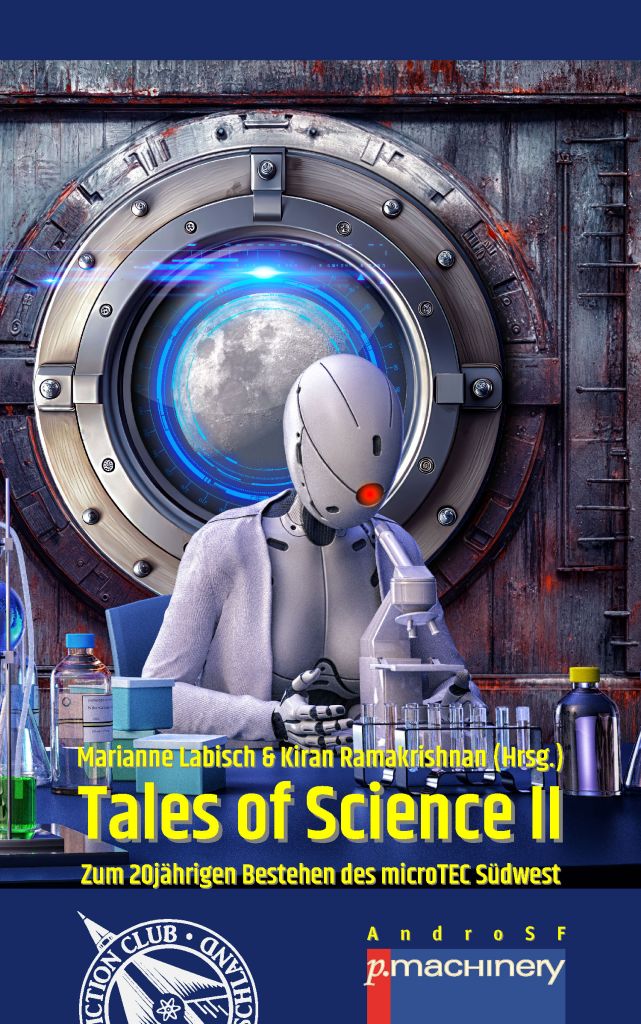


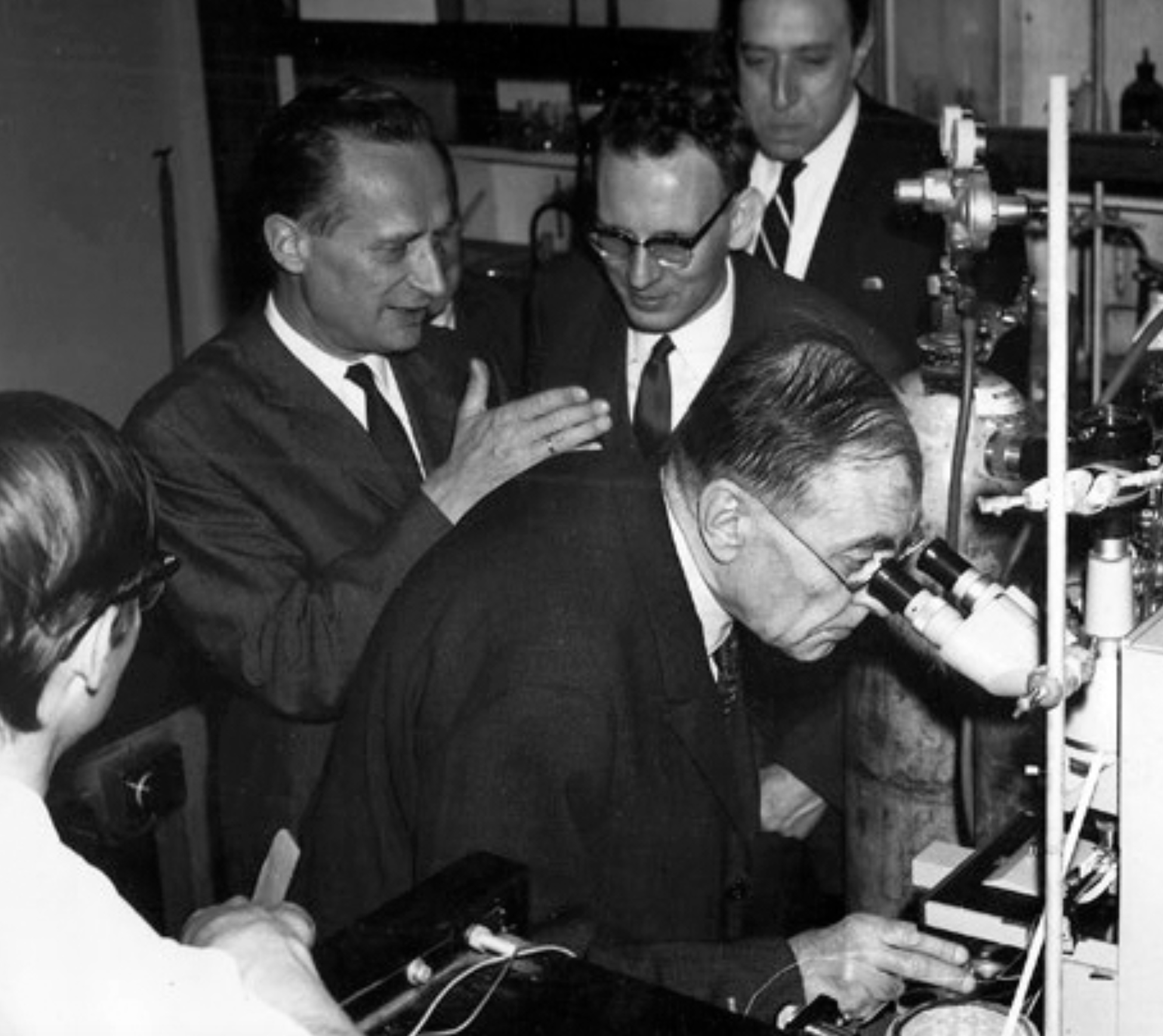

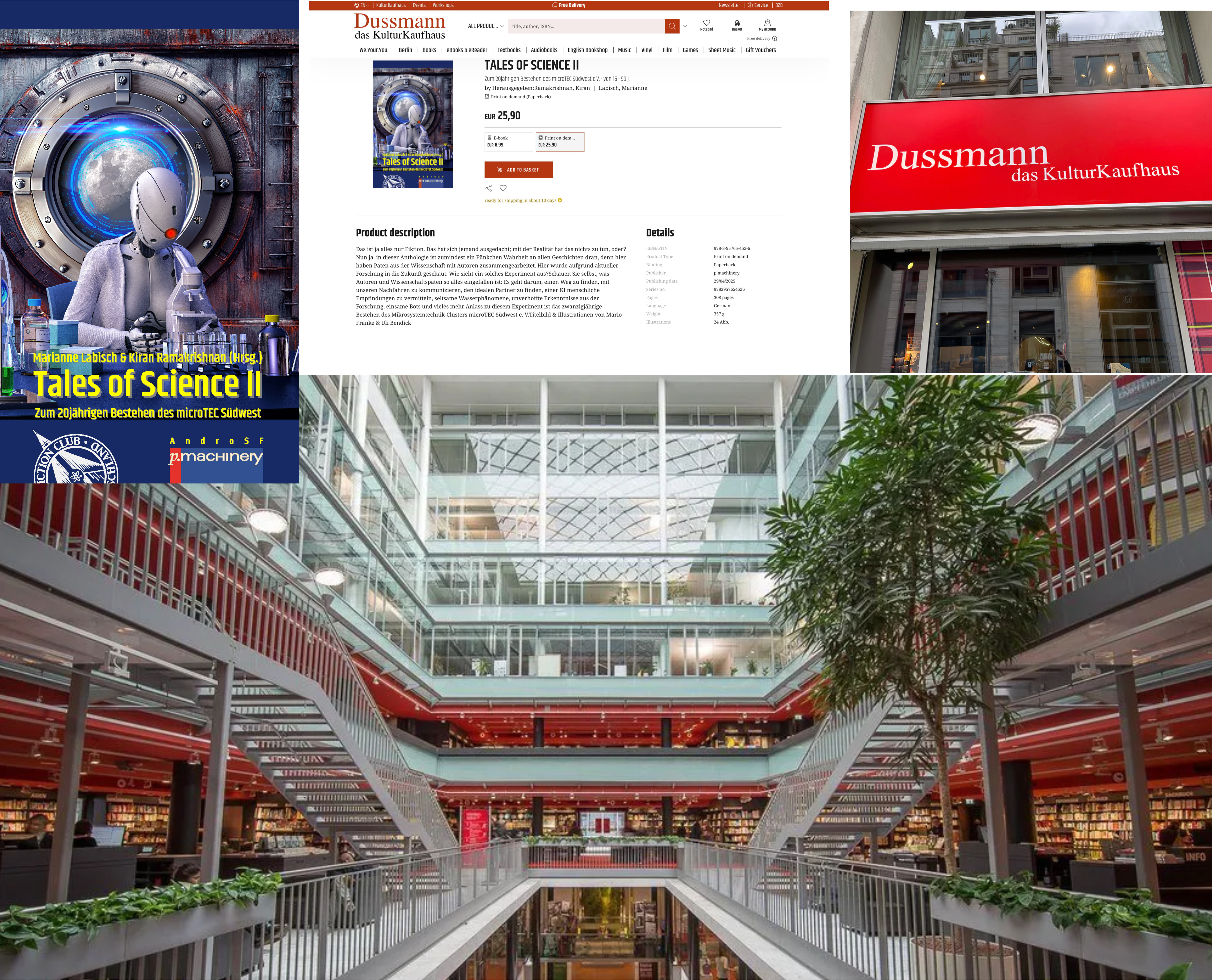

 Nina Munteanu Writing Coach