Nina stands next to a giant redcedar, BC (photo by Anne Voute)
.
It’s been a few months since I moved back to British Columbia from Ontario.
I don’t have a place to live yet (currently crashing at a friend’s place, thanks to her kindness), but it feels right. And, more importantly, it feels like home.
.
Nina, early days in BC (photo H. Klassen)
.
I first came to BC over five decades ago, shortly after I graduated from Concordia University in Montreal. I started my first teaching job at the University of Victoria on Vancouver Island, first worked as an environmental consultant in Richmond, met my husband-to-be in Vancouver, wrote and published my first novel in Delta and raised my son in the village of Ladner, overlooking the Fraser River Estuary. I have deep nurturing roots here with family and friends. And wonderful memories.
.
Various winter scenes in Ontario (photos by Nina Munteanu)
Nina ‘snowbear’ enjoys a winter storm, ON (photo by M. Cox)
Hayes Line Road in the colours of autumn, ON (photo by NIna Munteanu)
.
As the seasons progress, I find that I do miss aspects of Ontario. I left behind a rich environment that closely reflected where I’d grown up as a kid, in the Eastern Townships of Quebec: the cold crisp snowy winters and colourful windy autumns of maple-beech forests. These feel like home too. I spent many days driving the country roads of the Kawarthas without a map, looking for adventure and a cup of good coffee at the end of it. In winter, I daily walked through knee-deep snow in magical forests, snow glinting under the moonlight. I frequented several favourite forests over the seasons, some old-growth like the Catchacoma old-growth hemlock forest, the Mark S. Burnham Maple-Beech-Hemlock-Cedar forest, the pine-cedar mixed forest of Jackson Creek, the Trent Nature Sanctuary cedar-pine mixed forest and the South Drumlin Maple-Beech forest. These, I will miss. They were a life-line to a sacred and holy part of my existence.
.
Nina studies a lilac bush, ON (photo by Nina Munteanu)
.
I am building new memories of this new-old home, with more mature eyes and mind. When I left BC 15 years ago after my divorce, and son studying at university, to seek adventure across Canada (I spent several years on the east coast in Nova Scotia), I finally settled in Ontario, where I found fulfillment teaching at the University of Toronto. It was there, in Ontario, where I honed my ecological knowledge and rekindled my love for lichen and fungi. I immersed myself in their study and rediscovered a fascinating miniature world. I studied trees with more diligence, identifying virtually all the key species in the Carolinian forests I visited—and the fungi and lichens that grew on them and around them. I’ve become something of an expert in lichenology, able to identify many of the species I encounter, and also to understand their complex and fascinating ecology.
.
Various lichens, from top left: Punctellia reducta, Xanthoria elegans, Rizocarpon geographicum, Cladonia uncialis, and Cladonia pyxidata (photos by Nina Munteanu)
.
I now bring that new knowledge and appreciation back to coastal BC—my old and new home— with an excitement for more adventure in its magnificent rainforests, its small rural communities and coastal villages—and the cup of coffee at the end of it.
Port Renfrew, BC (photo by Nina Munteanu)
.
Nina checks her camera, Highland Creek, ON (photo by M. Cox)
.
p.s. When you know what to look for, you will see it; not before. That’s likely a tautology; but I found that it has applied to me over the years. And nowhere has it been more obvious to me than in my travels across Canada. My first trip across Canada was five decades ago, as a young sprite, heading west to do my PhD. I went by train and, though I saw much beauty, it passed me at speed. When I drove east to the coast, I recall lots and lots of trees, little else. But, my recent trip west from Ontario was landmarked with a new knowledge and appreciation for so many more layers of my environment; it became eye-opening. What I’d only remembered in the past as “so many trees”, became a fractal journey through boreal layers. I saw so much! I discovered so many ‘friends’: lichens, trees, rock formations, environments that I’d identified in my previous adventures. I became excited by it all. I was in a constant state of wonder. This was how I needed to see Canada. With a wide-open mind and the spirit of adventure.
I look forward to re-immersing myself in these coastal BC ecosystems with that same new understanding, and better informed eyes and mind.
Let it be.
.
Heron oversees activities in Ladner Marsh, BC (photo by NIna Munteanu)
.
Nina walks Highland Creek, ON (photos by M. Cox)
Nina Munteanu is a Canadian ecologist / limnologist and novelist. She is co-editor of Europa SF and currently teaches writing courses at George Brown College and the University of Toronto. Visit www.ninamunteanu.ca for the latest on her books. Nina’s bilingual “La natura dell’acqua / The Way of Water” was published by Mincione Edizioni in Rome. Her non-fiction book “Water Is…” by Pixl Press(Vancouver) was selected by Margaret Atwood in the New York Times ‘Year in Reading’ and was chosen as the 2017 Summer Read by Water Canada. Her latest novel “A Diary in the Age of Water” was released by Inanna Publications (Toronto) in June 2020.
The lavender fields at Laveanne, ON (photo by Nina Munteanu)
.
Two years ago on this day, I tracked down Laveanne the lavender farm I’d heard about near Campbellcroft, Ontario. I’d seen the sign somewhere and just had to remind myself where that was. It was a sunny hot day in July and I was ready for adventure. My memory served me well and in no time I was driving east on Country Road 9 (Ganaraska Rd.) from Highway 28. The turn off to Gilmour Rd. came soon, well signed, and I was eventually driving a road that more resembled a lane until I arrived at the purple fields of the farm.
The 1.6 hectare family-run farm was started by partners Sabena and Gary in 2013 and now includes a lovely outdoor café and gift shop offering a wide diversity of lavender-related products. You can also buy a lavender plant from their nursery. When I asked her about the name they chose—Laveanne—for their enterprise, she explained: “lkjlkjlkjl”
I came to experience the lavender fields; so, relegating the café and gift shop for later, I set out into the undulating aromatic fields. As I inhaled a complex mixture of alluring mystery, I felt like I was entering some paysage Provençal painted by Annie Rivière, embraced by an arcane beauty of colour and scent and sound that conspired into an abiding sense of calm and joy.
The lavender fields at Laveanne: top left, rows of English lavender; top right, lavender labyrinth; bottom left, bumblebee in flight among lavender blooms; bottom right, Red Admiral butterfly settles on a lavender influorescence. (photos by Nina Munteanu)
.
The Smell of Lavender
The aroma was subtle yet lingered as I walked the four acres of lavender, along stubby rows of deep purple that snaked up and into a rolling horizon. It was early enough for many of the flowers to still be in bud, displaying an intensely deep purple. This colour grows brighter as more flowers burst into bloom later in the month, attracting more and more honeybees. I was in a kind of aromatic heaven, accompanied by the constant hum of honeybees buzzing from flower to flower and the occasional flutter of a Red Admiral butterfly, flashing its bright blue-orange wings as it stopped briefly to gorge on the lavender’s nectar. The scent was an airy symphony of sweet floral with herbal, camphor-like woodsy undertones. I detected the mildest hint of rosemary and coriander.
.
Chemistry of lavender smells (image by Andy Brunning / Compound Interest)
.
I’m told that lavender’s aroma comes mainly from linalool and linalyl acetate, both part of the terpene family. Linalool, which helps repel mosquitos, is widely used in fragrances as well as many personal care products and aromatherapies. This terpene also found in mint, cinnamon, coriander, and citrus fruits; it is the chief chemical responsible for the recognizable spicy floral smell of marijuana (the skunky smell of cannabis is from another terpene, myrcene). Linalool is of course known for its calming and soothing effects. It reduces stress and anxiety, helps relax the body and enhance sleep quality, and helps provide relief from pain and inflammation. Two other terpenes, 1,8-cineole and camphor add some hint of scent as well as having insecticidal and repellent properities (such as repelling moths). These terpenes are also found in rosemary, hence the hint of rosemary scent in lavender. I’m told that over 300 compounds exist in lavender’s essential oil, though not all contribute to aroma. Two enantiomers of linalool include the enantiomer licareol, responsible for the scent of lavender, and the enantiomer coriandrol, also found in coriander seed oils and sweet orange flowers.
.
Lavender Labyrinth
Reflection Labyrinth at Laveanne lavender farm, ON (photo by Nina Munteanu)
.
In the middle of the field I even found an over 30 metre diameter nine circuit modified Neo-Medieval labyrinth. Laveanne tells us that labyrinths are designed following sacred geometry and, unlike mazes that are built to challenge and confuse, are designed for meditation and relaxation. I walked the Reflection Labyrinth, among aromatic lavender and buzzing bees, feeling very content and relaxed.
I asked Sabena about what got them started farming lavender and she related the story of her son’s herb business “Grow Tasty”, which started a lavender collection. It went from a private collection to a larger enterprise after they saw a brochure from a lavender farm in Quebec and, after visiting the farm, were inspired to start their own lavender farm.
.
Bench faces the labyrinth at Laveanne lavender farm, ON (photo by Nina Munteanu)
.
Growing Lavender
Lavender is indigenous to the mountains of the Mediterranean region of western Europe. The plant spread rapidly to other parts of the world with travelers and by the sixteenth century, lavender was gracing English gardens. The first lavender plants made it to America with the European settlers. Lavender has been used medicinally for several millennia. It was used in ancient Egypt for mummification and Romans scented their public bathhouses with lavender. The name lavender comes from the Latin verb lavare—to wash.
High Country Gardens tells us that lavender “is known for its soothing, relaxing qualities and has been used to treat hyperactivity, insomnia, headaches, toothaches, sore joints, and rumbling digestive systems.” They add about early cleansing uses of lavender that “Early household use started with lavender strewn on the floors of castles and sick rooms as a disinfectant and deodorant. It was sold in bunches by street vendors and placed in linen closets as an insecticide to protect linens from moths.”
Sabena tells me that growing lavender successfully can be a challenge in Ontario. Given that lavender is not native to Ontario, it’s important to make it comfortable here. All species of lavender are sun lovers. These semi-woody and semi-evergreen perennials thrive in well-drained soil. They are drought tolerant and pest and disease resistant, but unless they are happy, they won’t do well. Summer pruning, after they have flowered, keeps them vigorous. They also need wind protection; being semi-evergreen makes them susceptible to windburn or drying out.
.
The Lavender Experience
At the outdoor café, which faces the fields, I treated myself to some lavender shortbread cookies with a refreshing lavender iced tea and sat to enjoy the glorious view.
Their shop offers a wonderful selection of lavender-infused products (from soaps to moisturizers, bath products to mists and essential oils), culinary goods such as spices and teas, as well as local jewelry and lavender treats. In the shop, I had to restrain myself, but managed to come away with a few prizes: homemade lavender shortbread cookies; lavender soap, and lavender essential oil.
.
A few lavender products from Laveanne (photo by Nina Munteanu)
.
Lavender Essential Oil
Leveanne’s essential oil is steam distilled from English lavender (Lavandula angustifolia), the preferred species for the oil’s healing properties and consists of a complex mixture of phytochemicals. Sebena mentions being inspired by René-Maurice Gattefossé, the father of modern aromatherapy, who widely experimented with English lavender oil in 1910 after he suffered severe burns in a laboratory experiment fire. Gattefossé found that the oil helped with so many body functions, the brain, nerves, paralysis, lethargy and rheumatism. He found it also effective in helping against stress, insomnia, headaches, acne, infections, and calming to skin irritations (burns, eczema). The oil also promotes healing and prevents scarring by stimulating the cells of a wound to regenerate more quickly. I keep my bottle handy and apply on wounds with good effect. Lavender essential oil is antibacterial, antifungal, antiseptic analgesic, anti-anxiety, antidepressant, calming, anti-inflammatory and an immune stimulant.
.
Lavender field, Laveanne, ON (photo by Nina Munteanu)
.
Nina Munteanu is a Canadian ecologist / limnologist and novelist. She is co-editor of Europa SF and currently teaches writing courses at George Brown College and the University of Toronto. Visit www.ninamunteanu.ca for the latest on her books. Nina’s bilingual “La natura dell’acqua / The Way of Water” was published by Mincione Edizioni in Rome. Her non-fiction book “Water Is…” by Pixl Press (Vancouver) was selected by Margaret Atwood in the New York Times ‘Year in Reading’ and was chosen as the 2017 Summer Read by Water Canada. Her novel “A Diary in the Age of Water” was released by Inanna Publications (Toronto) in June 2020.
A November mist settles on Thompson Creek marsh, ON (photo by Nina Munteanu)
In January of this year, I posted a shot I’d taken in early winter of a marsh I often visit. That morning was cool and a thick mist lurked in the marsh like a shadow, giving it a mysterious timeless quality. A quiet stillness had settled like dew on everything, muting both colour and sound into a hush of anticipation. The stillness made me feel as though I’d entered a John Atkinson Grimshaw painting. A moody darkness pervaded the bare braided trees and the marsh oozed the scent of humus and wet vegetation. I inhaled it all deeply.
The image I posted caught the attention of colleague writer and publisher Lorina Stephens, who is also a superlative artist and painter. Inspired, she responded to my image with a painting.
The Painting:
Lorina Stephen’s ekphrastic painting entitled “Fog on West Grey Pond”
“I very much wanted to create that feeling of dreamscape that often happens in still waters, of there being something out there in the mist, of that sense of wonder and mystery. So, for this painting, it meant employing a gentle hand, allowing pigment to flow and pool, waiting until water had evaporated slightly, and then using a small, natural sponge to dab out areas to allow the white of the paper to shine through, then as the paper dried in an hour or so, or in some cases the next day, brushing in details little by little, from soft washes to hard lines, in order to create depth and definition.
It always amazes me when depth of field happens on the two dimensions of paper, that in this flat, thin sheet of paper I can take my viewer out and away into the distance, through a portal to another place, and in this case perhaps create that sense of the dampness and chill of a foggy day.”
Biography of Lorina Stephens
Lorina Stephens has been painting since the age of 14 when she studied under well-known, award-winning Ontario landscape artist, Dorothy Milne-Eplett. In those days it was oils and mostly copy-painting, although there were originals. Most of those paintings ended up in a collection under patreon, Oscar LaBerge, who was a construction worker in Newmarket, Ontario.
In the 1980s, Lorina rediscovered watercolours during an intensive 12 week Georgian College course, during which time the Tottenham Art Association was formed, and juried shows ensued, as well as solo exhibitions in galleries in Central Ontario.
.
Then the recession of the 1990s happened, and art became a way to stretch the family budget by way of hawking wares at the Orangeville Farmers Market, what Lorina came to call “painting pretty pictures for tourists”. These days Lorina paints simply as a way of expressing her love of the land, the ineffable communication that exists in the vast expanse of Canadian geography.
Lorina inherited from her mother a lifetime supply of watercolour paper. Among all those papers is a block of 7″ x 10″ Arches 140 lb hot pressed paper. That began a journey of studies.
Hot pressed paper has its own set of demands, having a very smooth finish and thus doesn’t absorb water the way of cold pressed, and the weight also means it tends to buckle and warp easily in larger sizes. Lorina addresses that by using a tempered glass painting desk, and creating a suction seal with water between the glass and paper, rather than the frustration of stretching paper onto a surface with masking tape. Using hot pressed paper also allows for some pretty interesting results by way of sponging and wiping out areas, and accepting precise detail work when the paper is dry. Her palette of colours is mostly transparent, with the addition of some pretty aggressively staining bullies added in.
Thompson Creek marsh on a foggy November morning, ON (photo by Nina Munteanu)
.
Nina Munteanu is a Canadian ecologist / limnologist and novelist. She is co-editor of Europa SF and currently teaches writing courses at George Brown College and the University of Toronto. Visit www.ninamunteanu.ca for the latest on her books. Nina’s bilingual “La natura dell’acqua / The Way of Water” was published by Mincione Edizioni in Rome. Her non-fiction book “Water Is…” by Pixl Press (Vancouver) was selected by Margaret Atwood in the New York Times ‘Year in Reading’ and was chosen as the 2017 Summer Read by Water Canada. Her novel “A Diary in the Age of Water” was released by Inanna Publications (Toronto) in June 2020.
I recently received my copies of the 2025 Wild Canada calendar put out by WildernessCommittee.ca. The calendar has 12 months of gorgeous images of wild and sacred places throughout Canada; heartfelt and informative stories accompany each image.
2025 Wild Canada calendar featuring January spread
My own photo of an old-growth hemlock in Catchacoma Forest, Ontario, is featured for January! Go check out the Wilderness Committee site then go to their store to see the whole calendar. It’s worth buying for its beauty and its meaningful narratives. And it is an excellent way to support a worthwhile cause.
Nina Munteanu is a Canadian ecologist / limnologist and novelist. She is co-editor of Europa SF and currently teaches writing courses at George Brown College and the University of Toronto. Visit www.ninamunteanu.ca for the latest on her books. Nina’s bilingual “La natura dell’acqua / The Way of Water” was published by Mincione Edizioni in Rome. Her non-fiction book “Water Is…” by Pixl Press (Vancouver) was selected by Margaret Atwood in the New York Times ‘Year in Reading’ and was chosen as the 2017 Summer Read by Water Canada. Her novel “A Diary in the Age of Water” was released by Inanna Publications (Toronto) in June 2020.
Marcescent oak leaves tremble in the cold wind of November, Petroglyph Park, ON (photo and rendition by Nina Munteanu)
I parked my car by the closed gate and walked inside along the road. The park was closed but not for me, I thought. The walk through this magnificent pine forest with its fresh pungent aromas of coming winter, invigorated me with thoughts of hope and wonder. I felt at home in this unviolated forest. It felt natural and I realized that I was desperately seeking “natural”…
Oak leaves blaze in the grey-green hemlock-pine forest, Petroglyph Park, ON (photo and rendition by Nina Munteanu)
I live close to a riparian forest and a large river. But there is little natural about it. Despite supporting an abundance of wildlife (e.g., squirrels, chipmunks, muskrat, skunk, groundhog, mink, ermine, voles, and red fox), the forest is disturbed and infested with invasive species. When I walk through this forest, the sounds of traffic are never far away, and I yearn for the sounds and smells of Nature inviolate.
Small trail through pine and aspen to the meromictic lake in Petroglyph Park, ON (photo and rendition by Nina Munteanu)
Petroglyph Park lies in the Kawartha Region of Ontario and is an hour’s drive north of where I live. Here, the sounds of Nature prevail: the wind raking through pines, the shrill haunting cry of a bluejay or aggressive chittering of a red squirrel. Nothing else. It was gloriously silent; except for the sound of my boots crunching along the trail or when I scared up a deer that scampered with the rush and rattle of leaves through the anonymity of the brush into a deep silence.
Road through tall red pine forest, Petroglyph Park, ON (photo and rendition by Nina Munteanu)
It was a crisp and fresh November day. I’d packed a lunch and my camera and set off down the road and along various trails to explore the park, not worried about getting lost.
Forest fades from single oak tree into a fog of grey-green pine and hemlock, Petroglyph Park (photo and rendition by Nina Munteanu)
And I did get wonderfully lost, particularly when I ventured off the main trail, seeking adventure. I didn’t mind being lost; when you lose yourself you find another part of you through adventure…
Marcescent beech and oak trees add bronze colour to the grey-green of the pine forest, Petroglyph Park, ON (Photo and rendition by Nina Munteanu)
It’s early winter, when the chill winds carve through mixed forests in a restless howl, snatching leaves of deciduous trees and sending them flying. But in this primeval ancient forest of evergreens, the few deciduous trees mimic their conifer cousins by stubbornly clutching their leaves. In winter, the leaves of oak and beech trees cling to their branches, marcescent. To the silver greens of pine and hemlock, they add flames of copper and gold
Red pine trees tower over a deer trail near the lake, Petroglyph Park, ON (photo and rendition by Nina Munteanu)
I found myself walking on the spongy ground, a carpet of leaves, needles and debris, not far from Gilford Lake, among a tall stand of red pines, whose thick canopy created a green ceiling overhead. Breathing in the strong scent of pine and loam, I set up my camera and tripod to capture the mood of a natural path through the forest. I’d just set up the camera, hand poised on the shutter, when a deer wandered in front of me—just three metres away! It saw me and stopped mid-step. We stared at one another in a halting pause, a moment made eternity. Then the deer leapt gracefully away, disappearing within seconds into the dark forest and leaving me in the silence of rapture. I felt laughter tease up my throat; I hadn’t taken a picture.
Road winds through the mixed forest in Petroglyph Park, ON (photo and rendition by Nina Munteanu)
Winding road through mixed forest in Petroglyph Park, ON (photo and rendition by Nina Munteanu)
My walk through this natural forest is both thrilling and comforting, uplifting and restful. I am living outside myself, sensing the textures, sounds and tastes of the forest—in sublime discovery. It is here, where the sounds and smells of the natural world abide, without regard to me, that I feel most at home.
I am simply being…
Mixture of oak, beech, pine and hemlock conspire in a wash of colour and texture, Petroglyph Park, ON (photo and rendition by Nina Munteanu)
Nina Munteanu is a Canadian ecologist / limnologist and novelist. She is co-editor of Europa SF and currently teaches writing courses at George Brown College and the University of Toronto. Visit www.ninamunteanu.ca for the latest on her books. Nina’s bilingual “La natura dell’acqua / The Way of Water” was published by Mincione Edizioni in Rome. Her non-fiction book “Water Is…” by Pixl Press (Vancouver) was selected by Margaret Atwood in the New York Times ‘Year in Reading’ and was chosen as the 2017 Summer Read by Water Canada. Her novel “A Diary in the Age of Water” was released by Inanna Publications (Toronto) in June 2020.
In the passage below of my eco-fiction dystopian novel A Diary in the Age of Water, the year is 2065 and the diarist Lynna (a limnologist at the University of Toronto) reflects on the steeply growing infertility in humans and our tenuous future. Lynna draws on the factual study published close to fifty years earlier (in 2017) by Hagai Levine and others at the Hebrew University of Jerusalem, who found that sperm counts among western men had reduced close to 60% in four decades:
Back in ’49, Daniel and I had several discussions about the environmental triggers and epigenetic mechanisms of infertility in humans. Daniel went on about how it was all about the men. While women showed signs of increased infertility, men’s rate of infertility was more than double that of the women, he said. Taking an inappropriately gleeful tone, Daniel cited the classic 2017 paper by the Hebrew University of Jerusalem, the one that started it all. Their findings were startling: men’s sperm count in North America, Europe, Australia, and New Zealand had diminished by sixty percent in forty years, between 1973 and 2011. The scientists predicted that by 2060, virtually all men in these parts of the world would have little to no reproductive capacity.
It’s 2065 and they’re right. Only it’s worse. Before the twenties, only the developed countries seemed to be affected, but then sperm counts started to plummet in South American countries, like Argentina and Brazil, where GMO, pesticides, and solvent manufacturing were exploding.
You get out what you put into the ground. India and Asia—where endocrine-disruptive chemicals are finding their way into the water—are reporting very low sperm counts in their men as well as higher incidents of intersex humans.
You get out what you put into the water. We are over two thirds water, after all. I find it a little ironic that we’ve inadvertently produced a non-discriminatory way to control the problem of humanity’s overpopulation. Infertility. And that infertility results from defiling the environment we live in.
But now climate change is shouldering its way in. Climate change is shutting us down.
Is this the first sign of our impending extinction?
–excerpt from “A Diary in the Age of Water”
.
.
That environmental perturbations impact our ability to reproduce has been proven. In their 2017 article, Levine et al. write that:
“Sperm count and other semen parameters have been plausibly associated with multiple environmental influences, including endocrine disrupting chemicals (Bloom et al., 2015; Gore et al., 2015), pesticides (Chiu et al., 2016), heat (Zhang et al., 2015) and lifestyle factors, including diet (Afeiche et al., 2013; Jensen et al., 2013), stress (Gollenberg et al., 2010; Nordkap et al., 2016), smoking (Sharma et al., 2016) and BMI (Sermondade et al., 2013; Eisenberg et al., 2014a). Therefore, sperm count may sensitively reflect the impacts of the modern environment on male health throughout the life course (Nordkap et al., 2012).”
.
This rain falling on an Ontario marsh most certainly contains forever chemicals (photo by Nina Munteanu)
Thanks to chemical companies such as DuPont and others, forever chemicalsare currently in rain water globally, and in many places in unhealthy concentrations. These endocrine-disrupting and cancer-causing chemicals often end up in drinking water and include PCBs, phthalates, PFAS, BPAs (used in pesticides, children’s products, industrial solvents and lubricants, food storage, electronics, personal care products and cookware).
Heavy rain in Mississauga, ON (photo by Nina Munteanu)
.
Nina Munteanu is a Canadian ecologist / limnologist and novelist. She is co-editor of Europa SF and currently teaches writing courses at George Brown College and the University of Toronto. Visit www.ninamunteanu.ca for the latest on her books. Nina’s bilingual “La natura dell’acqua / The Way of Water” was published by Mincione Edizioni in Rome. Her non-fiction book “Water Is…” by Pixl Press (Vancouver) was selected by Margaret Atwood in the New York Times ‘Year in Reading’ and was chosen as the 2017 Summer Read by Water Canada. Her novel “A Diary in the Age of Water” was released by Inanna Publications (Toronto) in June 2020.
I’m an ecologist; I study environmental relationships. Something you’d think is easy to learn and very accessible; we’re surrounded by it, after all. We live, work and play in it. While I learned about environmental relationships with my eco-minded parents, I didn’t learn it or experience it in my school growing up. With the exception of some indigenous schools (which teach respect for the spirit of wildness), most of us certainly didn’t learn about environmental relationships in our schools.
Earthstar sits on moss-covered rotting cedar log as new cedar roots take hold, ON (photo by Nina Munteanu)
Most Canadians live in a city; we don’t really understand what the natural environment is. Many of us have learned to ignore it, stop recognizing it, pocket it away as we go about our busy lives in the city. A park is a bit of greenery. A tree is a decoration that provides shade. Shrubs border a mall.
Walk through urban forest along the Credit River, ON (photo by Nina Munteanu)
But if we can’t even recognize the natural environment, how can we understand its functional role in the intricate well-being of this entire precious planet and ultimately ourselves?
It is no wonder then that most Canadians—though we may intellectually accept climate change and its effects on this planet (because we’re smarter than some)—likely do not viscerally understand or appreciate why and how it will drastically change our lives. For most of us, climate change—as with Nature—is something that is happening to someone else, somewhere else. From those far away calamities to the quiet struggles no one talks about. We hear and lament over the flooding in Bangladesh or the Maldives. Or the wildfires in northern British Columbia. Or the bomb cyclones of the eastern seaboard.
Meanwhile, the polar bear struggles quietly with disappearing sea ice in the Canadian arctic. The koala copes quietly with the disappearing eucalyptus. Coral reefs quietly disappear in an acidifying ocean. Antarctic penguins silently starve with disappearing krill due to ice retreat. And while jellyfish invade the Mediterranean, UK seas and northeast Atlantic, the humble Bramble Cay melomys slips quietly into extinction—the first mammal casualty of climate change.
Yellow Creek flows through an urban forest in the heart of Toronto, ON (photo by Nina Munteanu)
So, those of us who are enlightened speak of climate resilience and adaptation. We talk of arming our cities with words like green infrastructure, stormwater management, urban runoff control, flood mitigation. Ecological literacy. But what are these things to us? They are tools, yes. Good tools to combat and adapt to the effects of climate change. But will they create resilience? I think not.
I’m a limnologist and I’ve consulted for years as a scientist and an environmental consultant. I played a role in educating industry, in the use of mitigating tools, in changing the narrative even.
Trail through urban forest on a foggy winter day in Peterborough, ON (photo by Nina Munteanu)
But I’ve come to realize that resilience comes only from within and through a genuine connection with our environment. Tools, no matter how proficient, are only as good as how they are used based on intention from a deep understanding. It isn’t enough to achieve the HOW of things; we must embrace the WHY of things. And that comes from the heart. We must feel it in our hearts. Or it won’t work. And we quite simply won’t survive.
Various flowers and trees of Ontario (photos by Nina Munteanu)
Canadians celebrate our multi-cultural heritage. We pride ourselves in our tolerance and welcoming nature. Our national anthem speaks of our land. Our national symbols embrace nature with the maple, beaver, caribou and loon. Yet who of us knows the habitat of the loon—now at risk, by the way (climate change will impact much of its breeding grounds). Who knows what the boreal forest—which makes up over half of our country—is? How it functions to keep this entire planet healthy, and what that ecosystem needs, in turn, to keep doing it? How to help it from literally burning up?
Ecology isn’t rocket science. Ecology is mostly common sense. Ecology is about relationship and discovery. Ecology is a lifestyle choice, based on respect for all things on this planet and a willingness to understand how all things work together.
Various mushrooms in Ontario forests (photos by Nina Munteanu)
Here’s what I’ve learned to keep me caring and remain positive and not become apathetic or fall into despair:
I’ve learned to open myself to discovery. To find Nature, even if it is in the city. To connect with something natural and wild and to find and savour the wonder of it. All that matters will naturally come from that.
Become curious and find something to love.
When you do, you will find yourself. And that is where you will find resilience. What colour is it? It doesn’t need to be green…
Throughout this article I’ve shown you some of my colours…
Red fox skull emerges on a leaf-strewn icy bank of Jackson Creek, ON (photo by Nina Munteanu)
Here are the steps I taught myself toward healthy resilience (the first two steps are both the hardest and the easiest):
Step 1:Slow down, pay attention. Give yourself the time to relax and look around your local surroundings. Until you slow down to actually look, you will not really take in your surroundings. You need to be in the moment. Only then can you take the time to use all your senses to take in your environment. Try to look at it from a different perspective. Notice the light, the smells and sounds. What is different? What is the same?
Step 2:Lower your guard, open yourself to curiosity. Rely on as many senses as you can (sight, hearing, smell, texture, taste) to sample your environment and show some humility to ask questions. Whenever I go out, particularly in Nature, I make a point of coming home with three gifts, discoveries that make me smile or think and wonder. I’m hardly ever disappointed.
Step 3: Process what you’ve seen and discovered. Do some follow-up research to questions that may arise. Look at consequences. Share with others, discuss. From there it will be easy to ‘take responsibility’ for some section of nature that you really like; perhaps a particular tree in a park or a short path through an urban forest or stretch of urban stream. This can easily lead to good stewardship.
Step 4: Take responsibility for your chosen part of Nature. Get to know it well, how it works, what it needs, what’s right and what’s wrong. Do something about it and share with others.
Step 5: You’re there. You are resilient.
Barred owl hiding in plain sight in an urban forest near Peterborough, ON (photo by Nina Munteanu)
Nina Munteanu is a Canadian ecologist / limnologist and novelist. She is co-editor of Europa SF and currently teaches writing courses at George Brown College and the University of Toronto. Visit www.ninamunteanu.ca for the latest on her books. Nina’s bilingual “La natura dell’acqua / The Way of Water” was published by Mincione Edizioni in Rome. Her non-fiction book “Water Is…” by Pixl Press (Vancouver) was selected by Margaret Atwood in the New York Times ‘Year in Reading’ and was chosen as the 2017 Summer Read by Water Canada. Her novel “A Diary in the Age of Water” was released by Inanna Publications (Toronto) in June 2020.
Trickster wind kicks up clouds of snow, ghosting trees (photo and rendition by Nina Munteanu)
In Part 1, I introduced and described the concept of giving voice to the Other in eco-literature through the literary device of character-coupling. Character-couplings manifest in story through theme, plot approach, narrative form, and ultimately the writer’s own intentions. Particular techniques used by writers of eco-literature include the use of time, language, POV, narrative style, the senses, archetype, symbolism and metaphor, such as personification, synesthesia, and synecdoche.
In the seven examples provided below, nature’s avatars coupled to a protagonist represent the greater natural world; it is often the greater natural world that is ultimately Othered, and achieves a voice through its avatar (e.g. the quiet ‘voice’ of the polar bear in Colleen Murphy’s The Breathing Hole represents the quiet ‘voice’ of the Arctic, itself Othered by the loud voice of the greater human world).
1. Use of Language, Time and Displaced Narrative in Cli-Fi Allegory: Inuk Woman and Polar Bear
Coleen Murphy’s The Breathing Hole uses simple language, and displaced narrative linked to silent action to convey an immediacy of moment and character and to create empathy. Murphy’s spare and focused narrative achieves a timeless, dreamlike quality that plays strongly on the emotional connections of the reader; it elicits immense empathy for the Other in a deeply moving saga on the tragic dance of colonialism and climate change.
The story begins in 1535, when the Inuk widow Hummiktuq risks her life to save a lost one-eared polar bear cub on an ice floe and adopts him. She names him Angu’ruaq. We soon learn that Angu’ruaq is timeless when we encounter him in scenes over the centuries from the Franklin Expedition in 1845 (who he helps by bringing them food) to 2031 when Angu’ruaq—old, hungry, his fur yellowing—returns to the breathing hole where long-dead Hummiktuq rescued him. By then the glaciers have receded and the ground is slush. The constant thumping of the Circumpolar Oil platform can be heard in the distance. There is no mistaking Angu’ruaq’s archetype as Other. When someone says to wildlife biologist Qi’ingaqtuq (who is tracking Angu’ruaq), “I hope you find your bear,” she responds, “It’s not my bear—bears belong to everyone and to no one”; Angu’ruaq is the quintessential homo sacer. Under Agamben’s biopolitics he is both sacred and cursed, both beneath the law and outside the law, a meaningless bare life that may be killed by anyone but not sacrificed (Agamben, 1998).
Told sparingly, often through humorous dialogue, the tale of the young polar bear—and by extension the warming Arctic—plays out through the point of view of various characters. Murphy’s effective use of displaced narrative (e.g., protagonist’s ‘story’ told by other characters) provides varied perspectives of how others view the Other. Some are disparaging and all are akin to gossip. This ironically achieves incredible reader empathy. Throughout the play, the bear does not speak; yet it wields tremendous impact through its silent actions. The bear has no POV and no voice—except in the very last scene five hundred years later in the oily waters of the Northwest Passage. Angu’ruaq—skeletal, desperate with hunger and covered in oil—boards an eco-tourist cruise ship and is fatally injured by cruel actions of eco-tourists aboard. As he struggles from drowning, “gasping for breath, gasping as he tries to stay afloat in the black, oily water,” Angu’ruaq thinks he hears Hummiktuq and “cocks his one ear, hoping to hear Hummiktuq’s voice on the wind … then he raises his foreleg as if reaching for help…but there is no help”. No one sees him. No one on the cruise ship (except for one little girl) cares as he slips under the dark waters—possibly the last polar bear in the world; even as—in terrible irony—cruise ship patrons cheerfully watch a fake mother and her cubs on a fake ice floe, like some fake ‘reality’ show.
No one weeps for the bear. But the reader weeps. We weep for him and we weep for his world destroyed by apathy.
2. Use of POV, Senses and Symbolism in Cli-Fi Allegory / Fable: Girl and Bear
The Bear by Andrew Krivak is a fable of a post-anthropocene Earth told through the point of view of a young girl—possibly the only remaining human in the world—and the bear that guides her. Unlike the polar bear of The Breathing Hole, who remains silent and is clearly victimized by humanity’s actions, the black bear of The Bear lives with agency in a post-anthropocene world; he proselytizes and tells stories to instruct the girl on living harmoniously with Nature. His actions and elegant use of speech reflect his archetype as mentor in this story. This is foreshadowed in the fairytale the girl’s father recounts to her of a bear that saved a village from a cruel despot through cleverness and a sense of community.
This fable about humanity’s deliverance to nature’s dominion flows like a river under ice, revealing profound depth beneath spare yet sensual prose. Krivak does not name the girl, father or bear; allowing each to clearly symbolize ‘what we are, what we could be, and the natural world.’ Krivak gives the bear the power of direct voice through its ability to speak with the girl. Soon after the girl meets the bear she asks him how it is that he can speak. He tells her that long ago all animals could make the sounds she and her father made to communicate, but humans stopped listening and the skill was lost. He suggests the real question is how she can understand him. He then tells her that if she is patient enough, she too will hear the trees.
As the story progresses, the girl transcends from lonely last human in a post-human world to one of Nature’s beings, living as part of the natural world. In this way, the girl embraces the society of the Other and casts aside her previous identity with the Othering society.
The transition begins with her found ability to understand the bear. Near the end of the story, she is an old woman who communicates with all of Nature; “they came to her without fear of dominion and ate with her the plants and seeds and fruits she grew and picked.” The woman rejects her human trappings—the old house and its books, her parent’s grave, rising each morning with the sun and laying to sleep with the setting sun.
A descendant of the bear returns to bury her on the mountain, a place “where end and beginning were the same … the sky beginning to pale behind him like the world itself being born.” This fable celebrates humanity’s potential to participate humbly with the natural world and to embrace the Other by engaging with it and respecting it.
3.Use of Fractal Association & Archetype in Dystopian (mundane) Cautionary Tale: The Windup Girl and the Cheshires
Paolo Bacigalupi’s biopunk science fiction novel The Windup Girl makes effective use of trickster archetypes in character-couplings of Windup girl and Cheshire cats to illustrate Nature’s silent power to herald change. The fractal associations of gene-manipulated Windup girl with manufactured-come-wild cats illustrate how Nature—when pushed—navigates the predatory world of a 23rd century post-food crash Thailand. By then global warming has raised sea levels, depleted carbon fuel sources, and destroyed the wilderness through genetic manipulations. Thailand struggles under the tyrannical boot of ag-biotech multinational giants—predatory companies who have fomented corruption and political strife through their plague-inducing and sterilizing genetic manipulations.
Anderson Lake is a farang (of white race) who owns a factory trying to mass-produce kink-springs—successors to the internal combustion engine) to store energy. The factory covers for his real mission: to find and exploit the secret Thai seed bank with its wealth of genetic material. Emiko is an illegal Japanese “windup” (genetically modified human), owned by a Thai sex club owner, and treated as a sub-human slave; gene rippers built her sensual and obedient—even when abused.
When Emiko meets Lake, he cavalierly shares that a refuge in the remnant forests of northern Thailand exists for New People like her; Emiko embarks on a quest to escape her bonds and find her own people in the north. Like Bangkok itself, both protected and trapped by the wall against a sea poised to claim it—Emiko cannot escape who and what she is: a gifted modified human and herald of a sustainable future—vilified and feared by a humanity obsessed with the road set before it. Just as with the unintended consequence of cheshires (modified cats that wiped out regular cats), Emiko heralds in a post-modified world created through reckless greed and lax environmental protection. When she meets an old generipper after the floods have destroyed Bangkok, he admits, “Someday perhaps all people will be New People and you will look back on us as we now look at the poor Neanderthals.”
Bangkok’s cheshires are genetically created “cats” (made by an agri-giant as a fun “toy”) that wiped out the regular cat Felis domesicus. As with Alice in Wonderland’s Cheshire Cat, these crafty creatures have adapted to Bangkok’s unstable environment. The shapeshifting cheshires exemplify the subversion of good intentions gone wrong, when Nature plays the trickster.
Emiko and the cheshires serve both trickster and herald archetype; genetically created by the very people who despise them. Humanity understands that on some level those like Emiko and the cheshires are the future and they the past. As Bangkok drowns, Emiko meets an old generipper, dying from the gene-hacked casualties of cibiscosis and blister rust; he claims god-status to her and she responds, “If you were my God, you would have made New People first…We would have beaten you. Just like the cheshires.”
Toward the end, policewoman Kanya is instructed to take the greedy corporate farang to the vault and hand over Bangkok’s precious seedbank to them. In a sudden moment of clarity Kanya singlehandedly creates her own coup by executing the farang and instructing the monks to safely dispatch Thailand’s precious seedbank to the jungle wilderness. Husked of its precious treasure, the city implodes as pumps and locks fail. Then the monsoons arrive. The City of Angels gives in to the sea that chases refugees into the gene-hack-destroyed outer forests. While Kanya triumphs in her own personal battle, she remains less agent of change than feckless witness to Nature’s powerful force as it unfurls like a giant cheshire and claws back what humans have taken from it.
From the beginning, the cheshires embrace their difference and fate as Other; It is only near the end of the book, signaled by nature’s own rebellion, that Emiko breaks out of her oppression—including the one built into her—and embraces her survival in this changing world. Both she and the cheshires are the change. The epilogue to Bacigalupi’s cautionary tale belongs to the Other—Emiko and the cheshires—and an uncertain future with promise of change.
4.Use of Personification, Archetype & Symbol in Post-Apocalyptic Cautionary Tale: The Tea master and Water
In the post-climate change drought-affected world of Memory of Water, Emmi Itäranta personifies water and couples to main character Tea Master Noria, to explore consequences of commodification and exploitation. Symbols of water as shapeshifter archetype and its omnipotent life- and death-giving associations flow throughout the story, from the ‘fishfires’ in the northern skies to the painted blue circles on the doors of water criminals about to die.
The government considers water a resource to strictly control and water crimes are punishable by death. When her dying tea master father reveals that he used a secret spring in a cave by their house in his ceremonies, Noria is conflicted whether to continue guarding it as secret for use in her ceremonies or risk exposure by sharing it with those she loves in the village who struggle with poor water rations. “Secrets carve us like water carves stone.” Noria convinces herself to keep the hidden well a secret based on the Tea Master’s rhetoric of ceremony and notions of water’s sovereign nature: “Tea masters believe there are times when water doesn’t wish to be found because it knows it will be chained in ways that are against its nature.”
This works for a while until she discovers her friend trying to illegally tap a water main to draw off water for her sick baby sister. Fearing for her friend’s safety, Noria shares her secret well with her. Soon after, the town discovers its existence, and Noria quietly feeds the thirsty townsfolk, avoiding the realization that she too has now commodified water by serving as reluctant threshold guardian to water’s own journey.
Of course, she is eventually caught by police for her ‘water crime’ and sentenced to death. She may be a Tea Master but she is not a Water Master. “Water walks with the moon and embraces the earth, and it isn’t afraid to die in fire or live in air.”
In choosing to control water, the tea master becomes victim in a power play of ideology that fails to recognize the hidden power of this sovereign and arcane substance. As companion and harbinger, shape-shifting water is portrayed simultaneously as friend and enemy. As giver and taker of life. “When you step into it, it will be as close as your own skin, but if you hit it too hard, it will shatter you … Sometimes death travels hidden in water, and sometimes water will chase death away, but they go together always, in the world and in us.”
Ironically, the wisdom Noria quoted at the beginning of the story comes back to her too late. “The story tells that water has a consciousness, that it carries in its memory everything that’s ever happened in this world, from the time before humans until this moment, which draws itself in its memory even as it passes. Water understands the movements of the world; it knows when it is sought and where it is needed. Sometimes a spring or a well dries for no reason, without explanation. It’s as if the water escapes of its own will, withdrawing into the cover of the earth to look for another channel.”
5.Use of Symbolic World and Archetype: The Fremen and the Sand Worms
Frank Herbert’s Dune uses powerful world building and symbols of desert, water and spice coupled to the indigenous Fremen, to address exploitation and oppression by colonial greed.
The novel chronicles the journeys of new colonists and indigenous peoples of the desert planet Arrakis, enslaved by its previous colonists. The planet known as Dune lies at the heart of an epic story about taking, giving and sharing. The planet also serves as symbol to any new area colonized by settlers and already inhabited by Othered indigenous. It is the Mars of Martian Chronicles, the Bangkok of The Windup Girl, the North America of Barkskins.
The immense sandworms of Dune are strong archetypes of Nature—large and graceful creatures whose movements in the vast desert sands resemble the elegant whales of our oceans: “It came from their right with an uncaring majesty that could not be ignored. A twisting burrow-mound of sand cut through the dunes within their field of vision. The mound lifted in front, dusting away like a bow wave in water.”
Misunderstood, except by the indigenous Fremen, the giant sandworms are targeted as a dangerous nuisance by the colonists who are mining the desert for spice—when, in fact, the sandworms are closely tied to both spice and water through the ecological cycles of the desert planet.
In their oppression of the native Fremen, the colonists reflect an oppression of the desert and its very ecology—and a misunderstanding of Dune’s intricate connections to well-being and to spice. The main character quickly intuits the intimate connection of the native Fremen with the huge 400-metre long sandworms that roam the desert, attracted by vibration and sound and upon which the Fremen ride like dragons; he also makes the connection of the giant worms to the cinnamon-scented spice mélange, recognizing that the worms are “guarding” the spice deposits from interlopers as they look for prey. Mélange is, in fact, a byproduct of the life cycle of the giant sandworms, which created and maintain the desert and require the arid climate for their survival.
Fremen respect the giant worms that dominate the dunes. The Fremen embrace their environment. This is reflected in how they view themselves—as a single “organism” bound by water. Kynes, an ecologist and spokesman for the Fremen, argues that “a man’s water, ultimately, belongs to his people—to his tribe”. This proclamation represents a humble participation with the Other.
6.Use of Symbolism in a Historic or Contemporary World: the Mi’kmaq and the White Pine Forest
Annie Proulx’s Barkskins uses strong metaphor-based character-coupling of indigenous peoples with the native forests to illuminate their oppression and exploitation.
Barkskins chronicles two immigrants who arrive in Canada in 1693 (René Sel and Charles Duquet) and their descendants over 300 years of deforestation of North America; a saga that starts with the arrival of the Europeans in pristine forest and ends with a largely decimated forest under the veil of global warming. Barkskins (woodcutters) are indentured servants who were brought from the Paris slums to the wilds of New France to clear the land, build and settle. Sel is forced to marry a native Mi’kmaw woman and their descendants live trapped between two cultures.
Missionary Pere Crème is dumbfounded by how the Mi’kmaq treat aspects of nature as their equals. “To them Trees are Persons. In vain I tell them that Trees are for the uses of Men to build Houses and Ships.”
The fate of the magnificent pine forests is cast by the shadow of nature’s exploitation and mistreatment of the Mi’kmaq by settlers with a fierce hunger for more. The Mi’kmaq lose their culture and their links to the natural world—even as that natural world slowly erodes. In a pivotal scene, Noë, a Mi’kmaw descendent of René Sel and a métis, grows enraged when she sees a telltale change in her brothers. That morning, she heard the men leaving and knew what it meant: they were wearing boots, not moccasins: “The men should be setting out to hunt moose, but because of the boots she knew they were going to work for the French logger.”
Proulx’s bleak impressions of a harsh environment crawling with pests such as bébites and moustiques underlie the combative mindset of the settlers to conquer and seize what they can of a presumed infinite resource—and foreshadows the forest’s eventual destruction by settlers intent on conquering Nature. The natives are called sauvage just as Nature is considered an “evil wilderness.” Both are Othered, used by the white settlers as resource or tool, subdued and controlled.
The great pines of the Gatineau forest are raped and destroyed just as the Mi’kmaq. They cut indiscriminately, leaving what they don’t need to rot on the ground.
7.Use of Archetype & Identity in a Historic or Contemporary World: the Botanist and the Douglas Fir
The Overstory by Richard Powers explores powerful archetypes through the coupling of several characters to avatar trees to illuminate individual aspects of nature, the wonder of forest cycles, and of its destructive and reckless exploitation.
The novel follows the life-stories of nine characters and their journey with trees. At its heart is the pivotal life of botanist-ecologist Patricia Westerford, a hearing- and speech-impaired introvert who discovers that trees communicate. Patricia Westerford is the archetypal ‘mother tree,’ who ultimately brings the tangle of narratives together through meaning. Westerford writes in her book The Secret Forest: “There are no individuals in a forest, no separable events. The bird and the branch it sits on are a joint thing.” Hers is a journey of becoming.
When the scientific community destroys her career, she travels to the giant trees of the west coast, where she is overwhelmed by their massive size, dense biomass and profligate nature: “The air is so twilight-green she feels like she’s underwater … Death is everywhere, oppressive and beautiful.”
Patricia identifies with the Douglas-fir trees. Tall and straight, they tower a hundred feet before the first branch. Yet these independent behemoths tell a different story beneath, in their roots. Just as Patricia secretly yearns for humanity, these trees seek community. Before a five hundred year old Douglas-fir dies, it will send its storehouse of chemicals to its roots and out through its fungal partners, donating its wealth to the community: “We might well call these ancient benefactors giving trees.” Patricia remembers the Buddha’s words: “A tree is a wondrous thing that shelters, feeds, and protects all living things. It even offers shade to the axmen who destroy it.” And with those last words, she seals her fate of becoming.
“No one sees trees. We see fruit, we see nuts, we see wood, we see shade. We see ornaments or pretty fall foliage. Obstacles blocking the road or wrecking the ski slope. Dark, threatening places that must be cleared. We see branches about to crush our roof. We see a cash crop. But trees—trees are invisible.” Like she is.
In her final moments—as she stands at the podium in the Stanford auditorium to deliver her first and last keynote—Patricia opens with a sacrificial eulogy to trees that will strike at the very heart of who and what she has become. “When the world was ending the first time,” she begins, “Noah took all the animals, two by two, and loaded them aboard his escape craft for evacuation. But it’s a funny thing: he left the plants to die. He failed to take the one thing he needed to rebuild life on land, and concentrated on saving the freeloaders.” The crowd laughs, not fully understanding where she’s going with this. Then she gets to the point and mentions how, when asked by a reporter how much is enough, Rockefeller responded with ‘just a little bit more.’
The audience begins to stir restlessly, not clear on her progression. “Just a little more timber. A few more jobs.” Now the shifting in the seats, nervous coughs and whispers, as she nears her closing. “Link enough trees together and a forest grows aware,” she says. “The dying mother [tree] opens a hole in the canopy, and its rotting trunk enriches the soil for new seedlings.” At which point Patricia, too, ends her life to a startled audience.
It is the ultimate parental sacrifice. Through archetype and identity, we realize that Patricia has not only fully embraced the Other; she is the Giving Tree: the ancient tree that in its last act gives all its secondary metabolites—her wisdom—back to the community. Like her stunned audience, we are moved and our perspective changed.
Heavy snowfall on the Otonabee River, ON (photo and rendition by Nina Munteanu)
The Power of Changing Perspective Through Character-Coupling
A good story explores a character’s journey through their relationships—to their environment, to other characters, and ultimately to themselves—who they were, are, and will be. In story, characters are defined through their experience and their approach to the unfamiliar, the Other. By describing the Other, writers describe “us”, given that it is through our own eyes that the Other is viewed and described.
Scholars Ganz and Lin argue that convincing narrative can translate values into sources of motivation and build relationships committed to a common purpose. In her 2015 PhD Thesis, Shirley Roburn writes that, “Well chosen stories, which activate positive feelings such as hope, solidarity, and a sense of connection and purpose, can help listeners connect to their core values and approach challenges with a confident, action-oriented outlook.” Such reactions are elicited and heightened through effective use of character-coupling, particularly by giving voice to the Other.
Roburn shares a good example of character-coupling that gives voice to the Other through the re-branding of a mid-coast timber supply area into the compelling narrative of the Great Bear Rainforest, home of the rare Spirit Bear. The Gitga’at Nation tells the story that “the raven left one in ten bears white to remind them of the Ice Age when things were clean and pristine.” Following the revelation of this special bear’s existence and its compelling story, public pressure spawned the creation of a 21-million acre park to protect its home.
This example of character-coupling not only heightened engagement, increased empathy, and connected readers to their core values; it moved them to action.
Old shed on the Otonabee River during a snow and fog, ON (photo and rendition by Nina Munteanu)
References:
Agamben, Giorgo. Homo Sacer: Sovereign Power and Bare Life. Stanford University Press. 1998. 228pp.
Bacigalupi, Paolo. The Windup Girl. Night Shade Books, New York. 2015. 466pp.
de Beauvoir, Simone. “The Second Sex.” Modern Library, Random House, New York. 1968. p.144 In: King, Ynestra. “The Ecology of Feminism and the Feminism of Ecology.” Chapter 2. Healing the Wounds: The Promise of Ecofeminism, edited by Judith Plant. New Society Pub, 1989, pp. 18-28.
Dwyer, Jim. Where the Wild Books are: A Field Guide to Ecofiction. University of Nevada Press, Reno, Nevada. 2010. 264pp.
Ganz, Marshall and Emily S. Lin. “Learning to Lead: a Pedagogy of Practice.” The Handbook for Teaching Leadership: Knowing, Doing, and Being, edited byIn Scott A. Sook, Nitin Nohria, and Rakesh Khurana. Thousand Oaks: SAGE Publications, 2012. 354p.
Herbert, Frank. Dune. Ace, New York. 1965. 884pp.
Itäranta, Emmi. Memory of Water. Harper Voyager. New York. 2014. 266pp.
Kerslake, Patricia. “The Self and Representations of the Other in Science Fiction.” Chapter 1. Science Fiction and Empire, Liverpool University Press, 2007, pp. 8-24.
King, Ynestra. “The Ecology of Feminism and the Feminism of Ecology.” Chapter 2. Healing the Wounds: The Promise of Ecofeminism, edited by Judith Plant. New Society Pub, 1989, pp. 18-28.
Krivak, Andrew. The Bear. Bellevue Literary Press, New York, NY. 2020. 221pp.
Miles, Kathryn. “Ecofeminism: sociology and environmentalism.” Britannica, britannica.com/topic/ecofeminism.
Walking the Rotary Trail during aheavy snowfall, ON(photo and rendition by Nina Munteanu)
Nina Munteanu is a Canadian ecologist / limnologist and novelist. She is co-editor of Europa SF and currently teaches writing courses at George Brown College and the University of Toronto. Visit www.ninamunteanu.ca for the latest on her books. Nina’s bilingual “La natura dell’acqua / The Way of Water” was published by Mincione Edizioni in Rome. Her non-fiction book “Water Is…” by Pixl Press (Vancouver) was selected by Margaret Atwood in the New York Times ‘Year in Reading’ and was chosen as the 2017 Summer Read by Water Canada. Her novel “A Diary in the Age of Water” was released by Inanna Publications (Toronto) in June 2020.
A trickster wind stirs up clouds of drifting snow, ON (photo and rendition by Nina Munteanu)
Not long ago, I was driving through a short tunnel that I typically take to go to work and, glancing back through the rearview mirror, I didn’t see what I expected to see. For some reason—perhaps it was the light or my wandering mind—the familiar scene looked unfamiliar; it was as though I’d entered a new dimension.
It felt ‘Otherly’ and I briefly experienced a titillating excitement akin to a protagonist journeying into a new world in some novel.
Indeed, the rhetoric of ‘Otherness’ in most fiction is typically portrayed through the singular point of view (POV) and discourse of a protagonist on a journey. The very nature of the term ‘Other’ used in any narrative suggests exclusion. According to Patricia Kerslake of Central Queensland University, the postcolonial notion of the Other arises through a mutual process of exclusion that inspires the very idea of ‘alien’ by imposing expectation on perception. Kerslake argues that: “When one culture imposes its perceptions on another, in that it begins to see the Other not as they are but as, in [Edward W.] Said’s words, ‘they ought to be’, then the process of representation becomes inevitable: a choice is made to see a ‘preferred’ real”.
In most forms of literature The POV ‘voice’ represents the Self, the inclusive ‘us’ (worldview) in its encounter with the Other, which in turn is the ‘not us.’ In his book Orientalism: Western Conceptions of the Orient Edward W. Said contended that for there to even be an ‘us’, there has to be a ‘not-us’. The resulting power dynamic of “them and us,” of Other and Self, is created and controlled by perceptions of the singular POV voice that usually represents ‘us.
Tree branches overlook river during snowfall, ON(photo and rendition by Nina Munteanu)
‘The Other’ in Various Genres of Literature
In most genres of literature, the Other is often relegated to this dichotomous portrayal. In post-apocalyptic and metaphoric journey stories the Other may be the harsh environment or a calamity through which the protagonist must find their own strength to survive; in military stories it is clearly the enemy, seldom portrayed with compassion or understanding but there to test our hero; in coming-of-age stories it may be the oppressive rule or established world the hero must overcome; in science fiction it may be the hostile or unknowable aliens who must be defeated. According to Ursula K. Le Guin, science fiction displays a legacy of silencing the Other and rendering it impotent to establish and confirm humanity’s superior position in the world. Given that science fiction (SF) literature is rooted in culture, and often helps construct national identity, SF often confirms worldview, and in so doing creates internal Others (Brioni and Comberiati). According to Hermann, by failing to escape our boundary conflicts, SF simply constructs “new situations of restriction and otherness.” Kerslake argues that “silencing the Other provides SF with an indirect ability to define the potential of humankind”.1
Country road in the Kawarthas, ON (photo and rendition by Nina Munteanu)
‘The Other’ in Eco-Literature
While eco-literature overlaps with many genres, it appears to differ from SF and other genres portrayal of Other through its unique intention to give voice to otherwise voiceless characters, and it often does this through masterful use of character-coupling. Mary Woodbury defines eco-literature or eco-fiction as literature “made up of fictional tales that reflect important connections, dependencies, and interactions between people and their natural environments.” The environment—or an aspect of the environment—plays a major role in eco-literature, either as premise or as itself a character on a journey.
Eco-Literature is preeminently the literature of bringing awareness to the plight of the environment as both character and as Other and explores humanity’s role in that plight.
Eco-literature may go beyond raising awareness to link environmental abuse with concepts of jingoistic hubris; it may raise issues of human intersectionality, misogyny, marginalization, oppression of class, privilege, sexuality and race, and misuse of power. Violent acts perpetrated on environment—when environment is personified as ‘character’ and/or coupled directly to a character—elicit powerful emotion and clearly demonstrate how social/human injustice reflects environmental injustice.
At the heart of much eco-literature lie strong relationships forged between a major character (often main protagonist) and a minor character (as avatar for the environment such as place or ecosystem, a being, animal or plant) or an aspect of their environment—itself a character and archetype. The strong connection between protagonist and environment—whether antagonistic or sympathetic—fosters unique communication that provides ‘voice’ to the environment as Other and as Othered. The environment may serve as a symbolic connection to theme and can illuminate through the sub-text of metaphor a core aspect of a main or minor character and their journey: the over-exploited white pine forests for the lost Mi’kmaq in Annie Proulx’s Barkskins; the mystical life-giving sandworms for the beleaguered Fremen of Arrakis in Frank Herbert’s Dune.
Old shed overlooks the Otonabee river on a snowy-foggy day, ON (photo and rendition by Nina Munteanu)
Giving Voice to the Other Through Character-Coupling
The coupling of protagonist with avatar—character-coupling—creates powerful drama and visceral connection to environmental issues and needs. Character-coupling characterizes environment, the Other, and effectively provides it with a voice, often through relationship. It elicits reader engagement, sparking new understandings and motivations toward a better caring of this world. The Other’s voice may be understandable (e.g. in many fables such as The Bear), arcane, tumultuous or fearsome (Memory of Water), or enduring and silently profound (The Breathing Hole).
Eco-literature is particularly poised to make meaningful character-couplings between mostly human protagonist and environmental characters or representatives. This is because the protagonist provides relatable qualities for easy reader empathy, while the Othered character is often less relatable—often an arcane aspect of the environment, such as water (Memory of Water) or a forest (The Overstory). Character-couplings illuminate a core aspect of the main character’s journey and/or the reader’s journey. From direct and intimate (The Breathing Hole, The Bear) to associated and inferred (The Windup Girl, Barkskins), different forms of character couplings often provide a new understanding of the plight and viewpoint of the Other. The protagonist’s link to the Other provides a readable map for the reader to follow and make their own connection.2
Dogwood shrubs and trees line a marsh in Ontario (photo and rendition by Nina Munteanu)
Women Coupled with Nature as Other
Since before the industrial revolution, and very much to this day, the prevailing western worldview toward the wildness of nature has been to dominate it and constrain it. The conviction that humans are separate from and superior to nature was established by Judeo-Christian beliefs and the Cartesian hegemony that laid the foundations of modern anthropocentrism (White). Ecofeminist Ynestra King argues that “we live in a culture that is founded on the repudiation, [exploitation], and domination of nature … the Other that has no voice”. King further argues that, “Women, who are identified with nature, have been similarly objectified and subordinated in patriarchal society”.
The modern ecofeminist movement contends that a long historical precedent of associating women with nature has led to the oppression of both. Ecofeminists note that “women and nature were often depicted as chaotic, irrational, and in need of control, while men were frequently characterized as rational, ordered, and thus capable of directing the use and development of women and nature” (Miles).
French philosopher and writer Simone de Beauvoir elegantly explores this connection:
Man seeks in woman the Other as Nature and as his fellow being. But we know what ambivalent feelings Nature inspires in man. He exploits her, but she crushes him, he is born of her and dies in her; she is the source of his being and the realm that he subjugates to his will; Nature is a vein of gross material in which the soul is imprisoned, and she is the supreme reality…Woman sums up Nature as Mother. Wife, and Idea; these forms now mingle and now conflict, and each of them wears a double visage.
Simone de Beauvoir
Because of this association and history, some of the most powerful character-couplings in eco-literature are of women protagonists coupled with natural avatar: the Inuk widow with polar bear cub in the clifi allegory The Breathing Hole; the girl and bear in the allegory-fable The Bear; the windup girl Emiko and the Cheshire cats in the cautionary tale The Windup Girl; the tea master Noria and water in the post-ecosystem collapse novel Memory of Water; the ecologist, Patricia Westerford, with the giant trees in The Overstory.3
Heavy snow on the river, ON (photo and rendition by Nina Munteanu)
Footnotes:
The Other has often been metaphorically portrayed in SF by aliens that lack a distinct voice or viewpoint; some portrayal has reflected a fearful imperialistic colonialism by representing Other as adversary such as an invading monster with no regard for humans (e.g. Robert Heinlein’s The Number of the Beast; H.G. Wells’s War of the Worlds). Kerslake argues that the traits of the Other “fall characteristically—and conveniently—into those spaces we choose not to recognize in ourselves, the ‘half-imagined, half-known: monsters, devils, heroes, terrors, pleasures, desires’ of Said’s ‘Orient’”. The Martians of Ray Bradbury’s Martian Chronicles—who also have no voice—reflect our indigenous peoples under the yoke of settler colonialism and an exploitive resource-extraction mindset. The monster of Mary Shelley’s Frankenstein—also with no voice—exemplifies the disabled/deformed unsavory departure from our ‘perfect’ self-image; to be chased, destroyed and nullified.
In some stories the protagonist is Othered in some way, providing a more direct link to the experience of being the Other or being Othered. For instance, in Mishell Baker’s Borderline, disabled protagonist Millie provides the connection to the greater theme of Othering “lesser beings.” In Costi Gurgu’s Recipearium, the protagonists are not human; they are alien creatures that dwell inside the dead carcass of a monster, representing Other as main character.
Excellent examples that overtly deal with some of these injustices include The Fifth Season trilogy by N.K. Jemisin and The Marrow Thieves by Cherie Dimaline.
Snow-covered houses line the river during a snowstorm, ON (photos and rendition by Nina Munteanu)
References:
Agamben, Giorgo. Homo Sacer: Sovereign Power and Bare Life. Stanford University Press. 1998. 228pp.
Bacigalupi, Paolo. The Windup Girl. Night Shade Books, New York. 2015. 466pp.
de Beauvoir, Simone. “The Second Sex.” Modern Library, Random House, New York. 1968. p.144 In:
Dwyer, Jim. Where the Wild Books are: A Field Guide to Ecofiction. University of Nevada Press, Reno, Nevada. 2010. 264pp.
Ganz, Marshall and Emily S. Lin. “Learning to Lead: a Pedagogy of Practice.” The Handbook for Teaching Leadership: Knowing, Doing, and Being, edited byIn Scott A. Sook, Nitin Nohria, and Rakesh Khurana. Thousand Oaks: SAGE Publications, 2012. 354p.
Herbert, Frank. Dune. Ace, New York. 1965. 884pp.
Itäranta, Emmi. Memory of Water. Harper Voyager. New York. 2014. 266pp.
Kerslake, Patricia. “The Self and Representations of the Other in Science Fiction.” Chapter 1. Science Fiction and Empire, Liverpool University Press, 2007, pp. 8-24.
King, Ynestra. “The Ecology of Feminism and the Feminism of Ecology.” Chapter 2. Healing the Wounds: The Promise of Ecofeminism, edited by Judith Plant. New Society Pub, 1989, pp. 18-28.
Krivak, Andrew. The Bear. Bellevue Literary Press, New York, NY. 2020. 221pp.
Miles, Kathryn. “Ecofeminism: sociology and environmentalism.” Britannica, britannica.com/topic/ecofeminism.
The rotary trail on a heavy-snow day, ON (photo and rendition by Nina Munteanu)
Nina Munteanu is a Canadian ecologist / limnologist and novelist. She is co-editor of Europa SF and currently teaches writing courses at George Brown College and the University of Toronto. Visit www.ninamunteanu.ca for the latest on her books. Nina’s bilingual “La natura dell’acqua / The Way of Water” was published by Mincione Edizioni in Rome. Her non-fiction book “Water Is…” by Pixl Press (Vancouver) was selected by Margaret Atwood in the New York Times ‘Year in Reading’ and was chosen as the 2017 Summer Read by Water Canada. Her novel “A Diary in the Age of Water” was released by Inanna Publications (Toronto) in June 2020.
Cedar-pine forest covered in new snow of winter, ON (photo and rendition by Nina Munteanu)
I’m Canadian, and I love the snow. When I grew up in the Eastern Townships of Quebec, we enjoyed a brisk cold winter with deep snow for a good six months of the year. I’ve since lived in Vancouver, British Columbia, which experiences a milder regional climate; I now live in the Kawarthas of Ontario, which has a similar regional climate to what I experienced growing up in Quebec. Living in the Kawarthas reminds me of my childhood days with winter snow.
Heavy snowfall in Trent Nature Sanctuary, ON (photo and rendition by Nina Munteanu)
I love how the first snow of the season often comes from the sky in a thick passion. Huge flakes of unique beauty would settle on my coat sleeves and within minutes I’d be covered in snow. I would stand enraptured, arms out to catch snowflakes, and study each individual with admiration.
Farm and road in winter in Kawarthas, ON (photo and rendition by Nina Munteanu)
Young locust trees covered in new snow, ON (photo and rendition by Nina Munteanu)
Snow wraps everything in a blanket of soft acceptance. It creates a dazzling face on a dark earth. It refuses to distinguish between artificial and natural. It covers everything—decorated house, shabby old car, willowy trees, manicured lawn—beneath its white mantle. It quiets the Earth.
Trees and shrubs covered in new soft snowduring snowfall, ON (photo and rendition by Nina Munteanu)
I often walk a trail through the forest after a fresh snow has fallen and the sun reveals itself on a crisp day. Like a balancing tightrope walker, the snow piles itself on everything, from fat fir branch to thin black locust twig. The snow then gives itself to the vagaries of a playful wind. Occasionally, a gust would send a shower of glitter snow dust raining down on me.
Snow-covered branches overlook path in show, ON(photo and rendition by Nina Munteanu)
Twigs piled with snow on a calm morning, ON (photo and rendition by Nina Munteanu)
I particularly enjoy walking a trail in the evening light after a fresh snow. Boots crunch on the fresh crisp snow that glistens in the moonlight. Each step is its own symphony of textured sound. A kind of collaboration with the deep of the night and Nature’s own whisperings.
Jackson Creek after a snowfall, ON (photo and rendition by Nina Munteanu)
Since moving to the Kawarthas, close to the Otonabee River, I walk daily along the river and its riparian forest. Winters here have graced us with a variety of typical winter morphology: thick and copious snowfall, enduring fog, imaginative ice formations on the river, and glittering hoarfrost and rime everywhere else. The first snowfall can come in November, large flakes falling on still fully-clothed shrubs and trees, creating a painter’s landscape of reds, yellows, and greens dusted in a white blanket. This is when, some mornings, mist will rise like a cold breath from the river or flow and pool in depressions of the rolling Kawartha drumlins.
Thick first snowfall on Thompson Creek marsh in early winter, ON (photo and rendition by Nina Munteanu)
On cold nights in December, hoarfrost will form filigreed ‘leaves’ over everything—ground, sticks, ice and even snow. For a brief magical moment, this miniature crystal forest glitters like a field of jewels in the morning sun before vanishing by coffee break time. The river ices up in December, first with frazil that froths and fizzes as it coagulates into grease ice then shuga and finally to ice pancakes that crowd the shore, nudging each other like suburban women at a sale, then stitching themselves together into solid ice sheets attached to shore. By January and February, all is in place and the deep winter is upon us until ice break up and snow melt in late April into May. The river ice extends out from the bays in vast thick sheets where people can skate. The snow forms deep banks and drifts everywhere through which only snowshoes or skis can penetrate.
Mist off the river rises like steam on a cold day in winter,ON (photo by Nina Munteanu)
Old shed by the Otonabee River during a snowfall, ON (photo and rendition by Nina Munteanu)
Lately (in the past few years) I’ve noticed that this pattern has become interrupted by extremely mild weather throughout the winter season. January can look like November, with the exception of the absence of leaves on trees and shrubs; the greens and browns of other vegetation such as grasses, forbs and forest litter can still be revealed. The fogs of early winter may also return. The river ice sheets may fragment and flow downstream, only to reform as waters refreeze. The formerly uninterrupted reign of winter is waning and this saddens me with feelings of solastalgia. The Kawarthas still get good dumps of snow and magical frost. But for each champagne powder snow day, and hoarfrost glitter, there is a melt day, when snow melts and it rains, turning the parking lot into a skating rink as temperatures plummet with nightfall.
Snow melt on the side of a country road, ON (photo andrendition by Nina Munteanu)
I grew up in a part of Canada that experienced four distinct seasons. While spring and fall exemplify transition into and out of the two stable seasons of summer and winter, this is no longer the case in many parts of Canada, where formerly well-defined and uninterrupted winters and summers could be predicted. Now all the seasons experience transition and unpredictable phenomena. Winter temperatures in the Kawarthas were often stable at just below zero Centigrade to minus 20°; they now fluctuate more highly from minus 20° to +10.
Author’s car parks on a country road after a snowfall, ON (photo and rendition by Nina Munteanu)
A report by NASA’s Goddard Institute for Space Studies released in 2022 confirmed that global temperatures in 2022 were 1.6 degrees Fahrenheit above the average baseline period of 1951 to 1980 and 2 degrees warmer than the late 19th century average. They reported that the past nine years have been the warmest since modern record keeping began in 1880.
Teenagers walk the Rotary Trail after a snowfall, ON (photo and rendition byNina Munteanu)
The winter that I grew up with is changing into something else. It, like the changing world, is in transition. There is no denying that global warming is upon us and each region is uniquely experiencing its effects. Climate is changing and the environment is adapting to that change.
Thompson Creek after a snowfall, ON (photo and rendition by Nina Munteanu)
While solastalgia creeps into my psyche at times, I am assiduously learning to pace myself with my changing environment. As the regional weather adapts to the warming climate, I am learning to adapt too. One way is through the equipment I use: I still use my snowshoes (a recent gift from my son) in winter; but, more often, I use snow/rain boots with crampons for terrain that includes wet snow, slush, and ice. Being prepared for change allows me to accept it with grace. I have learned to cherish those moments when fresh snow falls from the heavens like confetti. I charge outside in my snow gear and enjoy it while it’s there. I have learned to live in discovery and to thrill in the unpredictable. Each day is a gift of unknown and thrilling surprise.
First snow in early winter at Thompson Creek, ON (photo and rendition by Nina Munteanu)
I have learned to live in the moment and to cherish that moment as a gift.
Because, even change is a gift.
Partially iced over Otonabee River, ON (photo and rendition by Nina Munteanu)
Article originally published January 2023 in Rewilding Our Stories (edited by Mary Woodbury) then January 2, 2024 on Dragon.eco.
Trees and dogwood shrubs in winter by the Thompson Marsh, ON (photo and rendition by Nina Munteanu)
Woman and her dog walk among giant cedars after a snowfall, ON (photo and rendition by Nina Munteanu)
Nina Munteanu is a Canadian ecologist / limnologist and novelist. She is co-editor of Europa SF and currently teaches writing courses at George Brown College and the University of Toronto. Visit www.ninamunteanu.ca for the latest on her books. Nina’s bilingual “La natura dell’acqua / The Way of Water” was published by Mincione Edizioni in Rome. Her non-fiction book “Water Is…” by Pixl Press (Vancouver) was selected by Margaret Atwood in the New York Times ‘Year in Reading’ and was chosen as the 2017 Summer Read by Water Canada. Her novel “A Diary in the Age of Water” was released by Inanna Publications (Toronto) in June 2020.
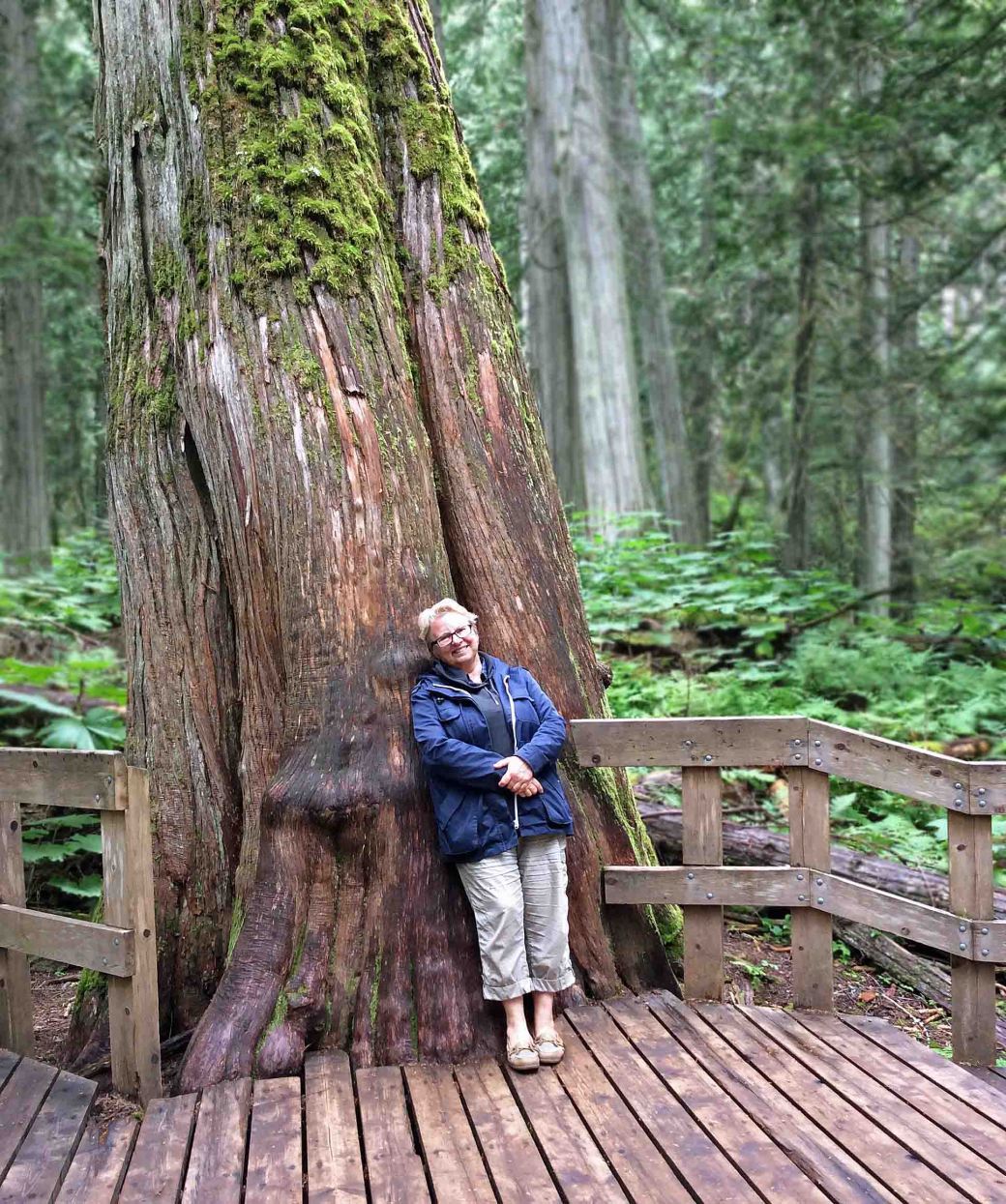
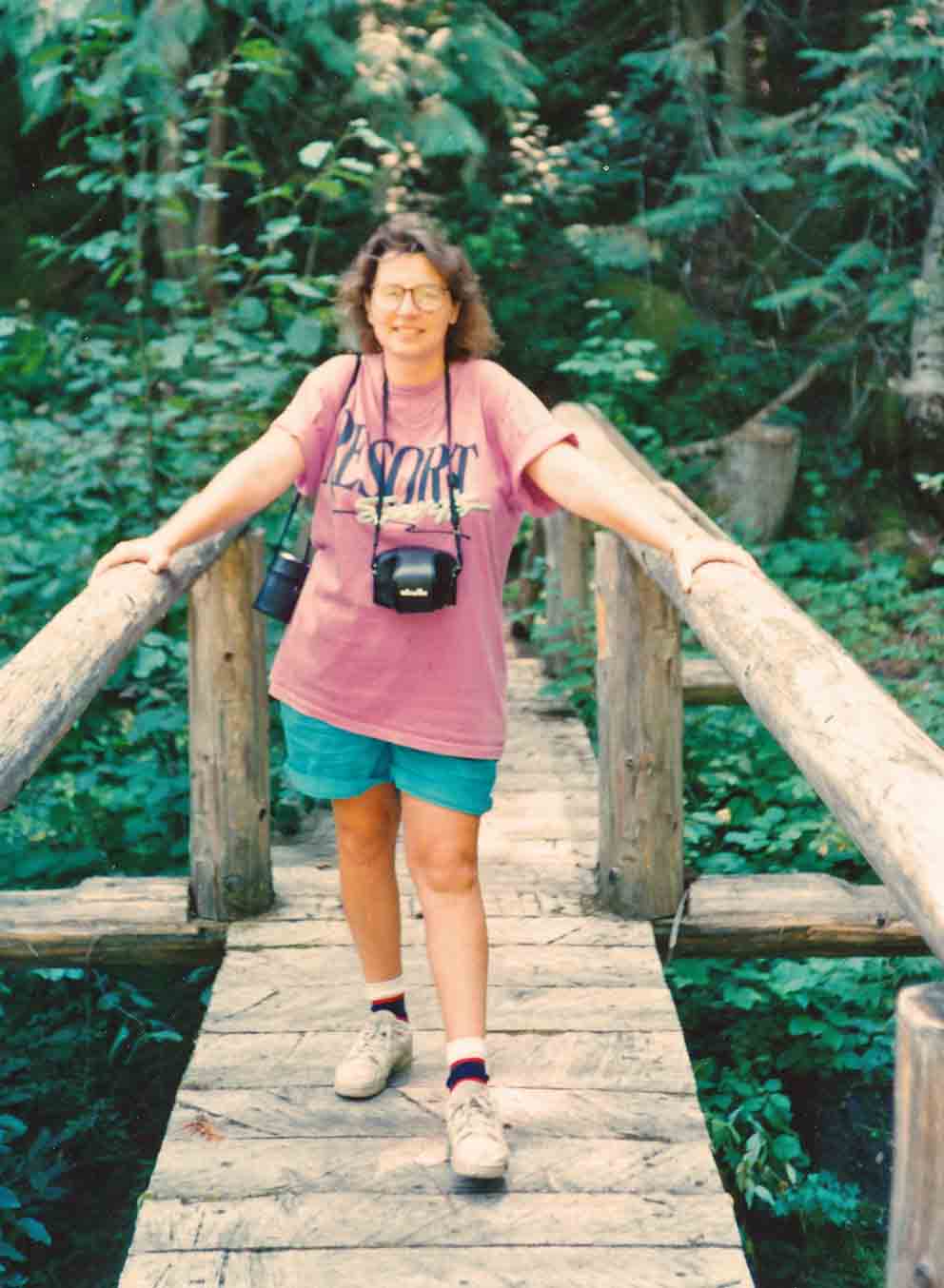

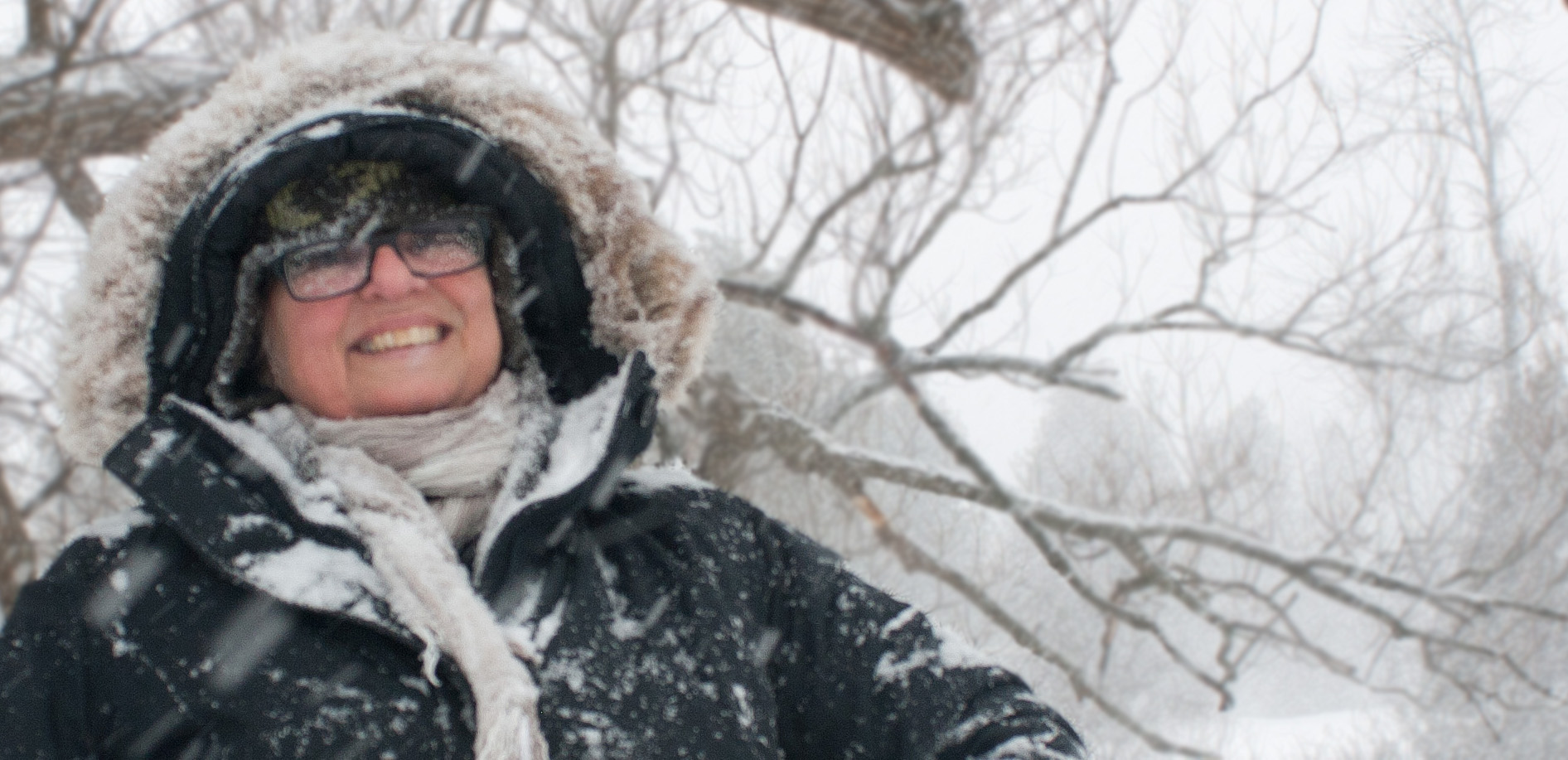




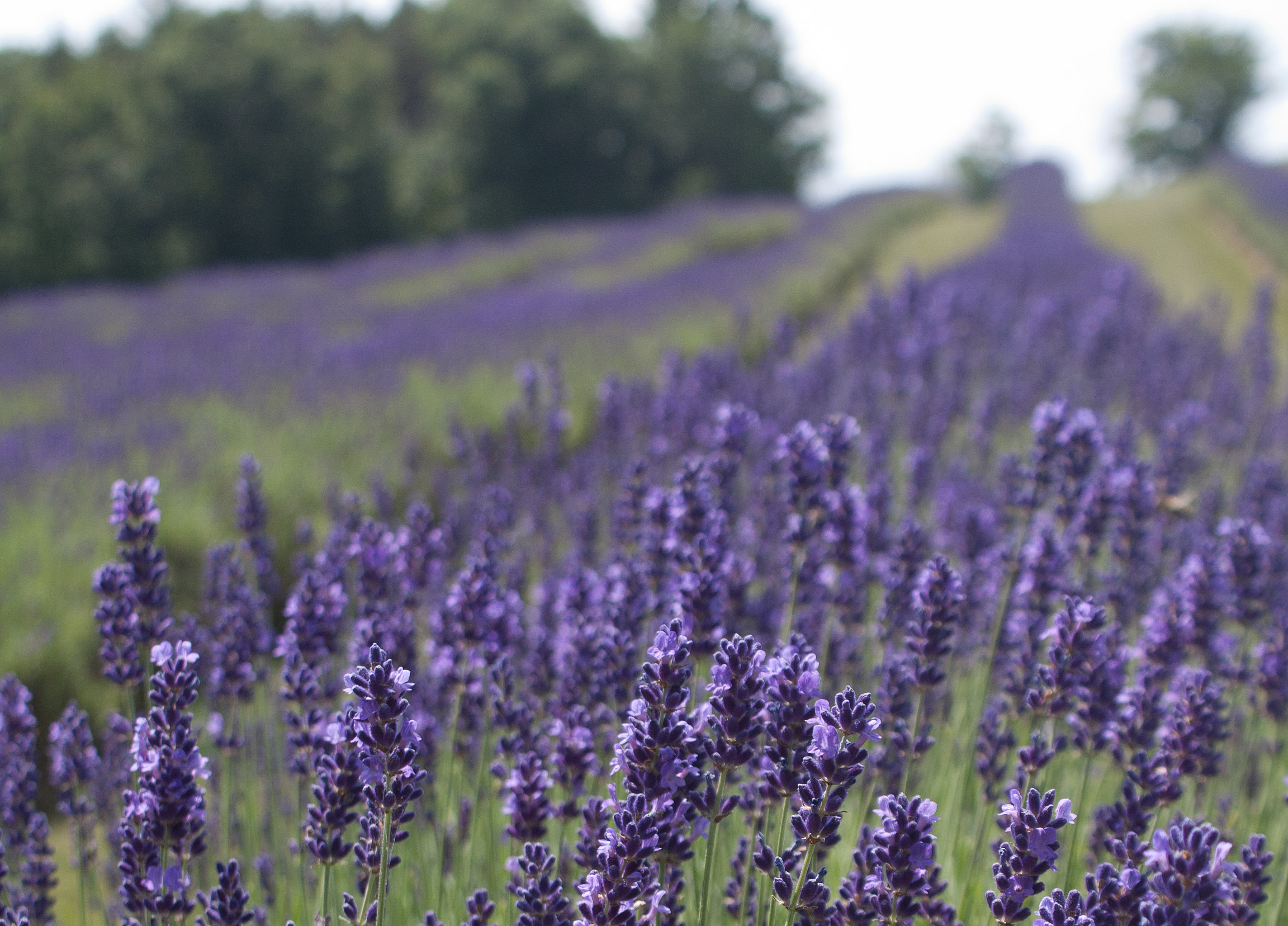


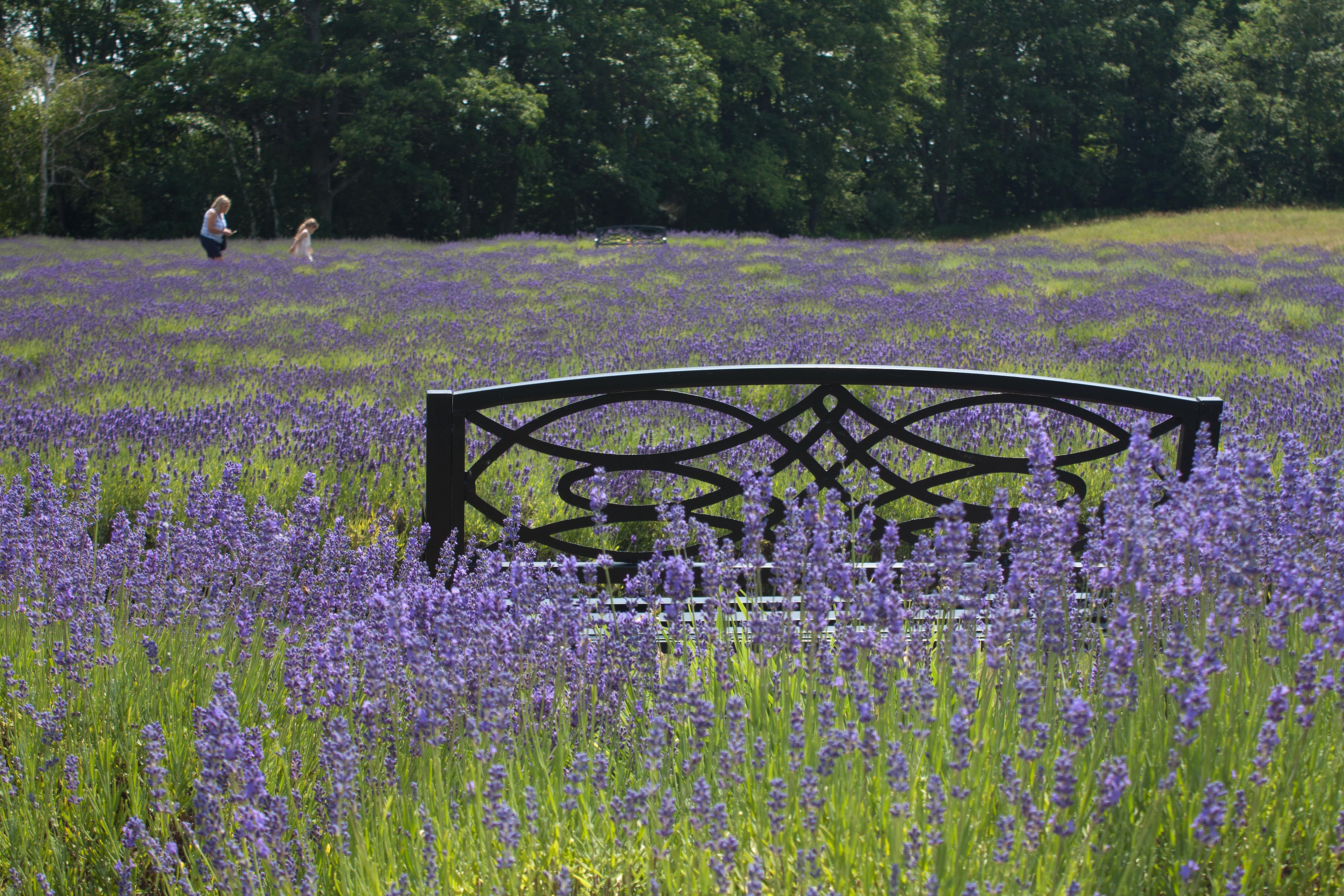


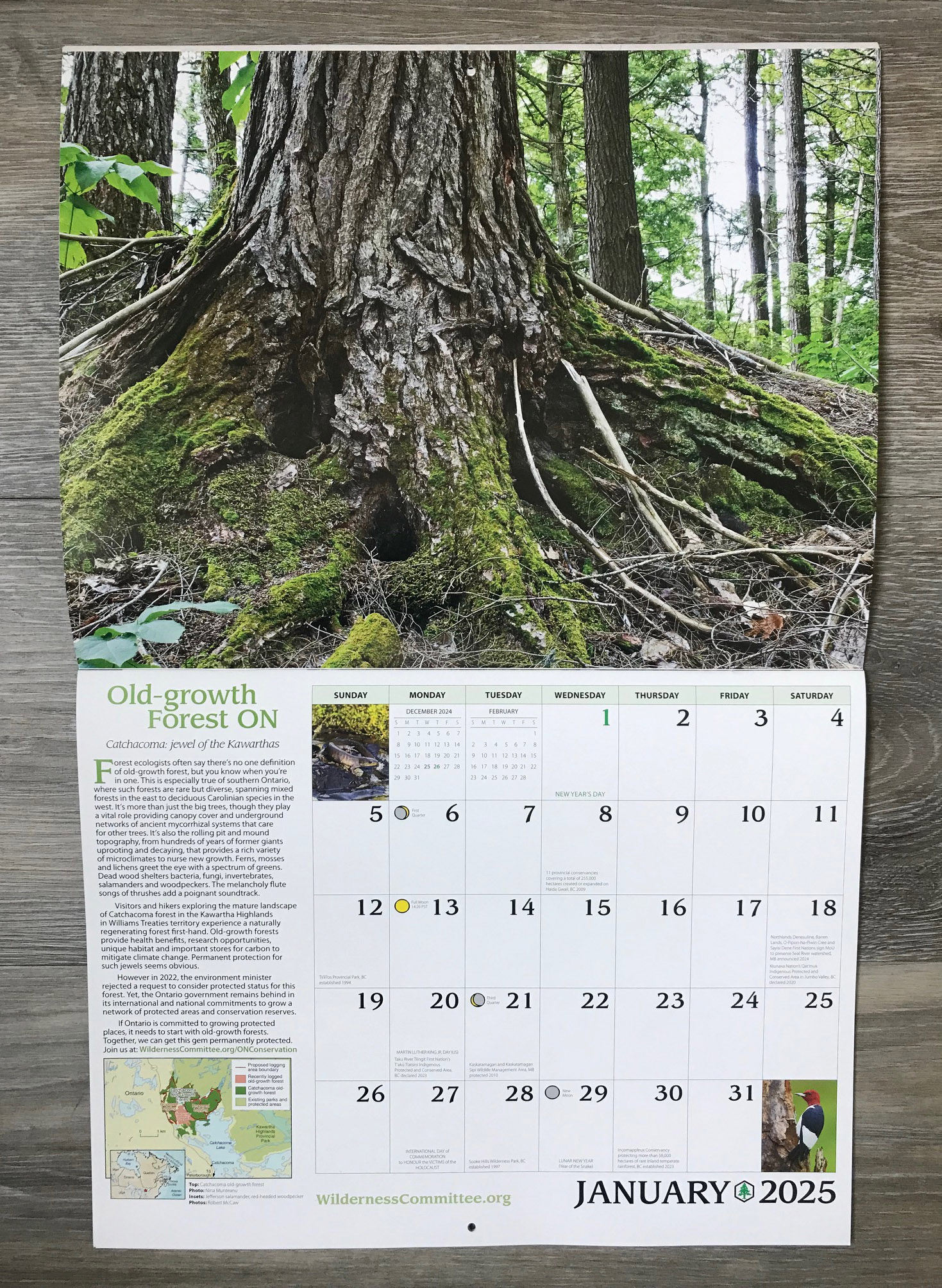

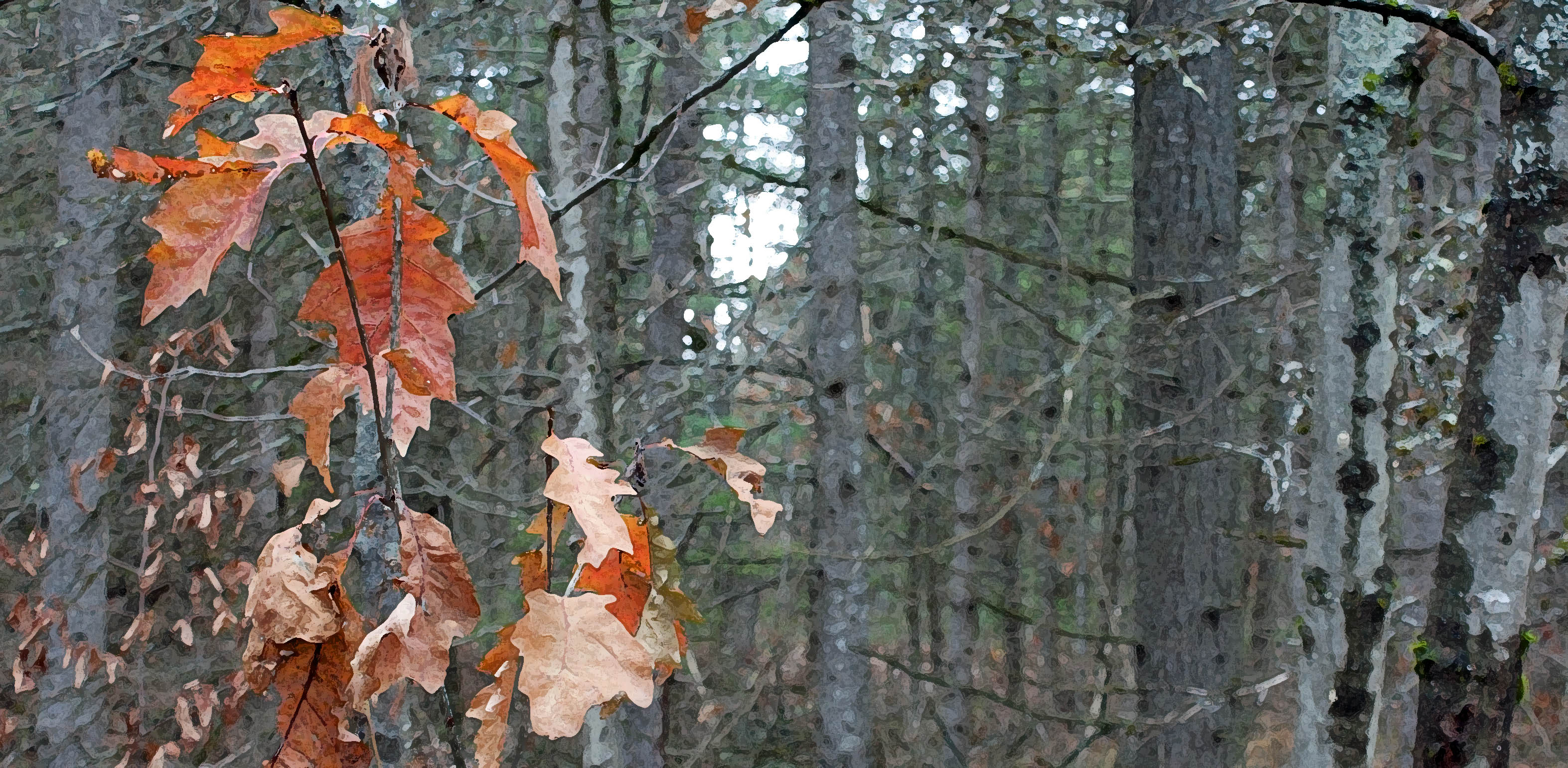


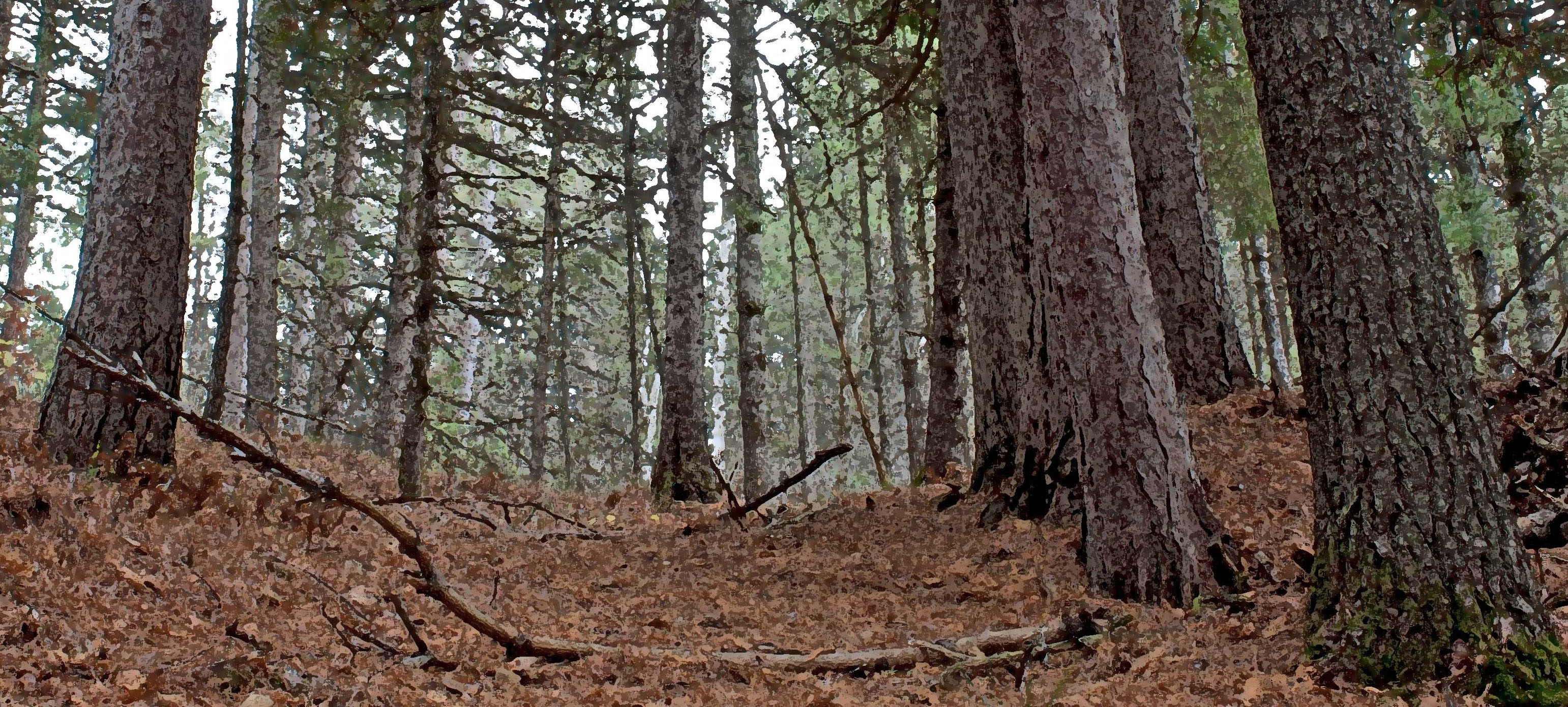


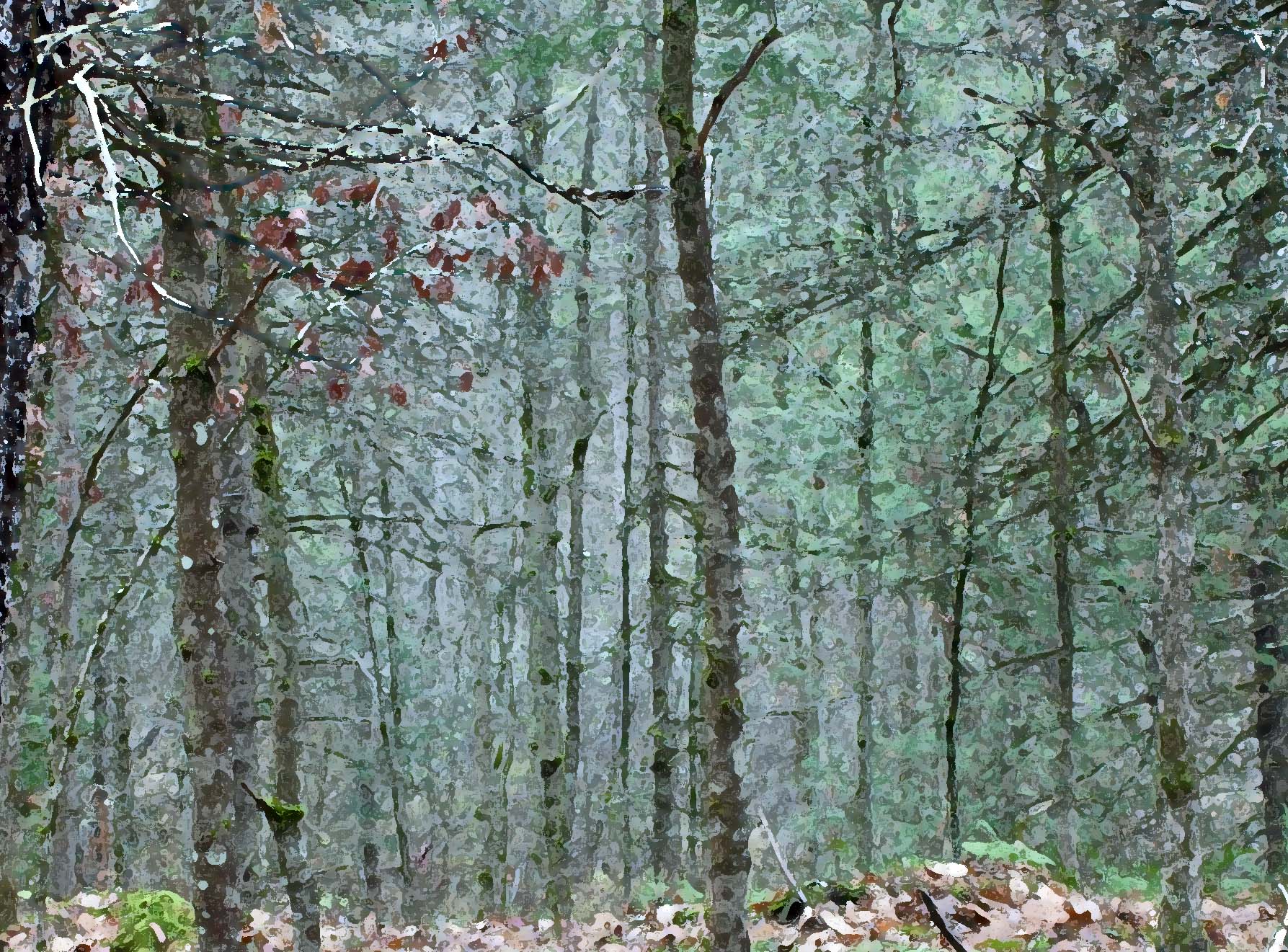


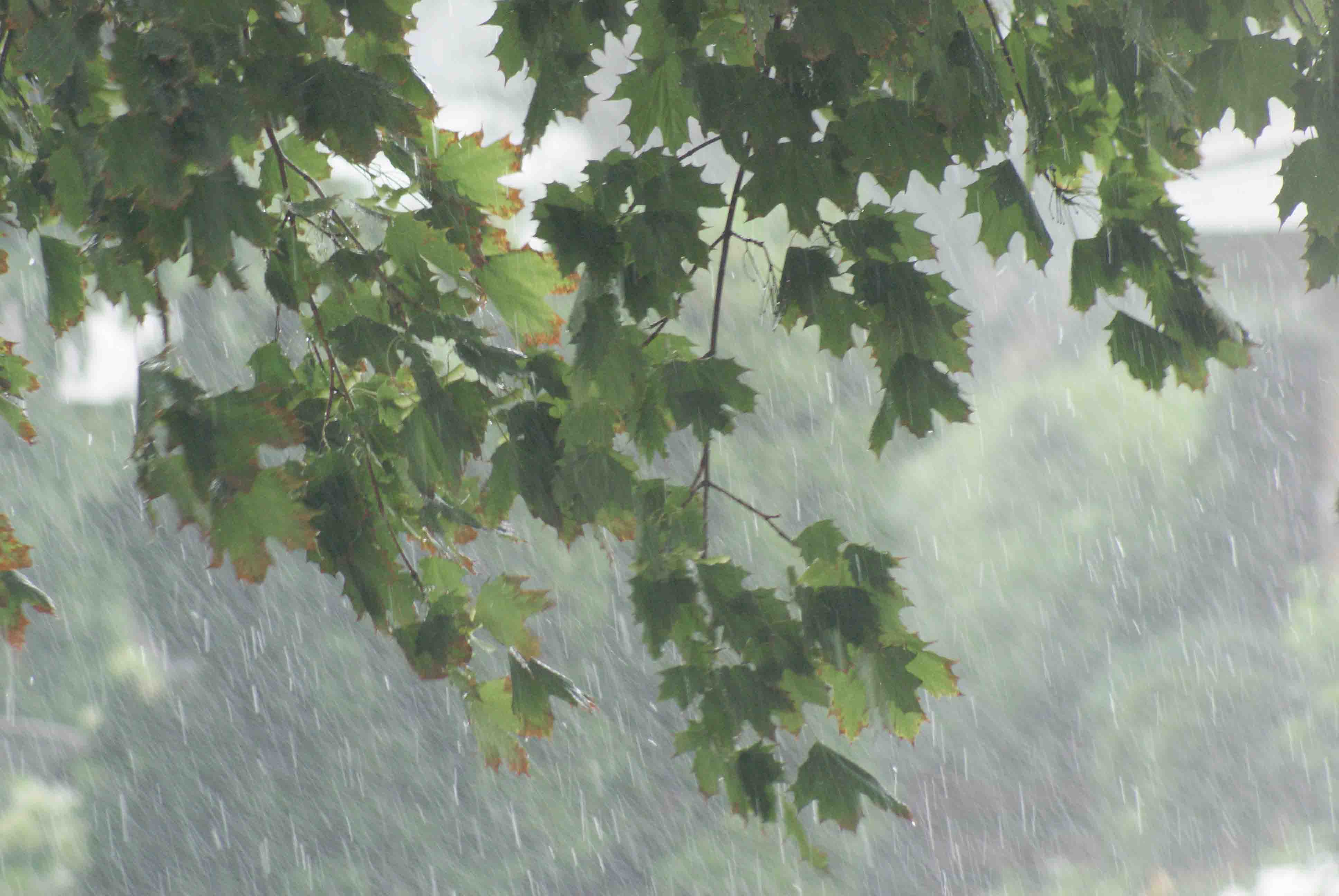
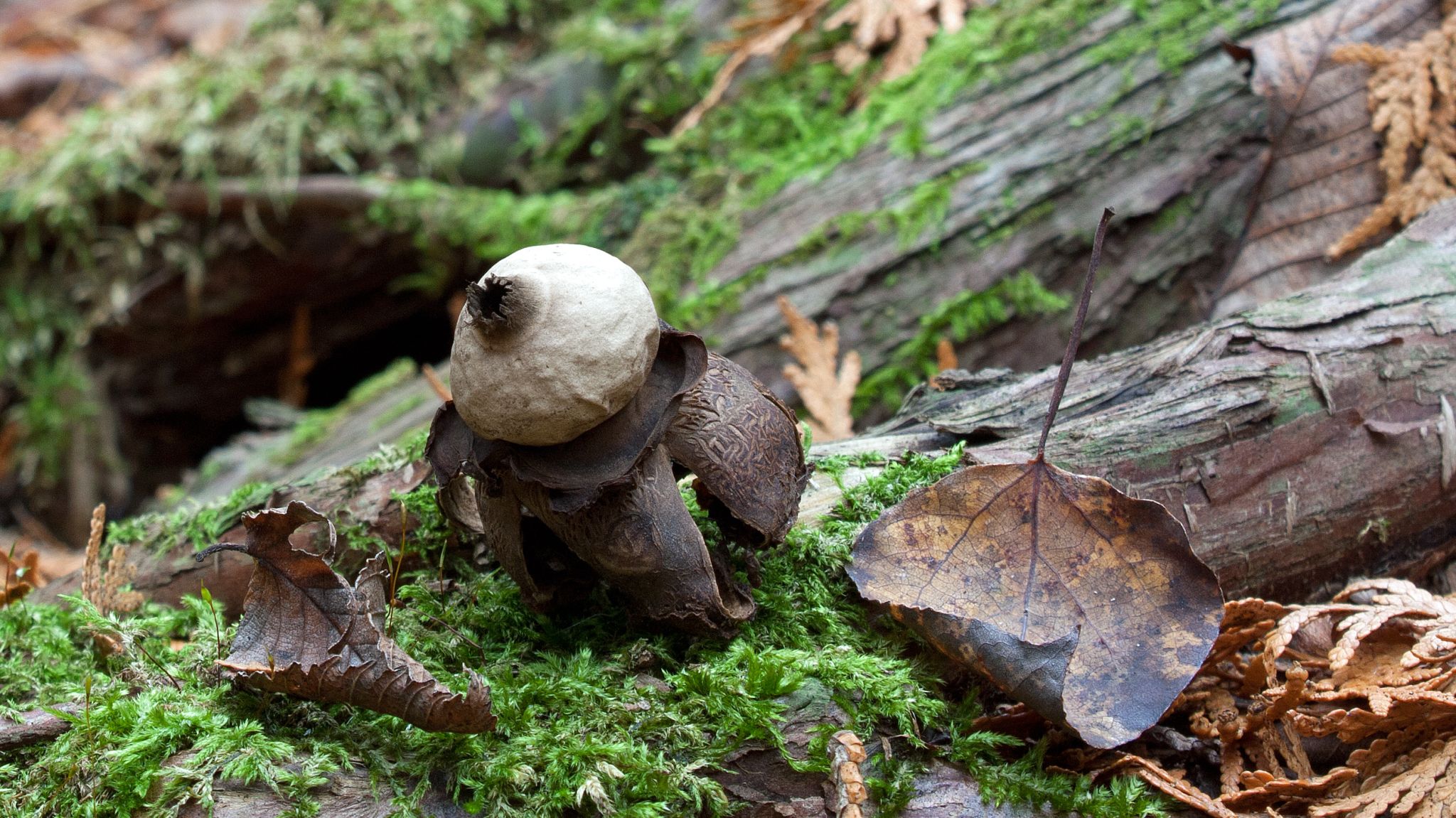
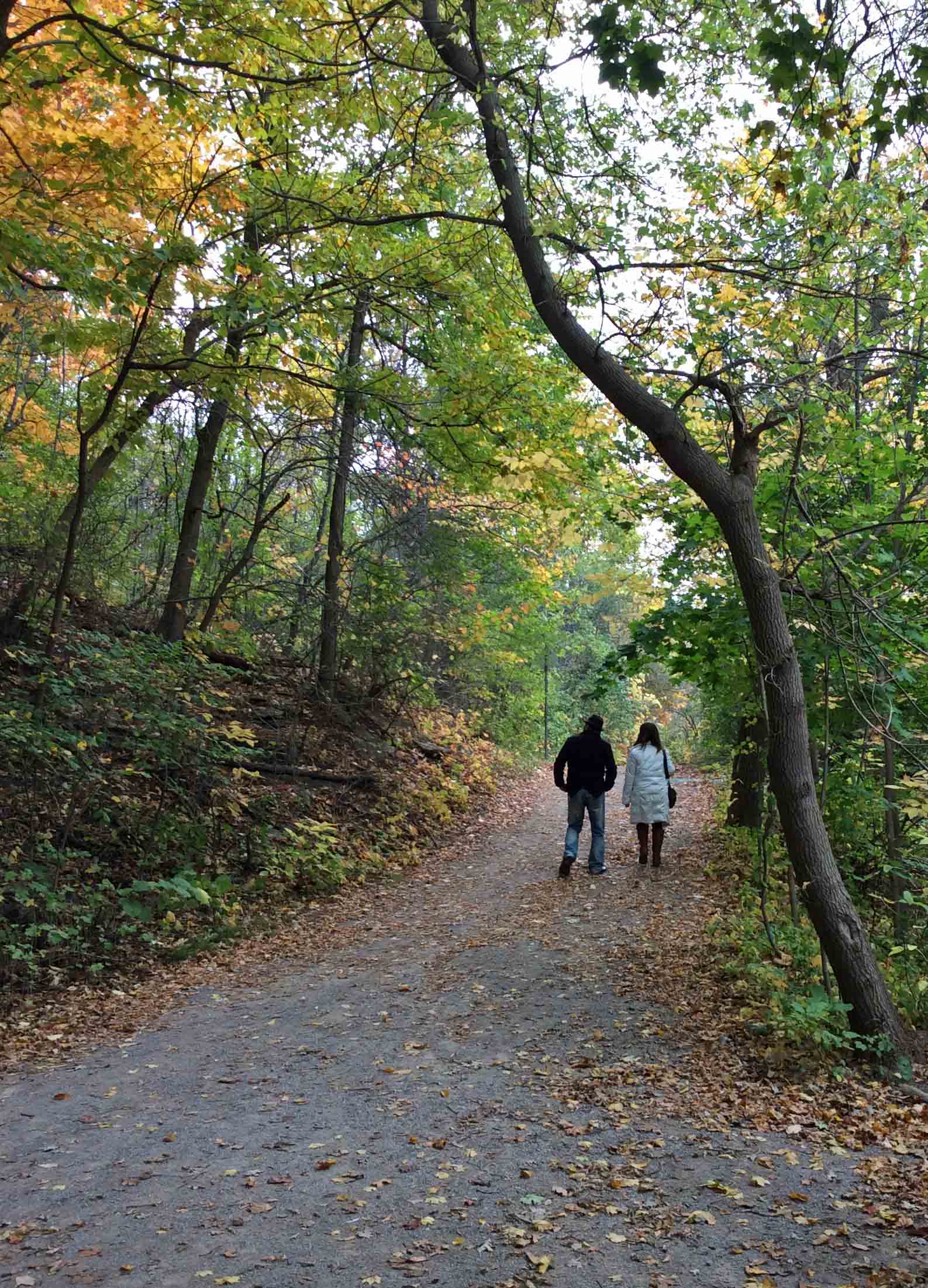


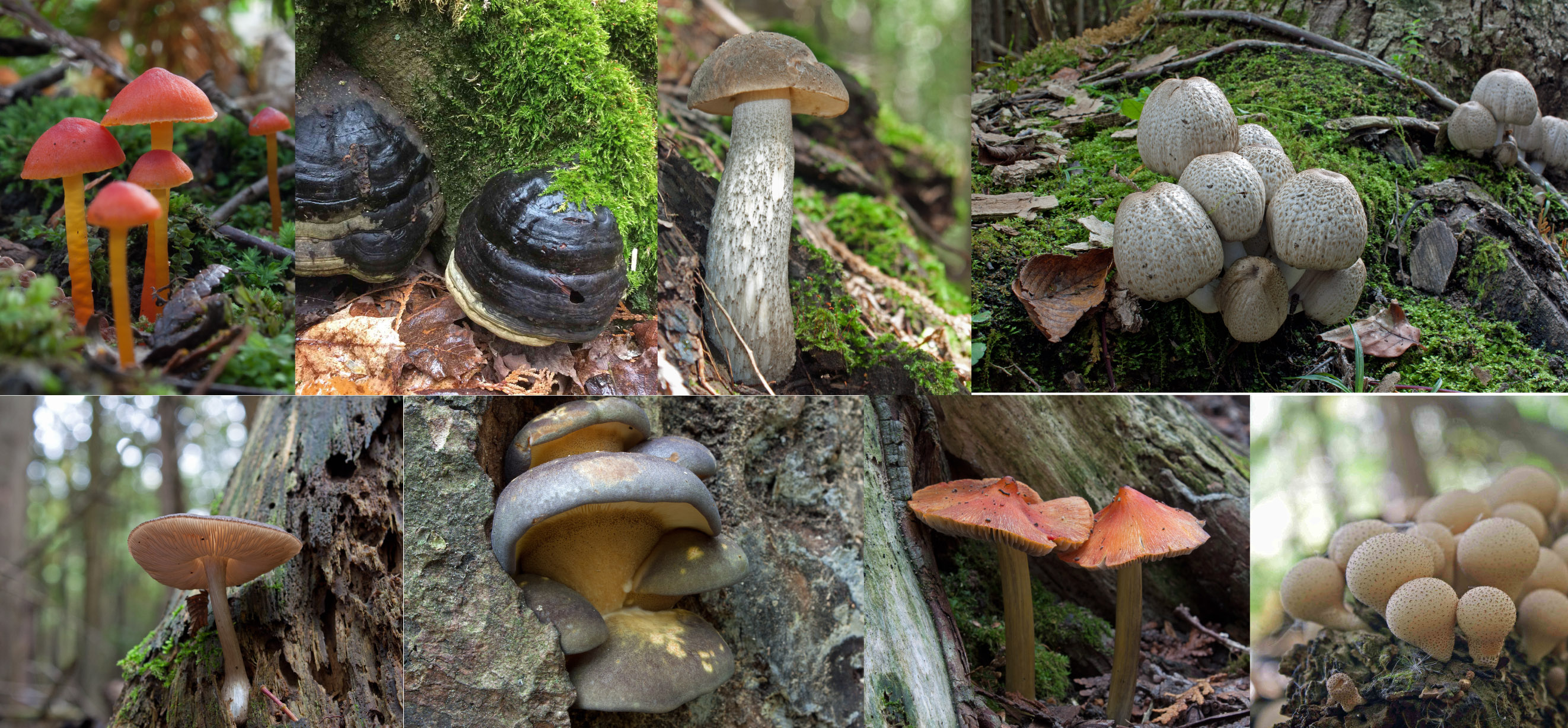


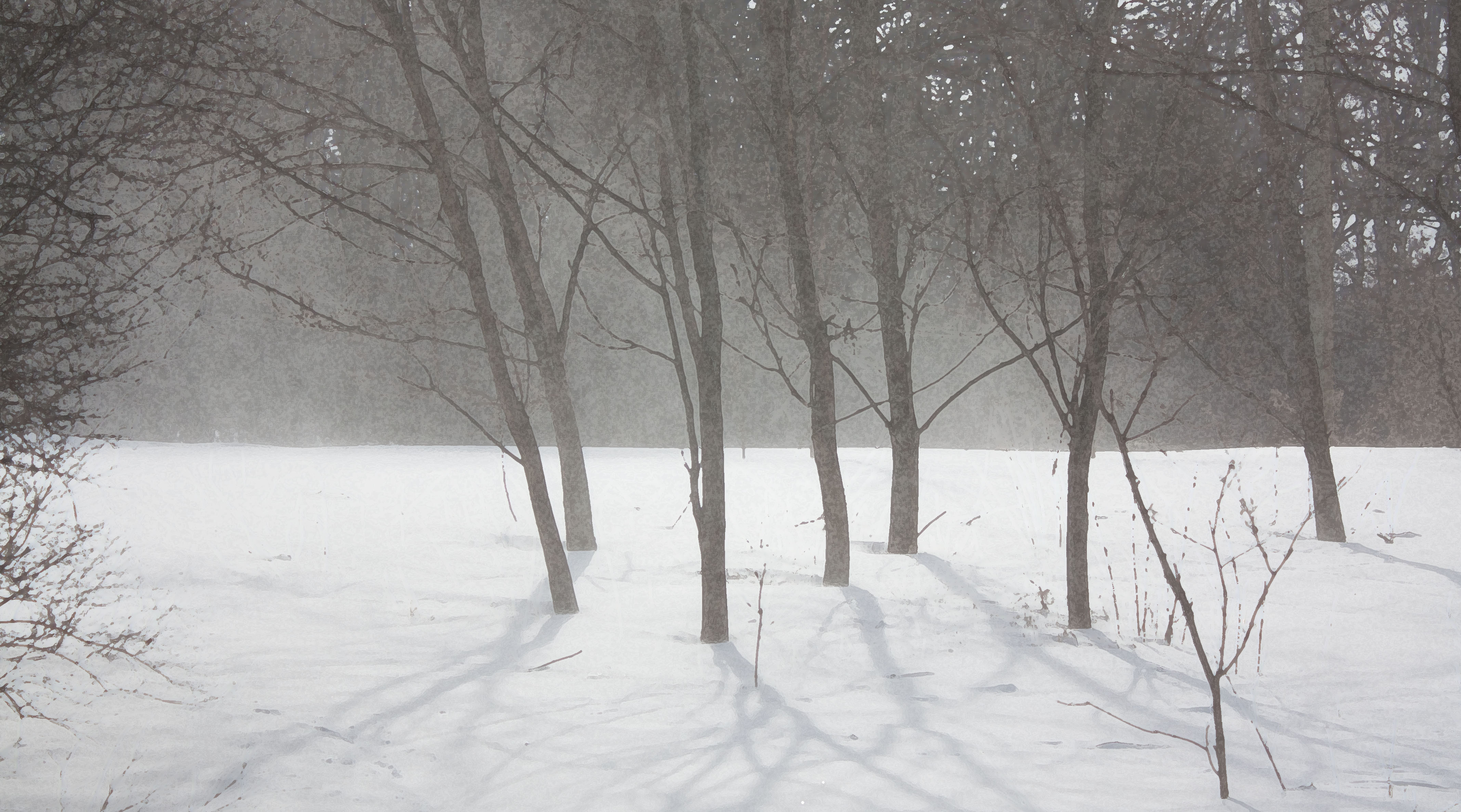

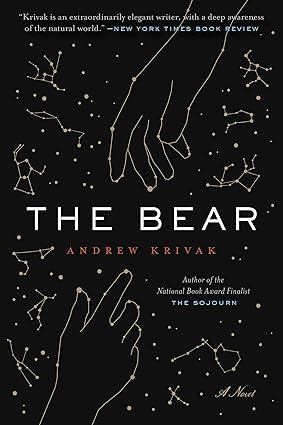
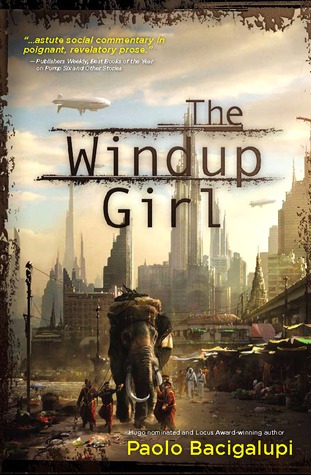
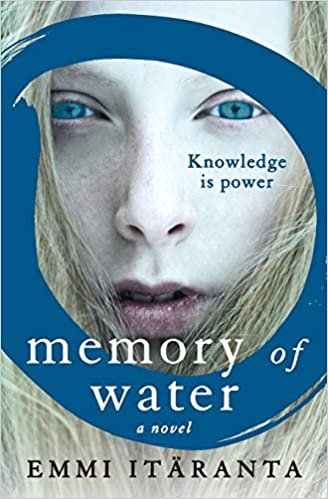


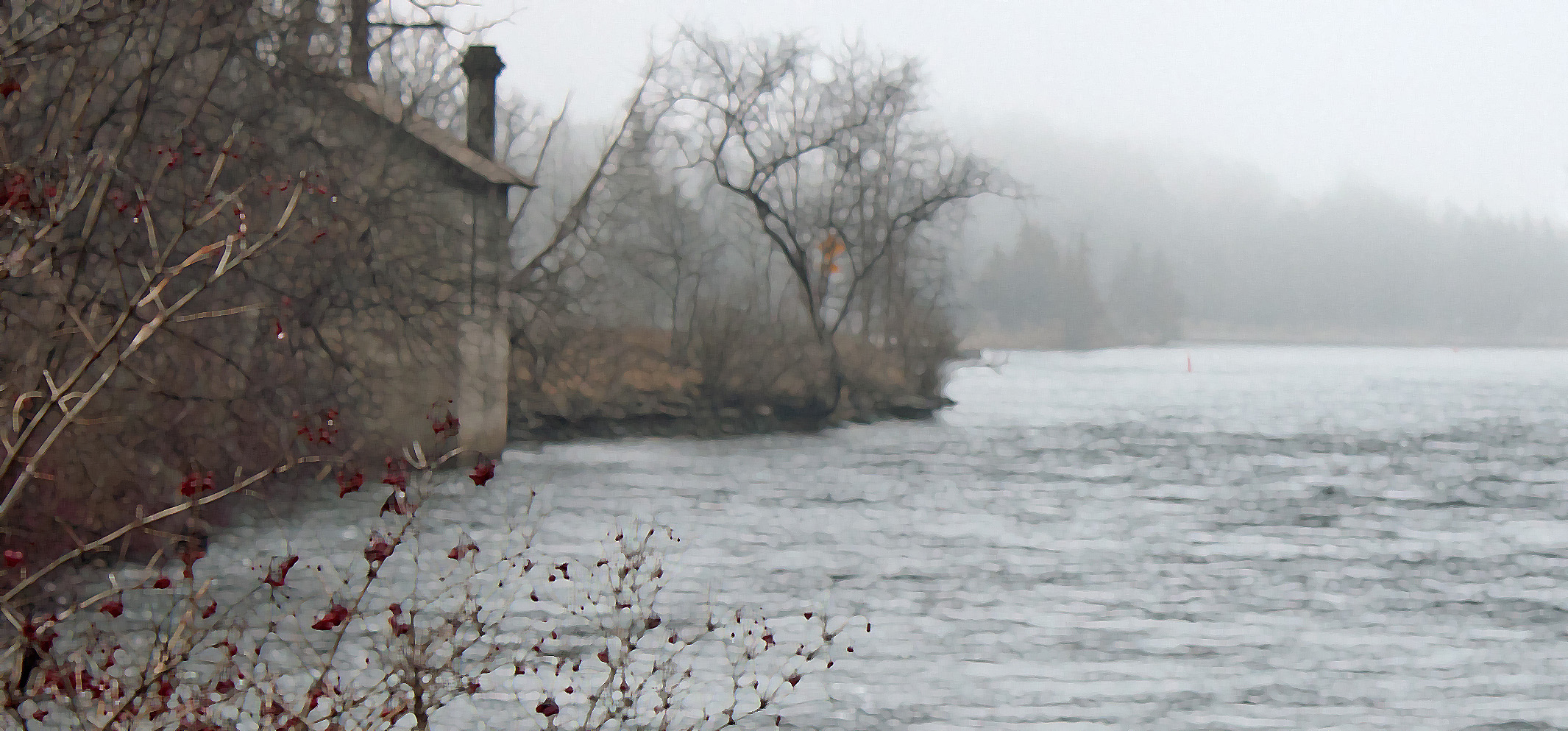

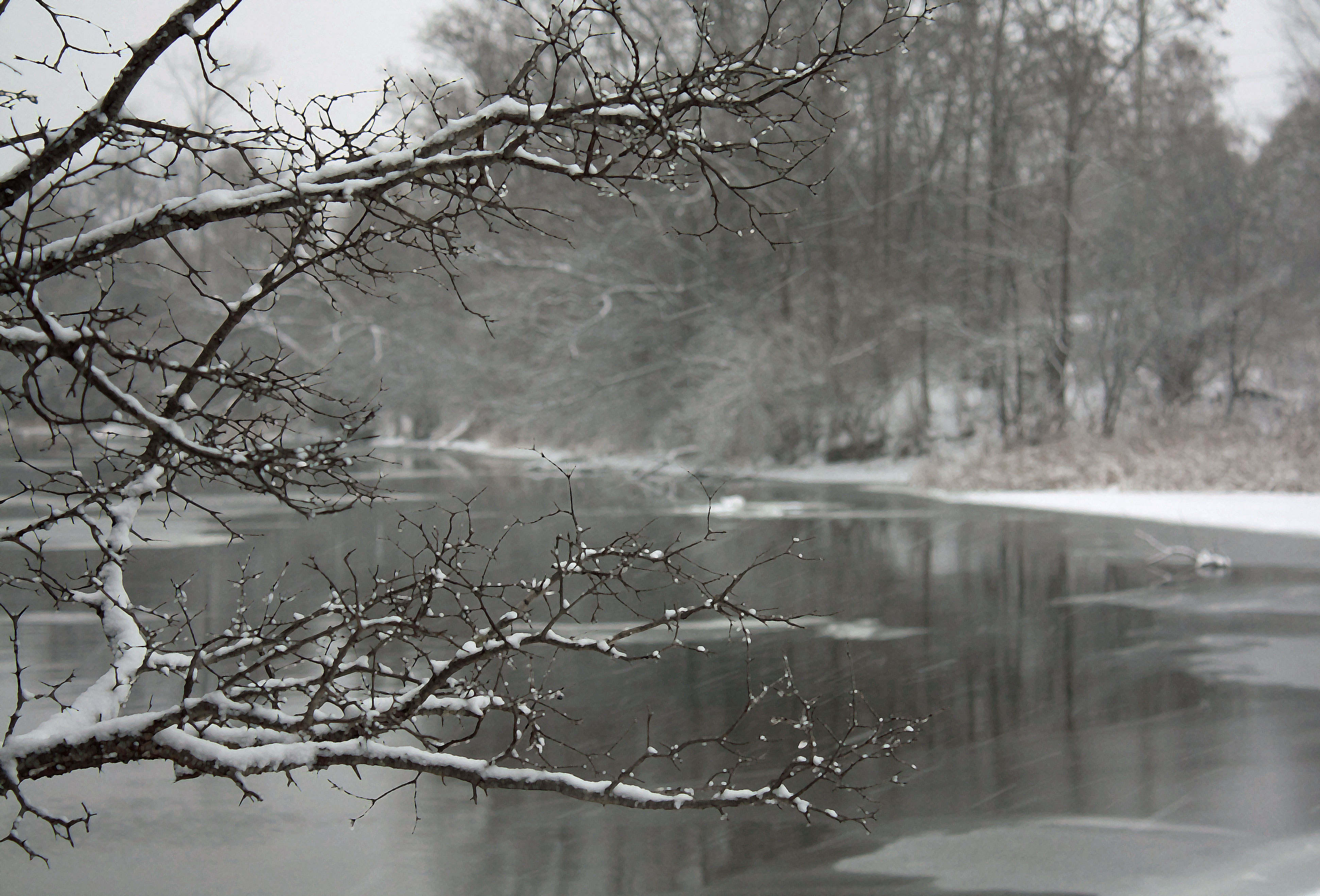
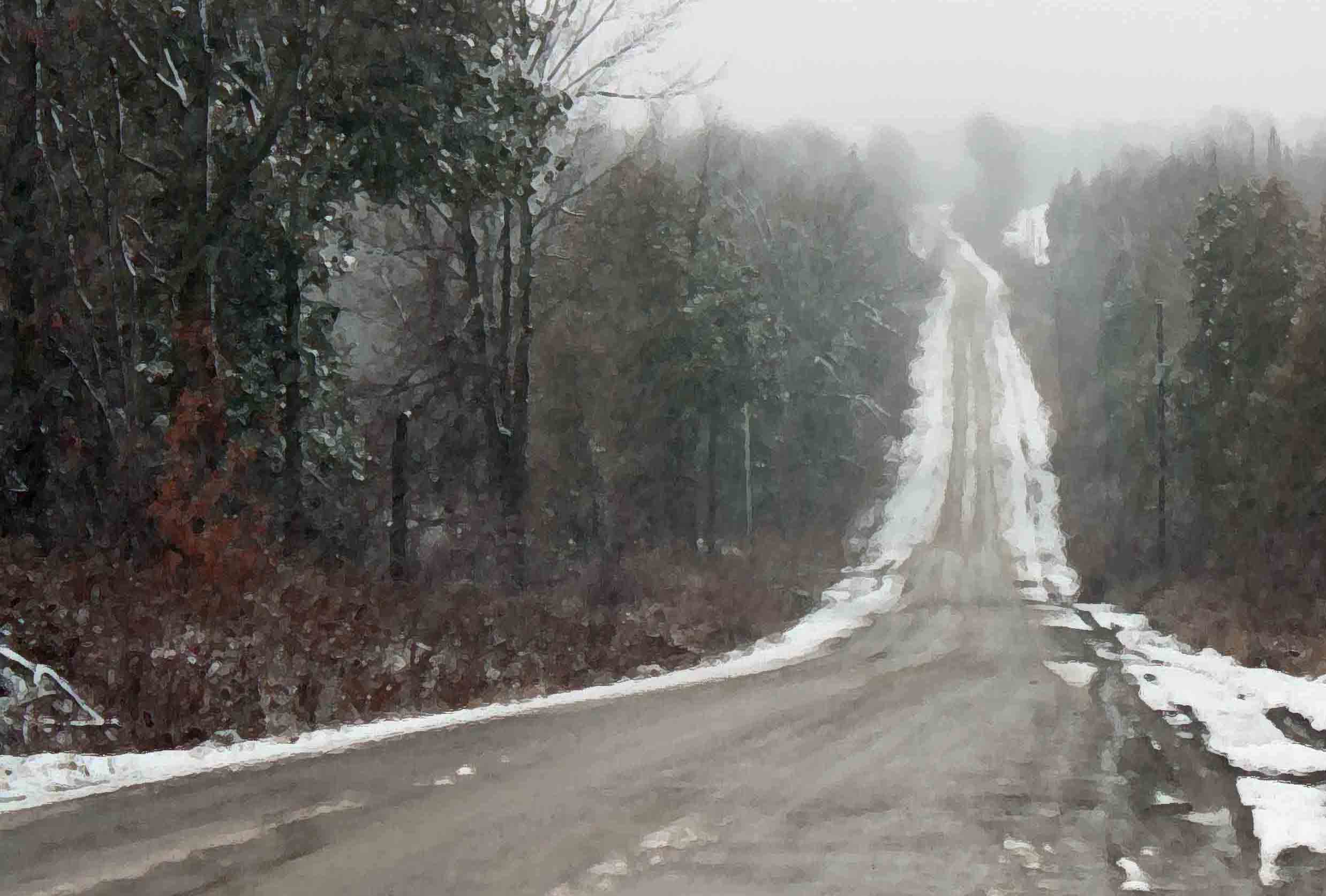

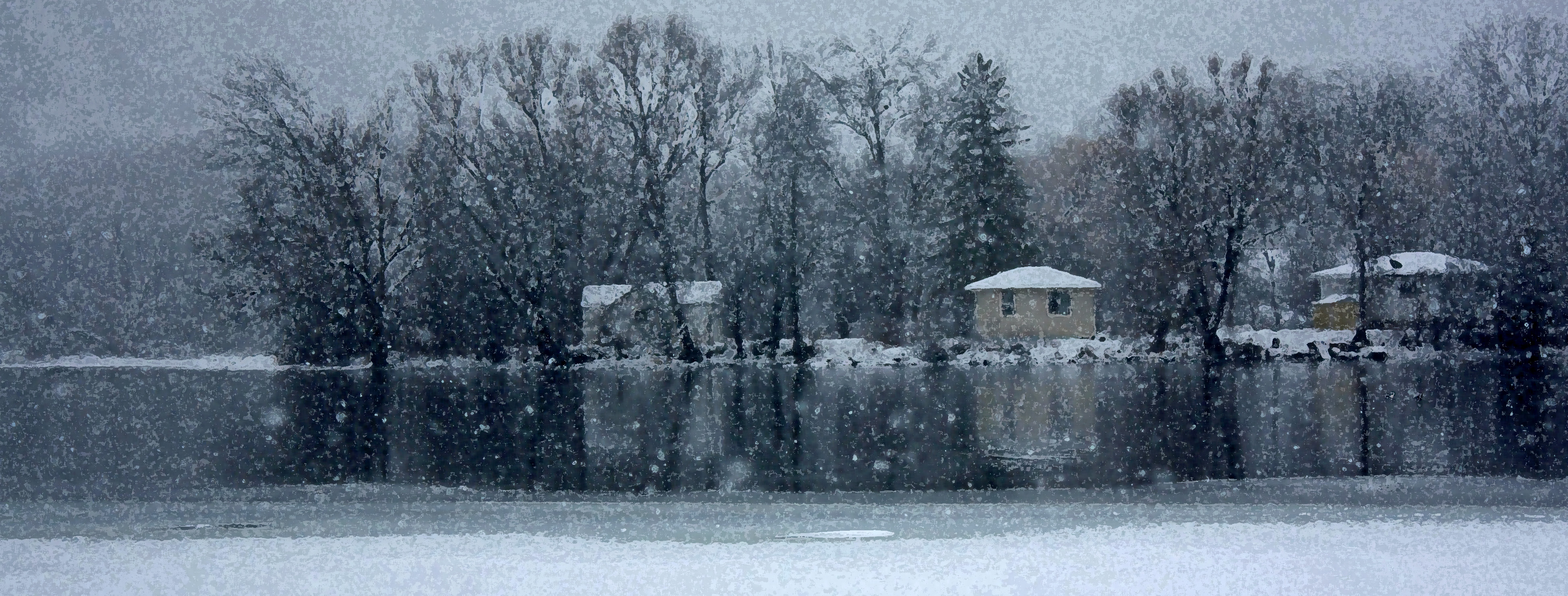
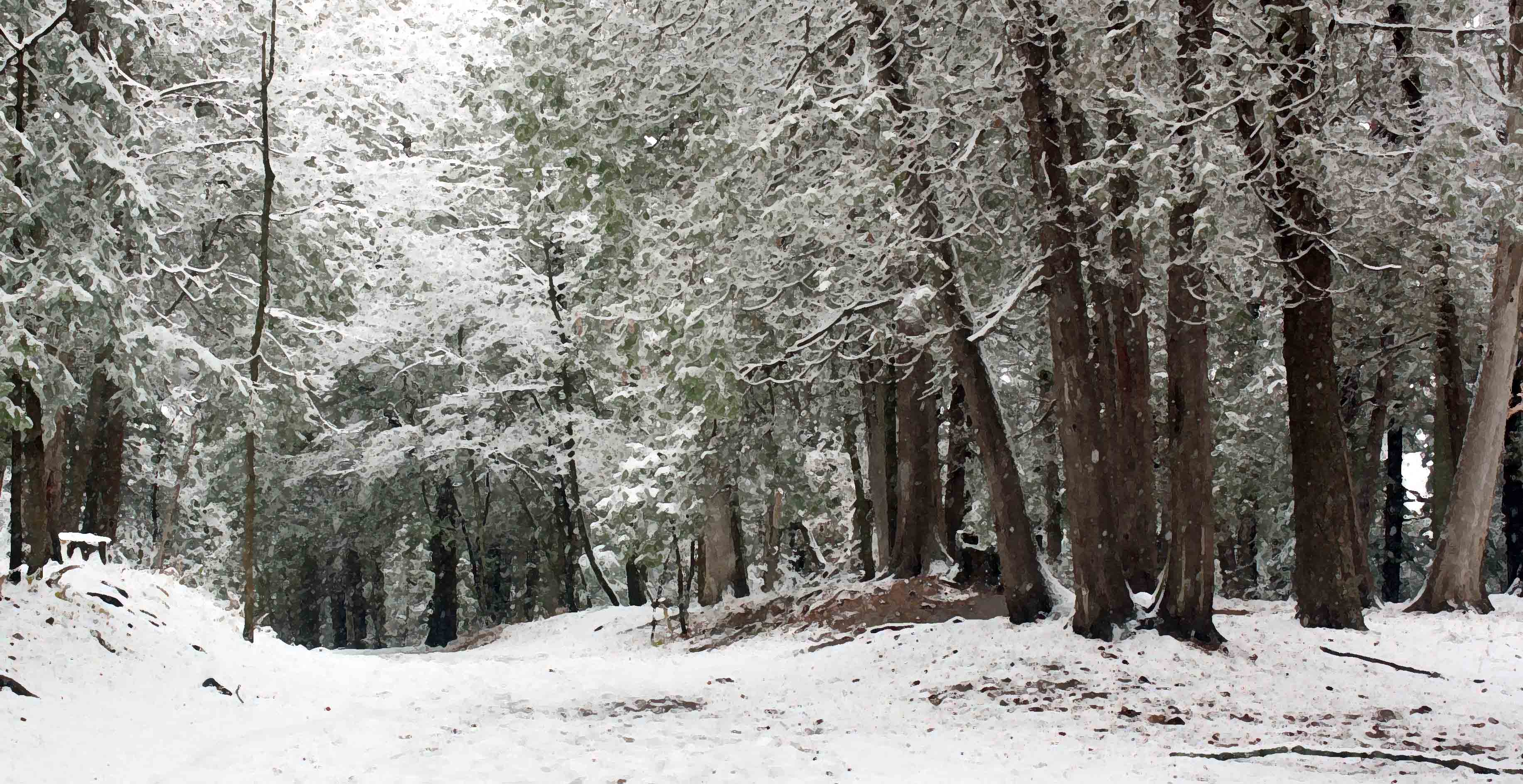
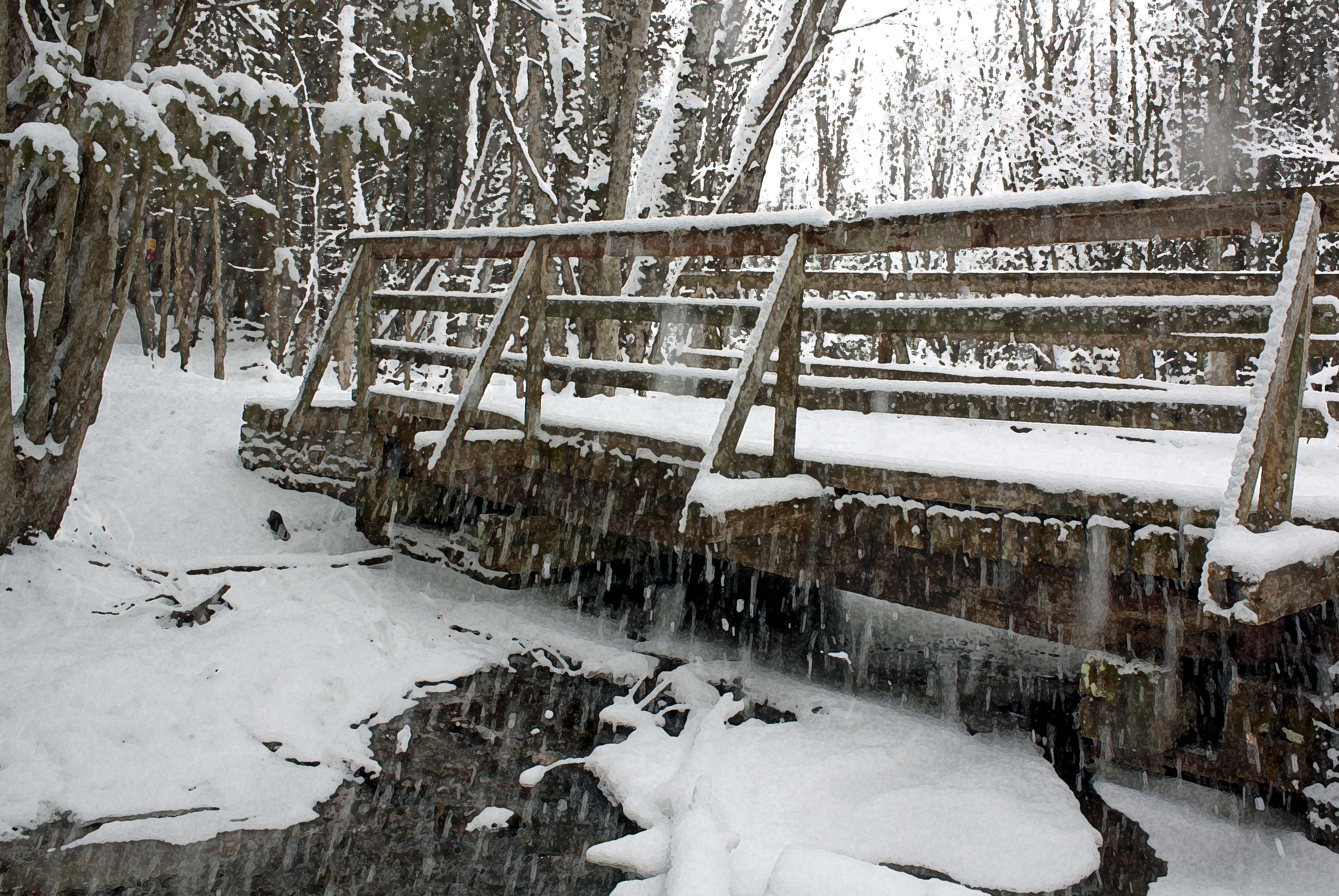
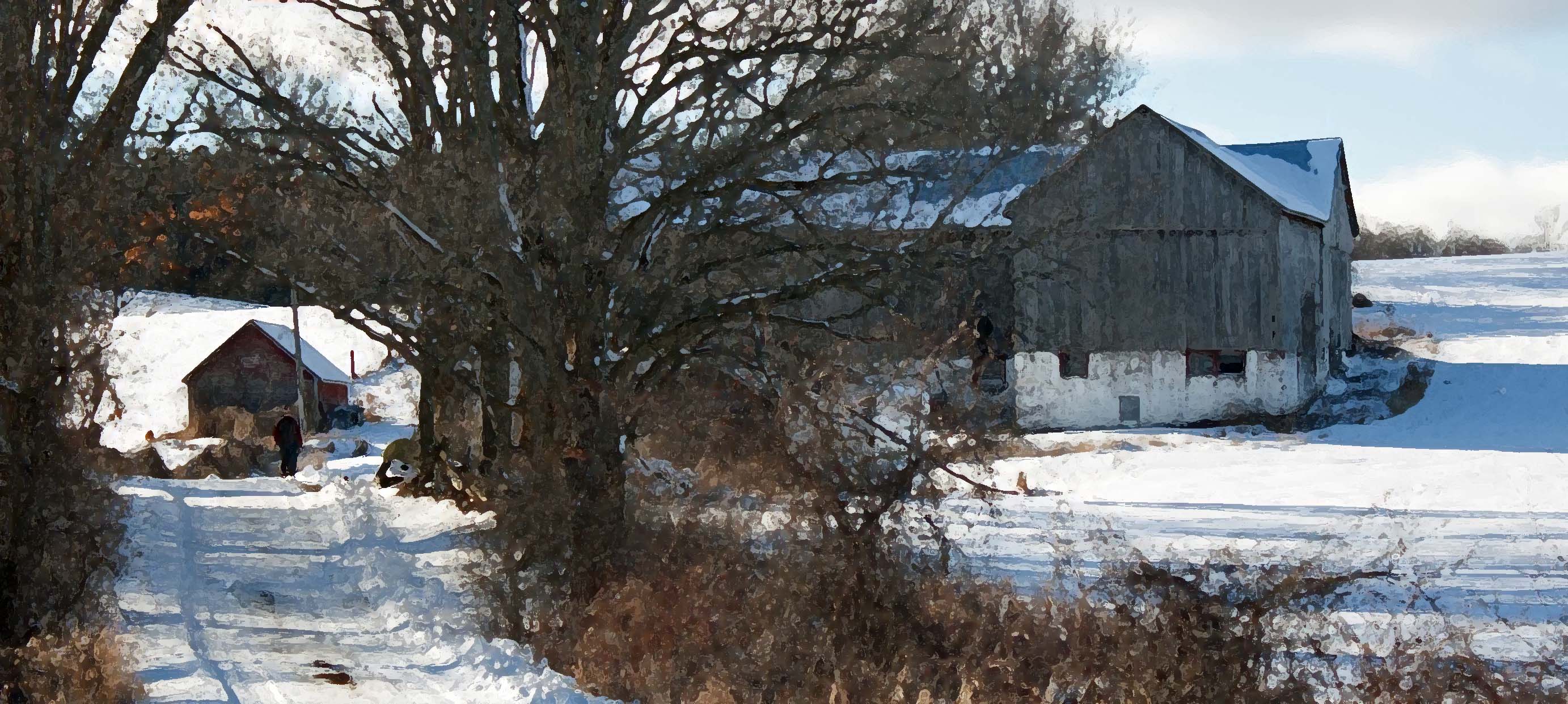


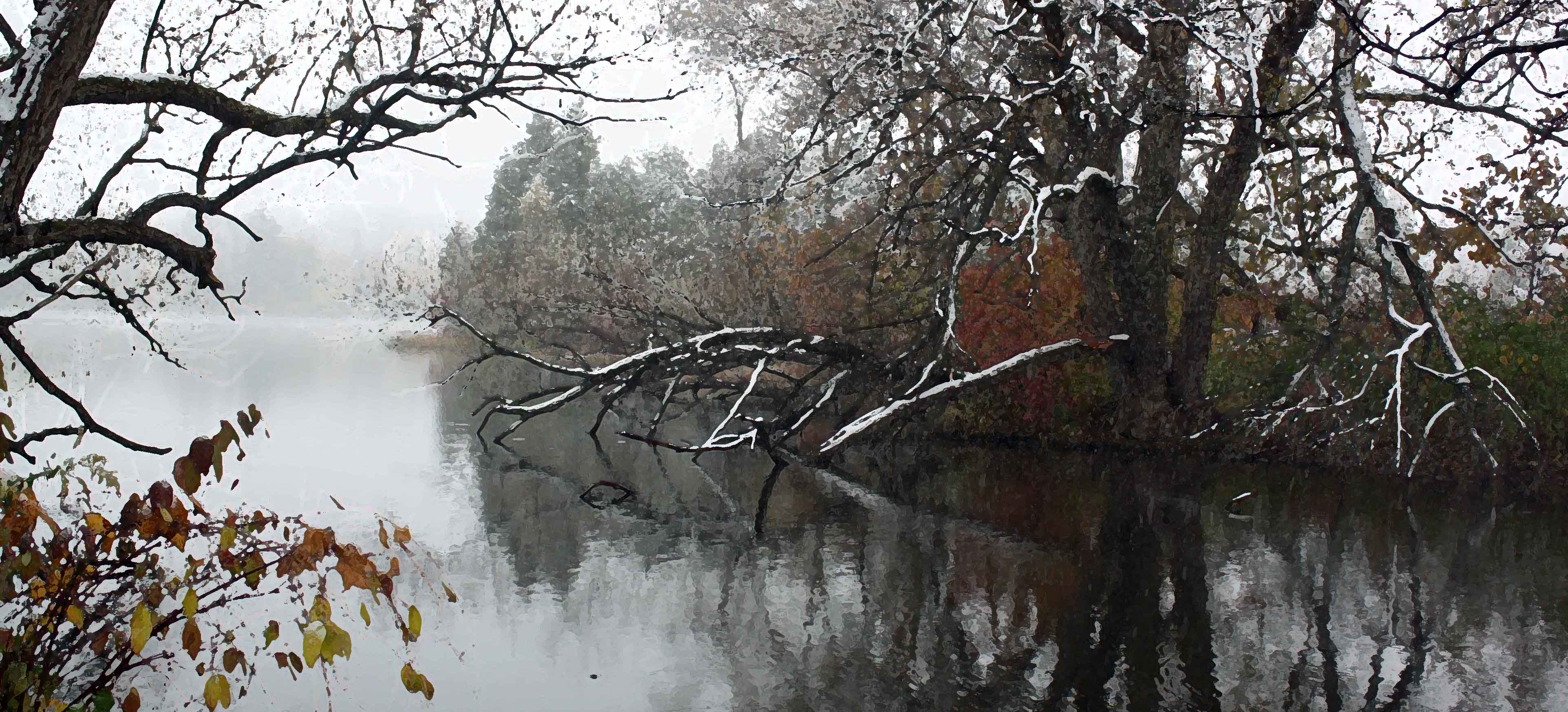
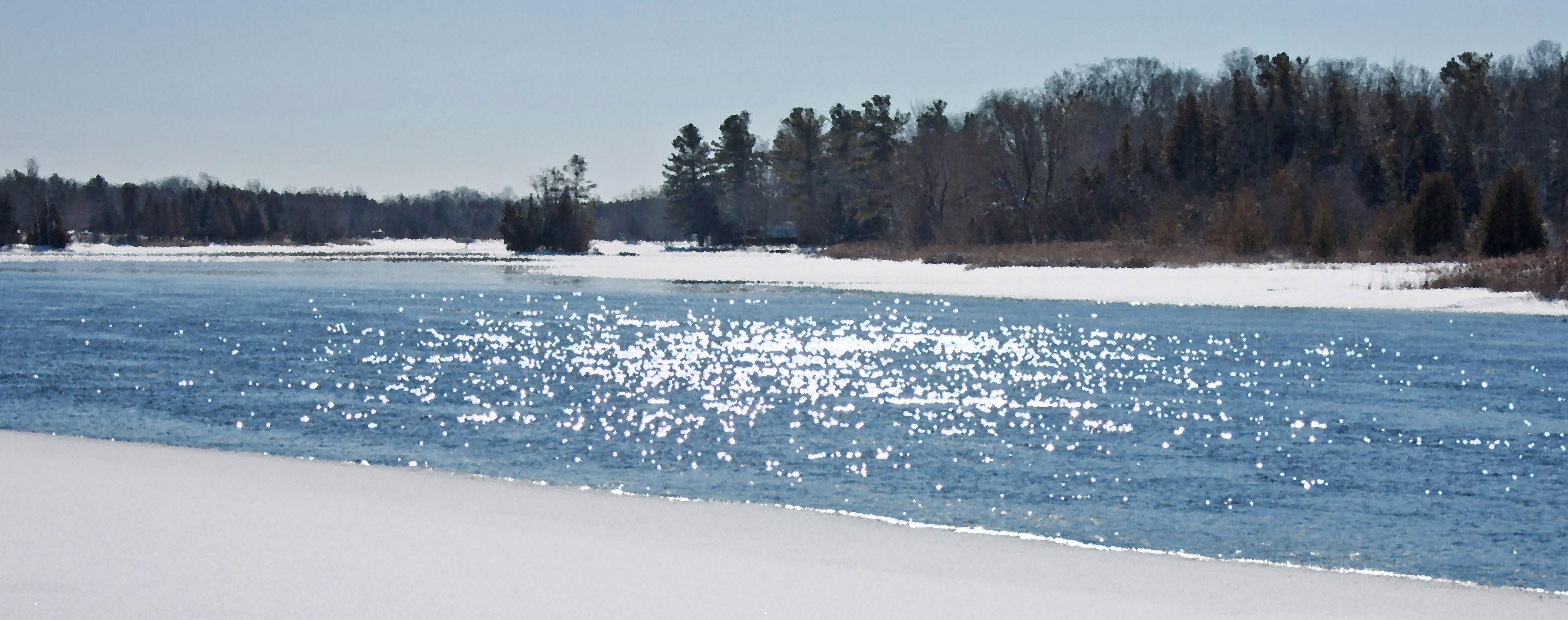
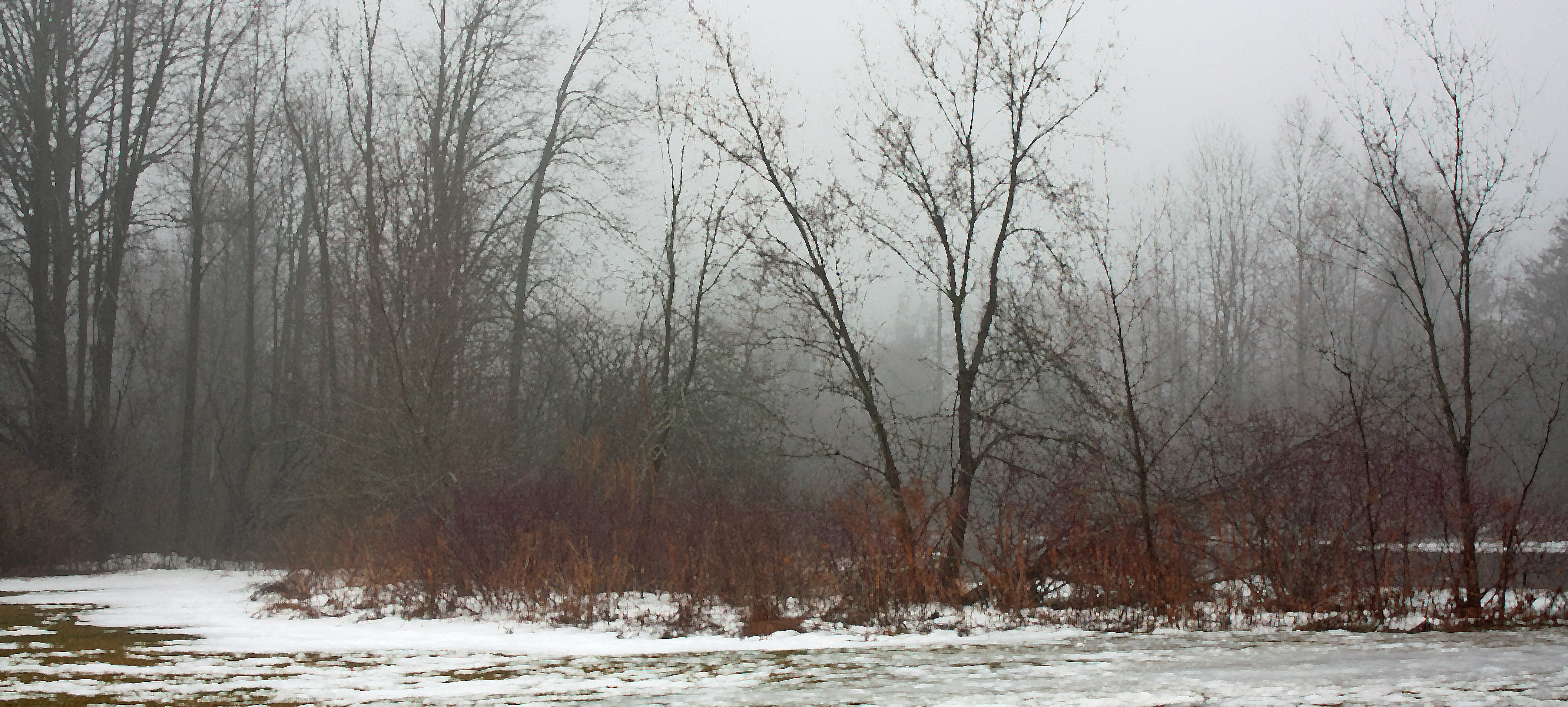
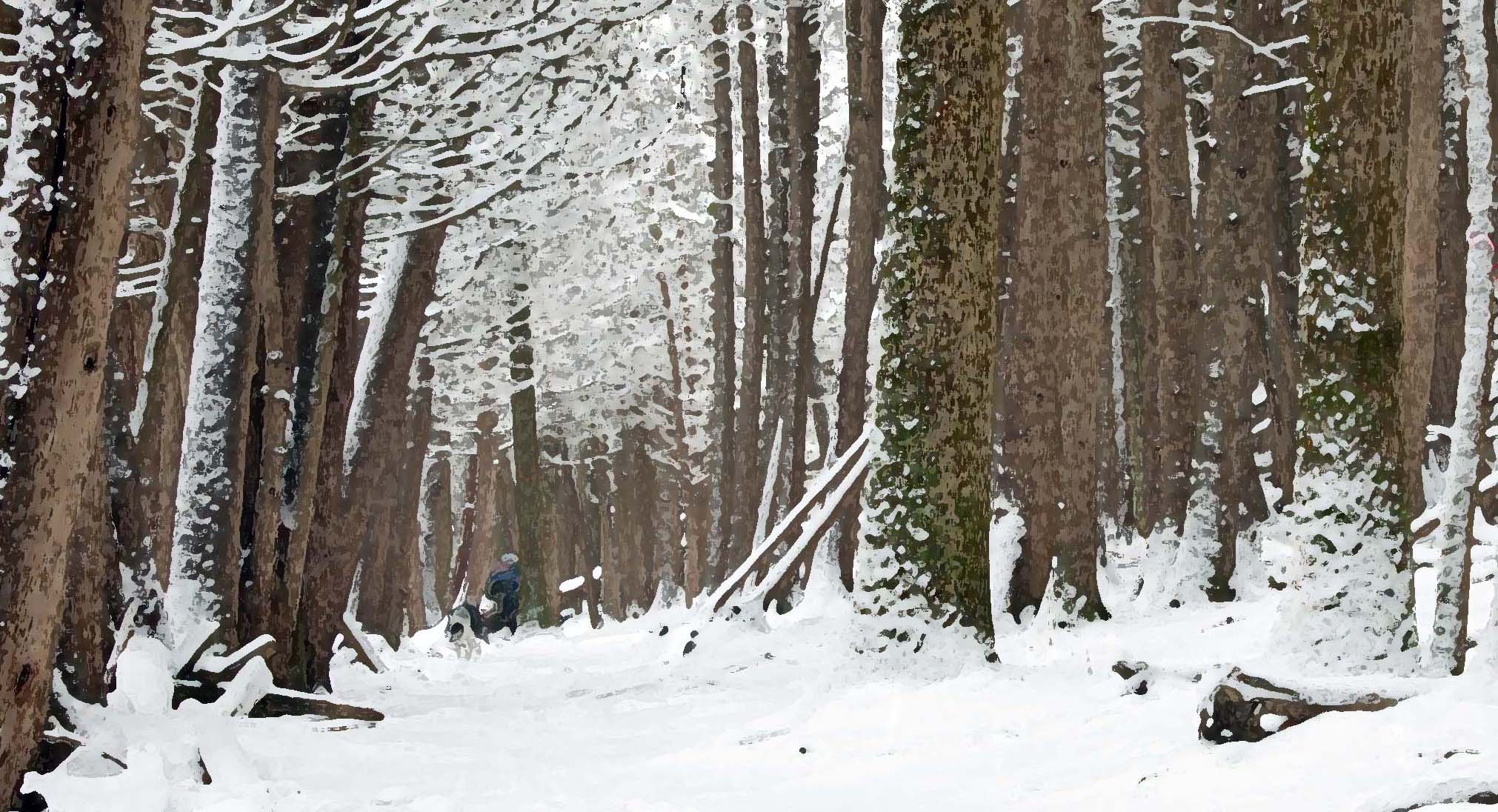
 Nina Munteanu Writing Coach