“What if water doesn’t like being owned or ransomed? What if it doesn’t like being channelled into a harsh pipe system or into a smart cloud to go where it normally doesn’t want to go? What if those hurricanes and tornadoes and floods are water’s way of saying that it’s had enough?”
Hilde Dresden
“Thoroughly researched and cleverly executed, A Diary in the Age of Water is a must-read, especially for those who are longing for nature, and touch, while fearing both.”
CARA MOYNES, Amazon Review
“This novel made my heart clench…An extremely detailed and downright terrifying look into the future of our planet. A Diary in the Age of Water will appeal to lovers of eco-fiction and hard speculative fiction.”
GOODREADS REVIEW
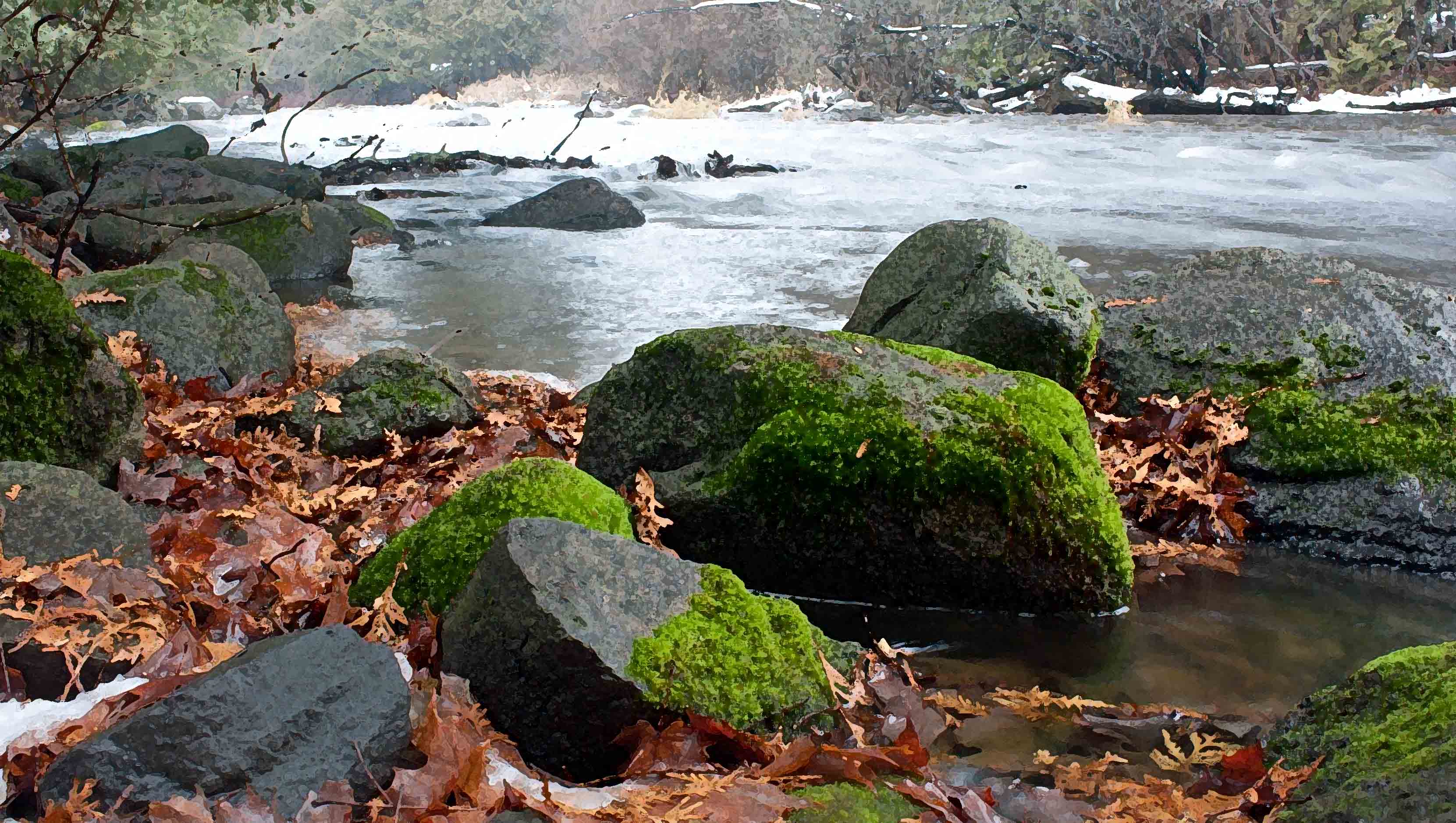
Maple tree branches hover over shallows of Otonabee River, ON (photo and rendition by Nina Munteanu)
“The slow violence of free-market capitalism isn’t so much the deliberate and focused actions of a few evil men as the accumulated negligence of an undiscriminating collective of unimaginative humans.”
Lynna Dresden
“In her dystopian novel Canadian limnologist Nina Munteanu employs Solar Punk’s technique of using dystopic descriptions of present ecological catastrophe to predict the end of the world as we know it, and to indicate a utopian future.”
THE SONOMA INDEPENDENT
Reflections on a calm Otonabee River, showing old pumphouse, ON (photo and rendition by Nina Munteanu)
“A society that does not believe in the objective pursuit of truth—even if it challenges your worldview—is doomed to servitude.”
Lynna Dresden
“An insightful novel…A cautionary tale rummaging through the forgotten drawers of time in the lives of four generations…This whirling, holistic and evolving novel comes alive, like we imagine water does.”
Mary Woodbury, DRAGONFLY.ECO
Jackson creek in late fall, ON (photo and rendition by Nina Munteanu)
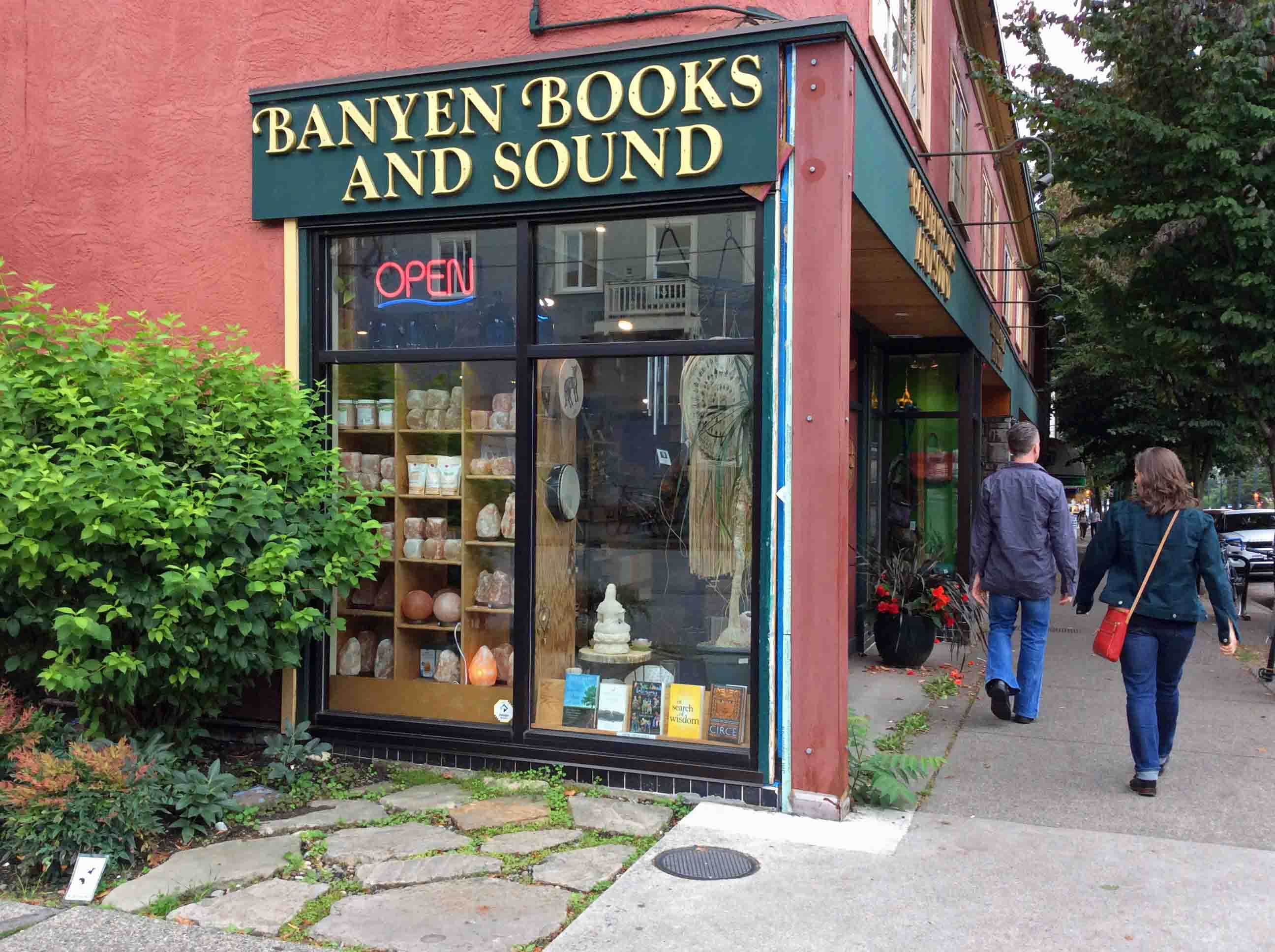
Banyen Books & Sound on corner of Dunbar and W 4th Avenue, Vancouver (photo by Nina Munteanu)
One of my favourite bookstores in Vancouver is Banyen Books & Sound on the southwest corner of W 4th Avenue and Dunbar. So, whenever I go back to my home town to visit family and friends, I stop there to linger amid the shelves of wonder and erudite adventure. Then I usually cross Dunbar to Aphrodite’s Organic Pie Shop for a delicious fresh pie—usually peach, if it is available. So good! Two things I love: books and pie!
Aphrodite’s Organic Pies, next door to Banyen’s, Vancouver (photos by Nina Munteanu)
Pacific Spirit Regional Park, Vancouver, BC (photo by Nina Munteanu)
During my recent visit this year to Vancouver, my friends and I had a fulfilling walk one morning through the big tree forest of Pacific Spirit Park near UBC. Margaret suggested we go to Aphrodite’s Organic Café for lunch, located across 4th Avenue from Banyen Books (the sister restaurant to the pie shop). After a delicious lunch, we wandered into Banyen, like desert nomads looking for water, and lost ourselves in a treasure of books, magazines, crystals, cards, singing bowls and other spiritual/healing items. Like a braided river, we dispersed according to our wayward interests.
Water Is… at Banyen Books, Vancouver (photos by Nina Munteanu)
Then friend Anne soon found me and pulled my sleeve. “Your book is here!” She led me to where my book Water Is… stood, face out, on the top shelf marked ‘Water: Life Force & Resource.’ In truth, I already knew through Pixl Press that the book was selling there. But here it was, showcased so nicely! It sat rather stately amid Emoto’s Secret Life of Water and Ryrie’s Healing Energies of Water.
Banyen customers find Water Is… and find a chair to take a look
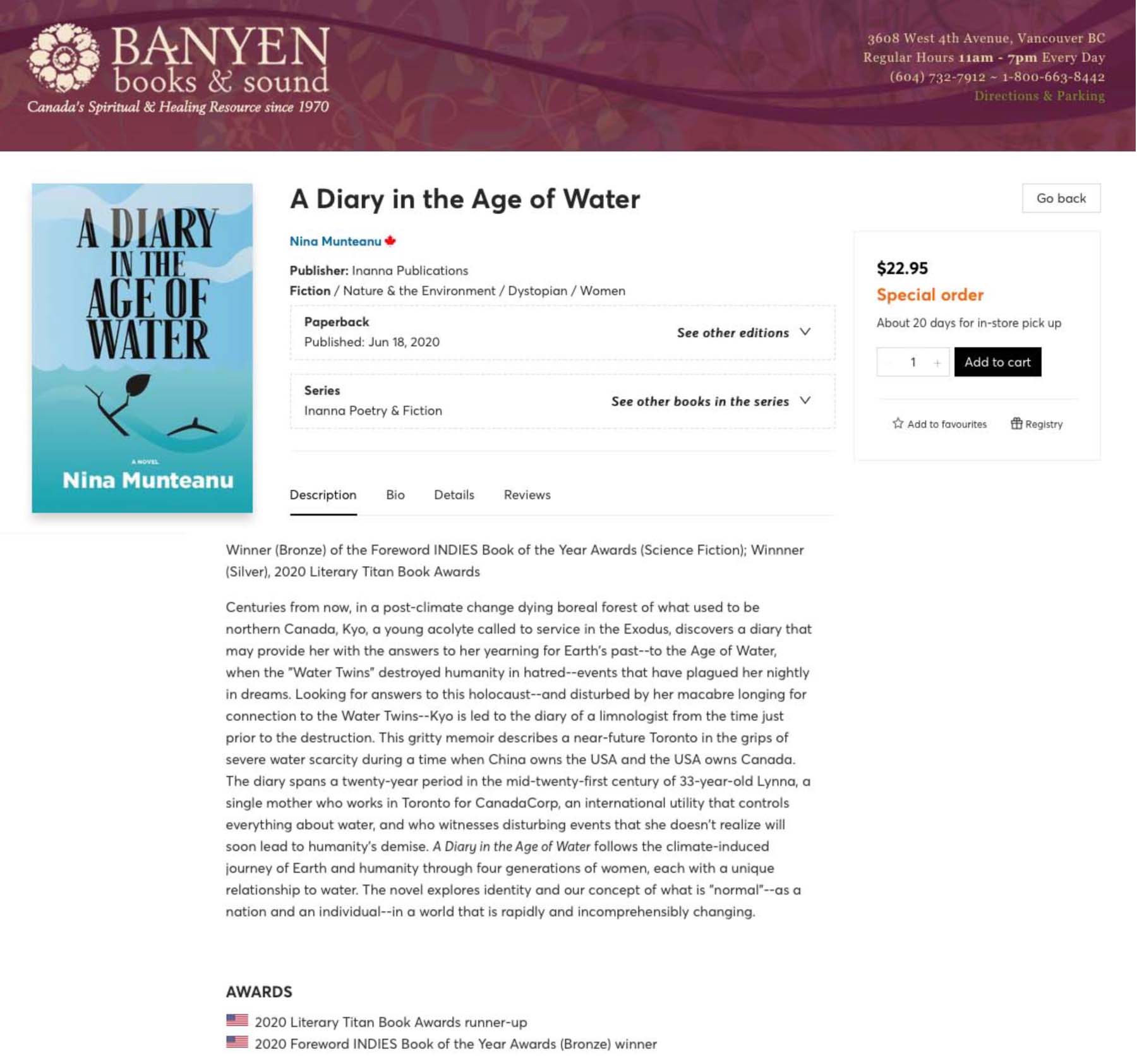
One of the perks of Banyen Books are the comfortable seats for easy browsing. When I teasingly asked one of the clerks if they noticed people lingering for the day, they said, “yeah! They might leave for lunch then come back for the afternoon!” I can see why; Banyen is an entire world to discover. It is called Canada’s most comprehensive Body-Mind-Spirit bookstore, “offering a broad spectrum of resources from humanity’s spiritual, healing, and earth wisdom traditions…Our service is to offer life-giving nourishment for the body (resilient, vital), the mind (trained, open), and the soul (resonant, connected, in-formed). Think of us as your open source bookstore for the ‘University of Life’.”
“Banyen is an oasis, a crossroads, a meeting place…for East and West, the ‘old ways’ and current discoveries and syntheses.”
“The Golden Lotus Restaurant and Natural Food Store on Fourth Avenue at Bayswater was a hothouse for spiritual seekers, new vegetarians and spaced-out hippies grounding through good work. Banyen was born in a tiny book corner of the Golden Lotus. That lovely place was a connection to India, meditation and spiritual growth from 1967 to 1970. As its sun set, what was to become the Naam restaurant, Lifestream, Woodlands, Nature’s Path, and Banyen Books arose.”
Nina Munteanu is a Canadian ecologist / limnologist and novelist. She is co-editor of Europa SF and currently teaches writing courses at George Brown College and the University of Toronto. Visit www.ninamunteanu.ca for the latest on her books. Nina’s bilingual “La natura dell’acqua / The Way of Water” was published by Mincione Edizioni in Rome. Her non-fiction book “Water Is…” by Pixl Press (Vancouver) was selected by Margaret Atwood in the New York Times ‘Year in Reading’ and was chosen as the 2017 Summer Read by Water Canada. Her novel “A Diary in the Age of Water” was released by Inanna Publications (Toronto) in June 2020.
She imagines its coolness gliding down her throat. Wet with a lingering aftertaste of fish and mud. She imagines its deep voice resonating through her in primal notes; echoes from when the dinosaurs quenched their throats in the Triassic swamps.
Water is a shape shifter.
It changes yet stays the same, shifting its face with the climate. It wanders the earth like a gypsy, stealing from where it is needed and giving whimsically where it isn’t wanted.
Dizzy and shivering in the blistering heat, Hilda shuffles forward with the snaking line of people in the dusty square in front of University College where her mother used to teach. The sun beats down, crawling on her skin like an insect. She’s been standing for an hour in the queue for the public water tap.
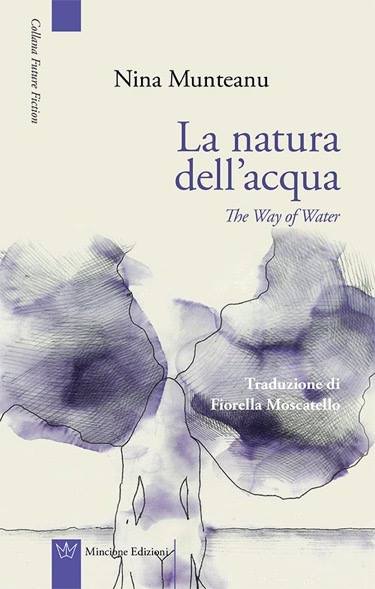
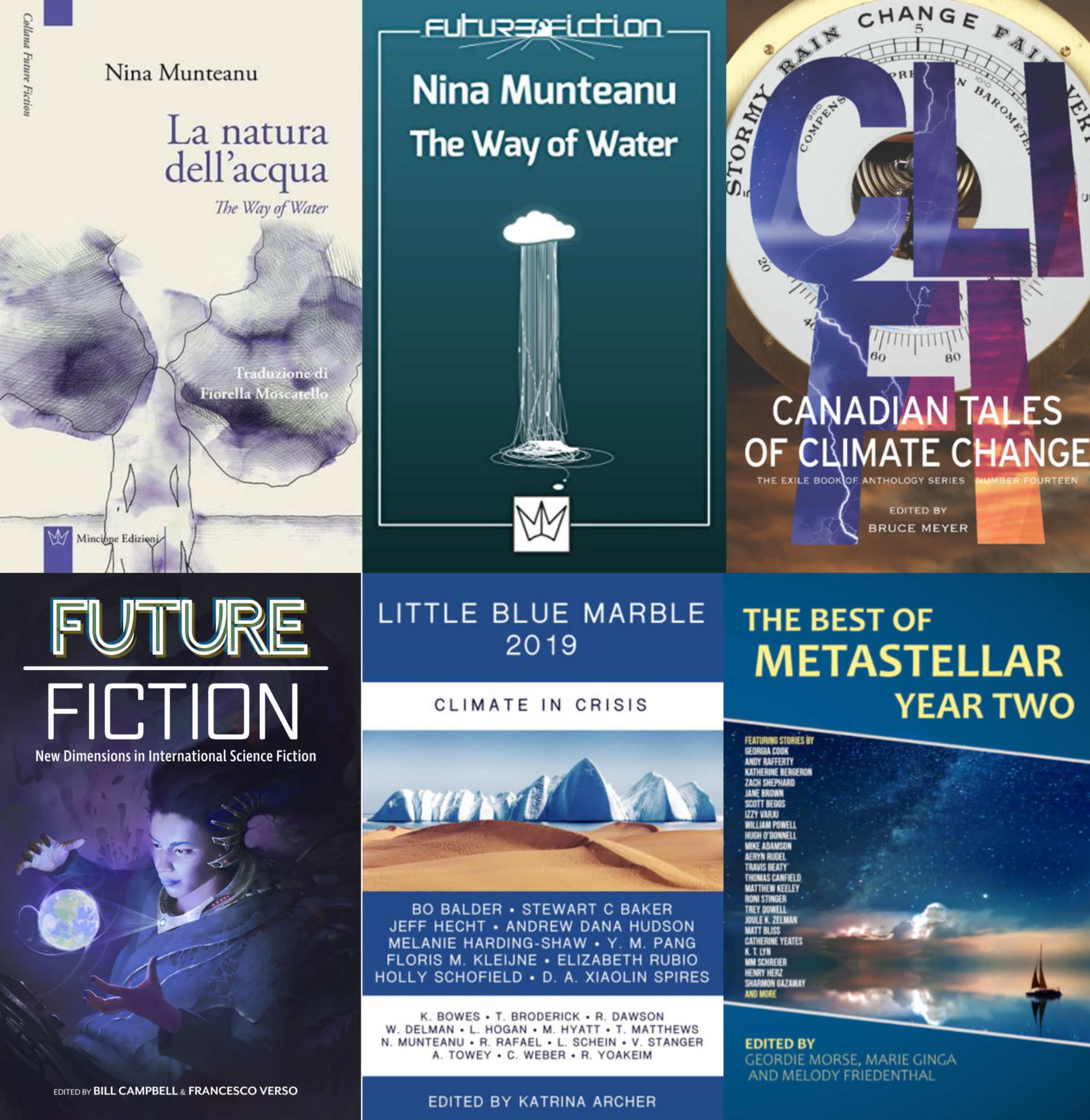
The Way of Water was first published as a bilingual print book by Mincione Edizioni(Rome) in Italian (La natura dell’acqua, translated by Fiorella Moscatello), and English along with a recounting of what inspired it: The Story of Water (La storia dell’acqua) in 2016. The Way of Water has been reprinted several times, in magazines and anthologies, since its first appearance in 2016.
It all started with an invitation by my publisher in Rome in 2015 to write about water and politics in Canada. I had long been thinking of potential ironies in Canada’s water-rich heritage. The premise I wanted to explore was the irony of people in a water-rich nation experiencing water scarcity: living under a government-imposed daily water quota of 5 litres as water bottling and utility companies took it all.
I named the story “The Way of Water” (“La natura dell’acqua”), about a young woman (Hilda) in near-future Toronto who has run out of water credits for the public wTap; by this time houses no longer have potable water and their water taps have been cemented shut (as was done in Detroit in 2014); the only way to get water is through the public wTaps—at great cost. She’s standing two metres from water—in a line of people waiting to use the tap—and dying of thirst.
“The Way of Water” captures a vision that explores the nuances of corporate and government corruption and deceit together with global resource warfare. In this near-future, Canada is mined of all its water by thirsty Chinese and US multinationals—leaving nothing for the Canadians. Rain has not fallen on Canadian soil in years due to advances in geoengineering and weather manipulation that prevent rain clouds from going anywhere north of the Canada-US border. If you’re wondering if this is possible, it’s already happening in China and surrounding countries.
The Way of Water, in turn, inspired my recent dystopian novel A Diary in the Age of Water, which explores the lives of four generations of women and their relationship to water during a time of severe water restriction and calamitous climate change.
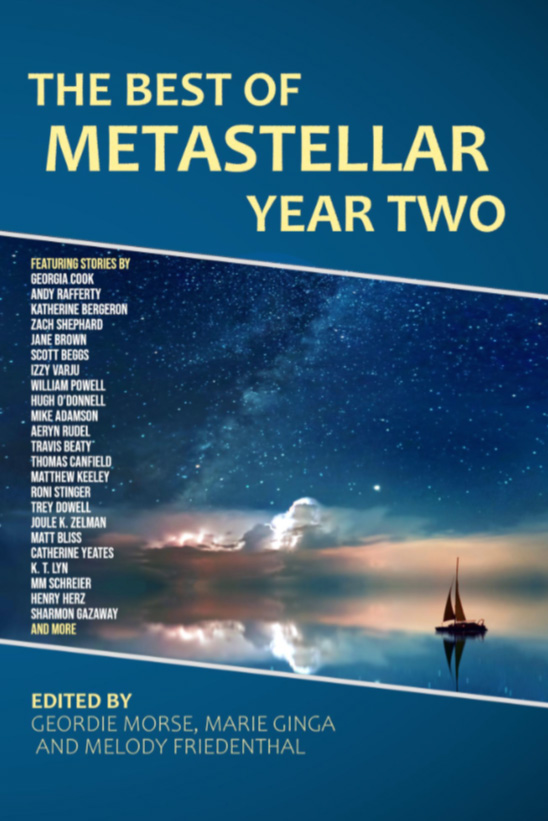
Publications (excluding online pubs) that featured The Way of Water
“The Way of Water evokes a sense of awareness about issues of access to water and about the dangers of imbalances in that access.”
Derek Newman-Stille, Speculating Canada
“In a short story in which every word has its weight, Nina Munteanu manages to describe a dystopia with ecological, political, social and economic elements and Hilda’s reactions to her situation with a great emotional intensituy. To avoid thirst, Hilda ends up embracing an extreme idea, a last hope linked to water. The Way of Water is a story of the kind you hope is science fiction but you fear is not.”
Massimo Luciani
Nina Munteanu is a Canadian ecologist / limnologist and novelist. She is co-editor of Europa SF and currently teaches writing courses at George Brown College and the University of Toronto. Visit www.ninamunteanu.ca for the latest on her books. Nina’s bilingual “La natura dell’acqua / The Way of Water” was published by Mincione Edizioni in Rome. Her non-fiction book “Water Is…” by Pixl Press (Vancouver) was selected by Margaret Atwood in the New York Times ‘Year in Reading’ and was chosen as the 2017 Summer Read by Water Canada. Her novel “A Diary in the Age of Water” was released by Inanna Publications (Toronto) in June 2020.
“The truth isn’t about telling; no one just tells you the truth. It needs to be coaxed, even tricked, out. The truth is carefully hoarded—like water—and only flows among privileged acolytes who have proven themselves.”
Lynna Dresden
“Those of us who are captivated by fear, who despair in a dead zone—we need to consider new ways to tell familiar stories, to envision different endings. A book like this can change the way that you see the world at this moment, can allow formulae to take root in fiction and grow into a different kind of solution.”
Marcie McCauley, THE tEmz REVIEW
Jackson Creek in early fall, ON (photo and rendition by Nina Munteanu)
“Climate change is larger than all of us. It speaks in the language of finality. And mostly through water.”
Lynna Dresden
“An eye-opening story for those who are still on the fence about climate change. This is the perfect read for both sci-fi readers and eco-interested readers alike.”
“There simply aren’t enough Canadians to protect our wilderness; but if there were enough of us, there’d be no wilderness left to protect.”
Lynna Dresden
“Strangely compelling.”
BURIED IN PRINT
“A Diary in the Age of Water, is simply and beautifully told, profoundly true; a novel that invites us to embrace the wisdom of ages. The story stirs its readers, teaches them about the importance of water, and leaves an imprint on the canvas of the literary and scientific world.”
LUCIA MONICA GOREA, author of Journey Through My Soul
Boys explore the shore of the Otonabee River, ON (photo and rendition by Nina Munteanu)










 Nina Munteanu Writing Coach