I’m not a very patient person. I make no time for writer’s block or lingering in useless limbo over some plot issue or misbehaving minor character. I write pretty much to a tight schedule: this short story to that market by this date; edits to this book to the editor by that date; blog posts created by such and such a time; an article to another market by another date. It goes on and on. When I go to my computer to write, I write.
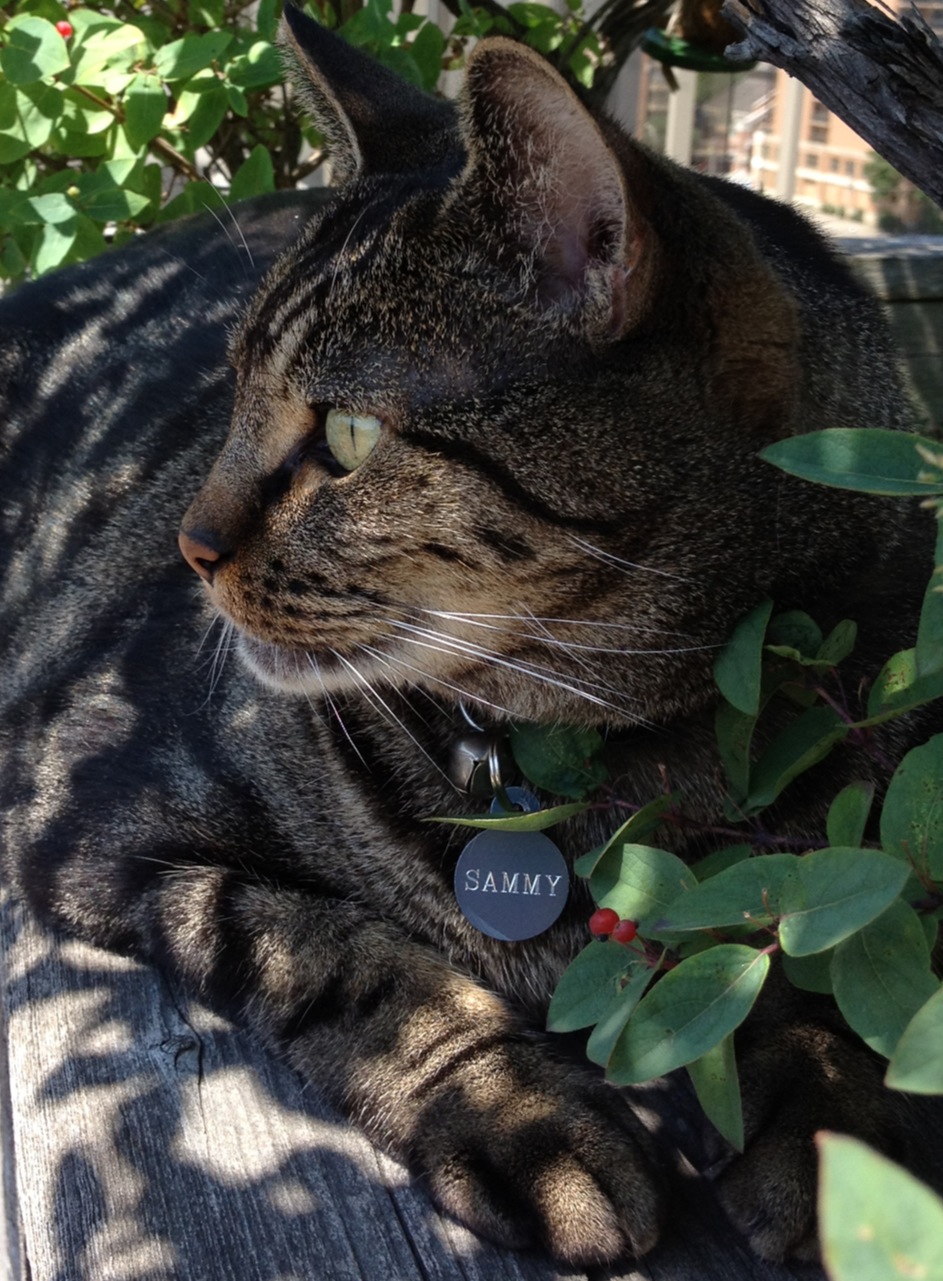
Then there’s Sammy. My cat.
Who likes to jump on my lap, make himself all comfortable and then lie over my arm — trapping it along with five of my typing digits. Now what??? Some of you would advise me to simply pull out my pinned arm and/or shove him off. But how can I disturb such a blissful creature? He is so content furled on me, so satisfied that he has captured that wandering appendage of business that is all his now. Content in the bliss of now. In the bliss of cat-purr-meditation…
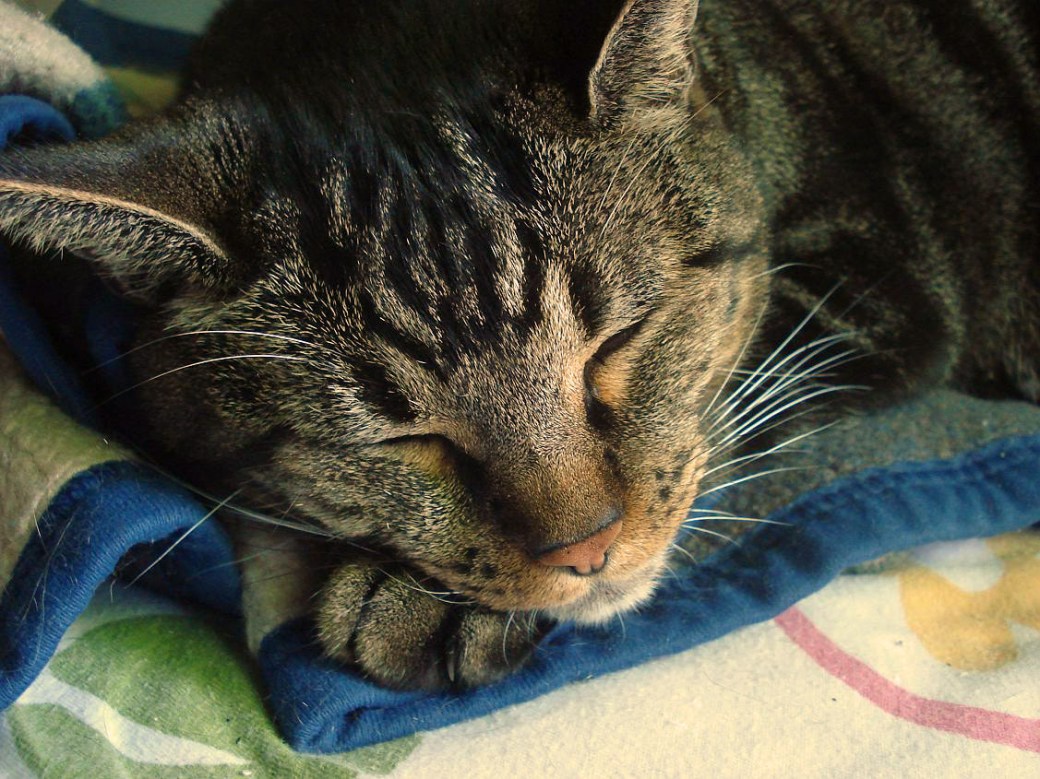 Pinned in the moment, my mind first struggles with the need to pound out the next line. My mind then rephrases and teases out nuances of that line. Finally, it wanders out with my gaze and I find myself daydreaming in a kind of trance. Giving in to the cat-purr-meditation.
And it is here that magic happens. In the being; not in the doing.
This is the irony of writing and the muse. To write we need to live; we need to have something to write about and we need to be in that state of mind that allows us to set it to print. I am at my best as a writer when I am focused on the essence of the story, its heart and soul beating through me with a life of its own.
My cat Sammy isn’t the only vehicle to my magical muses.
Waking up the Muse
Here are a few things that help me entice those capricious muses into action:

Sammy hunting
Music: music moves me in inexplicable ways. I use music to inspire my “muse”. Every book I write has its thematic music, which I play while I write and when I drive to and from work (where I do my best plot/theme thinking). I even go so far as to have a musical theme for each character.
Walks: going for a walk, particularly in a natural environment, uncluttered with human-made distractions, also unclutters the mind and soul. It grounds you back to the simplicity of life, a good place to start.
Cycling: one of my favorite ways to clear my mind is to cycle (I think any form of exercise would suffice); just getting your heart rate up and pumping those endorphins through you soothes the soul and unleashes the brain to freely run the field.
Attend writer’s functions: go to the library and listen to a writer read from her work. You never know how it might inspire you. Browse the bookshelves of the library or bookstore. Attend a writer’s convention or conference.
Visit an art gallery, go to a movie: art of any kind can inspire creativity. Fine art is open to interpretation and can provoke your mind in ways you hadn’t thought before. If you go with an appreciative friend and discuss what you’ve seen you add another element to the experience.
Go on a trip with a friend: tour the city or, better yet, take a road trip with a good friend or alone (if you are comfortable with it). I find that travelling is a great way to help me focus outward, forget myself, and open my mind and soul to adventure and learning something new. Road trips are metaphoric journeys of the soul.
Form a writer’s group: sharing ideas with people of like mind (or not, but of respectful mind) can both inspire you and provide the seeds of ideas.
Practice Cat-Purr-Meditation: you need a willing cat for this; I find that I need tostudy my cat’s meditative practices; where does he most like to relax? Mine loves to look outside the window onto the back yard and garden. That’s where I take him and there, together, we breathe deep and “purr” in the moment…You can read more about purring cat meditation in my Alien Next Door post, “Perfecting the Cat Purr Meditation”
 Nina Munteanu is an ecologist and internationally published author of award-nominated speculative novels, short stories and non-fiction. She is co-editor of Europa SF and currently teaches writing courses at George Brown College and the University of Toronto. Visit www.ninamunteanu.ca for the latest on her books.


 Nina Munteanu is an ecologist and internationally published author of award-nominated speculative novels, short stories and non-fiction. She is co-editor of Europa SF and currently teaches writing courses at George Brown College and the University of Toronto. Visit
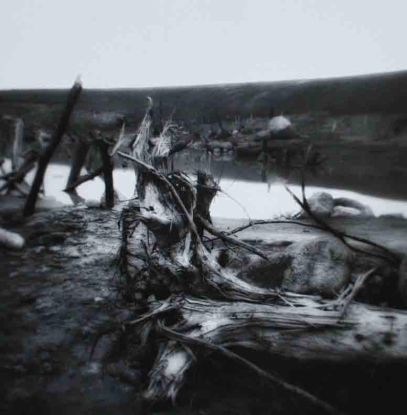 This was Morphology—created by the late Jim Tovey and continued by his wife Lee Tovey—a photo and writing exhibit celebrating the 26-hectare park and marsh creation on Mississauga’s Lake Ontario shore.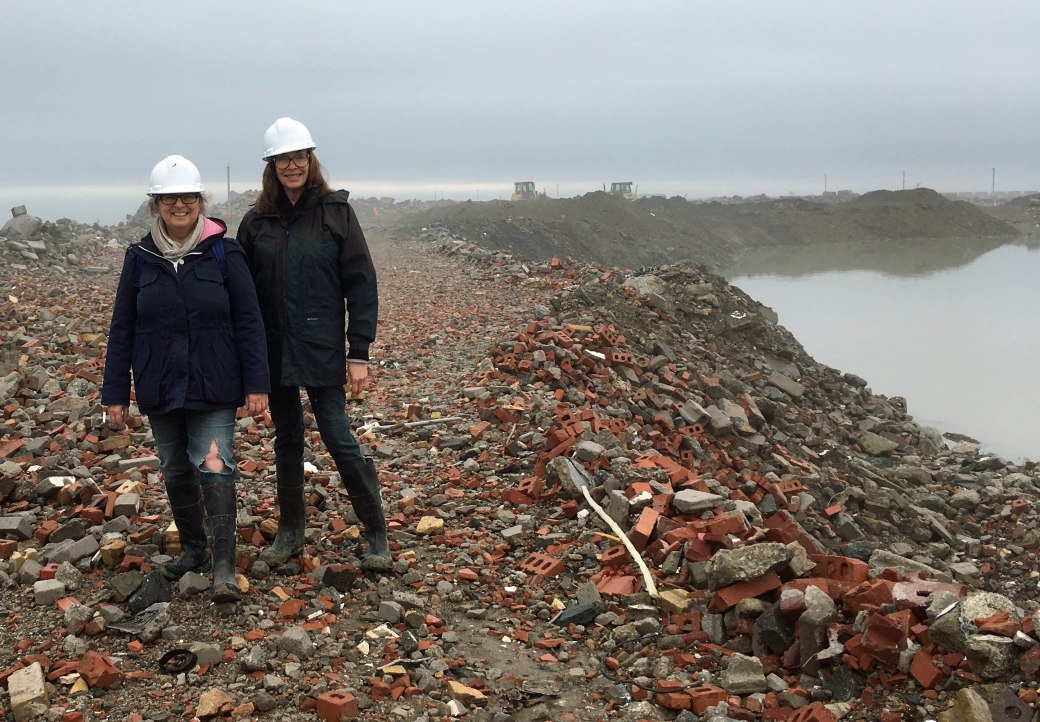
 Lee pointed left and right of us to depressions (containment cells) where Lake Ontario was being reclaimed for marsh-building. The depression on my left was still full of water; but the one on my right was fairly dry and already populated with anchored logs and shrub plantings to consolidate the wetland and provide refuge for marsh life. I could hear the large pump actively removing lake water at the south end of the evolving wetland. Beyond the high berm of human-sized riprap was the lake, its shoreline now redefined.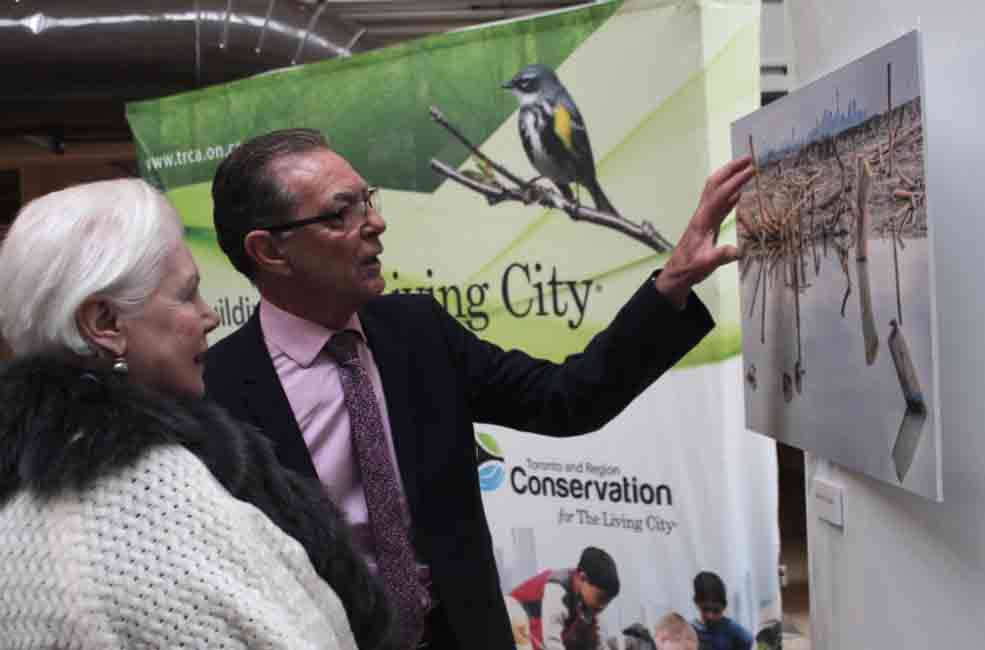
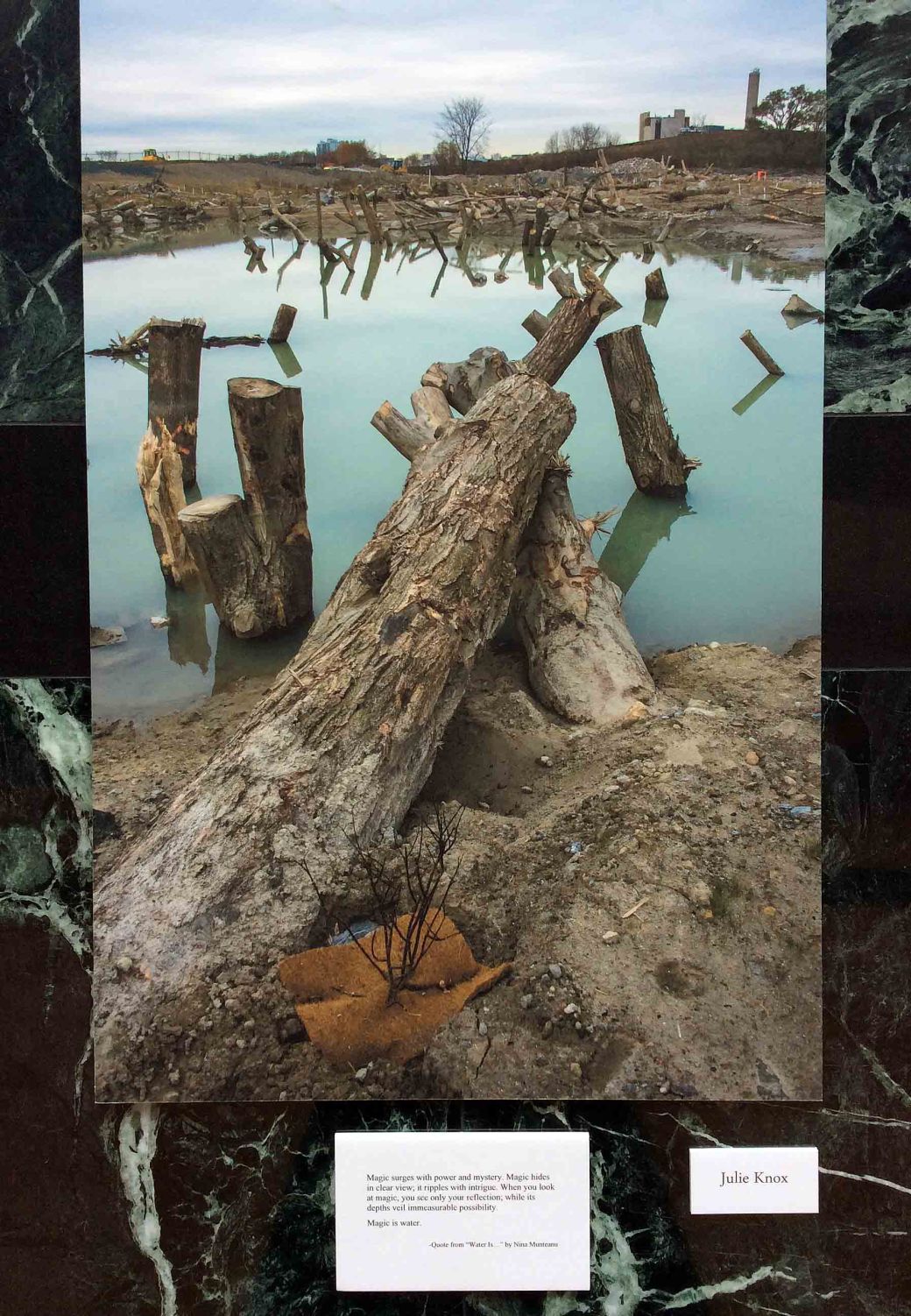
 Morphology was conceived by the late visionary councillor Jim Tovey who envisioned an evolving photography and writing exhibit to follow the progress of the marsh creation project of what is now the Jim Tovey Lakeview Conservation Area. Spearheaded and nurtured by Councillor Tovey, the marsh construction was part of 26 hectares of future wetlands, forest and meadow and beach. The Lakeview Waterfront Connection will span the Lake Ontario shoreline from the old Lakeview generating station to the Toronto line at Marie Curtis Park. Part of the Inspiration Lakeview development, it will restore pedestrian and cyclist access to a previously forbidden section of the waterfront to “connect 9.5 kilometers of shoreline for water’s edge experience for the public,” said Councillor Tovey.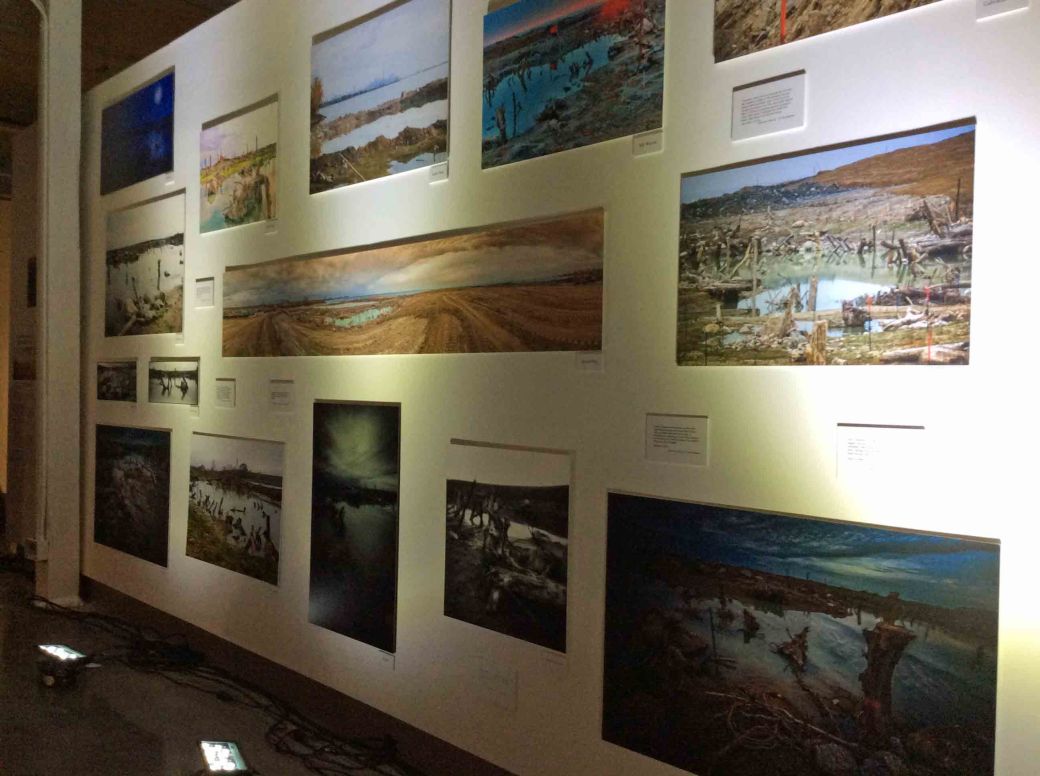


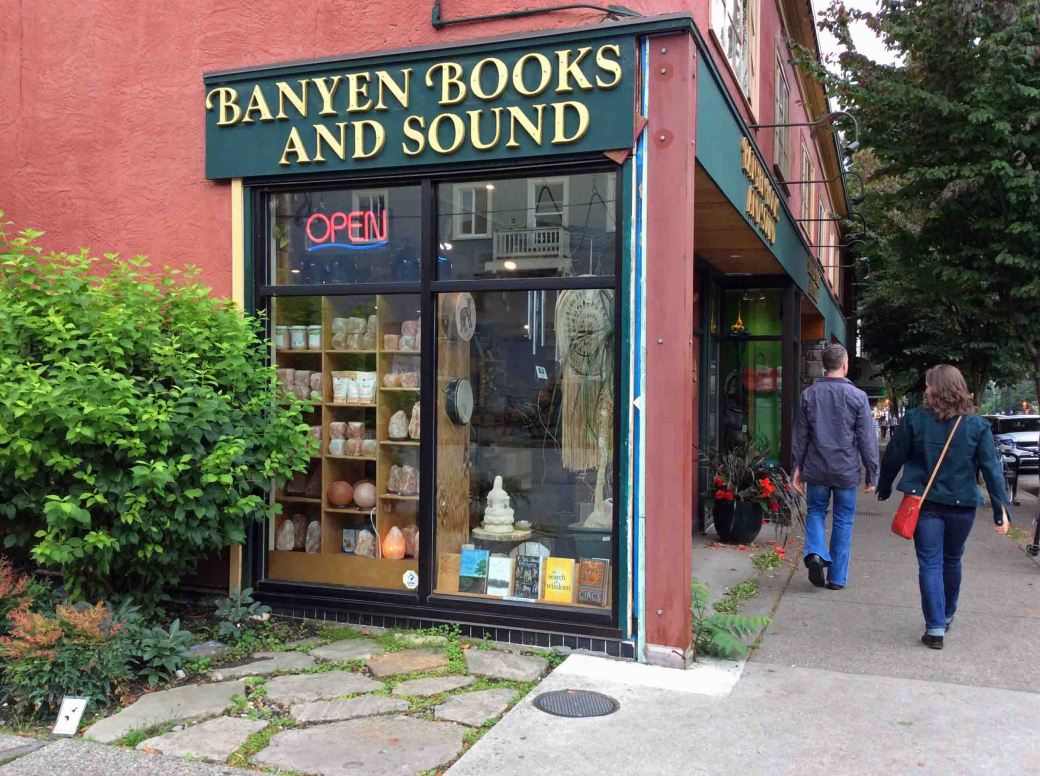


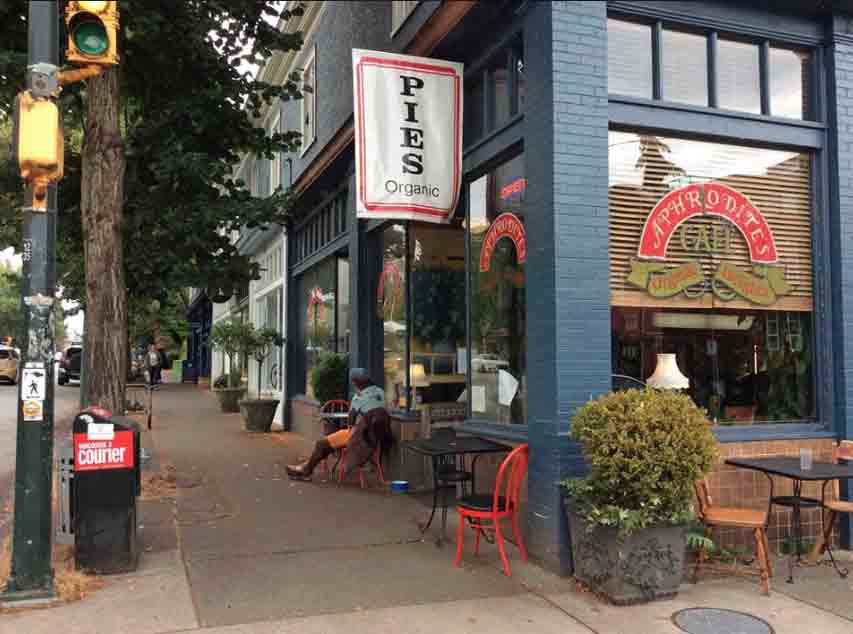
 3608 West 4th Avenue
 Nina Munteanu is an ecologist, limnologist and internationally published author of award-nominated speculative novels, short stories and non-fiction. She is co-editor of Europa SF and currently teaches writing courses at George Brown College and the University of Toronto. Visit






 The Fiction Writer “is the most practical book on publishing that I’ve ever read, and I’ve read them all! Not only is each chapter packed with advice for writers at every level of the publishing process, but the text is highly readable and even entertaining. The clear format, the direct style and the playful layout keep the large volume of information from ever becoming dry or boring.



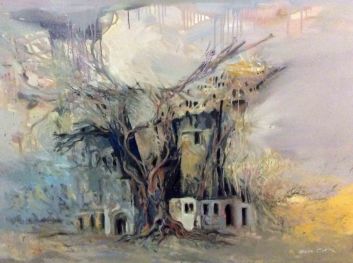
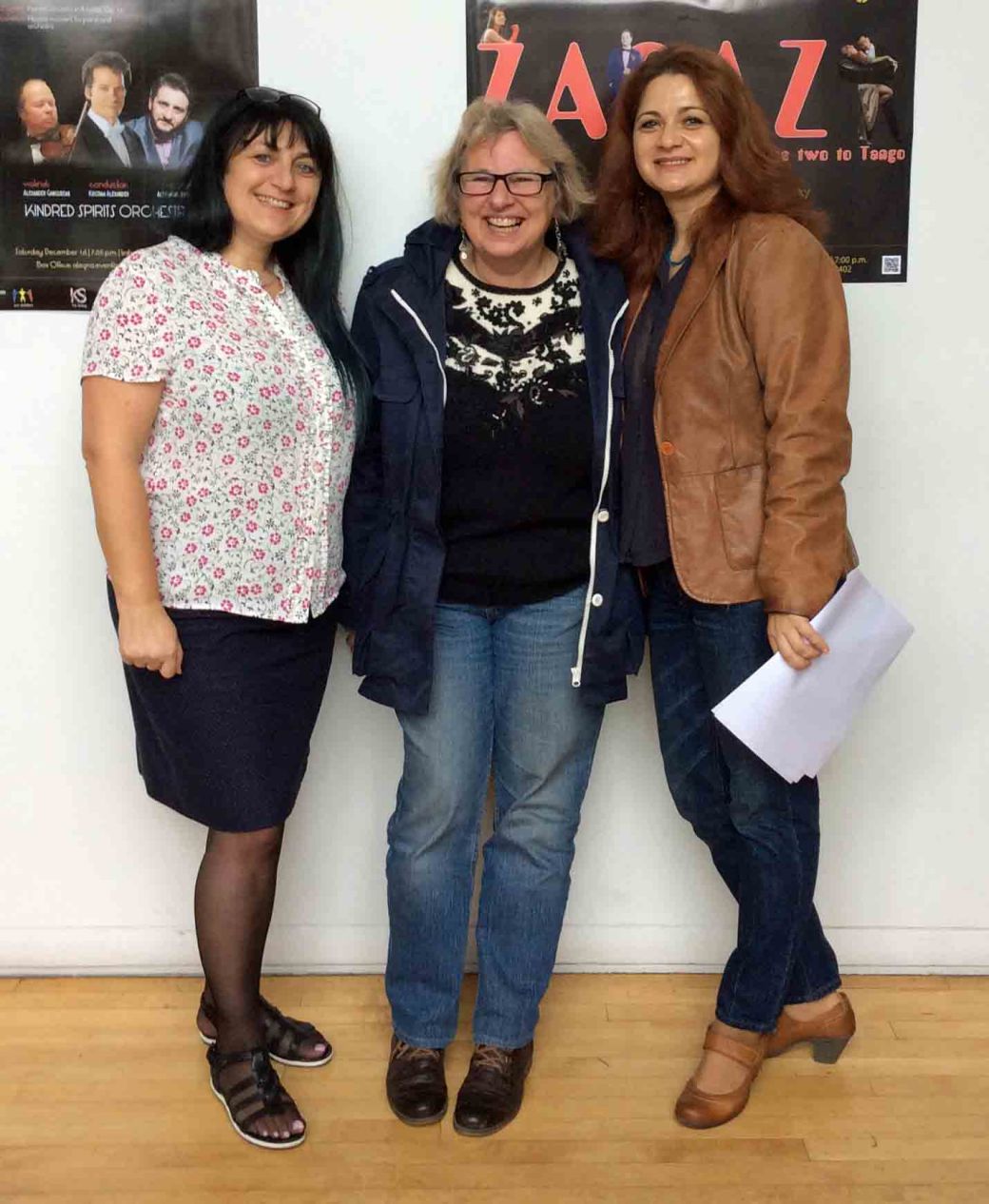
 On October 5, 6 2018, I participated in the second ToRo Fest International Salon of Literature, Visual Arts & Music, put on by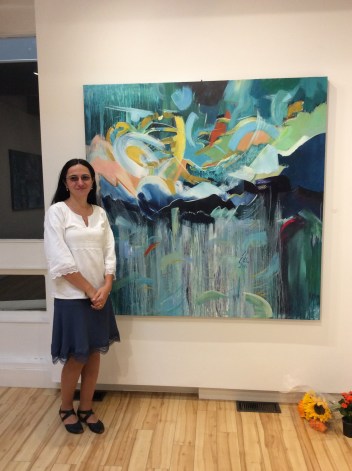
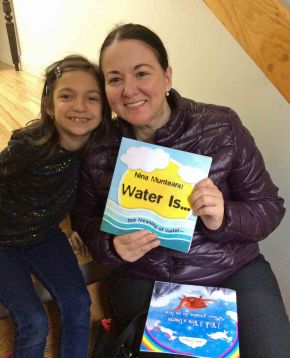


 Nina Munteanu Writing Coach